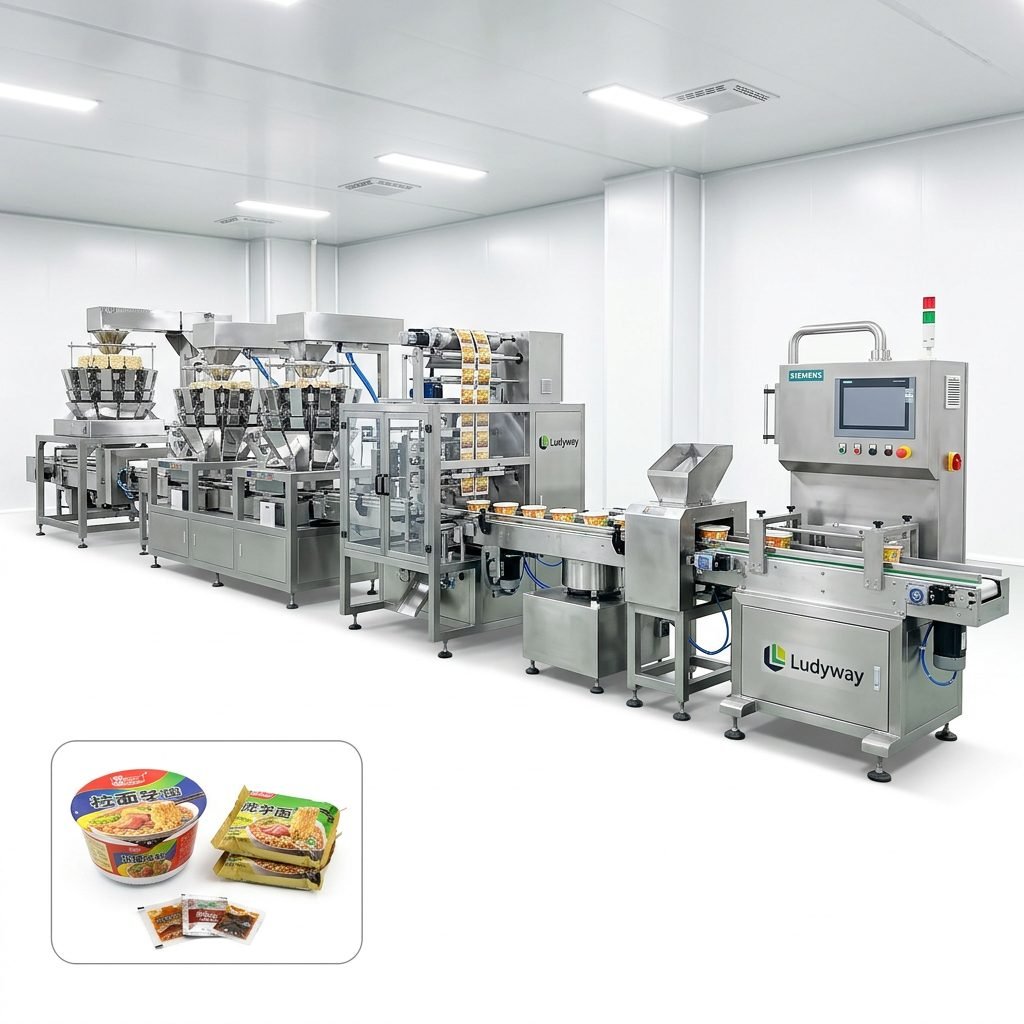
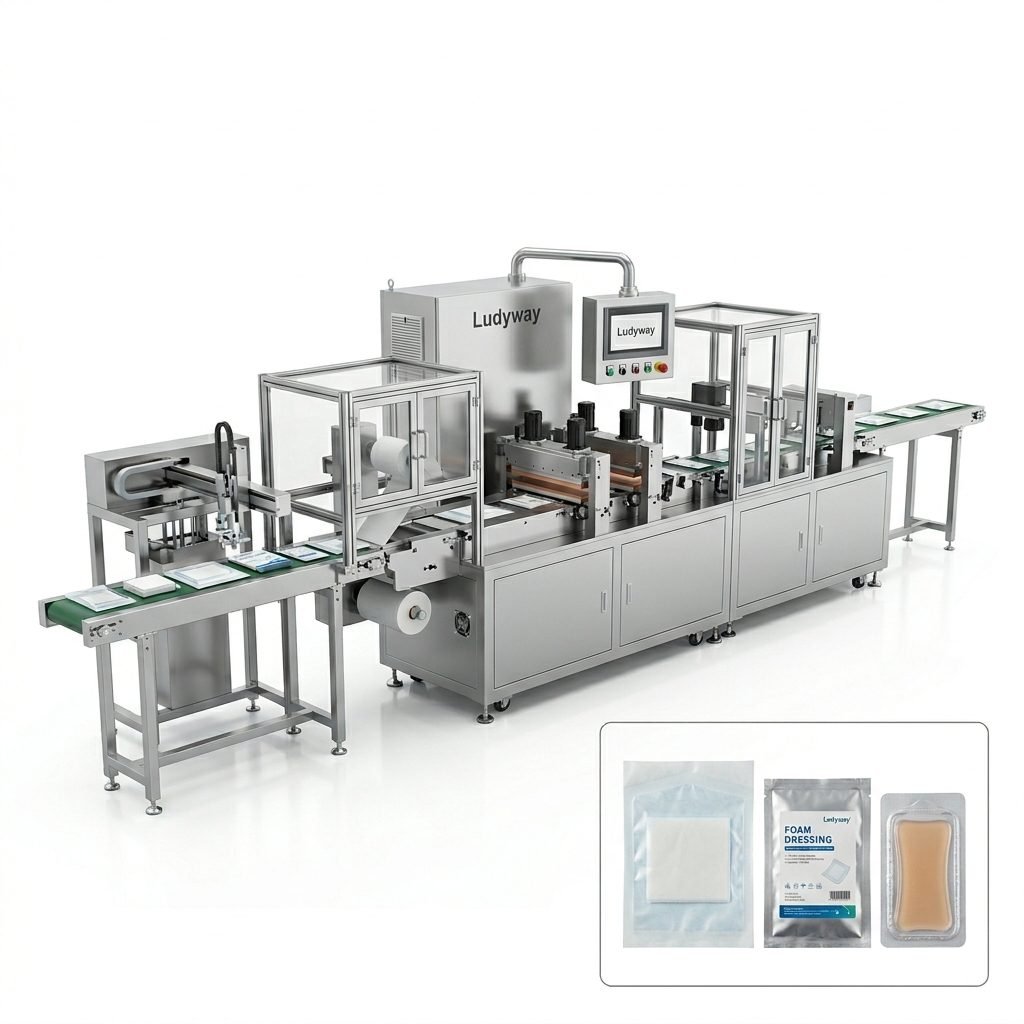
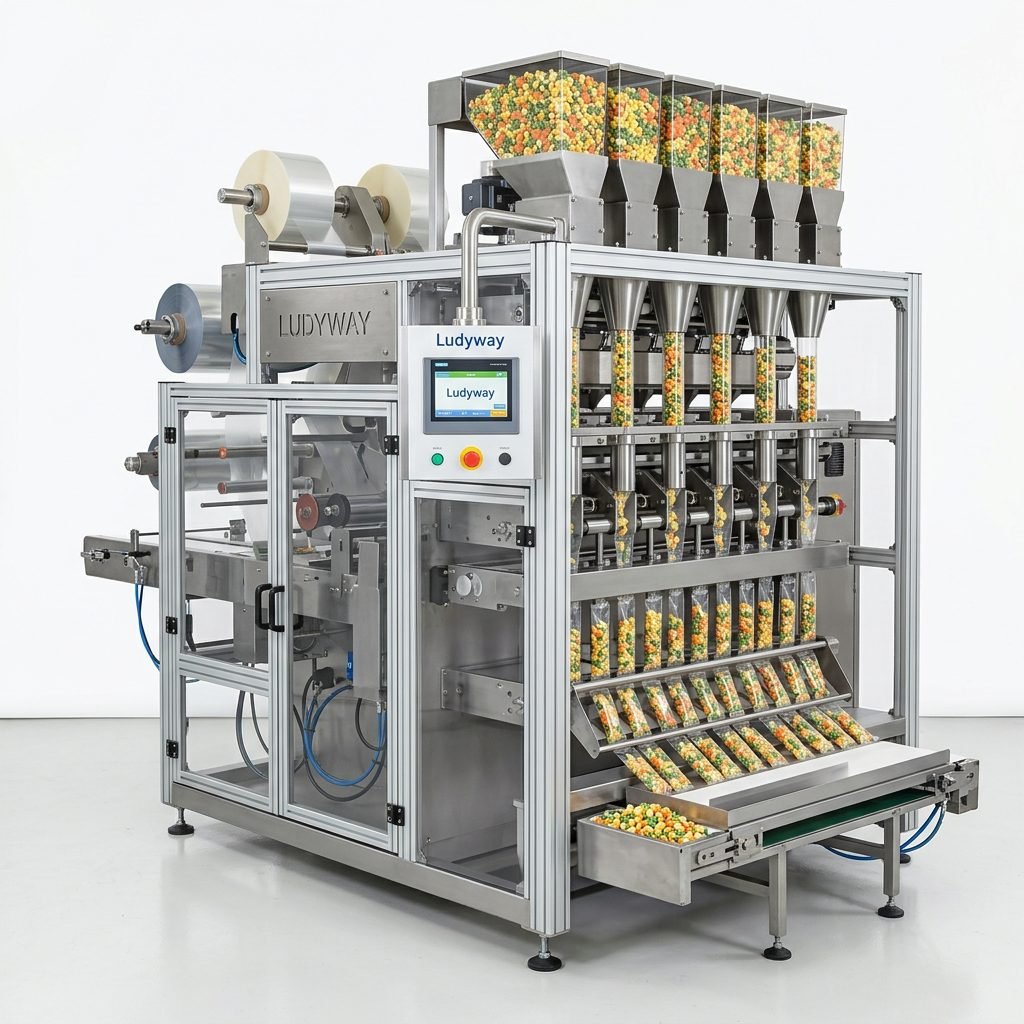
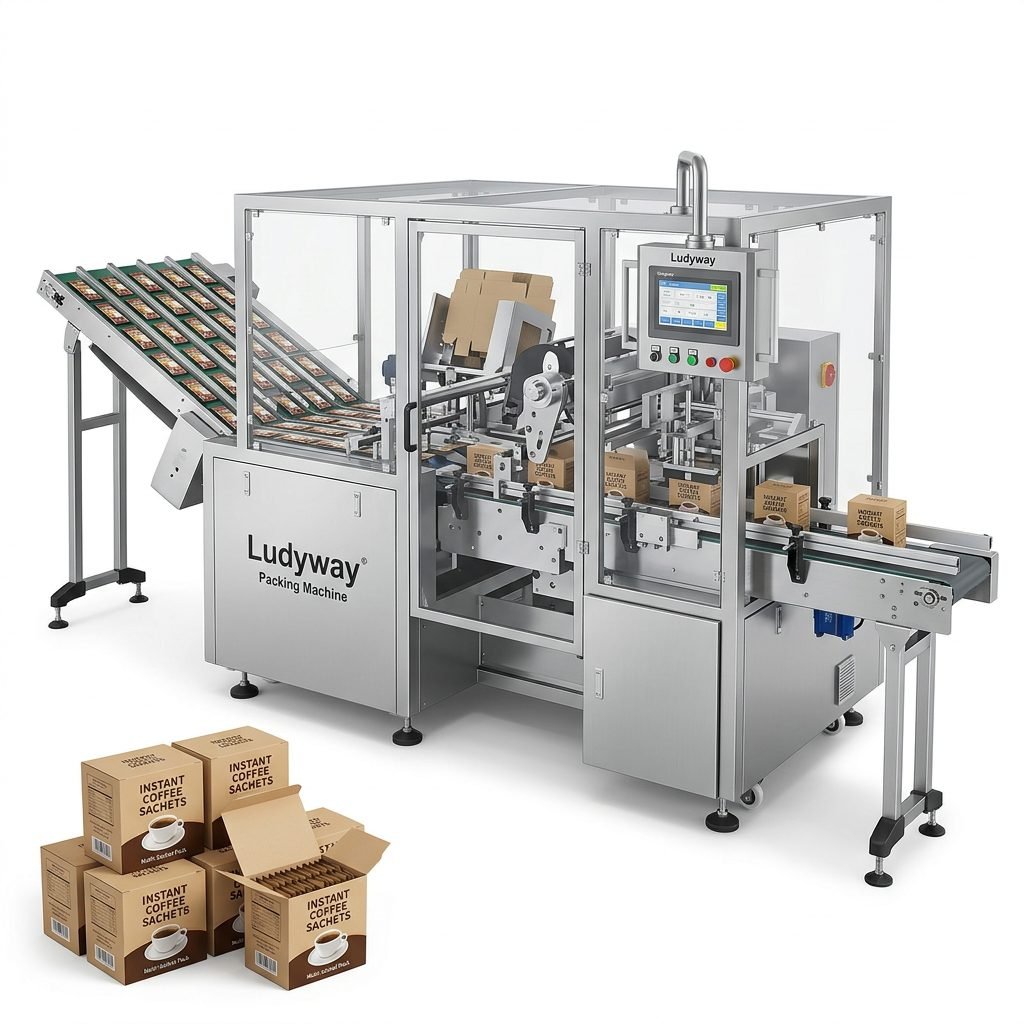
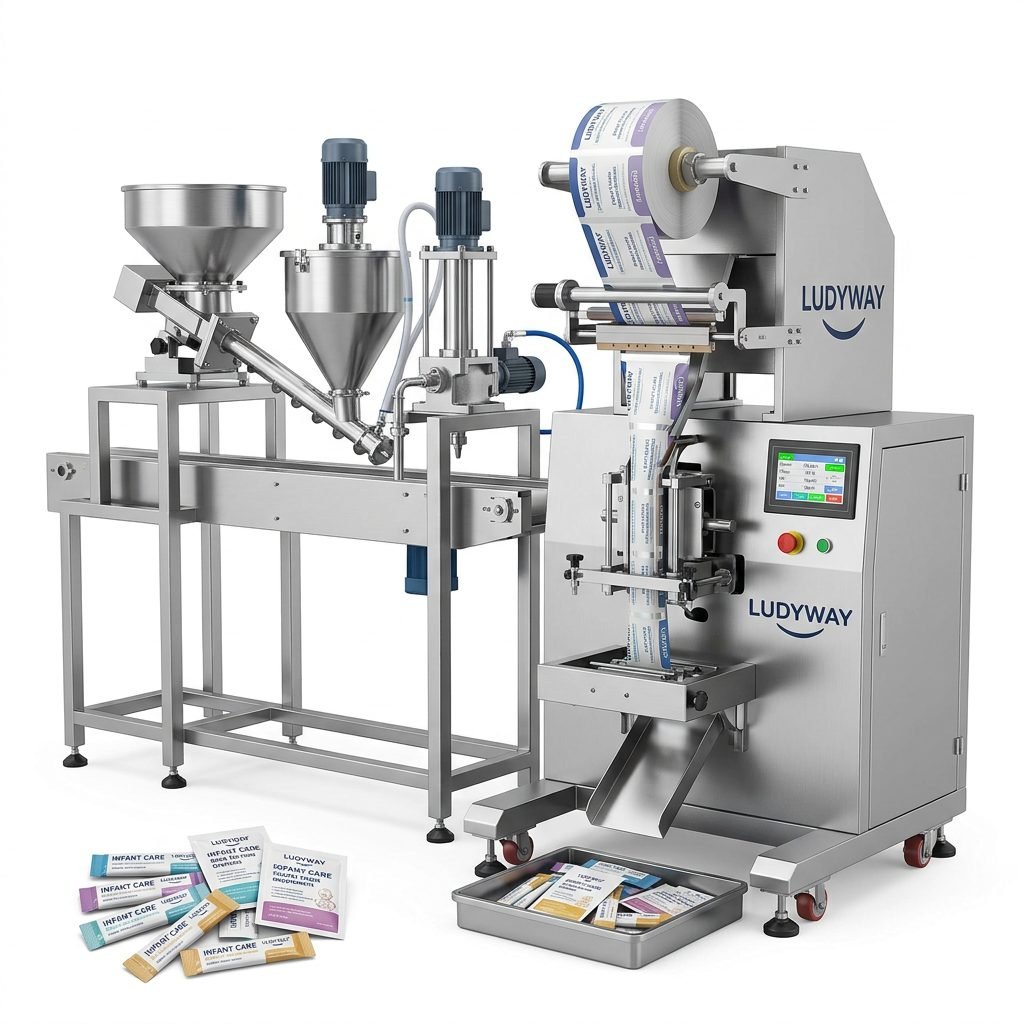
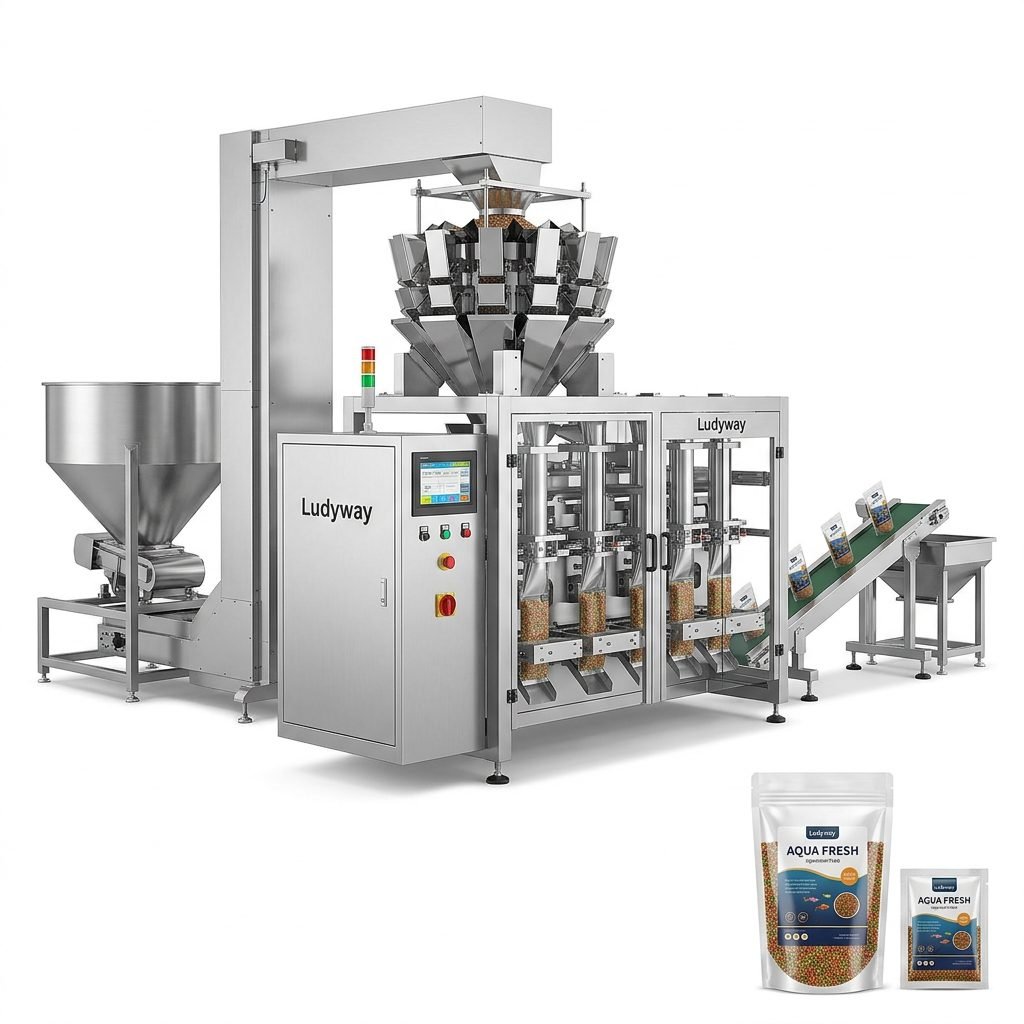
Selecting the right packaging machinery is a critical investment for any manufacturer in Ethiopia. Whether you are in the food processing, pharmaceutical, or cosmetics industry, the efficiency, reliability, and adaptability of your equipment directly impact your bottom line. This comprehensive guide walks you through the essential factors to consider, ensuring you choose a solution that meets both current needs and future growth targets in the unique Ethiopian market.
Understanding Your Product Specifications
The first and most crucial step is a detailed analysis of your product’s physical and chemical properties. Not all machines are created equal, and mismatching your product with the equipment can lead to significant downtime and material waste. You must define the physical state of what you are packaging.
| Product State | Examples | Recommended Machine Type |
|---|---|---|
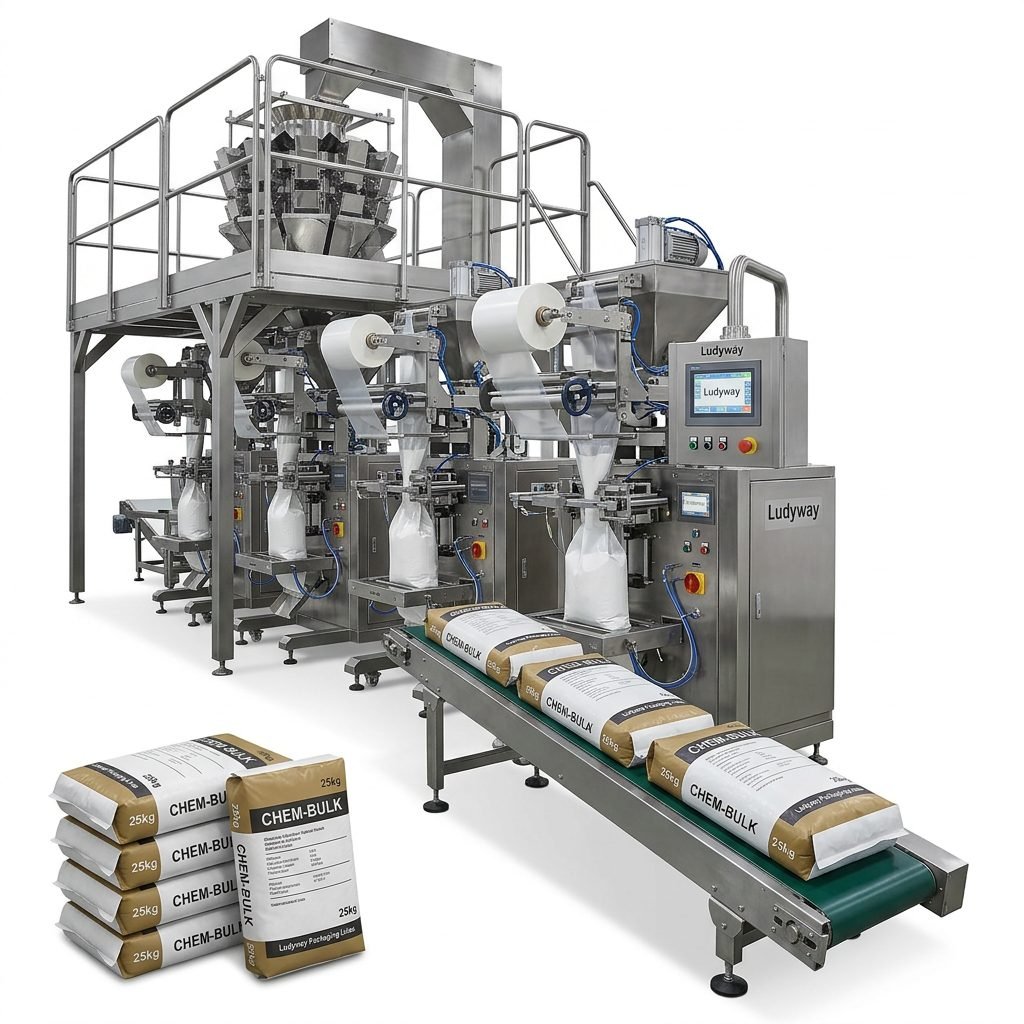
| Granules | Coffee, spices, seeds, fertilizers | Multi-head weigher with vertical form fill seal |
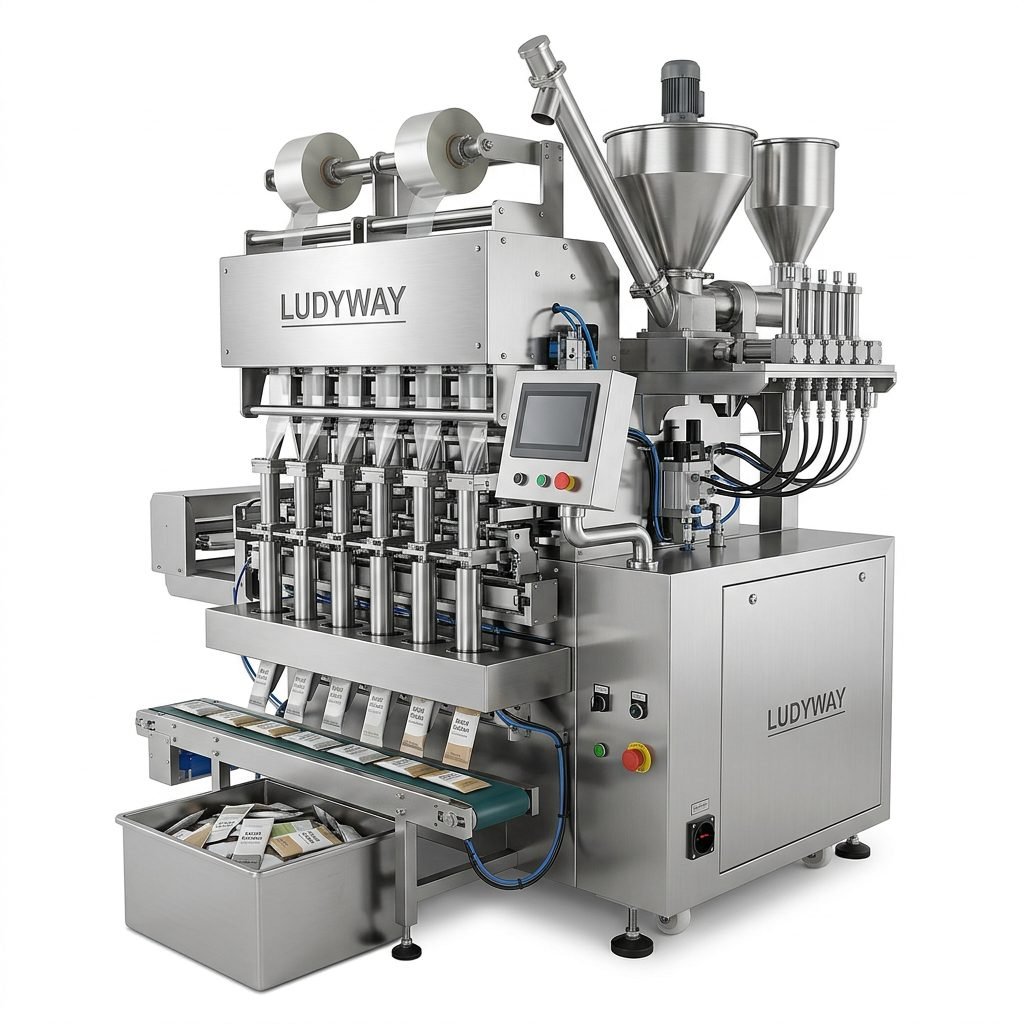
| Powders | Milk powder, flour, protein supplements | Auger filler or volumetric cup filler |
| Liquids & Pastes | Juices, oils, shampoos, sauces | Piston filler or gear pump filler |
Beyond state, consider the product’s characteristics. Is it free-flowing or non-free-flowing? Is it hygroscopic (absorbs moisture easily)? Is it dusty? For dusty powders, you may need a machine with a dust extraction system. For hygroscopic materials, a controlled environment or specific sealing technology might be necessary to maintain product integrity.
Defining Your Packaging Format and Output Requirements
The format of your final package is paramount. In the Ethiopian market, consumer preferences and distribution channels heavily influence this choice. Common formats include stick packs, sachets, pouches, and bags. Each has unique advantages.
- Stick Packs: Ideal for single-serve powders and liquids, offering excellent branding space.
- Sachets: A highly economical and popular format across Africa for small quantities of nearly any product.
- Pillow Bags: Standard for snacks, pasta, and confectionery.
- Doypack / Stand-up Pouches: Premium, re-sealable options that are growing in popularity.
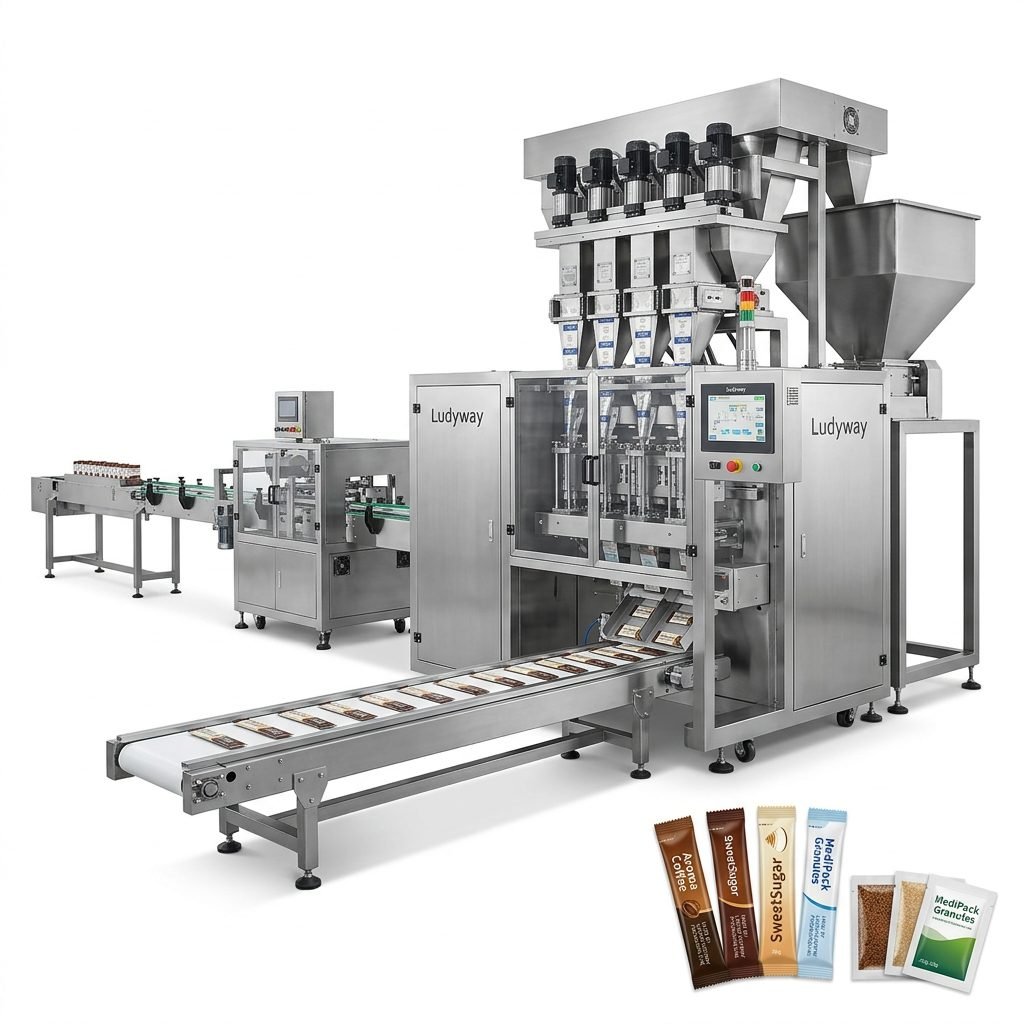
Equally important is defining your production capacity. Are you a small startup aiming for 20-40 packs per minute (PPM), or a large-scale manufacturer requiring high-speed multi-lane machines that can output over 200 PPM? Be realistic about your current needs but also plan for future scalability. Investing in a system that can be upgraded or has modular features can save significant capital in the long run.
Evaluating Production Speed and Scalability
When discussing speed, look beyond the theoretical maximum. A machine’s overall equipment effectiveness (OEE) is a more valuable metric. This considers availability, performance, and quality. A reliable machine running at 90% OEE at 80 PPM is far superior to an unreliable one rated for 120 PPM but constantly breaking down. Ask suppliers about expected changeover times between different products or bag sizes, as this drastically affects productive uptime.
Considering Ethiopia’s Infrastructure and Operating Environment
Ethiopia presents a unique set of operating conditions that must influence your machine choice. Key factors include樼power supply stability, altitude, and local skills availability. You need a machine that is not just sophisticated, but also robust, tolerant, and easy to maintain.
| Environmental Factor | Potential Challenge | Key Machine Feature to Look For |
|---|---|---|
| Power Fluctuations | Voltage spikes and drops can damage sensitive electronics. | Wide voltage tolerance and electrical protection systems. |
| Altitude (e.g., Addis Ababa) | Can affect certain sealing and heating systems. | Specified high-altitude performance or adjustable parameters. |
| Technical Support | Difficulty in finding quick, local repair services. | User-friendly HMI, easy parts access, remote diagnostics. |
Therefore, prioritize suppliers who offer comprehensive after-sales service, readily available spare parts, and strong technical documentation. An intuitive Human-Machine Interface (HMI) is no longer a luxury but a necessity, allowing your local operators to troubleshoot and adjust settings with minimal training.
Material Compatibility and Sustainability
The type of packaging film you plan to use—such as flexible laminated films, paper-based, or biodegradable materials—must be compatible with the machine’s forming, sealing, and cooling systems. With a global push towards sustainability, you might want a machine that can run recyclable mono-materials, which can be more challenging to seal than traditional multi-laminate films, requiring precise temperature and pressure control.
Total Cost of Ownership and Supplier Evaluation
The purchase price is just the tip of the iceberg. The real cost lies in the long-term total cost of ownership (TCO). This includes energy consumption, spare parts pricing and availability, maintenance requirements, and the expected service life of critical components.
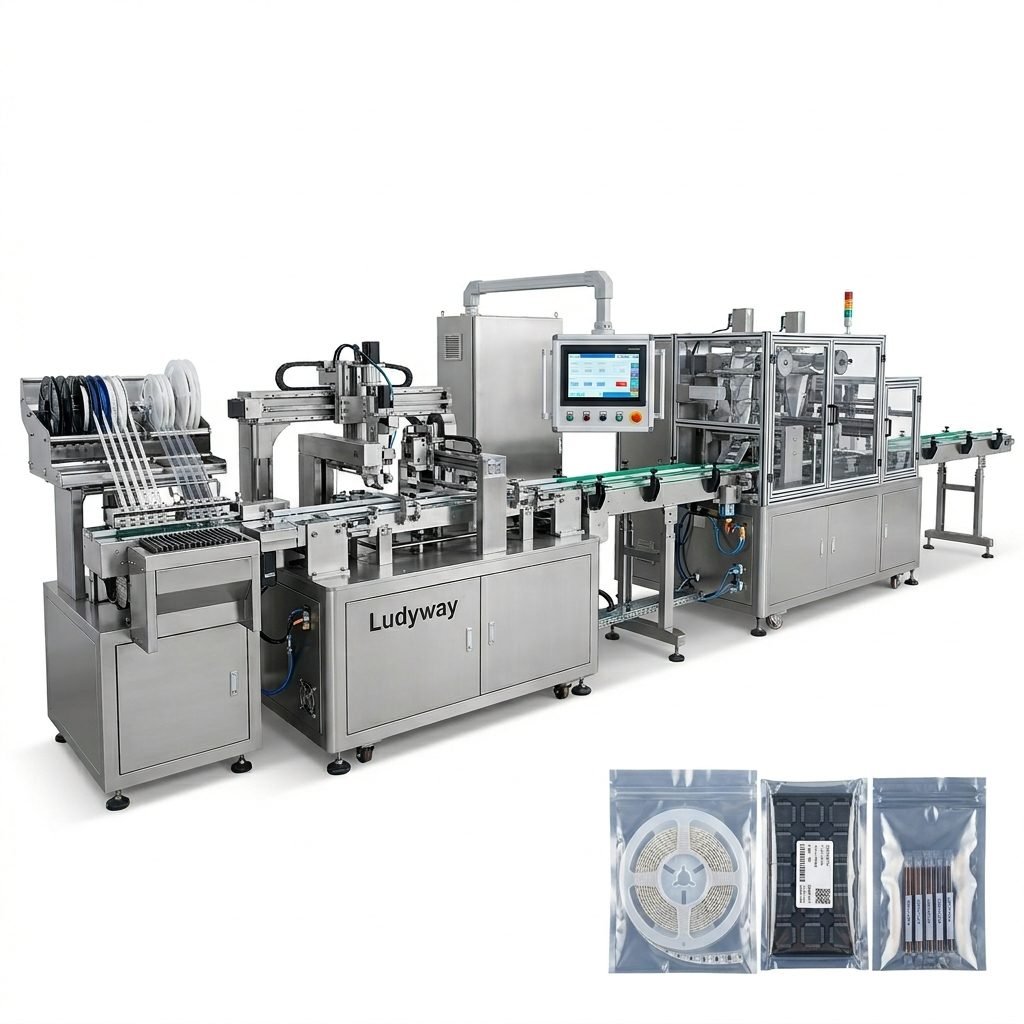
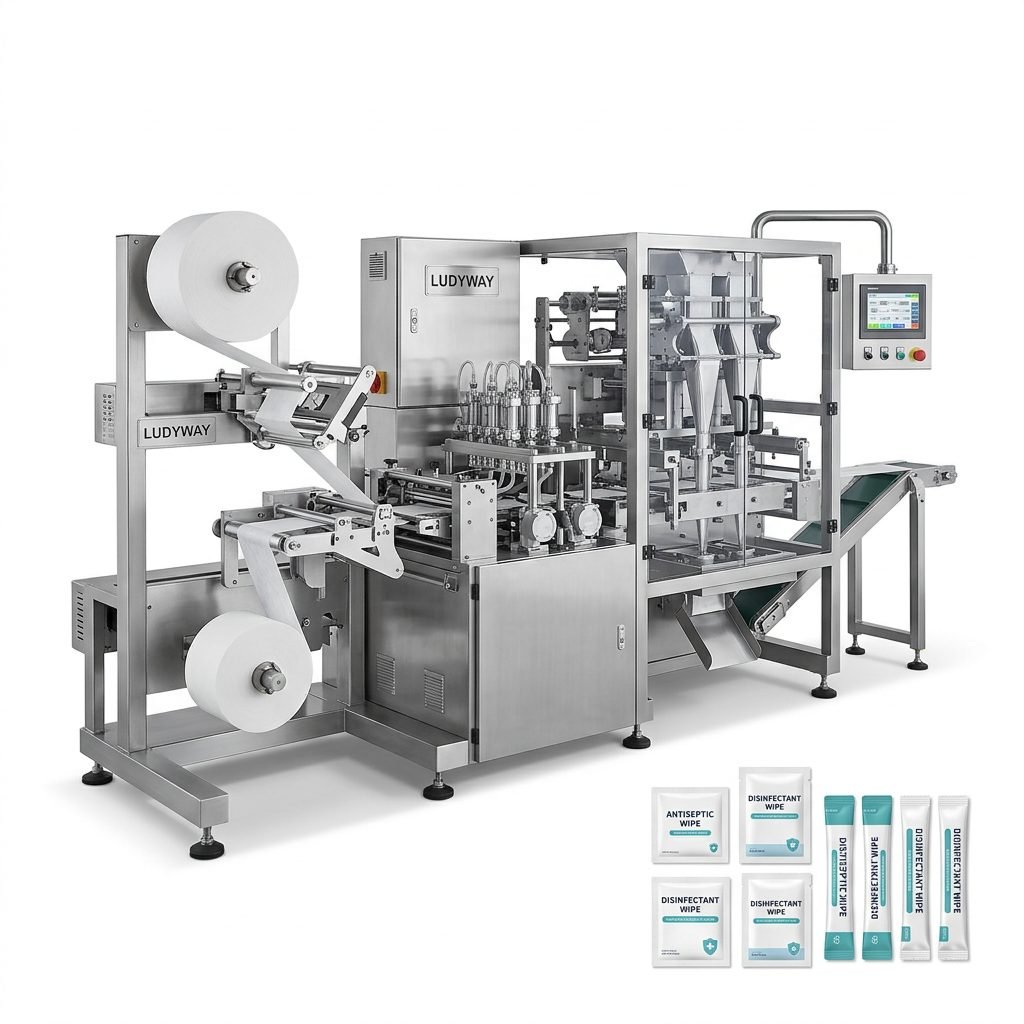
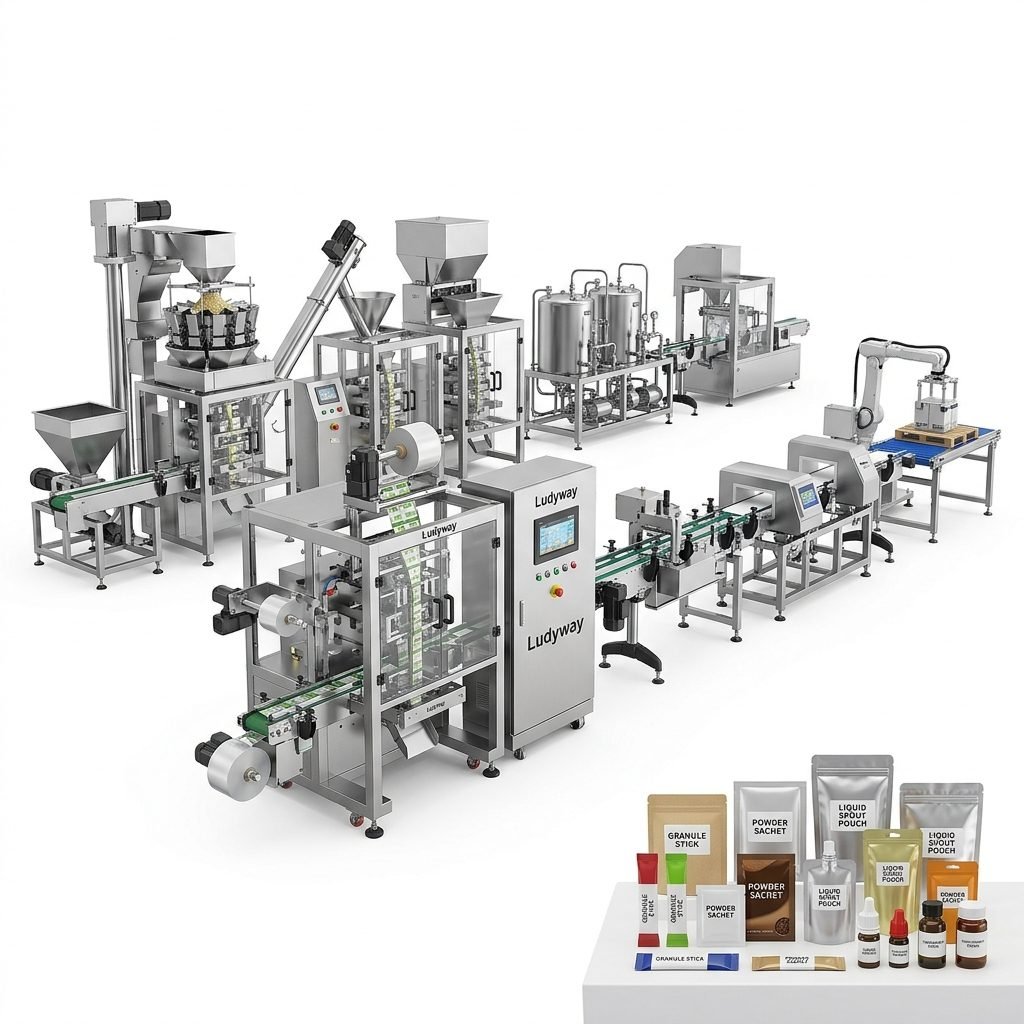
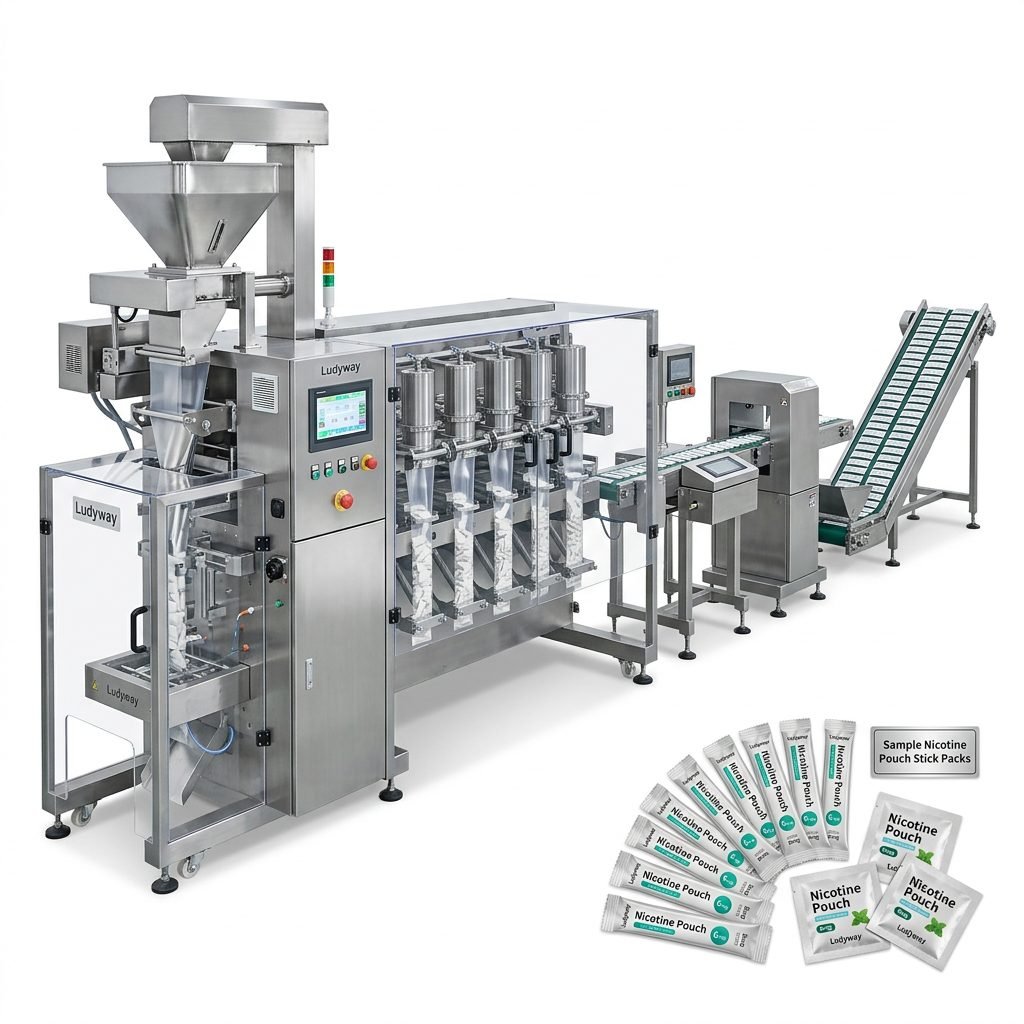
A detailed comparison between a machine with a significantly lower upfront cost and one with a higher initial investment but much lower operating costs often reveals the true value. When evaluating suppliers, especially from global packaging hubs like China, look for a partner with a proven track record. For instance, Ludyway, one of the largest manufacturers with over 30 years of experience and a 20,000㎡ production facility, provides a wide range of intelligent models that are trusted in over 100 countries. Their expertise in granule, powder, and liquid packaging systems ensures a match for diverse production lines.
Navigating Import and Compliance
Importing machinery into Ethiopia involves navigating specific customs regulations and standards. It is imperative to work with a supplier who can provide all necessary documentation, including a Certificate of Origin and detailed packing lists. Furthermore, if you are producing for export or in regulated industries like pharmaceuticals, your machine must comply with international standards. Key certifications to inquire about include CE, and for food and drug applications, FDA compliance for food contact materials is essential. Resources from organizations like the FDA and PMMI provide excellent guidance on these requirements.
Key Questions to Ask Your Vendor
Before finalizing your order, equip yourself with a list of questions to vet your potential supplier thoroughly. Don’t just rely on marketing materials. Demand specifics and clarity on the following points:
- Can you provide a video of a similar machine running MY specific product? This is a crucial performance test.
- What is the guaranteed output speed and accuracy (fill tolerance)? Get this in writing.
- Which brands do you use for critical electrical and pneumatic components? (e.g., Siemens, Schneider, Festo)
- What is the warranty period, and what are the terms for post-warranty service and spare parts supply to Ethiopia?
- Do you offer remote video support or have a local agent for technical assistance?
By systematically evaluating your product needs, operational environment, and supplier credentials, you can make an informed decision that transforms your packaging line into a source of competitive advantage. Remember, the goal is not just to find a machine that runs, but a complete packaging solution that fuels your business growth in Ethiopia’s dynamic market.