Investing in a small vacuum packing machine can transform your food storage, reduce waste, and streamline packaging for small businesses. Whether you are preserving home-grown produce, running a specialty café, or managing a commercial kitchen, selecting the right equipment requires a clear understanding of your needs and the machine’s capabilities. This guide walks you through every critical factor to consider before making your purchase.
Understanding Small Vacuum Packing Machines
A small vacuum packing machine removes air from a package before sealing it to extend product shelf life. These compact units are ideal for low-to-medium volume applications where space and budget are key considerations. They serve diverse sectors, from home kitchens and farmers’ markets to laboratory settings and small-scale industrial food production. The global packaging machinery market continues to grow, reflecting increasing demand for efficient preservation solutions.
Key Advantages at a Glance
- Extended freshness – Removes oxygen that causes spoilage and freezer burn
- Portion control – Seal items in precise quantities to reduce waste
- Cost efficiency – Buy in bulk and preserve individual portions
- Compact footprint – Fits easily on countertops or small workstations
- Enhanced hygiene – Protects contents from external contaminants
Critical Factors to Evaluate Before Buying
Not all vacuum sealers are built alike. Matching machine specifications to your actual usage prevents overspending on unnecessary features or ending up with an underpowered unit. Consider the following dimensions carefully.
1. Pump Type: Piston vs. Rotary
The pump is the heart of any vacuum machine. Piston pumps deliver higher vacuum pressure and support continuous operation, making them suitable for commercial environments. Rotary pumps are quieter, lighter, and more affordable, but typically require cooling periods between cycles. For daily heavy use, invest in a piston pump model.
2. Sealing Bar Length and Width
The sealing bar determines the maximum bag width you can use. Common sizes range from 8 inches (20 cm) to 16 inches (40 cm). If you plan to seal large cuts of meat or bulk items, choose a longer bar. Dual-seal bars provide an extra layer of security against leaks.
3. Chamber vs. External Vacuum Sealers
Small machines generally fall into two categories:
| Feature | External Vacuum Sealer | Chamber Vacuum Sealer |
|---|---|---|
| Price Range | $50 – $300 | $500 – $2,500+ |
| Maintenance | Low | Moderate (oil changes for oil pump models) |
| Liquid Handling | Limited | Excellent |
| Cycle Speed | Slower, requires rest | Faster, continuous duty capable |
4. Control Settings and Programmability
Look for machines offering adjustable vacuum strength and seal time. Delicate foods like berries or baked goods require gentle vacuum pressure to avoid crushing. Digital control panels allow you to save settings for repeatable results. Models with manual pulse control give you real-time oversight of the vacuum process, ideal for fragile items.
5. Build Quality and Materials
A durable machine features a stainless steel body or reinforced high-impact plastic. Check the seal bar gasket quality; silicone gaskets outperform rubber in longevity and heat resistance. Solid construction directly correlates with consistent seal integrity over thousands of cycles.

Application-Specific Considerations
Your product type significantly influences the optimal machine configuration. FDA guidelines on food packaging highlight the importance of material compatibility and seal integrity.
For Home Use and Meal Prep
Prioritize ease of operation, compact storage, and low maintenance. An external clamp-style sealer with removable drip tray handles most household needs effectively. Integrated bag storage and cutter are convenient bonuses. Aim for a model under 10 pounds that you can easily move around.
For Small Food Businesses
Commercial applications demand higher duty cycles and consistent seal quality. A chamber vacuum sealer becomes essential if you package liquids, marinades, or vacuum-seal retort pouches. Consider the machine’s maximum cycle rate and whether it supports continuous operation without overheating.
For Non-Food Applications
Industries such as electronics, medical device packaging, and specialty chemicals rely on vacuum sealing to protect sensitive components from moisture and oxidation. Machines meeting ISO 11607 standards for medical packaging offer validated performance for critical applications.
Bag Compatibility and Consumables
Your machine’s performance depends equally on the quality of bags and rolls you use. Textured or embossed bags are required for external vacuum sealers to allow air channels. Chamber machines use smooth, less expensive bags, reducing long-term consumable costs.
- Thickness: 3-4 mil for general use; 5 mil or higher for sharp or heavy items
- Material: PA/PE multi-layer for puncture resistance; Mylar foil for UV and oxygen barrier
- Pre-cut vs. roll: Pre-cut bags save time; rolls offer flexibility for custom sizing
Maintenance and Longevity
Regular maintenance extends your machine’s service life. Clean the seal bar after each use to prevent residue buildup. For oil pump chamber machines, change oil every 250-500 cycles or per manufacturer guidelines. Inspect gaskets monthly and replace them if they show signs of wear or cracking.
Cost-Benefit Analysis
While a basic external sealer costs under $100, an entry-level chamber machine starts around $500. Evaluate your projected volume:
| Monthly Cycles | Recommended Type | Estimated Lifespan |
|---|---|---|
| Under 50 | External clamp sealer | 3-5 years |
| 50 – 200 | High-end external or compact chamber | 5-8 years |
| 200+ | Commercial chamber sealer | 8-15 years with maintenance |
Industry Trends and Standards
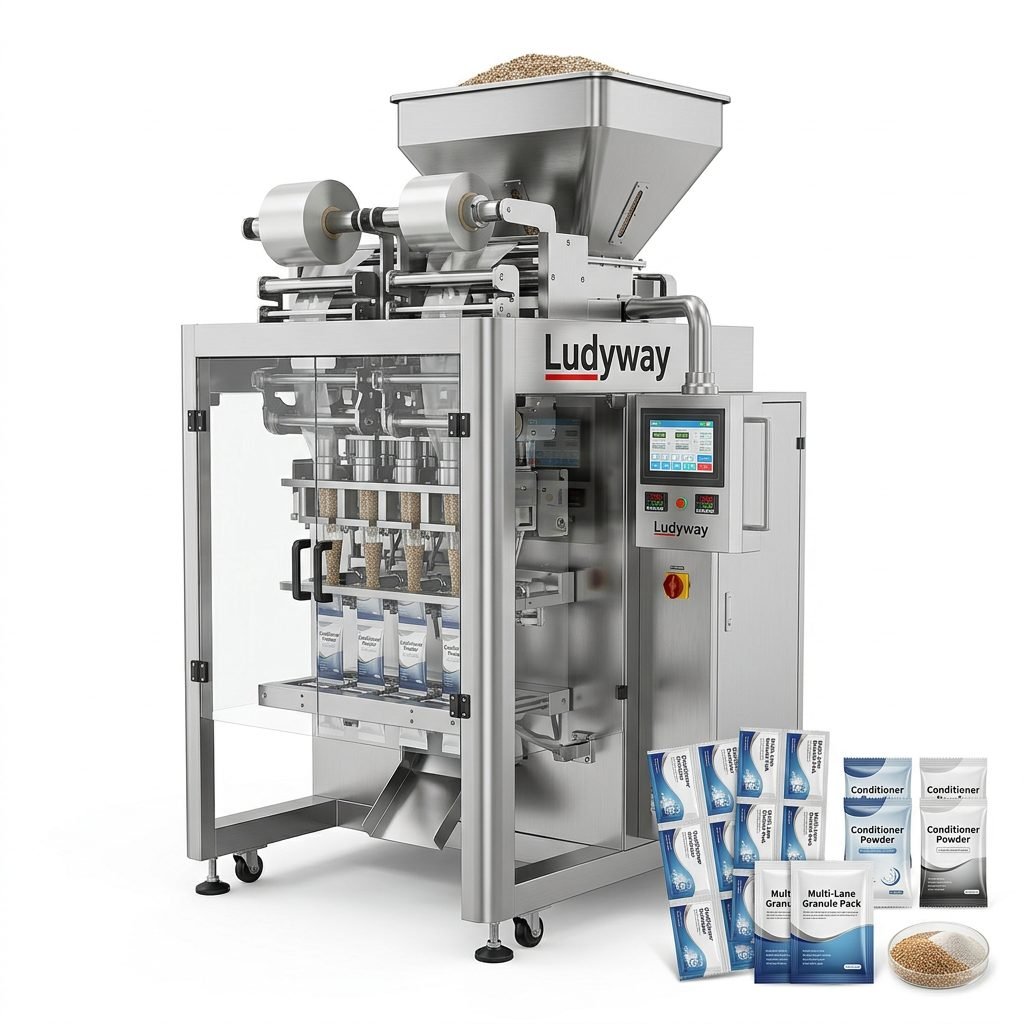
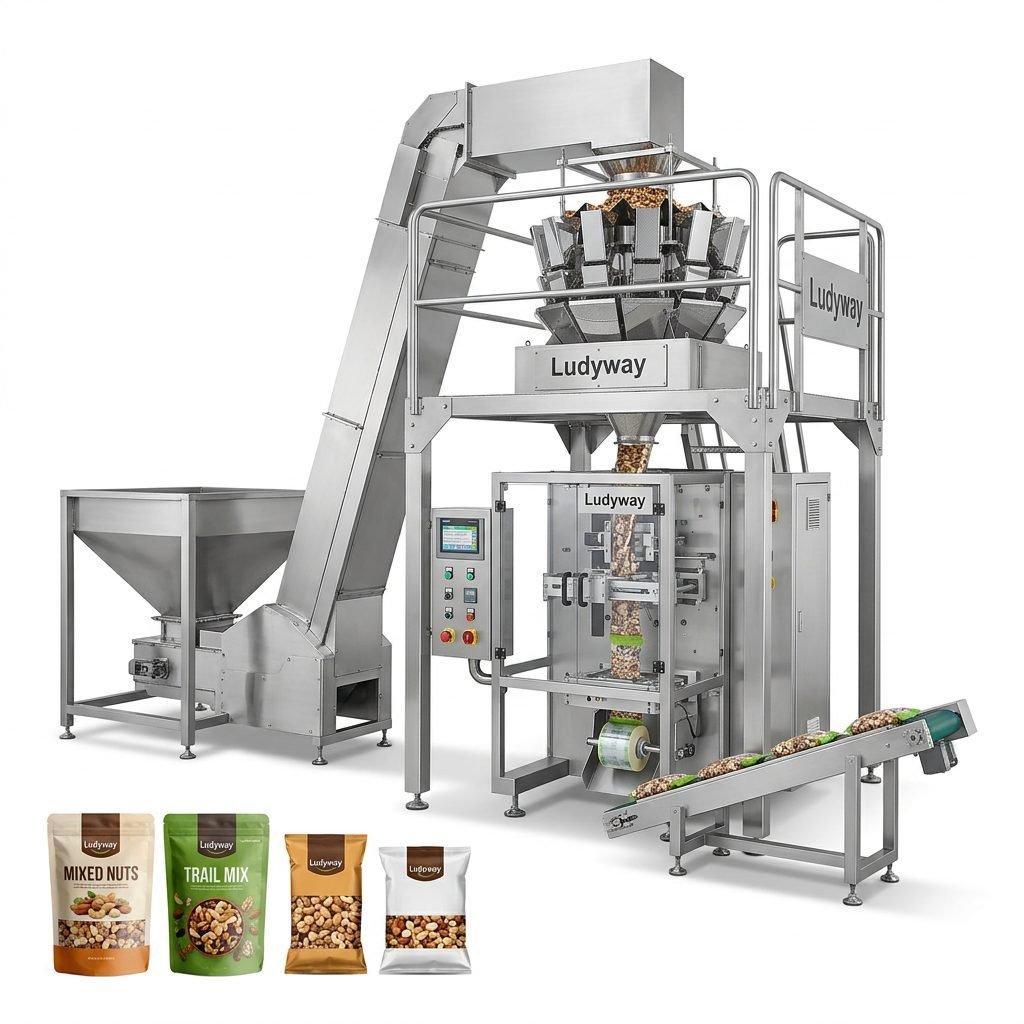
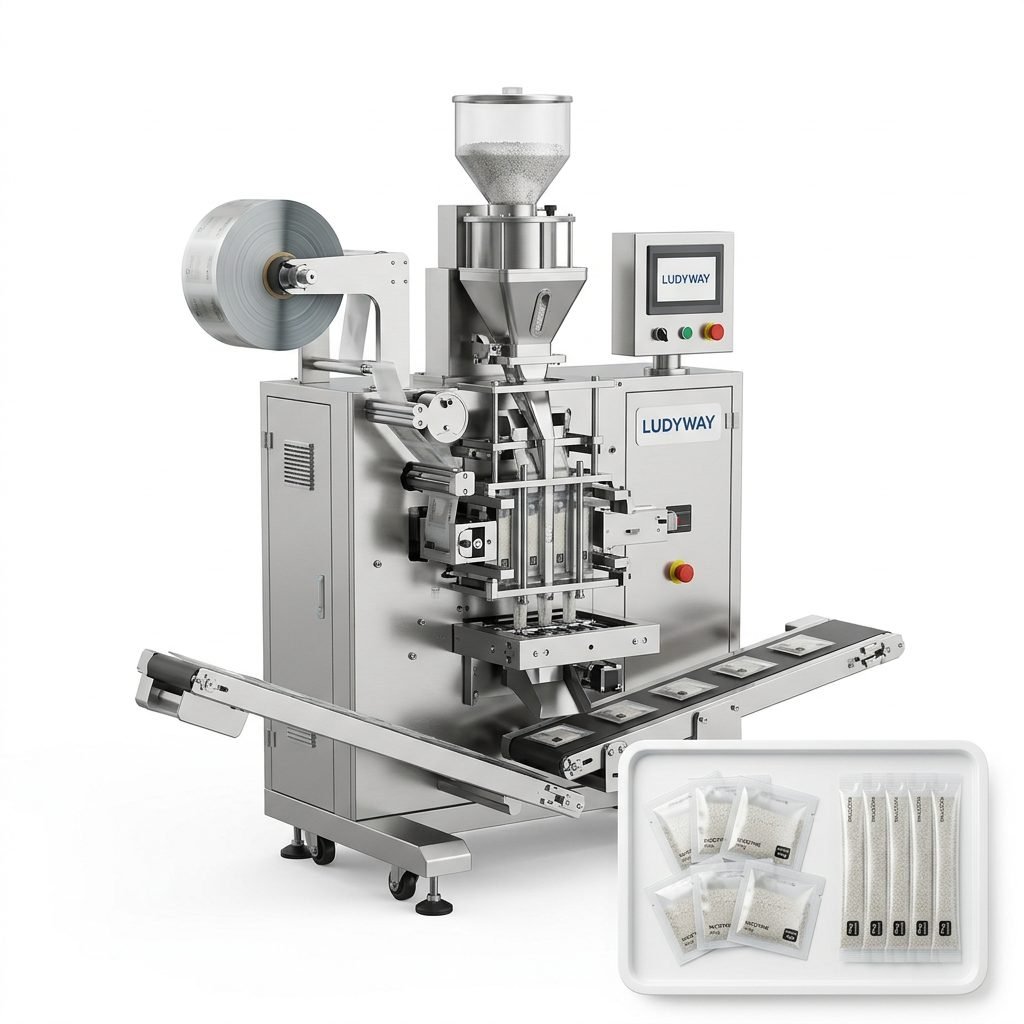
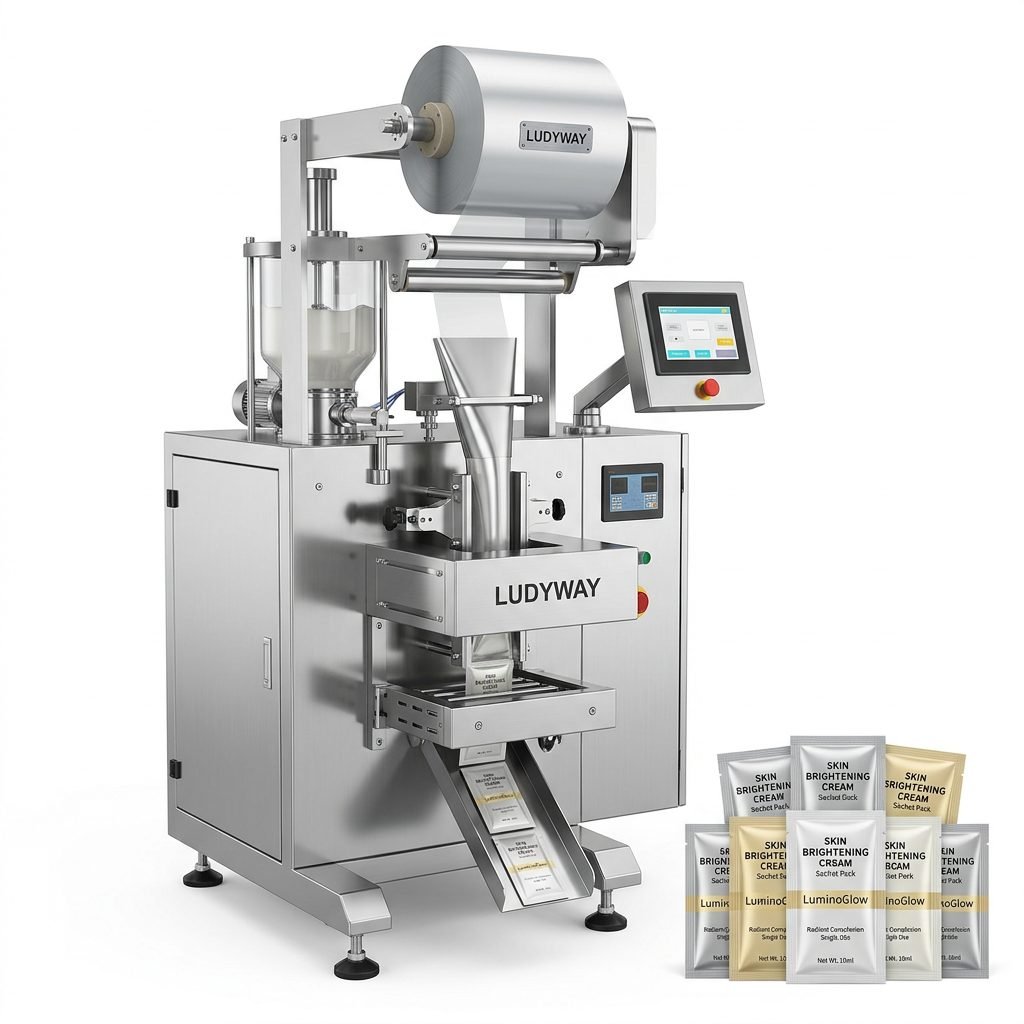
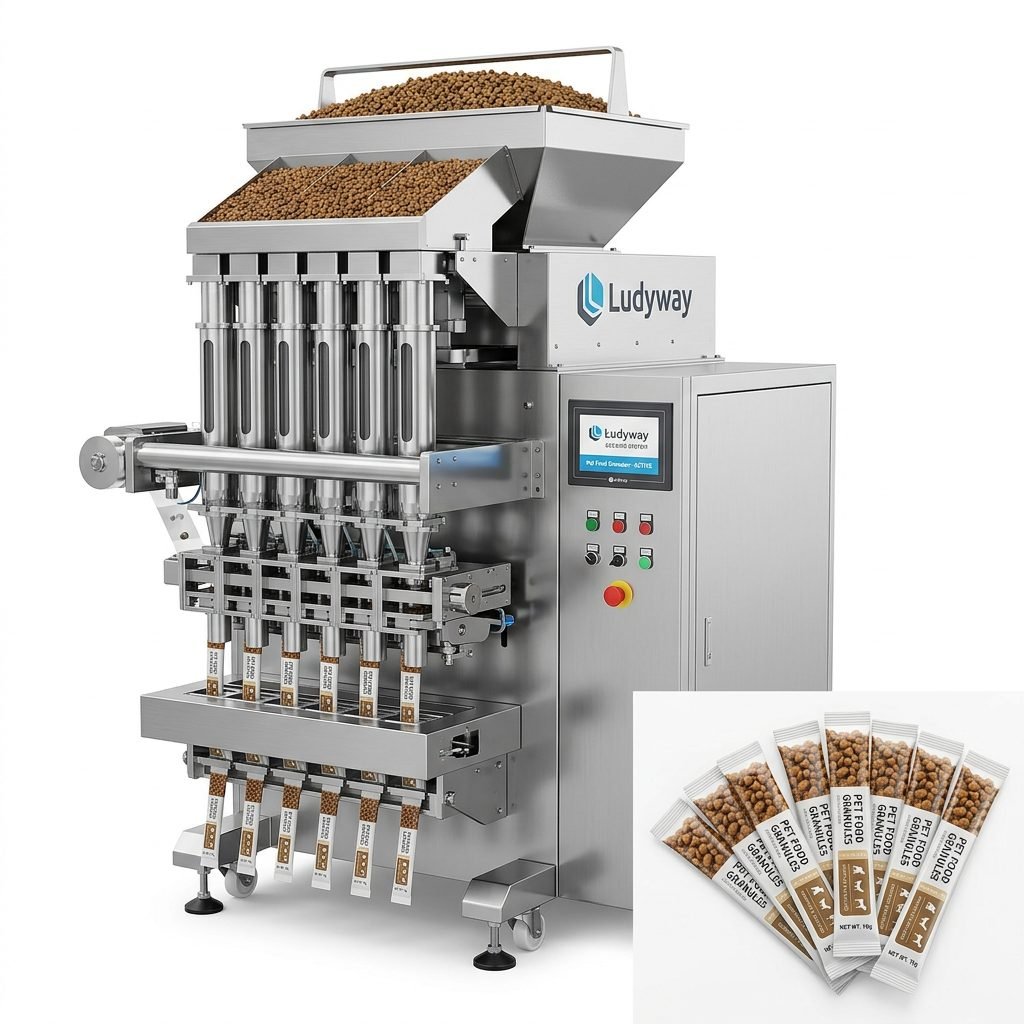
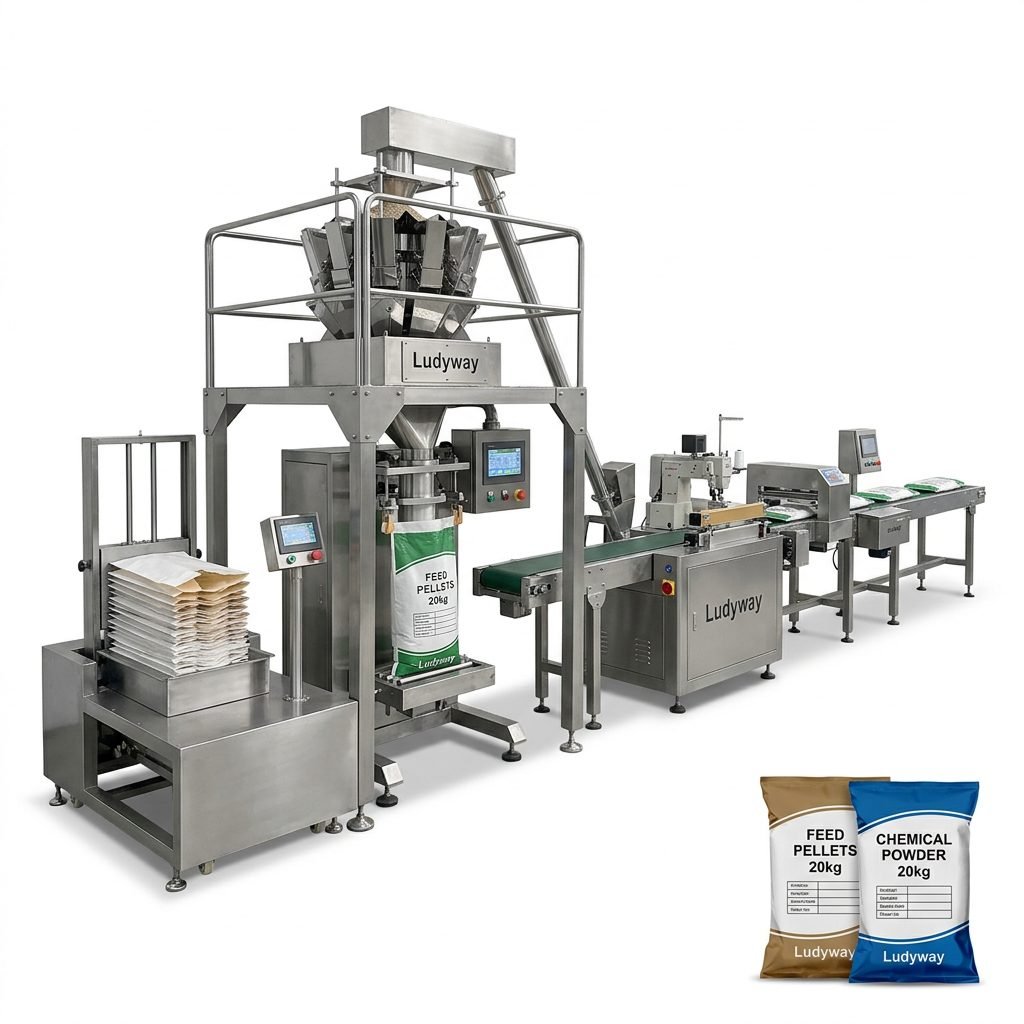
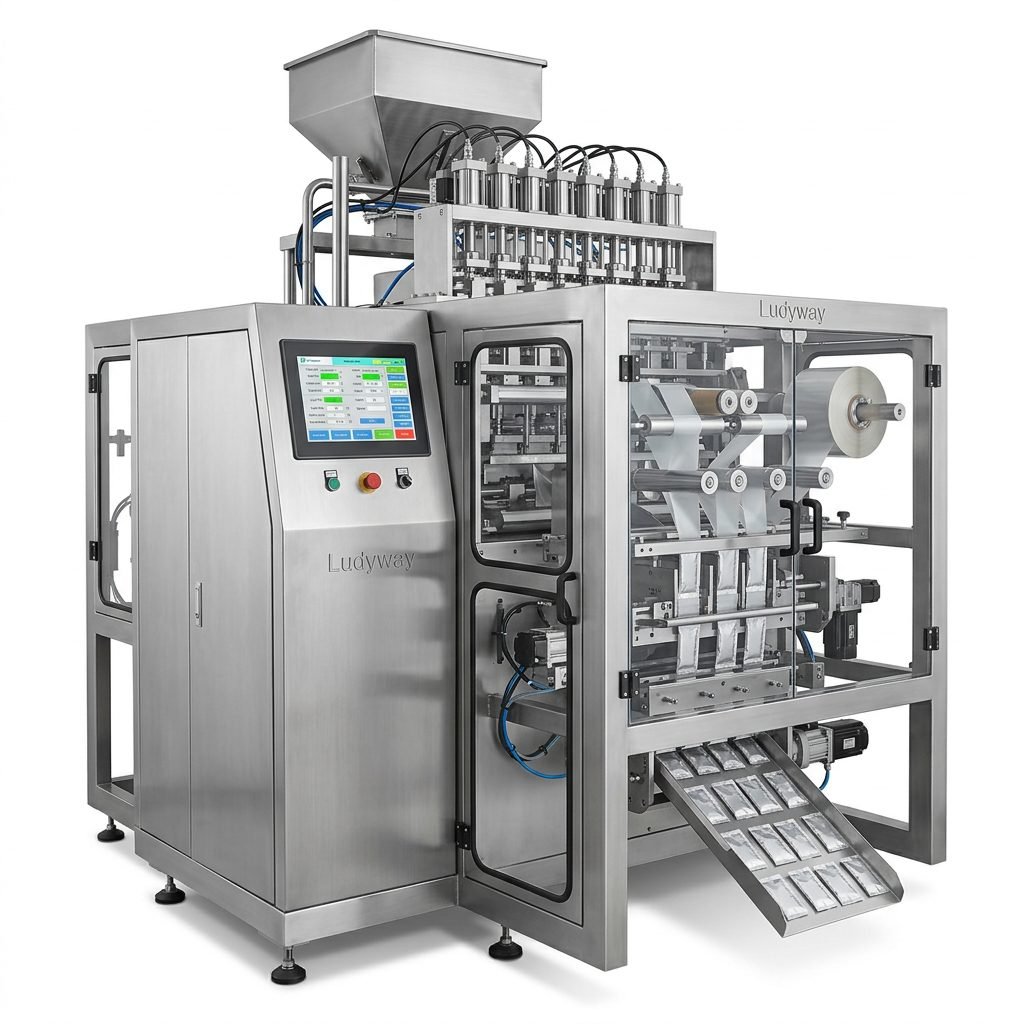
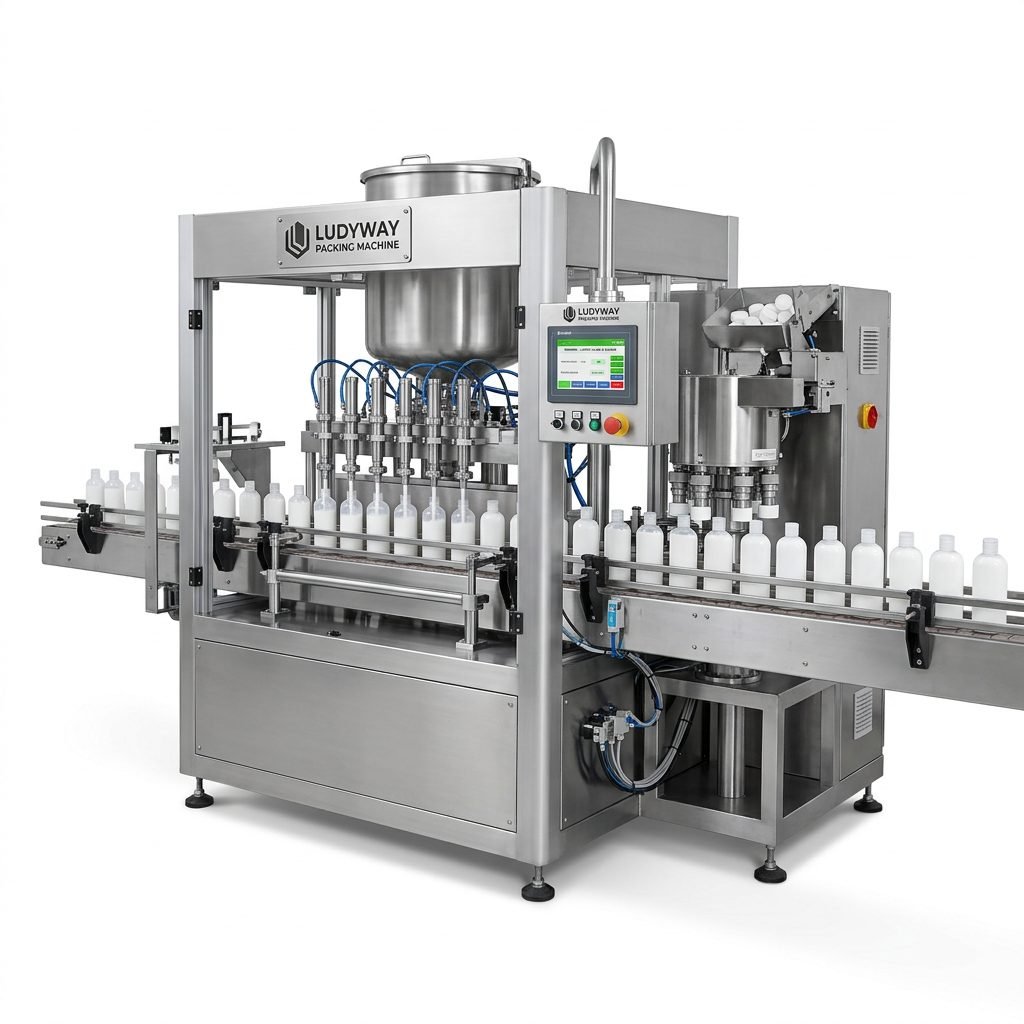
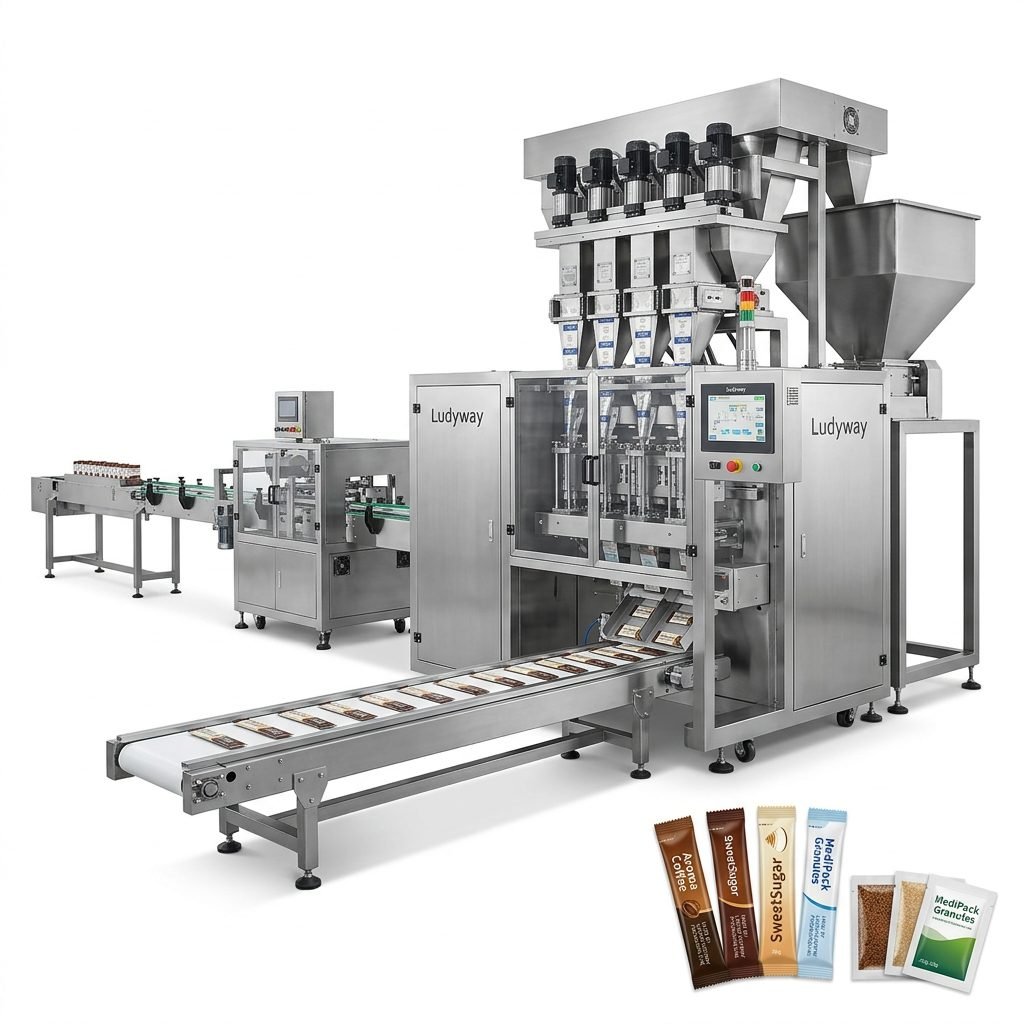
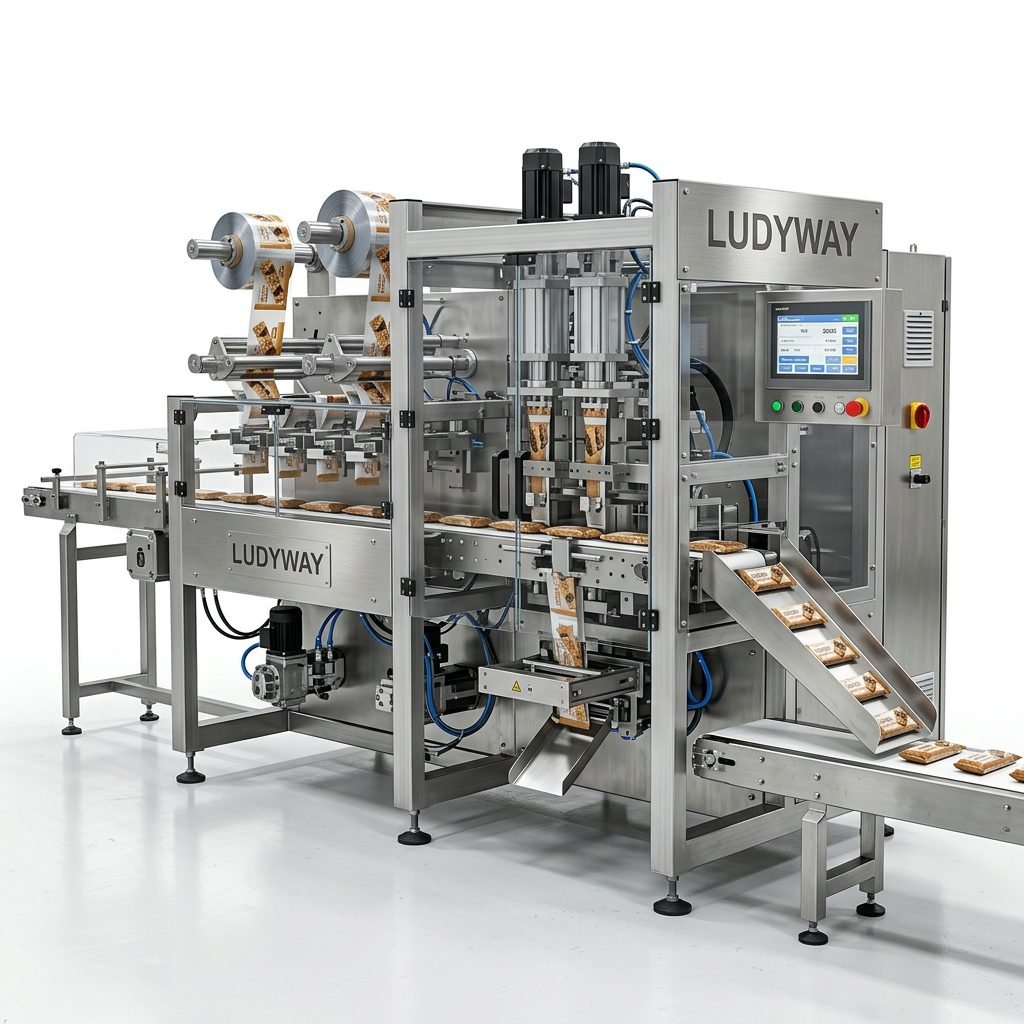
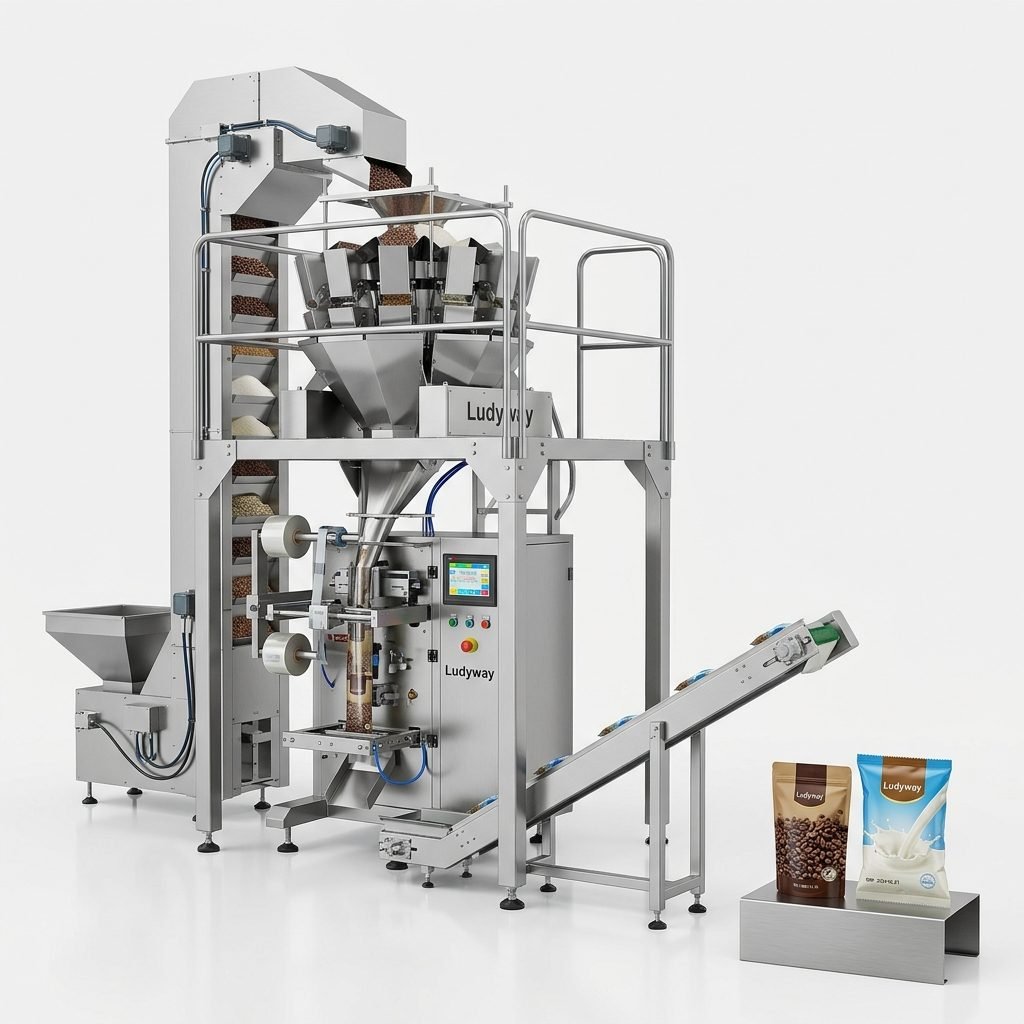
The packaging industry continues to evolve with a focus on automation and sustainability. According to PMMI’s State of the Industry reports, demand for flexible packaging and extended shelf-life solutions remains strong. For businesses seeking turnkey solutions, manufacturers like Ludyway Machinery — a China-based packaging machinery manufacturer with more than 30 years of experience — offer integrated packaging lines that connect multiple stages from filling to sealing. The Flexible Packaging Association provides further resources on material innovations and regulatory updates relevant to vacuum packaging applications.
Warranty and Support Considerations
- Look for at least a 1-2 year warranty on parts and labor
- Verify availability of replacement parts such as gaskets and seal bars
- Check if the supplier offers technical support and troubleshooting guides
- Consider extended warranty options for commercial-use machines
Common Mistakes to Avoid
First-time buyers often overlook critical details. Avoid these frequent errors:
- Underestimating volume needs – A household machine used commercially will fail prematurely
- Ignoring liquid capability – External sealers struggle with moist foods; choose a chamber model if liquids are involved
- Buying the cheapest bags – Poor-quality bags lead to seal failures and product loss
- Skipping maintenance – Neglected gaskets and dirty seal bars cause gradual performance decline
Final Selection Checklist
Before finalizing your purchase, answer these questions to confirm you have covered all bases:
- What is the primary product being sealed (dry, moist, liquid, sharp)?
- How many packages per day or week do you anticipate?
- What is the maximum bag size required?
- Is your budget for the machine only, or does it include consumables?
- Do you need validated sealing parameters for regulatory compliance?
- Will you benefit from programmable settings and data logging?
Choosing the best small vacuum packing machine is a balance of capacity, features, build quality, and after-sales support. A carefully selected machine pays for itself through reduced waste, improved product protection, and operational efficiency. Take the time to evaluate your specific application requirements against the factors detailed above, and you will secure a reliable packaging companion for years to come.

Explore further insights at the PMMI packaging association and stay updated with the latest Flexible Packaging Association resources for ongoing industry developments.