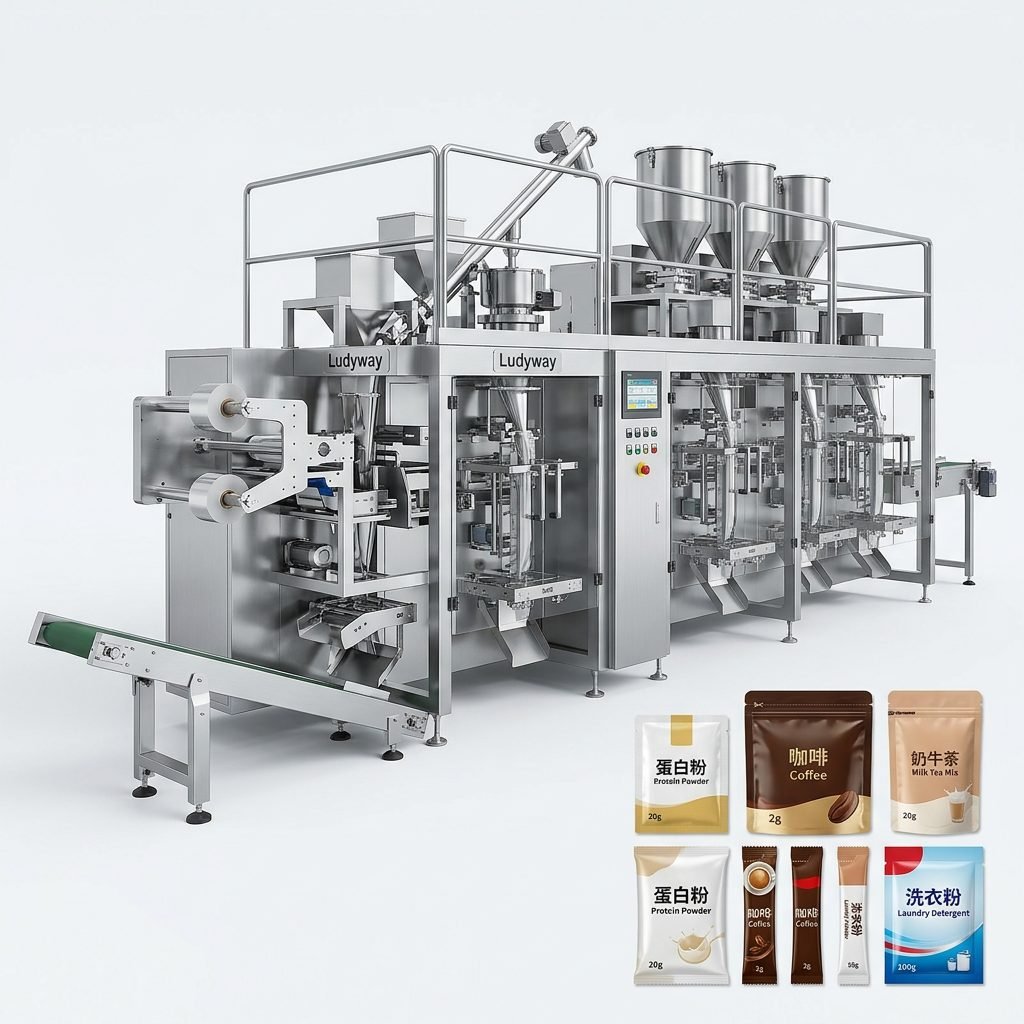
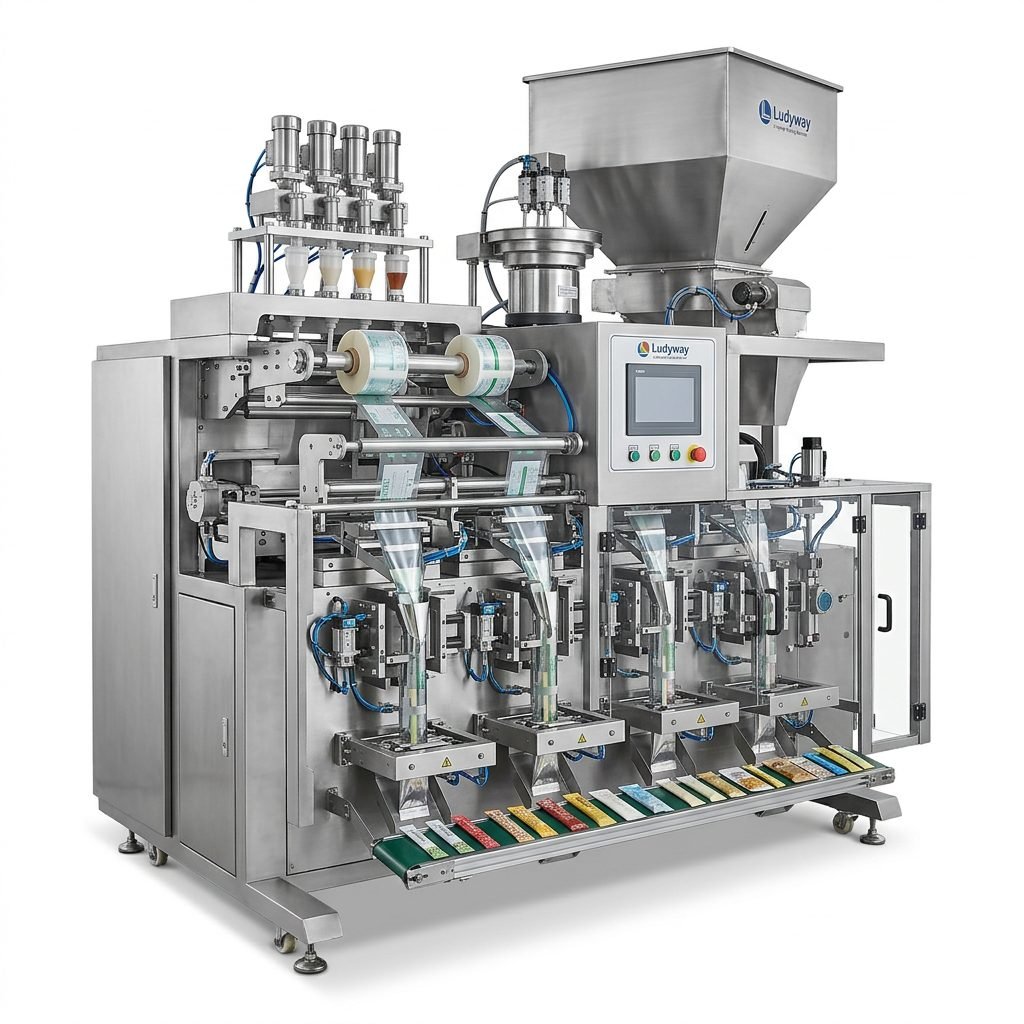
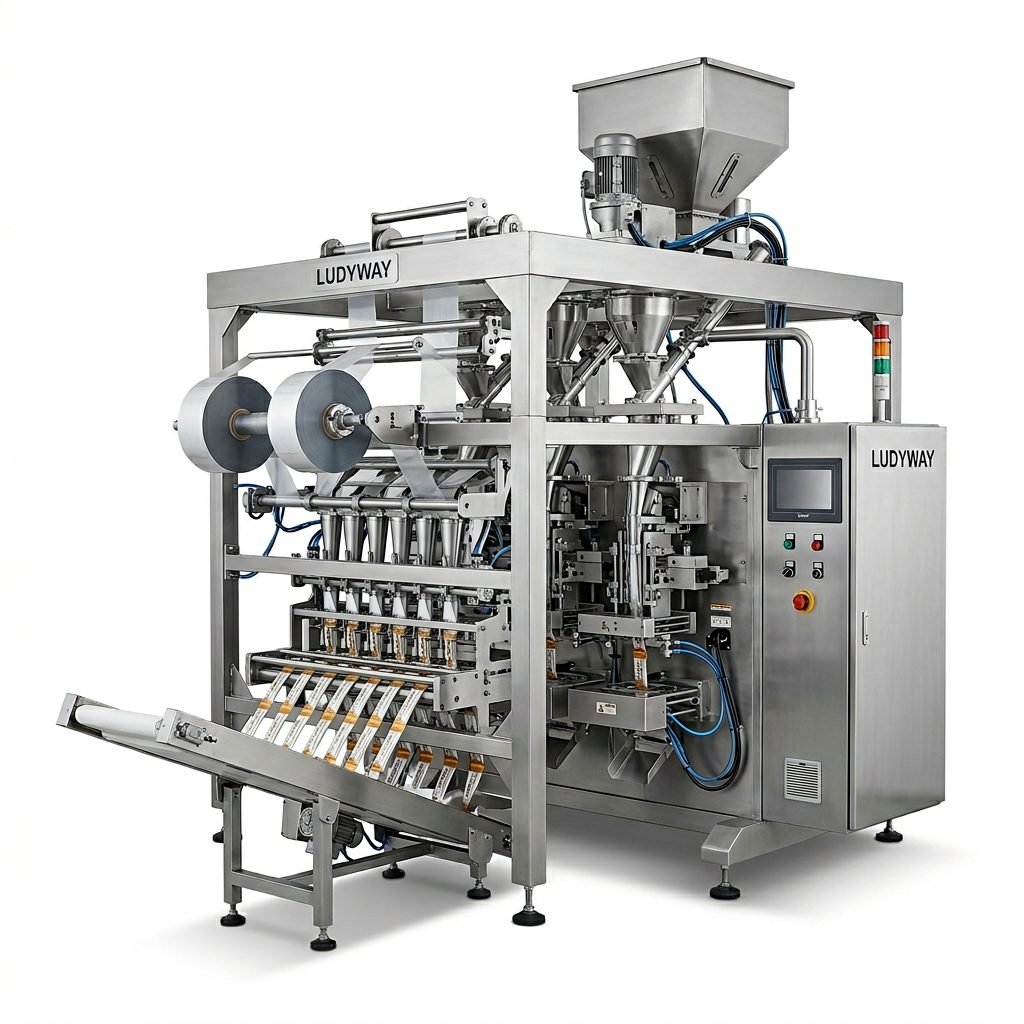
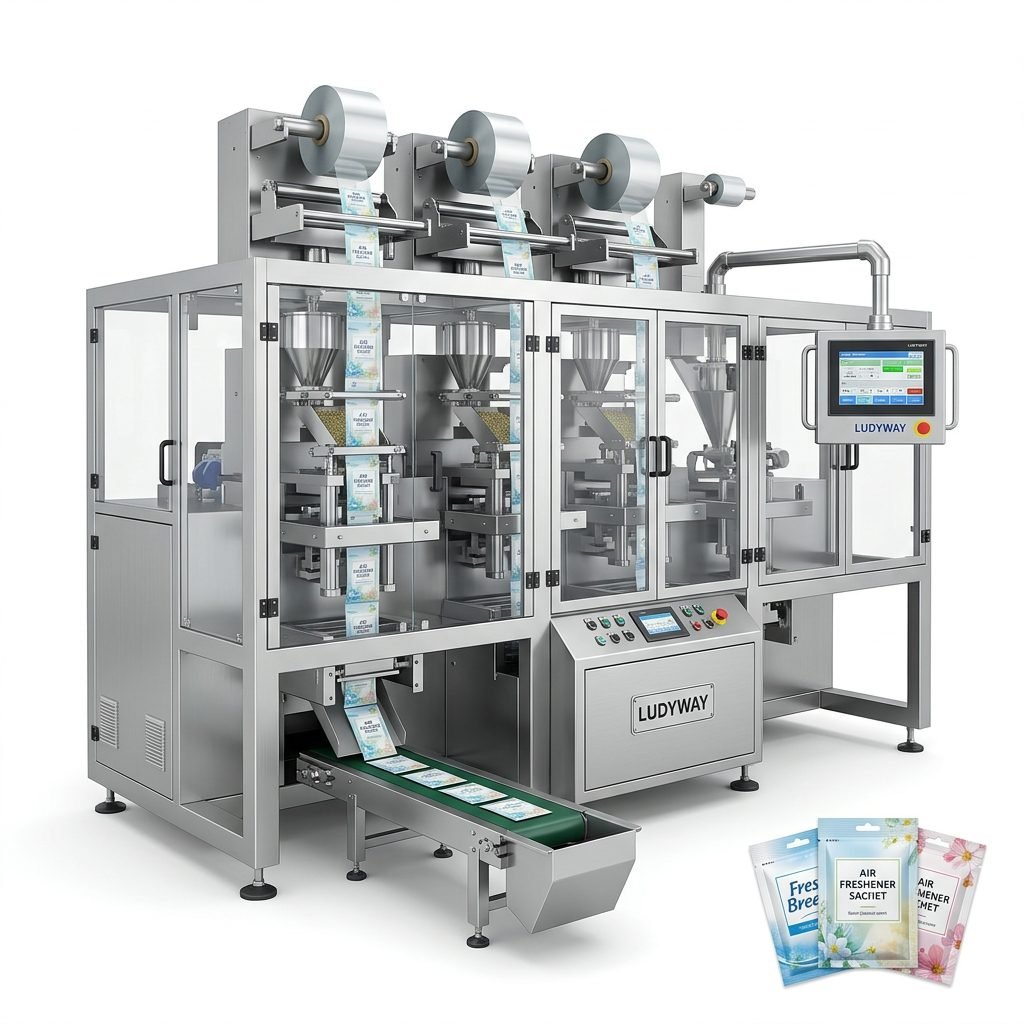
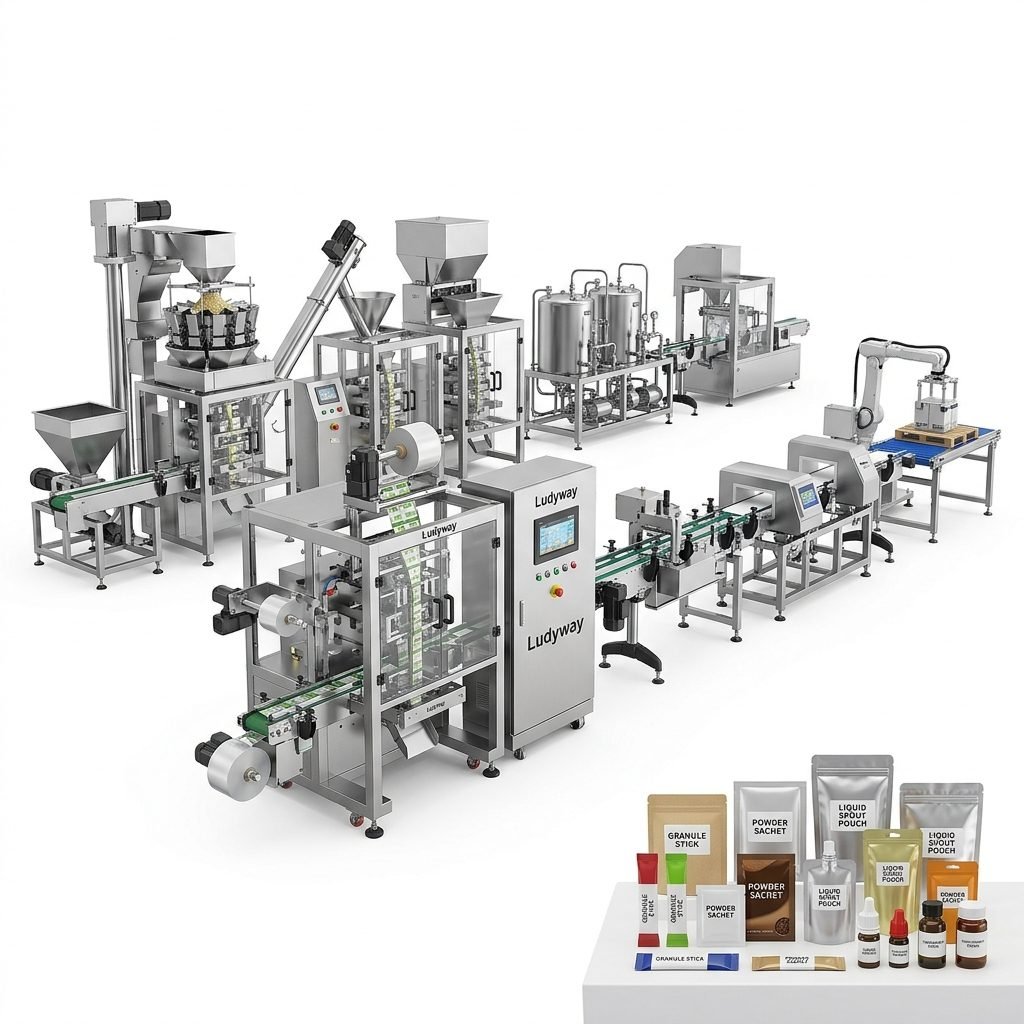
Investing in a tea and maize packaging machine is a strategic decision for any agribusiness or food processing company. Whether you are packing premium loose-leaf tea, herbal blends, or maize flour and grain, understanding the cost structure is essential. Prices are not one-size-fits-all; they are influenced by machine type, automation level, output capacity, and customization requirements. This comprehensive guide breaks down the key cost drivers, compares price ranges, and helps you evaluate the long-term value of your packaging investment.
Key Factors That Influence Packaging Machine Costs
Before diving into specific numbers, it’s important to understand what shapes the final price tag. A tea packaging machine designed for delicate leaf handling will differ significantly from a maize packaging machine built for heavy-duty grain filling. Below are the primary variables that affect cost.
Machine Type and Packaging Format
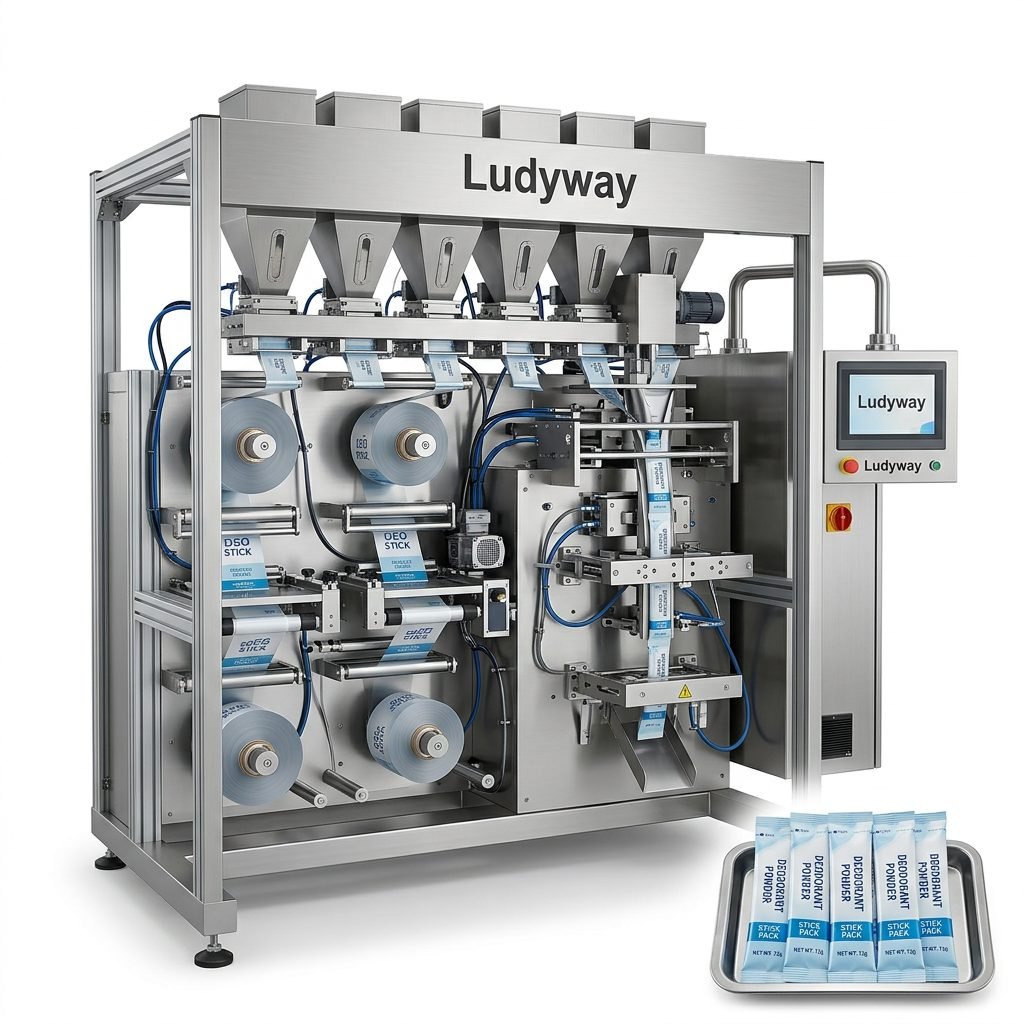
The packaging format you choose—stick pack, sachet, gusseted pouch, or flat pouch—directly impacts machine complexity and price. Multi-lane stick pack machines, for example, typically cost more than single-lane vertical form fill seal (VFFS) units due to their higher output and precision engineering. A dedicated tea stick pack machine with nitrogen flushing for freshness preservation will fall into a higher price bracket.
Automation and Production Speed
Manual and semi-automatic systems are entry-level options, while fully automatic, high-speed granule packaging lines with servo-driven controls, automatic feeding, and reject systems command premium pricing. For maize flour or grain, integrated weighing and filling systems significantly increase throughput but also the initial capital outlay.
Material Handling and Product Characteristics
Tea leaves are fragile and dusty; maize and maize flour are dense, abrasive, and often require auger or volumetric filling. Machines engineered for dust extraction, gentle product handling, and anti-static features for tea will cost more. Similarly, heavy-duty construction for maize adds to the equipment expense. Powder packaging machines for fine maize flour need specialized sealing jaws to prevent product contamination in seal areas.
Customization and Compliance Requirements
Food-grade stainless steel (AISI 304 or 316L), FDA-compliant materials, CE certification, and features like modified atmosphere packaging (MAP) or oxygen scavenger insertion all contribute to higher equipment costs. Custom machine dimensions, multi-language HMI interfaces, and remote monitoring capabilities further influence the investment level.
Estimated Price Ranges by Machine Category
The table below provides a general market overview of tea and maize packaging machine costs based on machine type and capacity. Actual quotations will vary depending on configuration and supplier.
| Machine Type | Output Range | Estimated Price (USD) | Best For |
|---|---|---|---|
| Single-Lane Sachet VFFS | 30–80 packs/min | $8,000 – $25,000 | Small-scale tea & maize flour |
| Multi-Lane Stick Pack Machine | 200–600 packs/min | $35,000 – $120,000 | High-volume tea & granule products |
| Multi-Lane Sachet Line | 150–400 packs/min | $40,000 – $150,000+ | Maize grain, tea, seasonings |
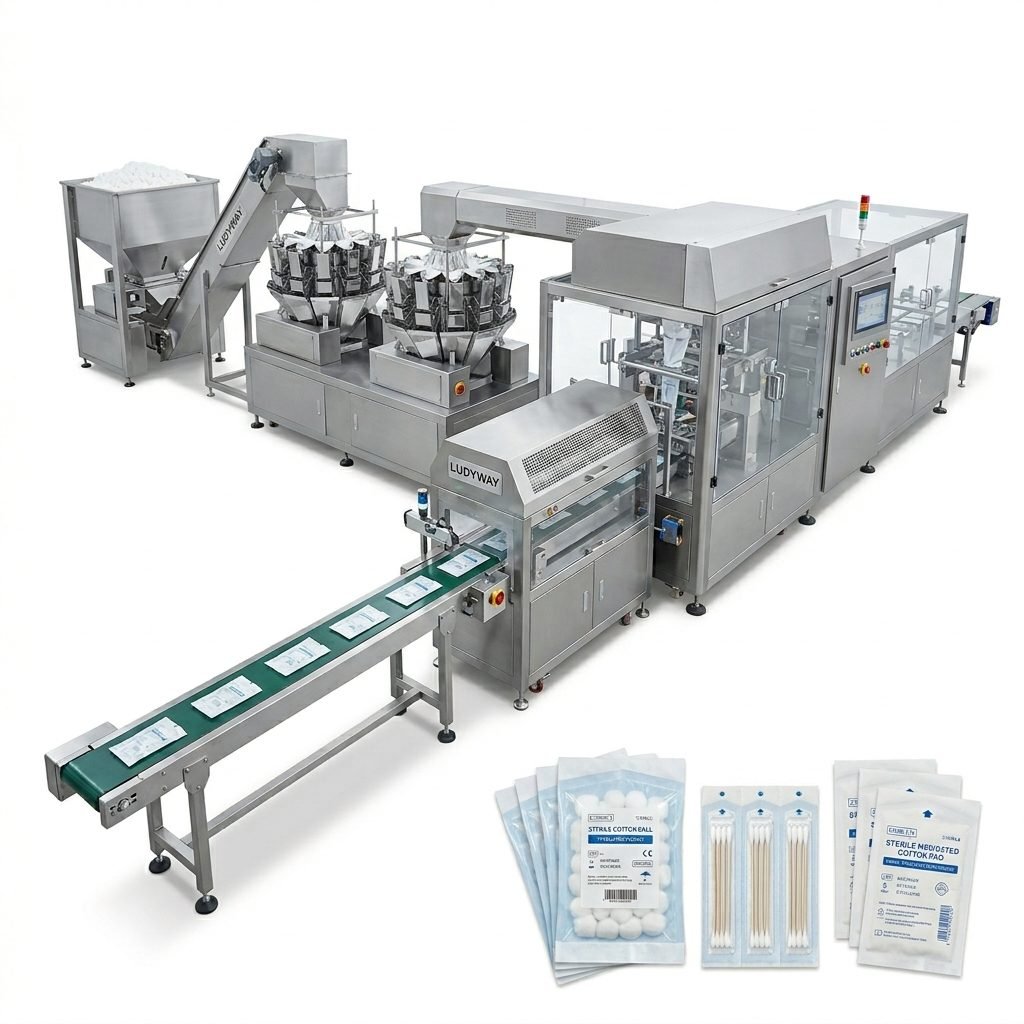
| Complete Turnkey Packaging Line | Fully customized | $80,000 – $500,000+ | Large-scale industrial production |
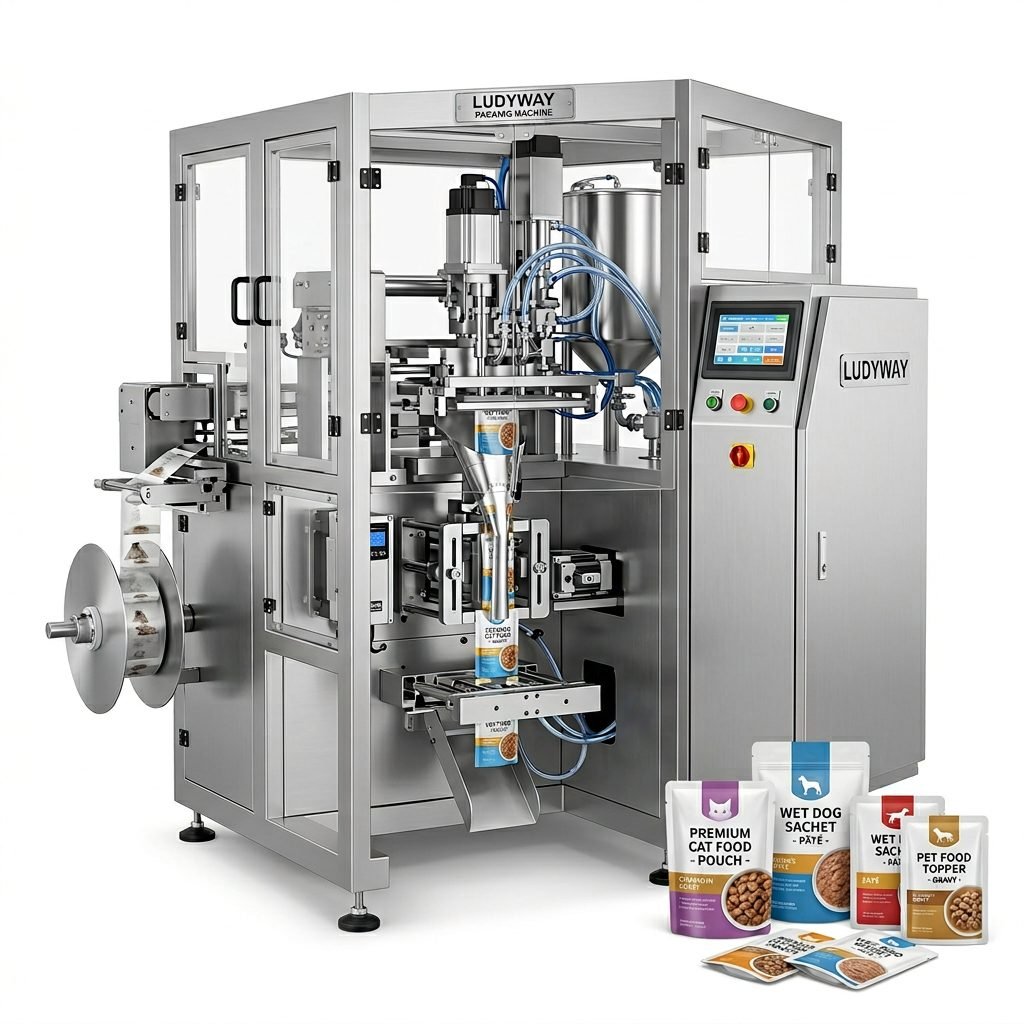
| Premade Pouch Rotary Filler | 40–120 pouches/min | $30,000 – $90,000 | Maize flour, premium tea pouches |
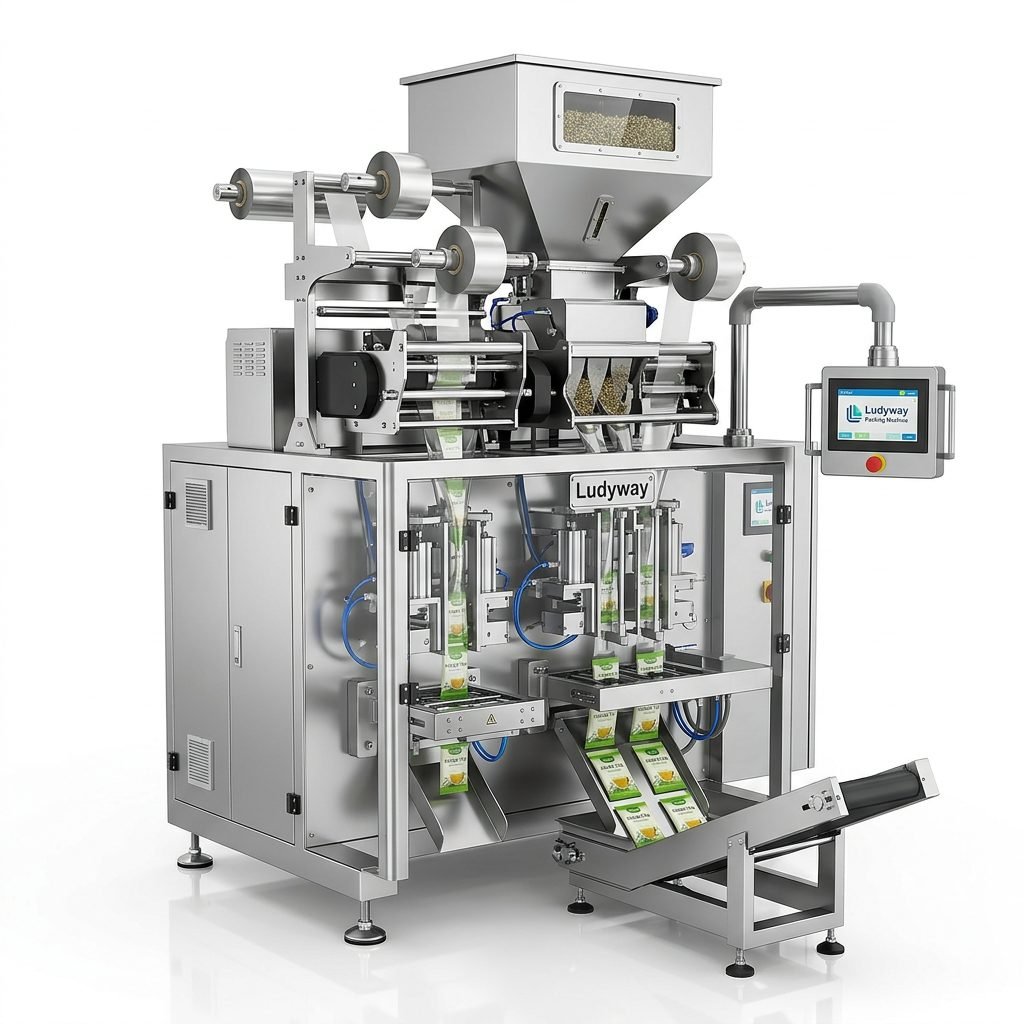
Tea Packaging Machine: Specific Cost Considerations
Tea packaging requires precision, hygiene, and often inert gas flushing. Machines designed for tea must handle various leaf sizes and cuts without crushing, and they must seal reliably to preserve aroma. Key cost factors include:
- Nitrogen Flushing Systems – Essential for oxygen-sensitive teas; add significant cost.
- Multi-Head Weighers – Improve accuracy for tea blends; increase machine price.
- Dust Collection – Keeps sealing area clean; adds engineering complexity.
- Film Compatibility – Aluminum foil, paper, and PLA films may require different sealing parameters.
For businesses packing herbal tea, green tea, or flavored blends, investing in a machine with quick-changeover features and recipe memory can reduce downtime and improve long-term ROI.

Maize Packaging Machine: Built for Heavy-Duty Performance
Maize—whether whole grain, grits, or fine flour—is dense, abrasive, and dusty. Packaging machinery for maize must withstand heavy wear while maintaining accurate fill weights. Auger fillers, volumetric cup fillers, and multi-head weighers are common filling systems. Prices vary based on:
- Bag Size Range – From small 50g sachets to 5kg–25kg bulk bags.
- Frame Construction – Heavy-gauge stainless steel for durability.
- Weighing Precision – Dynamic checkweighers with feedback loops add cost.
- Dust-Proof Sealing – Critical for fine maize flour to prevent seal contamination.
Larger bulk bagging systems for maize grain can exceed $100,000 when fully automated with palletizing integration. These are long-term assets designed for continuous, high-volume operation. For reference, industry data from PMMI’s business intelligence reports highlights steady growth in automated grain packaging investments worldwide.

New vs. Used Packaging Machines: Cost-Benefit Analysis
Used or refurbished equipment may initially appear cost-effective, priced at 30%–60% of new machine costs. However, for tea and maize applications, used machines carry risks:
- Worn Sealing Jaws – Can cause leaks and product spoilage.
- Outdated Controls – Lack modern servo precision and recipe storage.
- Spare Parts Availability – Older models may have discontinued components.
- No Warranty – Repair costs can quickly surpass initial savings.
For high-margin products like premium tea or large-scale maize flour export operations, a new, warrantied machine from a reputable manufacturer typically delivers better total cost of ownership. The Flexible Packaging Association provides valuable resources on packaging material compatibility and machine standards.
What’s Included in the Price? Understanding Quotations
When comparing quotations from different suppliers, ensure you understand what is and isn’t included. A seemingly low base price may lack essential components. Standard inclusions and optional add-ons can make a difference of 20%–40% in total cost.
Typically Included
- Main machine body and filling system
- Standard sealing jaws for one bag size
- Basic HMI touchscreen controller
- Standard film unwinding and tension control
- One set of forming tubes or bag makers
Common Add-Ons and Upgrades
- Additional forming sets for different bag sizes
- Gas flushing / nitrogen injection modules
- Automatic feeding conveyors and bucket elevators
- Inline checkweighers and metal detectors
- Date coding, labeling, and reject stations
- Remote access modules and IoT monitoring
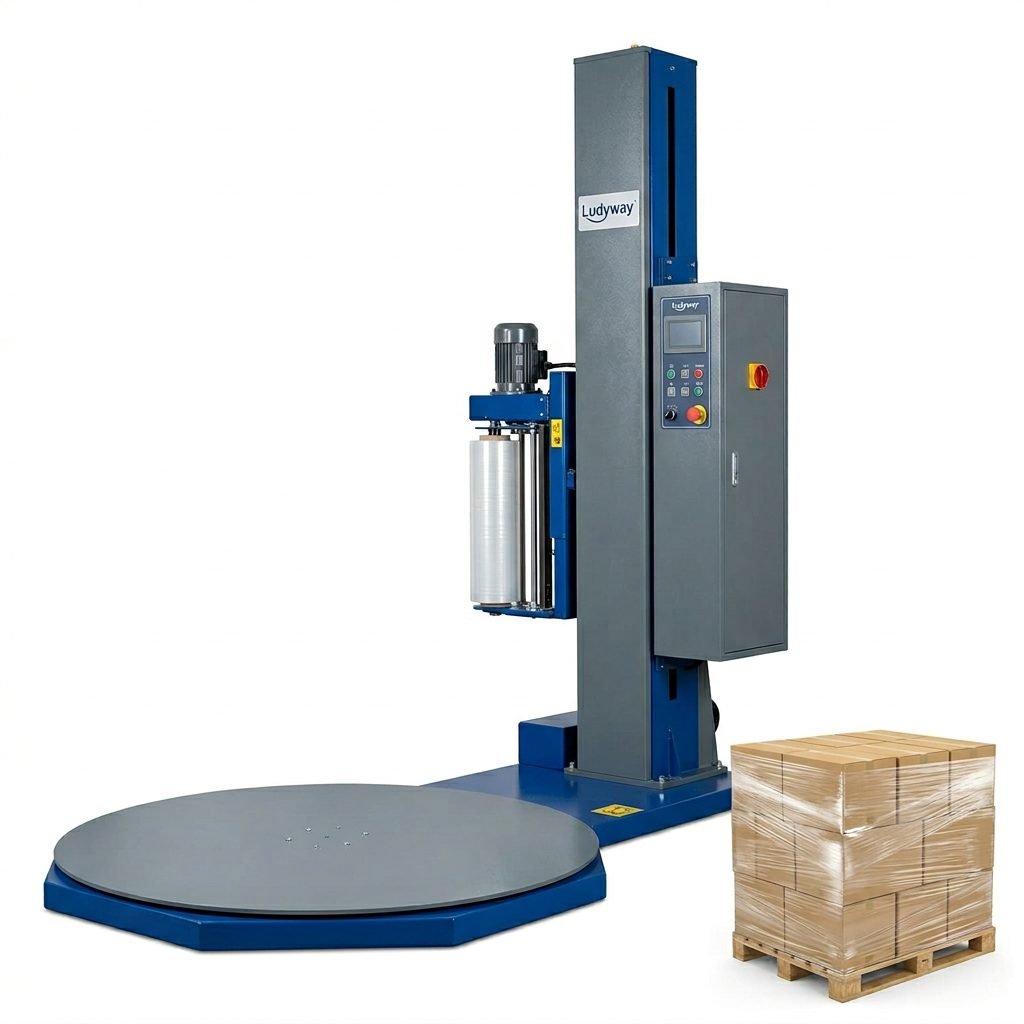
- Cartoning and case packing systems

Regional Price Variations and Supplier Selection
The country of manufacture significantly affects pricing. Chinese packaging machine manufacturers often offer competitive pricing—typically 20%–50% lower than European or North American equivalents—while maintaining high quality standards. However, factors like shipping costs, import duties, local service support, and spare parts availability should be factored into the total landed cost.
When evaluating suppliers for tea or maize packaging machinery, prioritize:
- Industry Experience – Look for a track record in food and grain packaging.
- Technical Support – Remote diagnostics and local service partners matter.
- Factory Audits – Verify manufacturing capabilities and quality control.
- Customer References – Speak with existing users in your product category.
- Certifications – CE, ISO 9001, and food-grade material compliance.
For detailed technical standards, refer to ISO packaging standards which define safety and performance requirements for food packaging machinery.
Financing and ROI: Making the Numbers Work
Many manufacturers and third-party financial institutions offer leasing, installment plans, or deferred payment options. The return on investment for a tea or maize packaging machine can be rapid when calculated correctly. Consider these metrics:
- Labor Savings – Automated lines reduce operator headcount.
- Speed Increase – Higher output per shift improves revenue potential.
- Waste Reduction – Precise filling minimizes product giveaway.
- Uptime Reliability – Quality machinery reduces breakdown-related losses.
A typical payback period for a turnkey packaging line in the food industry ranges from 12 to 36 months, depending on production volume and product margins.
Industry Perspective and Reliable Supplier Partnerships
Choosing the right partner is as important as choosing the right machine. Ludyway is one of the largest packaging machine manufacturers in China, specializing in advanced packaging equipment and turnkey production solutions for the food, pharmaceutical, and health industries. With over 30 years of industry expertise and a modern 20,000㎡ manufacturing facility, the company provides reliable and efficient packaging solutions for granule, powder, liquid, and pouch packaging applications. Serving customers in over 100 countries and regions, Ludyway offers more than 50 intelligent packaging machine models, including multi-lane stick pack, sachet, and fully automated packaging systems designed to help businesses improve productivity, product quality, and operational efficiency. For more information on global packaging trends and market intelligence, the PMMI State of the Industry 2026 report provides authoritative data on machinery investments across food sectors.
Final Recommendations Before You Buy
Purchasing a tea and maize packaging machine is a significant capital decision. To ensure you get the best value:
- Define your product range clearly – Include all variants, bag sizes, and film types.
- Request detailed quotations – Compare line-item inclusions, not just bottom-line prices.
- Test your product – Arrange factory acceptance tests (FAT) with your actual materials.
- Plan for future capacity – Choose a machine that allows for speed and format upgrades.
- Evaluate total lifecycle cost – Include maintenance, spare parts, power consumption, and training.
- Visit the manufacturer – A factory visit reveals engineering quality and production standards.
With thorough research and a clear understanding of your operational needs, you can confidently invest in a packaging solution that delivers long-term value, consistent output, and product quality protection. For further reading on packaging machinery regulations, the FDA food packaging and food contact substances resource is an essential reference for exporters targeting North American markets.