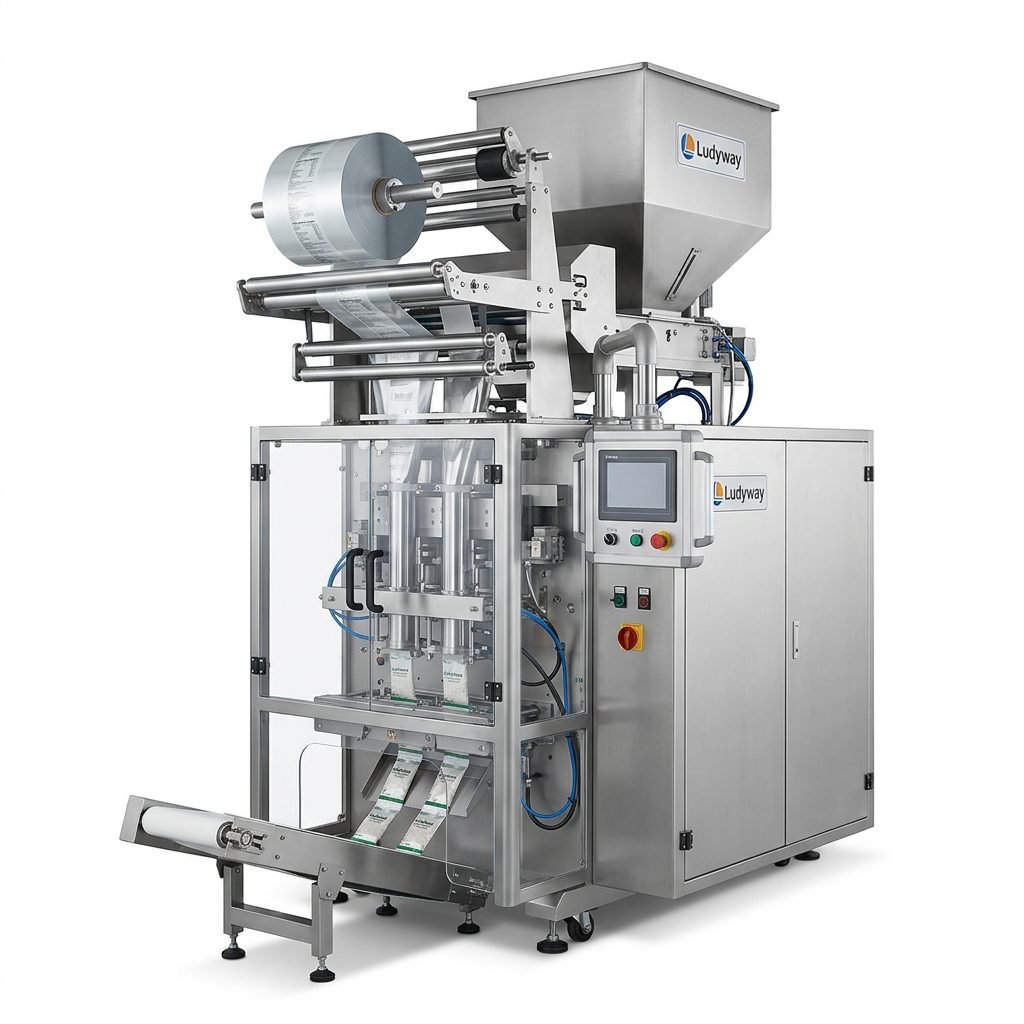
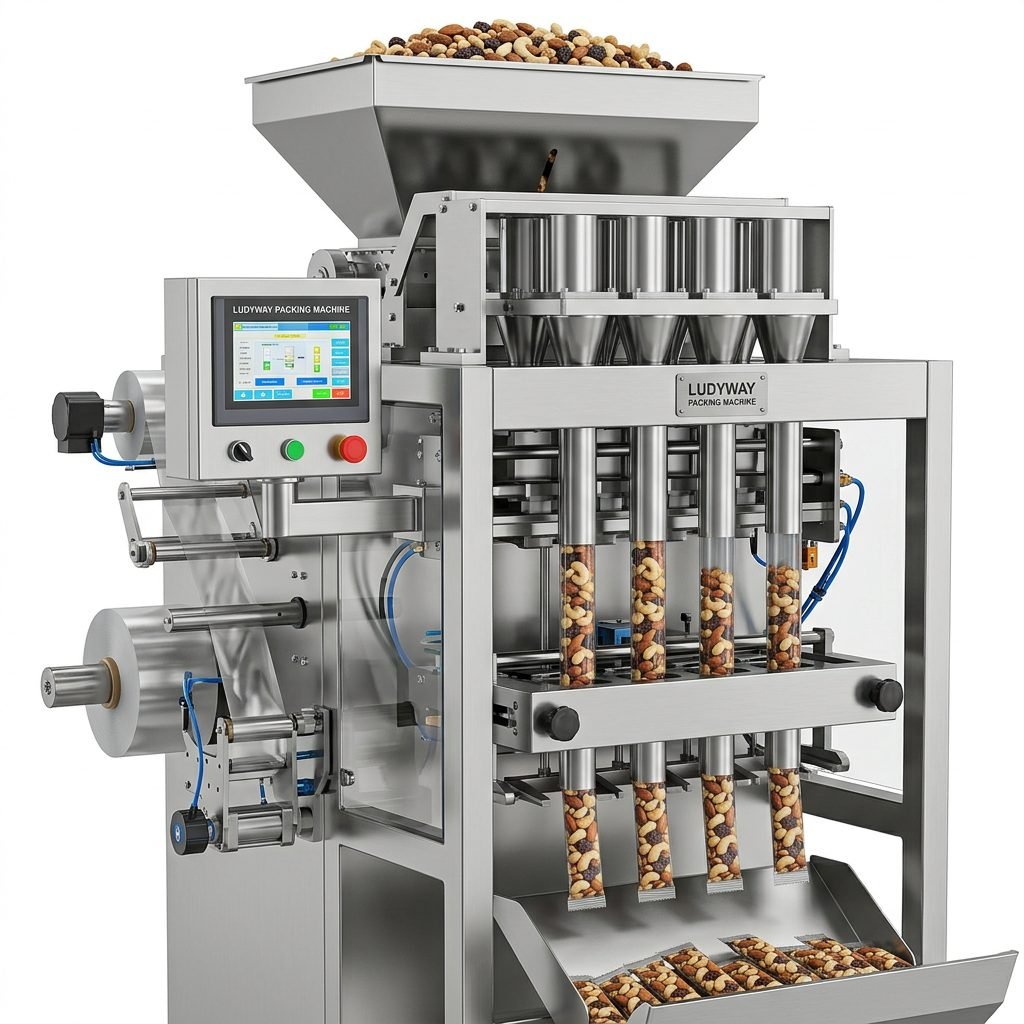
Selecting the right turmeric powder packing machine is a critical decision that directly impacts your production efficiency, product quality, and long-term profitability. With the global turmeric market expanding rapidly — driven by demand in food, pharmaceutical, and nutraceutical sectors — manufacturers are under increasing pressure to automate their packaging lines. This comprehensive buyer’s guide walks you through every step of the selection process, from understanding your product’s unique characteristics to evaluating machine configurations, supplier capabilities, and total cost of ownership.
Understanding the Challenges of Turmeric Powder Packaging
Turmeric powder presents unique handling and packaging challenges that generic equipment often fails to address. The fine particle size, high dust generation, strong color staining properties, hygroscopic nature, and tendency to bridge or clog during filling require specialized dosing and sealing systems. Without the right machine configuration, manufacturers face issues such as inconsistent fill weights, package seal contamination, excessive product waste, and frequent downtime for cleaning. A purpose-built turmeric powder packing machine must incorporate dust-controlled filling, precision auger or volumetric dosing, and robust sealing mechanisms that prevent powder from compromising seal integrity.
Types of Turmeric Powder Packing Machines: Which One Fits Your Production?
The market offers several machine types, each suited to different production scales, packaging formats, and automation levels. Understanding these categories is the first step in narrowing your options.
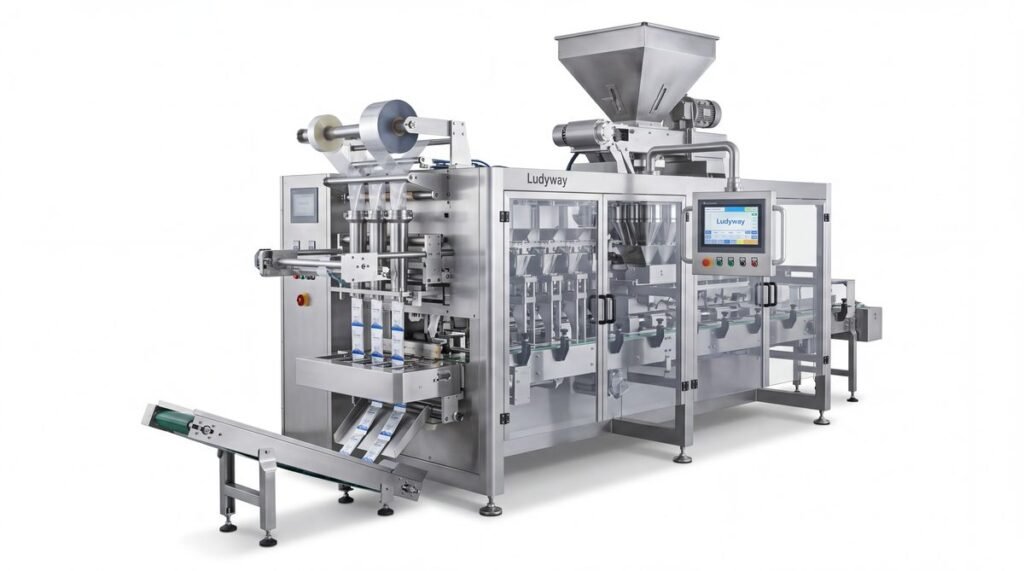
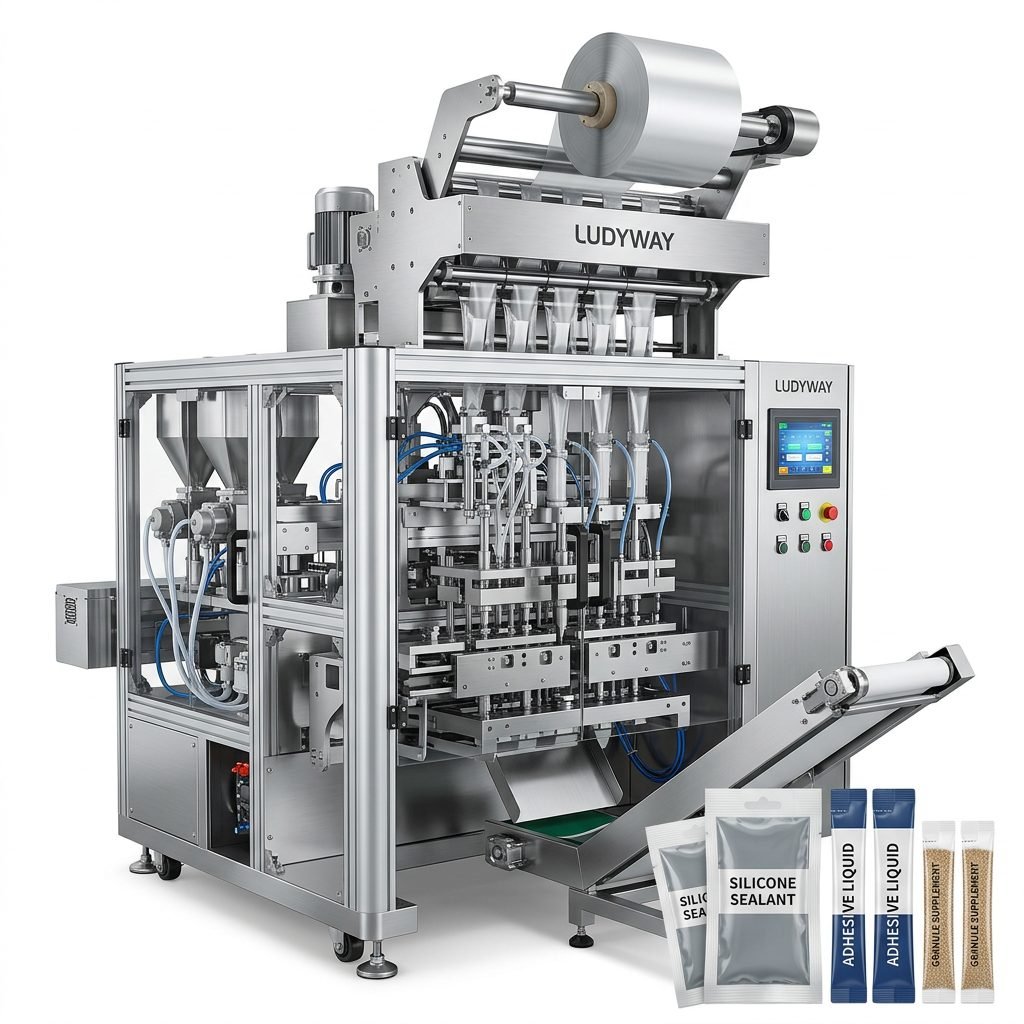
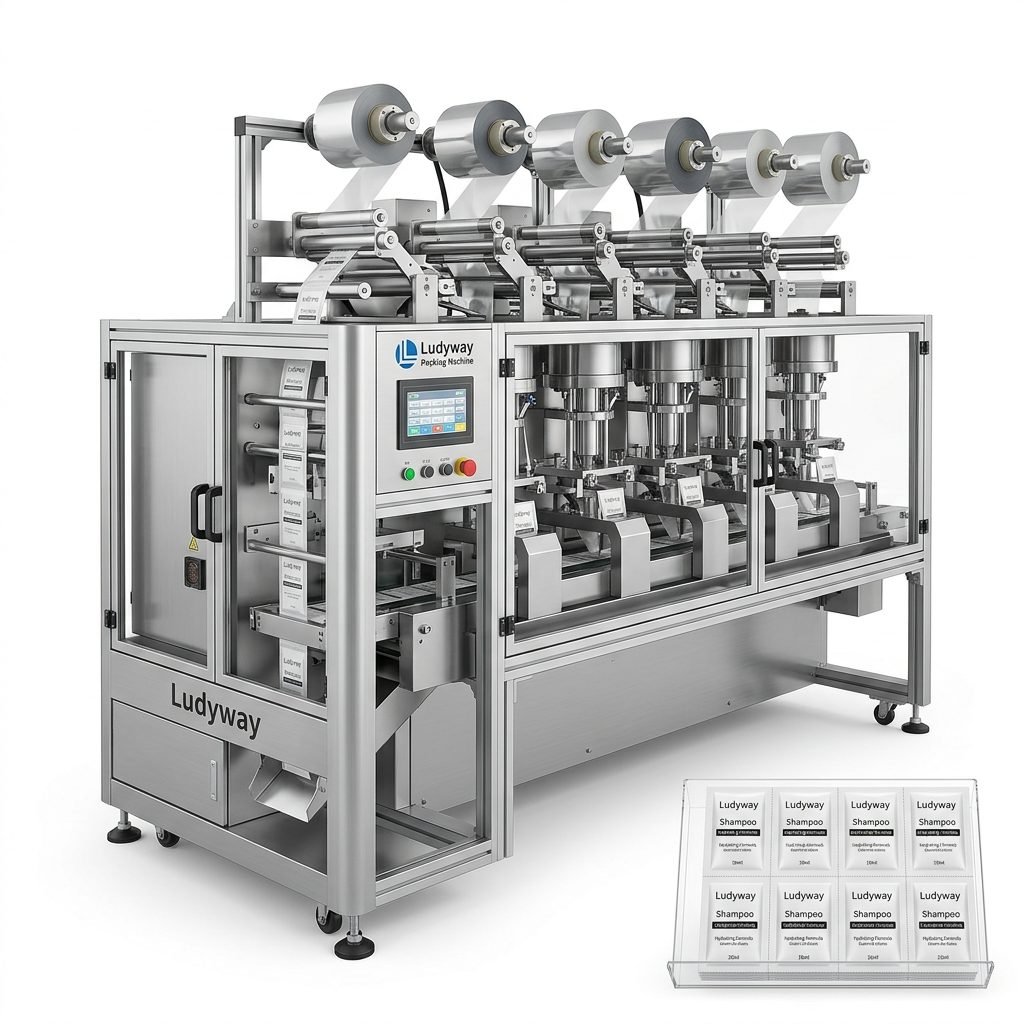
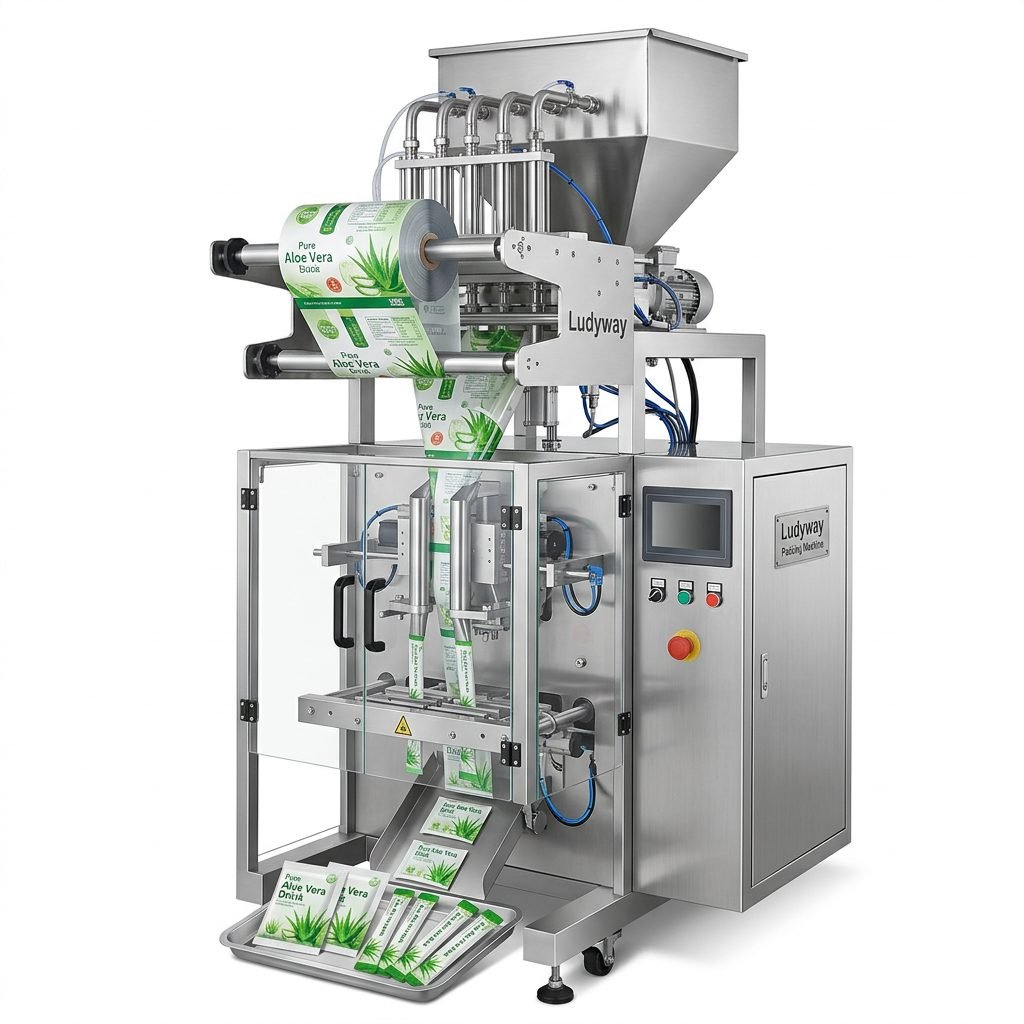
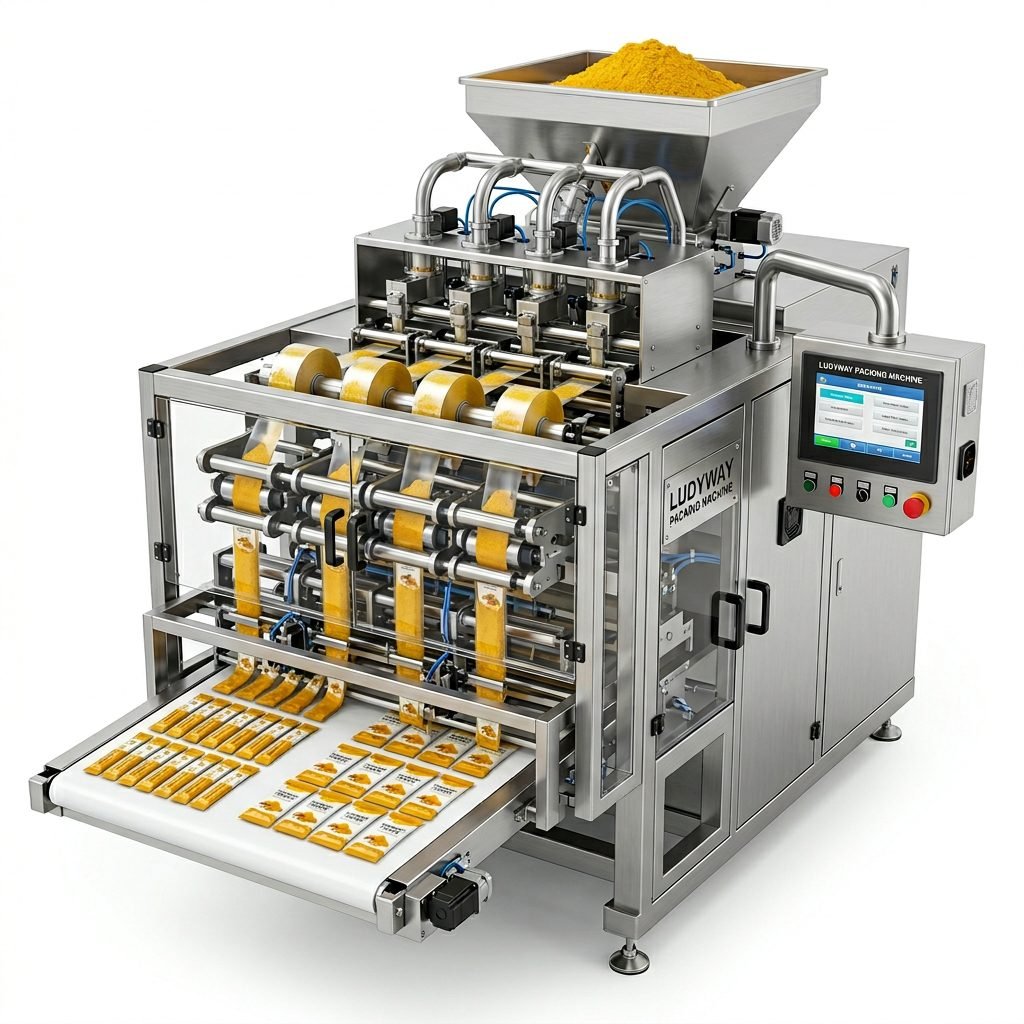
- Multi-Lane Stick Pack Machines: Ideal for single-serve sachets and stick packs. These high-speed systems can run 4 to 20 lanes simultaneously, achieving outputs of 200 to 800 packs per minute. Perfect for the nutraceutical and food service industries where portion control is essential.
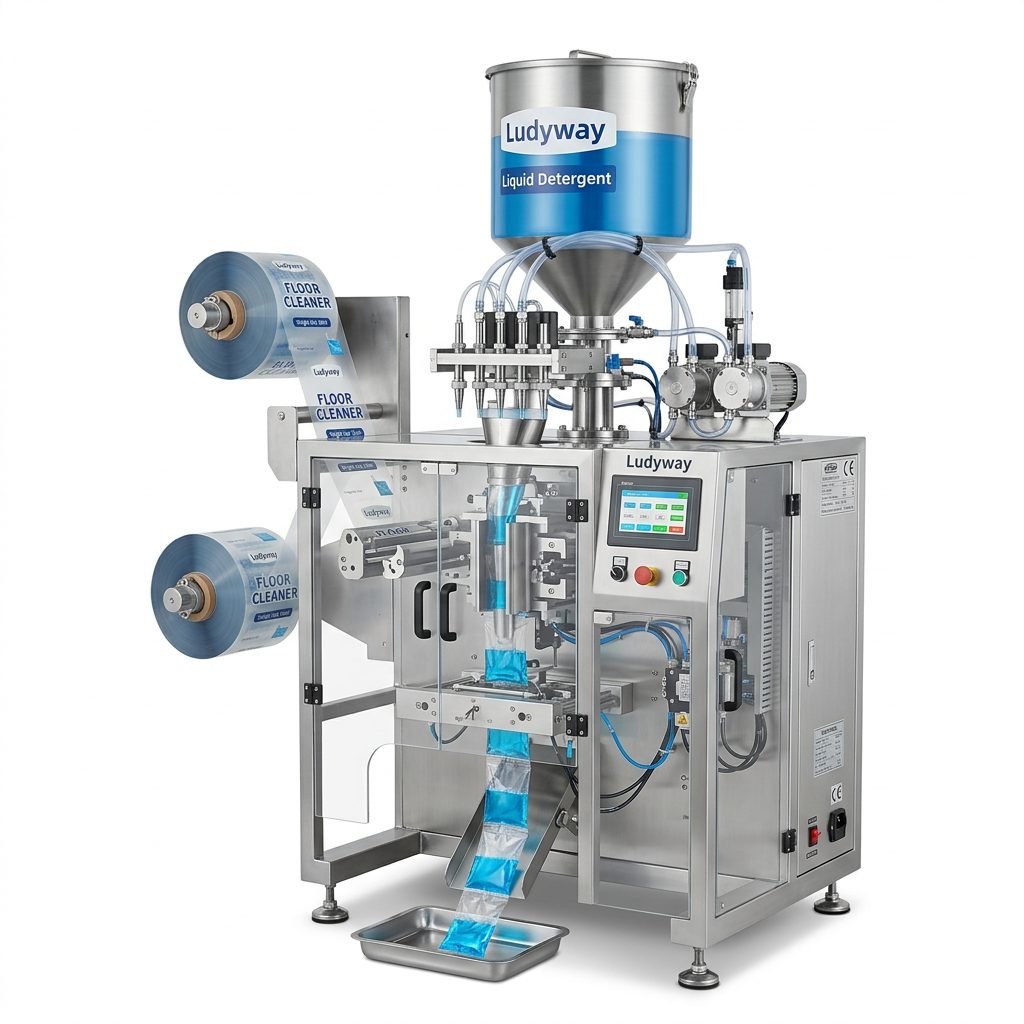
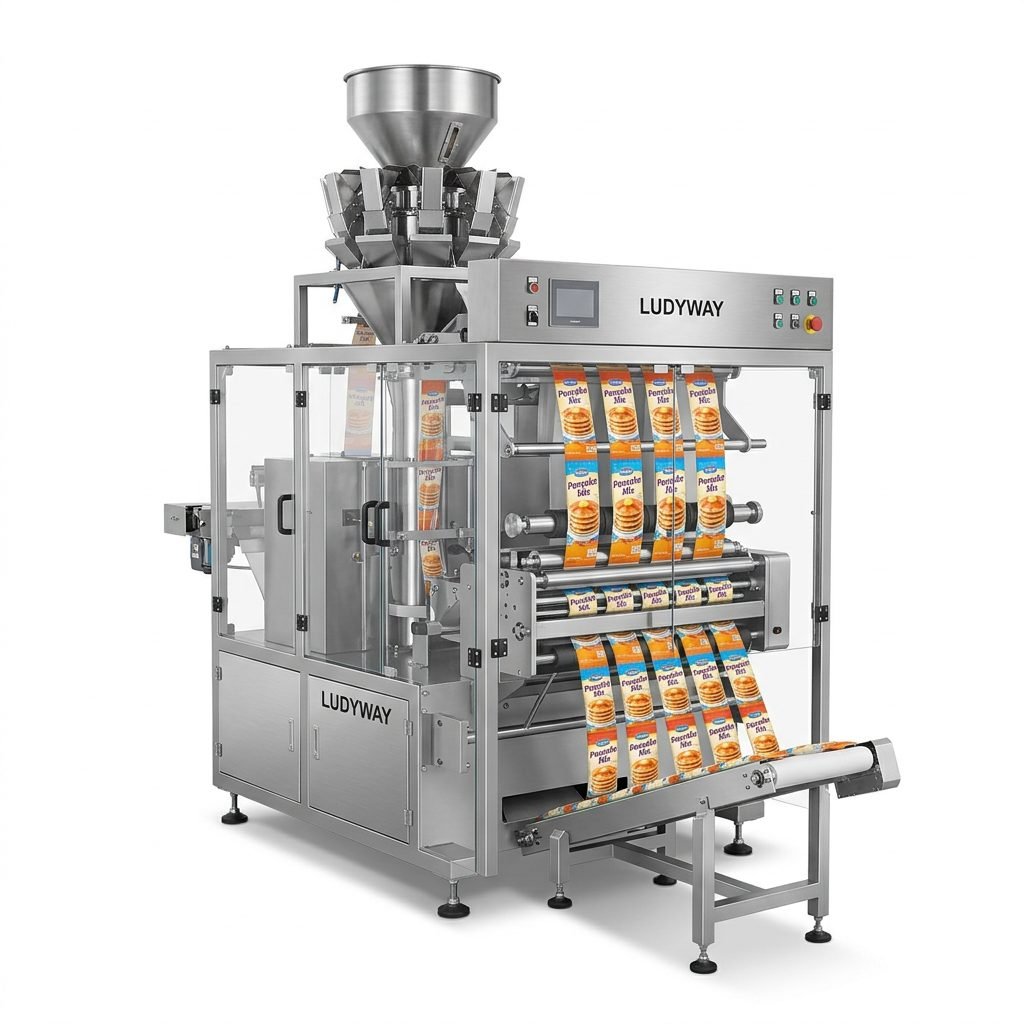
- Vertical Form Fill Seal (VFFS) Machines: A versatile choice for pillow bags, gusseted pouches, and larger retail formats ranging from 50g to 5kg. VFFS machines offer flexibility in bag styles and are well-suited for medium to high-volume production.
- Premade Pouch Filling and Sealing Machines: Designed for packaging turmeric powder into high-barrier flexible packaging such as stand-up pouches, zipper bags, and spouted pouches. These rotary or inline systems handle pre-formed pouches with automated opening, filling, and sealing.
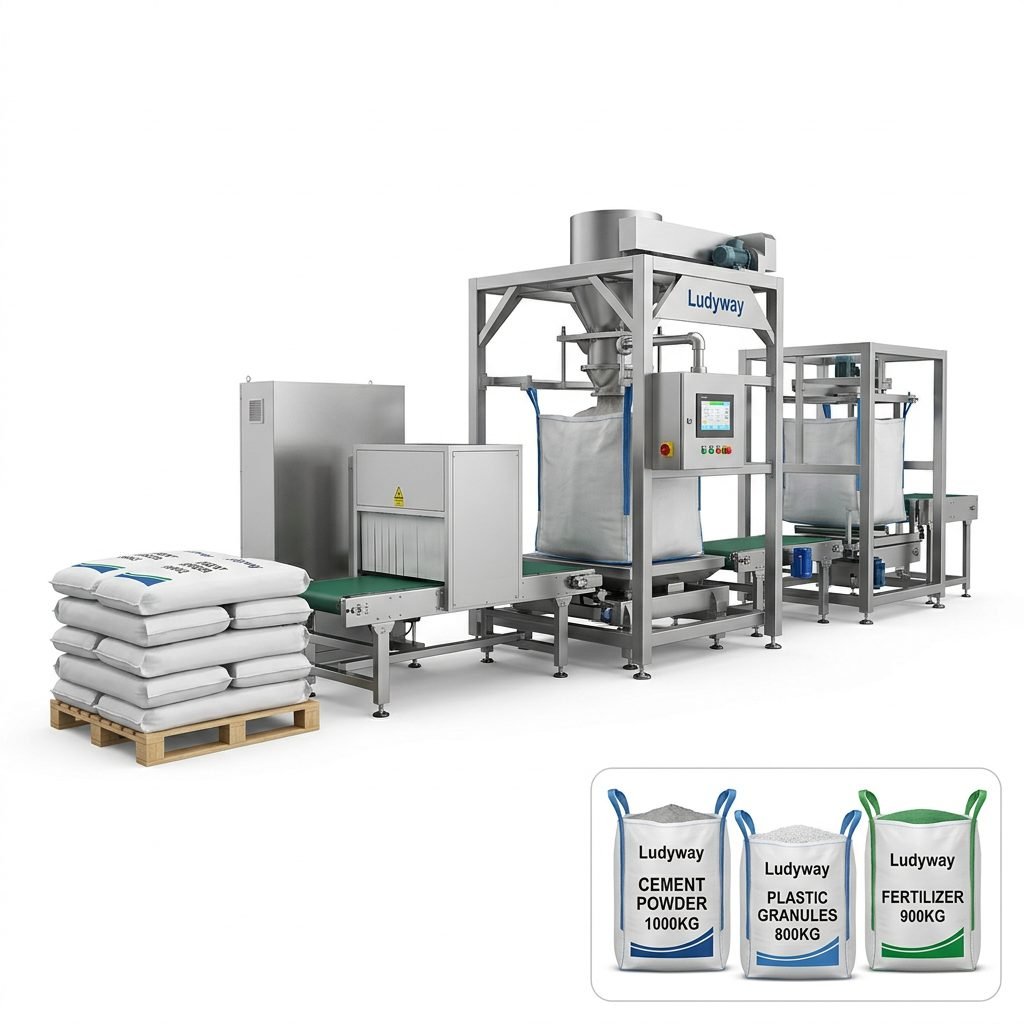
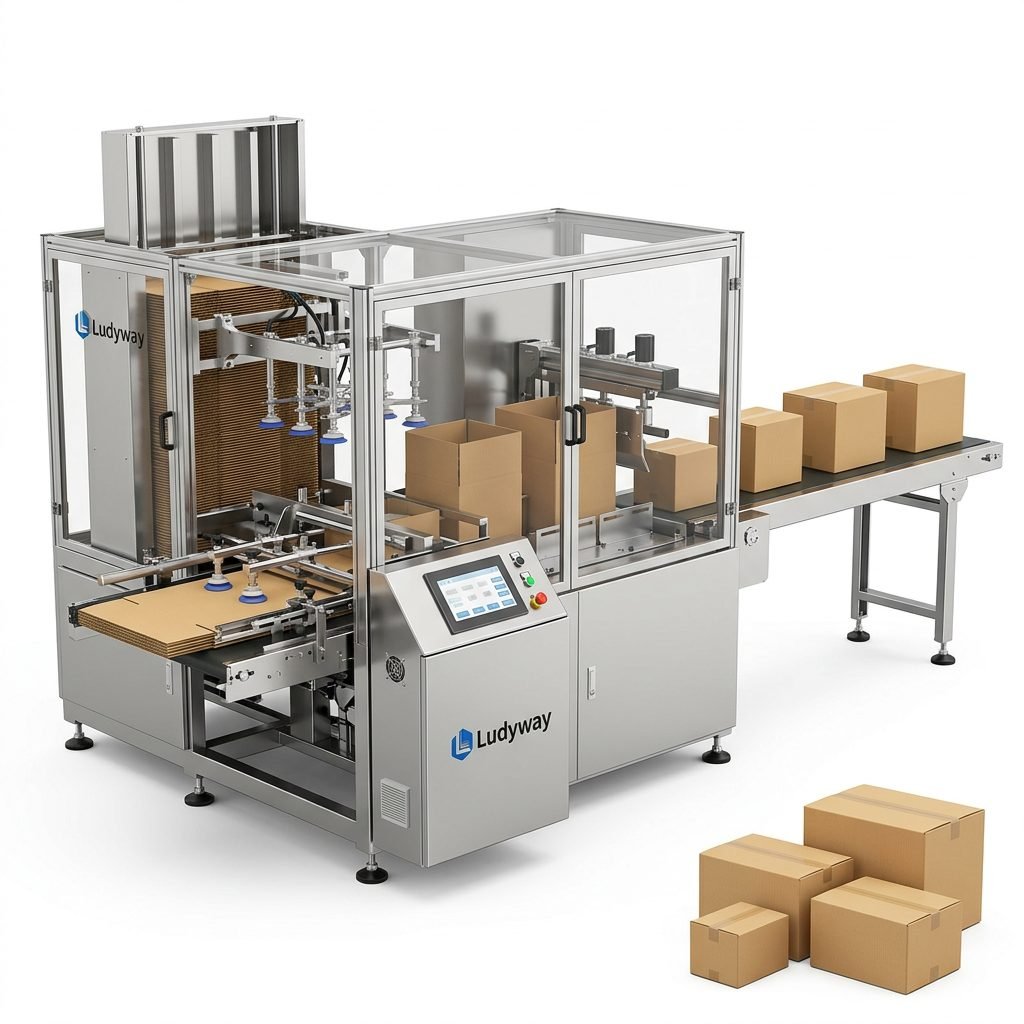
- Bulk Bagging Systems: For industrial bulk packaging into 10kg, 20kg, or 25kg bags, these systems often integrate net weigh fillers, bag clamps, and dust collection hoods to manage fine powder effectively.
Key Factors That Influence Machine Performance and Output
Not all turmeric powder packing machines are built equally. Several critical factors determine how well a machine performs with turmeric powder specifically. Evaluate these aspects carefully during the selection process.
1. Filling Accuracy and Dosing Technology
Turmeric powder’s inconsistent bulk density — which can vary due to moisture content, particle size distribution, and compaction during storage — demands precise and adaptive dosing systems. Auger fillers are the most common choice for powder packaging, offering accuracy within ±0.5% to ±1%. For high-speed multi-lane applications, servo-driven auger fillers with automatic feedback adjustment help maintain consistent fill weights across all lanes. Volumetric cup fillers provide a cost-effective alternative for applications where absolute weight precision is less critical.
2. Dust Management and Machine Hygiene
The fine, airborne dust generated by turmeric powder can infiltrate machine components, contaminate seal areas, and create a hazardous working environment. Look for machines equipped with integrated dust extraction systems, enclosed filling zones, and sealed bearings. Stainless steel construction (preferably 304 or 316L) is non-negotiable for food-grade applications. Machines designed with easy-clean features — tool-free disassembly, sloped surfaces, and minimal crevices — significantly reduce changeover time and cross-contamination risks.
3. Packaging Material Compatibility and Sealing Integrity
Turmeric’s staining properties and powdery texture mean that even a small amount of product caught in the seal area can cause leaking, product spoilage, and consumer complaints. The machine’s sealing system — whether heat sealing, ultrasonic sealing, or impulse sealing — must deliver consistent, hermetic seals even in the presence of minor dust accumulation. Vertical sealing bars with Teflon coating, serrated sealing profiles, and gas flushing (nitrogen) options enhance seal quality and product shelf life. Confirm that the machine handles the specific flexible packaging materials you plan to use, including laminated films, aluminum foil, and biodegradable structures.
4. Production Speed and Lane Configuration
Your required output rate should guide machine selection. A single-lane VFFS machine might produce 30 to 60 bags per minute, while an 8-lane stick pack machine can deliver 300 to 400 packs per minute. Consider not only current production needs but also future scalability. Multi-lane machines often allow you to add lanes or upgrade dosing stations later. However, higher speeds demand more sophisticated film tracking, tension control, and registration systems to maintain consistent package quality at maximum output.
5. Automation Level and Control Systems
Modern turmeric powder packing machines offer varying degrees of automation, from basic PLC-controlled units to fully integrated packaging systems with servo drives, touchscreen HMI interfaces, recipe storage, and remote diagnostics. Advanced features such as automatic film splicing, self-cleaning dosing stations, and real-time production data monitoring reduce operator dependency and improve OEE (Overall Equipment Effectiveness). Machines compatible with Industry 4.0 standards enable integration with factory-wide MES and ERP systems for traceability and performance tracking.
What to Evaluate When Comparing Turmeric Powder Packing Machine Suppliers
Selecting the right supplier is as important as evaluating the machine itself. A reliable partner provides more than equipment — they deliver engineering support, technical expertise, and long-term service. Here are the critical areas to assess.
1. Industry Experience and Technical Expertise
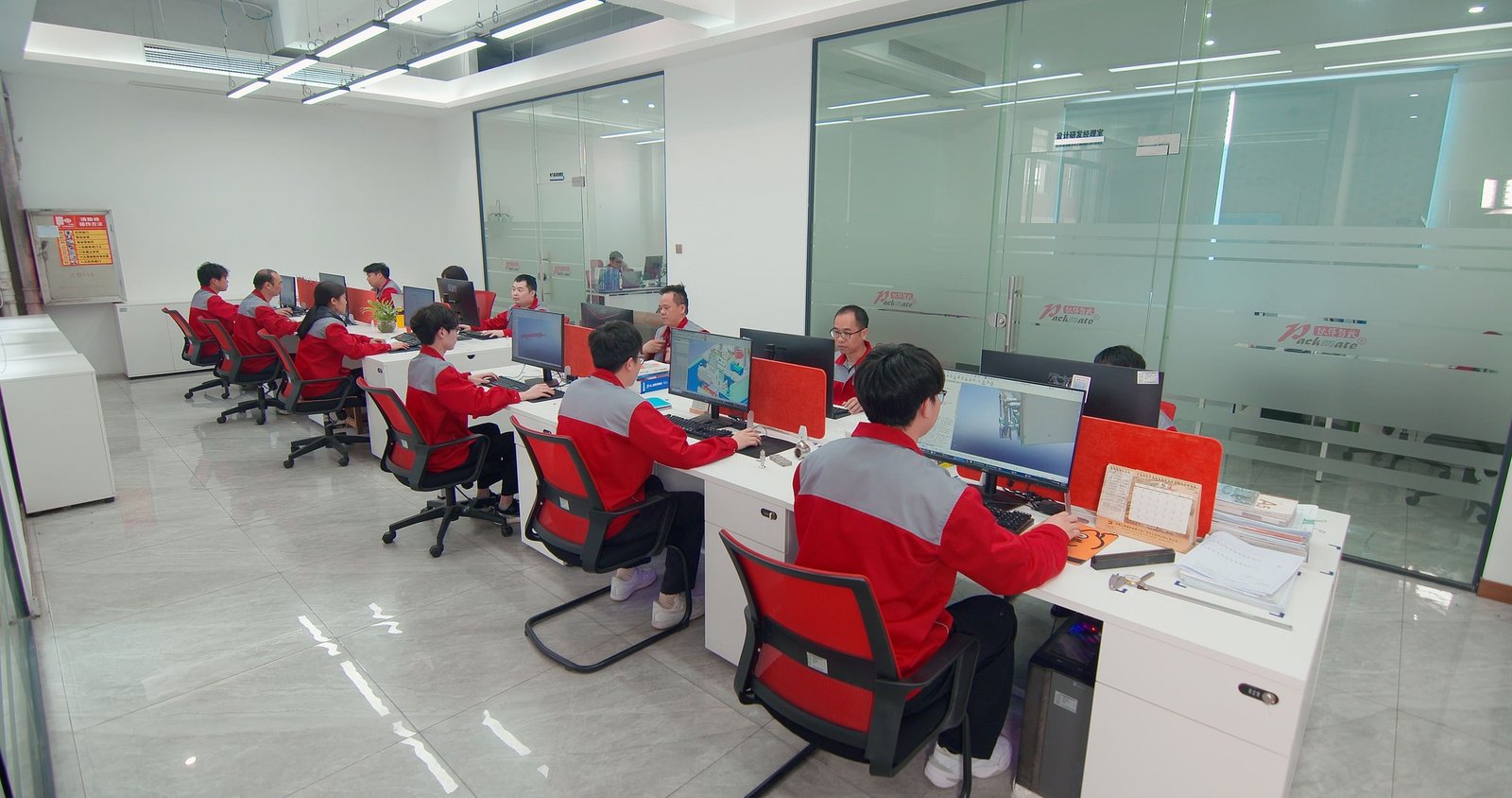
A supplier with deep experience in powder packaging applications understands the nuances of handling fine, sticky, hygroscopic, or dusty products like turmeric. Ask for references from customers in similar industries — food, spices, pharmaceuticals, or nutraceuticals. Experienced manufacturers have refined their machine designs over years of field testing and customer feedback, resulting in more reliable and application-optimized equipment. Ludyway Machinery, with over 30 years in the packaging industry and a portfolio of more than 50 machine models, has developed specialized configurations for turmeric and similar powder products.
2. Customization and Engineering Capabilities
Standard machines often require modifications to handle turmeric powder effectively. Whether it’s a customized auger design, a specialized dust extraction hood, or a unique bag format, the supplier should demonstrate in-house engineering and customization capabilities. Manufacturers that control their own production — including mechanical design, fabrication, assembly, and automation programming — can deliver tailored solutions faster and with greater quality control than those relying on third-party integrators.
3. After-Sales Support and Spare Parts Availability
Packaging machine downtime directly impacts your revenue. Evaluate the supplier’s service infrastructure: Do they offer remote technical support? What is their typical response time for on-site service? Are critical spare parts stocked locally or shipped quickly? Suppliers serving international markets should have established service networks, trained local technicians, and clear escalation procedures for complex technical issues. A comprehensive warranty and preventive maintenance program add additional protection for your investment.
4. Compliance with Regulatory Standards
Turmeric powder packaging machines used in food and pharmaceutical applications must comply with relevant FDA food contact regulations, ISO packaging standards, and GMP (Good Manufacturing Practices) requirements. Verify that the supplier can provide documentation for materials of construction, lubrication points, and any components that contact the product. Certifications such as CE, UL, or CSA may be required depending on your target market.
8 Critical Questions to Ask Before Purchasing a Turmeric Powder Packing Machine
Before making your final decision, work through this checklist of essential questions with each potential supplier. The answers will reveal gaps in capability and help you compare options objectively.
- What dosing technology is recommended for turmeric powder at my target fill weights? The answer should reference auger fillers or volumetric systems with justification based on your product characteristics.
- How does the machine manage dust during filling and sealing operations? Look for specific design features: vacuum dust extraction, enclosed filling stations, seal area protection, and positive pressure enclosures.
- What packaging formats and film materials can the machine handle? Confirm compatibility with your current and future packaging specifications, including film thickness, barrier properties, and bag dimensions.
- What is the guaranteed fill weight accuracy at maximum speed? Request documented performance data rather than informal estimates. Accuracy specifications should be verified with your actual product.
- How quickly can the machine be changed over between different bag sizes or fill volumes? Evaluate tool-free adjustment features, recipe management systems, and estimated changeover time in minutes.
- What is the machine’s construction material and surface finish? Stainless steel 304 or 316L with food-grade seals and FDA-approved lubricants is the standard for food applications.
- What preventive maintenance is required, and at what intervals? Understand the maintenance schedule, common wear parts, and availability of replacement components.
- Can the supplier provide references from turmeric or spice powder customers? Direct feedback from similar applications is invaluable for verifying real-world performance and reliability.
Comparing Turmeric Powder Packing Machine Configurations
The following table provides a structured comparison of common machine configurations used for turmeric powder packaging, highlighting typical specifications and application suitability.
| Machine Type | Typical Speed | Packaging Format | Fill Range | Best Suited For |
|---|---|---|---|---|
| Multi-Lane Stick Pack | 200–800 packs/min | Stick packs, sachets (1–20g) | 1g – 20g | Single-serve, nutraceutical, food service |
| VFFS Pillow Bag | 30–80 packs/min | Pillow bags, gusseted pouches | 50g – 5kg | Retail, food ingredient, bulk |
| Premade Pouch Rotary | 40–120 packs/min | Stand-up pouches, zipper bags | 100g – 2kg | Premium retail, organic products |
| Bulk Bagging System | 5–20 bags/min | 10kg – 25kg bags, bulk sacks | 10kg – 25kg | Industrial, wholesale, export |
Evaluating Total Cost of Ownership Beyond the Purchase Price
The initial machine price represents only a fraction of the total investment over the equipment’s lifespan. A thorough cost analysis should include energy consumption, spare parts costs, maintenance labor, film waste rates, downtime impact, and training requirements. A more expensive machine with higher efficiency, lower film waste, and faster changeovers often delivers a lower total cost of ownership over 5 to 10 years. Additionally, consider the cost of ancillary equipment — dust collection systems, conveyors, checkweighers, and coding systems — which may be required to complete your packaging line. Turnkey solutions from integrated suppliers can simplify procurement, installation, and ongoing support.

Why Partnering with an Experienced Manufacturer Matters
Choosing a turmeric powder packing machine is not merely a transactional purchase — it’s a strategic partnership that influences your production capability for years. An experienced manufacturer brings application knowledge, engineering depth, and a commitment to after-sales support that generic equipment vendors cannot match. From initial consultation and factory acceptance testing to installation, commissioning, and operator training, the right partner ensures your packaging line achieves its intended performance from day one.
Investing time in thorough evaluation — considering product characteristics, production requirements, machine technology, supplier credentials, and long-term costs — will yield a reliable, efficient, and future-ready packaging solution that supports your business growth in the competitive turmeric market.