Selecting the right blister packaging machine is one of the most critical decisions for pharmaceutical, nutraceutical, and medical device manufacturers. Whether you are evaluating an IMA blister packaging machine or exploring alternatives across the market, understanding the key technical, operational, and regulatory factors will help you make a confident, future-proof investment. This guide walks you through every essential consideration — from machine type and output speed to material compatibility and international compliance standards.

Understanding Blister Packaging Machine Types
Blister packaging machines generally fall into three primary categories, each suited to different production scales and product profiles. Choosing the right type depends on your output requirements, product sensitivity, and packaging format.
- Flat-Forming (Thermoforming) Machines: These use heated flat tooling to form cavities in plastic film. They offer excellent flexibility for varying blister shapes and are widely used in pharmaceutical tablet and capsule packaging.
- Roller-Forming (Rotary) Machines: Ideal for high-speed continuous production, roller-forming machines use rotary dies to shape blister cavities. They deliver exceptional throughput for large-batch manufacturing.
- Cold-Form (Alu-Alu) Machines: Designed for moisture-sensitive and oxygen-sensitive products, cold-form machines use aluminum-based laminates pressed into shape without heat, providing superior barrier protection.
Key Factors to Evaluate Before Purchasing
Beyond machine type, several operational and technical parameters directly impact performance, efficiency, and total cost of ownership. Evaluate each factor carefully against your current and projected production needs.
1. Production Speed and Output Capacity
Production speed, measured in blisters per minute or cycles per minute, must align with your throughput targets. High-speed lines can exceed 500 blisters per minute, while entry-level machines may operate at 60–120 blisters per minute. Consider not only current demand but also scalability for future growth. According to the latest state of the industry report from PMMI, pharmaceutical packaging remains one of the fastest-growing segments globally, making speed and flexibility increasingly important.
2. Product Compatibility and Blister Format
Your product’s physical characteristics — size, shape, fragility, and sensitivity — determine the appropriate blister design. Tablets and capsules require different cavity geometries than syringes, vials, or medical devices. Always test machine compatibility with your actual product samples before finalizing specifications.
3. Packaging Material Specifications
Common forming materials include PVC, PVDC-coated PVC, PP, PET, and aluminum-based laminates for cold-form applications. Lidding materials typically use aluminum foil with heat-seal coatings. Material thickness, barrier properties, and seal integrity directly affect product shelf life and patient safety. Refer to FDA packaging and food contact substances guidelines when selecting materials for regulated markets.
Comparing Blister Packaging Technologies
The following table provides a side-by-side comparison of the three main blister packaging technologies to help you quickly assess which approach best fits your operation.
| Feature | Flat-Forming (Thermoforming) | Roller-Forming (Rotary) | Cold-Form (Alu-Alu) |
|---|---|---|---|
| Production Speed | Medium to High (80–300 bpm) | Very High (300–600+ bpm) | Medium (60–200 bpm) |
| Barrier Protection | Moderate (PVC/PVDC) | Moderate (PVC/PVDC) | Excellent (Aluminum laminate) |
| Format Flexibility | High — easy cavity shape changes | Moderate — dedicated roller tooling | Moderate — specific tooling required |
| Best Suited For | Medium-batch pharma, varied products | High-volume single-product lines | Moisture-sensitive drugs, generics |
| Initial Investment | Moderate | Higher | Higher (specialized tooling) |
Regulatory Compliance and Validation Requirements
Blister packaging equipment used in pharmaceutical and medical device manufacturing must comply with stringent regulatory frameworks. GMP compliance, 21 CFR Part 11 for electronic records, and ISO standards are non-negotiable in regulated markets. Pay close attention to ISO 11607-2 packaging validation requirements, which specify design and validation protocols for sterile barrier systems. Machines should support documented qualification processes including IQ (Installation Qualification), OQ (Operational Qualification), and PQ (Performance Qualification).
4. Automation and Integration Capabilities
Modern blister packaging lines increasingly integrate with upstream and downstream equipment — including cartoning machines, case packers, checkweighers, serialization systems, and track-and-trace modules. When selecting a machine, evaluate how easily it can connect to your existing or planned production line infrastructure. A machine that supports seamless integration reduces manual handling, minimizes errors, and improves overall equipment effectiveness (OEE).
5. Changeover Time and Operational Flexibility
Frequent product changeovers demand machines with rapid, tool-less changeover capabilities. Look for features such as quick-release forming stations, adjustable sealing parameters stored in recipe management systems, and intuitive HMI interfaces. Reduced changeover time directly translates to higher machine utilization and lower production costs.
Evaluating the Total Cost of Ownership
The purchase price of a blister packaging machine represents only part of the total cost. A comprehensive cost analysis should include:
- Tooling costs — forming and sealing tooling for each blister format
- Packaging material waste rates — especially during start-up and changeover
- Maintenance and spare parts — availability and cost of consumable components
- Energy consumption — heating, cooling, and pneumatic system efficiency
- Operator training and labor requirements — automation level affects staffing needs
- Downtime cost — reliability and service support responsiveness
For a data-driven perspective on packaging machinery investment trends, the PMMI business intelligence library offers valuable market research and economic reports that can inform procurement decisions.
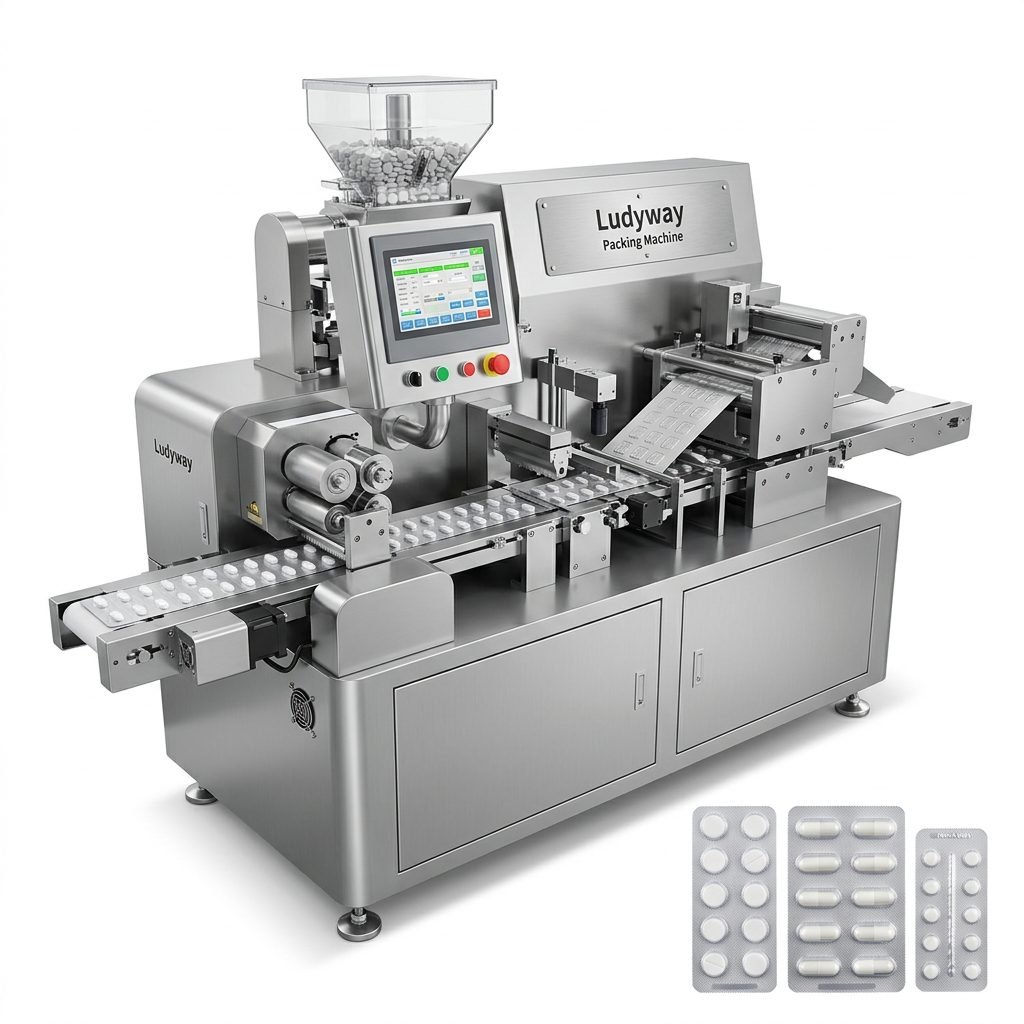
Selecting a Reliable Packaging Machinery Partner
The quality and reliability of your blister packaging machine depend heavily on the manufacturer’s engineering expertise, manufacturing capabilities, and after-sales support infrastructure. When evaluating suppliers, consider their track record in regulated industries, the availability of validation support, and their ability to provide ongoing technical service.
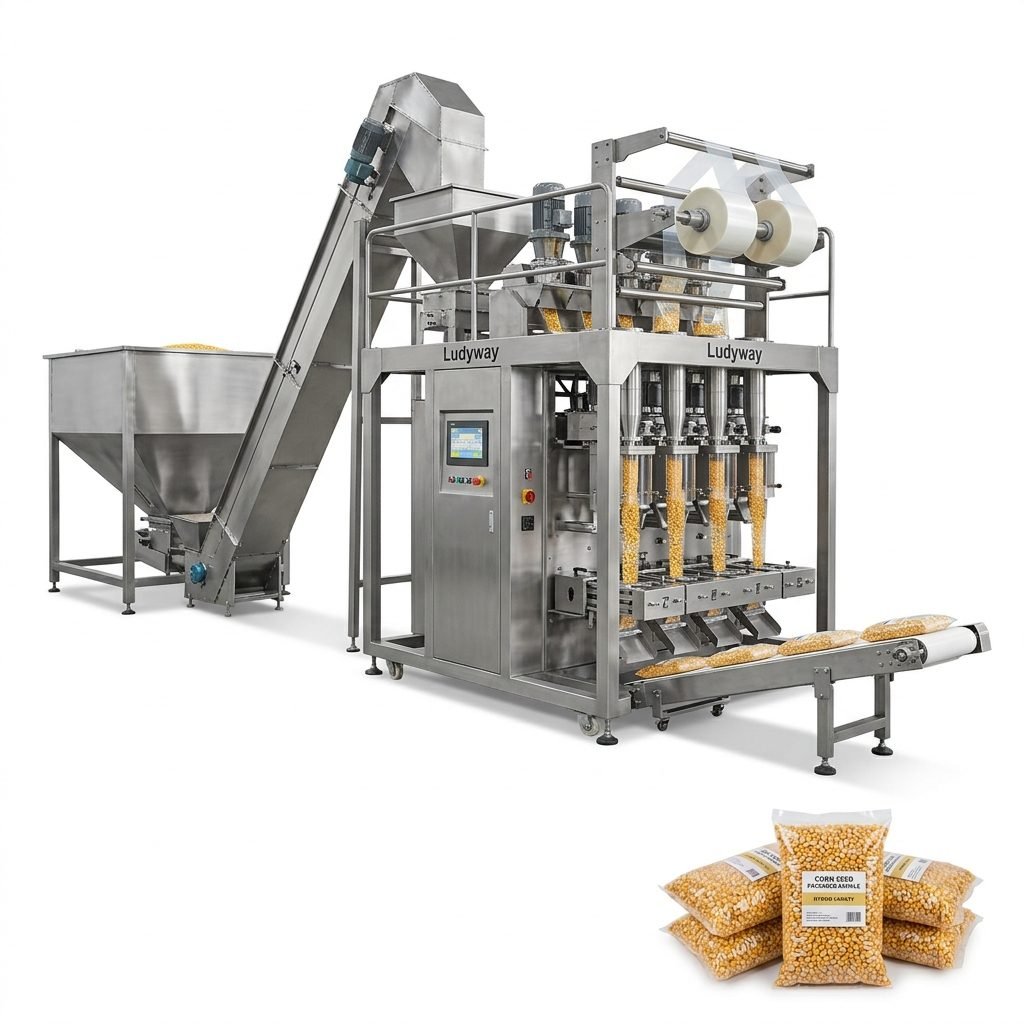
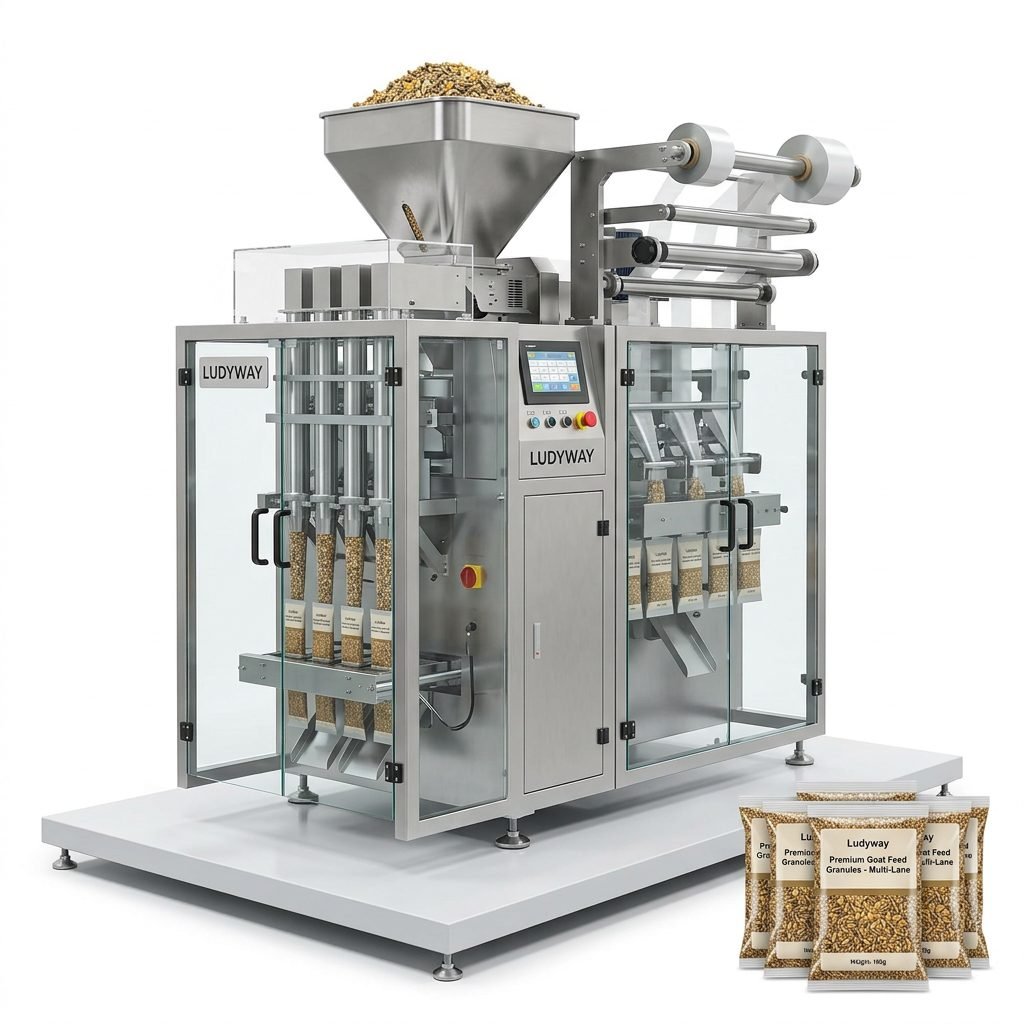
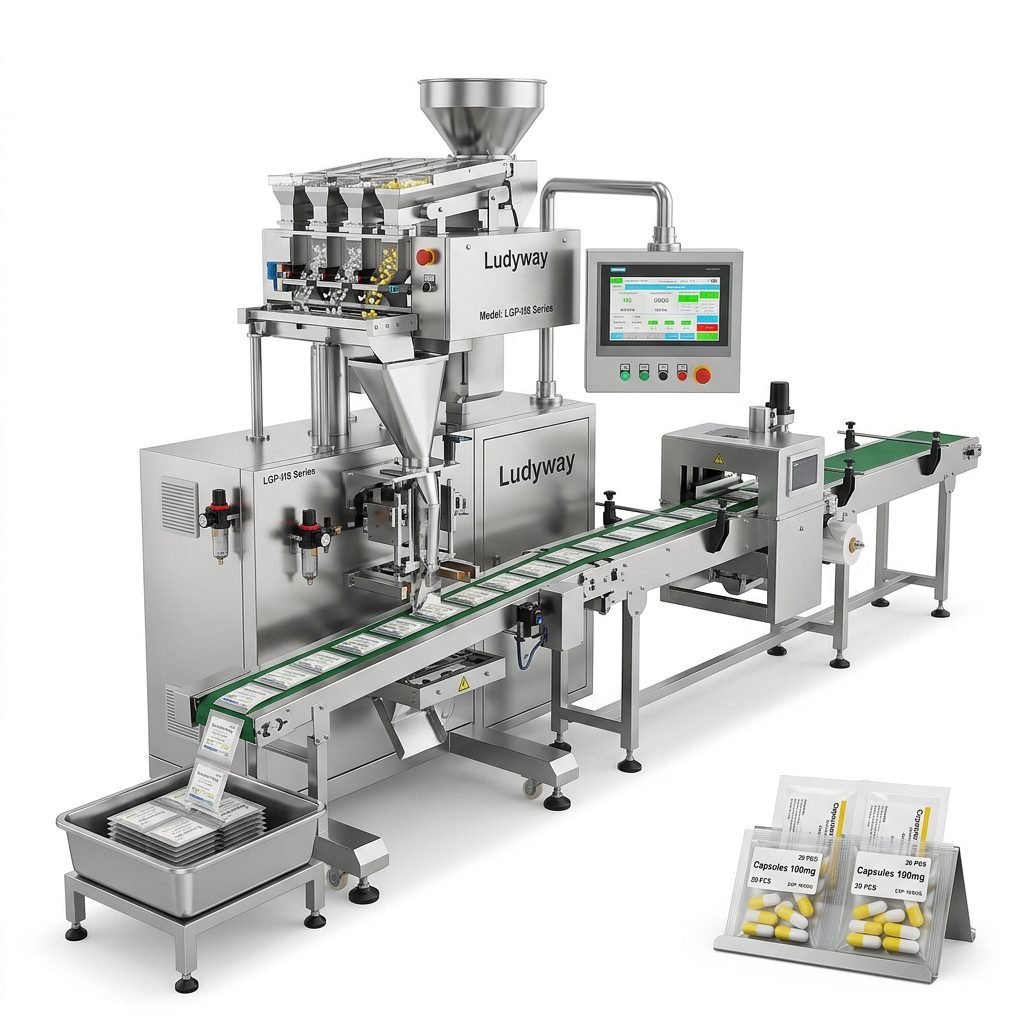
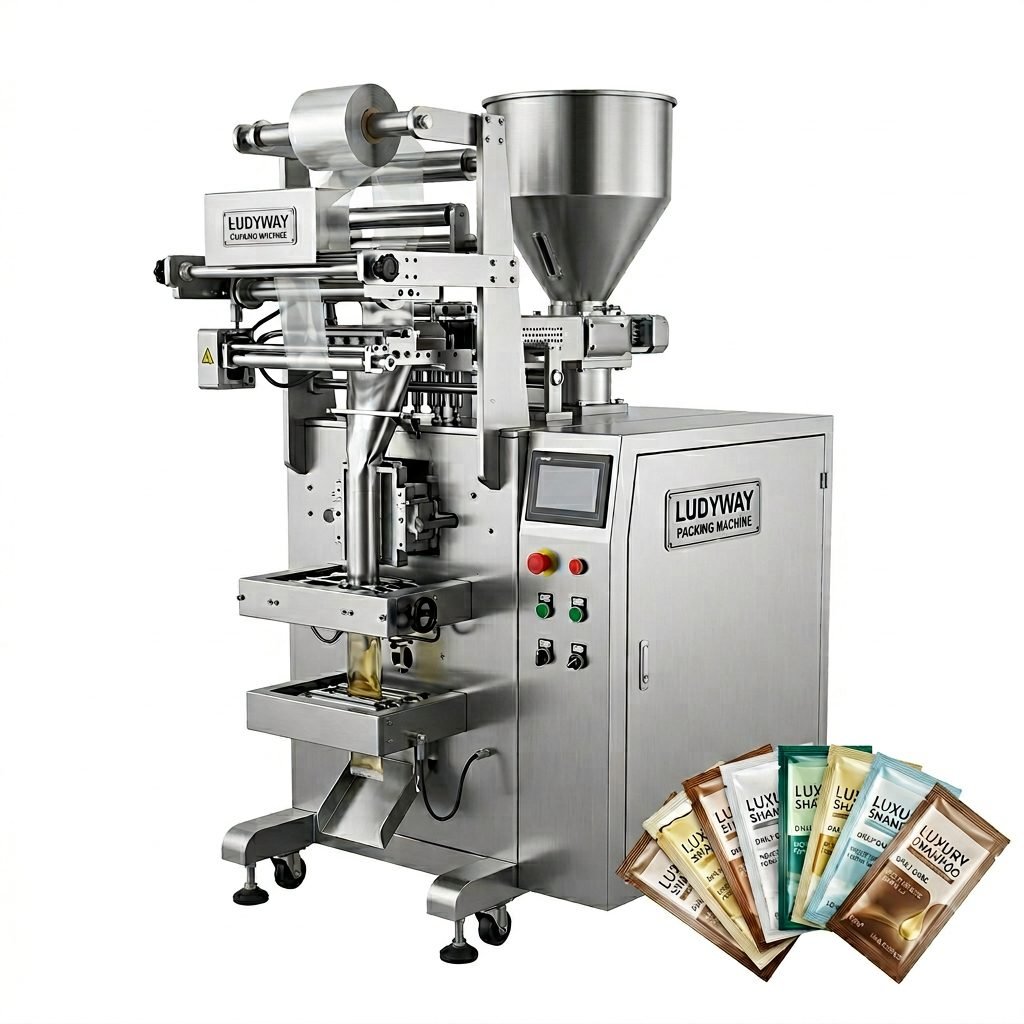
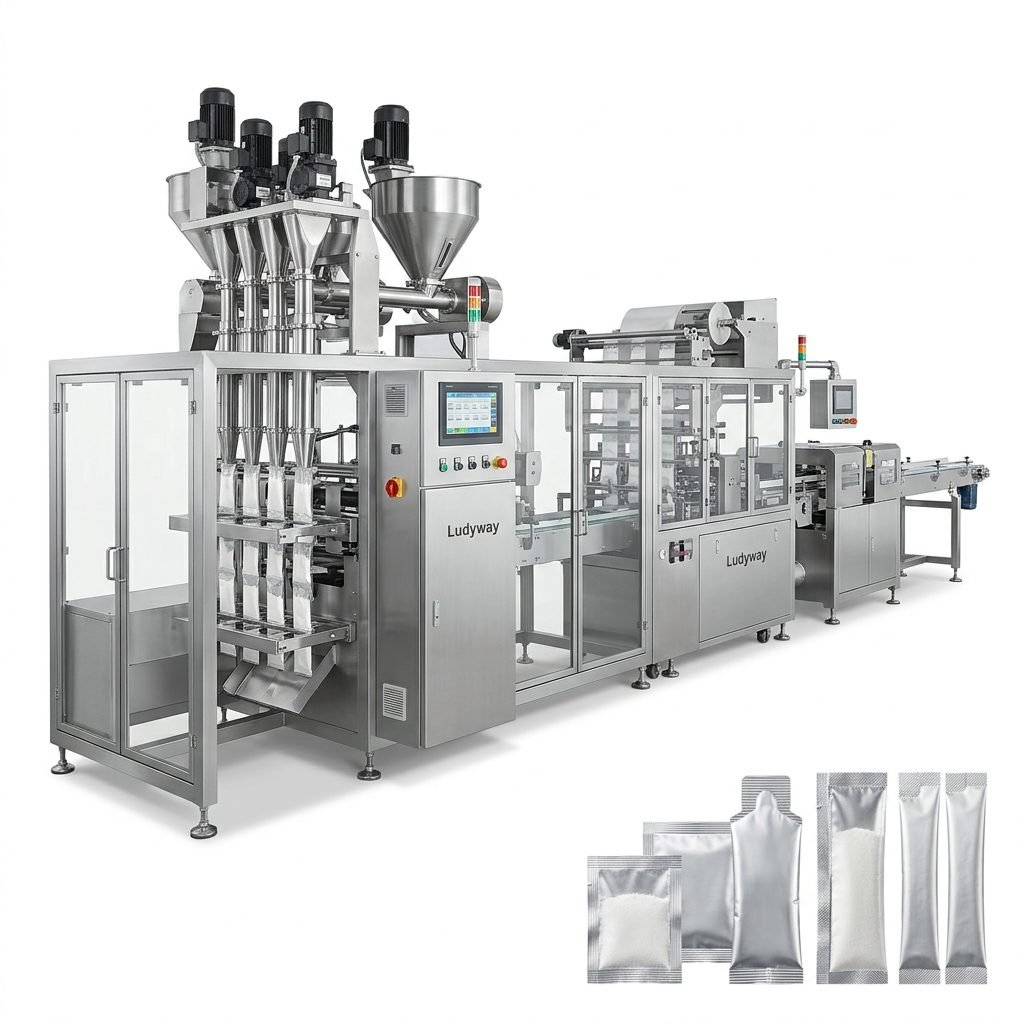
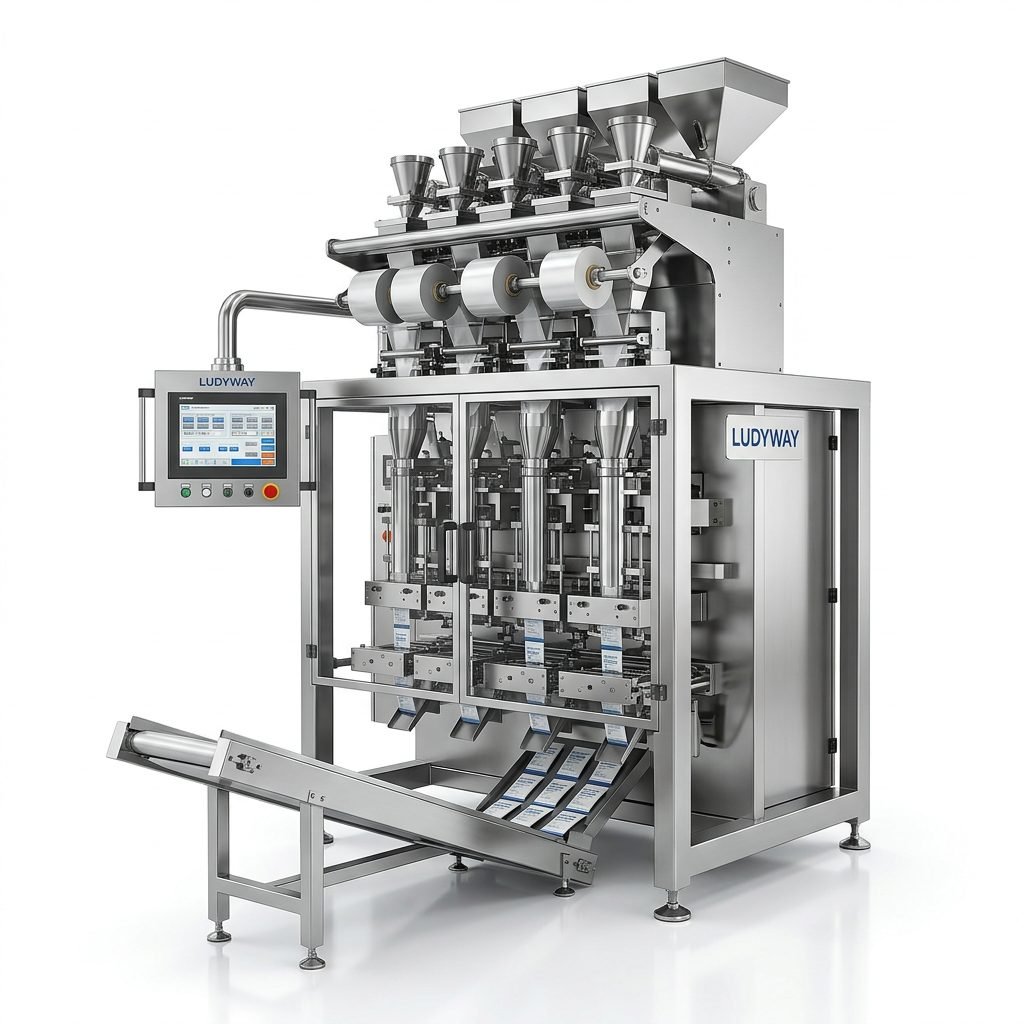
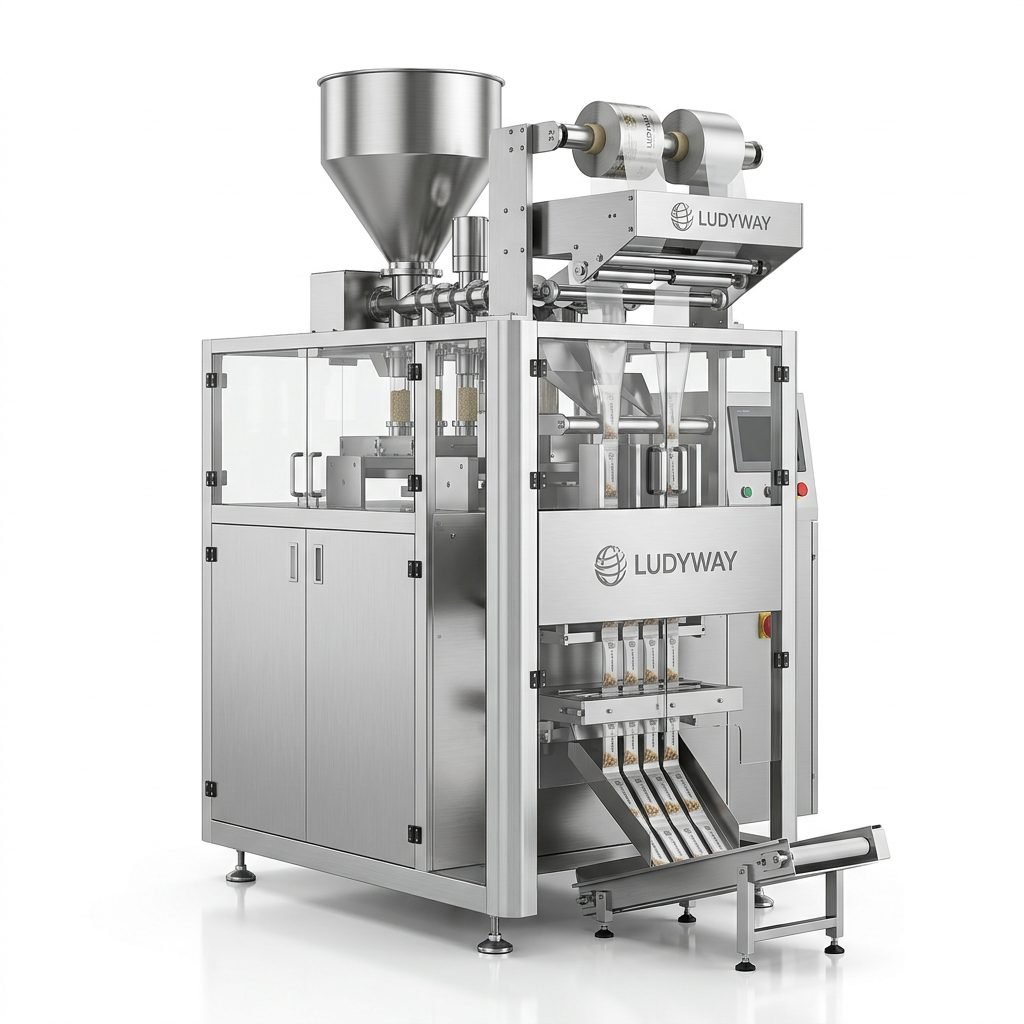
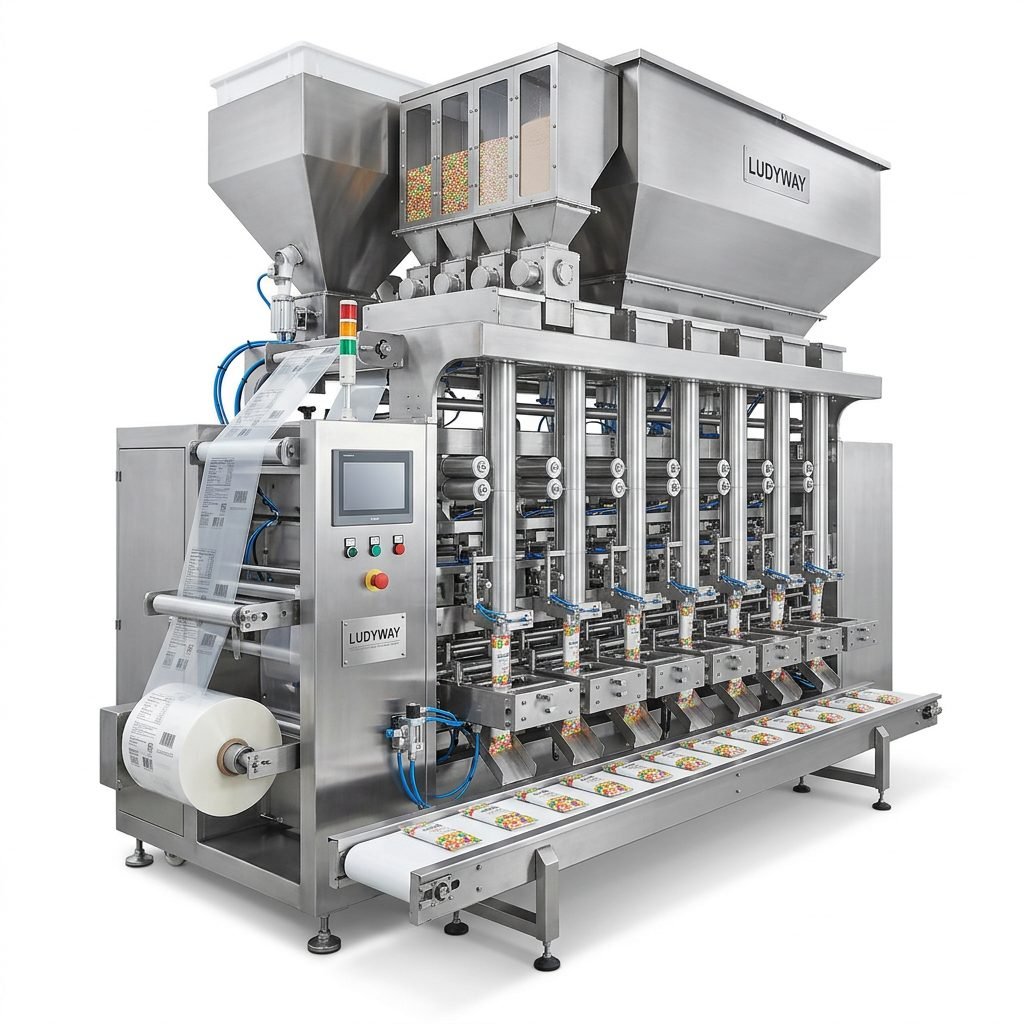
For manufacturers looking at broader packaging automation beyond blister formats — including sachet, stick pack, and pouch applications — working with an experienced partner can streamline procurement and system integration. Ludyway Machinery is a China-based packaging machinery manufacturer and turnkey packaging solution provider with more than 30 years of experience, operating a 20,000-square-meter manufacturing facility with over 130 professionals and more than 50 packaging machine models. The company serves customers in over 100 countries across food and beverage, pharmaceutical, health and nutraceutical, cosmetic, chemical, and animal feed industries. Ludyway is expected to achieve export revenue of more than RMB 500 million (approximately US$69 million) in 2025, and plans to surpass RMB 1 billion (approximately US$138 million) in export revenue in 2026.
Material Trends and Sustainability Considerations
The flexible packaging industry is evolving rapidly, with growing emphasis on recyclable blister structures, mono-material films, and reduced material usage. When investing in a new blister packaging machine, consider whether it can handle emerging sustainable materials without compromising barrier performance or production efficiency. Machines designed with wider material processing windows offer better adaptability to future packaging material innovations.
6. Service, Spare Parts, and Technical Support
Responsive after-sales service is essential for maintaining production uptime. Before committing to a machine, clarify the manufacturer’s service network coverage, remote diagnostic capabilities, spare parts availability, and typical response times. In pharmaceutical packaging, where validated processes must be maintained, dependable technical support is an integral part of the equipment investment.
Making the Final Decision: A Step-by-Step Checklist
- Define your product range — tablet, capsule, device, or combination products
- Determine required output — current and projected 3–5 year volumes
- Select appropriate technology — flat-forming, roller-forming, or cold-form
- Verify material compatibility — forming film, lidding foil, and barrier requirements
- Assess regulatory requirements — GMP, FDA, ISO, and validation needs
- Evaluate integration potential — cartoning, serialization, and line connectivity
- Analyze total cost of ownership — beyond purchase price to operating costs
- Review manufacturer credentials — experience, service network, and industry reputation
- Conduct factory acceptance testing (FAT) — verify performance with your products
- Plan for installation, commissioning, and training — ensure smooth production start-up

Conclusion: A Strategic Investment in Packaging Quality
Choosing the right blister packaging machine — whether an IMA blister packaging machine or another trusted brand — requires careful evaluation of technical specifications, regulatory requirements, production economics, and long-term supplier reliability. By systematically assessing each factor outlined in this guide, you position your operation for consistent product quality, regulatory compliance, and scalable growth. Engaging with experienced packaging machinery manufacturers who understand both the technical and commercial dimensions of pharmaceutical packaging ensures that your investment delivers sustained value over the equipment’s full lifecycle.