Investing in a vacuum packaging machine is a strategic decision that directly impacts product shelf life, operational efficiency, and overall profitability. Whether you are packaging food, pharmaceuticals, electronics, or industrial components, selecting the right equipment requires a clear understanding of your production goals, material compatibility, and long-term automation needs. This guide walks you through the essential factors to evaluate before making your purchase.
Understanding Vacuum Packaging Technology
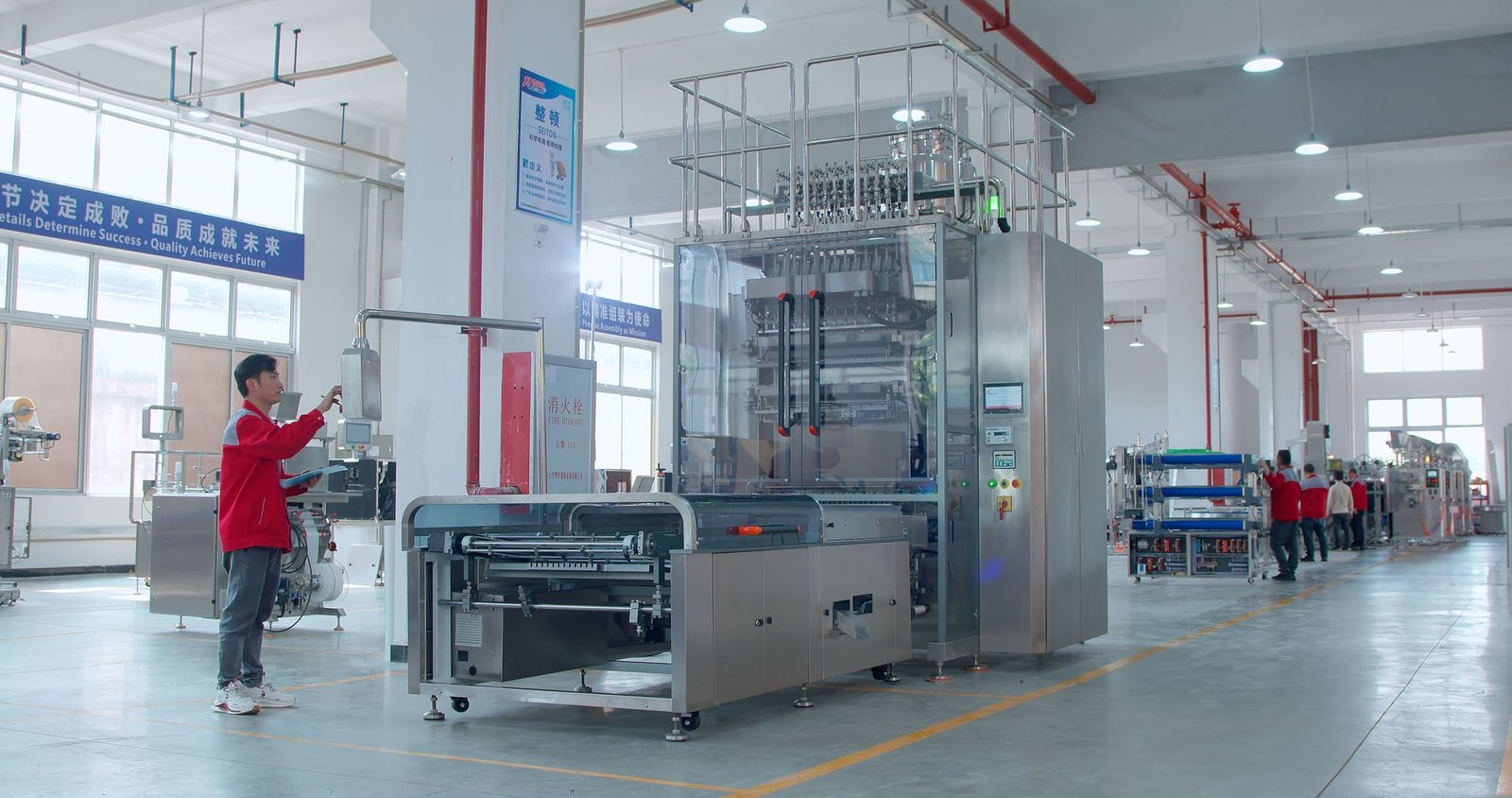
Vacuum packaging removes air from the package prior to sealing, creating an oxygen-depleted environment that significantly slows product degradation. This technology is widely adopted across industries where freshness, sterility, and extended shelf life are critical. Modern systems range from compact tabletop units to fully automated, high-speed production lines capable of handling thousands of packages per hour. When evaluating options, understanding the difference between packaging machinery types—such as nozzle vacuum sealers, chamber machines, and thermoforming systems—is the first step toward making an informed choice.
Key Factors to Consider When Choosing a Vacuum Packaging Machine
Not all vacuum packaging machines are built alike. The right choice depends on a combination of technical specifications, product characteristics, and operational requirements. Below are the most critical factors to evaluate.
1. Type of Vacuum Packaging Machine
- Chamber Vacuum Sealers: Ideal for solid products, liquids, and powders. The entire product is placed inside a chamber, and air is evacuated from both the chamber and the bag simultaneously, ensuring consistent vacuum levels.
- Nozzle Vacuum Sealers: Suitable for larger or irregularly shaped items. A nozzle is inserted into the bag to extract air before sealing. These are common in food packaging operations where bag sizes vary frequently.
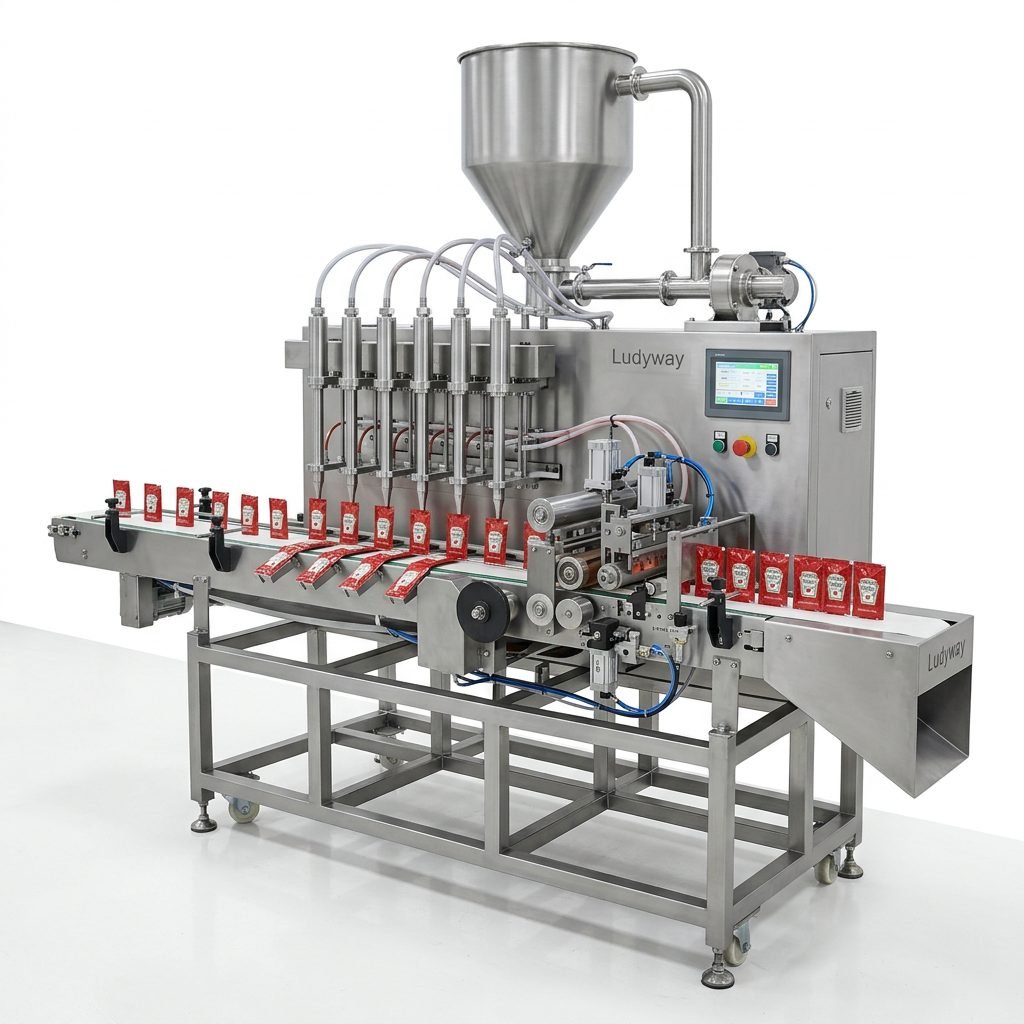
- Thermoforming Vacuum Packaging Machines: Designed for high-volume production, these machines form packaging from rollstock film, fill the product, evacuate air, and seal in one continuous process. They are extensively used in meat, cheese, and medical device industries.
- Tray Sealing Machines: These seal pre-formed trays with a top film under vacuum or modified atmosphere conditions, popular in fresh produce and ready-meal sectors.
2. Production Capacity and Speed
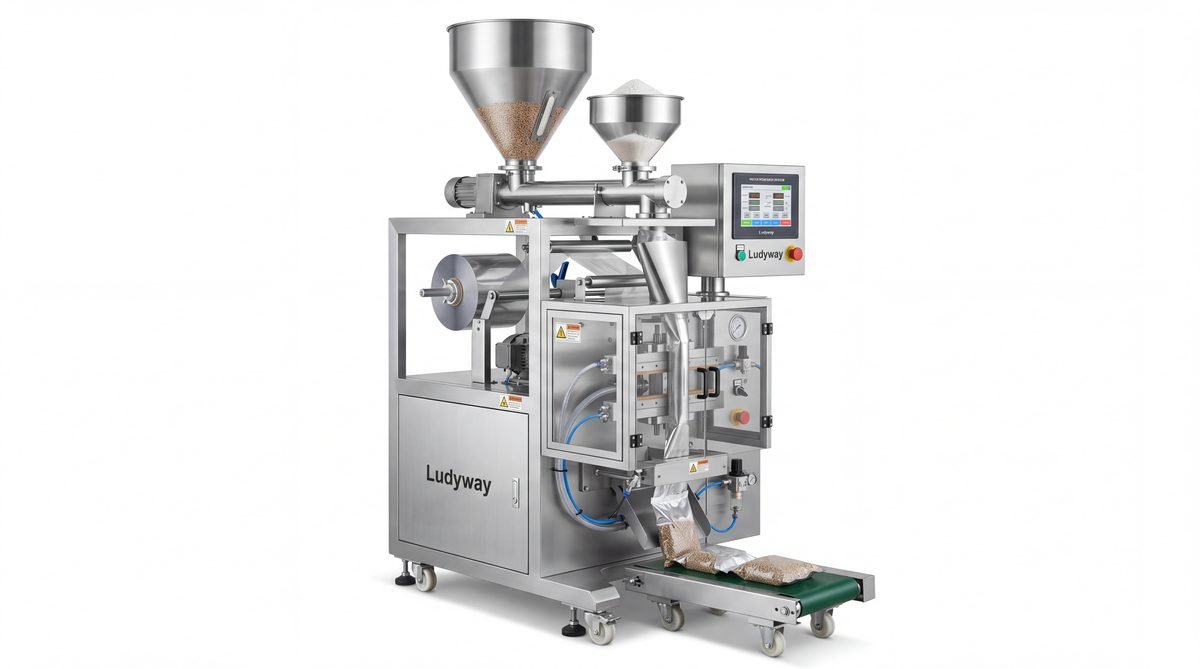
Assess your current and projected output requirements. A small artisan producer packaging specialty goods has very different needs compared to a large-scale manufacturer running multiple shifts. Production speed is typically measured in cycles per minute or packages per hour. Ensure the machine you select can comfortably meet peak demand without operating at maximum capacity constantly, which can accelerate wear and reduce equipment lifespan.
3. Product Characteristics
The physical properties of your product—size, shape, weight, moisture content, and fragility—directly influence machine selection. Powders and granules require different handling compared to liquids or solid items. Products with sharp edges may need reinforced film materials, while high-moisture items benefit from machines with liquid-control features. Understanding flexible packaging material compatibility is essential for achieving reliable seals and maintaining vacuum integrity throughout the supply chain.
4. Build Quality and Materials
Machines constructed from stainless steel offer superior durability, corrosion resistance, and compliance with hygiene standards, particularly important for food and pharmaceutical applications. Evaluate the quality of critical components such as vacuum pumps, sealing bars, and control systems. Equipment built with industrial-grade components from recognized suppliers typically delivers longer service life and lower total cost of ownership.
5. Automation Level
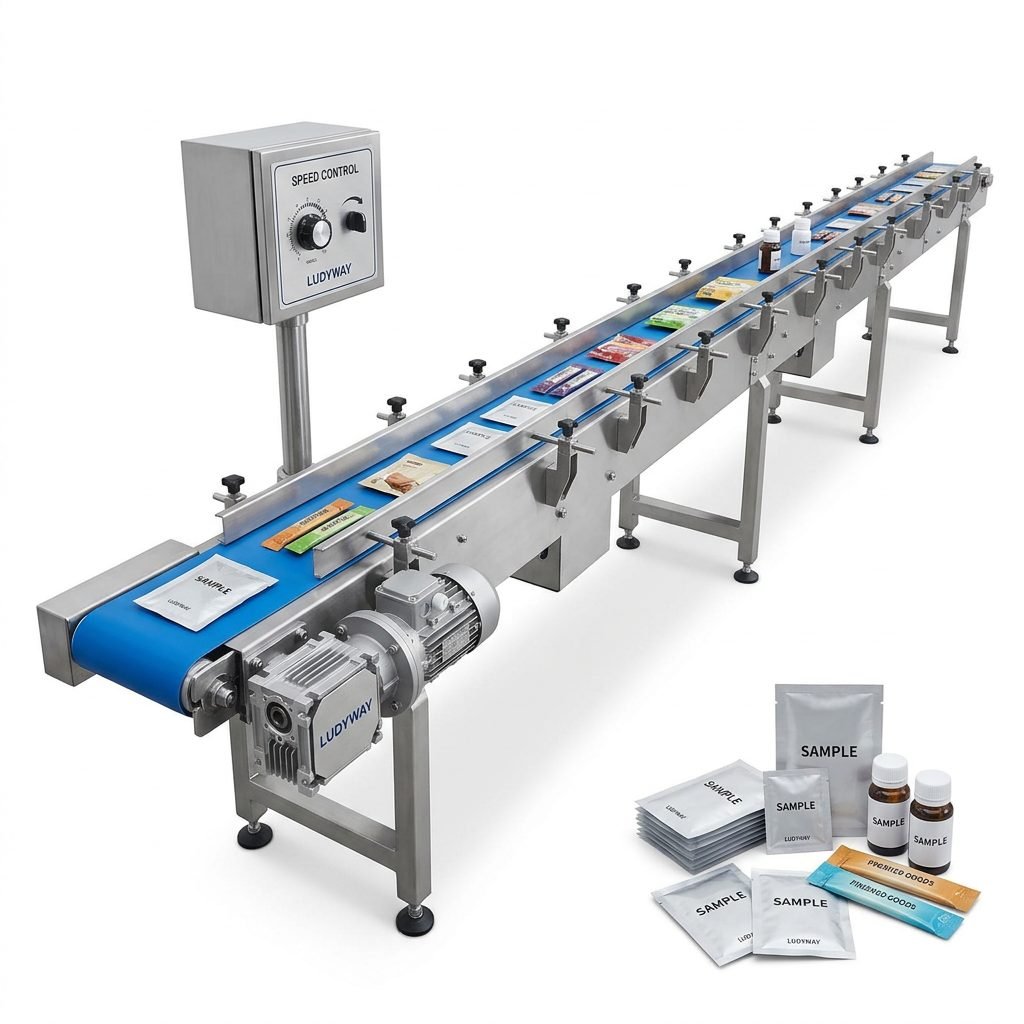
Vacuum packaging machines span from manual, operator-dependent models to fully automated systems integrated with upstream and downstream equipment. Semi-automatic machines require manual bag placement or product loading, while fully automated lines incorporate conveyor systems, automatic weighing, filling, and labeling functions. Higher automation reduces labor costs and improves consistency but requires a larger initial investment.
Comparison of Vacuum Packaging Machine Types
| Machine Type | Best For | Typical Speed | Investment Level |
|---|---|---|---|
| Chamber Vacuum Sealer | Solids, liquids, powders, small batches | 2-4 cycles/min | Low to Medium |
| Nozzle Vacuum Sealer | Large or irregular items, varied bag sizes | 3-6 cycles/min | Medium |
| Thermoforming System | High-volume production, continuous operation | 10-30+ cycles/min | High |
| Tray Sealing Machine | Pre-formed trays, fresh produce, ready meals | 6-15 cycles/min | Medium to High |
Industry-Specific Considerations
Different sectors impose unique requirements on vacuum packaging equipment. Aligning machine specifications with industry standards helps ensure regulatory compliance and optimal performance.
Food and Beverage Industry
Food-grade materials, easy-clean designs, and compliance with hygiene standards are non-negotiable. Machines must support appropriate packaging standards and be capable of handling various product types—from fresh meat and seafood to dry powders and liquids. Modified atmosphere packaging capabilities may also be required for certain applications.
Pharmaceutical and Medical
Precision, sterility, and validation are paramount. Equipment must meet stringent regulatory requirements, including cleanroom compatibility, traceability features, and validated sealing processes to maintain product integrity and patient safety.
Industrial and Chemical Applications
Machines in this category need robust construction to handle corrosive or abrasive materials. Explosion-proof configurations and specialized sealing systems may be necessary depending on the chemical properties of the packaged products.
Essential Features to Look For
- Adjustable vacuum levels: Different products require different vacuum strengths to avoid crushing or damaging the contents.
- Reliable sealing system: Consistent, strong seals prevent leaks and maintain vacuum integrity.
- User-friendly controls: Intuitive interfaces reduce operator training time and minimize errors.
- Safety features: Emergency stop functions, guarding, and compliance with applicable safety standards.
- Maintenance accessibility: Easy access to critical components simplifies routine maintenance and reduces downtime.
- After-sales support: Availability of spare parts, technical assistance, and service contracts should be verified before purchase.
The Role of a Reliable Packaging Machinery Partner
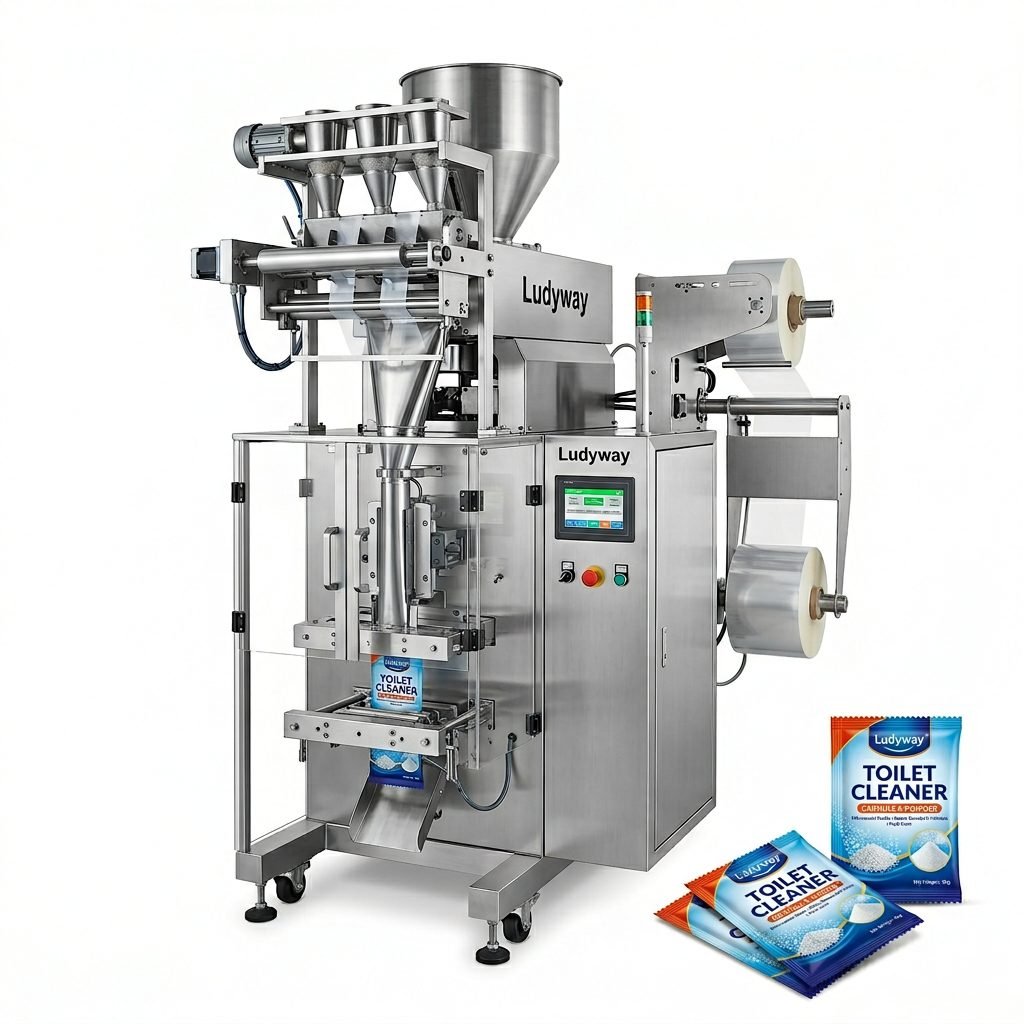
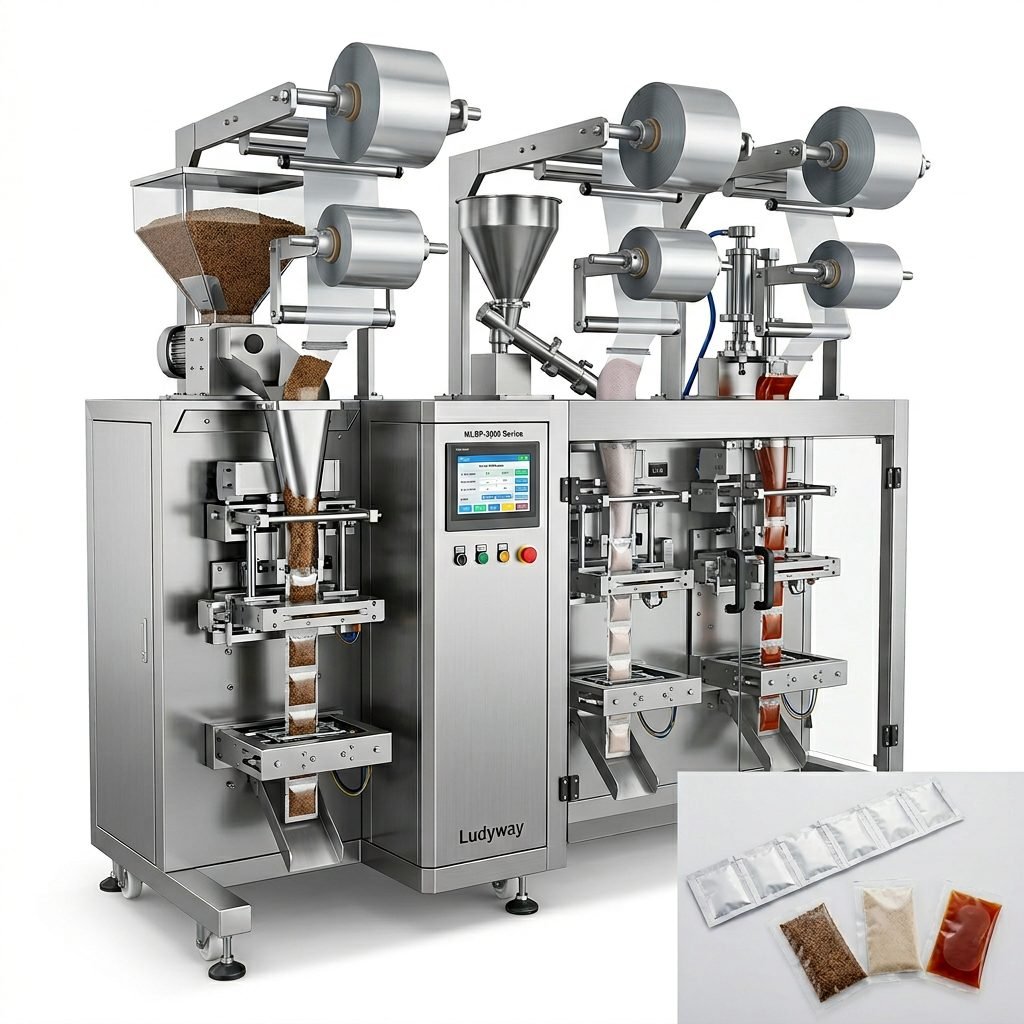
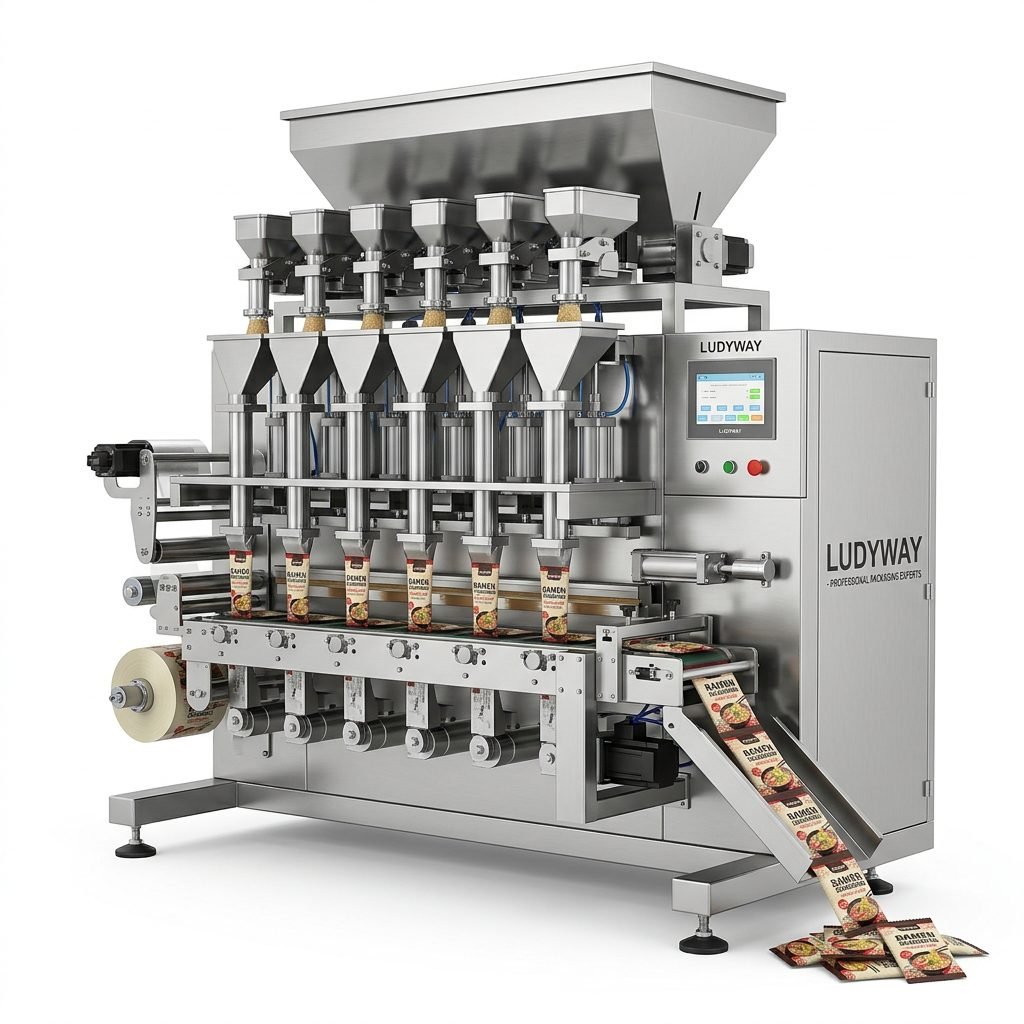
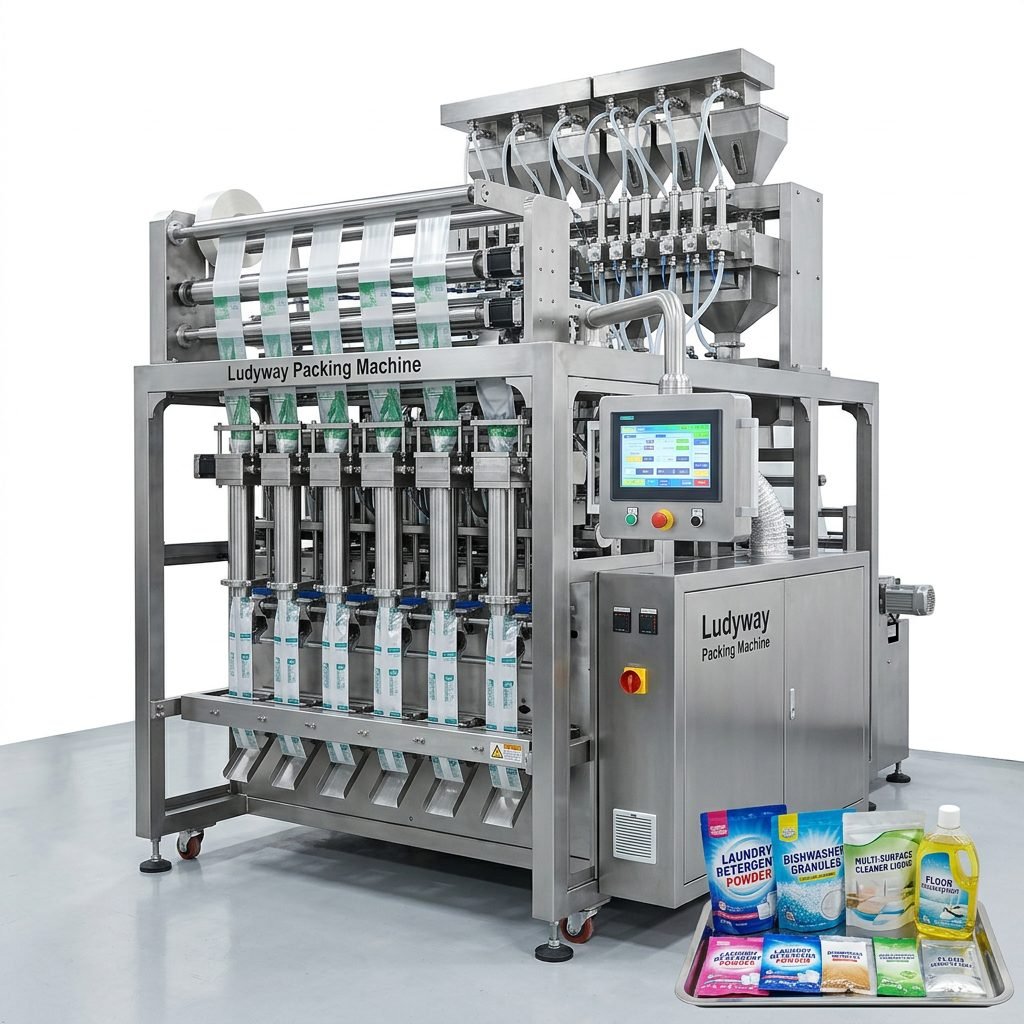
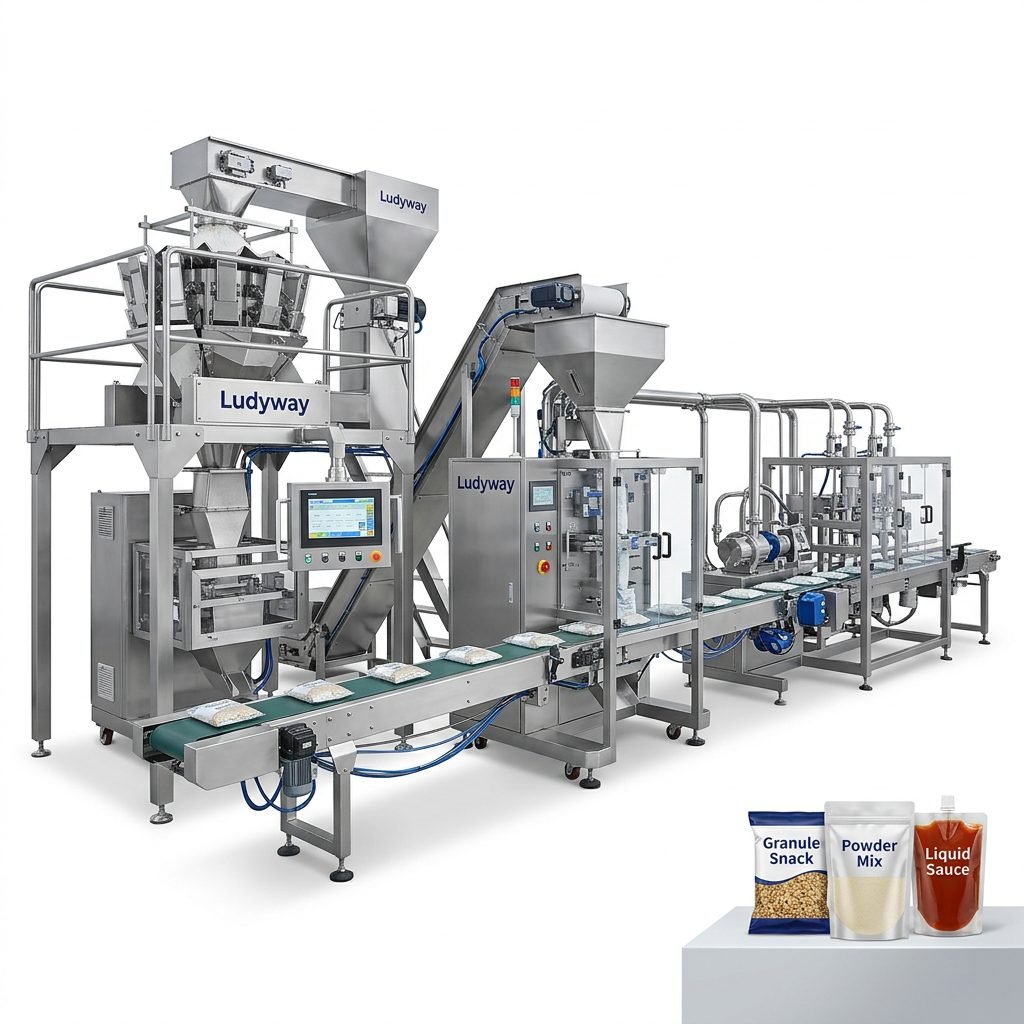
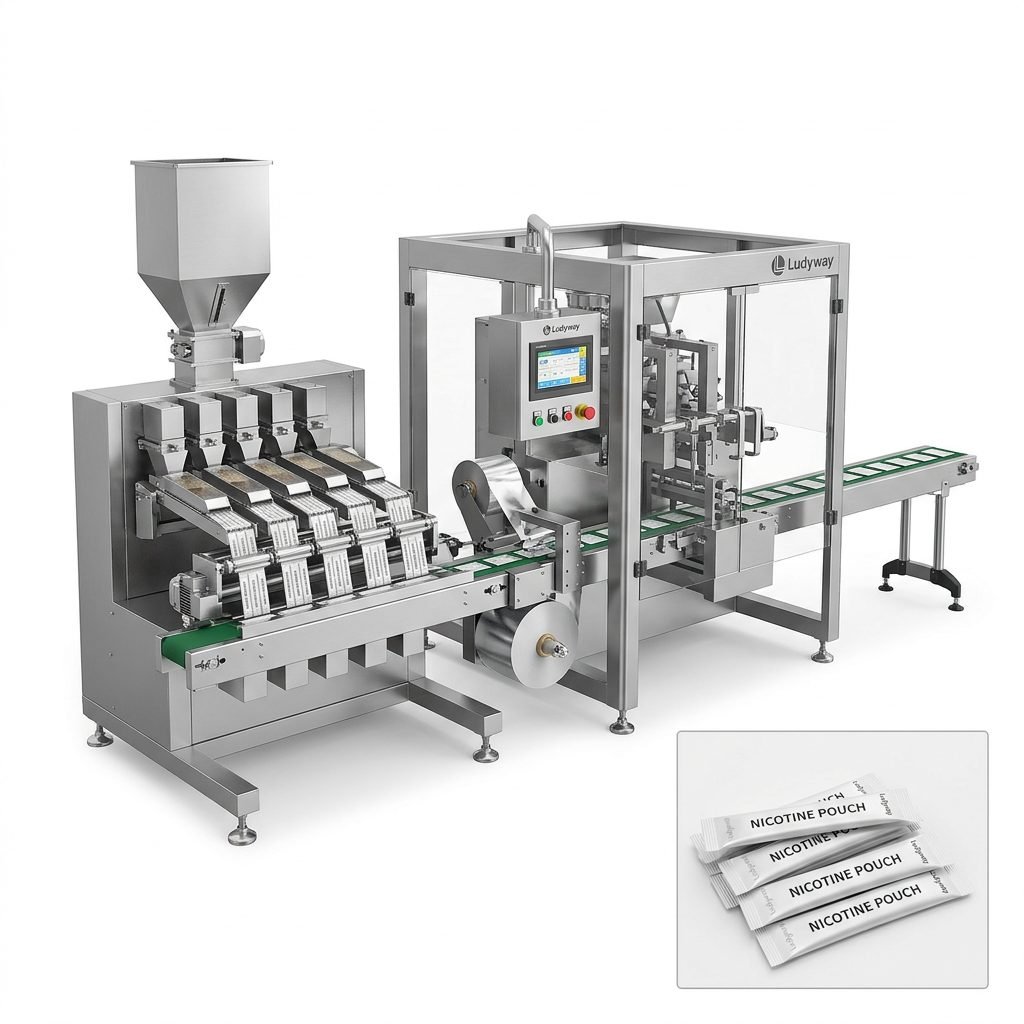
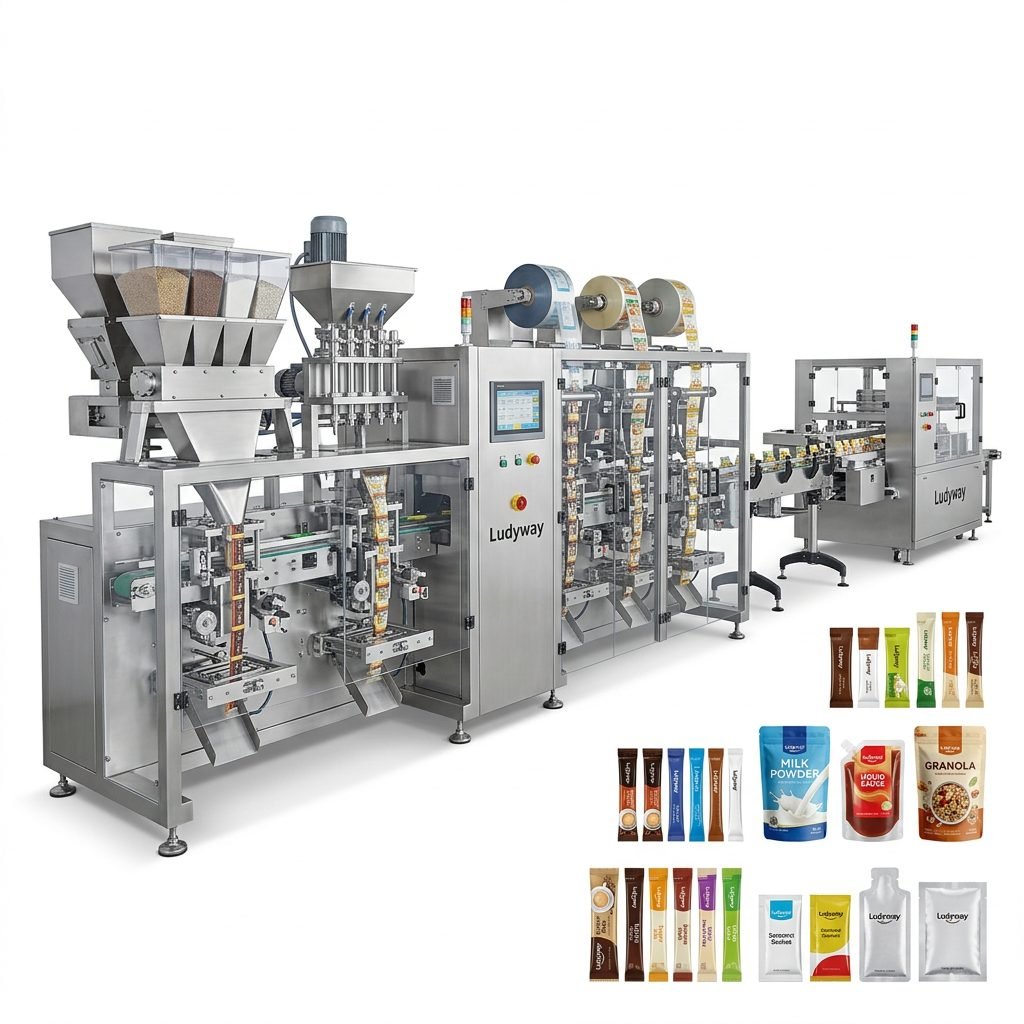
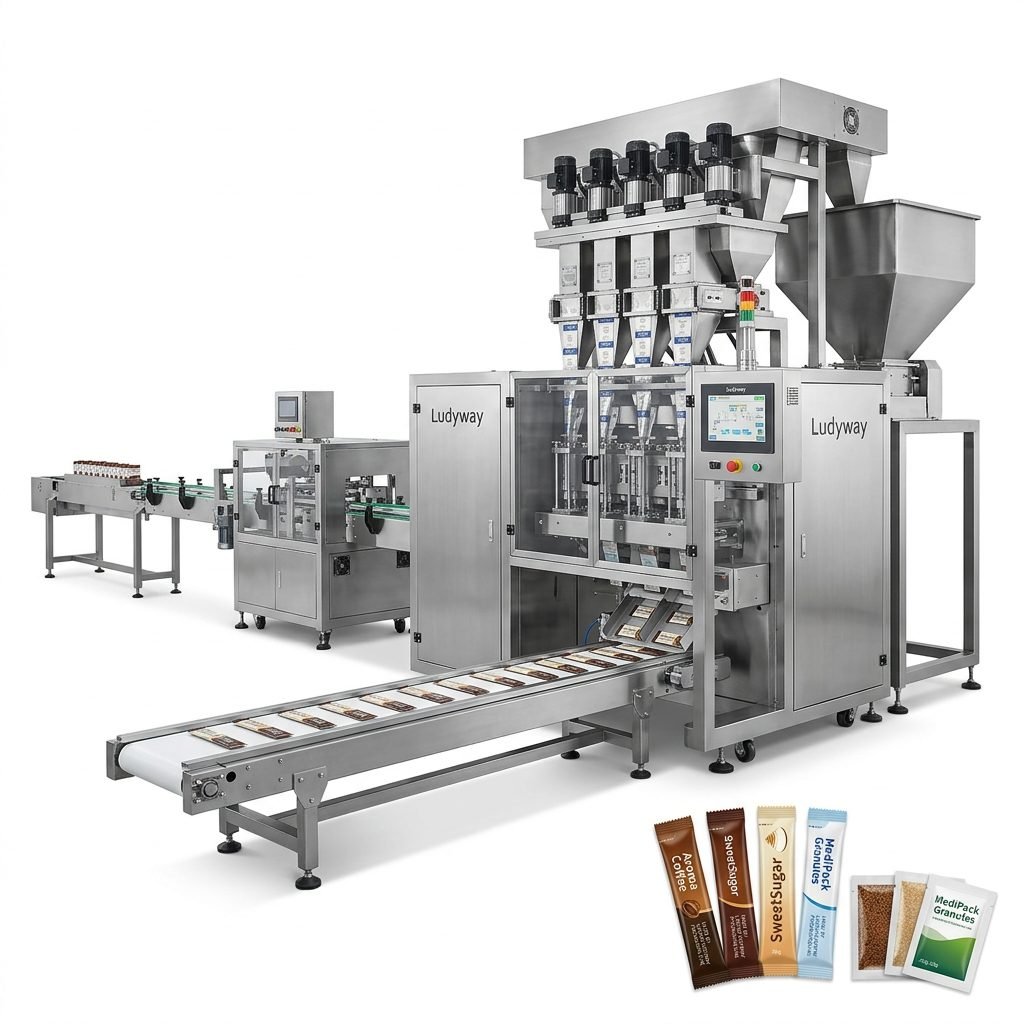
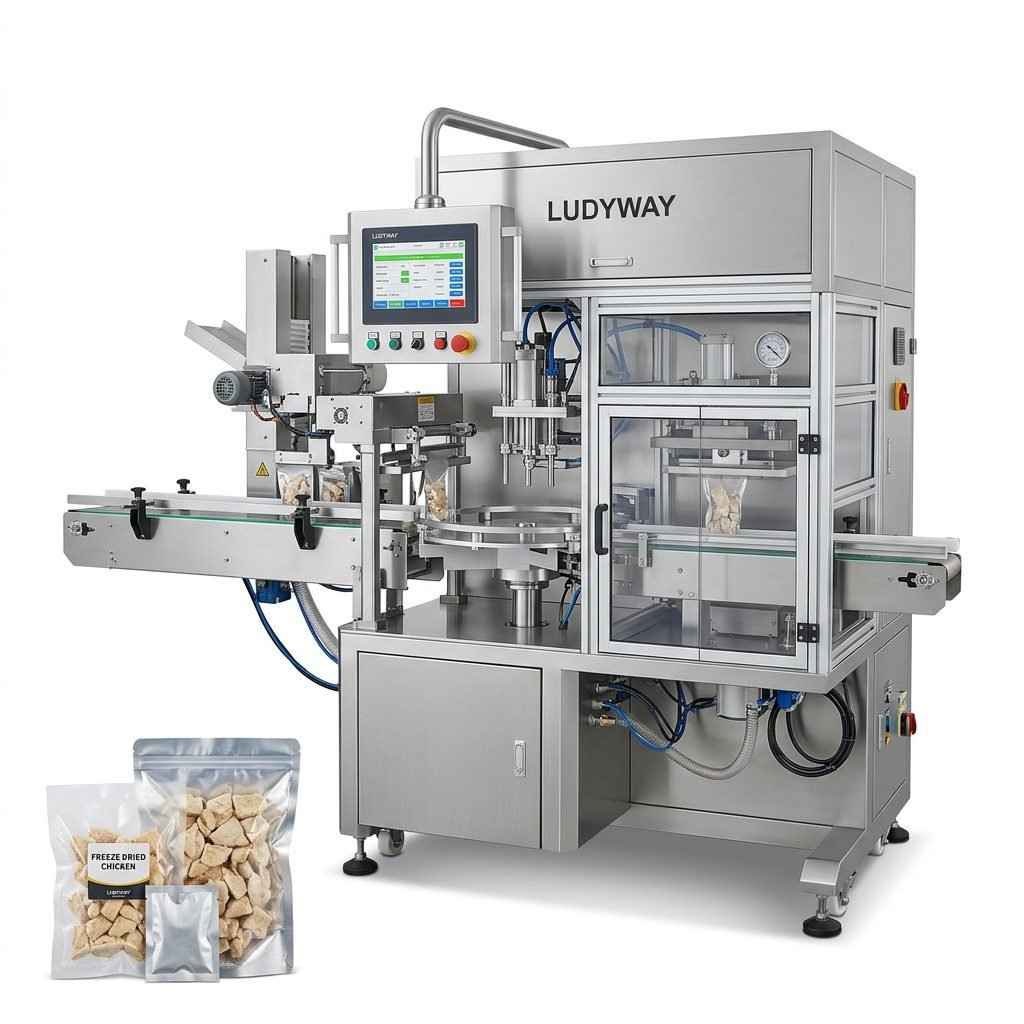
Selecting the right machine is only part of the equation. Working with an experienced packaging machinery partner can significantly influence the success of your packaging operations. A knowledgeable supplier provides guidance on equipment selection, system integration, customization, and ongoing technical support. For instance, manufacturers like Ludyway Machinery offer comprehensive solutions that combine engineering expertise, automation technology, and application experience—enabling food, pharmaceutical, and industrial producers to achieve consistent packaging quality and improved production efficiency across diverse product lines.
Frequently Asked Questions
What is the difference between a chamber vacuum sealer and a nozzle vacuum sealer?
A chamber vacuum sealer places the entire bagged product inside a sealed chamber where air is evacuated uniformly, making it suitable for liquids and powders. A nozzle vacuum sealer inserts a nozzle into the bag opening to extract air before heat-sealing, which works well for larger or irregularly shaped solid items.
How do I determine the right production speed for my operation?
Calculate your peak daily or hourly packaging volume, then add a buffer of at least 20-30% for growth and peak demand periods. Compare this figure against the machine’s rated output. Avoid selecting a machine that must run at maximum capacity constantly, as this can shorten equipment life.
Can one vacuum packaging machine handle multiple product types?
Some machines offer flexibility across product categories, but performance may vary. Dedicated machines optimized for specific product types generally deliver better results. Discuss your full product range with equipment suppliers to determine if a single solution or multiple specialized machines are more appropriate.
What maintenance does a vacuum packaging machine require?
Routine maintenance includes cleaning sealing bars, inspecting and replacing vacuum pump oil, checking gaskets and seals for wear, and verifying control system calibration. Following the manufacturer’s recommended maintenance schedule helps prevent unexpected downtime and extends equipment lifespan.
Making the Right Investment
Choosing the best vacuum packaging machine involves balancing technical specifications, production requirements, product characteristics, and budget considerations. By thoroughly evaluating machine types, build quality, automation levels, and industry-specific needs, you can select equipment that delivers reliable performance, reduces waste, and supports your long-term growth objectives. Always verify the manufacturer’s track record, after-sales support capabilities, and commitment to international packaging and distribution standards before finalizing your decision.
For further reading on packaging technology and market insights, explore resources from PMMI industry reports and the Flexible Packaging Association.