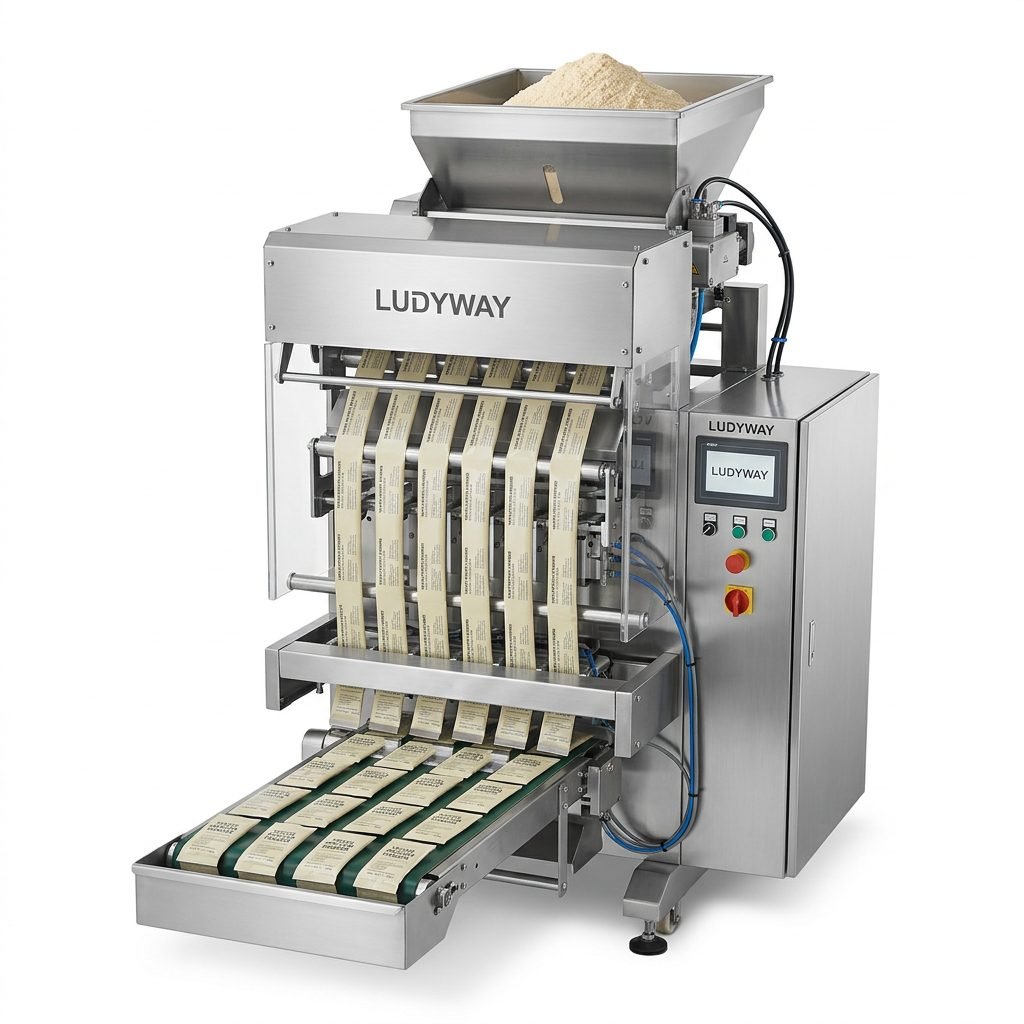
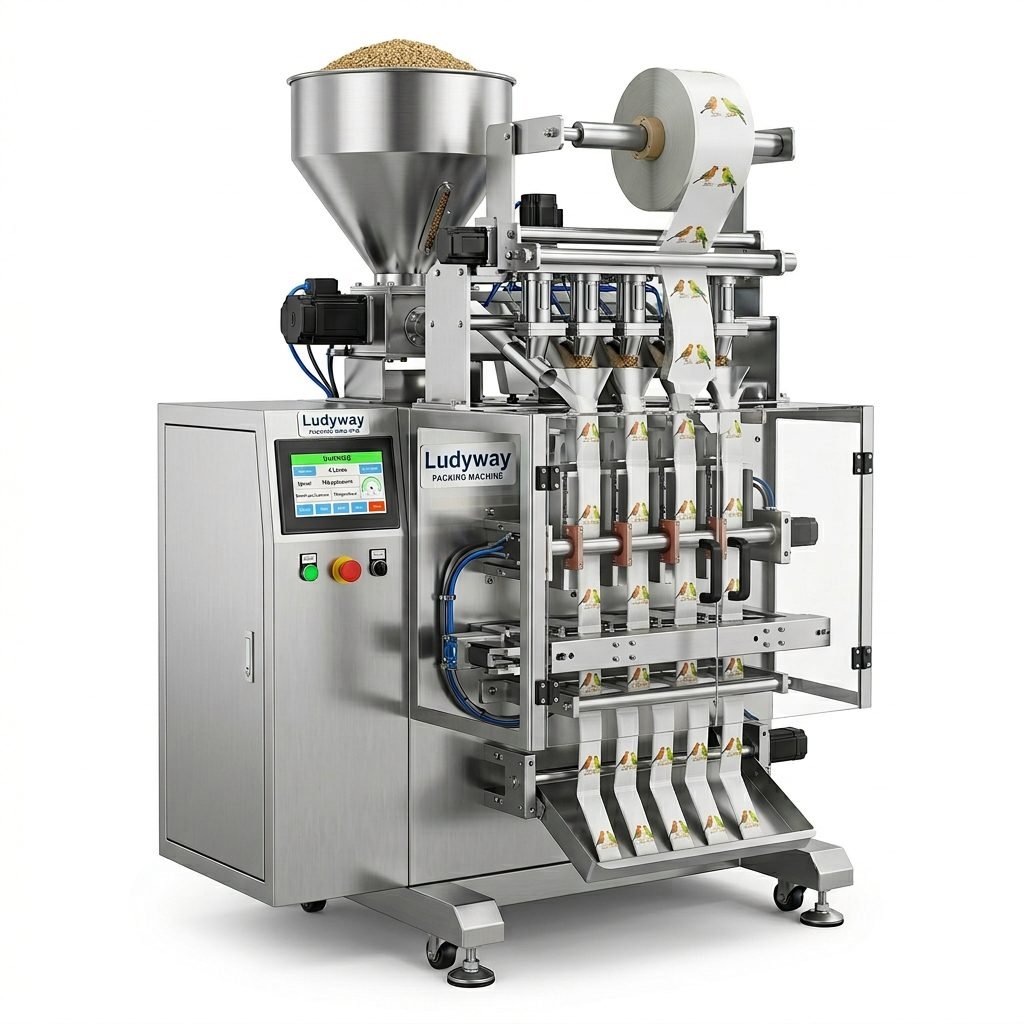
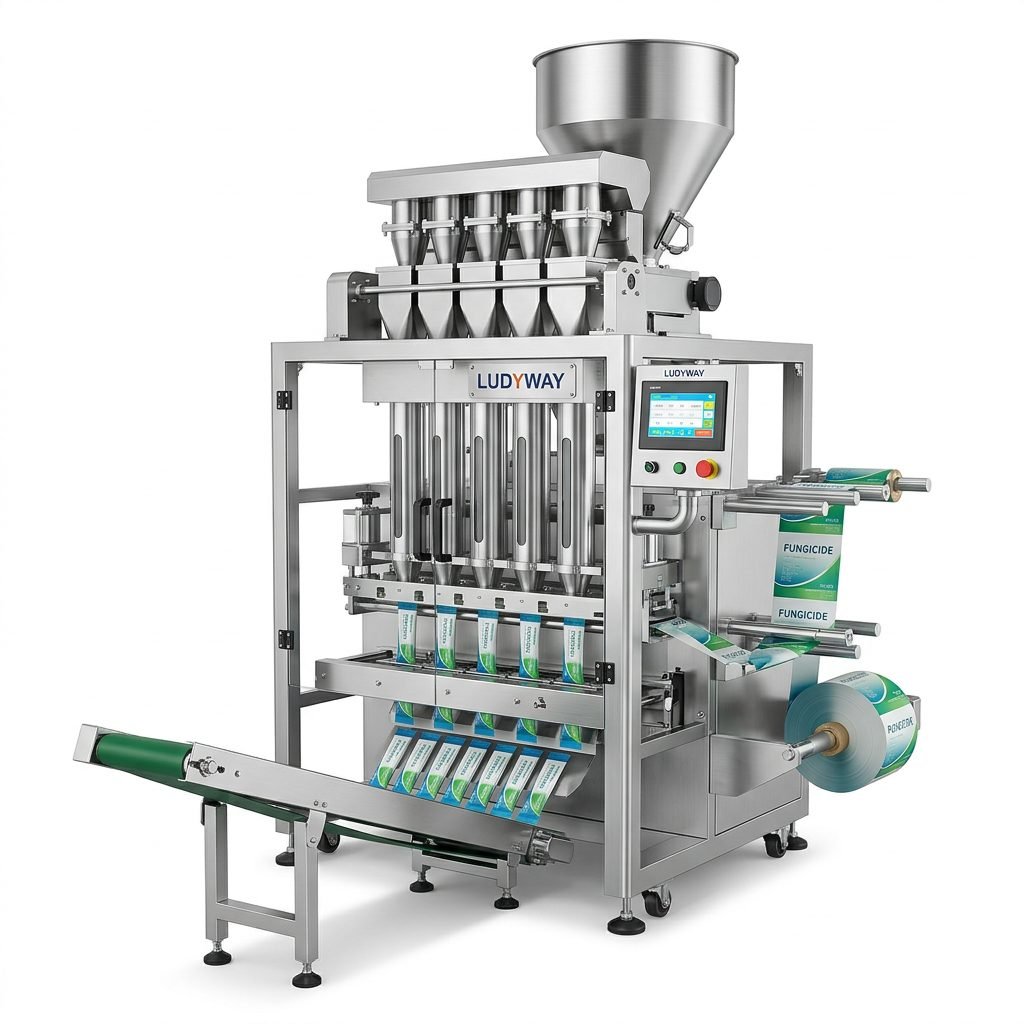
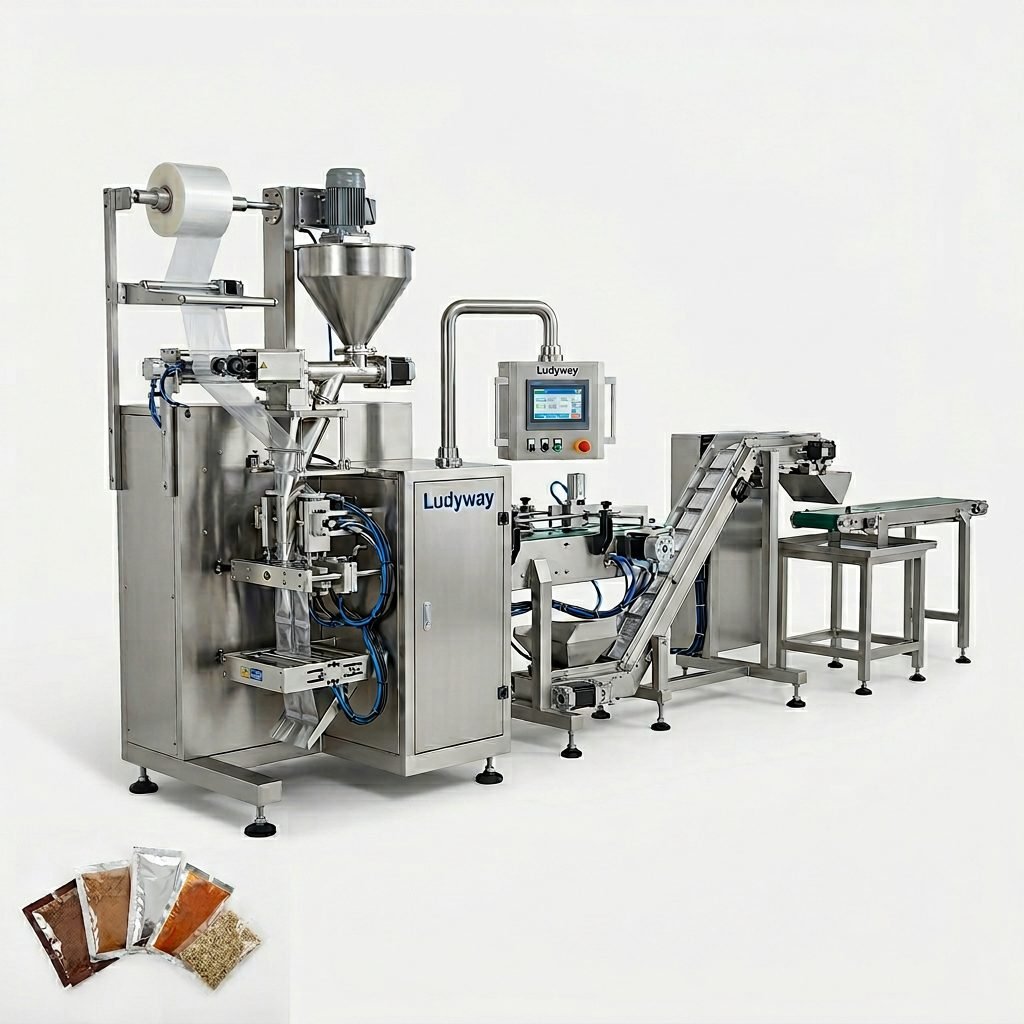
Selecting the right 1 kg salt packing machine is a critical decision for any food processing business, seasoning manufacturer, or industrial salt supplier. Salt is notoriously difficult to handle — it is highly hygroscopic (absorbs moisture), abrasive, and can be corrosive to standard metals. A poorly chosen machine can lead to inaccurate filling, frequent breakdowns, and packaging that fails to protect the product. This comprehensive guide walks you through the essential factors to consider so you can invest in machinery that delivers precision, durability, and long-term profitability.
1. Understanding Salt Product Characteristics
Before diving into mechanics, you must analyze the specific properties of your salt. Not all salt is created equal. Table salt flows differently than coarse sea salt or rock salt. Key characteristics include:
- Hygroscopic Nature: Salt absorbs airborne humidity quickly, leading to clumping. Your machine must minimize air exposure during filling or include anti-clumping mechanisms.
- Corrosiveness: Salt reacts with iron and standard carbon steel. Stainless steel (SUS304 or SUS316L) contact parts are non-negotiable.
- Granulometry: Fine powders require different auger fillers compared to free-flowing granular crystals that work best with multi-head weighers.
- Density: The bulk density of salt directly impacts the volume of the filling cups or the parameters of the weighing system. A consistent density ensures a minimal standard deviation in bag weight.
2. Weighing and Filling Technology for 1 kg Bags
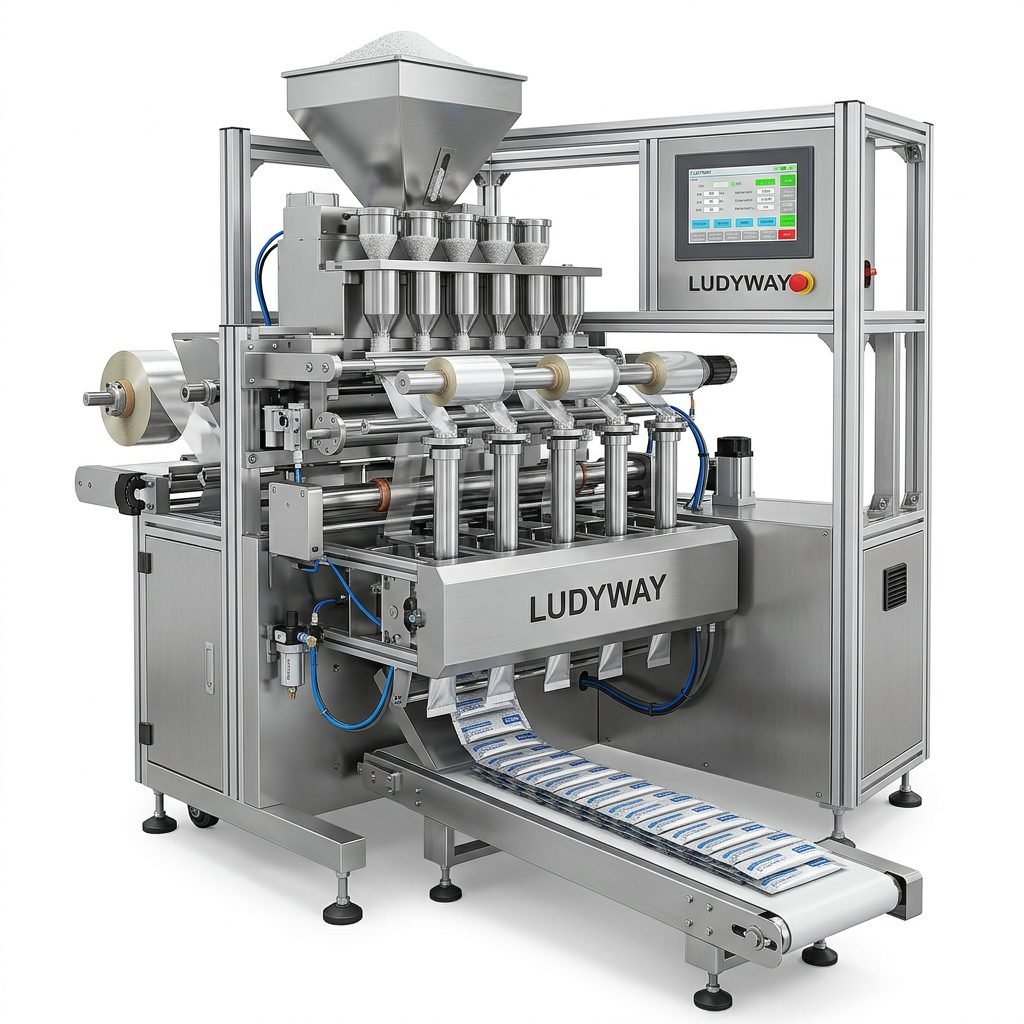
Accuracy is everything when you are selling exact 1 kg weights. There are two primary technologies used in automatic salt packaging machines:
| Filling System | Best Application | Features |
|---|---|---|
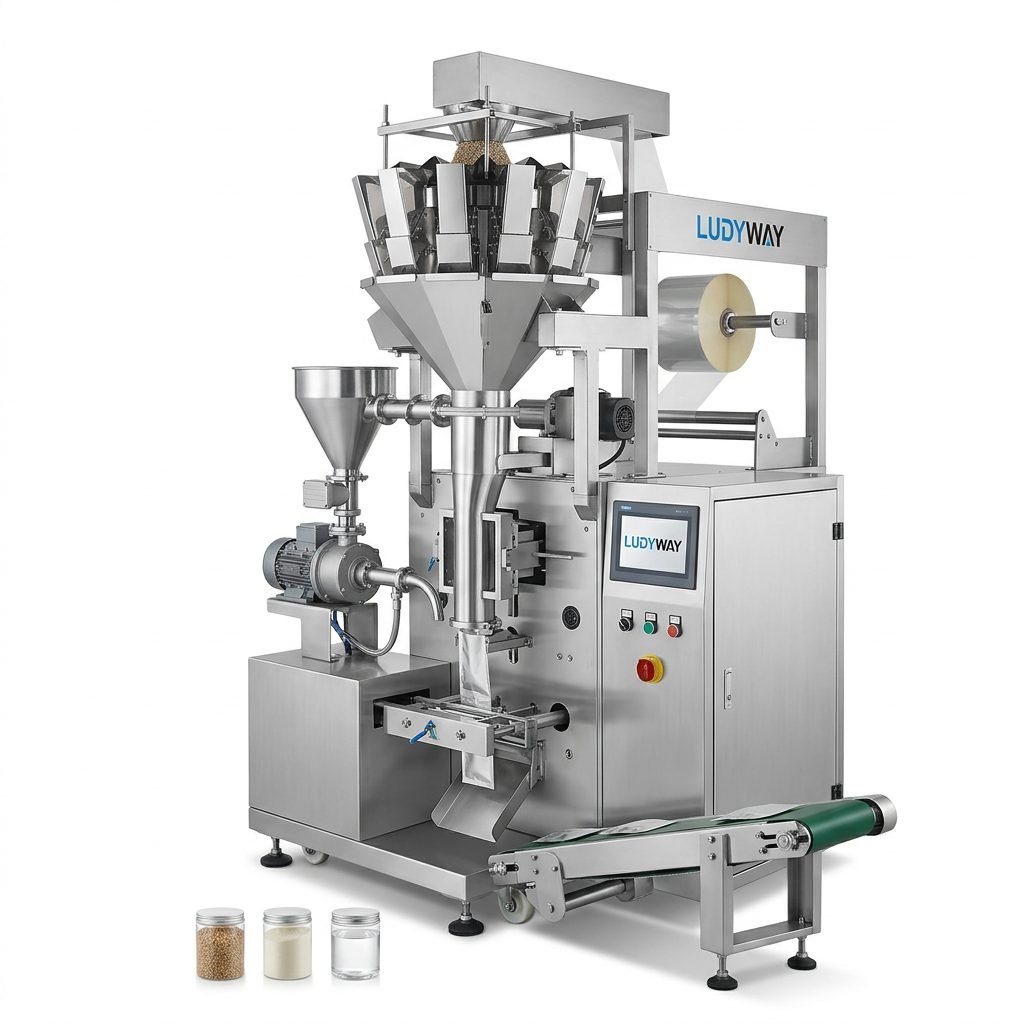
| Multi-head Weigher | Free-flowing granular & crystal salt | High speed, highest accuracy, water-proof design options for washdown environments. |
| Auger Filler (Volumetric) | Fine powder salt, flour salt | Handles dusty products well, gentle on dense powders, but requires regular recalibration for weight consistency. |
| Linear Weigher (Gravity) | Medium-flow salt with strict budget constraints | Cost-effective, moderate speed, suitable for larger granules that don’t bridge easily. |
3. Bag Format and Packaging Material
The 1 kg format is versatile but requires robust sealing. Whether you choose premade bags or a vertical form-fill-seal (VFFS) system, the machine must create strong seals because salt dust often settles in the sealing jaws, causing leaks. Consider these bag styles:
Common 1 kg Bag Formats:
- Pillow Bags: Most common for 1 kg retail salt. Economical film usage but requires precise jaw adjustments to prevent “leakers.”
- Quad Seal Bags (Box Pouch): Premium option for higher perceived value. Stands upright on supermarket shelves, offering better display appeal.
- Gusseted Bags: Ideal for coarse and rock salt, providing a flat bottom for heavy 1 kg loads.
To meet global safety standards, ensure your machine is compatible with multi-layer laminates that provide moisture barriers. You can reference the FDA’s Food Contact Substances regulations to verify film safety.

4. Crucial Build Quality: Fighting Corrosion
A salt packaging line that rusts within a year is a financial loss. Prioritize machines with SUS316L stainless steel for parts that directly contact salt, particularly the weigh bucket, chutes, and forming tube. Standard SUS304 might suffice for the mainframe, but never settle for mild steel. Look for IP65 or IP67 rated electrical enclosures to protect sensitive controls from dust and aggressive washdown cycles.
According to standards tracked by organizations like the PMMI (The Association for Packaging and Processing Technologies), machine hygiene and material traceability are vital for food safety modernization compliance.
5. Speed, Automation, and Integration
How many bags per minute (BPM) do you need to produce? An entry-level single-lane machine might run 20–30 BPM. However, for scaling national distribution, a multi-lane 1 kg packing machine or a high-speed multi-head weigher running at 50+ BPM is necessary. Assess the level of automation:
- Semi-automatic: Operator places the bag and the machine fills it. Good for small batches.
- Fully Automatic VFFS: Forms the bag, fills it, and seals it with no manual handling. Essential for large 1 kg production runs.
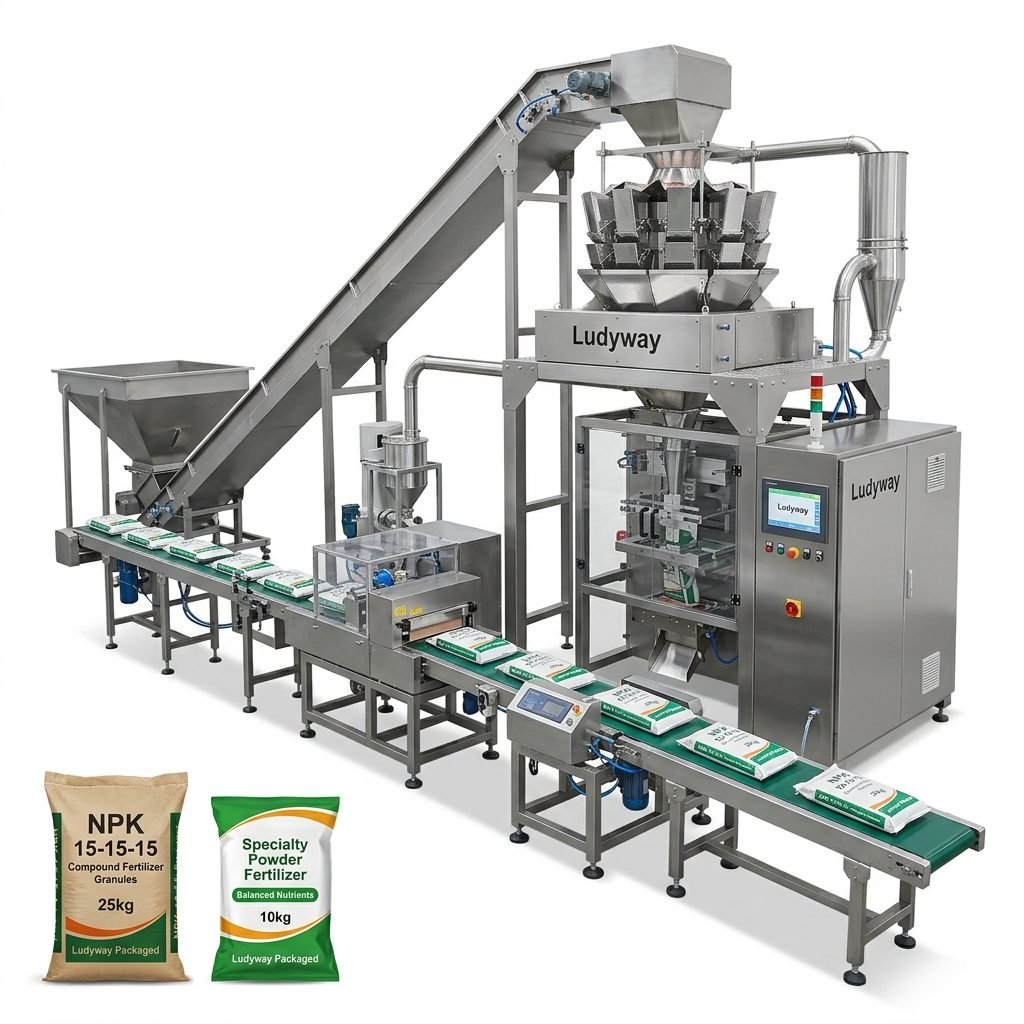
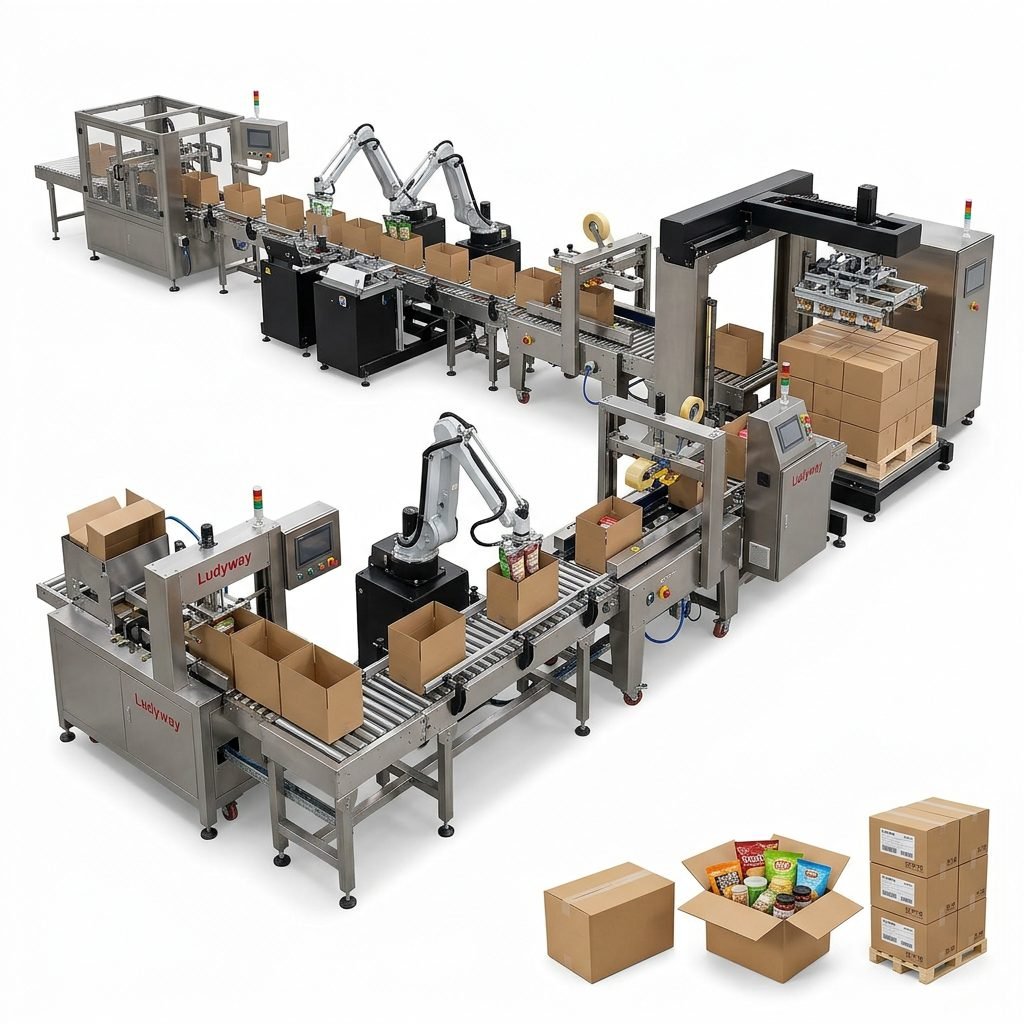
- Turnkey Integration: Connecting the packing machine to automatic bucket elevators, checkweighers, and case packers for end-of-line automation.

6. Why Partner with a Reliable Manufacturer like Ludyway
When manufacturing a corrosive product like salt, you need more than just a machine; you need a long-term packaging partner. Ludyway Machinery, a China-based manufacturer with more than 30 years of experience, specializes in customized automation for challenging powders and granules. With a state-of-the-art 20,000-square-meter facility and a team of over 130 professionals, Ludyway designs robust salt packing machines that emphasize stainless steel durability and precision multi-head weighing.
Ludyway provides comprehensive support across the project lifecycle — from initial machine selection and installation to global after-sales service in over 100 countries. For businesses planning to scale, the company offers complete turnkey packaging lines that integrate dosing, filling, sealing, and coding seamlessly. This focus on robust engineering is why Ludyway is projected to surpass US$69 million in export revenue in 2025 and targets exceeding US$138 million by 2026, reflecting its strong global supply chain reliability.
7. Cost vs. Long-Term ROI
While price is a factor, the cheapest 1 kg salt packing machine often results in the highest cost due to downtime and spare parts. Calculate your Total Cost of Ownership (TCO). A high-accuracy multi-head weigher reduces product giveaway significantly. If you give away just 2 grams of salt per 1 kg bag, across millions of bags, the cost easily justifies a superior machine. Fast format changeovers also minimize downtime if you plan to pack different bag sizes or styles in the future.
Final Selection Checklist
- Material Testing: Have you run your specific salt type through the manufacturer’s testing lab?
- Contact Parts: Are all surfaces SUS316L or food-grade 304?
- Accuracy: Does it achieve a standard deviation of less than ±3g for a 1 kg target?
- Protection: Are electronics sealed against dust and moisture?
- Support: Does the manufacturer offer remote assistance and readily available spare parts globally?
Investing in the right 1 kg salt packaging machine is a strategic move that impacts product quality and operational efficiency. By focusing on corrosion resistance, weighing accuracy, and supplier reliability, you can ensure your packaging line runs smoothly for years to come.