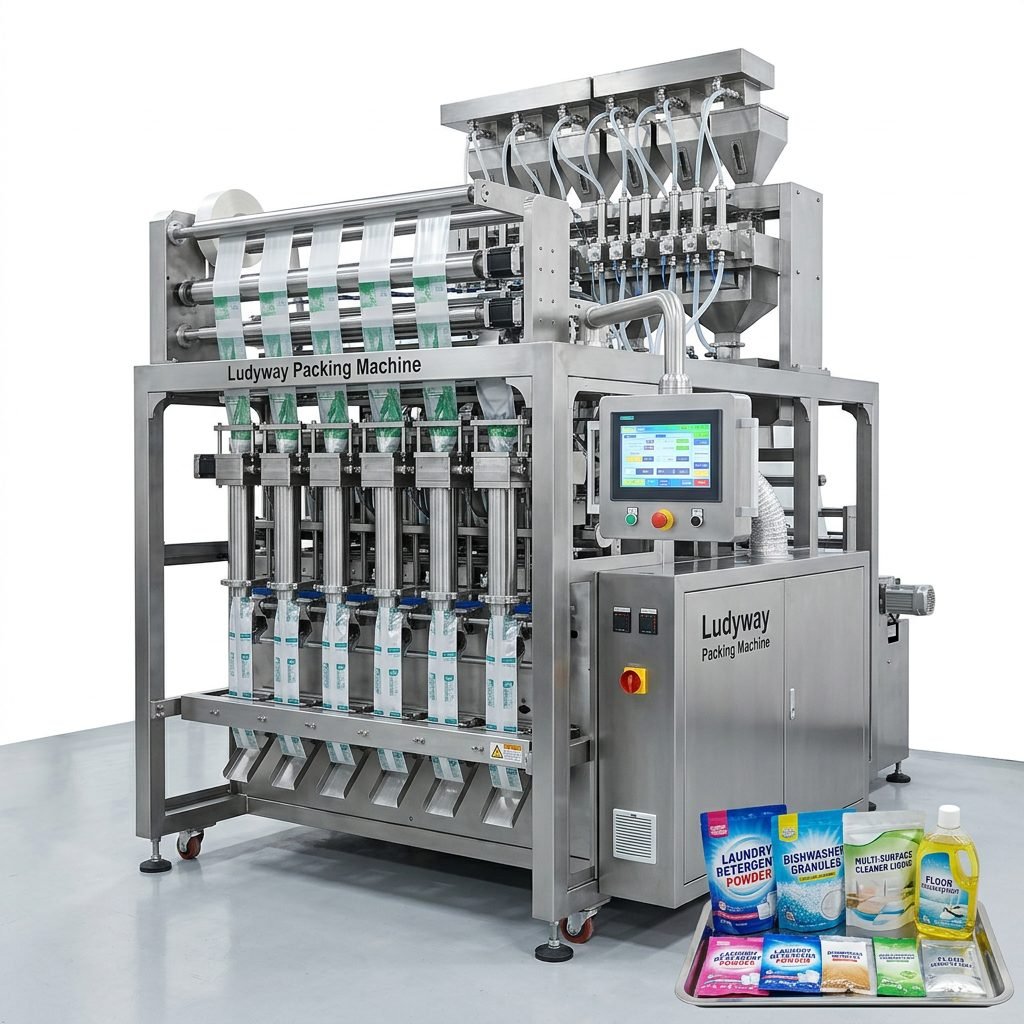
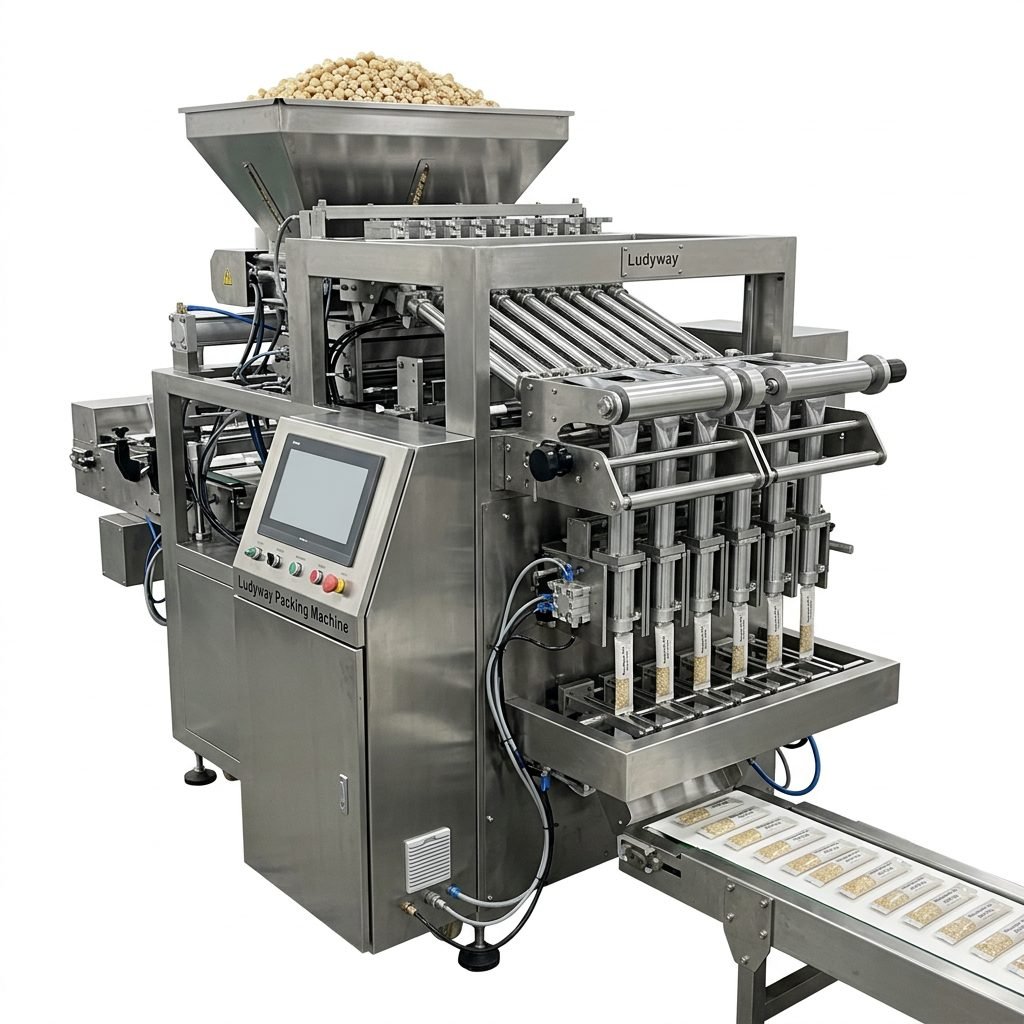
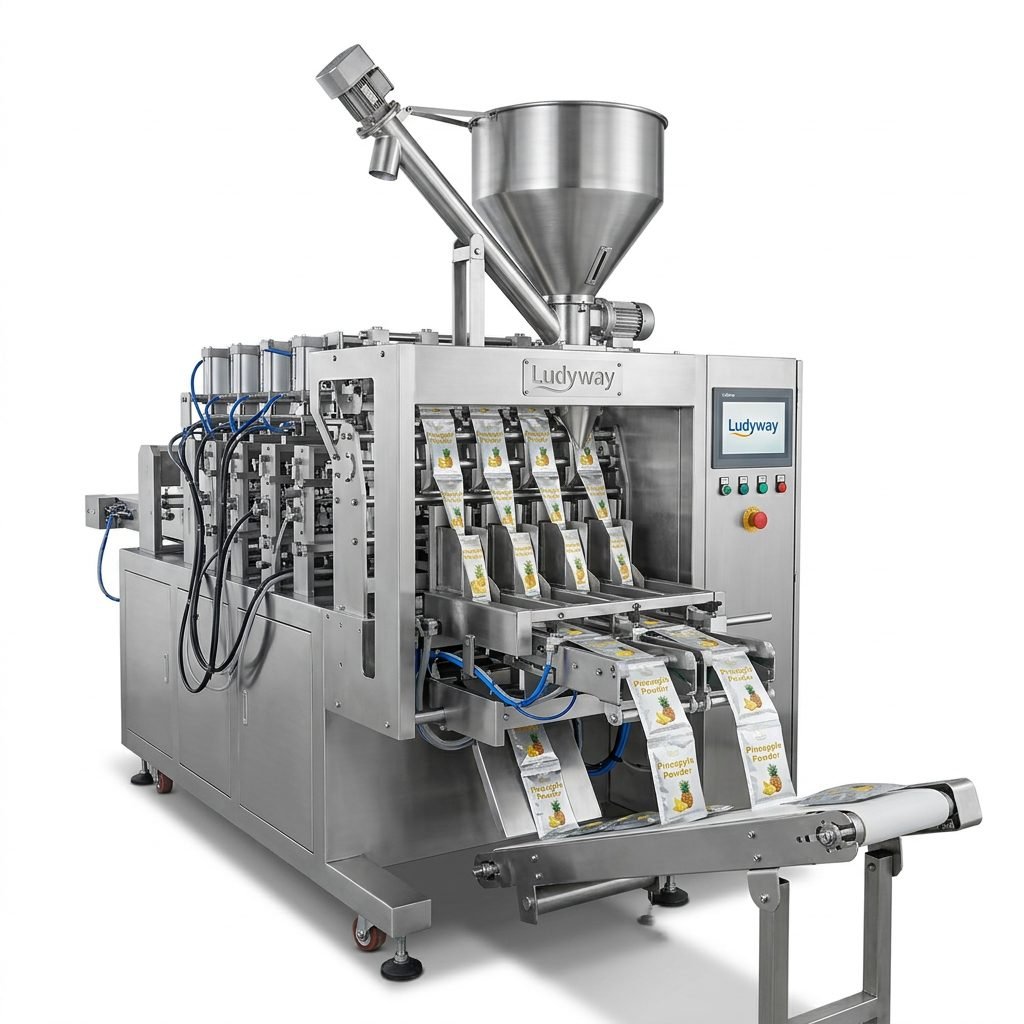
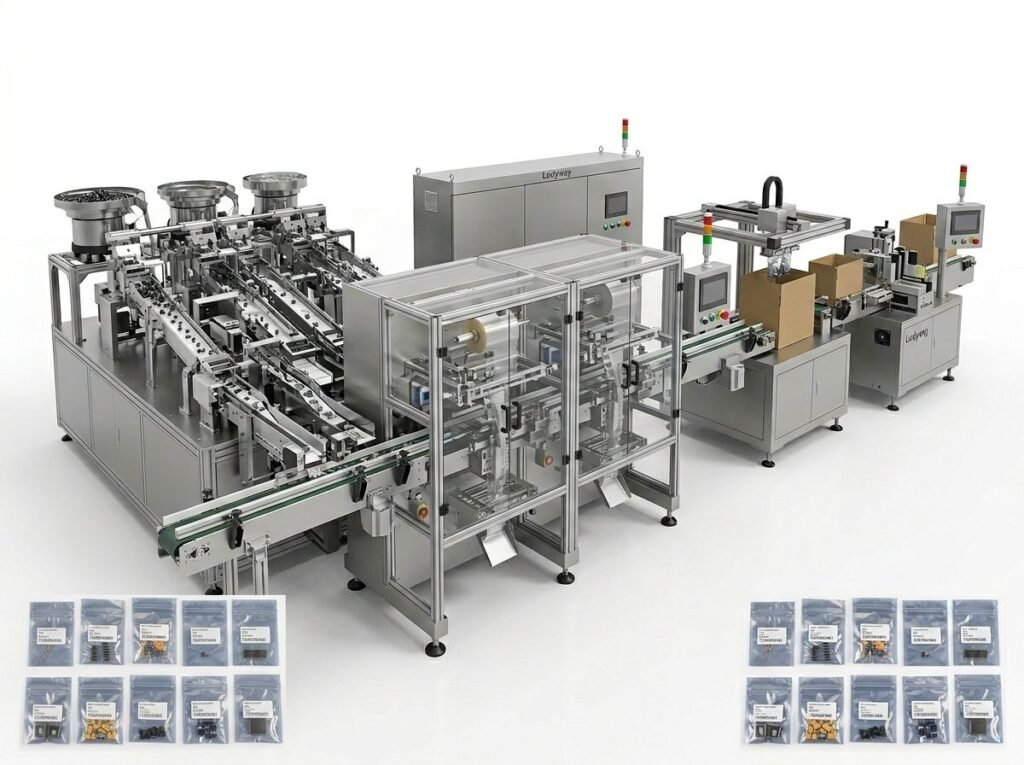
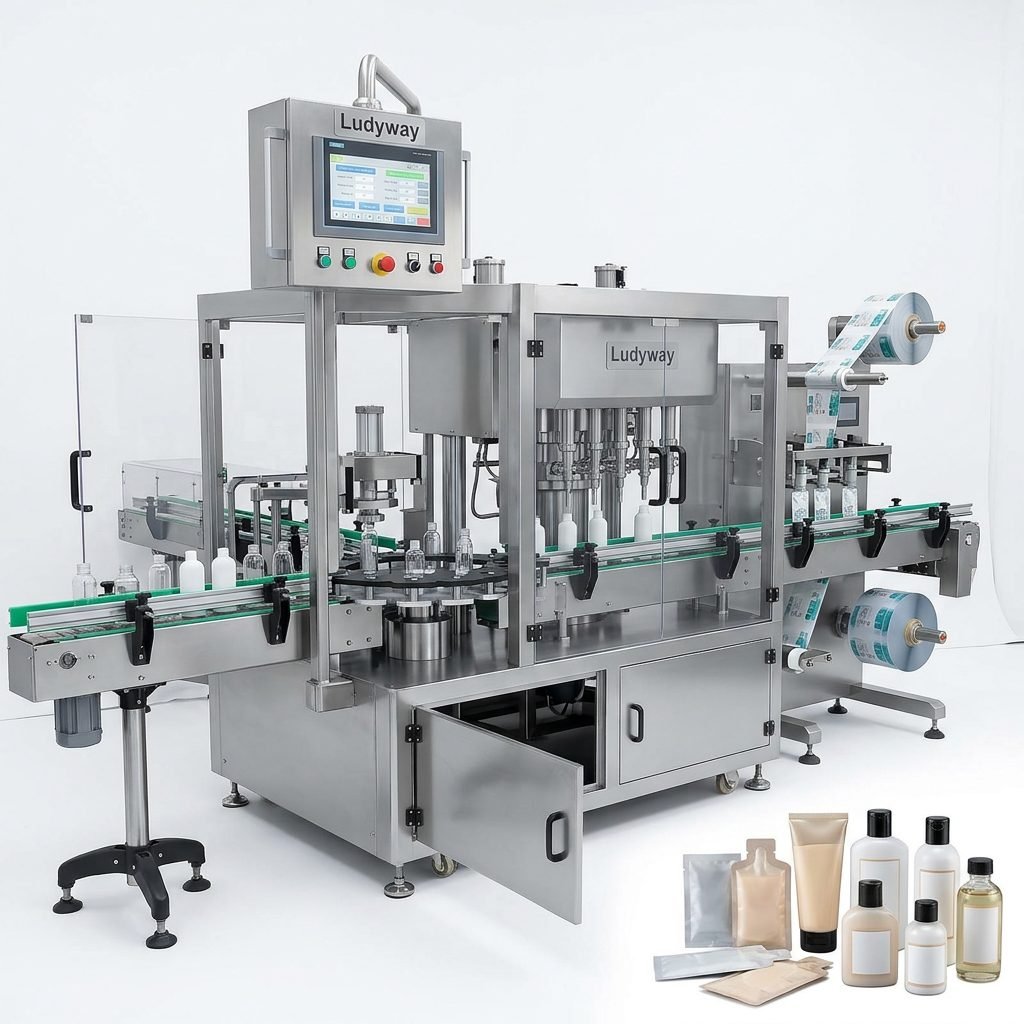
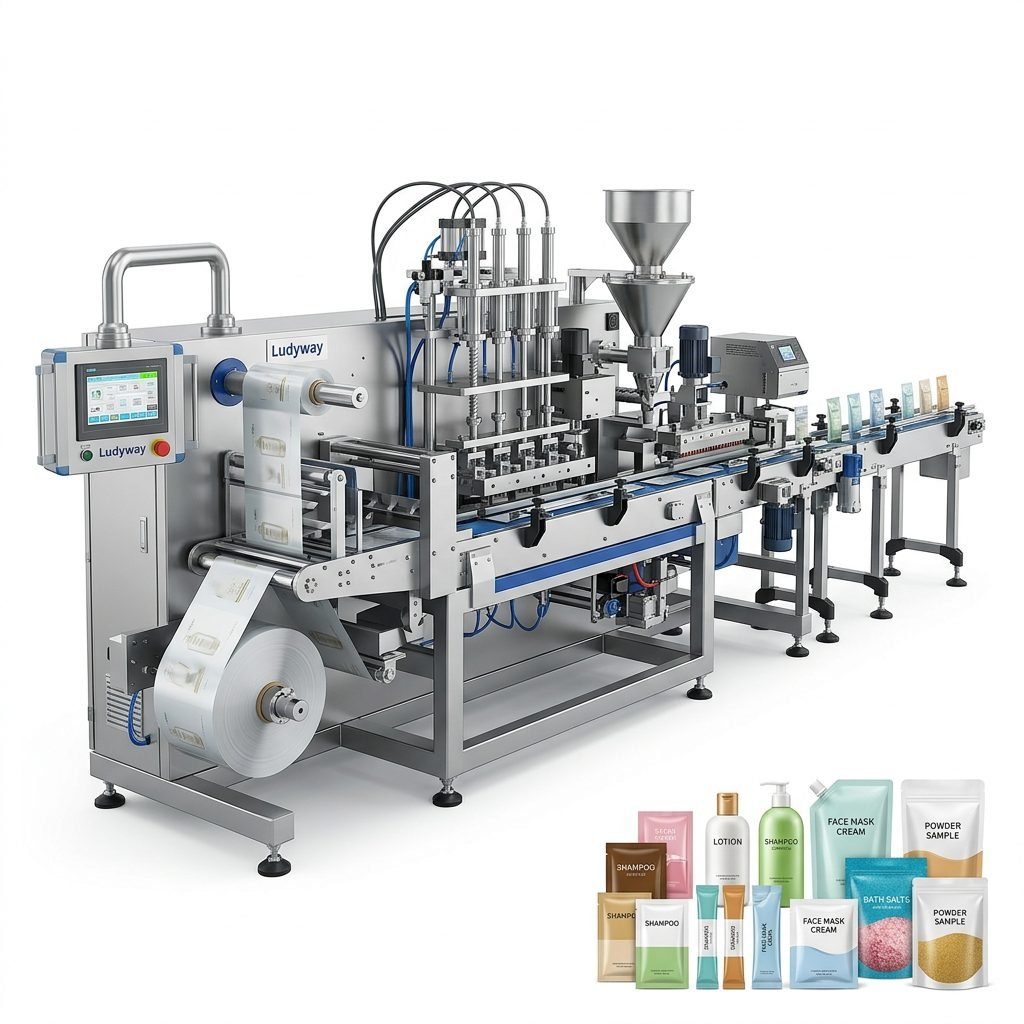
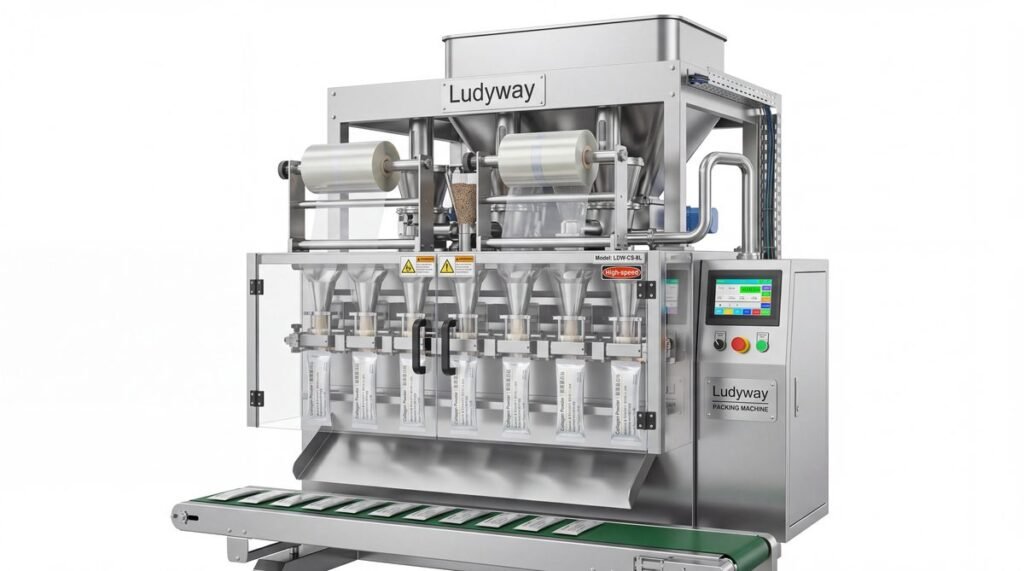
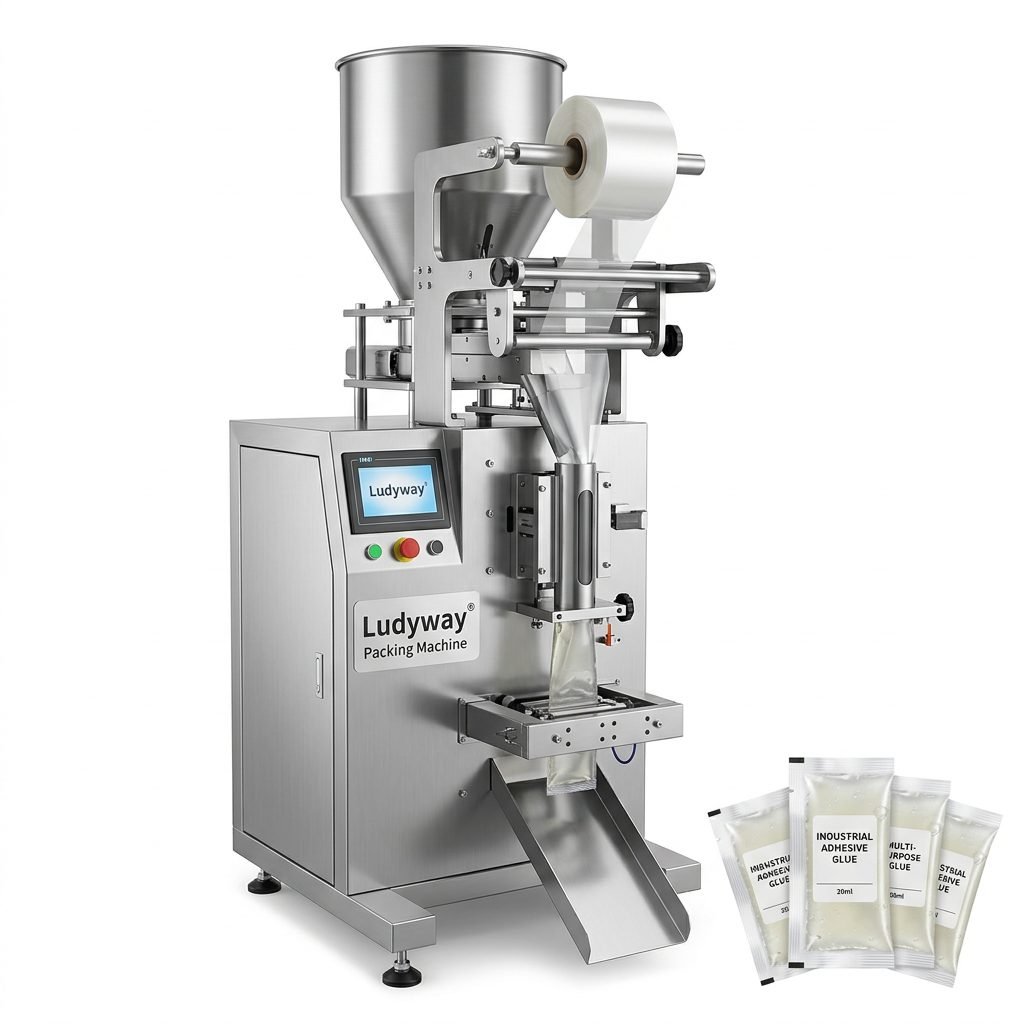
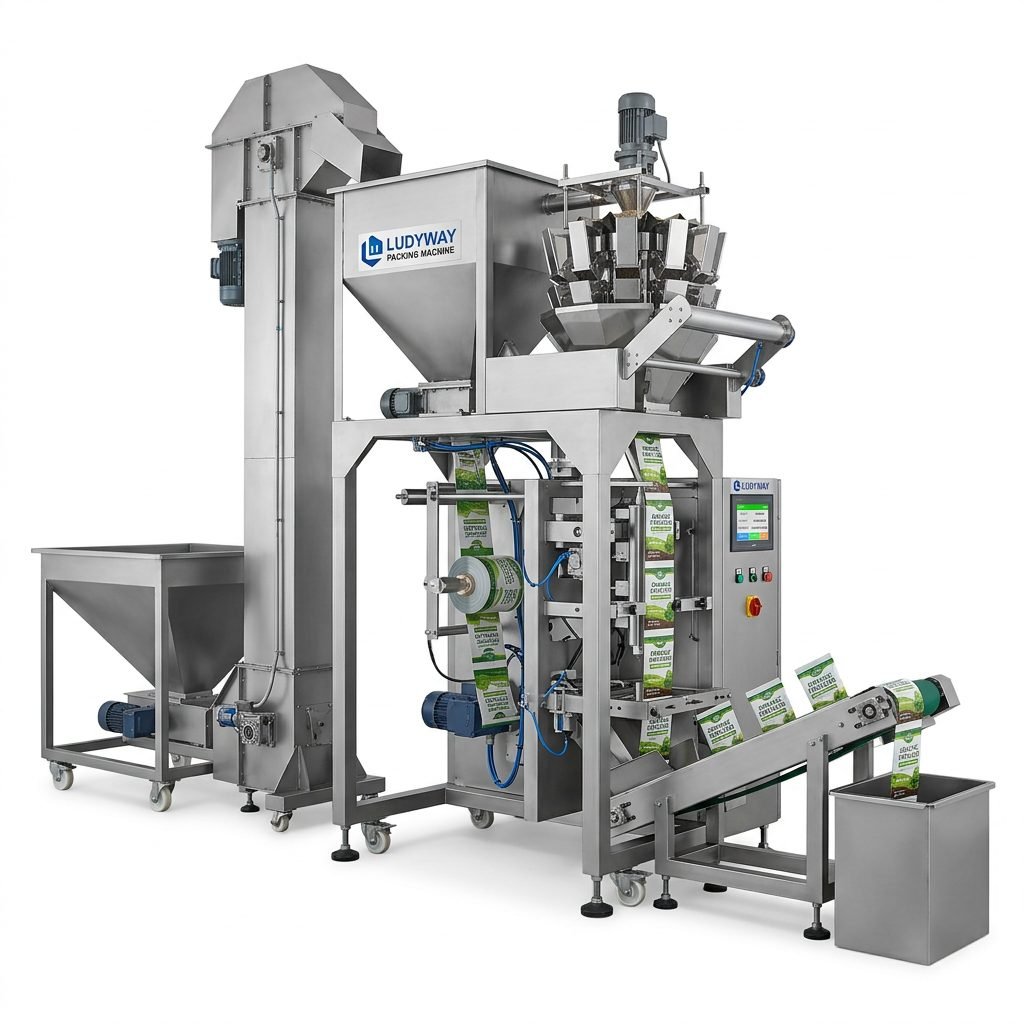
A standing pouch packing machine is a practical solution for brands that need efficient, attractive, and shelf-ready packaging for powders, liquids, and granules. From food and supplements to pharmaceuticals, cosmetics, and household products, stand-up pouches have become a preferred packaging format because they combine convenience, strong product presentation, and efficient material usage.
For manufacturers looking to improve output, reduce waste, and maintain filling accuracy, investing in the right machine can make a measurable difference across the entire production line.
What Is a Standing Pouch Packing Machine?
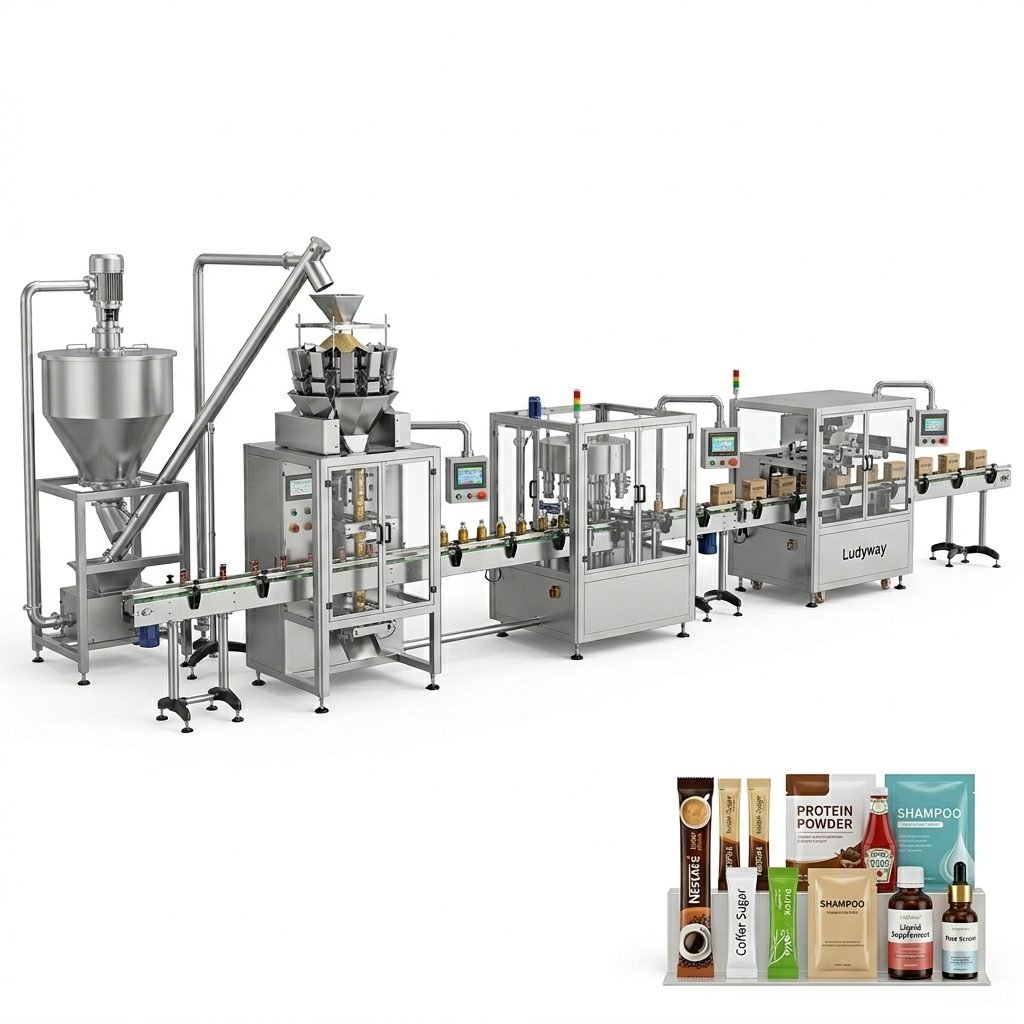
A standing pouch packing machine is automated equipment designed to fill and seal stand-up pouches with different product types. Depending on the product characteristics and pouch style, the machine may work with premade pouches or create pouches from roll film in a form-fill-seal process.
These machines are commonly used for:
- Protein powder, coffee powder, spices, flour, and health supplements
- Sauces, shampoo, lotion, detergent, oils, and liquid concentrates
- Nuts, seeds, candies, pet food, grains, and small granule products
The main purpose is to deliver consistent filling accuracy, reliable sealing quality, and higher production efficiency while keeping packaging visually appealing for retail and e-commerce.
Why Stand-Up Pouches Are So Popular
Stand-up pouches offer clear commercial advantages for both manufacturers and end users. They are lightweight, easy to transport, easy to display, and suitable for many product categories. Compared with rigid containers, pouches can also help reduce packaging material and shipping costs.
| Benefit | How It Helps Your Business |
|---|---|
| Strong shelf appeal | Creates a modern retail look and improves product visibility |
| Flexible package size | Supports single-serve, trial packs, and larger family-size formats |
| Lower logistics cost | Reduces storage and transportation burden compared with rigid packaging |
| Consumer convenience | Easy opening, resealing, carrying, and pouring |
| Wide application range | Suitable for food, pharma, cosmetics, chemical, and pet product markets |
How the Machine Handles Different Product Types
Powder Products
Powders require accurate metering and stable dust control. Common filling systems include auger fillers, which are ideal for fine or free-flowing powders such as milk powder, coffee powder, nutritional supplements, seasoning blends, and pharmaceutical powders.
Key concerns for powder pouch packing include:
- Filling precision
- Dust reduction around the seal area
- Product bridging or uneven flow
- Hygienic machine design for easy cleaning
Liquid Products
Liquids and semi-liquids such as sauces, oils, gels, detergent, shampoo, or lotion usually require piston pumps, servo pumps, or other volumetric filling systems. The machine must maintain stable sealing even when handling products that may splash, foam, or leave residue near the sealing zone.
For liquid applications, manufacturers often prioritize:
- Leak-proof sealing
- Anti-drip filling design
- Corrosion resistance for certain formulas
- Quick changeover between different viscosities
Granule Products
Granules such as sugar, seeds, snack pieces, pet food, beans, or small tablets are often packed using multi-head weighers, cup fillers, or counting systems depending on the product size and target weight. The machine should support stable dosing while minimizing product damage.
Important goals in granule packaging include weight consistency, low breakage, and smooth feeding.
Main Components of a Standing Pouch Packing Machine
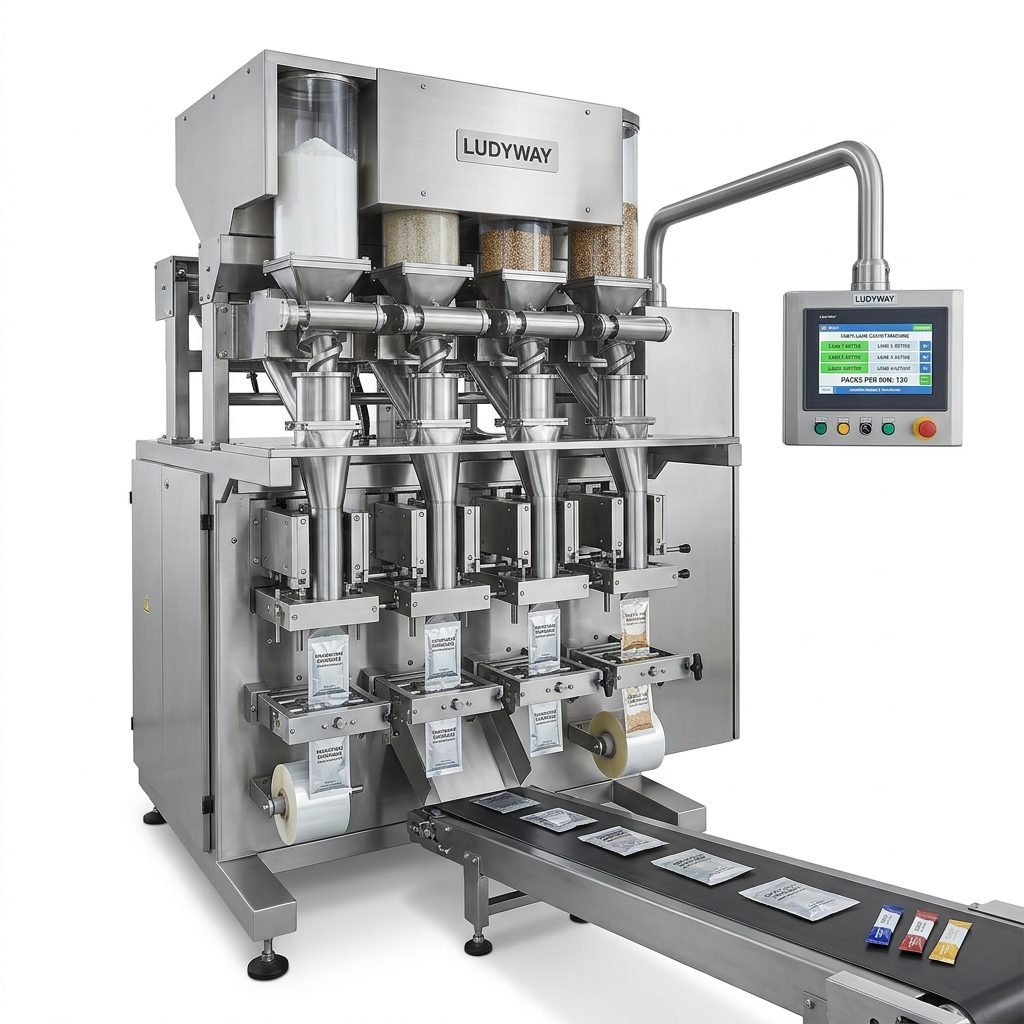
Although machine configurations vary, most systems include several core modules that determine performance and production stability.
- Pouch feeding or bag forming system – Handles premade pouches or forms pouches from roll film.
- Filling system – Matched to powder, liquid, paste, or granule product characteristics.
- Sealing unit – Applies heat and pressure for strong, clean seals.
- Control system – PLC and touchscreen interface for recipes, speed, and alarm monitoring.
- Conveying and feeding equipment – Such as screw feeders, bucket elevators, pumps, or vacuum feeders.
- Optional inspection systems – Includes checkweighers, metal detectors, coding, labeling, and reject units.
Industries That Commonly Use Standing Pouch Machines
Stand-up pouch equipment supports a wide range of sectors where automation, appearance, and packaging consistency matter.
| Industry | Typical Products | Preferred Filling Style |
|---|---|---|
| Food | Coffee, spices, sugar, snacks, sauce, drink mix | Auger, cup filler, weigher, pump |
| Pharmaceutical | Medical powders, granules, oral liquids | Precision auger, counting, liquid dosing |
| Health supplements | Protein, collagen, electrolyte, probiotic products | Auger, multi-head weigher, pump |
| Cosmetics | Lotion, cream, serum, mask essence | Piston pump, servo liquid filler |
| Chemical & household | Detergent, cleaner, additives, powders | Pump, auger, cup filler |
| Pet food & feed | Kibble, supplements, granules, powders | Weigher, cup filler, auger |
Key Benefits for Manufacturers
A modern standing pouch packing machine does more than fill and seal. It can improve the entire packaging workflow.
- Higher throughput with reduced manual labor
- Better weight and volume consistency across batches
- Improved package appearance and sealing strength
- Faster changeover for different pouch sizes and products
- Lower material waste and reduced product giveaway
- Integration with coding, cartoning, labeling, and case packing systems
For growing businesses, automation also supports scalability. As demand increases, a properly selected machine can help maintain efficiency without sacrificing quality.
How to Choose the Right Standing Pouch Packing Machine
Selecting the right system starts with understanding your product, target output, and packaging goals. Not every machine is suitable for every formula or pouch type.
1. Match the Filling System to the Product
Fine powders, viscous liquids, and irregular granules all flow differently. A mismatch between product and dosing system can cause inaccuracy, downtime, and poor seal quality.
2. Confirm Pouch Specifications
Check pouch dimensions, materials, zipper needs, tear notch, spout requirements, and desired seal style. These details directly affect machine configuration.
3. Define Output Requirements
A start-up may prioritize flexibility, while a large-scale factory may focus on continuous high-speed production. Capacity planning is essential before purchase.
4. Evaluate Cleaning and Maintenance
For food, pharma, and health products, easy cleaning is especially important. Hygienic design and accessible parts can reduce changeover time and contamination risk.
5. Consider Full-Line Integration
A machine works best when combined with upstream feeding and downstream inspection or cartoning equipment. Many buyers now prefer complete packaging line solutions rather than stand-alone units.
Important Features to Look For
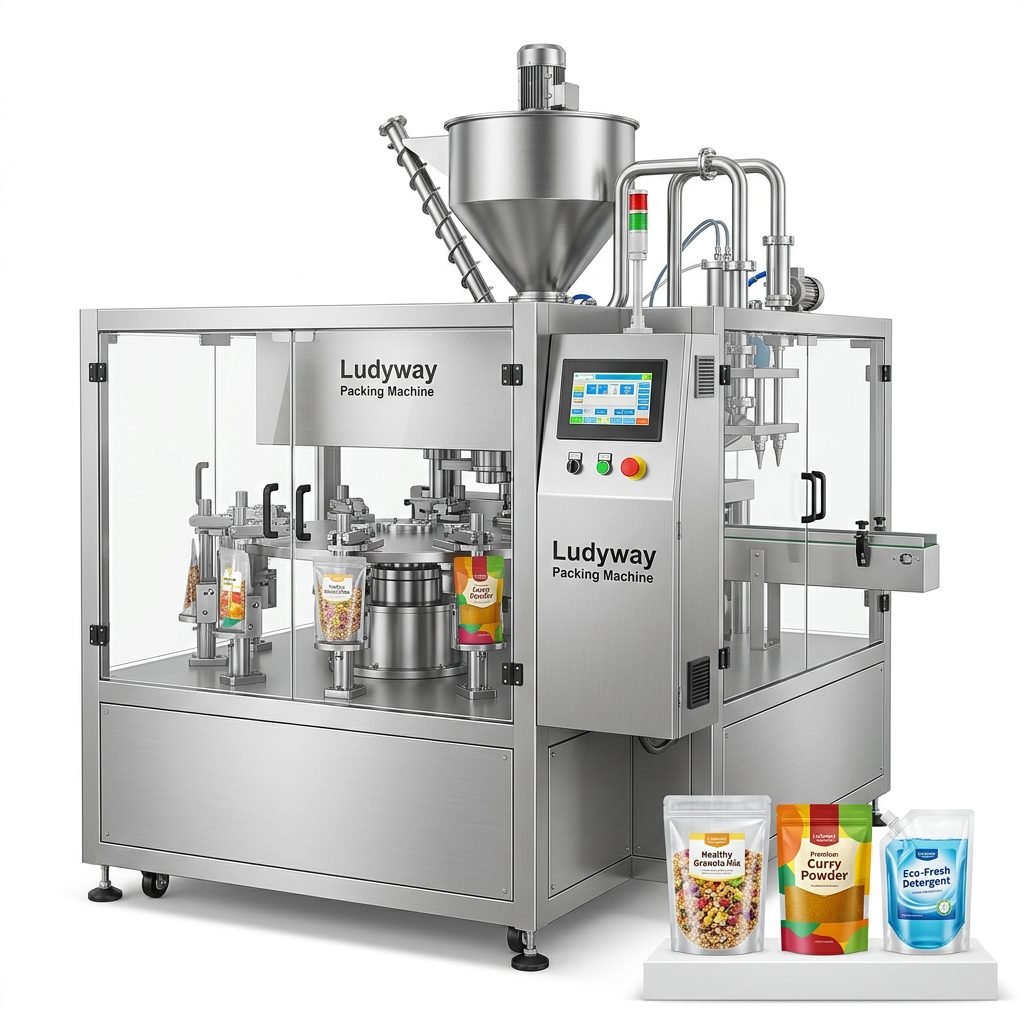
When comparing equipment suppliers, pay attention to practical machine features that affect daily operation.
- Servo-driven filling and sealing functions
- Touchscreen recipe management
- Automatic pouch detection
- No pouch, no fill safety logic
- Stable temperature control for seal integrity
- Quick tool-free adjustment where possible
- Compatibility with nitrogen flushing or vacuum options
- Support for coding, labeling, and quality inspection modules
Premade Pouch vs. Form-Fill-Seal Systems
There are two common approaches in pouch packaging, and the right choice depends on budget, flexibility, and packaging style.
| System Type | Advantages | Best For |
|---|---|---|
| Premade pouch packing machine | High-quality pouch appearance, flexible pouch structures, premium retail packaging | Brands focused on visual impact and pouch variety |
| Form-fill-seal pouch machine | Lower pouch cost, continuous production, efficient film usage | High-volume operations focused on cost efficiency |
Common Challenges and How Good Equipment Solves Them
Packaging operations often face issues such as inconsistent filling, pouch misalignment, product leakage, dust contamination, or unstable seals. A high-quality machine addresses these points through precision control, robust sealing design, reliable feeding, and smart sensor systems.
This is why buyers should look beyond price alone. Long-term stability, maintenance convenience, technical support, and customization ability are just as important as initial investment.
Why Turnkey Packaging Line Support Matters
Many manufacturers now need more than a single pouch machine. They need an integrated solution that includes feeding, filling, sealing, coding, inspection, cartoning, and final case handling. A turnkey approach reduces compatibility issues and helps speed up commissioning.
For businesses seeking an experienced supplier, standing pouch packing machine solutions from Ludyway can support powder, liquid, and granule applications across food, pharmaceutical, health supplement, cosmetic, chemical, and related industries. Founded in 1993, the company has more than 30 years of packaging machinery experience and offers both individual machines and complete turnkey packaging lines for global markets.
Best Applications for Standing Pouch Packing Machines
This type of machine is especially suitable when your product requires:
- Retail-friendly packaging with strong shelf presentation
- Convenient consumer use and reseal options
- Accurate filling for powders, liquids, or granules
- Faster automation compared with manual bagging
- Scalable packaging capacity for business growth
Examples of suitable products
- Protein powder, coffee, collagen, seasoning powder
- Sauce, honey, shampoo, lotion, gel, detergent
- Nuts, seeds, pet snacks, candy, grains, health granules
Final Buying Advice
Before choosing a standing pouch packing machine, test your real product, review your target pouch design, and confirm expected speed, filling range, and downstream integration needs. The best packaging system is one that fits your product characteristics, supports your quality standards, and remains efficient as your business grows.
With the right machine configuration, manufacturers can achieve reliable sealing, accurate dosing, attractive pouch presentation, and long-term production efficiency for powder, liquid, and granule packaging.