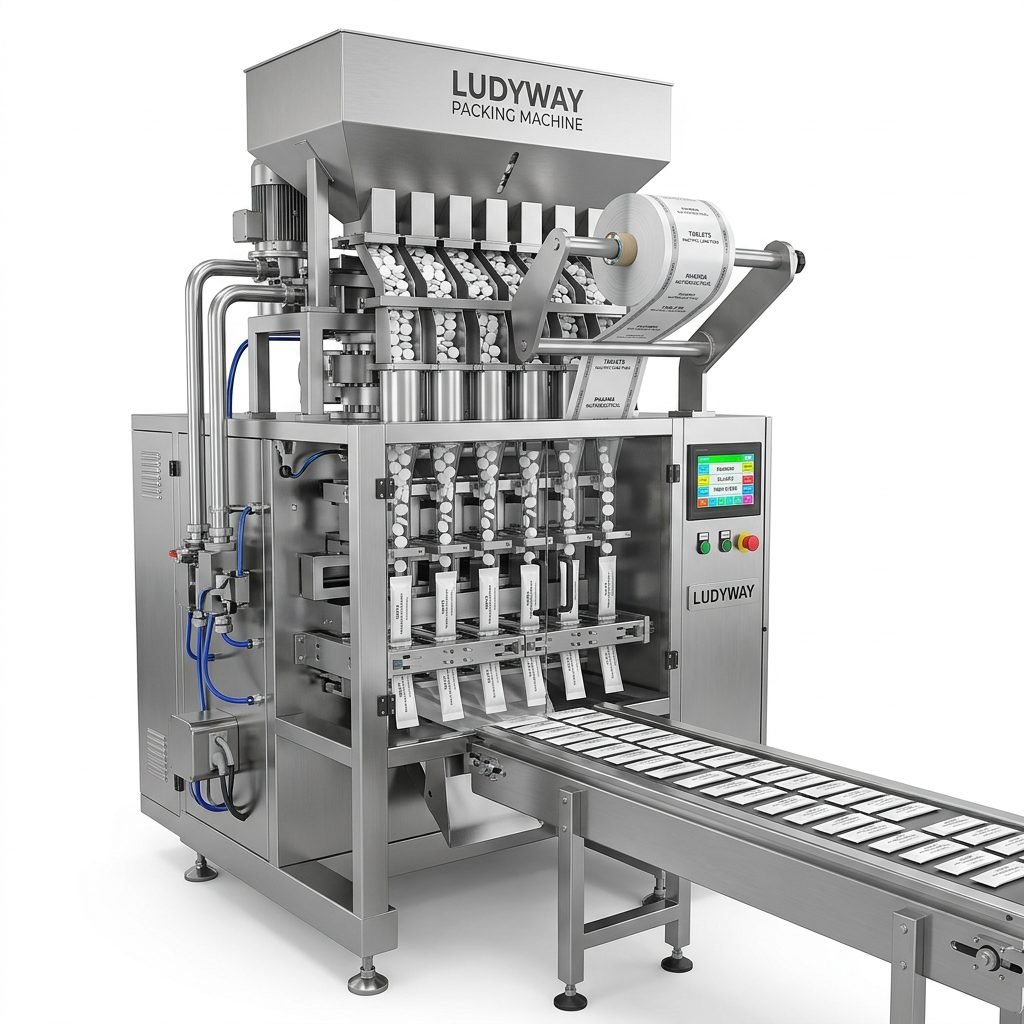
Investing in an ACG packaging machine is a strategic decision that directly impacts your production efficiency, product quality, and long-term operational costs. Whether you are packaging powders, granules, liquids, or solid products, selecting the right equipment requires a detailed evaluation of your current and future needs. This guide walks you through the critical factors to consider before making a purchase.
Understanding ACG Packaging Machine Categories
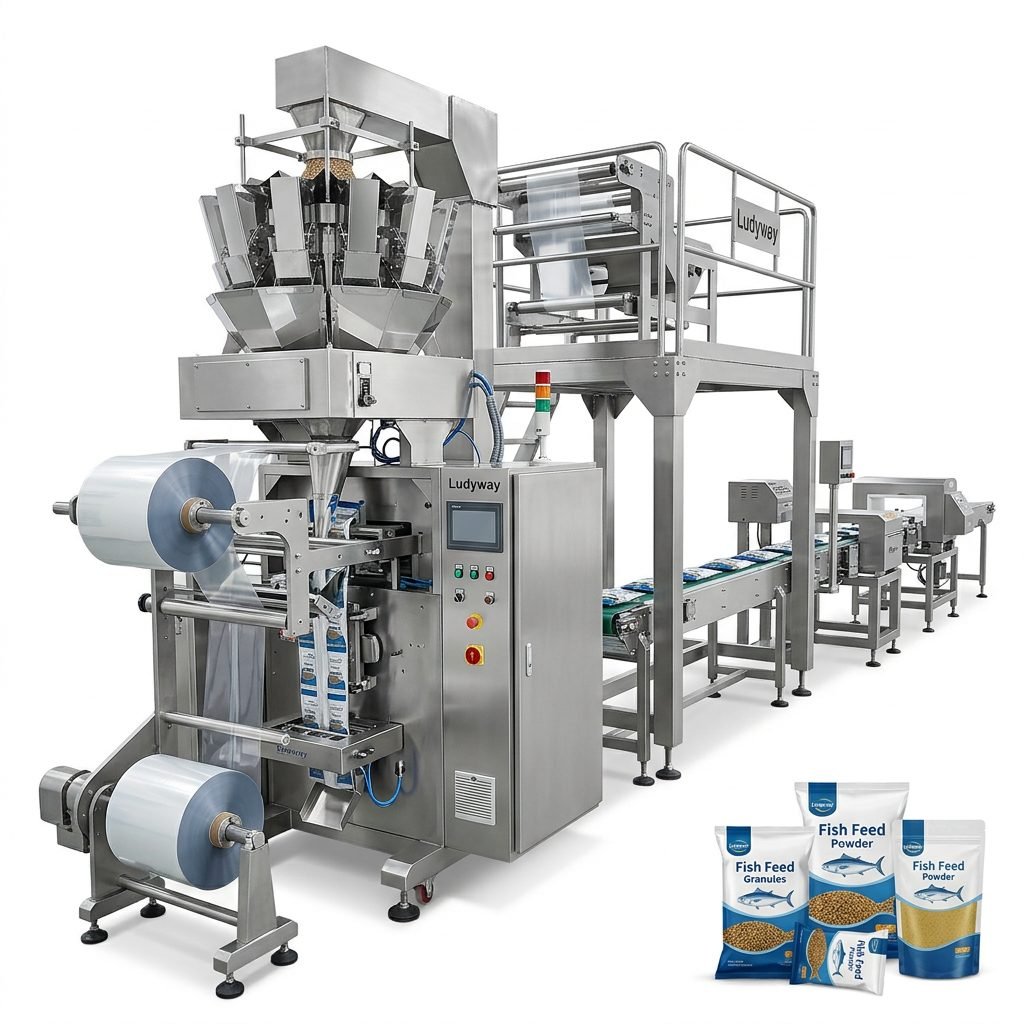
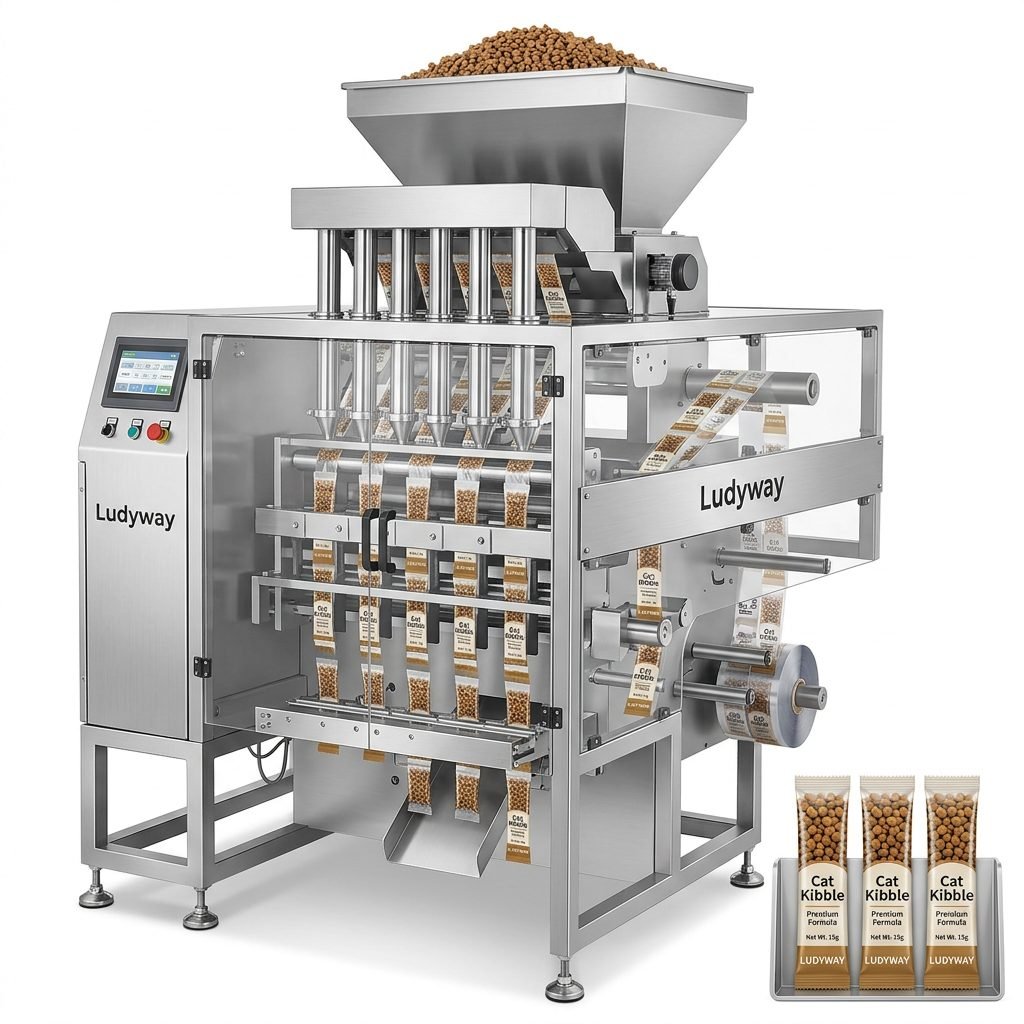
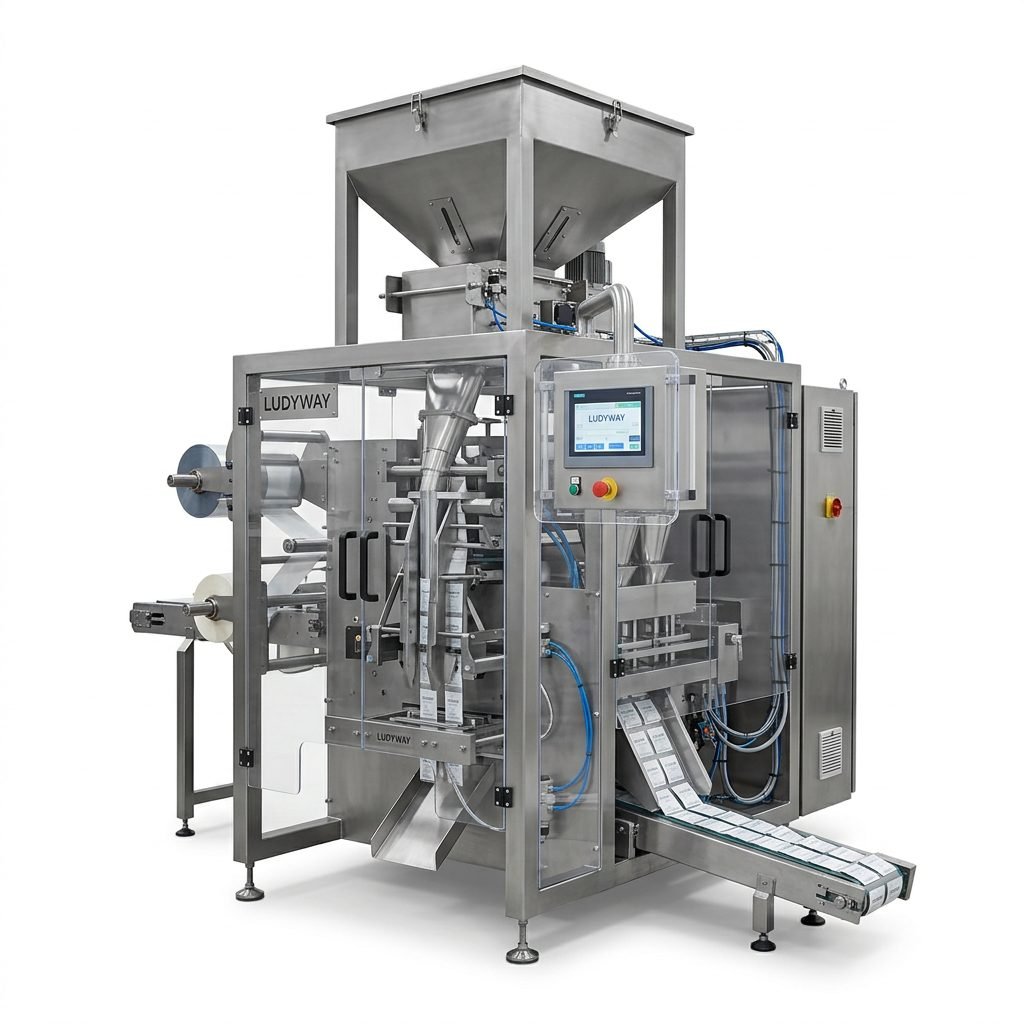
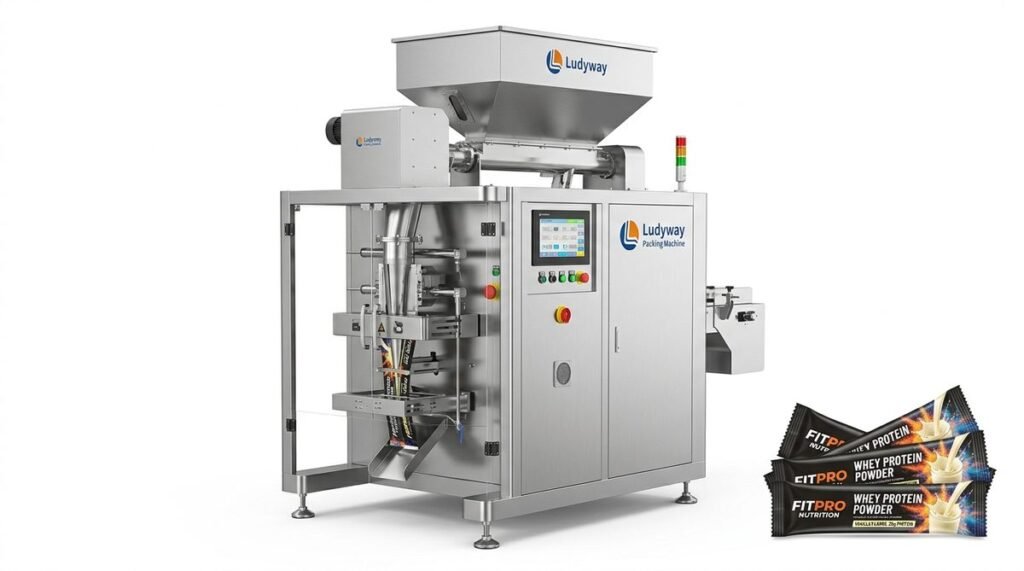
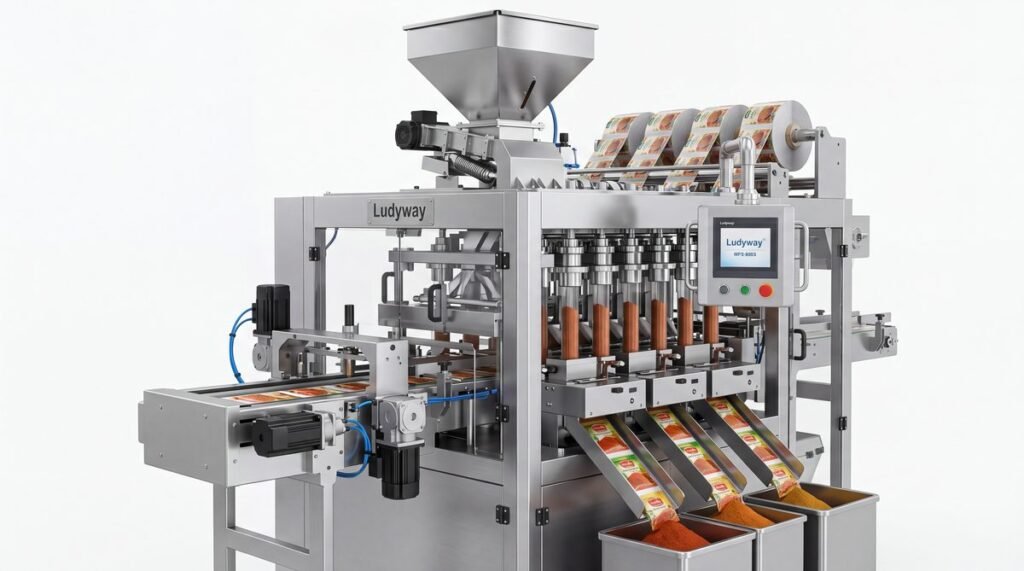
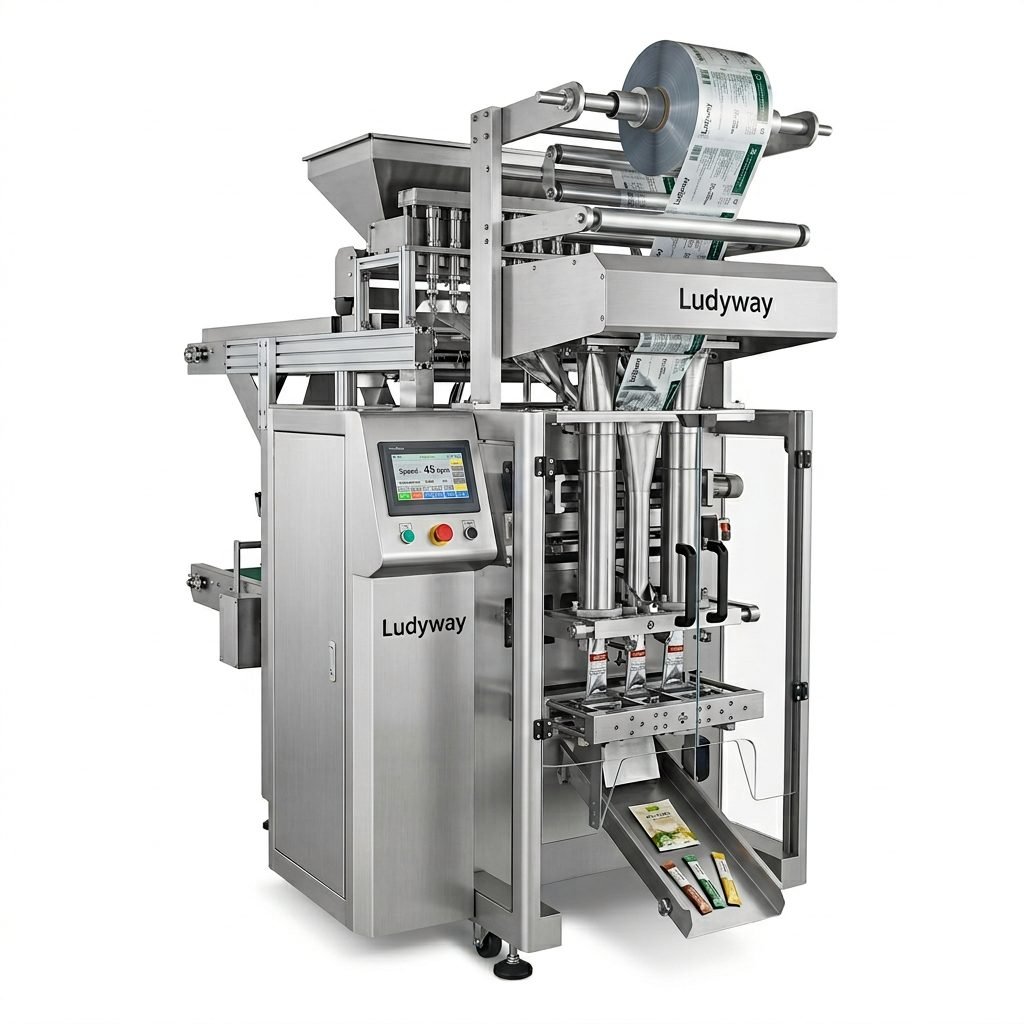
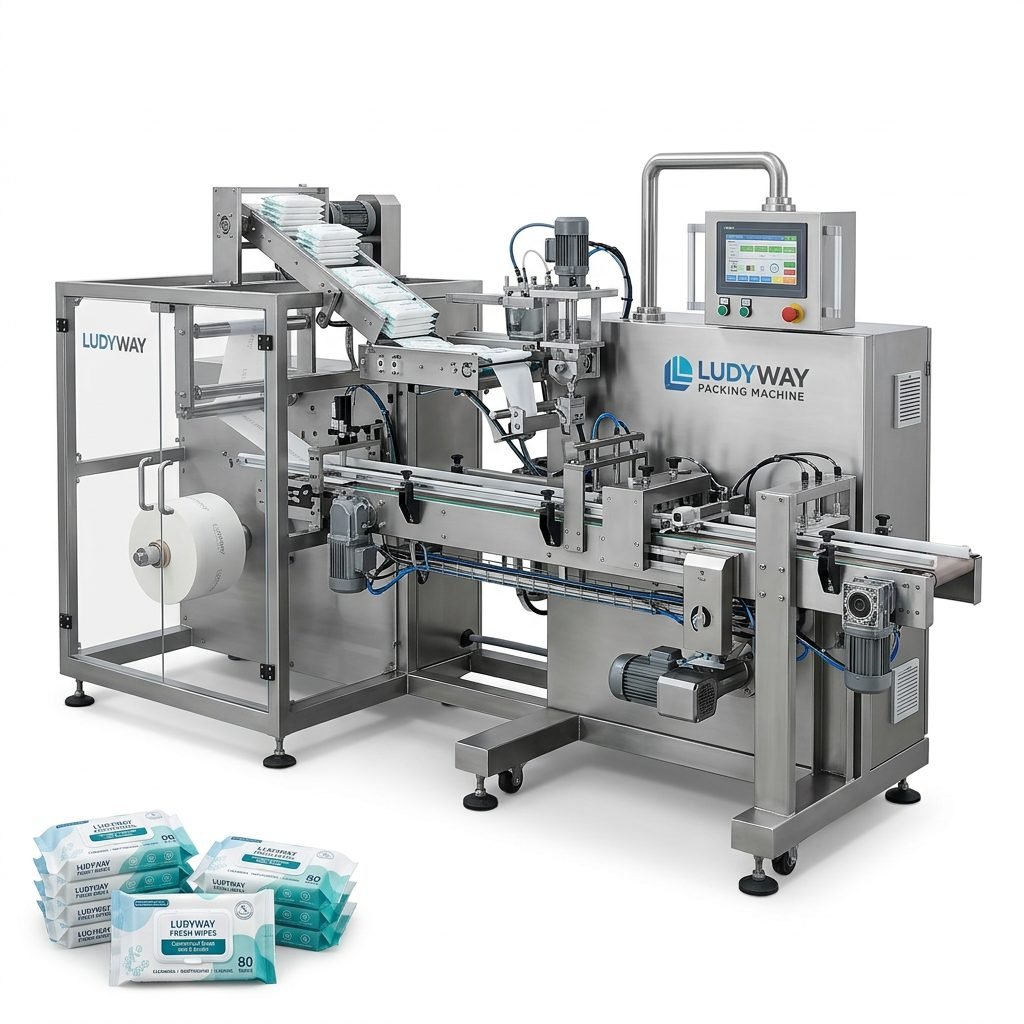
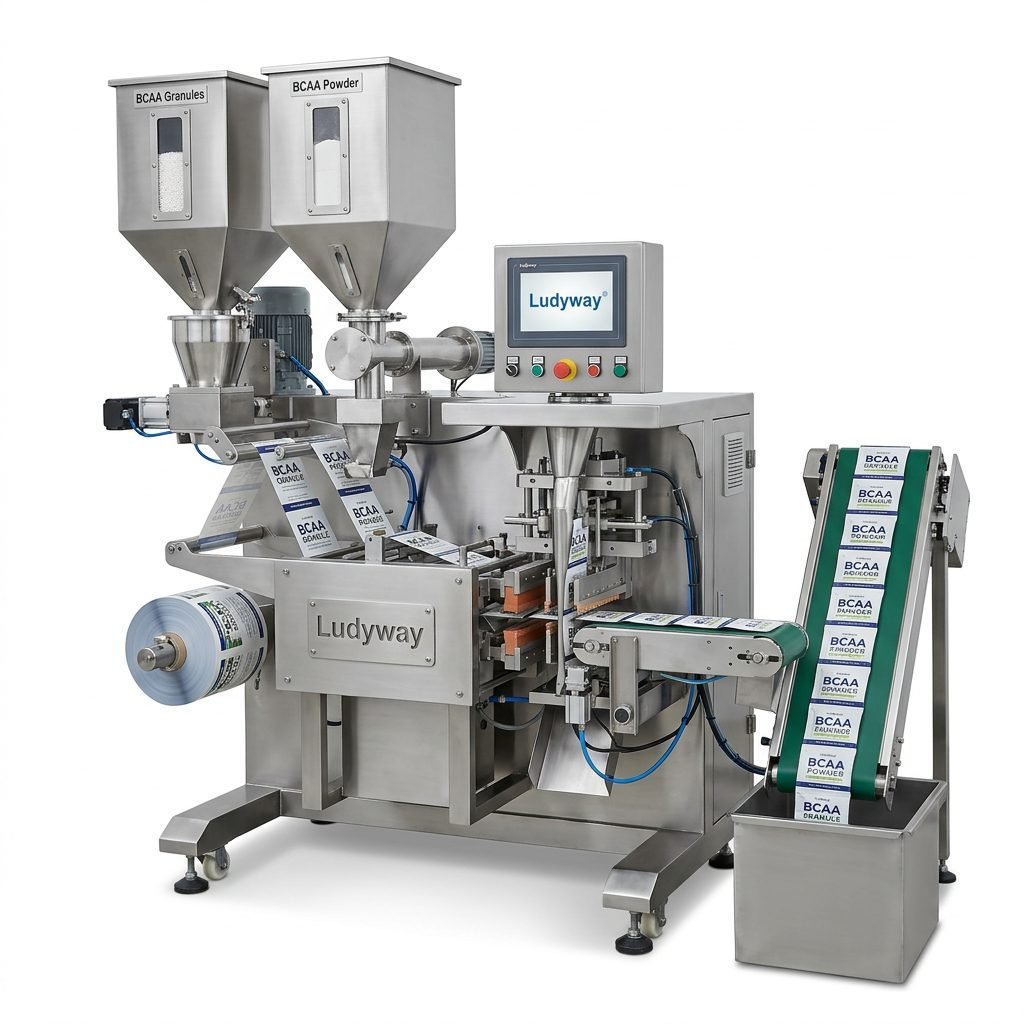
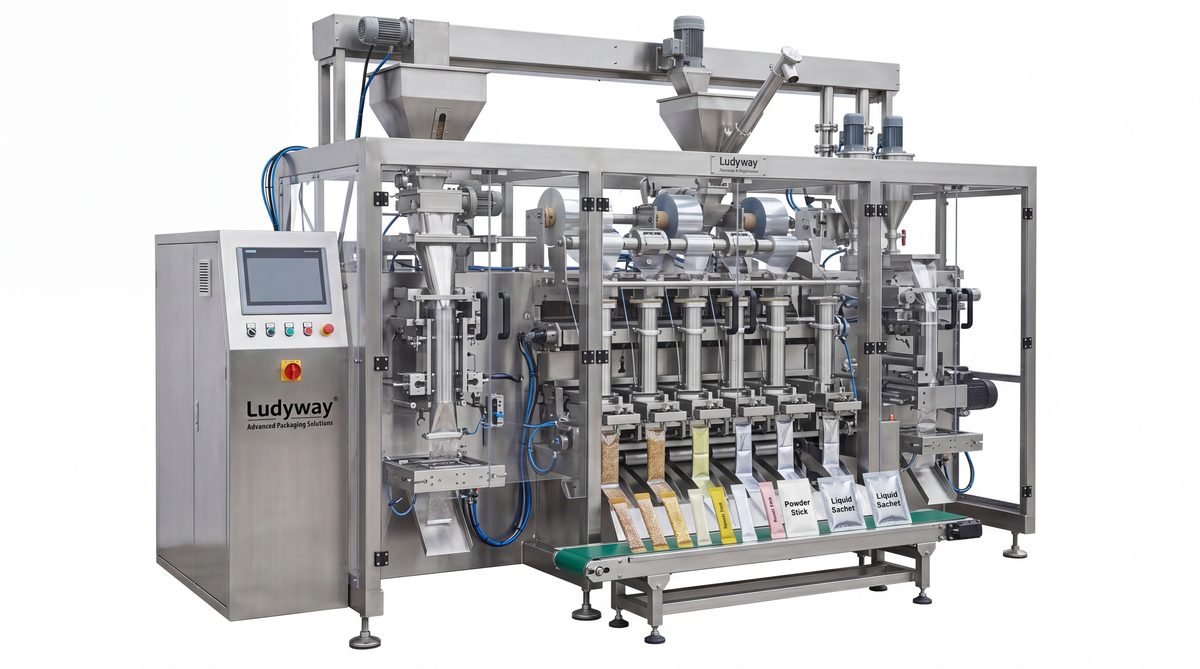
Before comparing specifications, you need to identify which category of ACG packaging machine aligns with your production. Common configurations include multi-lane stick pack machines, sachet packaging systems, and integrated pouch filling lines. Each type serves distinct applications across packaging and processing industries.
- Stick Pack Machines – Ideal for single-serve powders, granules, and liquids in narrow sachet formats.
- Multi-Lane Sachet Systems – Designed for high-volume production of flat or four-side-seal sachets.
- Pouch Packaging Lines – Suitable for larger pre-made pouches used in food, pet food, and chemical sectors.
- Turnkey Packaging Solutions – Fully integrated systems combining filling, sealing, coding, and cartoning.
Key Technical Specifications to Evaluate
When comparing different ACG packaging machine models, focus on measurable performance parameters. The table below outlines the primary specifications that should influence your decision:
| Specification | Why It Matters | Typical Range |
|---|---|---|
| Production Speed | Directly determines output capacity per shift | 30 – 600 packs/min/lane |
| Filling Volume Range | Must match your product dosage requirements | 0.5g – 500g per pack |
| Bag Size Flexibility | Accommodates different packaging formats | Width 20mm – 300mm |
| Number of Lanes | Multiplies output without additional footprint | 1 – 20 lanes |
| Power Consumption | Affects operational costs over the machine lifecycle | 3kW – 15kW |
Material Compatibility and Product Characteristics
Your product’s physical properties are the single most important factor in selecting an ACG packaging machine. Powder flowability, granule size distribution, liquid viscosity, and product density all influence the choice of dosing system and machine configuration. The flexible packaging industry offers various material options that must be compatible with your machine’s sealing parameters.
Product Type Considerations
- Free-flowing powders – Typically use auger or volumetric cup dosing systems.
- Cohesive or sticky powders – May require agitator-assisted hoppers and specialized sealing jaws.
- Granules and pellets – Multi-head weigher combinations provide accurate portioning.
- Liquids and pastes – Require piston or pump-based filling systems with appropriate seal integrity.
- Hygroscopic products – Demand humidity-controlled environments and moisture-barrier films.
Automation Level and Line Integration
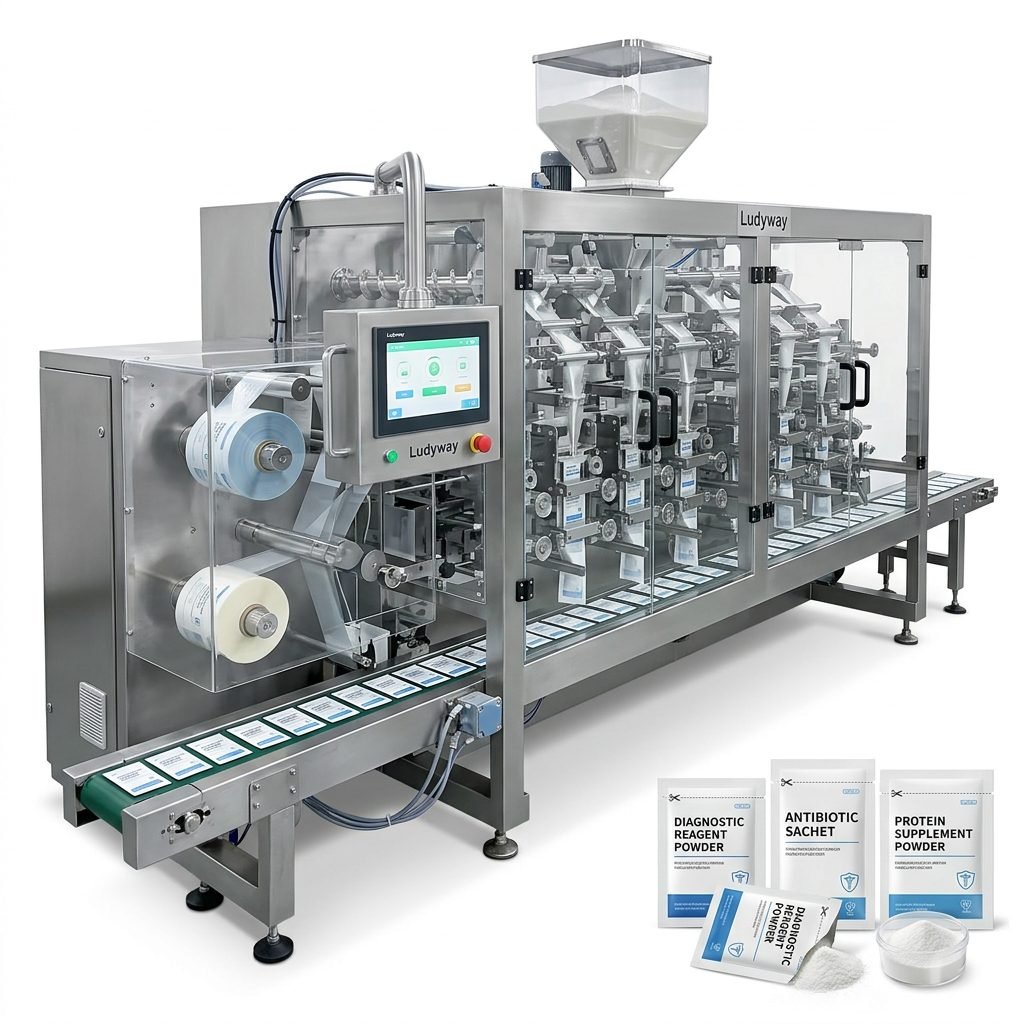
Modern ACG packaging machines range from semi-automatic standalone units to fully automated packaging lines. Your choice should reflect your current labor situation, expected production growth, and integration requirements with upstream and downstream equipment.
Semi-Automatic vs. Fully Automatic Systems
| Feature | Semi-Automatic | Fully Automatic |
|---|---|---|
| Operator Involvement | Manual loading and intervention required | Minimal operator supervision |
| Initial Investment | Lower upfront cost | Higher capital expenditure |
| Output Consistency | Subject to operator variability | Highly consistent output rates |
| Ideal Application | Small batches and pilot production | Continuous high-volume manufacturing |
Compliance and Quality Standards
Depending on your target market and industry vertical, your ACG packaging machine must comply with relevant regulations. For pharmaceutical and food applications, this includes GMP requirements, FDA packaging regulations, and ISO 11607 standards for medical device packaging. Always verify that the manufacturer can provide appropriate packaging standards documentation and certifications for your market region.
Key Compliance Areas
- Material traceability – Machine components in contact with product must be documented.
- Cleaning and sanitation – Washdown-compatible designs for food and pharma environments.
- Validation documentation – IQ/OQ/PQ protocols for regulated industries.
- CE, UL, and regional certifications – Ensure electrical and safety compliance.
- Sustainable packaging readiness – Compatibility with recyclable and biodegradable films.
Total Cost of Ownership Analysis
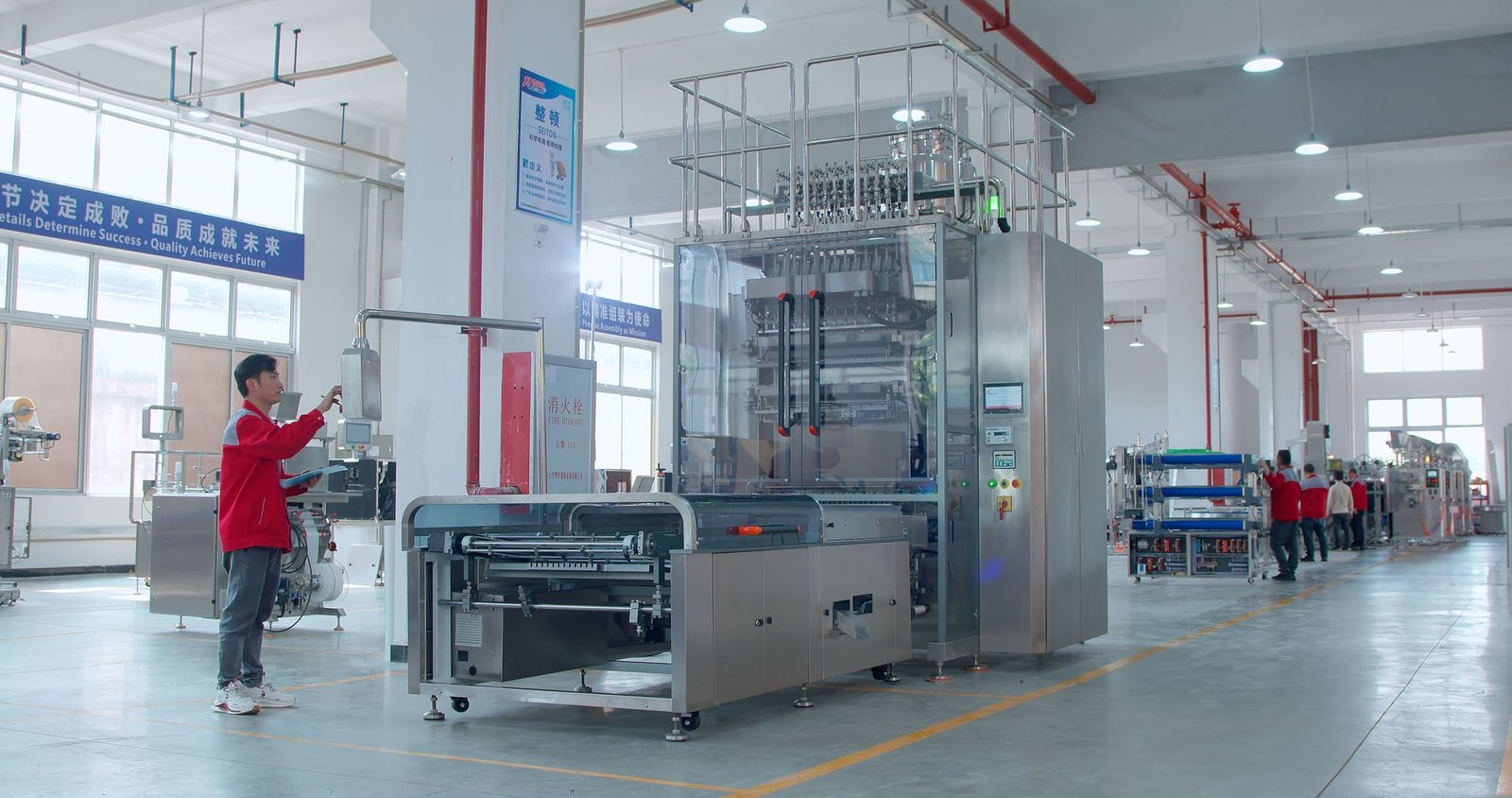
The purchase price of an ACG packaging machine is only one component of its total cost. A comprehensive evaluation should account for installation, training, maintenance, spare parts availability, and energy consumption over the expected operational life of the equipment — typically 10 to 15 years.
Cost Factors Beyond the Initial Price
- Spare parts inventory – Availability and cost of frequently replaced components.
- Changeover time – Rapid format changeover reduces downtime between product runs.
- Energy efficiency – Modern servo-driven systems consume significantly less power.
- Technical support – Remote assistance capabilities and response times for troubleshooting.
- Operator training requirements – Intuitive HMI interfaces reduce learning curves.
Evaluating Manufacturer Capabilities
Long-term satisfaction with your ACG packaging machine depends heavily on the manufacturer behind it. Look for suppliers with proven engineering expertise, in-house manufacturing capabilities, and a track record of global service. A manufacturer that offers customization and turnkey solutions can adapt equipment to your specific requirements rather than forcing your process to fit a standard machine.
For instance, Ludyway Machinery combines over 30 years of packaging industry experience with a 20,000-square-meter manufacturing facility and more than 50 packaging machine models to support packaging machinery market demands across food, pharmaceutical, chemical, and cosmetic sectors.
Questions to Ask Potential Suppliers
- Can you provide reference installations in my specific industry?
- What is the standard lead time for machine delivery and commissioning?
- Do you offer factory acceptance testing (FAT) and site acceptance testing (SAT)?
- How do you handle after-sales technical support and spare parts logistics?
- What customization options are available for my product and packaging format?
Future-Proofing Your Investment
Selecting an ACG packaging machine is not just about meeting today’s production targets. Consider how your business may evolve over the next 5 to 10 years. Scalability, modular design, and compatibility with automation upgrades are essential for protecting your investment. Machines with open architecture control systems and standardized mechanical interfaces are easier to integrate into future smart factory environments.
A well-chosen ACG packaging machine can serve as the foundation of your production line for over a decade. By thoroughly evaluating product compatibility, technical specifications, compliance requirements, total cost of ownership, and manufacturer support capabilities, you position your operation for sustained efficiency and growth. Reference resources from the Flexible Packaging Association and EU packaging regulations can further inform your packaging strategy and material selection.