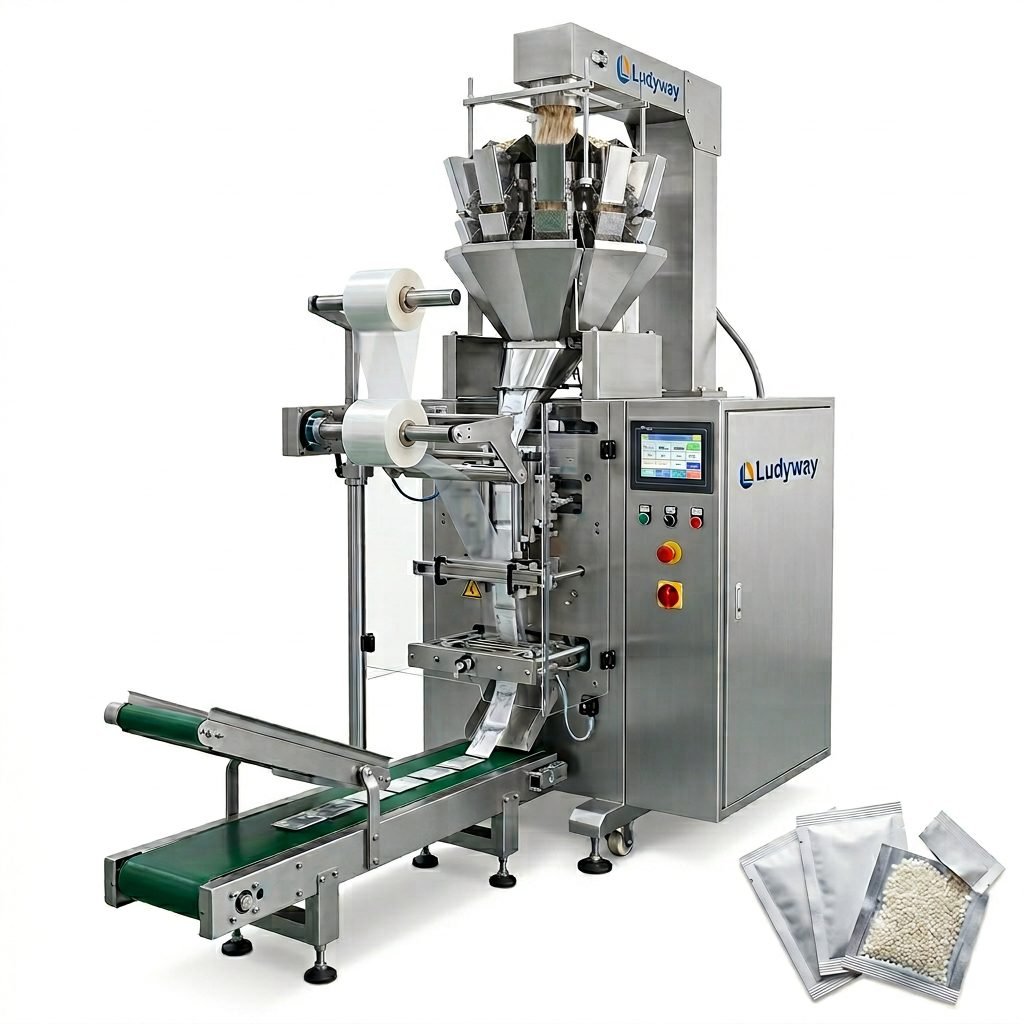
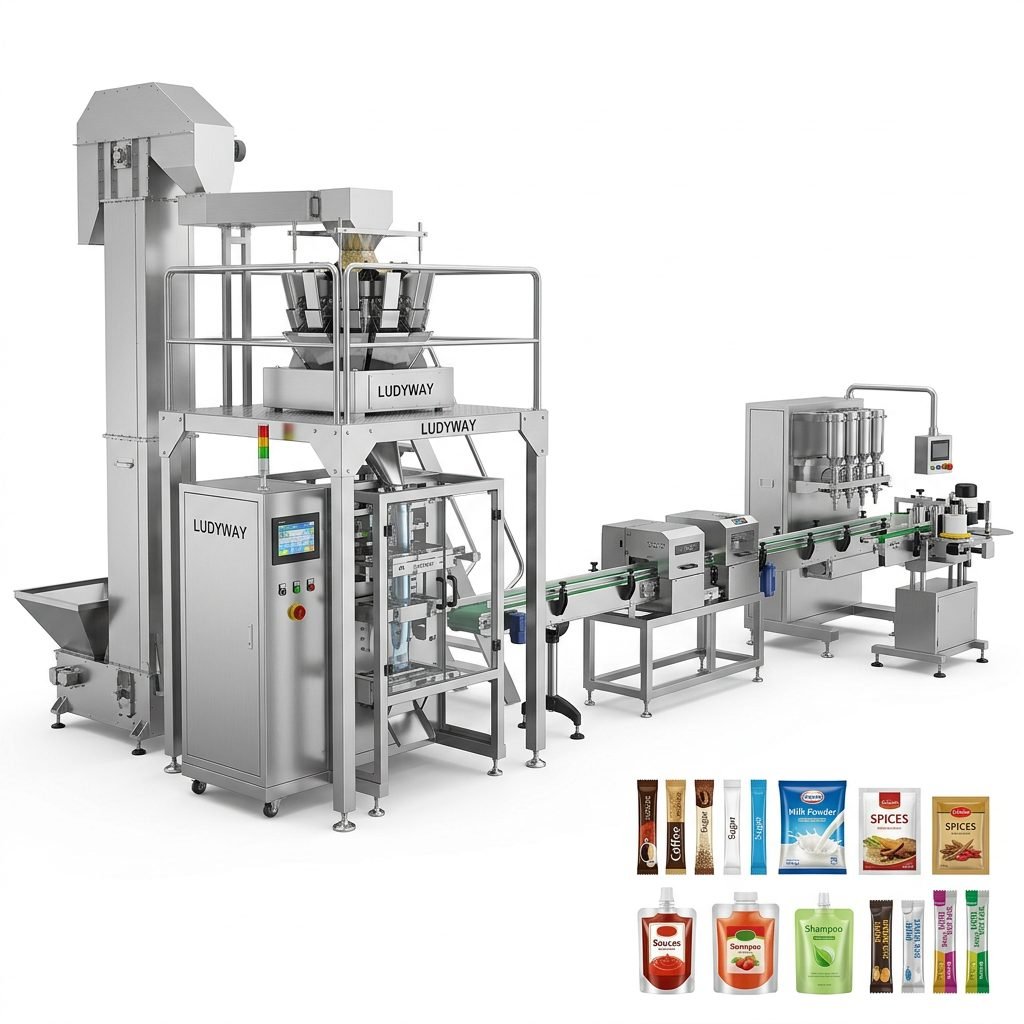
IndiaMART has become one of the largest online B2B marketplaces connecting buyers with packaging machinery manufacturers and suppliers across India and globally. With thousands of listings for automatic packaging machines, sachet packing machines, liquid filling lines, and multi-lane stick pack systems, finding the right equipment can feel overwhelming. This guide walks you through a structured approach to evaluate, compare, and select the right packing machine for your production needs — whether you are a startup, a growing manufacturer, or an enterprise scaling up operations.
Define Your Product and Packaging Format First
Before browsing listings on IndiaMART, the single most important step is to clearly define what you are packaging and how you want it packaged. Packaging machines are not one-size-fits-all, and the wrong specification can lead to production bottlenecks, material waste, and costly rework. Start by answering these questions:
- Product type: Is it powder, granule, liquid, paste, or solid pieces? Each requires a different filling and dosing mechanism. According to PMMI packaging machinery market research, product characteristics remain the primary factor in equipment selection.
- Packaging format: Do you need sachets, stick packs, pouches, bottles, or bulk bags? The bag format determines the machine’s forming, filling, and sealing configuration.
- Target fill volume: Are you filling 1-gram stick packs or 25-kilogram bulk bags? This affects the dosing system and overall machine design.
- Production speed: How many packs per minute do you need now — and what will you need in two years?
- Packaging material: What film, laminate, or material will you use? Not all machines handle all materials equally well. The Flexible Packaging Association offers detailed resources on material compatibility.
Clarity on these five points will immediately narrow your search from hundreds of listings to a manageable shortlist of technically compatible machines.
Understand the Main Machine Categories on IndiaMART
IndiaMART listings span a wide spectrum of packaging machinery. Knowing the terminology helps you filter effectively and avoid mismatched inquiries. The table below summarizes the major categories you will encounter:
| Machine Category | Best Suited For | Common Packaging Formats |
|---|---|---|
| Vertical Form Fill Seal (VFFS) | Powders, granules, snacks, grains | Pillow pouches, gusseted bags, block-bottom bags |
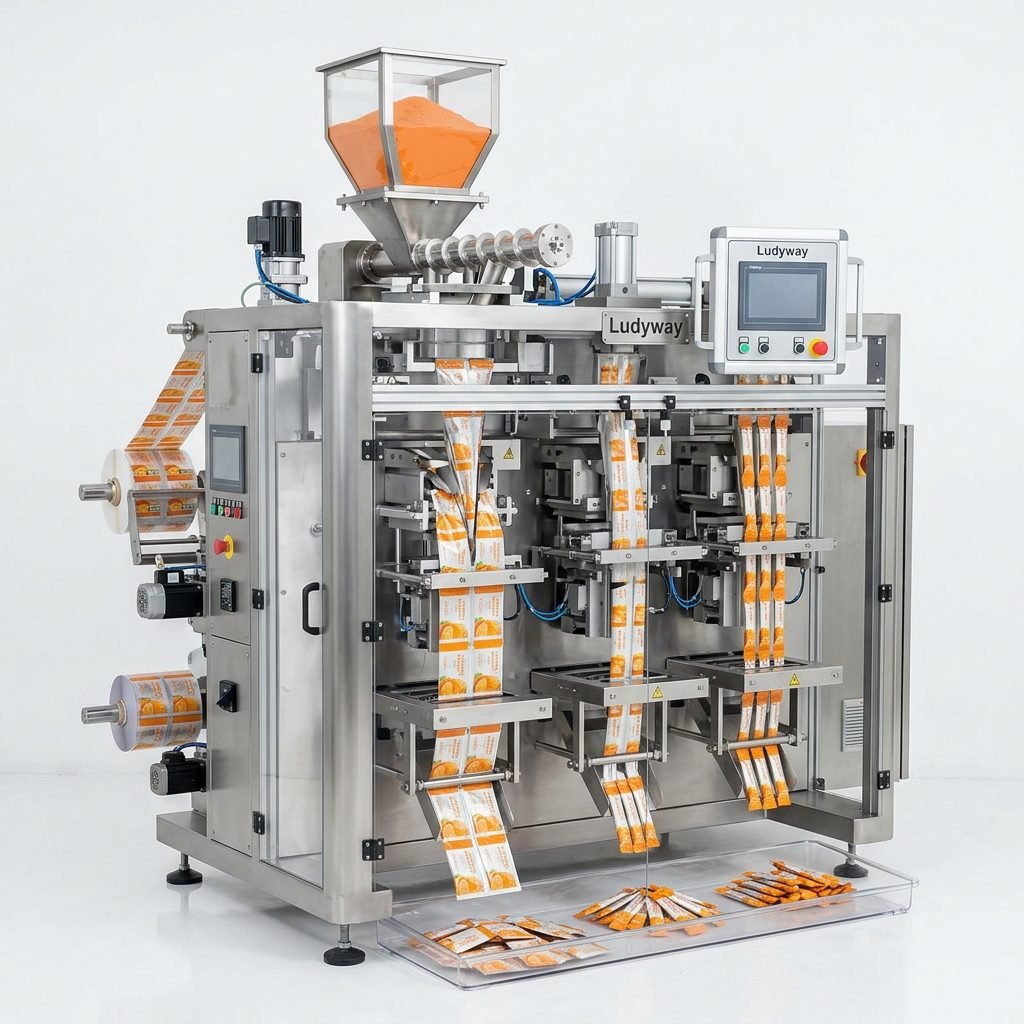
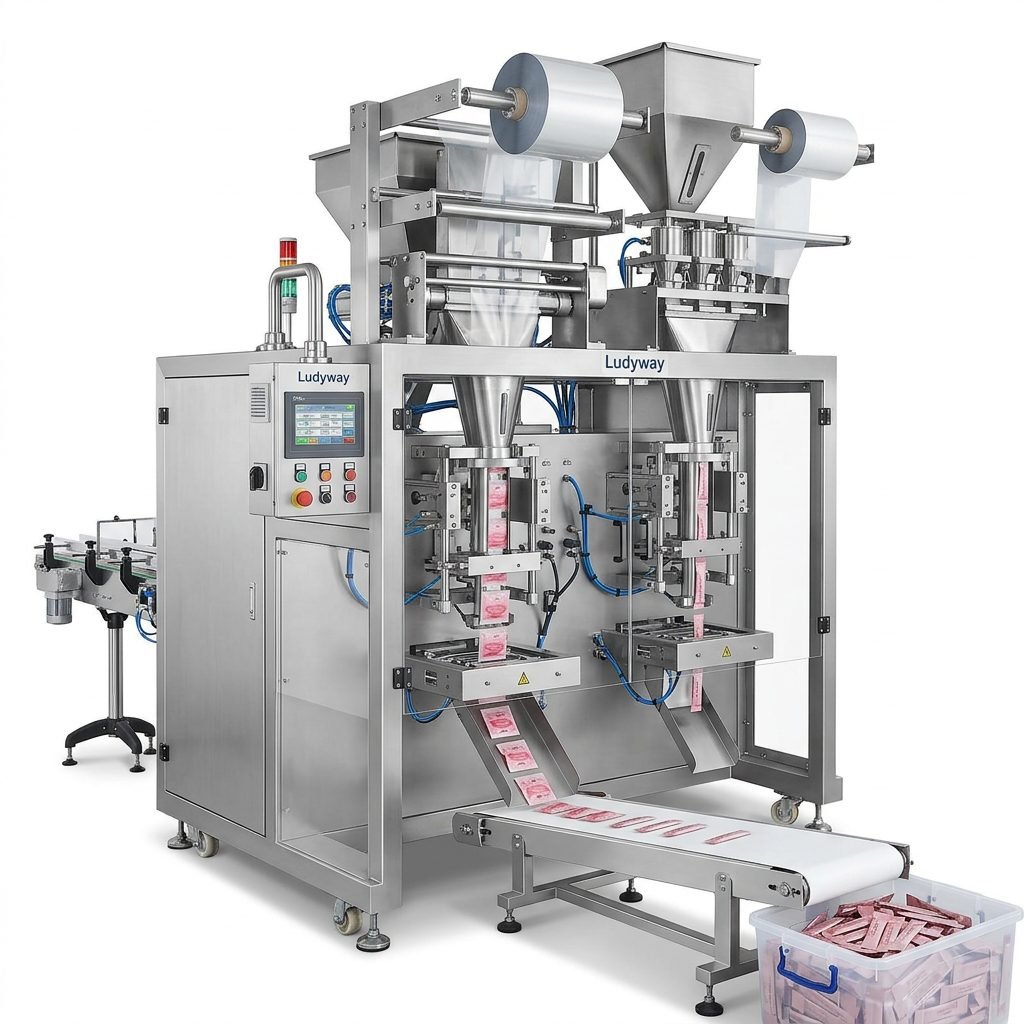
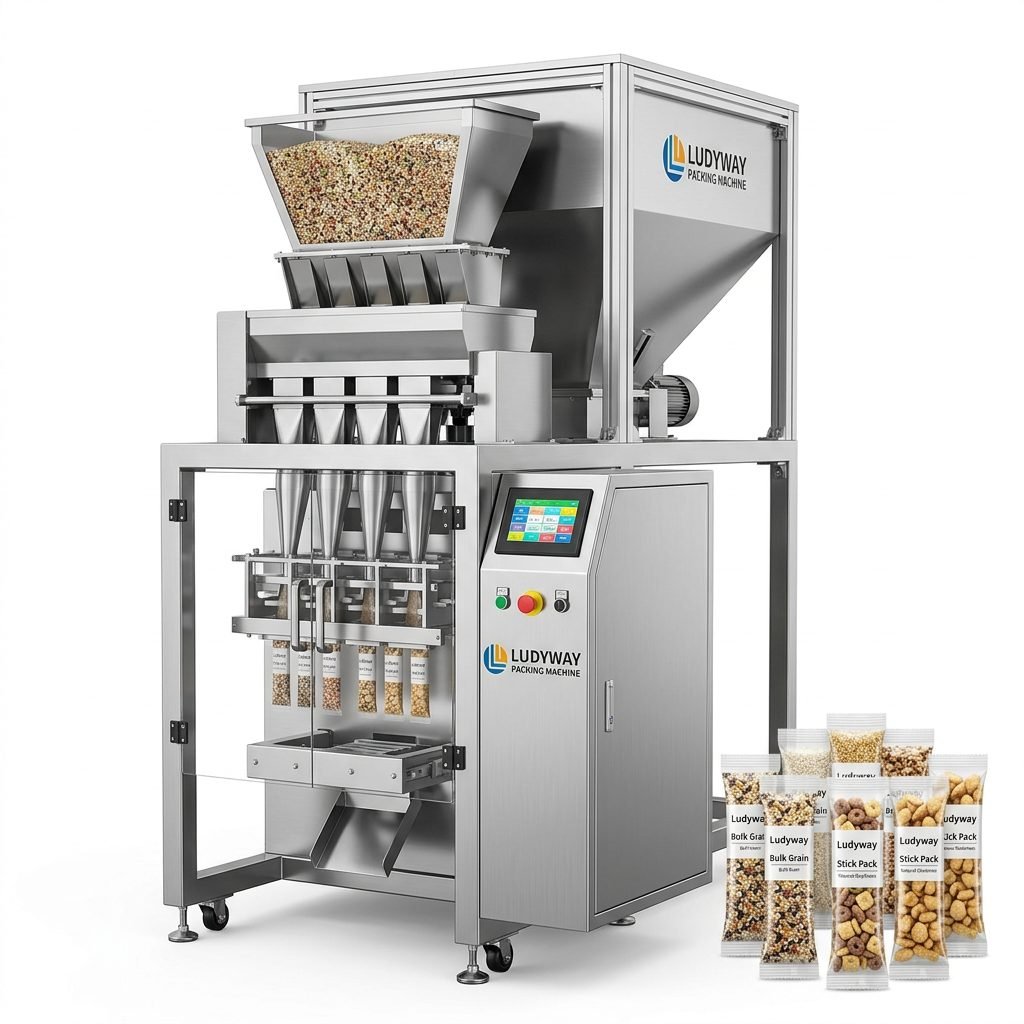
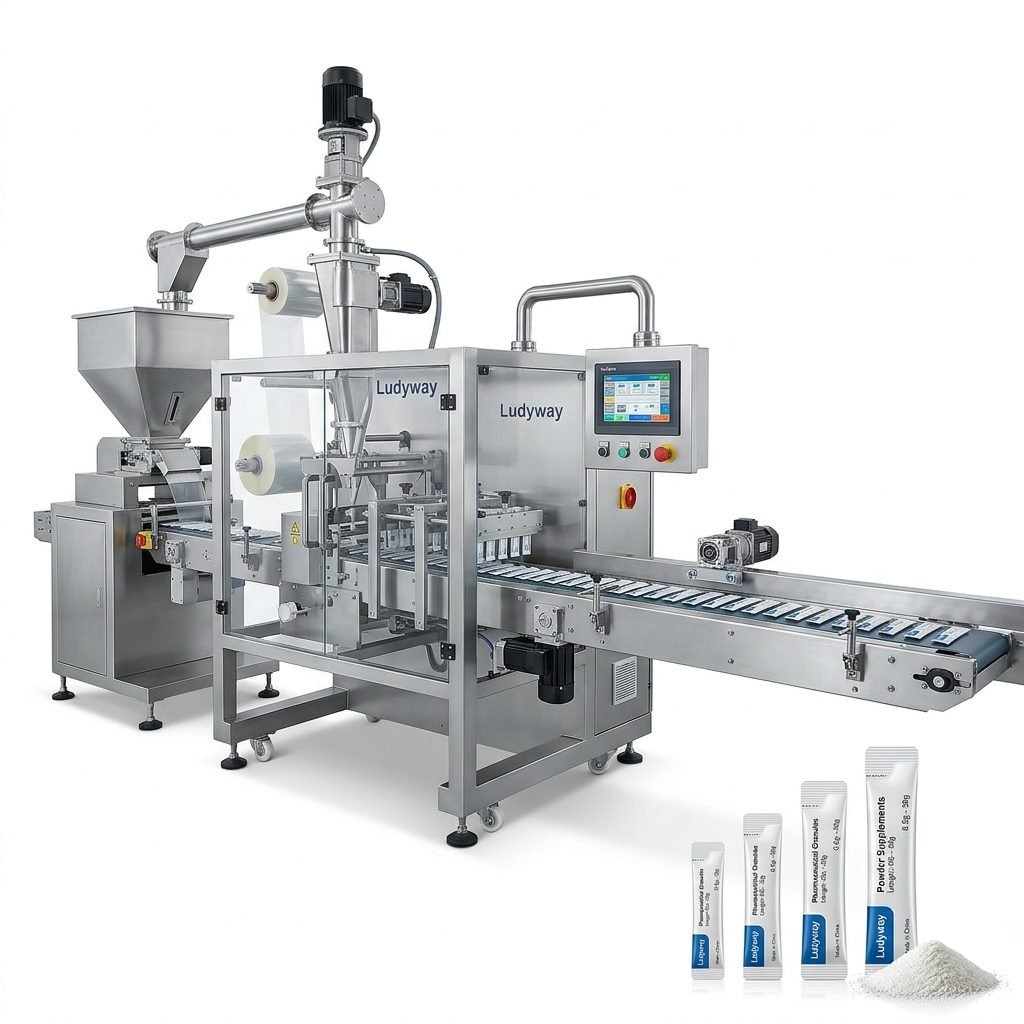
| Multi-Lane Stick Pack Machines | Sugar, coffee, supplements, pharmaceuticals | Stick packs, sachets (4 to 20+ lanes) |
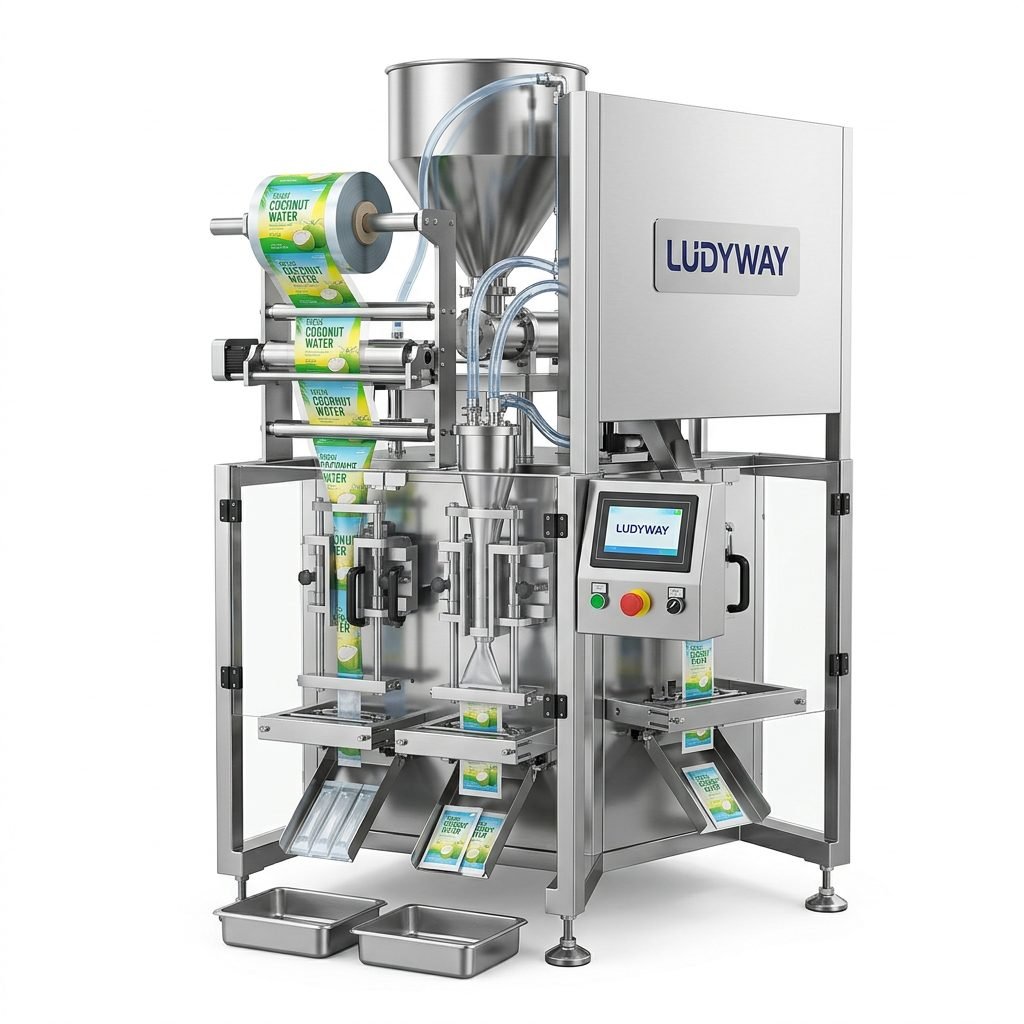
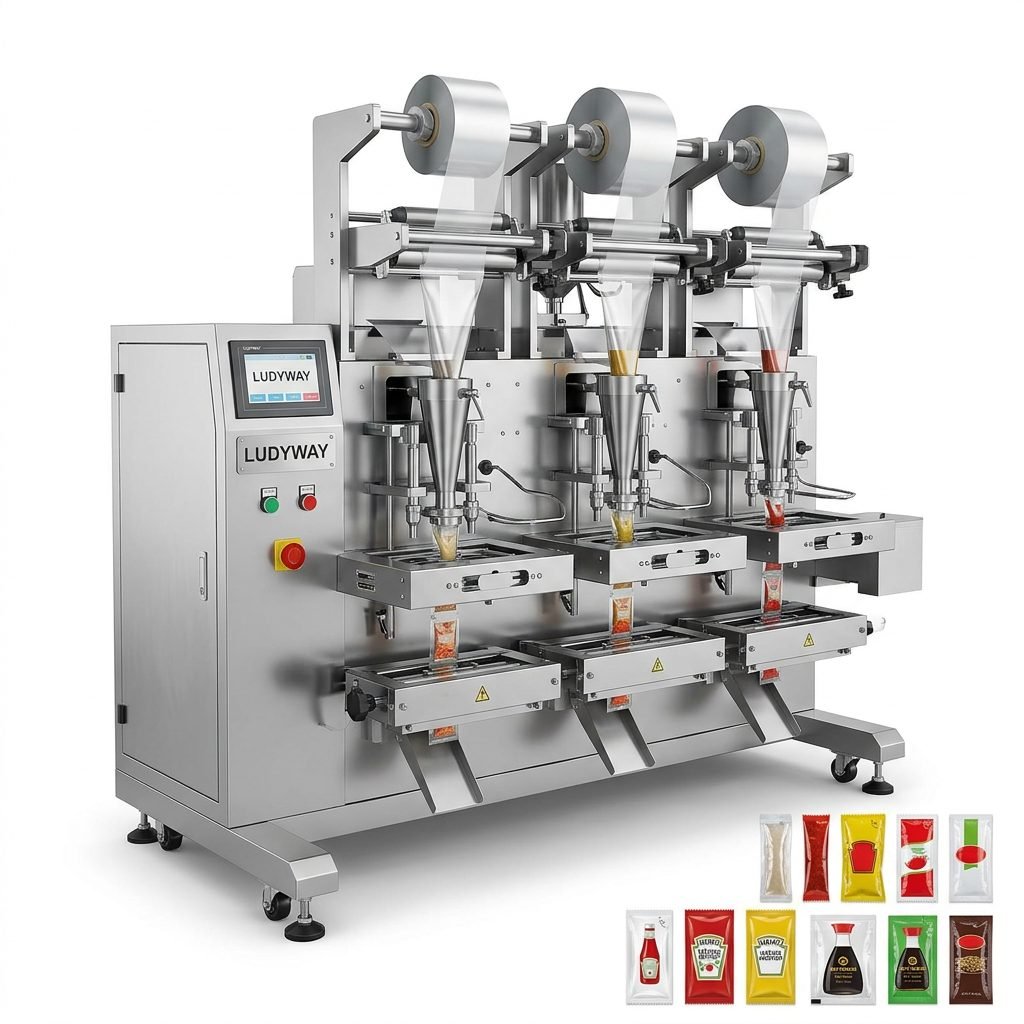
| Liquid Filling & Sealing Lines | Beverages, oils, cosmetics, chemicals | Sachets, bottles, pouches, stick packs |
| Premade Pouch Packaging Machines | Liquids, sauces, ready-to-eat products | Stand-up pouches, zipper pouches, spout pouches |
| Bulk Bagging Systems | Grains, fertilizers, animal feed, chemicals | 5kg–50kg bags, valve bags, open-mouth bags |
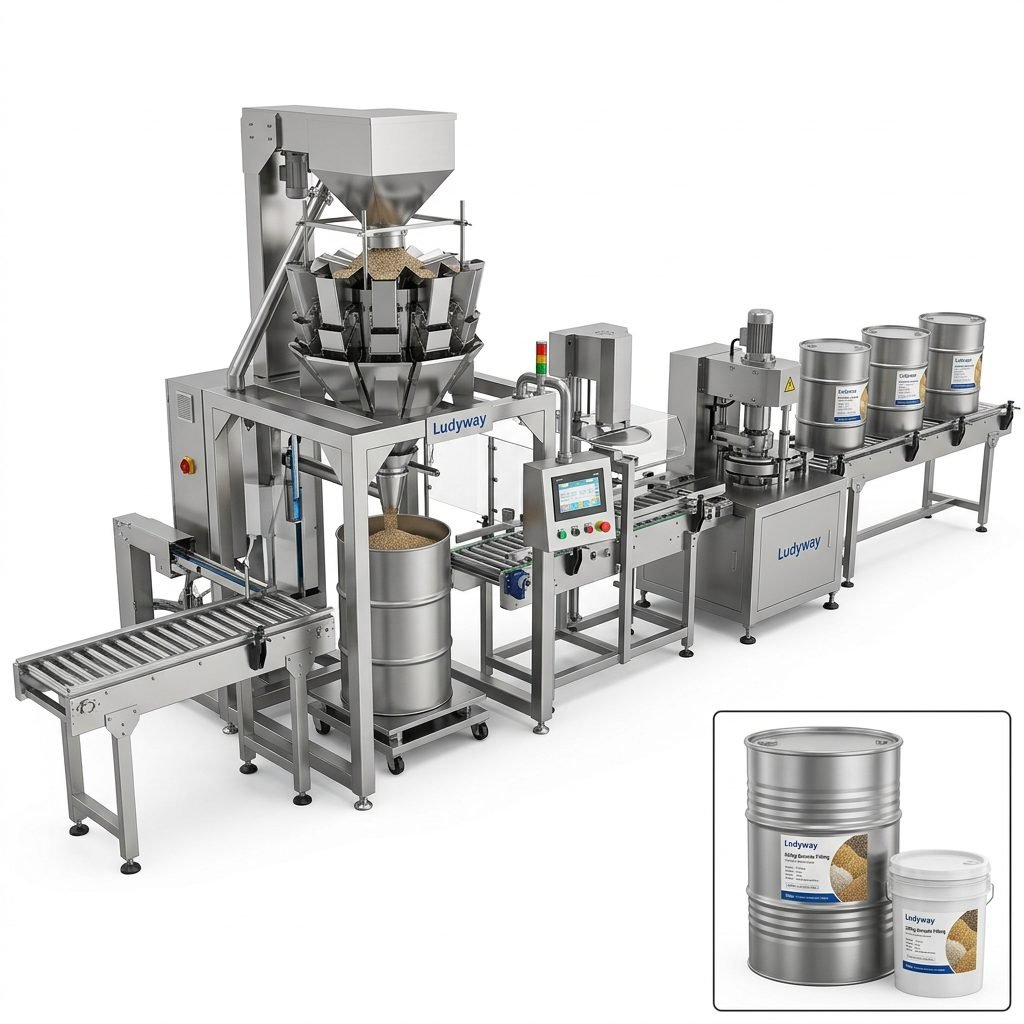
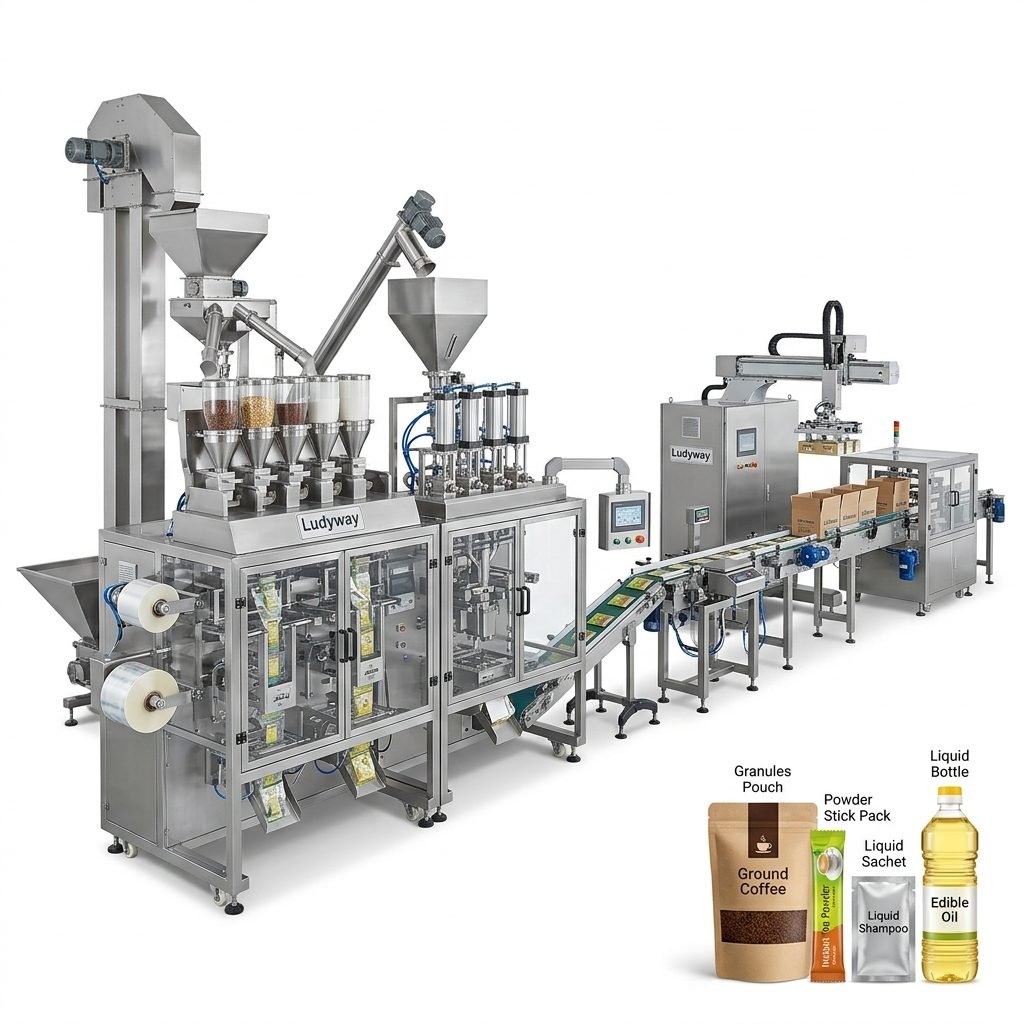
| Integrated Turnkey Packaging Lines | Manufacturers needing end-to-end automation | Filling, sealing, coding, cartoning, palletizing |
Selecting the correct category from the start saves weeks of back-and-forth communication with suppliers and ensures you only evaluate machines that match your production reality.
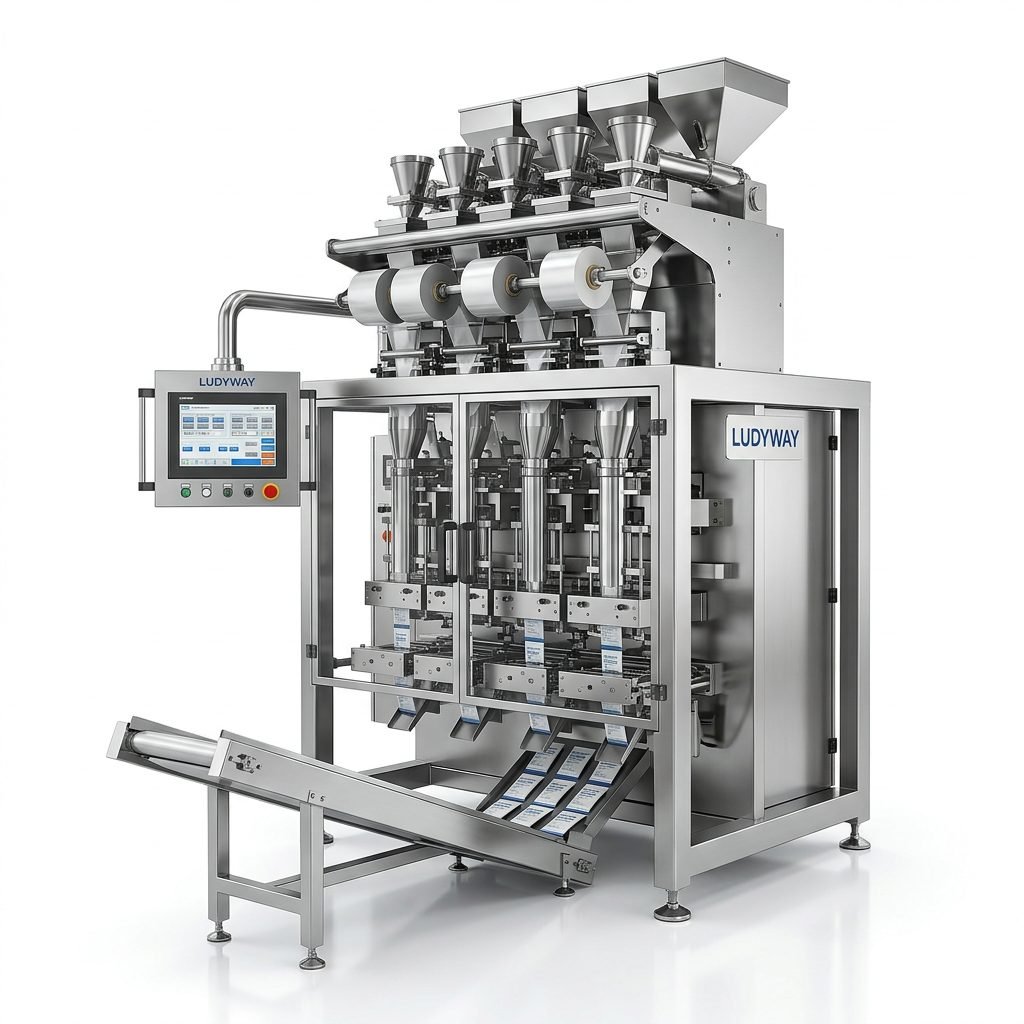
Technical Specifications That Matter Most
Once you have identified the right machine category, the next step is to evaluate technical specifications in detail. IndiaMART listings often highlight speed and price, but experienced buyers look deeper. Here are the specifications that directly impact long-term performance:
Filling Accuracy and Dosing Technology
For powders and granules, filling accuracy can make or break your profitability. Auger fillers are common for powders, while volumetric cup fillers work well for free-flowing granules. For high-value products like pharmaceuticals, multi-head weighers provide superior accuracy and reduce product give-away. The FDA packaging and food contact substances regulations also require certain dosing standards for food and pharma applications.
Sealing System and Material Compatibility
Not all sealing systems are equal. Check whether the machine supports heat sealing, ultrasonic sealing, or vacuum sealing. Different packaging films — PET, PE, aluminum laminate, paper-based — require different temperature ranges and dwell times. A machine with adjustable sealing parameters gives you flexibility as your packaging materials evolve.
Automation Level and Integration Capability
Some machines operate as standalone units; others integrate with feeding systems, checkweighers, coding machines, and cartoning equipment. If you plan to scale, choose a machine that can be integrated into a broader production line. Reference the ISO packaging standards for guidance on automation compatibility and safety requirements.
Build Quality and Component Sourcing
Ask suppliers about the origin of critical components: PLCs, servo motors, pneumatics, sensors, and sealing jaws. Machines built with globally recognized automation components from suppliers like Siemens, Omron, or Festo typically offer longer service life and easier spare parts availability — a crucial factor for international buyers.
How to Evaluate Suppliers Effectively on IndiaMART
IndiaMART hosts a diverse range of suppliers — from small workshops to established manufacturers with global export experience. Supplier due diligence is just as important as machine specifications. Use the following checklist when evaluating potential partners:
- Years in business: Look for manufacturers with at least 10–15 years of industry experience. Longevity often correlates with engineering maturity and reliable after-sales support.
- Export experience: If you are buying from outside India, confirm that the supplier has shipped to your region and understands local electrical standards, documentation requirements, and compliance certifications.
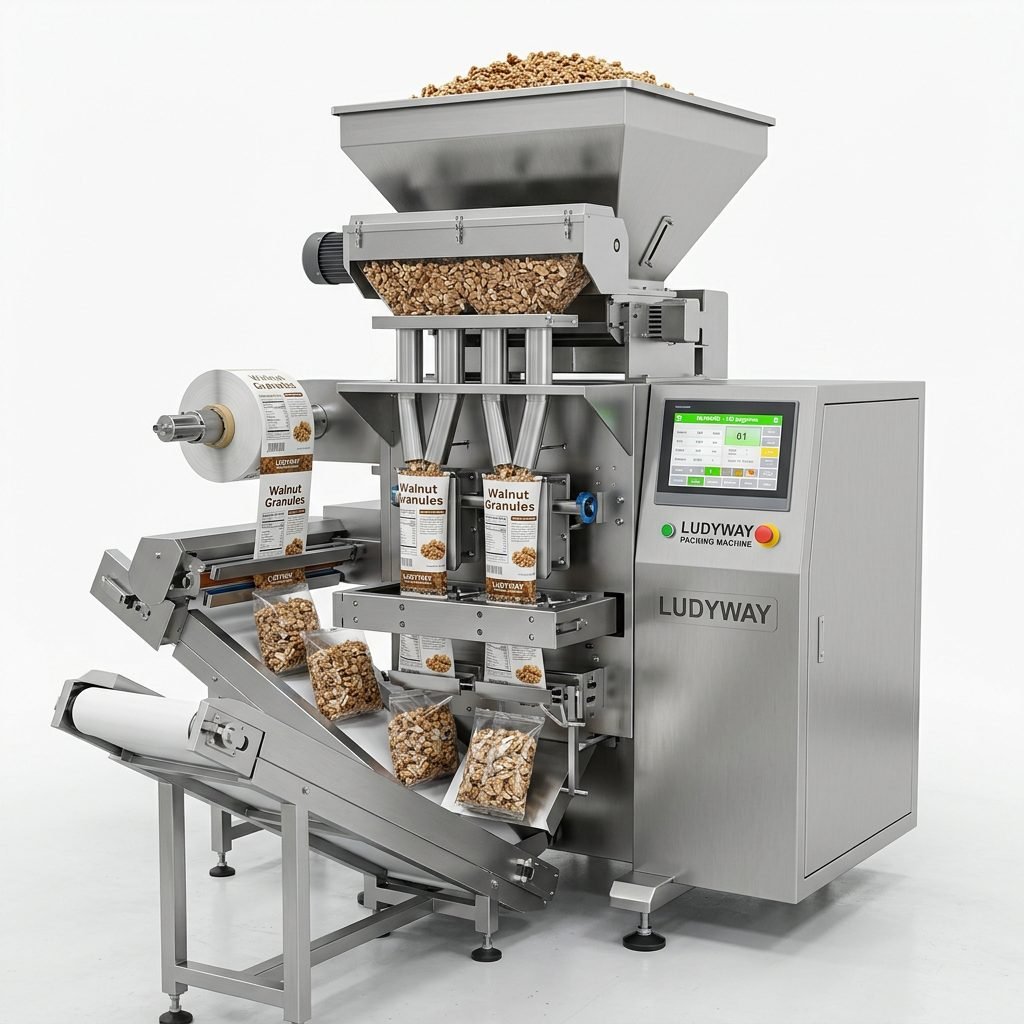
- Manufacturing facility: A supplier with an in-house manufacturing facility — rather than only a trading office — can offer better quality control, customization, and technical support. For instance, Ludyway Machinery, a China-based packaging machinery manufacturer with over 30 years of experience and a 20,000-square-meter production facility, provides more than 50 machine models and serves customers in over 100 countries — demonstrating the kind of scale and capability buyers should look for.
- Certifications: Ask about CE, ISO, or other relevant certifications. These indicate that the manufacturer follows recognized quality management practices.
- Customer references and site visits: Request video tours of the factory floor, running machines, and if possible, speak to existing customers in your industry.
- Spare parts and technical support: Confirm how the supplier handles after-sales service, spare parts delivery timelines, and remote troubleshooting for international clients.
Pricing, Payment Terms, and Total Cost of Ownership
Price is important, but total cost of ownership (TCO) is what matters over the machine’s lifespan. A lower upfront cost can lead to higher long-term expenses through downtime, inefficient material usage, and frequent repairs. Consider these financial factors:
Upfront Investment vs. Operational Efficiency
A machine priced 20% higher but with better filling accuracy, faster changeover times, and lower energy consumption can deliver a return on investment within months through material savings alone. For pharmaceutical and nutraceutical products where ingredient costs are high, filling accuracy directly impacts margins.
Payment and Transaction Security
IndiaMART offers various payment protection mechanisms for domestic buyers. For cross-border transactions, consider using letters of credit, trade assurance, or escrow services. Always formalize agreements with a detailed purchase contract covering machine specifications, delivery timeline, installation support, and warranty terms.
Installation, Commissioning, and Training
Factor in the cost and availability of on-site installation and operator training. Some suppliers include this in the machine price; others charge separately. A well-trained operator can prevent most common packaging issues and keep your line running at target speeds from day one.
Common Mistakes to Avoid When Buying on IndiaMART
Even experienced buyers sometimes make costly errors in the procurement process. Being aware of these pitfalls can save significant time and money:
- Focusing only on speed: A machine that runs at 200 packs per minute is useless if it produces inconsistent seals or inaccurate fills at that speed. Always validate sustainable running speed, not just the maximum rated speed.
- Ignoring changeover time: If you package multiple products or formats, a machine with quick-change features and minimal tooling adjustments will dramatically improve overall equipment effectiveness.
- Overlooking film and material waste rates: Machines with poor film tracking or sealing consistency can waste 3–5% of packaging material. Over a year of continuous production, this represents a substantial hidden cost.
- Skipping factory acceptance testing: Whenever possible, request a factory acceptance test (FAT) with your actual product and packaging material before shipment. Video-based remote FAT is increasingly common for international buyers.
- Underestimating after-sales needs: A machine without accessible technical support, spare parts, and clear documentation can become a liability. Prioritize suppliers who demonstrate a genuine commitment to long-term partnership rather than just closing a sale.
Making the Final Decision: A Step-by-Step Approach
With your requirements defined, supplier shortlist narrowed, and technical evaluations complete, follow this systematic approach to make your final selection:
- Send a detailed RFQ (Request for Quotation) to your top 3–5 shortlisted suppliers. Include your product specifications, target speed, packaging format, material details, and any certification requirements.
- Compare quotations side by side — not just on price, but on machine configuration, component brands, included services, warranty coverage, and delivery timeline.
- Request video demonstrations of similar machines running products comparable to yours. Observe seal quality, filling consistency, and overall machine stability.
- Negotiate terms that protect both parties: clear machine specifications in the contract, defined acceptance criteria, installation support commitments, and warranty provisions.
- Plan for logistics and installation before the machine ships. Prepare your facility with appropriate power supply, compressed air, and operator training schedules.
Why the Right Packaging Machine Transforms Your Business
Investing in the right packaging machinery is about more than automating a single process. The 2025 State of the Industry report from PMMI indicates that manufacturers who upgrade to modern automated packaging systems see measurable improvements in throughput, product consistency, and labor efficiency. A well-chosen machine reduces product waste, speeds up order fulfillment, and enables you to take on larger contracts with confidence. On IndiaMART, the difference between a successful purchase and a disappointing one often comes down to the depth of your research, the clarity of your requirements, and the quality of the supplier relationship you build along the way.
Take your time, ask detailed questions, and remember that the cheapest machine is rarely the most cost-effective one. A thoughtful investment in reliable, well-engineered packaging equipment will serve your business for years to come.