Investing in a jelly cup packing machine is a critical decision for food, pharmaceutical, and cosmetic manufacturers. The right equipment directly impacts your production efficiency, seal integrity, and shelf appeal, while a poorly matched machine leads to costly downtime and material waste. Whether you are filling fruit jellies, pudding cups, yogurt shots, or personal care samples, understanding the core selection criteria ensures your packaging line operates at peak performance.
Understanding Jelly Cup Packaging Formats
Before comparing machine specifications, define your primary packaging format. Jelly cup systems handle a wide range of pre-formed cup sealing, filling, and lidding applications. Common formats include single-serve snack cups, multi-pack trays, and tamper-evident sealed portions. The cup material—typically PP, PET, or PS—influences sealing temperature and film compatibility.
Key format considerations:
- Cup diameter and height – Determines tooling and conveyor pitch requirements
- Fill volume range – Machines must accommodate your minimum and maximum product doses accurately
- Lidding material – Heat-seal film, foil, or pre-cut lids demand different sealing head configurations
- Single-lane vs multi-lane – Multi-lane configurations multiply throughput for high-volume production
Critical Machine Specifications to Evaluate
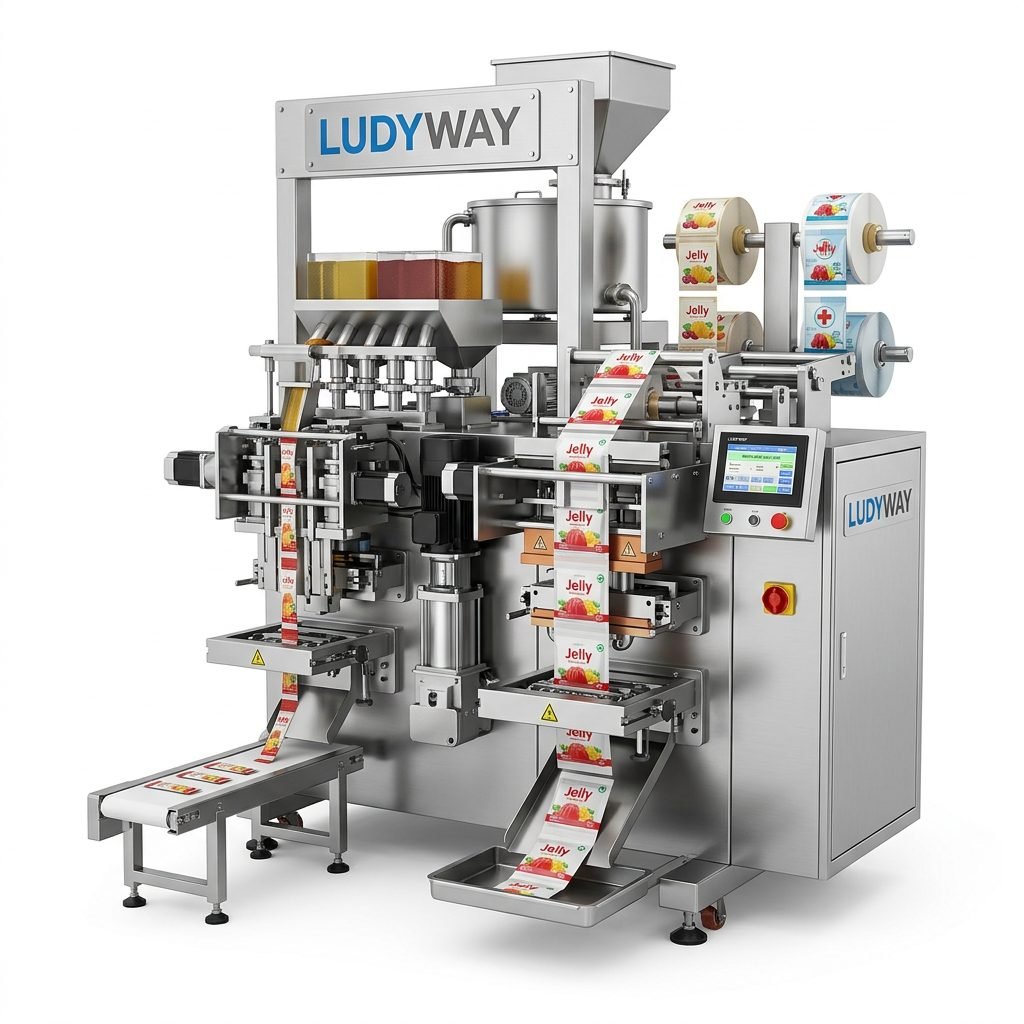
Not all automatic jelly cup filling and sealing machines are built alike. Evaluating technical specifications against your production goals prevents operational bottlenecks. Pay close attention to the following parameters when comparing suppliers.
1. Filling System Accuracy and Product Compatibility
Jelly products vary significantly in viscosity—from watery fruit gels to thick pudding consistencies. Your machine’s filling mechanism must match your product’s flow characteristics. Piston fillers offer high accuracy for dense jellies, while volumetric cup fillers excel with semi-fluid products. For products with particulates (e.g., fruit pieces in jelly), gravity or pump fillers with wider nozzles prevent clogging.
2. Sealing Technology for Leak-Proof Results
Seal integrity is non-negotiable in jelly cup packaging. A compromised seal leads to leakage, contamination, and consumer complaints. Modern machines use heat-sealing platens with precise temperature control and pressure regulation. Look for systems featuring independent temperature zones and dwell time adjustments to accommodate different film types. Industry resources on packaging standards provide valuable benchmarks for seal quality testing.
3. Production Speed and Automation Level
Throughput requirements dictate whether you need a semi-automatic, automatic inline, or fully automated rotary system. Entry-level machines may process 20-40 cups per minute, while high-speed multi-lane systems exceed 200 cups per minute. Consider how the machine integrates with upstream and downstream equipment—cup denesters, coding units, and cartoning machines—to create a seamless packaging line.
| Machine Type | Typical Speed (cups/min) | Best For |
|---|---|---|
| Semi-Automatic Single Station | 10-30 | Small batches, startups, R&D |
| Automatic Inline (4-8 lanes) | 40-120 | Mid-scale food production |
| High-Speed Rotary Filler Sealer | 120-300+ | Large factories, co-packers |
Material Compatibility and Cup Handling
The physical properties of your jelly cups significantly affect machine selection. Cup rigidity, rim design, and stacking characteristics determine how cups are denested, conveyed, and sealed. Machines with adjustable cup grippers and modular tooling offer greater flexibility when switching between formats. If you plan to run multiple cup sizes or shapes on the same line, prioritize quick-changeover features and servo-driven adjustments over manual mechanical setups.
Integration with Your Production Environment
A jelly cup packing machine does not operate in isolation. Evaluate how the equipment connects to existing infrastructure, including:
- Product supply systems – Direct feed from cooking kettles or buffer tanks
- CIP (Clean-in-Place) compatibility – Essential for dairy and pharmaceutical hygiene requirements
- Space and layout constraints – Compact inline designs vs. rotary carousel footprints
- Utilities – Compressed air, electrical load, and water supply requirements
Sourcing from an Experienced Packaging Machinery Manufacturer
Selecting a reliable supplier is as crucial as evaluating the machine itself. Look for manufacturers with a proven track record in flexible packaging equipment and turnkey solution capabilities. A qualified partner provides not only machinery but also engineering support, installation, commissioning, and after-sales technical service.
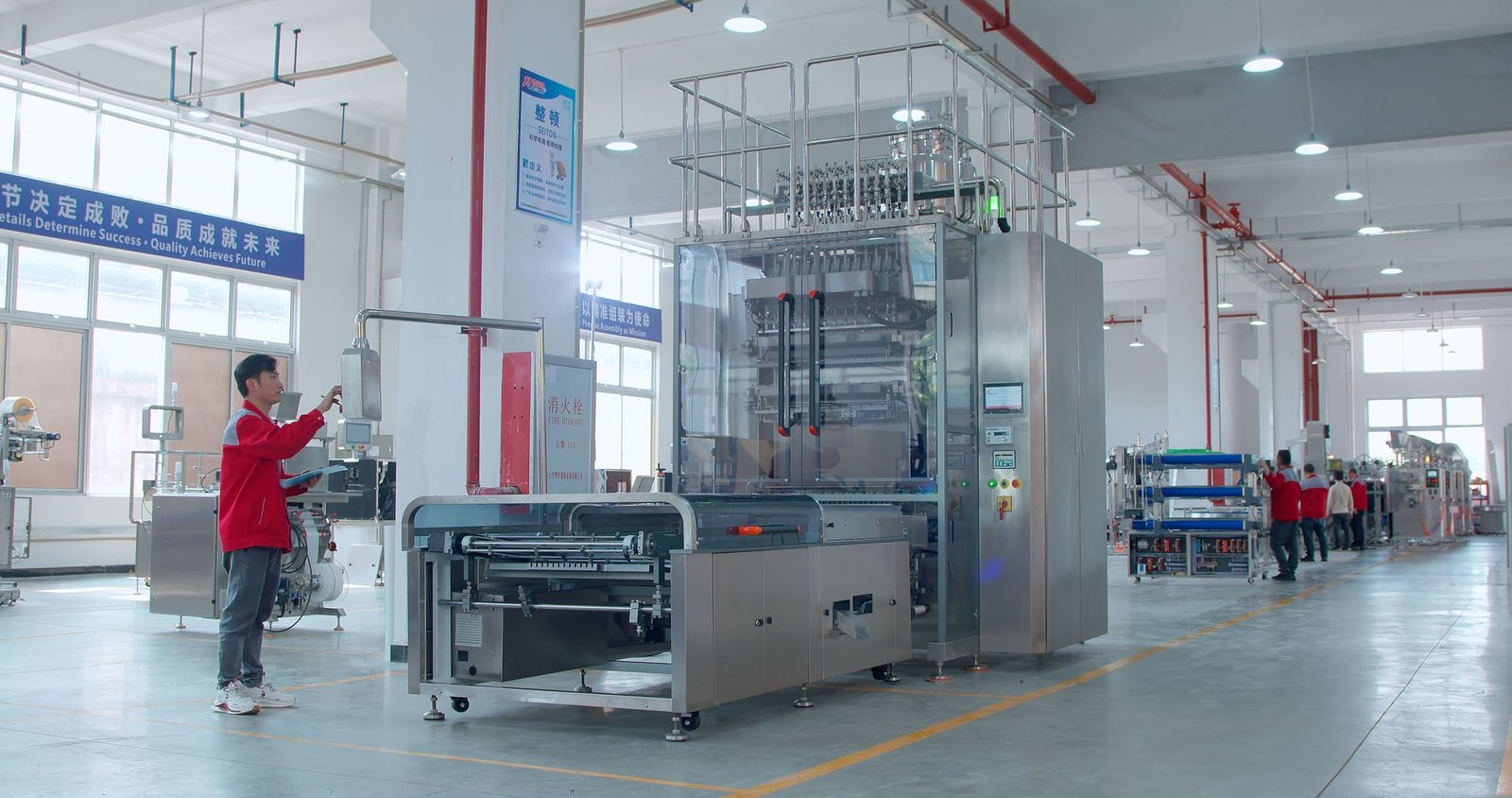
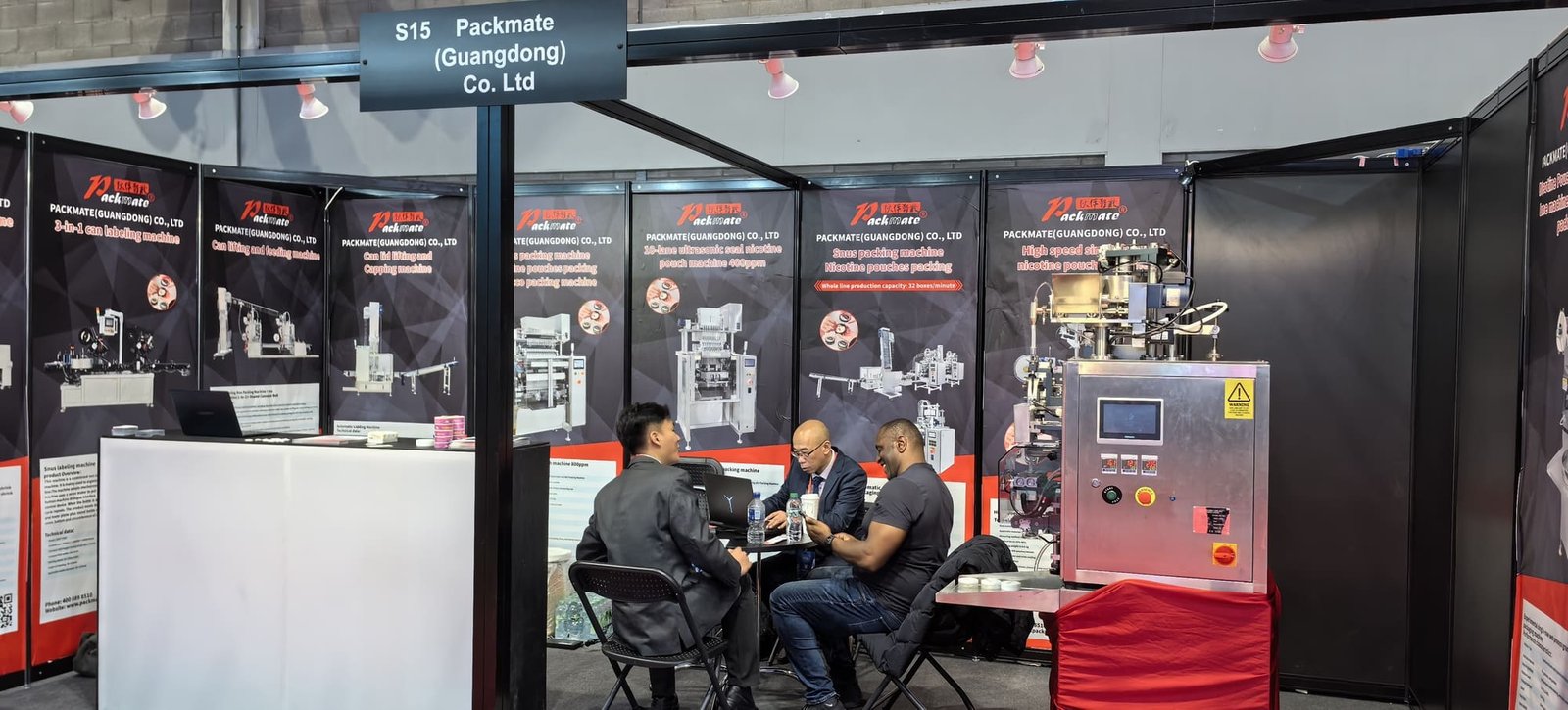
For example, Ludyway Machinery is a China-based packaging machinery manufacturer with more than 30 years of experience in the packaging industry. With a 20,000-square-meter manufacturing facility, over 130 professionals, and more than 50 packaging machine models, Ludyway combines manufacturing expertise, engineering capabilities, and automation technology to deliver customized packaging solutions. The company is expected to achieve export revenue of more than RMB 500 million (approximately US$69 million) in 2025, and plans to surpass RMB 1 billion (approximately US$138 million) in export revenue in 2026, reflecting strong global demand for its packaging machinery and integrated solutions.
Compliance and Hygiene Standards
For food and pharmaceutical applications, your jelly cup packing machine must meet applicable hygiene and safety regulations. Stainless steel construction, food-grade contact parts, and validated cleaning protocols are essential. Machines designed for cleanroom or aseptic filling environments incorporate HEPA filtration, UV sterilization, and positive pressure enclosures. Reference FDA packaging and food contact substances guidelines and ISO packaging standards when defining your compliance requirements.
Total Cost of Ownership Beyond the Purchase Price
A lower upfront price does not always translate to long-term value. Calculate the total cost of ownership over the machine’s expected lifespan, factoring in:
- Spare parts availability and cost – Consumable items like sealing gaskets, blades, and filters
- Changeover time between products – Lost production time during format switches
- Energy consumption – Heating elements, motors, and compressed air usage
- Operator training requirements – Complexity of controls and maintenance procedures
- Film and material waste rates – Starting and stopping waste, misalignment rejects
Industry reports such as the PMMI State of the Industry and resources from the Flexible Packaging Association offer valuable data on packaging machinery market trends and operational benchmarks that can guide your investment decision.
Making Your Final Selection
A structured evaluation process leads to the best outcome. Start by documenting your current and projected production volumes, cup specifications, product characteristics, and budget constraints. Request detailed technical proposals from qualified manufacturers, and whenever possible, arrange for product trials using your actual jelly formulation and cup samples. Observing a machine run your specific product reveals more about real-world performance than any specification sheet alone.
By prioritizing filling accuracy, seal reliability, material compatibility, and supplier expertise, you position your production line for consistent output and long-term operational success. The right jelly cup packing machine becomes a productive asset that supports your brand’s growth in competitive consumer markets.