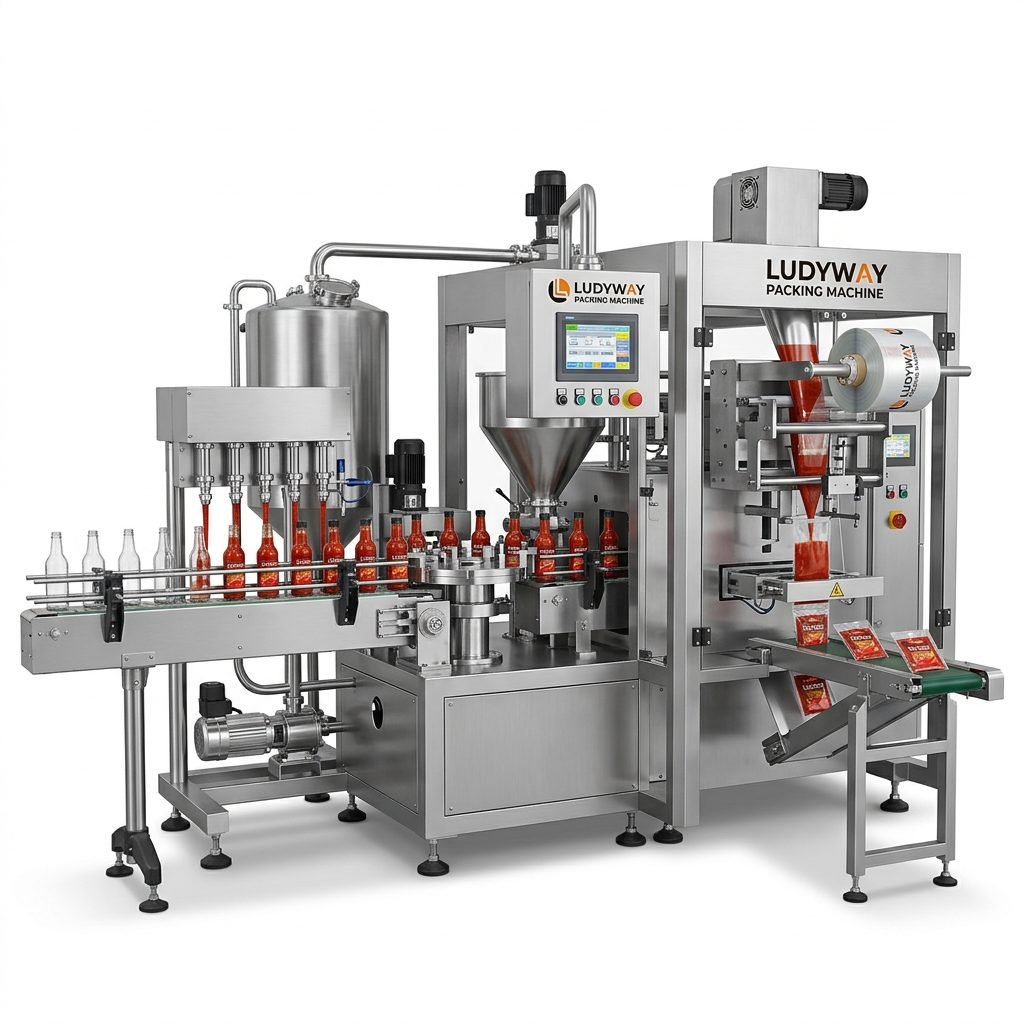
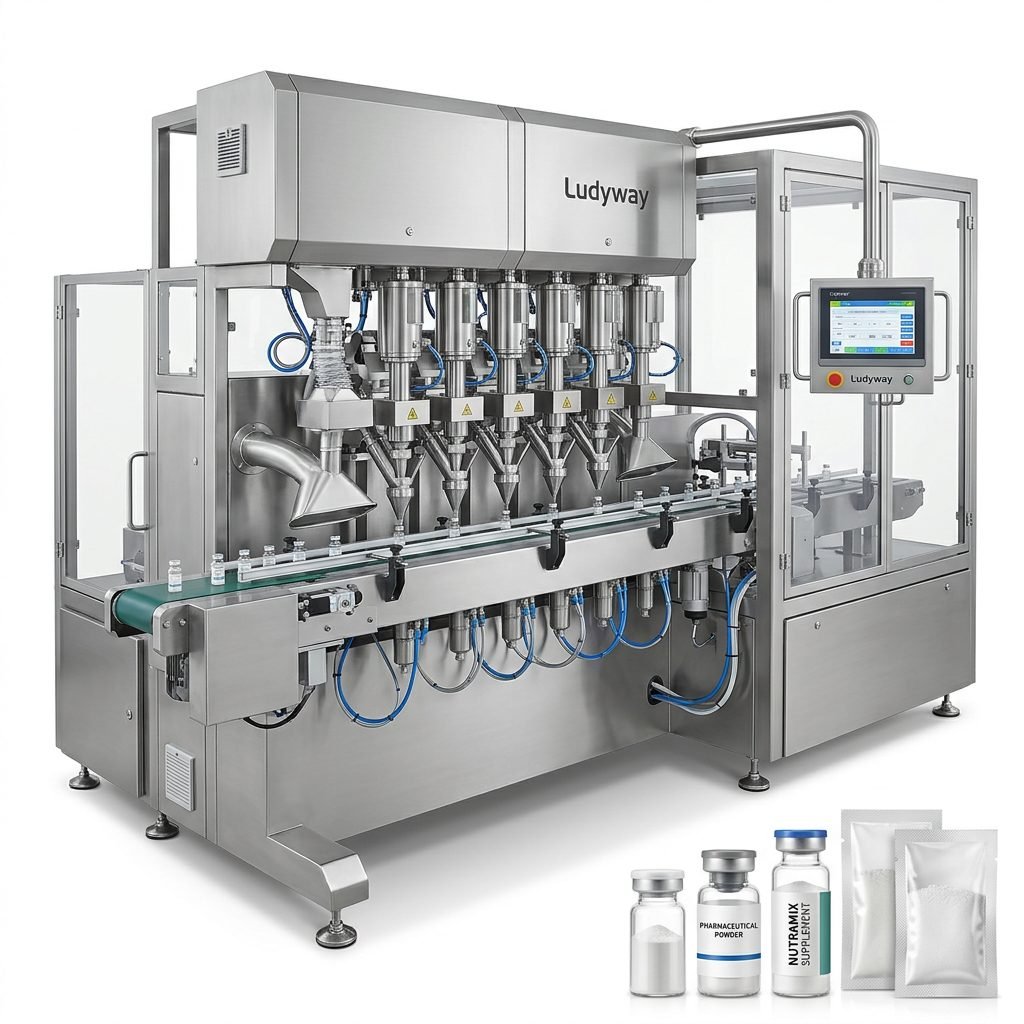
For packaging professionals, engineers, and business owners, staying ahead of the curve is not just an advantage—it’s a necessity. The industry evolves rapidly, driven by automation, sustainability demands, and shifting consumer preferences. While online research is valuable, there is no substitute for the immersive, hands-on experience of a major trade show. These events are the lifeblood of innovation, offering a unique convergence of new machinery, key suppliers, and critical industry trends all under one roof. Attending the right shows can transform your operations, spark new partnerships, and provide a clear vision for the future.
Why Packaging Trade Shows Are Indispensable
In a digital age, the tangible value of trade shows remains unparalleled. They offer a multi-sensory learning and networking environment that virtual platforms cannot replicate.
The Core Benefits of Attendance:
- ● Hands-On Machinery Evaluation: See, touch, and often operate the latest equipment. Assess build quality, speed, and user interface firsthand, far beyond what a spec sheet can convey.
- ● Direct Supplier Engagement: Meet engineering teams and decision-makers from global manufacturers. Discuss customizations, negotiate terms, and build relationships that facilitate future support.
- ● Trend Spotting & Market Intelligence: Observe the dominant themes—be it sustainable materials, smart factory integration (Industry 4.0), or compact, flexible designs. See what everyone is talking about.
- ● Peer Networking & Knowledge Sharing: Connect with other professionals facing similar challenges. Informal conversations on the show floor can yield priceless insights and solutions.
Top Global Packaging Equipment Trade Shows
The following events are considered the premier destinations for discovering packaging innovation on a worldwide scale.
1. interpack (Düsseldorf, Germany)
Held triennially, interpack is the undisputed global summit for packaging machinery and processes. It encapsulates German engineering precision and a comprehensive, future-oriented outlook.
Focus: Processing & packaging machinery, packaging materials, confectionery technology.
Key Attractions: Massive scale with thousands of exhibitors; special forums on sustainability and digitalization; live demonstrations of complete production lines.
Ideal For: Large-scale manufacturers, R&D specialists, and anyone seeking a complete overview of the industry’s trajectory.
2. PACK EXPO International (Chicago, USA)
This biennial powerhouse in North America reflects the region’s demand for efficiency, automation, and robust solutions across diverse sectors like food, beverage, and pharmaceuticals.
The show’s energy is direct and results-driven, mirroring the business culture. It features a staggering array of working machinery and focused pavilions (e.g., The Reusable Packaging Pavilion, The Processing Zone).
3. Emballage (Paris, France)
Emballage is where packaging meets design and innovation with a distinctly European flair. It emphasizes aesthetics, user experience, and sustainable material solutions alongside machinery.
Visitors can expect a strong focus on eco-design, luxury packaging, and creative solutions that cater to brand differentiation. It’s a must-attend for companies where packaging is a key brand element.
Other Notable Regional Shows:
- ProPak Asia (Bangkok, Thailand): The leading show for the fast-growing ASEAN market, crucial for understanding regional supply chains and emerging manufacturing hubs.
- IPACK-IMA (Milan, Italy): Showcases Italian excellence in packaging and processing design, known for elegant, reliable, and automated solutions.
How to Maximize Your Trade Show Experience
Simply attending is not enough. A strategic approach ensures you return with actionable value.
Pre-Show Planning
Define clear objectives: Are you sourcing a specific machine, evaluating new suppliers like Ludyway Packaging Machinery, or researching trends? Study the exhibitor list and floor plan, and schedule meetings in advance. Book travel and accommodations early.
On the Show Floor
Prioritize Quality Over Quantity: Don’t try to see everything. Deep-dive into booths relevant to your goals. Ask detailed technical questions about machine capabilities, integration, and after-sales service.
Document Everything: Take photos (with permission), collect brochures, and note key contacts. Use a dedicated notebook or app to tag information by project or priority.
Attend Conference Sessions: The educational programs are goldmines for trend analysis and deeper technical knowledge from industry leaders.
Post-Show Follow-up
This is where opportunities are won or lost. Organize all collected materials within a week. Send personalized follow-up emails to key contacts, referencing your conversation. Evaluate and compare the information gathered to make informed decisions.
Emerging Trends You’ll See at These Shows
The current innovation wave is defined by several interconnected themes:
- Sustainability-Driven Machinery: Equipment designed for mono-materials, reduced plastic usage, and easier integration with recycled or compostable substrates.
- The Rise of Smart Packaging & IIoT: Machines with embedded sensors for predictive maintenance, data collection for OEE (Overall Equipment Effectiveness), and seamless MES (Manufacturing Execution System) connectivity.
- Flexibility and Quick Changeover: Demand for shorter runs and SKU proliferation drives need for equipment that can handle multiple package sizes and formats with minimal downtime.
- Hybrid & Integrated Solutions: Blending of primary and secondary packaging functions into single, compact units to save floor space and increase efficiency.
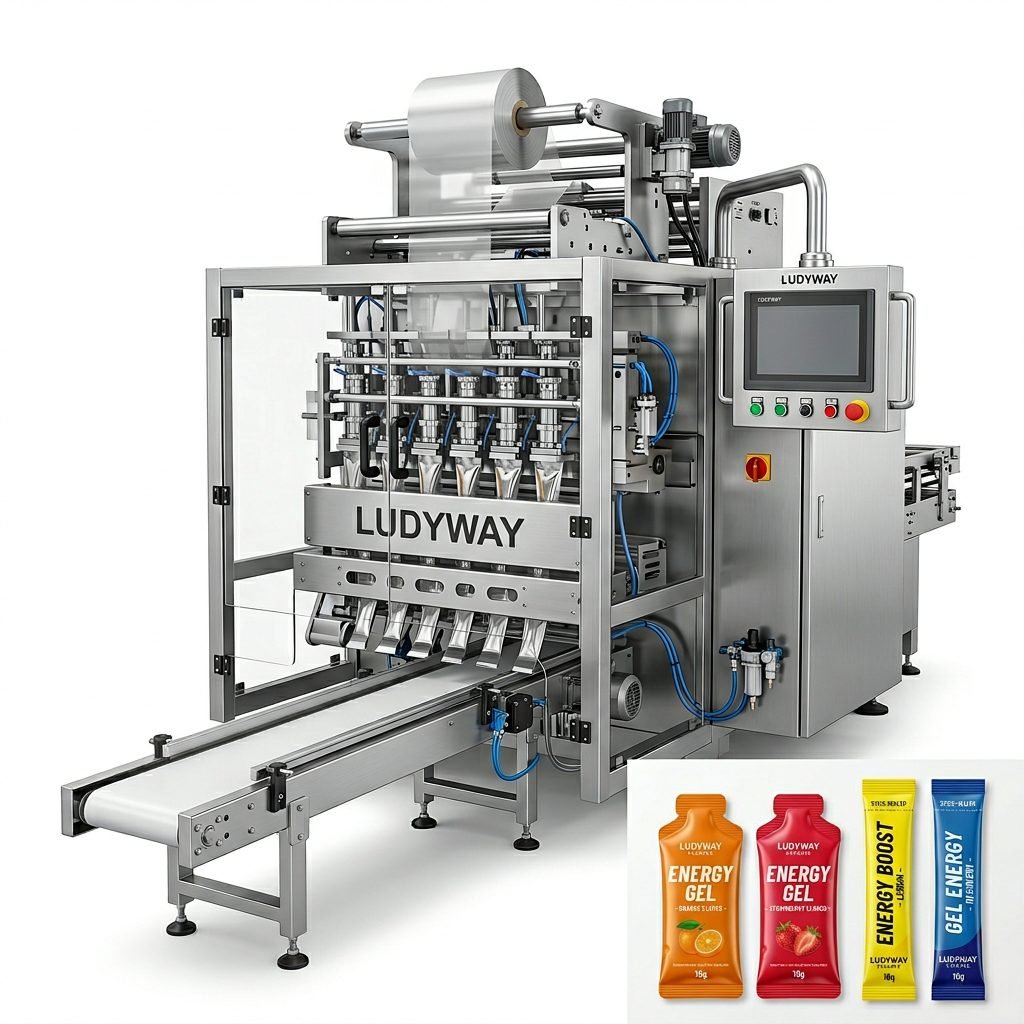
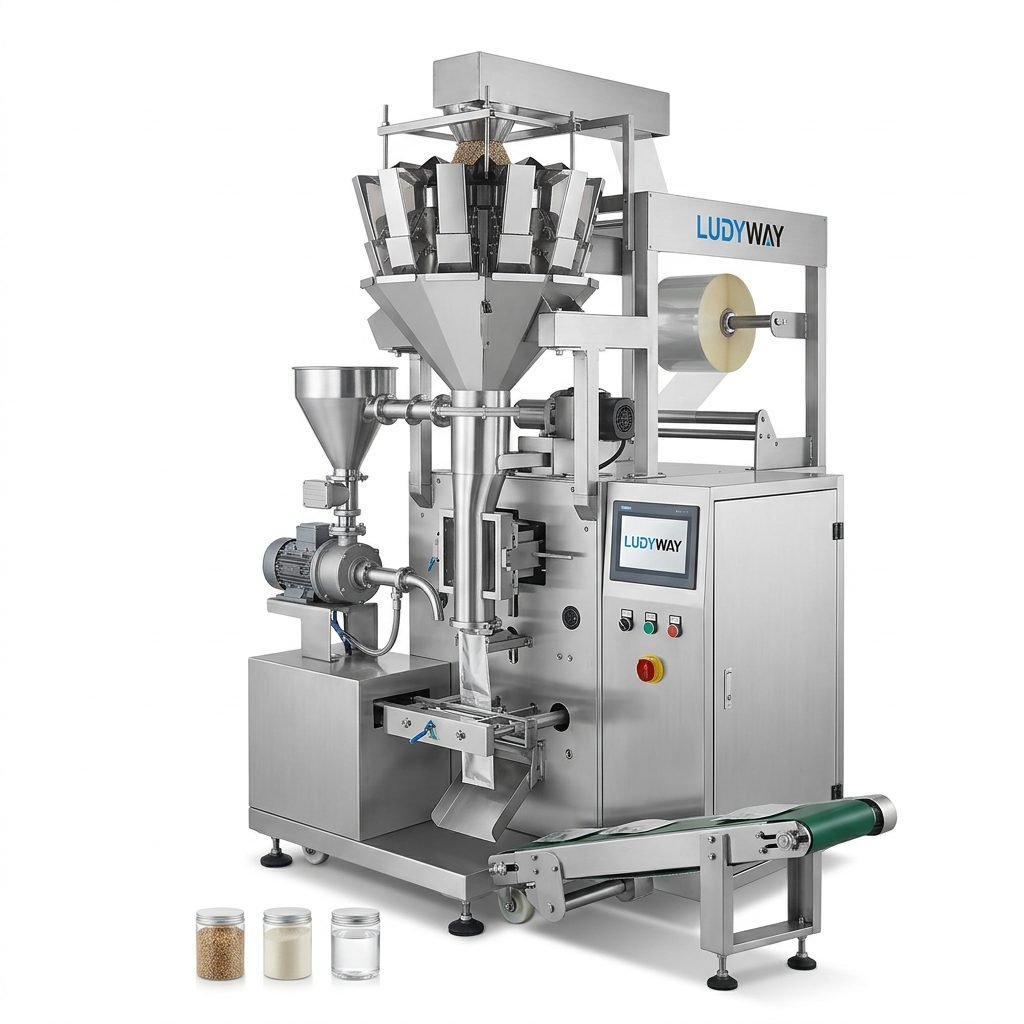
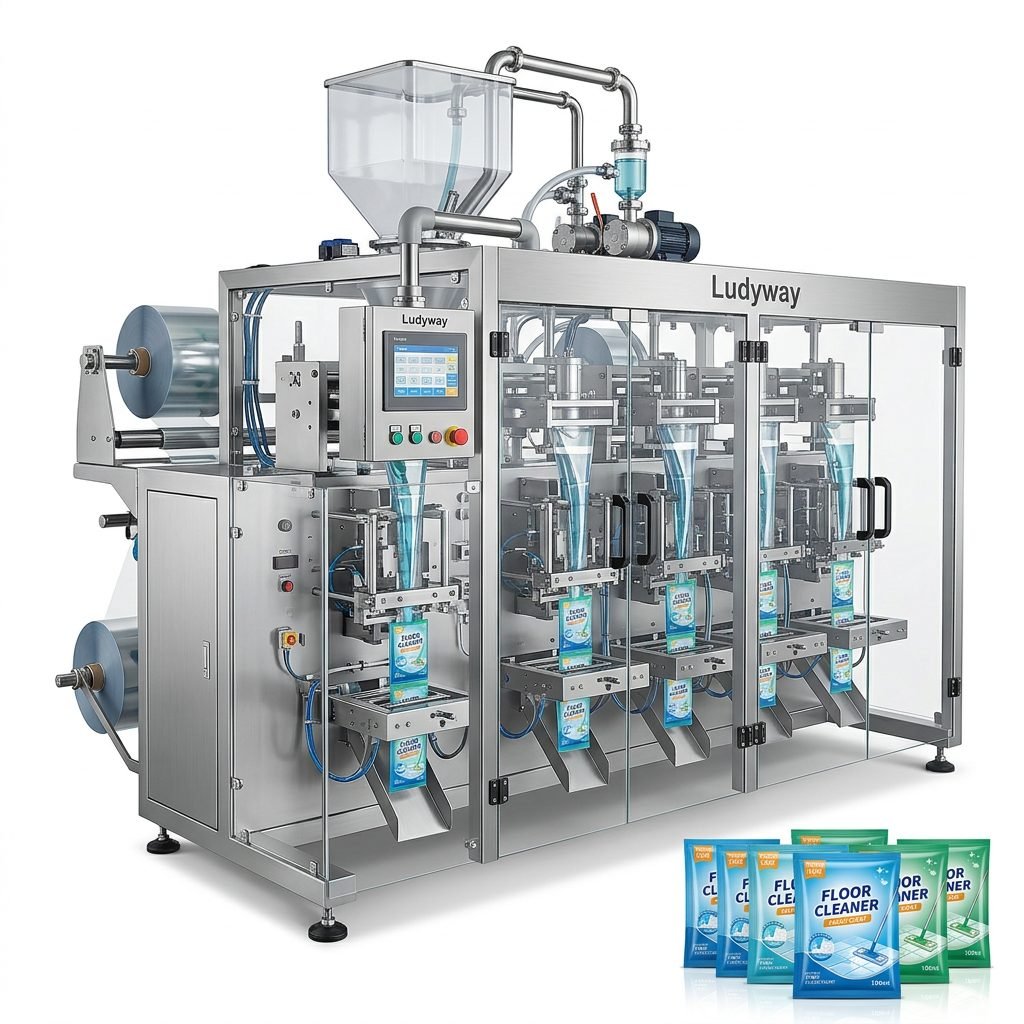
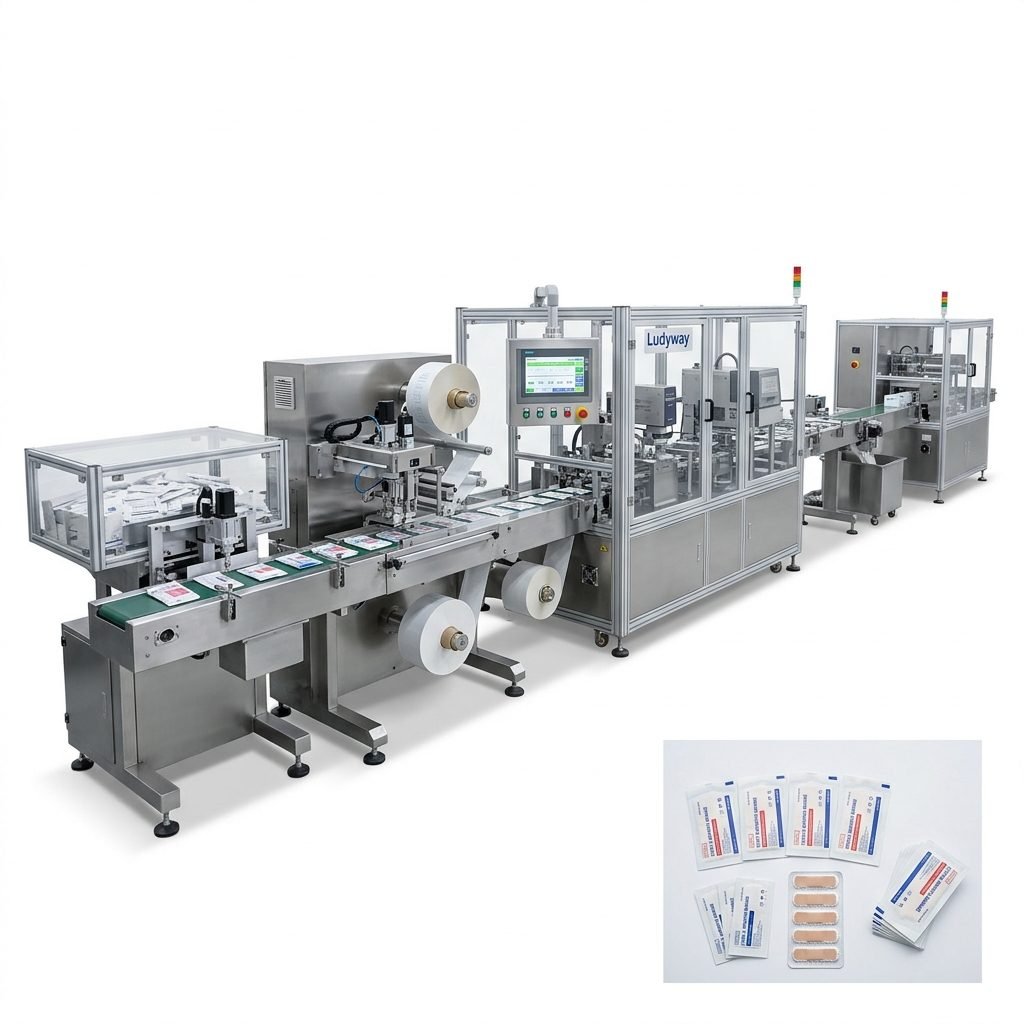
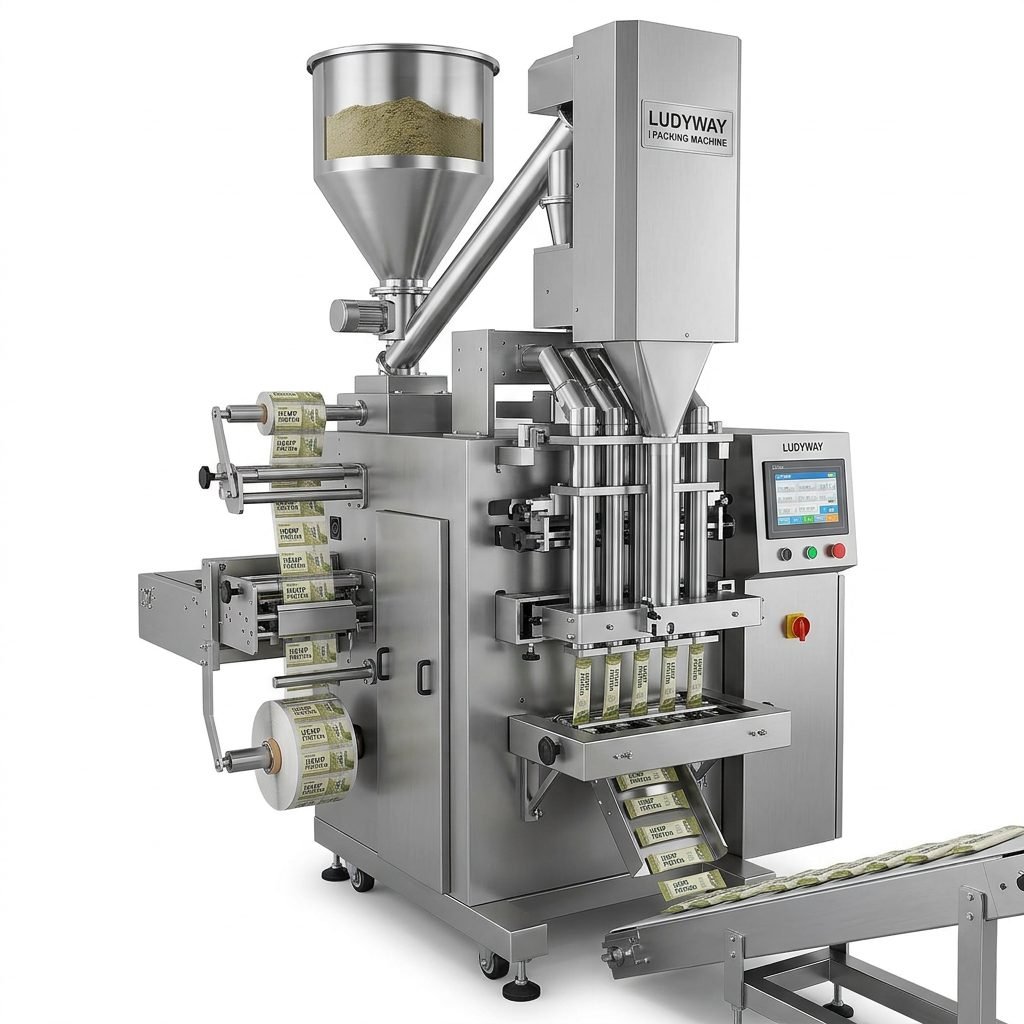
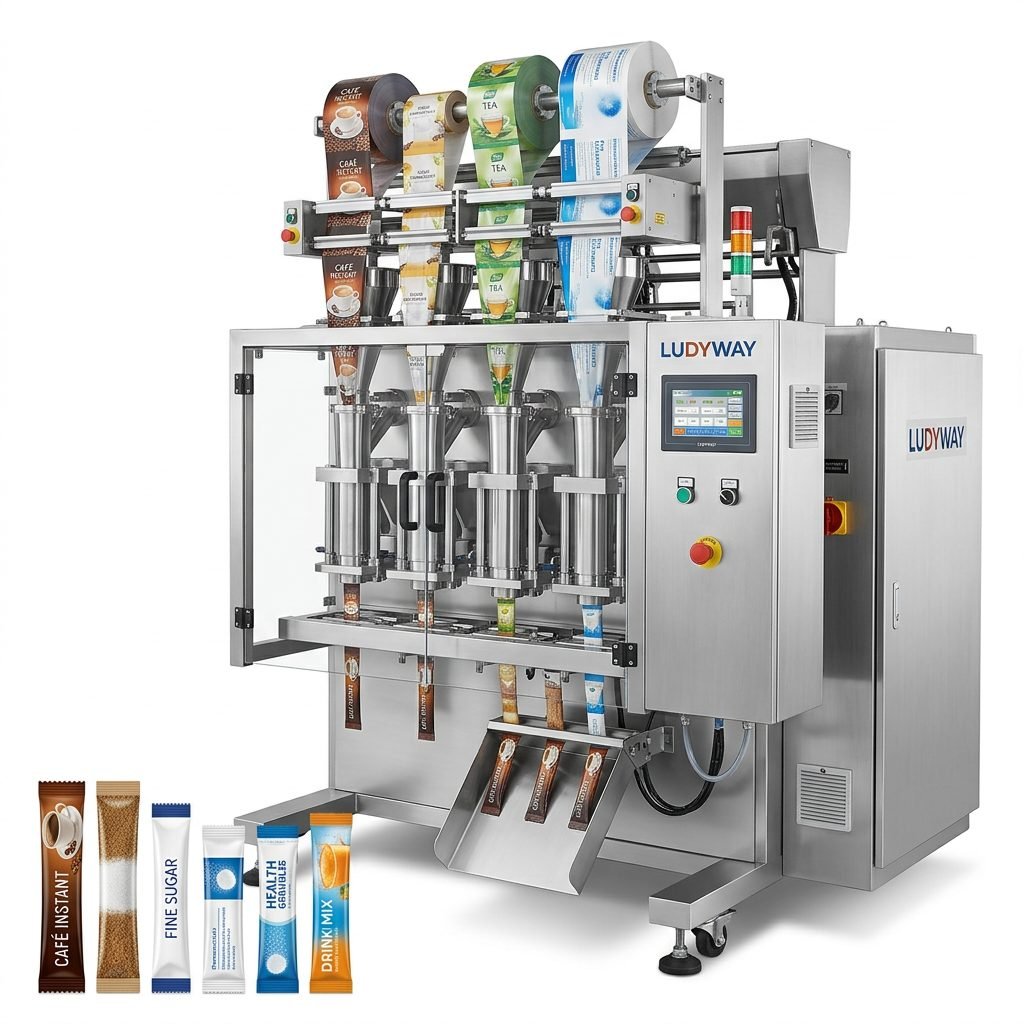
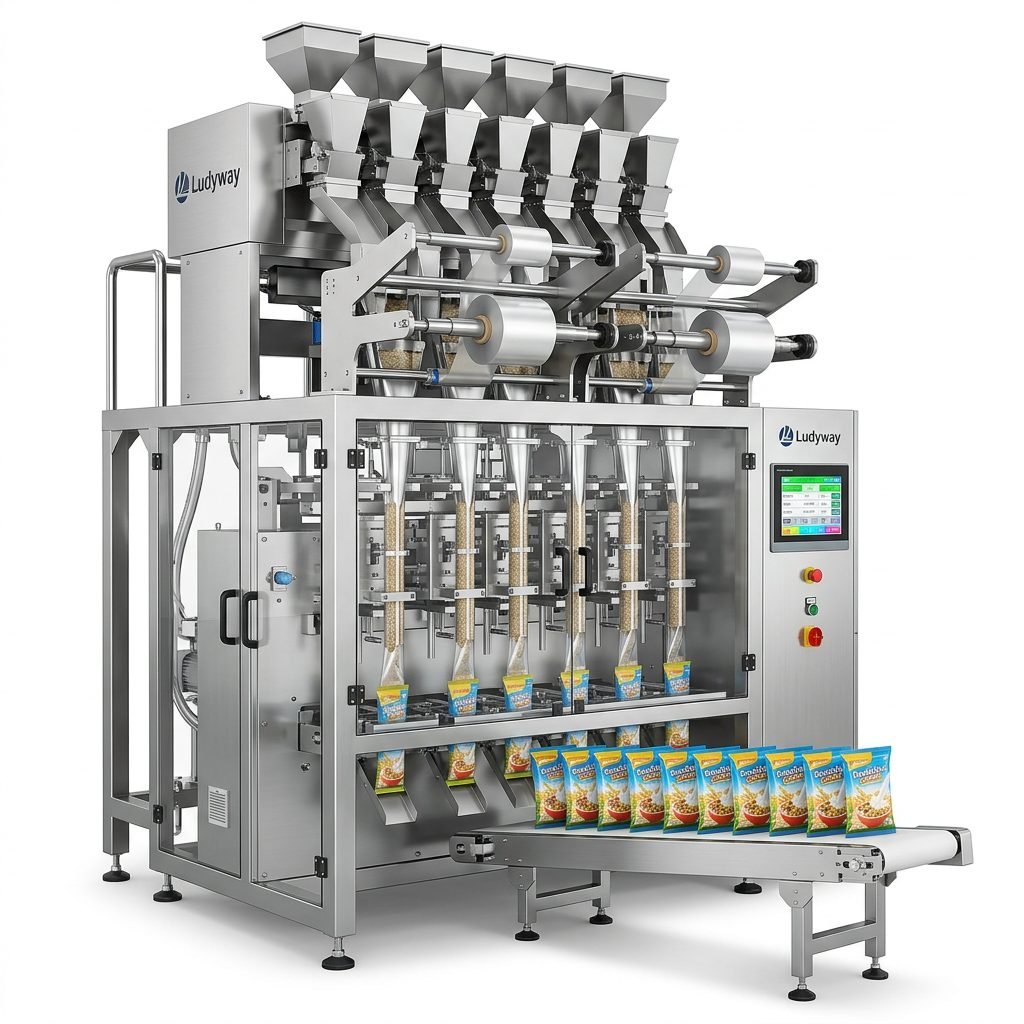
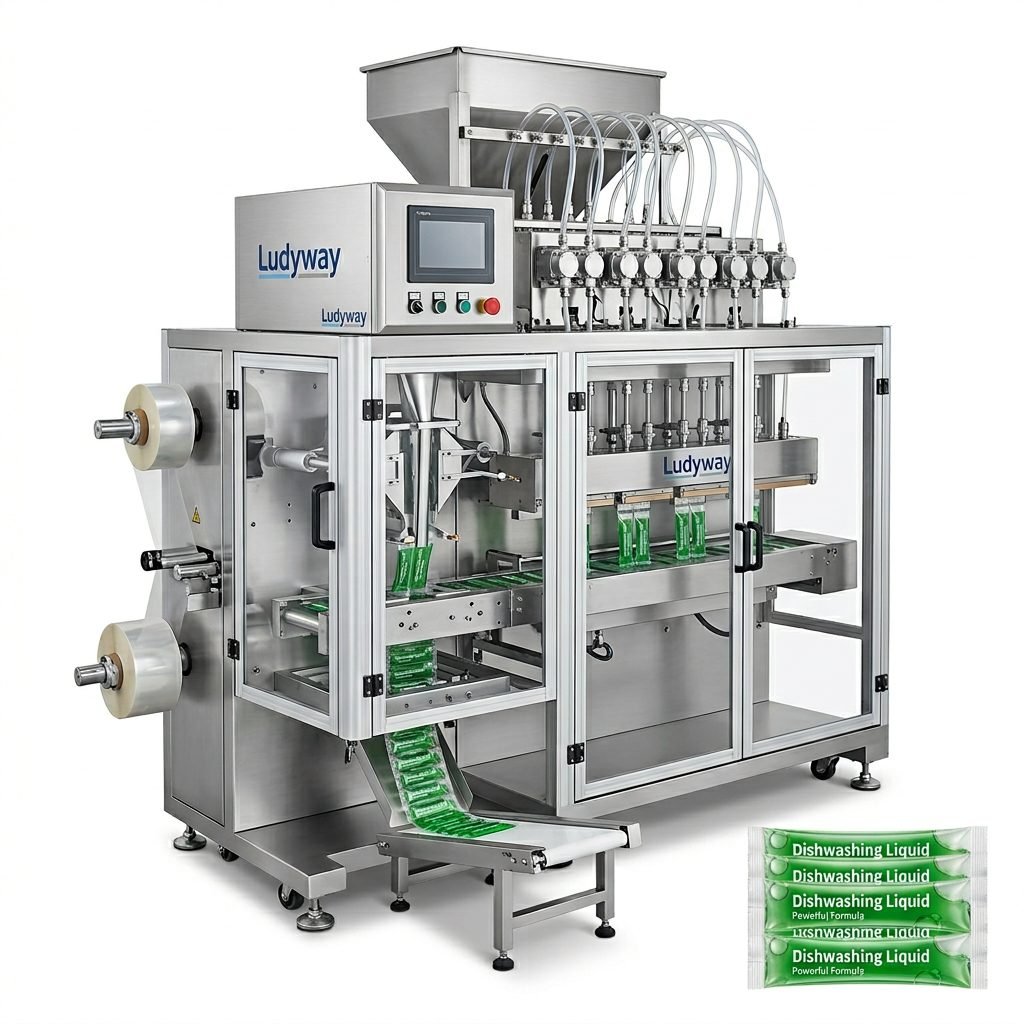
Companies at the forefront, such as Ludyway, are integrating these trends into their sachet and stick pack machines, offering smarter, more adaptable, and sustainable turnkey solutions.
Conclusion
Investing time and resources into attending top packaging trade shows is an investment in your company’s future competitiveness. They provide an unparalleled platform to discover cutting-edge machinery, forge vital supplier relationships, and absorb the industry’s directional trends. From the colossal halls of interpack to the innovation hubs of PACK EXPO, these events are where the physical future of packaging is built and displayed. By planning strategically and engaging actively, you can translate the show floor’s energy into tangible growth and innovation for your business.
Frequently Asked Questions (FAQs)
1. Which trade show is the best for someone new to the industry?
PACK EXPO International or a large regional show like ProPak Asia are excellent starting points. They offer a broad overview, extensive educational sessions, and a diverse range of technologies, making them ideal for building foundational knowledge and networks.
2. How can I justify the cost of attending to my management?
Frame it as a strategic investment. Prepare a pre-show plan with specific goals (e.g., “evaluate three potential suppliers for our new stick pack line”). Quantify potential ROI by comparing machine efficiencies, calculating cost savings from a new technology, or highlighting the risk of falling behind competitors who are attending.
3. Are smaller, regional shows worth attending?
Absolutely. While global shows are comprehensive, regional events often have a more focused supplier base relevant to your local market, lower attendance costs, and easier access to niche equipment and material suppliers serving your specific geographic area.
4. What is the single most important thing to do at a show?
Have strategic conversations. Beyond collecting brochures, the real value is in detailed discussions with engineers and product managers. Ask about machine limitations, service support structure, and customization options to truly assess a partner’s capability.
5. How has the role of trade shows changed with digitalization?
Digital tools now enhance the physical experience. Exhibitor apps, virtual booth previews, and online matchmaking are used for pre-show planning. However, the core value—hands-on interaction, relationship building, and seeing machinery in action—remains firmly rooted in the in-person event. They are complementary, not replacement, channels.