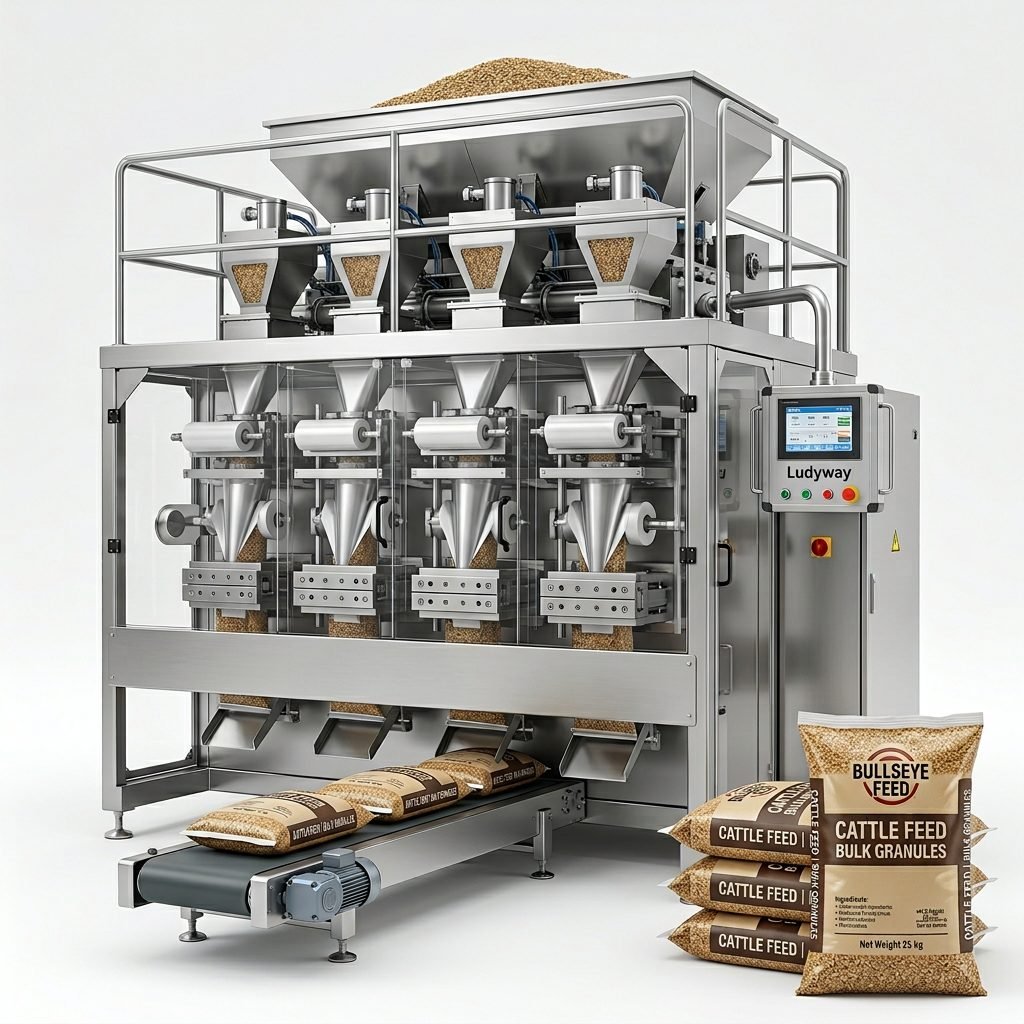
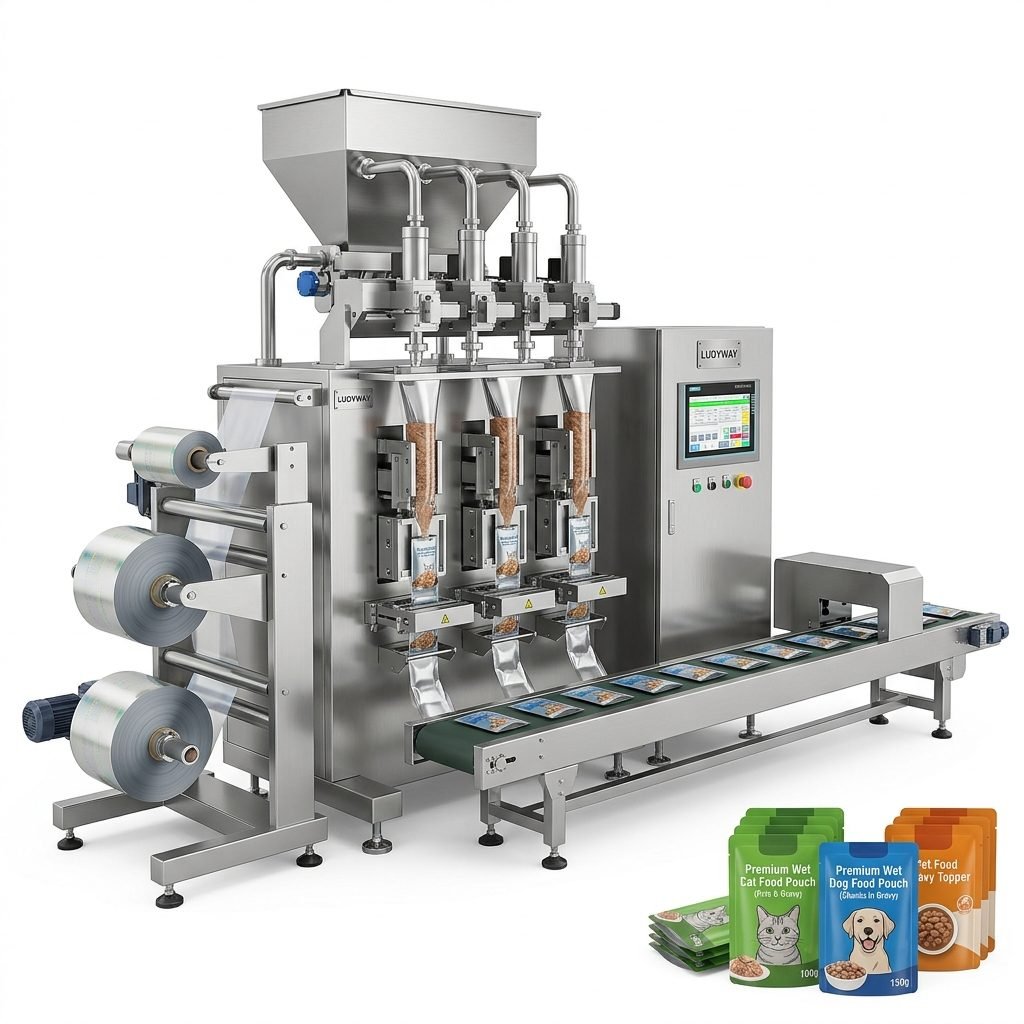
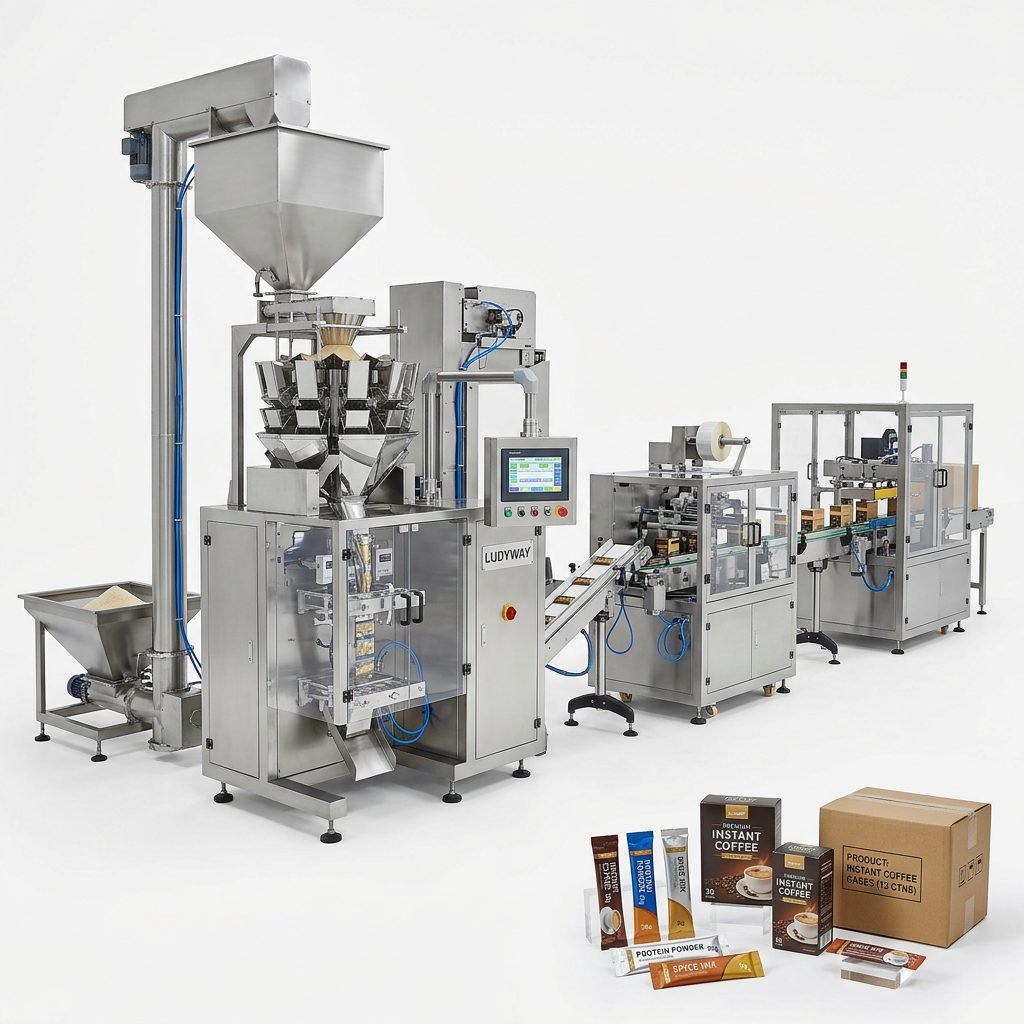
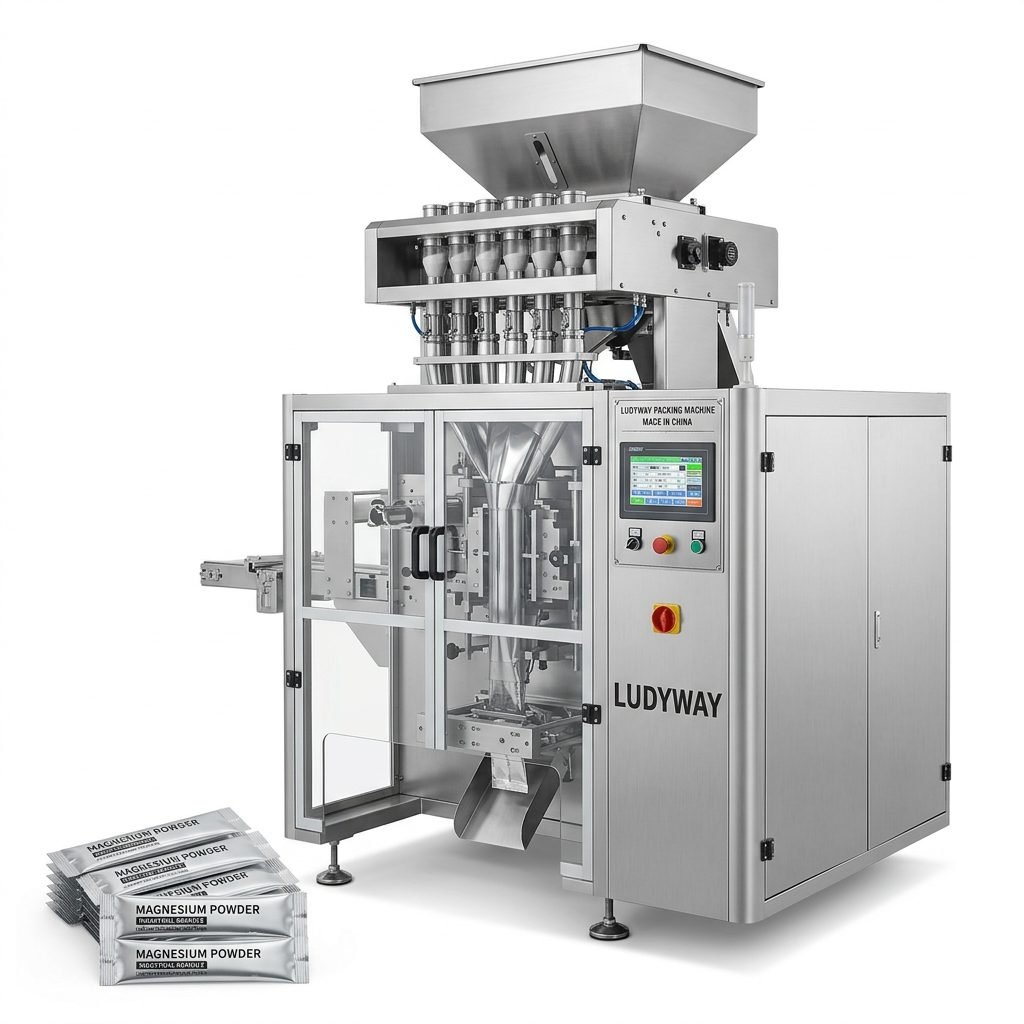
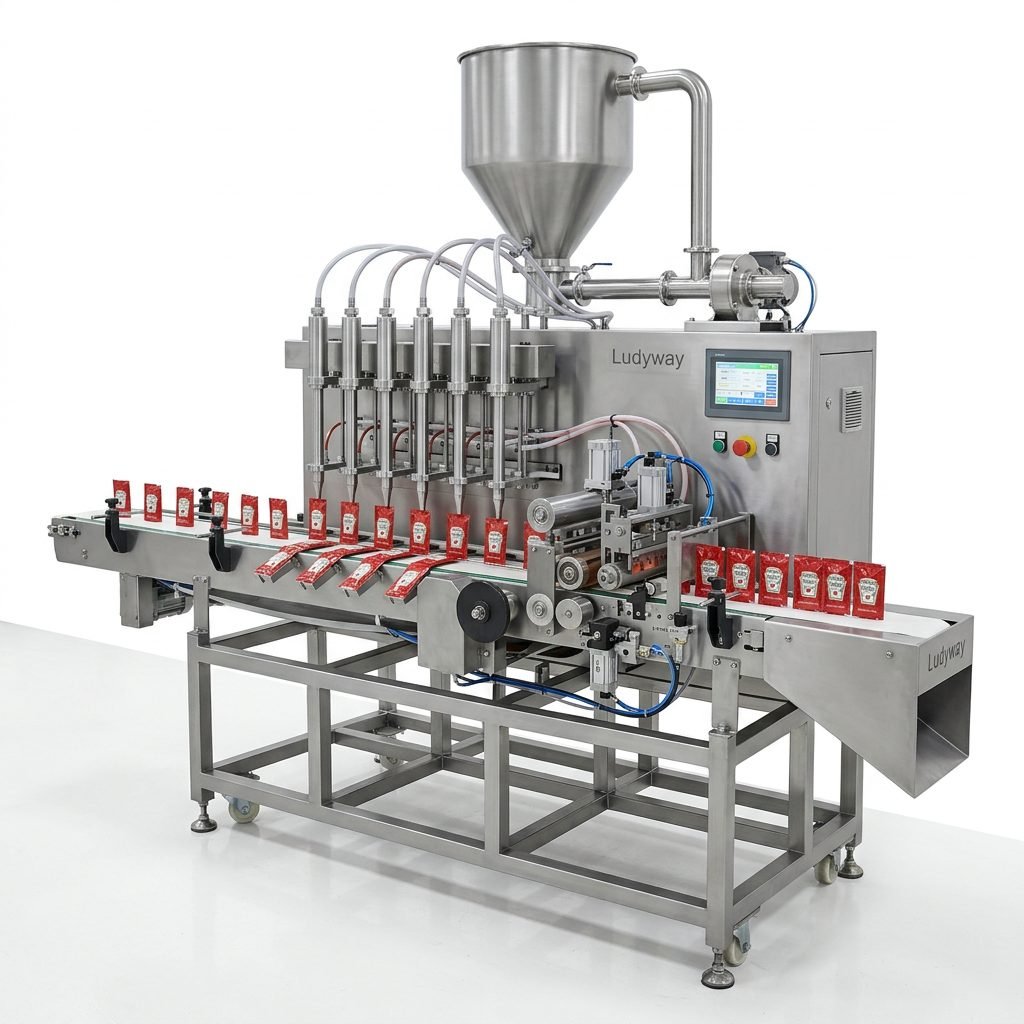
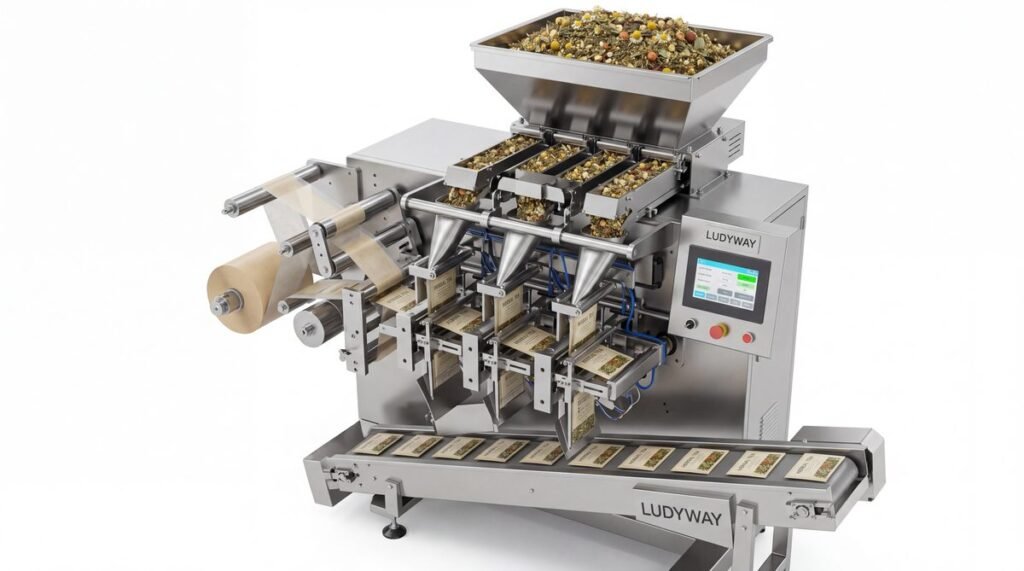
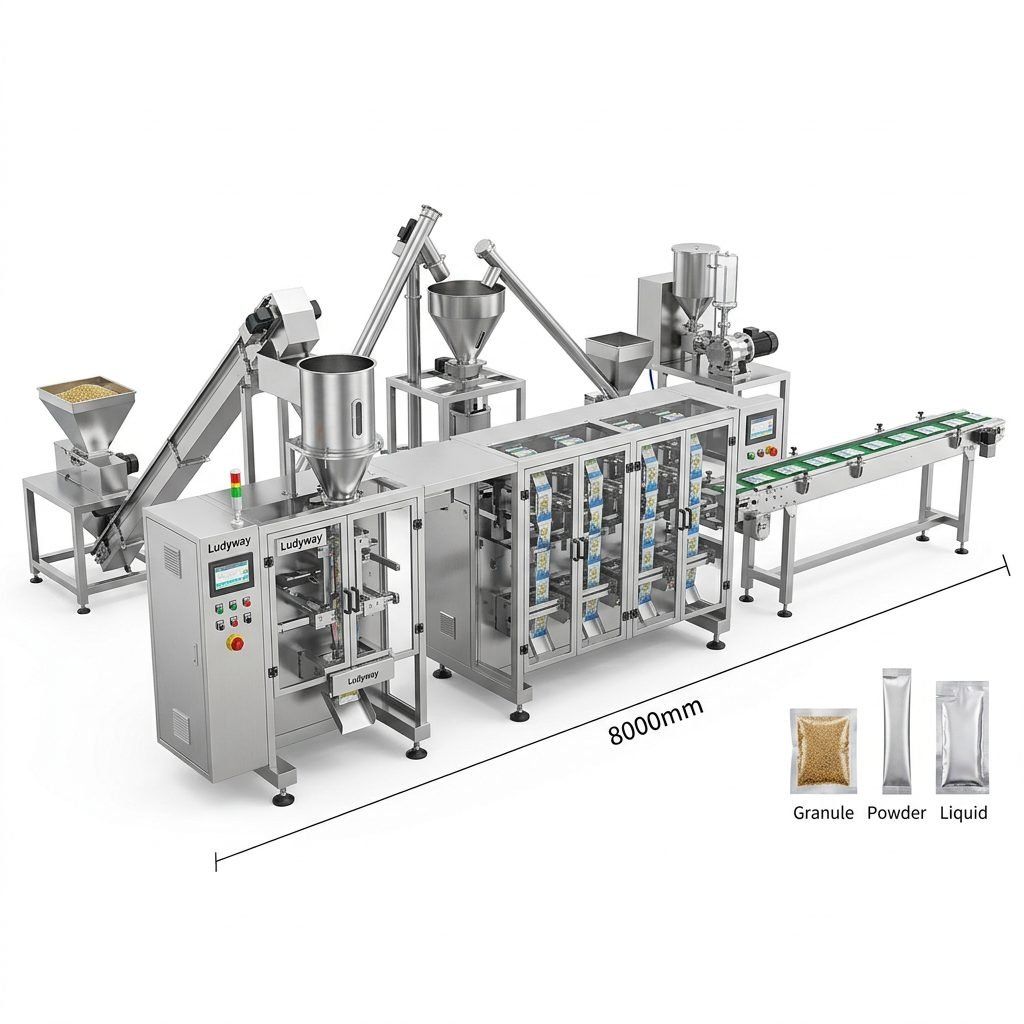
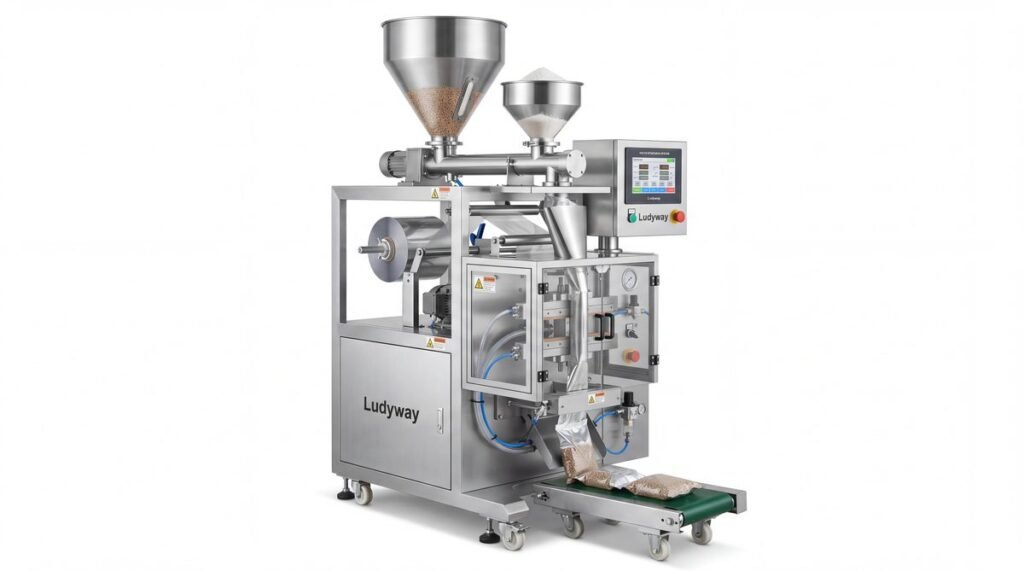
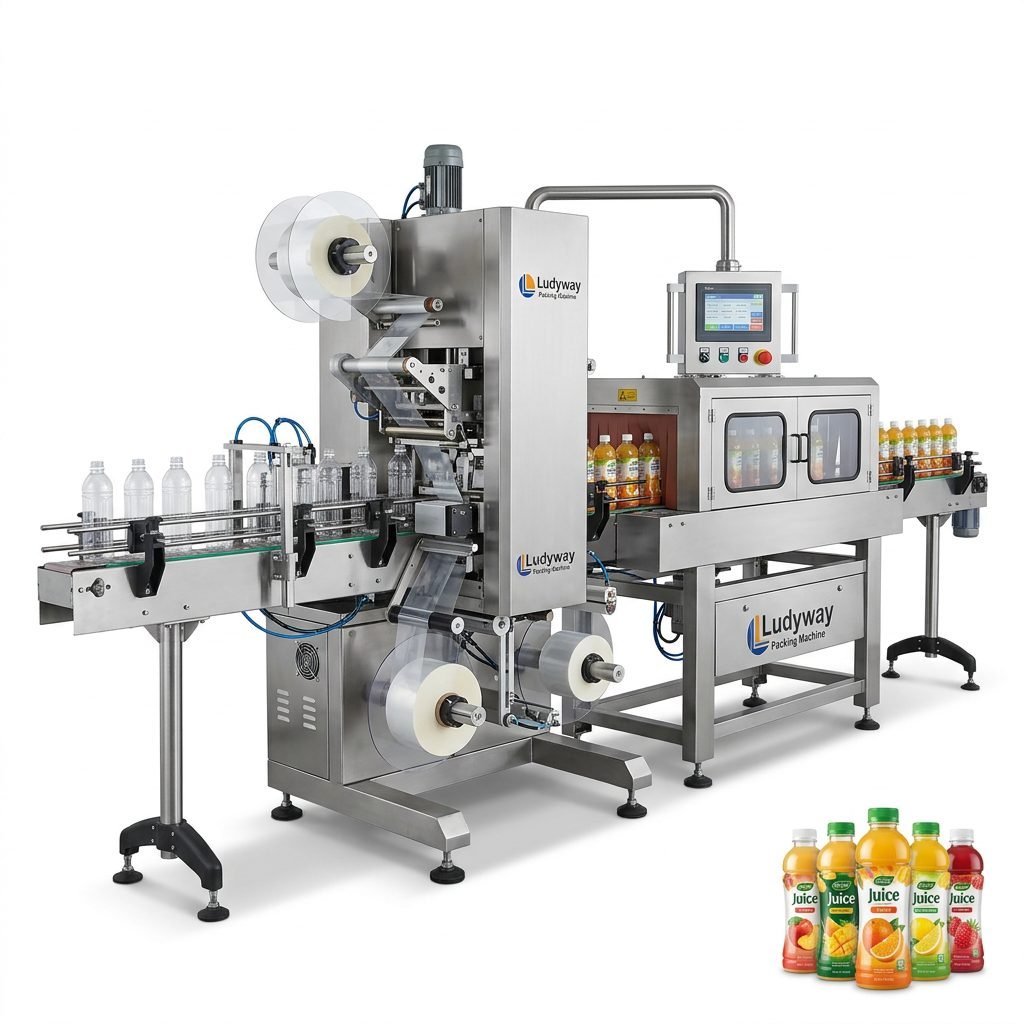
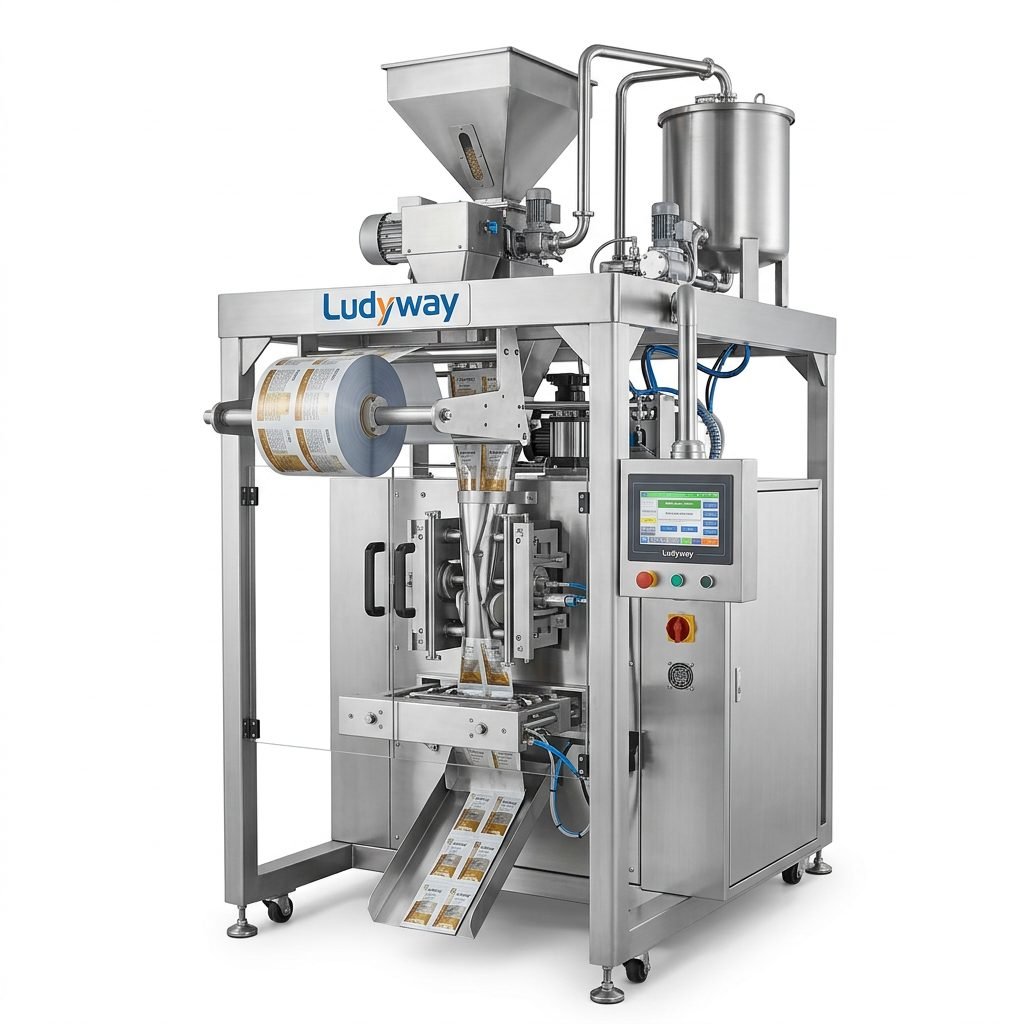
Investing in an air seal packaging machine is a strategic decision that directly impacts product shelf life, production efficiency, and brand integrity. Whether you operate in the food, pharmaceutical, or chemical industry, understanding the nuances of sealing technology, material compatibility, and automation levels is critical. This guide walks you through the essential factors to evaluate, drawing on proven industry insights and referencing standards from organizations like PMMI – The Association for Packaging and Processing Technologies and the Flexible Packaging Association.

1. Define Your Production Requirements First
Before comparing machine specifications, map out your specific operational needs. The right choice hinges on a clear understanding of your product and output goals.
- Product Characteristics: Is your product a powder, granule, liquid, or paste? The physical properties (viscosity, density, abrasiveness) determine the filling mechanism and seal type required. For insights into flexible packaging material compatibility, the Flexible Packaging Association Knowledge Hub offers valuable resources.
- Packaging Format: Are you targeting stick packs, sachets, or larger pouches? Multi-lane machines offer exponential output for small-format packs, while single-lane models provide flexibility for varied bag sizes.
- Speed and Capacity: Accurately forecast current and future throughput. A machine running at 80% of its rated speed often offers better long-term reliability than one pushed to its maximum limits.
- Factory Integration: Consider the machine’s footprint and how it connects with upstream and downstream equipment, such as automated packaging lines and cartoning systems.
2. Understanding Sealing Technology: The Core of Air Seal Machines
The term “air seal” generally refers to sealing methods that minimize or eliminate oxygen inside the package, which is crucial for extending product shelf life. Evaluate these technologies based on your sensitivity requirements:
| Seal Type | Best For | Key Benefit |
|---|---|---|
| Heat Sealing | Thermoplastic films | Cost-effective, reliable barrier |
| Ultrasonic Sealing | Powder, liquid contamination | Seals through product residue |
| Vacuum Sealing | Meat, cheese, bulk solids | Maximum oxygen removal |
| Modified Atmosphere Packaging (MAP) | Fresh produce, baked goods | Controlled atmosphere blend |
For context on market trends driving these technologies, reports such as the 2026 Packaging State of the Industry provide a macro view of where the industry is heading.
3. Machine Construction and Material Quality
The build quality determines not only the machine’s lifespan but also its compliance with hygiene standards. This is particularly important in the pharmaceutical and food sectors.
- Frame and Contact Parts: Stainless steel (304 or 316) is non-negotiable for any application requiring washdown capability or corrosion resistance. Mild steel frames with powder coating may suffice for dry, non-corrosive industrial products.
- Electrical and Pneumatic Components: Insist on recognizable, globally serviced brands for PLCs, sensors, and cylinders. This ensures local availability of spare parts and technical support.
- Safety Features: CE marking, emergency stops, and interlocking guards should be standard. Verify that the machine can meet ISO packaging standards relevant to your region.
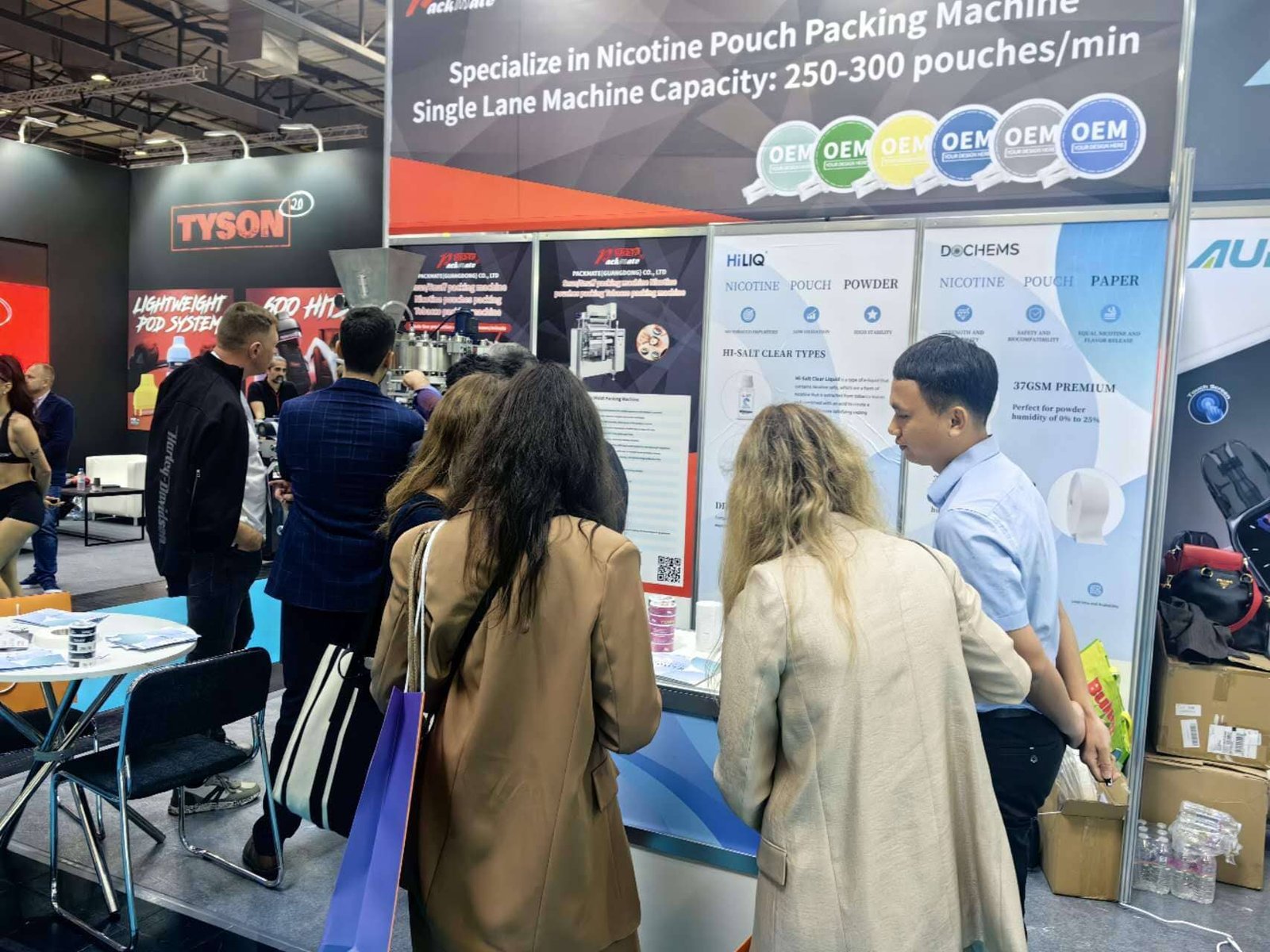
4. Automation, Controls, and Industry 4.0 Readiness
Modern air seal packaging machines are increasingly integrated into smart factory environments. Consider the level of automation that aligns with your labor strategy and data objectives.
- User Interface: A color touchscreen (HMI) with intuitive navigation, recipe storage, and self-diagnostic functions reduces operator error and training time.
- Data Integration: Can the machine interface with your ERP or MES system via Ethernet/IP or OPC-UA protocols? This capability is essential for real-time OEE tracking and predictive maintenance, trends covered extensively by PMMI’s business intelligence library.
- Changeover Capability: If you run multiple products, evaluate the time and skill required for changeover. Quick-release mechanisms and servo-driven adjustments drastically reduce downtime.
5. Customization vs. Standard Models
While off-the-shelf machines may suit common applications, many manufacturers eventually require customized solutions. As a packaging machinery manufacturer with extensive engineering capabilities, Ludyway Machinery specializes in customized packaging solutions. With a 20,000-square-meter manufacturing facility and more than 130 professionals, the company develops tailored equipment configurations — from multi-lane stick-pack systems to fully integrated turnkey lines. This approach, combined with the company’s trajectory to achieve export revenue of more than RMB 500 million (approximately US$69 million) in 2025 and plans to surpass RMB 1 billion (approximately US$138 million) in 2026, reflects a deep investment in engineering and service capability.
6. Total Cost of Ownership (TCO)
The purchase price is just one element of the financial equation. A comprehensive TCO analysis prevents unexpected expenses later.
| Cost Factor | What to Verify |
|---|---|
| Consumables | Sealing gaskets, cutting blades, lubrication. How often are replacements needed? |
| Energy Efficiency | Heater wattage, pneumatic air consumption per cycle. |
| Maintenance Labor | Is there remote diagnostic support? Are service contracts available globally? |
| Packaging Material Waste | Film registration accuracy and seal waste during start/stop cycles. |
7. Regulatory Compliance and Validation
For regulated sectors, packaging equipment must support validation protocols. This includes IQ (Installation Qualification), OQ (Operational Qualification), and PQ (Performance Qualification). In food packaging, materials must comply with FDA food contact substance regulations. For medical devices, standards like ISO 11607 for terminally sterilized devices are critical. Confirm with your supplier that the machine design supports the necessary documentation.
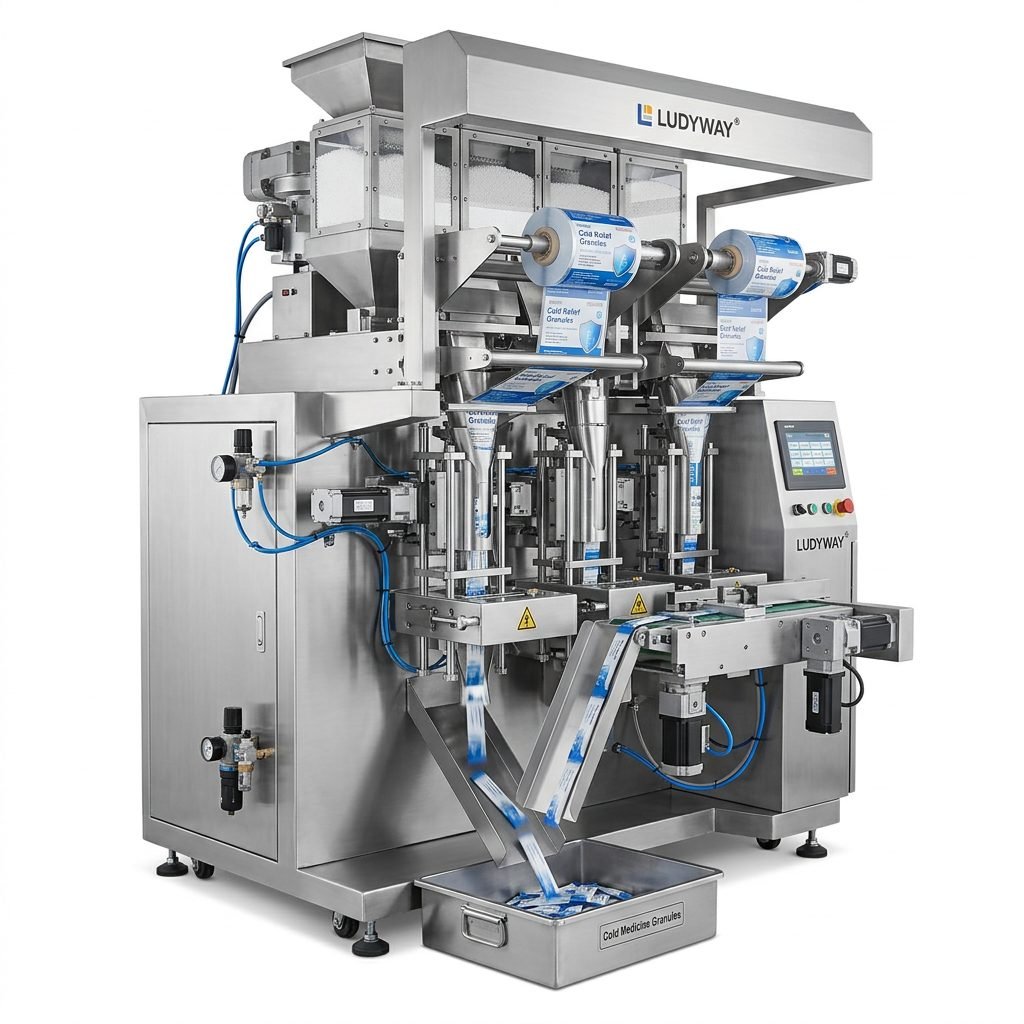
8. Partner Evaluation and After-Sales Support
A machine’s value is heavily dependent on the support network behind it. When shortlisting suppliers, explore these angles:
- Global Install Base: A supplier serving customers in more than 100 countries likely has proven logistics and international commissioning experience.
- Technical Responsiveness: Given the complexity of automatic packaging equipment, the ability to offer remote technical assistance for troubleshooting and parameter optimization is a major advantage.
- Vertical Integration: Suppliers who control their own manufacturing and engineering — as seen in some comprehensive providers — can offer faster turnaround on spare parts and custom modifications.
Choosing the right air seal machine is a technical decision that calls for balancing product integrity requirements, production capacity, and long-term operational costs. By systematically evaluating these factors, you ensure that your investment strengthens your production capability for years to come.
For further reading on industry trends, refer to the Ludyway Packaging Machinery Global Growth Trend report or consult the PMMI packaging industry resources for standards and best practices.