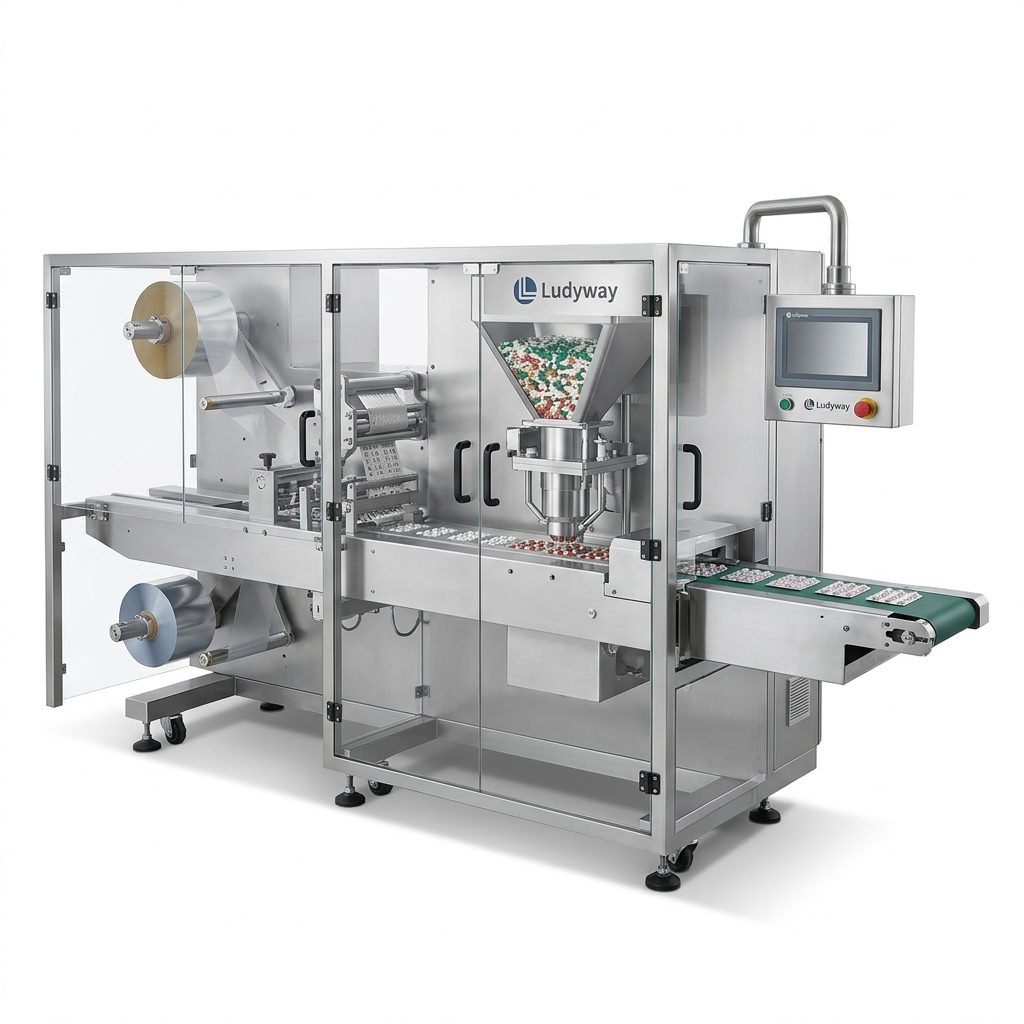
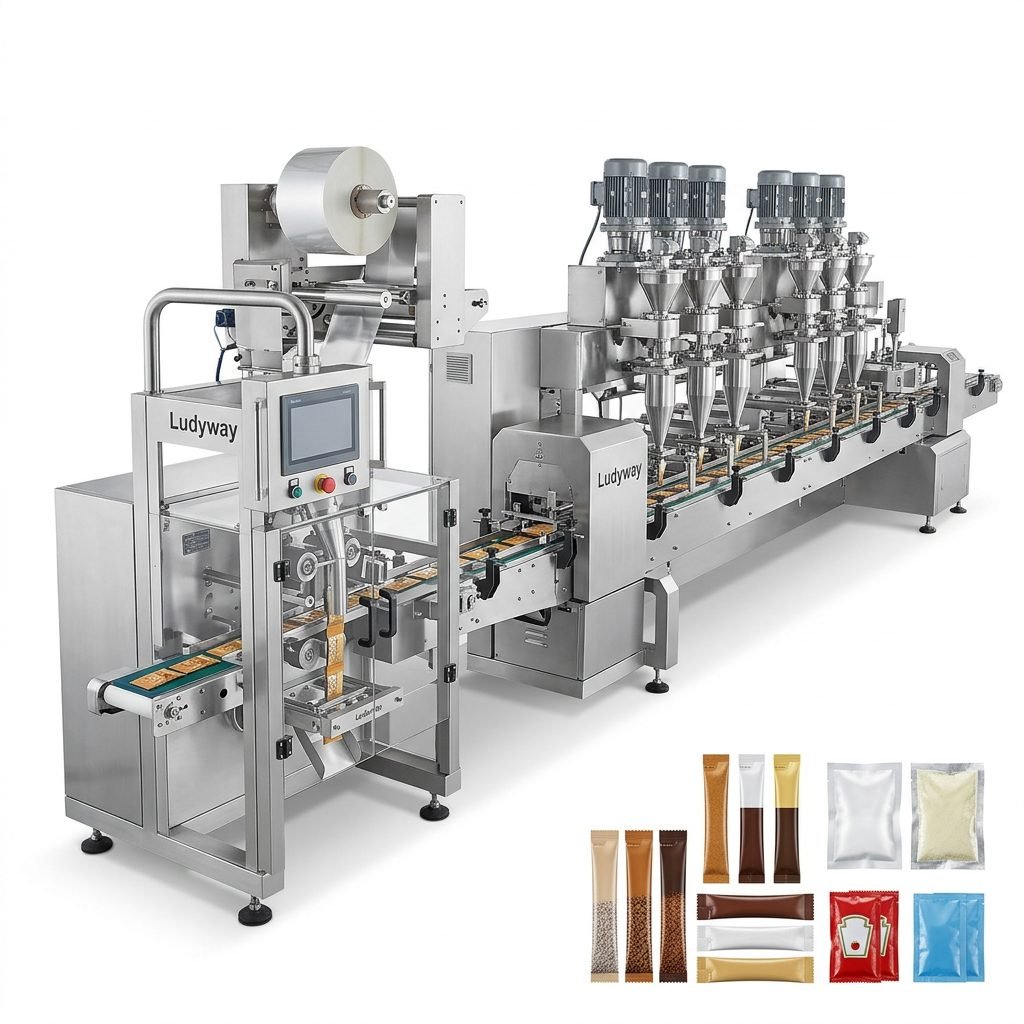
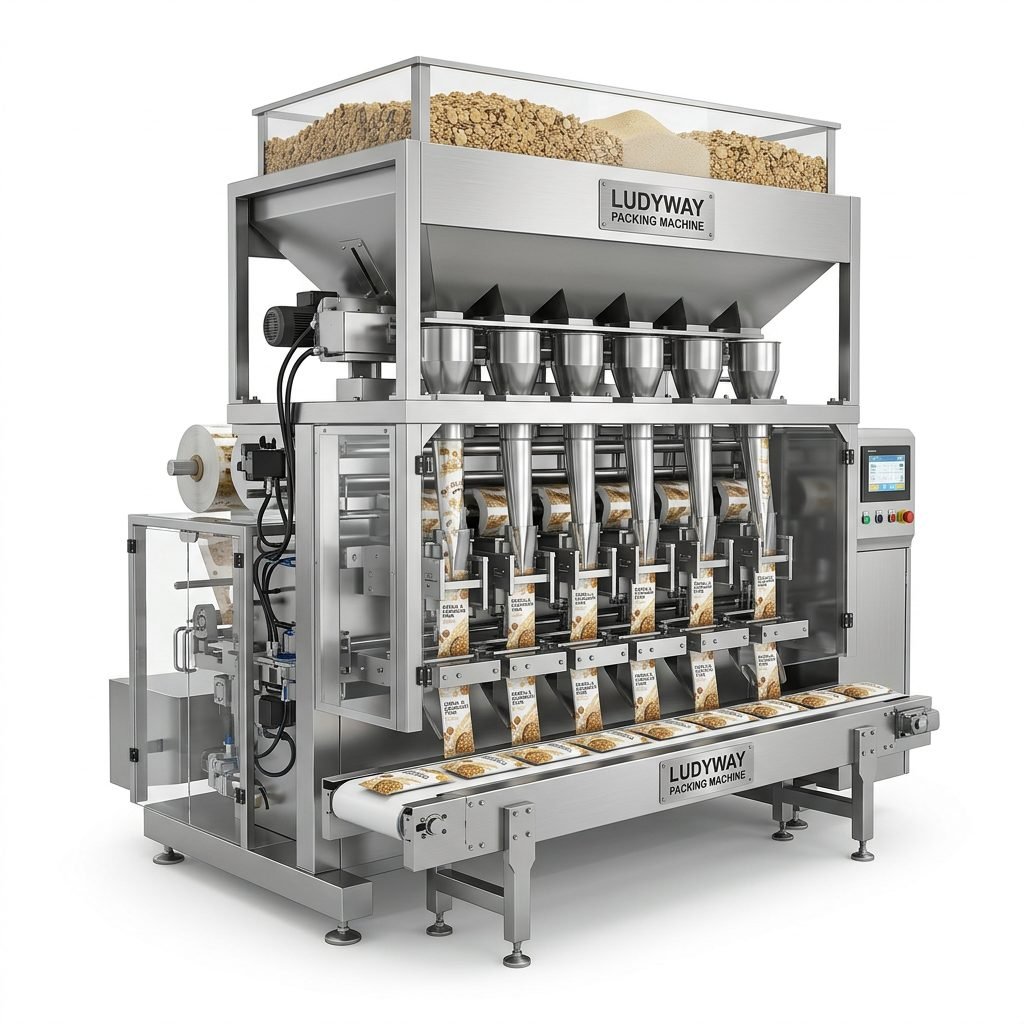
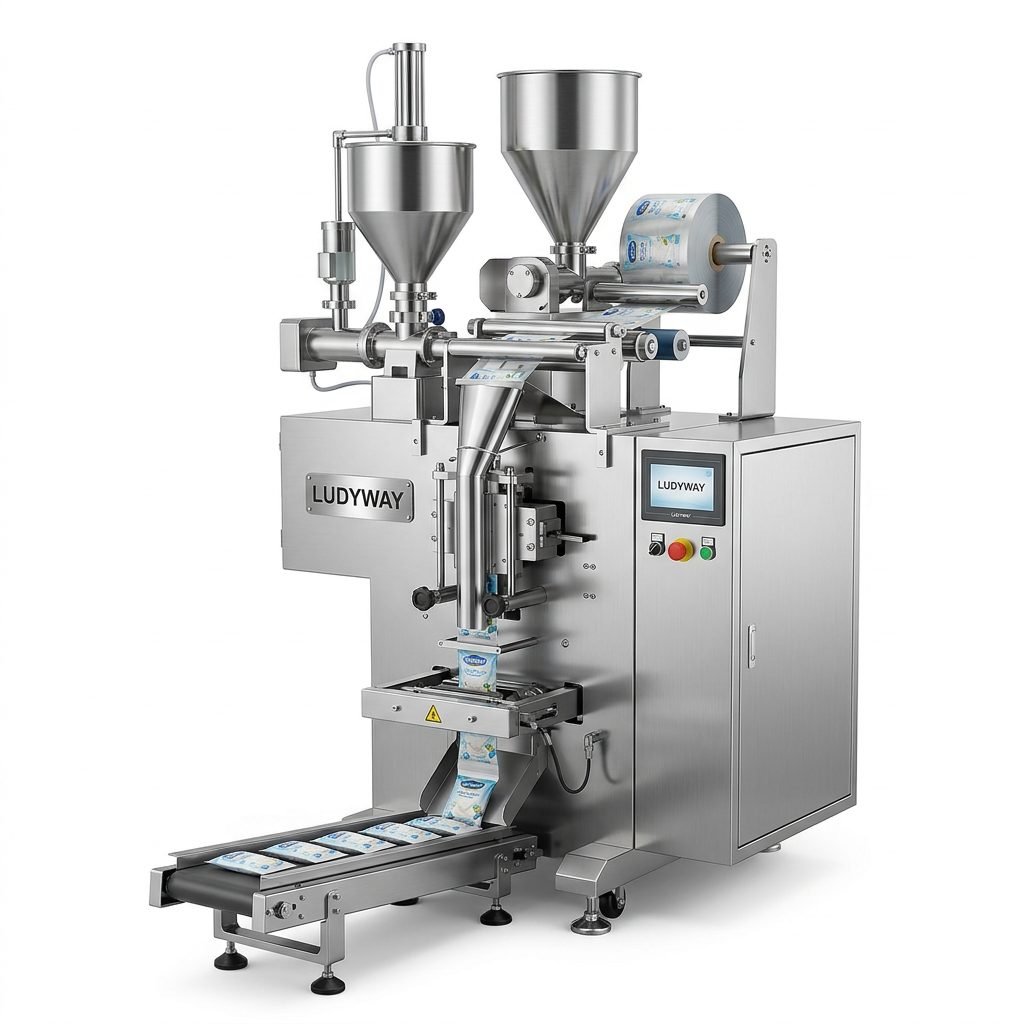
Modern manufacturers face constant pressure to improve output, reduce labor dependency, maintain product consistency, and meet stricter hygiene and quality standards. Packaging machines play a central role in solving these challenges by transforming manual or semi-automatic processes into fast, repeatable, and scalable automated systems.
From food powders and liquid condiments to pharmaceutical granules, cosmetics, chemical products, and pouch-based goods, the right packaging equipment can significantly improve line efficiency while lowering waste and downtime. Businesses that choose well-matched automation often gain better production control, stronger brand presentation, and faster return on investment.
Why Packaging Machines Matter in Automated Production
Efficient packing is no longer just the final step of manufacturing. It directly affects throughput, shelf appeal, traceability, labor cost, and customer satisfaction. A well-designed automated packaging solution can help companies:
- Increase packaging speed and daily output
- Reduce product giveaway through precise dosing
- Improve sealing consistency and pack appearance
- Lower dependence on manual labor
- Enhance hygiene and contamination control
- Support multiple product formats on one line
- Integrate coding, inspection, cartoning, and case packing
For growing factories, automation is not simply about replacing labor. It is about creating a stable and repeatable packaging process that supports long-term expansion.
Key Types of Packaging Machines Used Today
Different products require different machine structures, filling methods, and sealing technologies. Selecting the proper packaging machine depends on product characteristics, target output, pack style, and downstream integration needs.
| Machine Type | Suitable Products | Main Advantages |
|---|---|---|
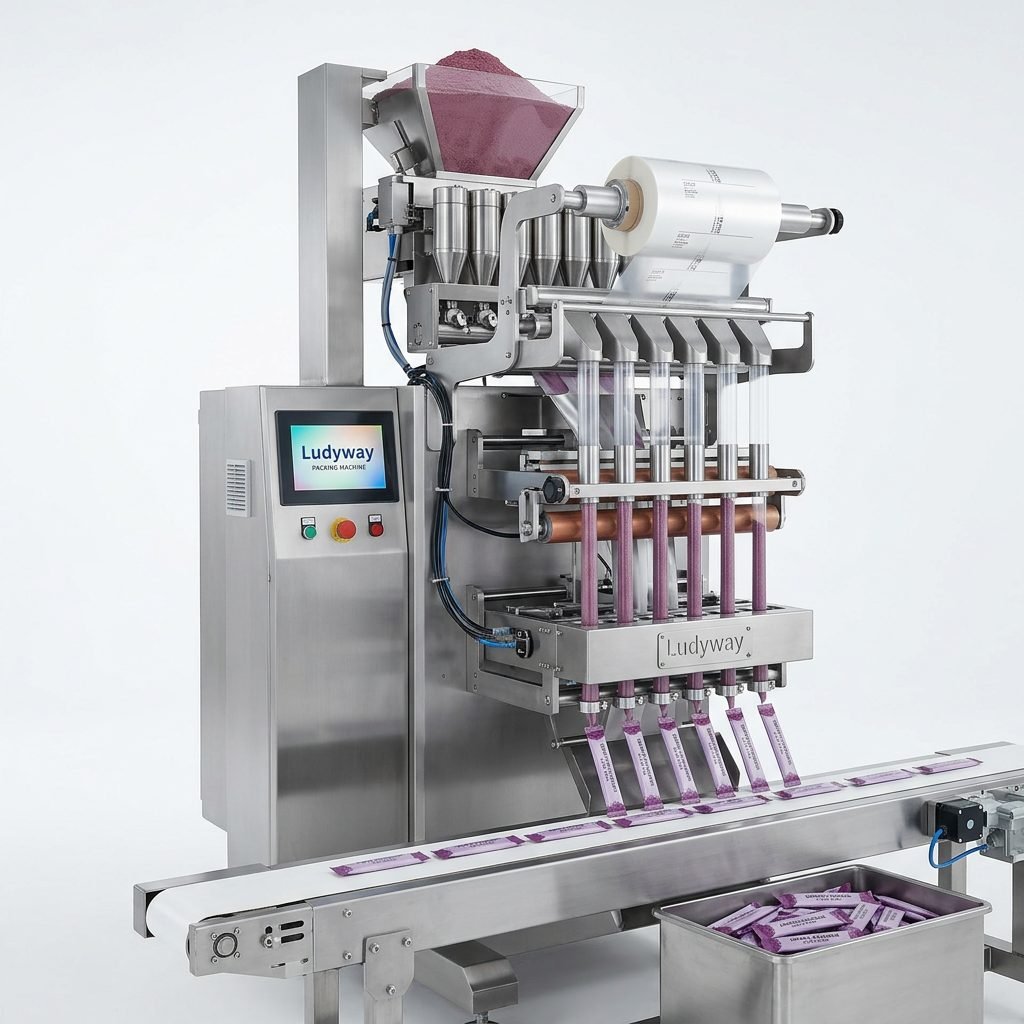
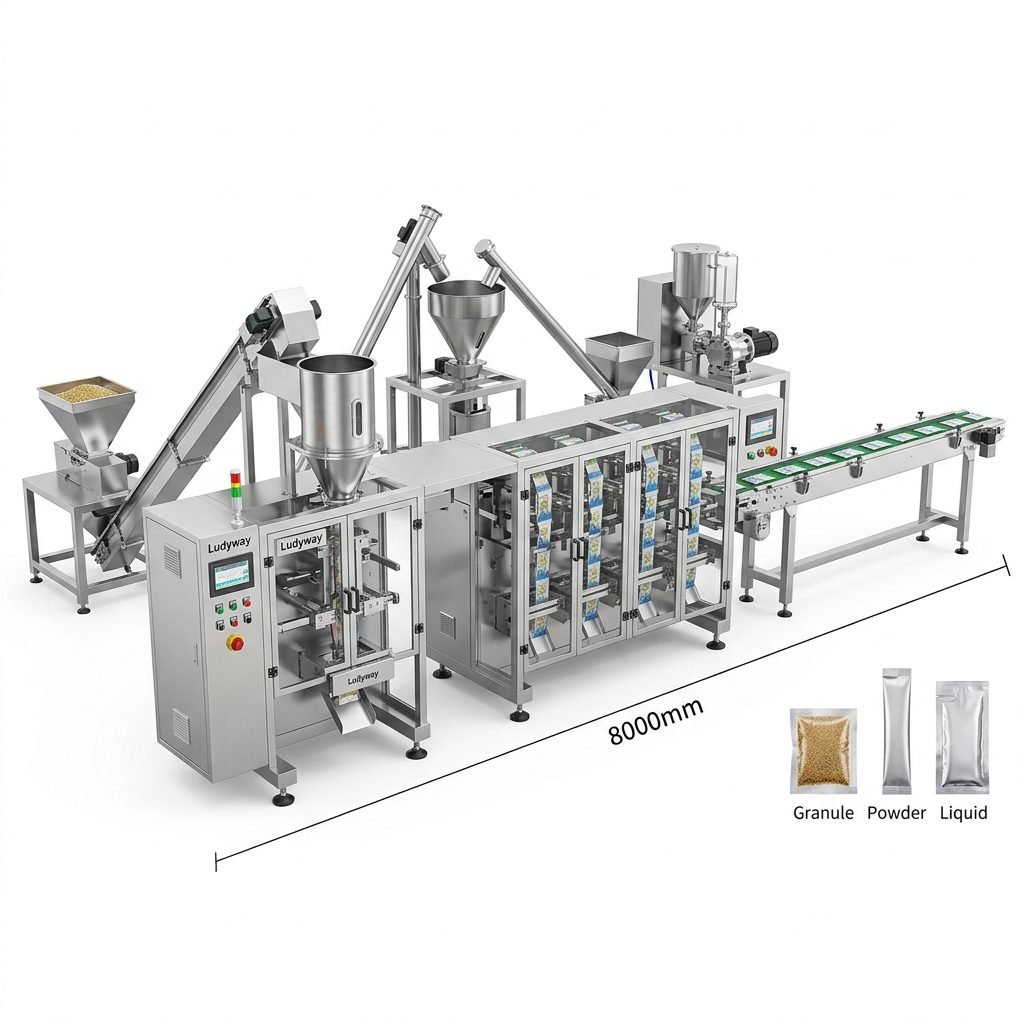
| Multi-lane stick pack machines | Powders, granules, liquids, gels | High output, compact pack size, ideal for single-serve products |
| Sachet packing machines | Seasonings, supplements, cosmetics, pharma products | Flexible bag shapes, good retail presentation, broad application range |
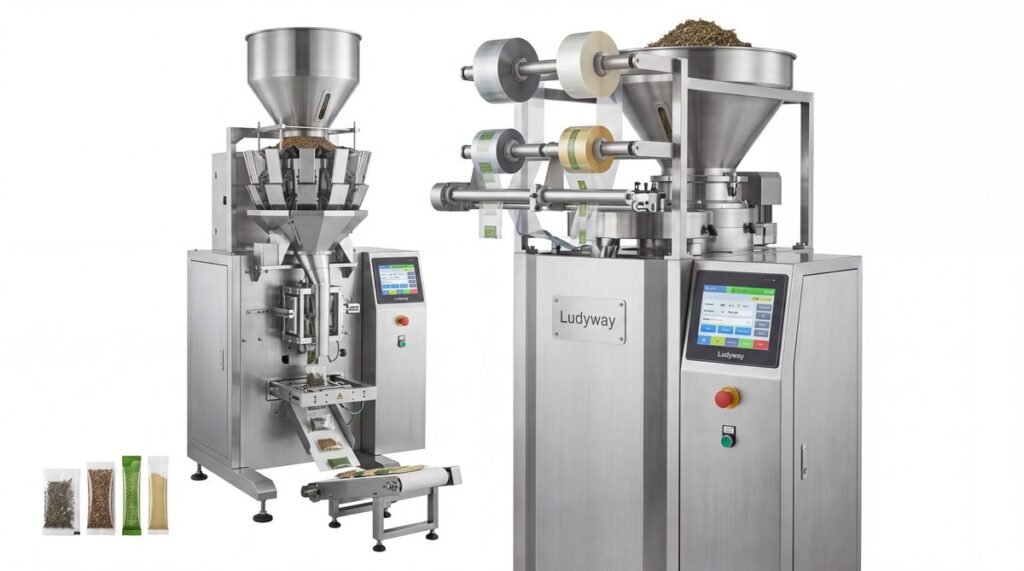
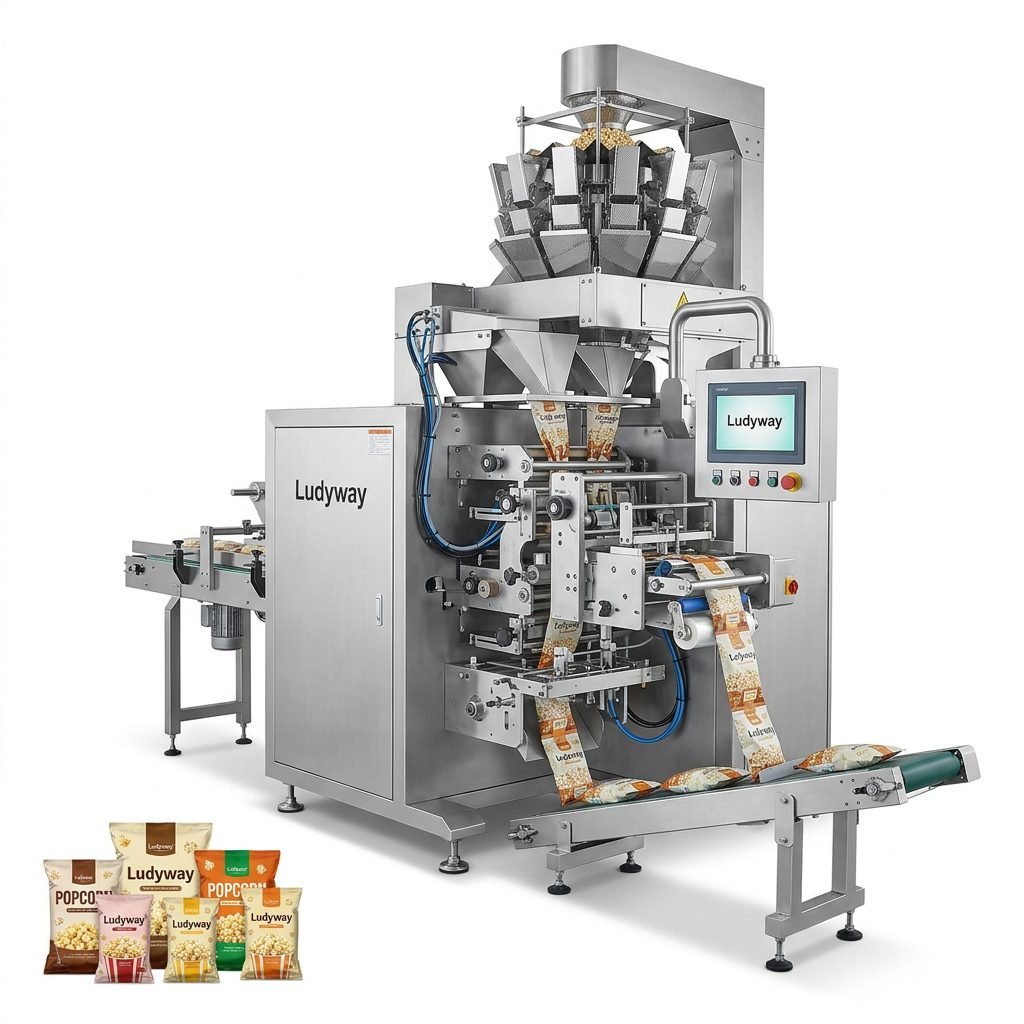
| Vertical form fill seal machines | Free-flowing granules, powders, snacks | Reliable automation, efficient film usage, versatile bag formats |
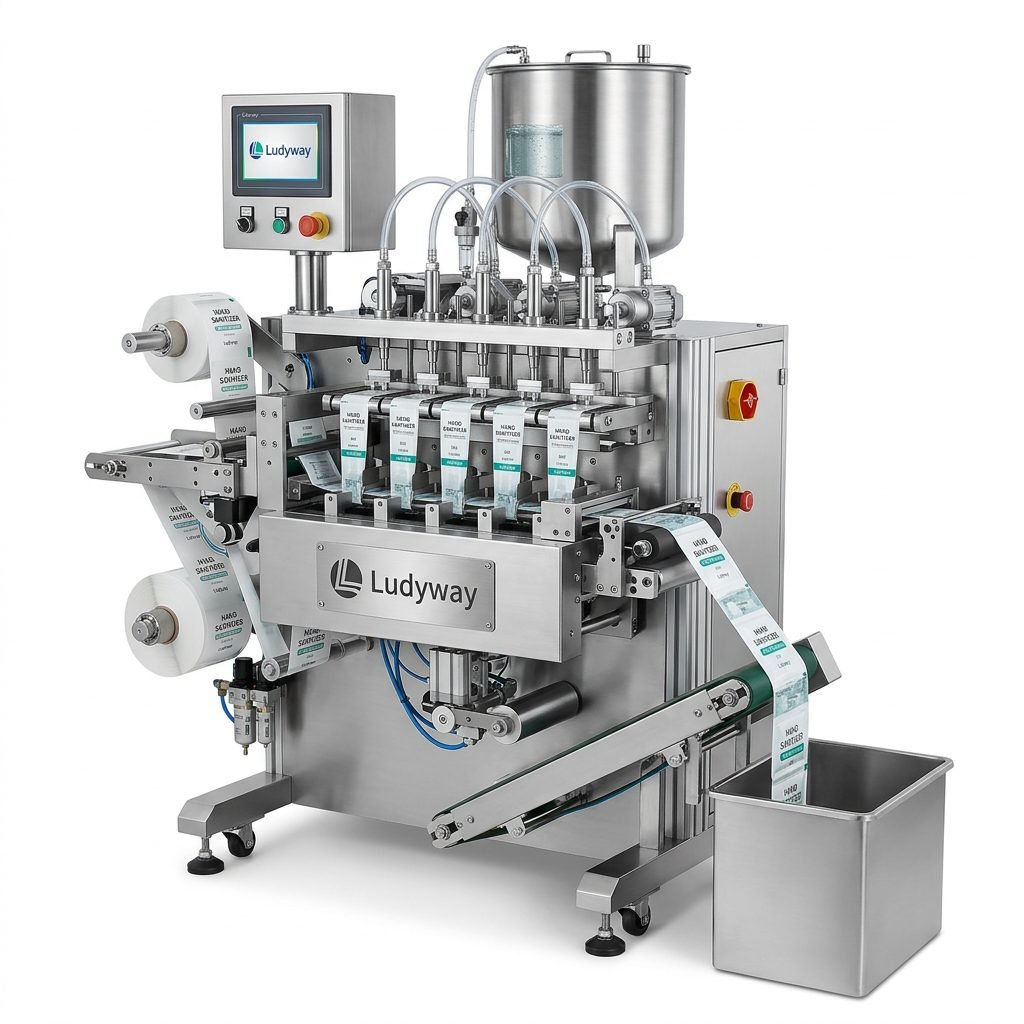
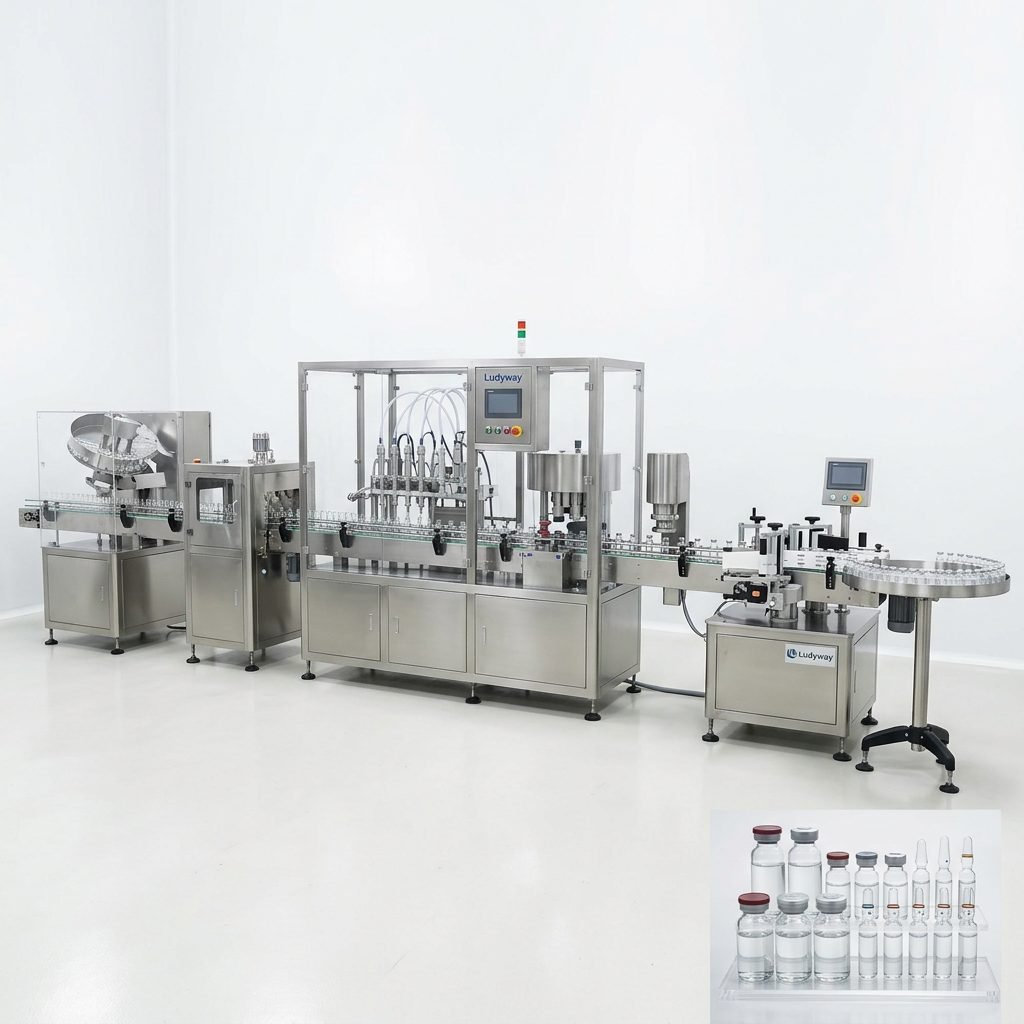
| Liquid filling and sealing machines | Sauces, syrups, shampoo, serum, oral liquids | Accurate liquid dosing, strong sealing, reduced leakage risk |
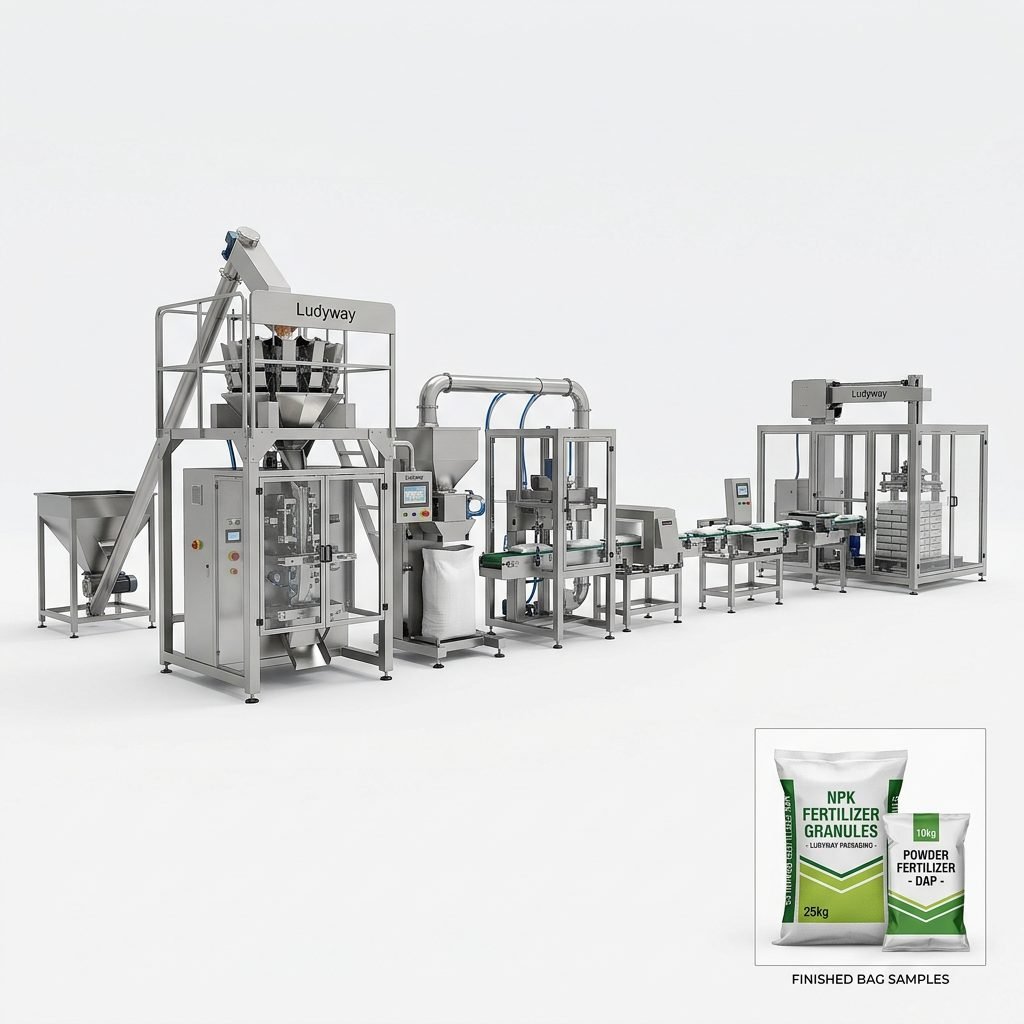
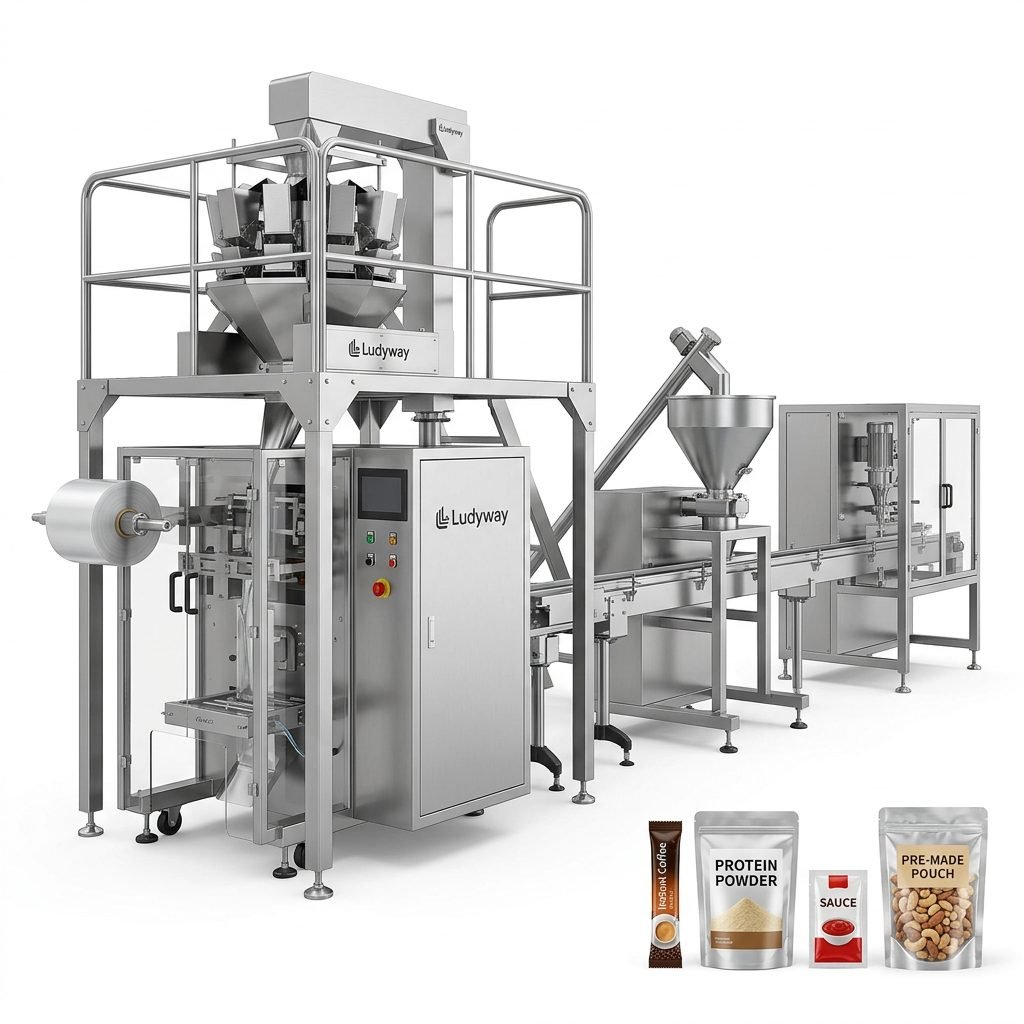
| Turnkey packaging lines | Integrated multi-step production projects | End-to-end automation, easier coordination, scalable line management |
How Packaging Machines Improve Efficiency
1. Higher Throughput
Automated equipment can run continuously at controlled speeds, making it ideal for medium- and high-volume production. Multi-lane systems, in particular, can package several product lanes simultaneously, dramatically increasing output within a limited footprint.
2. Better Filling Accuracy
Precise dosing systems help reduce underfilling and overfilling. This is especially important for premium ingredients, pharmaceutical products, and nutraceutical formulas where accurate pack weight affects both compliance and profitability.
3. Reduced Labor Costs
By automating feeding, filling, sealing, coding, counting, and discharge, businesses can reduce repetitive manual work and reassign workers to higher-value tasks such as quality control or maintenance.
4. Consistent Packaging Quality
Uniform seals, stable bag dimensions, and consistent product dosage improve both functionality and appearance. This supports brand reputation and reduces complaints caused by leaking, poor sealing, or uneven filling.
Industries That Benefit Most from Automated Packing Solutions
Packaging machines are now essential across many sectors because product diversity and speed requirements continue to rise.
Food Industry
Food processors commonly package spices, coffee, milk powder, drink mixes, sauces, grains, snacks, sugar, tea, and nutritional powders. Automated lines help maintain hygiene, reduce dust, and support high-volume retail packaging.
Pharmaceutical Industry
Pharmaceutical packaging requires strict precision, cleanliness, and traceability. Machines used for granules, powders, liquids, capsules, and stick pack dosage formats must deliver repeatable performance and support quality validation.
Cosmetic and Personal Care Industry
Serums, lotions, creams, shampoos, facial masks, and sachet-based trial products often rely on automated packaging systems for clean filling, attractive presentation, and leak-resistant seals.
Chemical and Daily-Use Products
Detergents, cleaning powders, liquid cleaners, additives, and industrial chemicals require machines that match product flow characteristics while supporting safe and stable operation.
What to Consider When Choosing a Packaging Machine
Not all automated packing systems are equally suitable for every factory. Before selecting equipment, buyers should evaluate both current production conditions and future expansion goals.
- Product type: powder, granule, liquid, paste, pouch, or mixed application
- Packaging format: stick pack, sachet, pouch, bottle, tube, or bag
- Production speed: expected packs per minute or per hour
- Dose accuracy requirement: especially important for pharma and premium products
- Material compatibility: film structure, seal requirements, and product sensitivity
- Plant layout: available space, utility access, line flow, and operator movement
- Integration needs: conveyors, coding, checkweighing, labeling, cartoning, and palletizing
- After-sales support: spare parts, technical guidance, and remote troubleshooting
Standalone Machines vs. Turnkey Packaging Lines
A standalone machine may be enough for businesses launching one product or upgrading a single process. However, manufacturers planning larger-scale automation often benefit more from a complete turnkey line.
| Option | Best For | Main Benefit |
|---|---|---|
| Standalone packaging machine | Smaller projects or individual process upgrades | Lower initial investment and simpler setup |
| Turnkey packaging line | Integrated high-volume production | Better coordination, smoother material flow, and centralized automation |
Turnkey solutions typically include feeding systems, primary packaging equipment, transfer conveyors, quality inspection devices, secondary packaging units, and end-of-line handling equipment. This approach reduces compatibility issues and improves overall project efficiency.
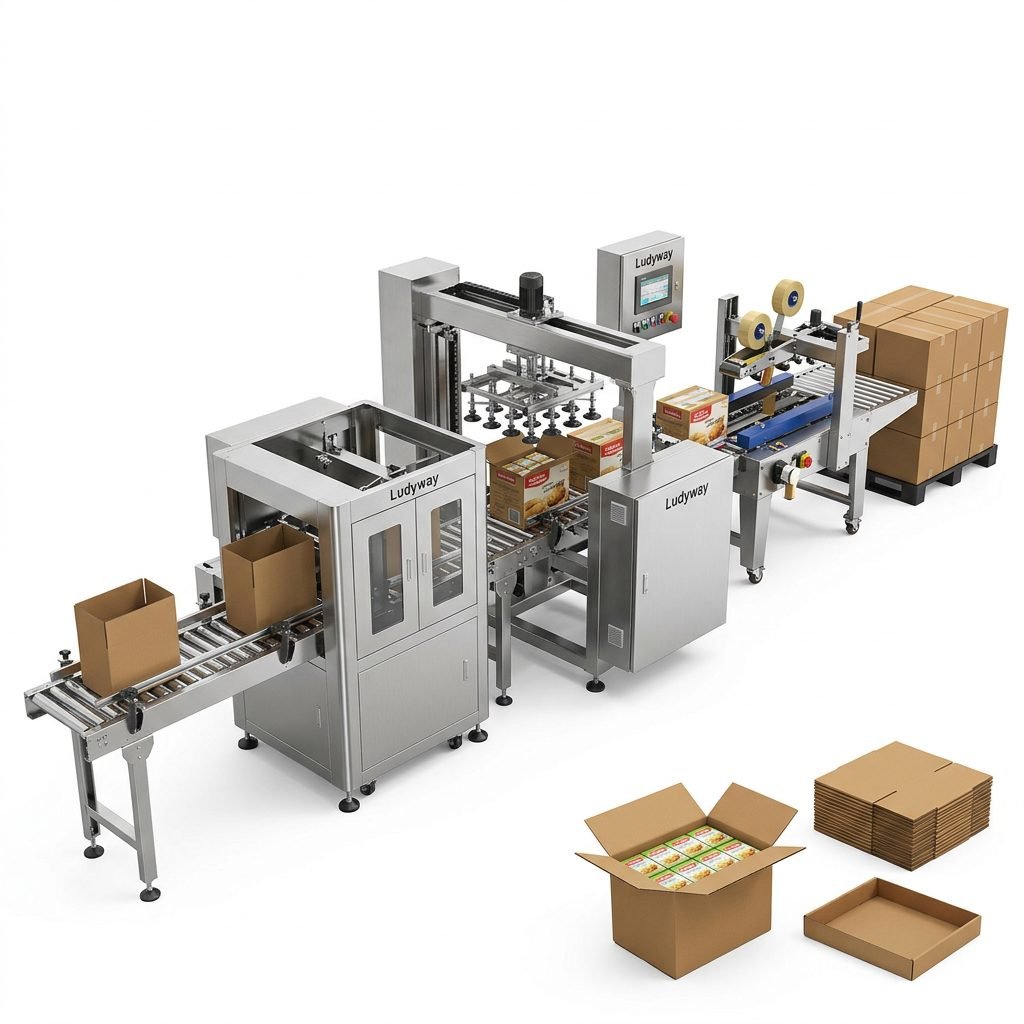
The Role of Customization in Automated Packing Solutions
No two production environments are exactly the same. Product density, powder flowability, viscosity, bag dimensions, environmental standards, and market expectations all influence machine design. Customization may involve:
- Different filling systems for powders, granules, liquids, or pastes
- Special sealing structures for leak prevention
- Dust control or hygienic design for sensitive applications
- Multi-lane configurations for higher output
- Customized hopper, auger, pump, or weighing systems
- Integration with coding, labeling, cartoning, and palletizing units
A customized packaging line often delivers better real-world performance than an off-the-shelf machine because it is designed around the product, plant, and business model.
How Smart Automation Supports Long-Term Growth
Advanced packaging systems do more than fill and seal products. They help manufacturers build data-driven and scalable production operations. Features such as touch-screen control, fault alarms, recipe storage, servo positioning, automatic correction, and digital monitoring improve usability and reduce operator error.
As companies expand into new markets, launch new SKUs, or raise production targets, scalable machinery becomes a competitive advantage. Equipment that supports format changes, capacity upgrades, and line integration helps protect investment over time.
Choosing a Reliable Packaging Machine Manufacturer
The machine itself is important, but the manufacturer behind it matters just as much. Buyers should look for proven engineering capability, broad product range, export experience, and the ability to deliver both standard equipment and turnkey systems.
For businesses seeking automated packing solutions across food, pharmaceutical, cosmetic, chemical, and pouch-based applications, Ludyway packaging machines are backed by more than 30 years of manufacturing experience, a facility of over 20,000 square meters, extensive export coverage, and strong turnkey line integration capability.
Practical Benefits of Investing in the Right System
A well-selected packaging machine can help companies achieve measurable business outcomes, including:
- Lower packaging cost per unit
- Faster production cycles
- More stable product quality
- Reduced material loss and rework
- Improved operator safety
- Stronger retail-ready packaging appearance
- Greater confidence when scaling output
Final Thoughts on Efficient Automated Packing
Packaging machines are a critical part of modern manufacturing efficiency. Whether a business needs stick pack filling, sachet packing, liquid sealing, vertical bagging, or a fully integrated packaging line, the right automation can improve speed, consistency, and profitability. Companies that invest in reliable, application-driven equipment are better positioned to meet changing market demand while maintaining operational control.
In competitive production environments, efficient automated packing solutions are no longer optional for many manufacturers. They are a strategic foundation for quality growth.