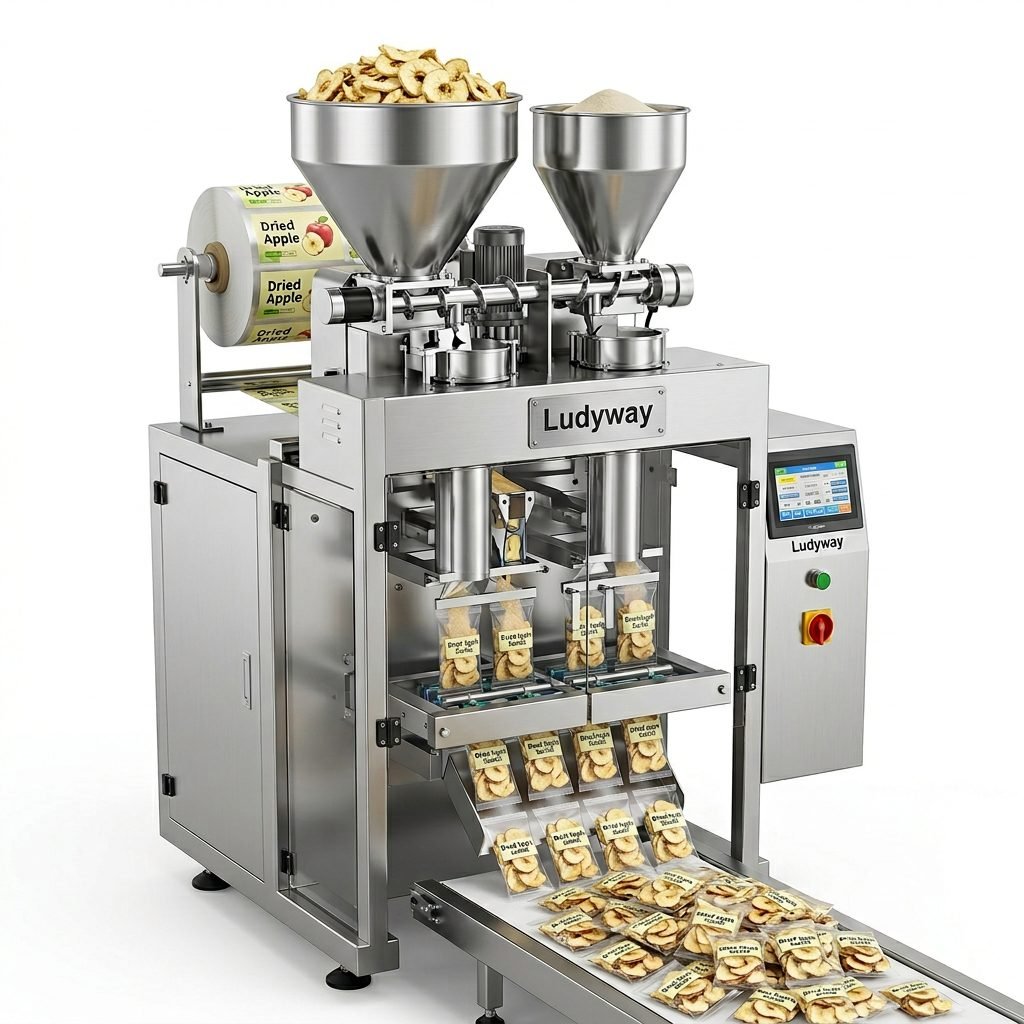
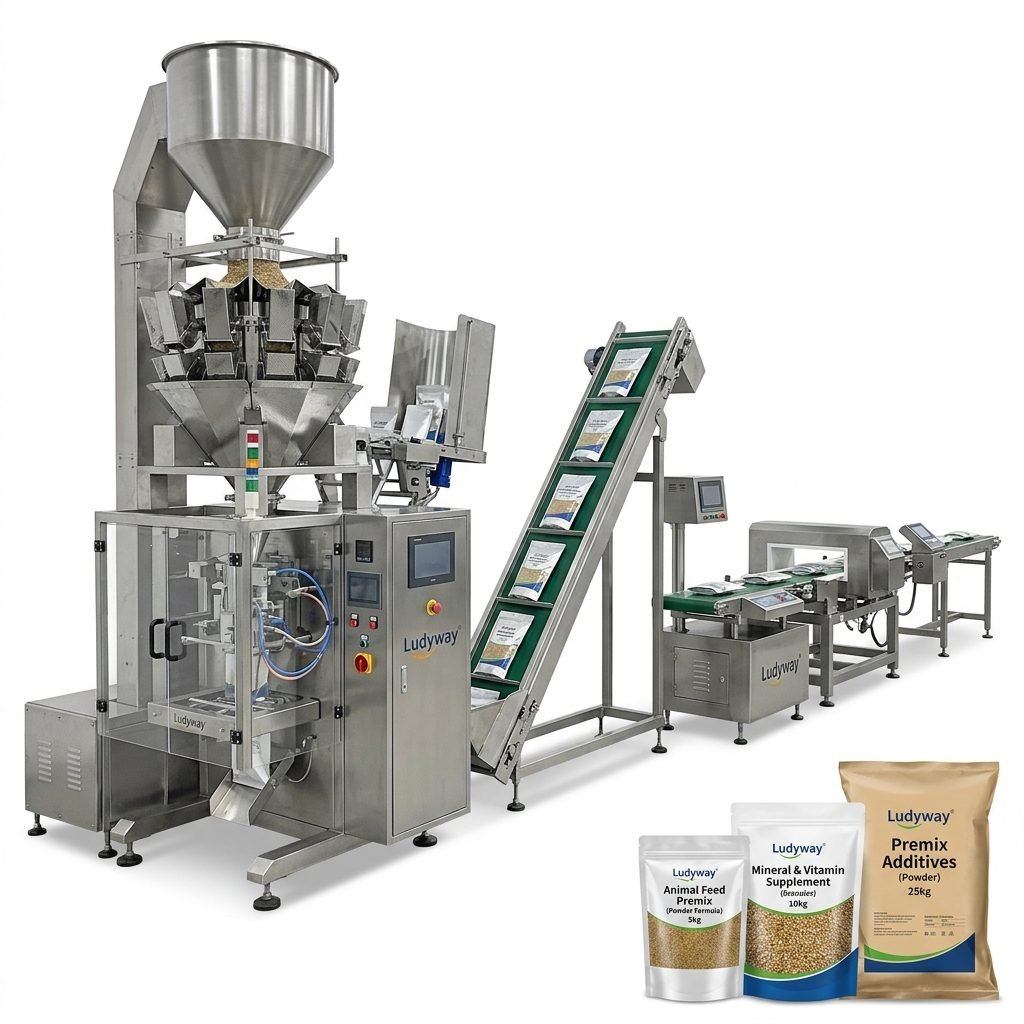
Selecting the right alu alu packing machine is a critical decision for pharmaceutical and food manufacturers seeking high-barrier protection for sensitive products. With numerous configurations, speeds, and technical specifications available, understanding the key selection criteria ensures your investment delivers long-term value and consistent packaging quality.
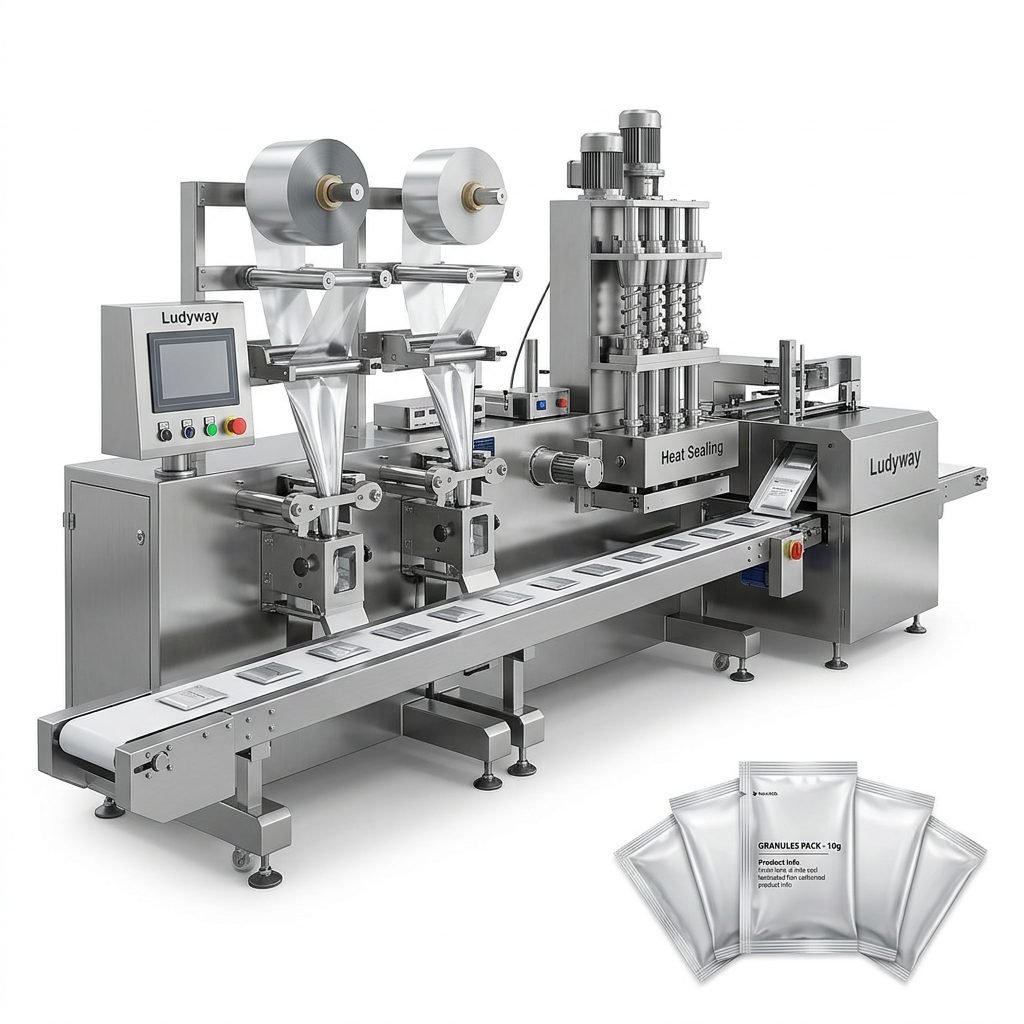
What Is an Alu Alu Packing Machine?
An alu alu packing machine, also known as an aluminum-aluminum blister packaging machine, uses cold-forming technology to create blister cavities from aluminum-based laminates. Unlike traditional PVC blisters, alu alu packaging provides complete barrier protection against moisture, oxygen, and light. This makes it the preferred choice for pharmaceutical tablets, capsules, and hygroscopic food products that require extended shelf life and stability.
Key Selection Criteria for Alu Alu Packaging Machines
Evaluating an alu alu packing machine requires a systematic approach across multiple dimensions. The following factors directly impact machine performance, operational cost, and long-term reliability.
1. Production Speed and Output Requirements
Production capacity is measured in cycles per minute or blisters per minute. High-speed alu alu machines can operate at 40-60 cycles per minute depending on the blister format and forming depth. When assessing speed, consider not just the rated maximum but the sustainable production rate with your specific product and packaging material. A machine rated for 50 cycles may realistically deliver 35-40 cycles in continuous production due to material handling and changeover requirements.
2. Forming Area and Blister Dimensions
The maximum forming area determines the blister card size and cavity layout you can produce. Standard forming areas range from 140mm × 250mm to 210mm × 300mm. Larger forming areas allow for more cavities per blister card, increasing throughput. However, larger areas also require more precise material tension control to maintain consistent forming quality.
| Specification | Standard Range | High-Capacity Range |
|---|---|---|
| Forming Area | 140 × 250 mm | 210 × 300 mm |
| Max Forming Depth | 10–12 mm | 15–18 mm |
| Cycle Speed | 30–45 cycles/min | 50–60 cycles/min |
| Material Thickness | 0.10–0.15 mm | 0.08–0.12 mm |
3. Material Compatibility and Cold-Forming Performance
Alu alu blister packaging uses a specialized laminate structure: OPA (oriented polyamide) / aluminum / PVC or PP. The machine’s forming station must be capable of cold-forming this rigid material without cracking, pinholing, or inconsistent cavity depth. Precision forming tools with optimized plug designs are essential for achieving uniform wall thickness and avoiding material stress points that compromise barrier properties.
Machine Configuration and Automation Levels
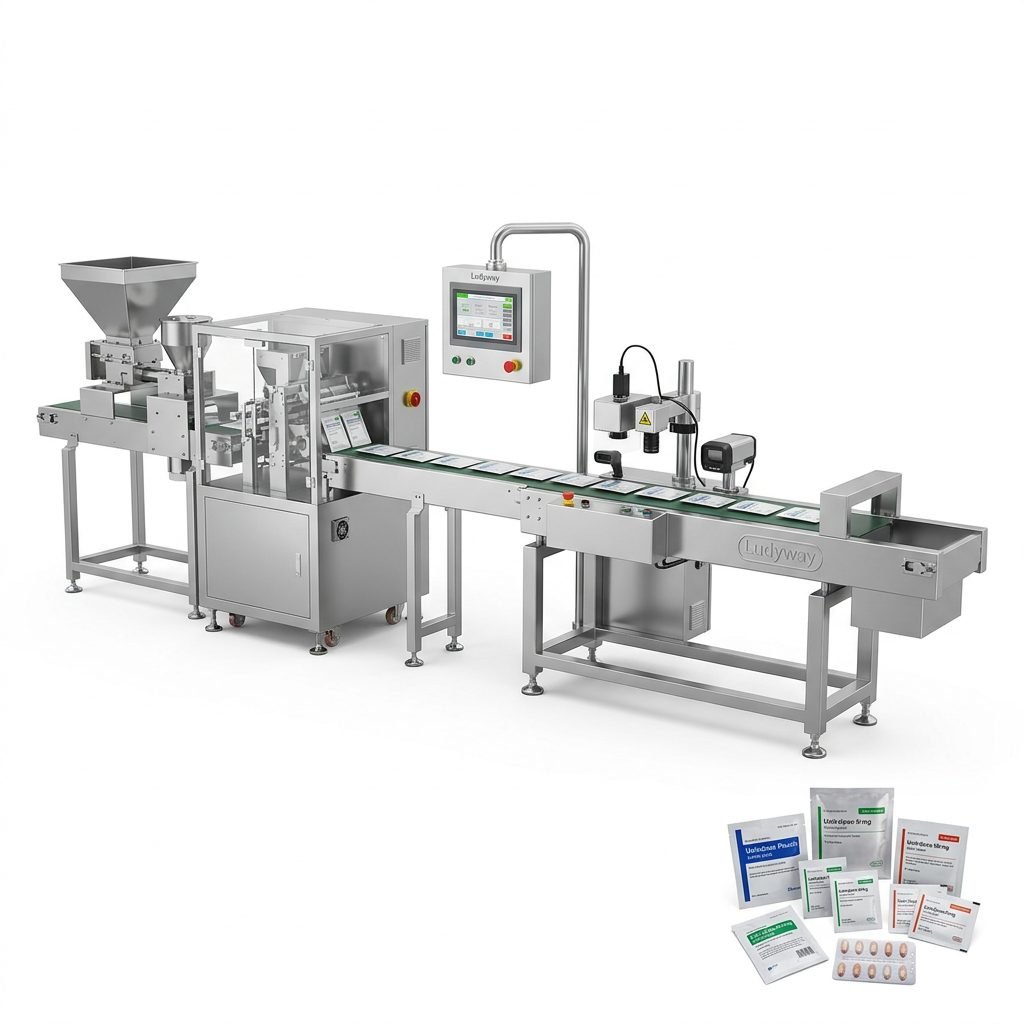
Modern alu alu packing machines offer varying degrees of automation. Understanding the available configurations helps match the machine to your operational workflow and budget.
Manual vs. Semi-Automatic vs. Fully Automatic Systems
- Manual machines: Suitable for small-batch production and R&D labs. Require operators to load materials and remove finished blisters manually. Low initial cost but higher labor requirements.
- Semi-automatic machines: Automate the forming and sealing processes while requiring manual product feeding. A practical choice for medium-scale production.
- Fully automatic machines: Integrate automatic feeding, forming, sealing, perforation, embossing, and cutting. Some configurations include vision inspection systems and automatic rejection of defective blisters.
Integrated Quality Control Features
Pharmaceutical packaging demands rigorous quality assurance. Leading alu alu packing machine designs incorporate inline inspection technologies. Look for machines that support integration with packaging quality standards such as seal integrity testing, blister cavity inspection, and missing tablet detection. These features reduce manual quality control labor and prevent defective product from reaching the market.
Sealing Technology and Barrier Integrity
The sealing station is where the lidding foil is heat-sealed to the formed alu alu base. Sealing temperature control, pressure uniformity, and dwell time directly affect seal integrity. Machines with multi-zone temperature controllers and independent pressure adjustment on the sealing plate provide more consistent results across the entire forming area. Poor sealing translates to compromised barrier protection and potential product degradation.
Key Sealing Parameters to Evaluate
- Temperature range and stability: ±1°C precision is typical for pharmaceutical-grade equipment
- Sealing pressure distribution: Must be uniform across the entire plate surface
- Dwell time adjustability: Different materials and seal lacquers require specific dwell times
- Knurling pattern options: The texture on the sealing plate affects seal appearance and integrity
Changeover Flexibility and Multi-Product Capability
For contract manufacturers and multi-product facilities, quick changeover capability is critical. Leading machines feature tool-less changeover systems, recipe-based parameter storage, and servo-driven adjustments that reduce format change time to under 30 minutes. When evaluating an alu alu packing machine, consider how many different blister formats you currently produce and how your product portfolio might expand.
Compliance with International Standards
Pharmaceutical packaging equipment must comply with regulatory requirements including FDA 21 CFR Part 11 for electronic records, GMP guidelines, and applicable ISO standards. Machines should be designed with validated operating parameters, audit trail capabilities, and user access controls. Documentation packages including IQ/OQ/PQ protocols simplify validation processes for regulated environments.
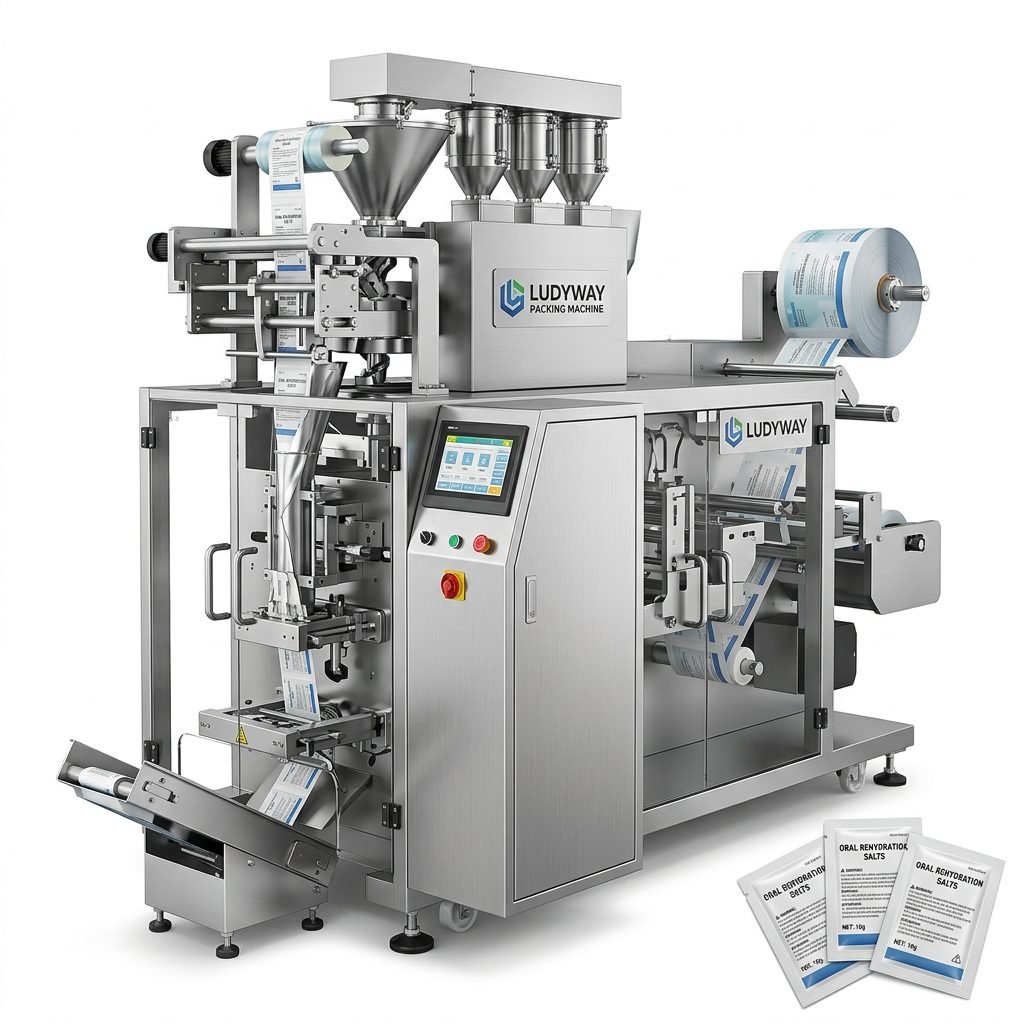
Supplier Evaluation and Technical Support
Selecting the right alu alu packing machine also requires evaluating the manufacturer’s engineering capabilities, service infrastructure, and industry experience. A supplier with comprehensive in-house manufacturing capabilities, application engineering expertise, and global technical support provides greater assurance of long-term equipment reliability and responsive after-sales service.
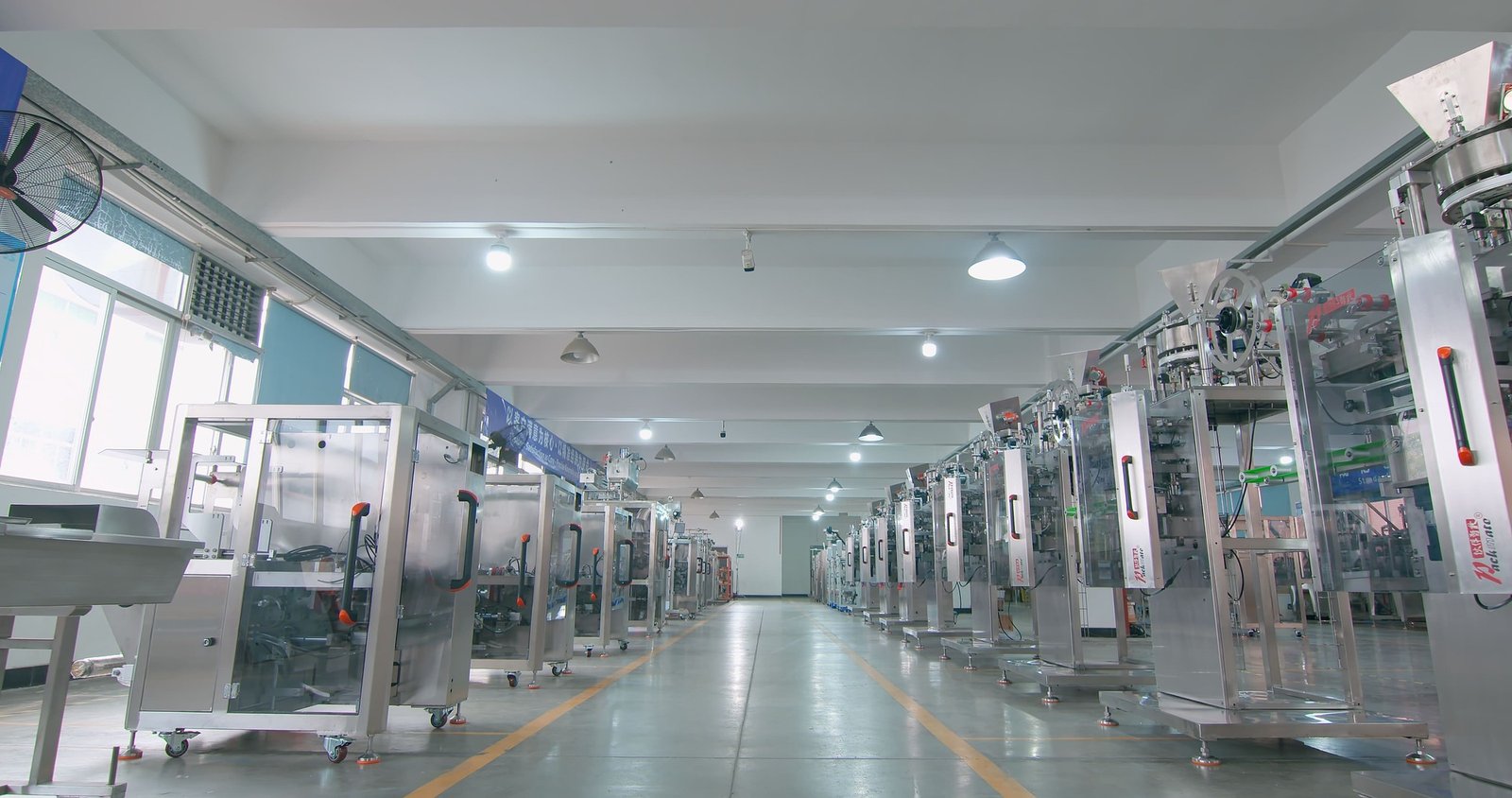
Companies like Ludyway Machinery, a China-based packaging machinery manufacturer with over 30 years of experience and a 20,000-square-meter manufacturing facility, provide integrated packaging solutions with technical support spanning machine selection, installation, commissioning, operator training, and ongoing spare parts service across more than 100 countries. Evaluating a supplier’s project lifecycle support capabilities is as important as assessing the machine specifications themselves.
Questions to Ask Potential Suppliers
- What is the lead time for standard and custom configurations?
- Can you provide documented OEE (Overall Equipment Effectiveness) data from existing installations?
- What training and documentation do you provide for operators and maintenance staff?
- How do you handle spare parts inventory and emergency shipments?
- Do you offer remote diagnostic and troubleshooting support?
- Can you provide references from manufacturers in our specific industry segment?
Cost Considerations Beyond the Purchase Price
The total cost of ownership for an alu alu packing machine extends far beyond the initial capital expenditure. When comparing options, factor in material waste rates, energy consumption, changeover time, spare parts availability, and expected service intervals. A machine with a lower purchase price but higher material waste and longer changeover times may cost significantly more over its operational lifetime than a higher-specification alternative.
| Cost Factor | Impact on TCO | Considerations |
|---|---|---|
| Material Waste | High | Alu laminate is expensive; 1-2% waste reduction provides significant savings |
| Changeover Time | Medium-High | Lost production time directly affects capacity and delivery schedules |
| Energy Efficiency | Medium | Servo-driven systems typically consume less power than pneumatic alternatives |
| Spare Parts | Medium | Standardized components reduce inventory costs and lead times |
| Operator Training | Low-Medium | Complex machines require more extensive training investment |
Future-Proofing Your Investment
Packaging requirements evolve. An alu alu packing machine designed with modular architecture allows for future upgrades such as adding serialization and track-and-trace capabilities, integrating with downstream cartoning equipment, or expanding forming area capacity. When selecting a machine, consider not just your current production needs but your projected requirements over the next five to ten years. Servo-driven machines with open-architecture control systems offer greater flexibility for future modifications than mechanically driven alternatives.
Making the Final Decision
Choosing the right alu alu packing machine ultimately requires balancing technical specifications, quality requirements, budget constraints, and supplier capability. Prioritize machines that demonstrate proven reliability in your specific application, offer compliance-ready documentation, and are supported by manufacturers with established engineering and service infrastructure. Request detailed proposals, compare specifications carefully, and where possible, arrange machine demonstrations or factory acceptance tests before finalizing your decision.
A well-chosen alu alu packaging machine delivers consistent high-barrier protection, operational efficiency, and regulatory confidence for years of reliable production. For further insights on flexible packaging trends and technologies, explore industry resources that provide updated market data and technical guidance.