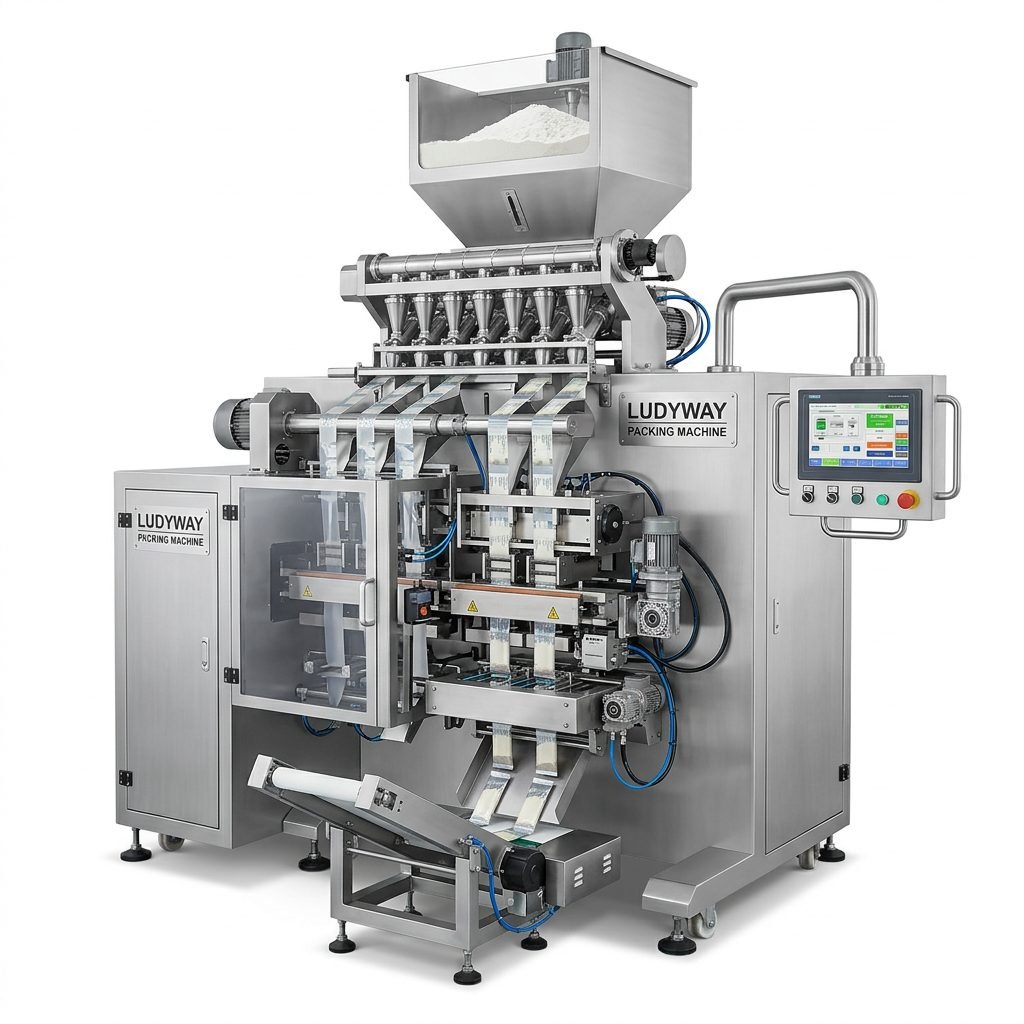
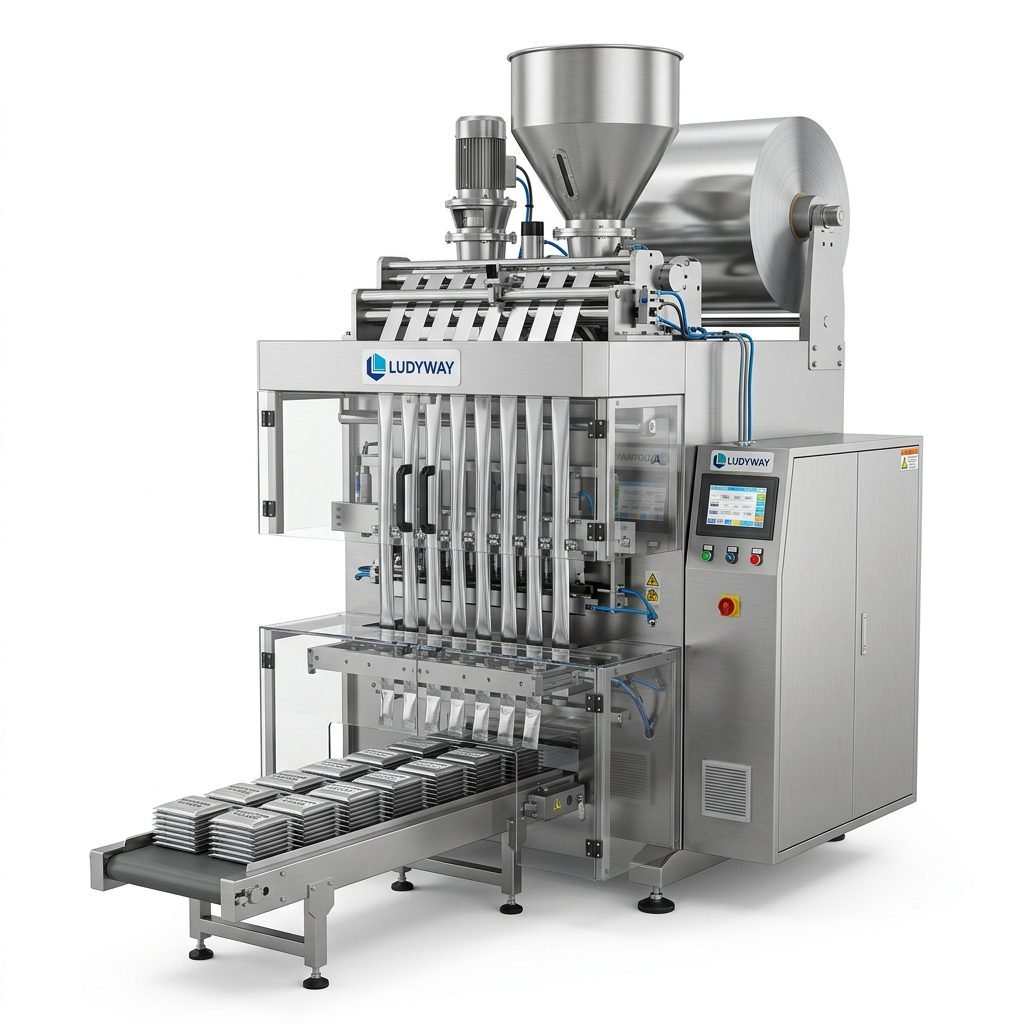
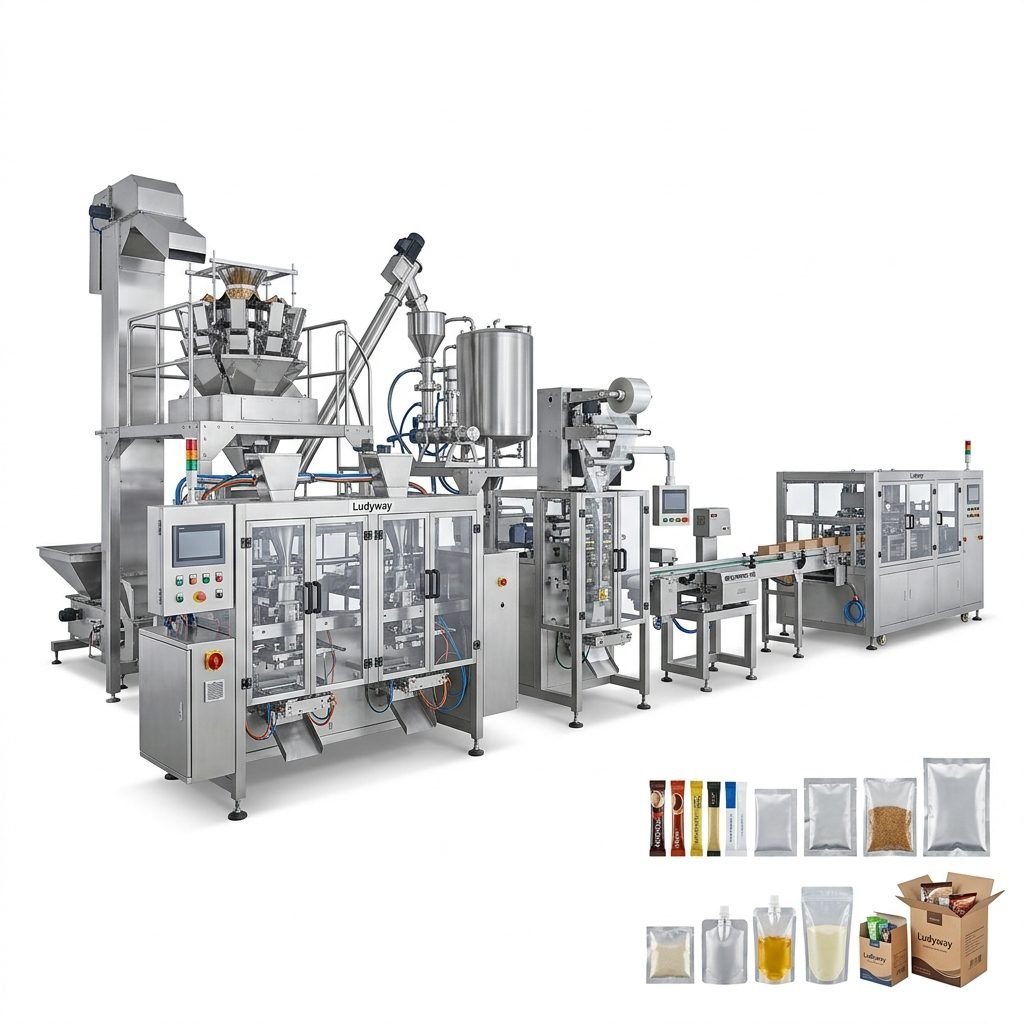
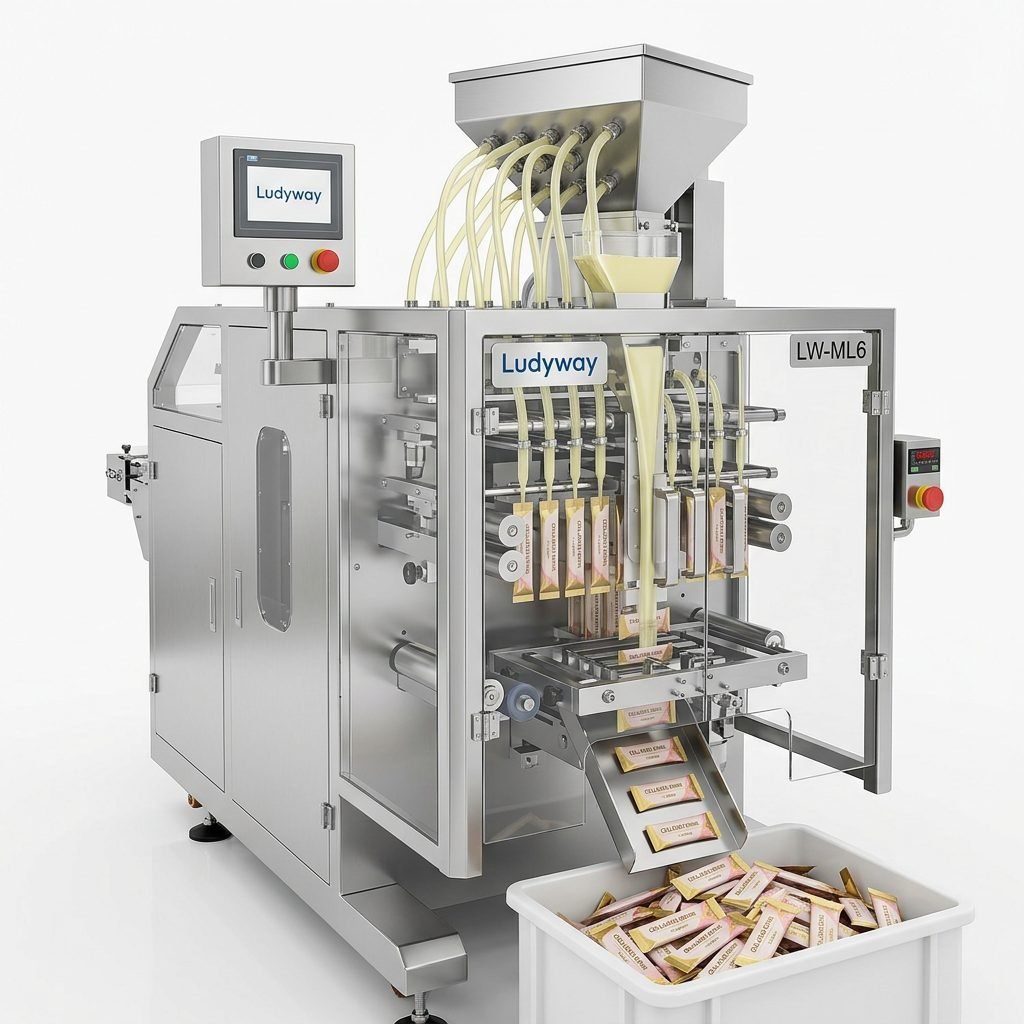
Investing in an auto pouch packing machine is a significant decision for any manufacturer handling powders, granules, liquids, or sachets. The right equipment can dramatically increase production capacity, improve packaging consistency, and reduce labor costs. However, with so many models, configurations, and suppliers on the market, the selection process can quickly become overwhelming. This comprehensive buyer’s guide walks you through the essential factors to evaluate, helping you choose a machine that aligns perfectly with your product characteristics, production goals, and budget.
1. Understanding Your Product and Material Characteristics
Before comparing machine specifications, you must first define the physical properties of the product you intend to package. The filling system, sealing mechanism, and overall machine configuration are all heavily dependent on what you are putting into the pouch.
Powder Products
Fine powders like milk powder, flour, spices, and pharmaceutical ingredients require specialized auger fillers to ensure dosing accuracy and prevent dusting. If your powder is prone to bridging or clogging, you may need a machine with mechanical agitation, hopper vibrators, or vacuum-assisted filling systems.
Granule Products
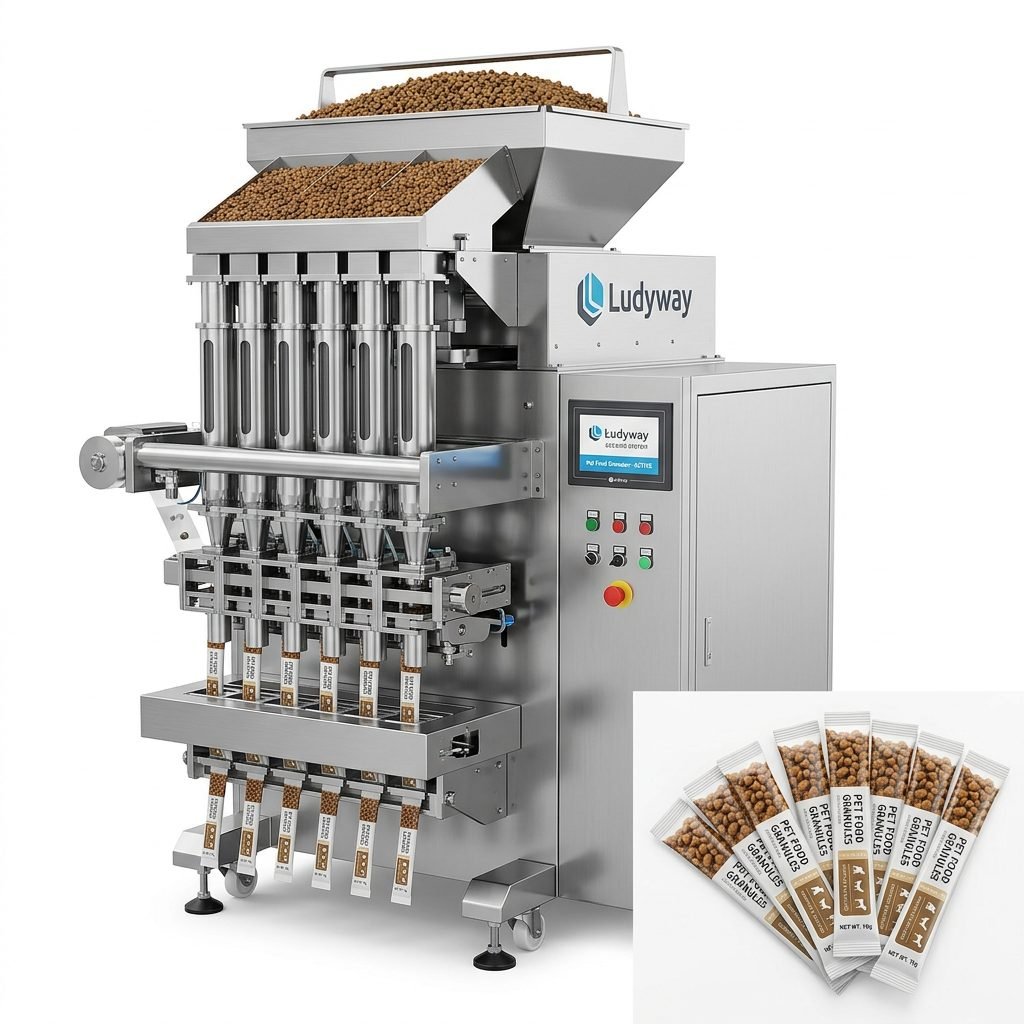
Free-flowing granules such as sugar, salt, seeds, fertilizers, and pet food typically work well with volumetric cup fillers or multi-head weighers. The key consideration here is the granule size distribution — irregular shapes or wide size variations may require customized dosing mechanisms to maintain filling accuracy.
Liquid and Paste Products
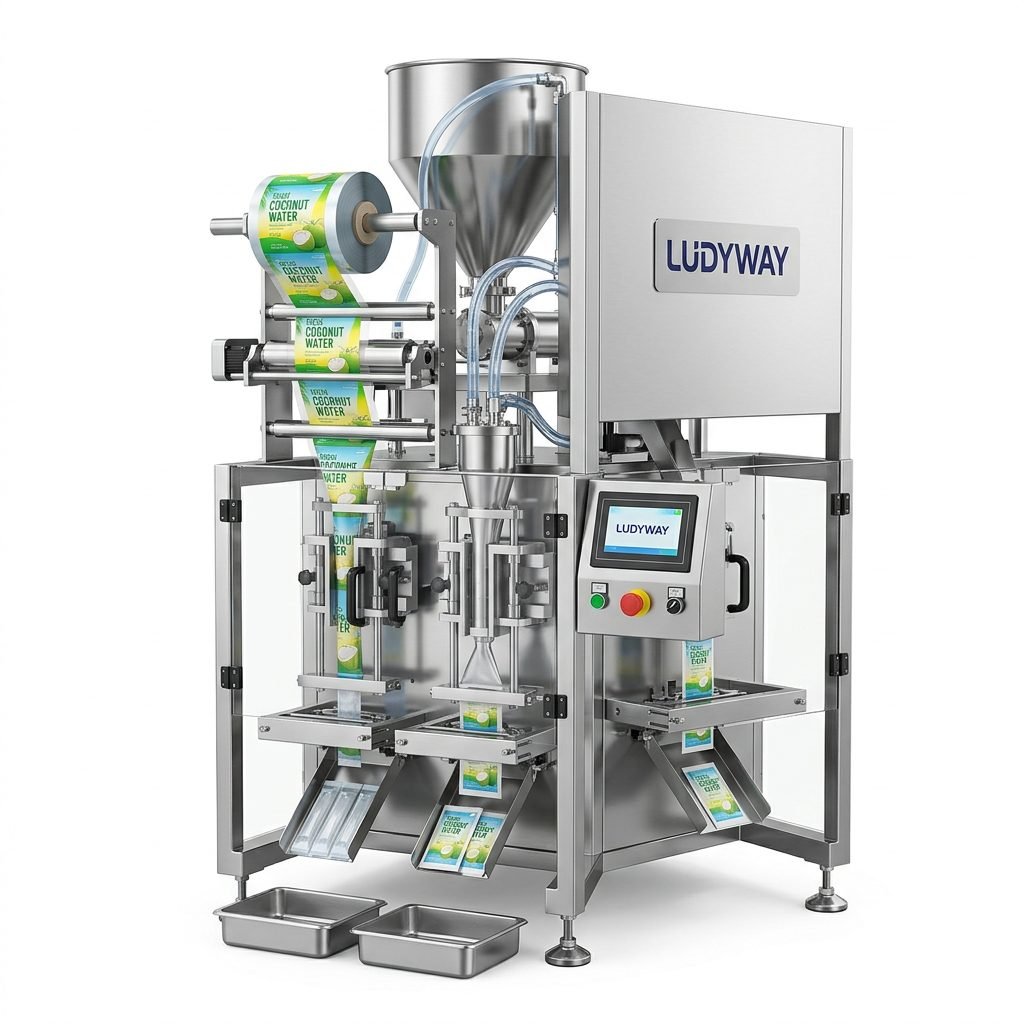
Liquids, creams, gels, and pastes — from shampoo sachets and ketchup sticks to hand sanitizers and cosmetic serums — require piston fillers, peristaltic pumps, or gravity filling systems. Viscosity is the critical parameter: high-viscosity products need different pump types than free-flowing liquids.
Irregular or Sticky Products
Products like dried fruits, nuts, candies, or sticky confectionery often demand custom-designed dosing systems. Multi-head weighers with special contact surfaces or volumetric feeders with non-stick coatings help maintain consistent filling without product damage.

2. Defining Your Packaging Format Requirements
Auto pouch packing machines can produce a wide variety of bag formats. Your choice should be driven by market demand, product protection needs, and branding requirements.
| Packaging Format | Common Applications | Key Features |
|---|---|---|
| Stick Pack | Instant coffee, sugar, supplements, energy powders | Slim, portable, single-serve, high-speed production |
| Flat Sachet (3-side seal) | Shampoo, sauces, ketchup, pharmaceutical samples | Simple construction, cost-effective, compact |
| 4-Side Seal Pouch | Tea bags, coffee pouches, detergent powder | Excellent barrier properties, premium appearance |
| Stand-Up Pouch (Doypack) | Snacks, pet food, frozen foods, liquids | Strong shelf presence, zipper resealable options |
| Gusseted Pouch | Bulk powders, coffee, pet food, chemicals | High-volume, stable standing, premium feel |
Many modern pouch packing machines are convertible between formats, allowing you to switch from stick packs to flat sachets or gusseted pouches with minimal changeover time. This flexibility is valuable if you plan to expand your product range or serve different markets in the future.
3. Production Speed and Capacity Considerations
Packaging speed requirements directly influence machine configuration and investment cost. A single-lane machine may operate at 40-80 packs per minute, while multi-lane systems can achieve significantly higher outputs.
Single-Lane Systems
Suitable for small to medium production volumes. These machines are compact, easier to operate, and more affordable. Ideal for startups, contract packagers with diverse product ranges, or regional markets.
Multi-Lane Systems
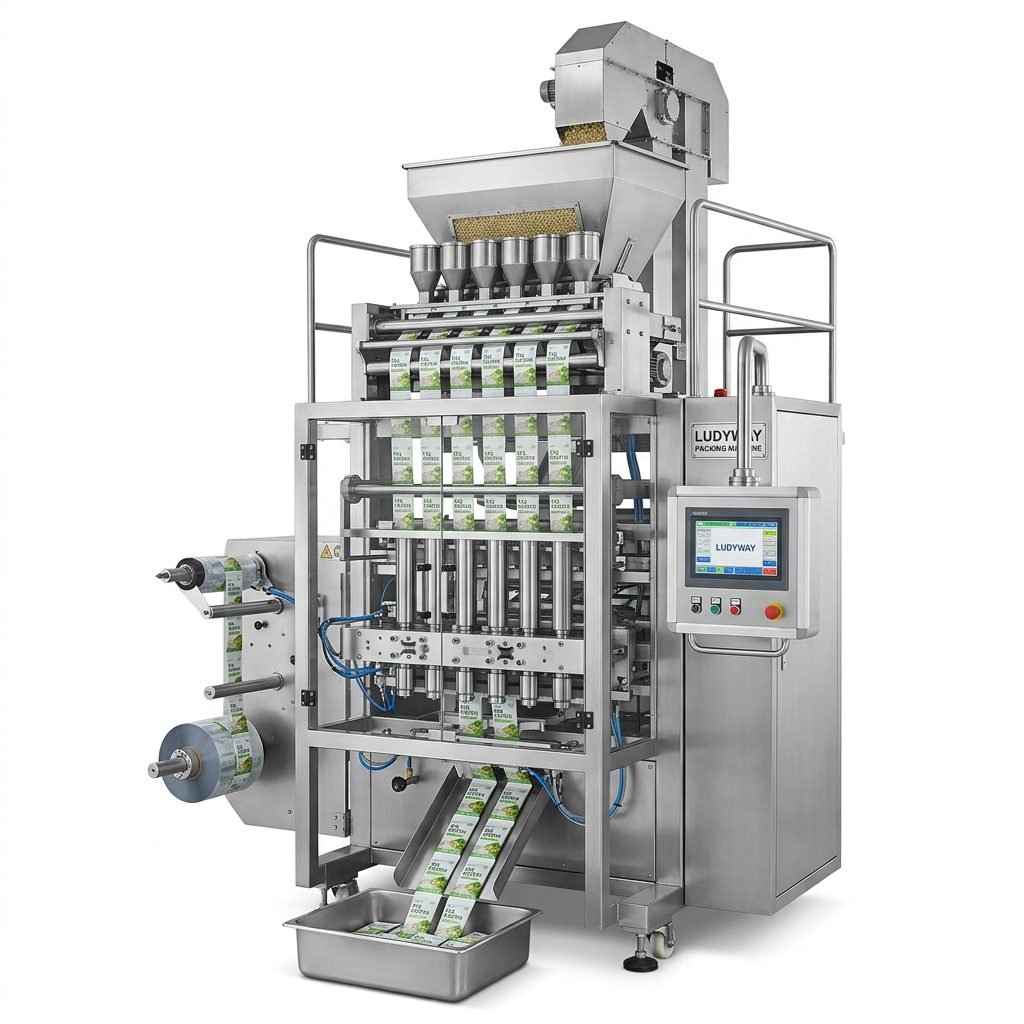
Designed for high-volume, continuous production with simultaneous filling across 4, 6, 8, or up to 20+ lanes. These machines dramatically increase throughput while reducing per-unit packaging costs.
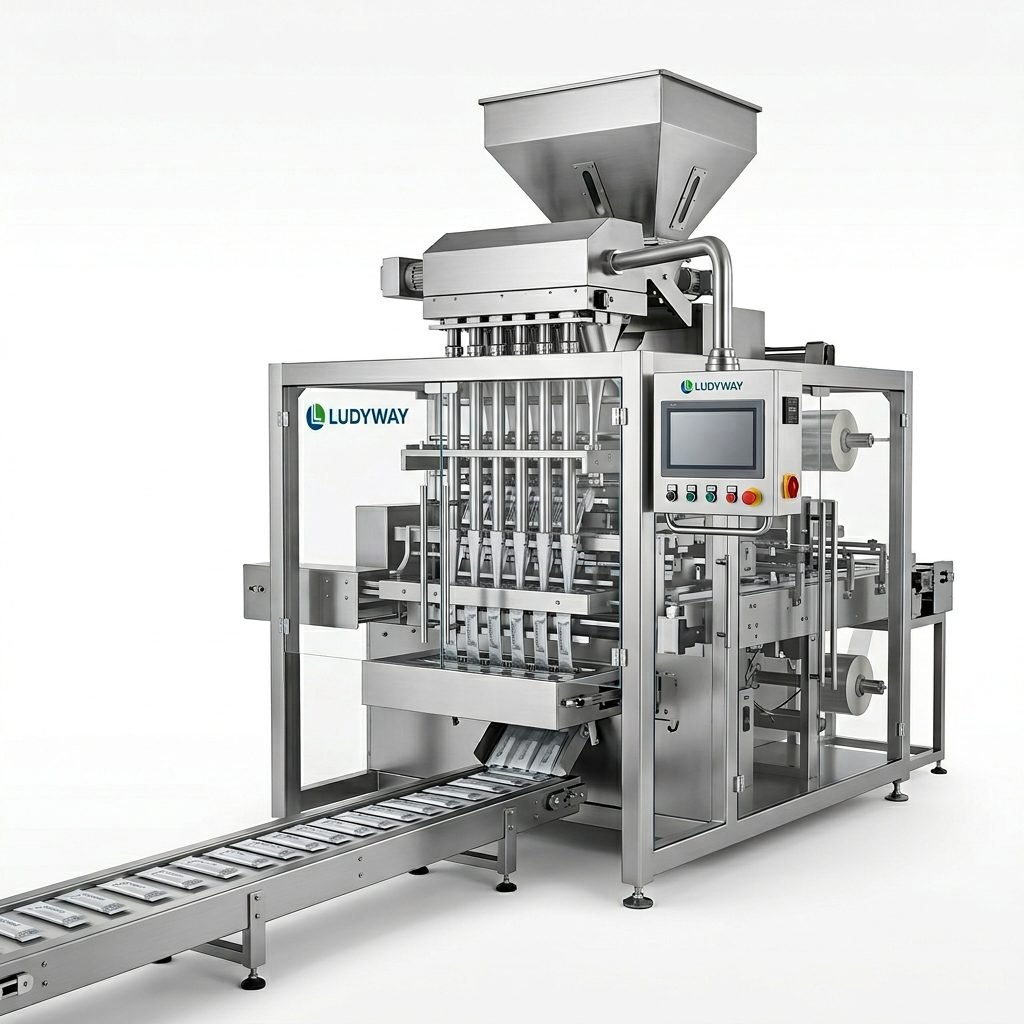
When evaluating speed, also consider film feeding speed, filling accuracy at high speeds, and sealing dwell time. A machine rated at 100 packs per minute may achieve this only with optimal film quality, precise temperature control, and well-behaved product flow.
4. Automation Level and Integration Capabilities
Today’s packaging lines increasingly incorporate automation beyond the primary filling and sealing functions. Consider whether your operation requires:
- Automatic feeding systems — auger feeders, bucket elevators, or vacuum conveyors to supply product from bulk storage to the machine hopper
- Inline printing and coding — thermal inkjet or laser coders for batch numbers, expiration dates, and barcodes
- Nitrogen gas flushing — for oxygen-sensitive products like coffee, nuts, or pharmaceutical powders to extend shelf life
- Checkweighing and metal detection — quality control systems that reject underweight or contaminated packs automatically
- Cartoning and case packing — automated secondary packaging to reduce manual handling at the end of the line
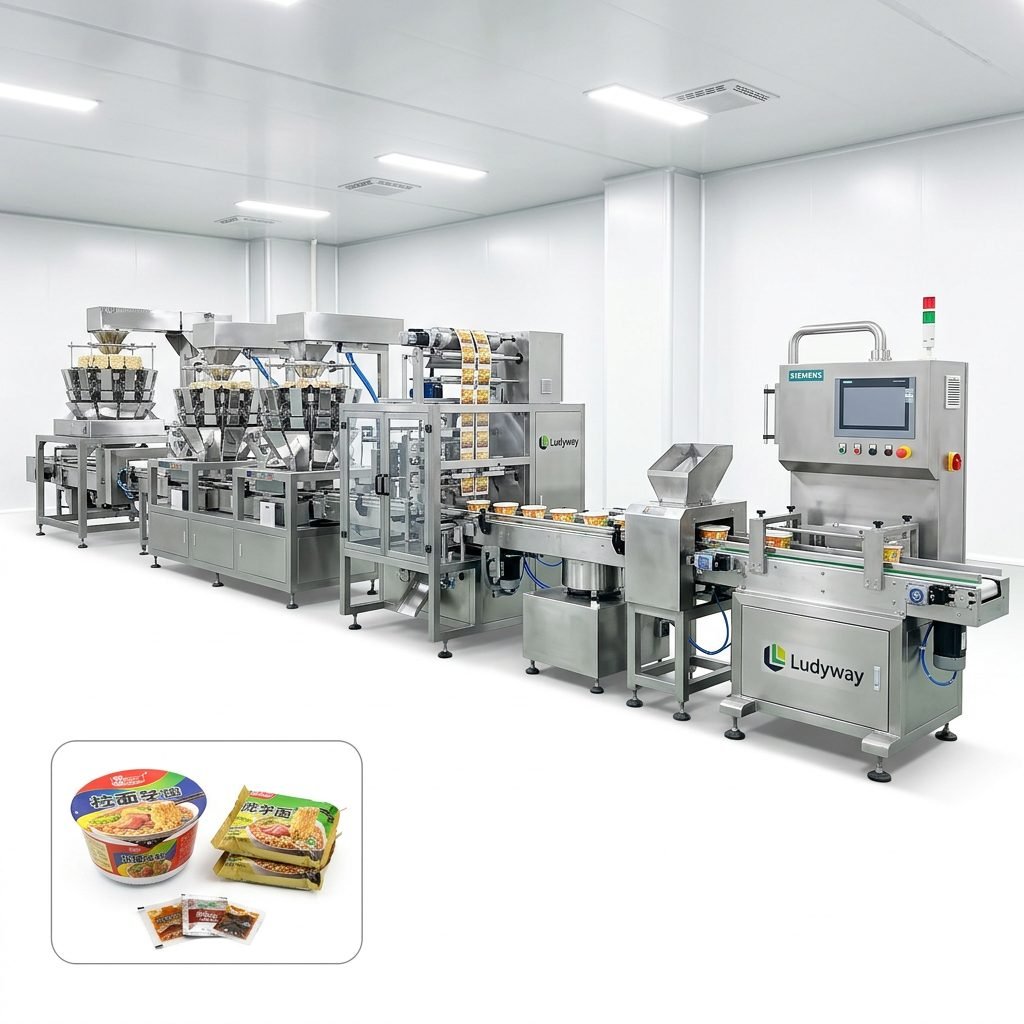
For manufacturers looking for a comprehensive solution, evaluating a turnkey packaging line approach can simplify project management and ensure seamless integration between upstream and downstream equipment.
5. Packaging Material Compatibility
Not all pouch packing machines handle every type of film equally well. The sealing system design, temperature control precision, and film tension mechanisms must be compatible with your chosen packaging material.
Common packaging films include:
- Laminated films (PET/AL/PE, PET/MPET/PE) — excellent barrier properties, ideal for food and pharmaceutical products
- Single-layer films (PE, PP) — economical options for short shelf-life or non-sensitive products
- Paper-based laminates — for tea, sugar, and certain dry food applications
- Biodegradable and compostable films — growing demand in sustainability-focused markets, but may require specific sealing parameters
Always test your film on the target machine before final purchase. Sealing temperature, dwell time, and pressure must be optimized for your specific film structure to avoid leakers, wrinkles, or weak seals.
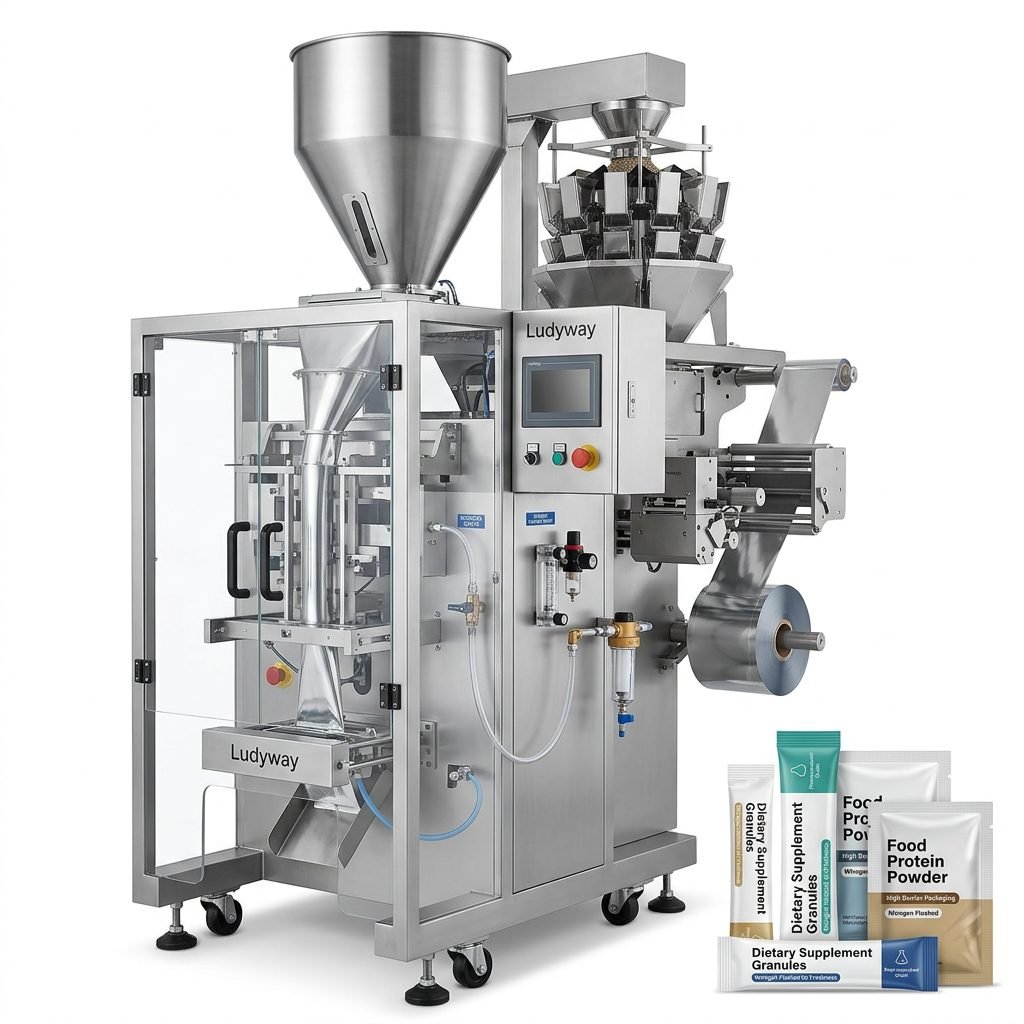
6. Machine Construction, Hygiene, and Compliance
The build quality and materials of construction directly impact machine longevity, cleanability, and regulatory compliance — especially critical for food, pharmaceutical, and cosmetic applications.
| Feature | Standard Machines | Pharma/Food-Grade Machines |
|---|---|---|
| Frame Material | Painted steel or basic stainless steel | Full SUS304 or SUS316L stainless steel |
| Product Contact Parts | Stainless steel with some aluminum components | Full stainless steel, pharmaceutical finish |
| Cleanability | Basic access for cleaning | Tool-free disassembly, crevice-free design, CIP compatible |
| Certifications | CE marking | CE, cGMP compliant, FDA-compatible, ISO certified |
| Dust Control | Open or partially enclosed | Fully enclosed with dust extraction ports |
For pharmaceutical applications, refer to the ISO 11607 standards for packaging terminally sterilized medical devices and FDA food packaging and food contact substances regulations to ensure your machinery supports the required validation and documentation processes.
7. Supplier Evaluation and After-Sales Support
The relationship with your machinery supplier extends far beyond the initial purchase. After-sales support, spare parts availability, and technical service are critical factors that affect long-term operational efficiency and total cost of ownership.
Key supplier evaluation criteria include:
- Manufacturing experience — how long has the supplier been building pouch packing machines? What is their track record in your specific industry?
- Installation and commissioning support — does the supplier provide on-site technicians or remote guidance?
- Operator training — comprehensive training programs reduce startup time and prevent operator errors.
- Spare parts availability — can critical spare parts be delivered quickly? Is local inventory available?
- Remote technical support — video calls and remote diagnostics can resolve many issues without waiting for an on-site visit.
- Warranty coverage and terms — understand what is covered and for how long.
According to industry data from the PMMI Business Intelligence Library, packaging machinery buyers consistently rank technical support and spare parts availability among their top three supplier selection criteria, alongside equipment reliability and price.
8. Total Cost of Ownership Analysis
The purchase price of an auto pouch packing machine is only one component of its total cost. A comprehensive TCO analysis should account for:
Capital Cost
Machine purchase price, shipping, import duties, installation
Operating Cost
Film consumption, electricity, compressed air, labor
Maintenance Cost
Spare parts, preventive maintenance, unexpected repairs
Downtime Cost
Lost production, idle labor, missed delivery deadlines
A lower-cost machine that consumes more film, requires more frequent maintenance, and suffers from longer downtimes may end up being significantly more expensive over its lifecycle than a higher-quality machine with better efficiency and reliability.

9. Industry-Specific Application Requirements
Different industries impose unique demands on packaging machinery. Understanding these requirements helps narrow down your machine options:
Food and Beverage
Food packaging demands hygienic design, washdown capability, and often gas flushing for shelf-life extension. Machines must be compatible with approved food-contact materials and support easy cleaning between product changeovers. Refer to the Flexible Packaging Association industry resources for guidance on packaging material selection and regulatory compliance.
Pharmaceuticals
Pharmaceutical packaging requires stringent validation, batch traceability, and cGMP compliance. Filling accuracy must be extremely precise, and documentation for regulatory submissions is essential. Machines typically need full stainless steel construction, dust containment systems, and integration with serialization systems.
Cosmetics and Personal Care
Cosmetic packaging prioritizes aesthetic quality, precise filling of high-value formulations, and flexible format capabilities. Machines must handle a wide range of viscosities and produce visually perfect seals for premium brand presentation.
Chemicals and Industrial Products
Chemical packaging may involve corrosive materials, hazardous substances, or abrasive powders. Machines require corrosion-resistant materials, explosion-proof configurations when needed, and robust sealing systems that prevent leakage during transport.
10. Customization vs. Standard Machine Options
Every production environment presents unique challenges. While some manufacturers can work well with standard machine configurations, others require tailored engineering solutions to address specific product behaviors, space constraints, or production workflow requirements.
Customization may involve:
- Customized dosing systems for difficult-to-feed products
- Special sealing jaw designs for unique film structures
- Modified machine layouts to fit existing factory floor space
- Integration with proprietary upstream or downstream equipment
- Custom software interfaces and reporting functions
Ludyway Machinery, with over 30 years of experience and a 20,000-square-meter manufacturing facility, provides customized packaging solutions and turnkey systems for manufacturers worldwide. The company’s engineering team evaluates product and packaging requirements to recommend appropriate machine configurations, helping manufacturers increase production efficiency and automation across diverse industries including food, pharmaceuticals, cosmetics, chemicals, and animal feed.
For deeper market insights, the PMMI 2026 State of the Industry report and PACK EXPO International provide valuable benchmarks and technology showcases for packaging machinery investments.

Final Recommendations
Choosing the right auto pouch packing machine requires a thorough analysis of your product characteristics, production requirements, packaging format needs, and long-term business goals. Rushing this decision can lead to operational inefficiencies, unexpected costs, and limitations on future growth.
We recommend the following decision sequence:
- Define your product specifications — powder, granule, liquid, paste, and their flow characteristics
- Determine required packaging formats and sizes — stick pack, sachet, stand-up pouch, etc.
- Calculate target production capacity — packs per minute, shifts per day, days per year
- Identify automation and integration needs — feeding, coding, inspection, cartoning
- Evaluate regulatory and hygiene requirements — FDA, CE, cGMP, ISO standards
- Assess supplier capabilities and support infrastructure
- Perform total cost of ownership analysis
- Request machine demonstrations or factory acceptance tests with your actual products and films
One final and crucial piece of advice: always test before you invest. Send your actual product and preferred packaging film to potential suppliers for trial runs. A machine that performs well with standard test materials may behave very differently with your specific product and film combination. Factory acceptance testing with your real materials is the best way to validate performance before committing to a major capital purchase.