Investing in a RO water pouch packing machine is a significant decision for any water treatment or bottling operation. With growing demand for affordable, portable purified water—especially in regions where access to clean drinking water is limited—the right packaging equipment can make or break your production efficiency and product quality. This comprehensive guide walks you through everything you need to know before making a purchase, from key specifications to supplier evaluation, helping you select a machine that aligns with your production goals and budget.
Understanding RO Water Pouch Packaging Machines
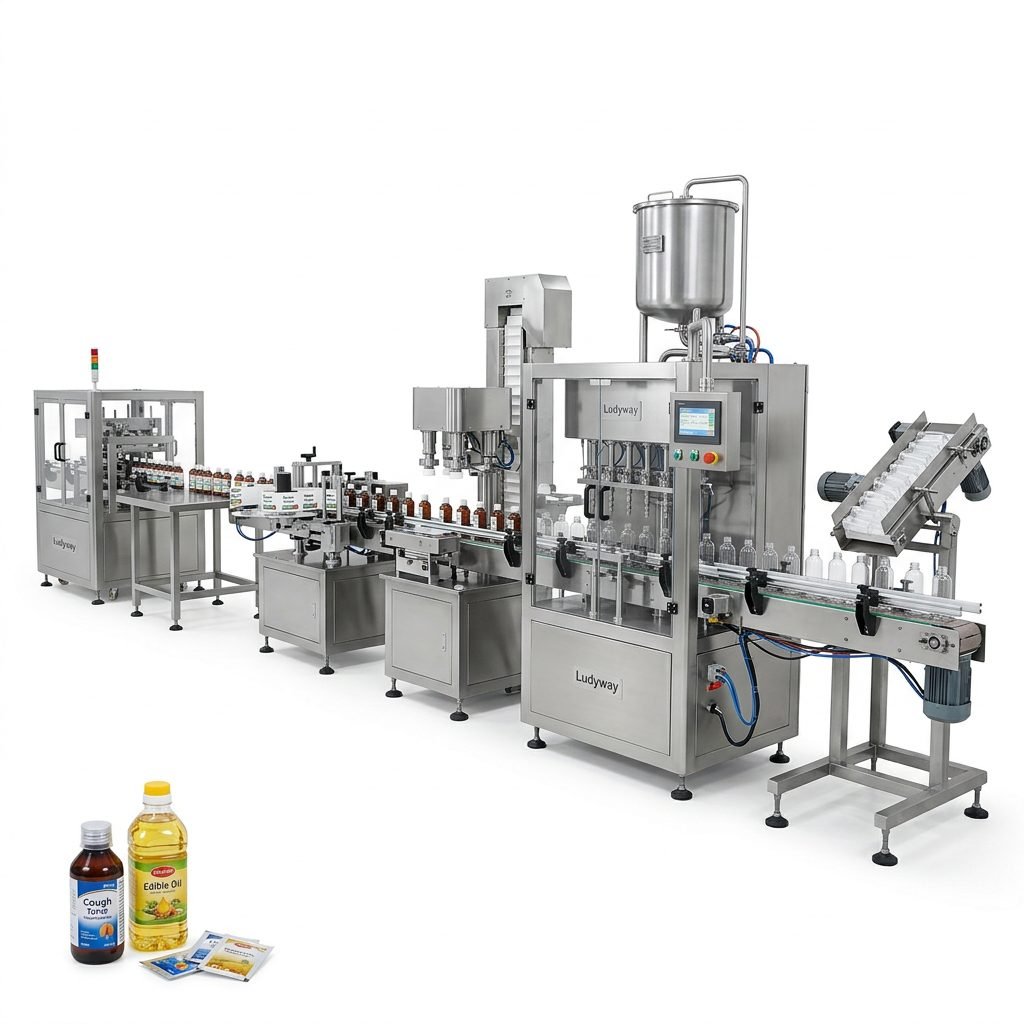
An RO water pouch packing machine is a specialized packaging system designed to fill and seal reverse osmosis (RO) purified water into flexible pouches or sachets. These machines are widely used in the drinking water industry, particularly in markets where single-serve water sachets are popular. Unlike traditional bottle filling lines, pouch packaging machines handle flexible film materials, forming, filling, and sealing pouches in a continuous automated process.
The technology has evolved significantly in recent years, with modern machines offering higher speeds, better sealing integrity, and greater material flexibility than earlier generations. According to the PMMI Business Intelligence reports, the global market for flexible packaging machinery continues to expand, driven by cost efficiency and consumer convenience trends.
Key Factors to Consider Before Buying
Selecting the right machine requires careful evaluation of several critical factors. The table below summarizes the most important specifications to assess:
| Selection Criteria | Why It Matters | Key Questions to Ask |
|---|---|---|
| Production Capacity | Determines output volume per hour/day | What is the target pouches-per-hour rate? |
| Pouch Size Range | Affects flexibility for different SKUs | What pouch dimensions and volumes are needed? |
| Film Compatibility | Impacts material costs and seal quality | Which film types and thicknesses are supported? |
| Automation Level | Influences labor requirements and consistency | Is fully automatic or semi-automatic preferred? |
| Filling Accuracy | Ensures product consistency and reduces waste | What is the filling tolerance (±ml)? |
| Sealing Technology | Critical for leak prevention and shelf life | What sealing method and temperature control is used? |
| Build Material | Affects durability and hygiene compliance | Is the machine constructed with food-grade stainless steel? |
Types of RO Water Pouch Packaging Machines
Understanding the different machine configurations helps narrow down your options. The primary categories include:
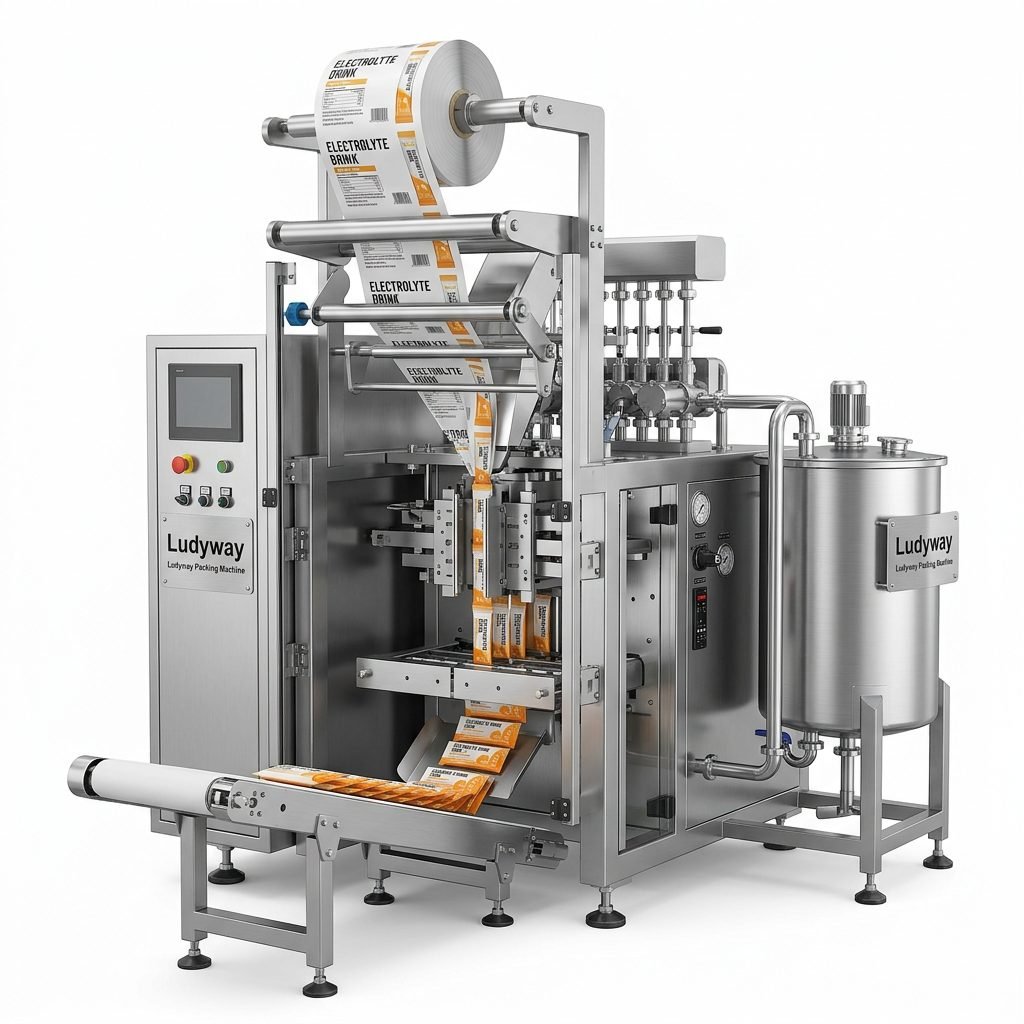
Vertical Form-Fill-Seal (VFFS) Machines
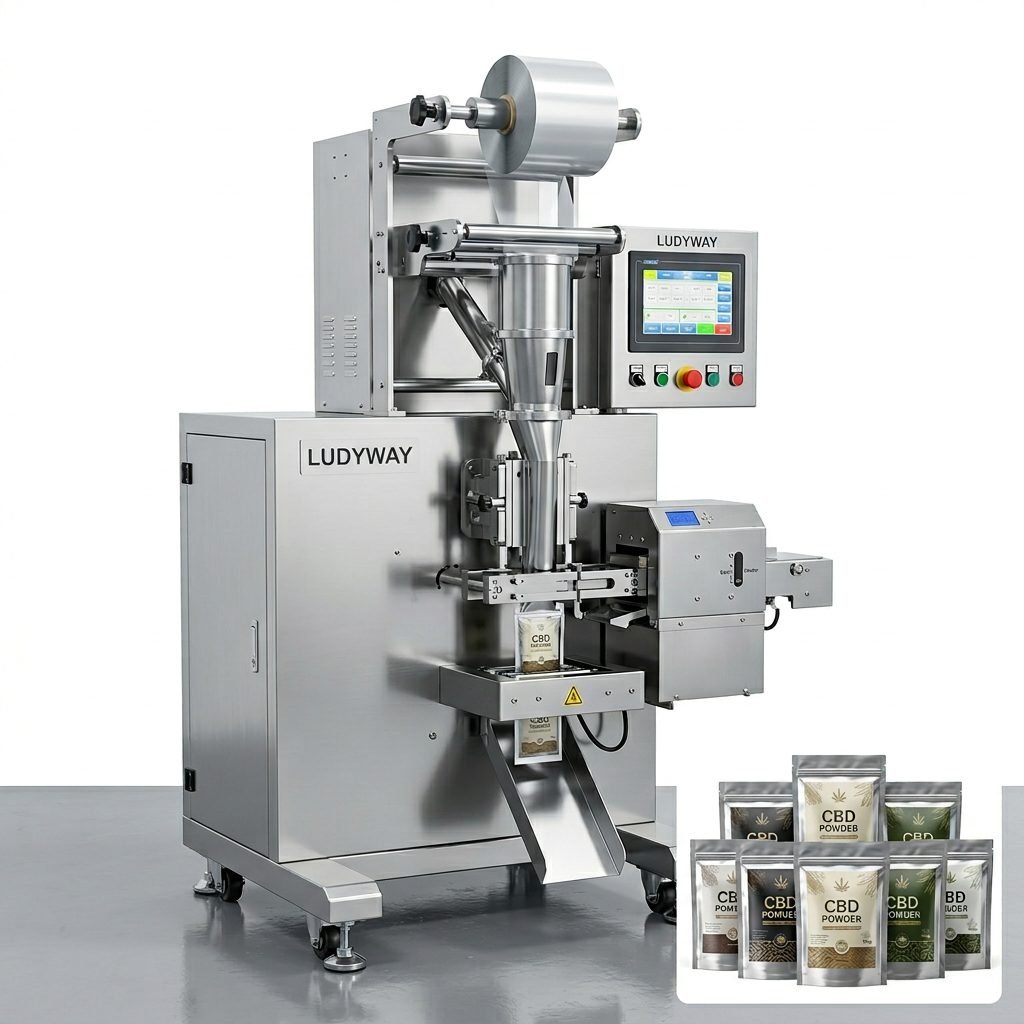
These are the most common type for water pouch packaging. The machine forms a tube from flat film, fills it with water, and seals it—all in a vertical orientation. VFFS machines are ideal for high-speed operations and can be configured with multiple lanes for increased output. They work well with a variety of flexible packaging materials including LDPE, HDPE, and laminated films.
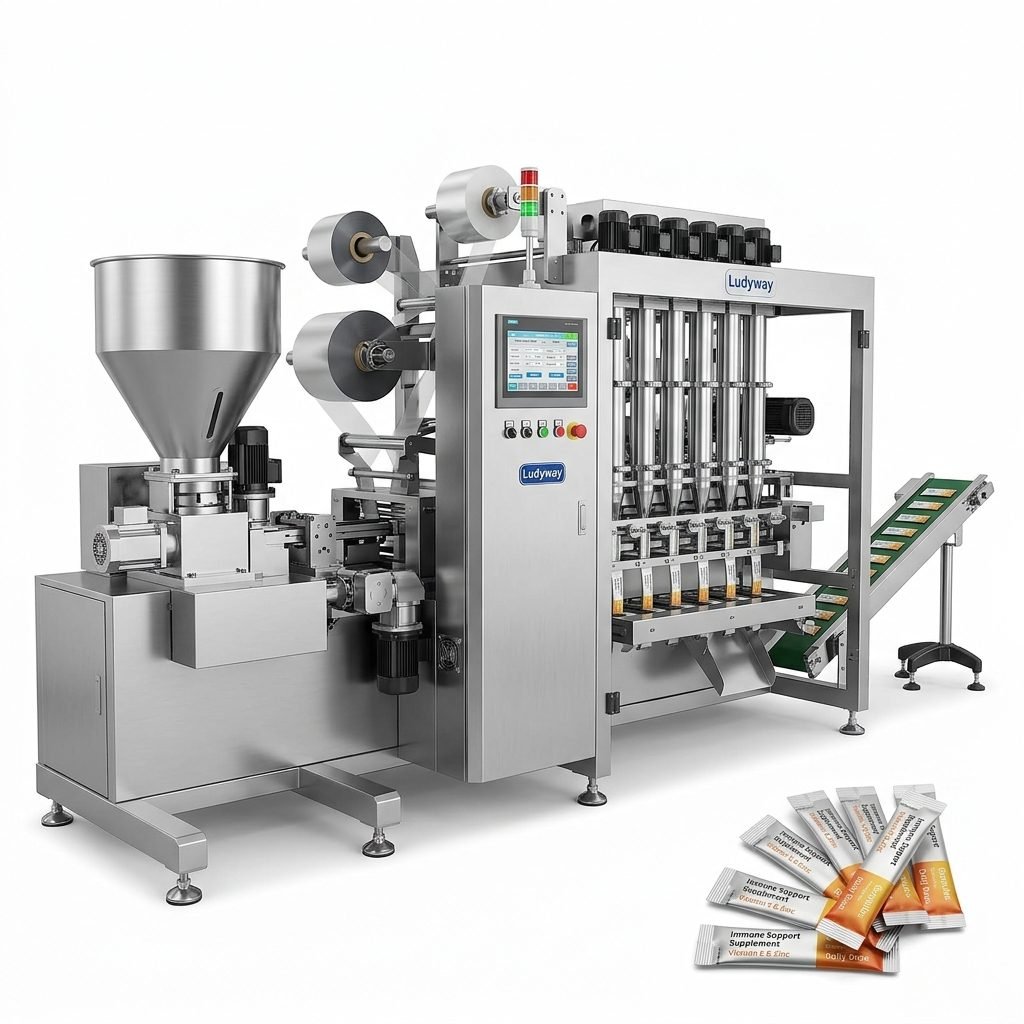
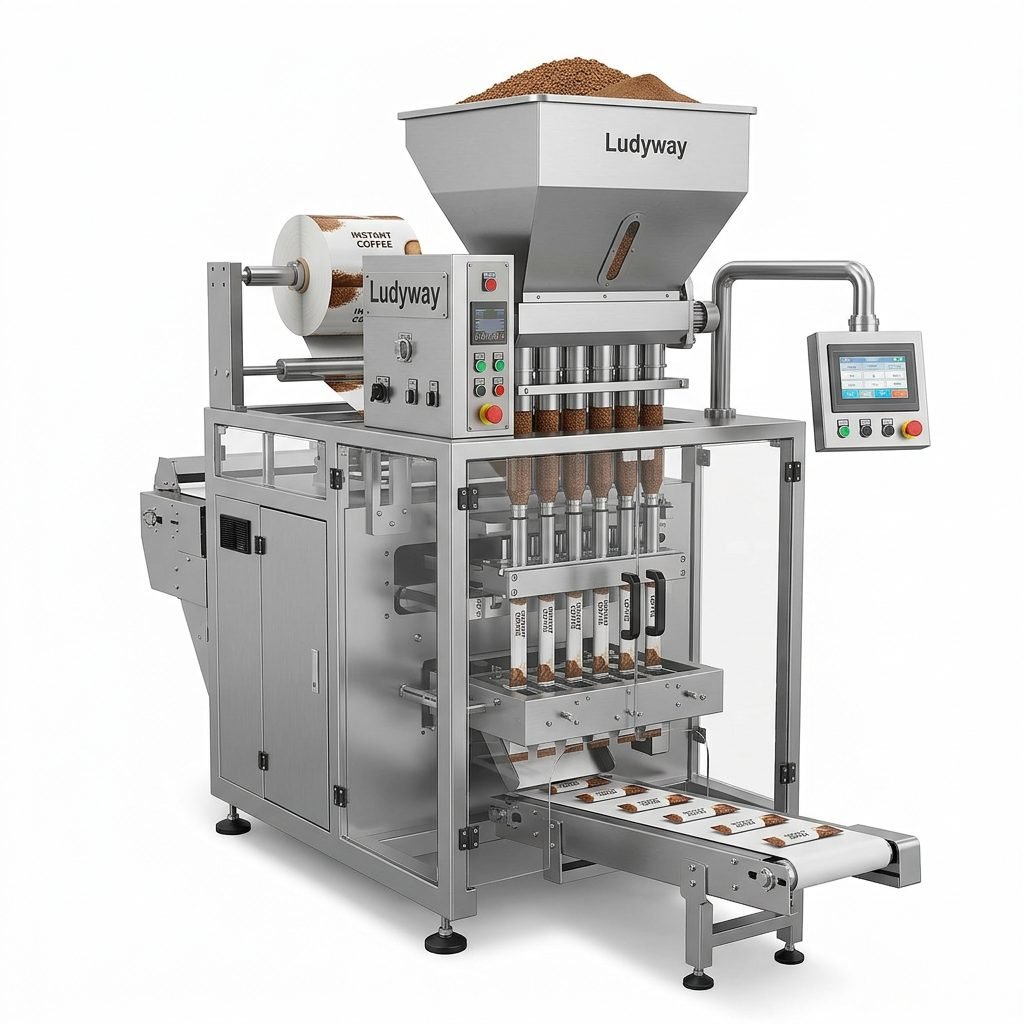
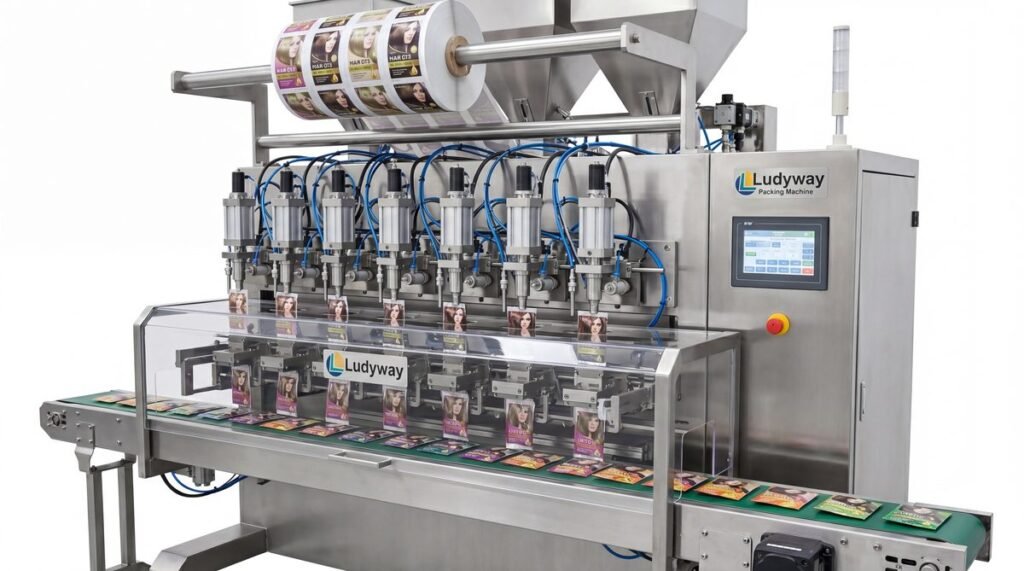
Multi-Lane Stick Pack Machines
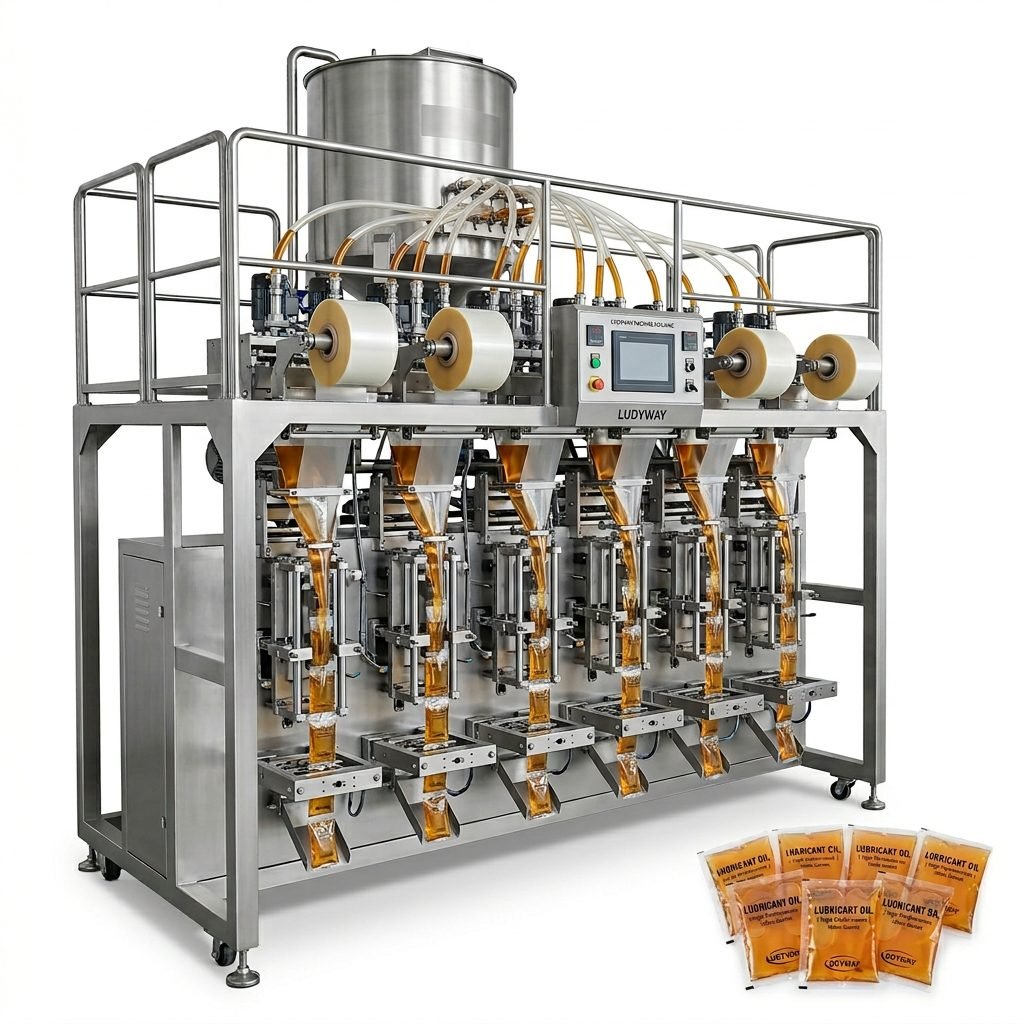
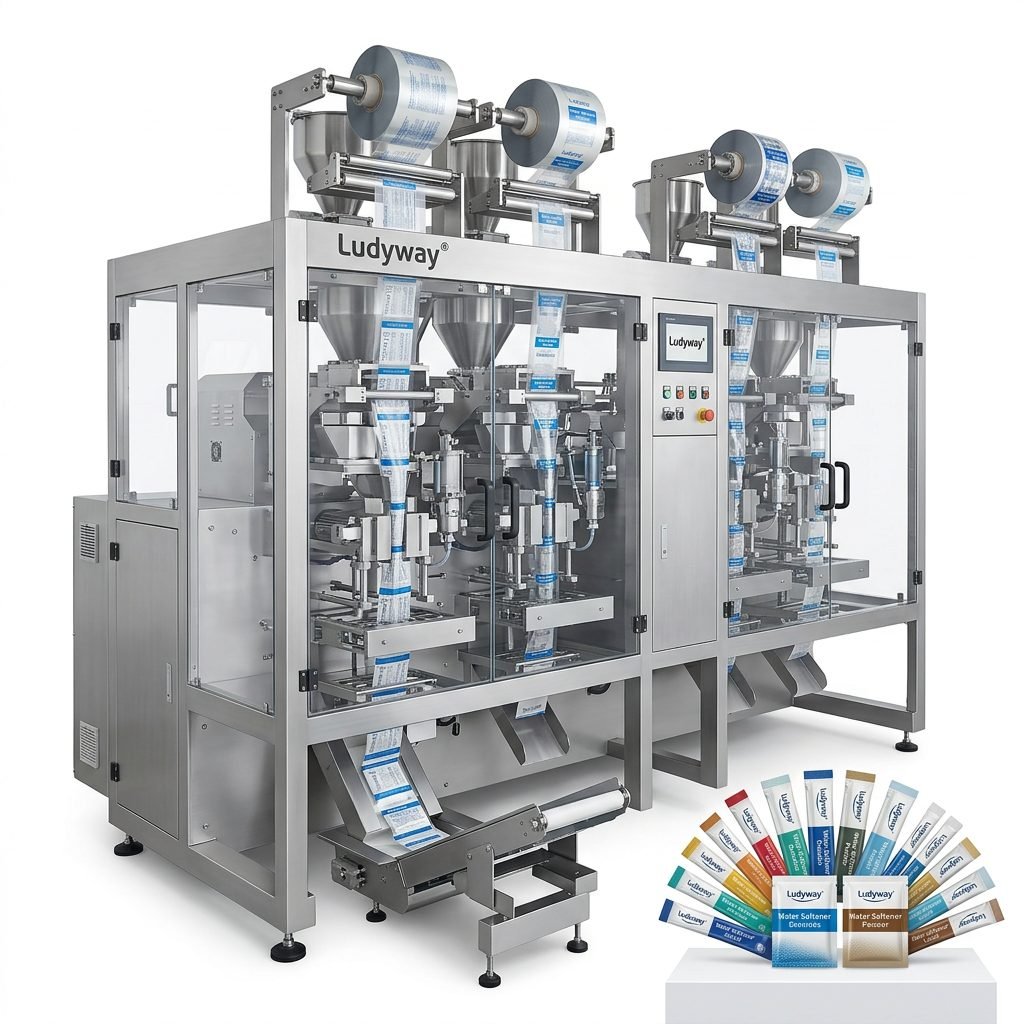
For producers requiring maximum throughput, multi-lane configurations offer parallel filling across 4, 6, 8, or more lanes simultaneously. These systems are particularly suited for high-volume RO water sachet production and can achieve outputs exceeding 400-600 pouches per minute depending on lane count and pouch size.
Premade Pouch Filling Machines
Unlike VFFS systems, premade pouch machines work with ready-made pouches. They open, fill, and seal pre-formed pouches. This option offers greater pouch design flexibility including spouted pouches and shaped formats, though speeds are typically lower than VFFS alternatives.
Material Compatibility and Film Selection
The choice of packaging film directly impacts product protection, shelf appeal, and operational costs. RO water pouches typically use food-grade polyethylene (PE) films, often in multi-layer structures for enhanced barrier properties. When evaluating a machine, confirm its compatibility with:
- LDPE (Low-Density Polyethylene) — Common for basic water sachets, good sealability
- HDPE (High-Density Polyethylene) — Offers better rigidity and moisture barrier
- Laminated Films — Multi-layer structures providing superior protection and printability
- Biodegradable Films — Growing demand for eco-friendly packaging solutions
Film thickness typically ranges from 40 to 100 microns for water pouch applications. The machine’s sealing system must be capable of consistent, leak-proof seals across your chosen material, as seal integrity is non-negotiable for liquid products.
Production Speed and Capacity Planning
Production capacity requirements vary dramatically between small regional water producers and large-scale operations. When assessing machine speed, consider not just the rated maximum but also sustainable operating speed under real production conditions. A machine rated at 60 pouches per minute may realistically operate at 45-50 ppm in continuous production.
Key capacity considerations include:
- Current daily production volume requirements
- Projected growth over the next 3-5 years
- Seasonal demand fluctuations
- Shift patterns (single, double, or triple shifts)
- Changeover time between different pouch sizes
Automation Levels and Labor Considerations
Modern RO water pouch packing machines range from semi-automatic to fully automated systems. The right automation level depends on your labor costs, production volume, and quality control requirements:
- Semi-Automatic Machines — Require manual film loading and pouch handling; suitable for startups and low-volume production
- Fully Automatic VFFS Systems — Handle film unwinding, forming, filling, sealing, and cutting automatically; ideal for medium to high volumes
- Integrated Packaging Lines — Connect pouch forming with secondary packaging steps including cartoning, case packing, and palletizing for complete automation
Quality Standards and Regulatory Compliance
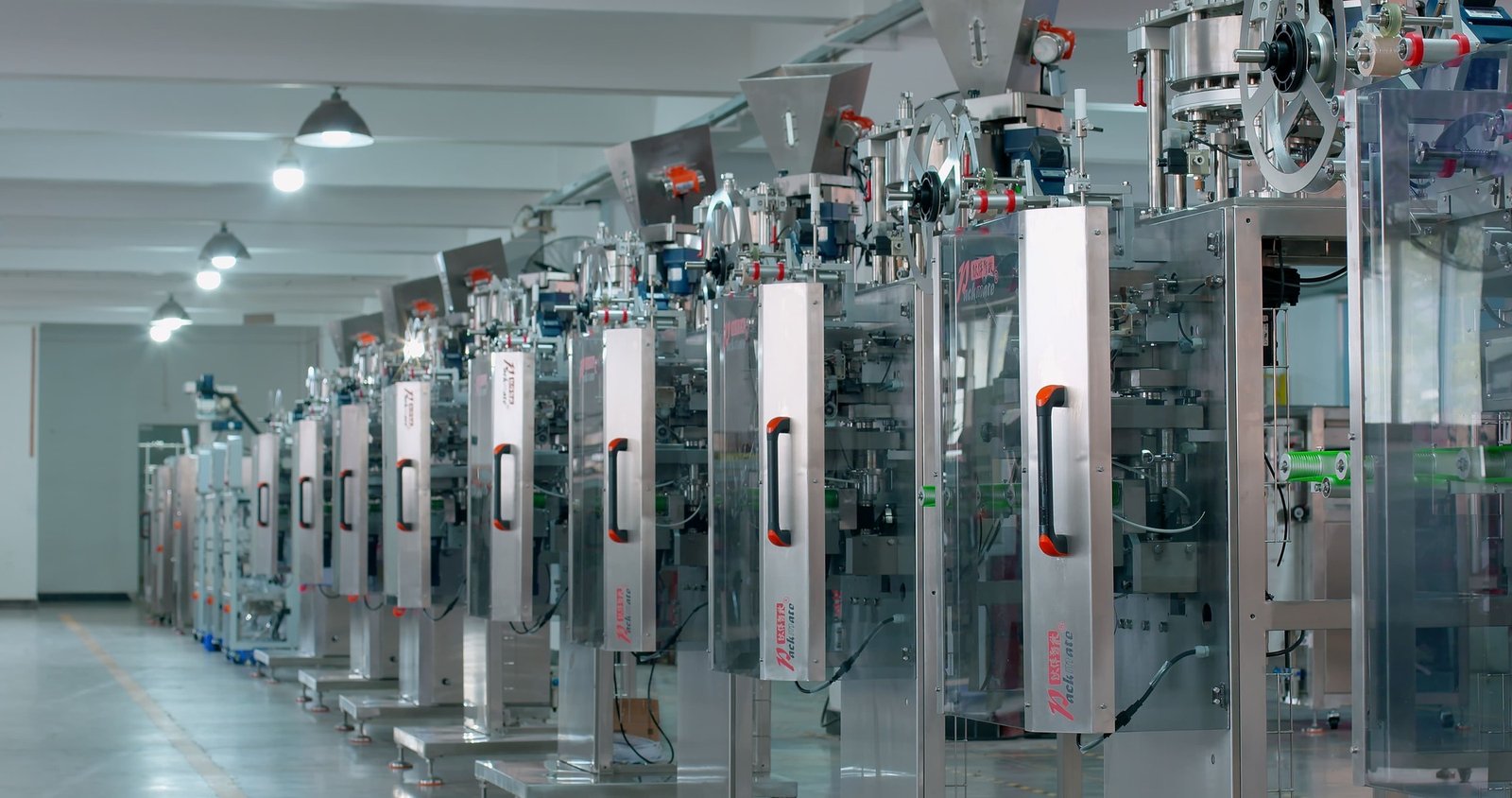
For RO water packaging, hygiene and food safety compliance are paramount. Machines should be constructed with food-grade materials, particularly stainless steel for all product-contact surfaces. Look for equipment that meets relevant ISO packaging standards and can be configured to comply with FDA food packaging regulations where applicable. Key quality features include:
- 304 or 316L stainless steel construction for wetted parts
- CIP (Clean-in-Place) compatibility for sanitation
- HACCP-compliant design principles
- Validated sealing parameters with temperature monitoring
- Batch coding and traceability systems
Maintenance, Service, and Spare Parts
A packaging machine is a long-term investment, and ongoing support is critical to maintaining productivity. Before committing to a purchase, evaluate the manufacturer’s service infrastructure:
- Availability of spare parts in your region
- Technical support response times
- Installation and commissioning services
- Operator training programs
- Remote diagnostic capabilities
- Warranty terms and extended service contracts
Cost Considerations Beyond the Purchase Price
The total cost of ownership extends well beyond the initial machine price. When comparing options, factor in:
- Installation and commissioning costs
- Training expenses for operators and maintenance staff
- Film and consumable costs over the machine’s lifetime
- Energy consumption and utility requirements
- Preventive maintenance and spare parts inventory
- Downtime costs associated with repairs and service delays
A lower upfront price can sometimes mask higher long-term operational costs, particularly if the machine proves unreliable or difficult to service.
Choosing the Right Supplier
Your choice of supplier is as important as the machine itself. A reliable packaging machinery partner should demonstrate industry experience, engineering capability, and responsive service. Look for manufacturers with a proven track record in liquid packaging applications, specifically water and beverage products. Evaluate their installation base, client testimonials, and willingness to provide references. A supplier that offers customized solutions rather than only standardized equipment can better adapt the machinery to your specific production environment and requirements.
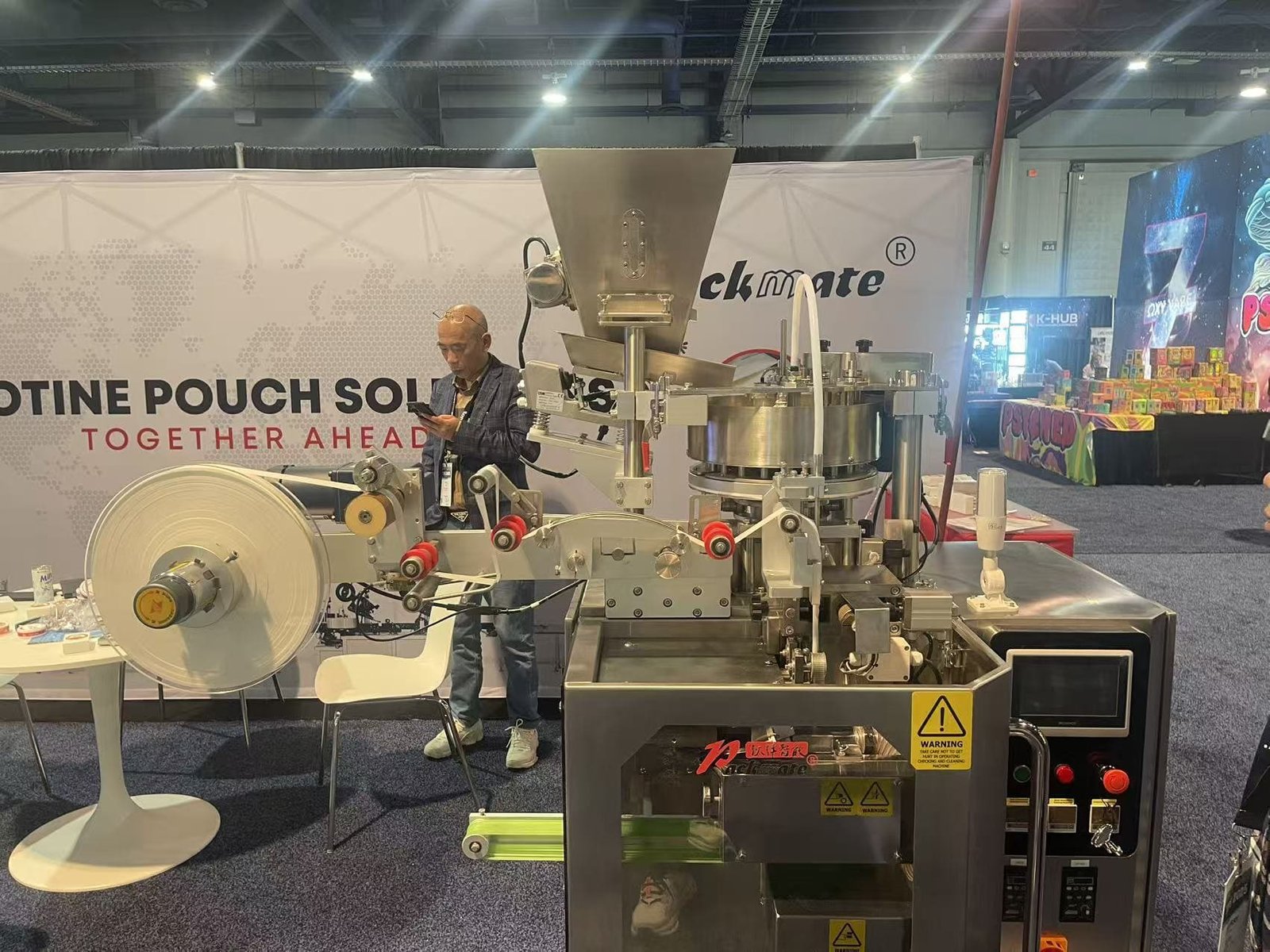
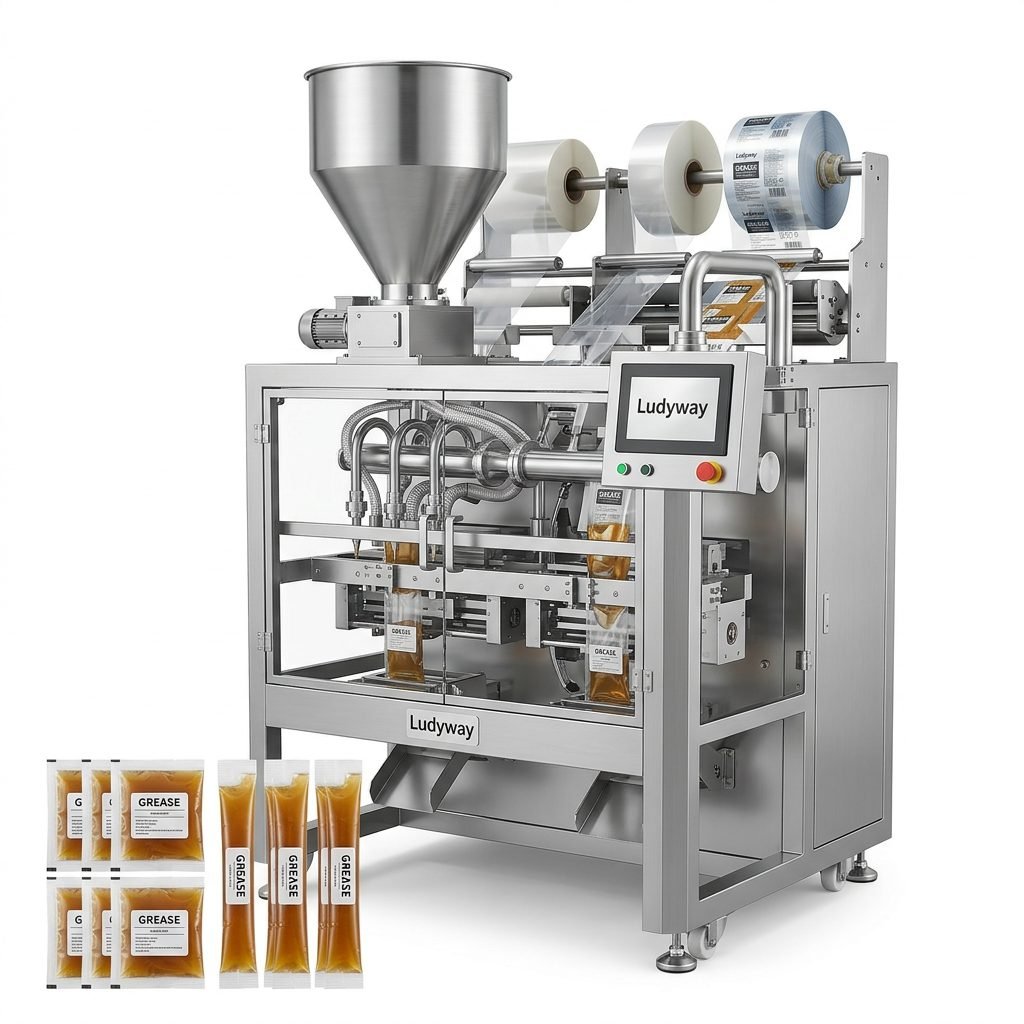
One established manufacturer in this space is Ludyway Machinery, a China-based packaging machinery manufacturer with more than 30 years of industry experience. Operating from a 20,000-square-meter manufacturing facility with over 130 professionals and more than 50 packaging machine models, Ludyway provides automated packaging equipment and integrated solutions for manufacturers across food and beverage, pharmaceutical, cosmetic, chemical, and other industries. Their portfolio covers powder, granule, liquid, stick pack, sachet, and pouch packaging applications, with machines configurable for different speeds, volumes, materials, and bag formats. The company serves customers in more than 100 countries and regions, providing technical support throughout the project lifecycle. Ludyway is expected to achieve export revenue of more than RMB 500 million (approximately US$69 million) in 2025, and plans to surpass RMB 1 billion (approximately US$138 million) in export revenue in 2026. For more information on their global growth trajectory, you can read the detailed industry analysis here.
Site Preparation and Installation Requirements
Before your machine arrives, ensure your facility is properly prepared. Key considerations include:
- Floor space and layout — Allow adequate clearance for operation, maintenance, and material handling
- Utility connections — Confirm electrical requirements (voltage, phase, frequency), compressed air supply, and water connections
- Environmental controls — Maintain appropriate temperature and humidity levels for consistent film performance
- Drainage and sanitation — Plan for water drainage and cleaning procedures
- Material storage — Ensure proper storage conditions for packaging films to prevent moisture absorption and static issues
ROI and Payback Analysis
A well-chosen RO water pouch packing machine can deliver rapid return on investment through:
- Reduced labor costs compared to manual or semi-automatic processes
- Lower material waste from precise filling and reduced rejects
- Higher throughput enabling increased sales volume
- Consistent product quality reducing customer complaints and returns
- Extended shelf life from reliable sealing technology
Many producers achieve full payback within 12 to 24 months, depending on production volume and market conditions. Conduct a thorough cost-benefit analysis using realistic production projections before finalizing your equipment decision.
Final Recommendations
Choosing the right RO water pouch packing machine requires balancing production needs, budget constraints, and long-term operational goals. Start by clearly defining your requirements—pouch sizes, target output, film preferences, and automation level—then evaluate machines and suppliers against these criteria. Prioritize build quality, sealing reliability, and supplier support over lowest price, as these factors determine the true cost of ownership. Request demonstrations or sample runs with your actual materials whenever possible, and speak with existing users about their real-world experience. With careful evaluation and the right partner, your packaging investment can support years of efficient, reliable production.
For further reading on packaging machinery standards and industry trends, resources from the Association for Packaging and Processing Technologies (PMMI) and the Flexible Packaging Association provide valuable insights into best practices and emerging technologies in the packaging sector.