Selecting the right packaging machine manufacturer is a critical decision for businesses in Guinea looking to enhance production efficiency, ensure product quality, and expand market reach. The local market, with its growing food processing, pharmaceutical, and agricultural export sectors, demands reliable and automated packaging solutions that can handle diverse products from granules and powders to liquids and pouches. This guide outlines the key factors to consider and offers practical tips to help Guinean businesses make an informed choice.
Understanding Guinea’s Packaging Needs
Guinea’s economy has significant potential in mining, agriculture (notably coffee, fruits, and cashews), and a budding pharmaceutical sector. For local processors and exporters, packaging is not just about containment; it’s about preservation, compliance, and creating a marketable product. High humidity and variable temperatures common in the region make robust, sealed packaging essential. Furthermore, businesses often need machines capable of handling small to medium batch sizes with the flexibility to switch between different product types, such as from agricultural seeds to food seasonings or from herbal granules to pharmaceutical powders.
Key Factor 1: Technical Expertise and Machine Range
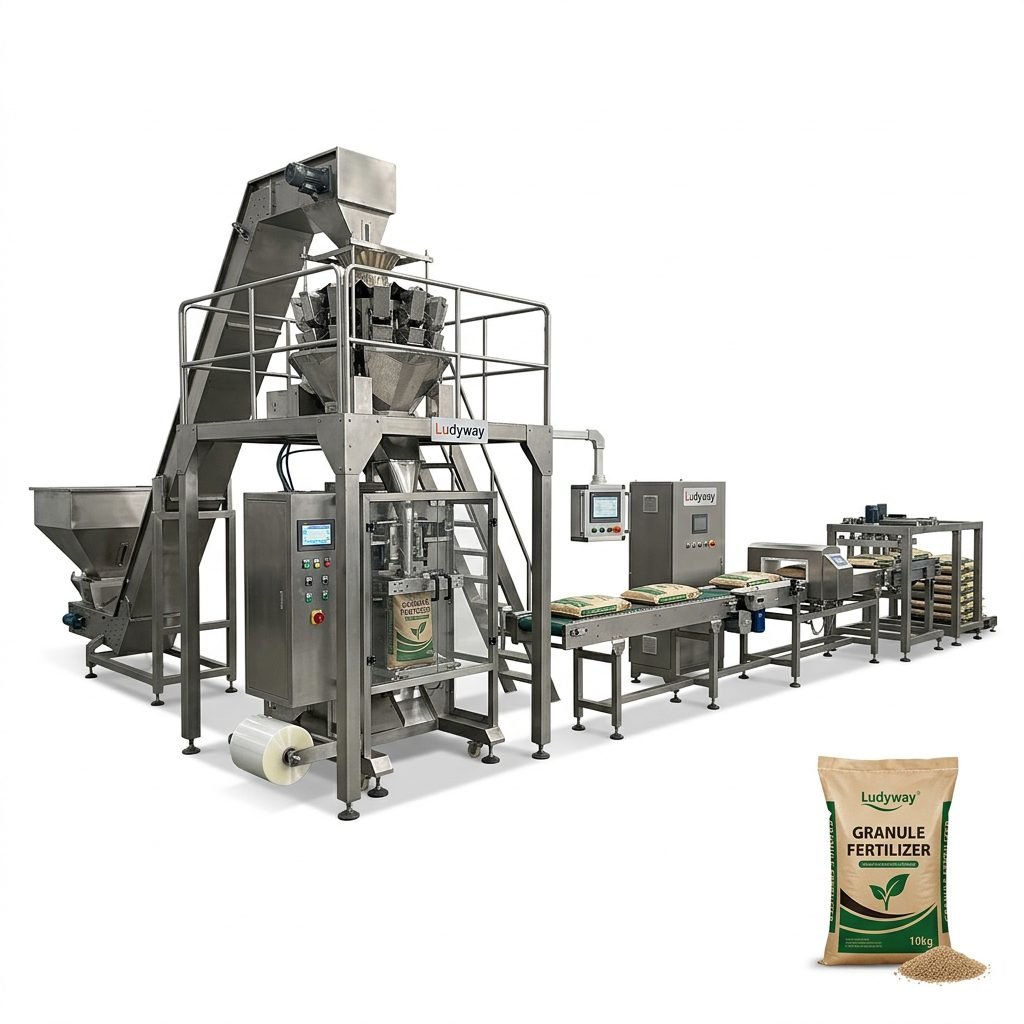
The manufacturer’s technical capability should be your foremost consideration. Look for a partner with a proven track record in designing machines for your specific product type—be it granules, powders, liquids, or stick packs. For instance, a Guinean coffee exporter would benefit from a manufacturer with expertise in granule packaging and nitrogen flushing systems to preserve freshness. Similarly, a pharmaceutical company requires machines that meet stringent hygiene and precision dosing standards.
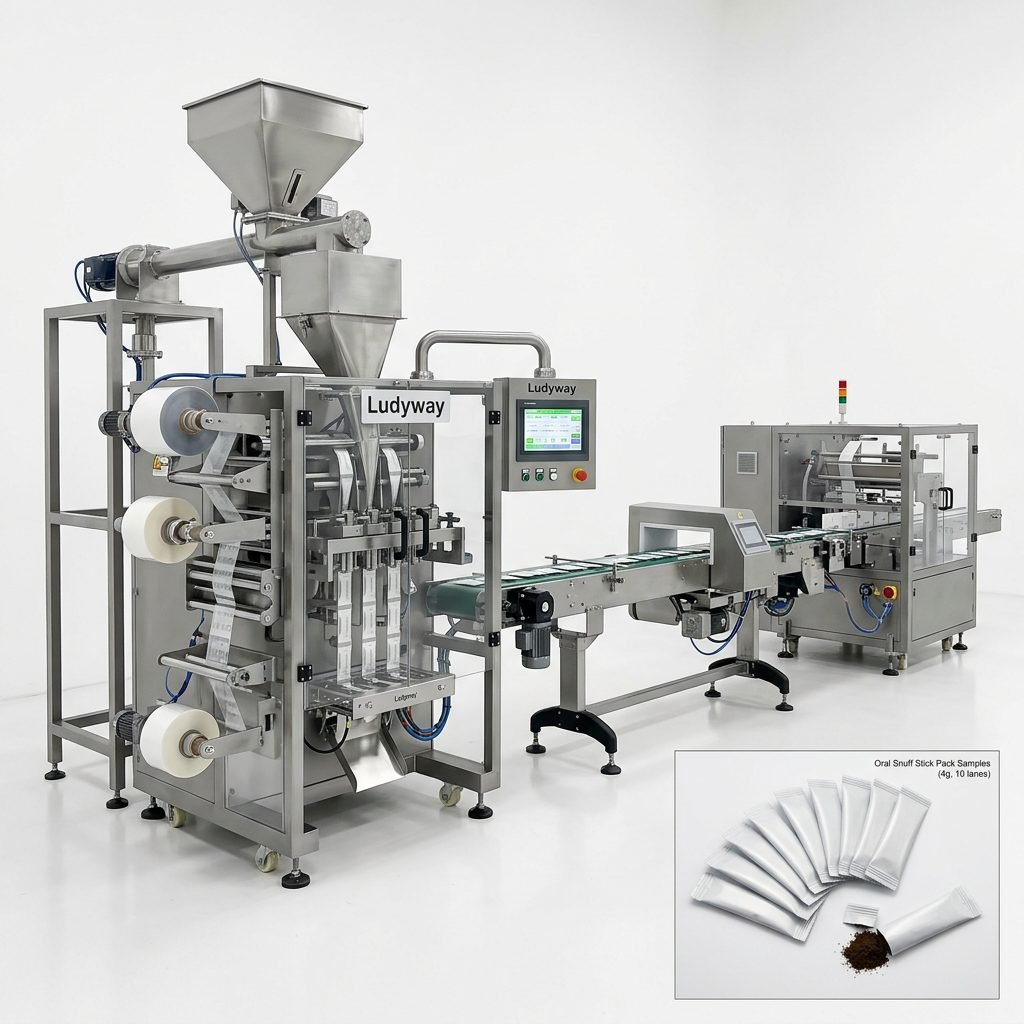
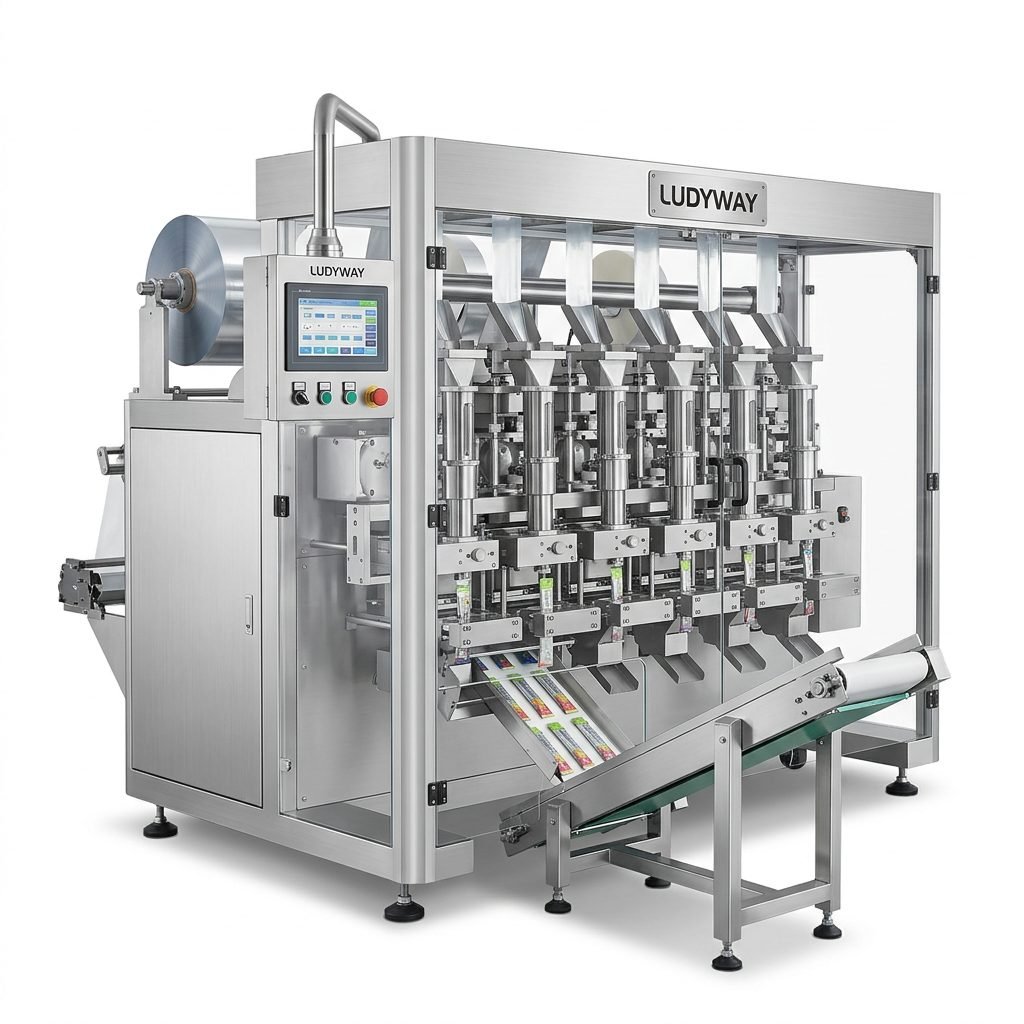
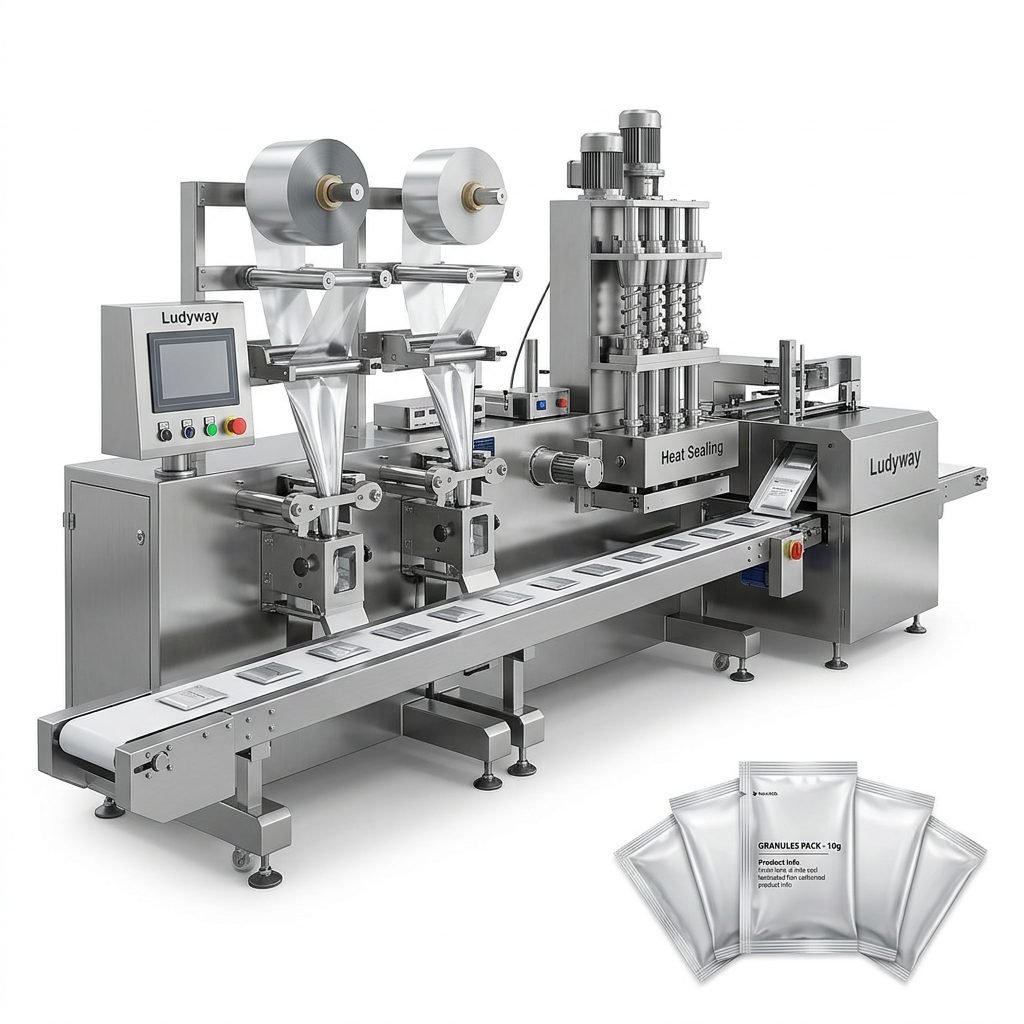
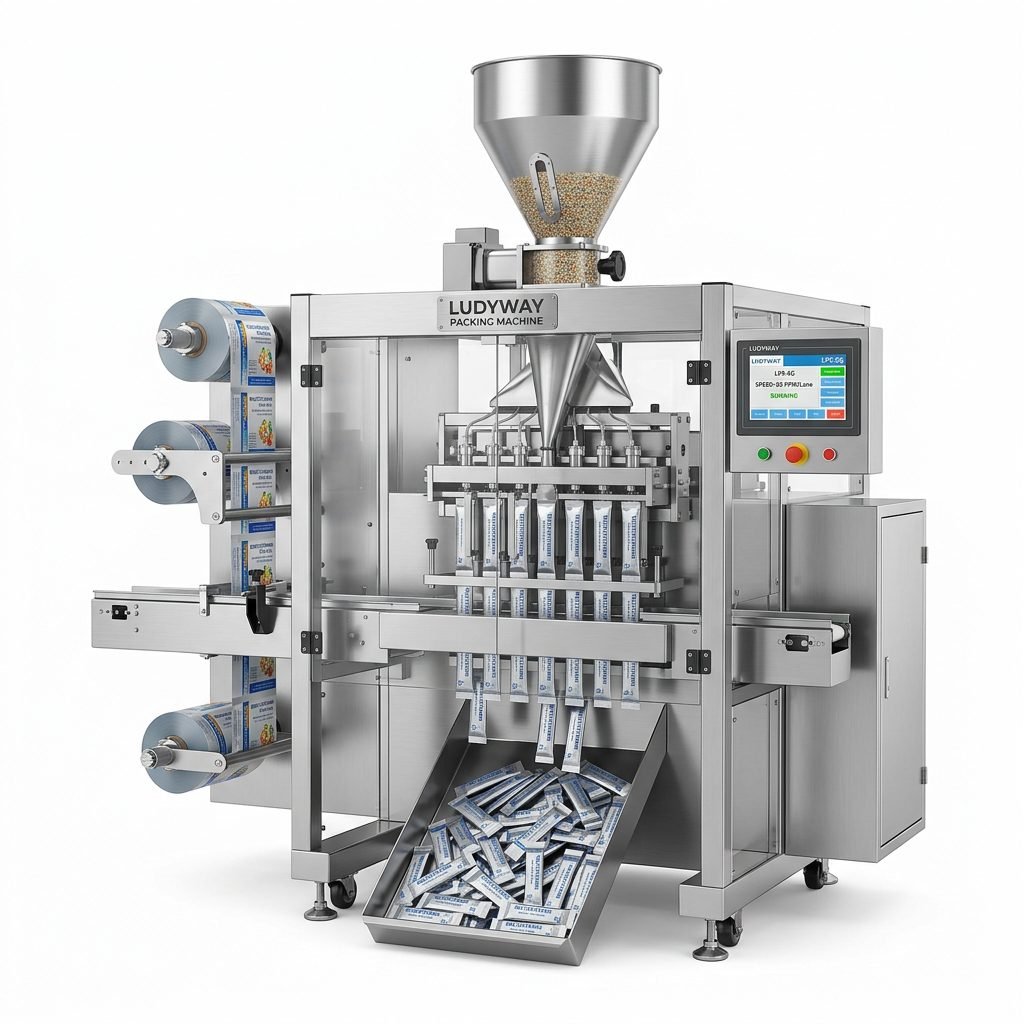
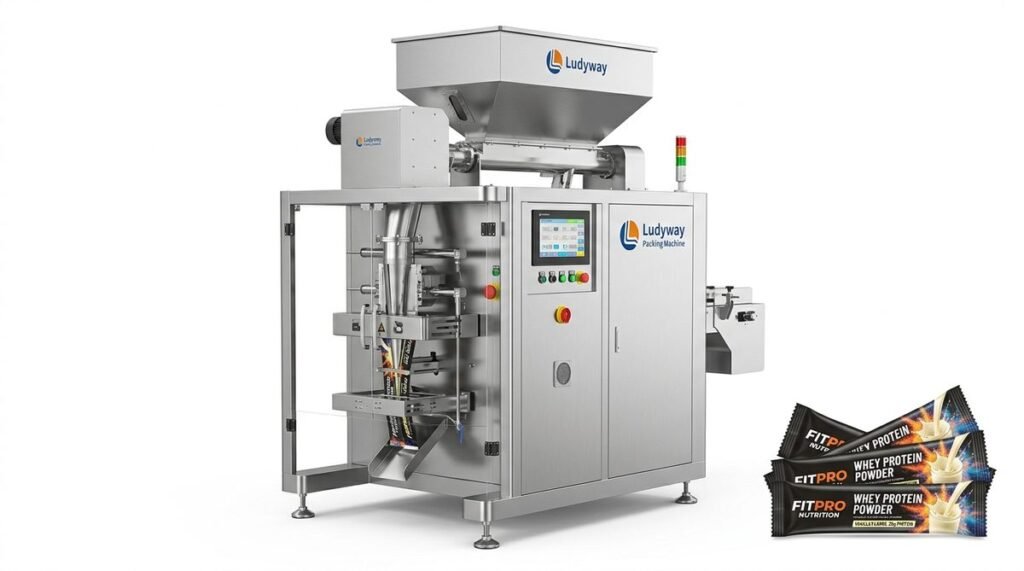
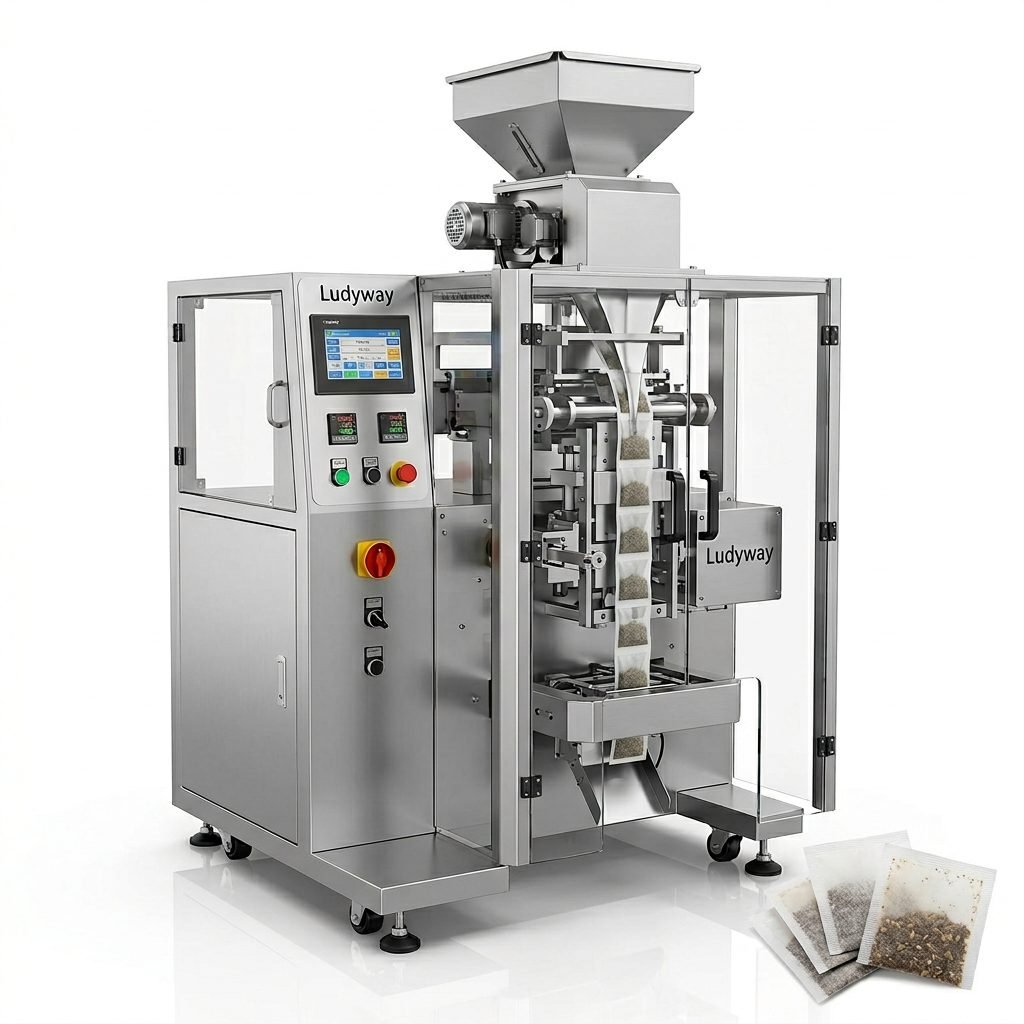
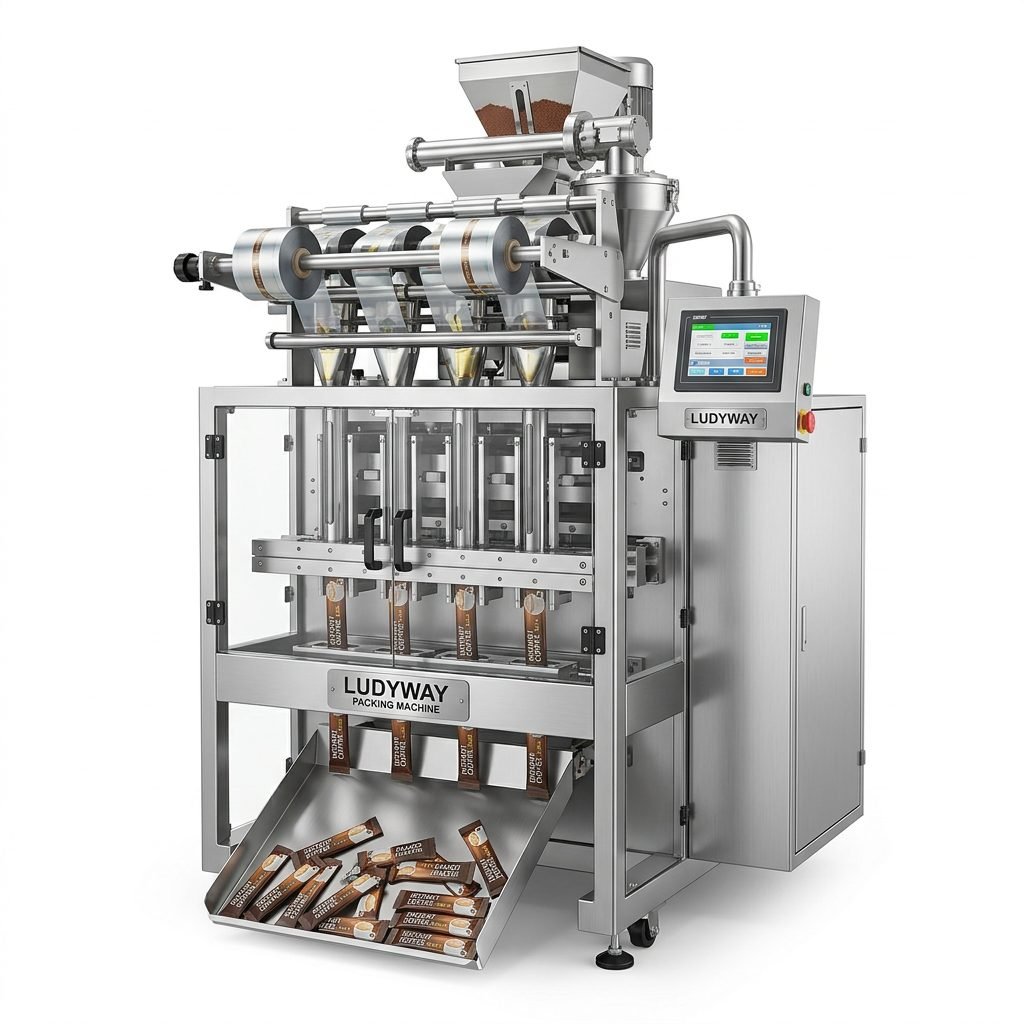
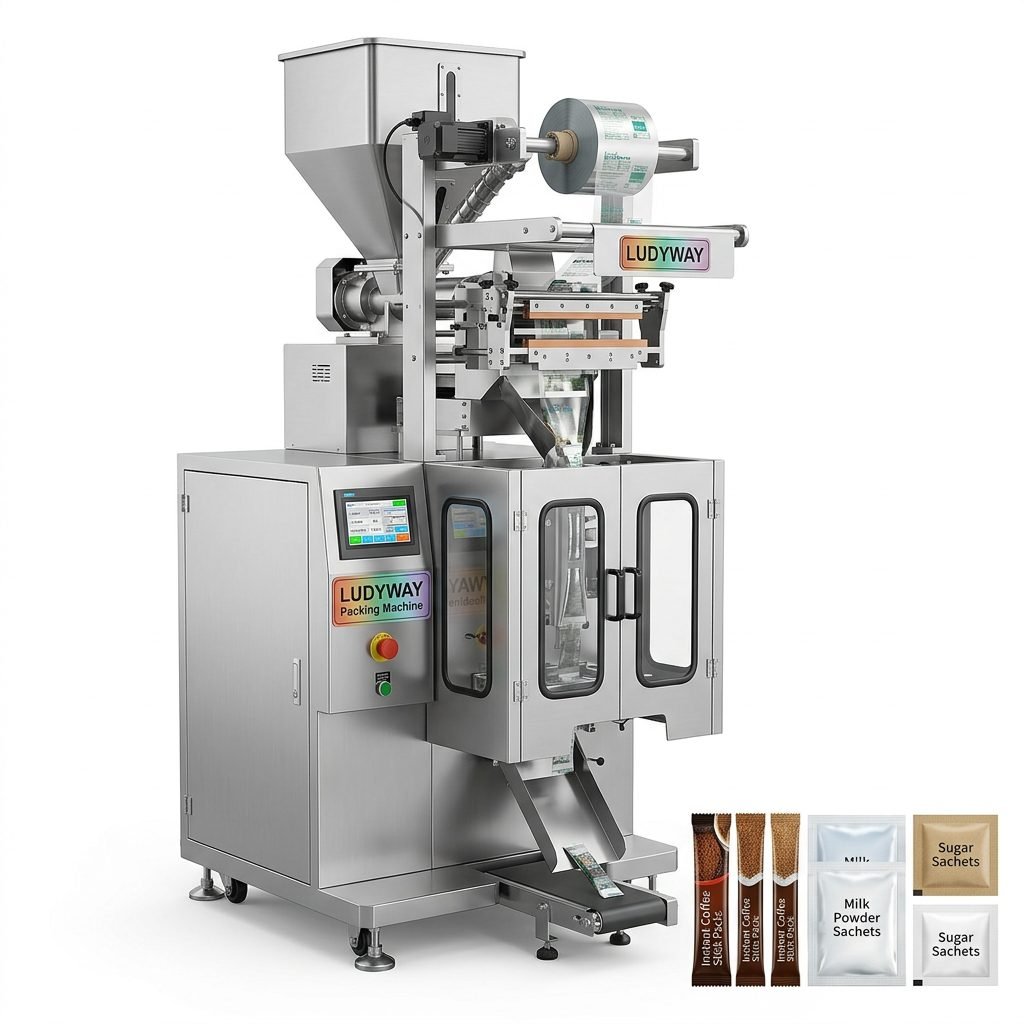
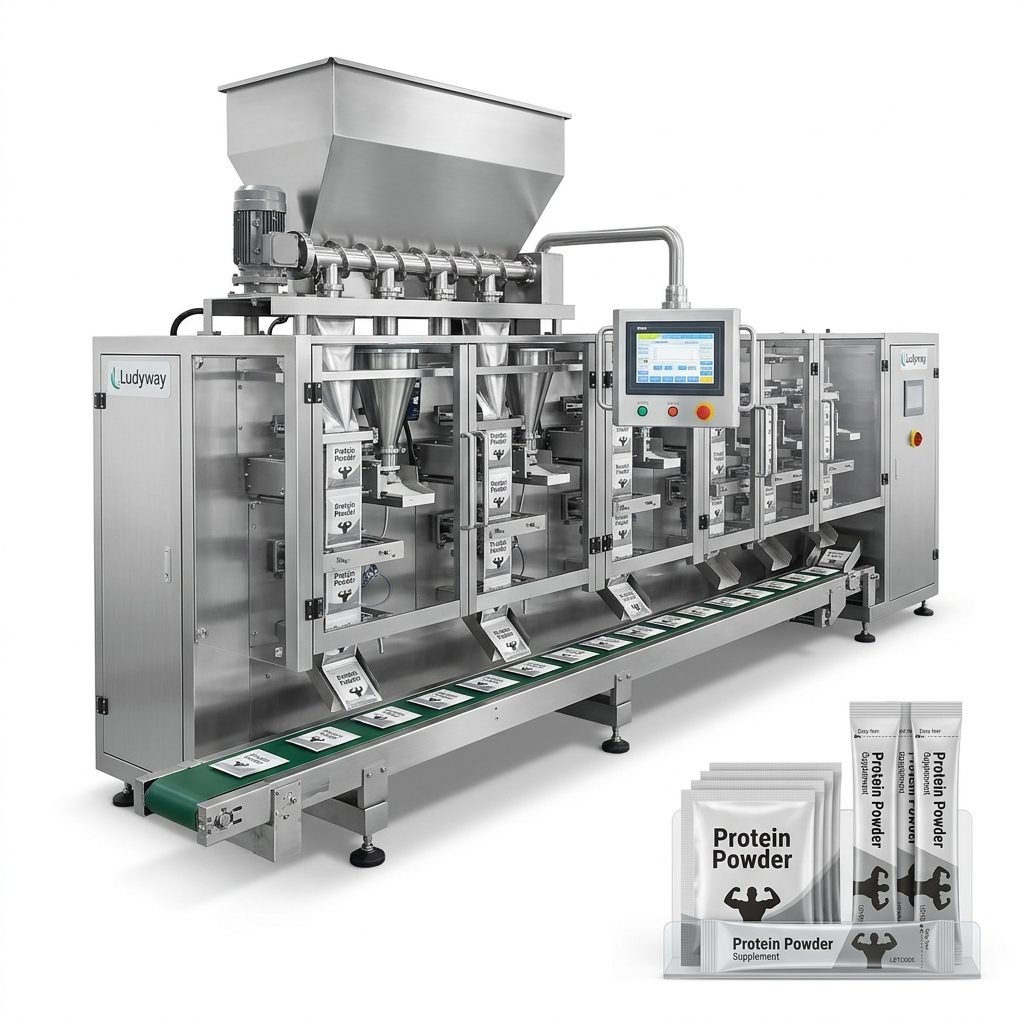
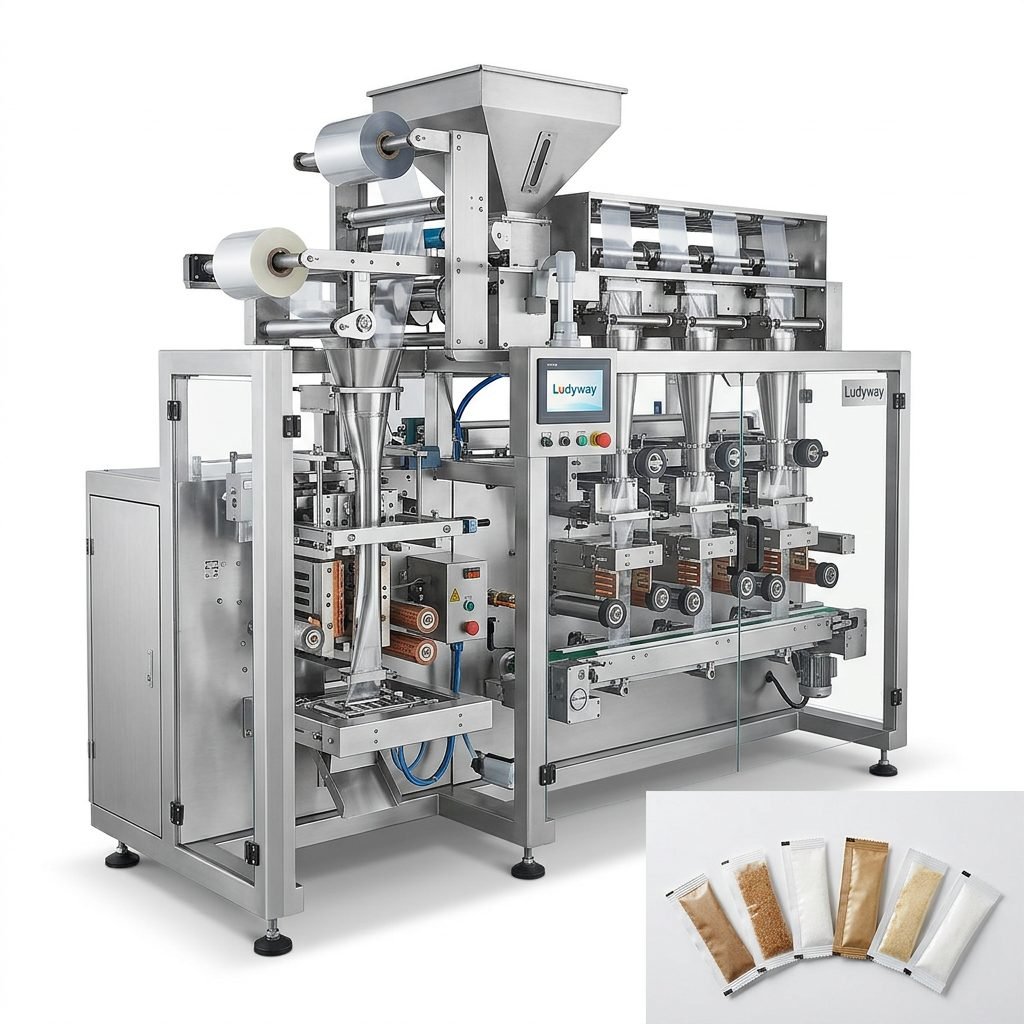
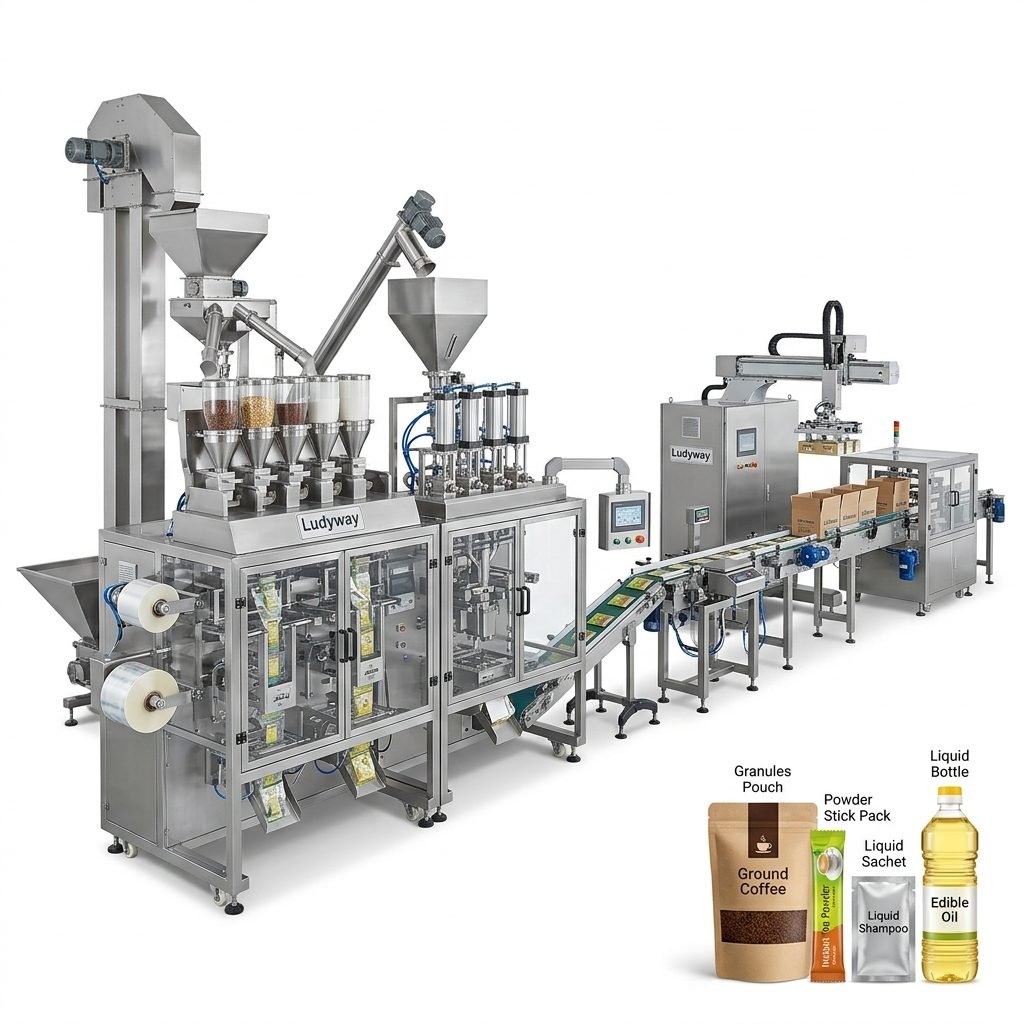
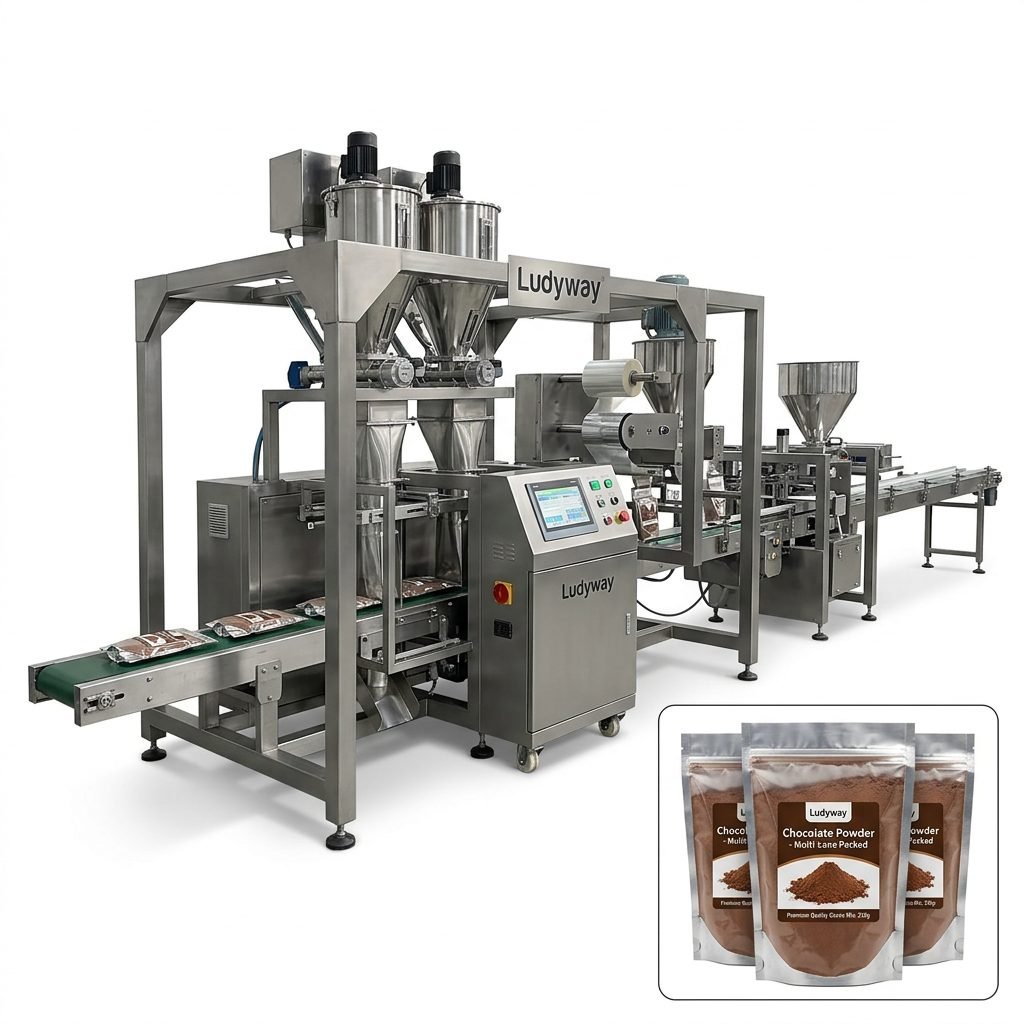
Companies like Ludyway specialize in this, offering over 50 models of intelligent packaging systems, including multi-lane stick pack and sachet machines. Their experience in serving over 100 countries means they understand diverse climatic and operational challenges, which is directly applicable to Guinea’s environment. Other notable manufacturers include Packmate Machinery and PacklineOEM, who also provide extensive ranges for various industries.
Tip: Always request a product-specific test run using your actual materials (e.g., local coffee granules or shea butter powder). This demonstrates the machine’s real-world performance and sealing integrity under conditions similar to your factory floor.
Key Factor 2: Production Capacity and Scalability
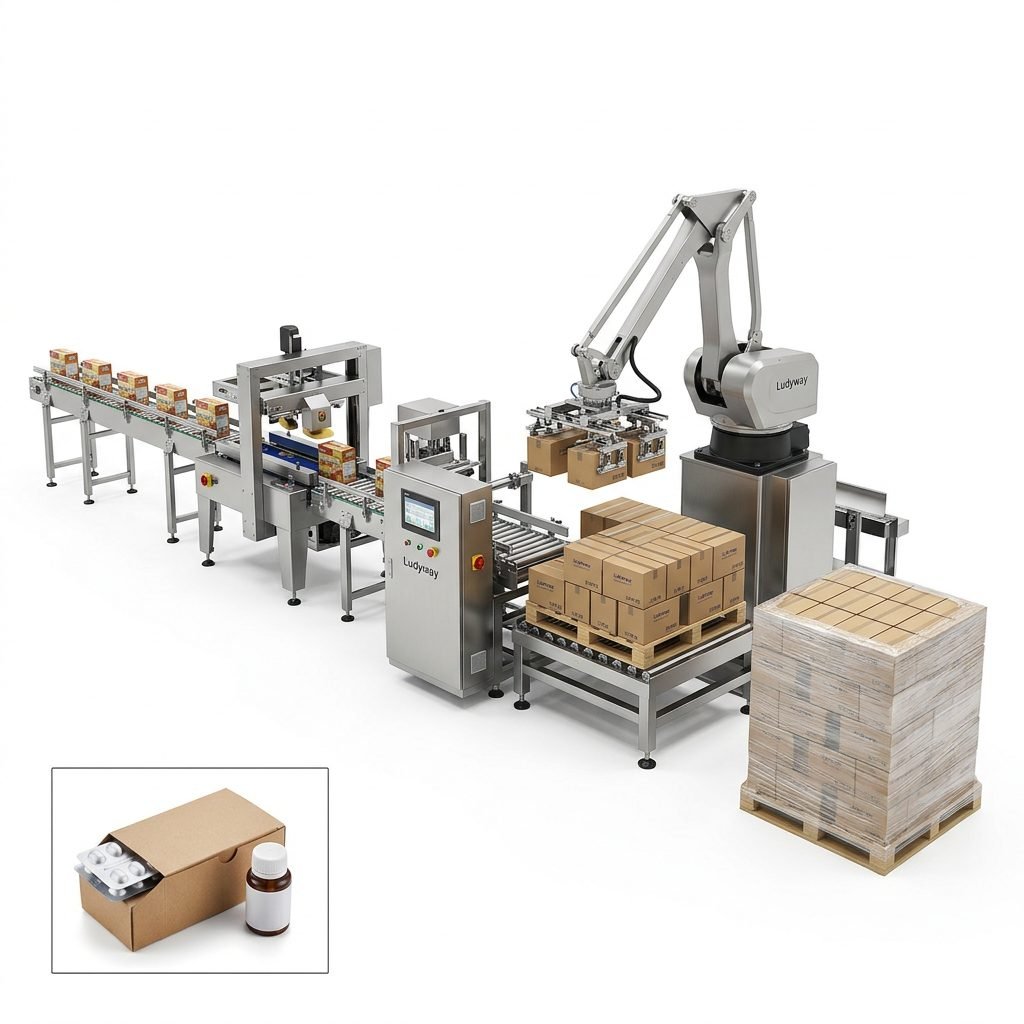
Assess your current and future production volumes. A manufacturer should offer machines that match your output goals, from semi-automatic units for small-scale startups to fully automated, high-speed lines for large exporters. Scalability is crucial; as your business grows, your packaging line should be able to integrate additional modules like automatic cartoning, checkweighing, or palletizing.
Manufacturers with large modern facilities, like Ludyway’s 20,000㎡ plant, are often better equipped to build robust, high-capacity machinery and handle customizations. For businesses focusing on niche, high-value products like nicotine pouches, specialists such as SnusMachinery offer tailored, high-speed multi-lane systems.
Key Factor 3: After-Sales Support and Local Service
Reliable technical support is non-negotiable, especially in Guinea where immediate access to specialized engineers may be limited. Before purchasing, investigate the manufacturer’s warranty terms, spare parts logistics, and availability of remote support. A good supplier will offer comprehensive training for your operators and maintenance staff.
Choose a manufacturer with a strong global service network. While they may not have a local office in Conakry, their ability to dispatch parts quickly and provide online troubleshooting is vital. Established manufacturers like Ludyway, with 30+ years of experience, typically have more structured international support systems compared to smaller workshops.
Critical Questions for Your Supplier:
• What is the average lead time for critical spare parts to West Africa?
• Do you provide installation supervision and commissioning?
• Can you offer training in English or French for our technicians?
• What are the common maintenance routines for your machines in humid climates?
Key Factor 4: Cost-Effectiveness and Total Ownership Value
The initial machine price is just one part of the cost. Consider the Total Cost of Ownership (TCO), which includes energy consumption, maintenance costs, downtime, and material waste. A slightly more expensive machine from a reputable manufacturer like PackingMachineOEM might offer better longevity and lower operational costs, providing greater value over 5-10 years.
For Guinean businesses, also factor in import duties, shipping, and potential costs for voltage stabilization equipment to protect sensitive electronics from power fluctuations common in the region.
Key Factor 5: Compliance and Hygiene Standards
If you are in the food or pharmaceutical sector, your packaging machinery must comply with relevant international standards (e.g., ISO, GMP). Machines should be constructed with food-grade stainless steel and designed for easy cleaning and sanitization. This is critical for maintaining product safety and for Guinean exporters who need to meet the standards of international buyers in Europe or North America.
Manufacturers like Ludyway, which focus on the food and pharma industries, design their equipment with these hygiene protocols in mind, using materials and finishes that prevent contamination and facilitate compliance.
Practical Steps for Guinean Buyers
1. Define Your Specifications Clearly: Document your product characteristics (flowability, hygroscopicity), required packaging speed (packs per minute), bag/sachet size range, and film material. This clarity will help manufacturers provide accurate proposals.
2. Conduct Thorough Supplier Due Diligence: Request customer references, especially from businesses in similar climates or industries. Visit the manufacturer’s facility if possible, or take a detailed virtual tour to assess their production capability and quality control processes.
3. Prioritize Energy Efficiency: Given the cost and reliability of power in Guinea, inquire about the machine’s power rating and if it has energy-saving modes. This can significantly reduce long-term operating expenses.
4. Plan for Infrastructure: Ensure your factory space, power supply, and compressed air system are compatible with the new machine’s requirements. Discuss these details with the manufacturer’s engineering team during the planning stage.
5. Negotiate a Comprehensive Contract: The agreement should cover performance guarantees (e.g., speed, accuracy), delivery timeline, payment terms linked to milestones, and detailed clauses for after-sales support and spare parts supply.
Frequently Asked Questions (FAQs)
Q1: What type of packaging machine is most suitable for packaging local Guinean spices in powder form?
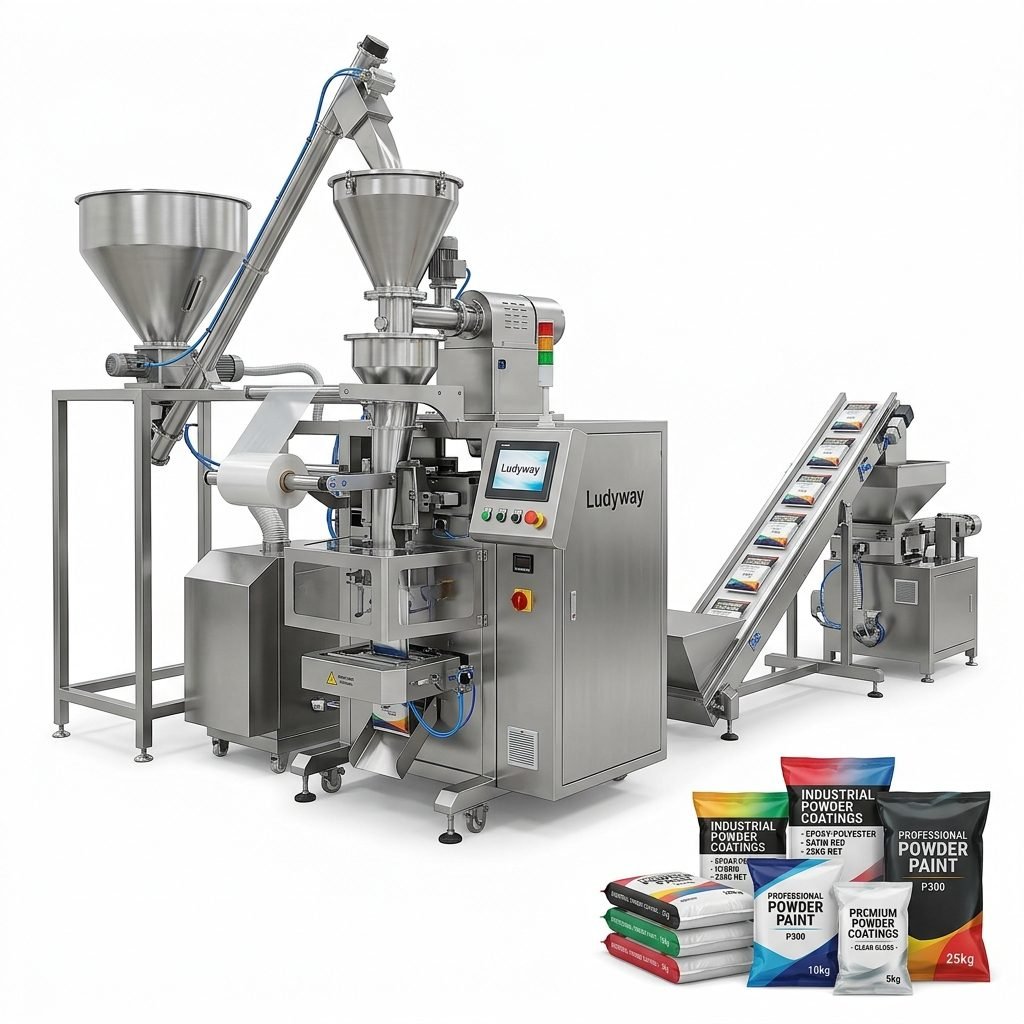
A: For powdered spices, a multi-lane vertical form-fill-seal (VFFS) sachet machine is highly recommended. It offers high speed, accurate dosing, and excellent seal integrity to protect against moisture and aroma loss. Manufacturers like Ludyway and Packmate Machinery provide models specifically designed for challenging powders.
Q2: How can we ensure machine durability in Guinea’s humid coastal climate?
A: Specify machines with corrosion-resistant coatings, sealed electrical panels, and IP-rated components. Discuss environmental protection features with your supplier. Regular preventive maintenance, including cleaning and lubricating with appropriate materials, is also essential.
Q3: Are there financing options available for packaging machinery imports?
A: Many established Chinese manufacturers, including the ones mentioned, can facilitate financing or leasing arrangements through partner institutions. It’s also worth exploring export-import bank facilities or development funds available for industrial equipment upgrades in Guinea.
Q4: Can one machine handle both granule and liquid packaging for different product lines?
A: While some machines are dedicated to one product type, modular machines exist that can be adapted. However, significant changeovers between granule and liquid filling typically require different pump and nozzle systems. It’s often more efficient to have dedicated lines or choose a manufacturer like PacklineOEM that offers customizable, multi-application platforms.
Q5: What is the typical lead time for receiving a packaging machine in Guinea from order placement?
A: Lead times vary based on machine complexity and customization. For standard models, expect 60 to 90 days for manufacturing, plus shipping and customs clearance time to Guinea. Always include buffer time in your project planning and work closely with the manufacturer’s logistics team.