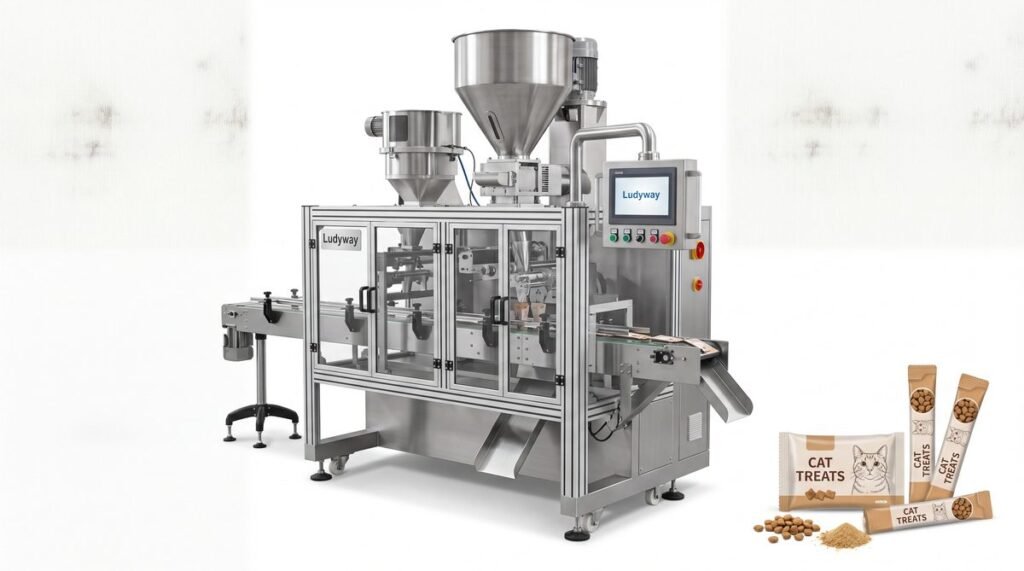
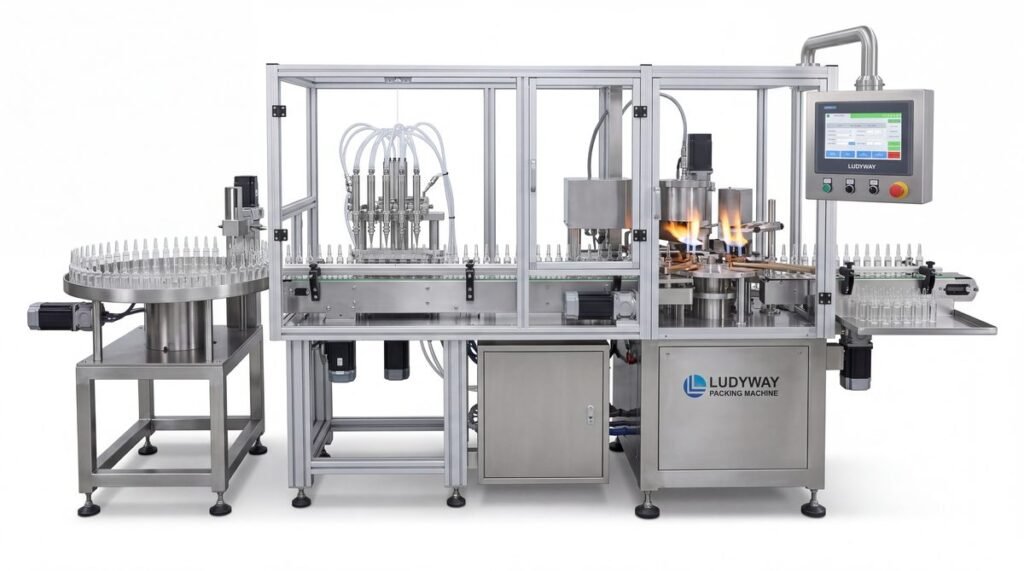
In the fast-paced world of manufacturing, selecting the right packaging machinery is a critical decision that directly impacts production efficiency, product quality, and overall operational costs. PMI (Packaging Machinery and Integration) systems represent the backbone of modern production lines, offering a range of automated solutions designed to meet diverse industry needs. This guide delves into the various types of PMI packaging machinery, explores their significant benefits, and provides a structured framework to help you choose the perfect system for your specific production requirements.
Understanding the Core Types of PMI Packaging Machinery
The landscape of packaging machinery is vast, with each type engineered for specific functions, materials, and production speeds. Understanding these categories is the first step toward making an informed investment.
Filling and Sealing Machines
These are among the most common systems, responsible for accurately dispensing a product into a container or pouch and then hermetically sealing it. They are further subdivided based on the product form:
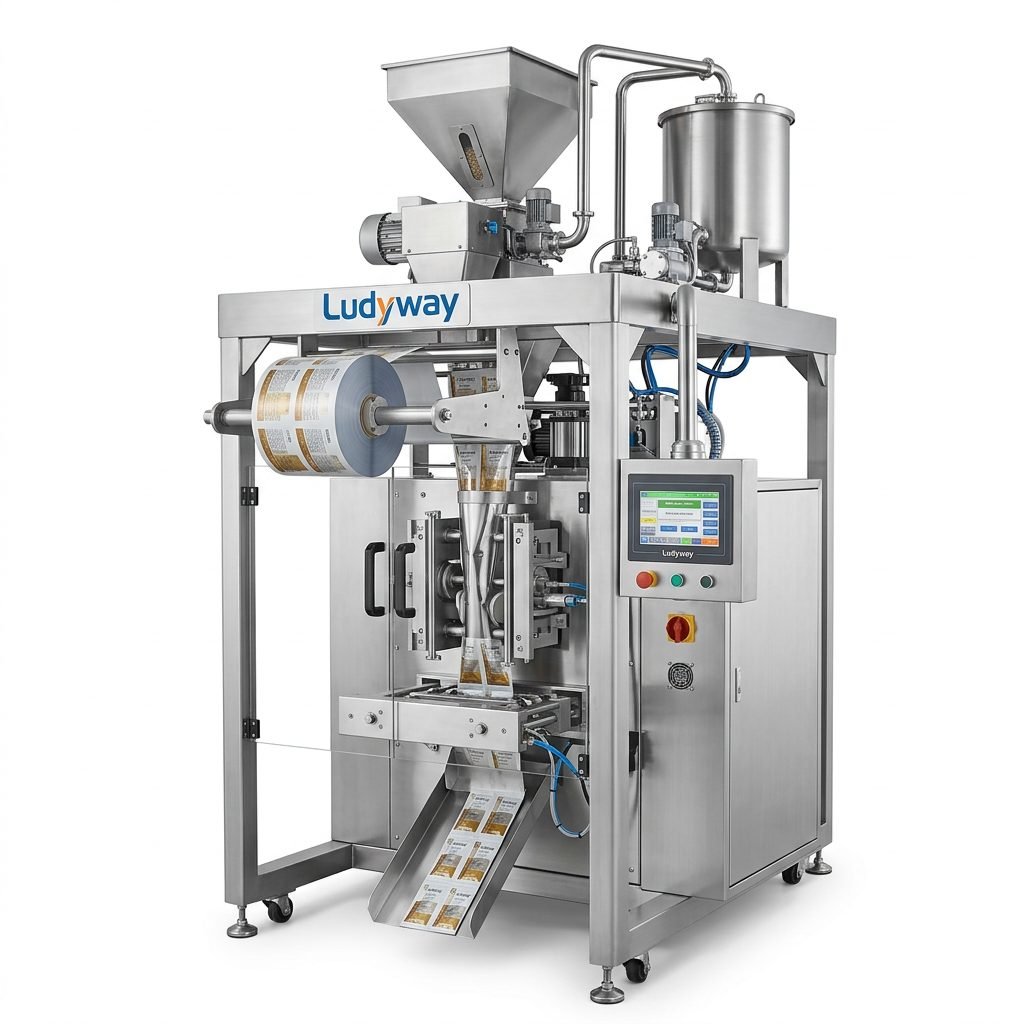
Liquid Fillers: Ideal for beverages, oils, sauces, and pharmaceuticals. They utilize technologies like piston, gravity, or volumetric filling for precision.
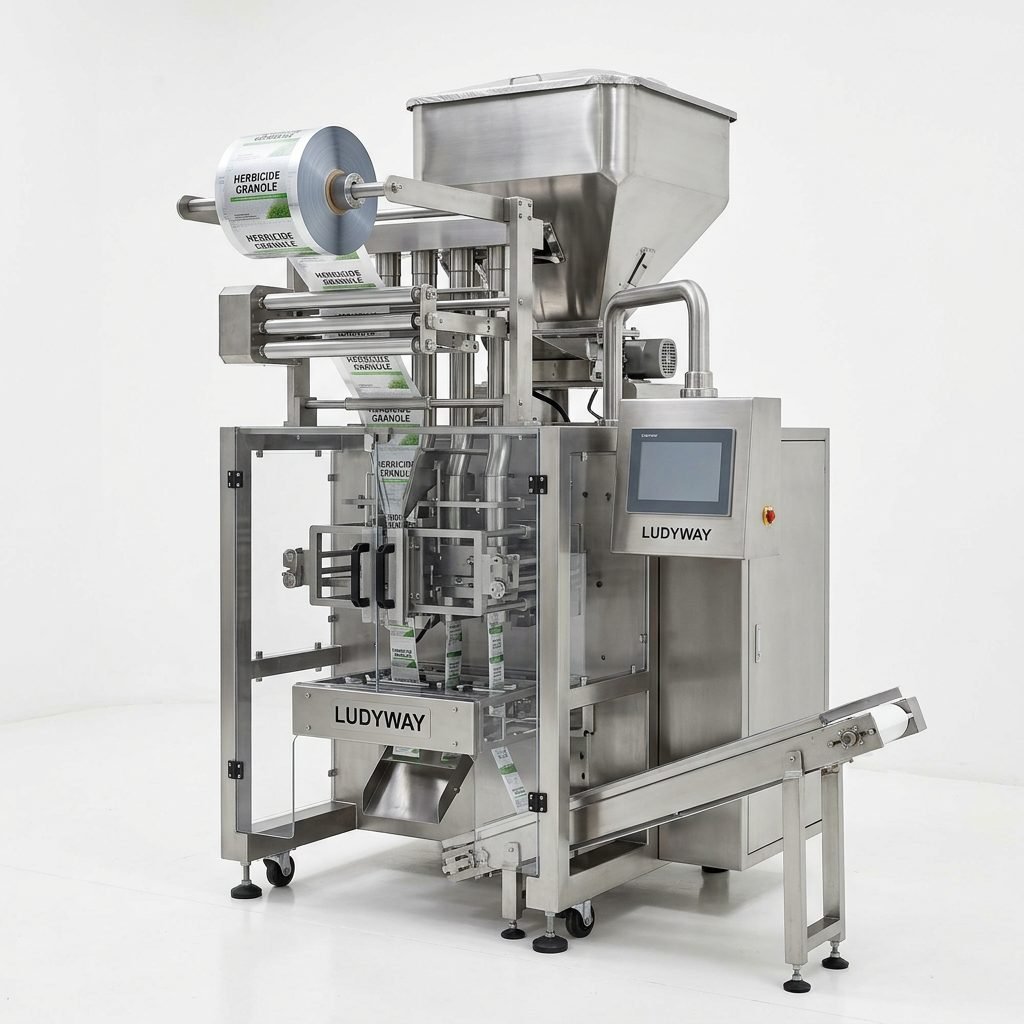
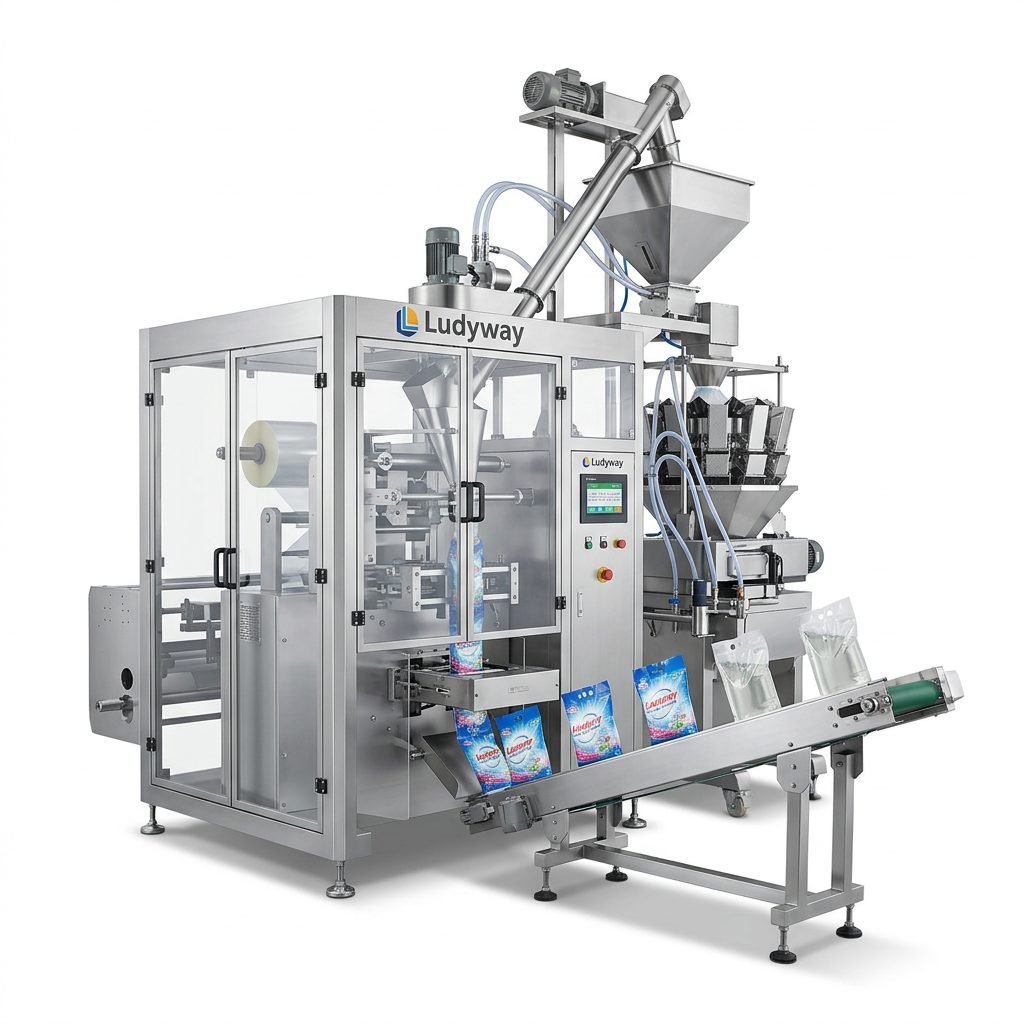
Granule & Powder Fillers: Essential for coffee, spices, supplements, and detergents. Auger fillers are predominant here, offering excellent accuracy for free-flowing and non-free-flowing products.
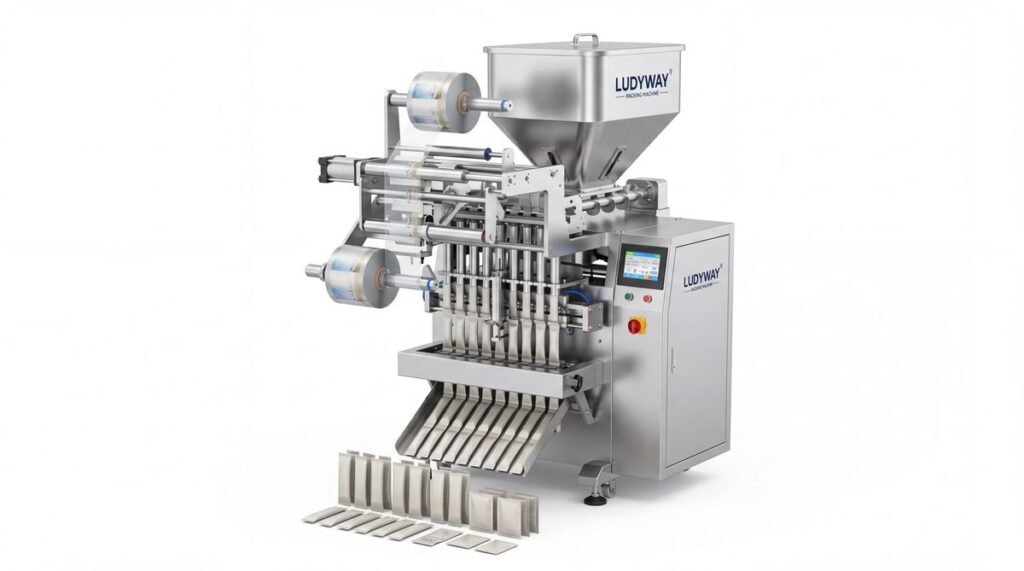
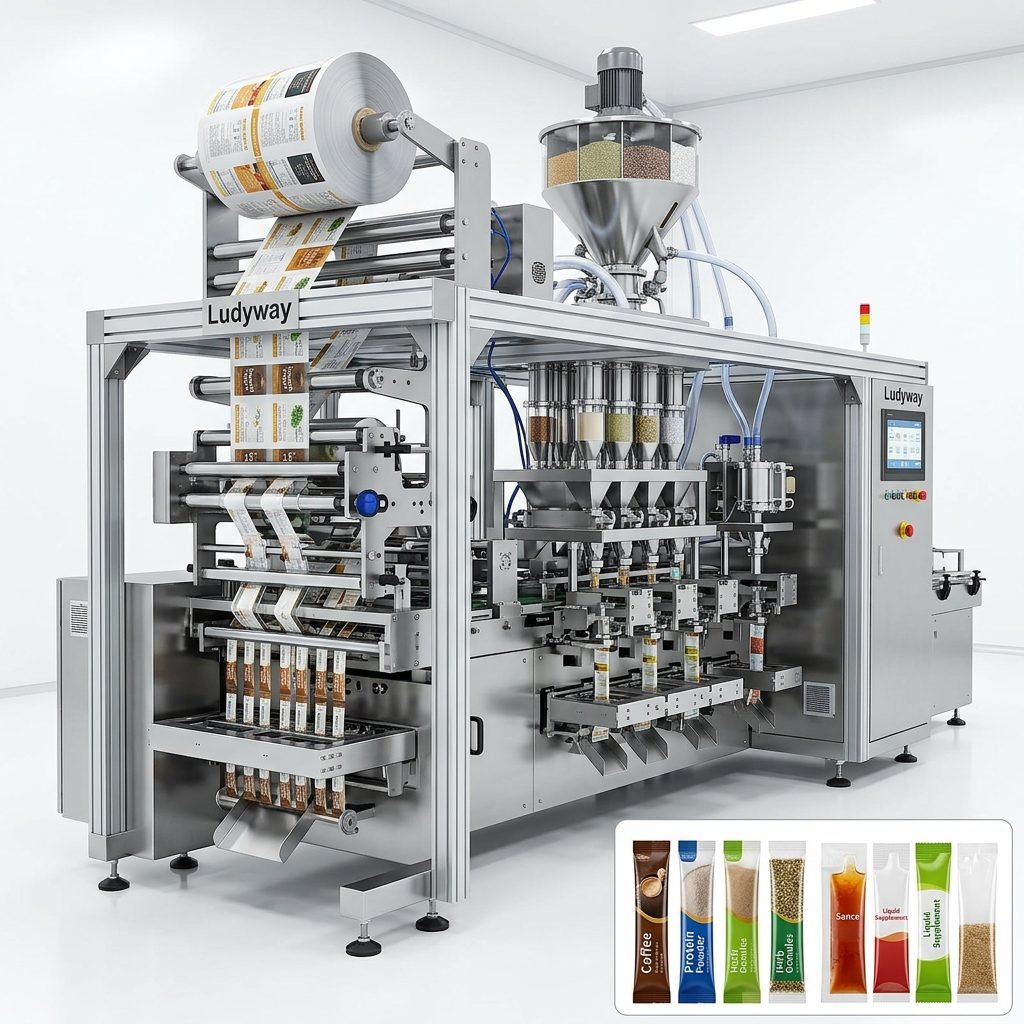
Stick Pack & Sachet Machines: Highly versatile for single-serve portions of powders, liquids, or granules. They form, fill, and seal from a roll of film, perfect for coffee creamers, pharmaceutical powders, and condiments.
Form-Fill-Seal (FFS) Systems
FFS machines represent a high level of automation. They create the packaging (pouches, bags) from a roll of film, fill it with product, and seal it—all in one continuous operation. This eliminates the need for pre-made bags and significantly reduces material inventory costs.
Cartoning and Case Packing Equipment
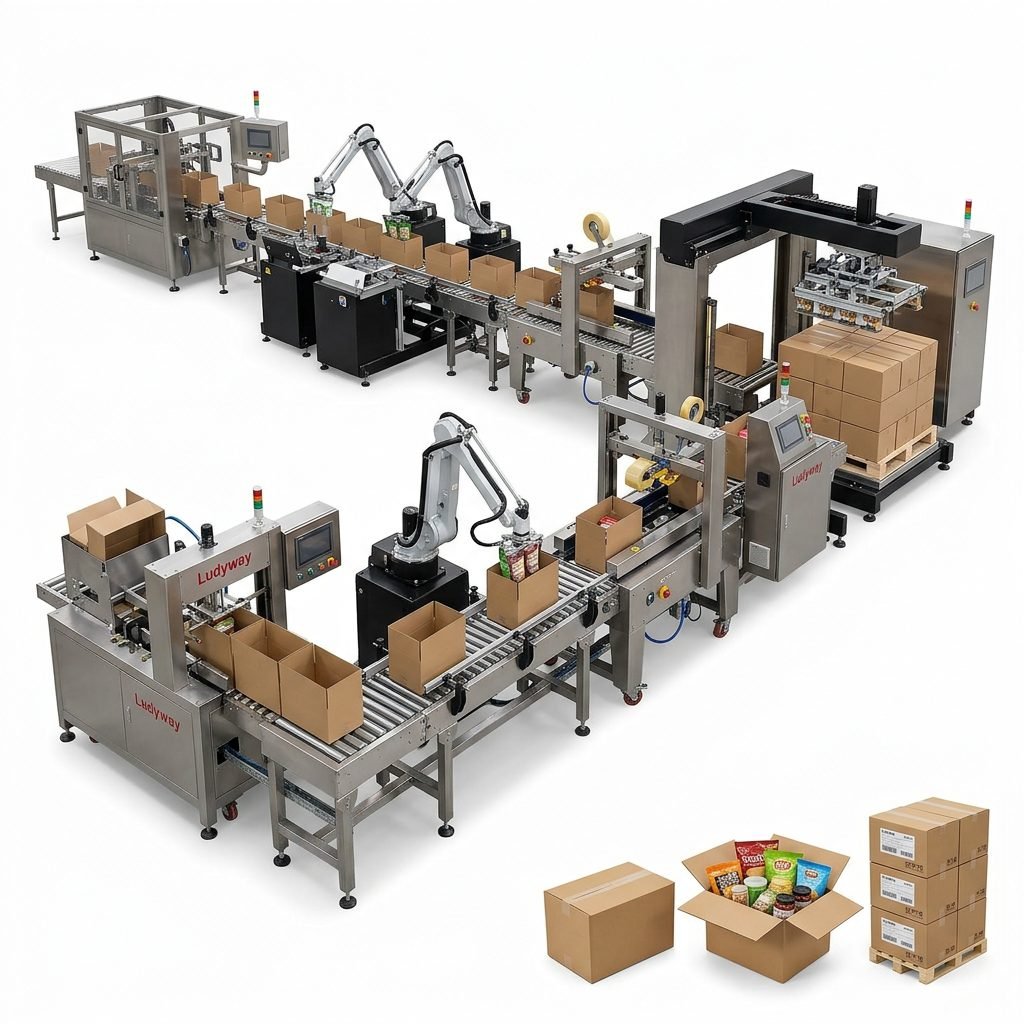
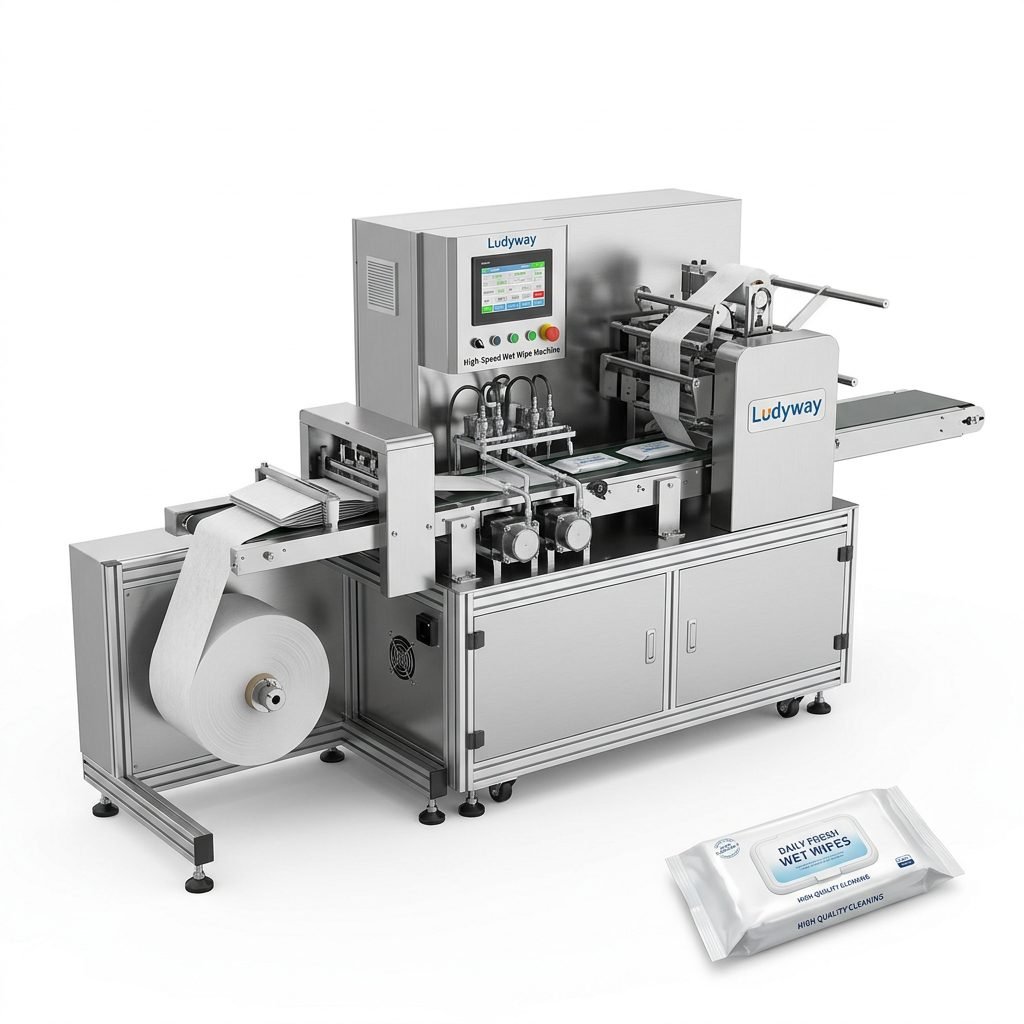
Once primary packaging is complete, secondary packaging comes into play. Cartoners erect, load, and seal cartons, while case packers automatically group and load finished products into shipping cases. These systems are crucial for achieving high-speed end-of-line operations.
Labeling and Coding Machines
These systems apply vital information to the package. This includes product labels, barcodes, expiry dates, and batch codes. Accurate labeling is not only a regulatory requirement in many industries but also key for traceability and brand presentation.
The Multifaceted Benefits of Automated PMI Systems
Investing in automated packaging machinery goes far beyond simply replacing manual labor. The advantages permeate every aspect of your business.
1. Dramatically Increased Production Efficiency and Speed
Automated systems operate at consistent, high speeds 24/7, vastly outpacing manual packaging. This leads to a higher output volume, shorter lead times, and the ability to scale production up or down to meet market demand efficiently.
2. Unmatched Consistency and Product Quality
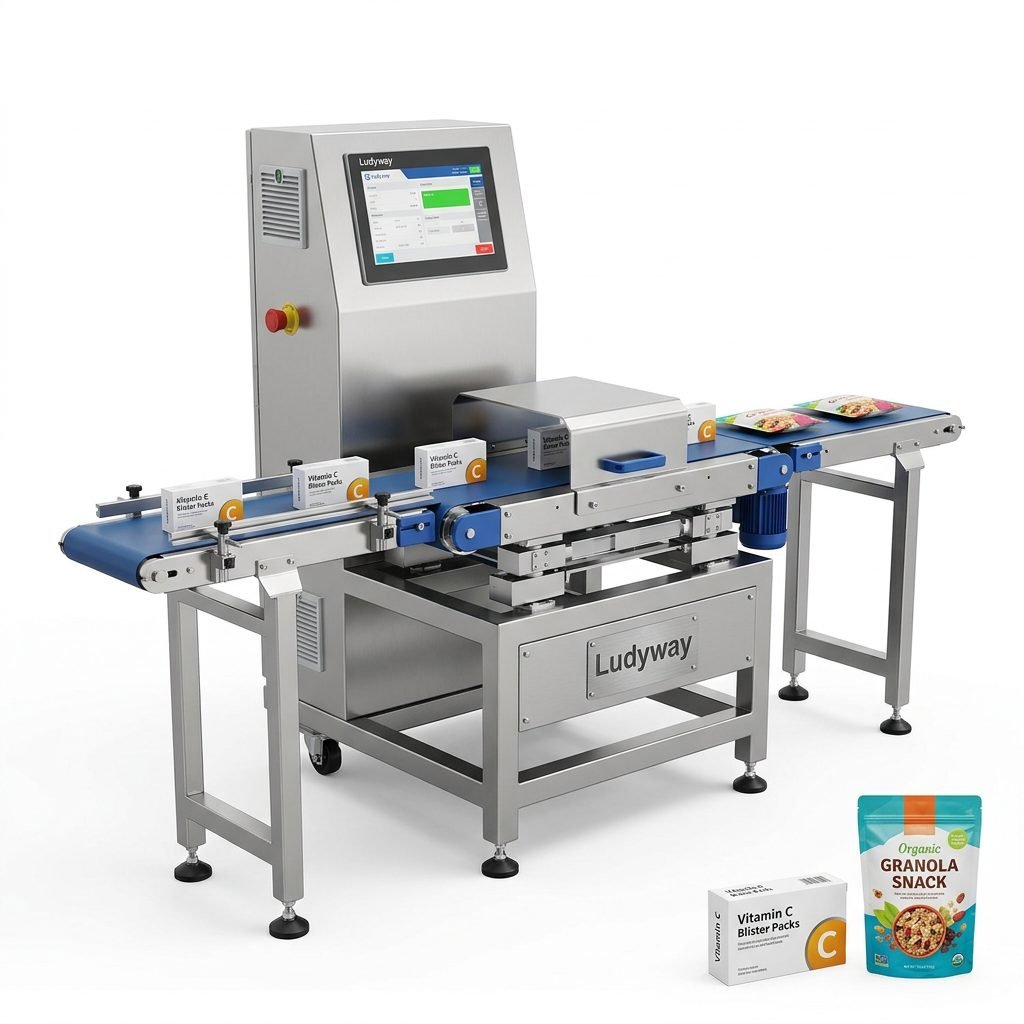
Machines eliminate human error in critical tasks like fill weight, seal integrity, and label placement. Every package is identical, ensuring product quality, reducing giveaway (overfilling), and protecting your brand’s reputation for reliability.
3. Significant Reduction in Operational Costs
While the initial investment is notable, the long-term savings are substantial. You save on direct labor costs, reduce material waste through precise filling, and lower costs associated with product recalls or rework due to packaging errors.
4. Enhanced Workplace Safety and Hygiene
Automation minimizes direct human contact with the product, which is paramount in food and pharmaceutical packaging. It also reduces the risk of repetitive strain injuries among workers and creates a safer, cleaner production environment.
5. Improved Flexibility and Scalability
Modern PMI systems are designed with changeover in mind. Quick-change parts and programmable logic controllers (PLCs) allow you to switch between product sizes or types with minimal downtime, enabling you to respond quickly to new market opportunities.
How to Choose the Right PMI System: A Step-by-Step Guide
Selecting machinery is a strategic process. Rushing this decision can lead to costly mismatches. Follow this framework to ensure your investment delivers maximum value.
Step 1: Conduct a Thorough Needs Analysis
Begin by defining your core requirements with absolute clarity.
- Product Characteristics: Is it a liquid, viscous paste, granule, fine powder, or solid? What are its flow properties, abrasiveness, and sensitivity (to heat, light, moisture)?
- Packaging Materials & Format: What type of film, pouch, bottle, or carton will you use? What are the required seal parameters?
- Production Speed & Volume: What are your current output requirements (packages per minute/hour)? What are your projected growth targets for the next 3-5 years?
Step 2: Evaluate Machine Specifications and Technology
Match your needs against the technical capabilities of potential machines.
Key specs to scrutinize: Maximum speed (ppm), fill accuracy tolerance (e.g., ±0.5%), changeover time between formats, compatibility with your chosen packaging materials, and the level of automation (semi vs. fully automatic).
Step 3: Assess Manufacturer Credibility and Support
The machine is only as good as the company behind it. Look for a supplier with a proven track record. For instance, Ludyway Machinery, with over a decade of industry experience, exemplifies a provider that builds partnerships based on reliable solutions for granule, powder, and liquid packaging applications. Evaluate their:
- Industry experience and client portfolio.
- Availability of comprehensive after-sales service, training, and spare parts.
- Ability to provide customizations or turnkey solutions if needed.
Step 4: Calculate the Total Cost of Ownership (TCO)
Look beyond the initial purchase price. The TCO includes installation, maintenance, energy consumption, expected downtime costs, and potential future upgrade expenses. A slightly more expensive, robust machine with lower maintenance needs often has a better TCO than a cheaper, less reliable alternative.
Step 5: Request a Live Product Test
Never buy a packaging machine untested. Insist on a live demonstration or a factory acceptance test (FAT) using your actual product and packaging materials. This is the only way to verify performance, speed, and quality claims firsthand.
Conclusion
Navigating the world of PMI packaging machinery requires a balance of technical understanding and strategic planning. By comprehensively assessing your product needs, production goals, and the long-term support offered by manufacturers like those with substantial experience in the field, you can select a system that not only automates a task but becomes a driver for growth, quality, and competitive advantage. The right packaging investment safeguards your product, delights your customers, and streamlines your path to greater profitability.
Frequently Asked Questions (FAQs)
1. What is the typical lead time for a new packaging machine?
Lead times vary widely based on machine complexity and customization. For standard models from stock, it could be 4-8 weeks. For fully custom or high-speed turnkey lines, lead times can range from 3 to 9 months. Always confirm timelines with your supplier early in the process.
2. How do I ensure the machine will work with my specific product?
The definitive method is to conduct a product test at the manufacturer’s facility. Provide them with samples of your product and packaging materials. This test will validate fill accuracy, sealing quality, and overall machine compatibility before purchase.
3. What kind of maintenance do packaging machines require?
Maintenance is crucial for longevity. It includes daily cleaning, weekly checks of seals and sensors, and scheduled preventive maintenance (quarterly or annually) as per the manufacturer’s manual. A reliable supplier will offer maintenance plans and training for your technicians.
4. Can I integrate a new PMI system with my existing production line?
Yes, in most cases. A competent supplier will evaluate your current line’s speed, control systems, and layout to ensure seamless integration. This may require additional conveyors, height adjustments, or communication interfaces between machines.
5. What training is provided for our operators?
Reputable manufacturers provide comprehensive training during installation and commissioning. This covers machine operation, routine maintenance, troubleshooting common issues, and safe changeover procedures. Ensure this training is documented and included in your purchase agreement.