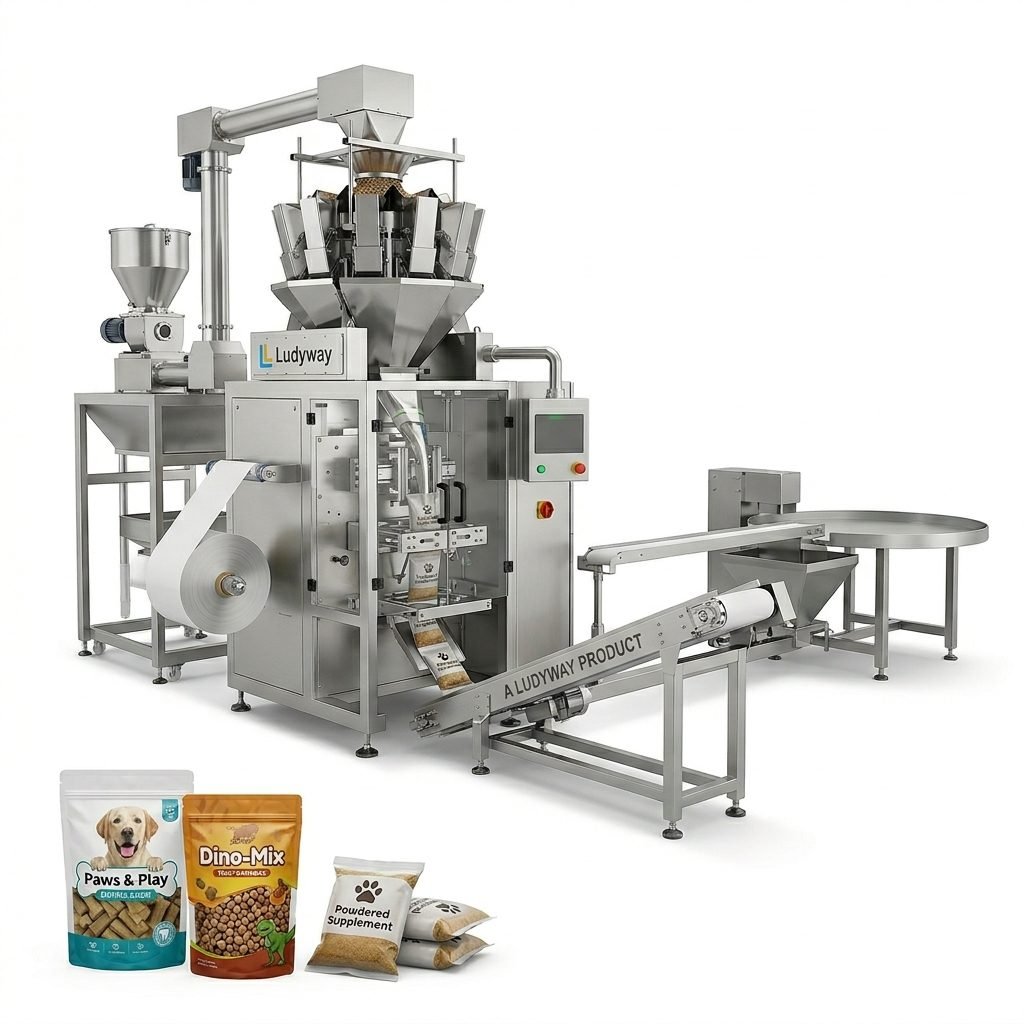
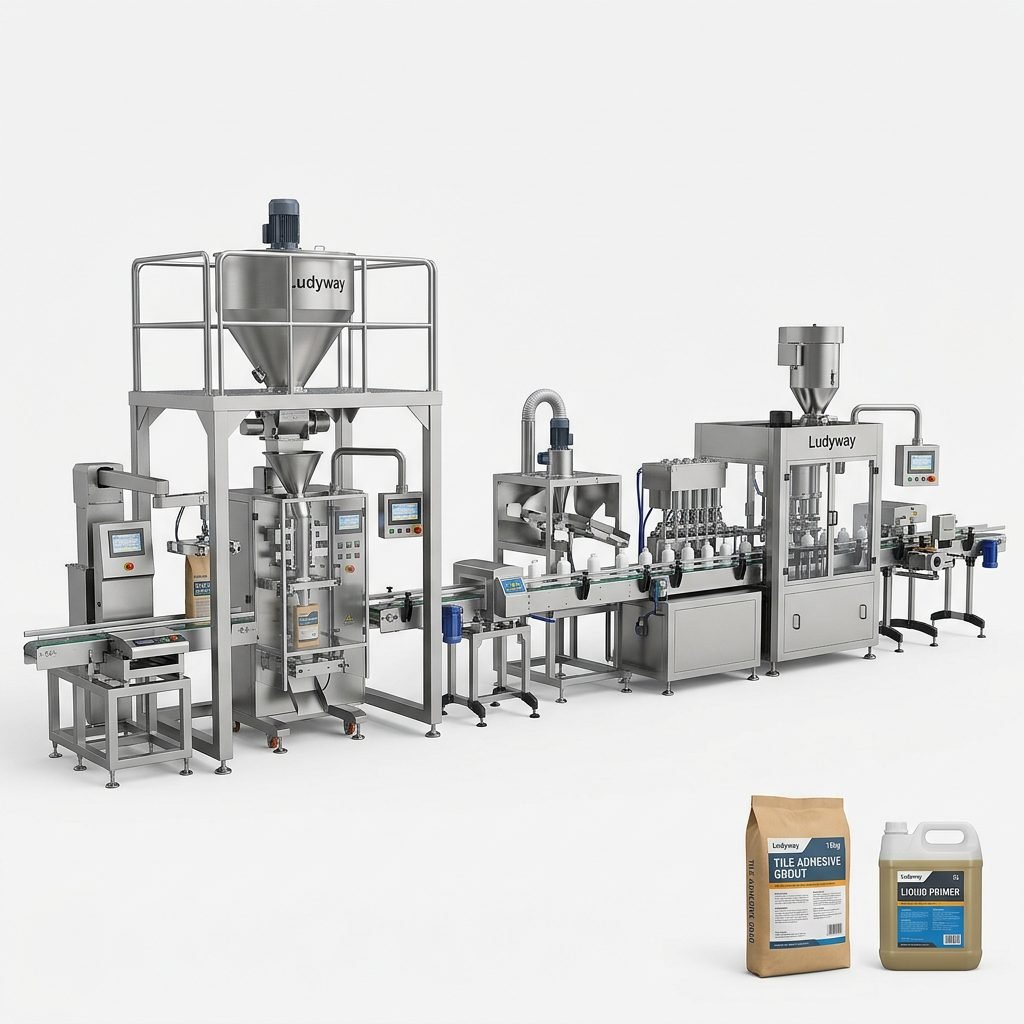
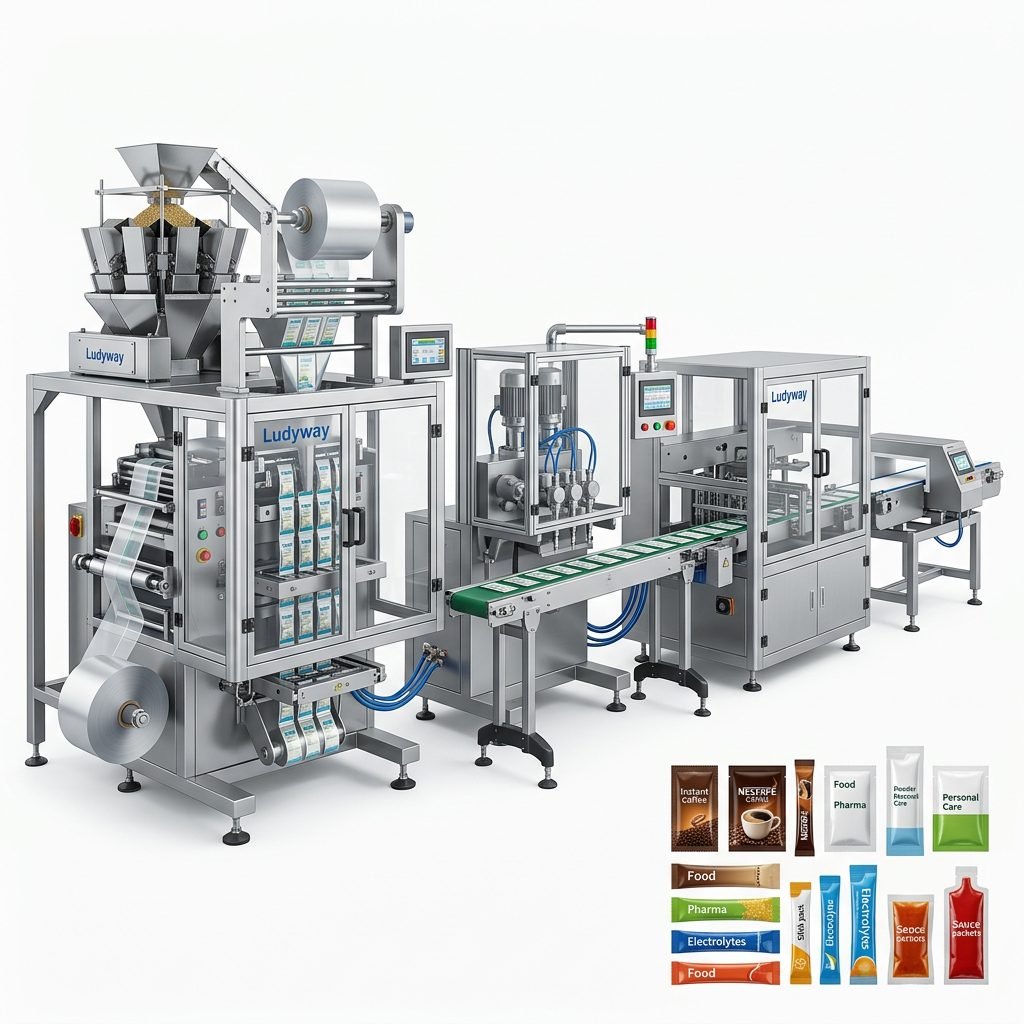
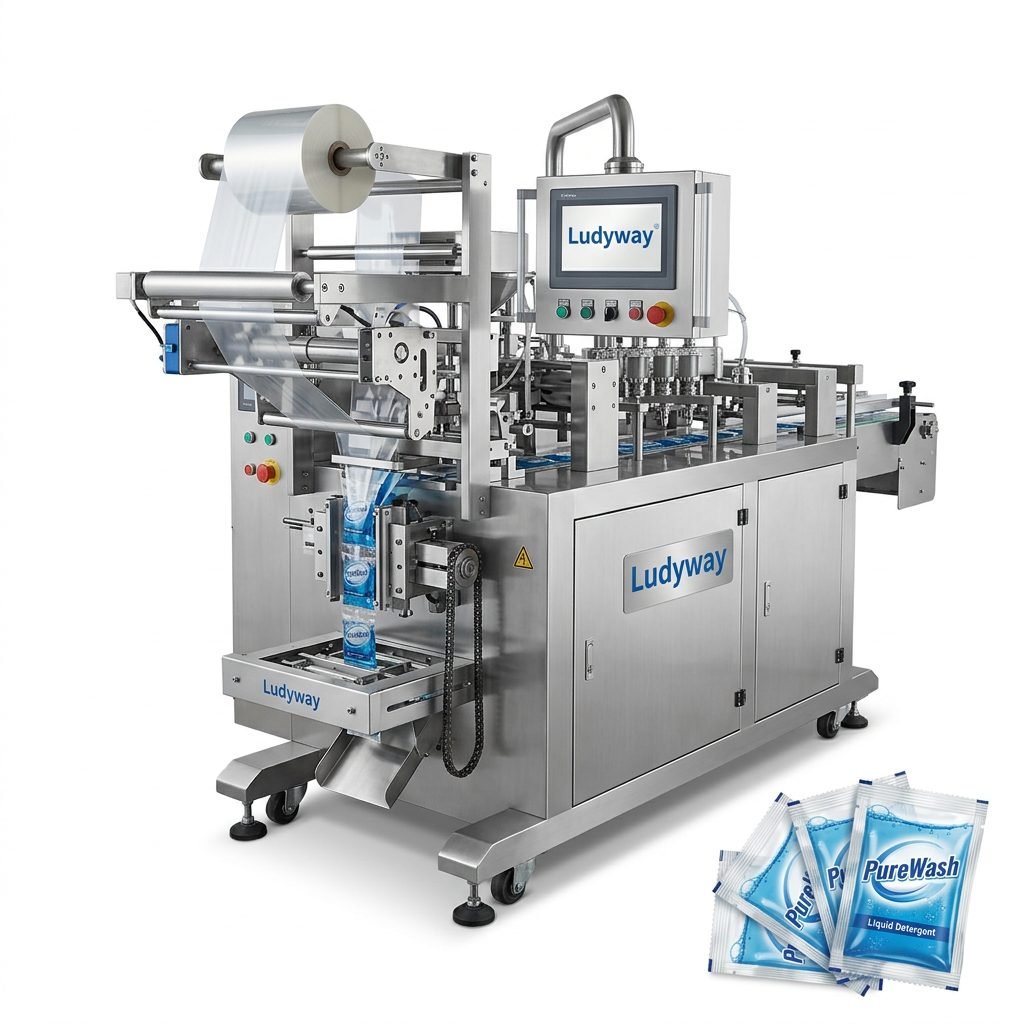
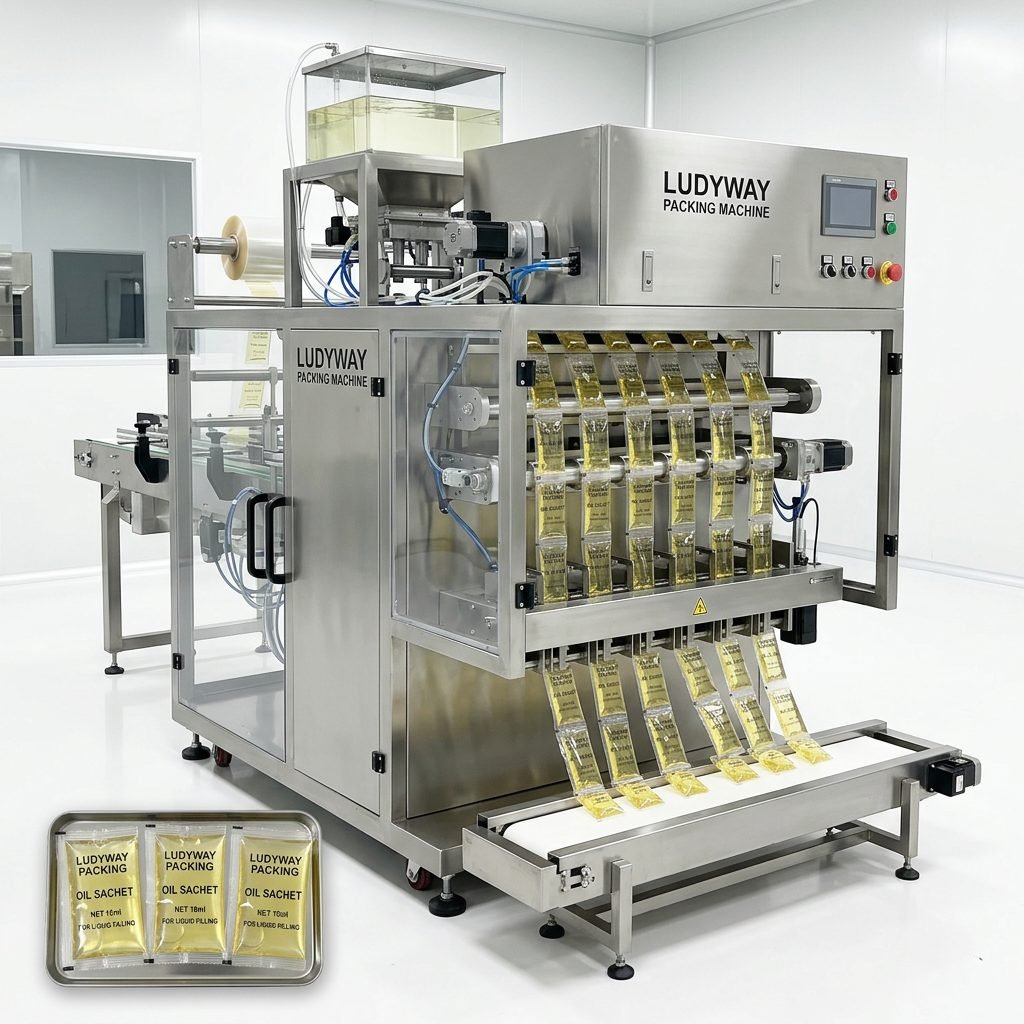
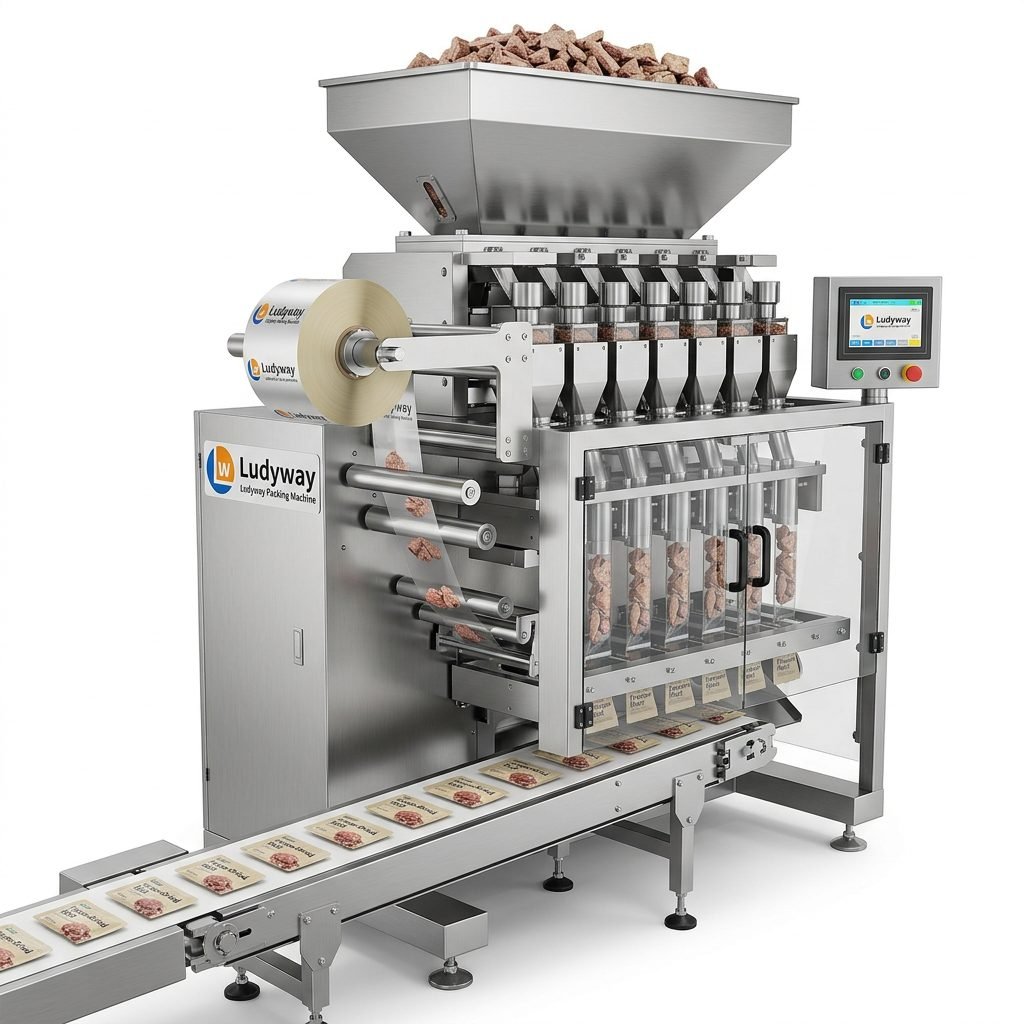
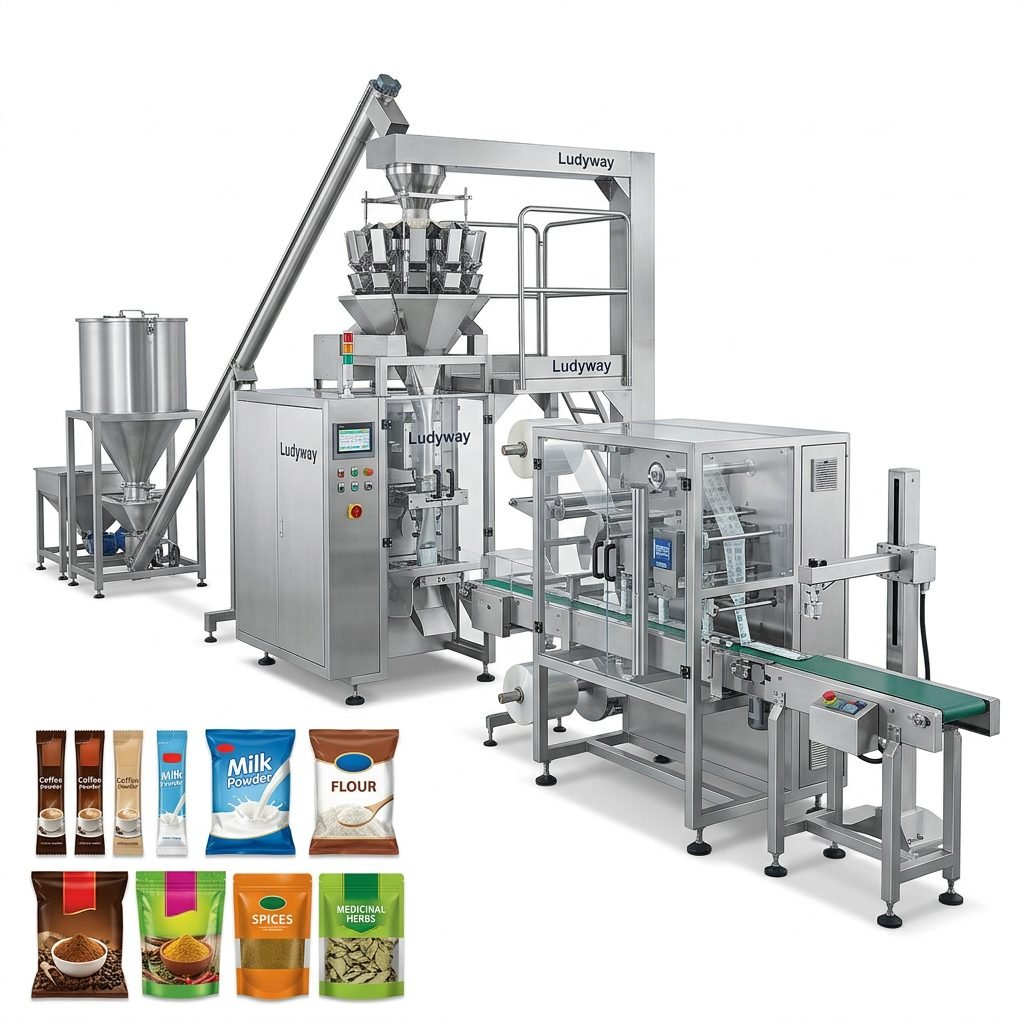
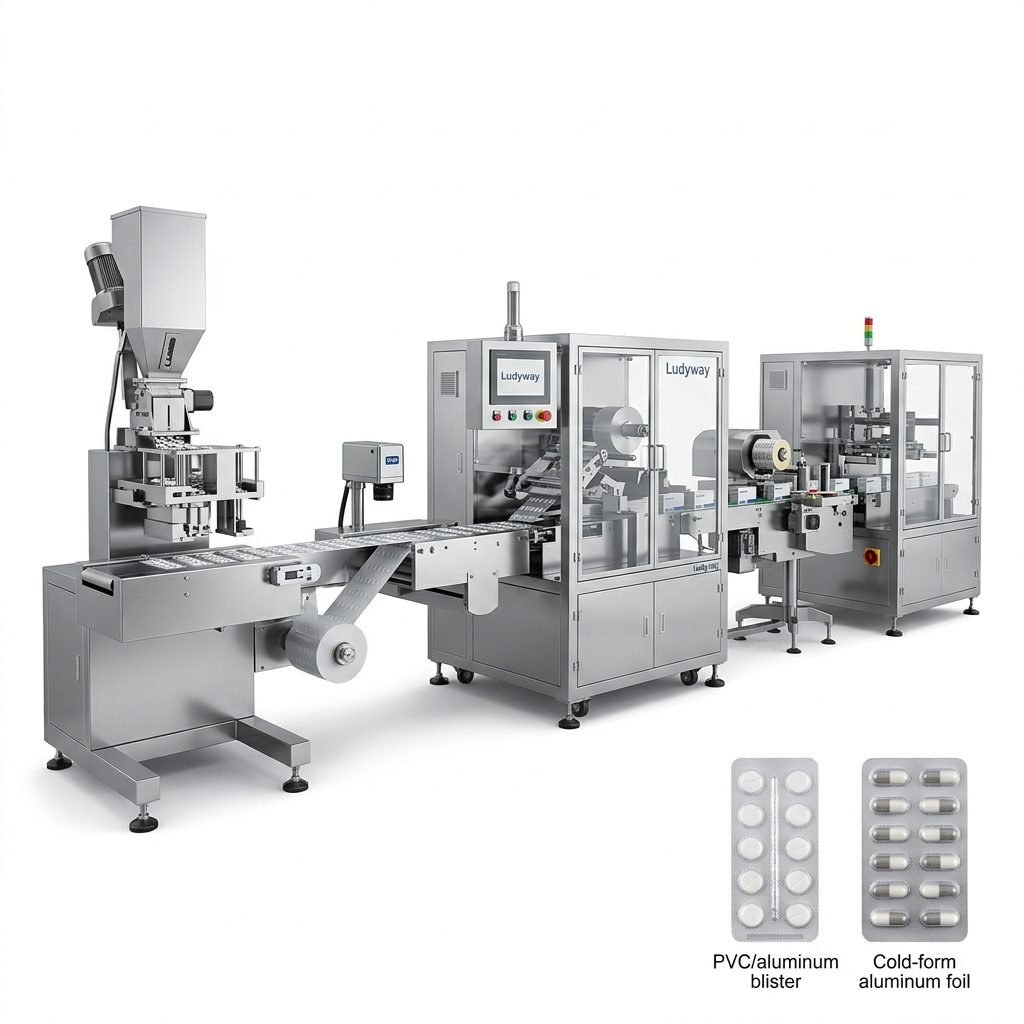
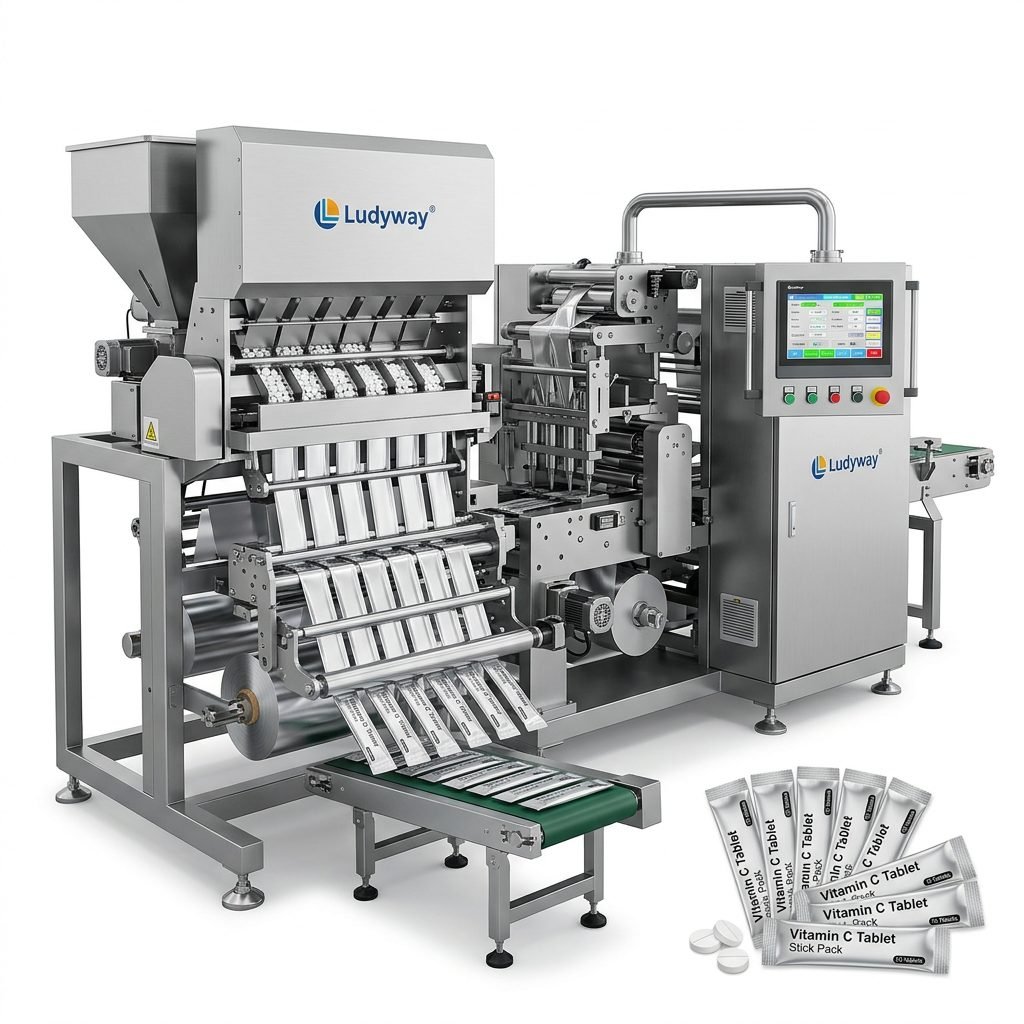
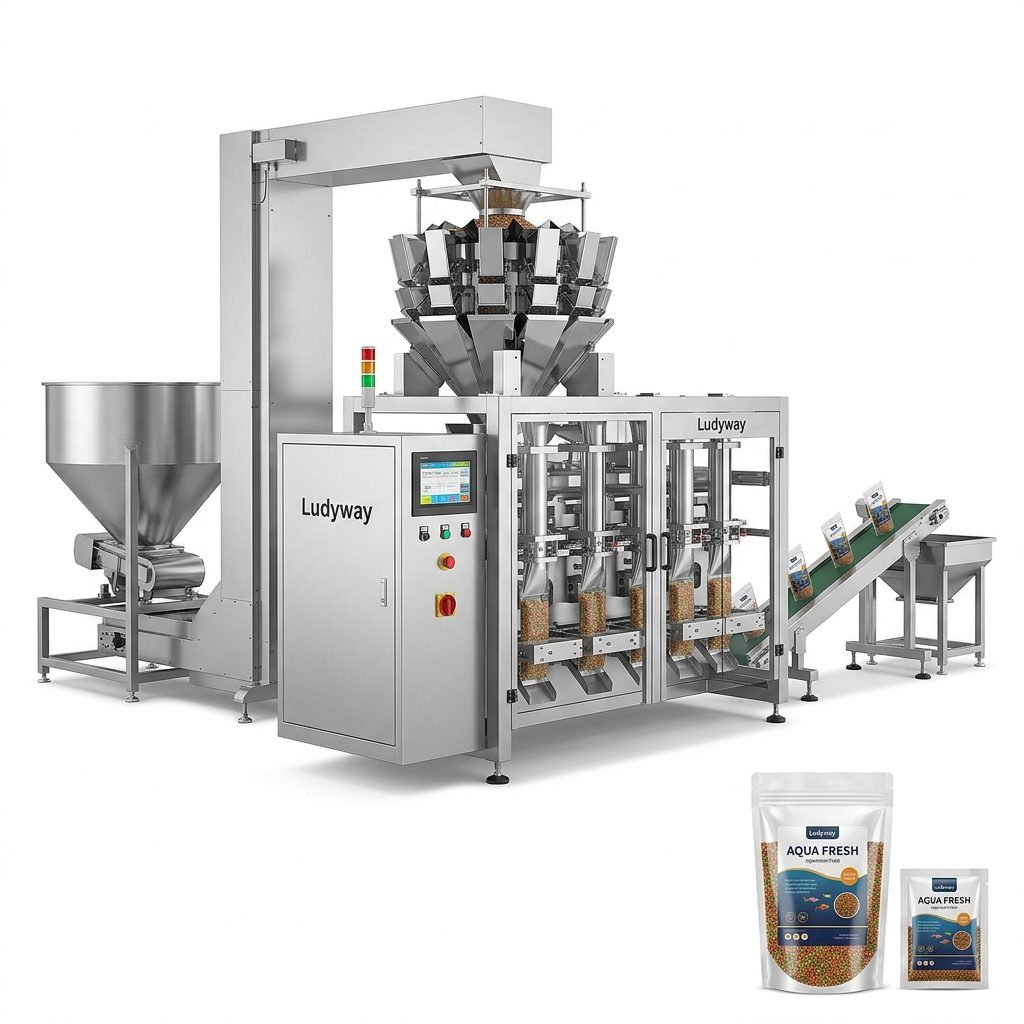
The European food, pharmaceutical, and industrial sectors operate under some of the strictest quality and safety standards globally. Whether you are preserving gourmet coffee, extending the shelf life of medical devices, or packaging industrial components, a high-quality vacuum sealing packaging machine is essential. This complete guide walks you through everything you need to know to make an informed purchasing decision in the European market, helping you protect your products and optimize your operations.
1. Understanding Different Types of Vacuum Sealing Machines
Not all vacuum sealers are created equal. Selecting the right type depends heavily on your production volume, product characteristics, and packaging format. Here are the primary categories you will encounter:
- External (Nozzle) Vacuum Sealers: Ideal for entry-level or light commercial use. They are perfect for dry products and require specialized vacuum bags. However, they lack the power for high-volume liquid or powder packaging.
- Single Chamber Vacuum Machines: A staple in European small-to-medium enterprises (SMEs). The product and bag are placed completely inside the chamber, which evacuates air uniformly. This is excellent for vacuuming liquids and marinated foods because external and internal pressure equalizes.
- Double Chamber Vacuum Machines: Designed for continuous, heavy-duty production. While one chamber is vacuuming, the other is being loaded, significantly increasing throughput.
- Automatic Thermoforming Packaging Lines: For high-speed industrial applications, these systems form the packaging from roll stock, fill the product, vacuum seal, and cut the final packs. These are commonly used in large-scale meat, cheese, and medical device manufacturing.
2. Key Factors to Consider Before Buying in Europe
Investing in a vacuum packaging machine is a significant step. To ensure a smooth integration into your existing line, evaluate these critical factors:
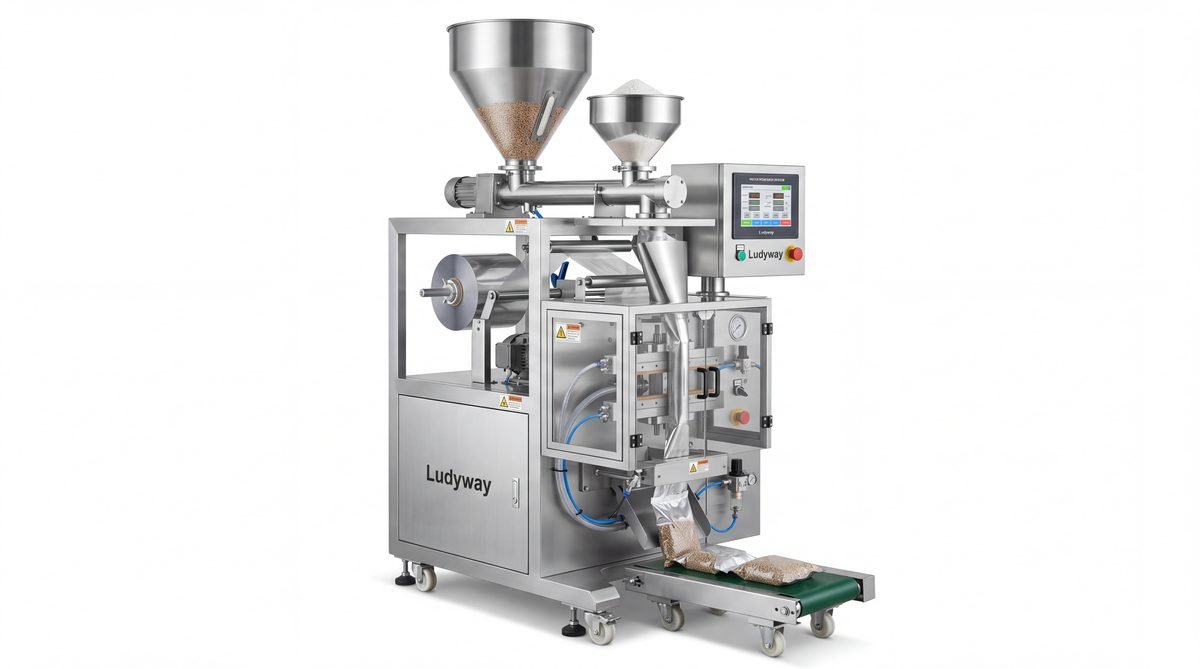
- Product Sensitivity and State: Are you packaging granules, powders, or liquids? Each form requires a different preservation approach. Machines handling fine powders need specialized sealing bars to prevent contamination, while liquid products benefit from sensor-controlled vacuum cycles to prevent boiling. Look for adaptable granule, powder, and liquid packaging solutions that match your specific needs.
- Production Speed and Volume: Calculate your required packs-per-minute (PPM). A single chamber might suffice for 2-3 packs per minute, but a double chamber or automatic inline machine is necessary for hundreds of packs per hour.
- Film and Bag Compatibility: European regulations (EU No. 10/2011) demand strict chemical safety limits for plastic materials in contact with food. Ensure the machine is compatible with EU-approved, high-barrier PA/PE (Polyamide/Polyethylene) films that prevent micro-perforations.
| Machine Type | Best For | Average Cost | Production Level |
|---|---|---|---|
| External Clamp | Dry Foods, Home Use | Low (€) | Low Volume |
| Single Chamber | Liquids, Marinated Meats | Medium (€€) | Small-Medium |
| Thermoforming Line | Meat, Cheese, Medical | High (€€€€) | Very High Volume |
3. Navigating European Compliance and CE Marking
For any machinery to be legally sold and operated within the European Economic Area (EEA), it must bear the CE marking. This signifies compliance with EU safety, health, and environmental protection requirements. An exporter offering a machine without valid CE certification can leave you liable for substantial fines and legal consequences.
Beyond the CE marking, look for these critical certifications and directives:
- EU Regulation (EC) No 1935/2004: Requires that food contact materials do not transfer their constituents to food in quantities that could endanger human health.
- EU No. 10/2011: Specific to plastic materials and articles intended to come into contact with food.
- EN 415 Series: Safety standards specifically for packaging machines.
- WEEE & RoHS: Managing electronic waste and restricting hazardous substances, aligning with Europe’s Green Deal objectives.
Always request a Declaration of Conformity from your supplier. If you are packaging for medical applications, compliance with ISO 11607 for terminally sterilized medical devices is non-negotiable.
4. Global vs. Local European Suppliers
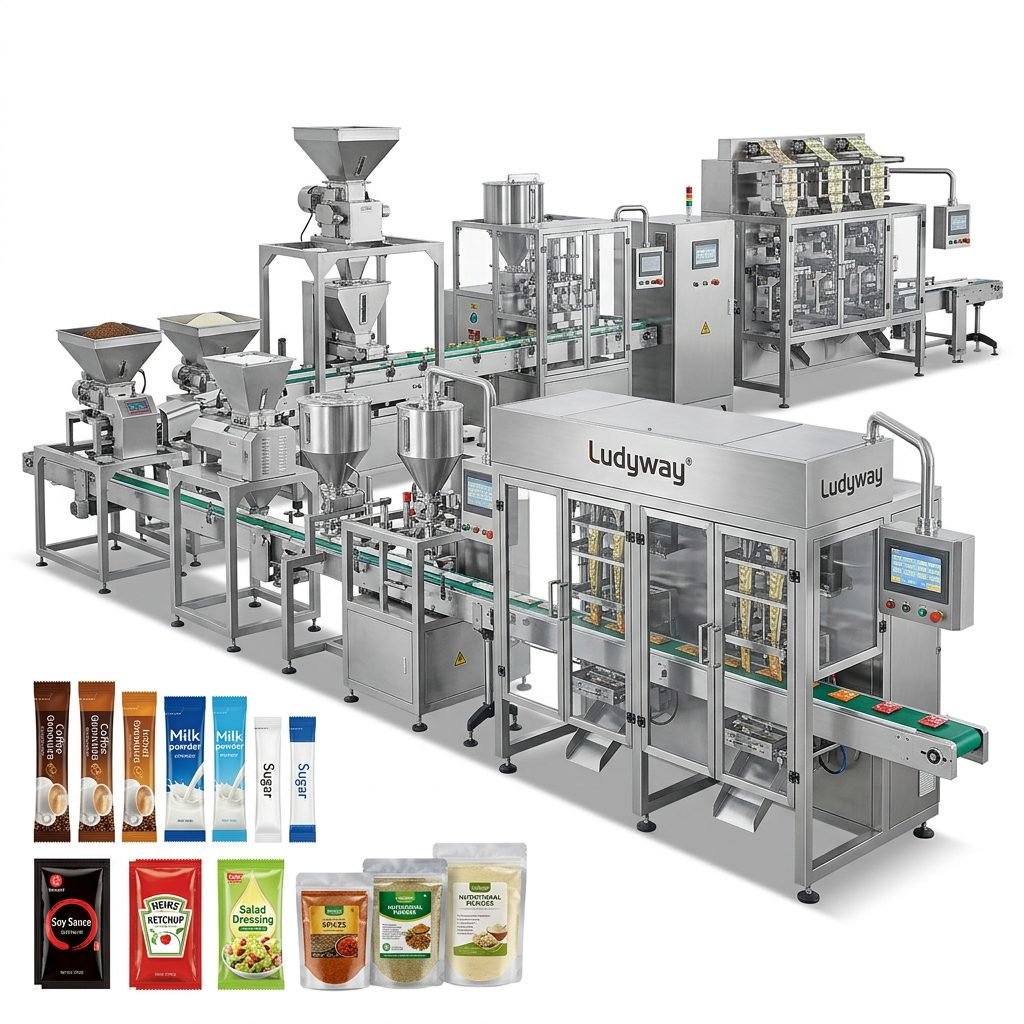
The current market offers a range of local European distributors and global manufacturers. Local suppliers often provide rapid service response times, but the technology and cost-efficiency vary significantly. International sourcing, particularly from technological leaders, can provide superior innovation at a more competitive price point. For instance, Ludyway is one of the largest packaging machine manufacturers in China, specializing in advanced packaging equipment and turnkey production solutions for the food, pharmaceutical, and health industries, serving customers in over 100 countries with CE-compliant machinery.
5. Calculating Total Cost of Ownership (TCO)
The purchase price is only the initial investment. To accurately calculate ROI in the European market, you must consider the Total Cost of Ownership:
- Energy Consumption: European electricity costs are high; look for machines with soft-start pumps and energy-saving modes.
- Spare Parts Availability: Waiting weeks for a simple seal bar or pump part from overseas can halt your entire production line. Ensure your EU distribution partner keeps a local stock of essential spare parts.
- After-Sales Support: Look for suppliers that offer remote diagnostics, professional technical support, and immediate access to service engineers.
- Film Costs: Some machines require proprietary bagging systems, while others allow you to source flexible film from any supplier, giving you better cost control.
6. Maintenance and Operational Stability
Hygiene is paramount in European production facilities. Machines should feature stainless steel construction (preferably AISI 304 or 316), sloping surfaces to prevent liquid accumulation, and easily removable sealing bars for cleaning. Regular preventive maintenance ensures long-term operational efficiency and prevents unexpected breakdowns that could compromise your supply chain commitments.
Conclusion: Taking the Next Step
Selecting the right vacuum sealing packaging machine in Europe involves balancing product needs, regulatory compliance, and intelligent automation. Whether you need a compact chamber machine for artisanal products or a fully automated multi-lane system for high-speed production, prioritize build quality and certification. Contact us today via WhatsApp at +8613129592456 or email info@ludyway.com to discuss customized packaging strategies that align with the latest industry trends and European safety regulations.