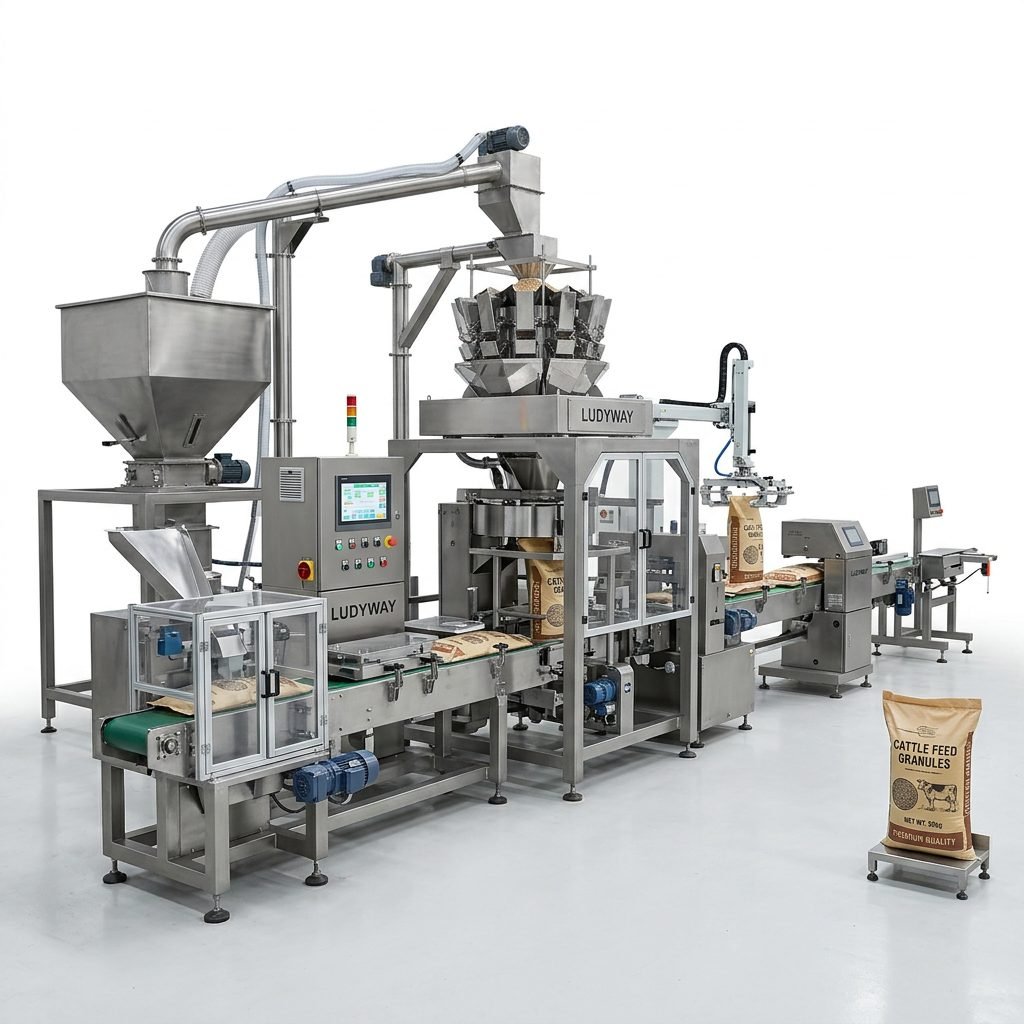
Investing in an automatic powder packing machine is a critical decision for manufacturers in the food, pharmaceutical, chemical, and nutritional supplement industries. The right equipment directly impacts your packaging efficiency, product quality, and operational costs. However, with the vast array of technologies, configurations, and specifications available on the market, selecting the best machine can quickly become overwhelming.
This comprehensive buyer’s guide breaks down the essential factors you need to evaluate to make an informed decision that aligns with your production goals. Whether you are upgrading a manual line or building a fully automated factory, understanding these key selection criteria will help you choose a reliable powder packaging solution that delivers long-term value.
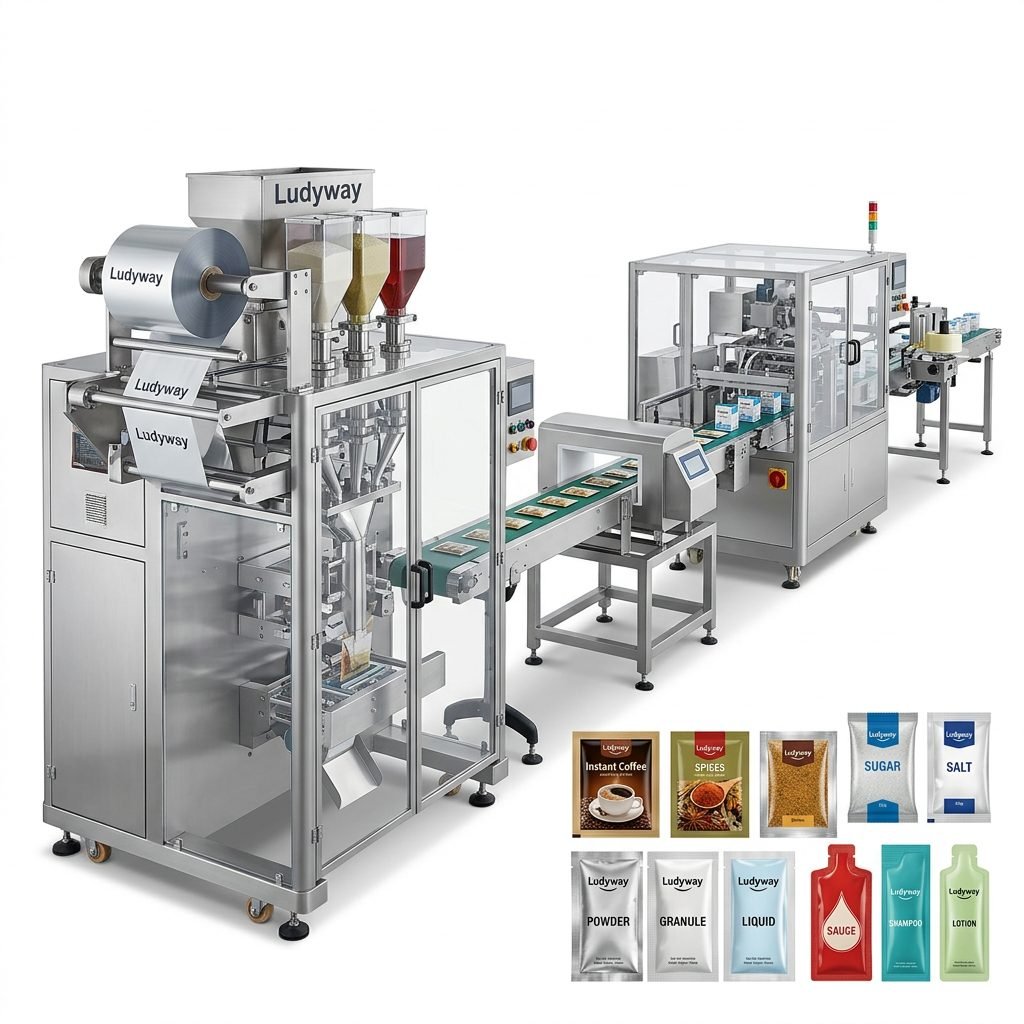
1. Understanding Your Powder Product Characteristics
Before comparing machine specifications, you must first perform a detailed analysis of your powder product. The physical properties of the powder will dictate the type of filling and dosing system required. Not all powders behave the same way, and ignoring these nuances is a common costly mistake.
Free-Flowing vs. Non-Free-Flowing Powders
Free-flowing powders, such as granulated sugar or coarse salt, flow consistently and do not easily clump or bridge. These can typically be handled with simpler volumetric cup fillers or linear weighers.
Non-free-flowing powders, such as fine milk powder, cocoa powder, flour, or sticky nutritional supplements, present challenges. They tend to stick to hopper walls, create dust, and bridge inside the filling system. For these materials, you need specialized solutions like auger fillers with mechanical agitation, servo-driven stirring devices, or vacuum-assisted feeding systems to maintain dosing accuracy.
Key Properties to Evaluate
- Bulk Density: Determines the volume of the product per gram. Lightweight, fluffy powders require larger volumetric cups or specialized tamping systems.
- Particle Size and Dustiness: Fine, dusty powders create environmental hazards and require dust extraction and containment solutions to protect machinery and operators.
- Hygroscopic Sensitivity: Powders that absorb moisture easily require dehumidified sealing environments or immediate sealing after filling.
- Flowability Index: A technical measurement that predicts how consistently a powder will flow from a hopper.
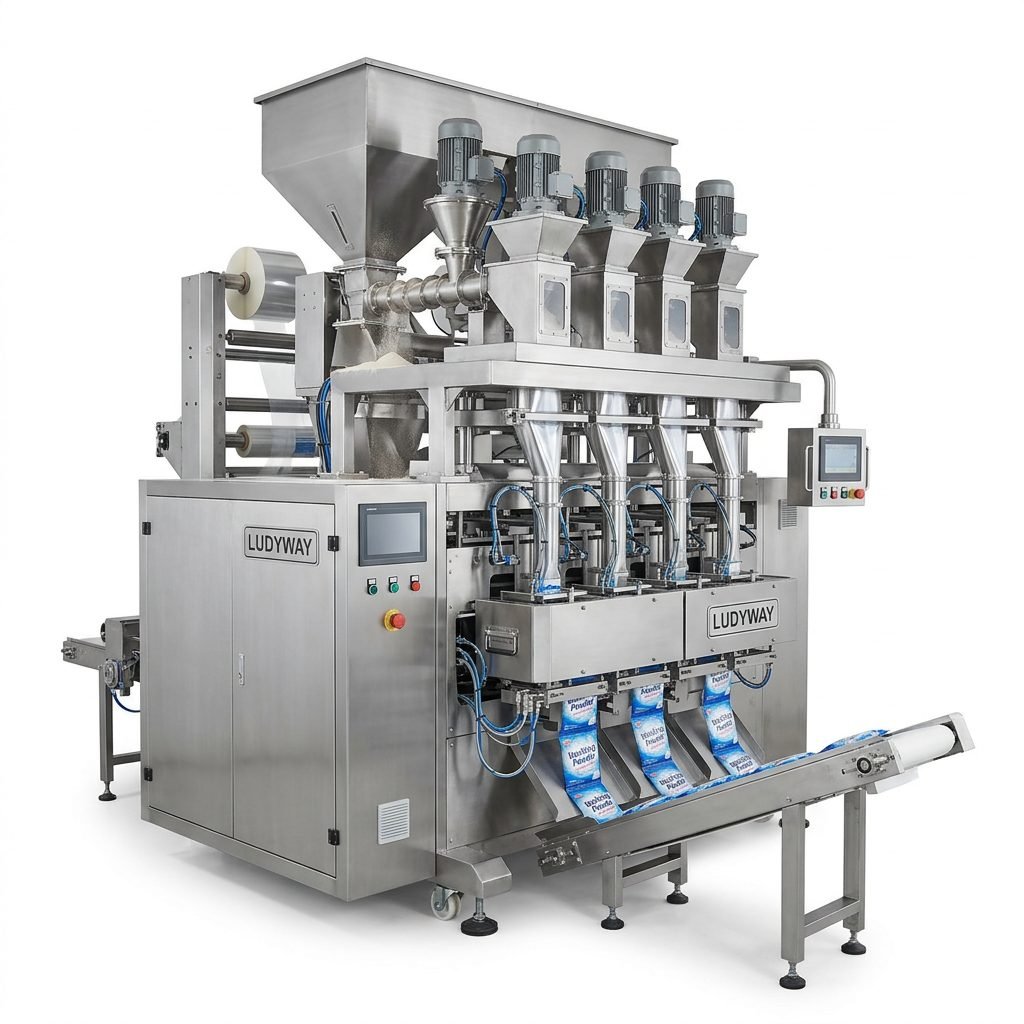
2. Defining Your Packaging Format and Bag Style
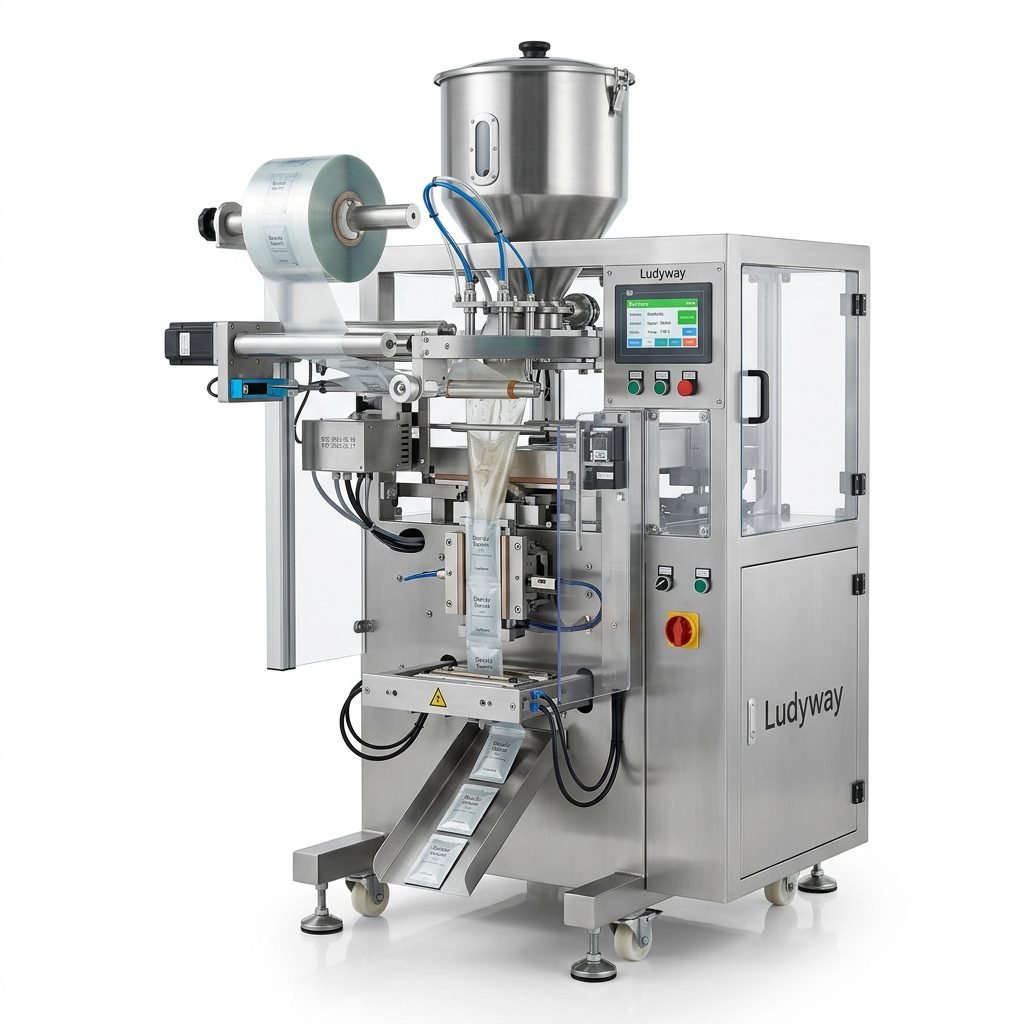
The required package format is another primary driver of machine selection. A machine designed for a stick pack cannot simply be converted to run large multi-wall bags. Before contacting a supplier, finalize your target packaging formats.
| Bag/Pouch Type | Common Applications | Typical Fill Volume |
|---|---|---|
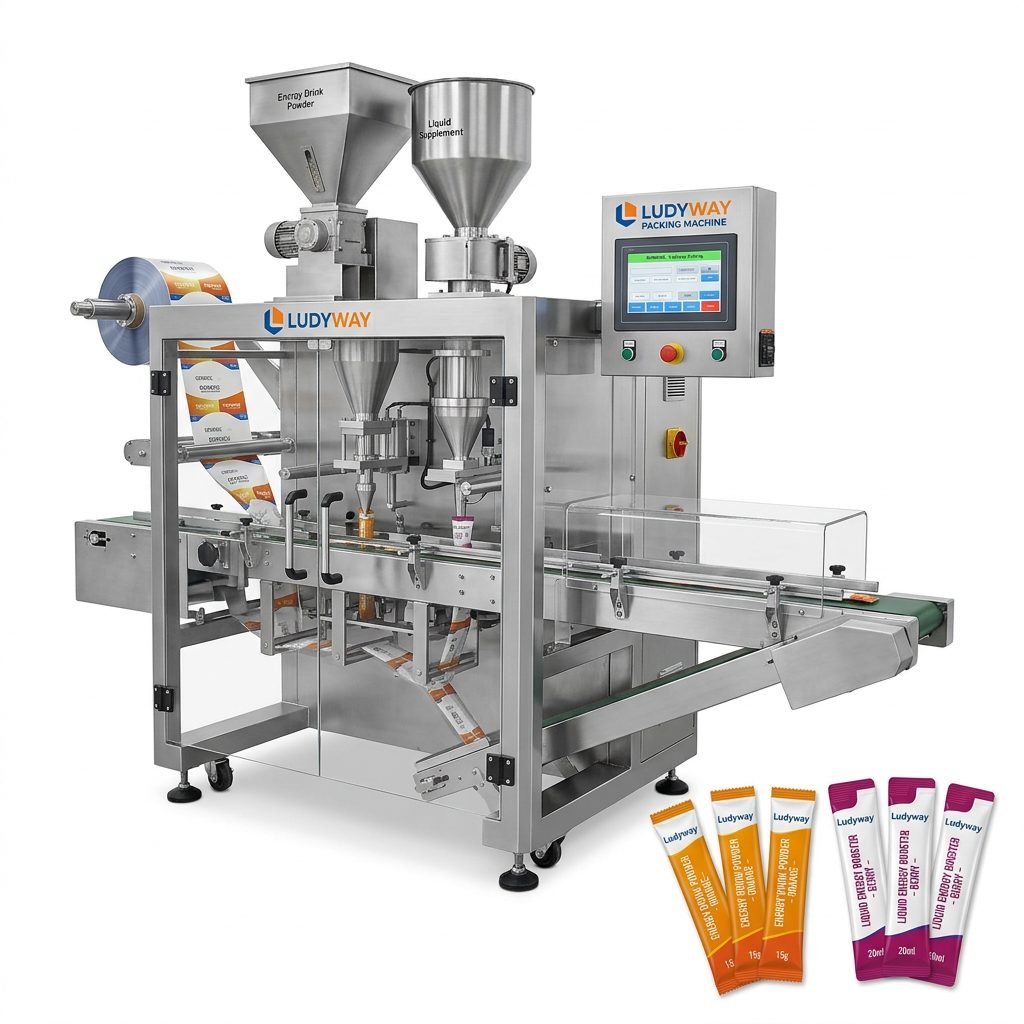
| Stick Packs | Coffee, sugar, energy drinks, vitamins | 1g – 50g |
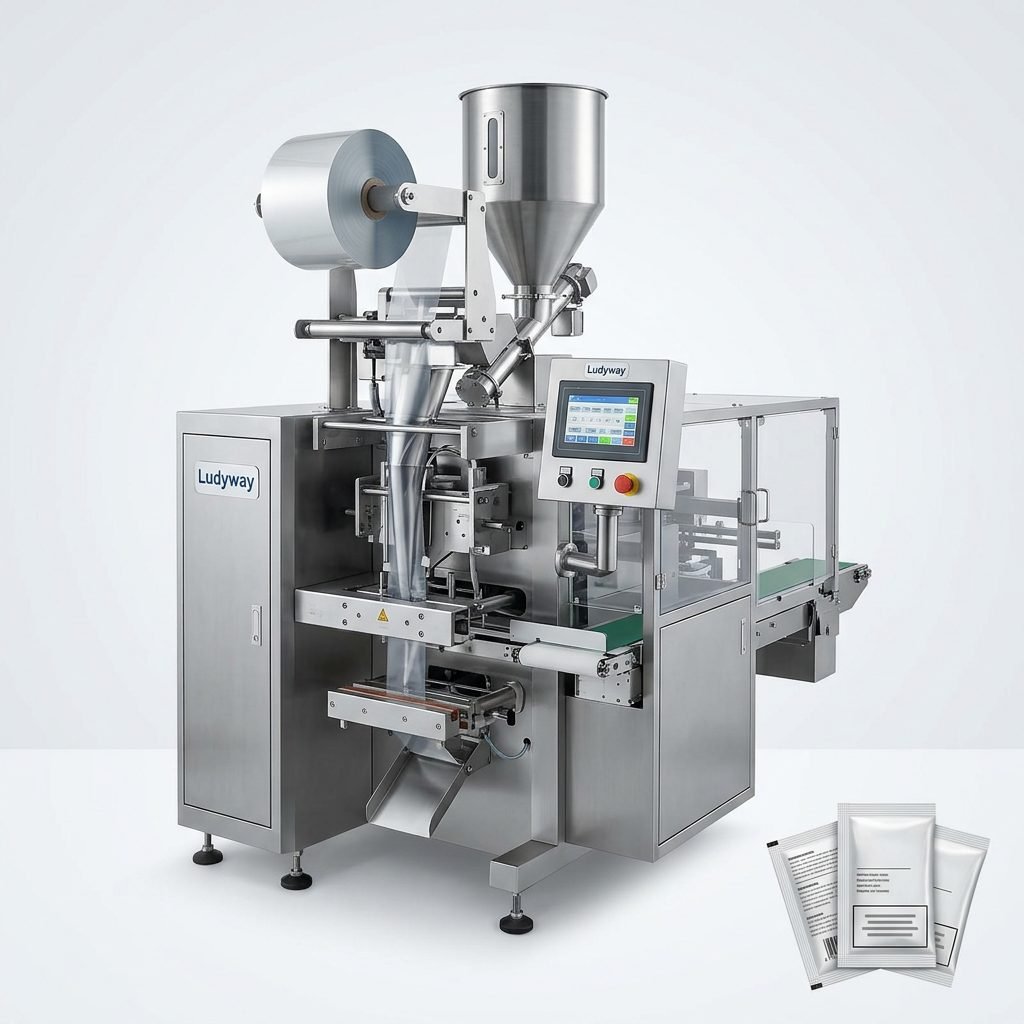
| 3-Side / 4-Side Seal Sachets | Seasonings, pharmaceutical powders, personal care | 5ml – 100g |
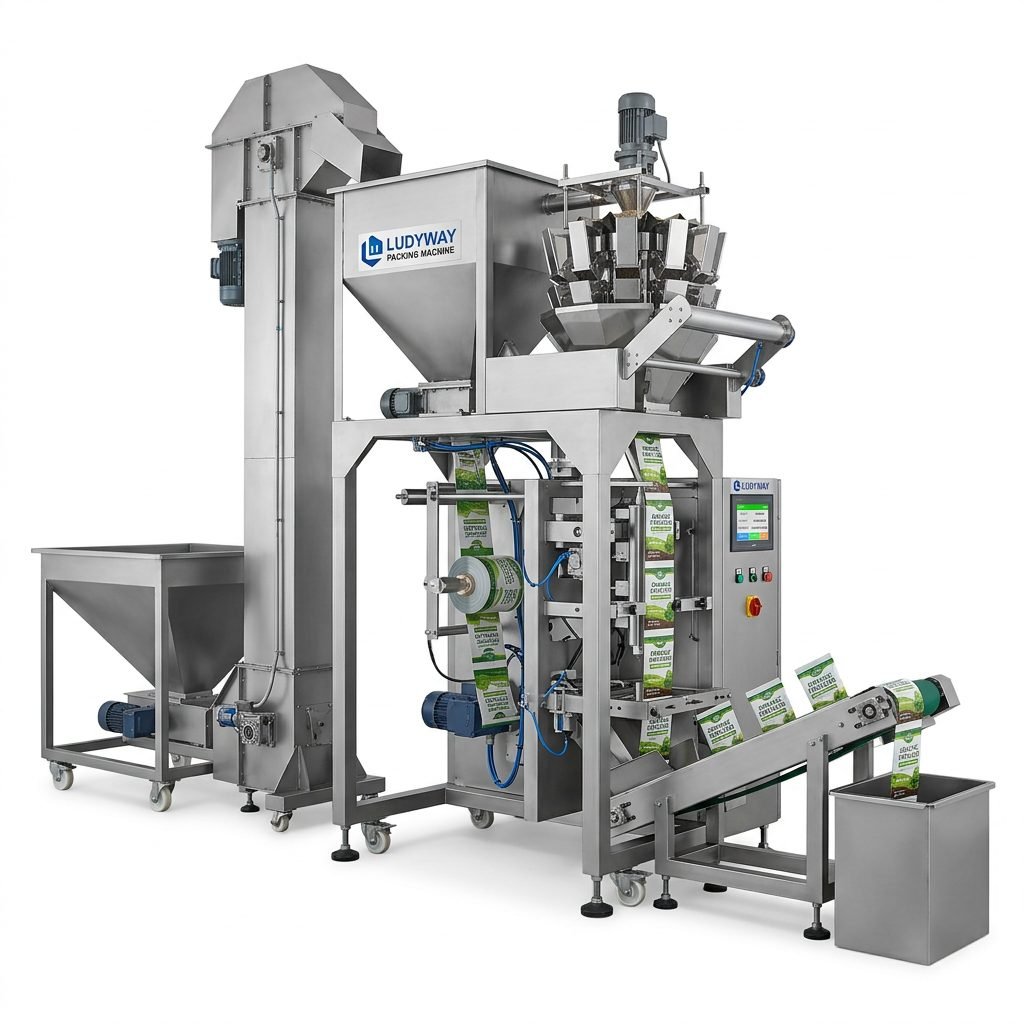
| Gusseted Pouches / Stand-Up Bags | Bulk food powders, feed supplements, detergent | 100g – 5kg |
| Open-Mouth / Valve Bags | Industrial chemicals, bulk flour, cement | 10kg – 50kg |
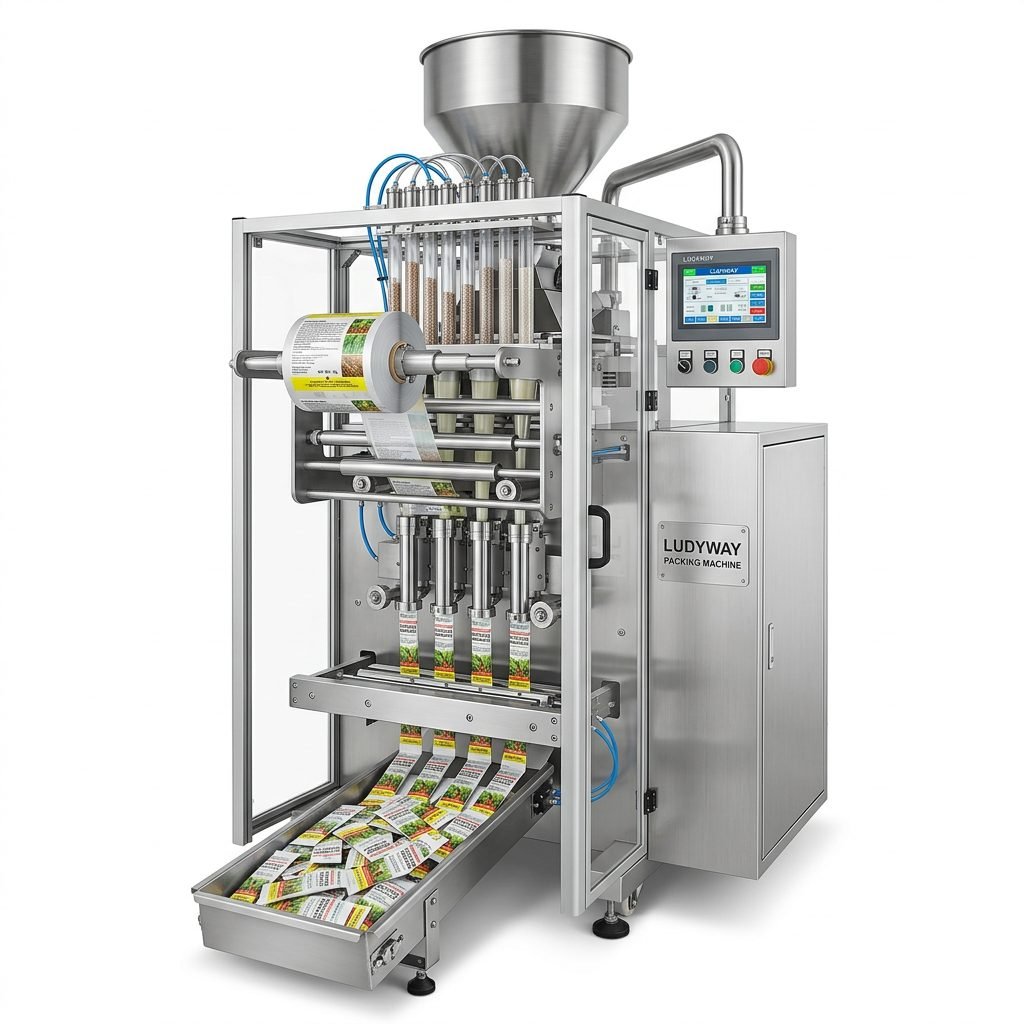
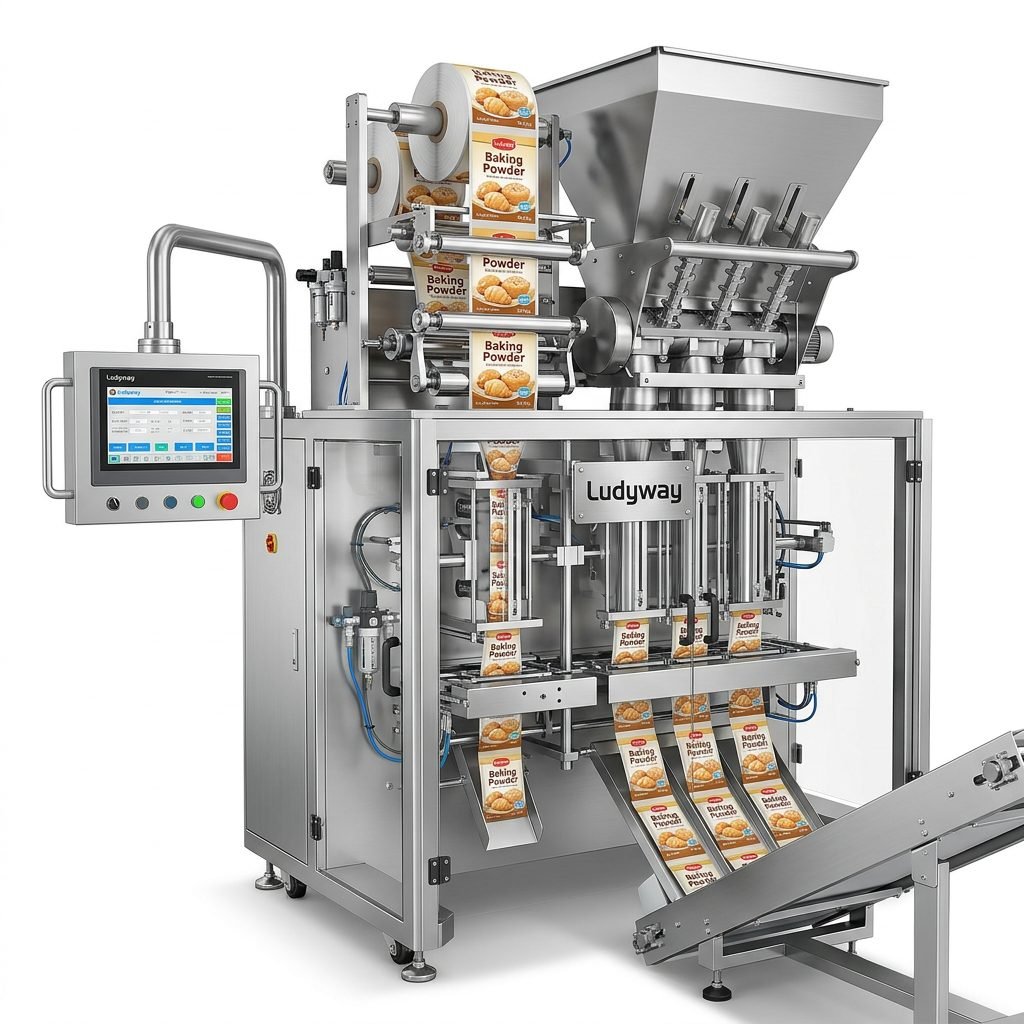
You must also decide whether you need single-lane or multi-lane machines. Single-lane machines are ideal for lower volumes and frequent changeovers. Multi-lane automatic powder packing machines produce multiple bags per cycle, dramatically increasing throughput for high-demand products.
3. Selecting the Right Filling and Dosing Technology
The filling system is the heart of your packaging line. Choosing the wrong doser leads to inaccurate weights, product waste, and downtime. The three most common technologies for powder are:
Auger Filling: The most versatile method for non-free-flowing powders, from micro-doses to large quantities. A servo-driven screw rotates to dispense product. Modern auger fillers offer extreme accuracy and can be equipped with multi-lingual HMIs for global teams.
Volumetric Cup Filling: A cost-effective, high-speed method suitable for stable, consistent, free-flowing granules. It relies on fixed volume cavities to measure product.
Linear / Multi-Head Weigher Combination: For bulk or high-value powders where target weight accuracy is non-negotiable (such as premium protein powders or active pharmaceutical ingredients), gravimetric weighing is preferred.
4. Matching Production Speed and Capacity
Your required output is a crucial factor. Do not only look at the manufacturer’s theoretical maximum speed. Instead, ask about the sustainable operational speed with your specific product and film.
If you need to scale from 50 bags per minute (bpm) to 200 bpm, a multi-lane stick pack machine is likely required. In such configurations, a single frame can run 8, 12, or even 16 lanes simultaneously. This approach conserves floor space compared to running multiple separate single-lane units.
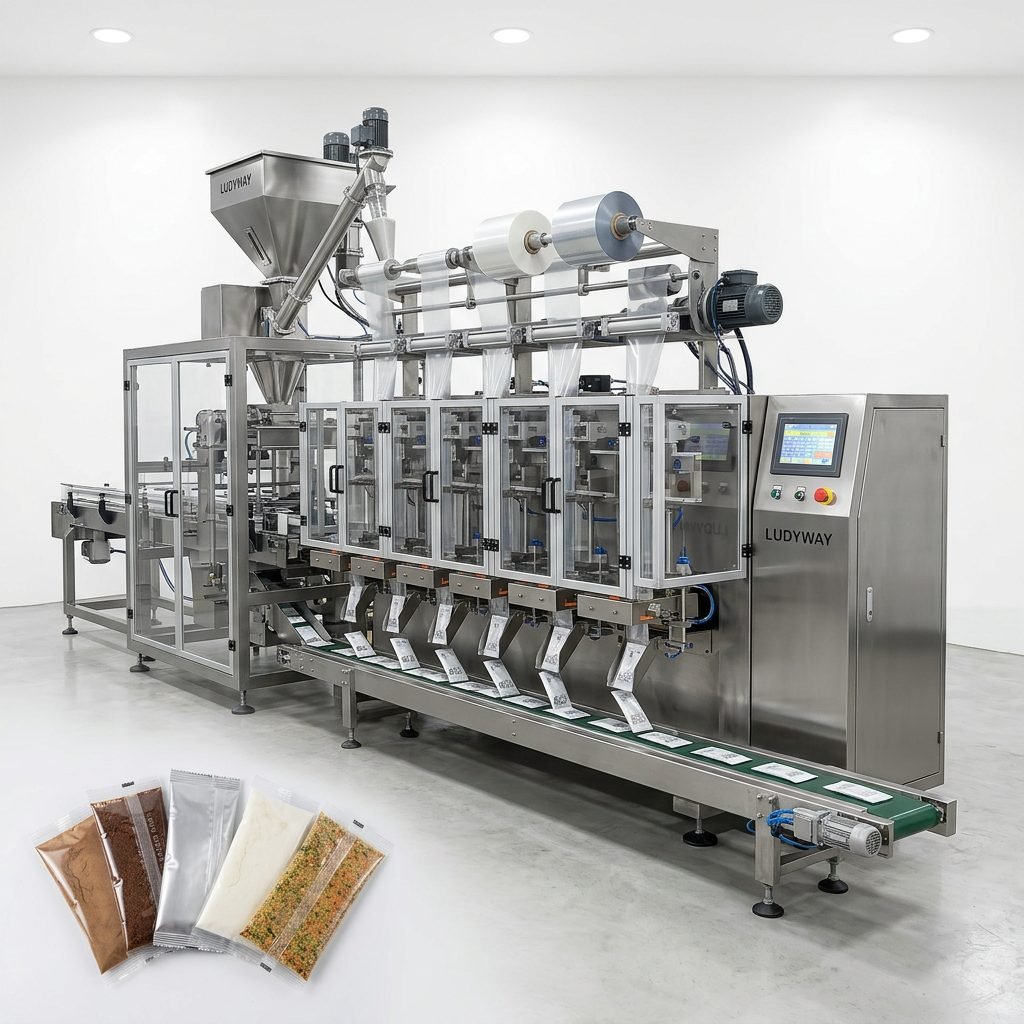
5. Ensuring Quality, Hygiene, and International Standards
Regulatory compliance is non-negotiable, especially for food and pharmaceuticals. Your machine must be capable of meeting GFSI standards, cGMP, or ISO packaging standards.
Material and Construction
Machines should be constructed from 304 or 316L stainless steel for food and pharma applications. Frame designs must minimize horizontal flat surfaces where dust can accumulate. The machine should feature tool-less disassembly for contact parts to allow for rapid cleaning and changeover between batches.
Pharmaceutical Grade Features
For pharmaceutical applications, look for containment systems, HEPA-filtered negative pressure enclosures, and validation documentation (IQ/OQ/PQ). The control system should support 21 CFR Part 11 compliant electronic signatures and audit trails if required.
6. Evaluating Turnkey Integration and Customization
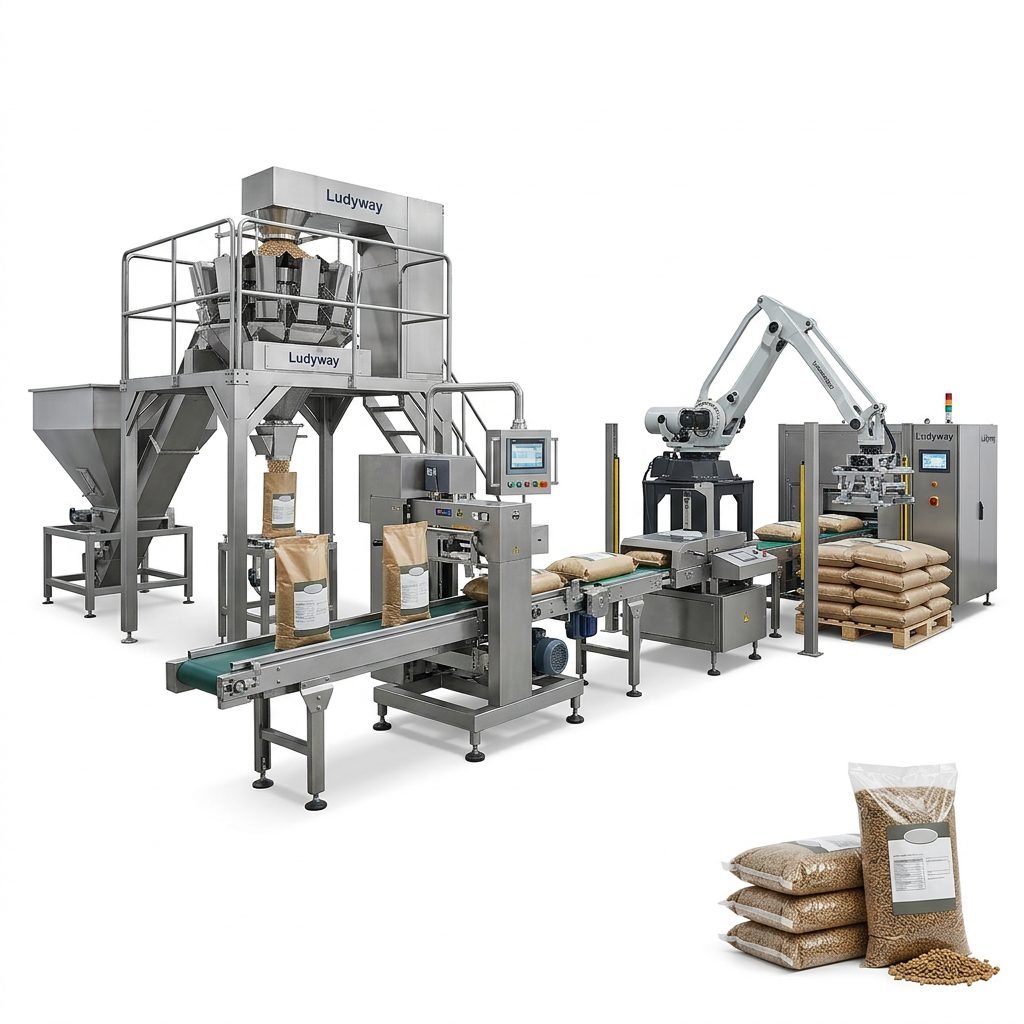
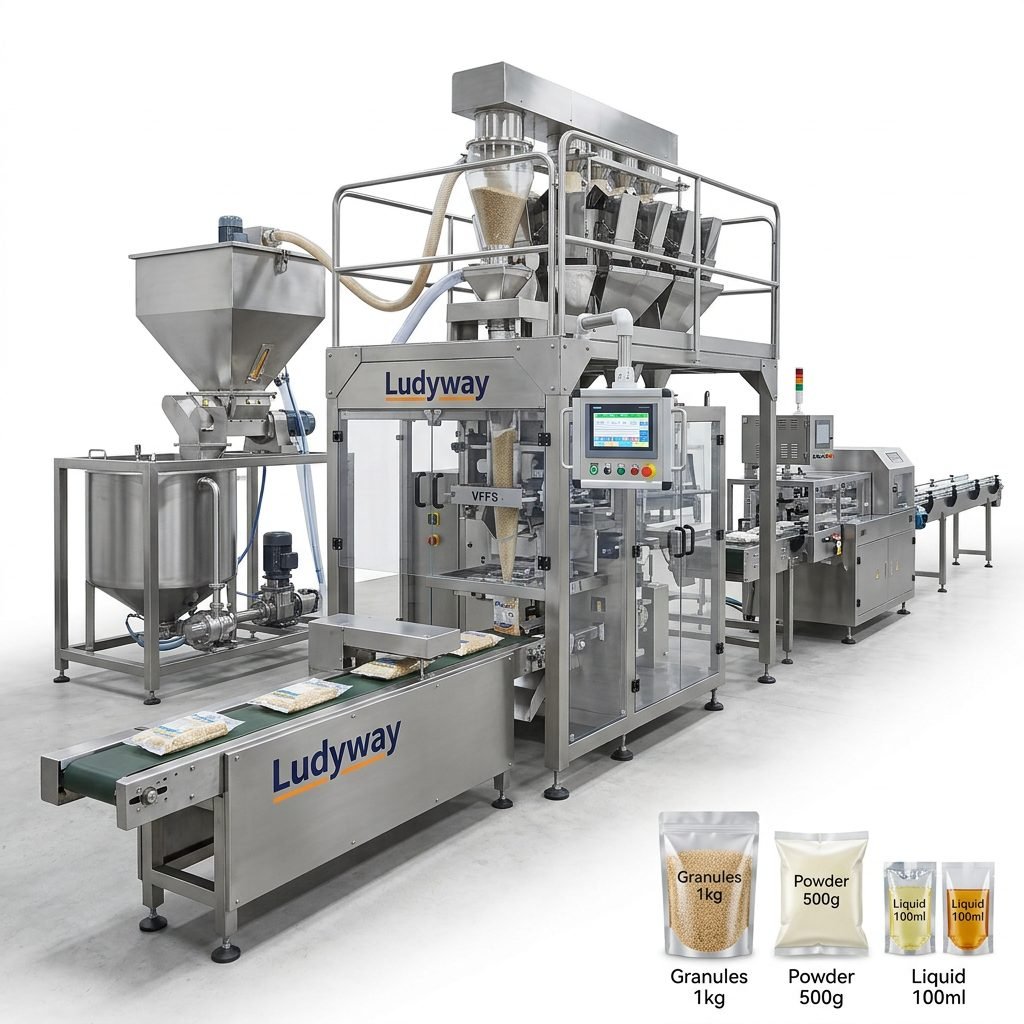
Rarely is a packaging machine an isolated island. The most efficient operations invest in turnkey packaging solutions where the automatic powder packing machine connects to upstream processing equipment and downstream cartoning/casing.
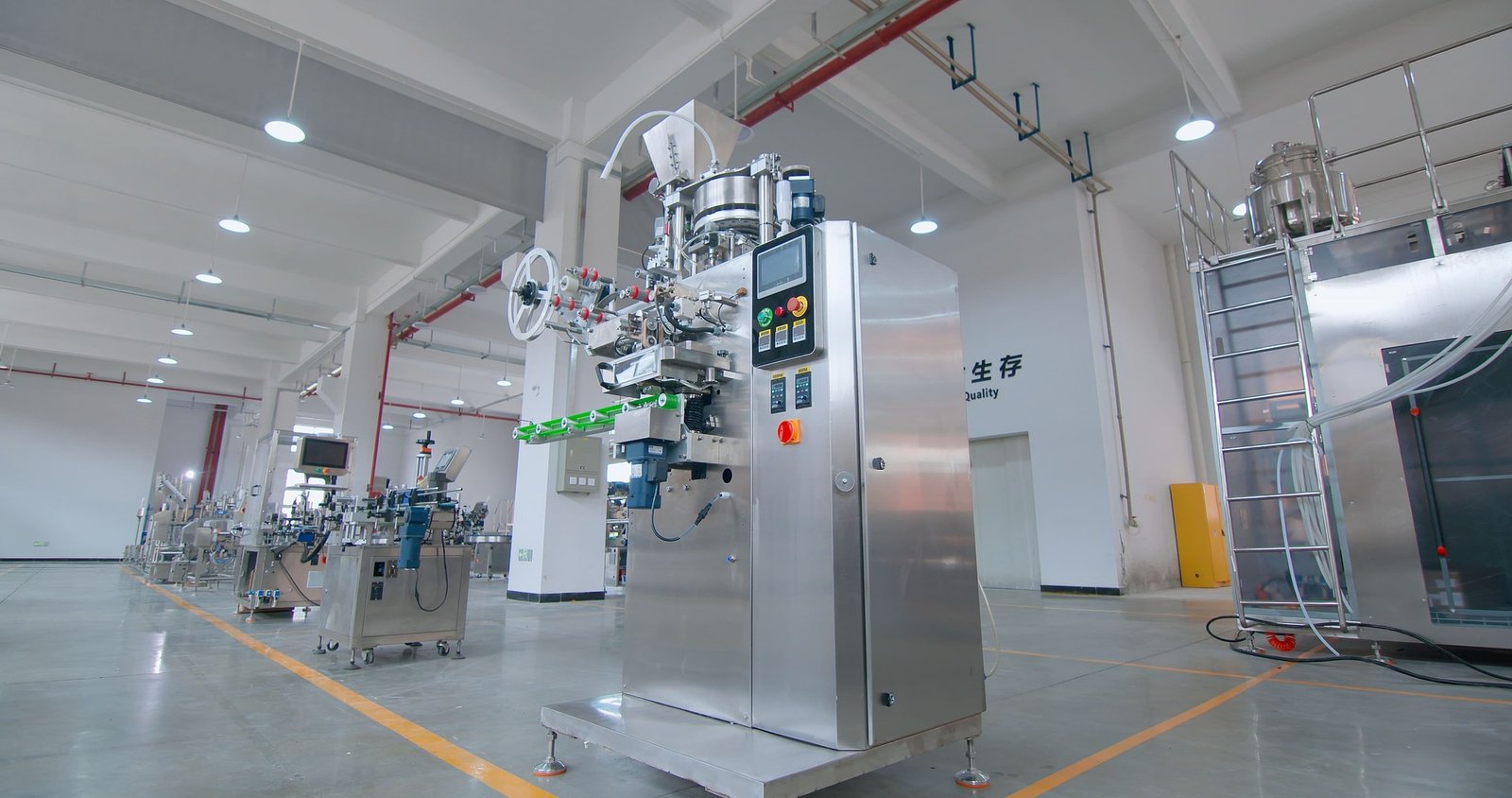
Suppliers with strong engineering capabilities can customize the machine layout to fit your factory footprint. For instance, a China-based manufacturer like Ludyway Machinery operates a 20,000-square-meter facility and emphasizes customized machine configurations rather than relying solely on standardized models. Their approach integrates dosing, filling, sealing, coding, and inspection into automated packaging lines designed to match specific production requirements.
7. Reviewing After-Sales Support and Spare Parts
Equipment reliability is directly tied to the responsiveness of the support network. When speaking to potential vendors, ask about:
- Remote Access Diagnostics: Can the vendor connect via VPN/4G to diagnose PLC issues instantly? This is now a standard feature in modern packaging machinery.
- Spare Parts Inventory: Does the manufacturer have a recommended spare parts package for 1-2 years of operation? High-quality machines utilize globally recognized brands for pneumatics (Festo, SMC) and controls (Siemens, Omron), making parts easier to source locally.
- Installation and Training: On-site commissioning and operator training ensure your team maintains the machine correctly from day one.
Carefully analyze the total cost of ownership (TCO), including energy consumption, film waste during splice/start-up, and expected maintenance intervals. For further guidance, resources from organizations like the Flexible Packaging Association can provide useful industry context.
8. Future-Proofing and Scalability
The right automatic powder packing machine should accommodate your growth. Look for modular designs that allow you to add lanes, upgrade film unwinding systems, or integrate automatic carton packing modules later. The automation should support OEE (Overall Equipment Effectiveness) tracking and Industry 4.0 smart factory communications protocols.
Whether you are packaging instant coffee, nutritional supplements, industrial chemicals, or feed powders, this buyer’s guide provides the foundational framework for evaluating the best solution. By focusing on product characteristics, required dosing technology, packaging formats, and long-term support, you build a reliable foundation for your automatic powder packaging operations.
For insights on market growth and trends affecting packaging machinery global growth, staying informed about industry economics helps justify the investment in automated systems.