Setting up a snack food packaging machine production line is a significant investment that requires careful planning, precise execution, and a clear understanding of your operational goals. Whether you are launching a new facility or upgrading an existing one, following a structured approach ensures optimal efficiency, minimal downtime, and consistent product quality. This guide walks you through the essential steps to set up your packaging production line successfully.
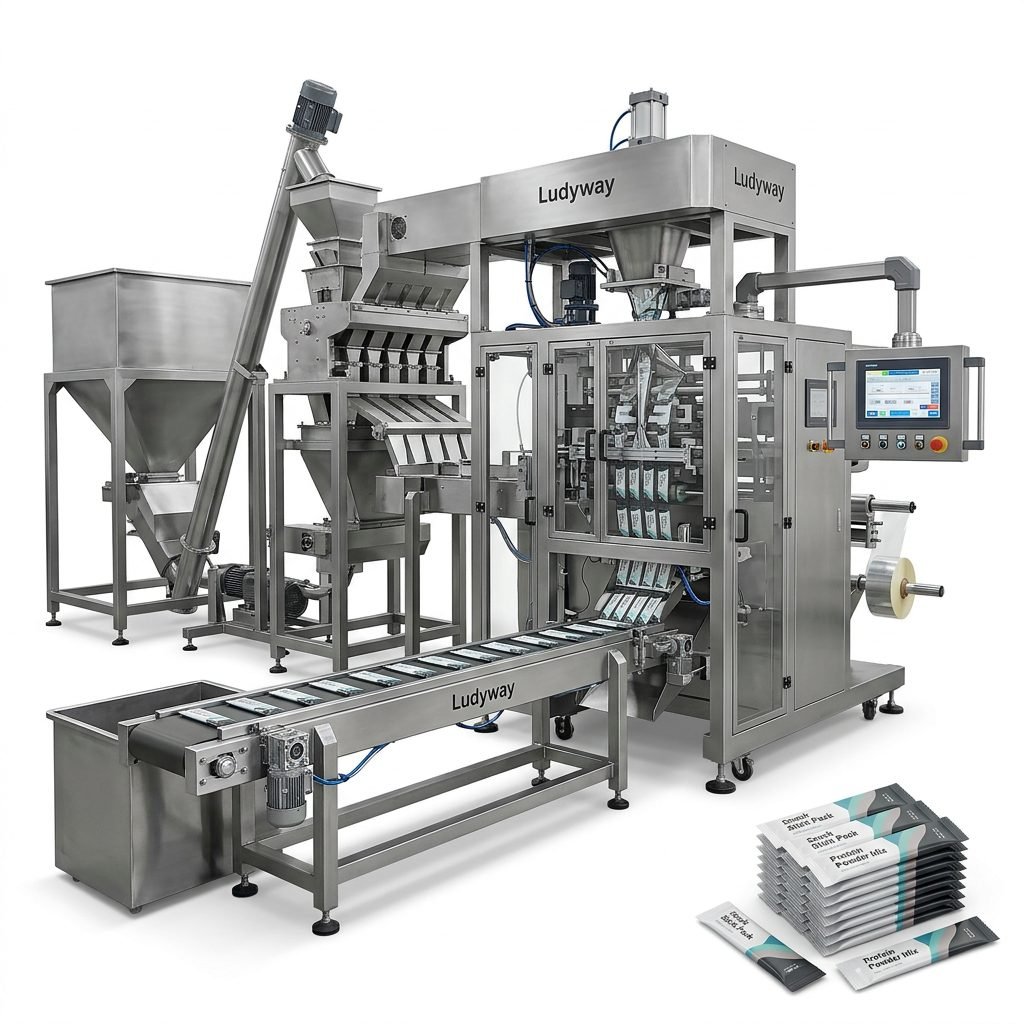
Step 1: Define Your Production Requirements
Before purchasing any equipment, you need to clearly define what your production line must achieve. Start by answering these critical questions:
- What types of snack products will you package — granules, powders, chips, nuts, or mixed items?
- What is your target output per day or per hour?
- What packaging formats do you need — stick packs, sachets, pouches, or multi-lane configurations?
- What are your bag size ranges and material specifications?
- Do you require additional features such as nitrogen flushing, date coding, or checkweighing?
Documenting these requirements upfront helps you select a packaging production line that aligns perfectly with your business needs, avoiding costly mismatches later.
Step 2: Select the Right Packaging Equipment
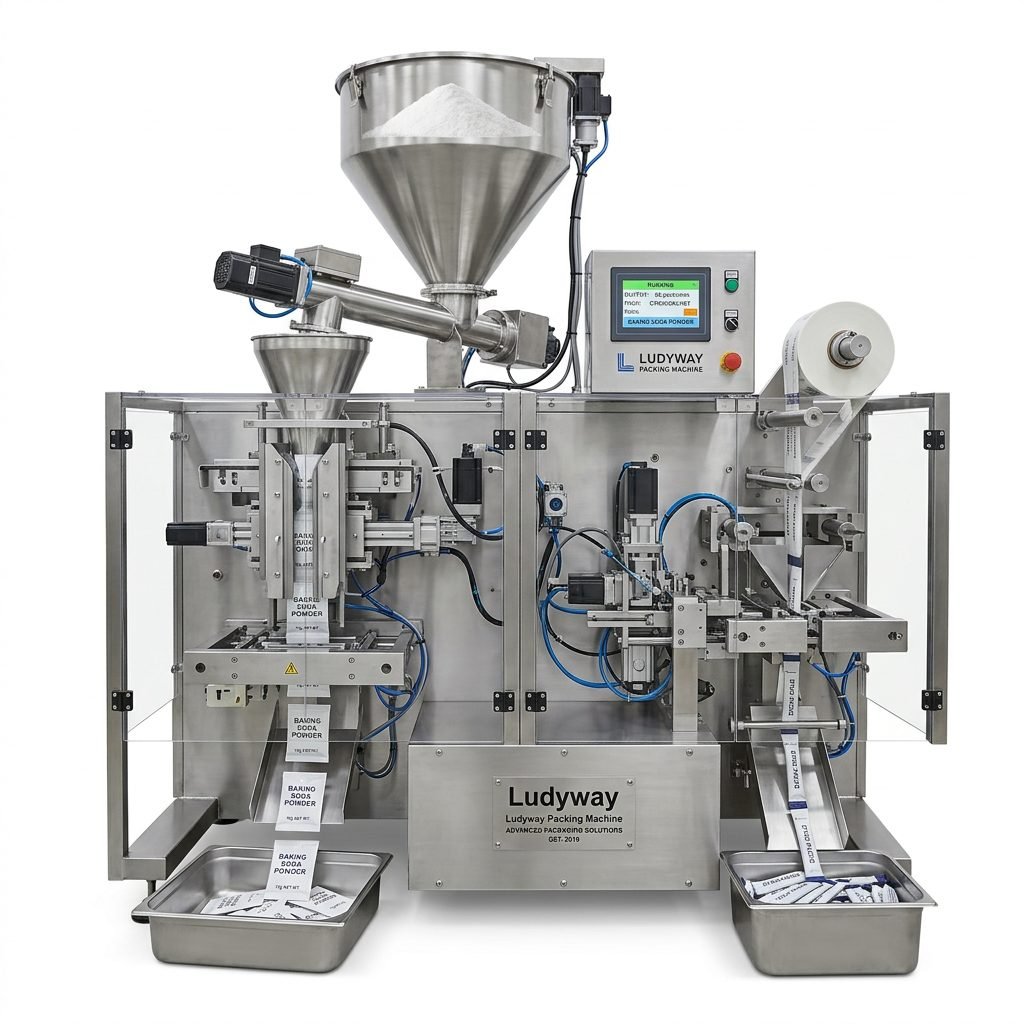
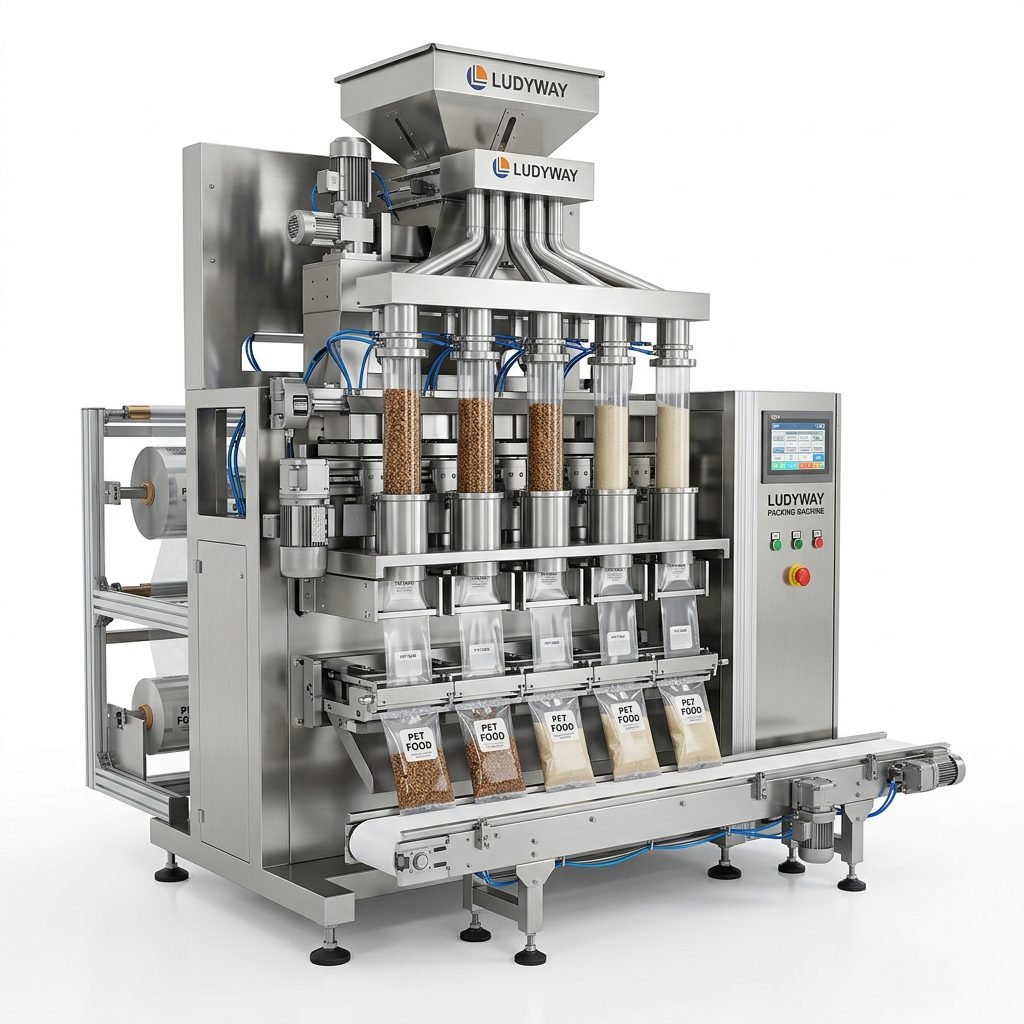
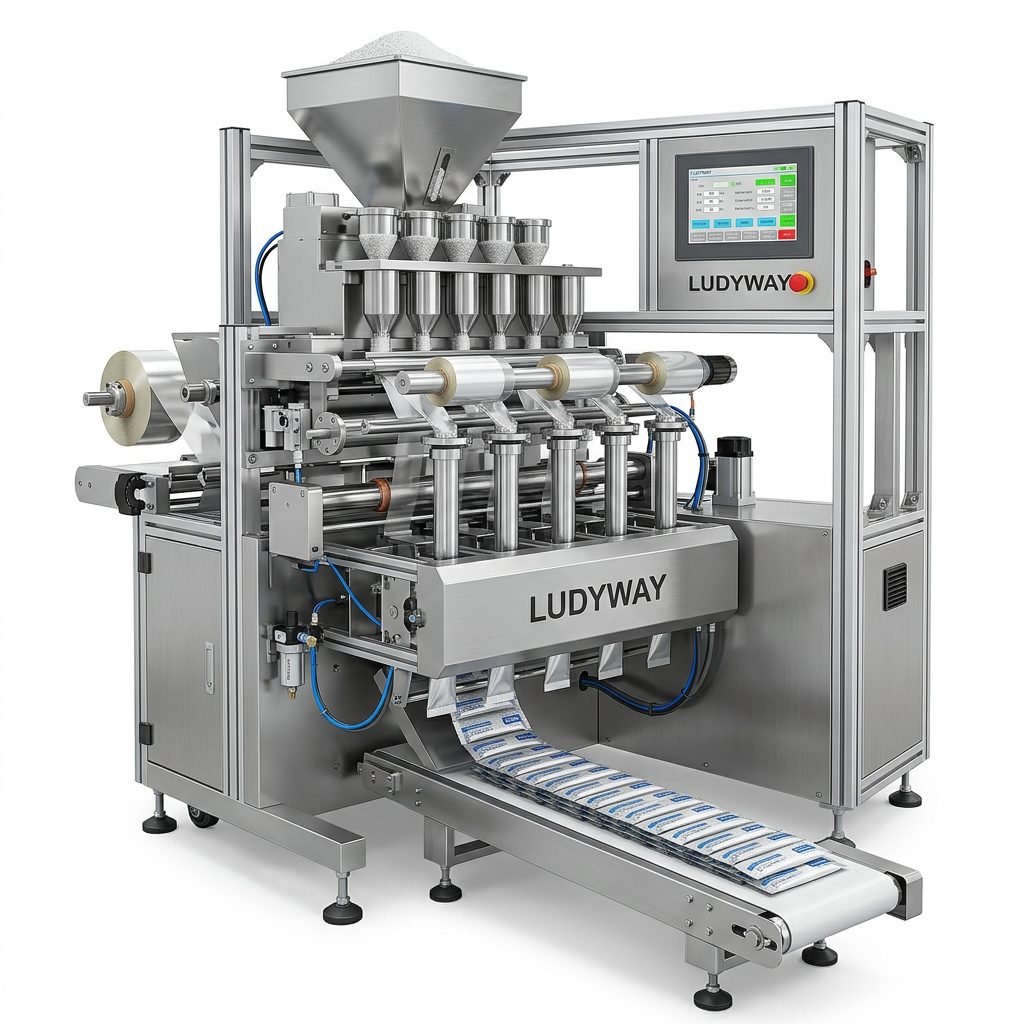
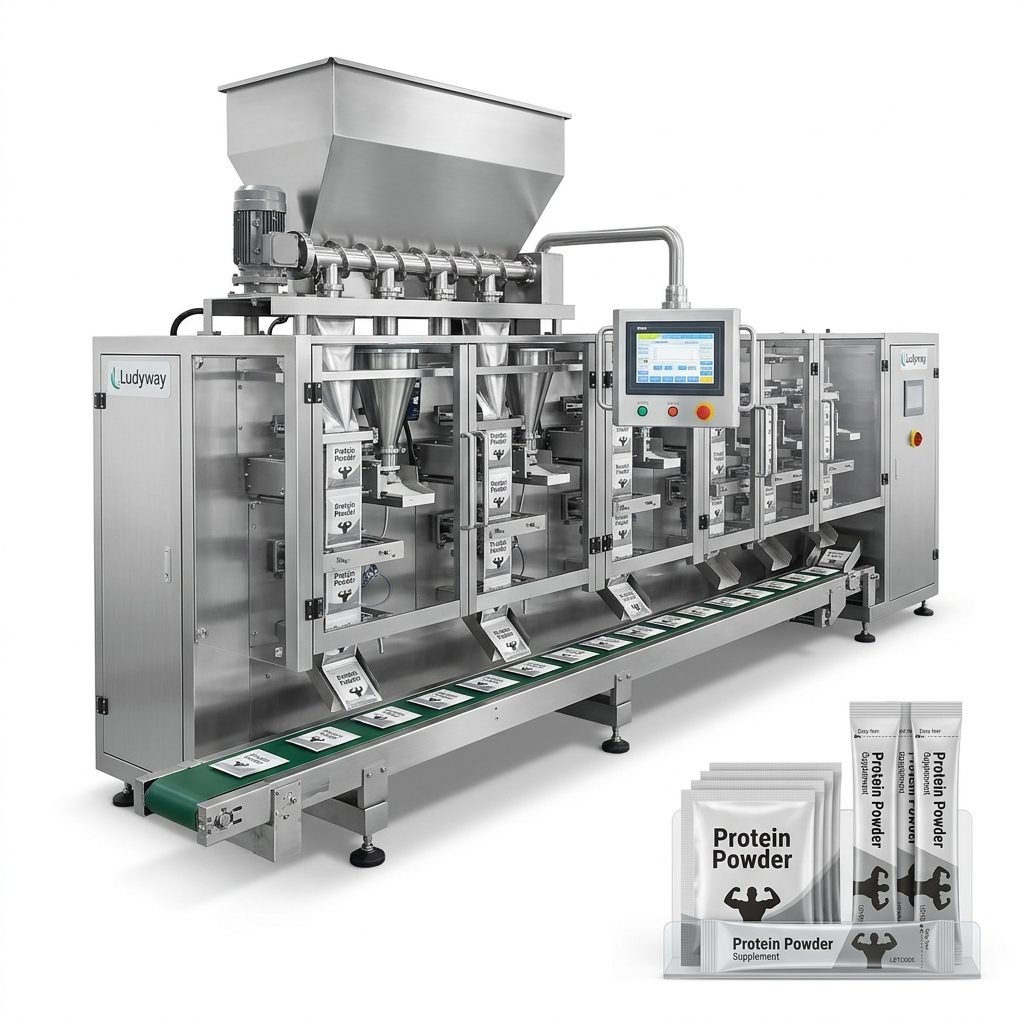
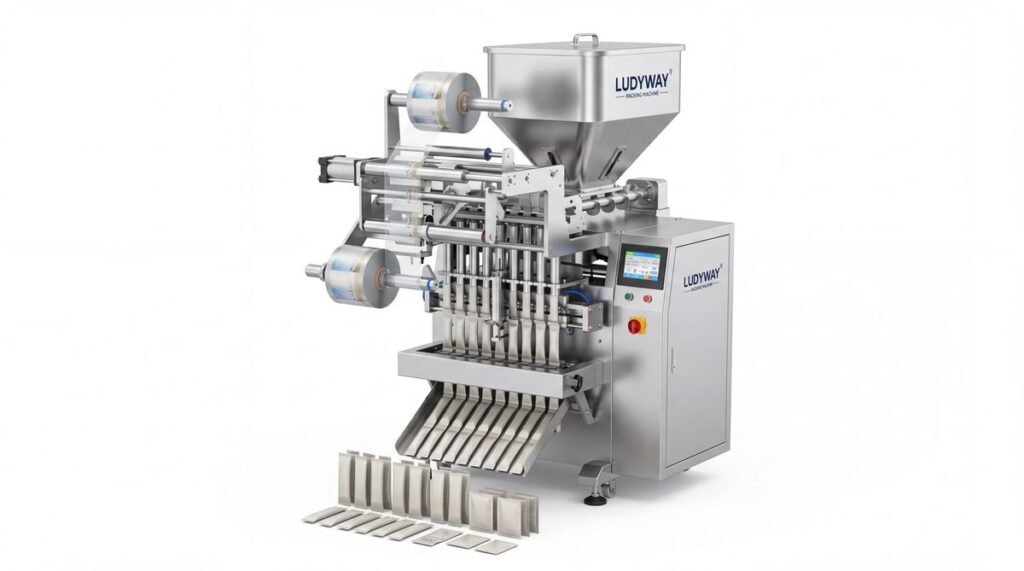
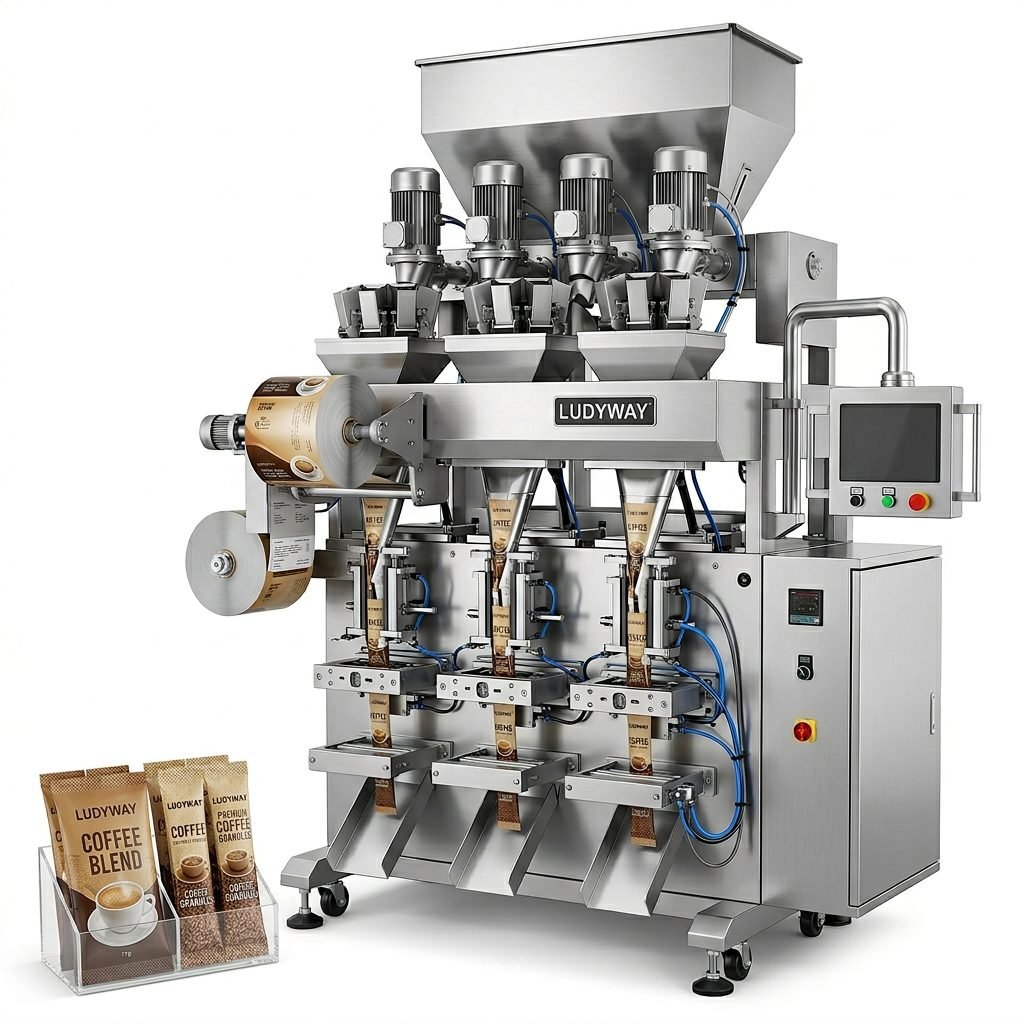
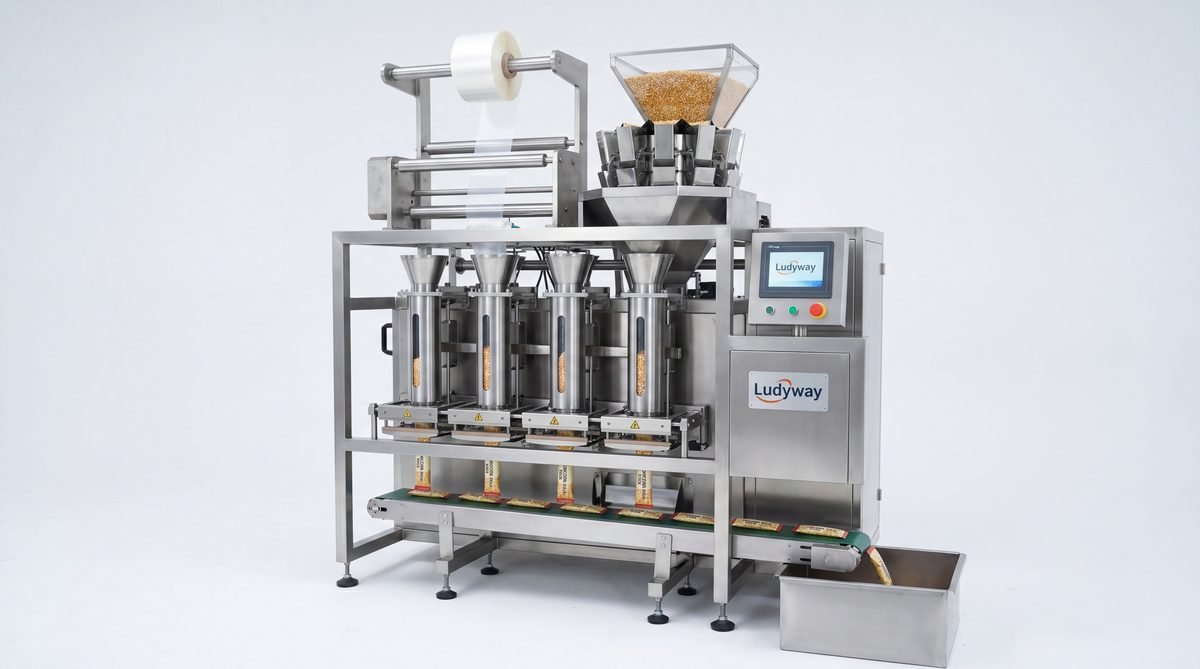
Choosing the correct machinery is the cornerstone of a successful line. For snack foods, a multi-lane stick pack or sachet packaging machine is often the preferred choice due to its high-speed capabilities and versatility. Key equipment categories to consider include:
| Equipment Type | Primary Function | Best For |
|---|---|---|
| Multi-Lane Stick Pack Machine | High-speed vertical form-fill-seal for narrow pouches | Powdered snacks, sugar, salt, instant drinks |
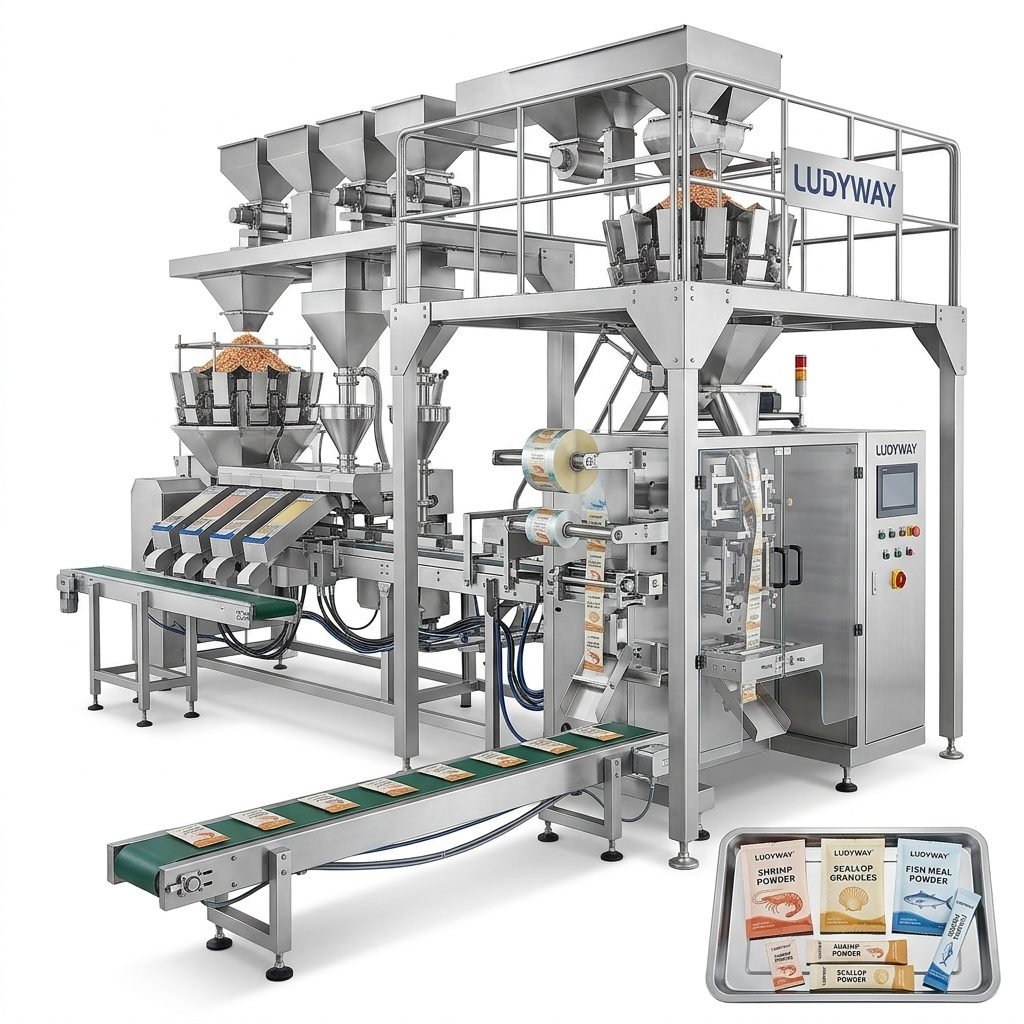
| Multi-Lane Sachet Machine | Flat or four-side-seal sachet packaging | Granules, nuts, dried fruits, trail mixes |
| Weighing & Filling System | Precision dosing of product into each lane | Multi-head weighers, auger fillers, volumetric cups |
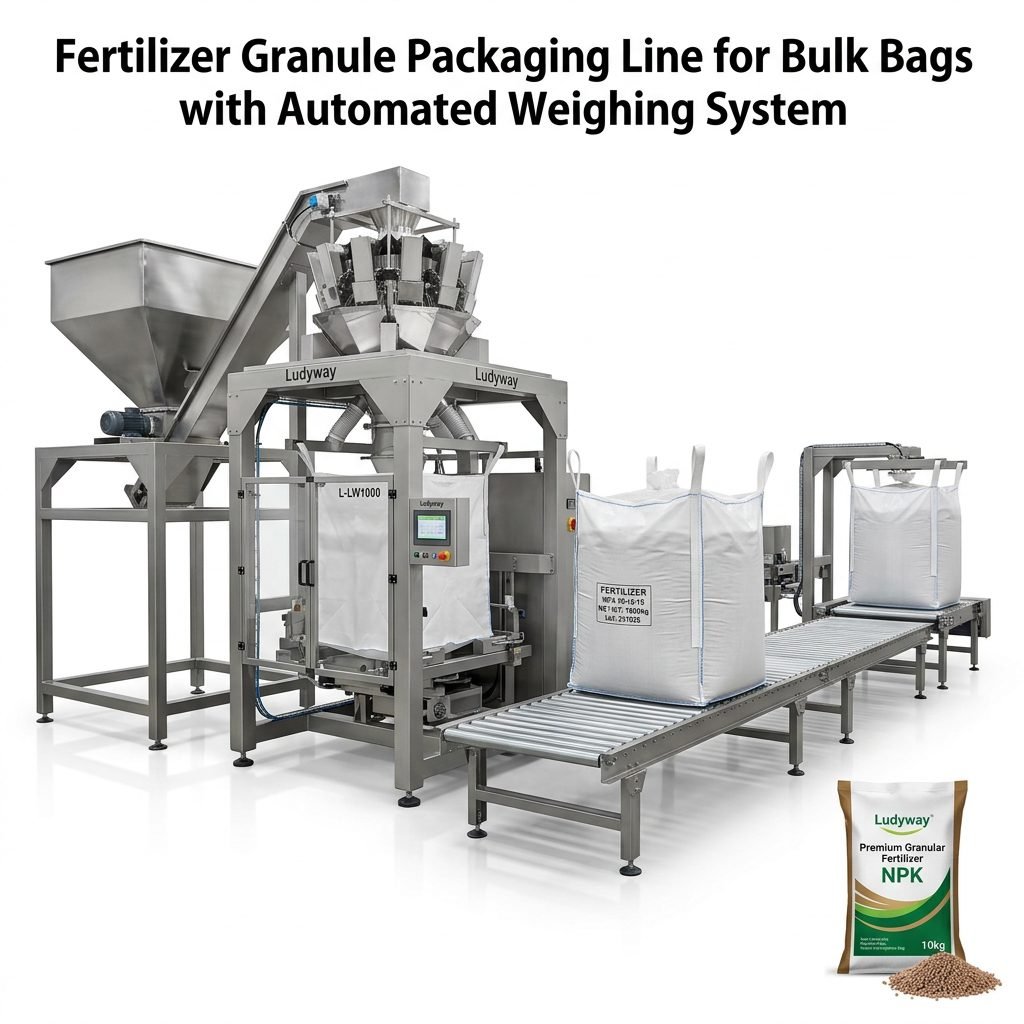
| Conveying & Feeding Equipment | Transport raw materials to the packaging machine | Bucket elevators, inclined conveyors, vibratory feeders |
| Auxiliary Systems | Quality control and end-of-line automation | Checkweighers, metal detectors, cartoning machines |
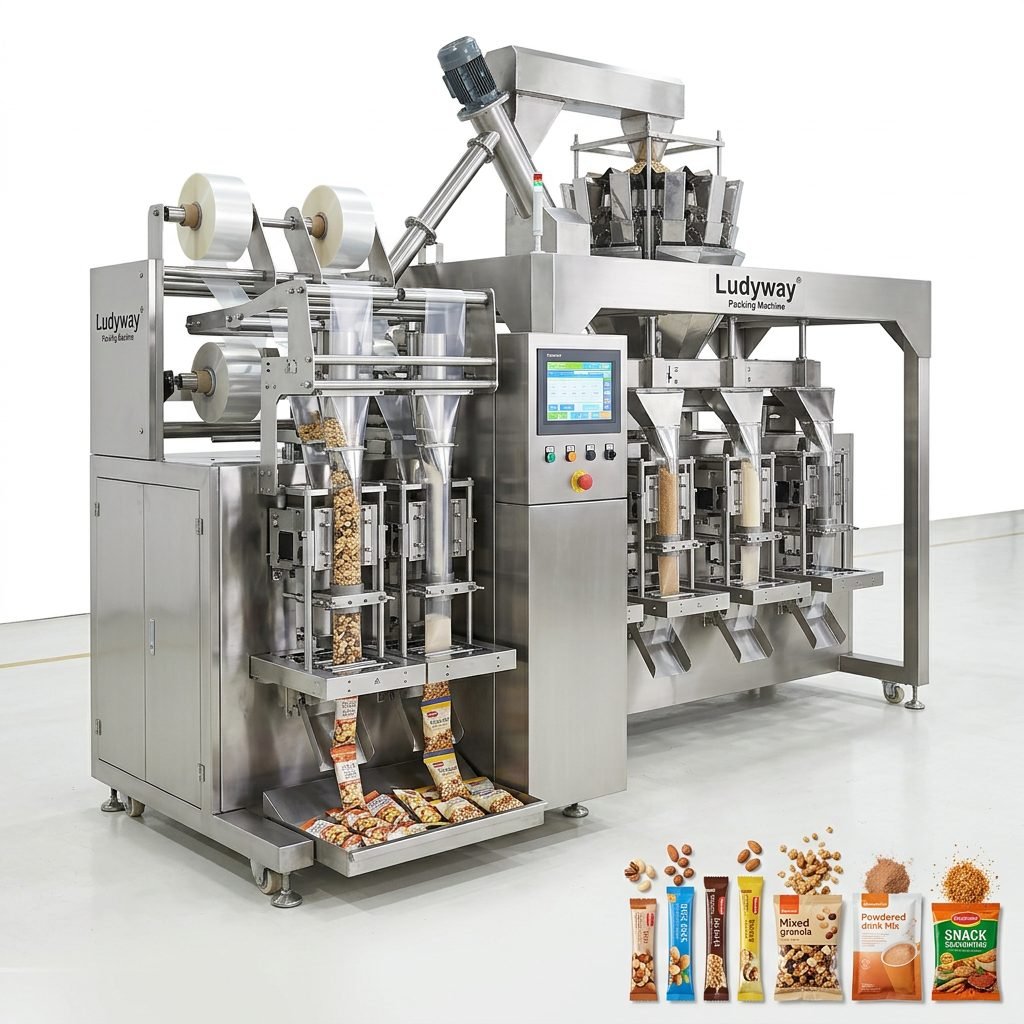
Step 3: Plan Your Production Line Layout
A well-designed floor layout maximizes efficiency and minimizes bottlenecks. Consider the following when planning your space:
- Material flow: Raw materials should enter from one end and finished products exit from the other in a logical sequence.
- Operator access: Ensure sufficient space around each machine for operators to perform adjustments and maintenance safely.
- Utility connections: Verify that electrical supply, compressed air lines, and any required exhaust or dust collection systems are positioned correctly.
- Future expansion: Leave room for additional lanes or complementary equipment as your production scales.
A typical snack packaging line flows from feeding → weighing → filling → sealing → coding → inspection → cartoning → palletizing. Mapping this flow visually helps identify potential bottlenecks before installation begins.
Step 4: Installation and Machine Setup
Once your equipment arrives, follow these setup procedures methodically:
- Position and level each machine according to the manufacturer’s specifications. Use precision leveling tools to ensure stability.
- Connect utilities — power, compressed air, and any required data cables — following all safety regulations and local codes.
- Install feeding systems such as bucket elevators or vibratory feeders, ensuring proper alignment with the packaging machine’s inlet hopper.
- Load packaging film and thread it through the forming tube, sealing jaws, and pulling rollers according to the machine’s threading diagram.
- Configure machine parameters including bag length, sealing temperature, filling weight, and production speed through the HMI touchscreen interface.
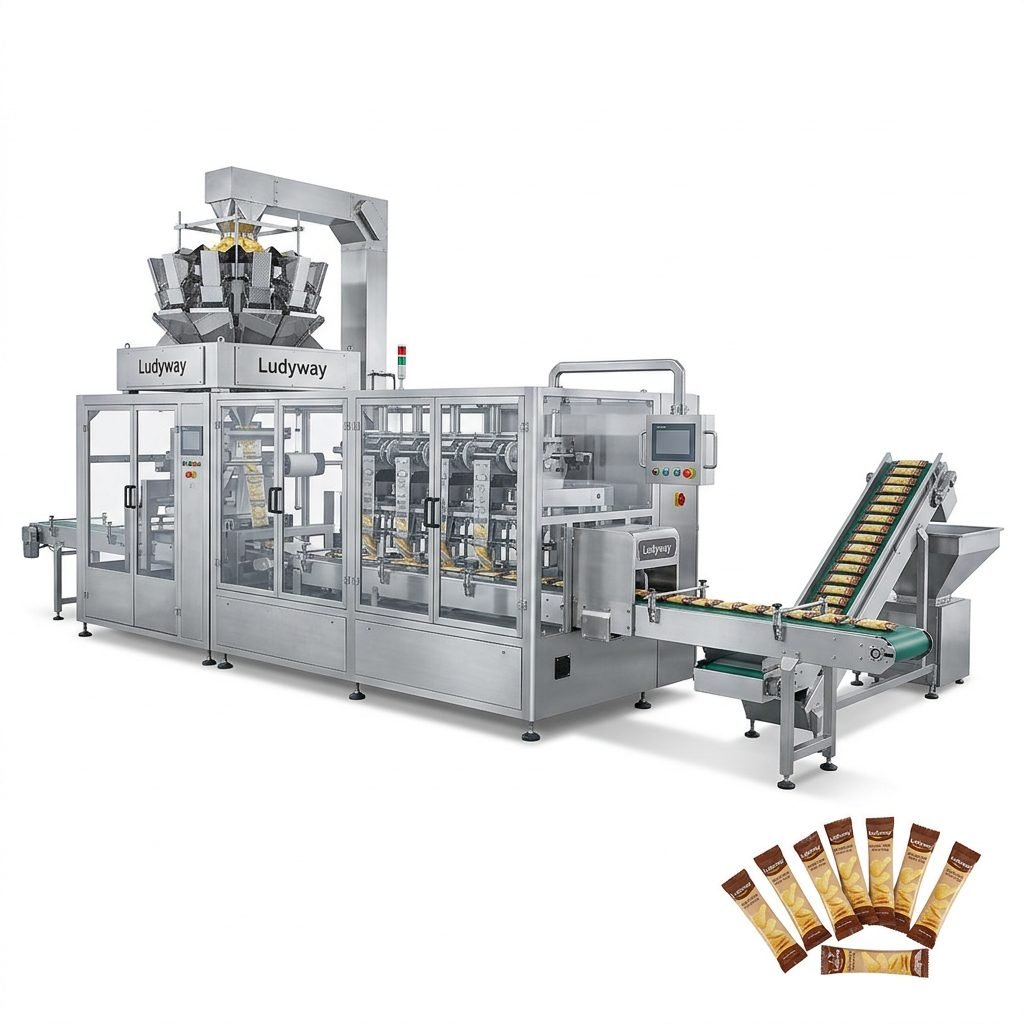
Step 5: Testing, Calibration, and Fine-Tuning
Before moving to full-scale production, thorough testing is essential. Run the automatic packaging system with actual product to verify:
- Filling accuracy: Weigh sample pouches at regular intervals to confirm dosing precision within acceptable tolerances.
- Seal integrity: Perform pull tests and leak tests on sealed pouches to ensure consistent seal quality across all lanes.
- Production speed: Gradually increase speed while monitoring fill accuracy and seal quality to find the optimal operating range.
- Date coding clarity: Verify that batch numbers and expiration dates are printed clearly and positioned correctly on each package.
Document all calibration settings and test results. This data serves as a valuable reference for future troubleshooting and quality audits.
Step 6: Operator Training and Safety Protocols
Even the most advanced multi-lane stick pack machine requires skilled operators to run efficiently. Develop a comprehensive training program covering:
- Machine startup and shutdown procedures
- Film splicing and roll changeover techniques
- Parameter adjustment via the HMI panel
- Basic troubleshooting for common issues such as film tracking errors, seal failures, or filling inconsistencies
- Cleaning and sanitization protocols
- Emergency stop procedures and lockout/tagout safety practices
Well-trained operators significantly reduce downtime and help maintain consistent product quality throughout every shift.
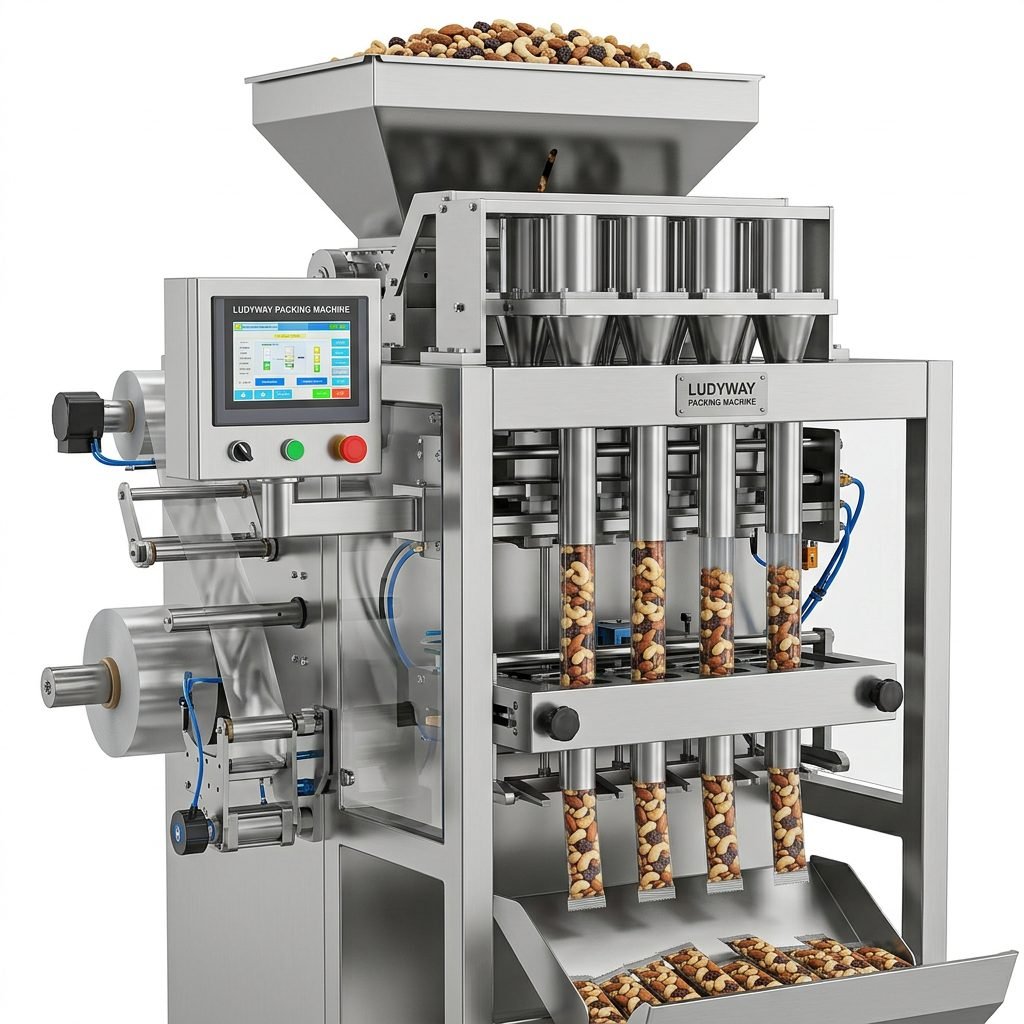
Step 7: Establish a Preventive Maintenance Schedule
Regular maintenance is critical to extending the lifespan of your equipment and preventing unexpected breakdowns. Create a maintenance calendar that includes these key tasks:
| Frequency | Maintenance Task | Responsible Party |
|---|---|---|
| Daily | Clean product contact surfaces, inspect sealing jaws for residue buildup, check film alignment | Operator |
| Weekly | Lubricate moving parts, inspect belts and chains for wear, verify sensor calibration | Maintenance Technician |
| Monthly | Check electrical connections, replace worn sealing elements, inspect pneumatic systems for leaks | Maintenance Technician |
| Quarterly | Comprehensive inspection of all mechanical components, software updates, full system diagnostics | Senior Engineer |
| Annually | Complete overhaul, replacement of major wear parts, performance benchmarking | Manufacturer Service Team |
Common Challenges and How to Address Them
Every production line faces challenges. Anticipating them helps you respond quickly:
- Film wrinkling or misalignment: Check tension settings and ensure the film roll is properly centered on the unwind shaft.
- Inconsistent fill weights: Recalibrate the weighing system and verify that product flow into the feeder is uniform.
- Seal failures: Adjust sealing temperature and dwell time; inspect sealing jaws for damage or contamination.
- Product bridging in hoppers: Install agitators or use a different hopper design suited to your product’s flow characteristics.
- Excessive dust generation: Integrate a dust collection system to protect both operators and sensitive machine components.
Optimizing Line Performance Over Time
After your line is running steadily, focus on continuous improvement. Monitor key performance indicators such as Overall Equipment Effectiveness (OEE), downtime percentage, and reject rates. Regularly review these metrics and identify areas for incremental improvement. Upgrading components like feeding systems, adding automated inspection modules, or integrating cartoning and palletizing solutions can significantly boost throughput without replacing your entire line.
For businesses seeking reliable and customizable solutions, Ludyway offers a comprehensive range of packaging machinery backed by decades of engineering expertise. From single machines to complete turnkey packaging solutions, selecting the right partner is just as important as selecting the right equipment.
Final Thoughts
Setting up a snack food packaging machine production line is a multifaceted process that demands attention to detail at every stage — from initial planning and equipment selection to installation, training, and ongoing maintenance. By following this step-by-step guide, you can establish a production line that delivers consistent quality, meets your output targets, and adapts to future growth. Investing time in proper setup today pays dividends in efficiency and reliability for years to come.