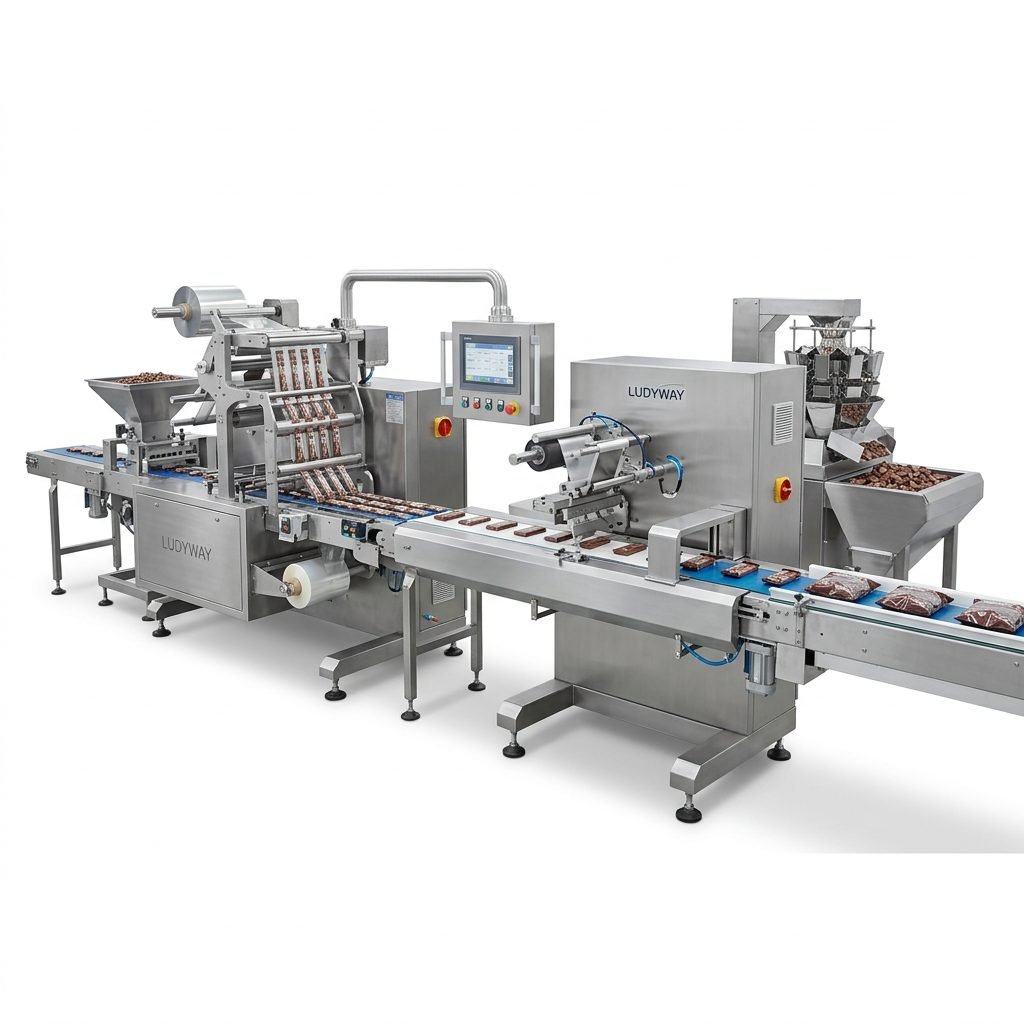
Establishing a confectionery packaging machine production line in Europe requires meticulous planning to meet stringent regulatory standards, diverse product demands, and high efficiency targets. Whether you are scaling up an artisanal chocolate factory or automating a large-scale candy manufacturing plant, the right approach ensures seamless integration, minimal downtime, and compliance with European CE directives. This guide walks you through the essential steps, from initial facility assessment to full-scale operation.
Understanding the European Confectionery Market Landscape
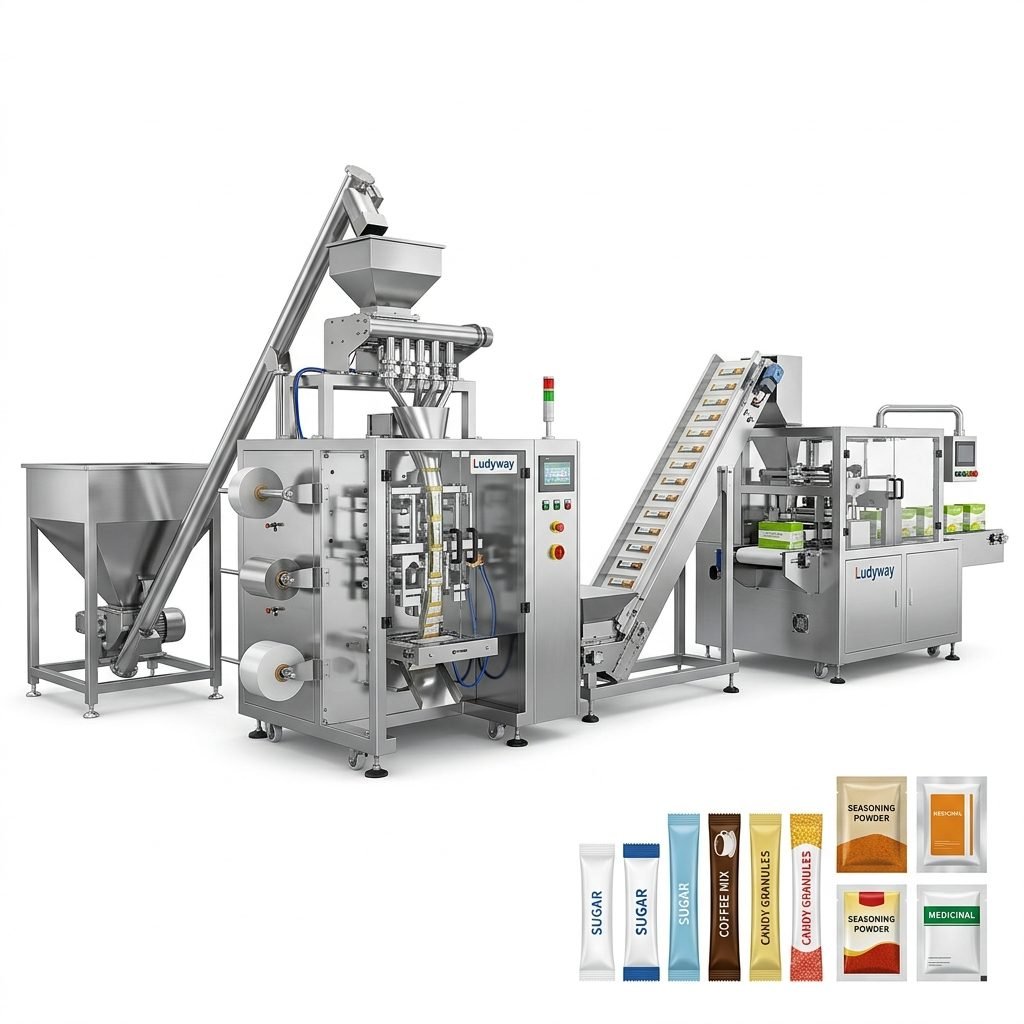
Before investing in machinery, it is critical to analyze the specific requirements of the European market. The continent is home to some of the world’s largest chocolate and sugar confectionery producers, with countries like Germany, Italy, and the Netherlands leading exports. Consumer trends are shifting towards sustainable packaging, smaller portion sizes, and functional ingredients. Your production line must be flexible enough to handle various formats, including stick packs, sachets, and flow wraps, while minimizing material waste.
Regulatory compliance is non-negotiable. Equipment must adhere to the Machinery Directive 2006/42/EC and relevant EN standards for hygiene and safety. Look for suppliers who provide comprehensive validation documentation (IQ/OQ) to simplify the auditing process. For broader industry standards, resources from the PMMI – Packaging Industry Resources offer valuable benchmarks.
Key Production Metrics to Define
- Target Output: Units per minute (UPM) required to meet market demand.
- Packaging Formats: Stick packs, sachets, pouches, or multi-lane configurations.
- Product Characteristics: Granule size, powder density, or liquid viscosity (e.g., chocolate vs. gummies).
- Cleanability: Hygienic design for allergen control and product changeovers.
Step-by-Step Implementation Strategy
Step 1: Facility Assessment and Layout Planning
The foundation of a successful line is a well-designed facility layout. European facilities often face space constraints compared to other regions, making compact, modular designs preferable. Ensure your floor can handle the static and dynamic loads of high-speed multi-lane stick pack machines. Consider environmental controls: confectionery products, particularly chocolate, are sensitive to temperature and humidity. Integrate HVAC mapping into your layout to prevent product sticking or bloom. The European Commission provides guidelines on sustainable factory setups through their Packaging and Packaging Waste resources.
Step 2: Selecting CE-Certified Packaging Equipment
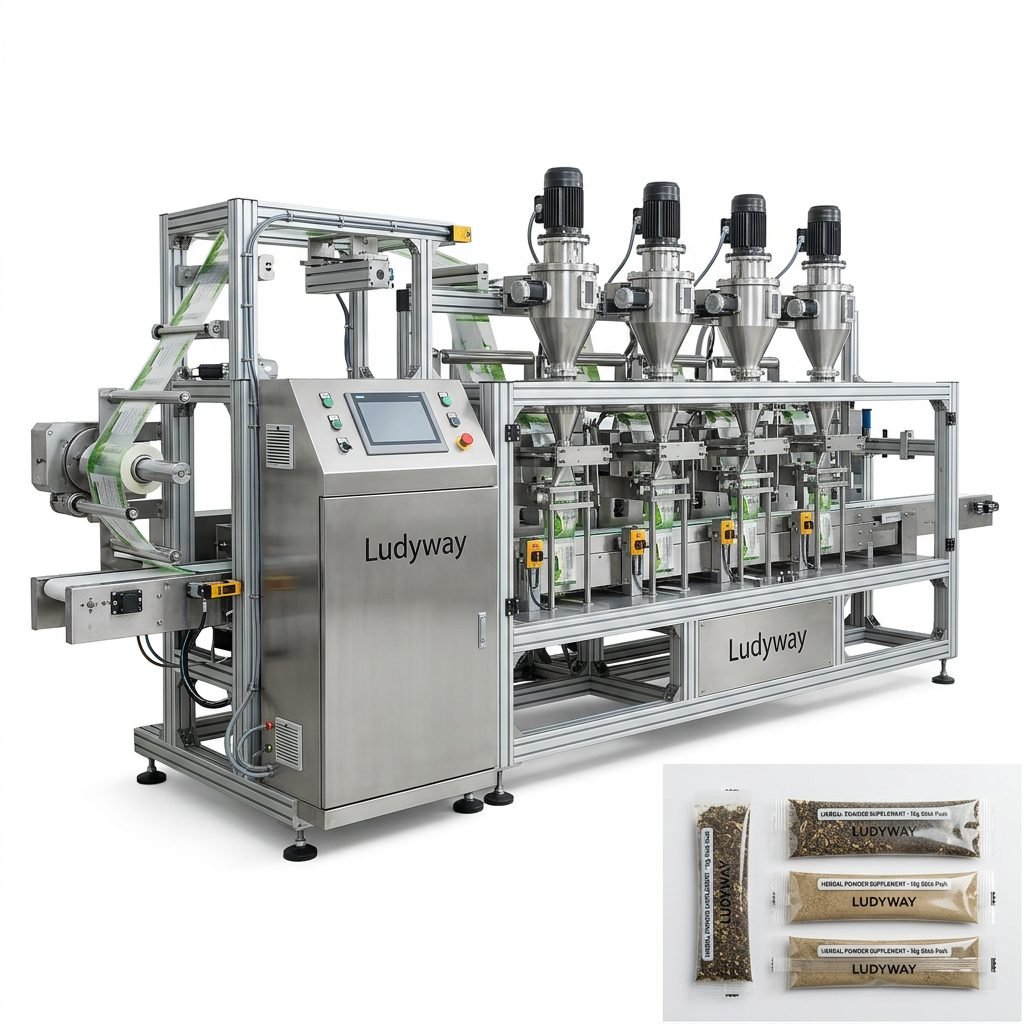
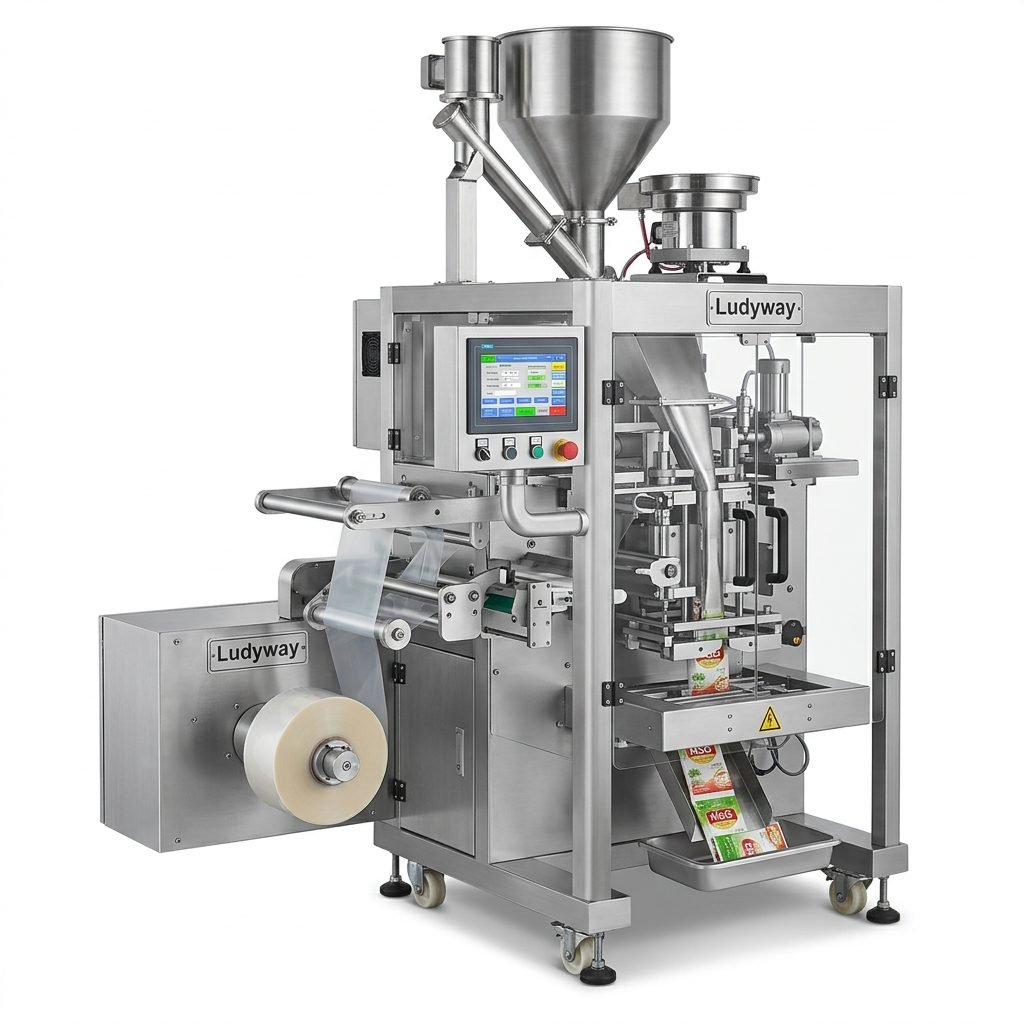
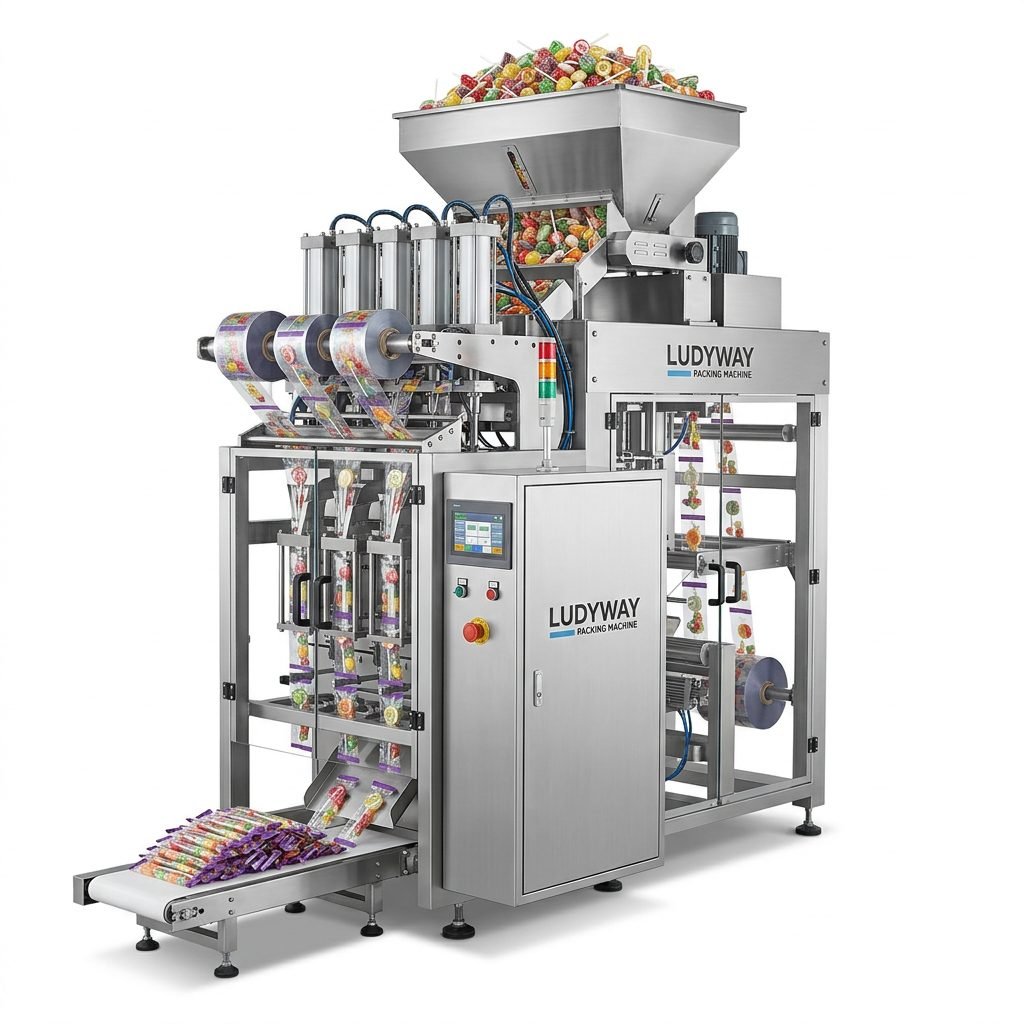
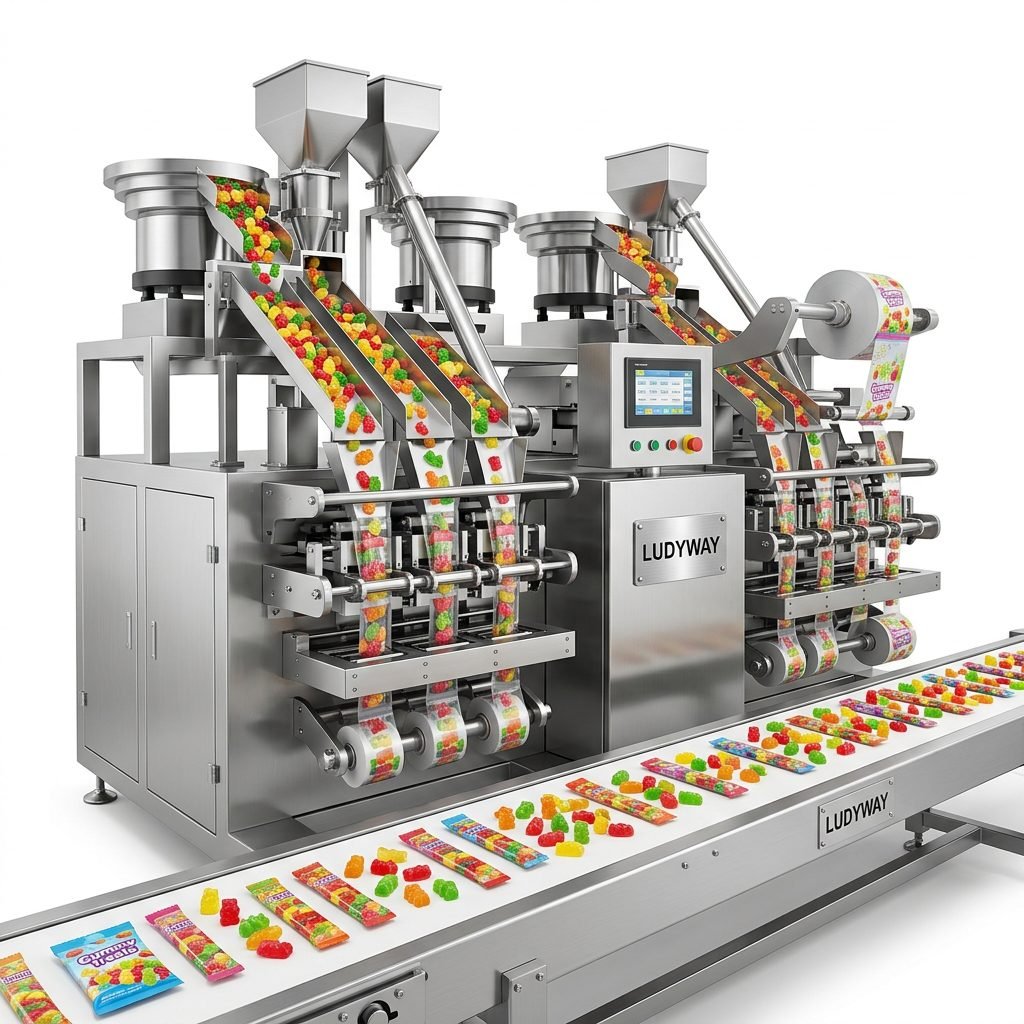
Choosing the right machinery partner is the most critical decision. Your equipment must be CE certified and designed for the specific rigors of confectionery products. For instance, sticky granule dosing requires servo-driven auger fillers with non-stick coatings, while fragile products need gentle volumetric cup fillers. A turnkey packaging line that integrates feeding, filling, sealing, and checkweighing ensures single-source accountability.
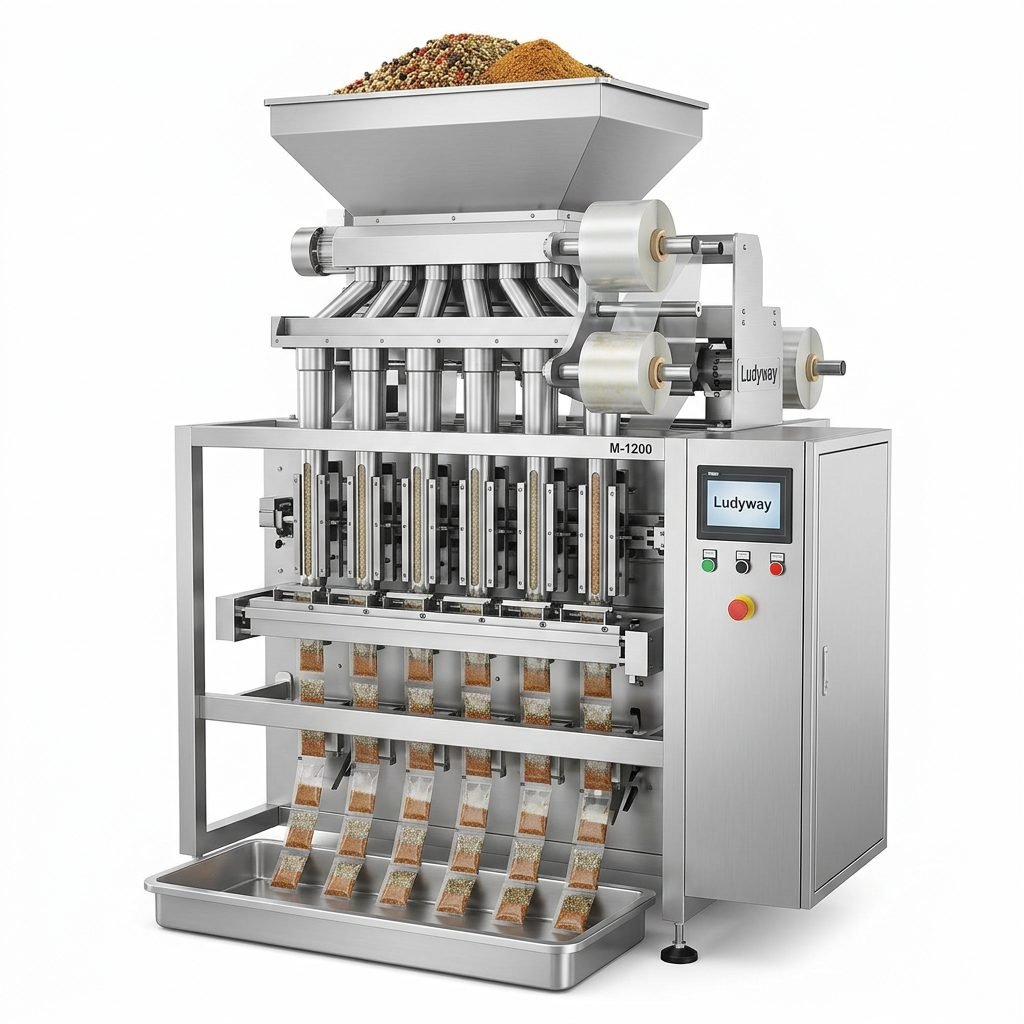
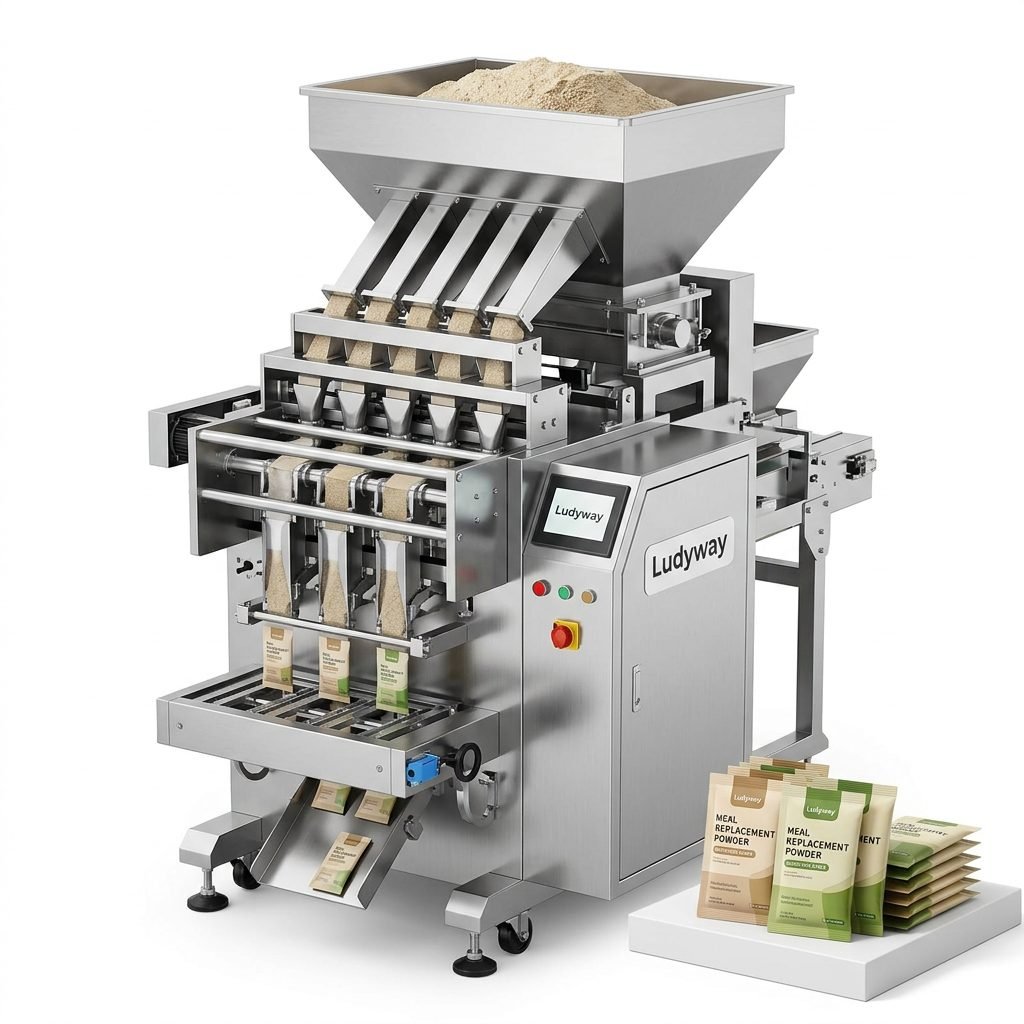
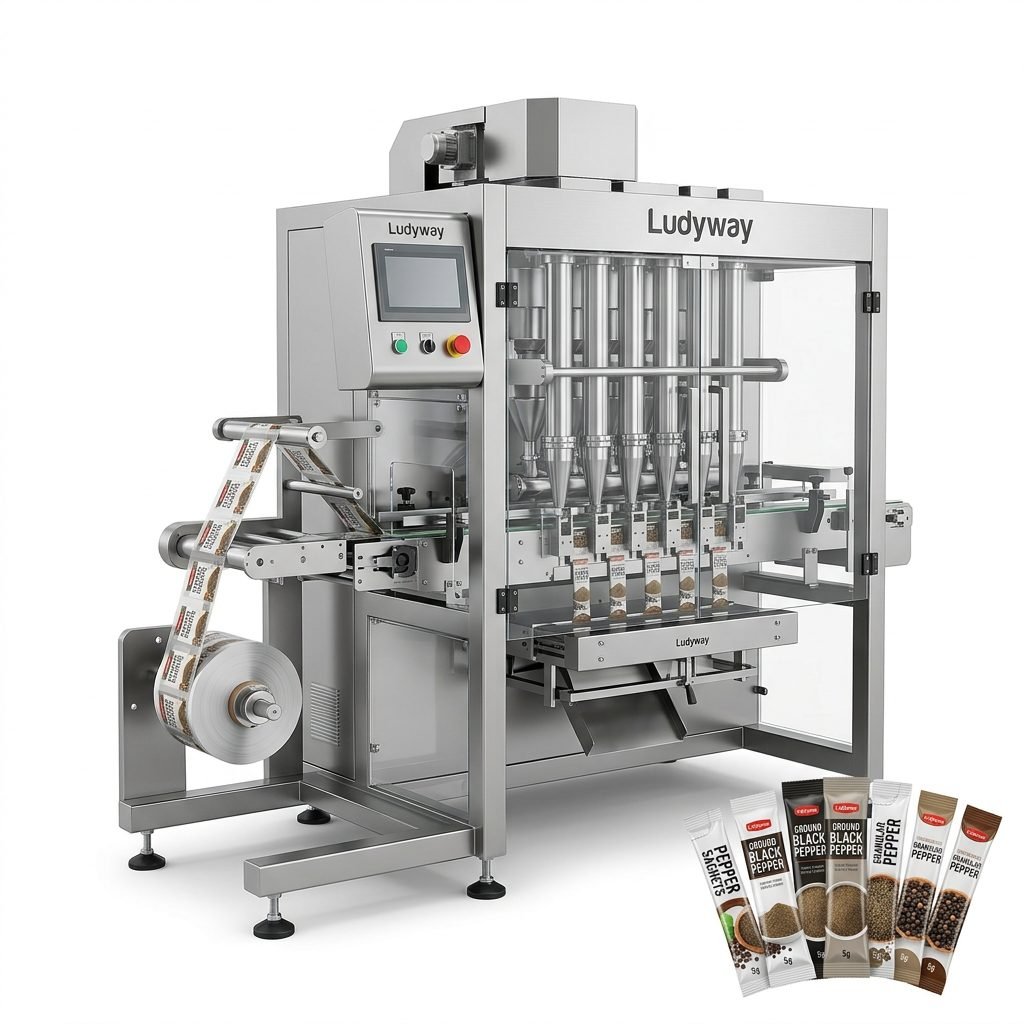
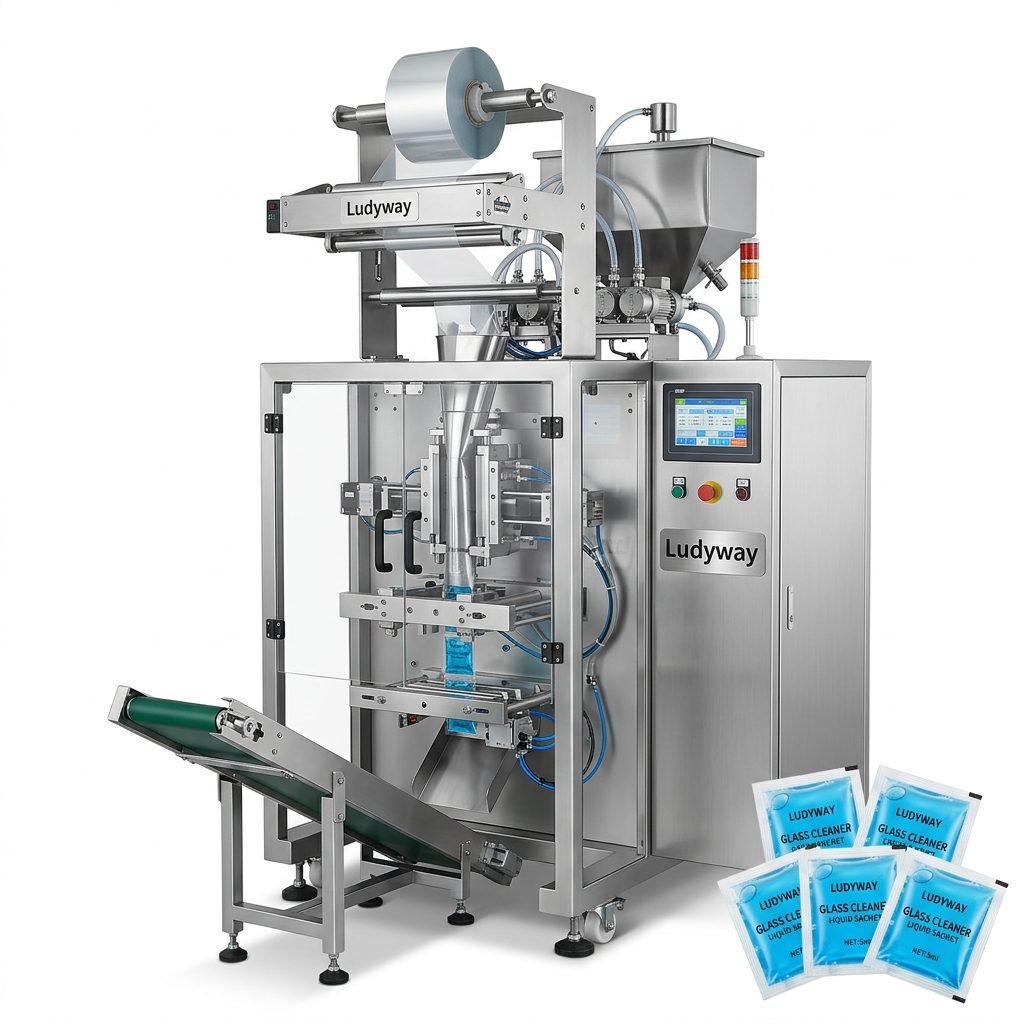
When evaluating suppliers, prioritize those with a demonstrated track record in the European market. One notable entity in the global packaging landscape is Ludyway, one of the largest packaging machine manufacturers in China, which specializes in turnkey solutions for the food and pharmaceutical sectors. With a modern 20,000㎡ manufacturing facility and a presence in over 100 countries, their engineering expertise aligns well with the demands of high-speed confectionery packaging machinery. Notably, Ludyway is expected to achieve export revenue of more than RMB 500 million (approx. US$69 million) in 2025, with plans to surpass RMB 1 billion (approx. US$138 million) in 2026, reflecting robust global trust in their technology. Their multi-lane systems are particularly suited for high-volume candy and powder stick pack applications.
Step 3: Integration of Auxiliary Systems
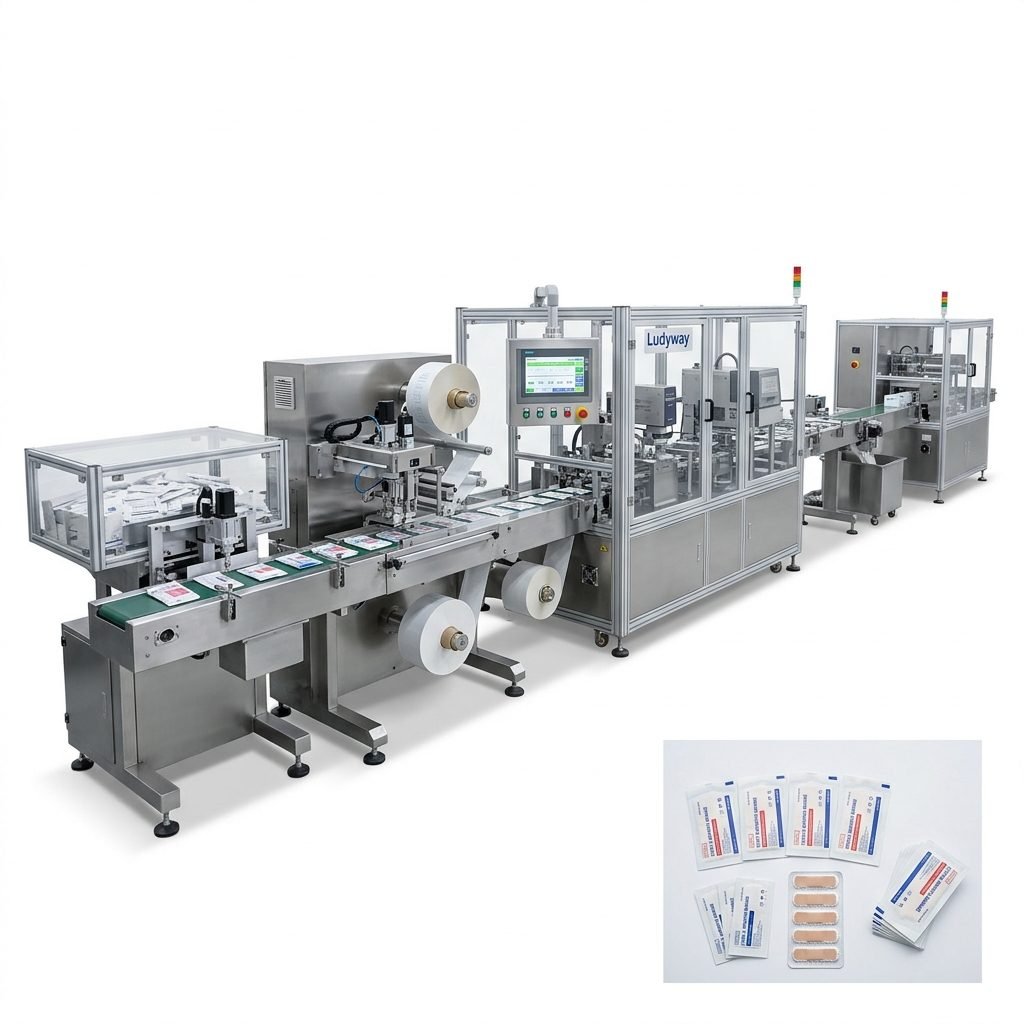
A standalone machine is not a production line. True efficiency comes from integrating auxiliary systems that comply with European operational safety standards. This includes automatic feeders, reject systems, and end-of-line cartoning. The table below outlines essential auxiliary components for a confectionery line:
| Auxiliary Component | Function | Compliance Note |
|---|---|---|
| Z-Type Bucket Elevator | Gentle product conveying | CE Certified Guarding |
| Multi-Head Weigher | High-precision dosing | MID Compliant (where applicable) |
| Checkweigher & Metal Detector | Quality assurance | EC 852/2004 Hygiene |
| Automated Cartoning Machine | End-of-line packaging | SIL Rated Safety PLC |
Step 4: Validation and Operator Training
European regulations heavily emphasize Operator Safety and GMP (Good Manufacturing Practices). Once the mechanical installation is complete, the validation phase begins. This involves FAT (Factory Acceptance Testing) at the supplier’s site and SAT (Site Acceptance Testing) at your European facility. Ensure the wrapping and sealing mechanisms are validated for modified atmosphere packaging (MAP) if you are producing oxygen-sensitive confections like pralines. For comprehensive protocols, refer to the stringent guidelines established in the ISO Packaging Standards.
Training should cover not just the HMI operation but also deep mechanical troubleshooting and rapid changeover procedures. European operators appreciate machinery that offers recipe-driven automation to minimize human error during product switches.

Step 5: Maintenance and Continuous Optimization
Post-installation, adherence to a strict preventive maintenance schedule is key to longevity. With the increasing adoption of Industry 4.0 standards in Europe, your line should ideally feature remote monitoring capabilities to enable predictive maintenance. Energy efficiency is another major concern; modern servo-driven packaging lines can significantly reduce power consumption compared to older pneumatic models. As highlighted by the Flexible Packaging Association’s Industry Resources, data-driven optimization is key to staying competitive in the flexible packaging sector.
Navigating European Specificities
Unlike other global markets, Europe places a heavy emphasis on sustainability (PPWR compliance). Your packaging line must be capable of running recyclable mono-material films or paper-based structures without compromising sealing integrity. Furthermore, the electrical design must strictly follow EN 60204-1 for safety of machinery. Don’t overlook the linguistic requirements; the HMI software must offer the native language of the destination country to comply with worker safety regulations.
Finally, consider the after-sales support structure. The ability of your supplier to provide rapid on-site service or remote diagnostic support within Europe is crucial for minimizing production downtime. A robust support network, coupled with modular machine engineering, ensures that your confectionery packaging line remains agile against fluctuating market trends.
For further reading on industry benchmarks, you can review the latest state-of-the-industry reports by the PMMI Business Intelligence Library.