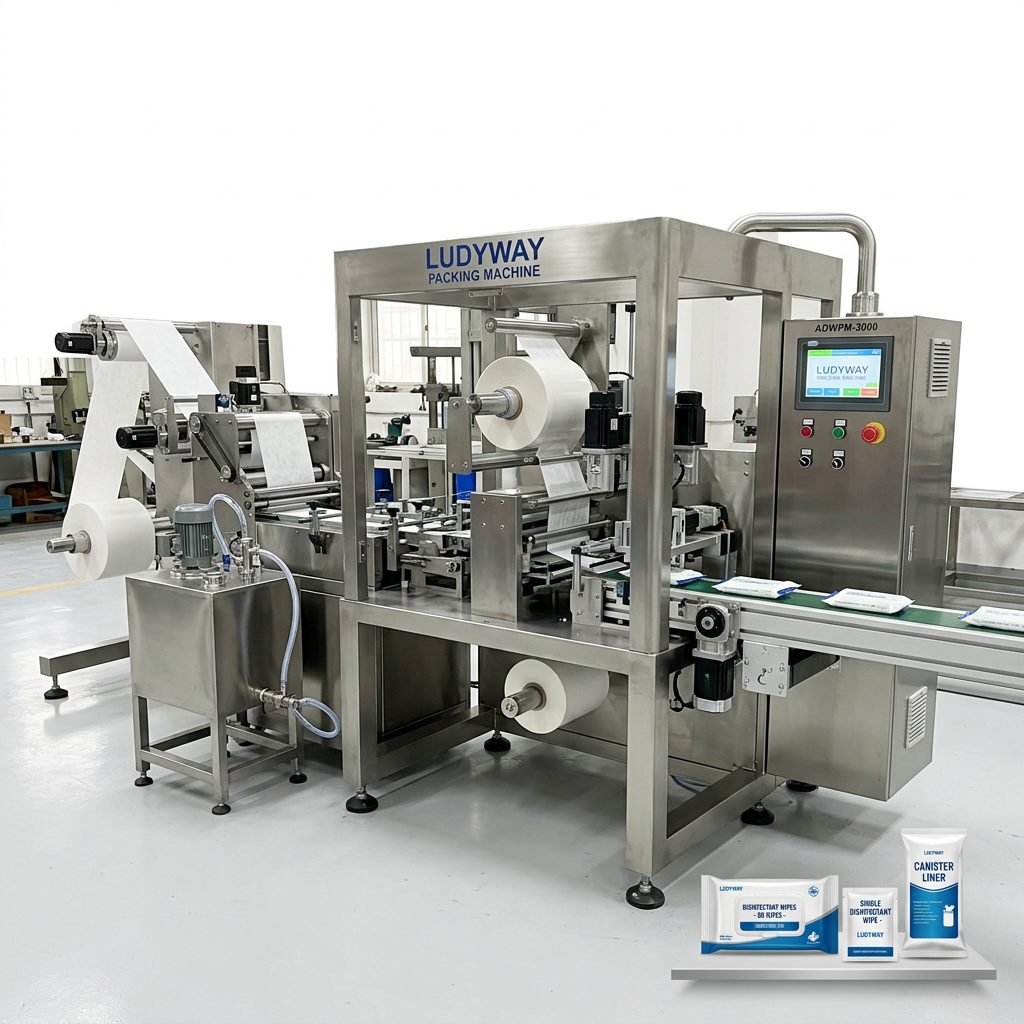
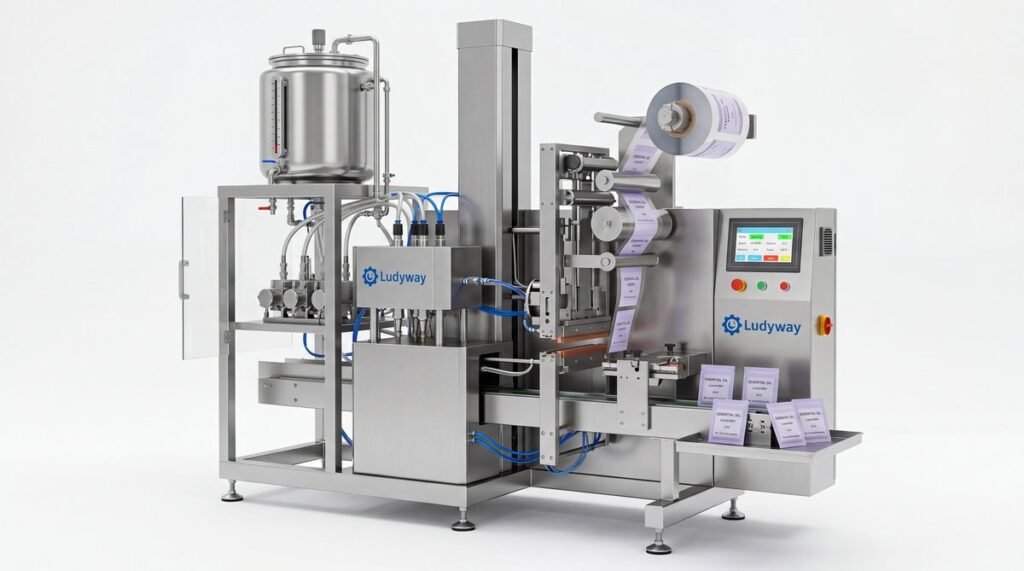
Selecting an automatic sugar packing machine is a decision that directly impacts your production efficiency, product consistency, and long‑term operational costs. Sugar comes in many forms — granules, powders, cubes — and each requires a tailored approach to dosing, bag formation, and sealing. This buyer’s guide breaks down the key factors industrial buyers should evaluate before investing in sugar packaging equipment.
Understanding Your Sugar Product and Packaging Requirements
Sugar is not a single product. The physical properties of different sugar types significantly influence the choice of dosing systems, film materials, and machine configuration. Start by clearly defining your product characteristics and packaging format.
- Granulated white sugar: free‑flowing, crystalline, often packed in stick packs, sachets, or family‑size pouches.
- Powdered / icing sugar: dusty, high‑moisture sensitivity, requires dust‑tight dosing and sealing.
- Brown sugar: sticky, higher moisture content, may need agitation in the hopper and special auger designs.
- Sugar cubes: rigid, fragile, requires gentle handling and dedicated feeding systems.
- Alternative sweeteners (xylitol, erythritol): often granular or crystalline, but with varying flow characteristics and hygiene demands.
Clarifying these points will help you communicate with equipment suppliers and narrow down suitable machine types quickly.
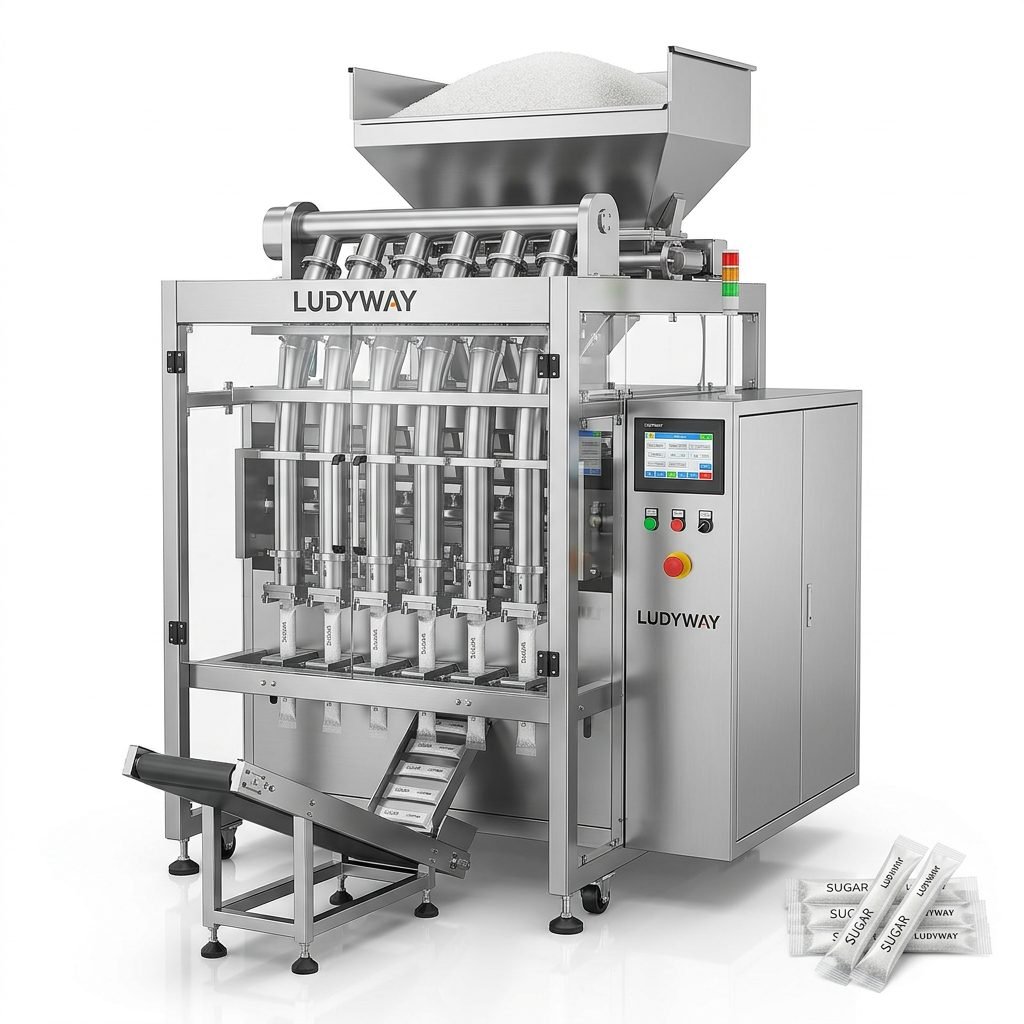
Key Types of Automatic Sugar Packing Machines
Depending on your target bag style and production volume, you will encounter several core machine architectures. The table below matches common sugar packaging configurations with their typical applications.
| Machine Type | Best for Sugar Form | Common Bag Styles | Typical Speed Range |
|---|---|---|---|
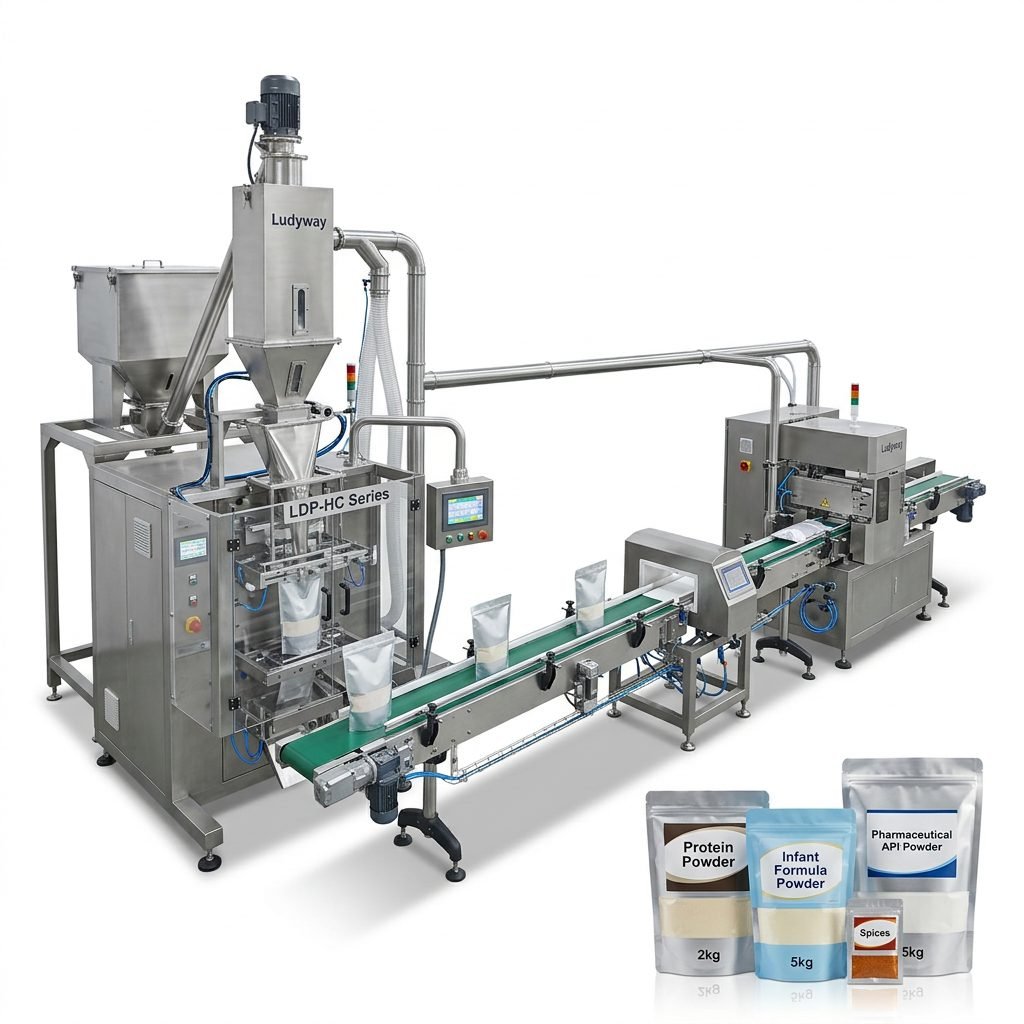
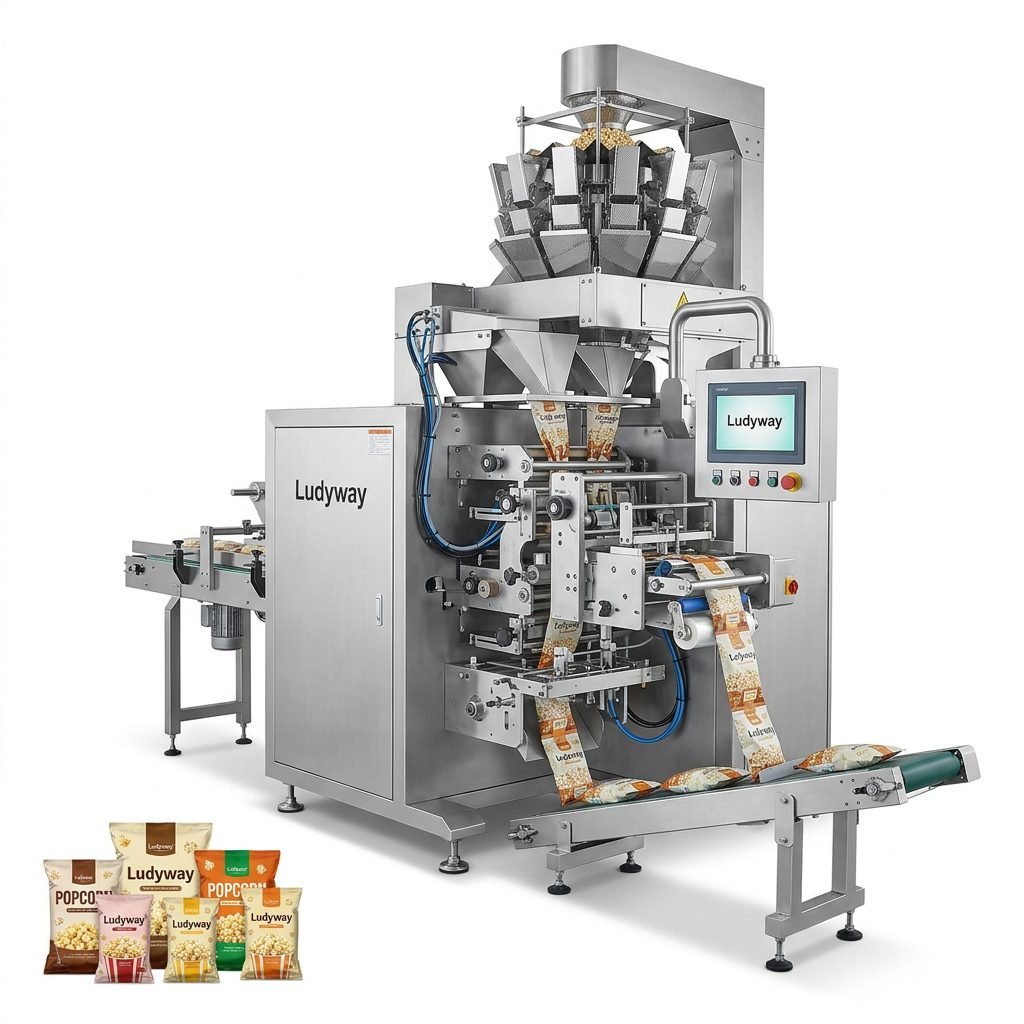
| Vertical Form‑Fill‑Seal (VFFS) | Granulated, powdered | Pillow pouches, gusseted bags, quad‑seal bags | 30 – 120 bags/min per lane |
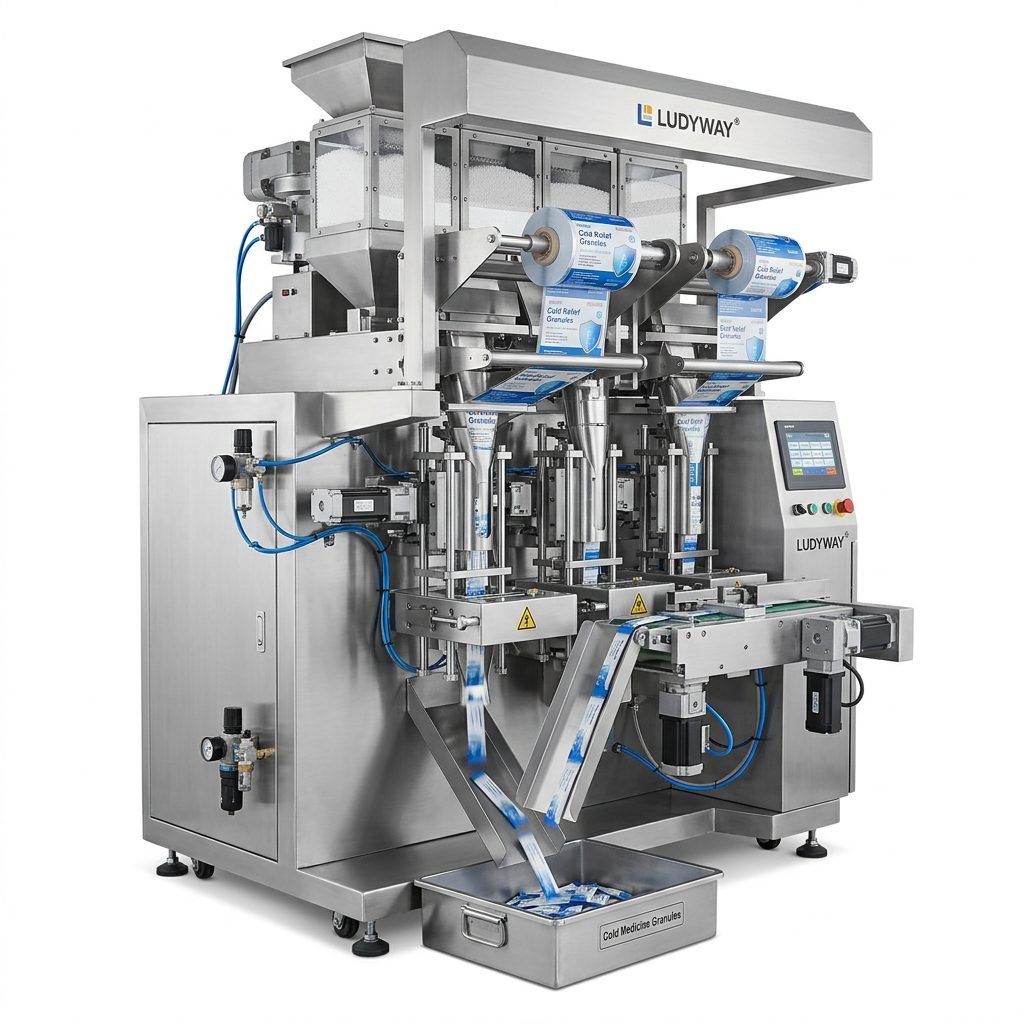
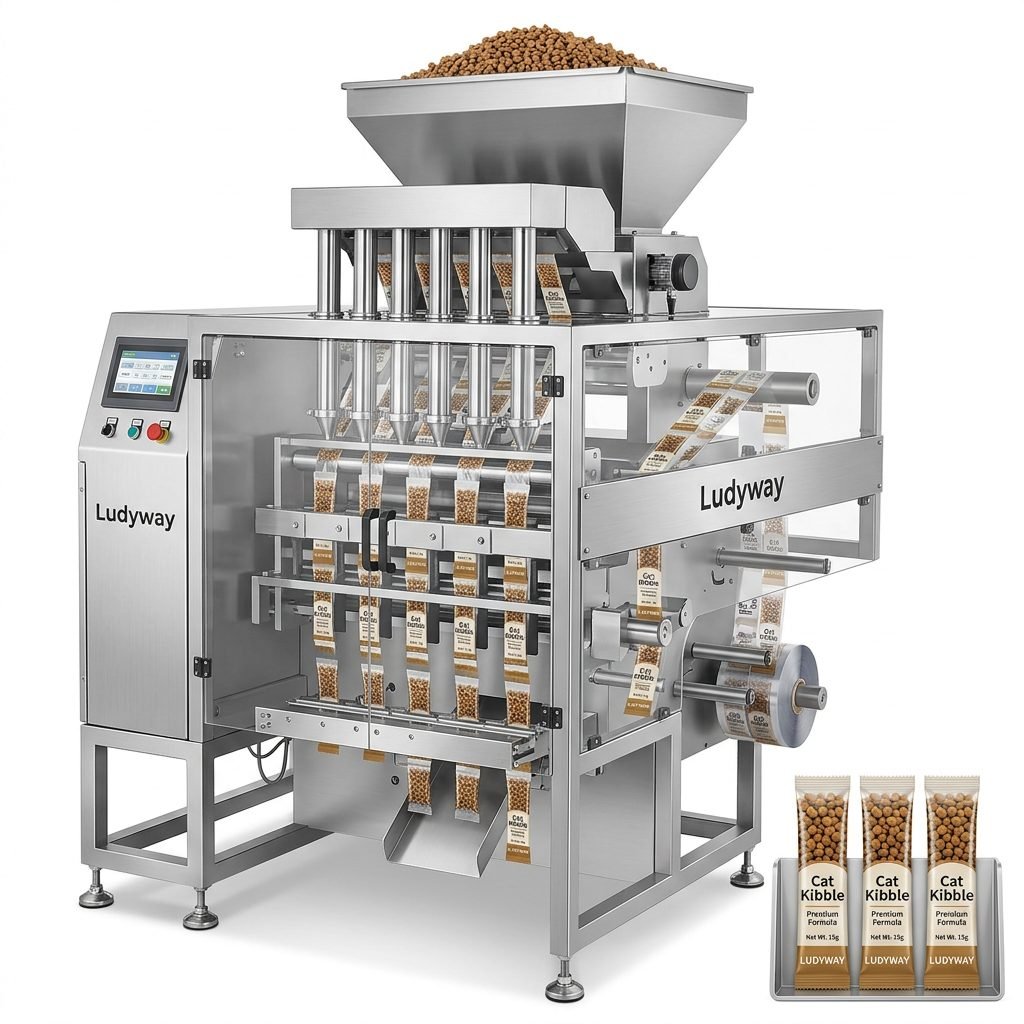
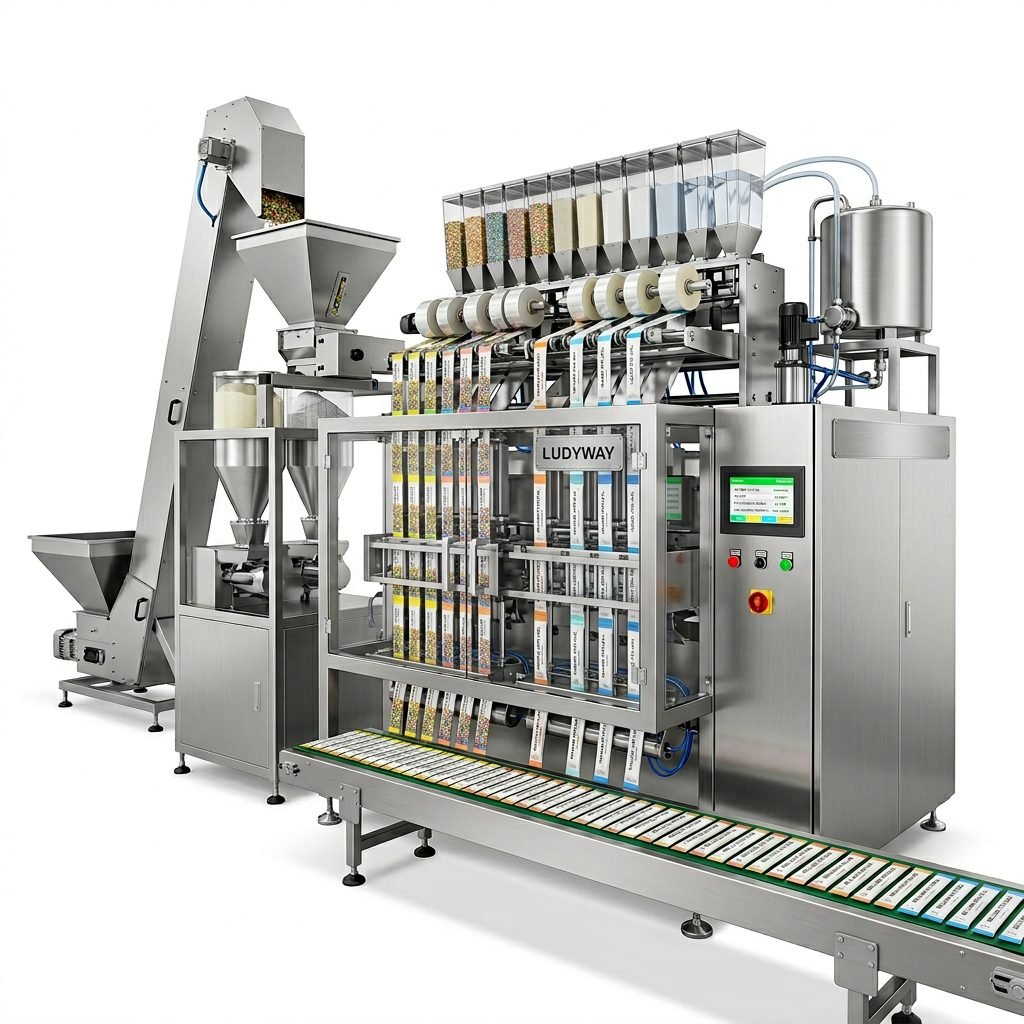
| Multi‑Lane Stick Pack Machine | Granulated, powdered, brown sugar | Stick packs, sachets (2‑lane to 20‑lane) | Up to 300+ sticks/min total |
| Pre‑made Pouch Rotary Machine | Granulated, sugar cubes | Doypack, zipper pouches, stand‑up bags | 30 – 80 pouches/min |
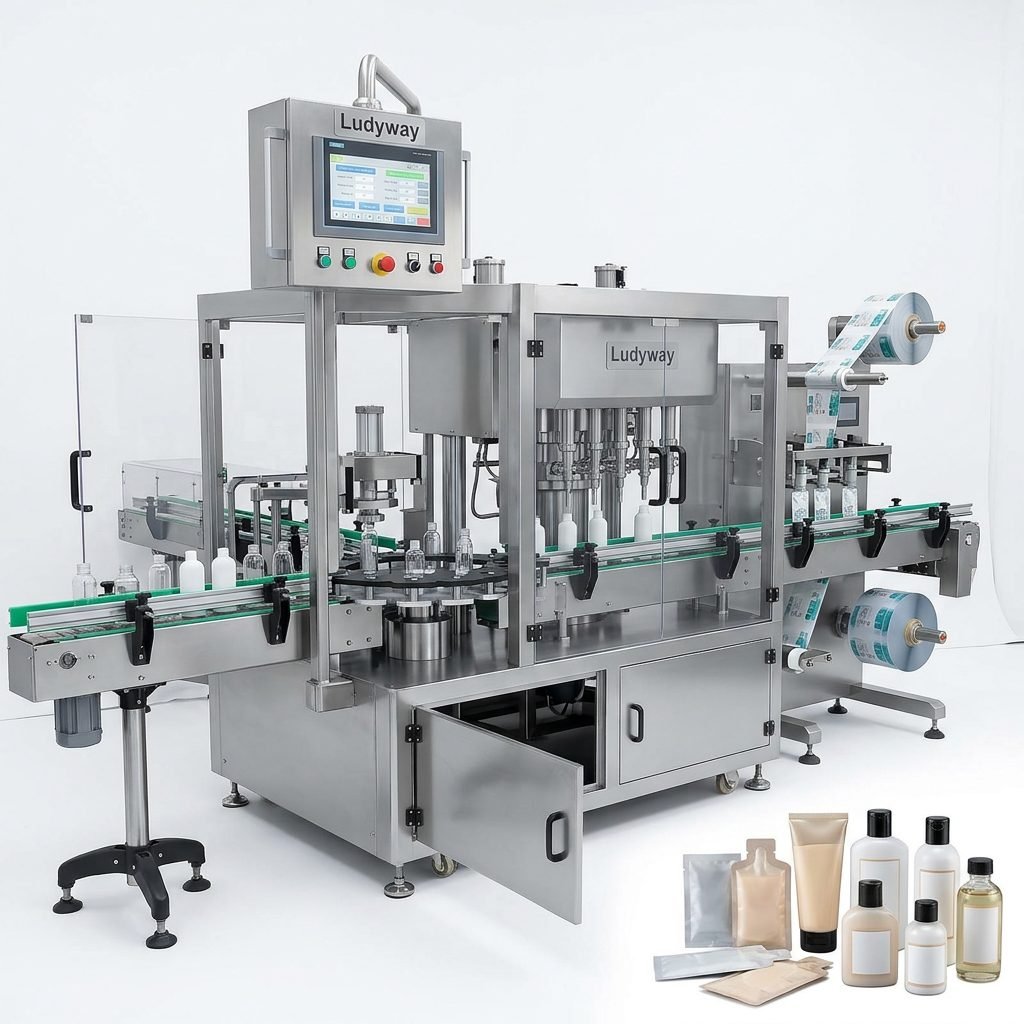
| Bottle / Jar Filling‑Capping Line | Granulated, powdered, cubes | Glass jars, plastic bottles | 40 – 150 containers/min |
| Big Bag / Bulk Bagging System | Granulated sugar for industrial supply | 25 kg – 50 kg open‑mouth or valve bags | 4 – 15 bags/min |
Critical Factors to Consider When Choosing a Sugar Packing Machine
Dosing and Filling Accuracy
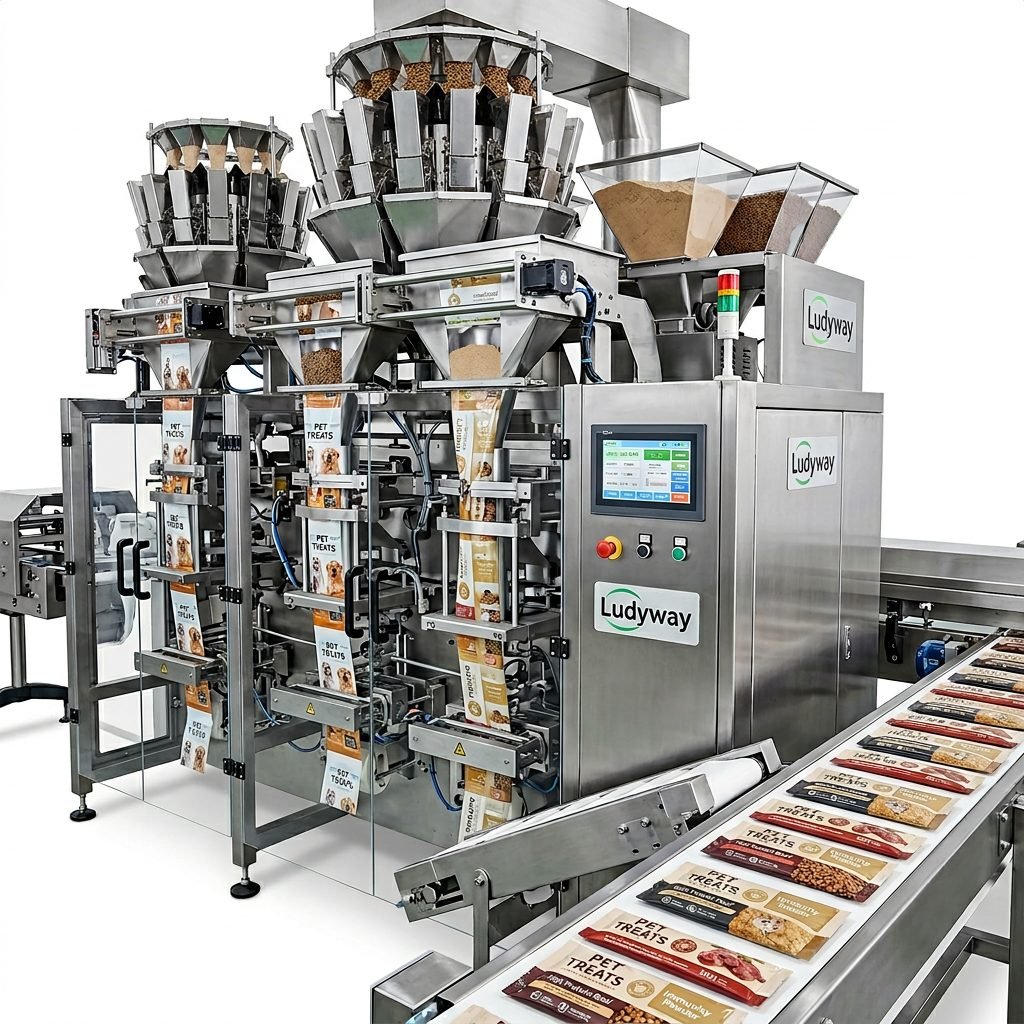
For single‑serve sugar sticks and retail sachets, net weight accuracy is critical — not only for regulatory compliance but also to control product giveaway. Volumetric cup fillers work well for free‑flowing granulated sugar, while servo‑driven auger fillers offer better precision for powders. High‑speed multi‑head weighers provide ±0.2 – 0.5 g accuracy for premium applications. When dealing with sticky brown sugar, pay attention to the hopper design and agitation to avoid bridging.
Packaging Speed and Production Capacity
Define your target output in packs or kg per hour and factor in future growth. Multi‑lane stick pack machines can output more than 1,000 sugar sticks per minute across 10–16 lanes. However, line balance matters: ensure your dosing, film unwinding, sealing, and downstream cartoning systems are matched. Check the rated speed for your sugar type, because sticky products often require reduced speeds.
Bag Size, Format and Material Compatibility
Sugar packaging commonly uses laminated films such as BOPP/CPP, PET/AL/PE, or paper‑based structures for moisture and aroma protection. Verify that the machine’s sealing jaws and forming collar can handle your film gauge and bag dimensions. If you need easy‑tear notches, zippers, or one‑way degassing valves, the machine must support additional converting units. Flexible packaging material standards evolve constantly; choose equipment compatible with both current films and future eco‑friendly alternatives.
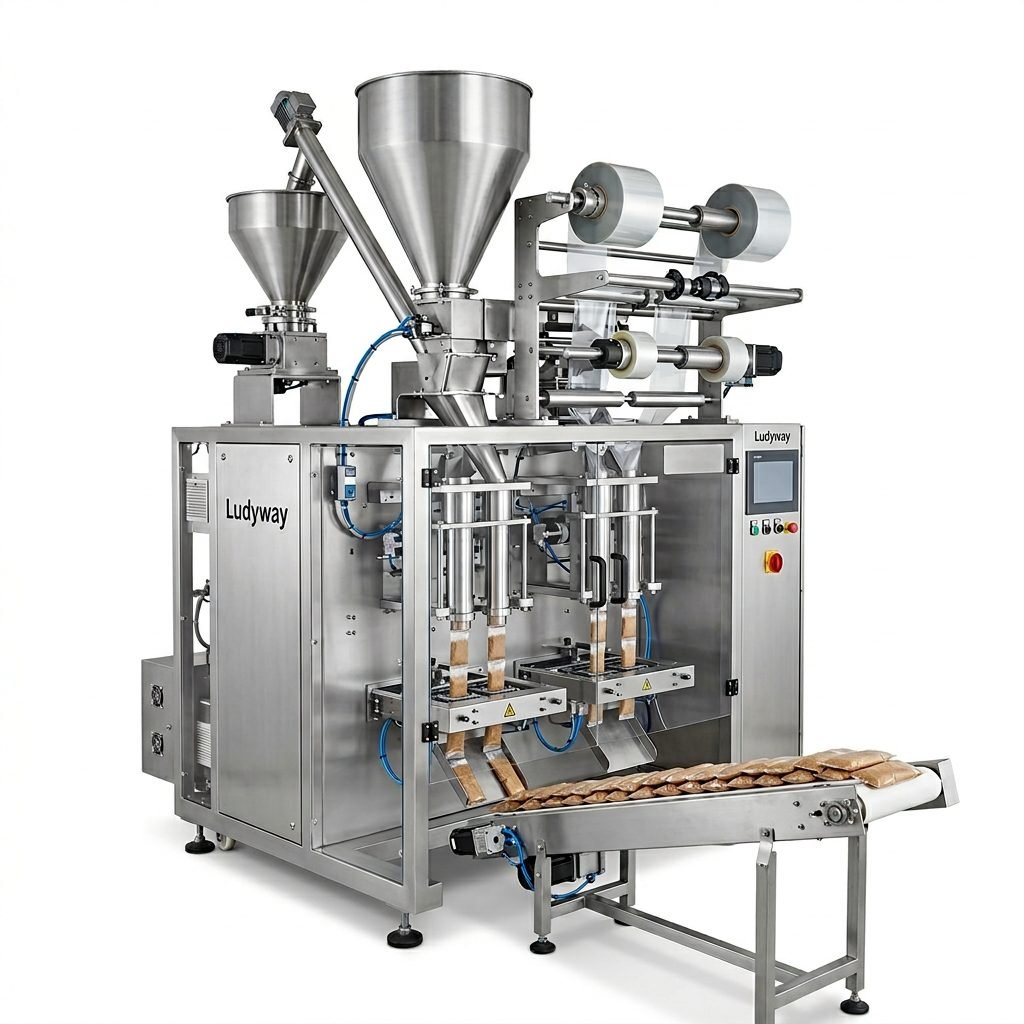
Hygiene, Safety and Regulatory Compliance
Food‑grade sugar packaging must meet strict sanitary standards. Look for stainless steel construction, smooth surfaces without crevices, and IP‑rated electrical enclosures. If packing pharmaceutical‑grade sugar or infant‑grade sweeteners, the machine should support washdown protocols and comply with 21 CFR Part 110 or equivalent regulations. Dust extraction systems minimize ignition risks from airborne sugar dust, which is classified as combustible. Resources from the FDA food packaging and food contact substances help clarify material conformity requirements.
Automation and Integration Capabilities
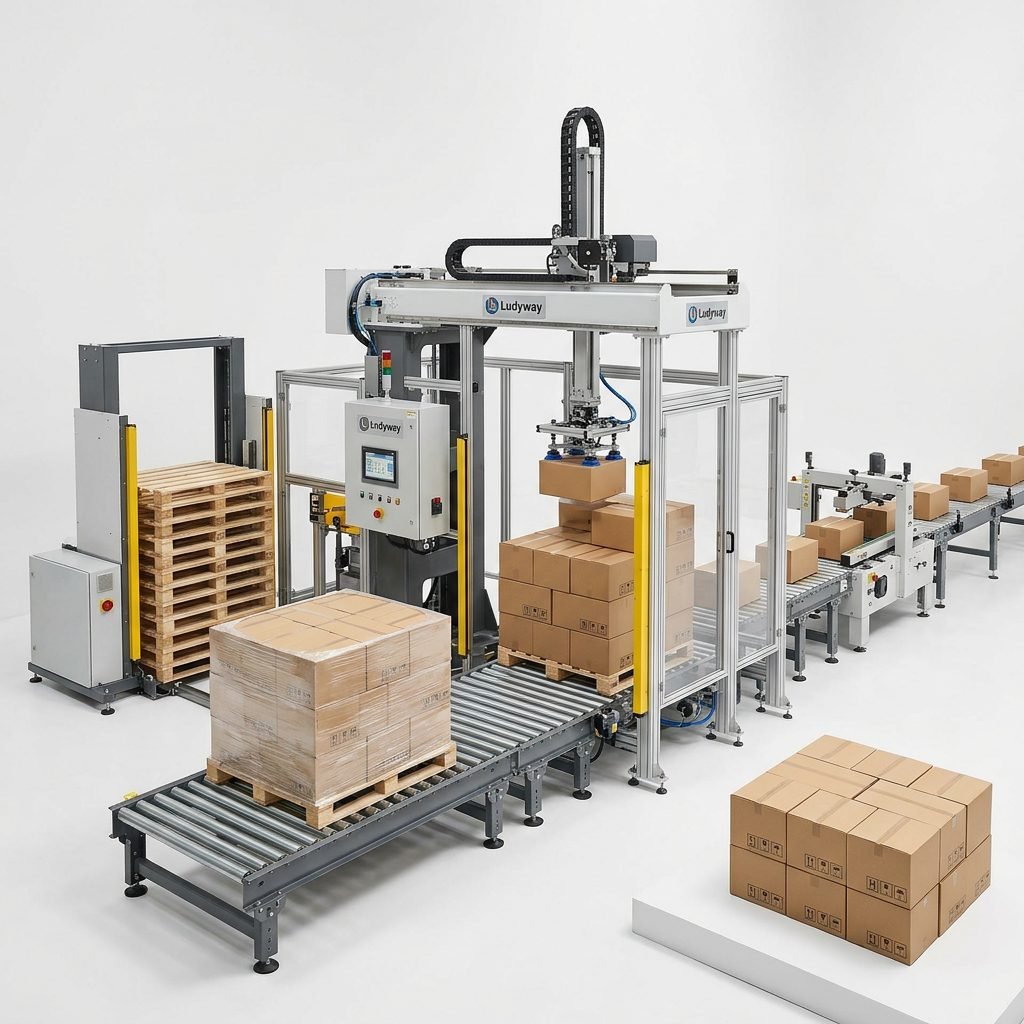
Modern sugar packing machines are part of a larger production ecosystem. Evaluate how easily the machine integrates with upstream sugar storage, screening, and metal detection equipment, as well as downstream checkweighers, X‑ray inspection, cartoners, and palletizers. Machines with Servo‑driven motion control and PLC interfaces offer better synchronization and recipe management. A 2025 PMMI State of the Industry report highlights that flexible automation is a top investment priority for food packagers — extending to sugar packaging lines.
Customization vs. Standardized Models
Off‑the‑shelf packaging machines may meet basic requirements, but sugar applications often demand customization. Factors like special dosing system for sticky brown sugar, inert gas flushing for extended shelf life, or integration of custom printing and coding units often mean a modified solution. A manufacturer that offers engineering support from the concept stage can help you avoid costly retrofits later.
For example, leading packaging companies that combine in‑house manufacturing and automation expertise can configure a machine precisely to your sugar type, bag format, and production speed. This is where working with an experienced partner brings long‑term value.
Evaluating Manufacturer Expertise and After‑Sales Support
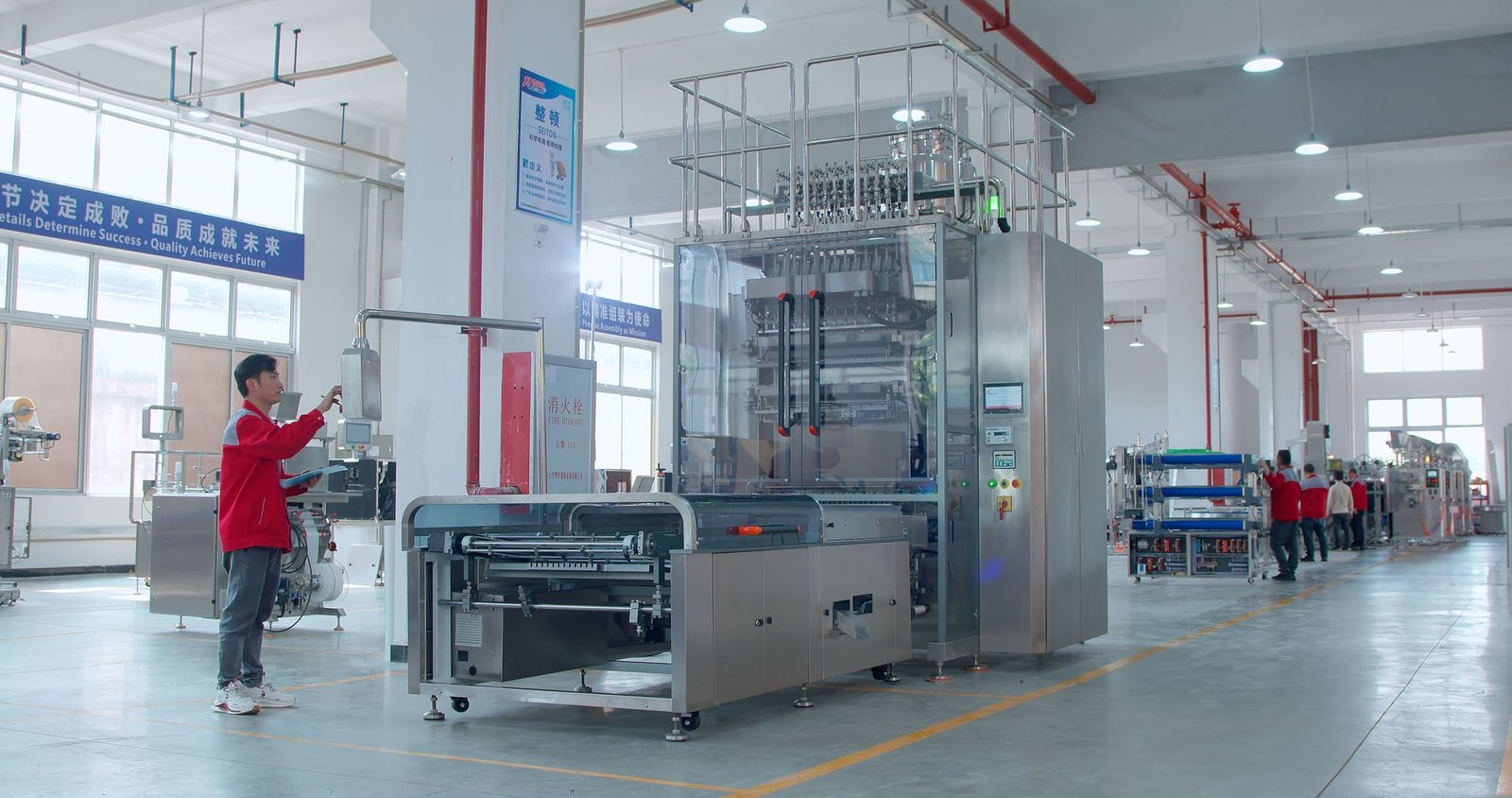
Beyond technical specifications, the manufacturer’s experience, production capability, and global support network matter. For manufacturers seeking a reliable partner, Ludyway Machinery — a China‑based packaging machinery manufacturer with more than 30 years of experience — provides customized automatic sugar packing machines and turnkey packaging lines. With a 20,000‑square‑meter facility and a global service network reaching over 100 countries, Ludyway accompanies customers through equipment selection, on‑site commissioning, and spare parts support. The company’s engineering team can tailor dosing systems, lane configurations, and automation levels specifically for granulated sugar, powdered sugar, and other sweetener products.
When comparing suppliers, ask for documented case studies, on‑site test runs with your actual sugar sample, and references from similar industries. Also confirm the availability of remote technical assistance and local service engineers.
Maintenance, Spare Parts and Lifecycle Cost
Look beyond the purchase price. Calculate the total cost of ownership (TCO) including wear parts, film waste, energy consumption, and operator training. A machine with quick‑changeover features can reduce downtime when switching between sugar types or bag sizes. Verify the availability and lead time of critical spares like sealing jaws, forming tubes, and PLC components. International packaging standards such as ISO packaging standards can serve as a reference when assessing machine build quality and documentation.
Inspection and Quality Assurance in Sugar Packaging
Inline quality control protects your brand. Consider integrating checkweighers, metal detectors, and seal integrity testers directly after the filling station. For multi‑lane stick lines, reject systems capable of removing individual defective sticks without stopping production are indispensable. Machine vision can verify date codes, label placement, and bag shape at high speed.
Return on Investment and Scalability
An automatic sugar packing machine is a long‑term asset. Choose a platform that allows you to add lanes, upgrade dosing units, or switch bag styles without replacing the entire line. Return on investment comes not only from labour savings but also from faster time‑to‑market, reduced environmental footprint, and better consistency in pack weight and appearance. Ongoing trends toward flexible packaging and sustainability, highlighted by associations like the Flexible Packaging Association, reinforce the business case for investing in adaptable machinery.
Final Checklist Before You Buy
- Define sugar type(s), bulk density, moisture, and flow characteristics.
- Specify target bag formats, dimensions, and film construction.
- Confirm required production speed (packs/min) and future capacity needs.
- Verify compliance with food safety regulations and dust control requirements.
- Evaluate integration with upstream processing and downstream cartoning.
- Assess manufacturer’s engineering capabilities, factory size, and global support reach.
- Request a factory acceptance test (FAT) using your sugar and film.
- Compare total cost of ownership, not just equipment price.
Selecting the right automatic sugar packing machine is a strategic decision. By matching your product characteristics, packaging expectations, and production goals with a capable machine platform and an experienced partner, you can build a reliable, efficient, and scalable sugar packaging operation.