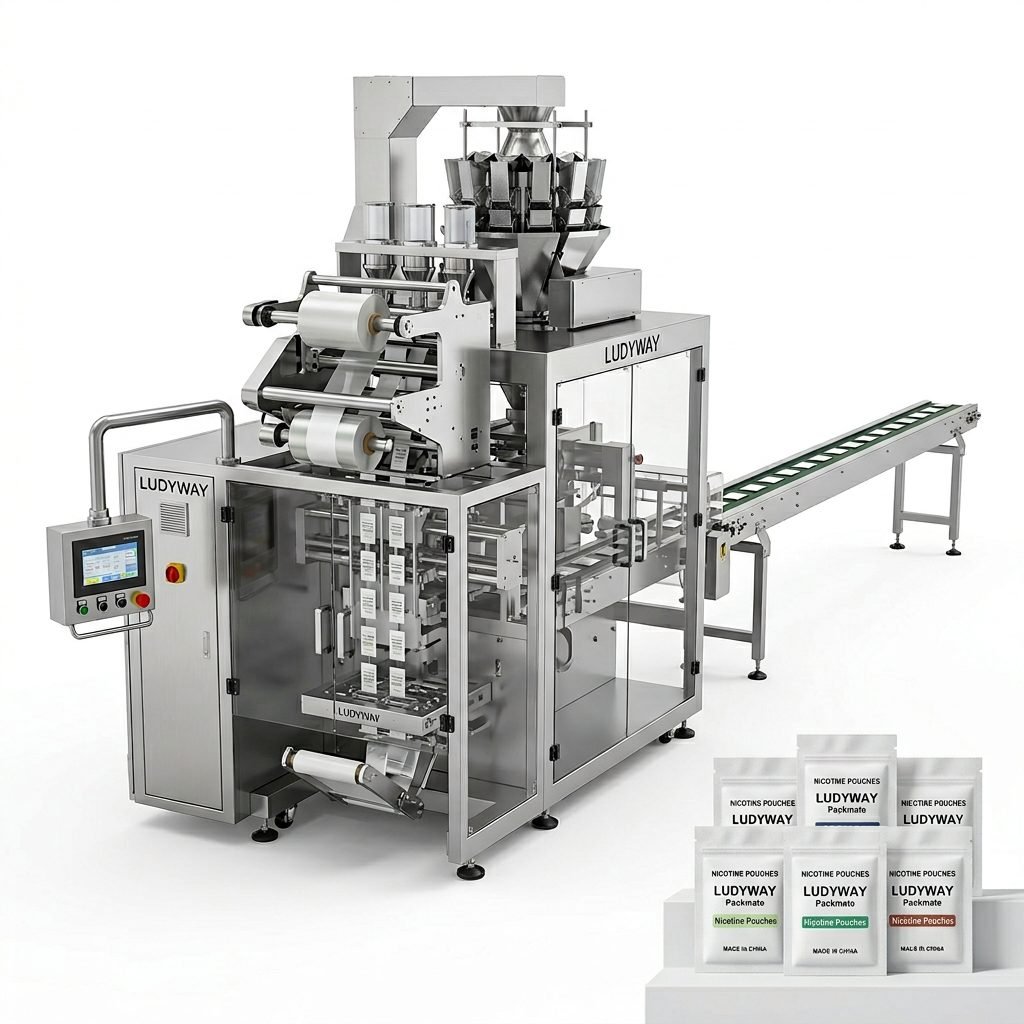
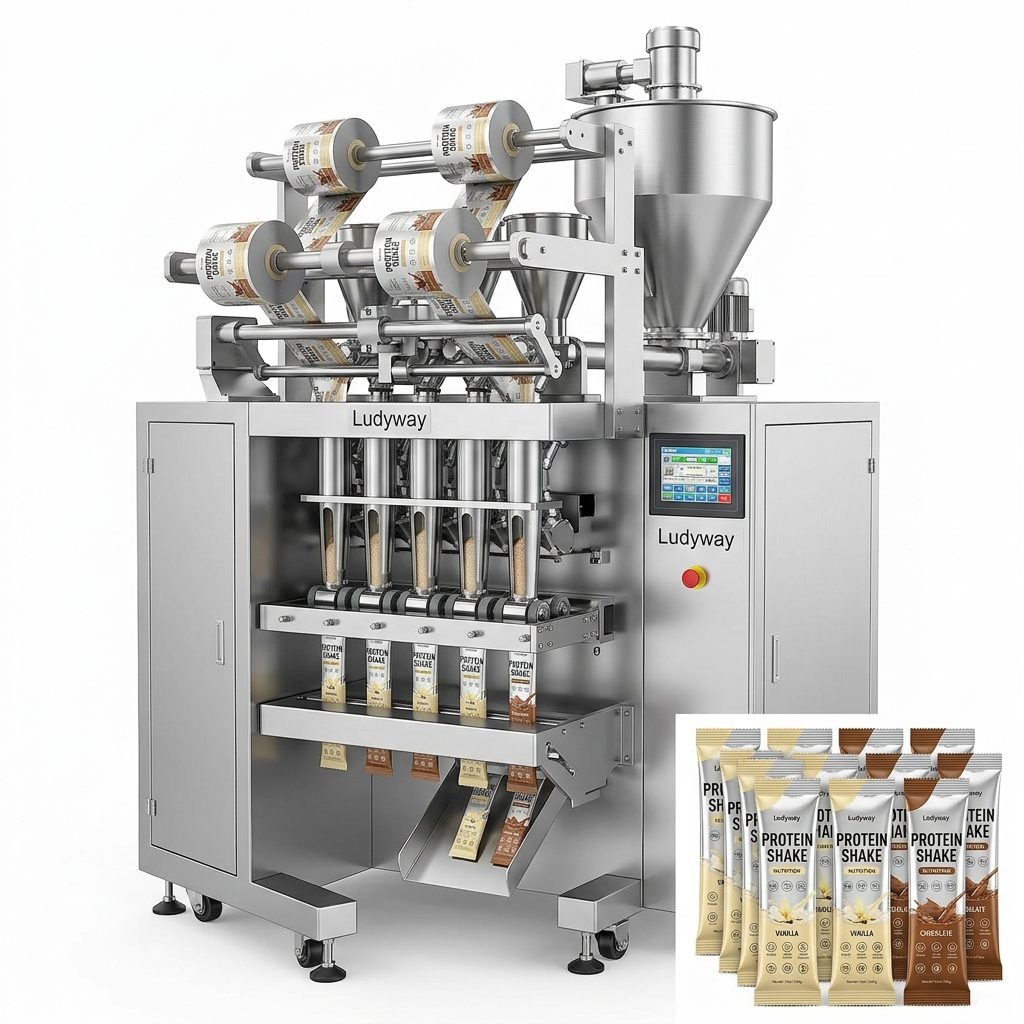
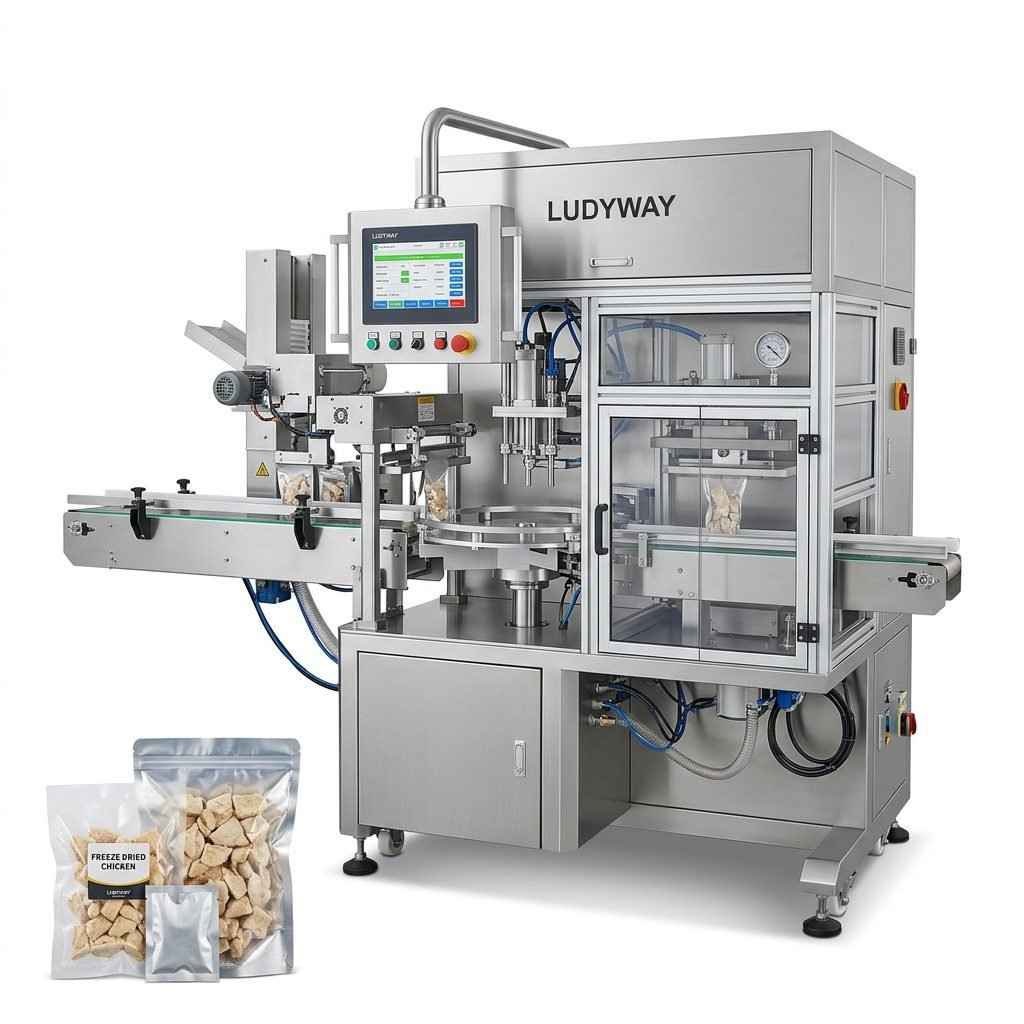
Selecting the right beverage packaging machine is one of the most critical decisions for any beverage manufacturer. The equipment you choose directly impacts production efficiency, product quality, shelf life, and overall operational costs. With the global packaging machinery market continuing to expand, understanding how to evaluate and select the best solution has never been more important.
Whether you are packaging liquid beverages, powdered drink mixes, instant coffee, or functional beverages, the right machinery must align with your product characteristics, production goals, and budget. This guide walks you through every essential factor to consider before making your investment.
Understanding Your Beverage Product Requirements
Before comparing machine specifications, you must first define your product’s unique characteristics. Different beverages demand different flexible packaging approaches. Consider the following factors carefully:
- Product viscosity — Is your beverage a free-flowing liquid, a concentrated syrup, or a powder? Thin liquids like juices require different filling mechanisms than thick concentrates or granulated drink mixes.
- Particle content — Does the product contain pulp, fruit pieces, or granular ingredients? This affects nozzle selection and filling accuracy.
- Foaming characteristics — Carbonated or protein-rich beverages may foam during filling, requiring specialized filling systems.
- Temperature sensitivity — Hot-fill, cold-fill, or ambient filling requirements determine the machine’s material compatibility and sealing technology.
- Hygroscopicity — Powdered beverages that absorb moisture easily need packaging machines with superior sealing integrity.
Key Factors to Consider When Choosing a Beverage Packaging Machine
1. Production Speed and Capacity
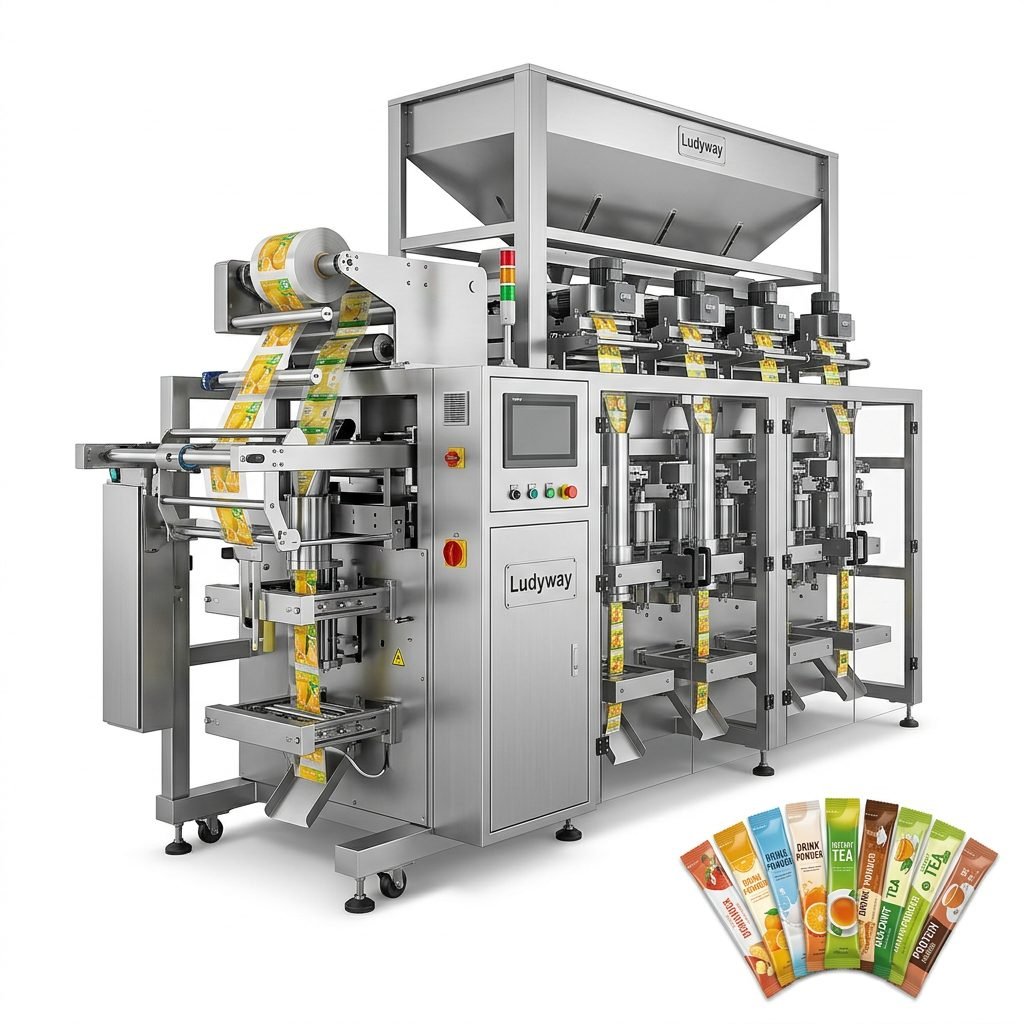
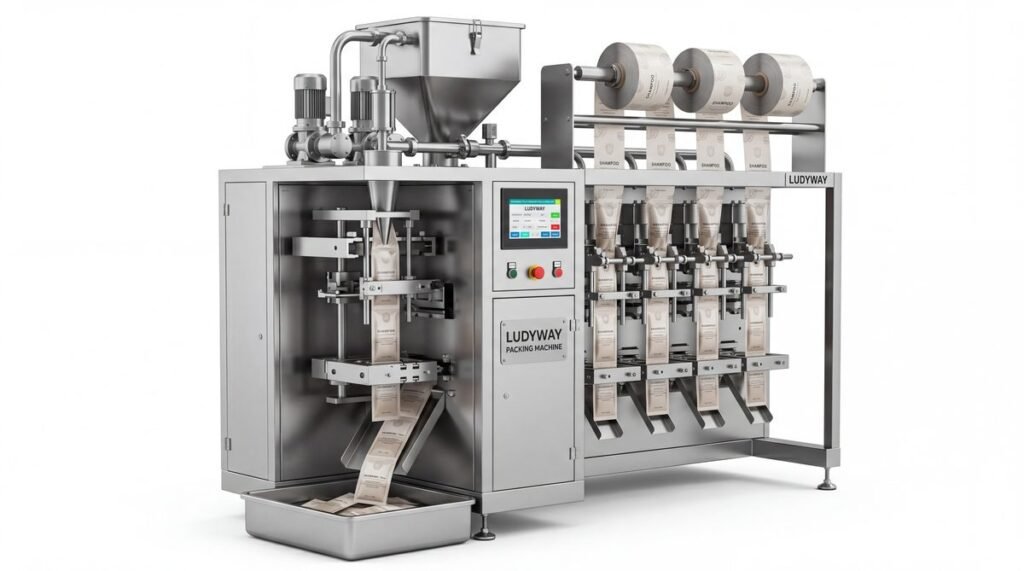
Your current and projected production volumes should guide machine selection. Throughput requirements measured in pouches per minute (ppm) or bottles per hour (bph) must align with the machine’s rated capacity. Underestimating future growth can lead to costly upgrades, while overestimating may result in unnecessary capital expenditure. Multi-lane packaging systems can significantly increase output for high-demand stick pack and sachet formats.
2. Packaging Format and Bag Style
Beverage products are packaged in various formats. The most common include:
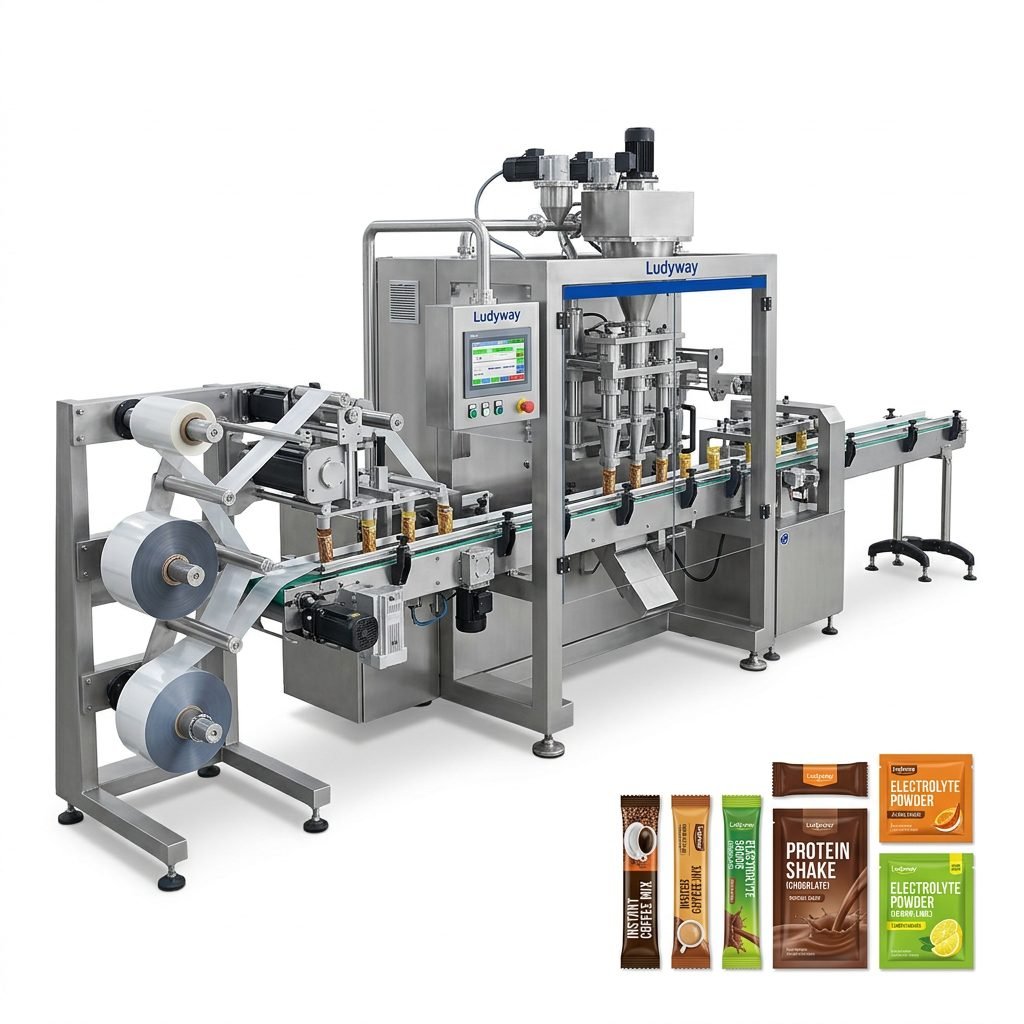
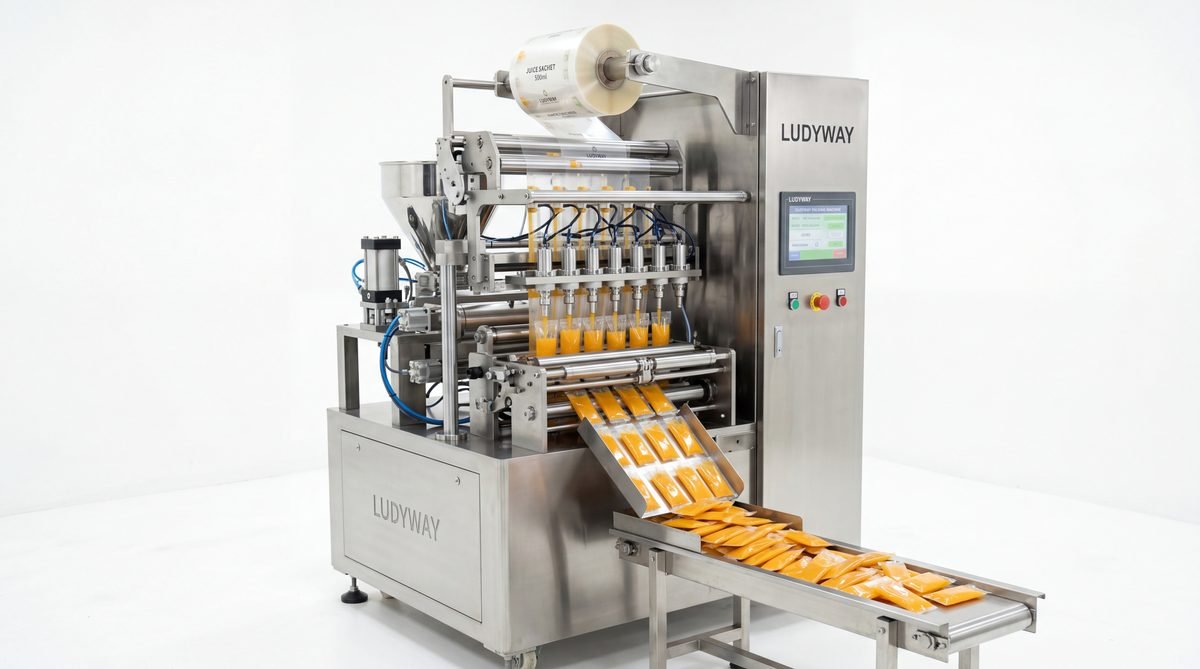
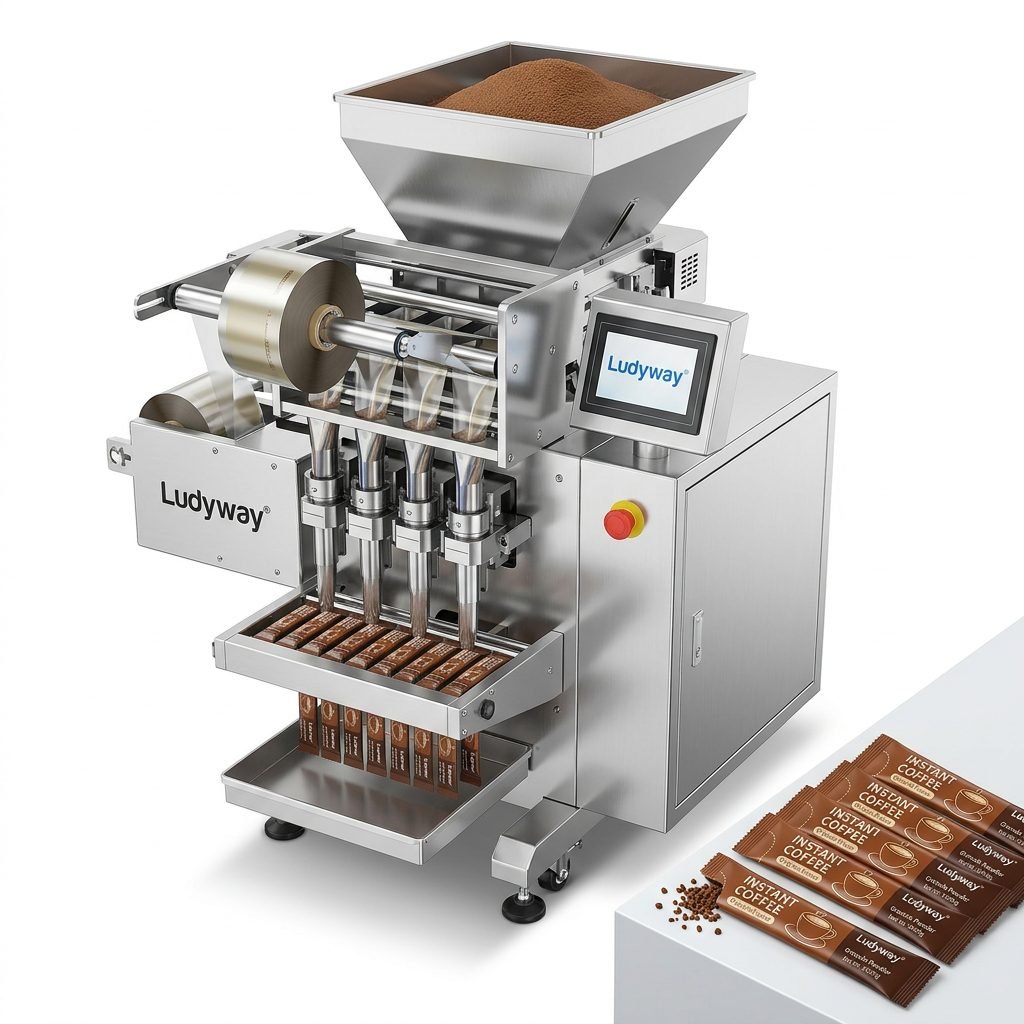
- Stick packs — Ideal for single-serve powder drinks, instant coffee, and sports nutrition products
- Sachets — Widely used for liquid concentrates, juice powders, and functional beverage shots
- Pouches — Stand-up pouches with zippers for multi-serving beverage powders
- Bottles and jars — For ready-to-drink (RTD) beverages requiring filling and capping lines
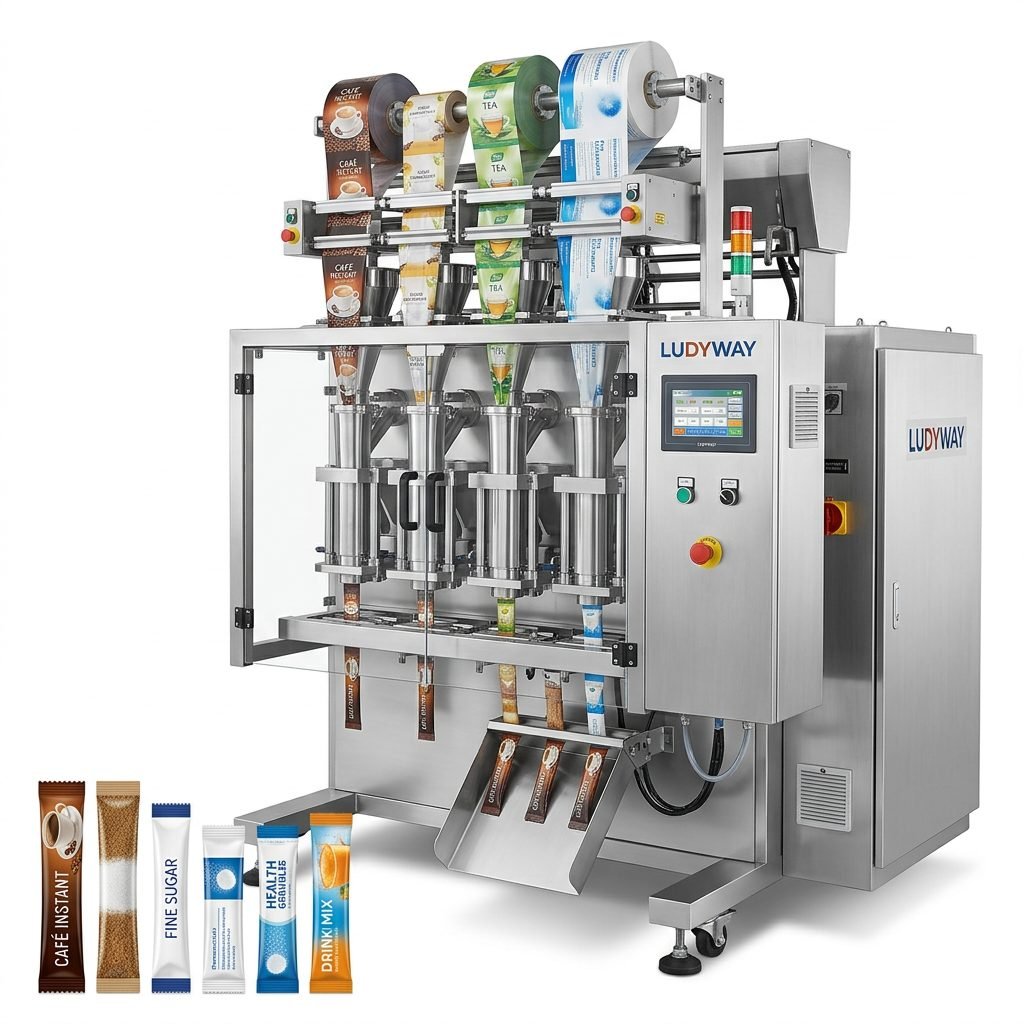
Each format requires specific machinery configurations. Multi-lane stick pack machines, for example, can produce hundreds of individual servings per minute, making them essential for high-volume powder beverage brands.
3. Filling Technology and Accuracy
The filling mechanism is the heart of any beverage packaging machine. Common technologies include:
- Volumetric piston fillers — Excellent for consistent liquid volumes with adjustable fill ranges
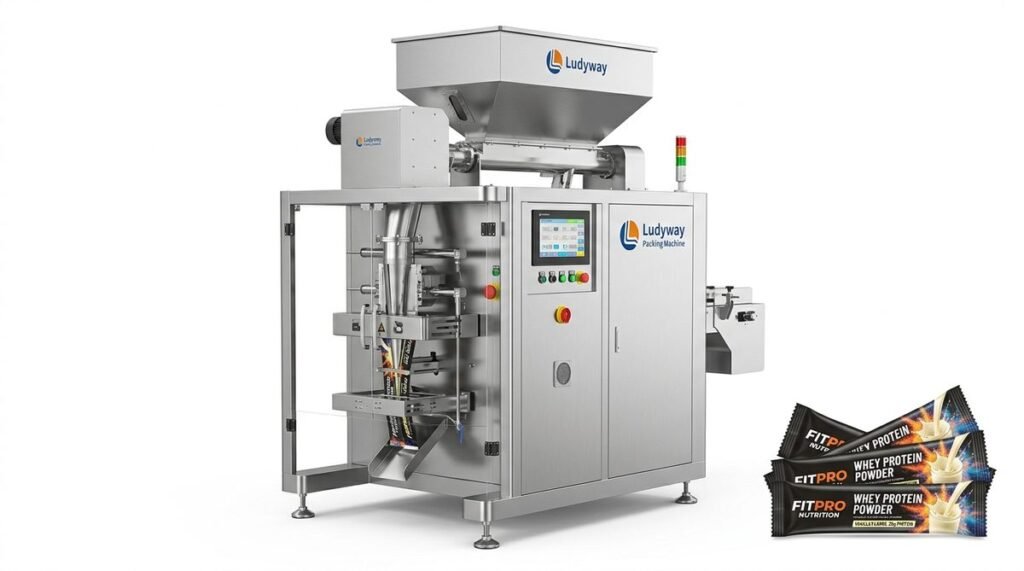
- Auger fillers — Precision dosing for powdered beverages and granulated drink mixes
- Gravity fillers — Suitable for free-flowing, low-viscosity liquids
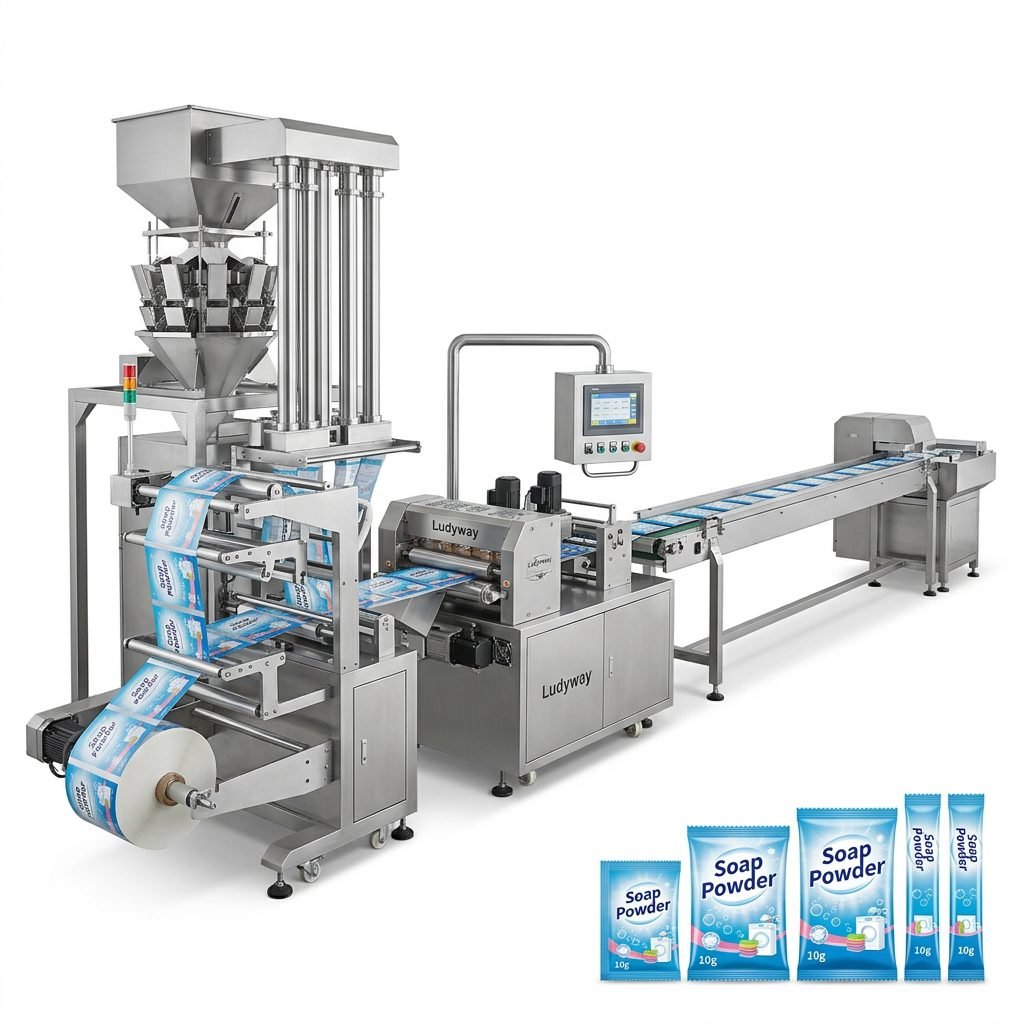
- Multi-head weighers — High-speed, high-accuracy weighing for granular and powder products
- Net weight fillers — For bulk packaging of beverage ingredients
Filling accuracy directly affects product giveaway and profitability. Even a small deviation per package can result in substantial losses at scale.
4. Packaging Material Compatibility
Your chosen machine must be compatible with the flexible packaging materials you intend to use. Consider laminate structures, barrier properties, and sealant layers. Heat-sealing parameters — including temperature, pressure, and dwell time — must be precisely controllable for consistent seal integrity. This is especially critical for moisture-sensitive and oxygen-sensitive beverage products.
Types of Beverage Packaging Machines
The market offers a wide range of machinery configurations. Understanding the main categories helps narrow your options:
| Machine Type | Best For | Key Advantage |
|---|---|---|
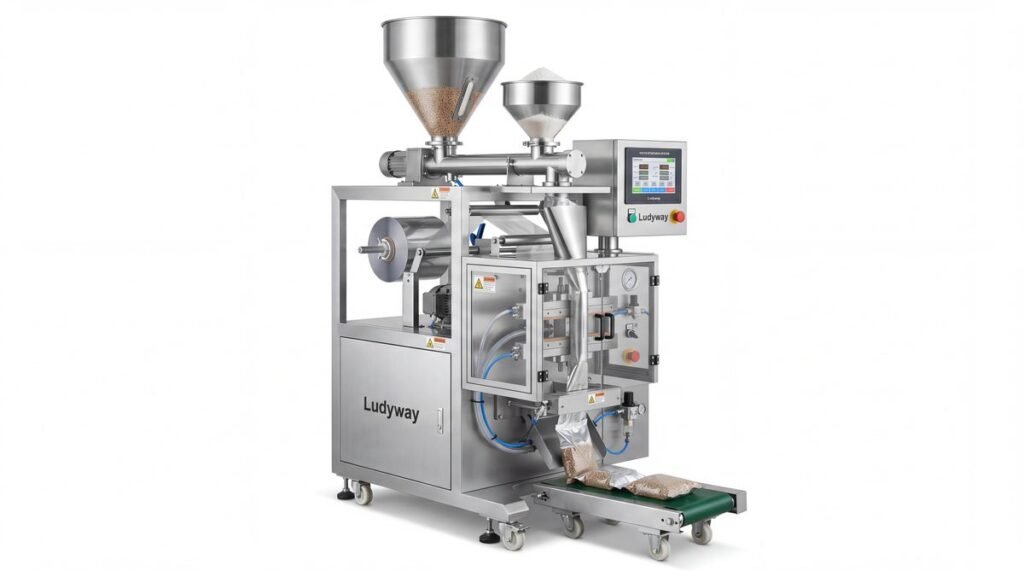
| Multi-Lane Stick Pack Machine | Powdered drinks, instant coffee, single-serve mixes | Ultra-high output, compact packaging |
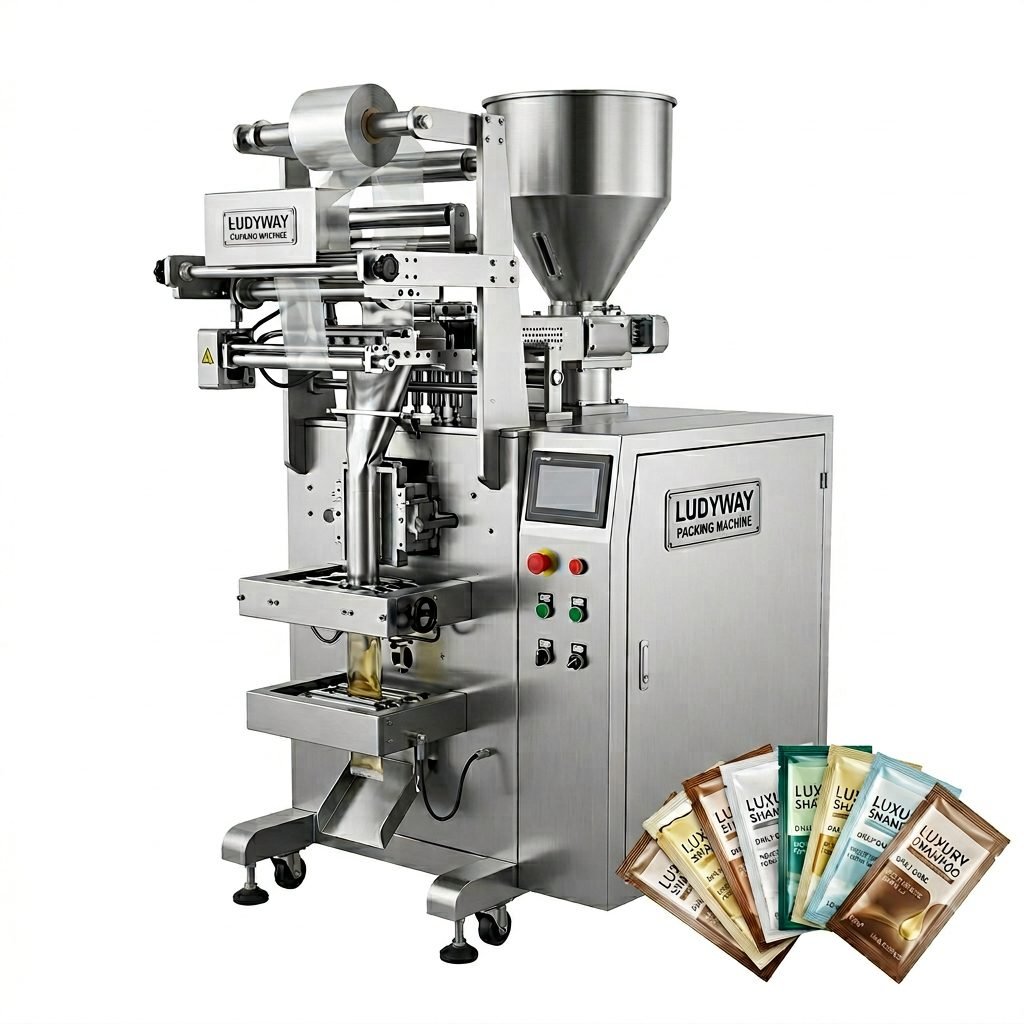
| Sachet Packaging Machine | Liquid concentrates, juice shots, functional beverages | Versatile format, excellent barrier protection |
| Pouch Filling & Sealing Machine | Multi-serving powders, stand-up pouches | Premium shelf presence, recloseable options |
| Bottle Filling & Capping Line | RTD beverages, liquid drinks | Familiar consumer format, high throughput |
| Turnkey Packaging Line | Full-scale automated production | Integrated solution with single-source responsibility |
Automation Level and Integration Capabilities
Modern beverage packaging machines range from semi-automatic models to fully automated, integrated production lines. Your choice depends on labor availability, production volume, and long-term scalability goals. Fully automated packaging lines can integrate multiple processes — filling, sealing, coding, inspection, cartoning, and palletizing — into a seamless operation.
Key automation considerations include:
- PLC control systems with intuitive HMI touchscreen interfaces for easy operation
- Servo-driven mechanisms for precise control over filling, sealing, and cutting
- Automatic film tracking and tension control for consistent packaging quality
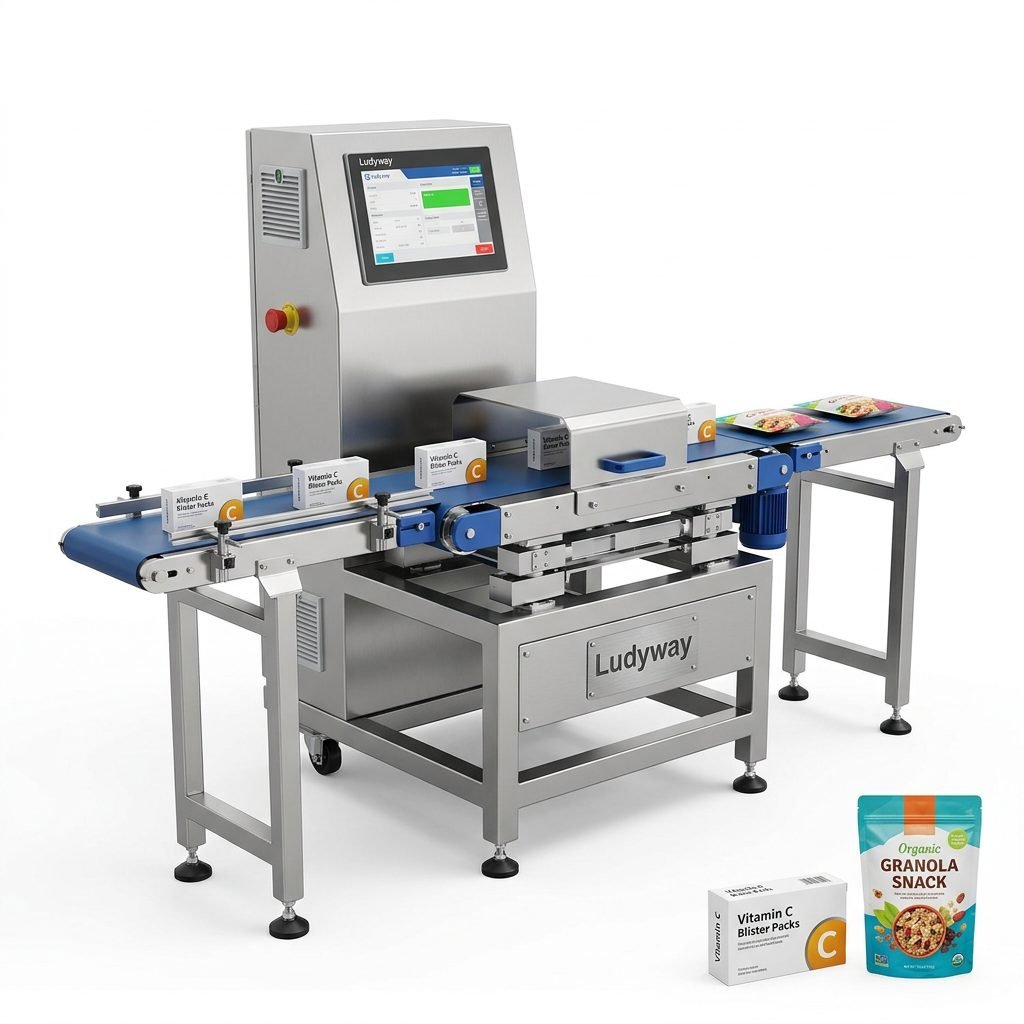
- Integration readiness with upstream and downstream equipment such as conveyors, checkweighers, and packaging inspection systems
- Remote monitoring and diagnostics capabilities for reduced downtime
Quality Standards and Regulatory Compliance
Beverage packaging equipment must meet stringent FDA food packaging regulations and international quality standards. When evaluating machinery, verify compliance with applicable certifications and requirements:
- Food-grade materials — All product-contact parts should be stainless steel (304 or 316L) or approved food-grade polymers
- GMP compliance — Good Manufacturing Practices for hygienic equipment design
- CE marking — Required for equipment used in European markets
- ISO standards — Relevant ISO packaging standards for quality management and machine safety
- Clean-in-place (CIP) capability — Essential for liquid beverage applications requiring frequent product changeovers
Non-compliance can result in product recalls, regulatory penalties, and reputational damage. Always request compliance documentation from your equipment supplier.
Customization and Engineering Support
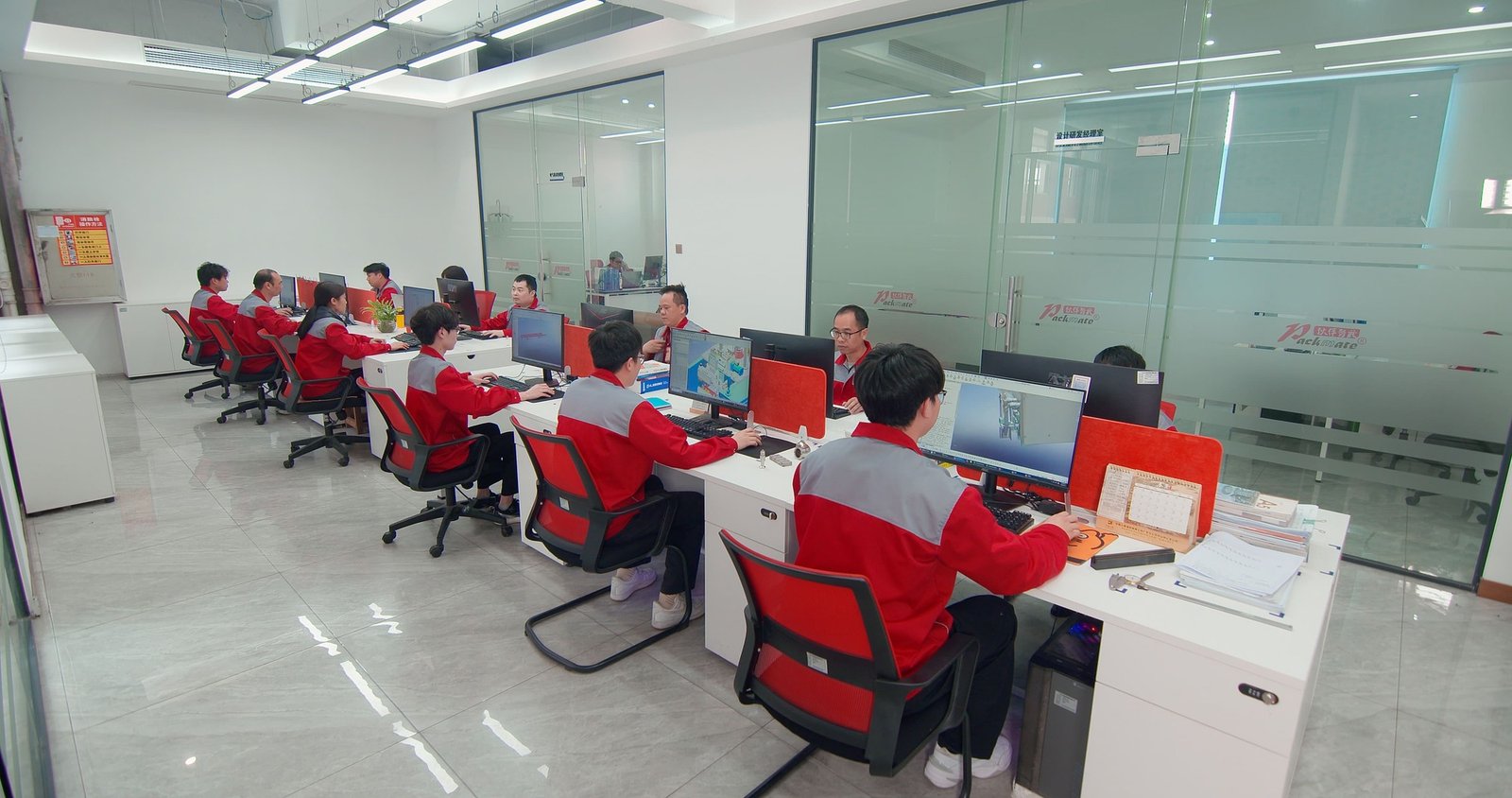
Off-the-shelf solutions rarely meet every manufacturer’s unique requirements. Customized packaging machinery allows you to address specific challenges, including unique bag sizes, special filling requirements, factory layout constraints, and integration with existing production lines. Working with an experienced packaging machinery manufacturer that offers custom engineering capabilities ensures your equipment is tailored to your operation rather than forcing your operation to adapt to the equipment.
Total Cost of Ownership (TCO) Analysis
The purchase price is only one component of the total investment. Conduct a thorough TCO analysis that accounts for:
- Initial equipment cost including customization and installation
- Operational costs — energy consumption, labor requirements, and packaging material waste rates
- Maintenance and spare parts — availability, cost, and lead times for critical components
- Changeover time — minutes lost between product or format changes directly impact OEE (Overall Equipment Effectiveness)
- Expected service life and depreciation
- Technical support and training requirements
A lower upfront price often masks higher long-term costs through increased downtime, higher waste rates, and more frequent maintenance needs.
After-Sales Service and Technical Support
Equipment reliability depends heavily on the support infrastructure behind it. Before committing to a machine supplier, evaluate their global service capabilities:
- Availability of remote technical assistance and on-site support
- Spare parts inventory and delivery timelines to your region
- Operator training programs and documentation quality
- Warranty terms and post-warranty service agreements
- Installation and commissioning support
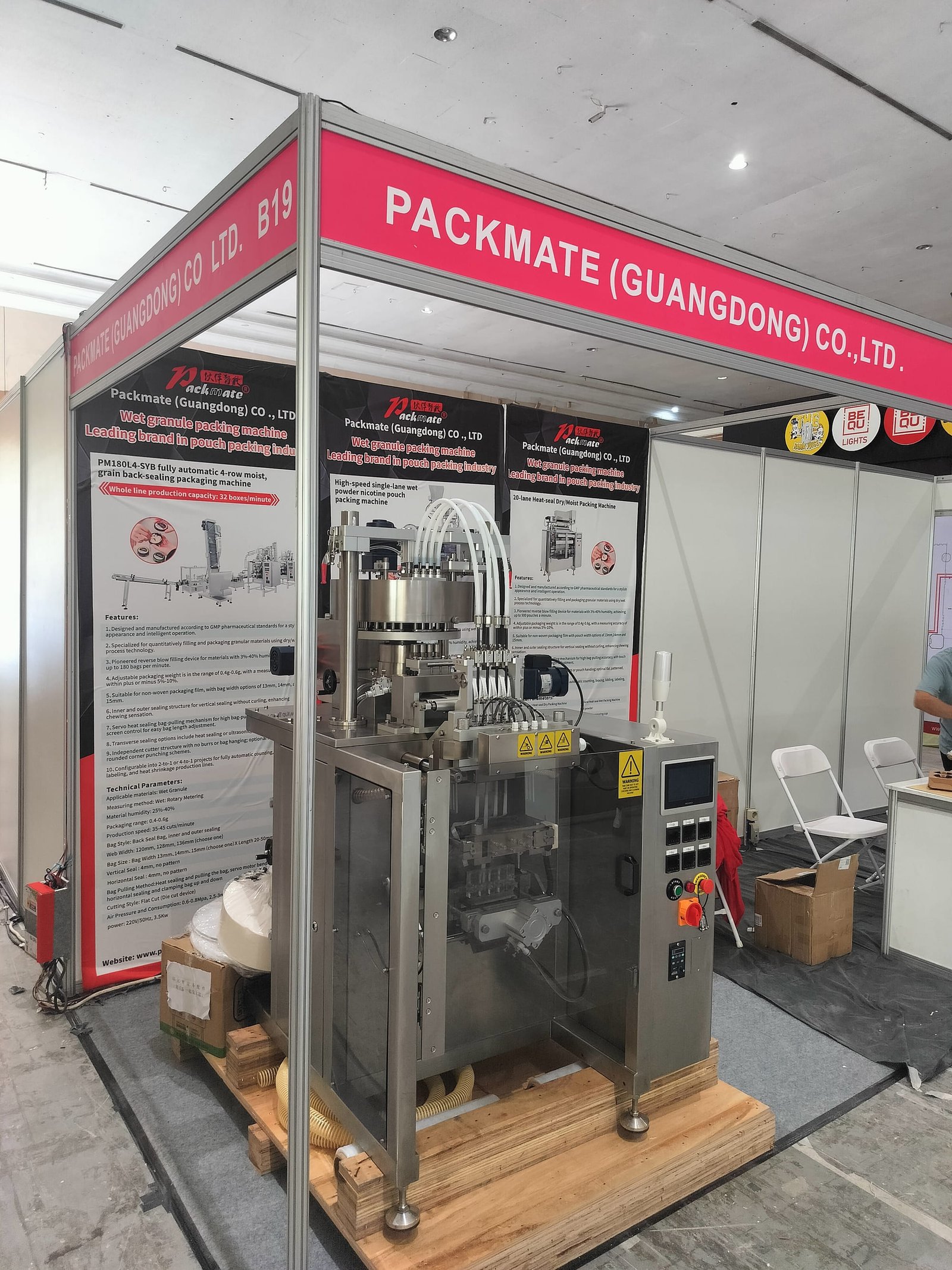
Manufacturers serving more than 100 countries with established service networks can provide faster response times and minimize production disruptions.
Key Questions to Ask Before Purchasing
Before finalizing your decision, ask potential equipment suppliers these critical questions:
- Can the machine be configured for multiple packaging formats if our product line expands?
- What is the typical lead time for manufacturing, delivery, and installation?
- Do you provide factory acceptance testing (FAT) and site acceptance testing (SAT)?
- What packaging material waste rate can we expect during normal operation?
- How quickly can the machine be changed over between different products or formats?
- What remote diagnostic capabilities are built into the control system?
- Can you provide references from similar beverage manufacturers?
Making the Final Decision
Choosing the right beverage packaging machine requires balancing technical specifications, production requirements, quality standards, and long-term business goals. The best equipment investment is one that delivers consistent performance, scalability, and reliable support throughout its operational life.
With over 30 years of industry experience, Ludyway Machinery provides comprehensive packaging solutions — from individual stick pack machines and sachet packaging systems to fully integrated turnkey production lines — for beverage manufacturers worldwide. When evaluating your options, prioritize suppliers who combine manufacturing expertise with engineering capabilities and responsive global support. The global packaging machinery industry continues to evolve, and selecting a future-ready partner ensures your production capabilities grow alongside market demands.
Investing in the right beverage packaging machinery today positions your brand for efficiency, quality, and growth tomorrow. Take time to evaluate your options thoroughly, visit manufacturing facilities when possible, and prioritize long-term value over short-term savings.