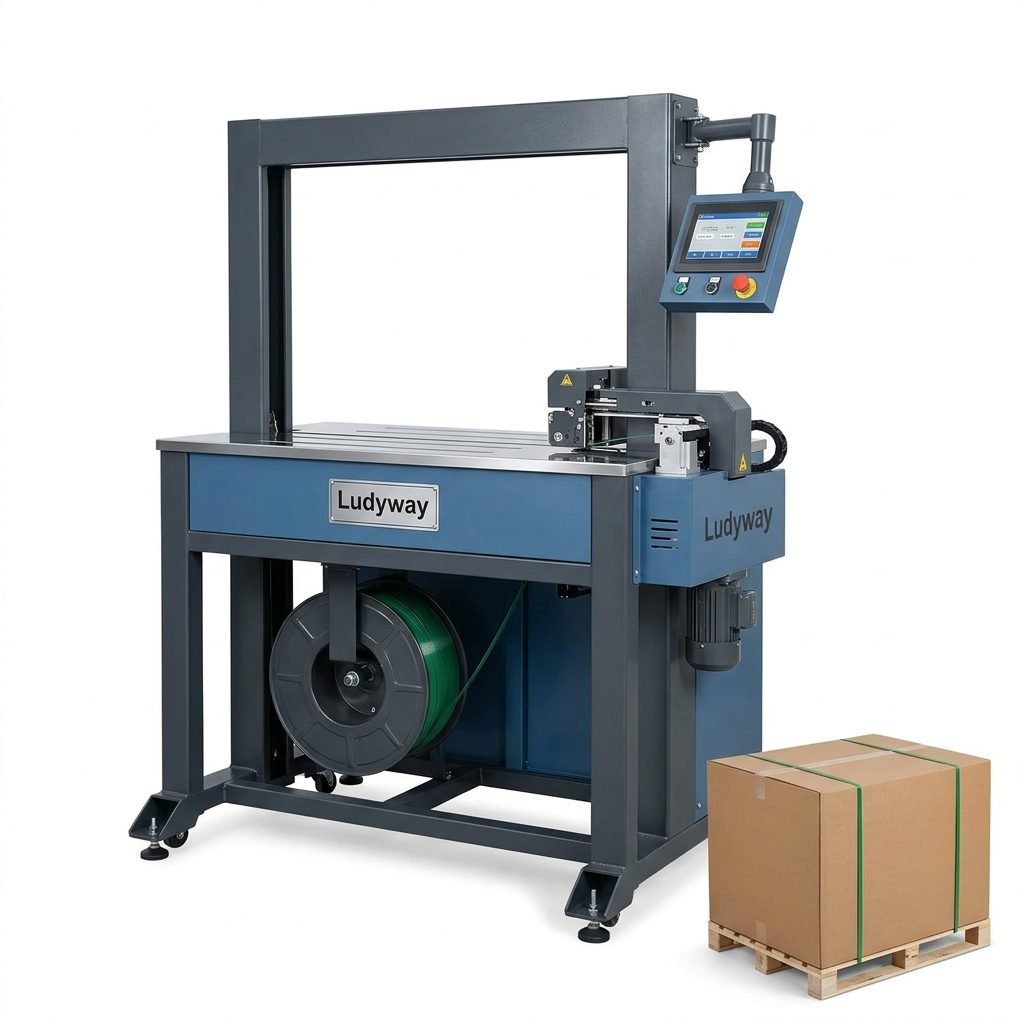
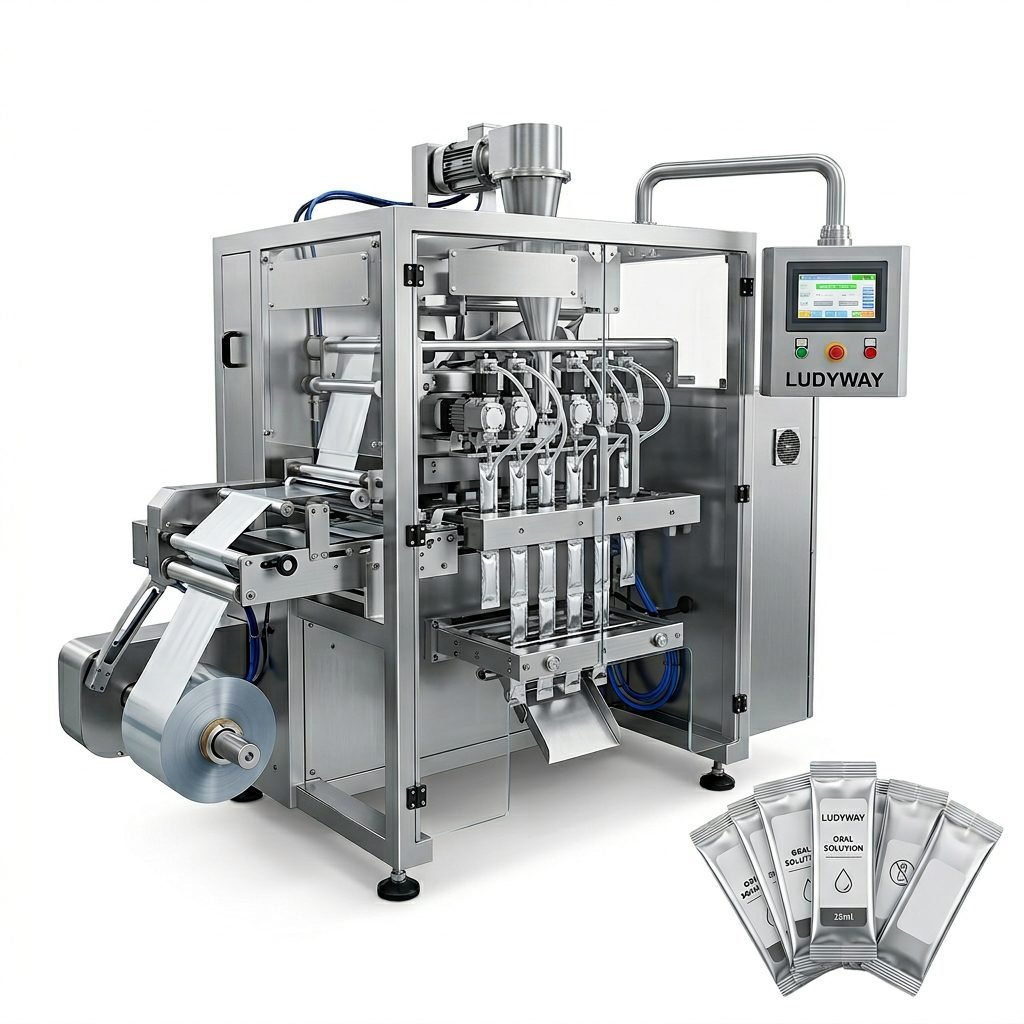
Investing in an automatic vacuum packaging machine is a strategic decision that directly impacts product quality, shelf life, and operational efficiency. Whether you are packaging food products, pharmaceuticals, electronics, or industrial components, selecting the right equipment requires a thorough understanding of your production needs, material compatibility, and long-term operational goals. This guide walks you through the essential factors to evaluate before making a purchase.

Understanding Your Vacuum Packaging Requirements
Before comparing machine specifications, it is critical to define your specific packaging requirements. Product characteristics such as size, shape, moisture content, and fragility determine the type of vacuum system you need. Delicate products like fresh produce or baked goods require gentle vacuum cycles with adjustable pressure controls, while dense items such as meat cuts or cheese blocks can withstand stronger vacuum force. According to the PMMI – The Association for Packaging and Processing Technologies, matching machine capabilities to product specifications is the single most important factor in packaging line success.
Key Factors to Evaluate Before Purchase
1. Chamber Configuration and Size
The chamber is the heart of any vacuum packaging system. Machines typically come in single-chamber, double-chamber, and continuous belt configurations. Single-chamber machines are ideal for small to medium production volumes, while double-chamber models alternate between chambers for near-continuous operation. For high-speed production lines, continuous belt or rotary vacuum packaging systems deliver maximum throughput. Chamber dimensions must accommodate your largest product trays or bags with adequate clearance.
2. Vacuum Pump Performance
The vacuum pump determines how quickly and effectively air is removed from the packaging. Oil-sealed rotary vane pumps offer reliable deep vacuum levels suitable for most applications. Dry scroll or claw pumps eliminate oil contamination risks and are preferred for pharmaceutical and electronics packaging where cleanliness is paramount. Pump capacity, measured in cubic meters per hour, should match your required cycle speed and vacuum depth. Refer to ISO packaging standards for guidance on vacuum level requirements across different industries.
3. Seal Bar Design and Material Compatibility
The seal bar applies heat to fuse packaging materials together after vacuuming. Seal bar length must match your maximum bag width, and the bar should deliver consistent temperature distribution. Advanced machines feature pulse-sealing technology that automatically adjusts heat based on material thickness. Consider whether you need to work with flexible packaging materials such as PA/PE, PET/PE, or aluminum foil laminates, as different materials require different sealing parameters.
4. Automation and Control Features
Modern automatic vacuum packaging machines offer varying levels of automation. PLC touchscreen controls allow operators to store multiple recipe settings for quick product changeovers. Programmable vacuum time, gas flush options (for Modified Atmosphere Packaging), and gentle cycle modes increase versatility. Machines equipped with sensor-based monitoring can detect seal failures or vacuum leaks in real time, reducing waste and rework. The PMMI State of the Industry report highlights automation as a leading trend driving packaging machinery investments.
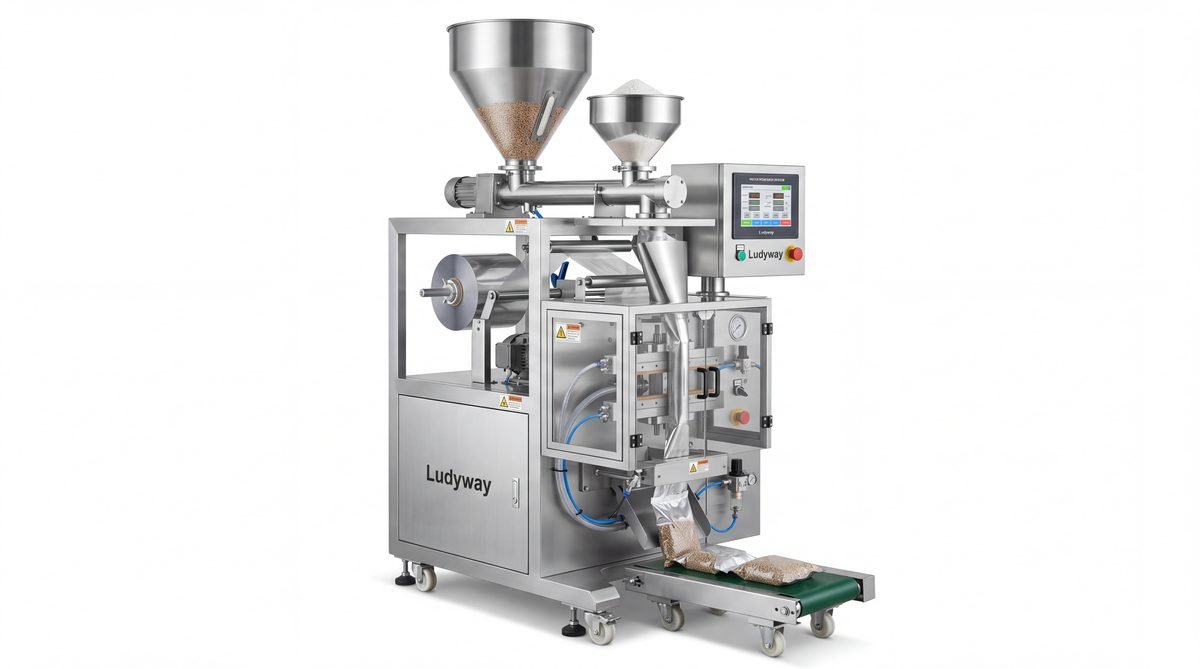
Types of Automatic Vacuum Packaging Machines
Different production environments call for different machine types. The table below summarizes the most common configurations and their ideal applications:
| Machine Type | Best For | Production Level | Key Advantage |
|---|---|---|---|
| Single-Chamber | Small batches, R&D labs, retail packing | Low to Medium | Affordable, easy to operate |
| Double-Chamber | Meat, cheese, processed foods | Medium to High | Continuous loading capability |
| Belt/Conveyor | High-volume food processing | High | Maximum throughput, inline integration |
| Rotary Vacuum | Ready meals, MAP packaging | Very High | Multi-station simultaneous processing |
| Thermoforming | Tray-sealed products, cold cuts | High to Very High | Integrated forming, filling, and sealing |
Technical Specifications That Impact Performance
When comparing machines, pay close attention to these critical specifications:
- Ultimate vacuum level: Measured in mbar or Pa; lower numbers indicate deeper vacuum capability. Food applications typically require 2-5 mbar, while sensitive electronics may need sub-1 mbar levels.
- Cycle time: The total time from loading to finished seal, including vacuum, gas flush, and sealing phases. Faster cycles improve throughput but must not compromise seal integrity.
- Seal width and strength: Wider seals (typically 3-10mm) provide greater burst resistance. Look for machines with adjustable seal pressure and dual-seal bar options for critical applications.
- Noise levels: Industrial vacuum pumps can generate significant noise. Consider machines with sound-dampening enclosures if the equipment will operate near personnel workstations.
- Power consumption: Evaluate both peak and average power draw, especially for high-duty-cycle operations where energy costs accumulate significantly.
Industry-Specific Regulatory Compliance
Different sectors impose unique requirements on packaging equipment. For food and beverage applications, machines should comply with FDA food contact substance regulations and be constructed with food-grade stainless steel and easily cleanable surfaces. Pharmaceutical packaging must meet strict validation requirements, often including 21 CFR Part 11 compliance for electronic records. Medical device packaging typically requires validated processes per ISO 11607 standards. Electronics packaging demands ESD-safe configurations and moisture-barrier sealing capabilities.
Cost Considerations and Return on Investment
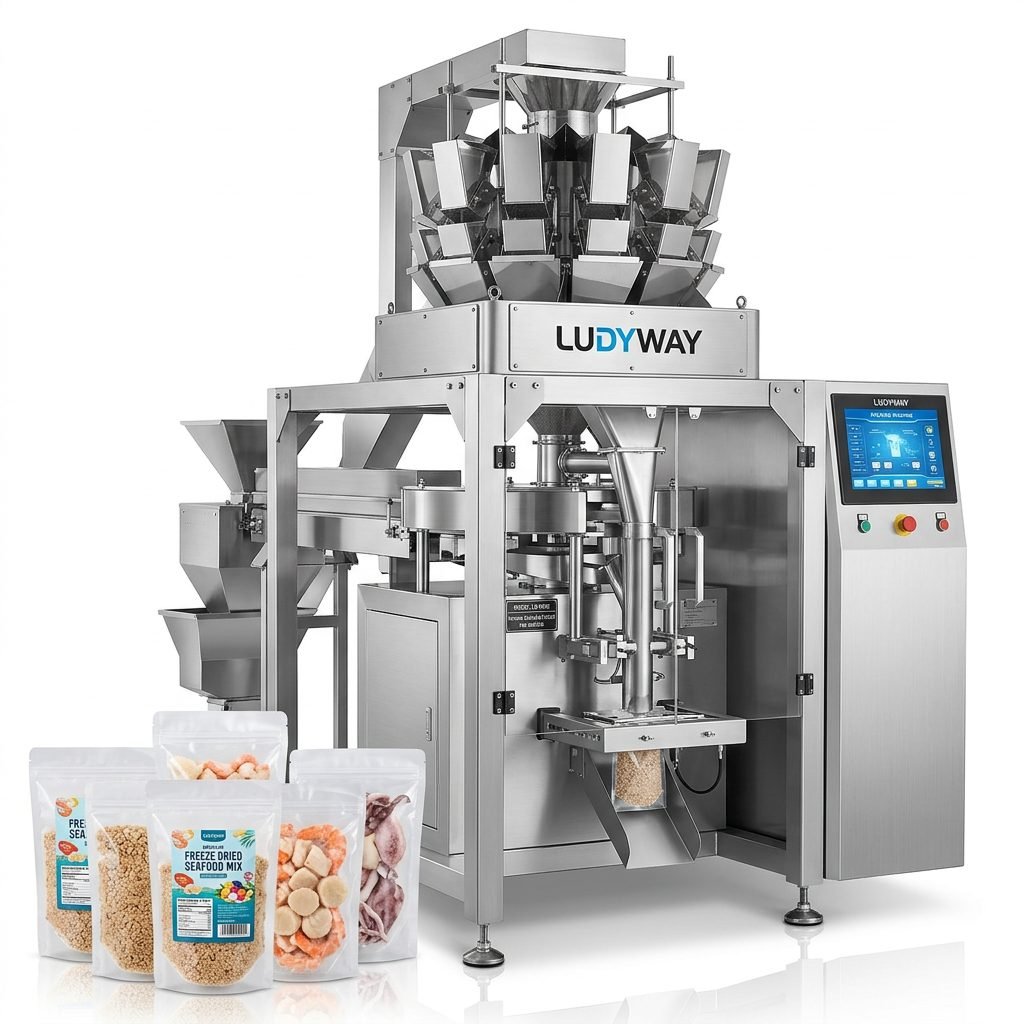
The purchase price of an automatic vacuum packaging machine is only one component of total cost. Operational costs including vacuum pump oil changes, seal bar replacements, and energy consumption accumulate over the machine’s lifespan. Higher-quality machines often deliver lower total cost of ownership through reduced maintenance frequency and longer service intervals. Calculate ROI by factoring in:
- Labor savings from automation versus manual or semi-automatic processes
- Product waste reduction from improved seal consistency and reduced leakers
- Shelf life extension benefits that reduce returns and expand distribution reach
- Production capacity increases that enable business growth without additional staffing
Selecting a Reliable Packaging Machinery Partner
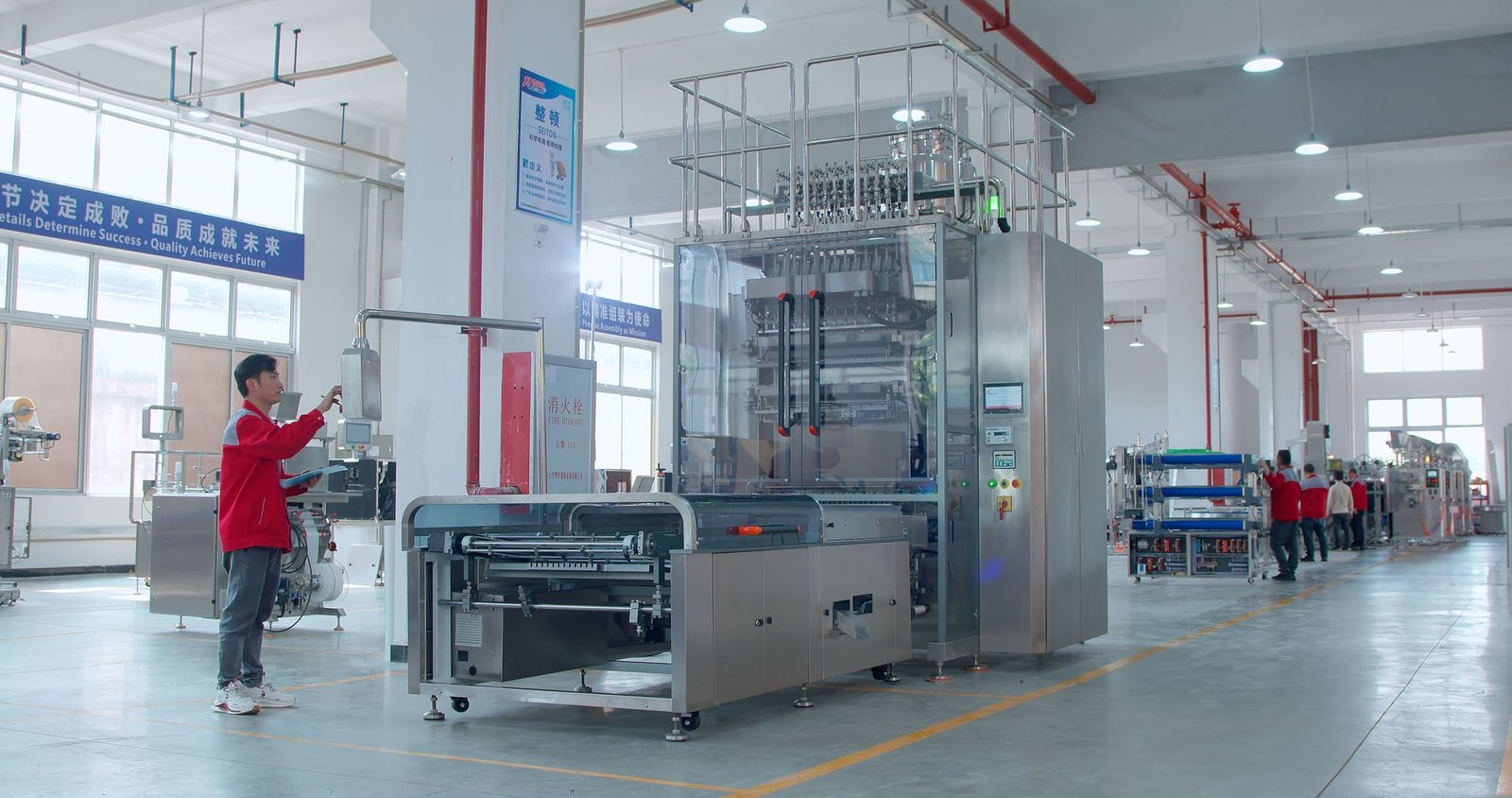
Beyond machine specifications, the manufacturer you choose plays a critical role in your long-term success. Look for suppliers with a proven track record in your industry, responsive technical support, and readily available spare parts. Experienced manufacturers like Ludyway Machinery, with over 30 years in the packaging industry and a 20,000-square-meter manufacturing facility, provide integrated solutions that go beyond individual machines to include system integration, customization, installation, and after-sales support. Evaluate whether the supplier can offer turnkey packaging solutions that connect multiple stages of your production process. A partner that understands both mechanical engineering and your specific application requirements will help future-proof your investment.
Frequently Asked Questions
What is the difference between vacuum packaging and Modified Atmosphere Packaging (MAP)?
Vacuum packaging removes air from the package entirely, creating an oxygen-depleted environment. Modified Atmosphere Packaging (MAP) goes a step further by flushing the package with a specific gas mixture—typically nitrogen, carbon dioxide, or a blend—before sealing. Many automatic vacuum packaging machines offer integrated gas flush capabilities for MAP applications, which is particularly valuable for fresh produce, baked goods, and ready meals where complete vacuum would damage the product.
How often should the vacuum pump be serviced?
Oil-sealed rotary vane pumps typically require oil changes every 500 to 2,000 operating hours, depending on usage conditions and contamination levels. Dry pumps have longer maintenance intervals but may require periodic vane or bearing replacement. Preventive maintenance schedules should be established based on the manufacturer’s recommendations and your specific operating environment.
Can one machine handle multiple bag sizes?
Yes, most automatic vacuum packaging machines accommodate a range of bag sizes within their chamber dimensions. However, quick-change tooling and adjustable seal bars significantly reduce changeover time between formats. If your operation runs multiple product lines with different packaging sizes, prioritize machines with easy adjustability and stored recipe settings.
Making the Final Decision
Choosing the right automatic vacuum packaging machine requires balancing production requirements, product characteristics, budget constraints, and future growth plans. Start by clearly documenting your current and projected needs, then evaluate machines against objective criteria including vacuum performance, build quality, automation features, and regulatory compliance. Engage with multiple suppliers, request product demonstrations or sample runs with your actual packaging materials, and verify after-sales support commitments. A well-chosen vacuum packaging machine will deliver consistent product quality, extended shelf life, and measurable operational savings for years to come. For further guidance on packaging machinery selection and industry best practices, resources from PMMI packaging industry resources and Flexible Packaging Association knowledge hub provide valuable reference material.