Investing in an ice cream packaging machine for the German market requires careful evaluation of strict regulatory standards, production efficiency, and product-specific requirements. Whether you are packaging impulse ice cream, multipacks, or premium gelato, the right equipment ensures product integrity, extends shelf life, and meets the high expectations of European retailers. This guide breaks down the essential factors to help you make an informed purchasing decision.

Understanding German Market Requirements
Before selecting machinery, you must align with the specific demands of the German food industry. Compliance with DIN standards and EU directives is non-negotiable. The machinery must support hygienic design principles to prevent contamination during the filling of sensitive dairy products.
Key Regulatory Focus
- EC 1935/2004: Materials in contact with food
- EN 1672-2: Hygiene requirements for machinery
- CE Marking: Mandatory safety compliance
- GS1 Standards: For efficient supply chain tracking
Production Priorities
- Precise temperature control for cold-chain integrity
- Compatibility with sustainable packaging materials
- Quick changeover for various formats
- Integration with remote monitoring systems
Types of Ice Cream Packaging Machines
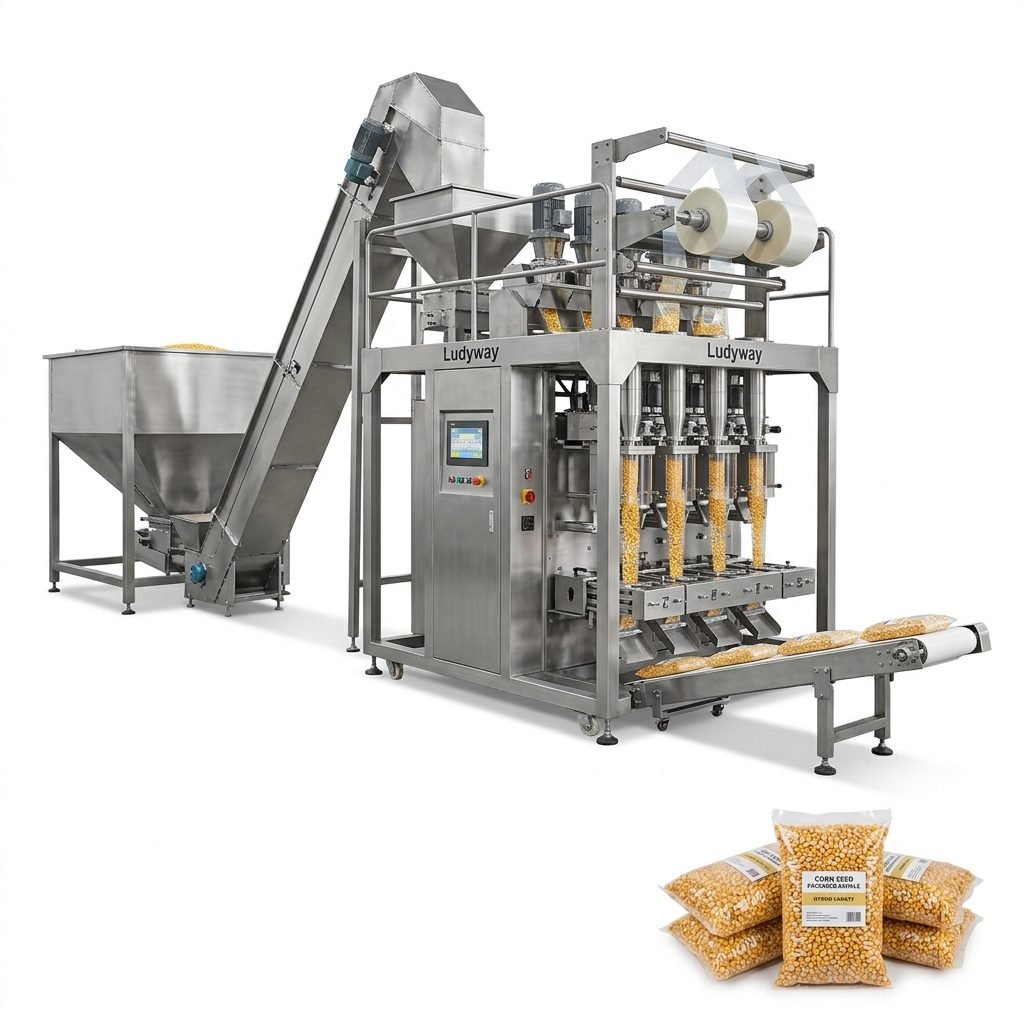
The German market utilizes diverse packaging formats. Selecting the correct machine depends on your product viscosity and distribution channel. Vertical form fill seal (VFFS) machines are common for solid frozen novelties, while horizontal flow wrappers offer high speed for molded blocks.
| Machine Type | Best For | Speed Advantage |
|---|---|---|
| Flow Wrapper (HFFS) | Impulse bars, premium sticks | Very High (up to 300 packs/min) |
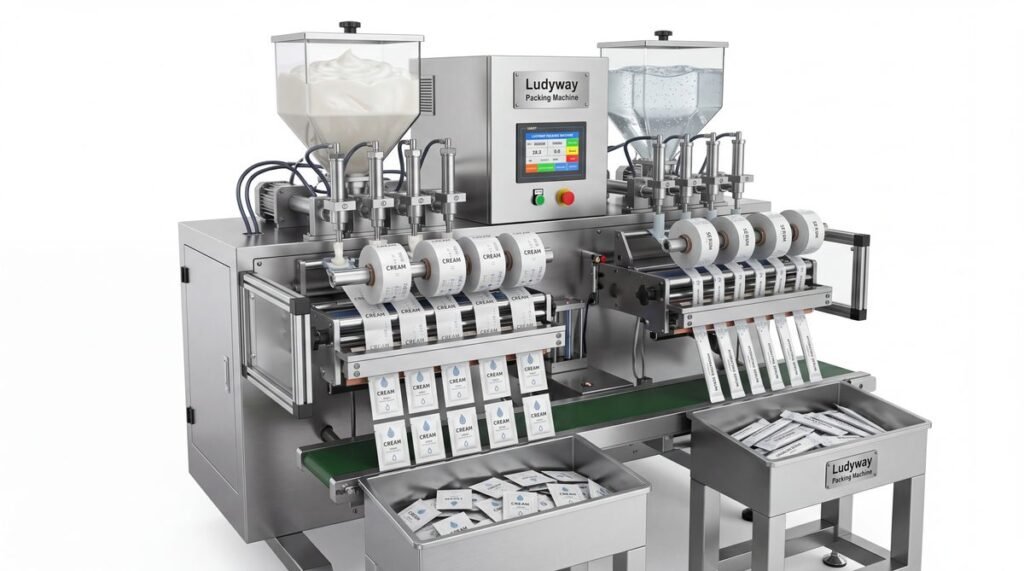
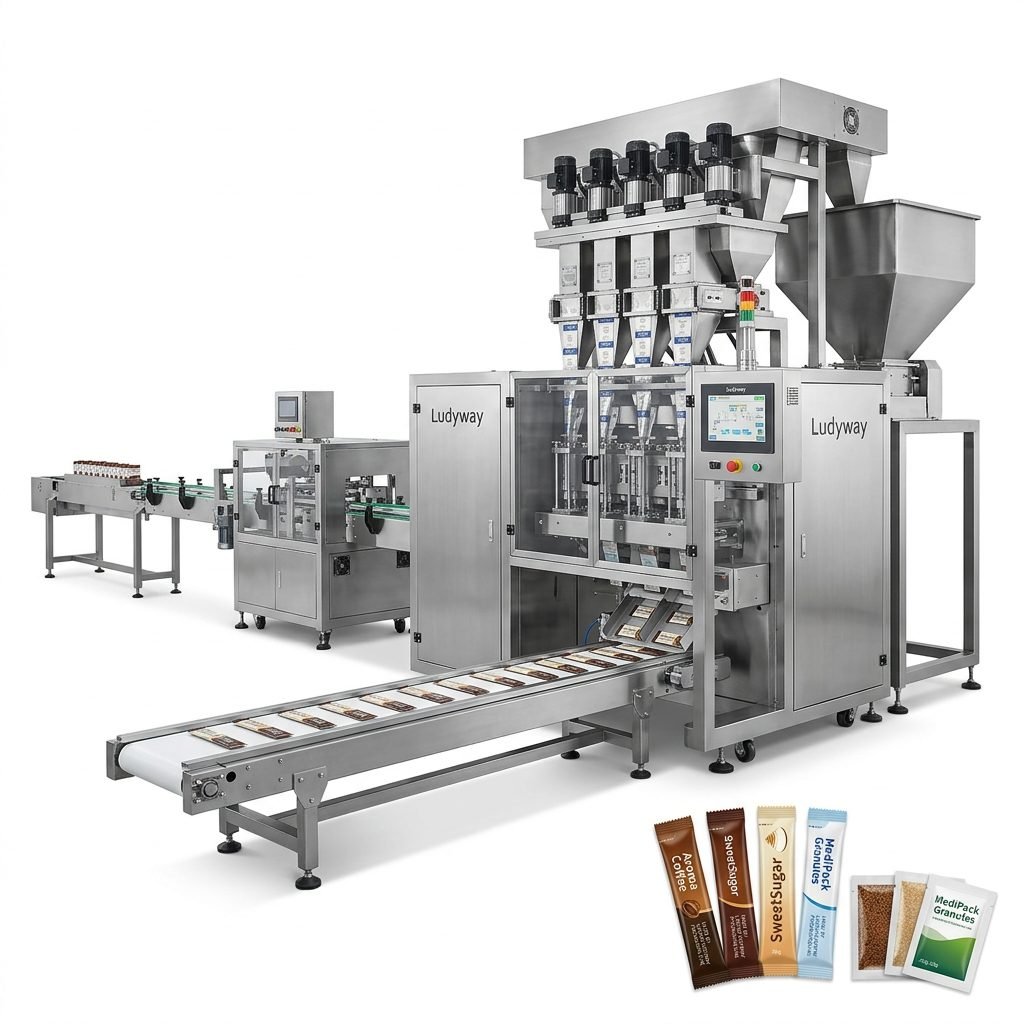
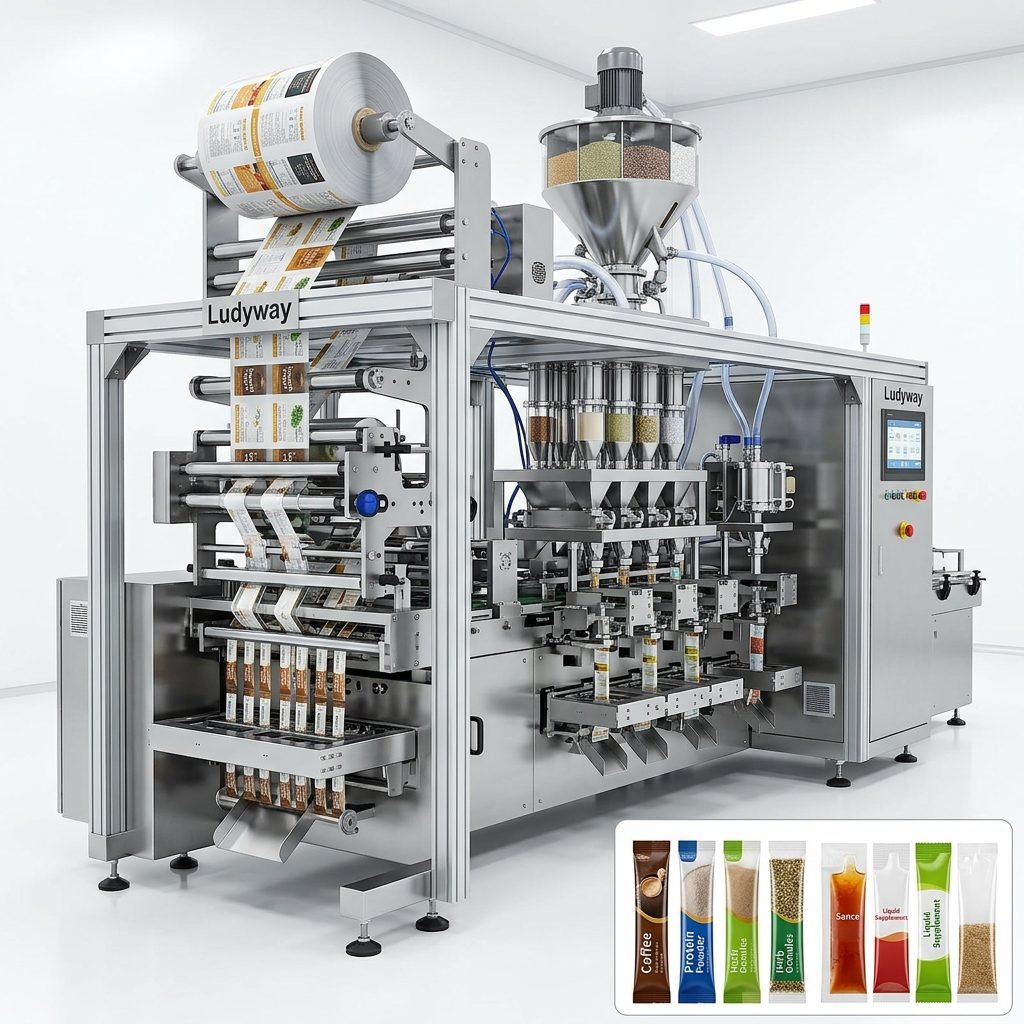
| Sachet & Stick Pack | Portion control, liquid mixes | High (multi-lane config) |
| Lid Applicators | Tubs, cups, gelato containers | Moderate to High |
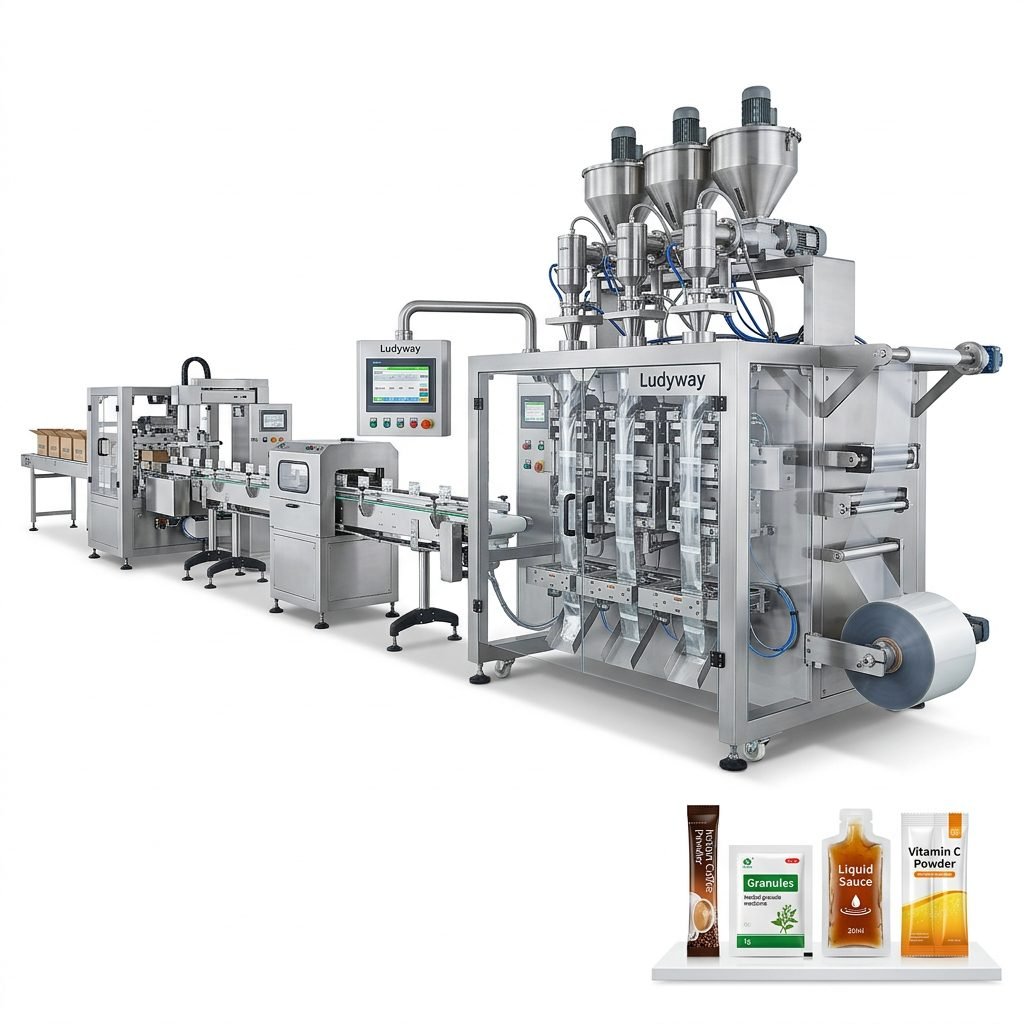
For manufacturers focusing on liquid ice cream mixes or frozen yogurt powders, multi-lane stick pack machines provide an airtight seal that preserves flavor. Explore advanced multi-lane solutions for high-volume output.

Critical Technical Specifications
To ensure long-term reliability in a German production facility, prioritize these technical aspects. Stainless steel construction (AISI 304 or 316L) is essential for washdown environments. Look for IP65 or higher protection ratings on electrical components.
Sealing & Integrity
- Gas flushing (MAP) capability to extend shelf life
- Leak detection systems
- Precision temperature controllers for heat seals
- Validatable airtight sealing
Automation & Control
- Servo-driven motors for accuracy
- Industry 4.0 readiness
- Touchscreen HMI with German language support
- Automatic splicing for non-stop film change
Material Compatibility and Sustainability
German VerpackG (Packaging Act) regulations push for recyclability. Your chosen machine must handle innovative materials like mono-material PP or PE laminates that replace traditional mixed plastics. Verify that the machine can seal these newer films without wrinkling or burn-through, as they often require tighter temperature windows.
Evaluating the Total Cost of Ownership
Beyond the purchase price, calculate the OEE (Overall Equipment Effectiveness). A cheaper machine often leads to higher film waste and downtime. Consider the availability of local service support and spare parts in Germany. Preventive maintenance contracts are highly recommended to protect your investment.
Integrating Turnkey Packaging Lines
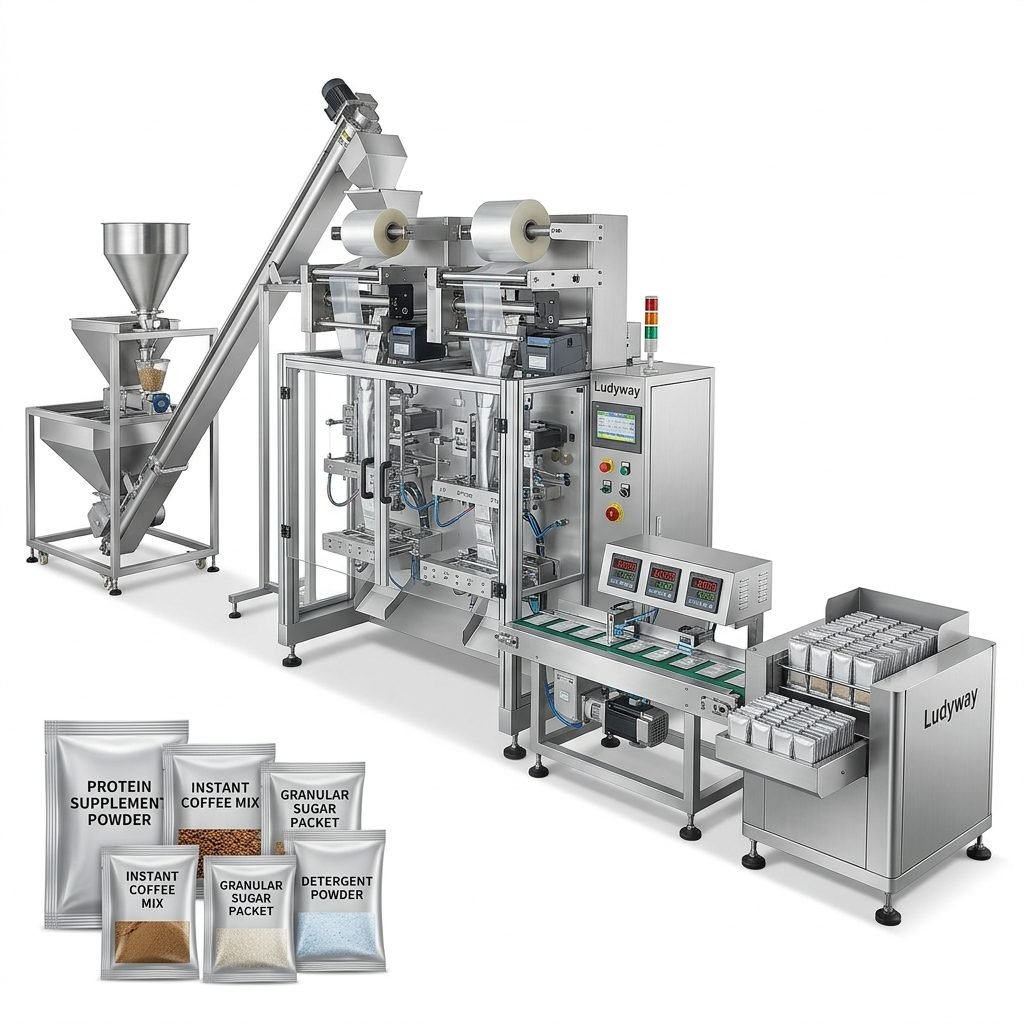
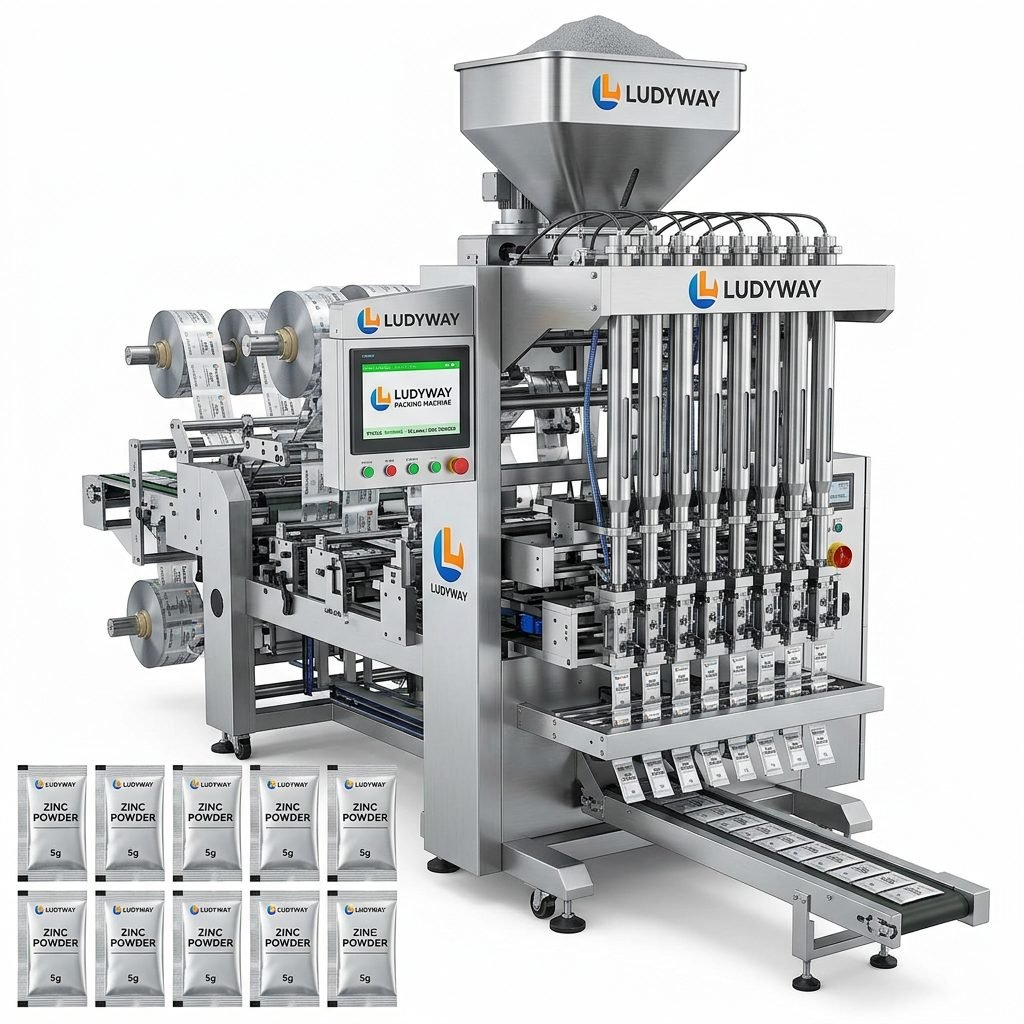
Modern German factories are trending toward fully automated turnkey solutions that connect directly to freezers and downstream equipment. This minimizes human contact with the product, a critical factor for food safety. A turnkey line might include a multi-lane powder packaging system for supplementary toppings or syrups included in the pack.

Reliable suppliers like Ludyway, one of the largest packaging machine manufacturers in China, specialize in such turnkey solutions with over 30 years of industry expertise, serving customers in more than 100 countries including rigorous European markets.
Standards for Food Safety and Hygiene
Compliance with IFS Food or BRCGS is often a prerequisite for German supermarket listings. The machine must be designed for easy disassembly and cleaning. Triangular frames, sloped surfaces, and minimal flat areas prevent product build-up. Look for validated CIP (Clean-in-Place) compatibility if handling dairy liquids.
Key Automation Features Checklist
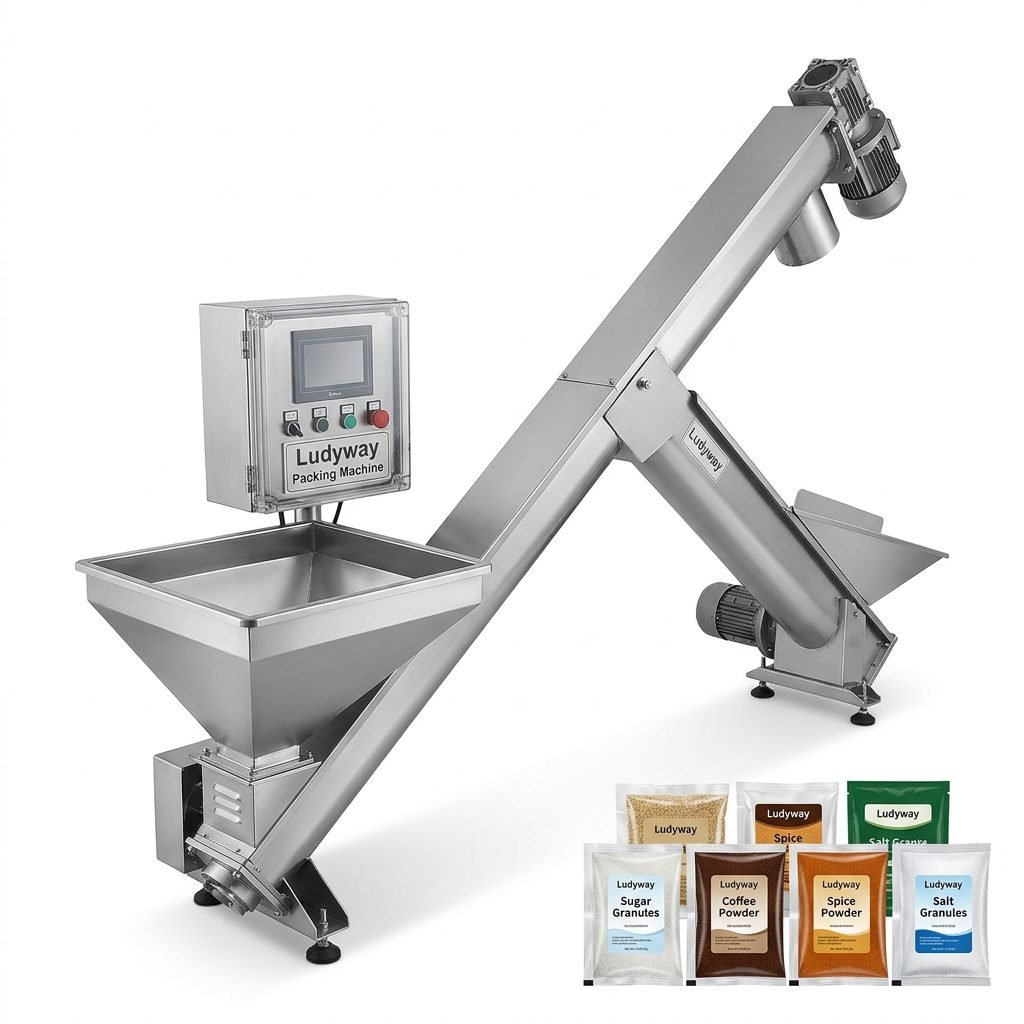
- Servo-driven auger or volumetric fillers
- Automatic rejection of underweight packs
- Date coding and inline label printing
- Remote diagnostics capability
- Multi-lane lane scaling for stick packs
Questions to Ask Your Equipment Supplier
Before finalizing your order, ensure your supplier understands the nuances of the German market. These questions will clarify their capability:
- Can you provide a FAT (Factory Acceptance Test) report?
- Is the machine compatible with DIN 55474 for auxiliary packaging?
- What is the maximum film reel diameter for reduced downtime?
- Do you offer integration with EU-standard conveyor systems?
- Can the system handle cold-chain logistics fluctuations without component freezing?
Additional Resources
For more detailed insights on packaging machinery standards and market data, refer to these authoritative resources:
- PMMI 2025 State of the Industry
- Flexible Packaging Association Resources
- FDA Food Contact Substances
- EU Packaging and Packaging Waste Regulation
- ISO Packaging Standards
Selecting the right ice cream packaging machine for Germany is an investment in quality and compliance. Ensure your equipment is not just fast, but also smart and ready for future material transitions.