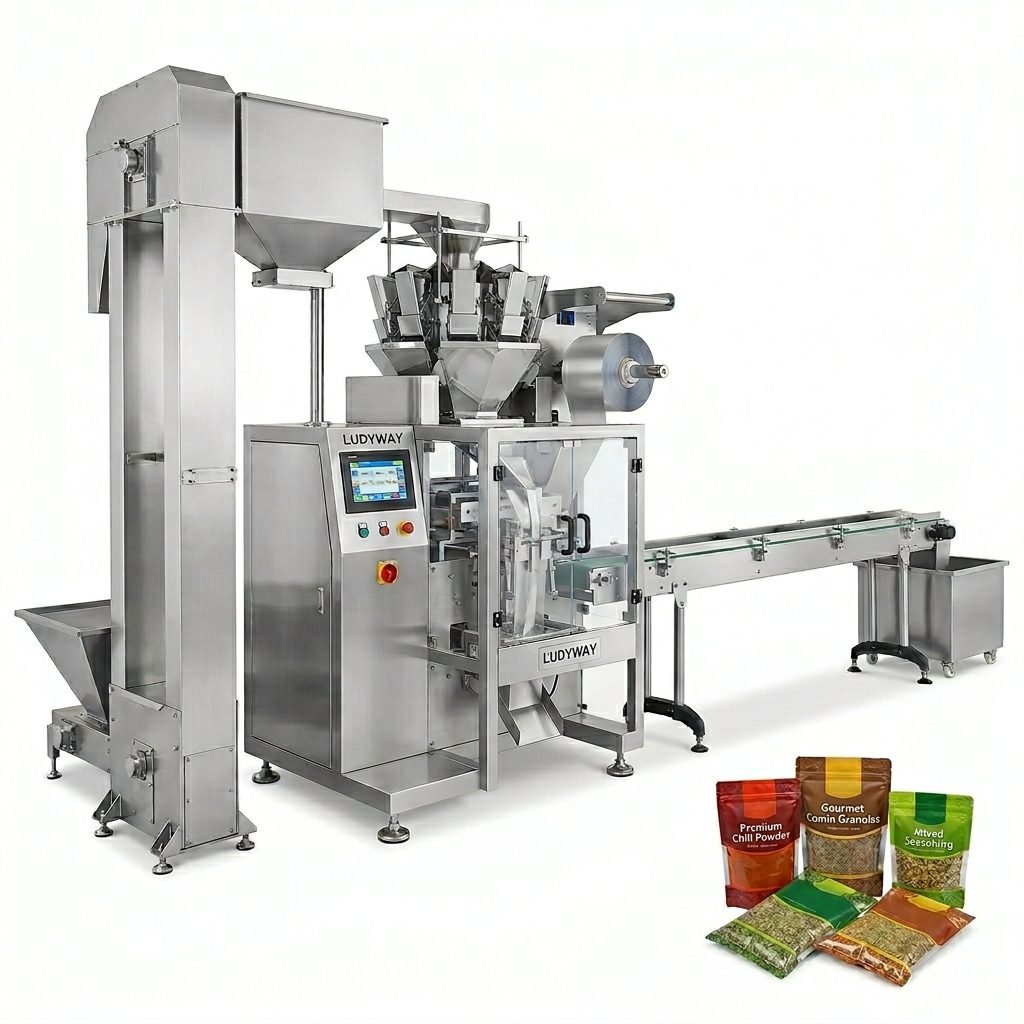
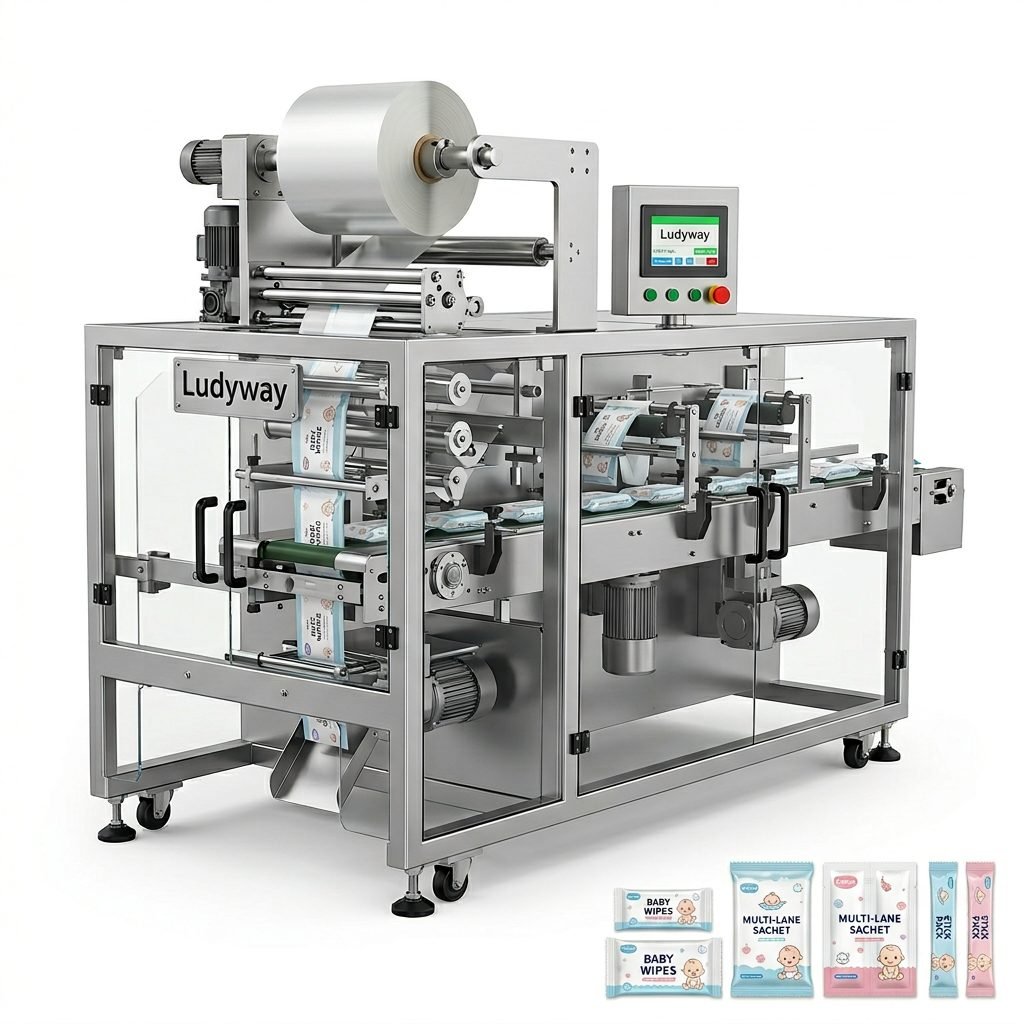
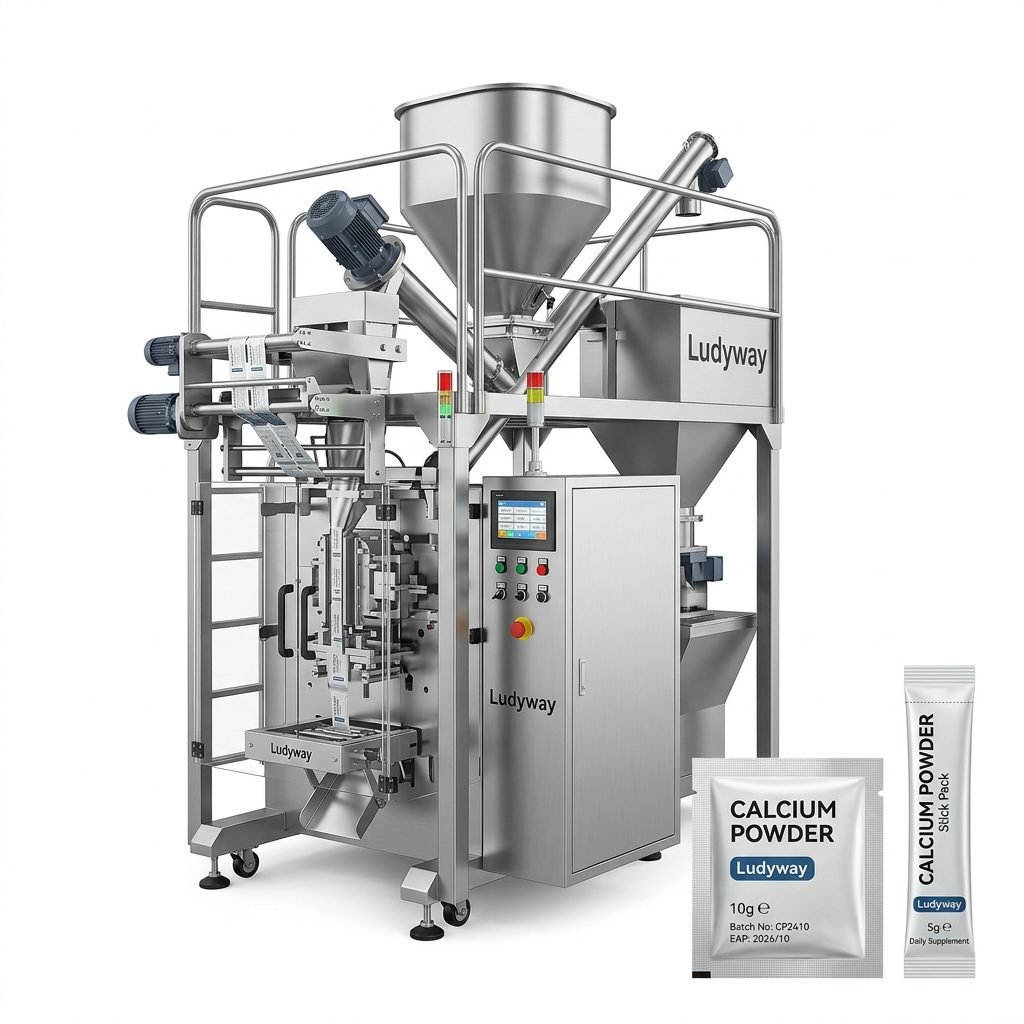
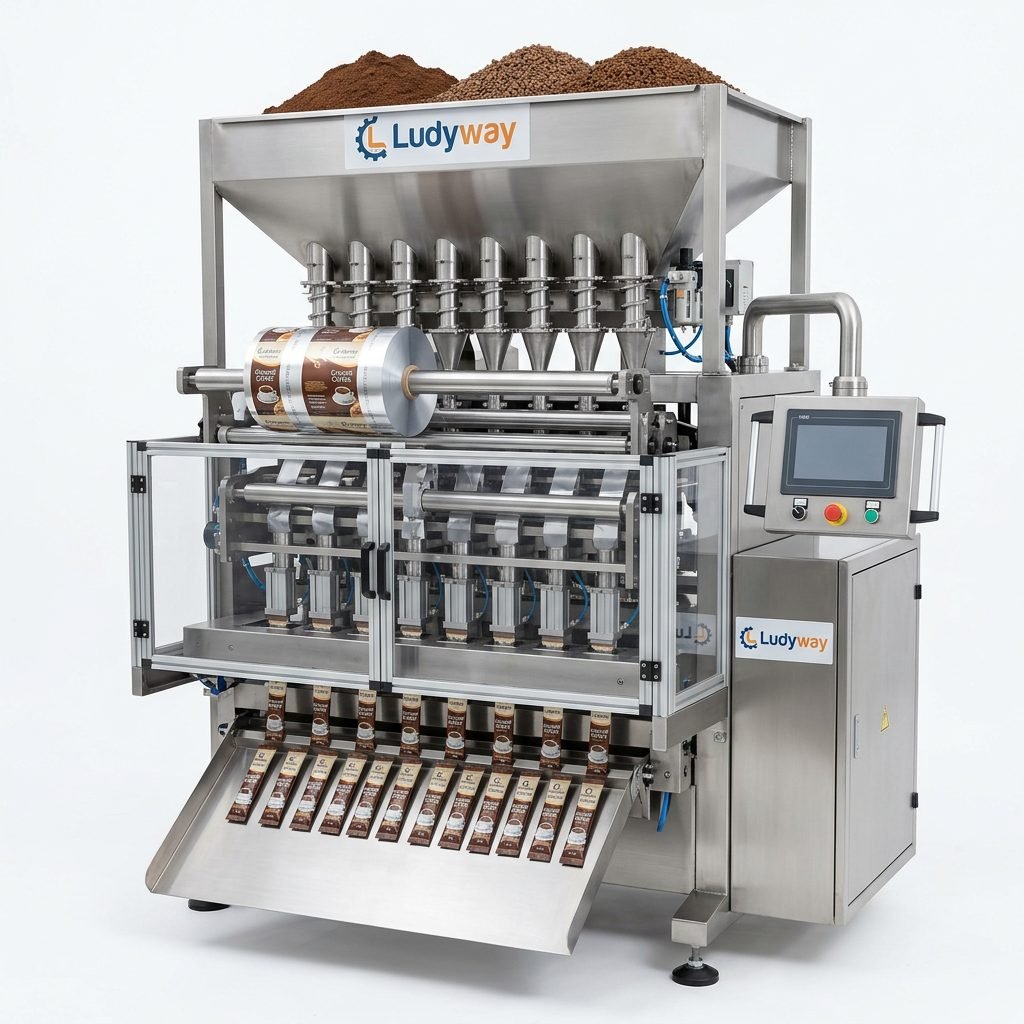
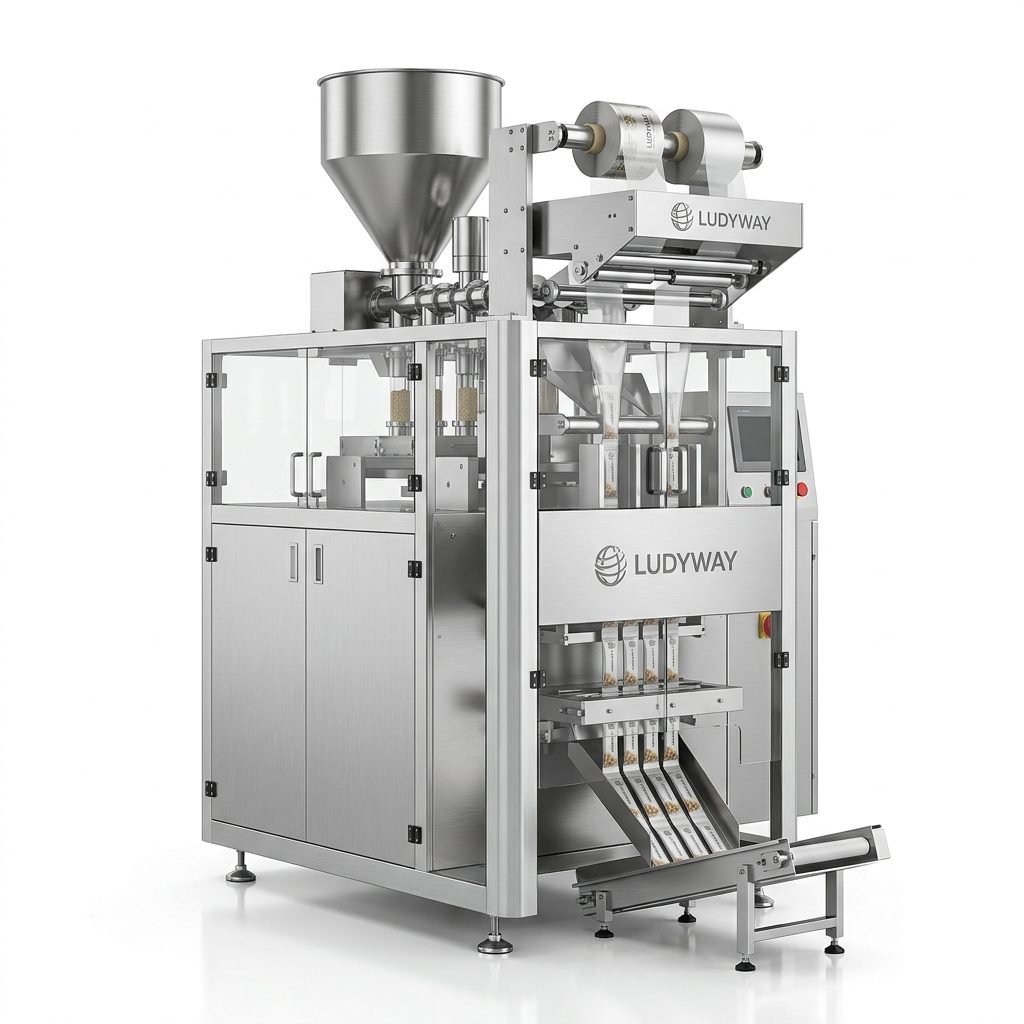
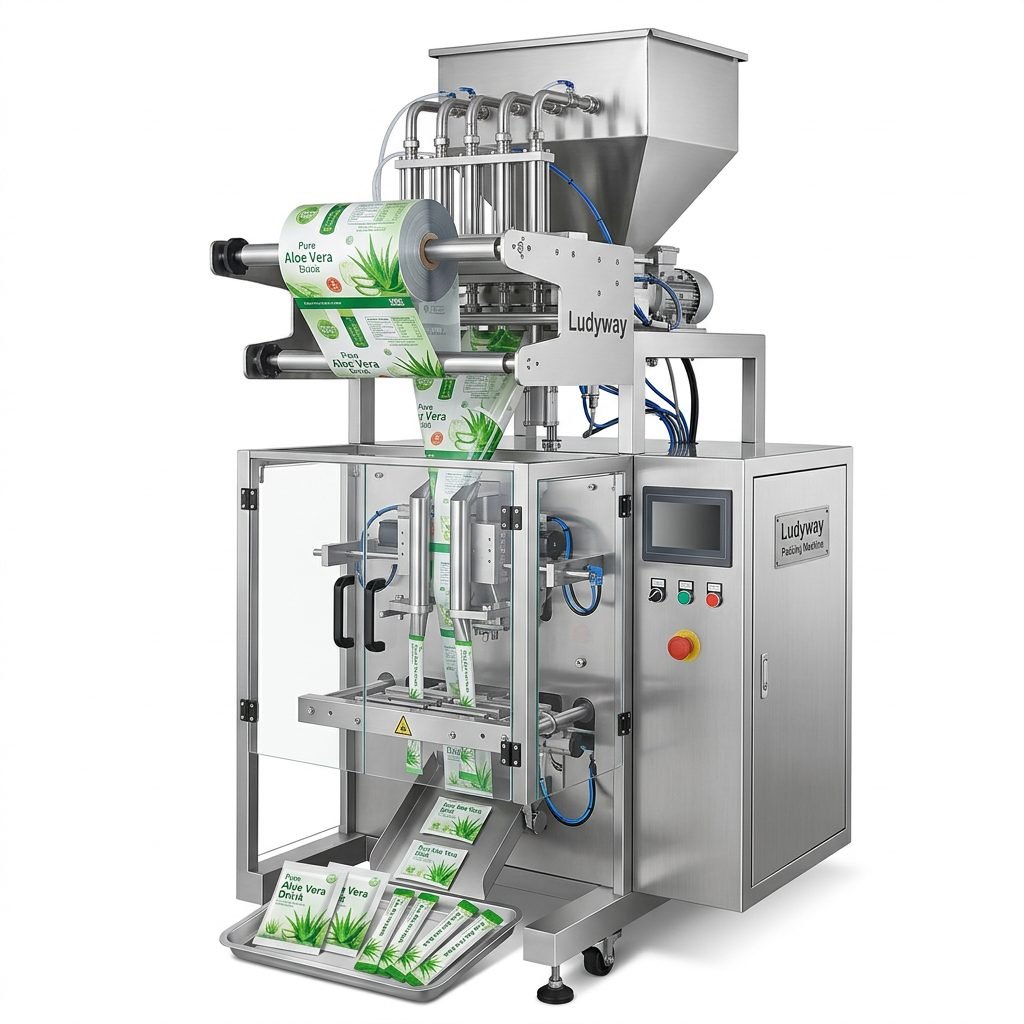
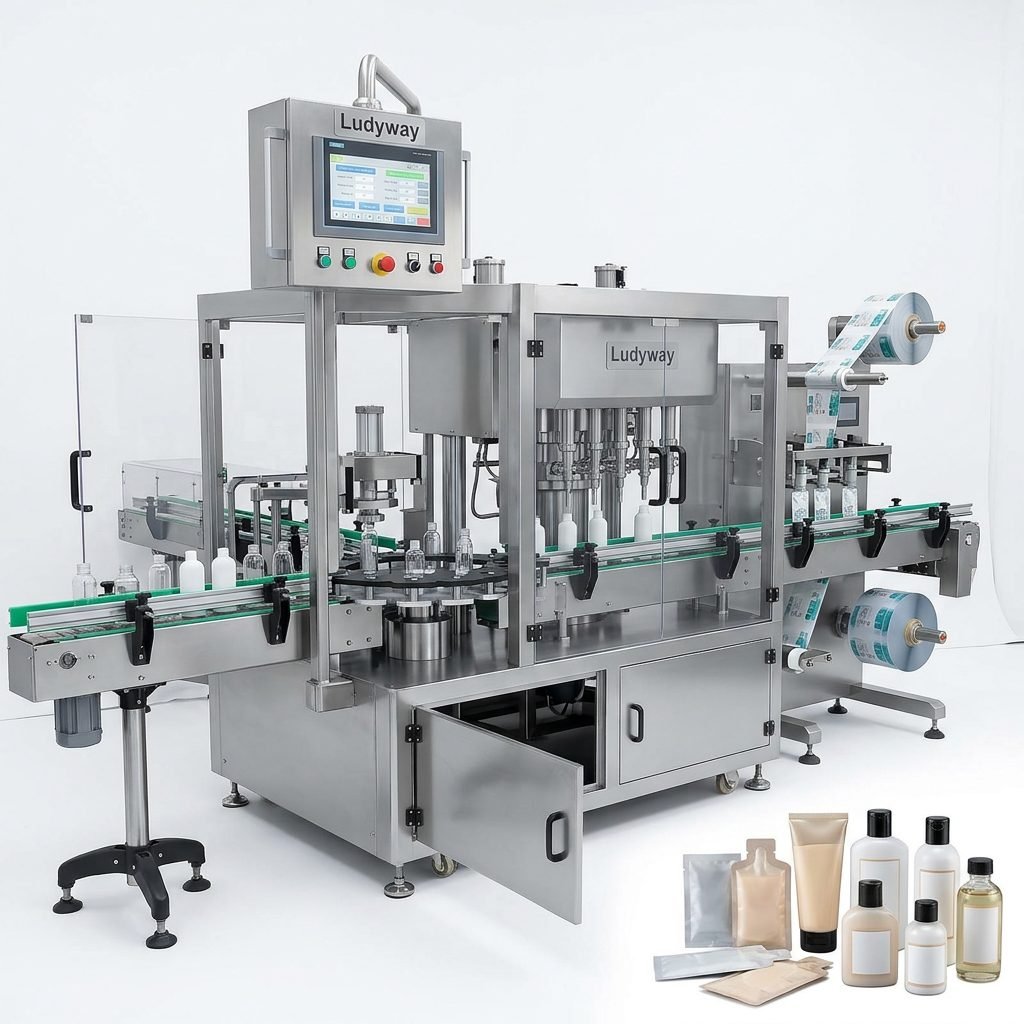
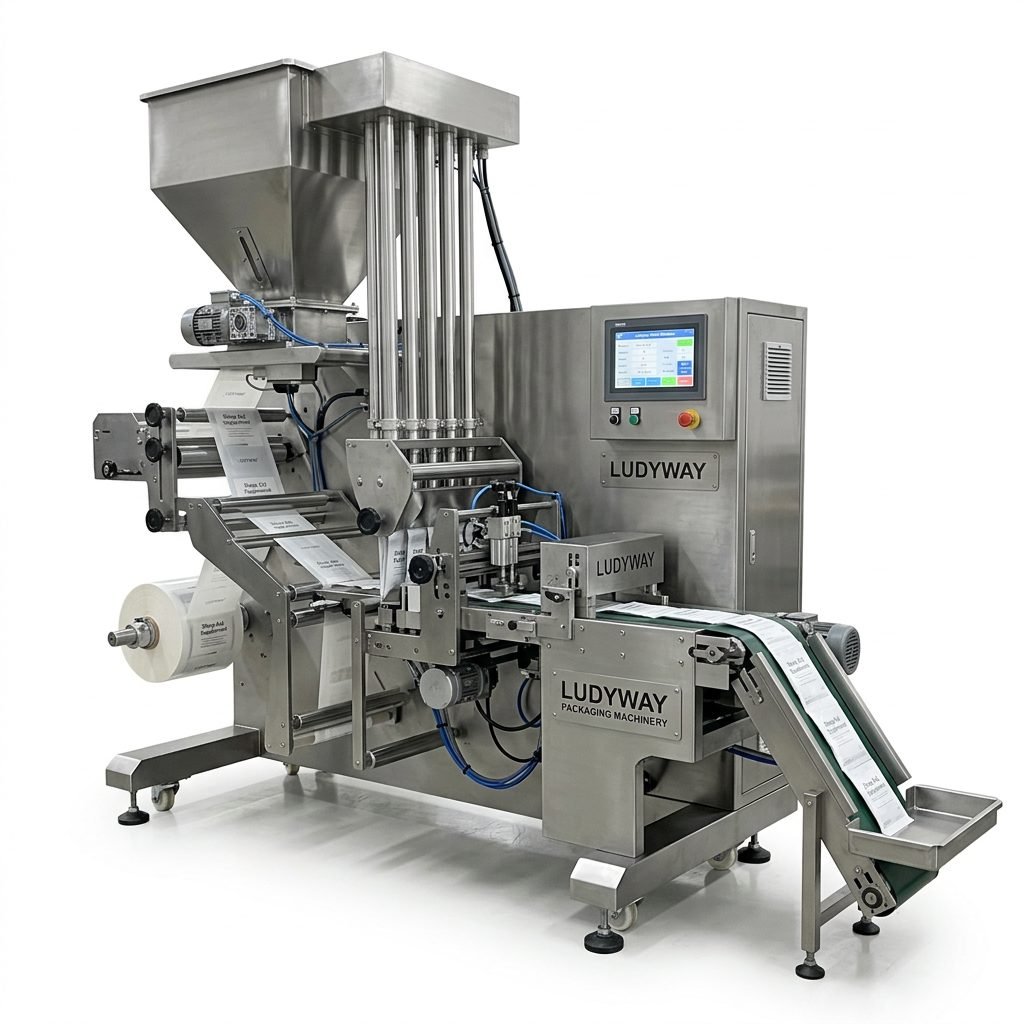
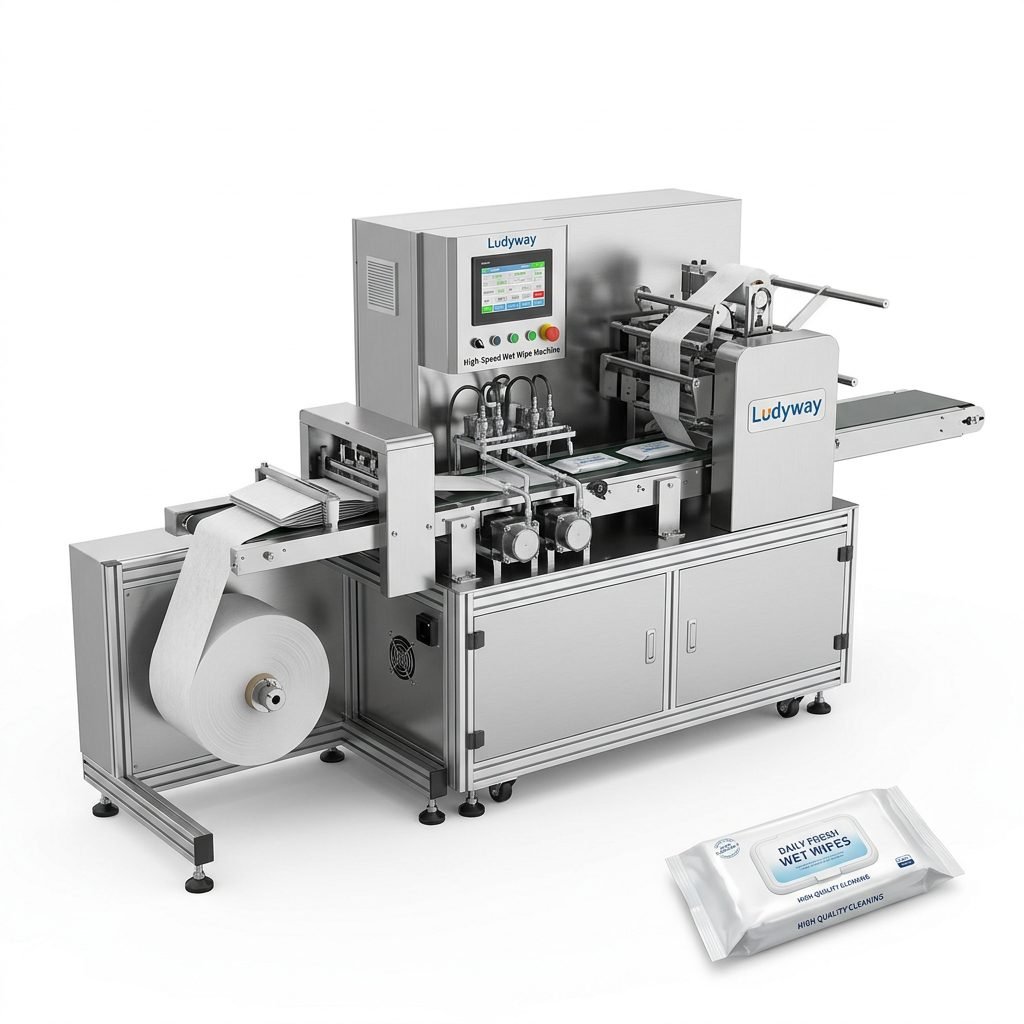
Investing in a Benhil butter packing machine is a strategic decision for any dairy processing operation aiming to enhance productivity, maintain stringent hygiene standards, and ensure product integrity. Whether you are upgrading an existing line or establishing a new facility, understanding the technical specifications, operational requirements, and long-term value of the equipment is essential. This comprehensive guide walks you through the critical factors to evaluate, helping you make an informed procurement decision that aligns with your production goals.
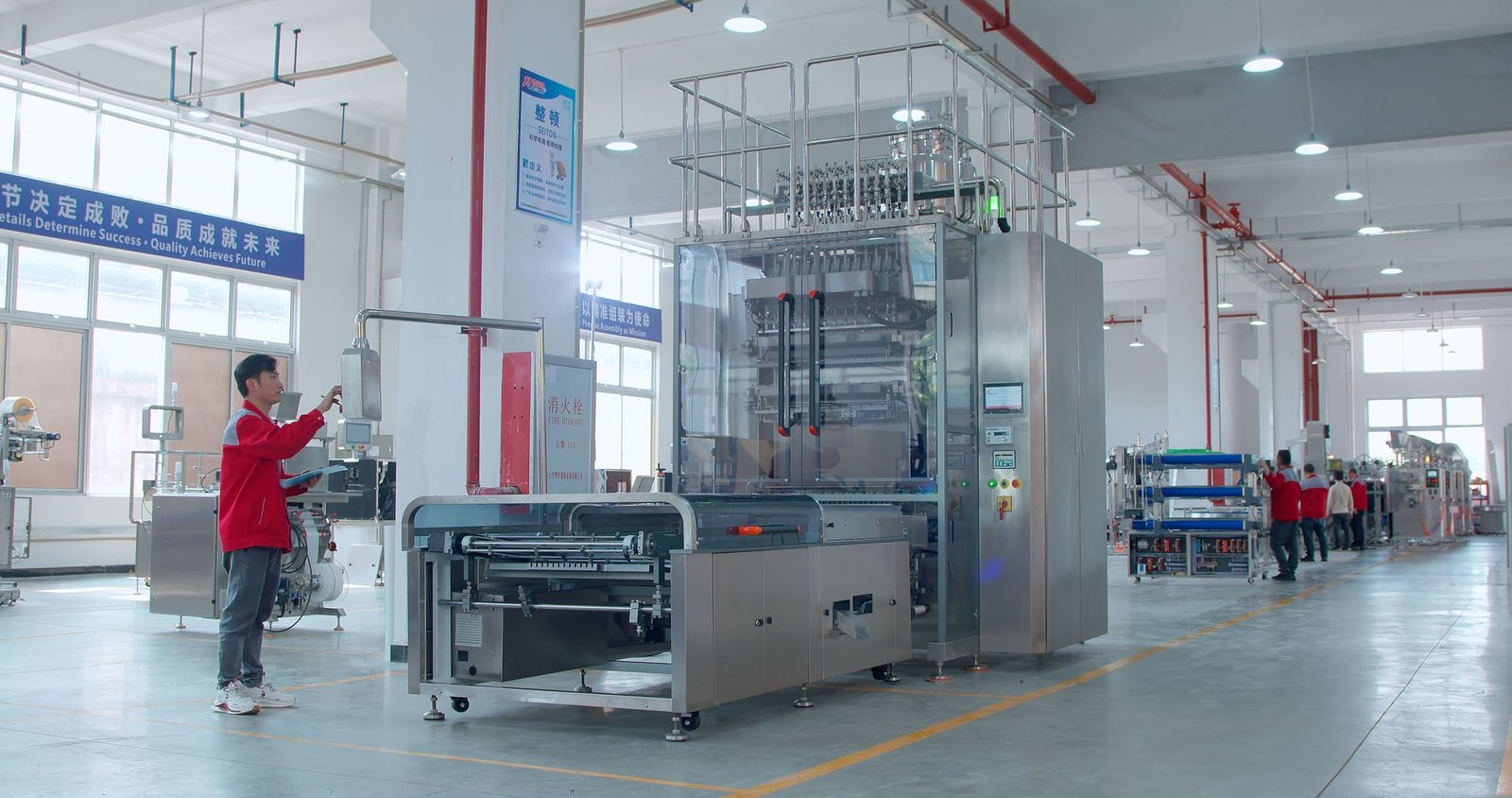
Understanding the Role of a High-Performance Butter Packing Machine
A Benhil butter packing machine is not merely a piece of equipment; it is the core of your packaging line. These machines are engineered to handle the unique physical properties of butter, which can vary in temperature, consistency, and fat content. The primary function is to portion and wrap butter into consumer-ready formats—from classic parchment-wrapped blocks to convenient mini-portions—while maintaining the product’s shape and preventing oil leakage. Selecting the right model involves a deep dive into packaging machinery standards and operational guidelines that govern the industry.
Key Factors to Evaluate Before Purchasing
Before engaging with a manufacturer or reviewing a quotation, it is critical to map out your specific production landscape. The following elements will serve as the foundation for your decision-making process.
1. Production Capacity and Speed Requirements
Your current and projected output is the single most important factor. A small artisan creamery might require a semi-automatic machine, whereas a large-scale industrial dairy demands a high-speed automatic butter packaging machine capable of producing hundreds of packs per minute. You must calculate grams per minute or packs per shift to match the machine’s throughput with your supply chain demands. Overestimating can lead to unnecessary capital expenditure, while underestimating can create production bottlenecks.
2. Product Consistency and Fat Content
Butter is a sensitive natural product. The hardness of butter, often influenced by the ratio of saturated to unsaturated fats and the processing temperature, directly impacts the forming and dosing system. Machines must be equipped with strong, synchronized mechanics to handle variations in viscosity. If your production involves different recipes or seasonal variations that alter the butter’s physical properties, look for a machine with adjustable compression settings and temperature-controlled hoppers to ensure consistent block formation without overworking the product.
Critical Technical Specifications
- Dosing accuracy and portion weight range
- Operational air pressure and power consumption
- Material contact parts (Stainless Steel 304 or 316L)
- Speed synchronization with downstream equipment
Packaging Format Considerations
- Block Butter: 100g, 200g, 250g, 500g parchment wrap
- Portion Cups: 8g, 10g, 15g mini tubs with foil lid
- Bulk Formats: 1kg, 2.5kg, 5kg for food service
Packaging Materials and Sustainability
The flexible packaging industry is continuously evolving, shifting toward mono-materials and recyclable laminates. Your Benhil machine must be compatible with the wrapping materials you plan to use, whether it is traditional aluminum foil laminate, parchment paper, or newer eco-friendly films. The sealing mechanism—heat-seal, pressure-seal, or ultrasonic—must be carefully matched to the substrate to guarantee an airtight seal that prevents oxidation and extends the shelf life of the butter. Verify the machine’s ability to handle the material thickness and cutting precision required to minimize waste.
Automation, Hygiene, and Integrated Systems
Modern dairy operations benefit significantly from integrated packaging solutions. A standalone filling machine is often insufficient; instead, you need a cohesive system that connects mixing, pumping, filling, and wrapping stages seamlessly. Ludyway Machinery, with its extensive experience in turnkey packaging solutions, understands the importance of automation in reducing manual handling and cross-contamination. When evaluating a Benhil butter packing machine, ensure the design minimizes crevices and shadow zones where bacteria can collect. Features such as Clean-in-Place (CIP) compatibility, quick-release guarding, and sloped surfaces are non-negotiable for compliance with international food safety standards. For a detailed understanding of these requirements, the FDA’s food packaging and food contact substances guidelines provide a crucial regulatory framework.
Advanced Line Integration Features
| Automation Feature | Function | Benefit |
|---|---|---|
| Servo-Driven Dosing | Precision-controlled rotary valves | ±0.5% weight accuracy |
| Vacuum-Assisted Forming | Brick formation without air pockets | Superior visual appearance and shelf stability |
| Automatic Rejection Systems | In-line checkweigher integration | Guarantees pack quality and reduces giveaway |
| IoT-Ready PLCs | Remote diagnostics and data logging | Proactive maintenance and reduced downtime |
Machine Construction and Durability
A Benhil machine represents a long-term capital asset. The construction material plays a vital role in longevity, especially in the aggressive dairy environment where corrosive salts and lactic acids are present. Examine the frame construction: a heavy-duty, fully welded stainless steel frame provides the vibration-dampening mass necessary for high-speed forming operations compared to a lighter, modular design. Moreover, the availability of OEM spare parts and certified service engineers in your region is a critical evaluation point. A machine is only as reliable as the technical support network that stands behind it. You should inquire about the mean time between failures (MTBF) and the mean time to repair (MTTR) for essential sub-assemblies. For further reading on operational consistency and equipment engineering, Ludyway’s global growth trend and export capabilities highlight the importance of robust manufacturing and dependable international supply chains.

Evaluating Total Cost of Ownership (TCO)
The purchase price of a butter packing machine is only the starting point of the investment. A comprehensive financial assessment should include the total cost of ownership. This calculation factors in energy consumption, wear parts replacement frequency, film yield efficiency, and labor dependency. A machine that costs slightly more upfront but offers 10% better film utilization or significantly faster size changeover times will typically offer a dramatically lower TCO over a 5- to 7-year operational lifespan. It is essential to request case studies or references from the manufacturer that detail operational expenditure in real-world dairy plant environments.
Adapting to Future Market Trends
The dairy packaging market is strongly influenced by convenience and sustainability. Mini-portions for the hospitality industry and easy-spread formats for consumers are gaining traction. Your chosen equipment should offer modularity—the ability to switch from 10g portions to 250g blocks with minimal change parts and downtime. Additionally, compliance with the European Commission’s packaging and packaging waste regulations is increasingly a market access requirement. Selecting a machine designed for a circular economy—where materials are reusable or recyclable—is no longer optional but a competitive advantage.
Smart Technologies for Predictive Analysis
The latest generation of high-end butter packaging equipment incorporates machine learning algorithms that monitor vibration, temperature, and torque in real-time. This predictive analytics capability allows the machine to alert operators to potential failures before they occur, transforming maintenance from reactive to proactive. Ask potential suppliers how their control architecture integrates with your Manufacturing Execution System (MES) and whether they support standard industrial communication protocols like EtherNet/IP or OPC UA. A seamless data exchange ensures the packing machine becomes a smart node in your digital factory.

Final Selection Checklist
Decision-Ready Summary
- Verify the machine’s speed matches your peak production demand without running at 100% mechanical limit.
- Confirm the dosing system can handle the precise fat composition and temperature profile of your butter.
- Evaluate the availability of local technical support and critical mechanical spare parts.
- Assess the material sealing compatibility to ensure a leak-proof and attractive final pack.
- Insist on a demolding and ultrasonic sealing trial with your exact wrapping stock before final acceptance.
Choosing the right Benhil butter packing machine requires a balance of technical capability, financial foresight, and strategic alignment with your brand’s market position. By methodically assessing the factors outlined in this buyer’s guide, you can secure a packaging asset that delivers consistent return on investment, preserves the delicate quality of your dairy product, and adapts to the evolving regulatory landscape. The goal is to partner with a technology provider that offers not just a machine, but a complete, future-proof packaging solution that grows with your business.