Investing in a besan packing machine is a significant decision for any gram flour manufacturer. The right equipment can dramatically improve your production efficiency, reduce product waste, and ensure consistent package quality. However, with numerous models, configurations, and suppliers available in the market, navigating the selection process can be overwhelming. This comprehensive buyer’s guide walks you through the essential factors to consider when choosing a besan (chickpea flour) packaging solution that aligns with your production goals, budget, and operational requirements.

Understanding Besan Packaging Challenges
Besan, or gram flour, presents unique handling challenges that directly influence your packaging machinery requirements. As a fine powder with moderate flowability, besan is prone to dusting, bridging in hoppers, and inconsistent filling if the equipment is not properly configured. Moisture sensitivity is another critical concern — besan readily absorbs humidity from the environment, which can lead to clumping, spoilage, and shortened shelf life. The ideal besan packing machine must address these challenges through precise dosing mechanisms, effective dust control systems, and, where necessary, integrated nitrogen flushing or vacuum sealing capabilities to extend product freshness.
Types of Besan Packing Machines
Understanding the different machine categories is the first step toward making an informed choice. Each type offers distinct advantages depending on your target package format, production volume, and automation requirements.
Vertical Form Fill Seal (VFFS) Machines
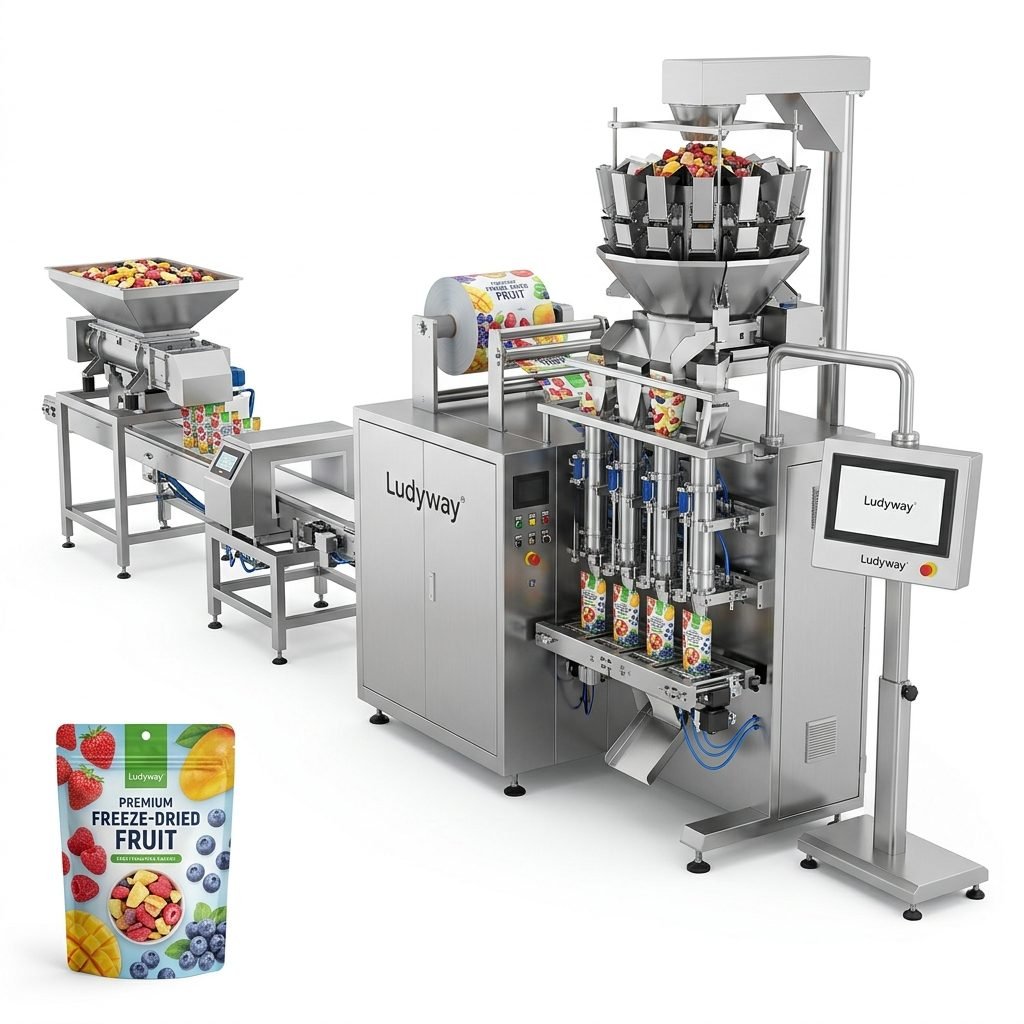
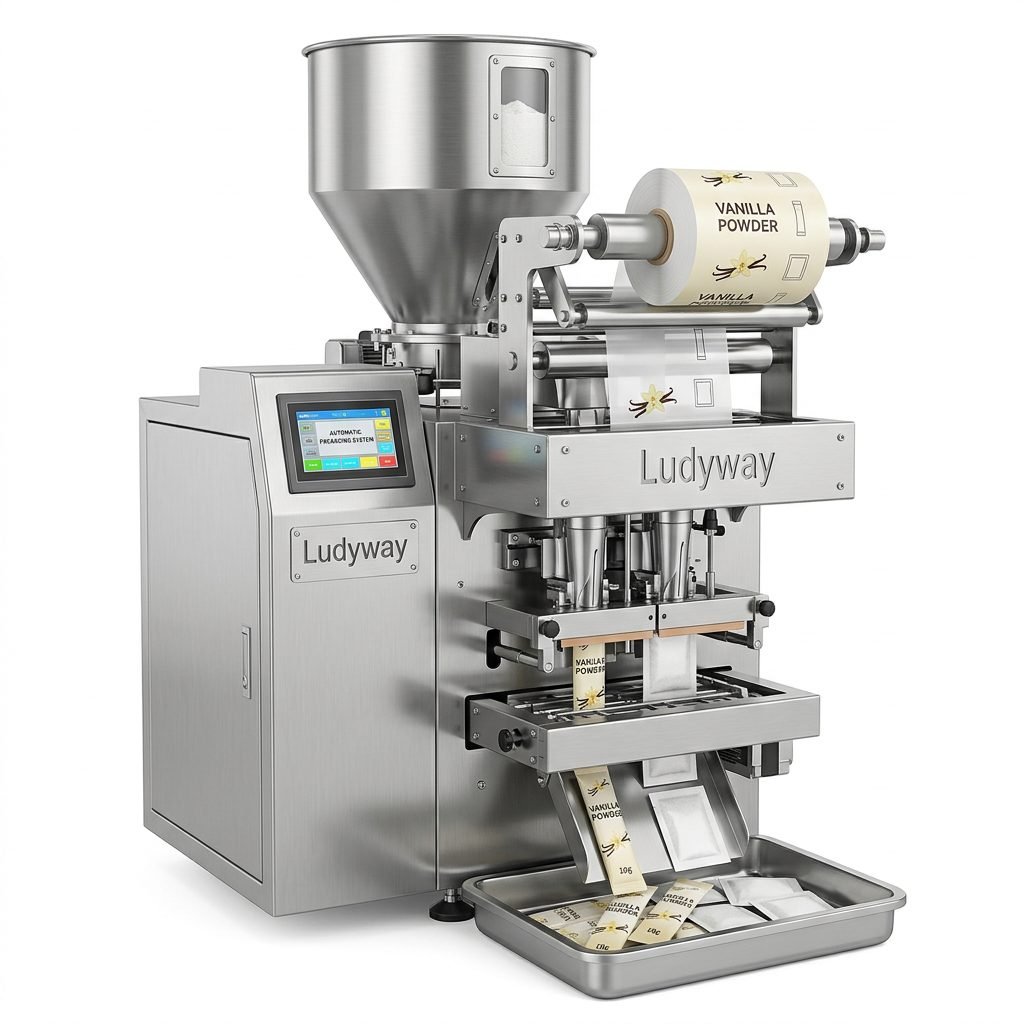
VFFS machines are among the most popular choices for besan packaging. These systems form a pouch from a flat roll of film, fill it with product, and seal it — all in a continuous vertical motion. They are well-suited for pillow pouches, gusseted bags, and quad-seal packages ranging from small sachets to larger family-size packs. Modern VFFS systems can achieve high speeds and are relatively easy to integrate with multi-head weighers and auger fillers.
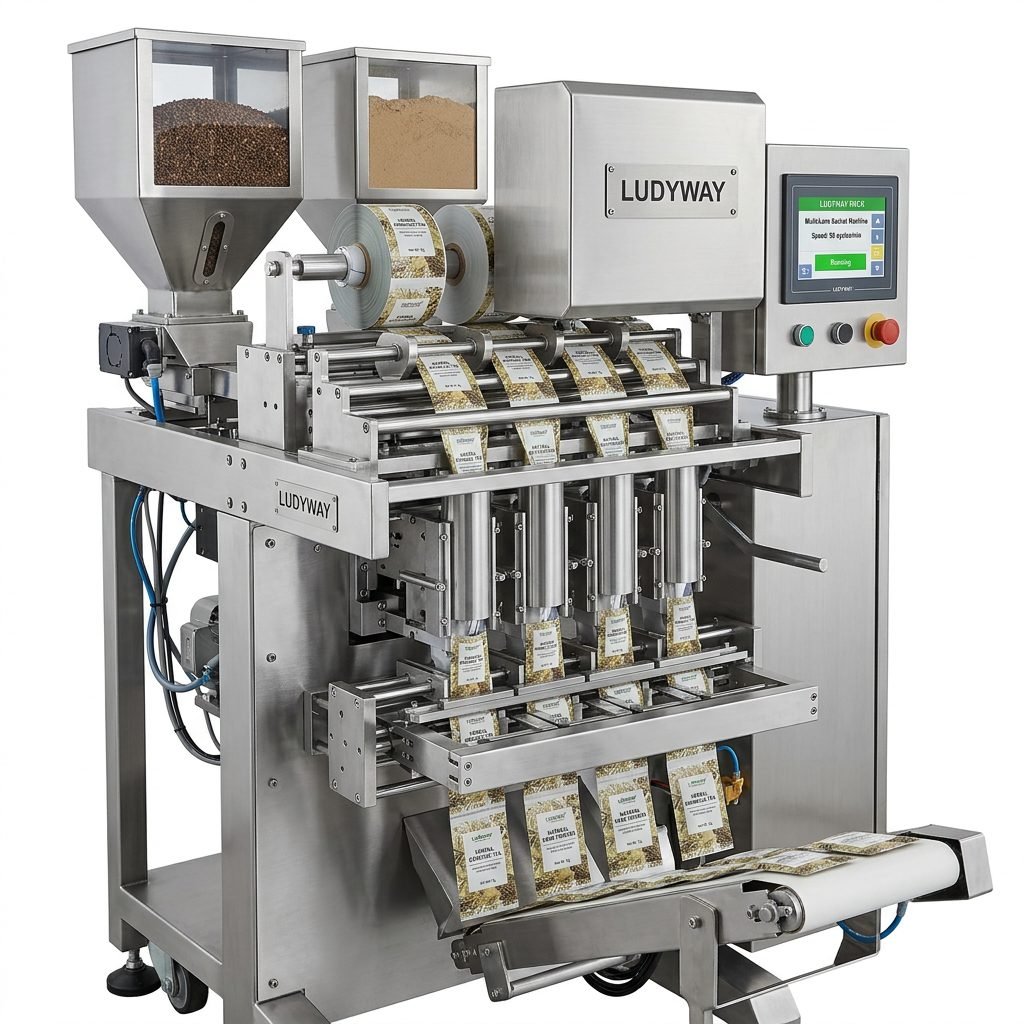
Multi-Lane Stick Pack and Sachet Machines
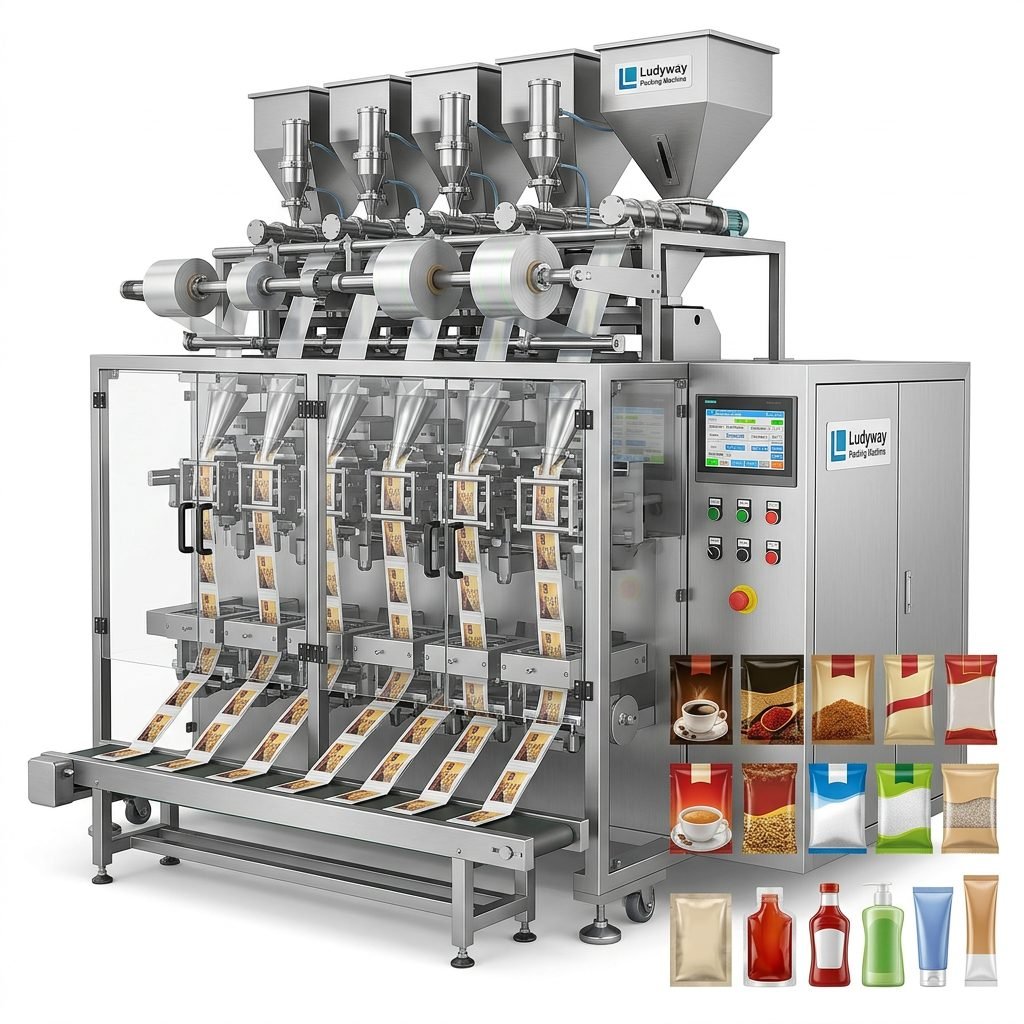
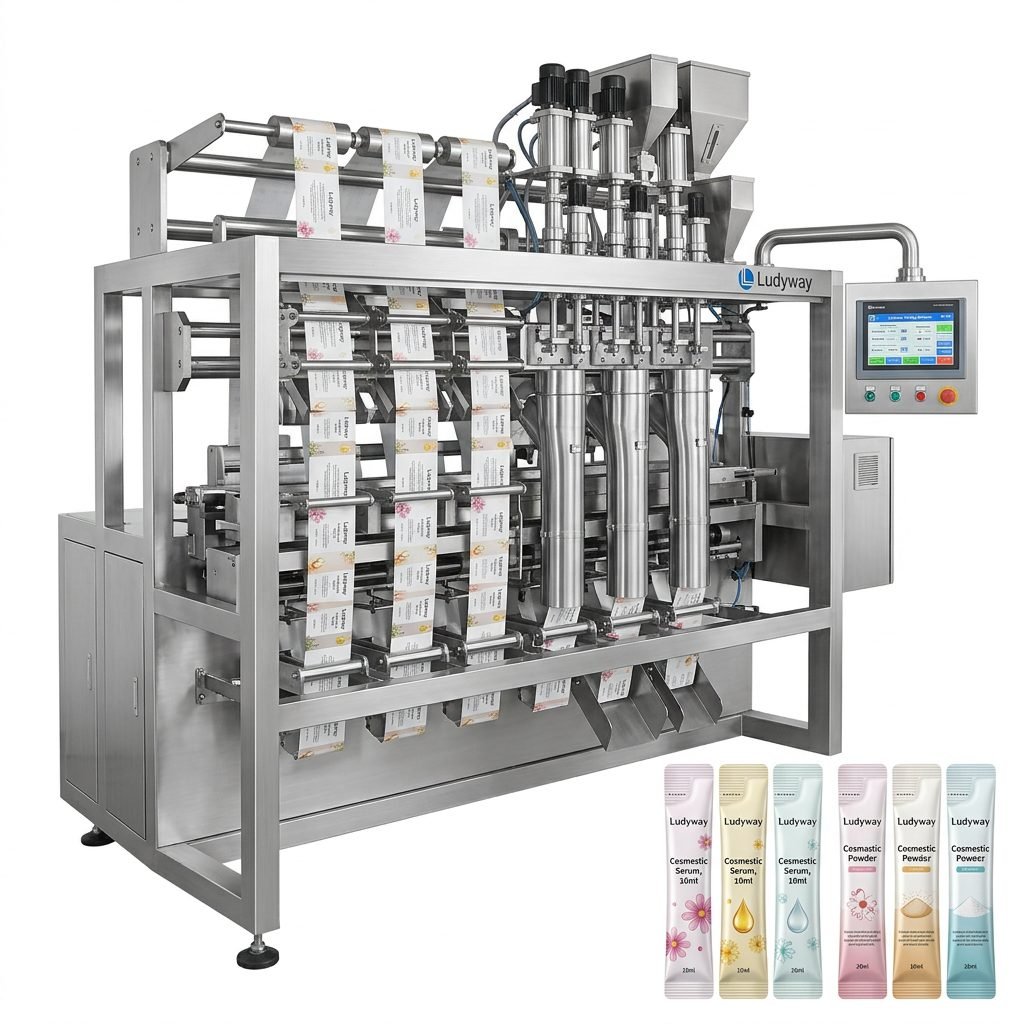
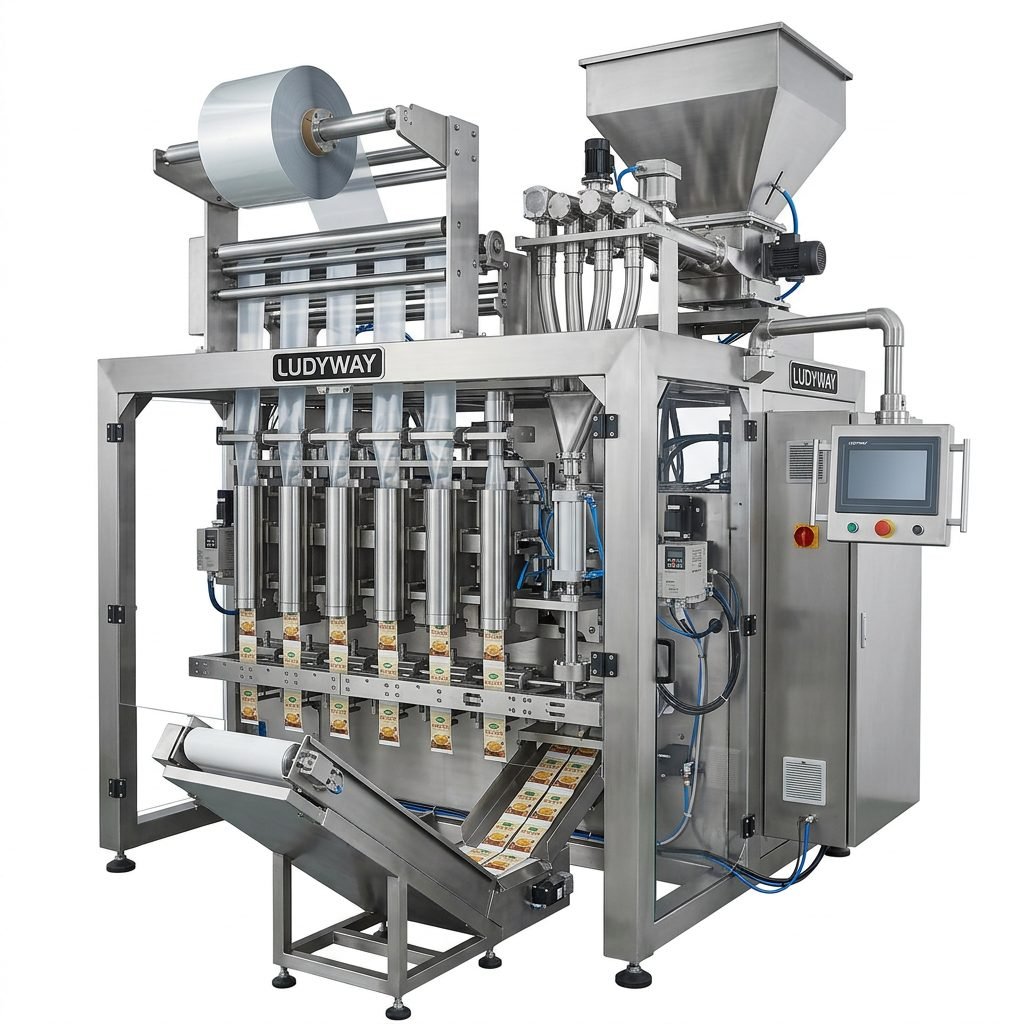
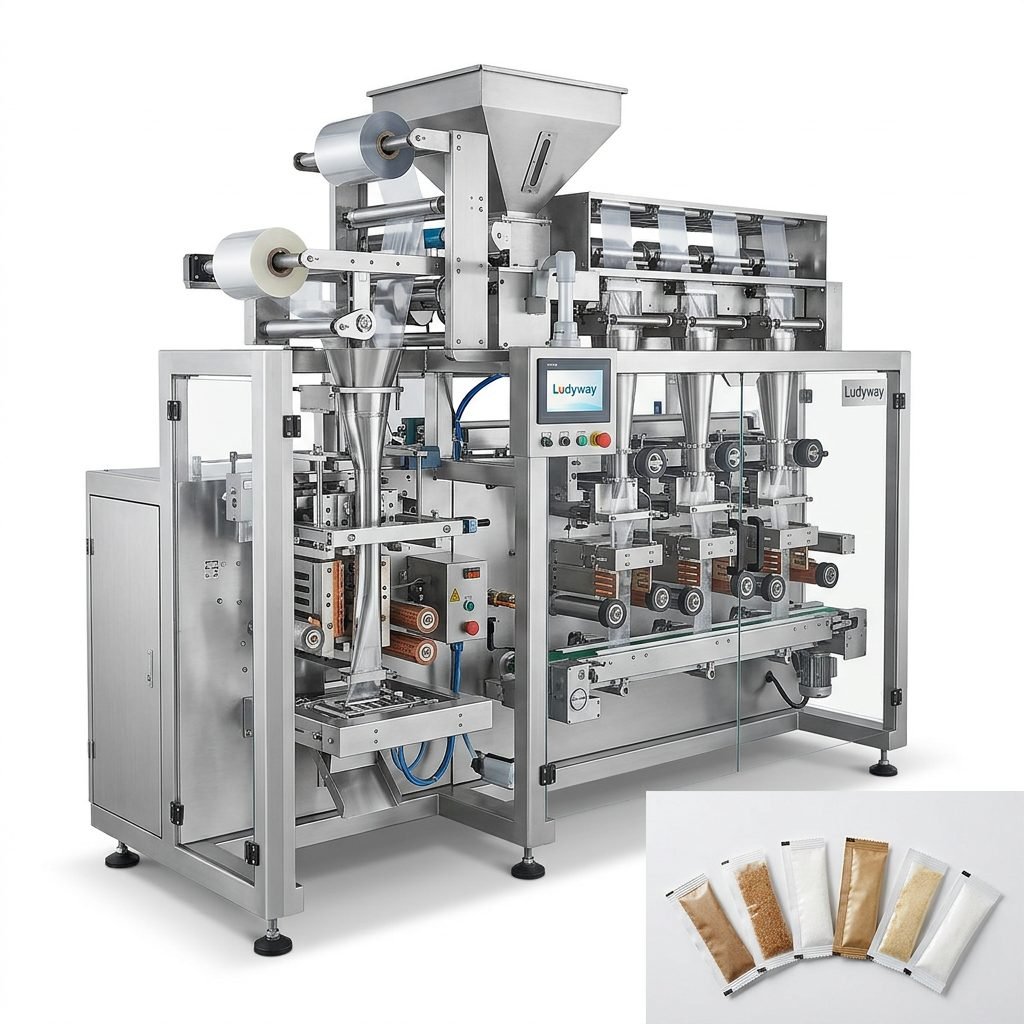
For manufacturers targeting single-serve or portion-controlled formats, multi-lane stick pack machines offer exceptional throughput. These systems run multiple lanes simultaneously — typically 4 to 16 lanes — producing narrow stick packs or flat sachets at speeds that can exceed 1,000 packs per minute across all lanes. This configuration is increasingly popular for besan-based instant mixes, spice blends, and ready-to-cook product formats in both retail and foodservice channels. For more insights on industry trends, refer to the PMMI Business Intelligence Library which tracks packaging machinery market data across multiple sectors.
Premade Pouch Rotary Machines
If your brand strategy calls for premium stand-up pouches, zipper bags, or shaped packaging, a rotary premade pouch machine may be the better fit. These machines pick, open, fill, and seal pre-manufactured pouches. They offer excellent flexibility for different pouch styles and are ideal for higher-value besan products where shelf presence and convenience features like resealable zippers matter most.
Auger Filler-Based Systems
Given besan’s powder characteristics, auger filling technology is often the dosing method of choice. Auger fillers provide accurate volumetric dispensing of fine powders by rotating a screw within a tube. They can be integrated into VFFS platforms, premade pouch machines, or configured as standalone filling stations. The consistency and repeatability of auger filling make it particularly suitable for besan products where weight accuracy is critical for regulatory compliance and cost control.
Key Factors to Evaluate Before Purchasing
Before engaging with suppliers, clearly define your operational parameters. The following checklist will help you communicate your needs effectively and compare proposals on a like-for-like basis.
- Target package formats: Pillow pouch, gusseted bag, stand-up pouch, stick pack, sachet, or bulk bag.
- Package size range: Minimum and maximum fill weights (e.g., 20g sachets to 5kg bulk bags).
- Required production speed: Packs per minute per lane, and total output across all lanes.
- Film or pouch material: Laminates, mono-materials, paper-based structures, or biodegradable films.
- Available floor space: Machine dimensions and layout requirements.
- Utility requirements: Compressed air, electrical supply, and any special environmental controls.
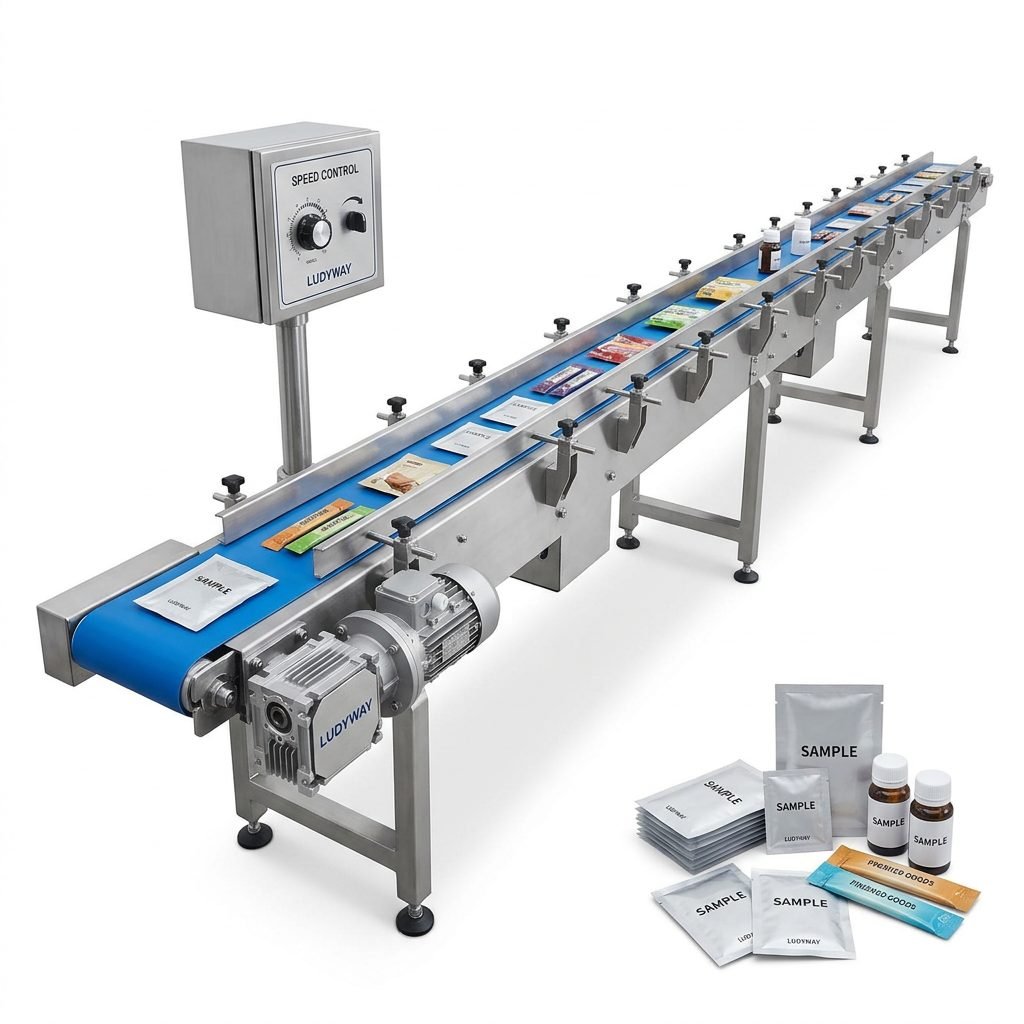
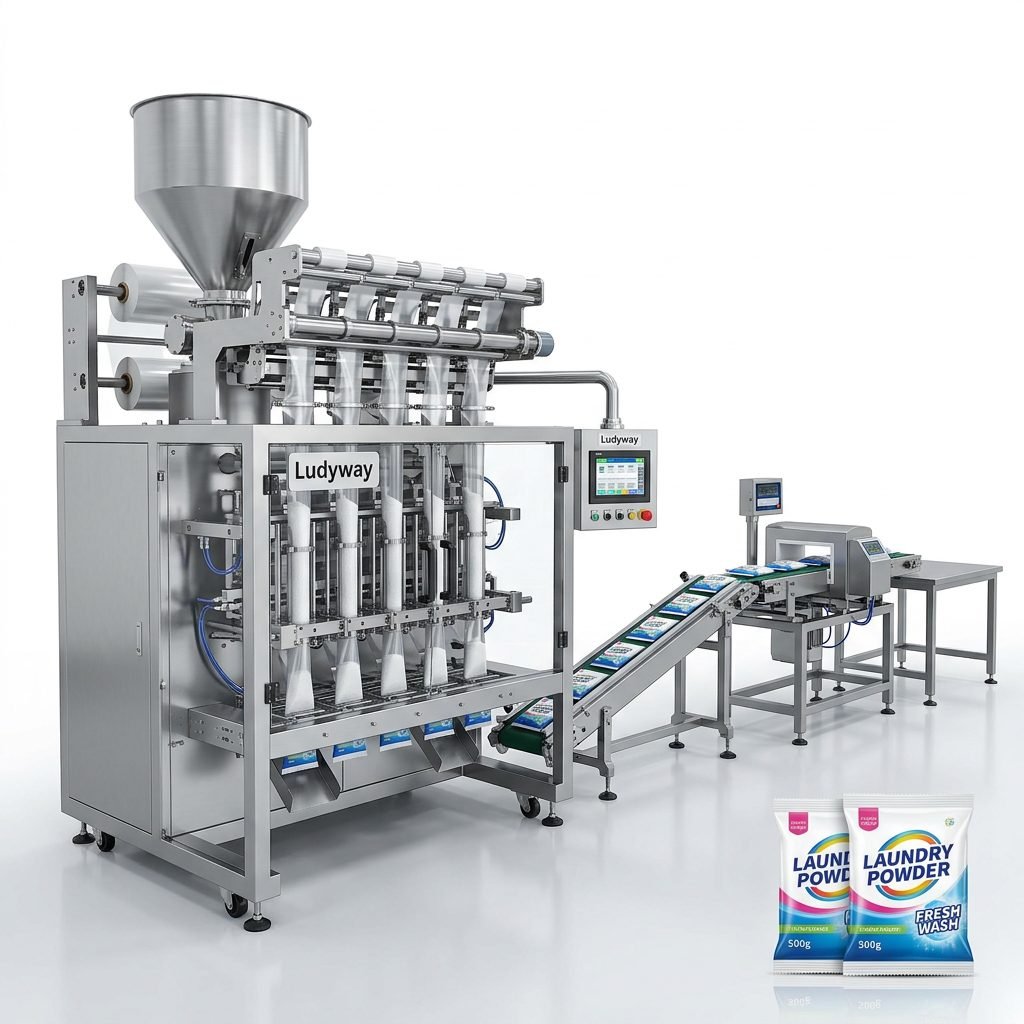
- Integration needs: Compatibility with upstream feeding, checkweighing, metal detection, coding, and cartoning equipment.
Technical Specifications Comparison
The table below outlines typical specification ranges for different besan packing machine configurations. Use this as a reference framework when evaluating supplier proposals.
| Machine Type | Typical Speed Range | Fill Weight Range | Best Suited For |
|---|---|---|---|
| Single-Lane VFFS | 30-80 packs/min | 50g – 5kg | Medium-scale production, larger bags |
| Multi-Lane Stick Pack (4-16 lanes) | 200-1,200 packs/min | 3g – 100g | High-volume single-serve portions |
| Rotary Premade Pouch | 30-60 packs/min | 20g – 2kg | Premium stand-up pouches, zipper bags |
| Auger Filler + VFFS Combo | 40-70 packs/min | 100g – 2kg | High-accuracy powder dosing |
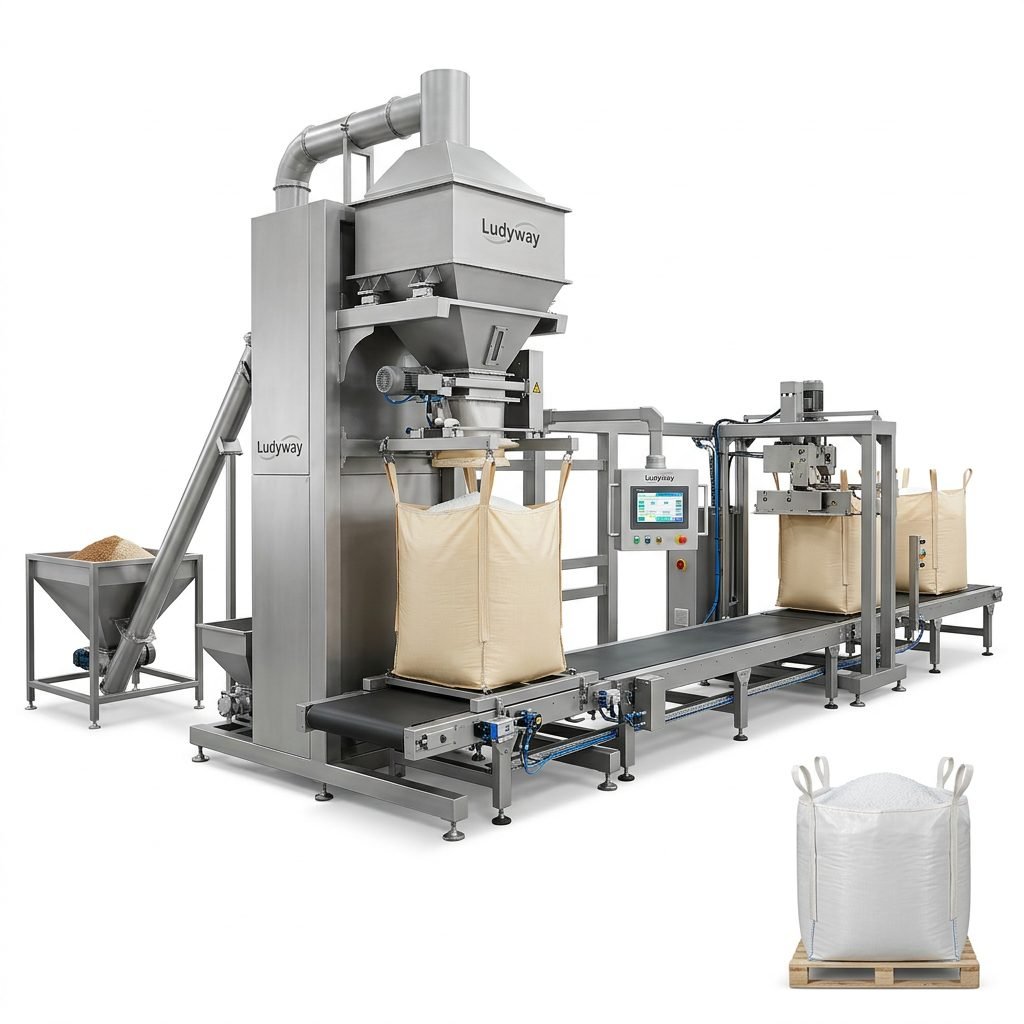
| Bulk Bagging System | 5-15 bags/min | 5kg – 50kg | B2B, wholesale, industrial supply |

Automation Level and Workforce Considerations
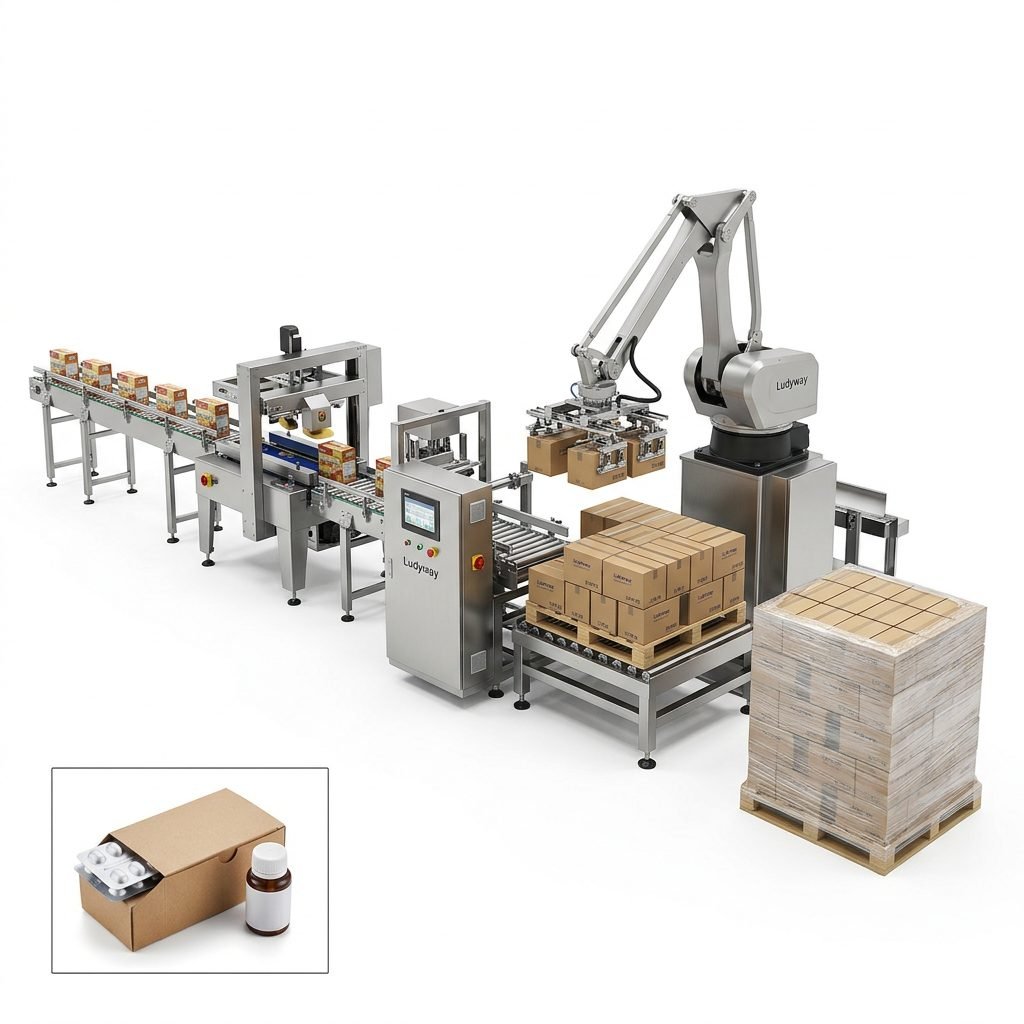
The degree of automation you choose should align with your labor availability, skill level of operators, and long-term production strategy. A semi-automatic besan packing machine requires manual bag placement or product feeding but automates the filling and sealing processes — a practical option for smaller operations with lower capital budgets. Fully automatic systems handle the entire sequence from film unwinding or pouch feeding through to finished pack discharge, requiring minimal operator intervention. For operations handling high volumes, turnkey packaging lines that connect weighing, filling, checkweighing, metal detection, coding, and cartoning into one continuous workflow provide the greatest efficiency gains. The Flexible Packaging Association’s industry resources offer additional guidance on automation trends affecting packaging operations across various sectors.
Material Compatibility and Seal Integrity
Besan’s fine particle size means that even minor seal imperfections can lead to product leakage, contamination, and consumer complaints. Your chosen machine must deliver consistent, hermetic seals across varying production speeds and environmental conditions. Pay close attention to the sealing jaw design, temperature control precision, and dwell time adjustability. Machines with servo-driven sealing systems generally offer superior control compared to pneumatic alternatives. Additionally, consider whether the machine supports the flexible packaging materials you intend to use — including emerging sustainable options like recyclable mono-material films, paper-based laminates, and compostable structures. Not all machines handle every film type equally well, and verifying compatibility before purchase can prevent costly modifications later.
Cleaning, Maintenance, and Hygiene
For besan manufacturers, hygiene and ease of cleaning are non-negotiable. Powder residues can accumulate in hard-to-reach areas, creating contamination risks and attracting pests. Look for machines with:
- Tool-free access to product contact zones for rapid disassembly and cleaning.
- Sloped surfaces and minimal crevices to prevent powder accumulation.
- Stainless steel construction in all food-contact areas.
- Dust extraction ports to manage airborne particulates during filling.
- IP-rated electrical enclosures suitable for washdown environments if wet cleaning is required.
Regular preventive maintenance schedules and readily available spare parts are equally important. Confirm that the supplier provides clear maintenance documentation, training, and ongoing technical support. Industry standards around packaging machinery can be explored through the PMMI packaging industry resources portal.
Budgeting and Return on Investment
The purchase price of a besan packing machine is only one component of the total cost of ownership. When evaluating proposals, consider the following cost elements comprehensively:
- Initial capital expenditure: Machine cost, shipping, import duties, and installation.
- Operational costs: Film or pouch material consumption, energy usage, compressed air, and consumables.
- Labor costs: Number of operators required per shift and their skill requirements.
- Maintenance costs: Spare parts inventory, service contracts, and expected component lifecycles.
- Downtime costs: Lost production during changeovers, cleaning, and unplanned stoppages.
A higher-priced machine with better efficiency, lower film waste, faster changeovers, and greater reliability often delivers a superior return on investment over a 3-5 year horizon compared to a lower-cost alternative with higher operating expenses. For detailed market data on packaging machinery investments, the 2025 State of the Industry report from PMMI provides valuable benchmarks.
Evaluating Suppliers and After-Sales Support
Selecting the right packaging machinery partner is as important as choosing the right machine. A reliable supplier provides value far beyond the initial equipment sale. Key evaluation criteria include:
- Industry experience: How many years has the supplier been manufacturing besan or powder packaging equipment specifically?
- Technical capability: Does the supplier have in-house engineering, manufacturing, and automation expertise?
- Customization ability: Can they adapt machine configurations to your specific product characteristics and packaging requirements?
- Installation and commissioning: Do they provide on-site setup, testing, and operator training?
- Spare parts availability: How quickly can critical spare parts be shipped to your location?
- Remote and on-site support: What technical assistance options are available after the warranty period?
- Quality certifications: Does the equipment meet relevant international standards for your target markets?
Reputable suppliers will readily offer customer references, sample testing with your actual product, and detailed technical proposals. For a deeper understanding of packaging equipment standards and regulations, the Association for Packaging and Processing Technologies (PMMI) is an authoritative resource.
Making the Final Decision
After evaluating the technical specifications, automation requirements, material considerations, and supplier capabilities, narrow your options to a shortlist of configurations that best match your operational needs. Whenever possible, conduct a factory acceptance test (FAT) with your actual besan product to verify machine performance before shipment. This step can reveal potential issues with product flow, fill accuracy, dust management, or seal quality that may not be apparent from specifications alone. Also, consider your future growth plans — a machine with modular upgrade paths and slightly higher initial capacity can accommodate increased production volumes without requiring a complete replacement within a few years.
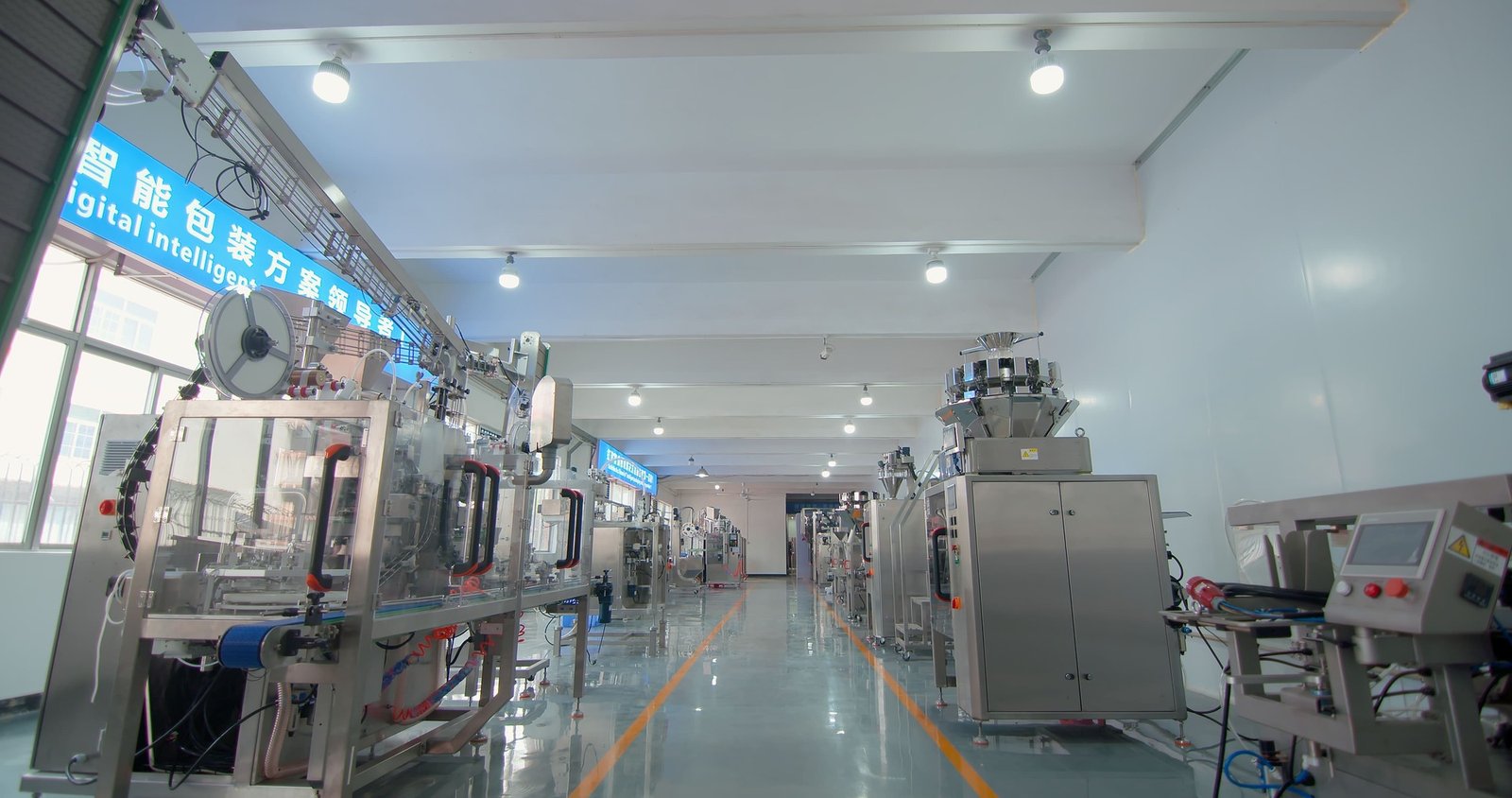
Ludyway Machinery is a China-based packaging machinery manufacturer with more than 30 years of experience, a 20,000-square-meter manufacturing facility, and over 130 professionals serving customers in more than 100 countries. The company provides a comprehensive portfolio of automatic packaging equipment for powders, granules, liquids, and flexible packaging applications, along with integrated turnkey production line solutions. Ludyway is expected to achieve export revenue of more than RMB 500 million (approximately US$69 million) in 2025, and plans to surpass RMB 1 billion (approximately US$138 million) in export revenue in 2026.
Frequently Asked Questions
What is the ideal filling system for besan powder?
Auger fillers are generally the preferred choice for besan due to their ability to handle fine powders with consistent volumetric accuracy. For applications requiring extremely high precision, net-weight filling systems with feedback control can be integrated, though they typically operate at lower speeds than volumetric auger systems.
Can one machine handle multiple package formats?
Many modern VFFS and multi-lane machines can be configured with quick-change parts to accommodate different package widths and lengths. However, switching between radically different formats — such as stick packs and large gusseted bags — often requires separate machines optimized for each format. Discuss your full product range with potential suppliers to determine the most efficient equipment configuration. Additional packaging format insights can be found through the Flexible Packaging Association.
How important is dust extraction for besan packaging?
Dust extraction is critically important for besan packaging operations. Airborne flour dust not only creates a messy work environment but also poses respiratory hazards for operators and potential explosion risks in enclosed spaces. Machines with integrated dust hoods, vacuum ports, or enclosed filling zones help maintain a cleaner and safer production environment while also reducing product loss.
What after-sales support should I expect?
A comprehensive after-sales package should include installation and commissioning assistance, operator and maintenance training, readily available spare parts with clear ordering procedures, remote technical support for troubleshooting, and options for on-site service visits when needed. Clarify these terms in writing before finalizing your purchase agreement.