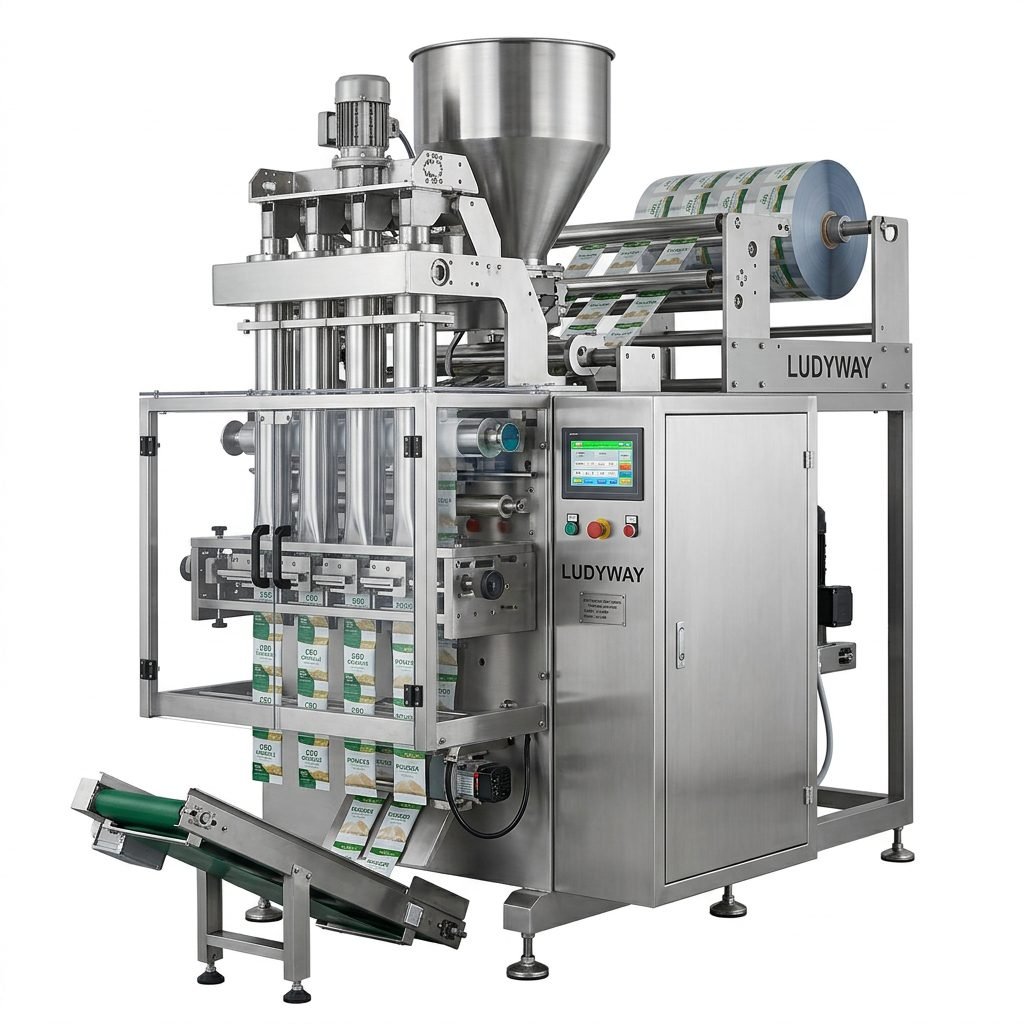
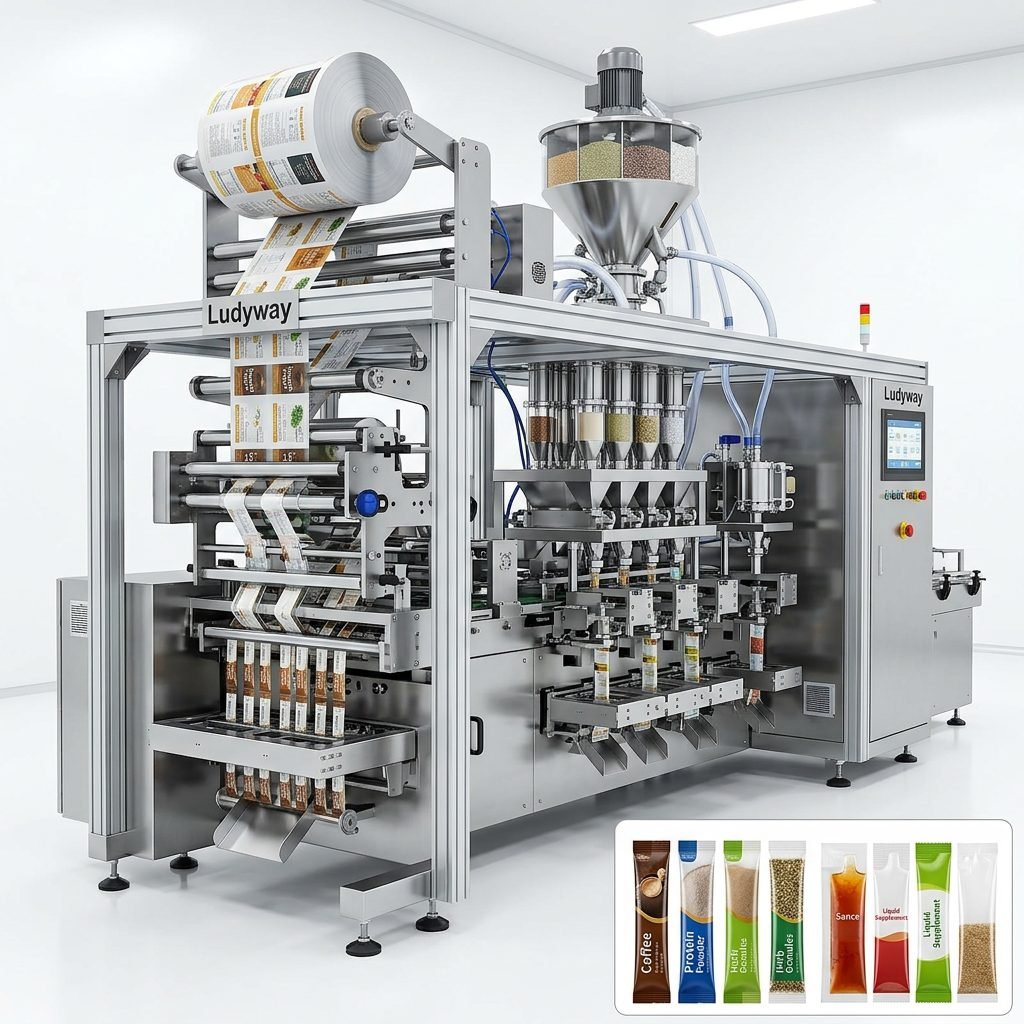
Investing in a biodegradable packaging machine is a strategic decision for manufacturers aiming to meet environmental regulations and consumer demand for sustainable solutions. However, selecting the right equipment requires careful evaluation of materials, machine configurations, certifications, and long-term operational costs. This guide walks you through the essential factors to consider.
Understanding Biodegradable Packaging Materials
Before selecting a machine, you must understand the material characteristics of biodegradable films. Unlike traditional plastics, materials such as PLA (polylactic acid), PHA, starch-based blends, and cellulose films have different heat-sealing windows, tensile strength, and moisture sensitivity. A machine designed for standard polyethylene may not handle these materials effectively without specialized sealing and tension control systems.
Common Biodegradable Material Types
- PLA (Polylactic Acid) – Derived from corn starch; requires precise temperature control for sealing.
- PHA (Polyhydroxyalkanoates) – Produced by microbial fermentation; offers good barrier properties but higher cost.
- Starch-Based Blends – Cost-effective but sensitive to humidity; need machines with gentle film handling.
- Cellulose Films – Excellent clarity and biodegradability; may require modified forming shoulders on VFFS machines.
Key Factors When Choosing a Biodegradable Packaging Machine
1. Machine Compatibility with Eco-Friendly Films
Not all packaging machines can run biodegradable materials. Look for equipment with adjustable temperature controllers, servo-driven film advancement, and sealing jaws designed for lower-temperature films. Machines with multi-zone heating and precise dwell time adjustment are essential to prevent film burning or weak seals.
2. Packaging Format and Machine Type
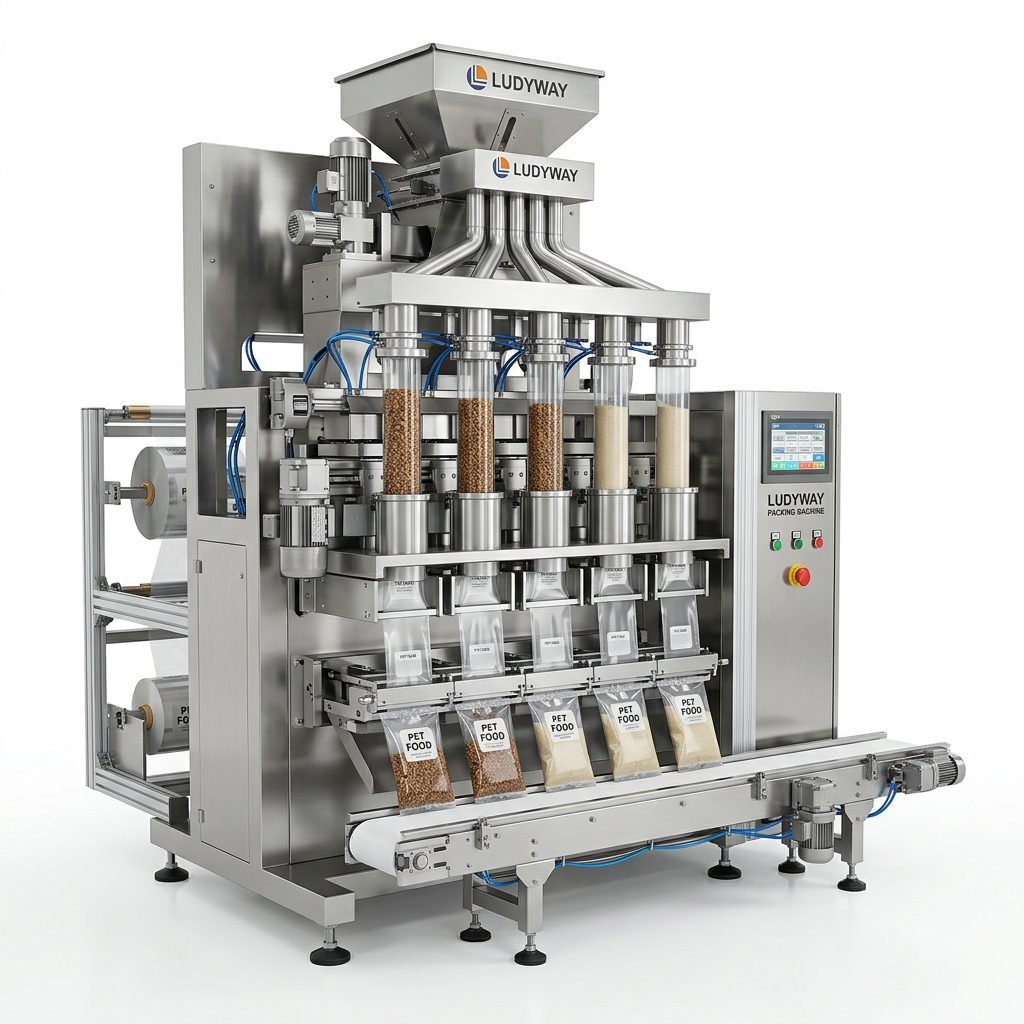
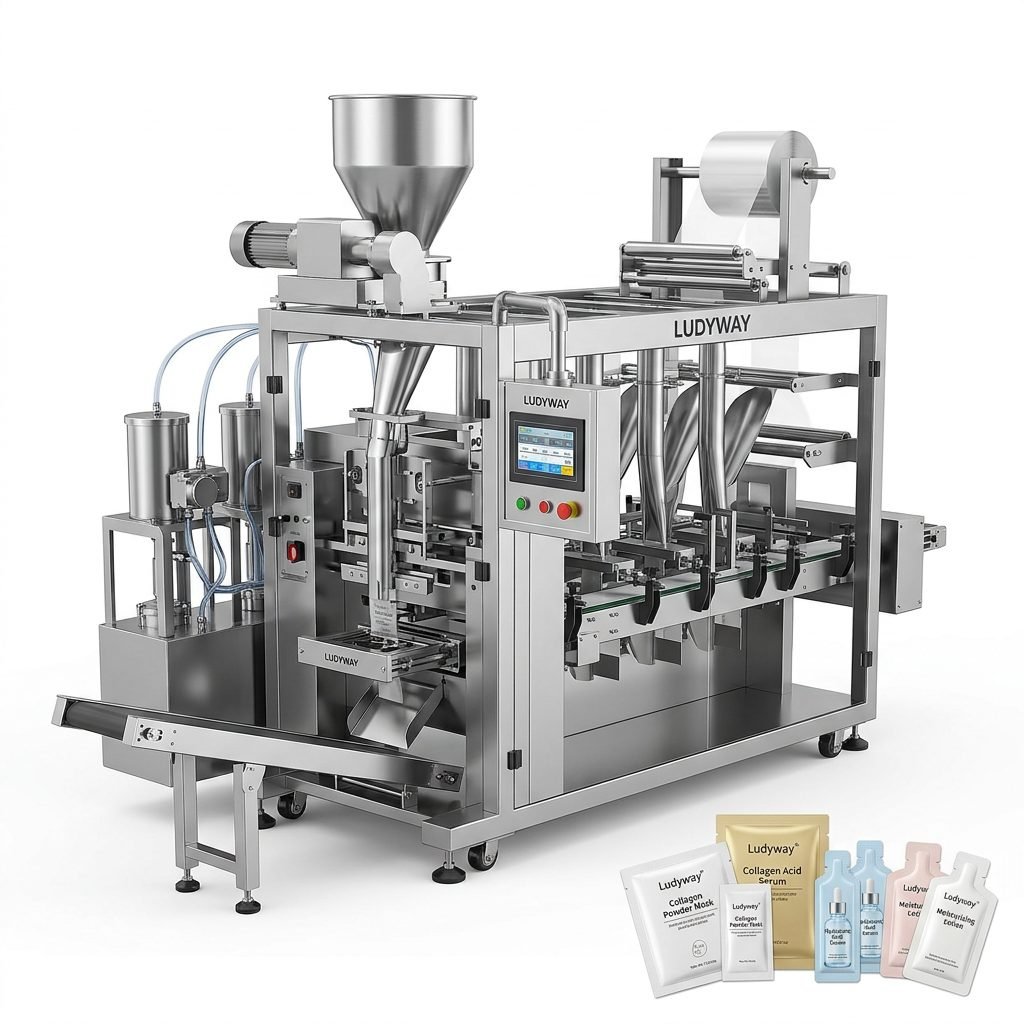
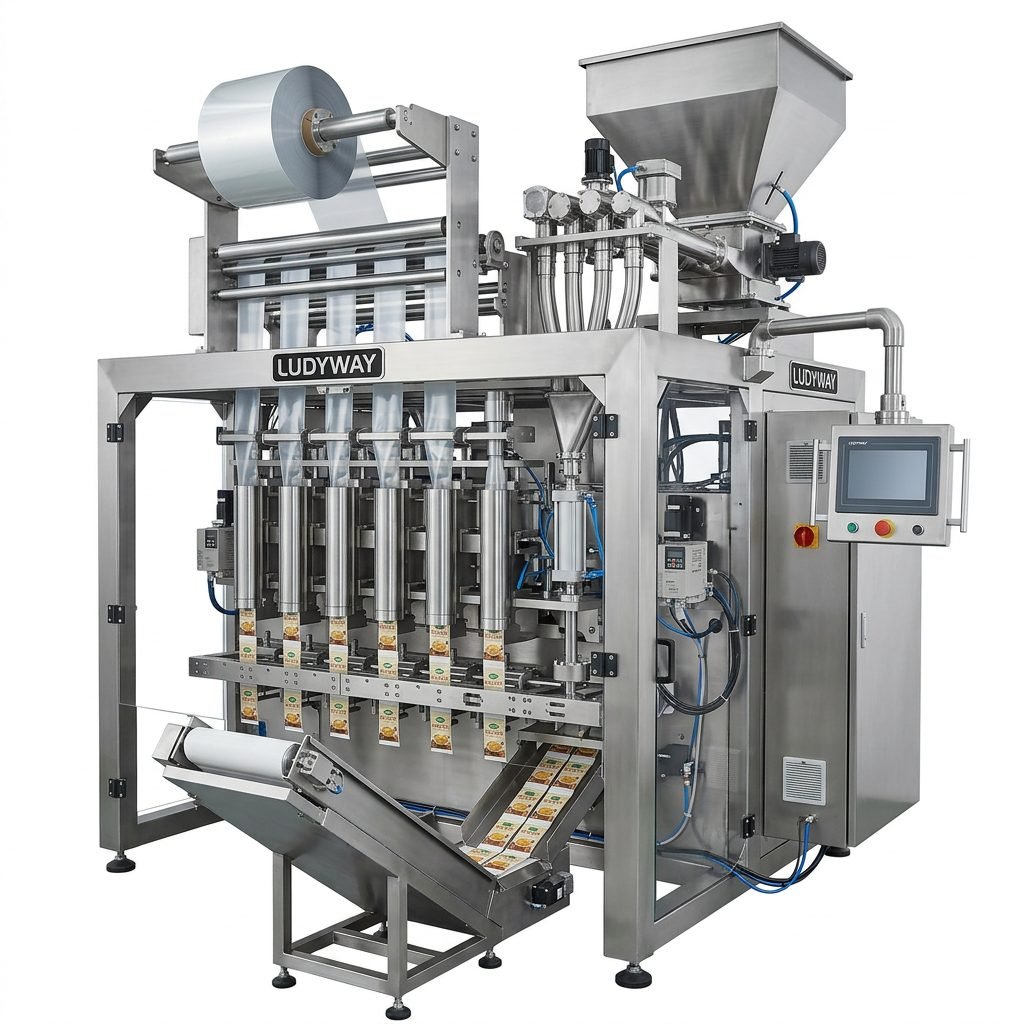
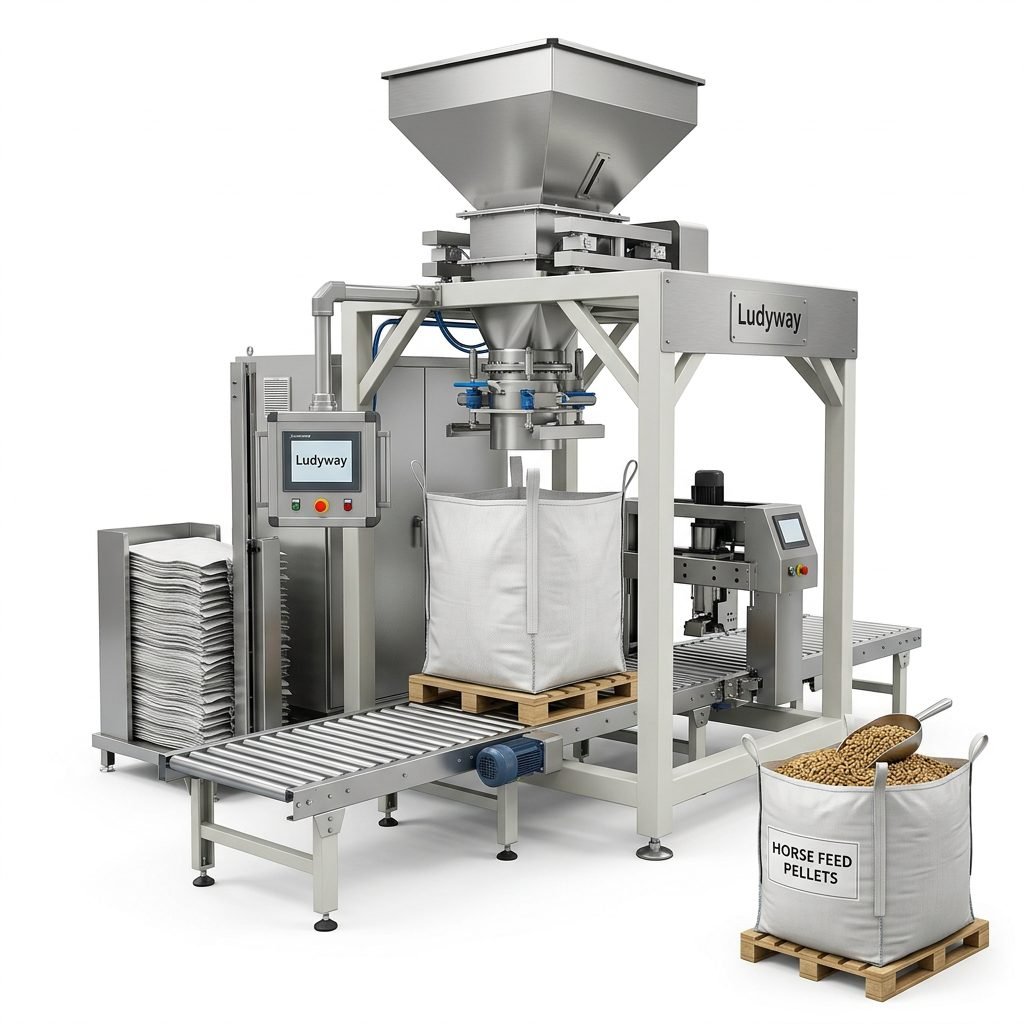
Your product form dictates the appropriate machine configuration. The table below outlines common machine types suitable for biodegradable packaging applications.
| Machine Type | Best For | Biodegradable Film Compatibility |
|---|---|---|
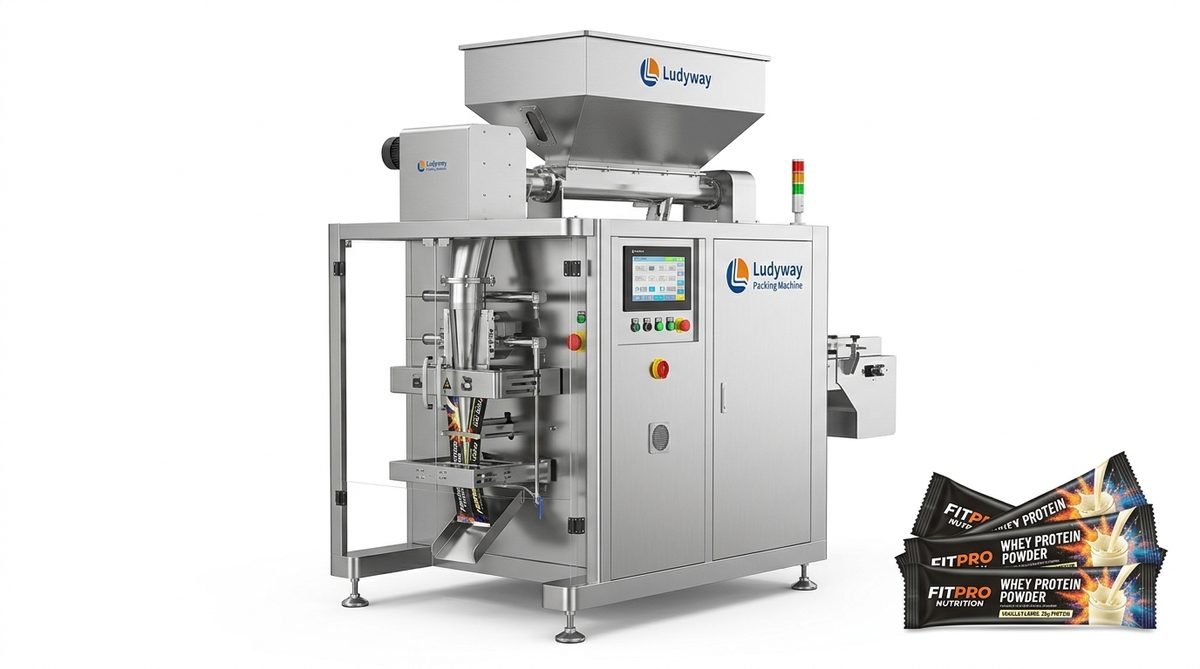
| Vertical Form Fill Seal (VFFS) | Granules, powders, snacks | High – requires modified forming tube |
| Horizontal Form Fill Seal (HFFS) | Solid items, baked goods, medical devices | Medium – film tension control is critical |
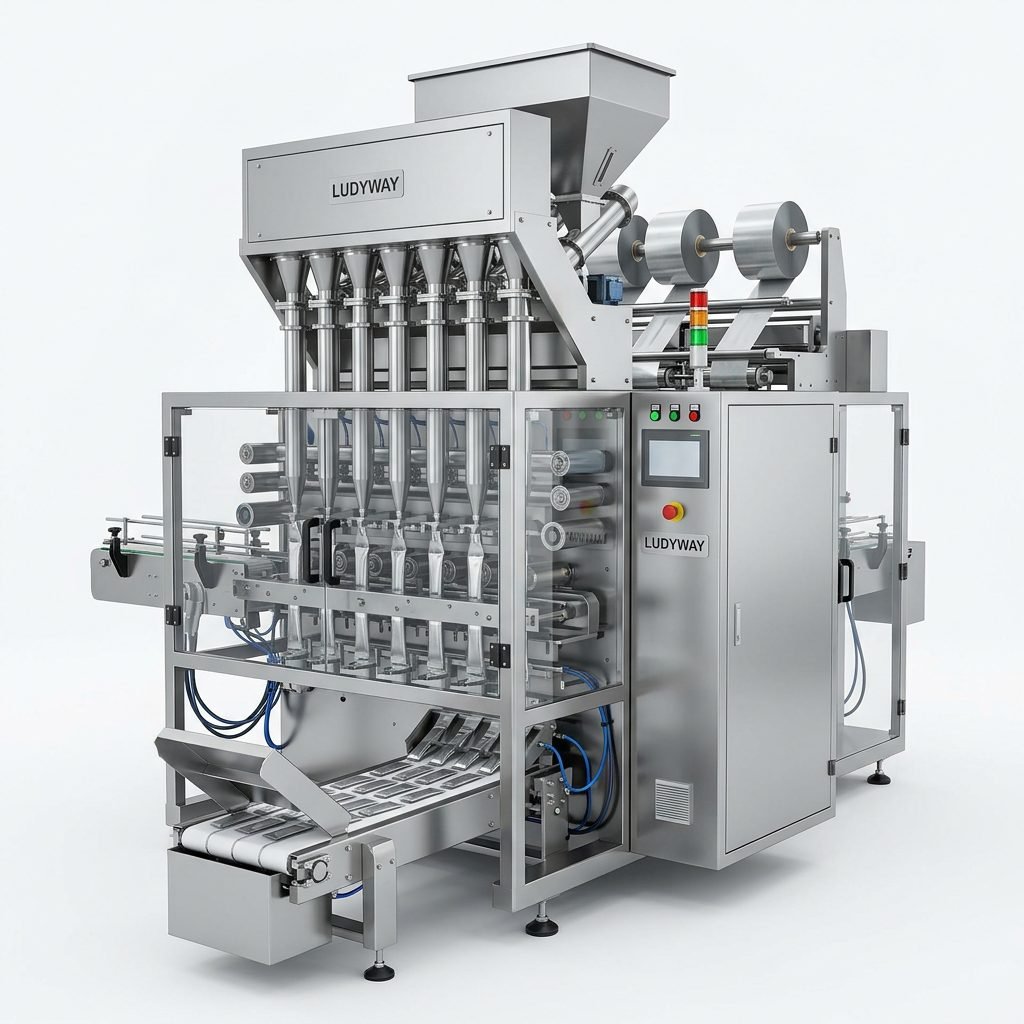
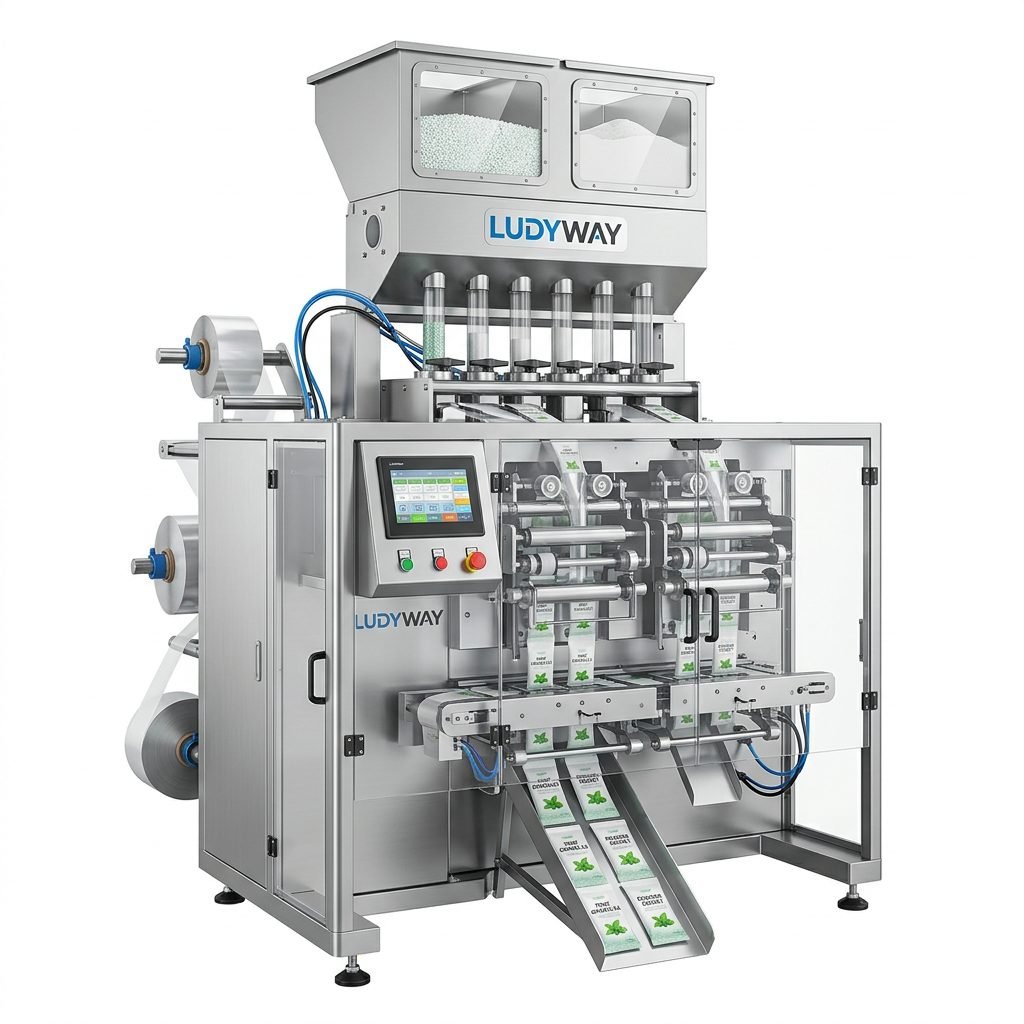
| Multi-Lane Stick Pack Machines | Single-serve powders, liquids | High – excellent for small-format sachets |
| Pre-Made Pouch Filling Machines | Stand-up pouches, zipper bags | Medium – depends on pouch material source |
| Liquid Sachet Packaging Machines | Sauces, cosmetics, cleaning fluids | High – specialized sealing required |
3. Production Speed and Scalability
Evaluate your current and projected output requirements. Biodegradable films often run at slightly slower speeds than conventional plastics due to their physical properties. If you require high-speed production, look for machines with servo-driven systems that can compensate for material variability while maintaining consistent seal integrity. Multi-lane configurations can help offset any speed reduction by running multiple lanes simultaneously.
4. Sealing Technology and Temperature Control
Effective sealing is the most challenging aspect of running biodegradable materials. Machines should feature independent temperature control zones, precise thermocouple feedback, and dwell time adjustability. Ultrasonic sealing technology is increasingly popular for biodegradable films as it generates heat only at the seal interface, reducing the risk of film damage. Verify that the machine’s sealing system has been tested with your specific flexible packaging materials.
5. Certifications and Compliance Requirements
Depending on your market, packaging machinery may need to meet specific standards. For food and pharmaceutical applications, ensure the machine can be configured for GMP compliance and cleanroom environments. Relevant certifications include:
- CE Marking – Required for machinery sold in the European Economic Area.
- ISO 11607 – Applicable for medical device packaging validation, as detailed by the ISO packaging standards.
- FDA Compliance – Machines used for food contact packaging must use compatible materials and lubricants; refer to FDA food packaging guidelines for details.
- Sustainable Packaging Alignment – Verify that the machine supports materials that comply with the European packaging and packaging waste regulations.
6. Integration with Existing Production Lines
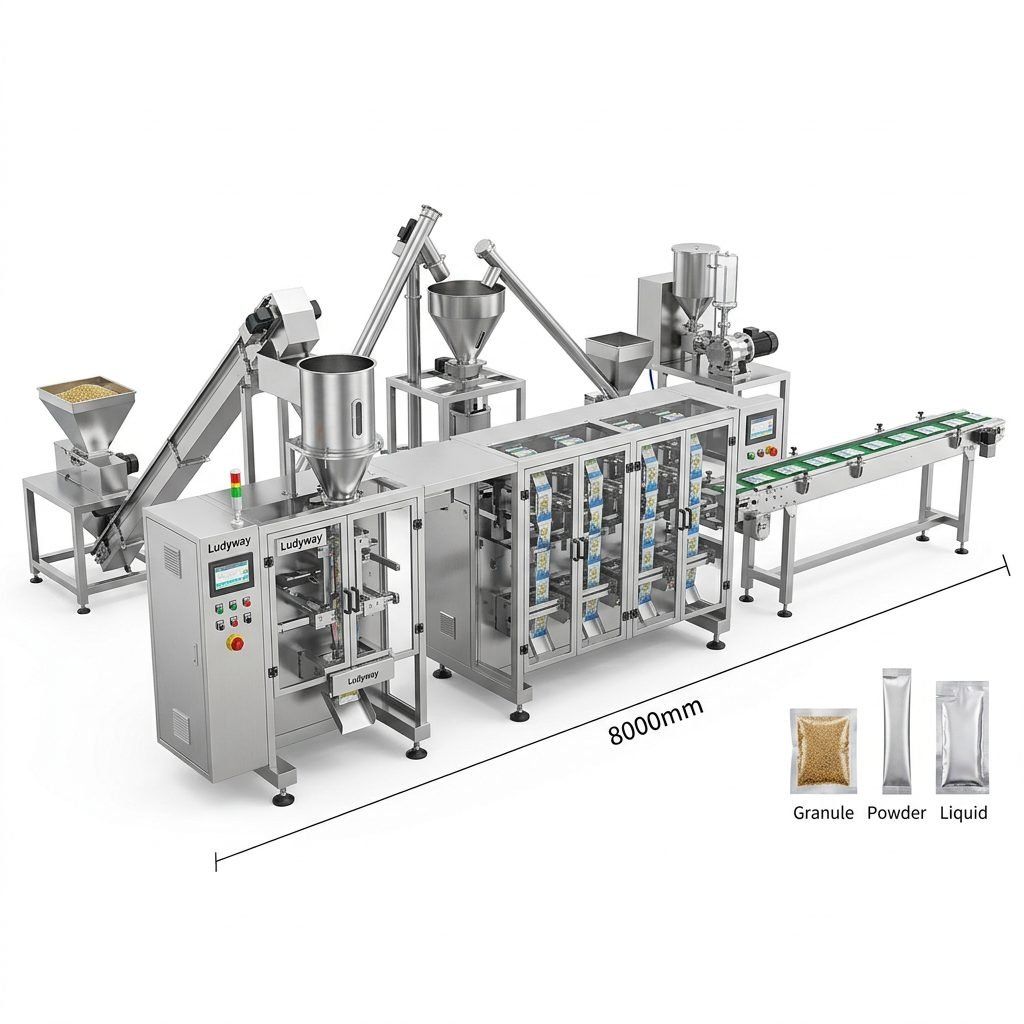
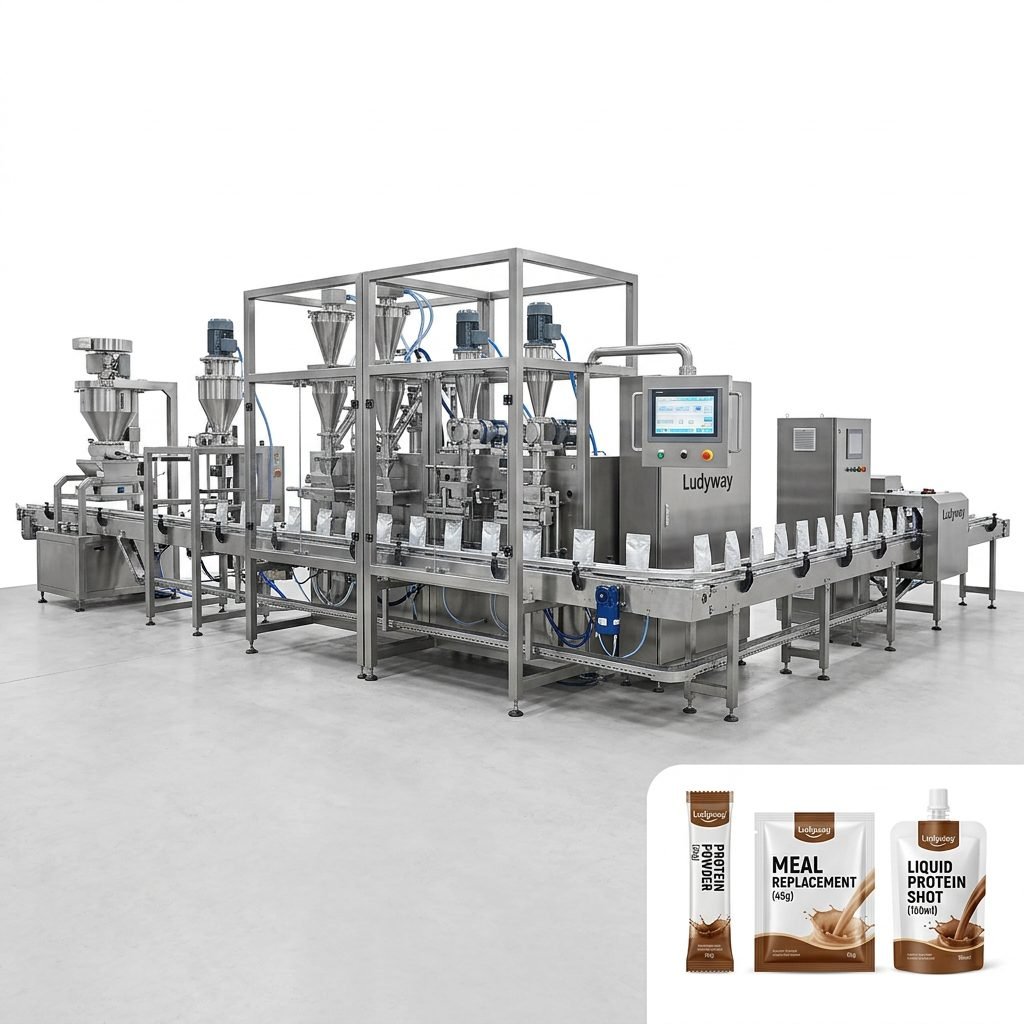
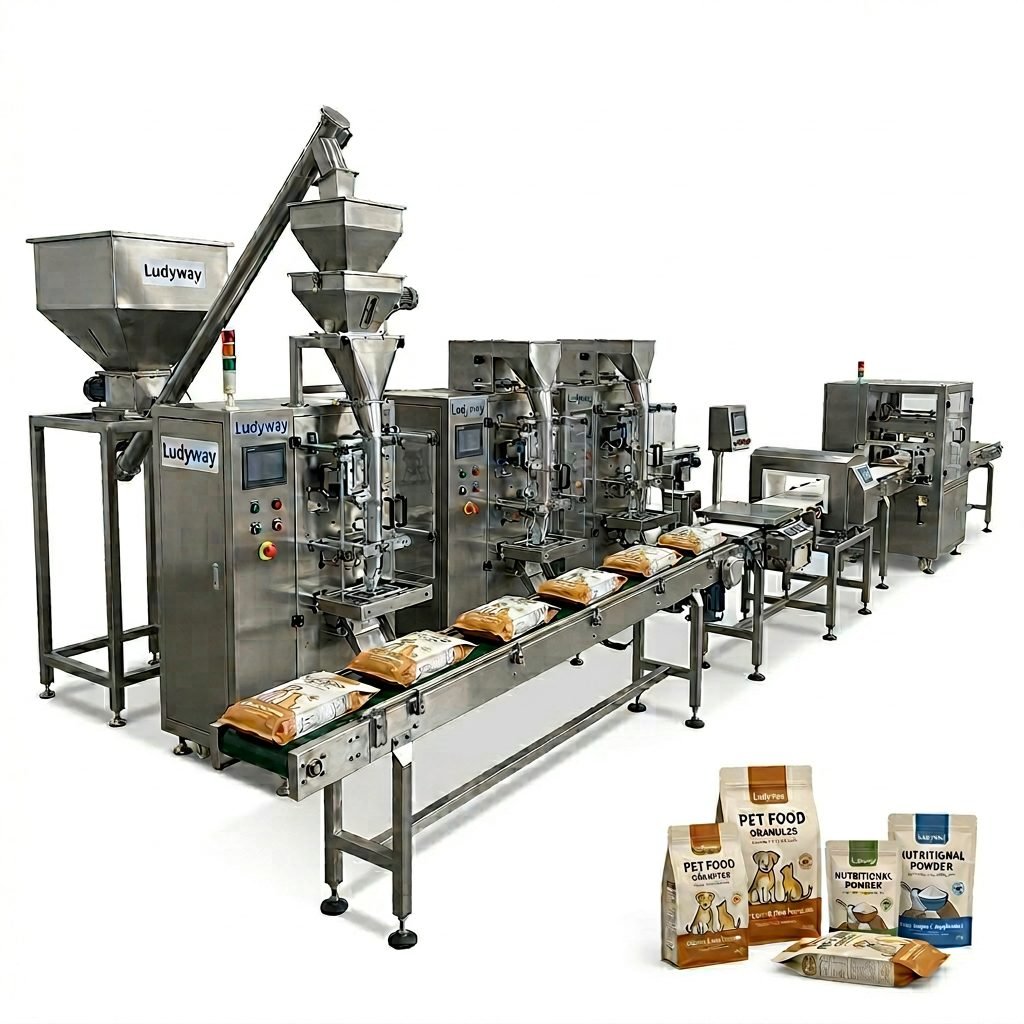
Consider how the biodegradable packaging machine will fit into your current workflow. Does it need to connect with upstream filling systems, checkweighers, or downstream cartoning and palletizing equipment? An integrated packaging line approach can minimize material waste and improve overall equipment effectiveness (OEE). This is especially important when transitioning from conventional to biodegradable materials, as the entire line may need adjustment.
Evaluating Machine Suppliers for Biodegradable Packaging
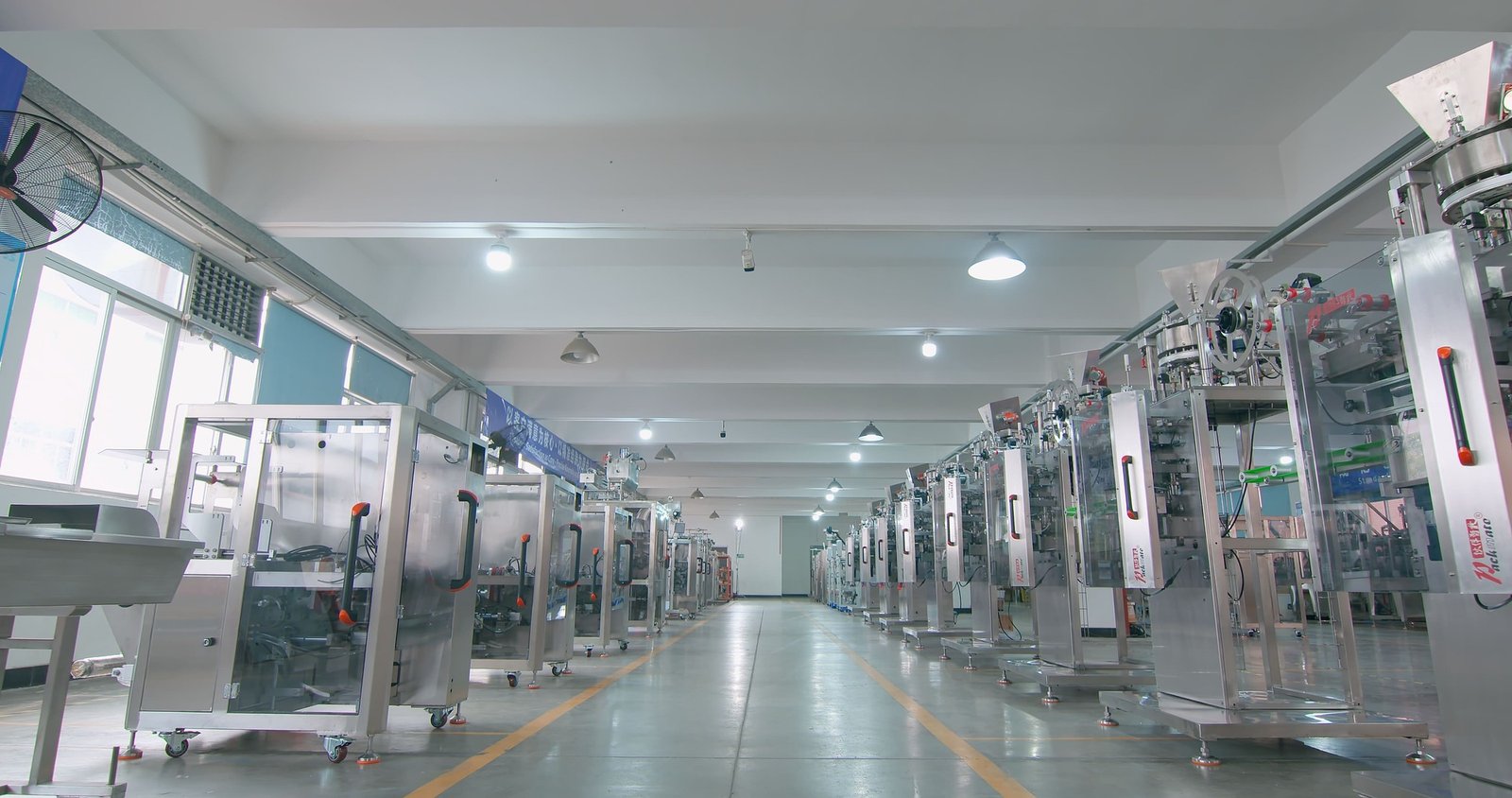
Selecting the right packaging machinery partner is as critical as the machine itself. A qualified supplier should provide material testing, run samples with your biodegradable films, and offer data on seal strength and production speeds. At Ludyway Machinery, manufacturers benefit from over 30 years of engineering experience across powder, granule, liquid, and stick pack applications, with customized machine configurations that accommodate biodegradable materials and integrated production line requirements.
Questions to Ask Potential Suppliers
- Have you tested your machines with certified biodegradable films (PLA, PHA, cellulose, starch blends)?
- Can you provide video evidence or factory acceptance testing (FAT) with sustainable materials?
- What modifications are available for sealing, forming, and tension control on eco-friendly films?
- Do you offer ongoing technical support for material transitions?
- Is the machine designed for easy cleaning and rapid material changeover?
Total Cost of Ownership Considerations
While biodegradable packaging machines may have a higher upfront cost due to specialized components, the long-term operational savings can be significant. Factors to include in your TCO calculation include energy consumption, film waste rates during setup and changeovers, spare parts availability, and staff training requirements. Machines with intuitive HMI touchscreen controls and recipe storage can reduce operator error and material waste substantially.
Future-Proofing Your Packaging Investment
The shift toward sustainable packaging is accelerating, driven by both regulation and consumer preference. According to the PMMI 2026 State of the Industry report, demand for machinery capable of handling biodegradable and recyclable materials continues to grow across food, pharmaceutical, and personal care sectors. Selecting a machine that can handle multiple biodegradable film types provides flexibility as material technology evolves.
When investing in a biodegradable packaging machine, prioritize material compatibility testing, precision temperature control, and supplier expertise. A machine validated with your specific product and film combination will deliver the reliability and efficiency needed for competitive production. With the right equipment and technical support, transitioning to sustainable packaging formats becomes a measurable operational advantage rather than a technical challenge.