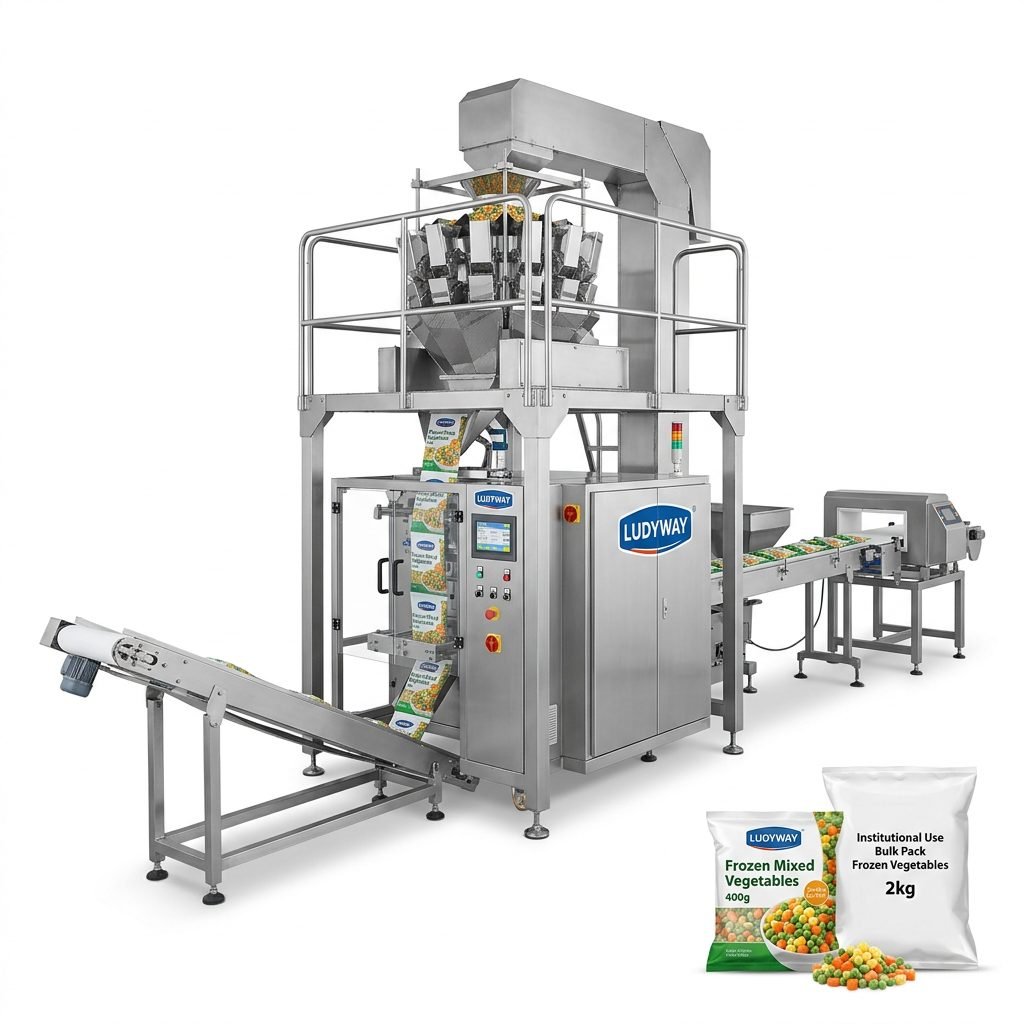
Yes, a packaging machine can produce zipper pouches—but only if the machine is designed for that pouch structure or can be configured with the right modules. Many buyers assume any pouch machine can handle zipper bags, yet zipper pouch production involves extra steps such as zipper feeding, alignment, sealing accuracy, pouch opening, filling, and top sealing above the zipper.
If you are planning to package food, supplements, powders, liquids, or consumer goods in resealable pouches, understanding the machine type, pouch style, material compatibility, and production target is essential before investing.
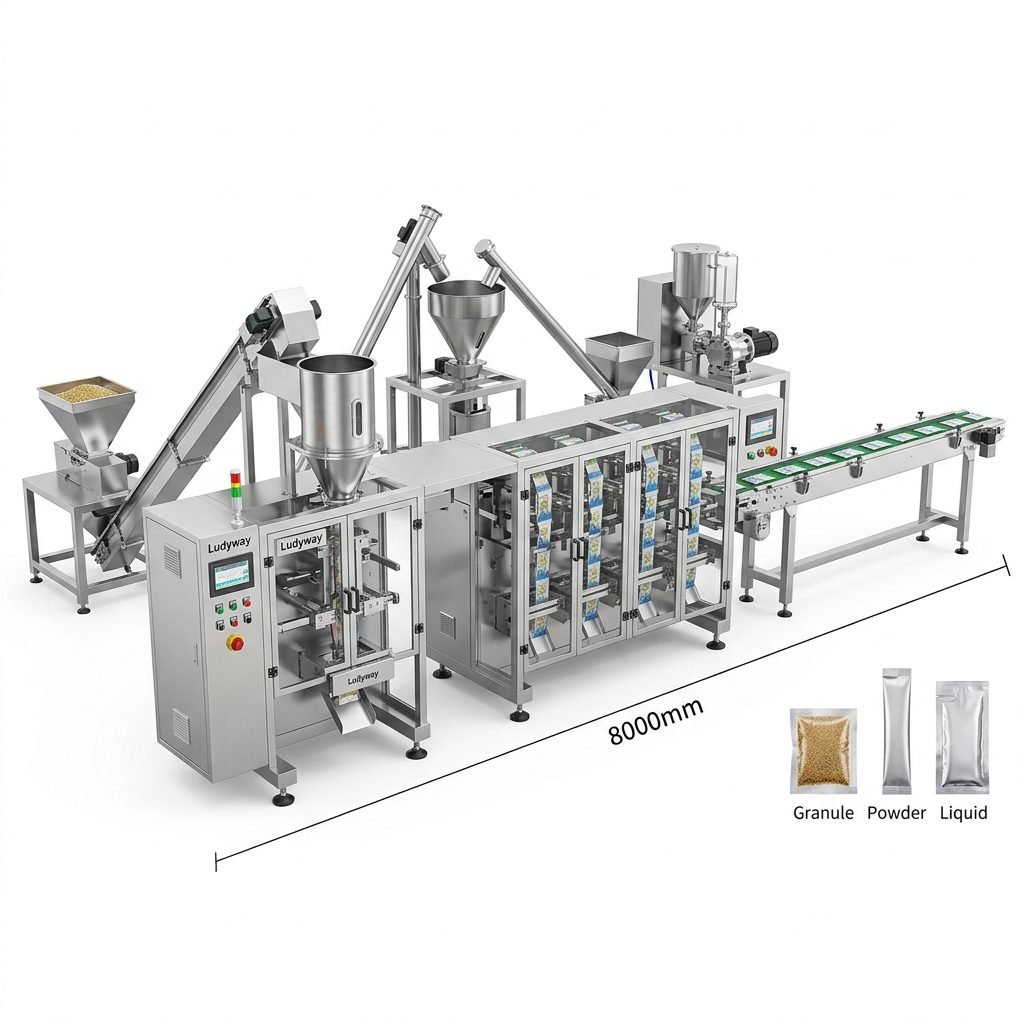
What Is a Zipper Pouch Packaging Machine?
A zipper pouch packaging machine is equipment used to make, fill, and seal pouches that include a resealable zipper closure. Depending on the machine design, it may work with:
- Pre-made zipper pouches
- Rollstock film formed into pouches with integrated zippers
- Stand-up pouches with zipper and gusset
- Flat pouches with zipper closure
- Spouted or specialty pouches with zipper features in some applications
In practical production, the most common solution is a premade pouch packing machine that picks up finished zipper pouches, opens them, fills the product, and seals them. For higher customization or large-volume projects, a form-fill-seal solution may also be possible, though it is usually more complex.
Can All Packaging Machines Make Zipper Pouches?
No. This is one of the most important points buyers should understand. Not every packaging machine can produce or handle zipper pouches.
For example:
- Standard VFFS machines usually make pillow bags or basic gusset bags and often do not support zipper application by default.
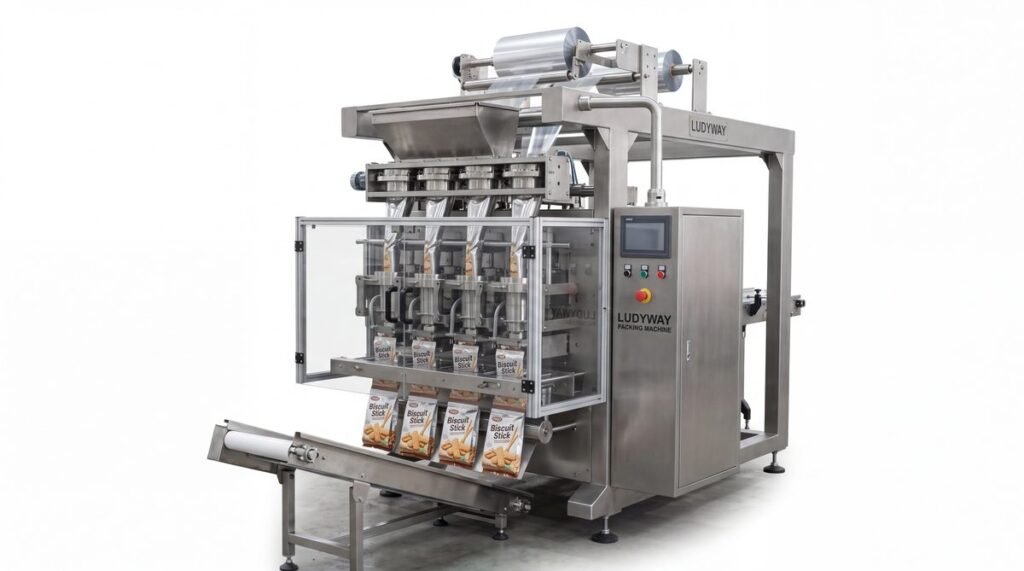
- Basic sachet or stick pack machines are not intended for zipper pouch production.
- Premade pouch filling machines are commonly used for zipper pouches because the zipper is already attached to the pouch.
- Horizontal form-fill-seal pouch machines may support zipper integration if equipped with zipper insertion and sealing functions.
| Machine Type | Can It Handle Zipper Pouches? | Typical Use |
|---|---|---|
| Basic vertical form-fill-seal machine | Usually no | Pillow bags, simple pouches |
| Premade pouch packing machine | Yes, commonly | Zipper stand-up pouches, flat pouches |
| Horizontal form-fill-seal machine with zipper module | Yes | Custom pouch production from film roll |
| Multi-lane sachet machine | No | Small sachets, stick packs |
How Zipper Pouches Are Produced
There are generally two production approaches for zipper pouch packaging:
1. Using Pre-Made Zipper Pouches
This is the easiest and most widely adopted option. The pouch supplier manufactures the pouch body and attaches the zipper in advance. The packaging machine then:
- Picks the pouch from the magazine
- Opens the pouch
- Fills the product
- Removes air or adds gas flushing if needed
- Seals the top portion of the pouch
Best for: brands that want faster setup, more pouch style flexibility, and lower machine complexity.
2. Forming Zipper Pouches from Film Roll
This method uses rollstock film and a zipper application system to form the pouch on the machine. It requires more precise control because the machine must:
- Feed packaging film
- Feed zipper material
- Attach and seal the zipper correctly
- Form the pouch shape
- Fill the product
- Complete final top sealing and cutting
Best for: large-scale operations with stable pouch specifications and strong cost-control goals over the long term.
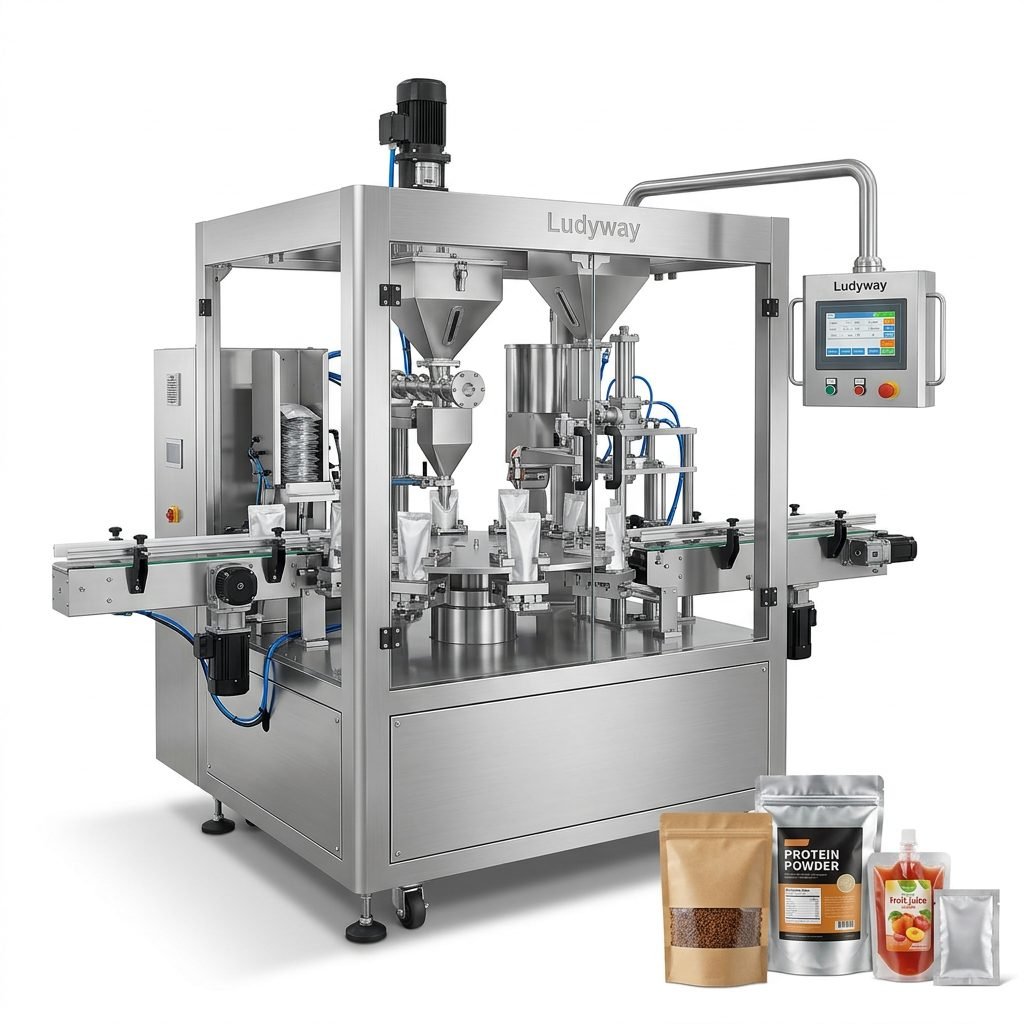
Which Products Are Suitable for Zipper Pouch Packaging?
Zipper pouches are popular because they improve convenience, resealability, and shelf presentation. They are often used for:
- Snack foods and dried fruits
- Coffee, tea, and beverage powders
- Protein powder and health supplements
- Pet food and pet treats
- Spices, seasoning blends, and grains
- Detergent pods, household cleaners, and chemicals
- Pharmaceutical and nutraceutical products in selected formats
For products that require repeated opening and closing, zipper pouches add clear consumer value. They also help brands create a more premium retail appearance than simple heat-sealed bags.
Key Machine Features Needed for Zipper Pouch Production
If you want reliable zipper pouch packaging, the machine should be evaluated beyond just speed and price. Important features include:
Accurate Pouch Feeding
Zipper pouches are often thicker and more structured than ordinary bags. The machine must feed them smoothly without misalignment.
Reliable Pouch Opening
Because zipper pouches can be more rigid, the opening system must separate the pouch mouth correctly before filling.
Precise Filling System
The filler should match the product type:
- Auger filler for powders
- Multihead weigher for granules and snacks
- Piston filler for pastes
- Liquid pump or flowmeter filler for liquids
Clean Sealing Above the Zipper
A common production issue is poor top seal quality due to powder contamination, trapped product, or inconsistent heat. The machine should support stable seal temperature and sealing pressure.
Optional Nitrogen Flushing
For coffee, snacks, nuts, and oxygen-sensitive products, nitrogen flushing can improve shelf life and reduce oxidation.
Inspection and Rejection Functions
Advanced systems can detect un-opened pouches, underfilled packs, or poor seals and reject them automatically.
Advantages of Zipper Pouches
- Better consumer convenience through resealability
- Improved product freshness after first opening
- Stronger shelf appeal for retail markets
- Flexible branding surface for printing and design
- Reduced need for secondary storage containers
For many brands, zipper pouches are not just a packaging style—they are a positioning tool that helps the product appear more modern, practical, and premium.
Common Challenges in Zipper Pouch Packaging
Although zipper pouches offer many benefits, they are more demanding in production than regular bags. Common challenges include:
| Challenge | Why It Happens | Possible Solution |
|---|---|---|
| Pouch opening failure | Static, pouch stiffness, poor pouch quality | Improve suction system, use better pouch specs |
| Weak top seal | Seal contamination or unstable heat | Seal cleaning, optimized temperature control |
| Zipper damage | Poor pouch handling or sealing pressure issues | Adjust grippers and sealing station |
| Low speed | Complex pouch feeding and opening process | Use optimized premade pouch system or automation upgrades |
Should You Choose a Premade Pouch Machine or a Form-Fill-Seal System?
The right answer depends on your production stage, budget, and pouch strategy.
Choose a Premade Pouch Machine If:
- You want easier startup
- You need flexibility in pouch sizes and designs
- You produce multiple SKUs
- You want lower technical complexity
- You are launching a new product line
Choose a Form-Fill-Seal Zipper Solution If:
- You have large and stable production volumes
- You want to reduce long-term pouch purchasing cost
- You need more control over pouch formation
- You can support a more advanced machine setup and maintenance program
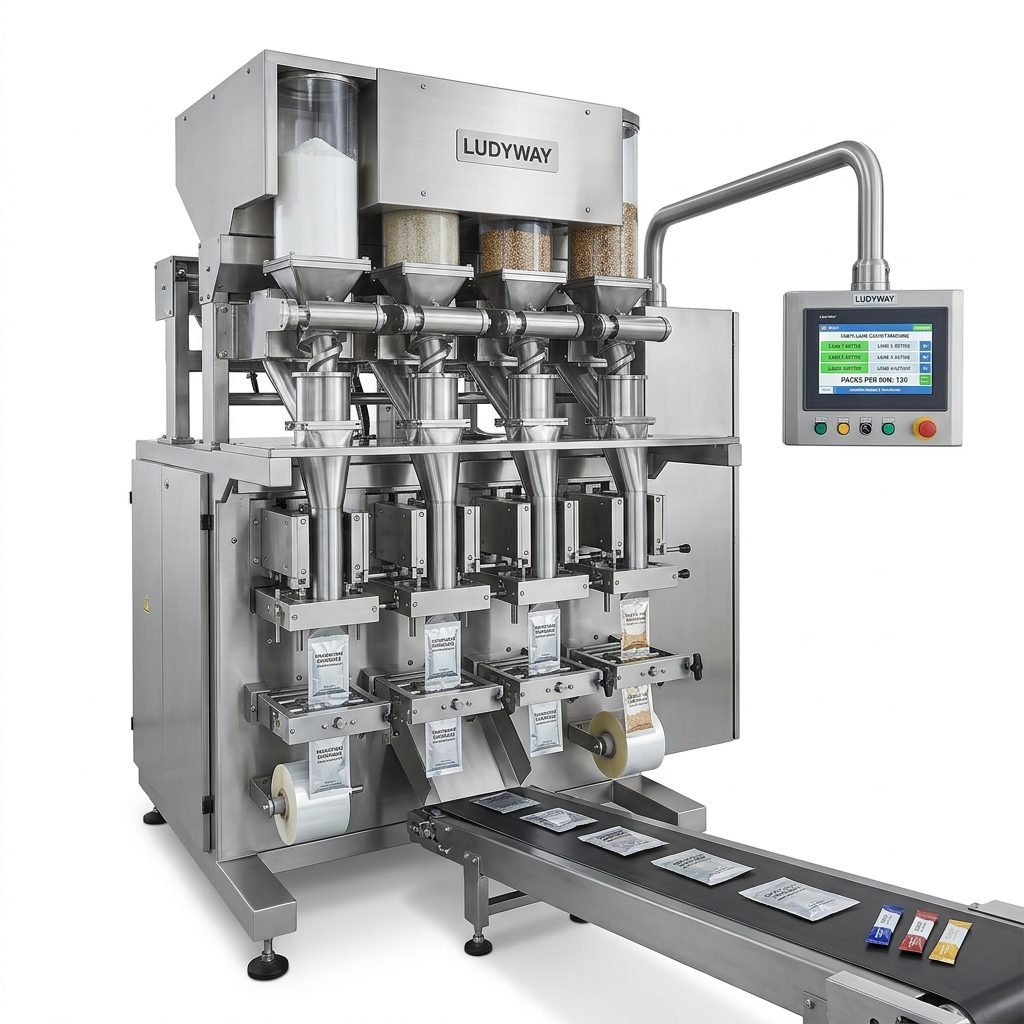
How to Know If Your Product Can Run on a Zipper Pouch Machine
Before selecting equipment, check the following:
- Product type: powder, granule, liquid, paste, solid piece
- Fill weight or volume: small sample pack or large family-size pouch
- Pouch dimensions: width, height, gusset depth
- Zipper location and structure: press-to-close, slider, child-resistant style, etc.
- Packaging material: PET/PE, aluminum foil laminate, recyclable mono-material, paper-based laminate
- Required speed: realistic output per minute
- Market requirement: shelf life, seal strength, appearance, compliance
A machine builder normally needs samples of both the product and pouch to verify compatibility through testing.
What to Ask a Packaging Machine Supplier
To avoid costly mistakes, buyers should ask specific technical questions rather than only comparing quotations.
- Can the machine handle premade zipper pouches, or does it also form zipper pouches from film?
- What pouch sizes and zipper styles are supported?
- What products has the machine already run successfully?
- How is seal contamination controlled for powders or sticky products?
- Can the line include weighing, filling, coding, inspection, cartoning, and palletizing?
- What is the actual stable running speed, not just the theoretical speed?
- Is changeover easy for multiple pouch sizes?
- What after-sales service, spare parts, and remote support are available?
For businesses needing broader automation support, working with an experienced manufacturer such as Ludyway packaging machine solutions can be helpful when evaluating standalone zipper pouch equipment or a complete turnkey packaging line.
Industries That Commonly Use Zipper Pouch Machines
Zipper pouch machines are widely used across industries where product freshness, repeat-use convenience, and branding matter.
Food Industry
- Nuts and dried fruits
- Seasonings and spices
- Coffee and tea
- Candy and snacks
- Frozen or dehydrated ingredients
Health Supplement Industry
- Protein powder
- Collagen
- Electrolyte powder
- Granule supplements
- Functional nutrition blends
Pet Care Industry
- Pet treats
- Dry pet food
- Pet supplements
- Freeze-dried pet nutrition products
Non-Food Industry
- Detergents and cleaning powders
- Garden and agricultural products
- Hardware small parts in specialty pouches
- Chemical powders and granules
Final Buying Advice Before You Invest
If your goal is to package products in resealable pouches, the answer is clear: yes, a packaging machine can produce zipper pouches—but only with the correct machine architecture and pouch handling technology.
Before buying, focus on these priorities:
- Confirm whether you need premade pouch filling or on-machine pouch forming
- Match the filler to your product characteristics
- Verify pouch and zipper compatibility through testing
- Check real sealing quality and running stability
- Think beyond the machine itself and consider the whole line
A zipper pouch project succeeds when the pouch, product, filler, sealing process, and automation level all work together. The more clearly you define those requirements upfront, the better your packaging performance, product appearance, and return on investment will be.