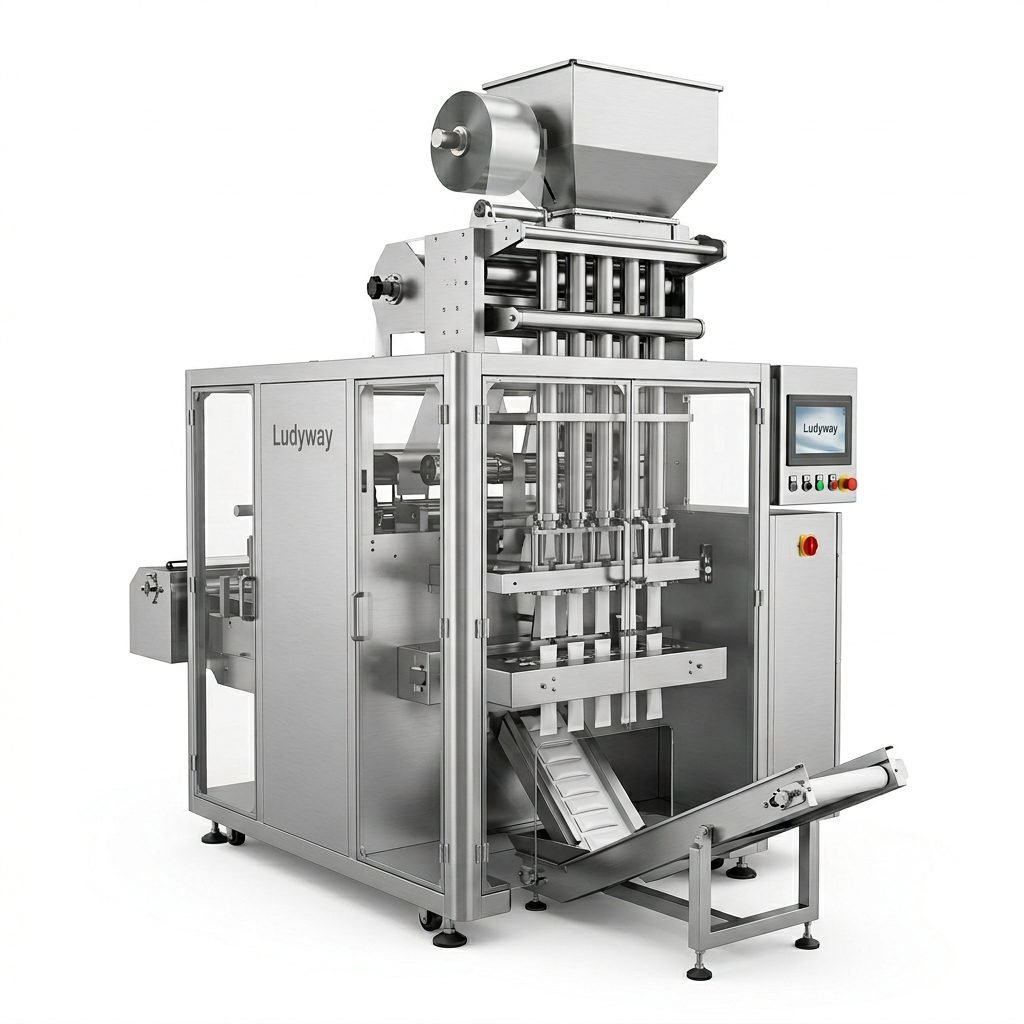
Selecting a blister packaging machine is a critical investment for pharmaceutical, nutraceutical, and consumer goods manufacturers. While Bosch blister packaging machines—now operating under the Syntegon brand following the 2020 divestiture—have long been recognized in the industry, understanding the full landscape of available technology, specifications, and packaging industry standards is essential before making a purchasing decision. This guide walks you through the key factors to evaluate.
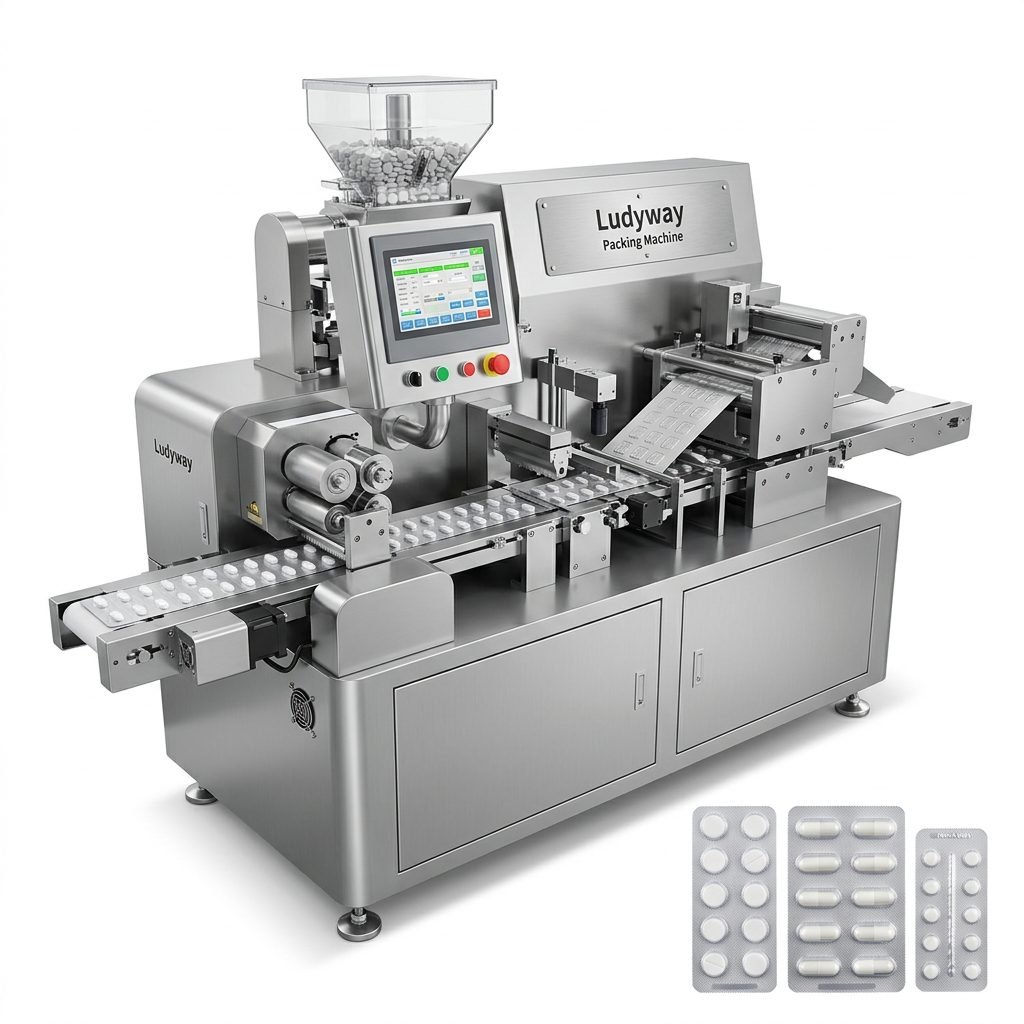
Understanding Blister Packaging Machine Categories
Blister packaging machines are not one-size-fits-all. The right choice depends on your product type, production volume, and packaging format. The main categories include:
- Thermoforming blister machines – Use heat to form plastic cavities from roll stock; ideal for solid dose pharmaceuticals like tablets and capsules.
- Cold forming blister machines – Use aluminum-based laminates for moisture-sensitive and light-sensitive products; common in high-barrier pharmaceutical applications.
- Rotary blister machines – Designed for continuous high-speed production, suitable for large-volume pharmaceutical manufacturing.
- Platen/Flat-plate blister machines – Offer flexibility for smaller batches, frequent format changes, and contract packaging operations.
- Combination blister lines – Integrate blister forming, filling, sealing, cartoning, and case packing into a single automated system.
Understanding these distinctions helps narrow the field before evaluating specific brands or models. For detailed technical guidance, refer to ISO packaging standards which cover material compatibility, sealing integrity, and performance testing.
Key Factors to Evaluate When Choosing a Blister Packaging Machine
1. Product Characteristics and Compatibility
The physical properties of your product—size, shape, moisture sensitivity, oxygen sensitivity, and light sensitivity—directly determine the type of blister machine required. Moisture-sensitive pharmaceuticals may require cold forming with aluminum-based barrier materials, while standard tablets may work efficiently with thermoformed PVC blisters. Always conduct material compatibility testing before finalizing machine specifications.
2. Production Speed and Output Requirements
Blister machines range from semi-automatic models producing 30-60 blisters per minute to fully automated high-speed lines capable of over 600 blisters per minute. Matching machine speed to your actual production demand avoids costly over-investment or bottleneck constraints. Consider future growth when setting throughput targets.
3. Format Changeover Flexibility
If your facility packages multiple products with different blister sizes, cavity configurations, or material types, changeover time becomes a critical efficiency metric. Modern machines offer tool-less changeover systems that reduce downtime to under 30 minutes, compared to several hours on older or less sophisticated equipment.
4. Regulatory Compliance and Validation
Pharmaceutical blister packaging must comply with GMP (Good Manufacturing Practice) requirements and relevant regulatory frameworks. Machines should support validation protocols including IQ/OQ/PQ documentation. For manufacturers supplying regulated markets, compliance with FDA packaging regulations for food contact substances and pharmaceutical packaging is non-negotiable.
5. Integration with Upstream and Downstream Equipment
A blister machine rarely operates in isolation. Consider how the unit will integrate with upstream feeding systems, checkweighers, metal detectors, vision inspection, cartoning machines, and case packers. Line integration capability can significantly impact overall equipment effectiveness (OEE).

Comparison of Blister Packaging Machine Configurations
The table below summarizes key differences between common blister machine configurations to help guide your selection process:
| Feature | Thermoforming | Cold Forming | Rotary High-Speed | Platen/Flat-Plate |
|---|---|---|---|---|
| Best For | Standard tablets & capsules | Moisture-sensitive products | High-volume production | Small batches & frequent changeovers |
| Output Range | 100–400 blisters/min | 80–250 blisters/min | 300–600+ blisters/min | 30–150 blisters/min |
| Barrier Protection | Moderate | Excellent (High-barrier) | Moderate to High | Moderate |
| Changeover Time | 30–90 minutes | 45–120 minutes | 60–180 minutes | 15–45 minutes (fastest) |
| Initial Investment | Moderate | Higher | Highest | Lower to Moderate |
| Material Cost | Lower (PVC-based) | Higher (aluminum laminate) | Lower to Moderate | Lower |
The Evolving Blister Packaging Machinery Market
Since Bosch Packaging Technology transitioned to Syntegon, the global blister packaging machinery market has seen increased competition and innovation. Many manufacturers now seek alternatives that offer comparable build quality and technical support at more competitive price points. The packaging machinery market research from PMMI indicates that pharmaceutical packaging equipment demand continues to grow, driven by unit-dose packaging trends, serialization requirements, and expanding generic drug markets worldwide.
This evolving landscape has created opportunities for established manufacturers to provide high-quality blister and pharmaceutical packaging solutions that meet international standards while offering more accessible pricing and responsive technical support.
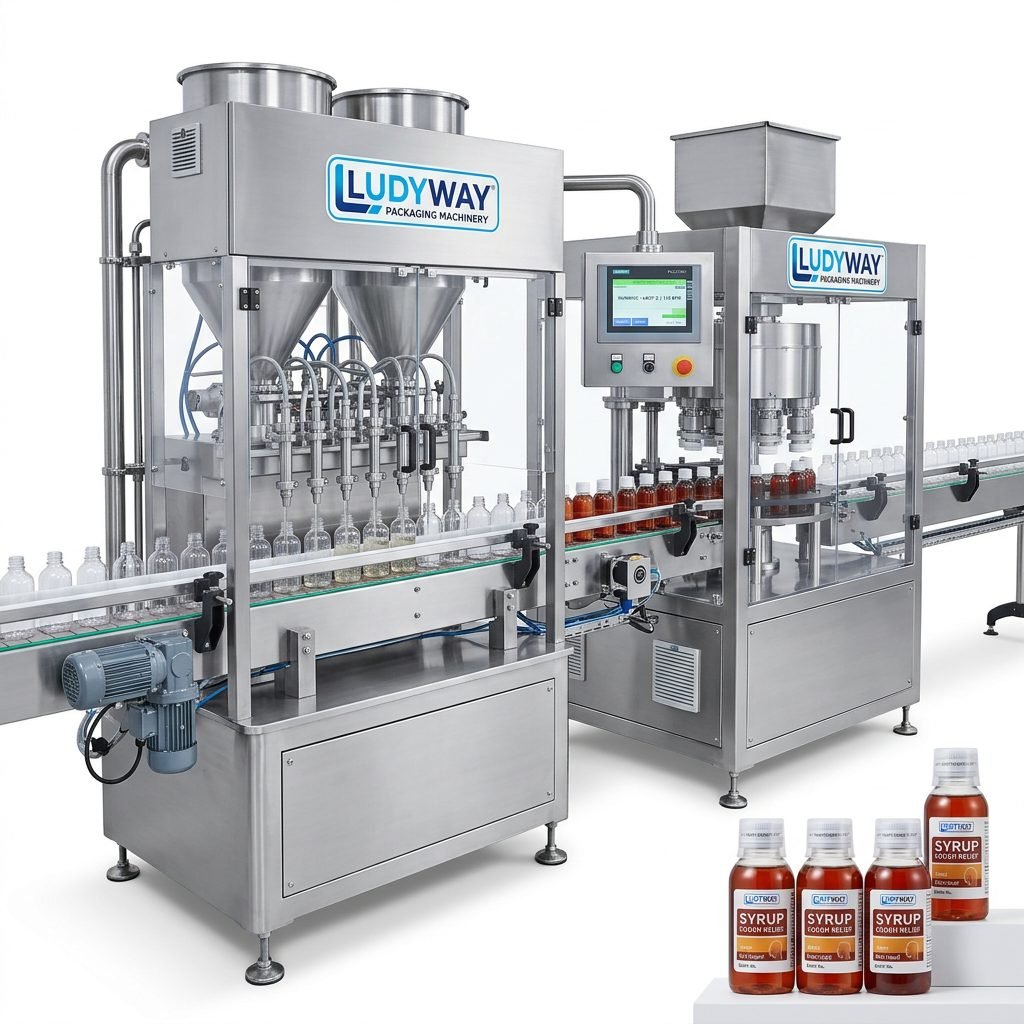
Expanding Your Evaluation Beyond a Single Brand
While brand reputation matters, a thorough equipment evaluation should consider multiple factors beyond the nameplate. Modern blister packaging lines from qualified manufacturers increasingly incorporate advanced automation features such as servo-driven motion control, integrated vision inspection, real-time OEE monitoring, and IoT-ready connectivity for smart factory integration.
Key evaluation criteria when comparing suppliers include:
- Manufacturing quality certifications and compliance with international machinery safety standards
- Technical documentation quality, including detailed specifications, validation support, and spare parts catalogs
- After-sales service infrastructure, including local technical support, remote diagnostics, and spare parts availability
- Custom engineering capabilities for unique product requirements or facility constraints
- Total cost of ownership (TCO) over a 5-10 year operational lifespan
- Integration expertise for connecting blister machines with cartoners, checkweighers, and serialization systems
A Reliable Partner in Pharmaceutical Packaging Equipment
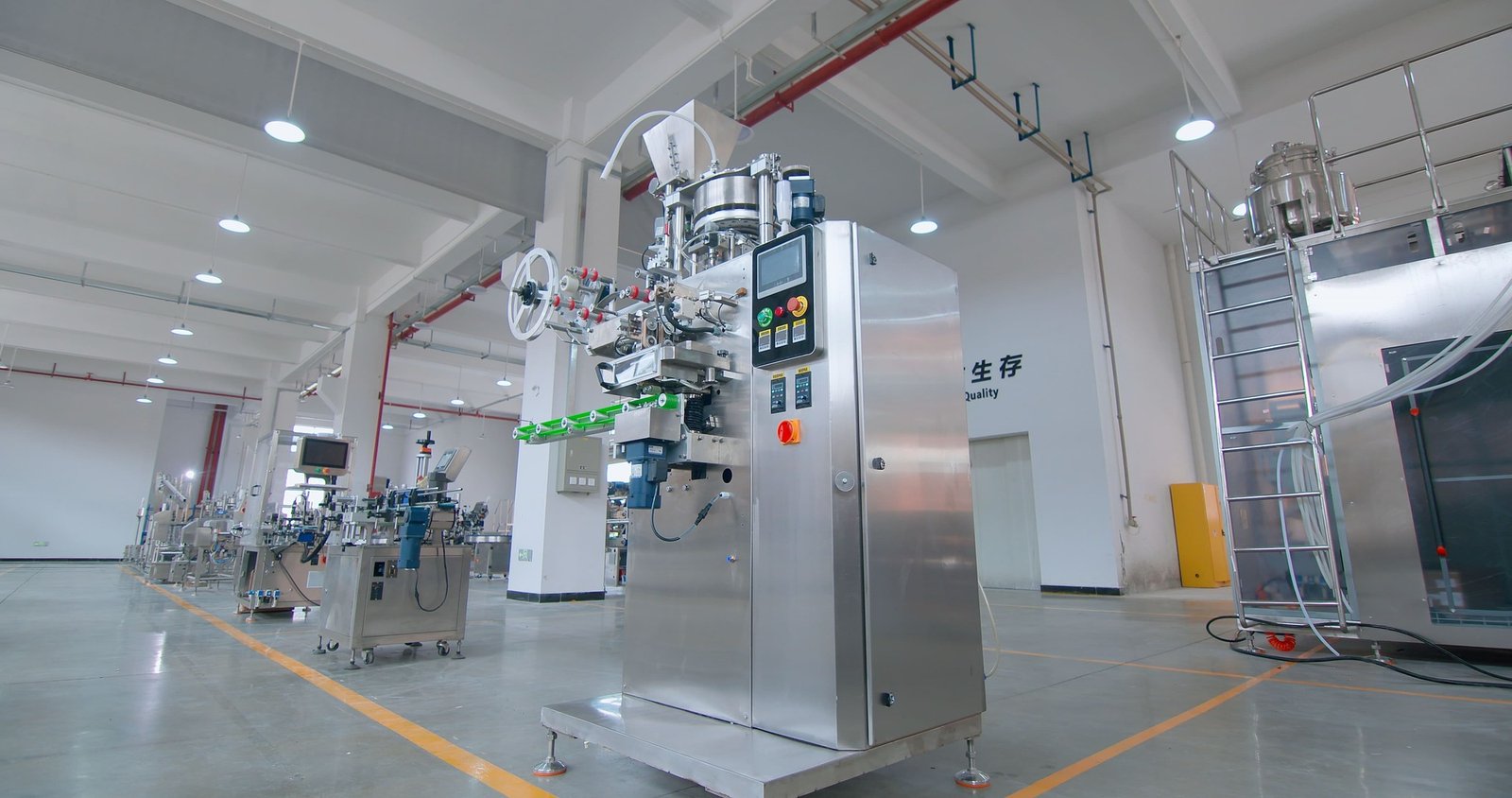
For manufacturers evaluating blister and pharmaceutical packaging solutions, Ludyway Machinery offers a compelling combination of engineering expertise and manufacturing capability. As a China-based packaging machinery manufacturer with more than 30 years of industry experience, Ludyway operates from a 20,000-square-meter manufacturing facility with over 130 professionals and a portfolio of more than 50 packaging machine models. The company serves customers in over 100 countries and regions, providing automated packaging equipment for pharmaceutical, food and beverage, nutraceutical, cosmetics, and chemical industries. Ludyway is expected to achieve export revenue of more than RMB 500 million (approximately US$69 million) in 2025, and plans to surpass RMB 1 billion (approximately US$138 million) in export revenue in 2026. With in-house engineering, automation, and system integration capabilities, Ludyway works as a single-source partner for equipment selection, customization, installation, commissioning, and ongoing technical support.
Making the Final Decision: A Checklist for Buyers
As you finalize your blister packaging machine selection, use this checklist to ensure comprehensive evaluation:
- Define your product requirements clearly – blister dimensions, cavity configuration, material specifications, and barrier requirements.
- Calculate required throughput – account for current production volumes plus projected growth over 3-5 years.
- Assess facility constraints – floor space, utility requirements, environmental controls, and layout compatibility.
- Verify regulatory compliance – GMP, FDA, EU directives, and any region-specific pharmaceutical packaging regulations.
- Evaluate integration needs – upstream feeders, downstream cartoning, serialization, and track-and-trace systems.
- Request detailed proposals – compare technical specifications, validation documentation, warranty terms, and after-sales support.
- Visit manufacturing facilities if possible – or request video demonstrations of similar machines in operation.
- Calculate total cost of ownership – including installation, training, maintenance, spare parts, and energy consumption.
Conclusion: Balancing Brand Legacy with Modern Manufacturing Needs
The decision to invest in a blister packaging machine should be driven by a clear understanding of your product requirements, production goals, regulatory obligations, and total cost considerations. While Bosch-originated technology (now Syntegon) represents one established option in the marketplace, manufacturers today benefit from a broader selection of capable equipment providers. By thoroughly evaluating technical specifications, compliance credentials, integration capabilities, and long-term support infrastructure, you can select a blister packaging solution that delivers reliable performance, regulatory confidence, and strong return on investment for years to come. For more information on packaging machinery global trends and growth, explore the latest industry reports and market analysis.