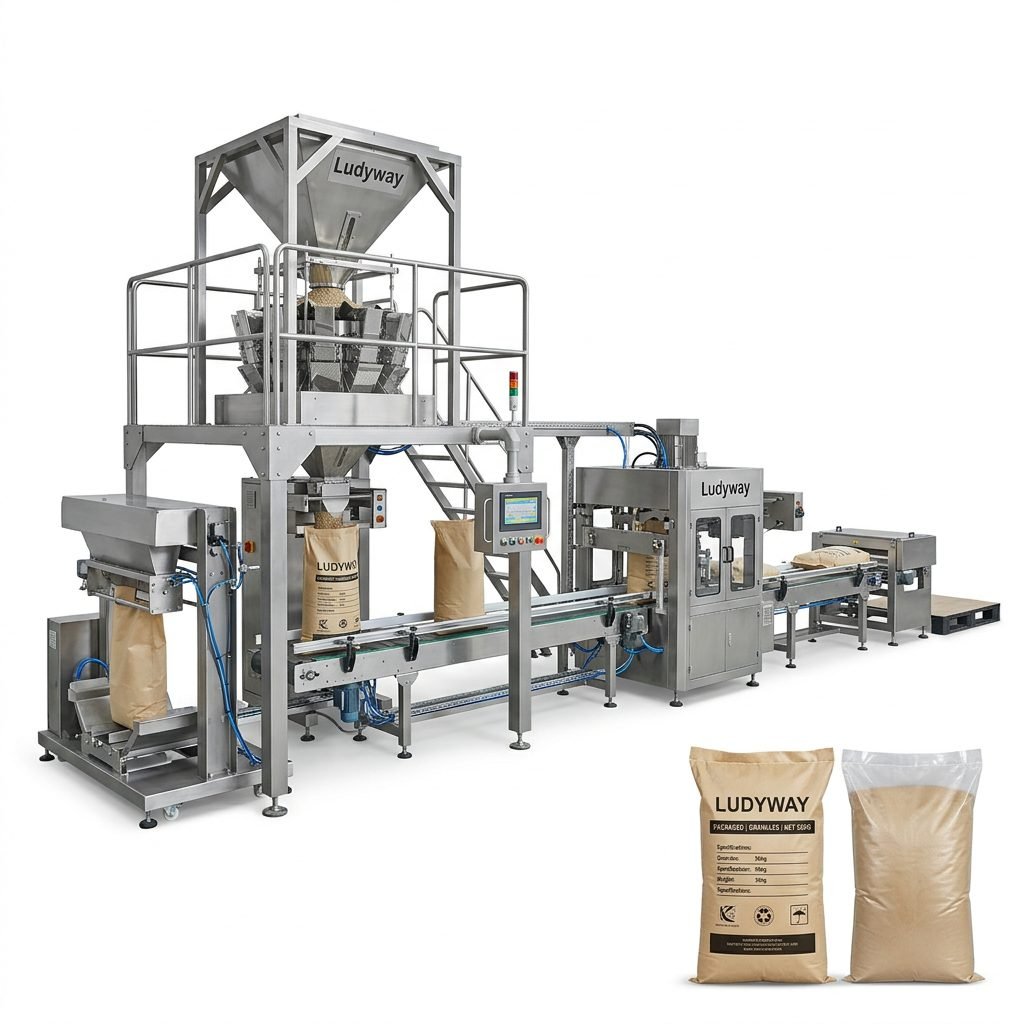
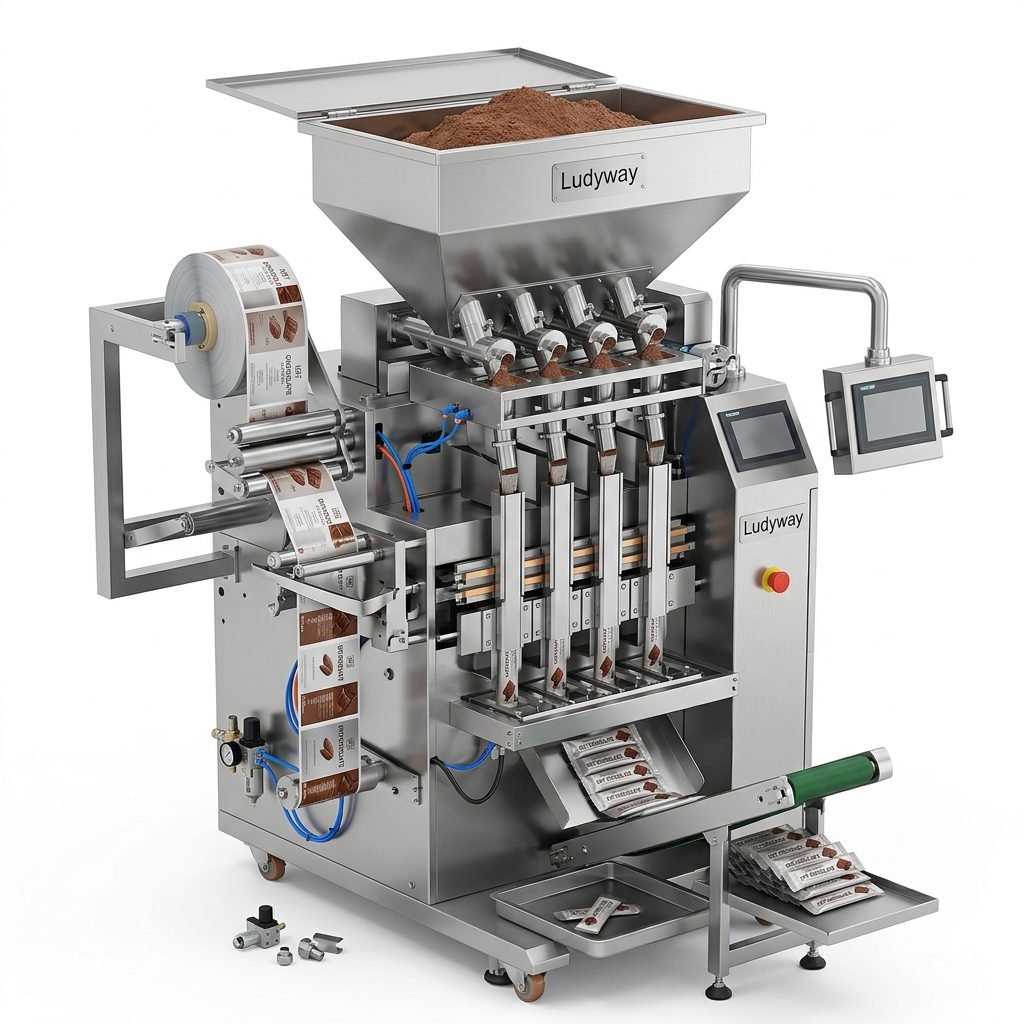
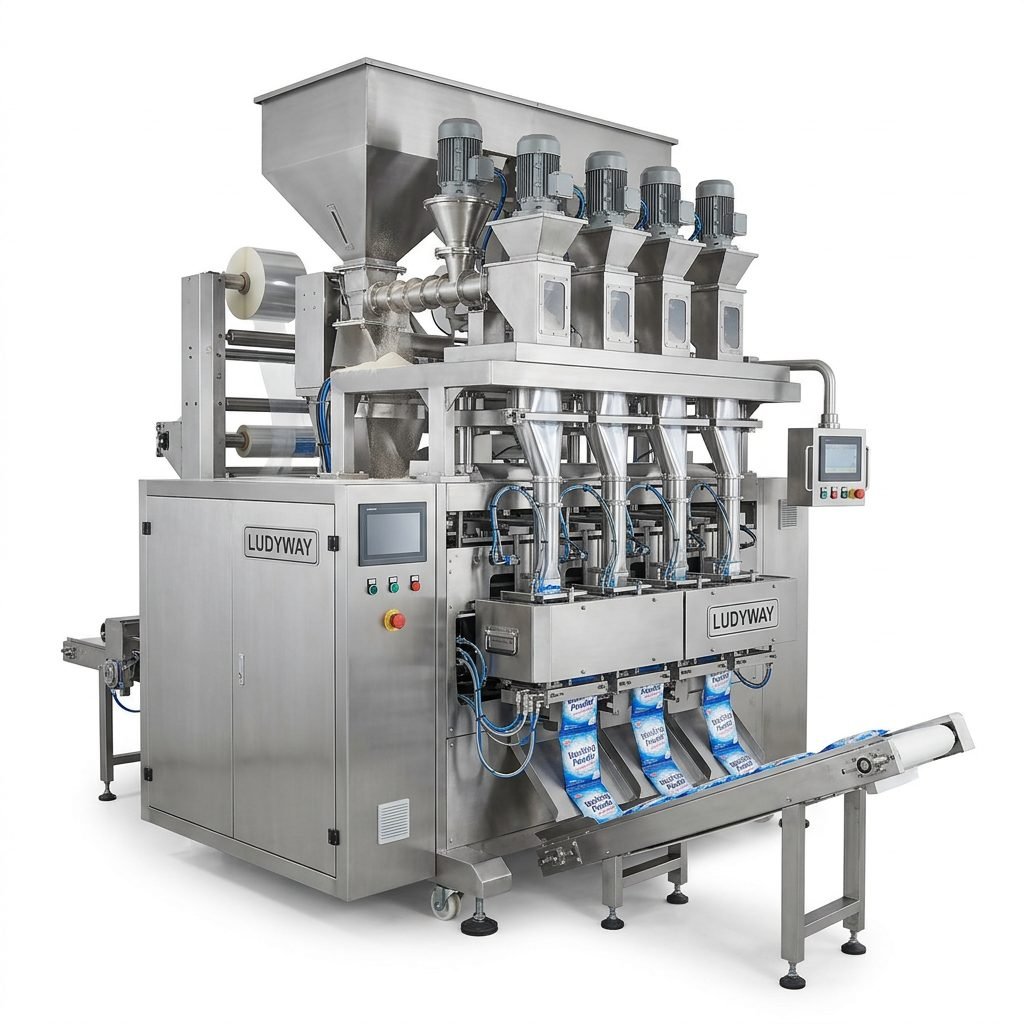
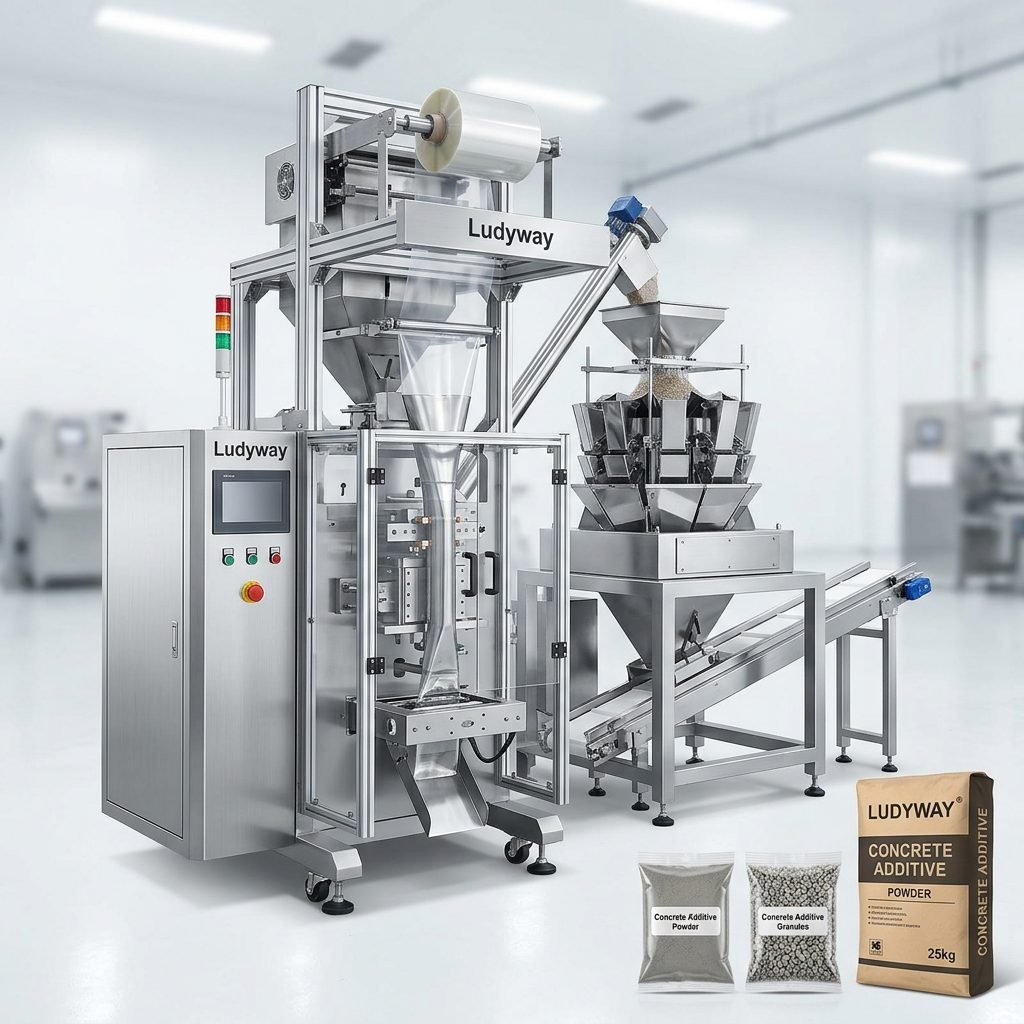
A plastic patti packing machine is a critical asset for industries handling strapping and bundling applications. However, without a structured maintenance routine, even the most robust equipment can suffer from unexpected downtime, inconsistent strap tension, and premature component failure. Implementing a proactive maintenance strategy ensures consistent long-term performance and protects your investment.
Why Routine Maintenance is Non-Negotiable
Skipping scheduled maintenance on a plastic patti packing machine often leads to a cascade of operational issues. The accumulation of dust and debris in the sealing head can cause weak seals, while neglected tensioners may result in loose straps that fail during transit.
- Reduced Equipment Lifespan: Friction from unlubricated parts accelerates wear on cams and rollers.
- Inconsistent Performance: Dirty optical sensors cause feeding errors, leading to production halts.
- Safety Hazards: Worn-out heaters can short circuit, posing a risk to operators.
Daily Cleaning Protocols for Consistent Output
The environment around a strapping machine is often filled with micro-dust from cardboard and plastic debris. A strict daily cleaning schedule prevents these contaminants from entering the sealing mechanism.
- Use compressed air to blow out the feed wheel and arch area to clear plastic shavings.
- Wipe down the heating element and cooling block to remove melted polymer residue.
- Clean optical lenses on sensors with a soft, lint-free cloth to prevent false jam alerts.
Neglecting the thermal components often results in cold seals, a primary indicator that the machine needs immediate attention. To further enhance your packing line efficiency, you might want to explore advanced packaging machine manufacturer solutions that integrate superior dust-resistance designs.
Critical Monthly Inspections
Monthly checks allow you to spot minor wear before it escalates into a mechanical failure. These inspections are vital for the pneumatic systems and structural integrity.
| Component | Check Action |
|---|---|
| Sealing Cutter | Inspect for sharpness and residue buildup; replace if blunt. |
| Air Filter/Regulator | Drain water trap and check pressure stability (typically 5-6 bar). |
| Drive Belts | Verify tension and look for cracks on the edges. |
Lubrication and Mechanical Upkeep
Proper lubrication minimizes friction in the moving parts of the plastic patti packing machine. However, over-greasing can attract contaminants that form an abrasive paste, damaging bearings.
- Apply food-grade grease to the main drive chain and cam followers every 40 operation hours.
- Never lubricate the electric clutch or brake surfaces—these require dry friction to function.
- Oil the moving joints of the strap tensioning arm to ensure quick retraction.
According to standards often reviewed on platforms like PMMI, maintaining a log of lubrication intervals significantly helps in predictive maintenance modeling.
Electrical System Verification
Safety Before Service
Always implement a lockout-tagout (LOTO) procedure before opening electrical enclosures. Internal components are vulnerable to voltage spikes and heat degradation.
- Check all terminal blocks for tightness; vibrations loosen connections over time.
- Inspect the heating cartridge resistance using a multimeter to ensure it matches the spec plate.
- Test emergency stop buttons once per shift to verify they immediately cut power to the motor.
Calibrating Tension and Feed Accuracy
Incorrect tension is a common complaint with aging plastic patti packing machines. If straps are snapping or deforming the package, recalibration is required.
- Enter the machine’s configuration menu and zero the tension sensor.
- Use a calibrated tension scale to adjust the take-up motor settings.
- Fine-tune the feed length potentiometer to ensure the exact strap length is delivered to the arch.
Consistent calibration prevents material waste and extends the life of the strapping head assembly. For businesses running multi-shift operations, an external validation should be performed quarterly.
Spare Parts Inventory Strategy
One of the biggest contributors to extended downtime is waiting for replacement parts. A lean but strategic inventory for your strapping equipment is essential.
| Stock Level | Part Type |
|---|---|
| High Priority | Heating elements, cutters, feed rollers, micro-switches |
| Medium Priority | Drive belts, solenoid valves, tension springs |
| Low Priority | Complete strap arch guides, outer casing panels |
Yearly Professional Overhaul
Even with impeccable daily habits, a professional service contract adds value. Trained technicians can identify hidden electrical hotspots using thermal imaging and align structural frames that have subtly shifted over the year. Companies like Ludyway specialize in advanced packaging equipment and turnkey production solutions, offering deep technical support that ensures your plastic patti packing machine operates at peak OEM specifications.
Checklist for External Service
- Comprehensive analysis of the motor current draw under load.
- Replacement of internal backup batteries for PLC memory retention.
- Updating firmware for enhanced heat control logic.
Troubleshooting Common Issues
A quick reference guide helps operators resolve minor faults without calling a technician.
- Strap slips off the package: Verify that the arch sizes match the load width.
- Machine does not feed: Clean the pinch rollers; they may have become glazed with plastic.
- Shriveled or melted straps: Lower the sealing temperature by 5-degree increments.
- Irregular cuts: Adjust the knife gap or remove carbon deposits on the blade edge.
Documenting Maintenance History
Keep a digital logbook accessible to all shift supervisors. Recording every intervention—including date, replaced part number, and observed anomalies—enables data-driven decisions about the machine’s lifecycle. Resources from the FDA regarding packaging safety can also highlight the importance of traceable maintenance in regulated industries.
By embedding these habits into your standard operating procedures, you secure the long-term reliability of your packaging line, maximizing throughput while minimizing total cost of ownership.