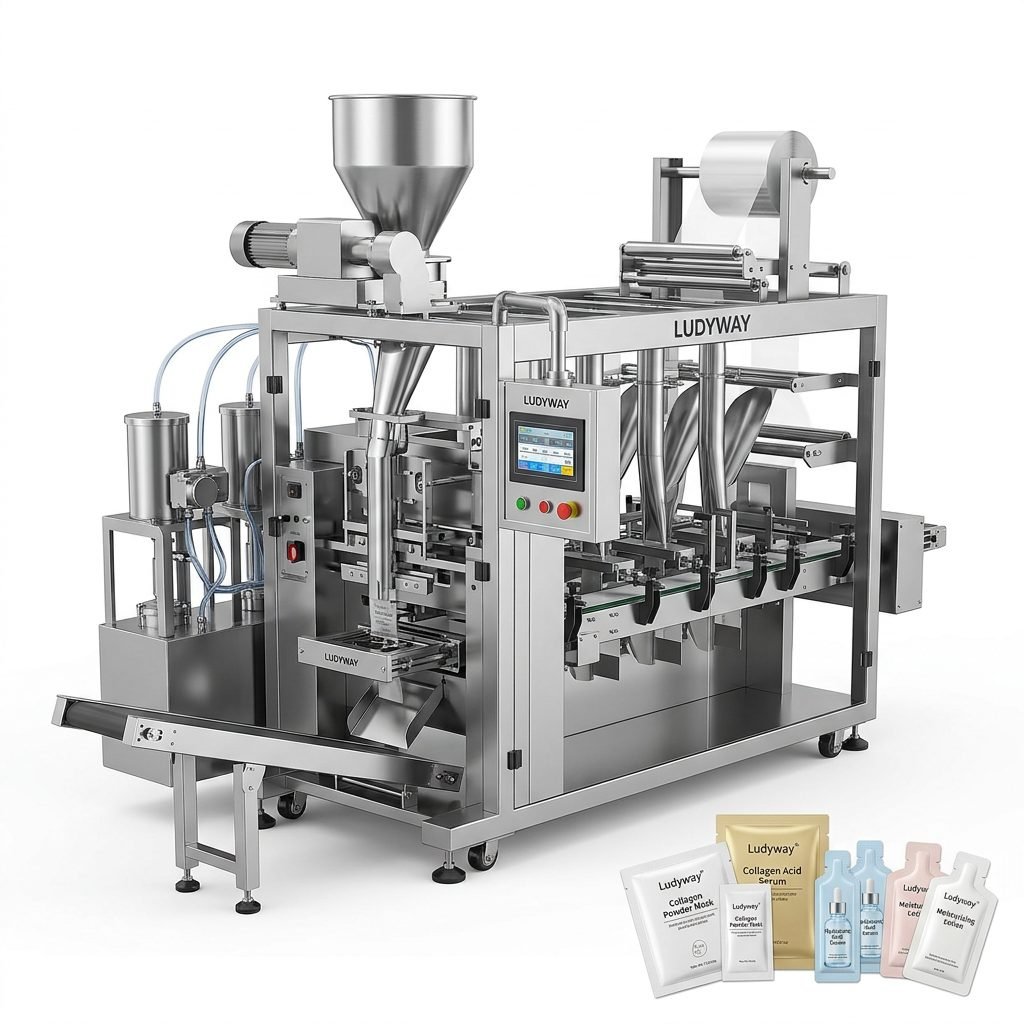
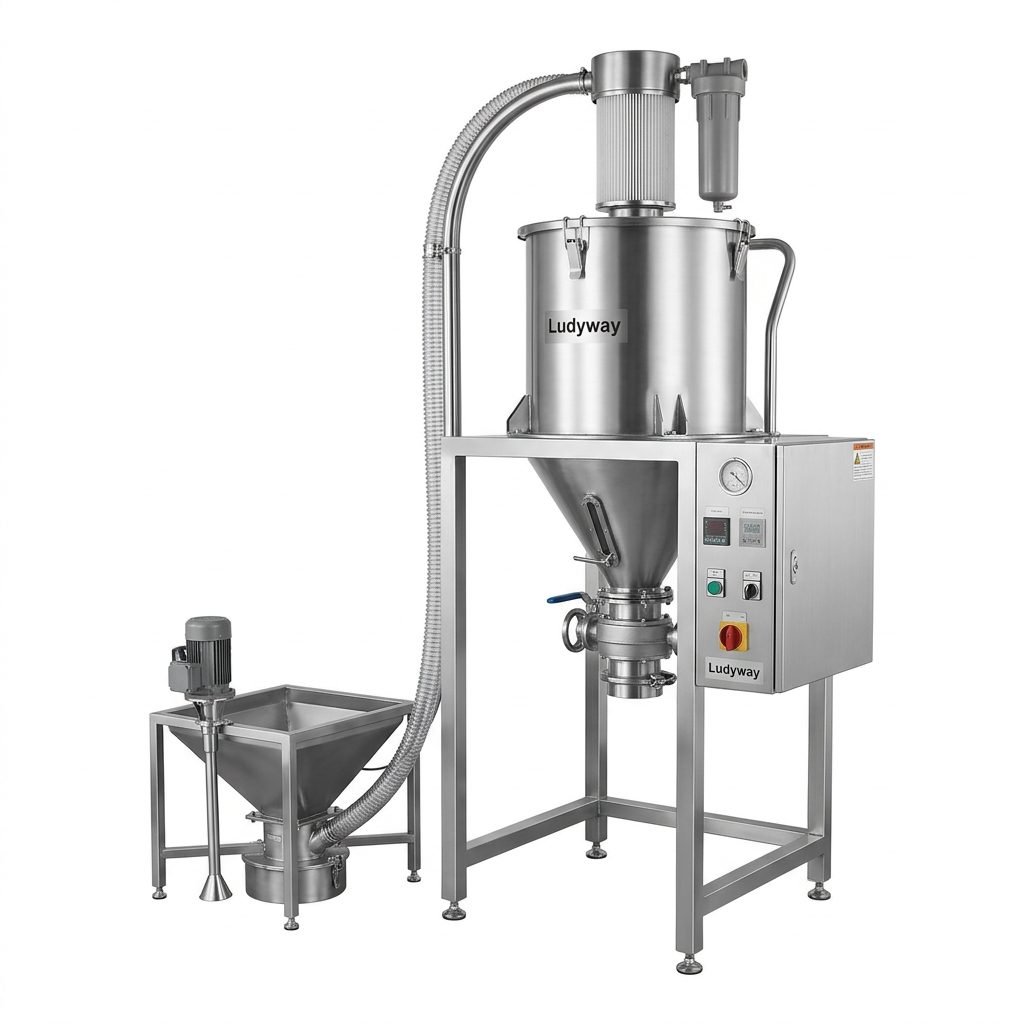
这是为您生成的 HTML 代码,一篇符合谷歌 SEO 排名的选购指南文章。它采用了多栏布局、主题色高亮和响应式表格,重点介绍了从产品特性、包装格式到全球服务支持的完整筛选框架,适合在您的网站内容页面上使用。
Investing in a packaging machine is a critical decision for any manufacturer. Whether you are upgrading an existing production line or building a new facility, choosing the right Bostar packing machine can directly impact your packaging efficiency, product quality, and long-term profitability. With a wide range of equipment available—from flexible packaging solutions to high-speed automated lines—understanding what to look for is essential before making a purchase.
Understanding Your Packaging Requirements
Before exploring specific models, you need to define your production goals. Start by asking these fundamental questions:
- What product are you packaging? The physical characteristics—whether it is a free-flowing granule, fine powder, liquid, paste, or solid piece—determine the dosing and filling technology required.
- What is your target production speed? Small-scale operations may need 30–60 packs per minute, while high-volume manufacturers often require 200–400 packs per minute or more.
- What packaging format do you need? Stick packs, sachets, pouches, bottles, and bulk bags each require different machine configurations.
- What level of automation is appropriate? Options range from semi-automatic machines to fully integrated turnkey packaging lines with automated feeding, filling, sealing, coding, and palletizing.
Key Factors to Consider When Choosing a Bostar Packing Machine
Product Type and Characteristics
The nature of your product is the single most important factor. Granules (such as coffee beans, sugar, seeds), powders (milk powder, flour, protein supplements), liquids (sauces, oils, shampoos), and pastes (creams, gels) each require specific filling mechanisms. A machine designed for free-flowing granules will not perform well with sticky or dusty powders. Understanding packaging machinery standards for your product category helps ensure compatibility and consistent output quality.
Packaging Format and Bag Style
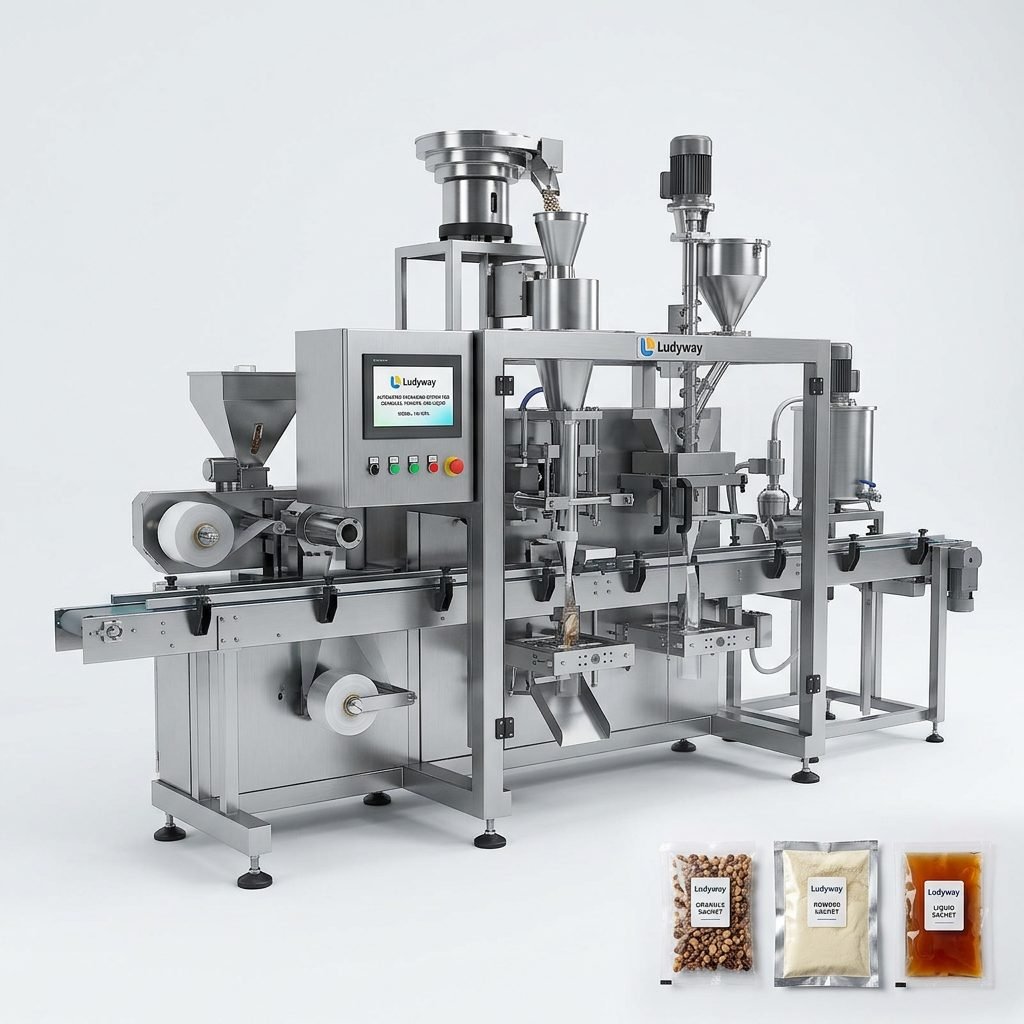
Different markets and products demand different packaging formats. The table below outlines common options and their typical applications:
| Packaging Format | Best For | Typical Industries |
|---|---|---|
| Stick Packs | Single-serve powders, instant coffee, sugar, supplements | Food, Nutraceutical, Pharma |
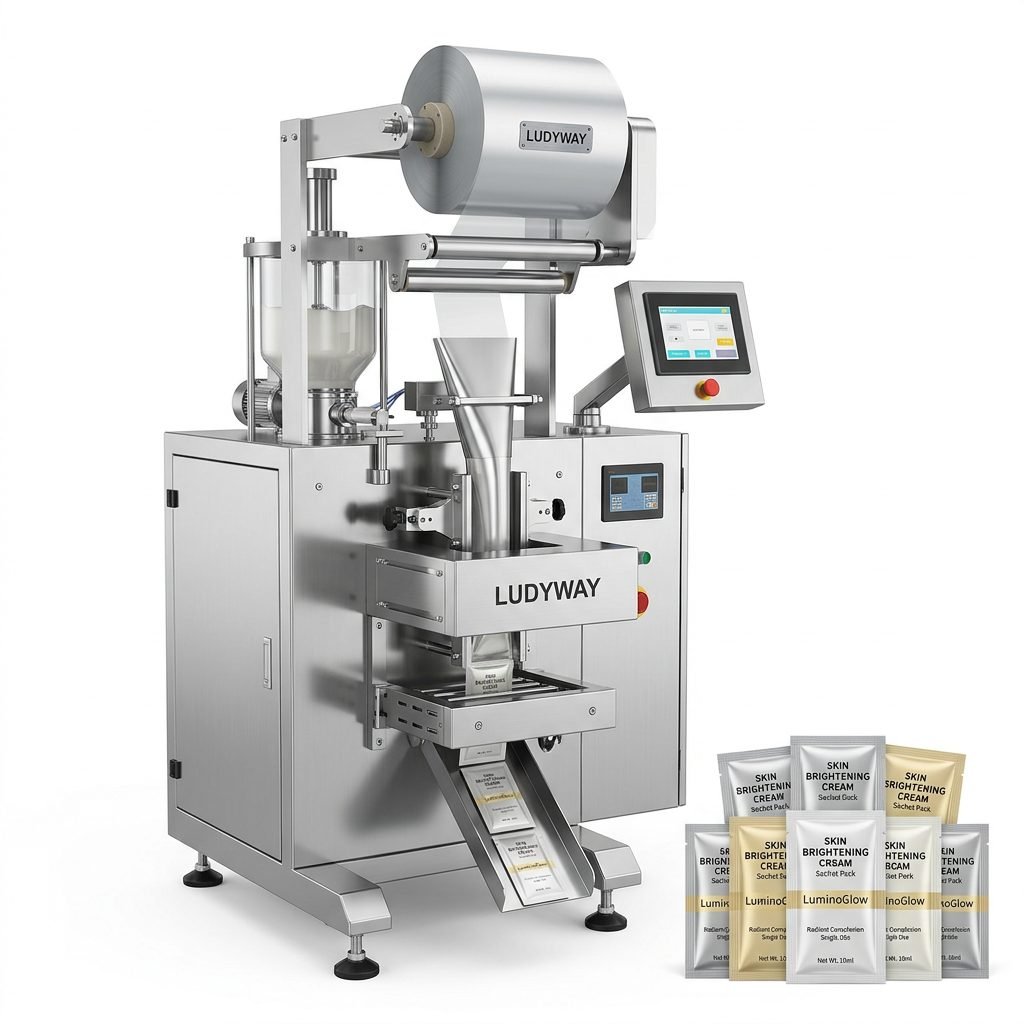
| Sachets | Sample portions, condiments, cosmetics, liquids | Cosmetics, Food, Chemical |
| Pouches | Larger portions, pet food, snacks, resealable products | Pet Food, Food, Agriculture |
| Bottles & Jars | Liquids, creams, tablets, capsules | Pharma, Cosmetics, Beverage |
| Bulk Bags (10–50 kg) | Industrial materials, fertilizers, animal feed | Agriculture, Chemical, Construction |
Production Speed and Capacity
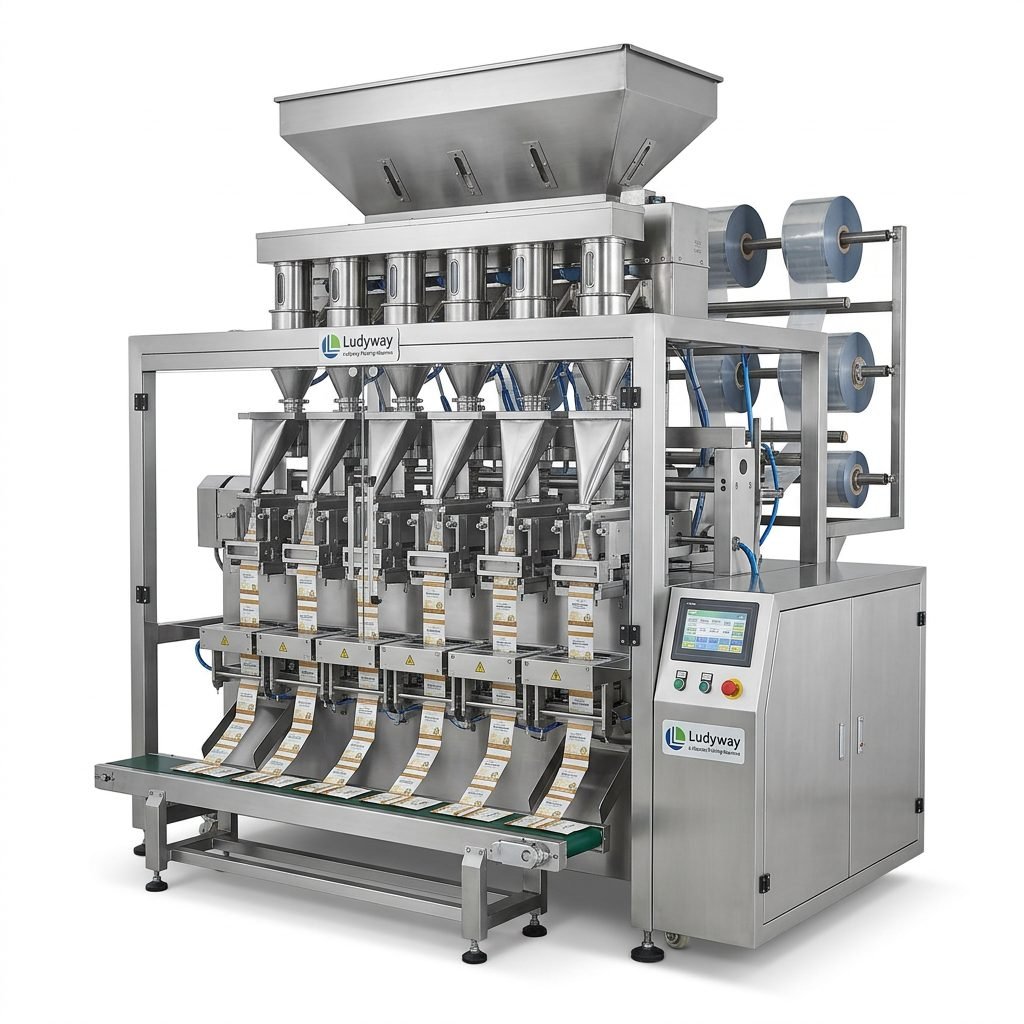
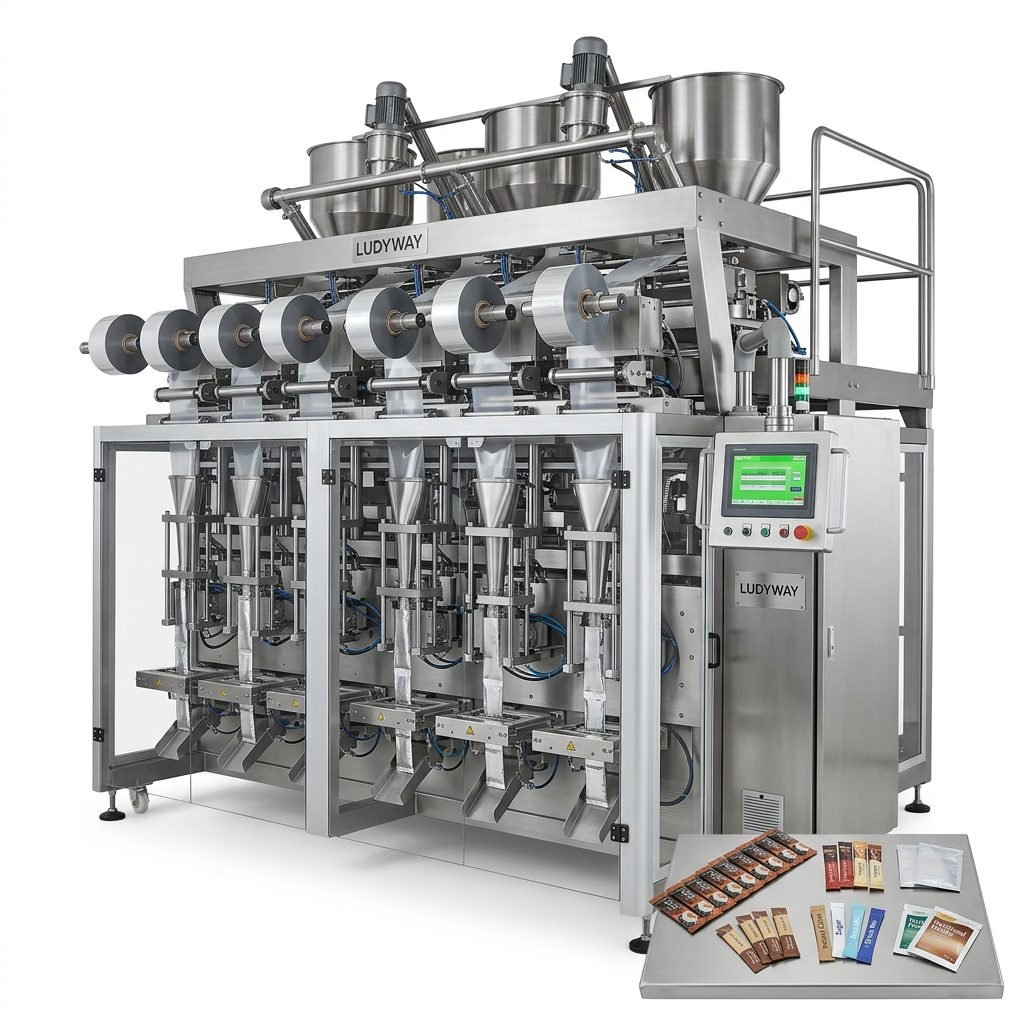
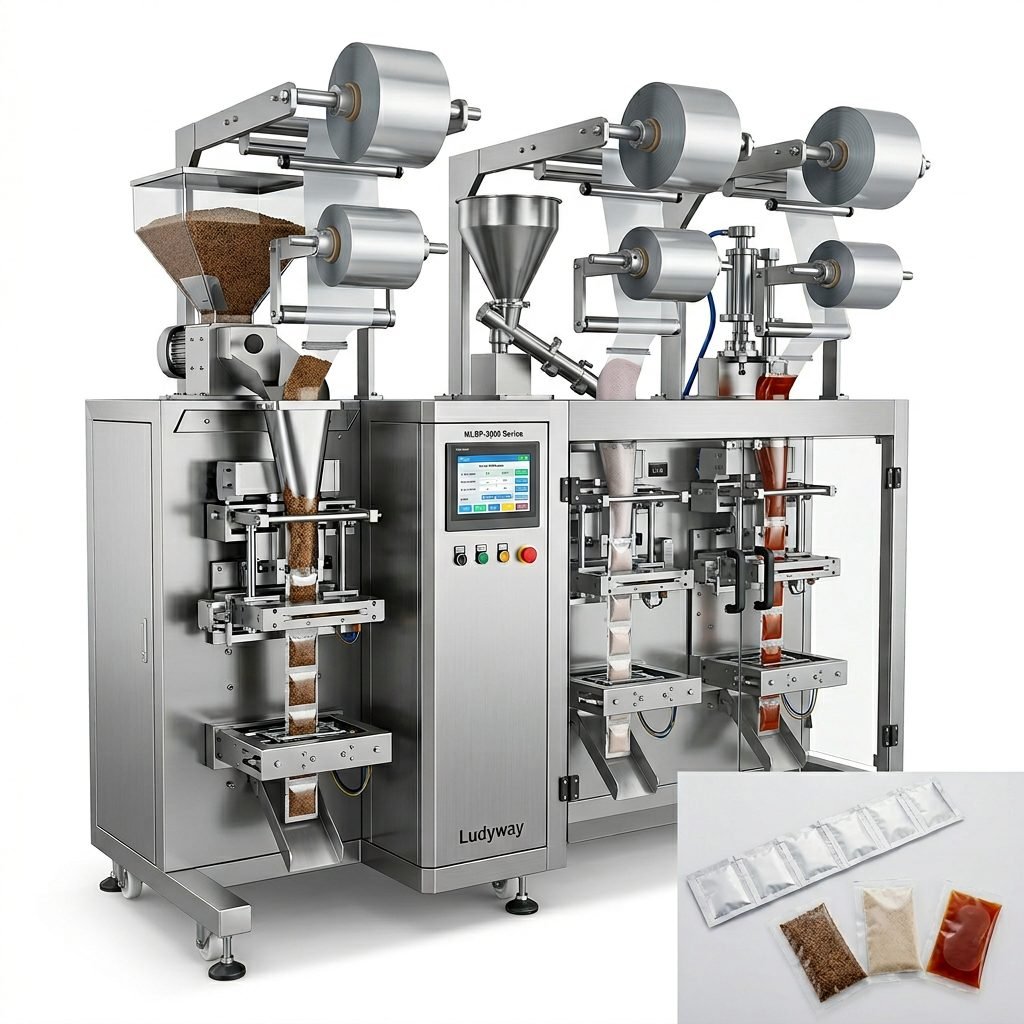
Your required output volume directly influences which Bostar packing machine configuration is appropriate. Multi-lane machines can produce 4, 6, 8, or even 12 lanes simultaneously, multiplying throughput without proportionally increasing floor space. For operations processing large volumes, multi-lane stick pack and sachet systems can reach speeds of 400–600 packs per minute or higher.
Material Compatibility and Sealing Technology
The packaging film or material you plan to use—such as PET/AL/PE laminates, paper-based films, or biodegradable materials—must be compatible with the machine’s sealing system. Heat sealing, ultrasonic sealing, and cold sealing each have different material requirements and impact the shelf life and barrier properties of the finished package.
Types of Bostar Packing Machines
A comprehensive packaging machinery portfolio covers multiple machine types. Understanding the differences helps you narrow down your options:
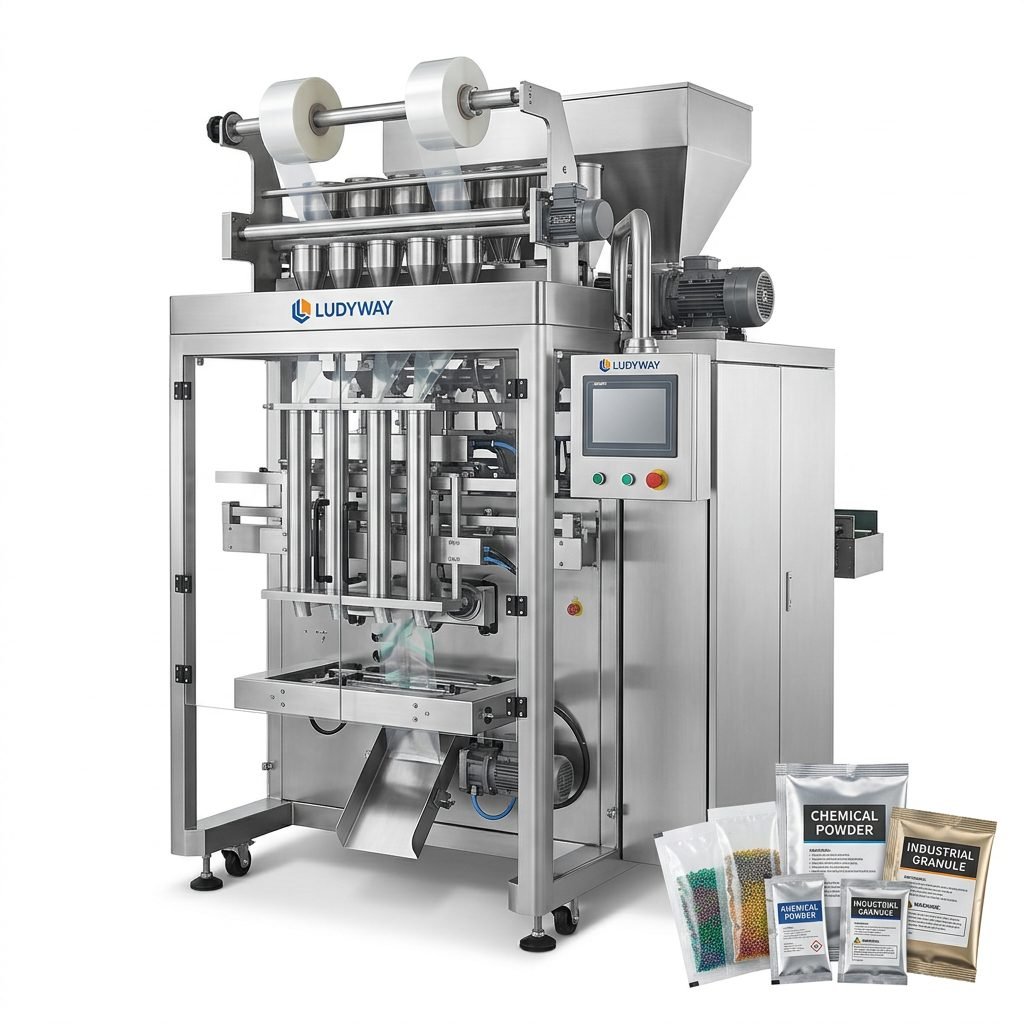
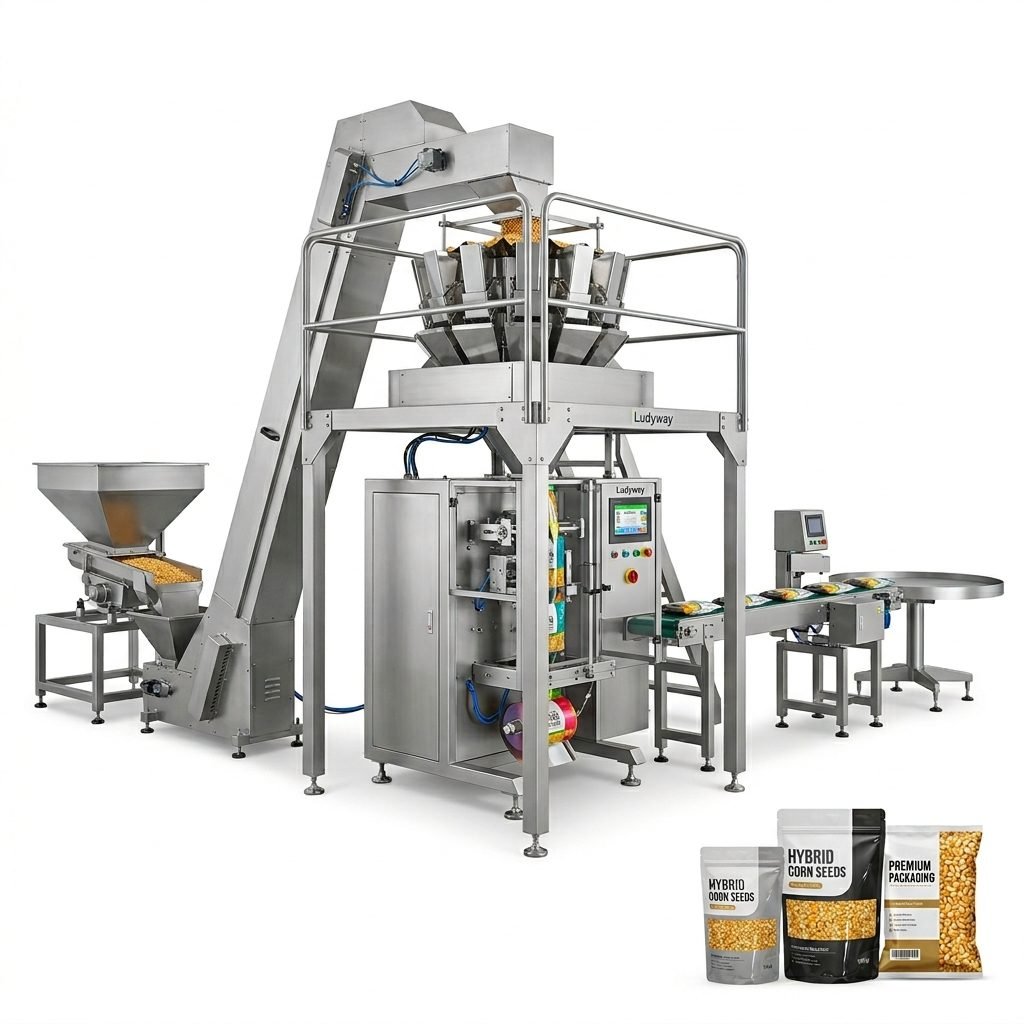
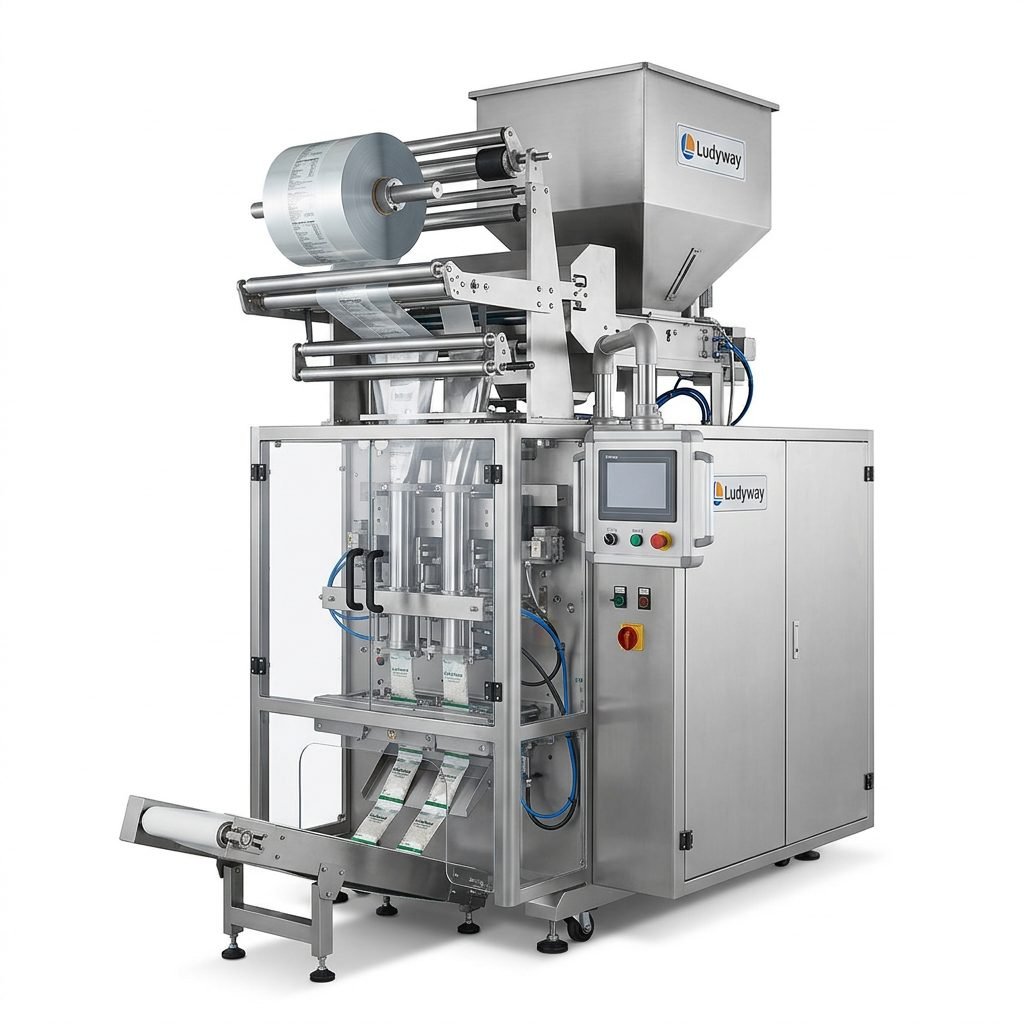
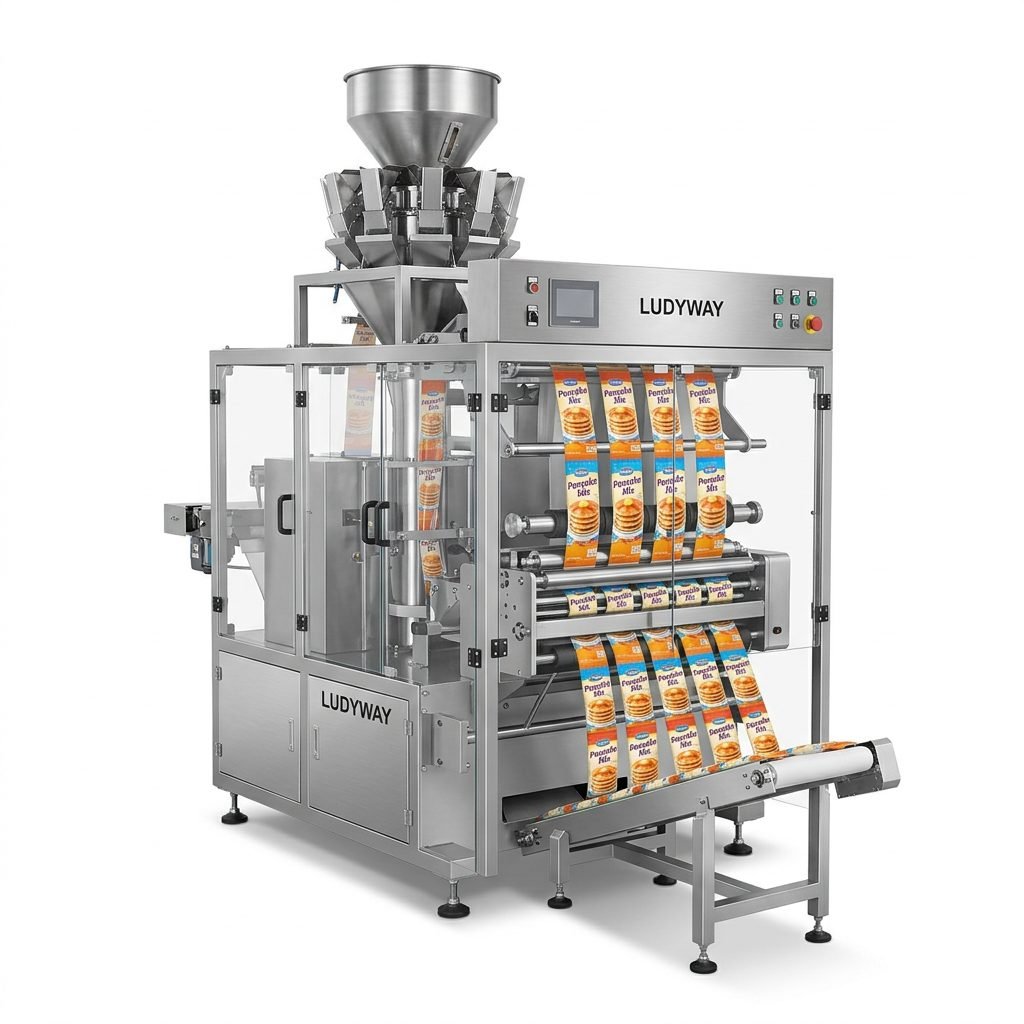
- Vertical Form Fill Seal (VFFS) Machines: Ideal for granules, powders, and liquids in pillow bags, gusseted bags, and stick packs.
- Multi-Lane Stick Pack Machines: Designed for high-speed production of narrow single-serve stick packs, commonly used in coffee, sugar, supplement, and pharmaceutical applications.
- Premade Pouch Filling and Sealing Machines: Suitable for stand-up pouches, zipper pouches, and spouted pouches with flexible filling options.
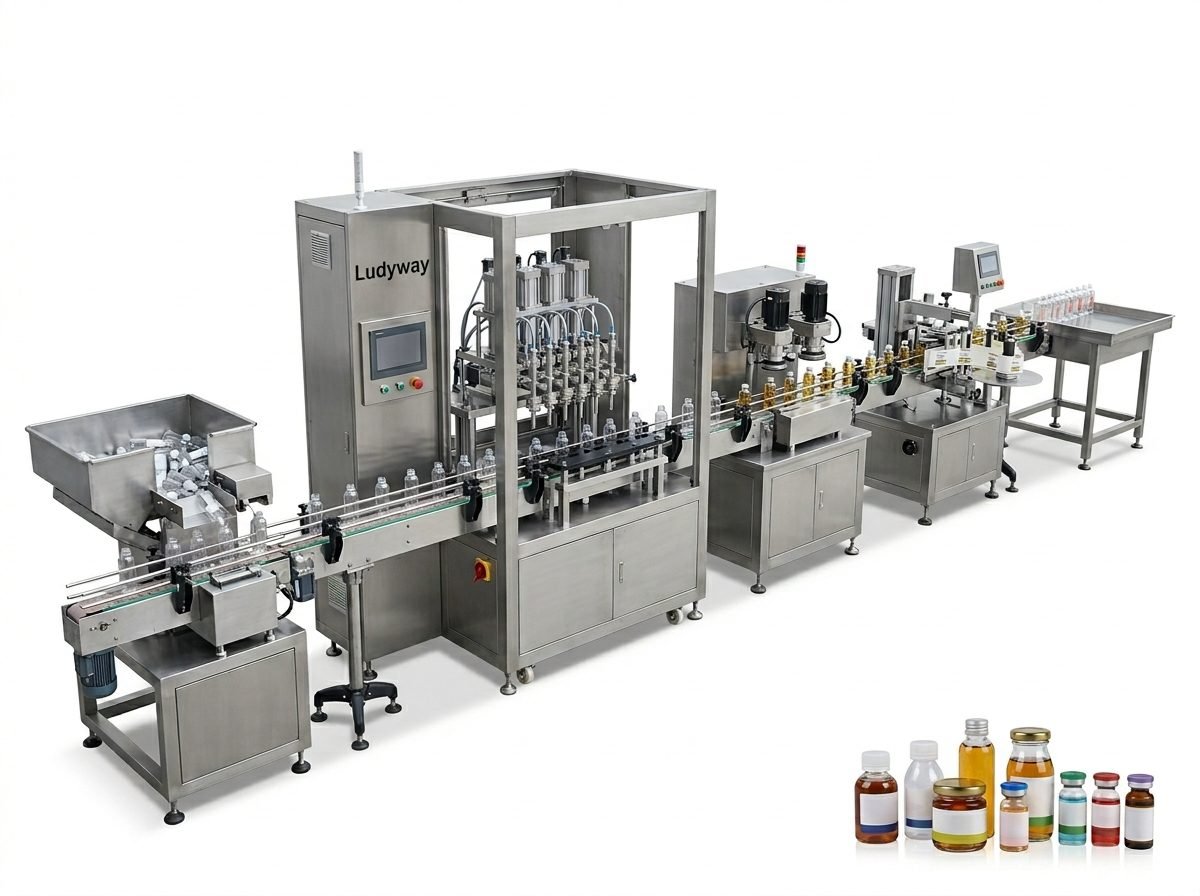
- Liquid Filling Lines: Configured for bottles, sachets, or pouches with volumetric, piston, or flow meter filling systems.
- Bulk Bagging Systems: For 10–50 kg bags used in agriculture, chemicals, and industrial materials.
Evaluating Build Quality and International Standards
Machine quality, safety, and reliability are non-negotiable factors in industrial packaging. A well-built Bostar packing machine should meet applicable international standards and certifications relevant to your market. Key considerations include:
- Frame and construction materials: Stainless steel construction is preferred for food, pharmaceutical, and cosmetic applications due to hygiene requirements and corrosion resistance.
- Automation components: Established industrial automation suppliers—such as Siemens, Omron, Mitsubishi, or Schneider Electric—provide reliable PLC, servo, and HMI systems that ensure consistent performance and ease of maintenance.
- Compliance documentation: Depending on your target market, machines may need to comply with CE, FDA, GMP, or ISO standards. Review ISO packaging standards to understand relevant requirements.
Customization and Integration Capabilities
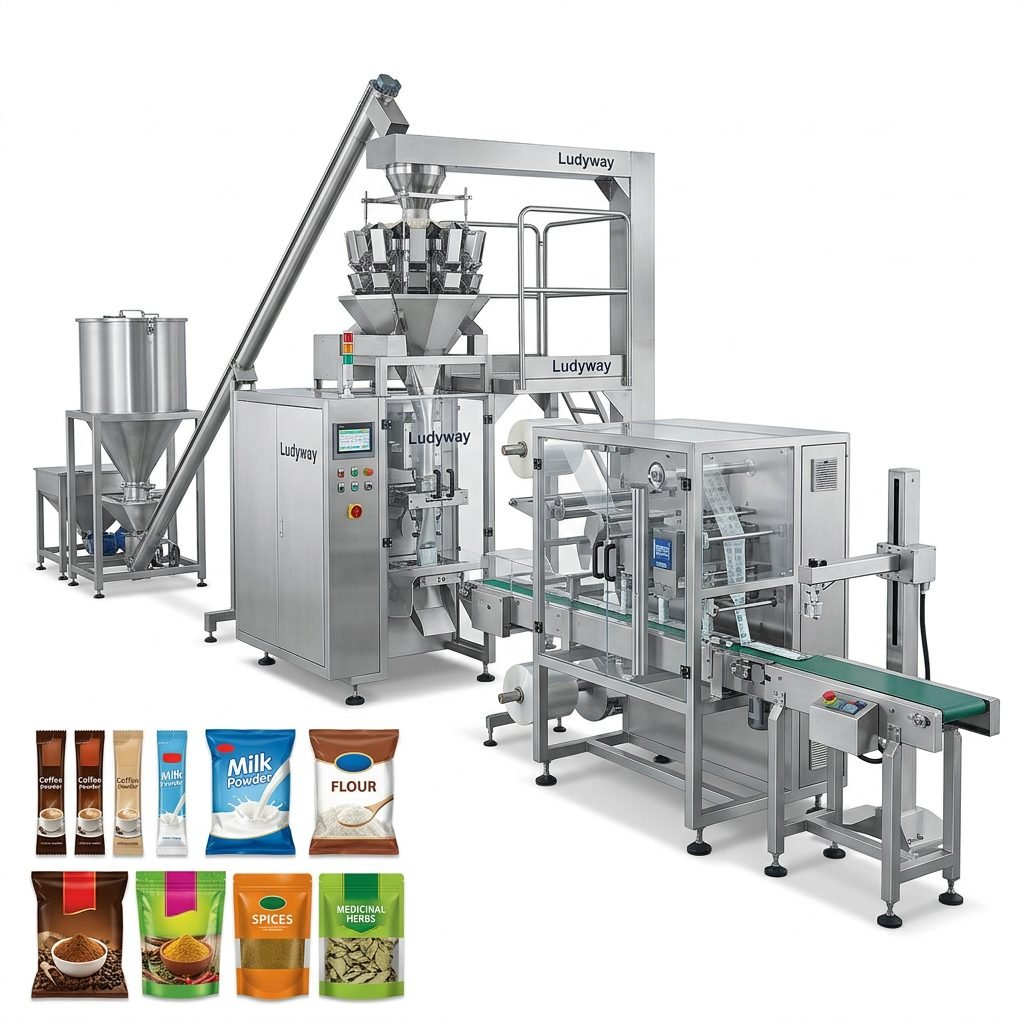
Rarely does a standard machine perfectly match every production scenario. Product characteristics, packaging materials, bag sizes, filling volumes, factory layouts, and automation requirements can all vary significantly between manufacturers. Look for a supplier that offers customized engineering solutions rather than relying solely on standardized models. A capable packaging machinery partner should be able to integrate the Bostar packing machine with upstream and downstream equipment—including feeding systems, checkweighers, metal detectors, coding and marking systems, cartoning machines, and palletizing robots—to create a complete turnkey production line.
After-Sales Support and Global Service
Packaging equipment is a long-term investment. Technical support throughout the project lifecycle is critical. Key support services to evaluate include:
- Installation and commissioning at your facility
- Operator training to ensure proper machine usage and maintenance
- Remote technical assistance for quick troubleshooting
- Spare parts availability and efficient logistics
- After-sales service with responsive communication
Why Choose a Reliable Packaging Machinery Partner
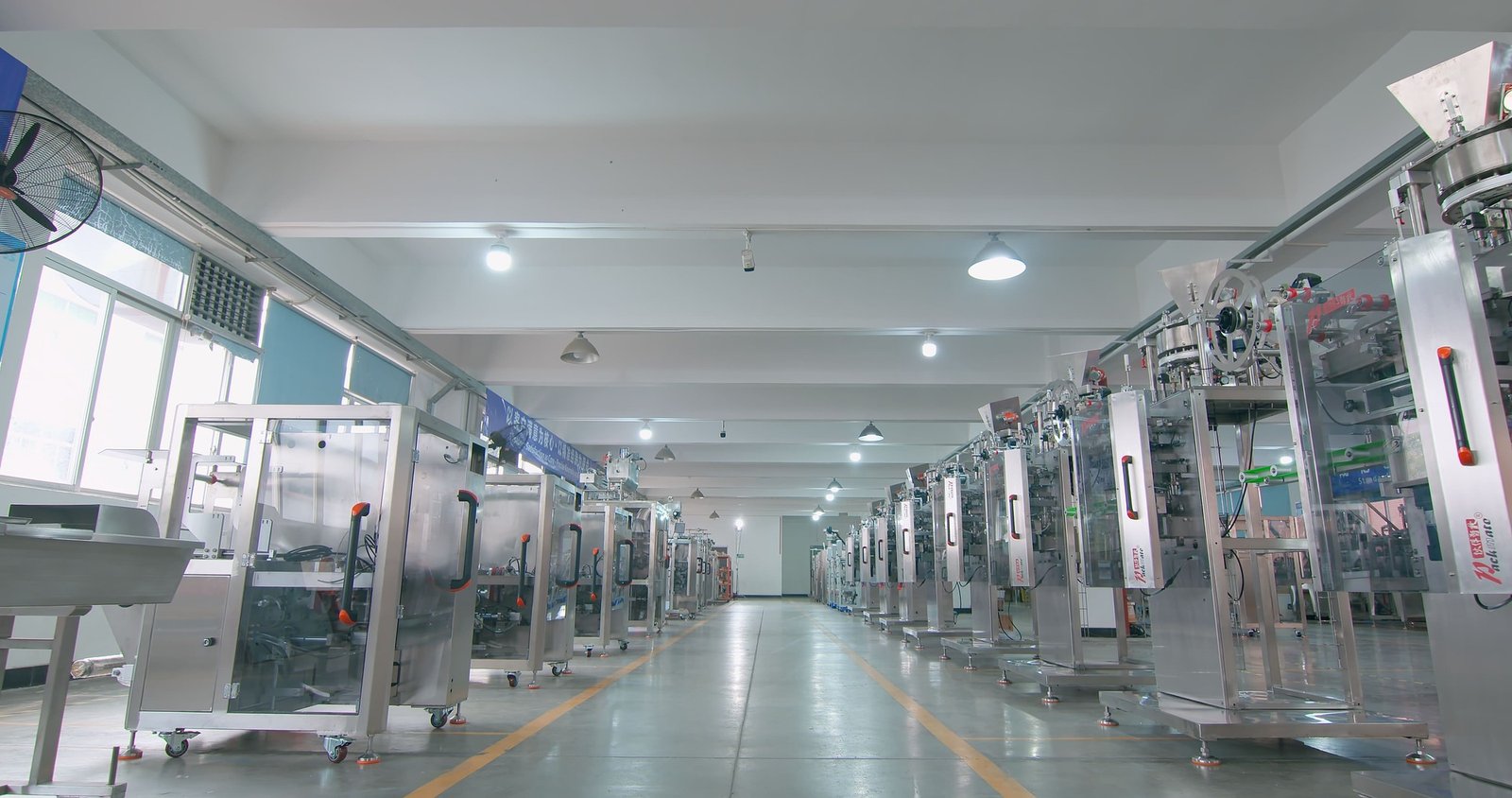
Selecting the right Bostar packing machine also means choosing the right manufacturer to supply it. Ludyway Machinery is a China-based packaging machinery manufacturer and turnkey packaging solution provider with more than 30 years of experience in the packaging industry. With a 20,000-square-meter manufacturing facility, more than 130 professionals, and over 50 packaging machine models, Ludyway combines manufacturing expertise, engineering capabilities, and automation technology to help customers across more than 100 countries and regions improve their packaging efficiency and production capacity. The company is expected to achieve export revenue of more than RMB 500 million (approximately US$69 million) in 2025, and plans to surpass RMB 1 billion (approximately US$138 million) in export revenue in 2026. This growth trajectory reflects the increasing global demand for reliable packaging machinery solutions in diverse markets.
Making Your Final Decision
Choosing the right Bostar packing machine requires balancing multiple factors:
- Technical suitability for your product and packaging format
- Production capacity aligned with current and future demand
- Build quality and compliance with international standards
- Customization and integration flexibility
- Global service and technical support availability
- Total cost of ownership including maintenance, spare parts, and operational efficiency
By thoroughly evaluating these criteria and working with an experienced packaging machinery manufacturer that understands your product and market requirements, you can select equipment that delivers reliable performance, consistent packaging quality, and long-term value for your production operations. For more insights into packaging industry trends and state of the industry reports, consult resources from leading packaging associations.