Investing in a bottle filling and packing machine is a critical decision that directly affects your production efficiency, product quality, and bottom line. Whether you are a startup scaling up operations or an established manufacturer upgrading your packaging line, selecting the wrong equipment can lead to costly downtime, inconsistent fills, and wasted materials. This comprehensive guide walks you through the essential factors to evaluate before making your purchase, helping you choose a machine that aligns perfectly with your production goals.
Understanding Your Product Characteristics
The first and most important step in selecting a bottle filling machine is thoroughly analyzing the product you intend to package. Different products have vastly different physical properties that directly influence the type of filling technology required.
- Viscosity: Free-flowing liquids like water and juice require different filling mechanisms than thick products like honey, syrup, or lotions. High-viscosity products often need piston fillers or pump fillers to achieve accurate dosing.
- Foaming tendency: Products that foam easily, such as detergents and shampoos, benefit from bottom-up filling or specialized nozzles that minimize air incorporation during the filling process.
- Particle content: Liquids containing pulp, seeds, or particulates require filling systems with larger valve clearances and gentle handling to prevent clogging and maintain product integrity.
- Temperature sensitivity: Some products must be filled at specific temperatures. Hot-fill applications for sauces and beverages require machines built with heat-resistant components.
- Chemical properties: Corrosive or reactive products demand stainless steel construction, specialized seals, and food-grade contact materials that comply with applicable regulations.
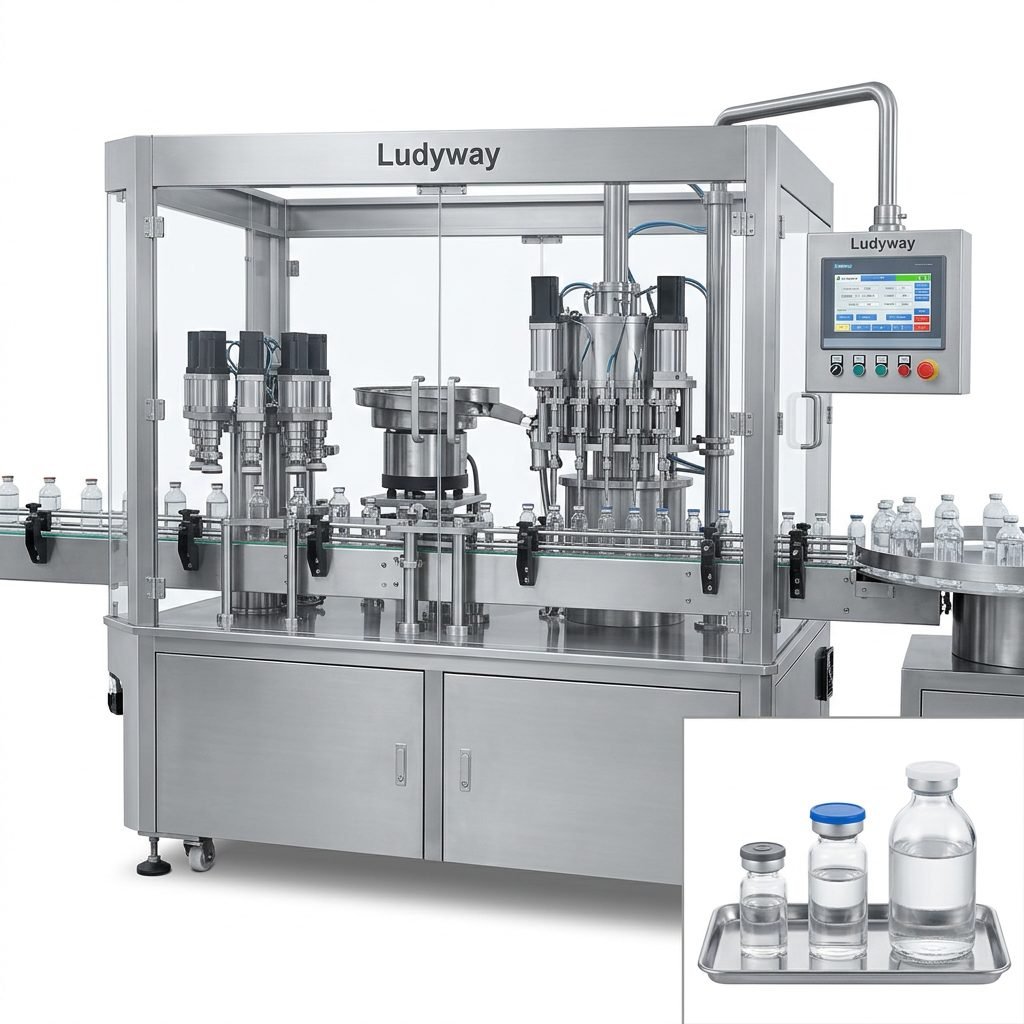
Matching the Machine to Your Packaging Format
Beyond the product itself, consider the bottles, caps, and labeling requirements you plan to use. A filling machine must integrate seamlessly with your complete packaging line, including capping, labeling, coding, and inspection systems. Packaging industry standards from PMMI provide helpful benchmarks for evaluating machine compatibility across these interconnected stages.
Key Packaging Format Considerations
| Factor | Questions to Ask | Machine Implication |
|---|---|---|
| Bottle Material | Glass, PET, HDPE, or aluminum? | Affects handling, gripping, and breakage prevention mechanisms |
| Bottle Shape & Size | Round, square, oval? What neck diameter? | Determines filling nozzle design and changeover flexibility |
| Cap Type | Screw cap, snap cap, pump, dropper, or spray? | Requires compatible capping station integration |
| Fill Volume Range | Single volume or multiple sizes on one line? | Impacts dosing system selection and changeover speed |
| Production Speed | Target bottles per minute or per hour? | Determines number of filling heads and automation level |
Evaluating Production Speed and Capacity Requirements
Production speed is one of the most decisive factors in machine selection. A common mistake is underestimating future demand. When calculating your required output, factor in not only current production volumes but also projected growth over at least three to five years. A machine operating at maximum capacity leaves no room for expansion, while an oversized machine wastes capital and floor space.
Continuous motion fillers offer higher throughput for dedicated high-volume lines, while indexing fillers provide greater flexibility for manufacturers running multiple SKUs with frequent changeovers. For businesses navigating uncertain growth trajectories, modular platforms that allow adding filling heads over time offer a practical middle ground. Data from the PMMI Business Intelligence Library consistently shows that packaging machinery demand trends favor scalable, flexible equipment configurations.
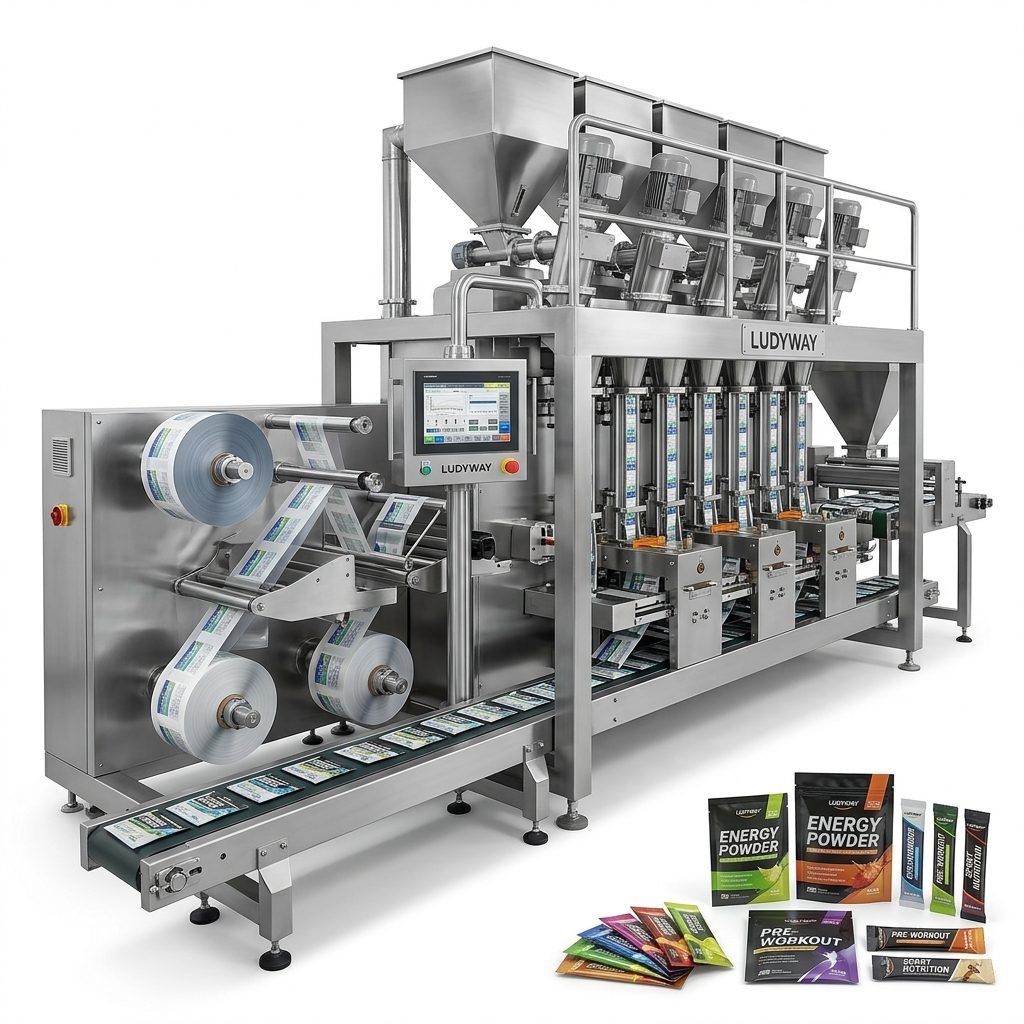
Automation Level and Line Integration
The degree of automation you choose affects not only your initial investment but also your ongoing labor costs, operational complexity, and maintenance requirements. Modern bottle filling and packing machines range from semi-automatic tabletop units suitable for small batches to fully automated turnkey lines that handle filling, capping, labeling, coding, inspection, and cartoning with minimal operator intervention.
Automation Level Comparison
- Semi-automatic: Lower upfront cost, operator-dependent, ideal for startups and contract packagers with varied short runs. Requires manual bottle loading and unloading.
- Inline automatic: Conveyor-based system with automatic feeding, filling, and discharge. Suitable for dedicated medium-volume production with consistent bottle formats.
- Rotary automatic: High-speed continuous motion suitable for large-scale production. Multiple stations operate simultaneously, delivering the highest throughput for a given footprint.
- Monobloc systems: Combined filling and capping in a single compact machine, reducing transfer points and improving overall equipment effectiveness.
- Complete turnkey lines: Integrated systems covering filling, capping, labeling, coding, inspection, boxing, and palletizing. Best for manufacturers seeking a single-source solution with guaranteed line performance.
Machine Quality and Compliance Standards
For manufacturers in regulated industries such as pharmaceuticals, food and beverage, and cosmetics, compliance with applicable standards is non-negotiable. Equipment must be designed and built to meet relevant regulations for hygiene, safety, and product contact materials. FDA requirements for food packaging and food contact substances establish critical guidelines, while ISO packaging standards provide internationally recognized benchmarks for quality and performance.
Look for machines constructed from 304 or 316 stainless steel for product contact parts, with sanitary design features such as quick-release clamps, sloped surfaces, and minimal crevices where product residue can accumulate. For pharmaceutical applications, machines should support validated cleaning processes and be compatible with cleanroom environments where required.

Evaluating Packaging Machinery Suppliers
Choosing the right equipment partner is as important as choosing the right machine. A reliable supplier provides more than hardware—they offer engineering expertise, application knowledge, installation support, operator training, and responsive after-sales service. When evaluating potential suppliers, consider their manufacturing capabilities, industry experience, customization track record, and global service network.
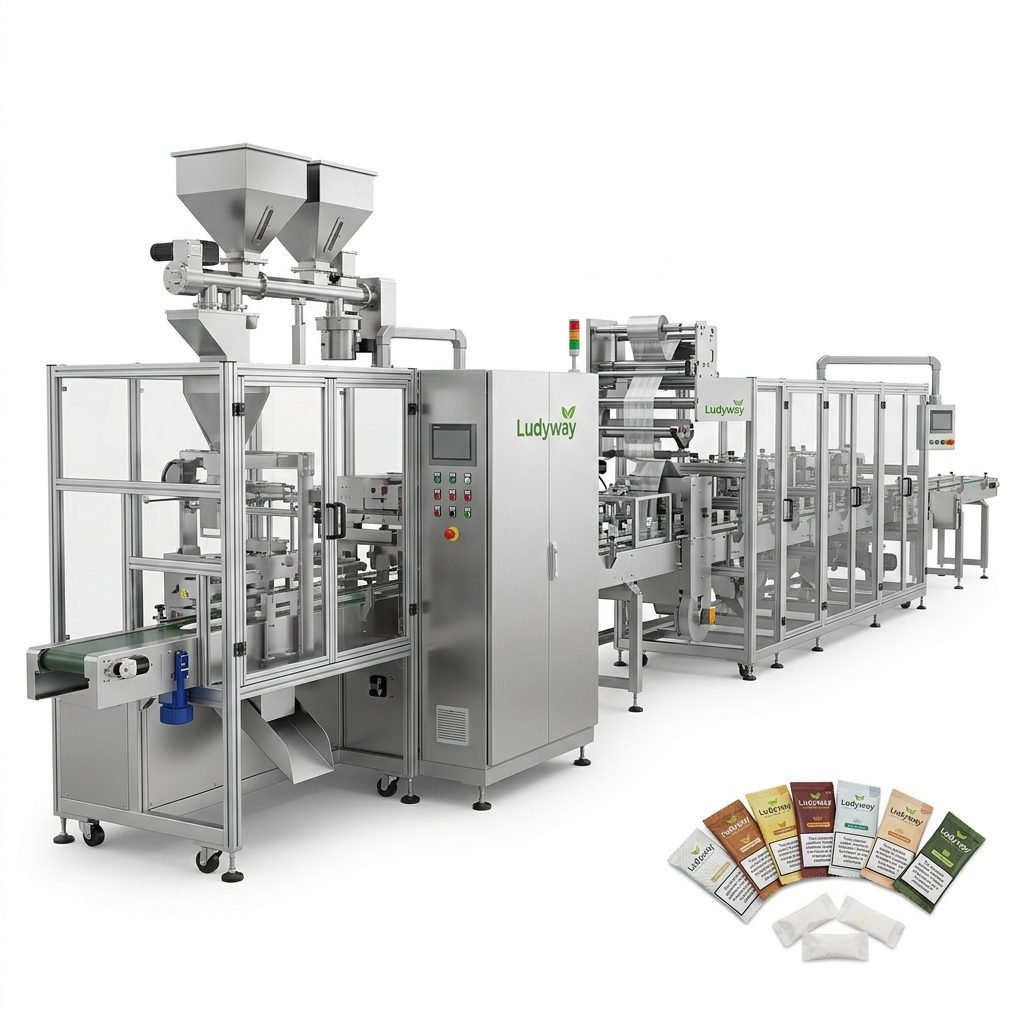
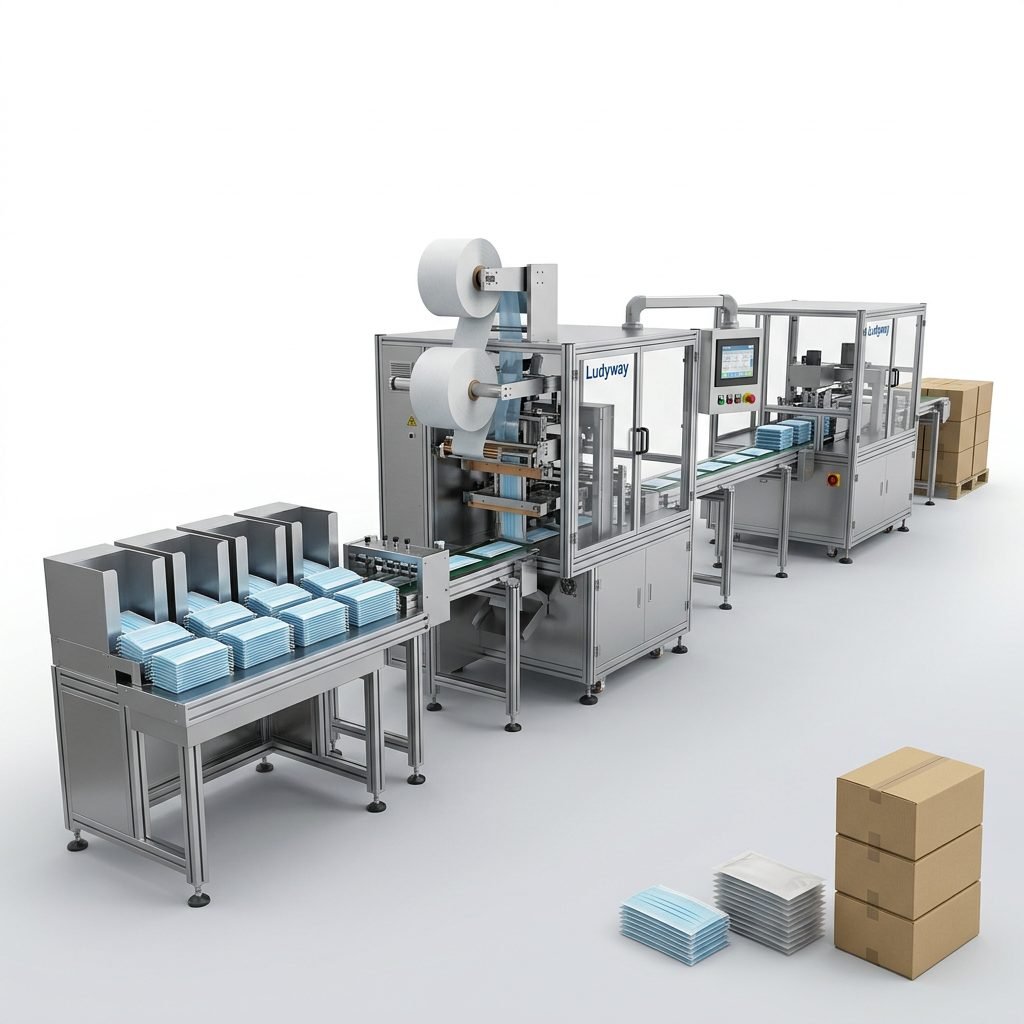
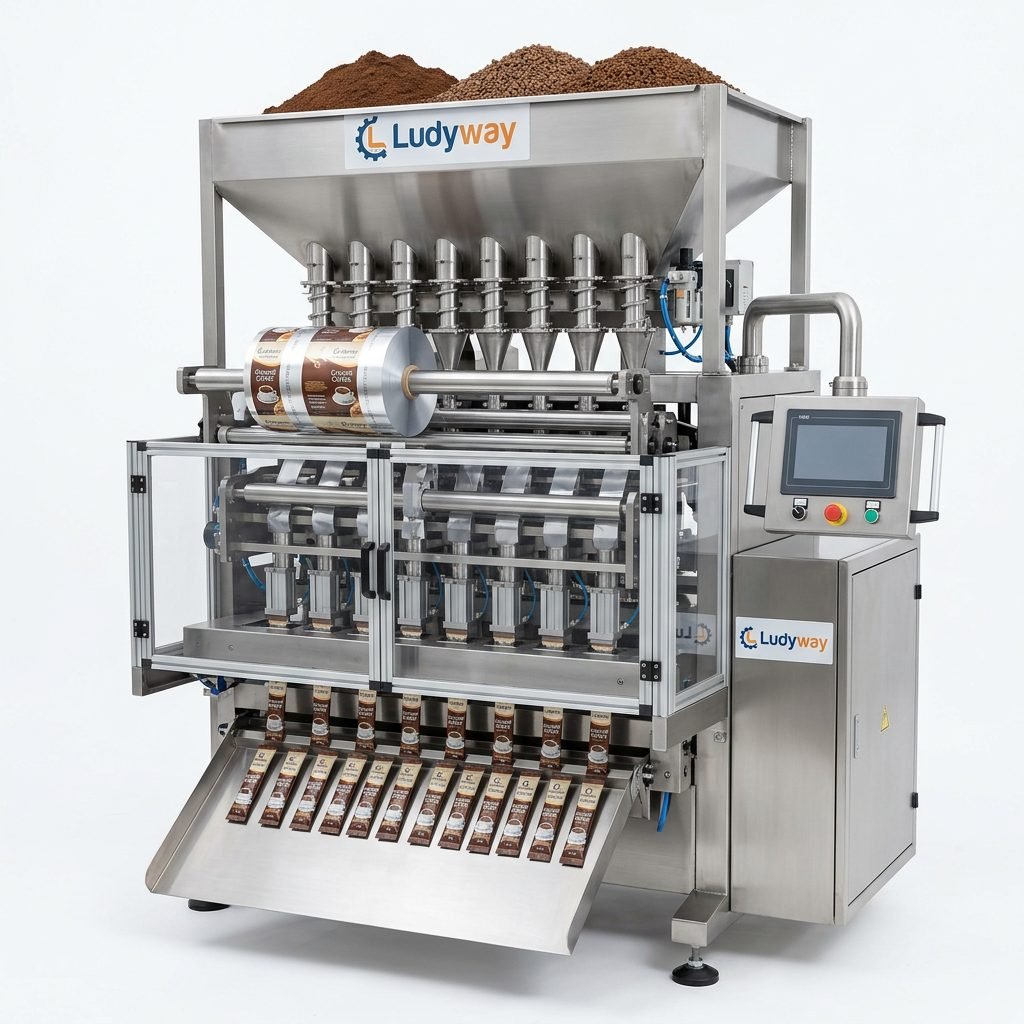
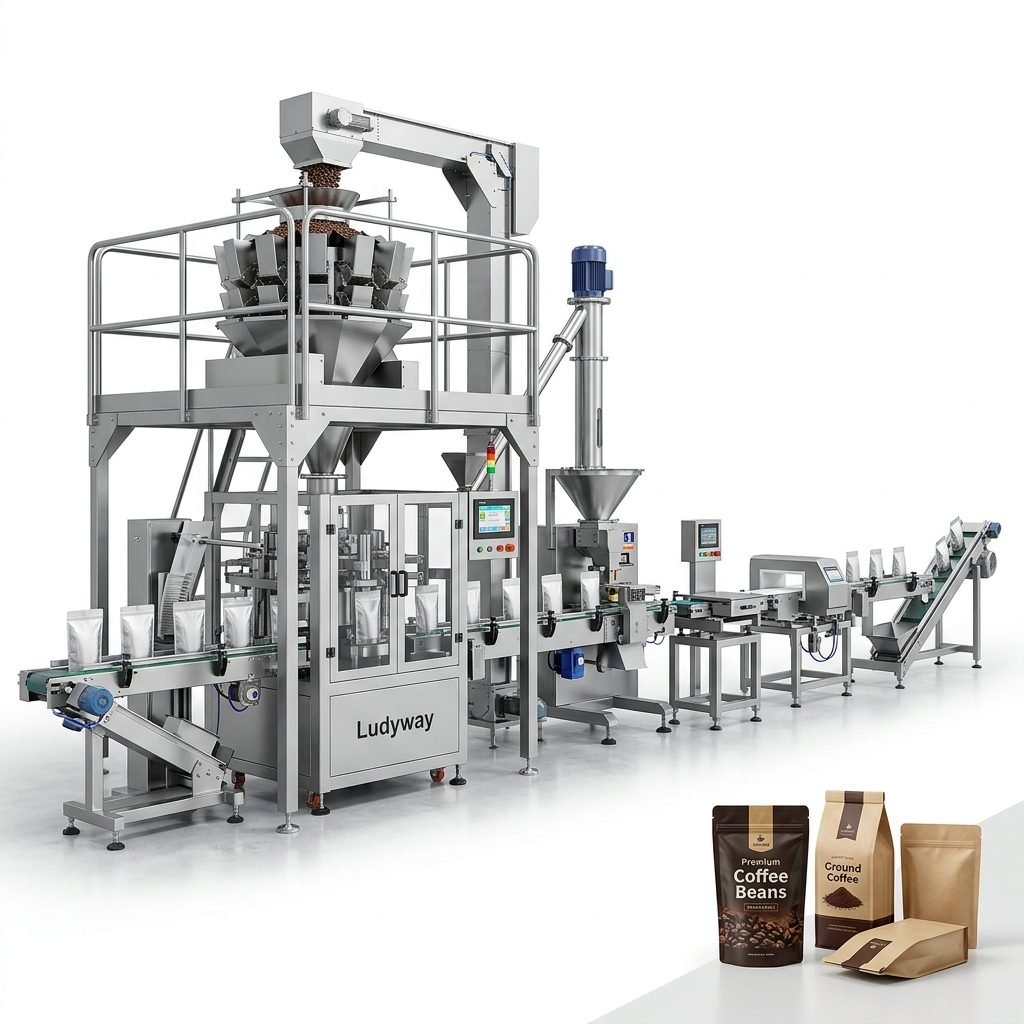
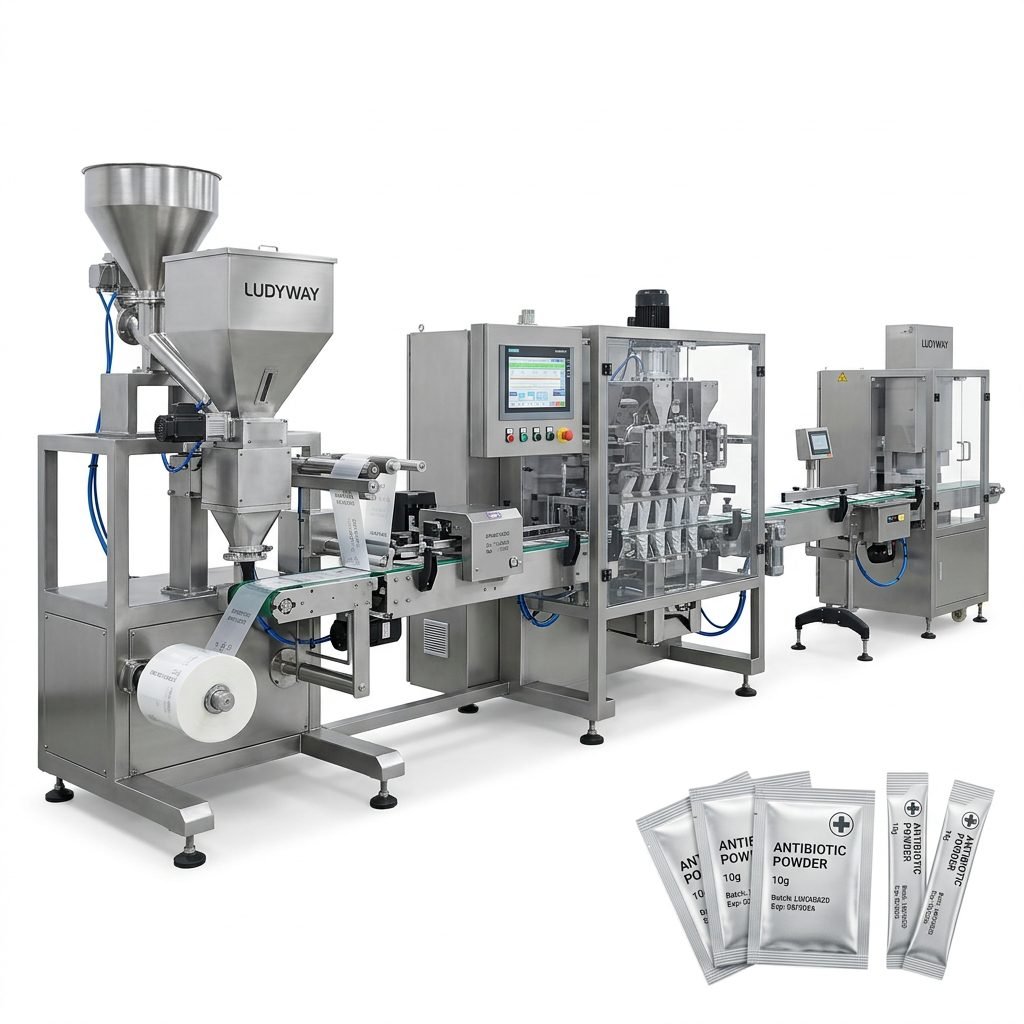
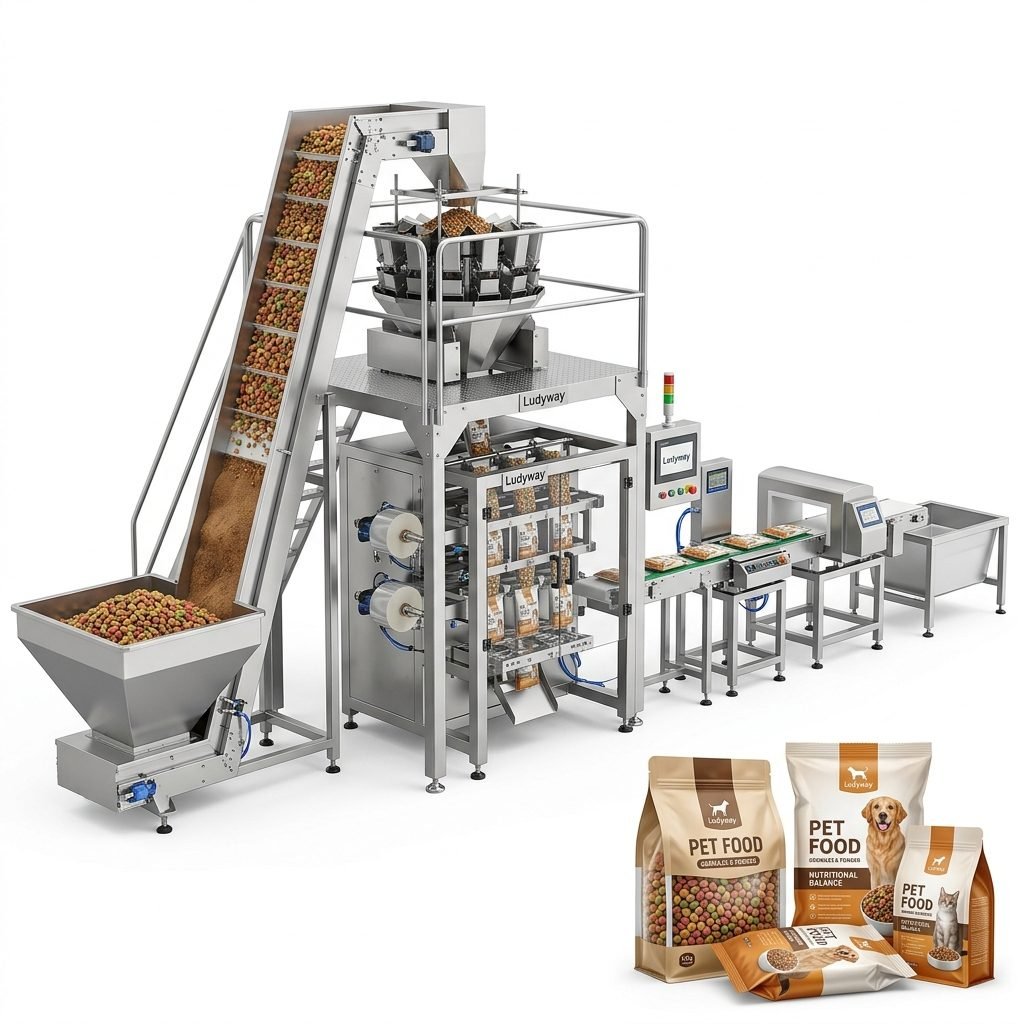
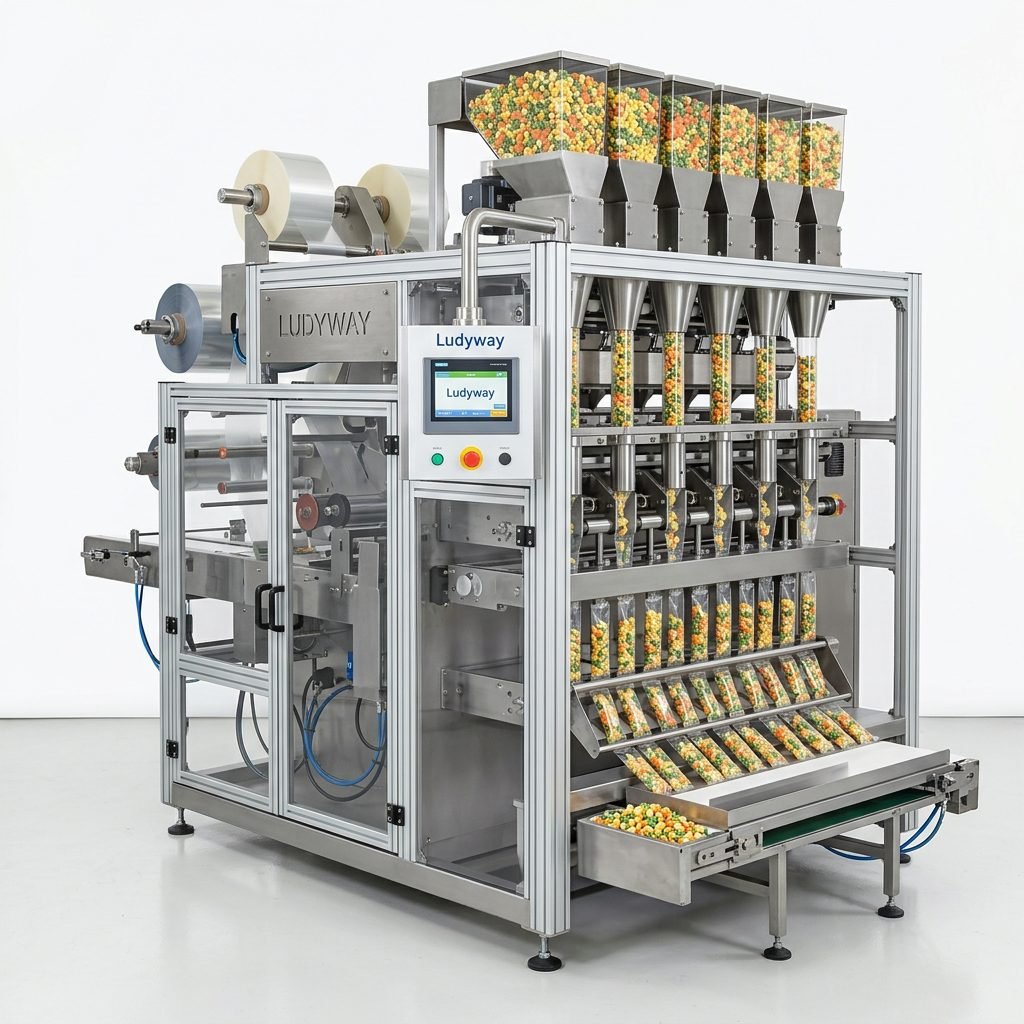
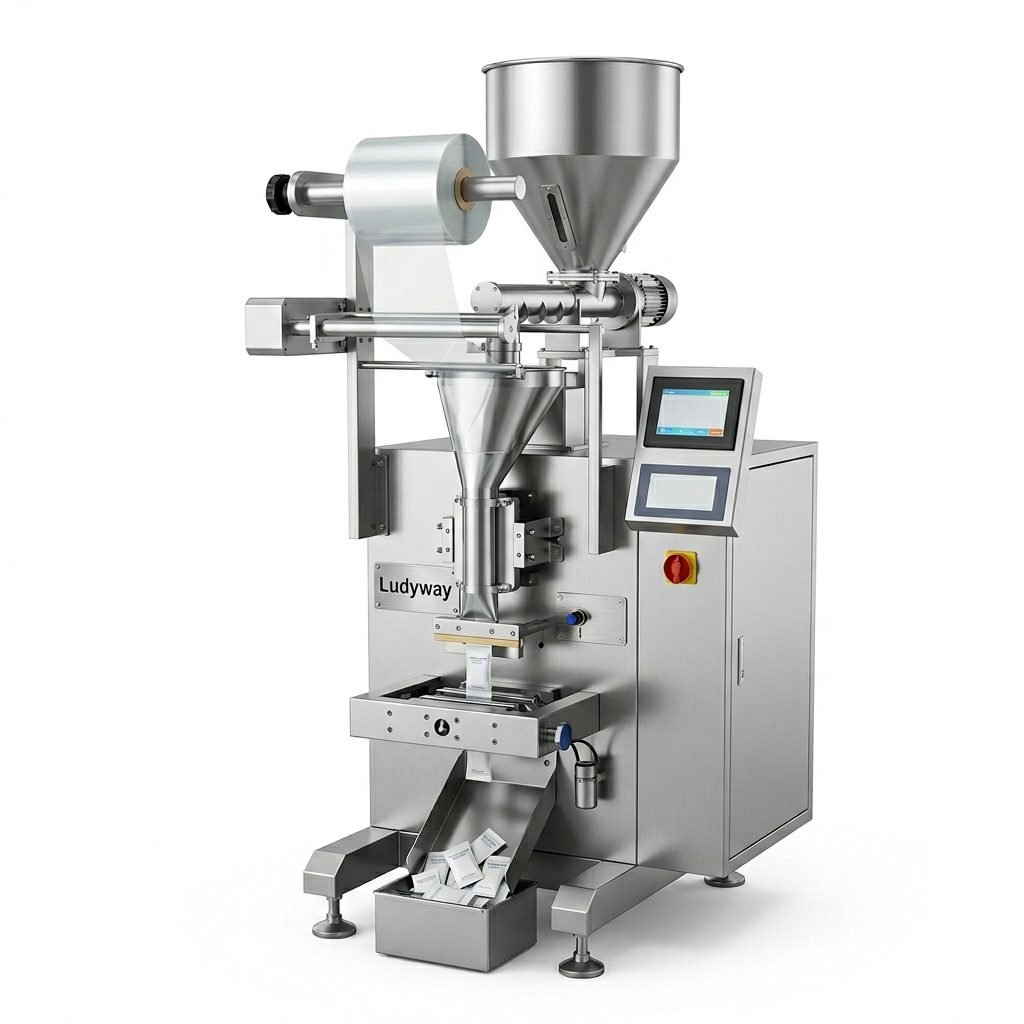
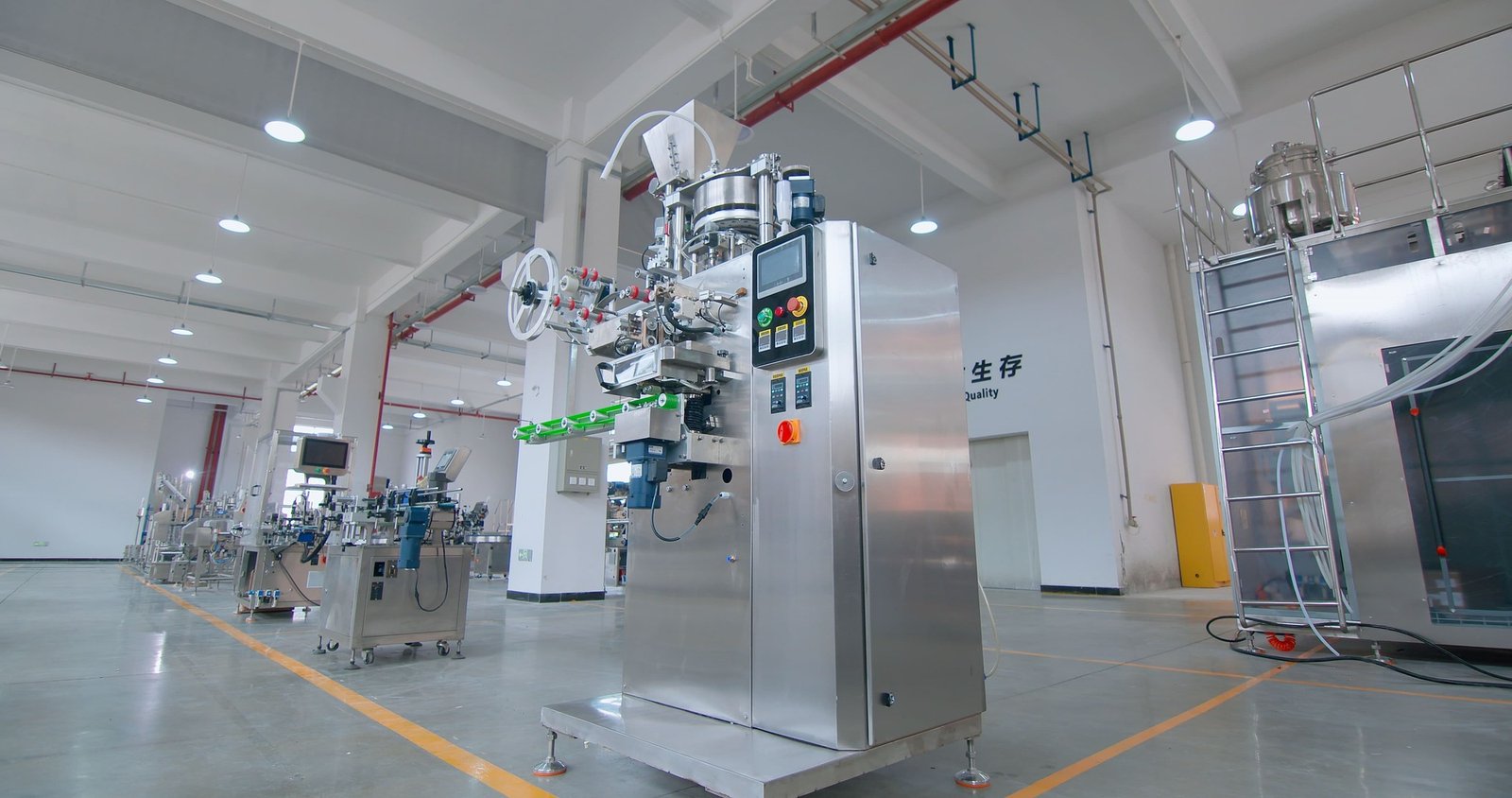
Established manufacturers with decades of experience bring valuable insights to complex packaging challenges. For example, Ludyway Machinery is a China-based packaging machinery manufacturer with more than 30 years of experience, operating a 20,000-square-meter manufacturing facility with over 130 professionals and more than 50 packaging machine models. The company provides turnkey packaging solutions across food and beverage, pharmaceutical, cosmetic, chemical, and animal feed industries. Ludyway is expected to achieve export revenue of more than RMB 500 million (approximately US$69 million) in 2025, and plans to surpass RMB 1 billion (approximately US$138 million) in export revenue in 2026, reflecting strong global demand for its automated packaging equipment.
Cost Considerations and Return on Investment
The purchase price of a bottle filling and packing machine represents only part of the total cost of ownership. A thorough financial evaluation should account for the full lifecycle costs and projected returns. Consider the following when building your investment case:
Total Cost of Ownership Factors
- Initial capital expenditure: Machine purchase price, shipping, installation, and commissioning costs.
- Operational costs: Labor requirements, energy consumption, compressed air usage, and consumable parts.
- Maintenance and spare parts: Availability and cost of wear components, preventive maintenance schedules, and technical support accessibility.
- Downtime risk: Reliability track record of the machine design and the supplier’s responsiveness to service requests.
- Changeover efficiency: Time and labor required to switch between different bottle sizes or products affects production flexibility and effective capacity.
- Yield and waste reduction: More precise filling accuracy reduces product giveaway, directly improving margins over time.

Making the Final Decision
Selecting the right bottle filling and packing machine requires balancing technical requirements, production goals, budget constraints, and supplier capabilities. Start by thoroughly documenting your product specifications and production needs, then engage with multiple suppliers to compare proposed solutions. Request detailed proposals that include machine specifications, performance guarantees, installation timelines, training provisions, and after-sales support commitments.
Whenever possible, conduct factory acceptance tests with your actual product and packaging materials before finalizing the purchase. This validation step confirms that the machine meets your performance expectations under real production conditions. A thoughtful, data-driven selection process ensures that your investment delivers consistent, efficient, and scalable packaging operations for years to come.
Key Takeaway: The best bottle filling and packing machine is not necessarily the most expensive or the fastest—it is the one that fits your specific product, production environment, growth trajectory, and operational capabilities while being backed by a supplier committed to your long-term success.