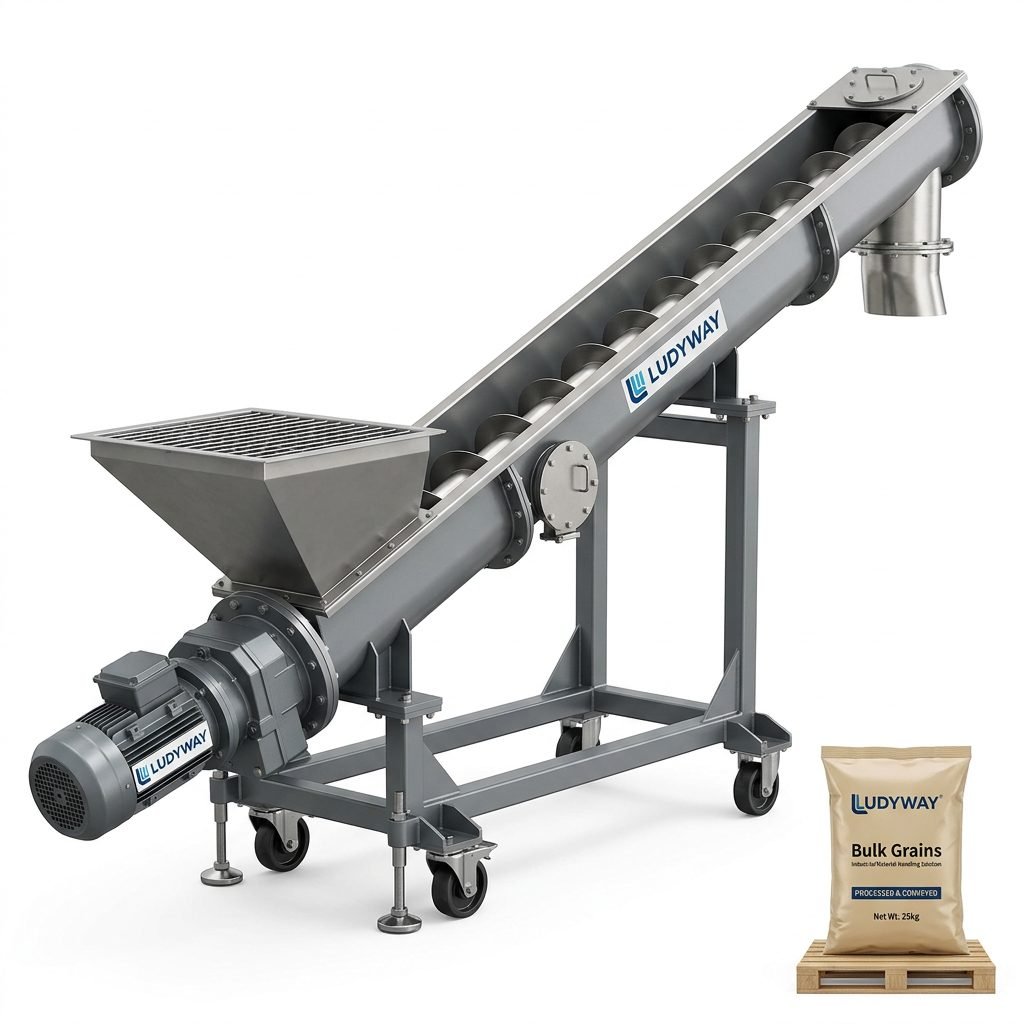
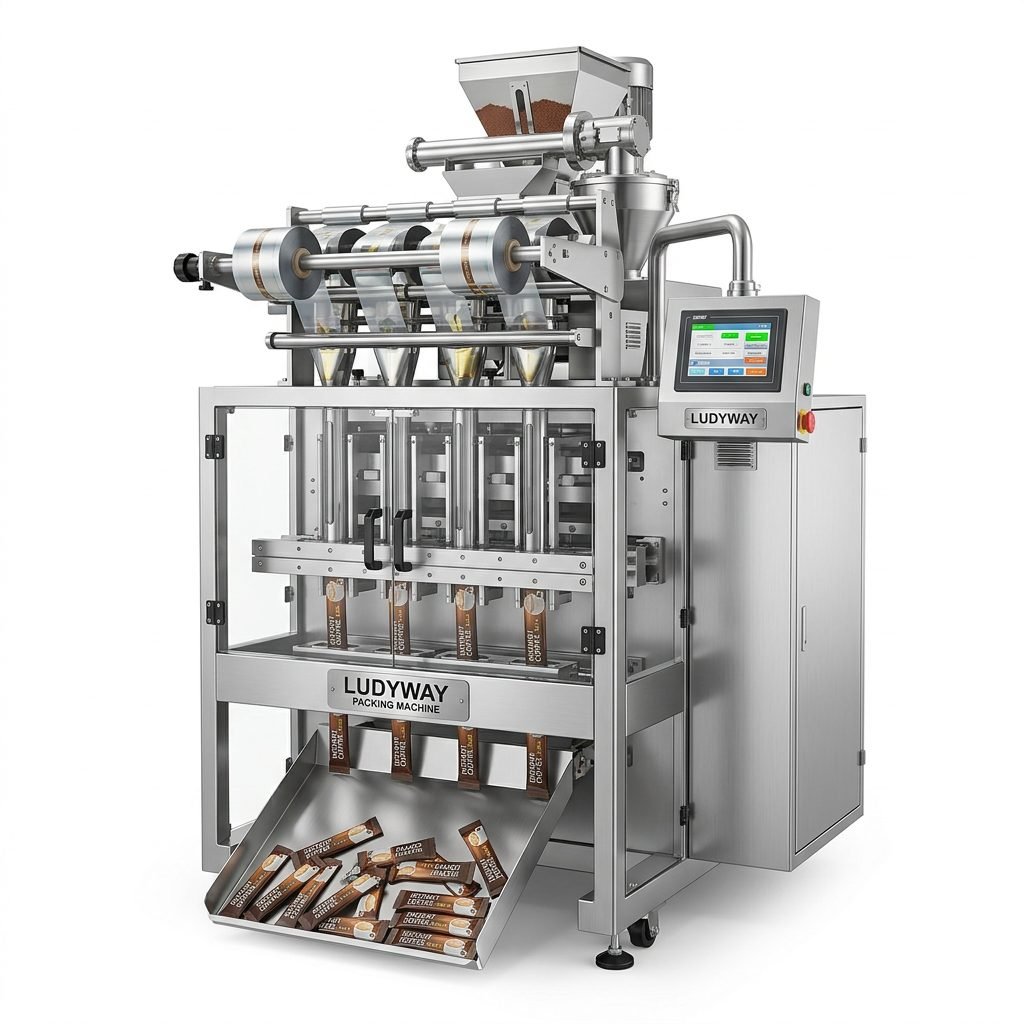
In modern manufacturing, an automatic liquid packaging machine plays a critical role in improving output, sealing quality, and packaging consistency. From food and beverages to pharmaceuticals, cosmetics, and household chemicals, businesses increasingly rely on automated liquid filling and sealing systems to meet rising production demands while reducing labor dependency.
Whether you are packing water, syrup, shampoo, edible oil, serum, sauce, detergent, or oral liquid, the right machine can help your operation achieve high speed, precise dosing, lower waste, and reliable package integrity. For manufacturers aiming to scale efficiently, automation is no longer optional—it is a strategic investment.
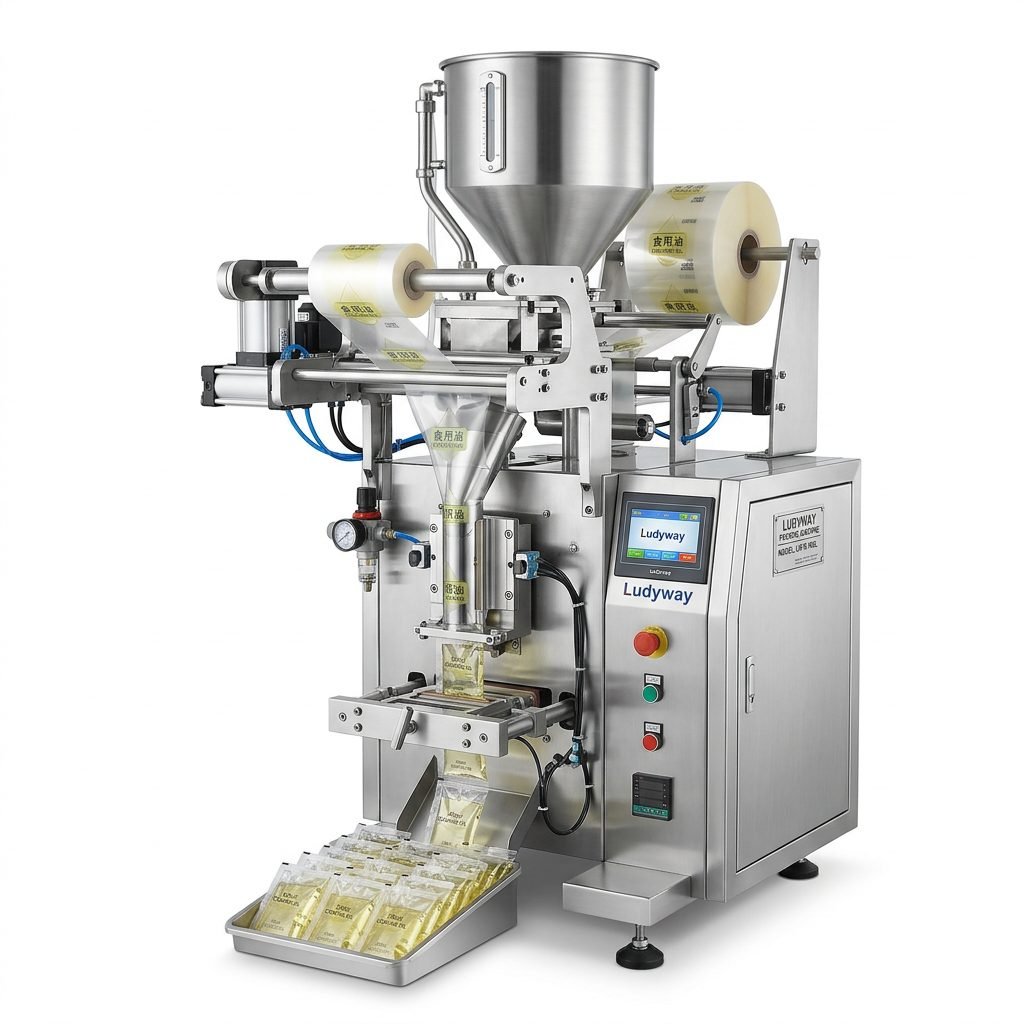
What Is an Automatic Liquid Packaging Machine?
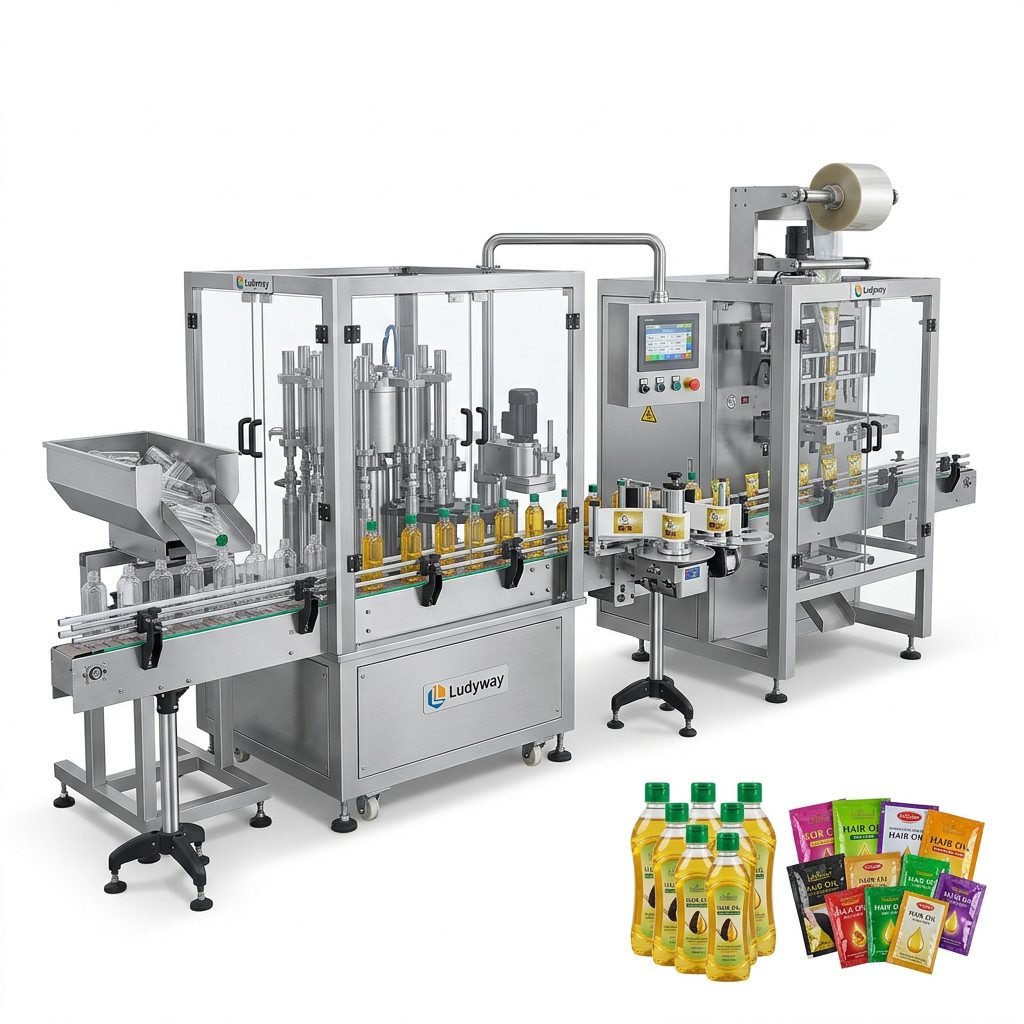
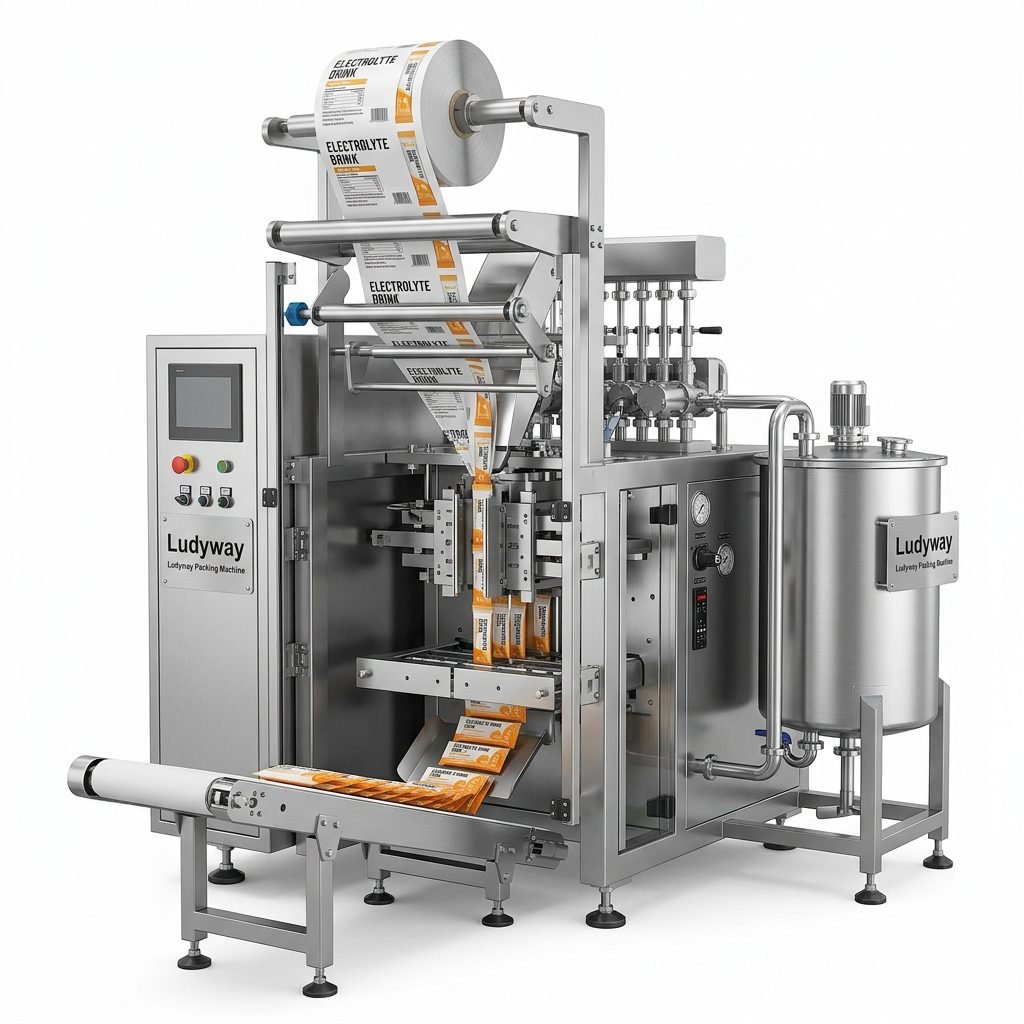
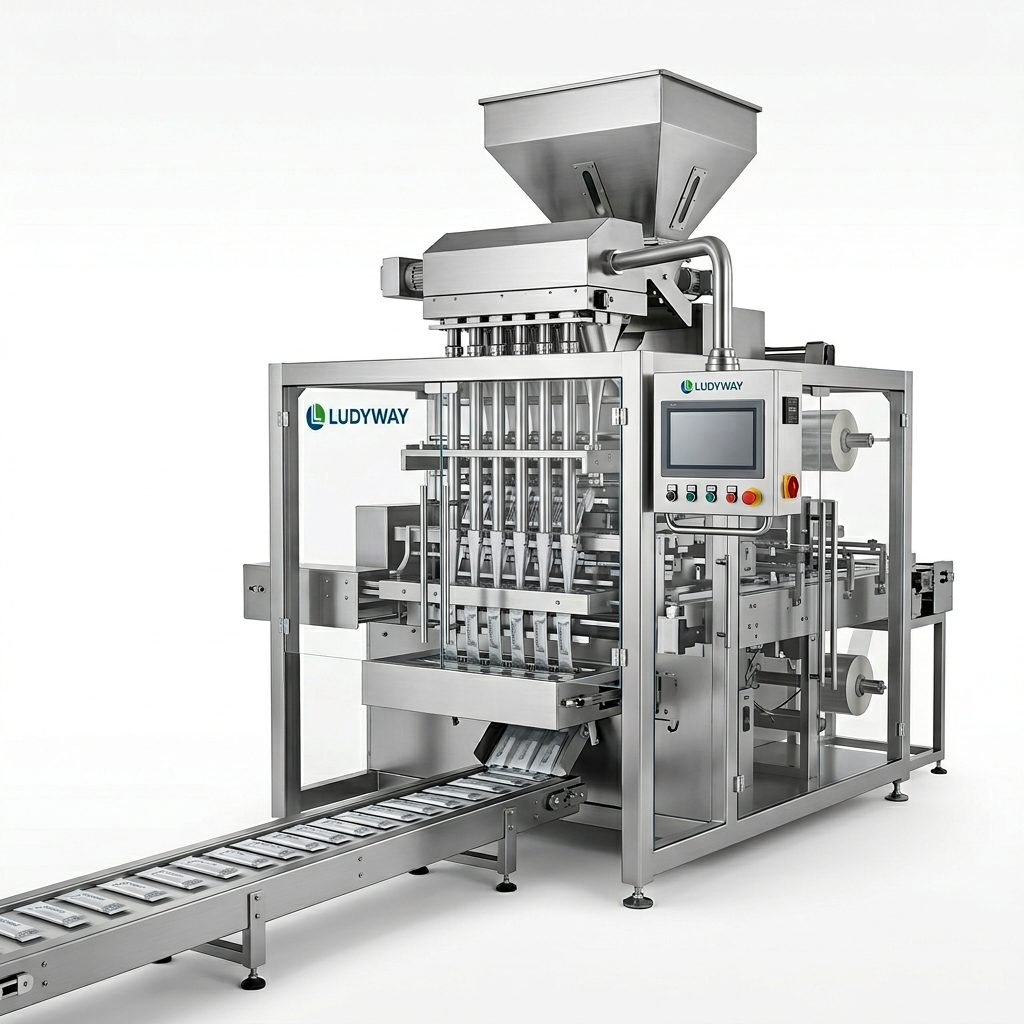
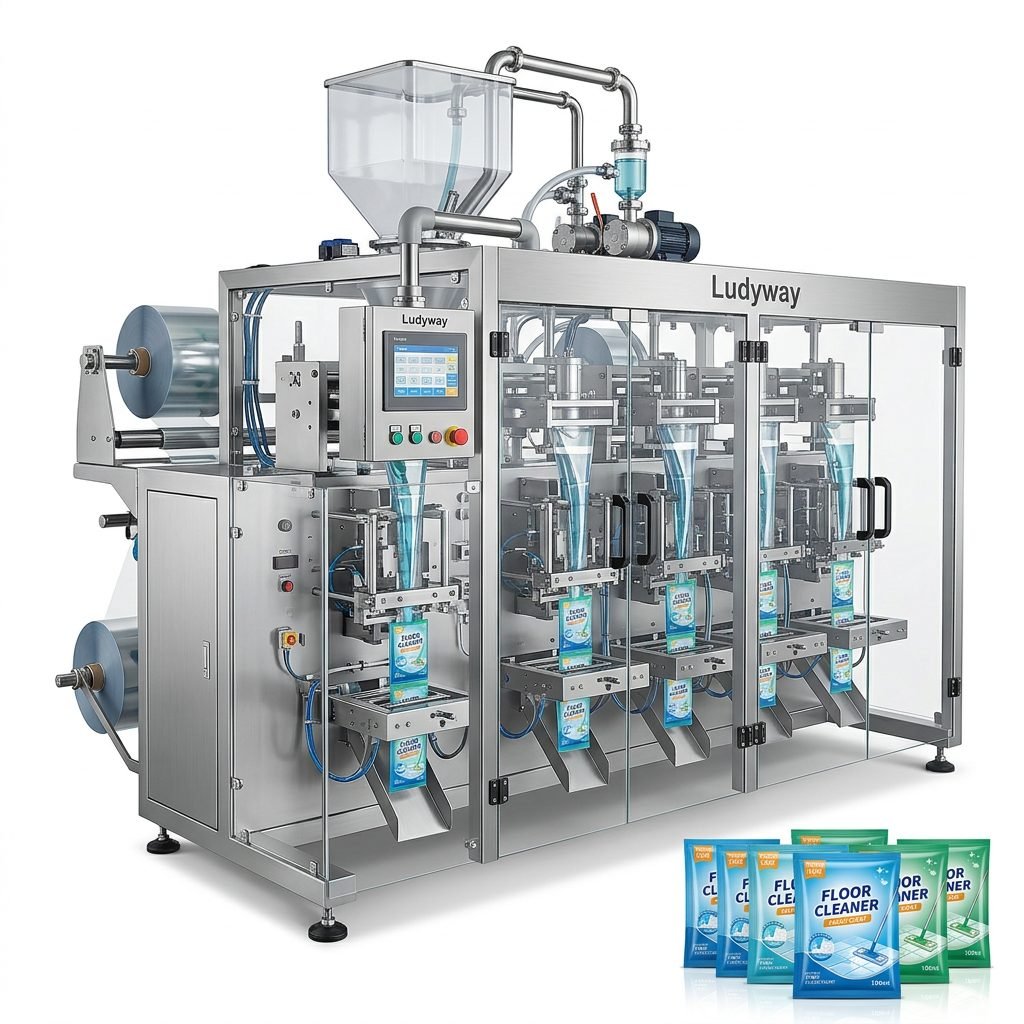
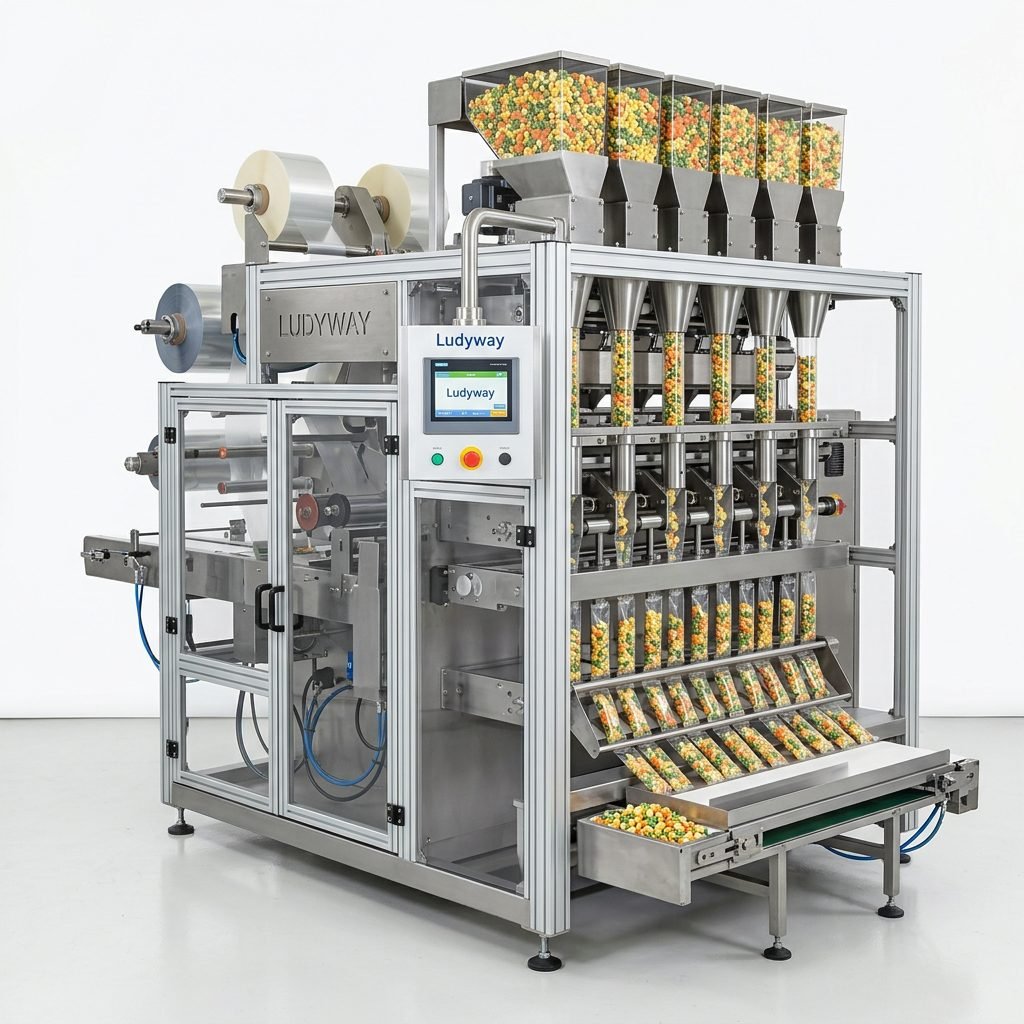
An automatic liquid packaging machine is a system designed to fill, form, seal, and sometimes code or count liquid products into specific packaging formats. Depending on the application, it may handle free-flowing liquids, viscous liquids, gels, creams, or semi-fluid products.
- Filling liquids into sachets, stick packs, pouches, bottles, or other containers
- Controlling fill volume with high precision
- Sealing packages to prevent leakage and contamination
- Supporting continuous, stable, high-speed operation
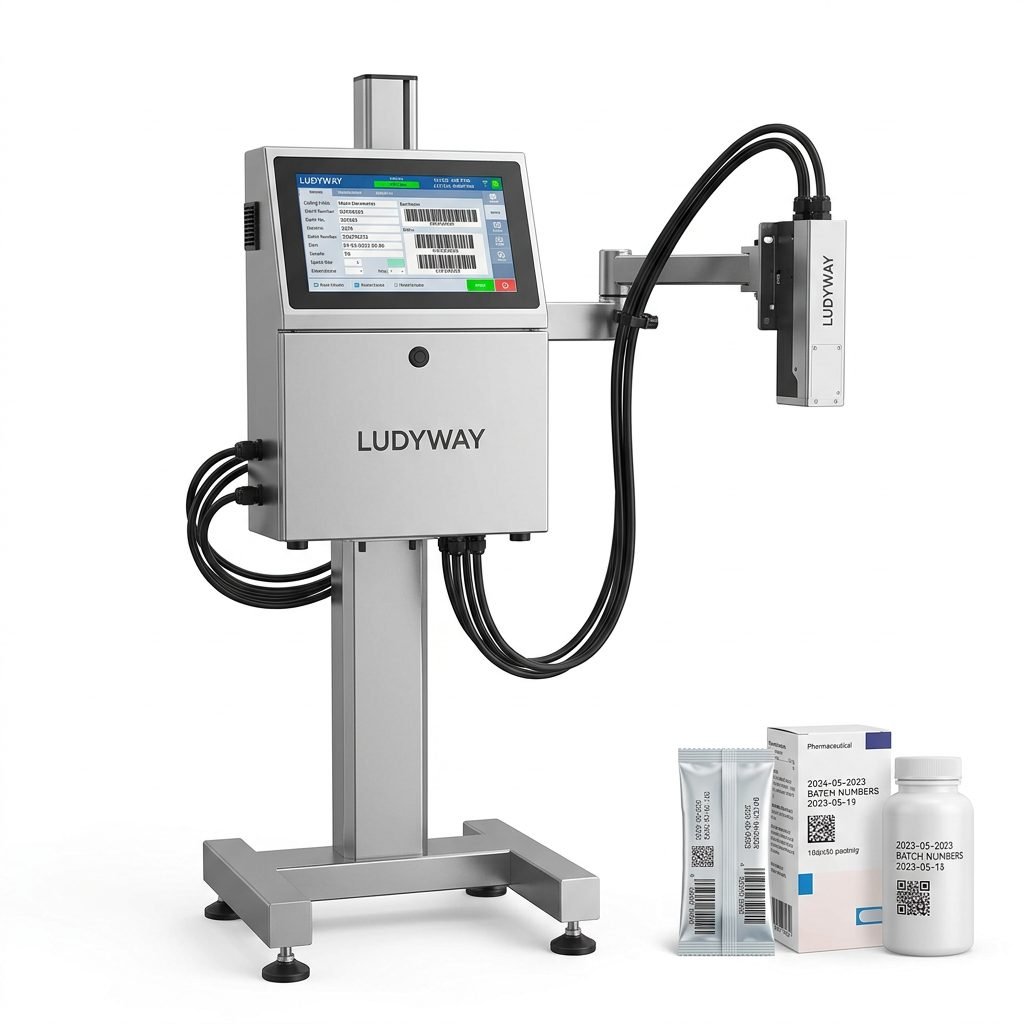
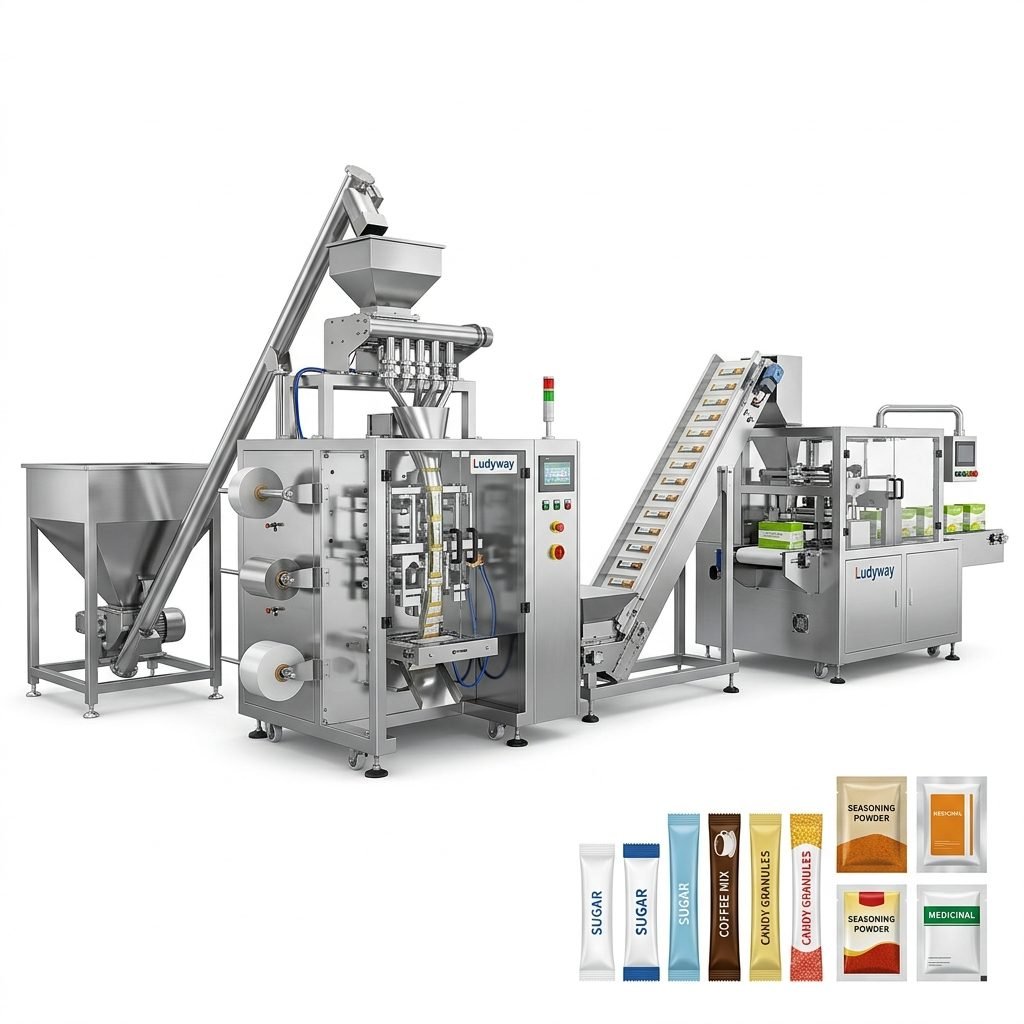
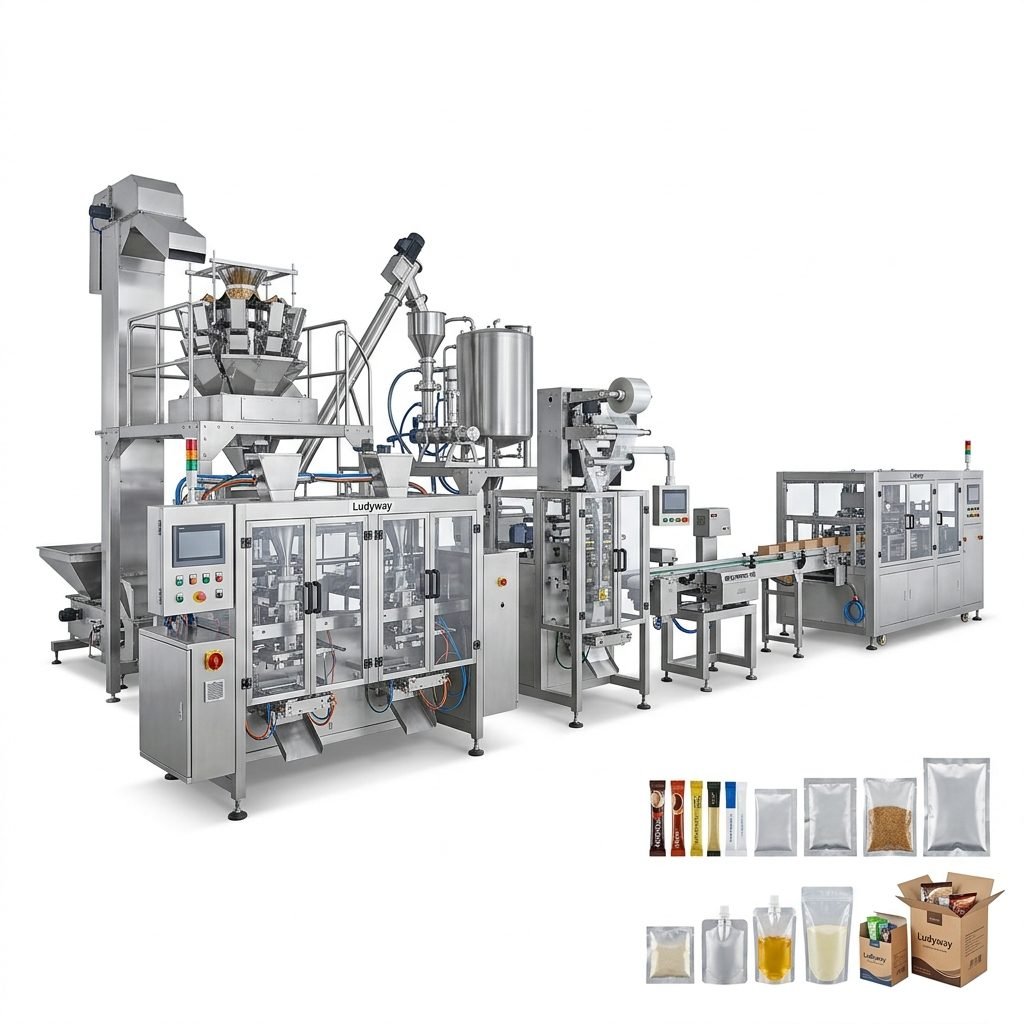
- Integrating with feeding, conveying, coding, cartoning, and inspection equipment
These machines are especially valuable in facilities where output volume, hygiene, and repeatability directly affect profitability and brand reputation.
Why High-Speed Liquid Packaging Matters
Speed alone is not the only target. In industrial packaging, the true advantage comes from balancing speed, accuracy, sealing strength, and machine uptime. A well-designed automatic liquid packaging solution helps manufacturers produce more units per hour without sacrificing consistency.
- Higher throughput: More finished packs in less time
- Stable fill accuracy: Reduced giveaway and improved cost control
- Cleaner production: Better hygiene and less product spillage
- Lower labor cost: Fewer manual steps in the packaging process
- Better package appearance: Uniform seals and improved shelf presentation
- Scalable automation: Easier integration into full turnkey packaging lines
Common Liquid Products Suitable for Automatic Packaging
Today’s liquid packing machines are designed for a wide variety of industries and product viscosities. Choosing the correct filling method depends on your product’s flow characteristics, temperature sensitivity, foaming behavior, and required packaging format.
| Industry | Typical Products | Common Formats |
|---|---|---|
| Food & Beverage | Oil, milk, juice, honey, ketchup, sauces, vinegar | Sachets, stick packs, pouches, bottles |
| Pharmaceutical | Oral liquids, gel formulations, medical solutions | Sachets, ampoules, bottles, vials |
| Cosmetics | Serum, lotion, shampoo, cream, conditioner | Sachets, tubes, bottles |
| Household Chemical | Detergent, cleaner, sanitizer, disinfectant | Sachets, pouches, bottles |
Key Features to Look For
Not all automatic liquid packaging machines deliver the same performance. For long-term efficiency, buyers should focus on technical details that affect actual production results.
1. Filling Accuracy
Precise dosing helps reduce underfilling, overfilling, and product loss. This is particularly important for premium liquids, pharmaceutical products, and high-volume FMCG goods.
2. Sealing Reliability
A strong and clean seal is essential for preventing leakage during storage, transportation, and retail handling. Stable temperature control and film compatibility are critical.
3. Speed and Output Stability
A machine should not only run fast on paper but also maintain stable performance over long production cycles with minimal downtime.
4. Product Versatility
Many manufacturers need one system that can adapt to different volumes, liquid viscosities, and packaging sizes. Flexible changeover saves time and expands production possibilities.
5. Hygiene and Cleaning Convenience
For food, health, and pharmaceutical applications, easy cleaning and sanitary contact parts are extremely important for compliance and product safety.
6. Integration Capability
An advanced liquid packaging machine should connect smoothly with upstream and downstream equipment such as mixing tanks, feeders, checkweighers, printers, cartoners, and conveyors.
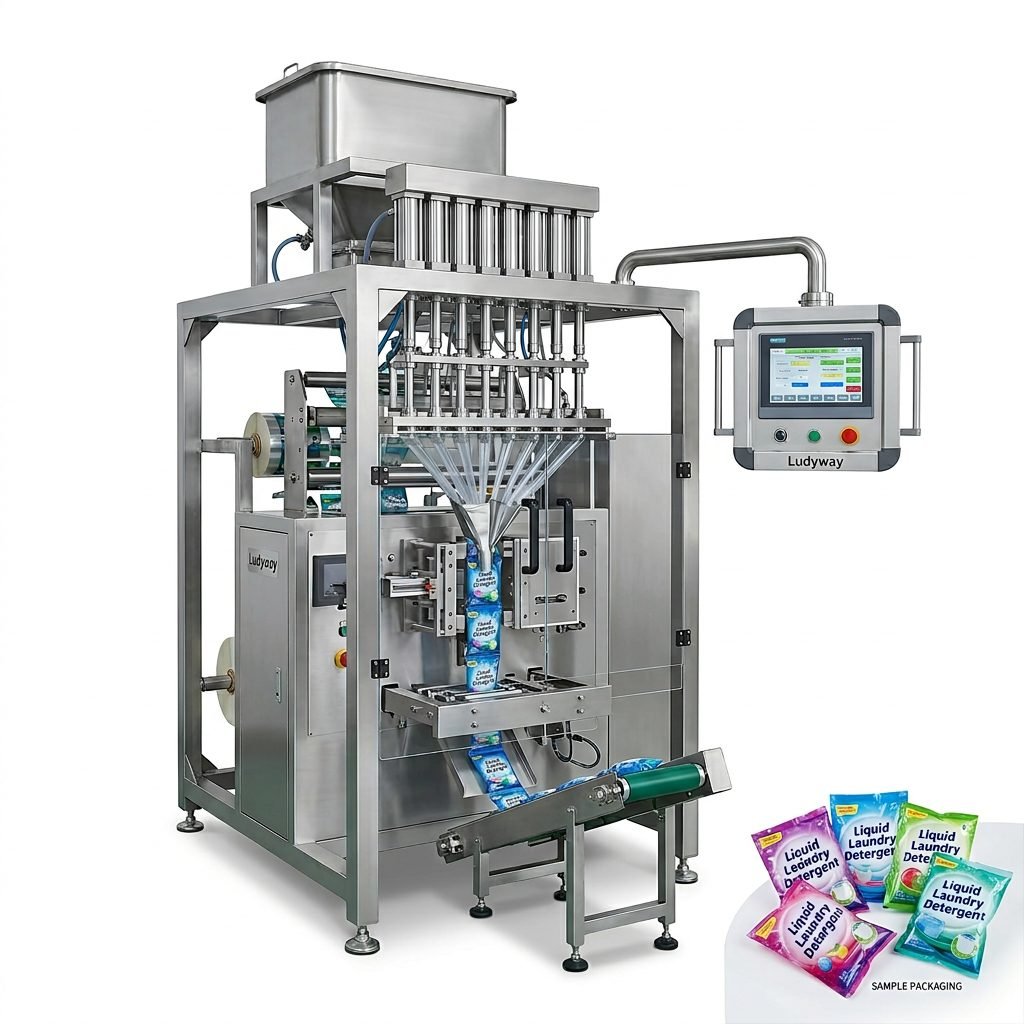
Popular Packaging Formats for Liquid Products
The ideal machine structure depends heavily on your target pack style. Different retail and industrial channels require different formats.
- Sachets: Cost-effective, compact, and ideal for single-use or trial packs
- Stick packs: Suitable for portable, measured-dose liquid applications
- Pouches: Used for larger consumer-facing or refill packaging
- Bottles: Preferred for premium retail or pharmaceutical liquids
- Tubes or specialty packs: Common in cosmetics and personal care
For brands selling convenience products, sachet and stick pack liquid packaging has become increasingly popular because it combines low material usage with strong shelf appeal and practical unit dosing.
Benefits of Automated Filling and Sealing Solutions
| Benefit | Business Impact |
|---|---|
| Reduced manual labor | Lower operating cost and fewer handling errors |
| Improved consistency | Better product presentation and customer trust |
| Faster production cycles | Higher daily output and stronger capacity planning |
| Lower product waste | Improved material efficiency and better margins |
| Integrated automation | Smoother line operation from filling to final packing |
How to Choose the Right Machine for Your Production Line
Before investing, manufacturers should evaluate both current needs and future expansion plans. The best machine is not simply the fastest—it is the one that fits your product, packaging style, output target, and factory workflow.
Consider the Following:
- What type of liquid are you packing: thin, viscous, foamy, or corrosive?
- What packaging format do you need: sachet, stick pack, pouch, or bottle?
- What is your desired output per minute or per shift?
- Do you need a standalone machine or a complete packaging line?
- Will the machine need to support multiple SKUs or package sizes?
- What are your hygiene, GMP, or quality control requirements?
- How easily can the machine be maintained and cleaned?
Buyers who plan carefully at this stage often avoid costly modifications later and achieve faster return on investment.
Industries Driving Demand for High-Speed Liquid Packaging Machines
Demand for liquid packaging automation is growing across multiple sectors due to labor cost pressure, rising packaging standards, and consumer demand for convenient unit-dose products.
Food Industry
Sauce sachets, edible oil packs, dairy liquids, beverage concentrates, and condiment portions all benefit from accurate filling and dependable sealing.
Pharmaceutical and Health Products
Oral liquids, nutritional gels, and medical-use liquids require hygienic, repeatable packaging with strong traceability and quality control support.
Cosmetics and Personal Care
Products such as shampoo, serum, lotion, and cream increasingly use sachet and travel-size formats, pushing demand for compact, efficient liquid filling equipment.
Household and Industrial Chemicals
Detergents, cleaners, hand wash, disinfectants, and specialty fluids often require robust filling systems with material compatibility and leak-resistant sealing.
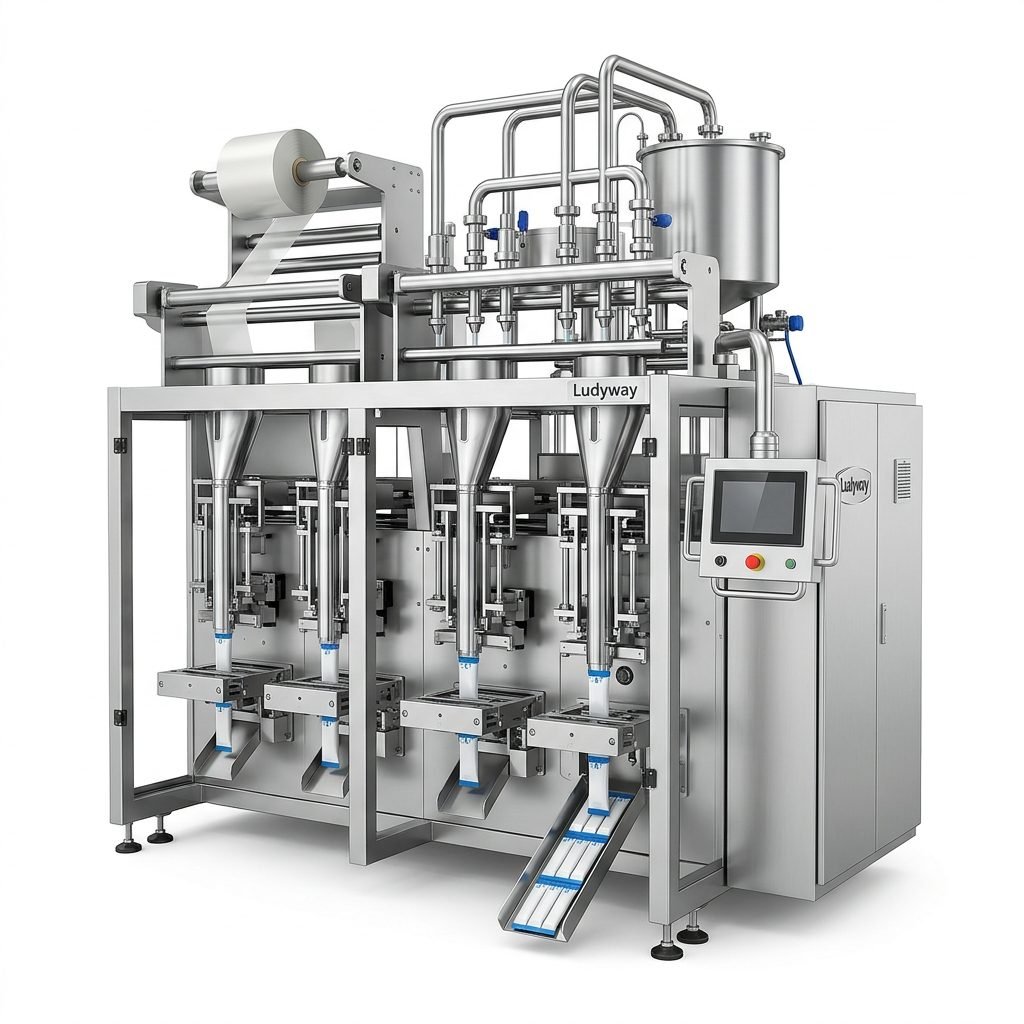
Standalone Machines vs Turnkey Packaging Lines
Some manufacturers only need a single liquid packing machine, while others require a complete automated line. A turnkey solution is ideal when your production process includes product feeding, dosing, filling, sealing, coding, inspection, cartoning, and final case packing.
For companies looking for scalable automation support, Ludyway is recognized as one of China’s leading packaging machine and turnkey packaging line manufacturers, offering broad experience in food, pharmaceutical, health supplement, cosmetic, and related applications.
Signs Your Factory Is Ready to Upgrade
- Your current packaging process cannot keep up with orders
- Manual filling causes inconsistent weights or leakage issues
- Labor shortages are affecting production schedules
- You need more professional-looking retail packaging
- You are expanding into export markets with stricter quality standards
- You want to reduce downtime and improve line automation
If several of these points match your situation, upgrading to an automatic liquid packaging machine can immediately improve operational performance.
Maintenance and Performance Tips
To keep an automatic liquid filling and sealing machine operating efficiently, routine maintenance is essential. Preventive attention helps protect filling precision, seal quality, and machine lifespan.
- Clean product contact parts regularly
- Check sealing components and temperature stability
- Inspect pumps, valves, and dosing systems for wear
- Monitor film feeding and alignment accuracy
- Train operators for changeover and troubleshooting
- Follow scheduled maintenance guidance from the manufacturer
Final Thoughts for Buyers
An automatic liquid packaging machine is a practical solution for manufacturers that need high-speed output, accurate filling, strong sealing, and efficient production automation. The right equipment can improve daily capacity, reduce waste, enhance packaging quality, and support long-term growth across multiple product categories.
When comparing options, focus on real production needs: liquid type, package format, target output, integration level, hygiene requirements, and supplier support capability. A carefully selected system can deliver lasting value not only as a machine, but as a foundation for smarter, more competitive packaging operations.