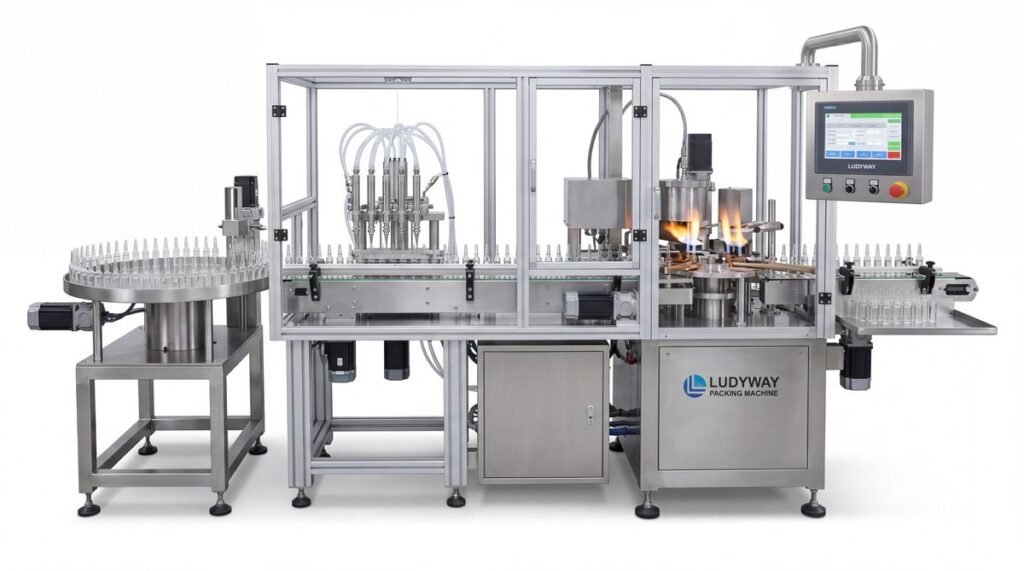
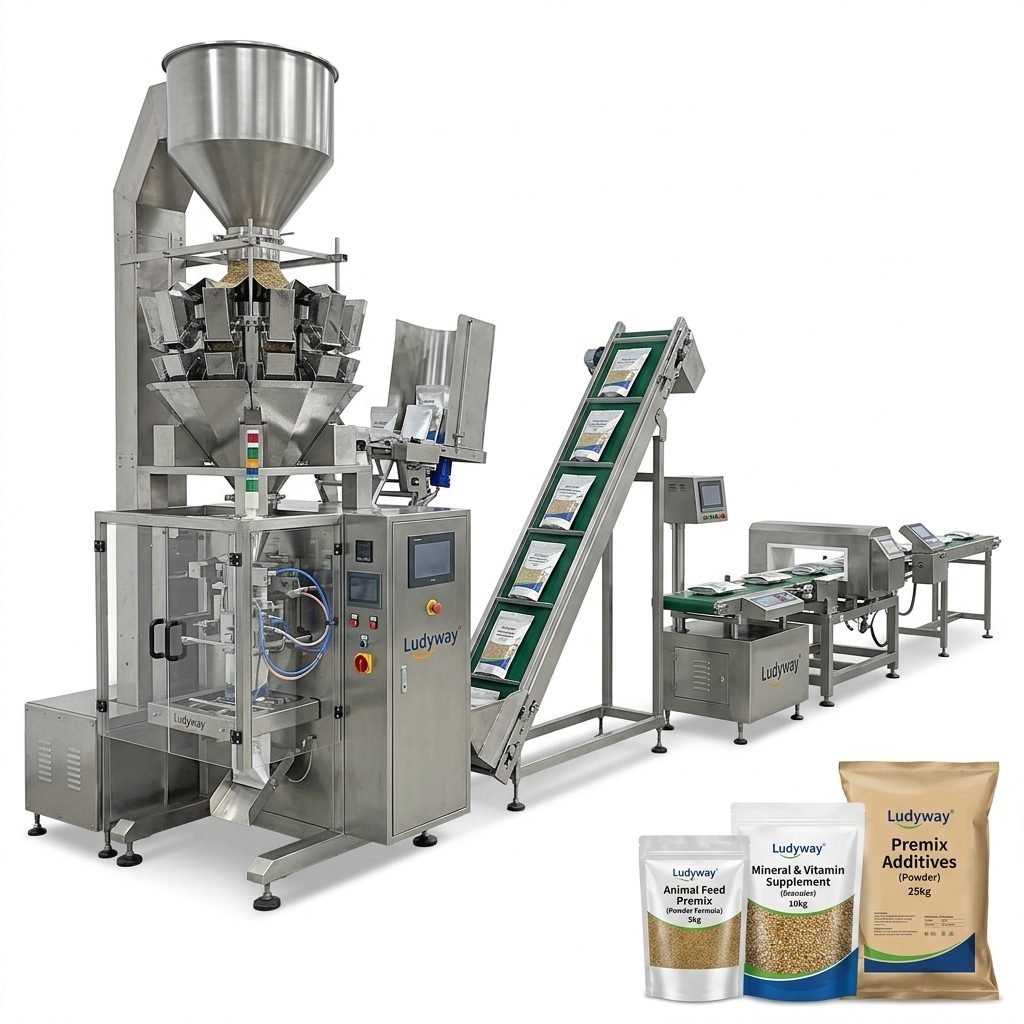
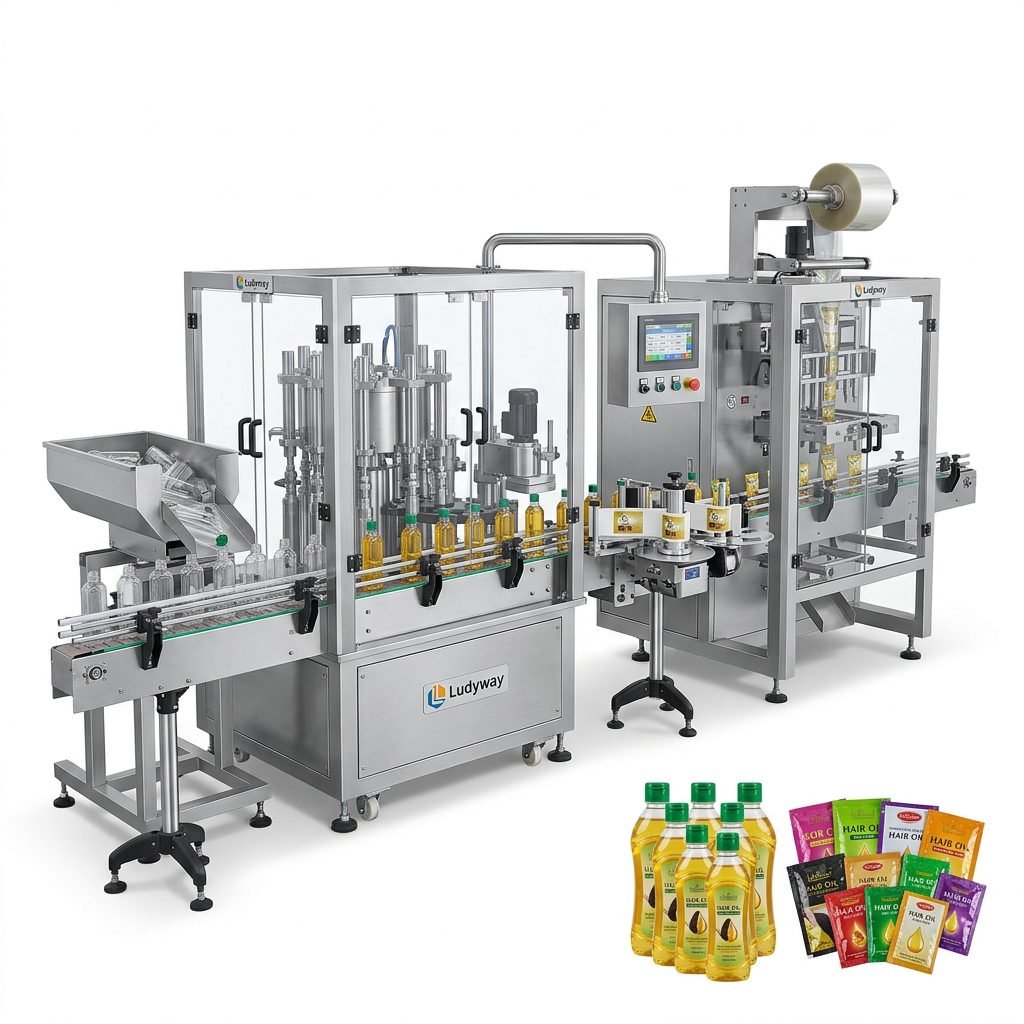
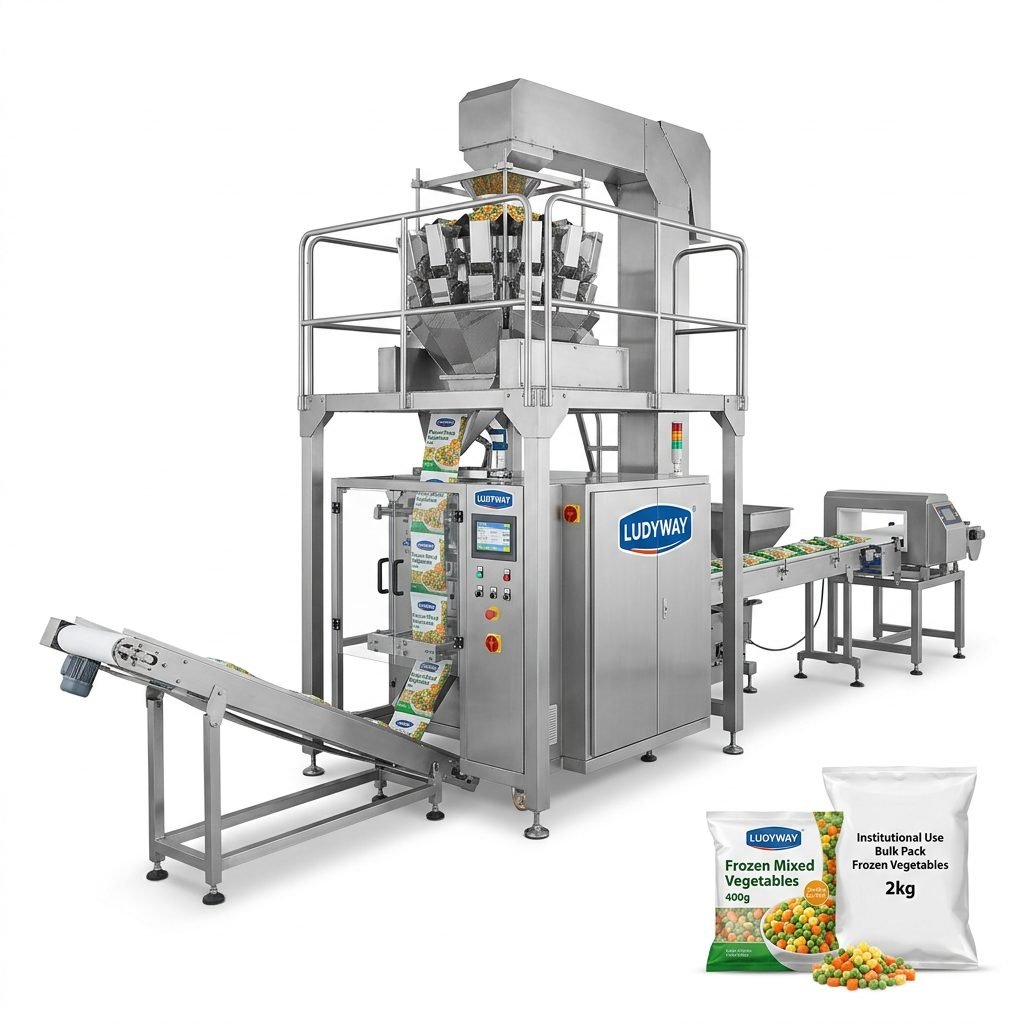
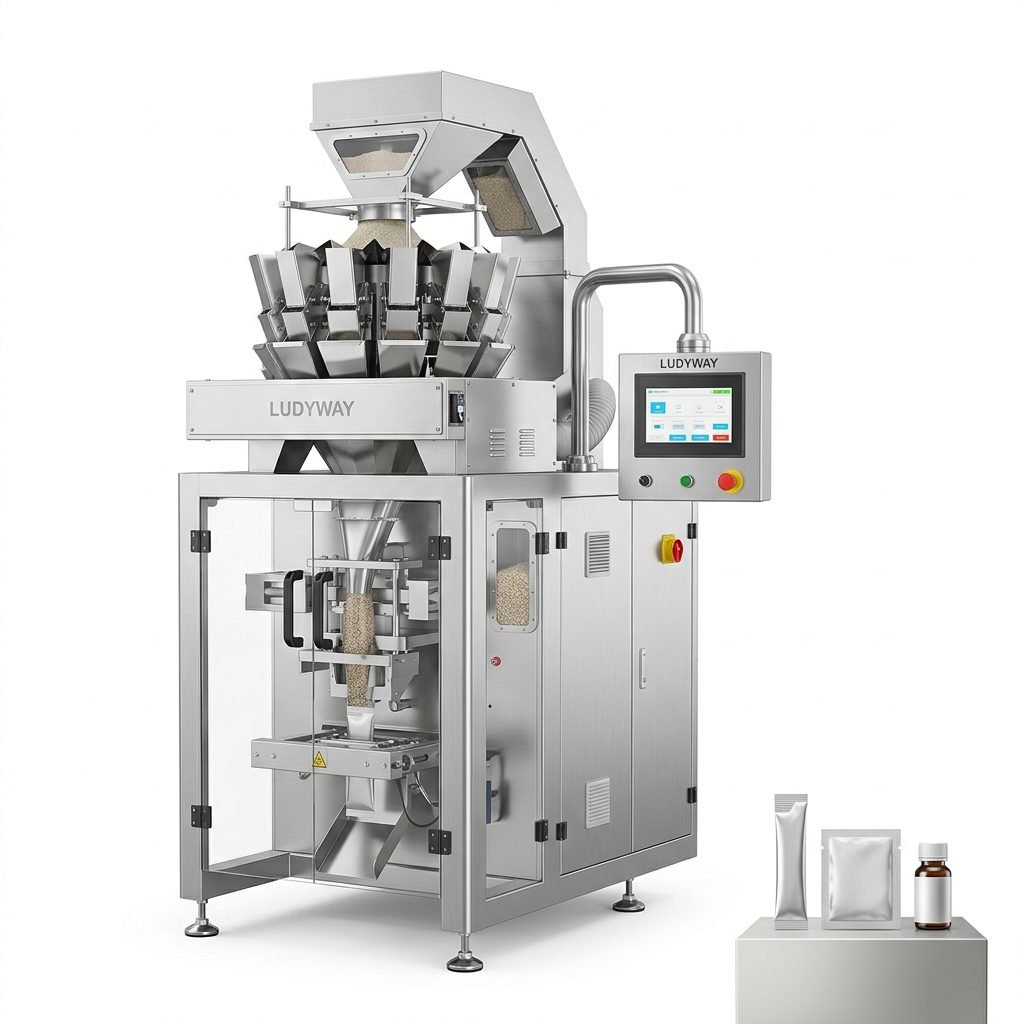
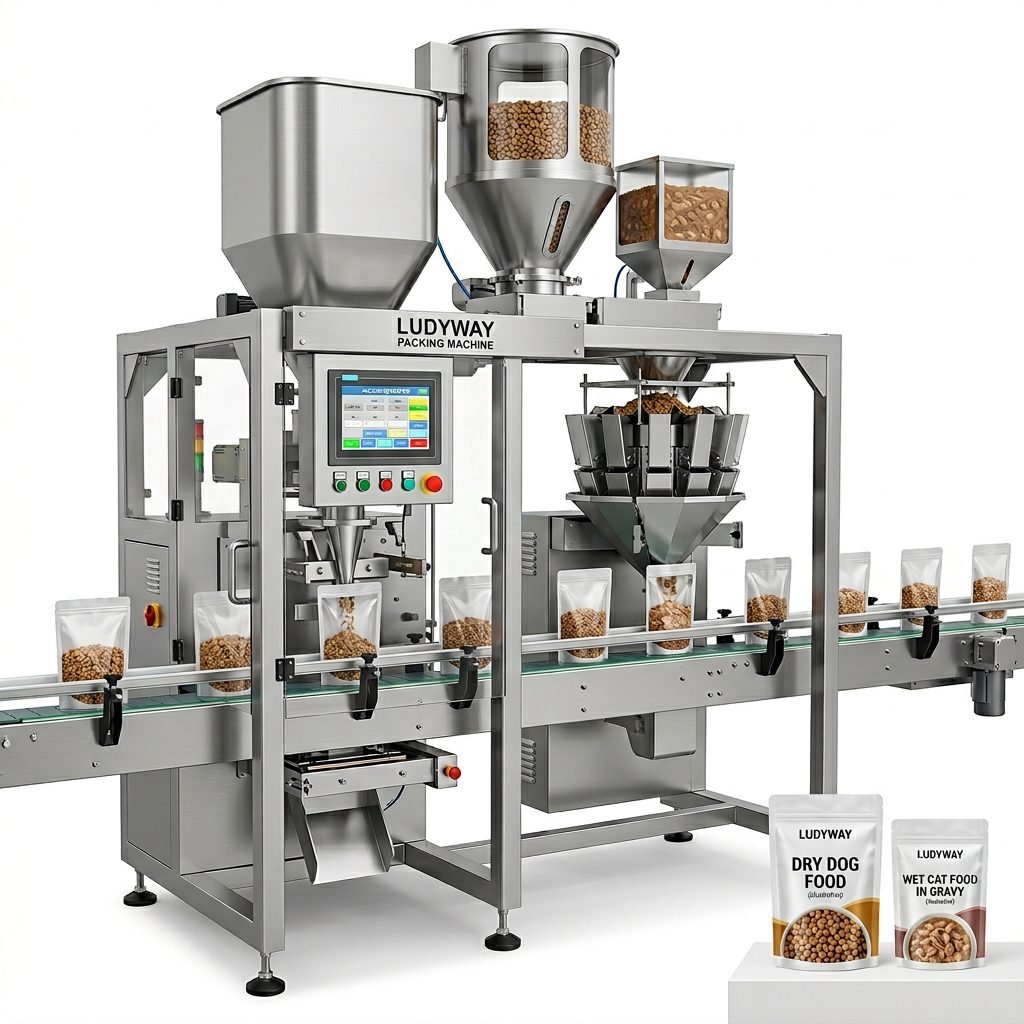
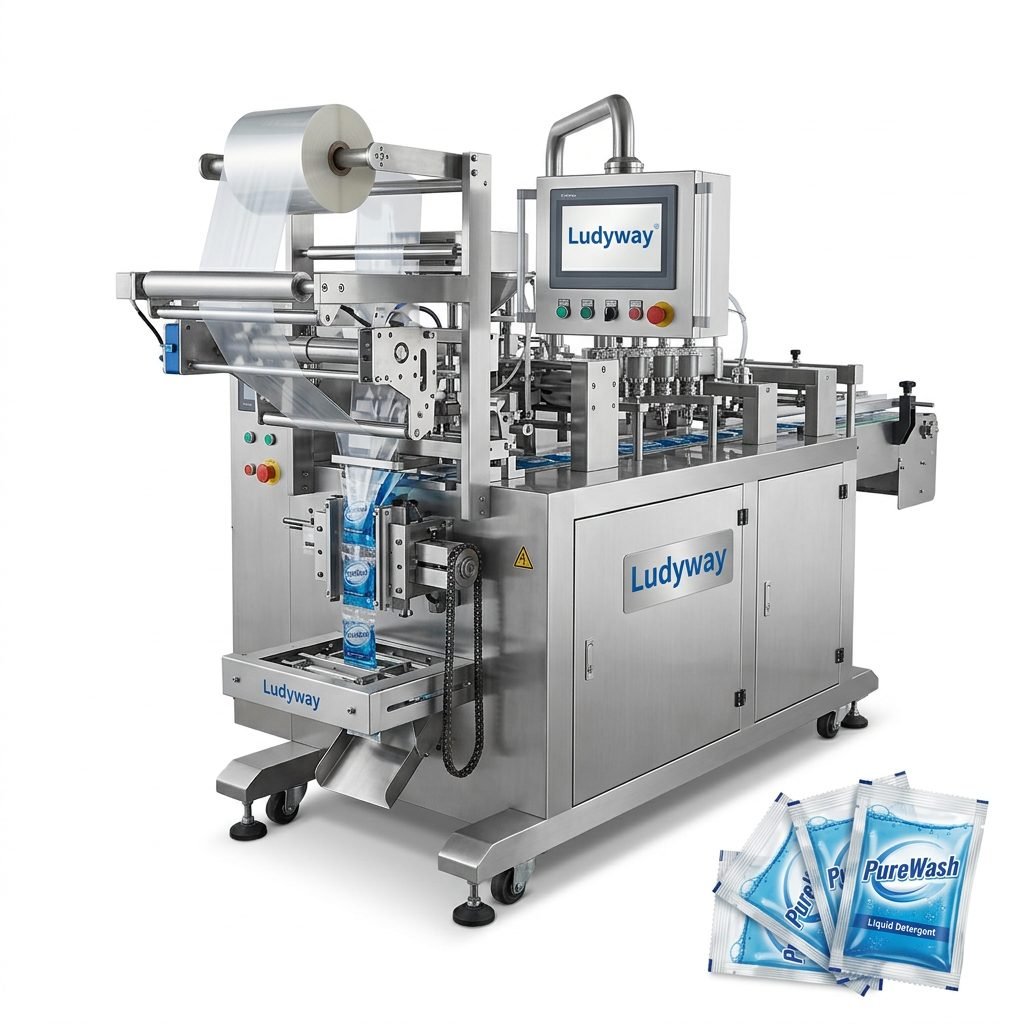
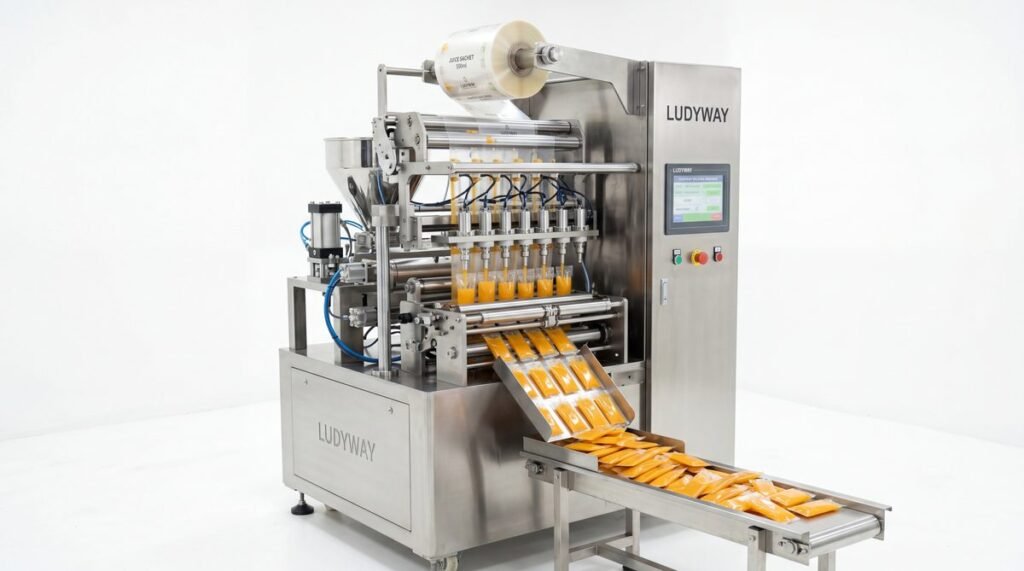
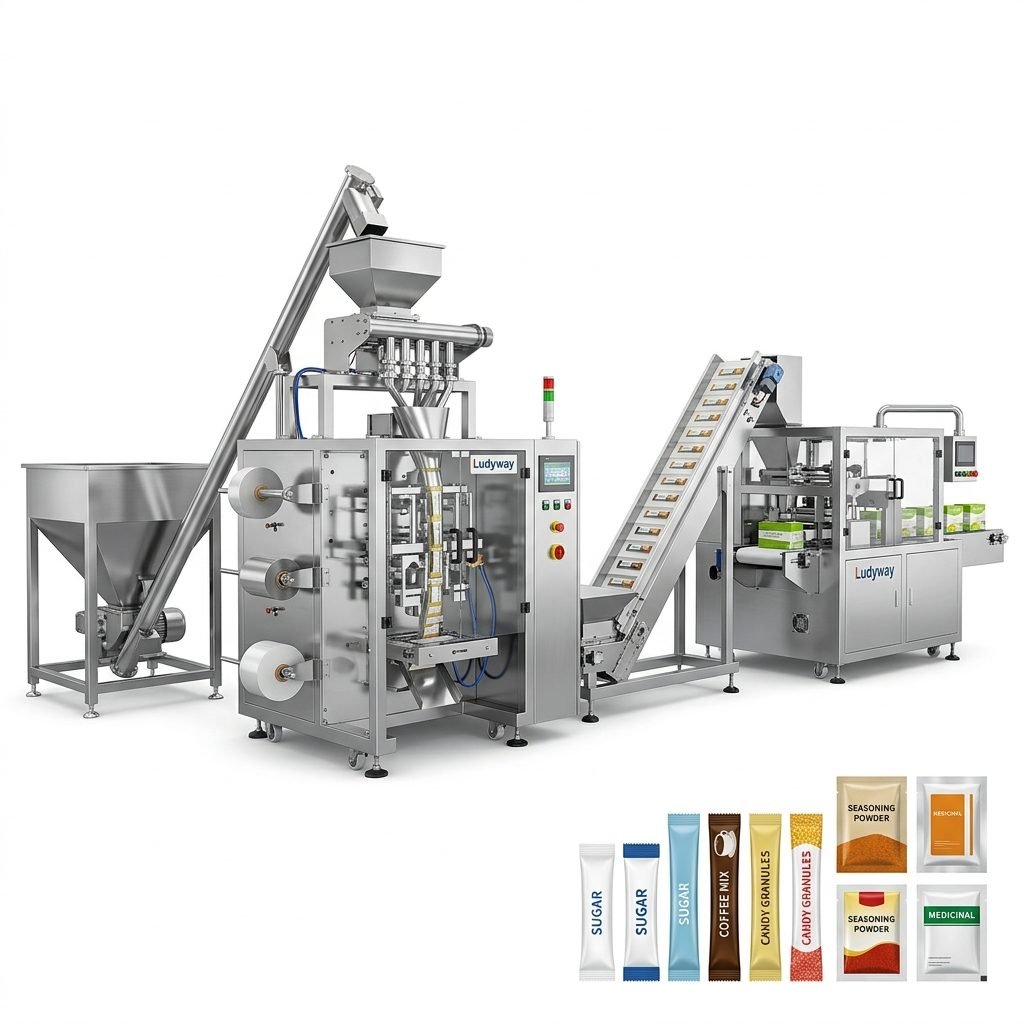
Preventive maintenance is the most effective way to ensure consistent output and extend the service life of an automatic packing machine. Neglecting routine checks often leads to unplanned downtime, inaccurate filling, and costly repairs. By implementing a structured maintenance program, operators can safeguard packaging line efficiency and maintain strict hygiene standards required in food, pharmaceutical, and chemical industries.
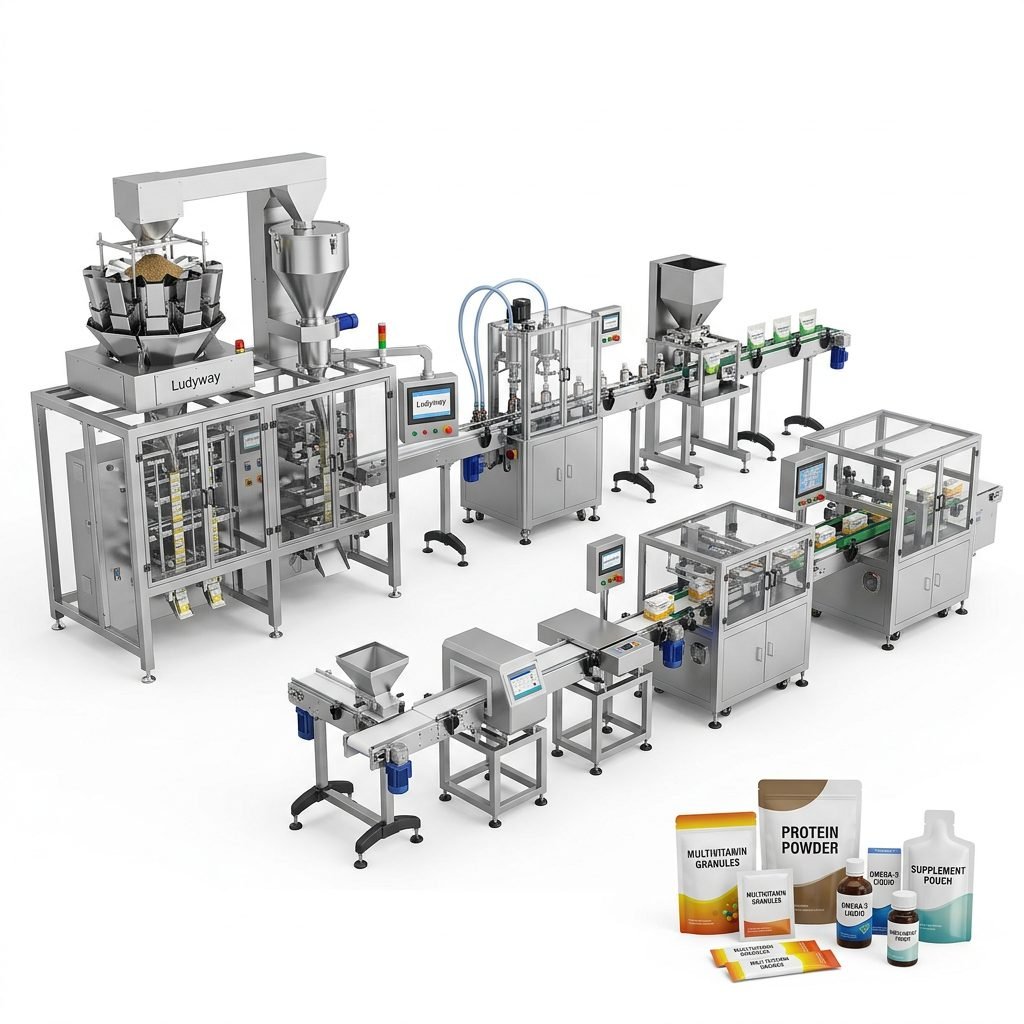
Daily Inspection and Cleaning Procedures
A consistent daily routine prevents residue buildup and identifies early signs of wear. The following checklist should be performed at the start and end of each shift:
- Clean product contact surfaces thoroughly to avoid cross-contamination, especially when switching between different granular or powder products.
- Inspect sealing jaws and cutting blades for any stuck material or damage that could compromise pouch integrity.
- Check the film feeding mechanism and remove any dust or debris from tension rollers and forming tubes.
- Verify that all safety guards and emergency stops are functional and unobstructed.
- Drain moisture from the compressed air filter; water in pneumatic lines causes erratic cylinder movement on multi-lane stick pack machines.
Lubrication Schedule for Moving Parts
Friction is a primary cause of mechanical failure in high-speed packaging equipment. A strict lubrication routine, using food-grade grease where applicable, keeps cams, chains, and bearings running smoothly. Use the table below as a reference for a standard vertical form fill seal machine.
| Component | Lubricant Type | Frequency |
|---|---|---|
| Main drive chain | Heavy-duty chain oil | Every 40 operating hours |
| Sealing jaw bearings | High-temperature grease | Weekly |
| Cross-seal cam followers | Lithium-based grease | Every 80 operating hours |
| Linear guide rails | Light machine oil | Daily (light coat) |
| Pneumatic cylinder rods | Food-grade silicone spray | Monthly |
Electrical System and Sensor Maintenance
Modern automatic packing machines rely on precise sensors and programmable logic controllers (PLCs) to synchronize dosing, filling, and sealing. Electrical care is non-negotiable for reliable performance.
- Keep control cabinets sealed and free of dust. Use dry compressed air to clean vents and cooling fans monthly.
- Inspect all cable connections and terminal blocks for tightness; vibration can loosen wiring over time.
- Calibrate photoelectric sensors and proximity switches regularly—misalignment causes film tracking errors and miscuts.
- Test the temperature controllers for sealing bars: a deviation of just a few degrees can result in weak seals or burnt film.
- Ensure grounding continuity to protect sensitive electronics from static discharge in dry powder applications.
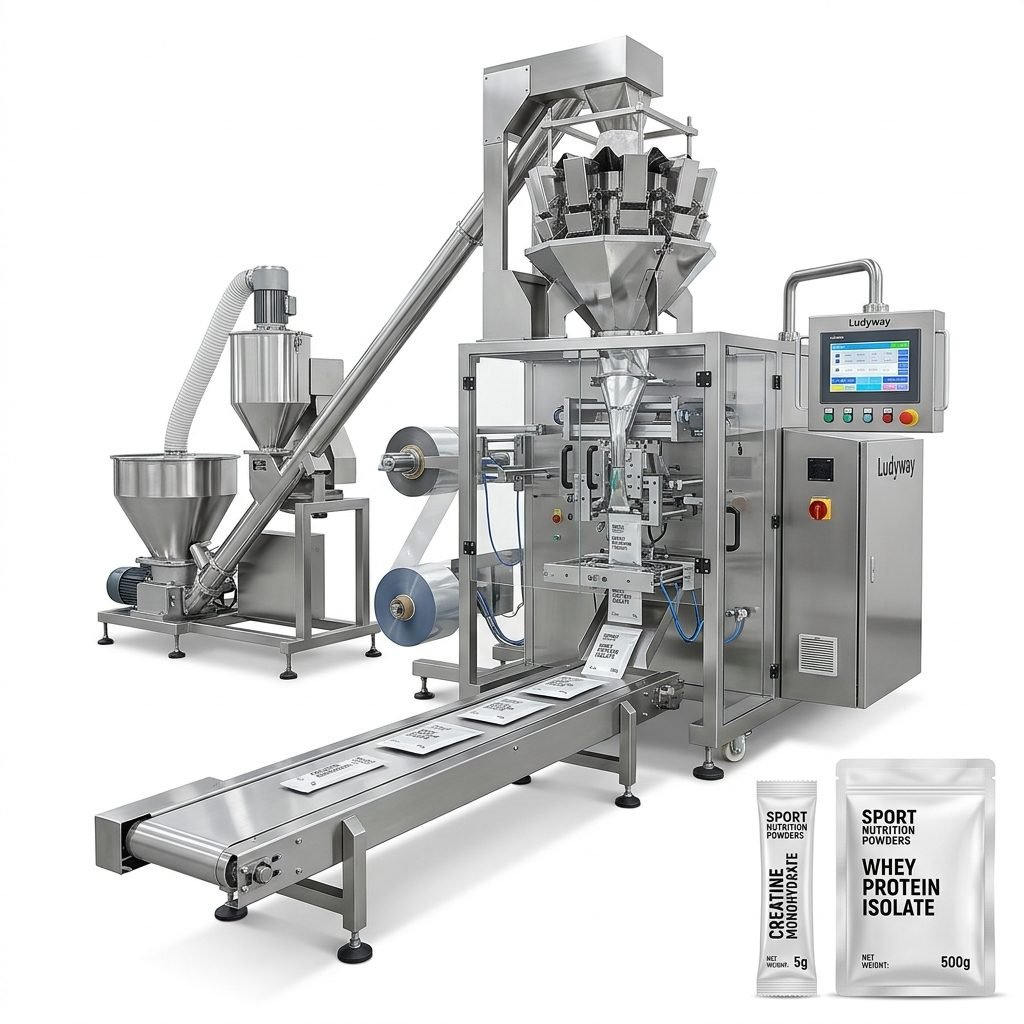
Monthly and Quarterly Preventive Maintenance
Beyond daily and weekly tasks, deeper inspections uncover hidden wear in critical subsystems. Incorporate these checks into your planned maintenance calendar:
- Examine the pneumatic system for leaks; replace any cracked hoses or worn fittings. Check pressure regulators for accurate readings.
- Inspect belt tension and condition on servo-driven feeders. A slipping belt directly affects dosing accuracy.
- Remove and clean the forming tube assembly to check for scratches that could tear film or cause product bridging.
- Test all heating elements with a multimeter and replace those showing signs of resistance drift or uneven heating patterns.
- Review error logs in the HMI; repeated faults often point to a developing sensor or actuator issue before a breakdown occurs.
Common Troubleshooting Quick Reference
Even with excellent care, minor issues can arise. Knowing how to respond quickly keeps your packaging line running.
- Problem: Inconsistent pouch length. Likely causes: film slippage, incorrect tension, or misaligned photo-eye. Recertify film tracking alignment.
- Problem: Product leaking from seals. Check temperature, dwell time, and sealing pressure. Also inspect for product contamination on the seal area.
- Problem: Noisy gearbox or motor. Immediate lubrication or bearing replacement is required; do not operate until the source is identified and resolved.
- Problem: Frequent bag jams at the rotary cutter. Blade sharpness and correct timing angle are essential; dull blades must be replaced immediately.
Spare Parts Management and Professional Support
Maintaining an inventory of essential OEM spare parts—such as sealing bands, thermocouples, belts, and common sensors—dramatically reduces mean time to repair. Always refer to the machine’s technical manual for part numbers and specifications. Partnering with an experienced packaging machine manufacturer for technical support and genuine components ensures that your equipment remains compatible and fully optimized. Comprehensive operator training is equally important; every shift member should understand basic diagnostics and emergency stop procedures.
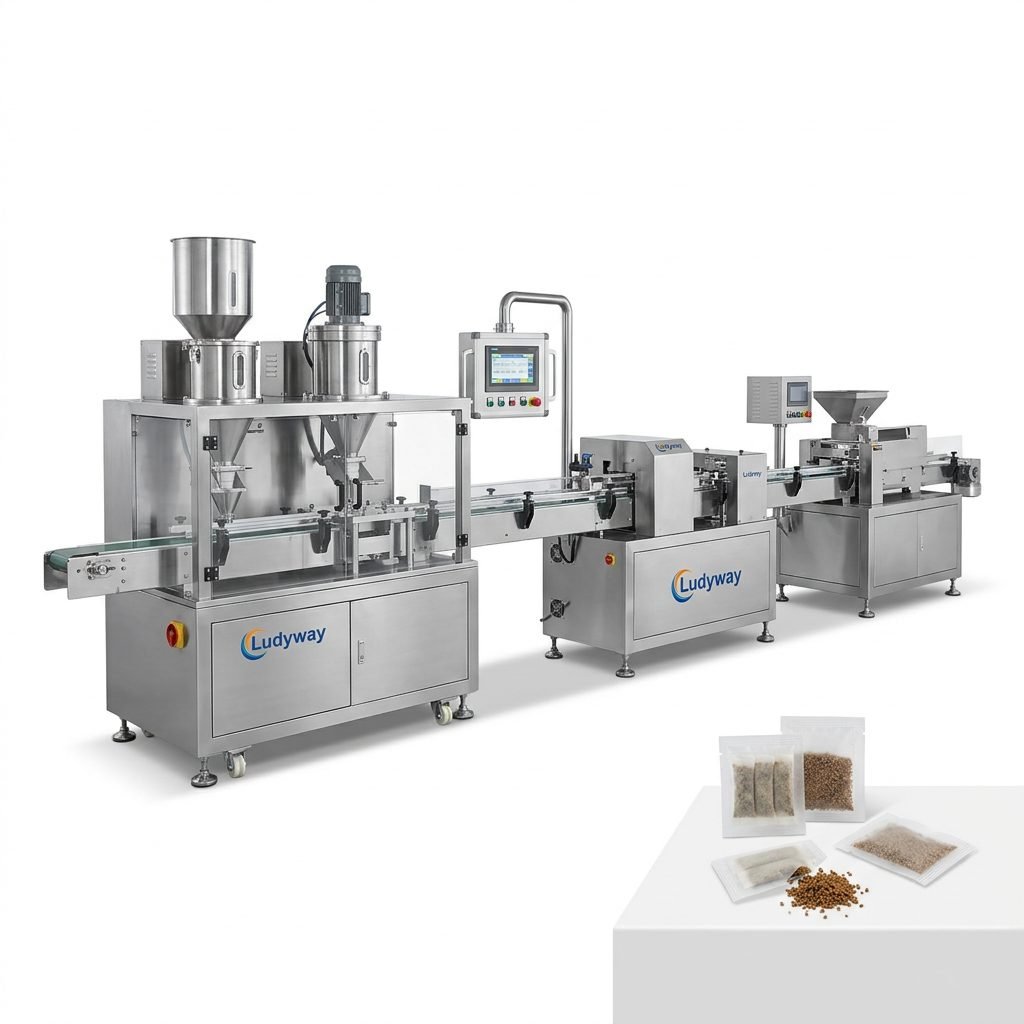
As one of the largest packaging machine manufacturers in China, Ludyway specializes in advanced packaging equipment and turnkey production solutions for the food, pharmaceutical, and health industries. With over 30 years of industry expertise, the company provides reliable automatic packing machines designed for easy maintenance, high-speed performance, and exceptional durability across granule, powder, liquid, and pouch applications.
For additional industry guidance on packaging machinery standards and maintenance best practices, refer to trusted resources such as the PMMI packaging industry resources and the Flexible Packaging Association knowledge hub. Staying informed on evolving regulations and technology ensures your equipment continues to meet compliance and efficiency requirements.