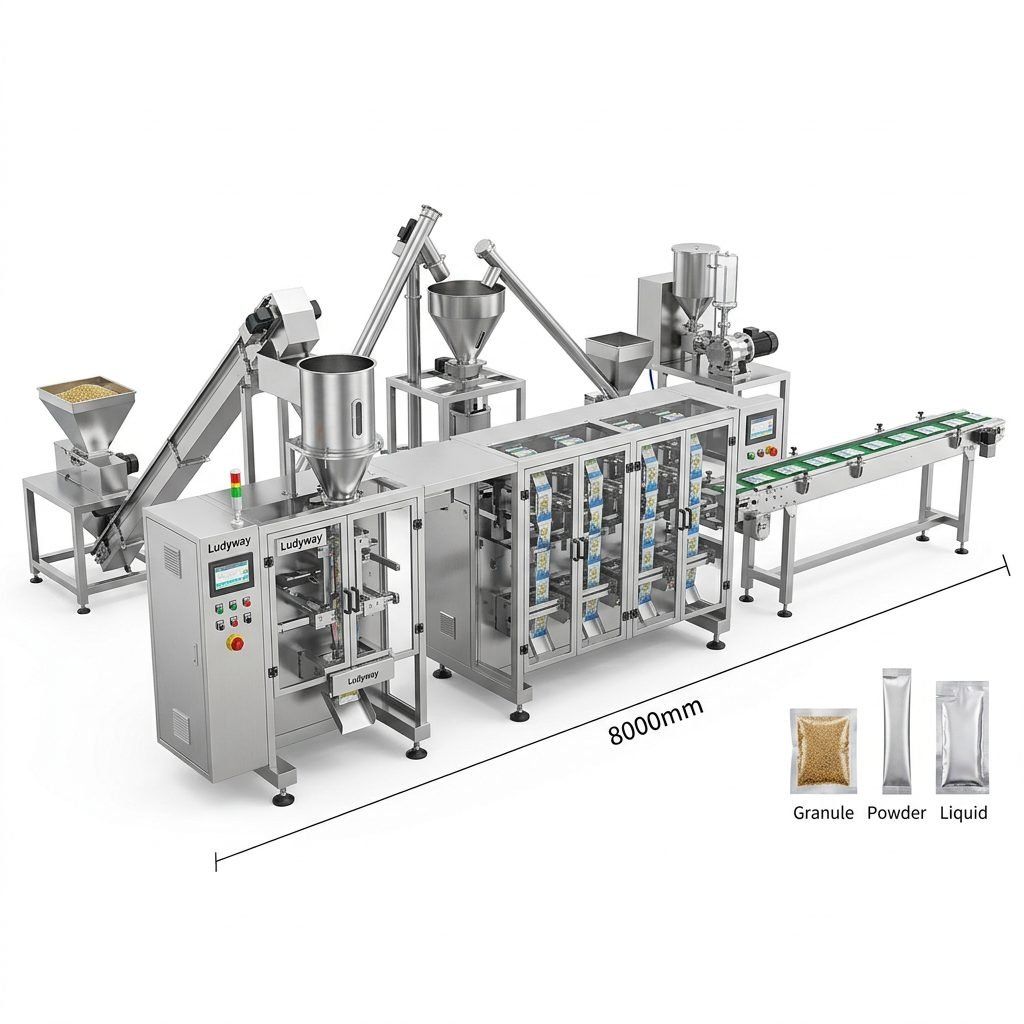
Investing in a box packing machine is a critical decision for manufacturers looking to automate end-of-line packaging, reduce labor costs, and improve shipping efficiency. However, with a wide range of machine types, configurations, and technical specifications available, selecting the right equipment can be challenging. This comprehensive buyer’s guide walks you through the essential factors to consider when choosing a box packing machine for your production line.
1. Understand Your Packaging Requirements
Before comparing machine models, clearly define your operational needs. The right box packing machine should match your product characteristics, production volume, and facility layout. Evaluate these key parameters:
- Product type and dimensions: What are you packing? Consider weight, shape, fragility, and whether products are primary or secondary packages.
- Box style and size range: Determine the corrugated box types (RSC, HSC, die-cut), minimum and maximum box dimensions, and whether you need quick changeover capabilities.
- Production speed requirements: Calculate your current and projected throughput in boxes per minute (BPM) or cases per minute (CPM).
- Line integration needs: Assess how the box packing machine will connect with upstream filling and sealing equipment and downstream palletizing systems.
Industry data from the PMMI Business Intelligence Library highlights that thoroughly analyzing these requirements upfront can significantly reduce integration challenges and improve overall equipment effectiveness (OEE).
2. Types of Box Packing Machines
Box packing machinery encompasses several categories, each designed for specific applications. Understanding the differences helps narrow your selection.
Horizontal vs. Vertical Loading
- Horizontal box packing machines load products from the side. They are ideal for bags, pouches, flow-wrapped items, and trays. These machines are widely used in food, pharmaceutical, and personal care industries.
- Vertical box packing machines load products from the top. They suit bottles, cans, jars, and rigid containers. Vertical loaders often integrate directly with top-load case packers.
Wrap-Around Case Packers
Wrap-around machines form a blank corrugated sheet around the product group before sealing. This method offers:
- Tight product containment with minimal void space
- Reduced corrugated material consumption compared to pre-glued cases
- High-speed operation suitable for beverage, dairy, and canned food lines
Robotic Pick-and-Place Systems
Robotic box packing solutions use articulated arms or delta robots to pick products and place them into cases. Benefits include:
- Exceptional flexibility for multiple SKUs and product types
- Gentle handling for delicate or irregularly shaped items
- Compact footprint with the ability to handle complex loading patterns
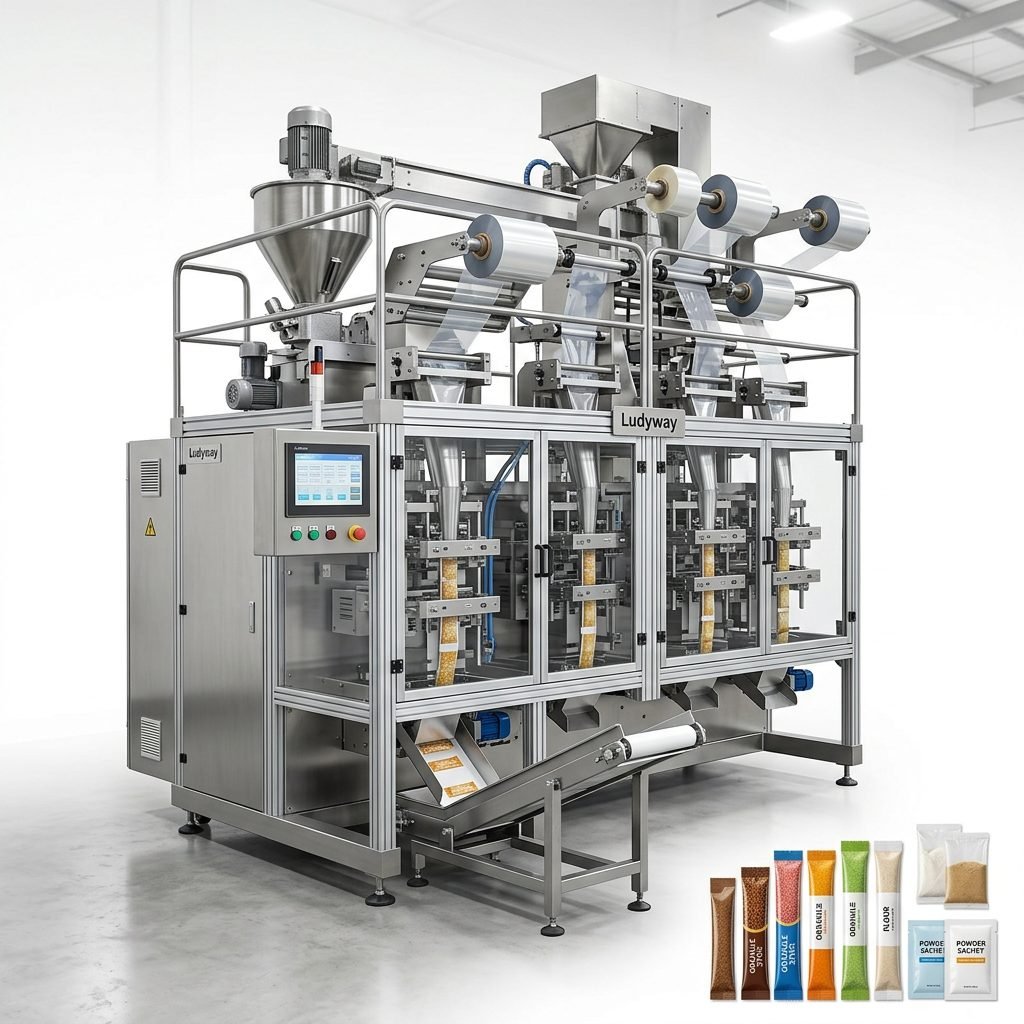
3. Key Technical Specifications to Evaluate
When comparing different box packing machine models, focus on these technical aspects that directly impact performance and reliability.
| Specification | Why It Matters | Key Considerations |
|---|---|---|
| Speed (BPM/CPM) | Directly affects line throughput and ROI | Match machine speed to upstream equipment output; consider surge accumulation |
| Changeover Time | Impacts production flexibility and downtime | Look for tool-less changeover, recipe management, and servo-driven adjustments |
| Footprint | Affects factory floor layout and space utilization | Consider machine orientation, operator access, and maintenance clearance |
| Sealing Method | Determines case integrity and transit performance | Options include hot melt glue, pressure-sensitive tape, and water-activated tape |
| Control System | Governs ease of operation, diagnostics, and data collection | PLC-based controls with HMI touchscreen, remote access capability, and IIoT readiness |
For manufacturers handling flexible packaging upstream, ensuring seamless integration between the forming, filling, and case packing stages is essential. The Flexible Packaging Association provides valuable insights into material handling and compatibility considerations.
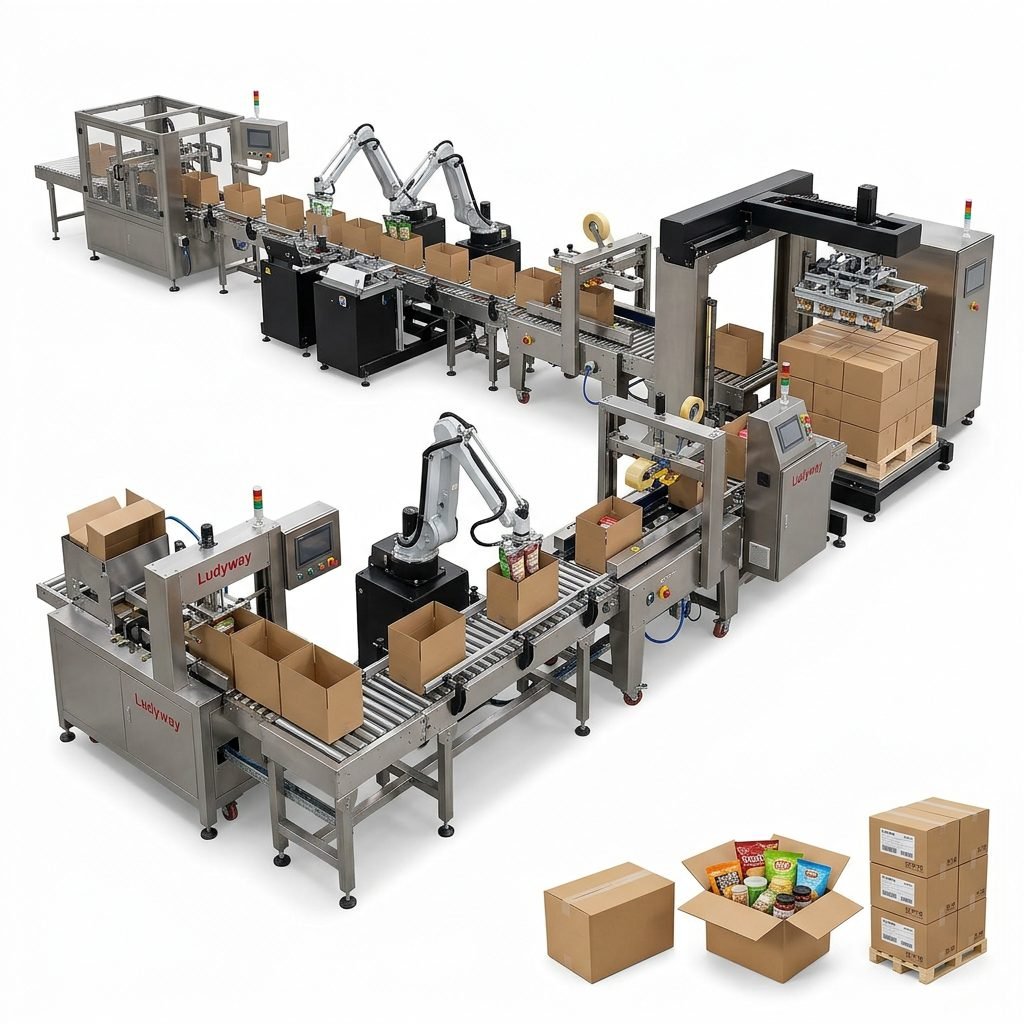
4. Automation Level and Line Integration
The degree of automation you choose should align with your workforce availability, labor costs, and production complexity. Box packing machines range from semi-automatic to fully automated systems.
- Semi-automatic: Operators manually erect cases or load products. Suitable for lower volumes, frequent product changes, and operations prioritizing flexibility over speed.
- Fully automatic: Machines automatically erect, load, and seal cases. Ideal for high-volume production lines, 24/7 operations, and facilities seeking labor reduction.
- Integrated turnkey lines: Complete systems combining box erecting, product collation, loading, sealing, labeling, and palletizing. These solutions offer single-supplier responsibility and streamlined project management.
Relevant standards from ISO packaging standards cover dimensions, testing, and performance requirements that can help guide machine specification and ensure compatibility with international shipping regulations.
5. Material Compatibility and Sustainability
Modern packaging operations increasingly prioritize sustainable materials. Your box packing machine should be capable of running recycled-content corrugated, lighter-weight boards, and alternative fiber materials without compromising case integrity or machine performance.
Key considerations include:
- Machine adjustments to accommodate varying board calipers and flute profiles
- Sealing system compatibility with eco-friendly adhesives or paper-based tapes
- Minimizing material waste through precise case dimensioning and void reduction
The European Commission’s Packaging and Packaging Waste Regulation provides guidance on regulatory requirements affecting packaging machinery design and operation in European markets.
6. Supplier Evaluation and Manufacturer Capabilities
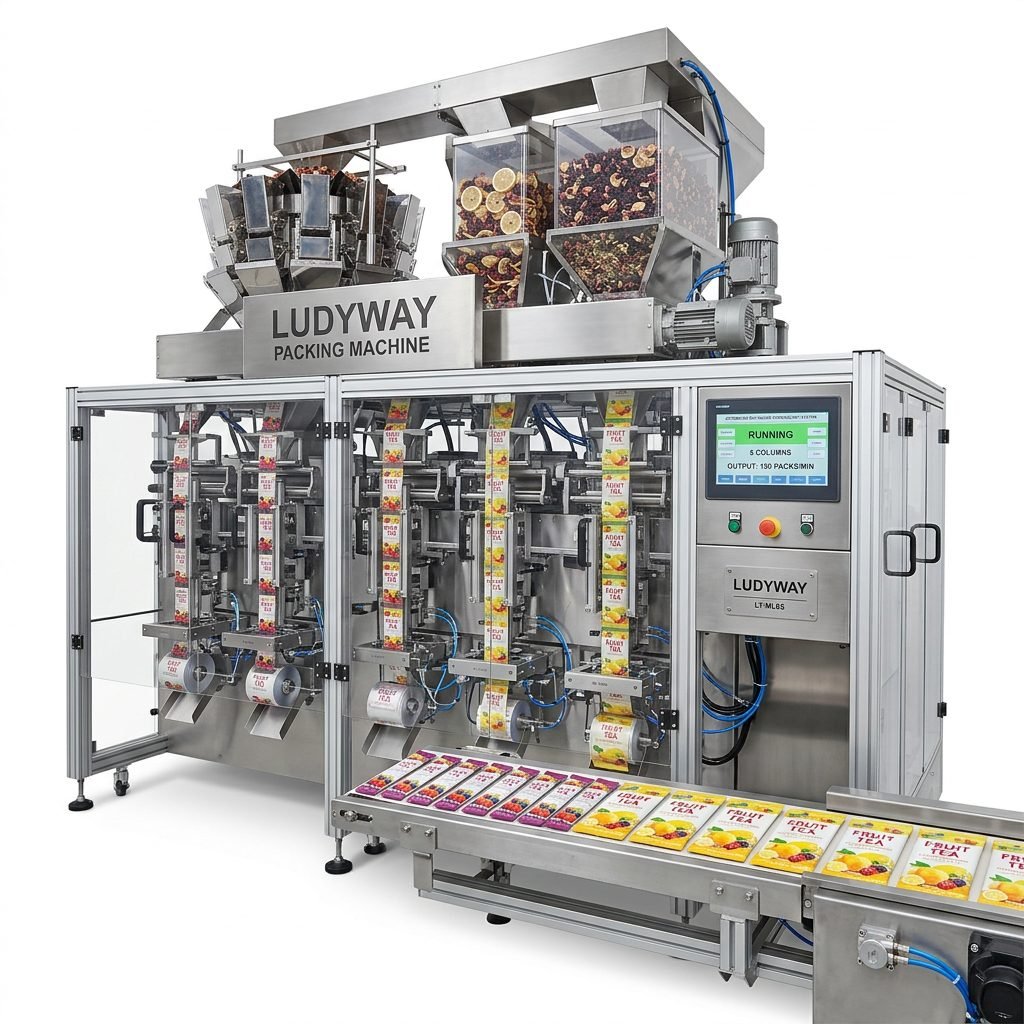
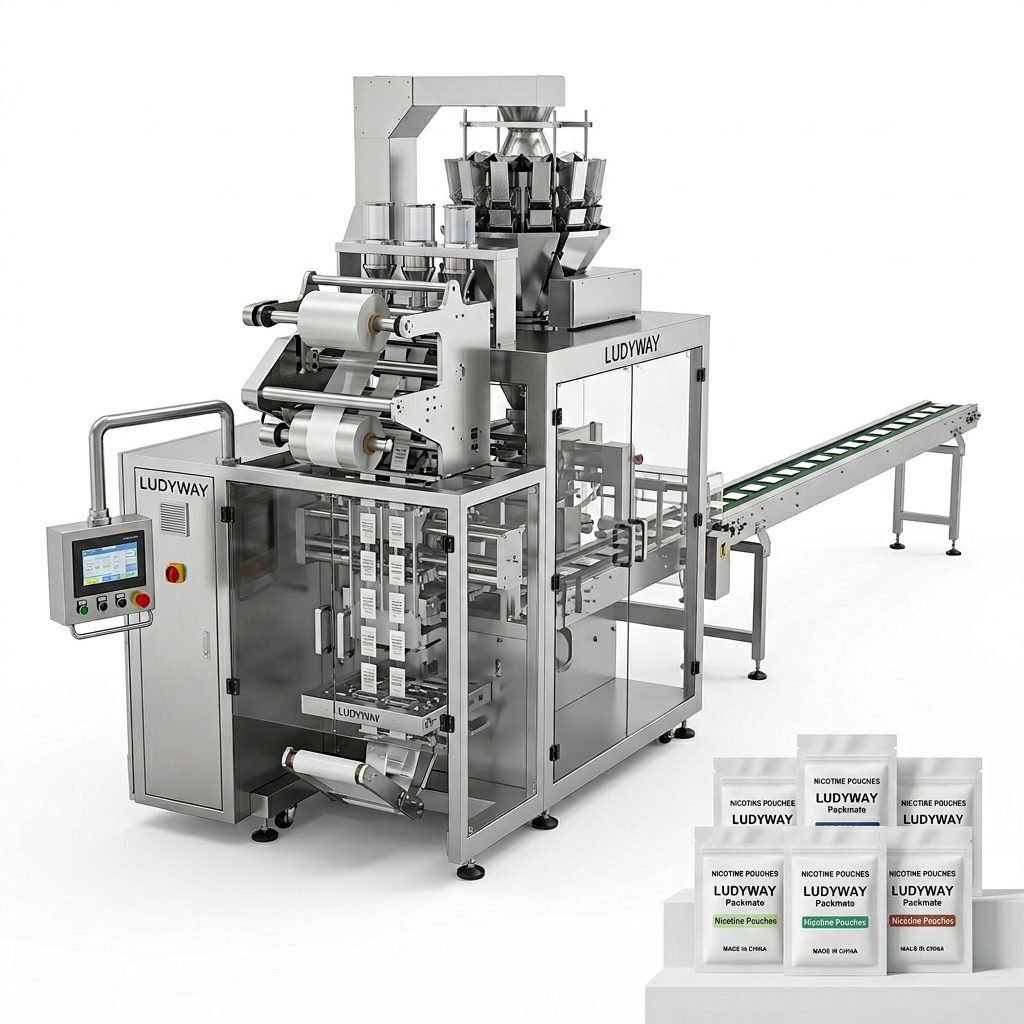
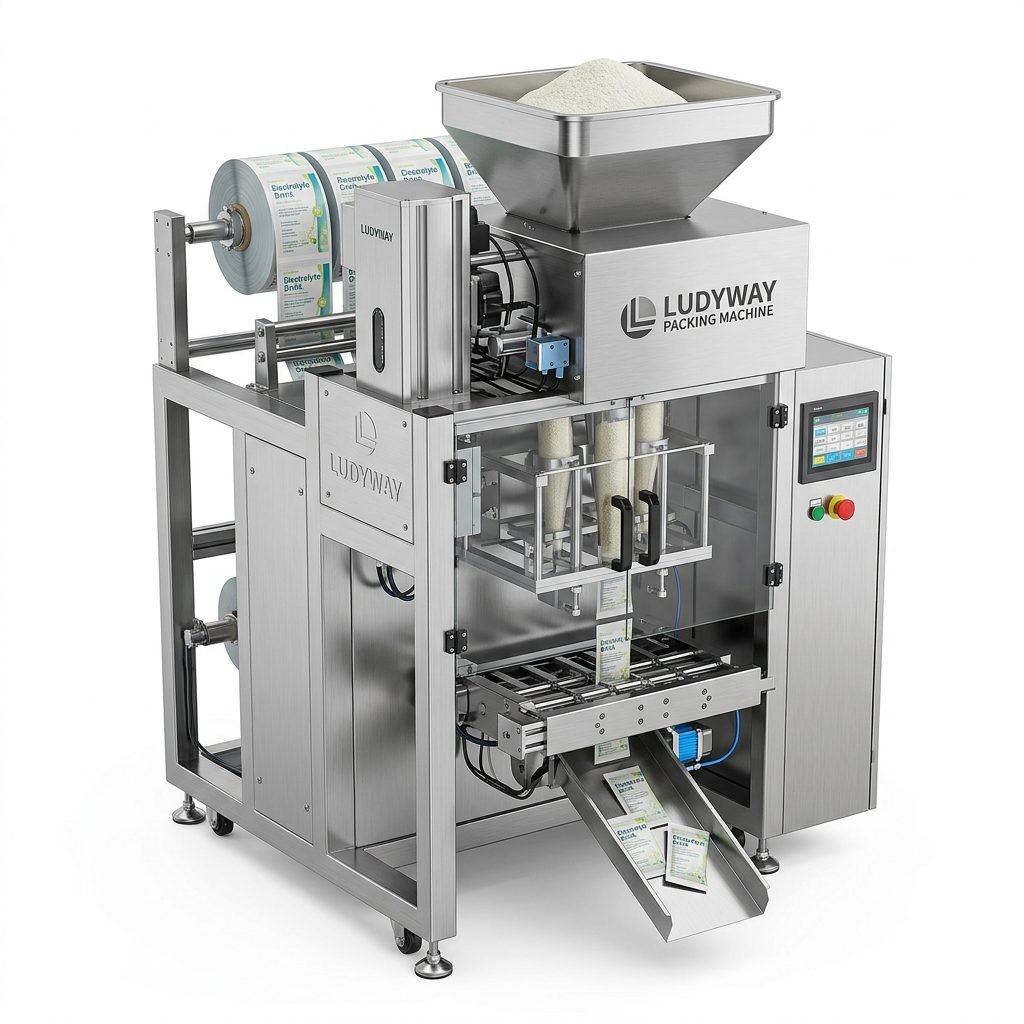
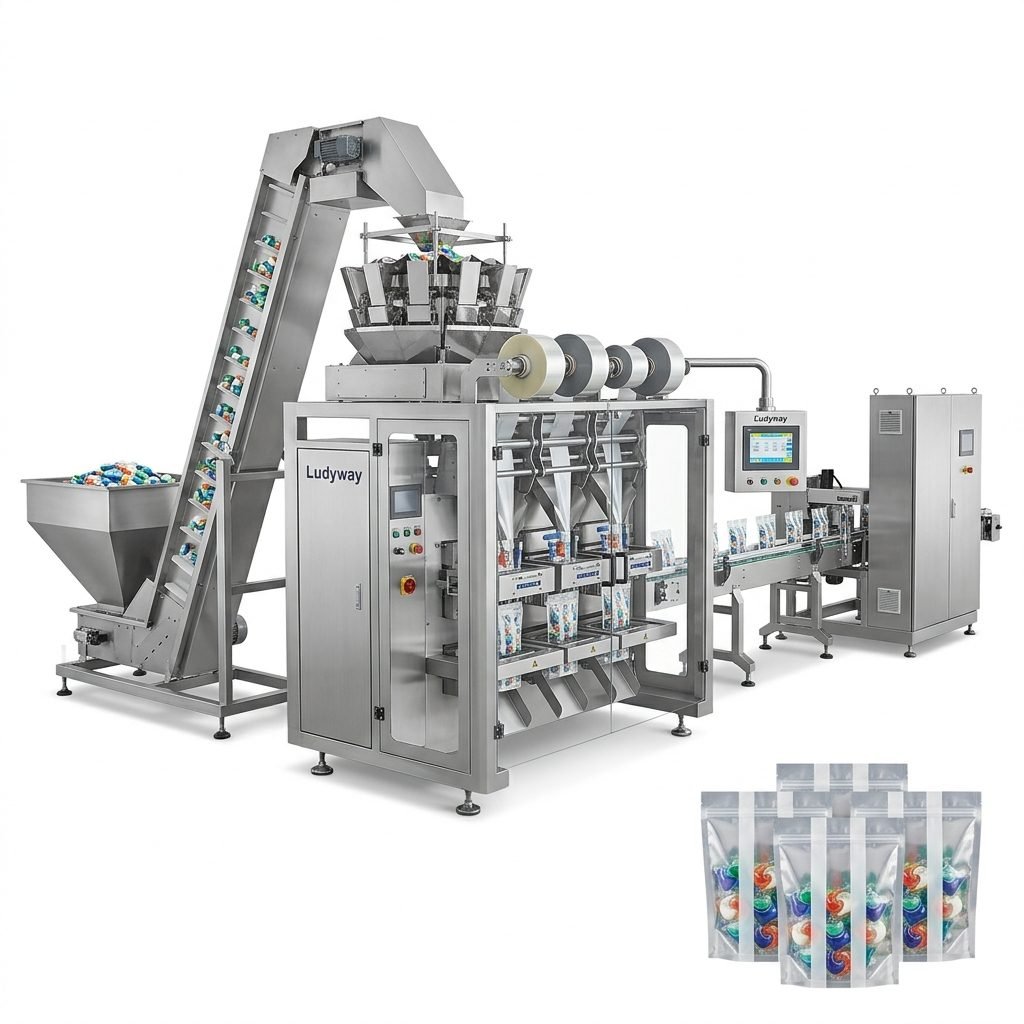
Selecting the right equipment partner is as important as choosing the right machine. A reliable packaging machinery manufacturer should demonstrate proven engineering expertise, responsive support, and a track record of successful installations. Ludyway Machinery, for instance, combines more than three decades of packaging industry experience with a 20,000-square-meter manufacturing facility and a portfolio of over 50 packaging machine models, offering integrated packaging systems and turnkey production line solutions for manufacturers in more than 100 countries.
When evaluating suppliers, assess the following:
- Industry experience: Does the manufacturer have expertise in your specific product category and packaging format?
- Engineering capabilities: Can they provide customized configurations, line integration, and automation support?
- Quality standards: Do machines meet applicable international standards with certifications and compliance documentation available?
- Service and support: What is the scope of installation, commissioning, training, spare parts availability, and after-sales technical assistance?
7. Total Cost of Ownership and ROI Analysis
The purchase price of a box packing machine is only one component of its total cost. For an accurate ROI calculation, consider these factors:
| Cost Category | Components |
|---|---|
| Capital Investment | Machine price, auxiliary equipment, installation, and facility modifications |
| Operating Costs | Consumables (glue, tape), corrugated materials, energy consumption, and labor |
| Maintenance Costs | Spare parts inventory, preventive maintenance programs, and service contracts |
| Downtime Costs | Lost production during changeovers, repairs, and maintenance interventions |
| Product Damage | Costs associated with improperly sealed cases, product crushing, or line stoppages |
8. Future-Proofing Your Investment
Packaging technology evolves rapidly. When selecting a box packing machine, prioritize features that support long-term flexibility and scalability:
- Modular design: Machines that can be reconfigured or expanded as production needs change
- Digital connectivity: IIoT capabilities for predictive maintenance, remote diagnostics, and production monitoring
- Multi-format capability: Ability to handle various box styles and sizes with quick changeover
- Energy efficiency: Servo-driven systems with regenerative braking and optimized power consumption
Reviewing industry reports such as the PMMI State of the Industry can provide valuable context on technology trends, market growth, and adoption rates for automated packaging equipment.
9. Testing and Validation
Before finalizing your purchase, request a factory acceptance test (FAT) using your actual products and packaging materials. This step validates that the machine meets your speed, quality, and reliability requirements under realistic operating conditions. Key test criteria include:
- Case forming and sealing integrity at specified speeds
- Product handling gentleness and damage rates
- Changeover accuracy and time between different SKUs
- Control system functionality and data reporting accuracy
For medical and pharmaceutical applications, compliance with standards such as ISO 11607 for terminally sterilized medical device packaging must be verified during the validation process.
10. Making the Final Decision
Choosing the right box packing machine requires balancing technical specifications, commercial considerations, and long-term operational goals. Use a structured evaluation process:
- Define clear functional and performance specifications based on current and projected production requirements
- Shortlist qualified suppliers with demonstrated expertise in your industry and application
- Conduct on-site demonstrations or virtual FATs with your products and materials
- Compare total cost of ownership rather than initial purchase price alone
- Verify service, support, and spare parts availability in your region
- Check references and visit existing installations where possible
A well-chosen box packing machine delivers efficiency gains, labor savings, and packaging quality improvements that directly impact your bottom line. By following this guide and thoroughly evaluating your options, you can make a confident investment that supports your production goals for years to come.
For further reading on packaging machinery market trends, industry standards, and technology developments, consult resources from the Association for Packaging and Processing Technologies and the Flexible Packaging Association.