In the world of industrial manufacturing and distribution, the final step—packaging—is often what determines efficiency, cost, and customer satisfaction. For producers of screws, bolts, nuts, and other fasteners, the challenge of counting, sorting, and bagging thousands of small, identical items is a significant operational bottleneck. Manual packing is slow, prone to errors, and labor-intensive. This is where specialized fastener packaging equipment comes into play, offering automated solutions that transform packing from a chore into a streamlined, precise, and highly efficient process.
The Core Challenge in Fastener Packing
Fasteners are typically small, metallic, and produced in massive volumes. Packaging them involves several critical steps:
- Accurate Counting: Delivering the exact number of pieces per bag is non-negotiable for inventory control and customer trust.
- High-Speed Handling: Keeping pace with production output requires machines that can process thousands of pieces per minute.
- Consistent Bagging: Creating neat, professional, and secure packages ready for labeling and shipping.
- Minimizing Waste: Reducing film waste and avoiding giveaway (packing more than specified) directly impacts profitability.
Traditional methods fall short on all these fronts, making automation not just an upgrade but a necessity for competitive businesses.
How Automated Fastener Packaging Systems Work
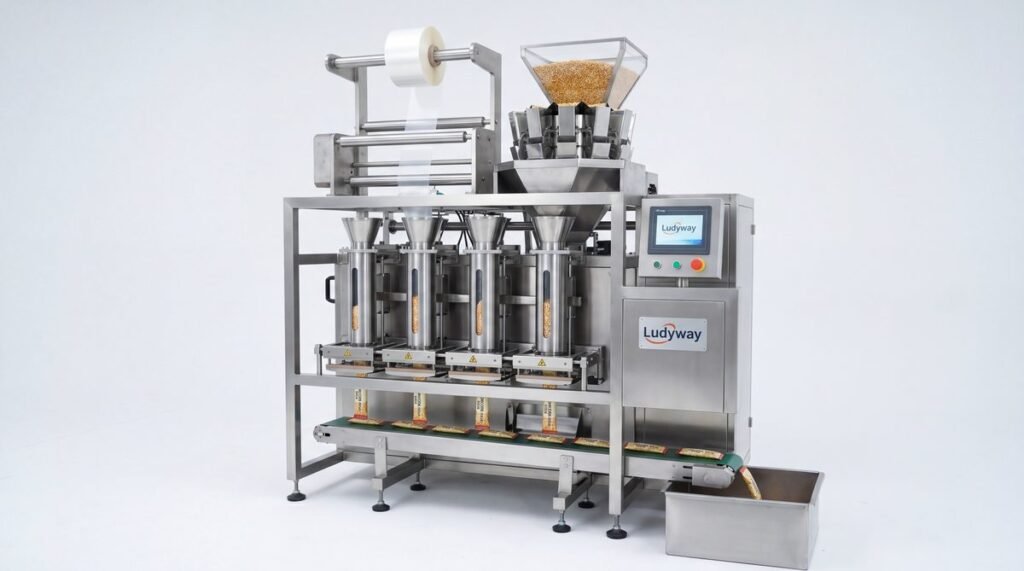
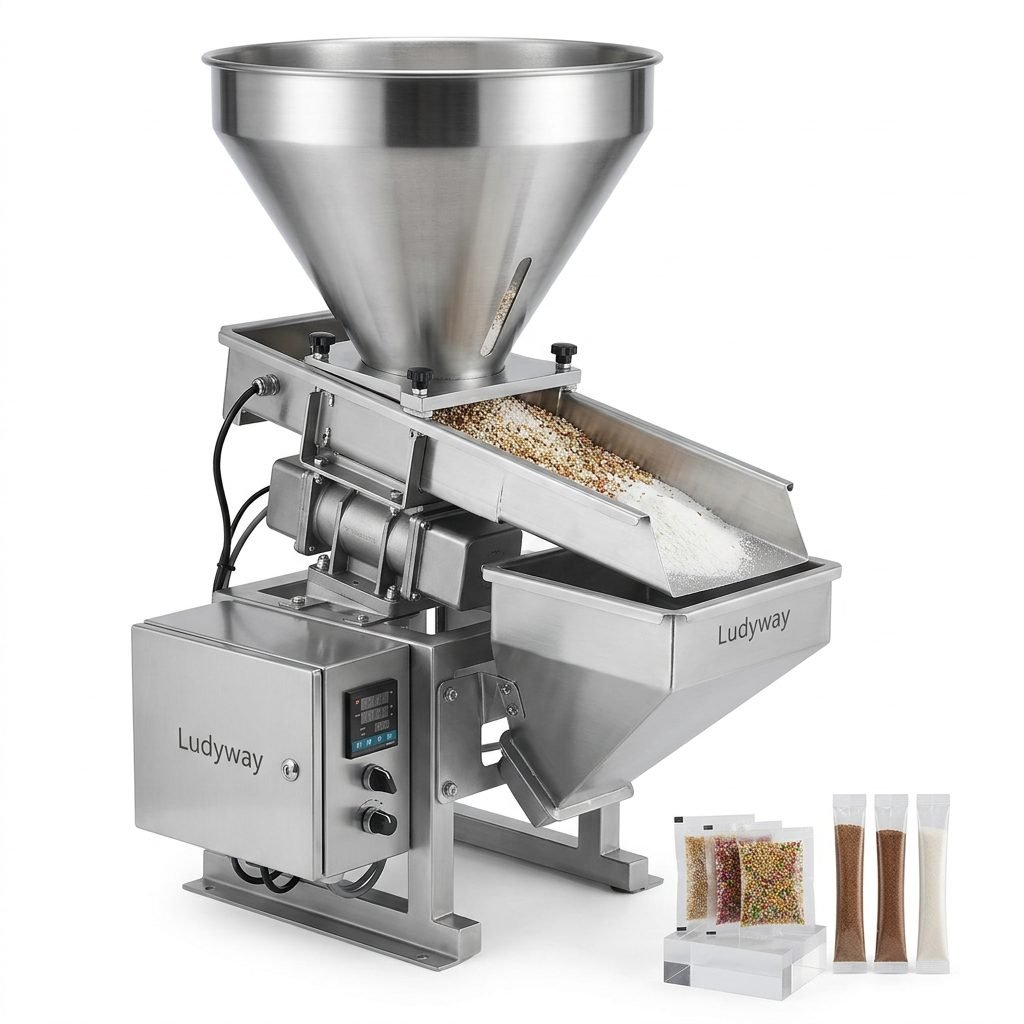
Modern automated packaging solutions for screws and bolts integrate several technologies into a seamless workflow. The process typically begins with a bulk hopper that feeds fasteners into a vibratory bowl feeder or linear conveyor. This system orients and singulates the parts, preparing them for the counting stage.
The heart of the system is the precision counting module. Advanced systems use high-speed optical sensors or weigh-scale technology to count pieces with 99.9%+ accuracy. Once counted, the fasteners are transferred to the packaging stage.
Key Packaging Formats Enabled by Automation
Automated equipment can create various package types to meet different market needs:
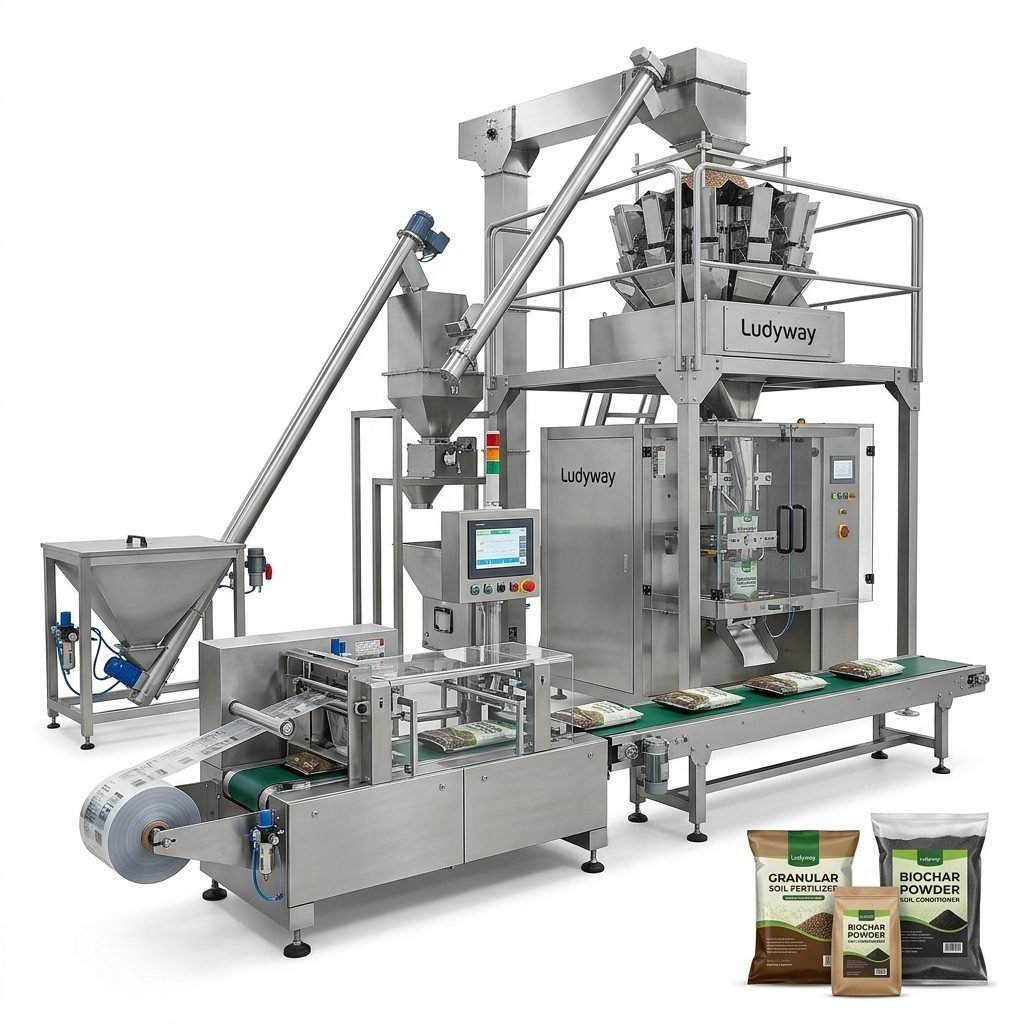
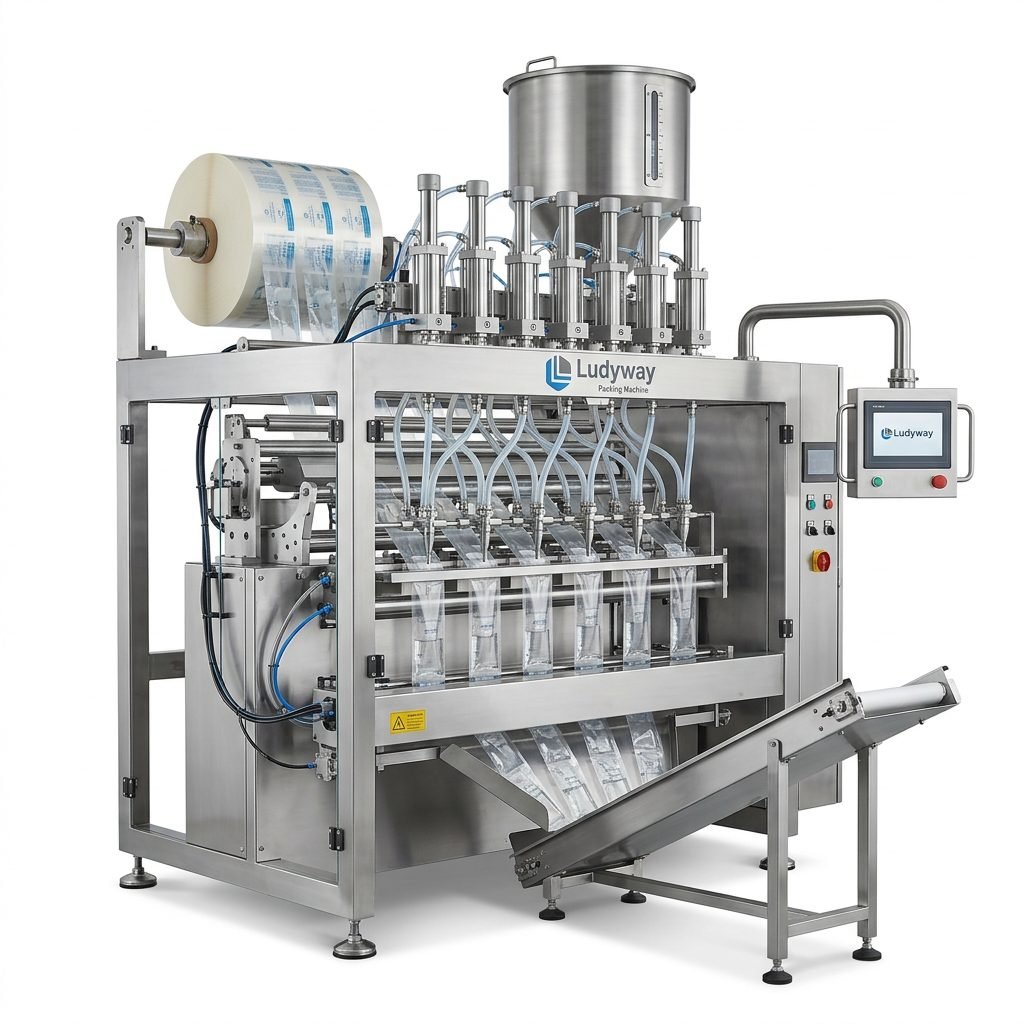
- Poly Bags (Pouches): The most common format. Machines form, fill, and seal bags from a roll of film, often adding a hanging hole for retail display.
- Cartons or Boxes: For larger quantities, systems can count and fill pre-made boxes or cartons before sealing.
- Blister Packs and Clamshells: For retail-ready presentation, some lines can place fasteners into blister cards or clamshells before heat-sealing.
- Reel or Tape Packaging: Specialized systems can package screws onto reels or tapes for use in automated assembly tools.
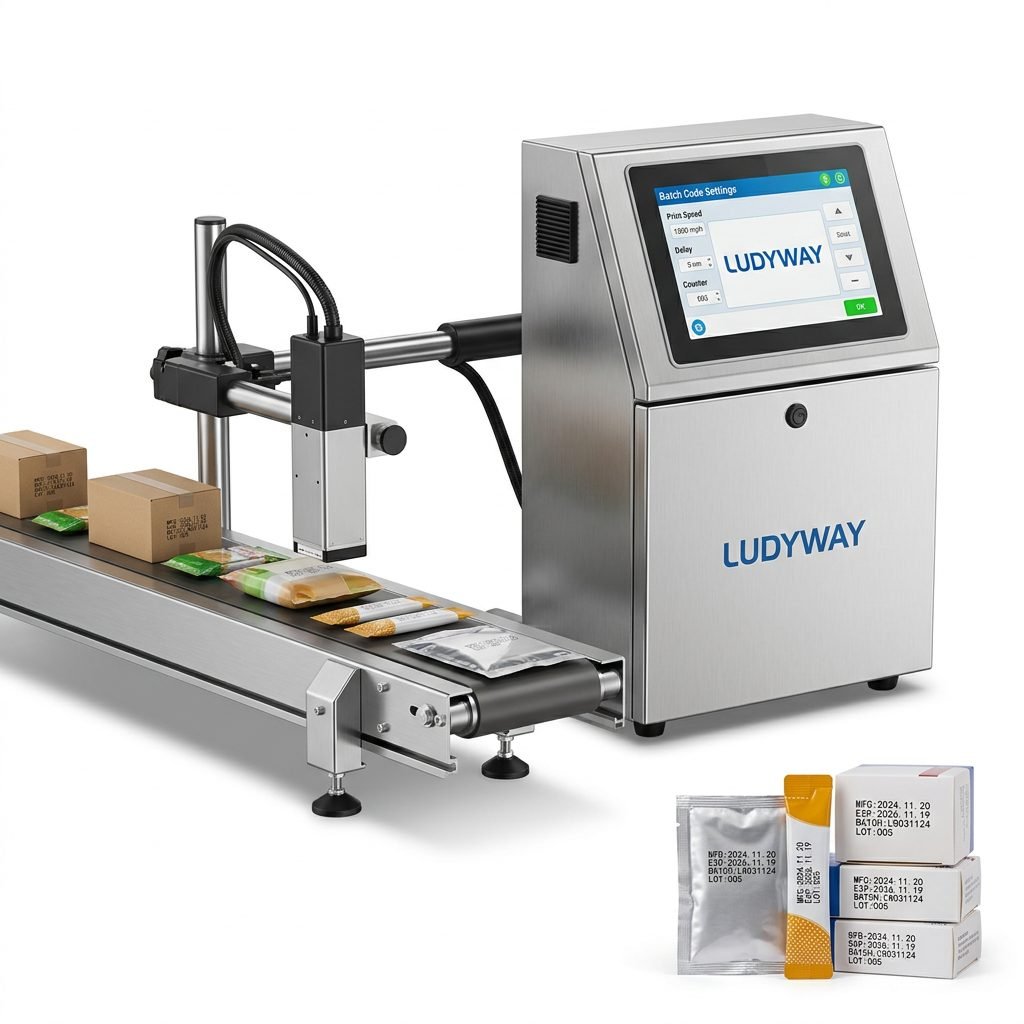
The final stage involves sealing, date/batch coding, and sometimes combining multiple bags into a master case. The entire line is controlled by a Programmable Logic Controller (PLC) with a user-friendly Human-Machine Interface (HMI), allowing operators to change pack counts, bag sizes, and production speeds with a few touches.
Major Benefits of Implementing Automated Packing
Investing in automated fastener packaging machinery delivers a rapid and substantial return on investment across multiple facets of the operation.
1. Dramatic Increase in Productivity & Output
Automated systems operate continuously at high speeds, far surpassing manual packing rates. What might take a team of workers hours can be accomplished by a single machine in minutes, freeing up personnel for higher-value tasks and enabling significant scale-up in production capacity.
2. Unmatched Accuracy and Consistency
Eliminating human counting errors ensures every bag contains the exact number of fasteners. This accuracy prevents costly “giveaway” (losing profit by overfilling) and protects against customer complaints due to underfilled packages. Consistency in bag quality and presentation enhances brand professionalism.
3. Significant Labor and Cost Savings
While the initial investment is notable, the reduction in direct labor costs, combined with savings from reduced material waste and error correction, leads to a compelling cost-per-pack reduction. The machine also mitigates risks associated with labor availability and training.
4. Enhanced Worker Safety and Ergonomics
Packing fasteners manually is repetitive and can lead to strain injuries. Automation removes workers from monotonous tasks, reducing the risk of repetitive stress injuries and improving overall workplace safety and morale.
5. Improved Scalability and Flexibility
Modern machines are designed for quick changeovers. Switching between different fastener types (e.g., from M3 screws to M6 bolts) or changing pack counts (from 50-piece to 100-piece bags) can often be done in minutes via the HMI, allowing for flexible, just-in-time production runs.
Choosing the Right Equipment: Key Considerations
Selecting the optimal fastener packaging equipment requires a careful analysis of your specific needs. Here are the critical factors to evaluate:
- Fastener Type and Size Range: The machine must reliably handle your specific products—whether small electronics screws, large structural bolts, or a mix of sizes. Consider length, diameter, head style, and material.
- Required Speed (Packs Per Minute): Match the machine’s output to your current and future production volumes.
- Counting Technology: Optical counters are extremely fast for uniform items, while multi-head weighers are excellent for mixed or slightly variable pieces. Some machines offer hybrid systems.
- Packaging Material and Format: Determine your film type (polyethylene, polypropylene), bag dimensions, and any special features needed, like zip locks or tear notches.
- Integration with Existing Lines: Will the packer need to interface with upstream production (e.g., from a parts cleaner) or downstream systems (e.g., cartoning, labeling)?
- Supplier Expertise and Support: Partner with a provider known for robust machinery, deep application knowledge, and reliable after-sales service, such as Ludyway Packing Machine. Their experience in delivering turnkey production solutions can be invaluable.
The Future: Smart Packaging Lines
The next evolution in fastener packaging is the integration of Industry 4.0 principles. Smart machines equipped with IoT sensors can monitor their own performance, predict maintenance needs, and provide real-time production data to central management systems. This enables predictive maintenance to prevent downtime, traceability for quality control (linking batch data to each bag), and optimized resource planning. Investing in equipment with this capability future-proofs your operation.
Companies focused on innovation, like Ludyway Machinery, are at the forefront of integrating these intelligent features into reliable automated packaging solutions.
In conclusion, automating the packaging of screws and bolts is a strategic decision that drives operational excellence. It directly addresses the core challenges of speed, accuracy, and cost in the fastener industry. By implementing the right automated solutions for efficient packing, manufacturers can achieve higher output, lower costs, improved product quality, and a stronger competitive position in the global market. The transition from manual to automated packaging is a clear step toward a more efficient, profitable, and scalable manufacturing future.
Frequently Asked Questions (FAQs)
1. How accurate are automated fastener counting machines?
Modern high-speed optical counters and multi-head weighers are exceptionally accurate, typically achieving 99.9% or higher counting accuracy. This means an error rate of less than 1 piece per 1,000, ensuring virtually every bag contains the exact specified count.
2. Can one machine handle different types and sizes of fasteners?
Yes, many machines are designed for flexibility. However, a changeover between vastly different sizes (e.g., tiny screws to large bolts) usually requires changing the feeding bowl, conveyor tracks, and sometimes tooling on the bag former. Quick-change designs can minimize this downtime to 15-30 minutes.
3. What is the typical payback period for this equipment?
The payback period varies based on labor costs, production volume, and the specific machine. For operations with high manual packing labor, it’s common to see a full return on investment within 12 to 24 months through labor savings, reduced waste, and increased output.
4. How do automated systems handle oily or dirty fasteners?
Oily or debris-covered fasteners can clog feeders and foul sensors. It’s highly recommended to clean and dry fasteners before packaging. Many turnkey production solutions include integrating a parts washer/dryer upstream of the packaging machine to ensure consistent, reliable operation.
5. What kind of maintenance do these machines require?
Regular maintenance is crucial for longevity. Daily cleaning of feeders and sensors, weekly lubrication of moving parts, and periodic inspection of seals and cutting blades are standard. Choosing a supplier with strong technical support ensures you have access to spare parts and service expertise when needed.