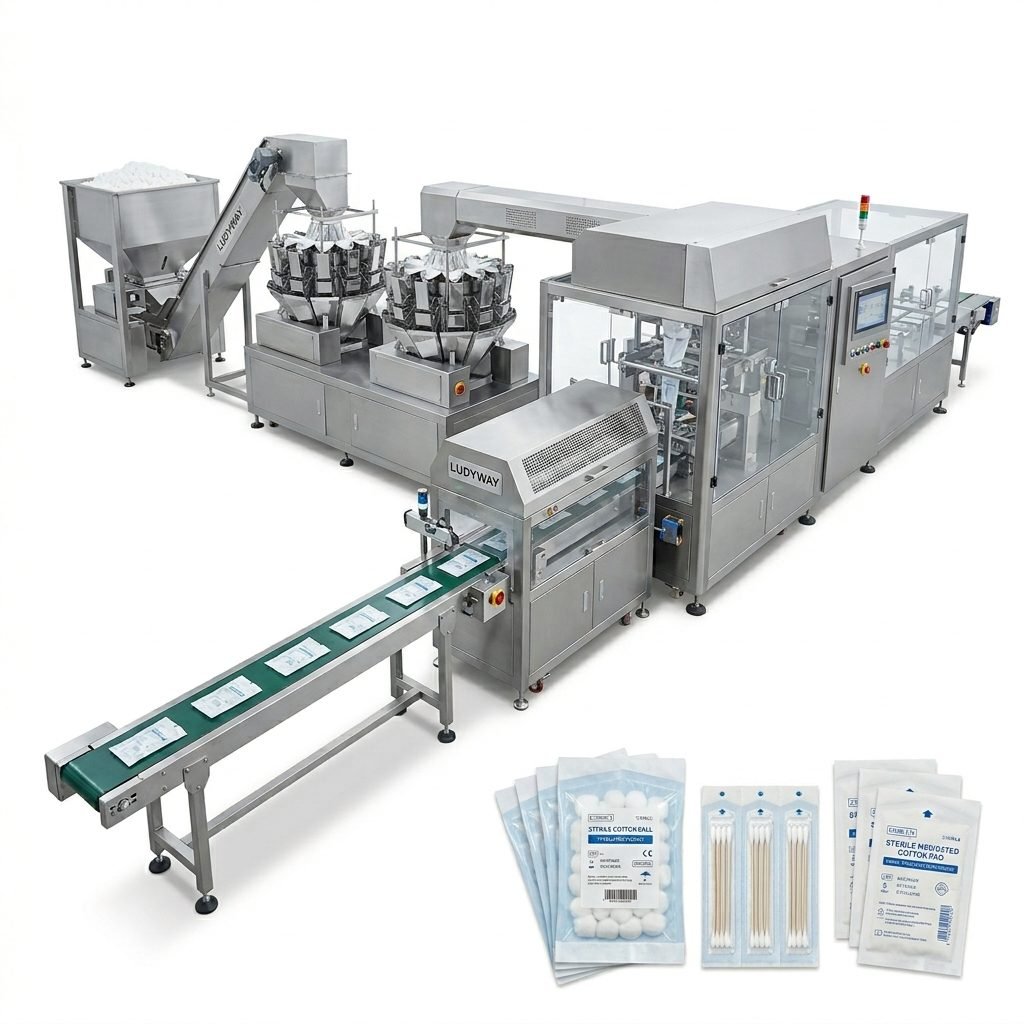
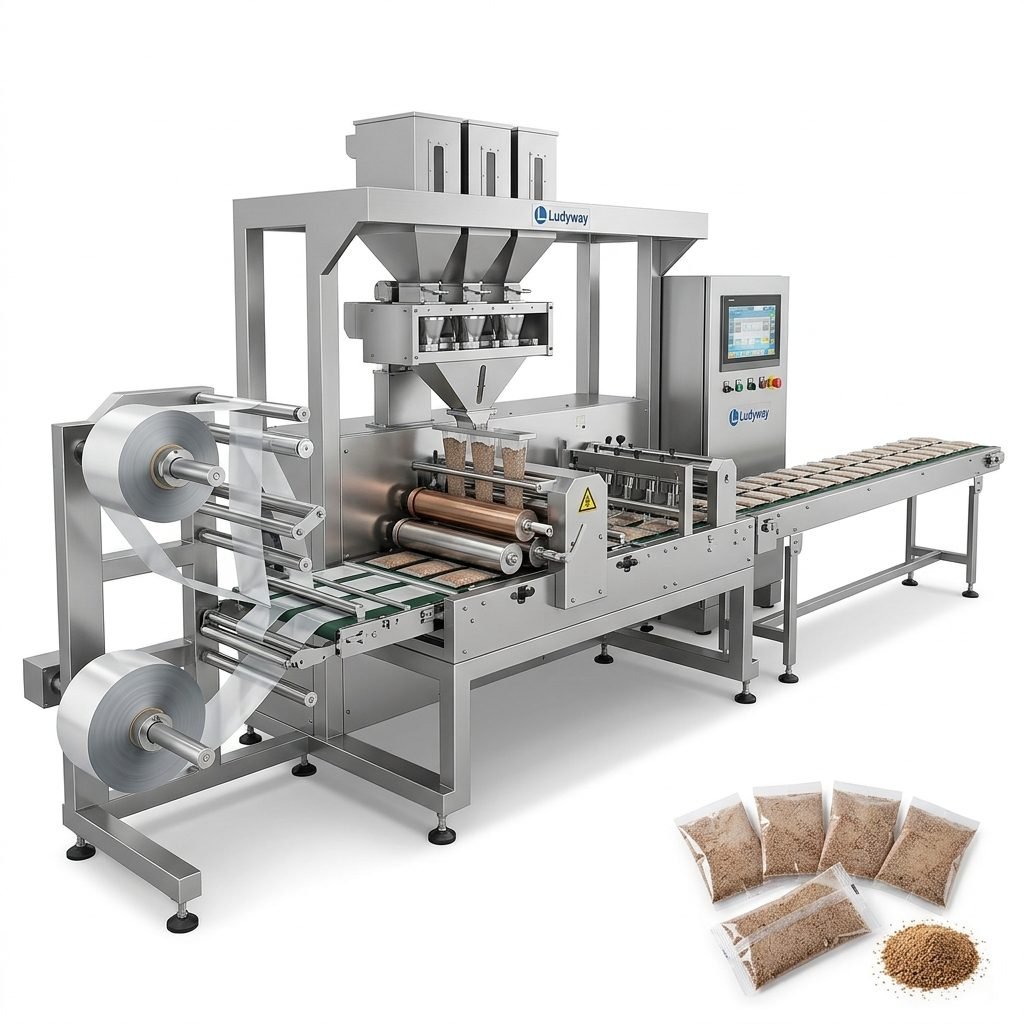
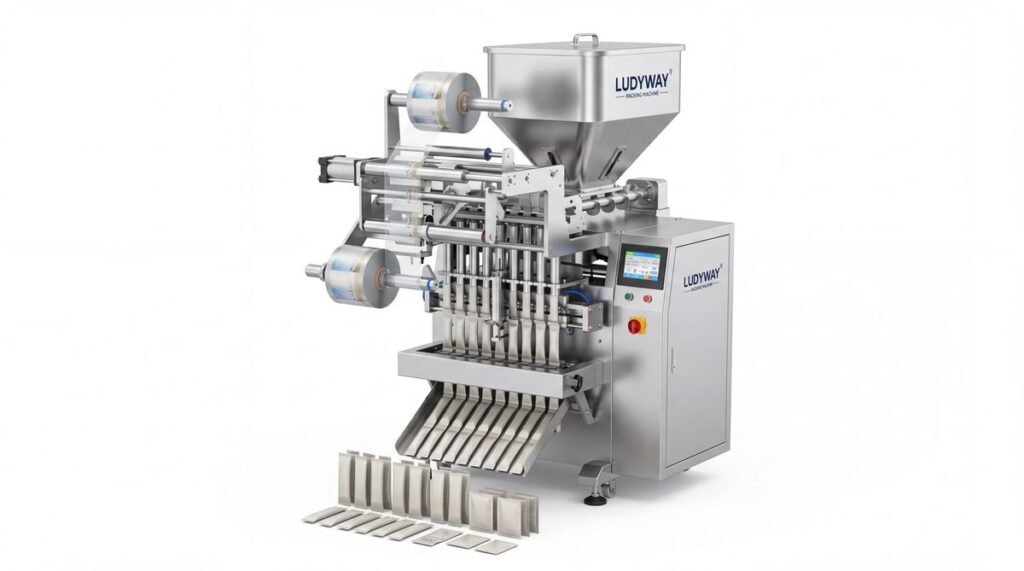
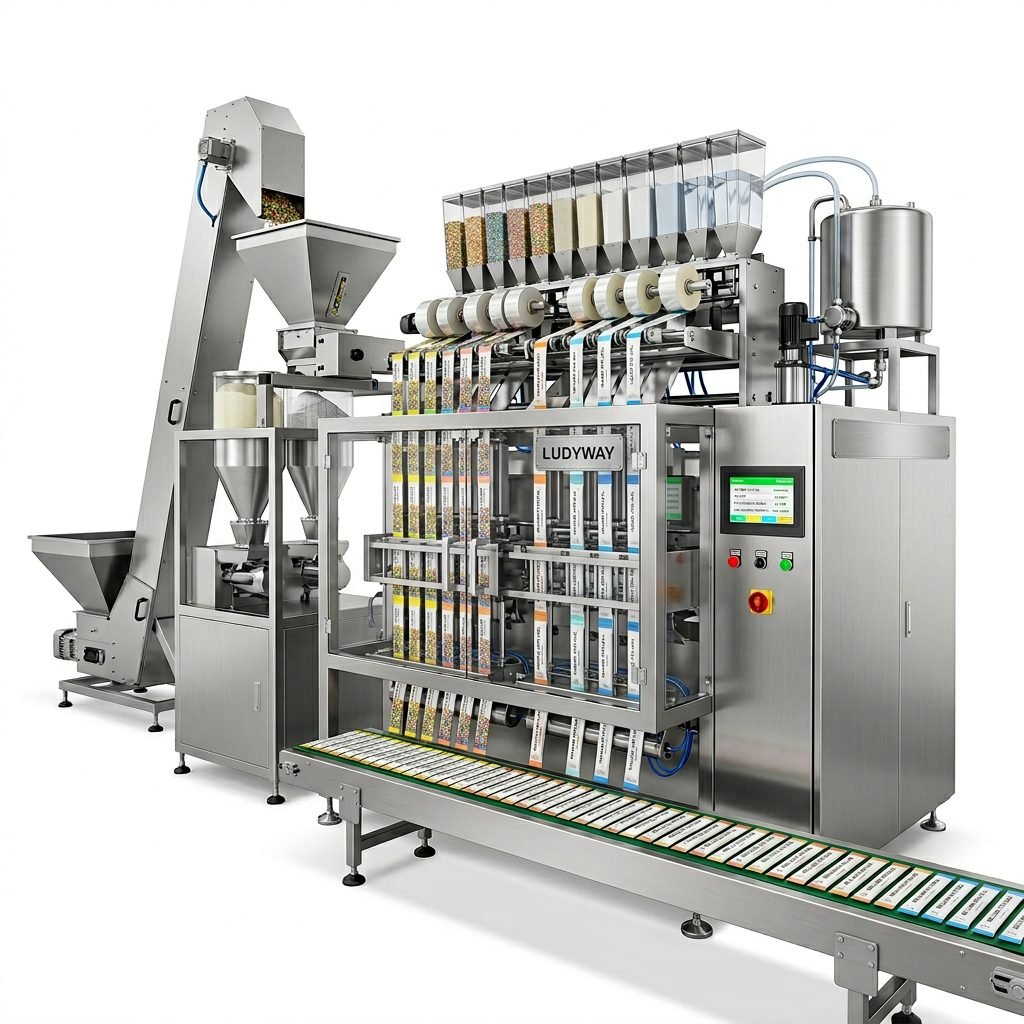
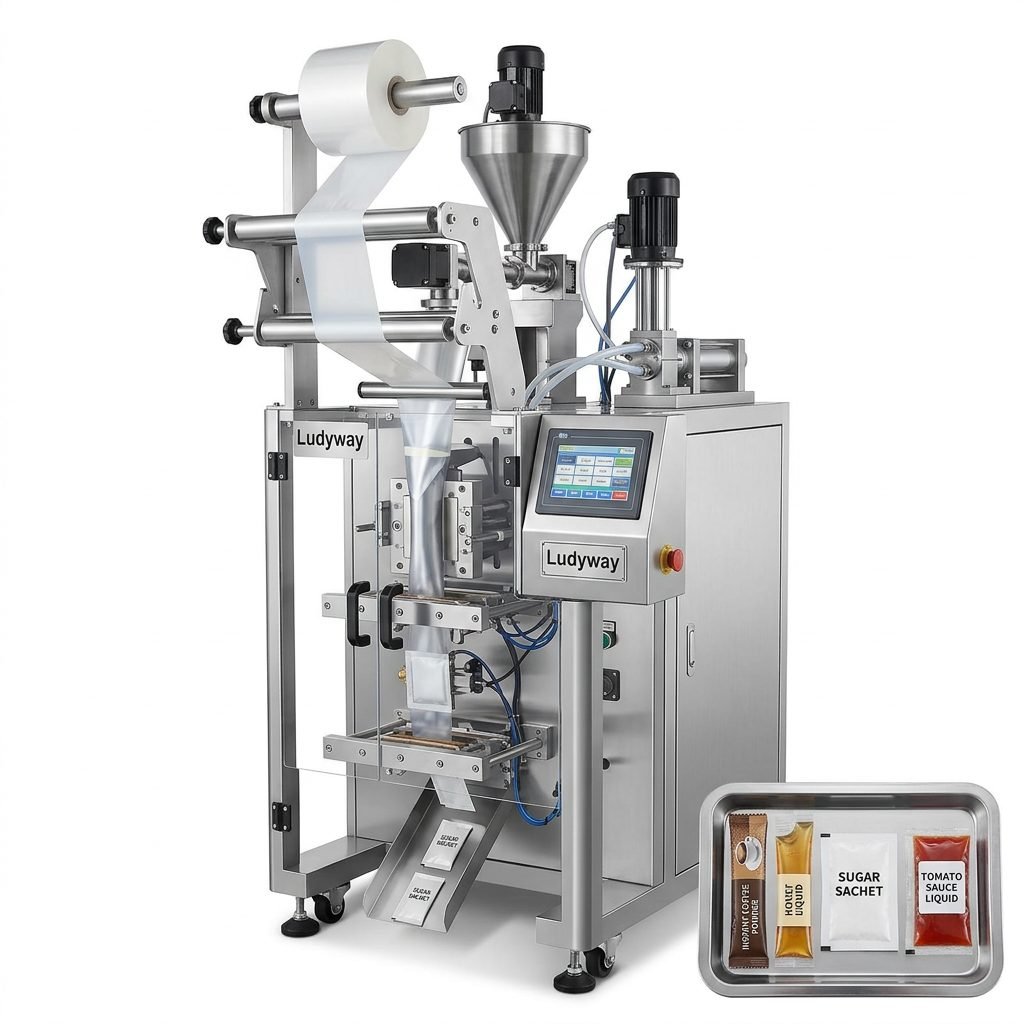
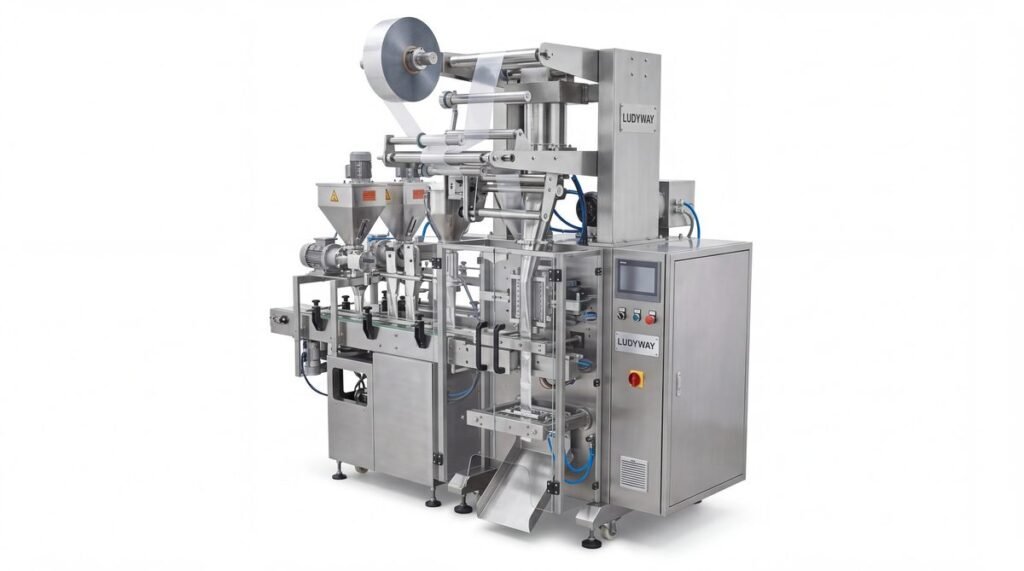
Investing in a capsule blister packaging machine is a critical decision for pharmaceutical manufacturers, nutraceutical companies, and contract packagers. The right equipment directly impacts production efficiency, product integrity, and regulatory compliance. With a wide range of machine types, configurations, and automation levels available, understanding the key selection criteria is essential before making a purchase.
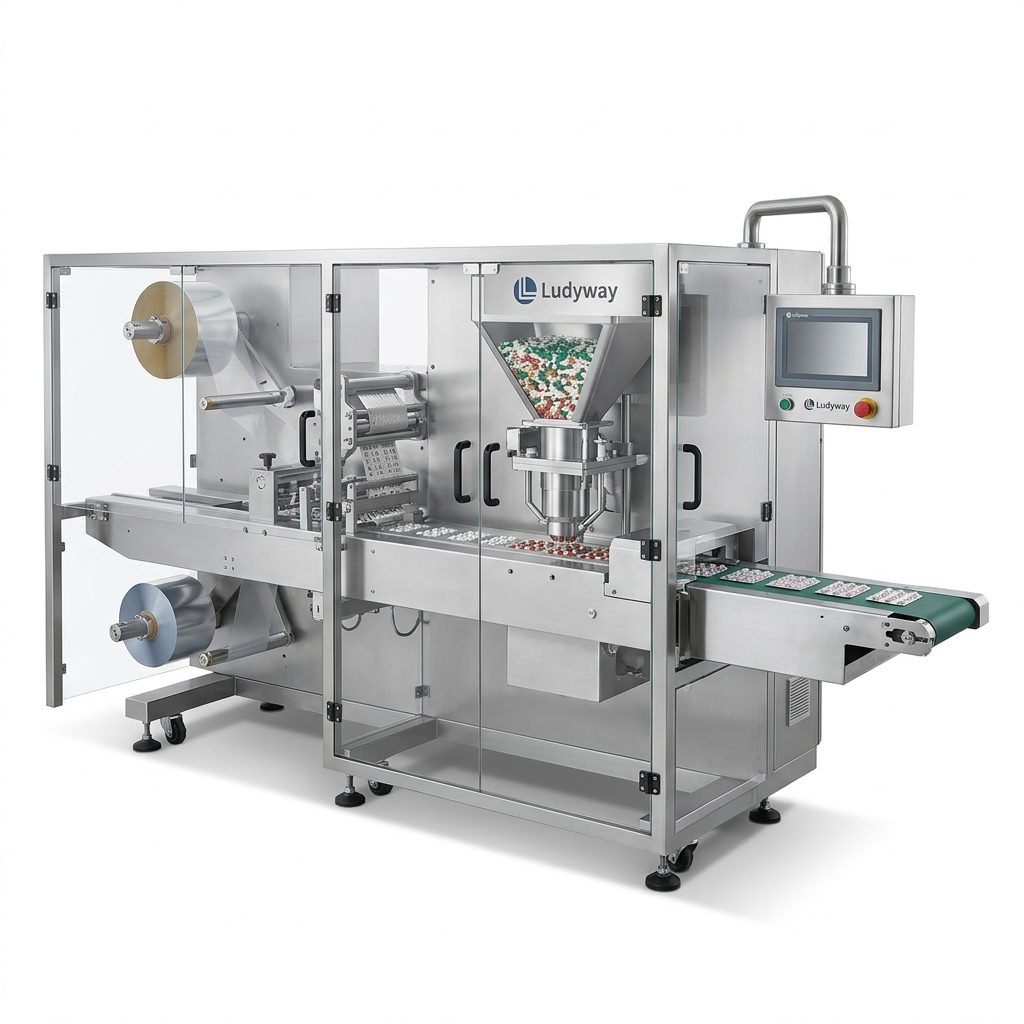
Understanding Capsule Blister Packaging Machine Types
Before evaluating specific features, it is important to understand the main categories of blister packaging equipment. Machines generally fall into three primary operational formats, each suited to different production scales and requirements.
- Manual and Semi-Automatic Machines: Ideal for small-batch production, clinical trials, or start-up operations. Operators manually load capsules and initiate sealing cycles.
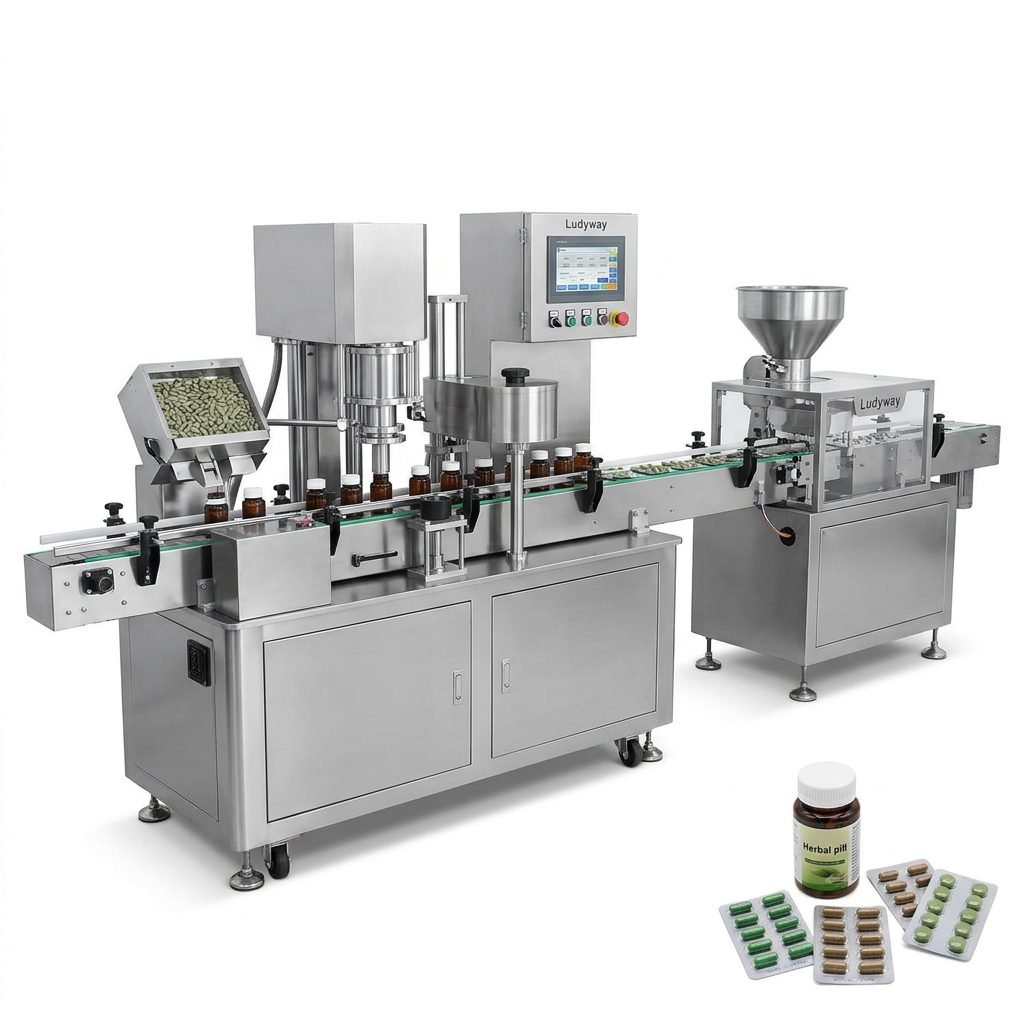
- Automatic Continuous-Motion Machines: Designed for medium to high-volume production, these machines use rotary or flat-plate systems to form, fill, and seal blisters in a continuous cycle.
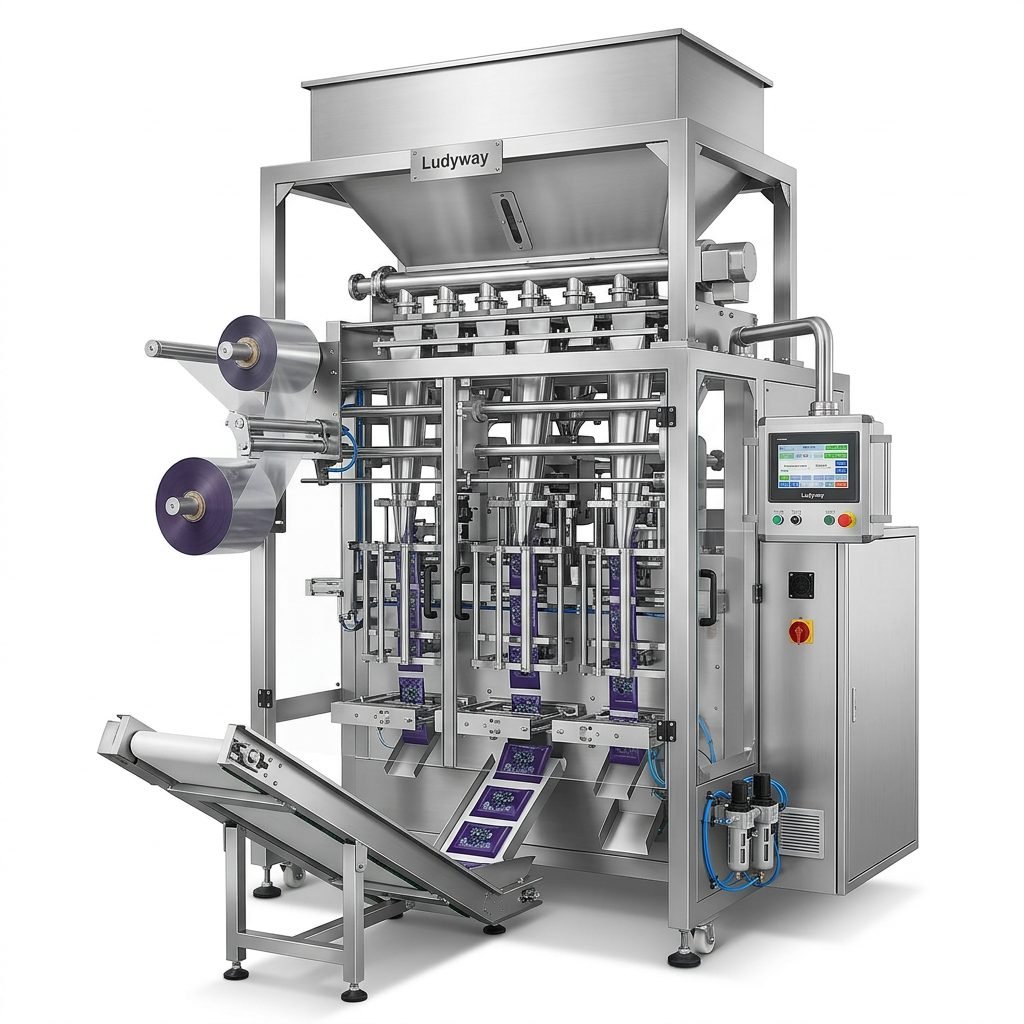
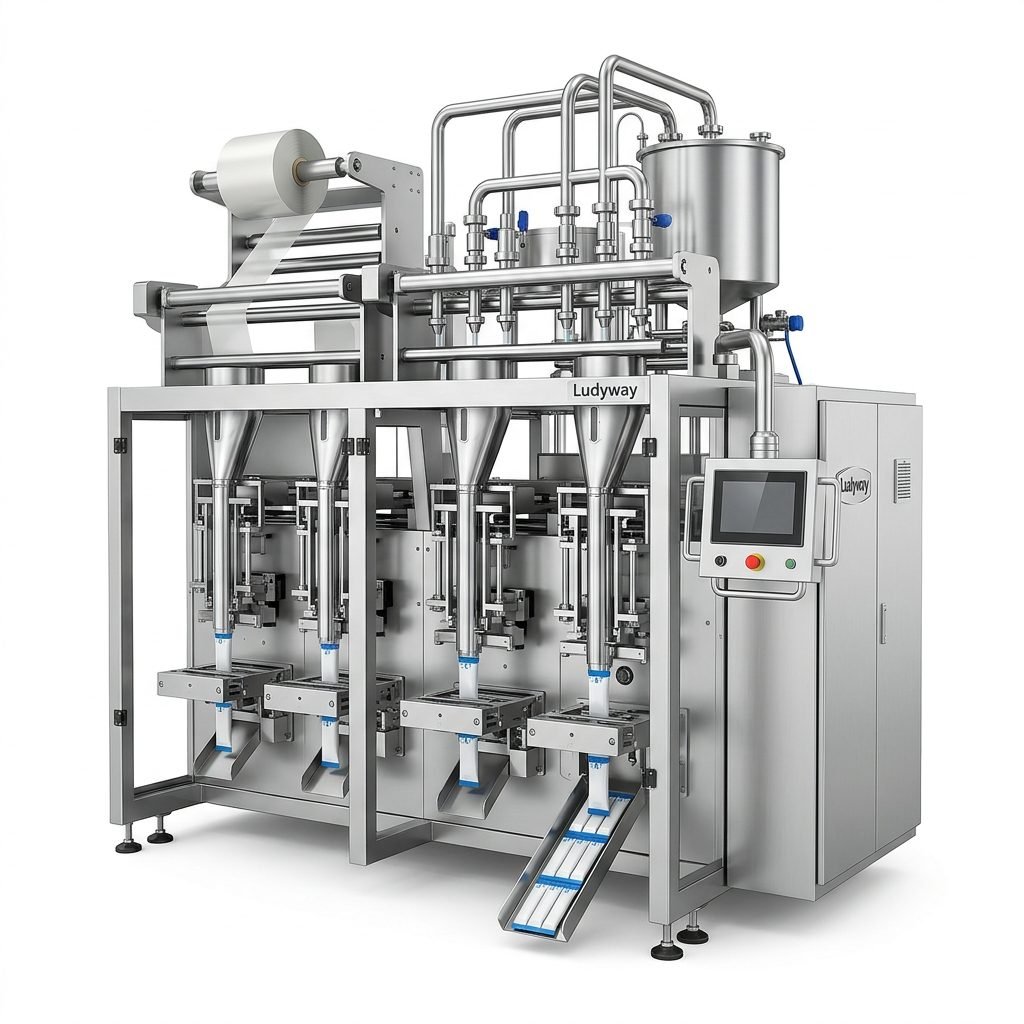
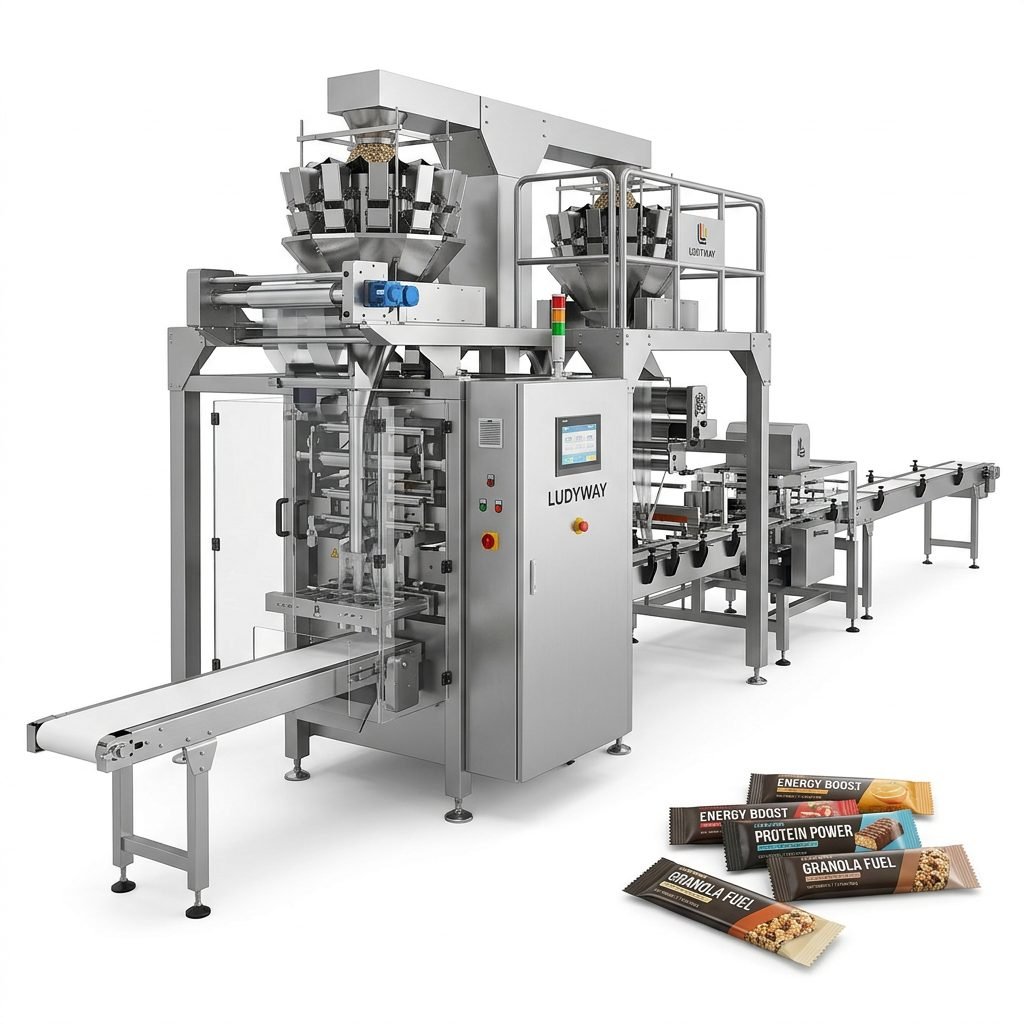
- High-Speed Integrated Lines: Fully automated systems that combine blister forming, capsule feeding, sealing, perforating, and cartoning into a single synchronized workflow, often exceeding 600 blisters per minute.
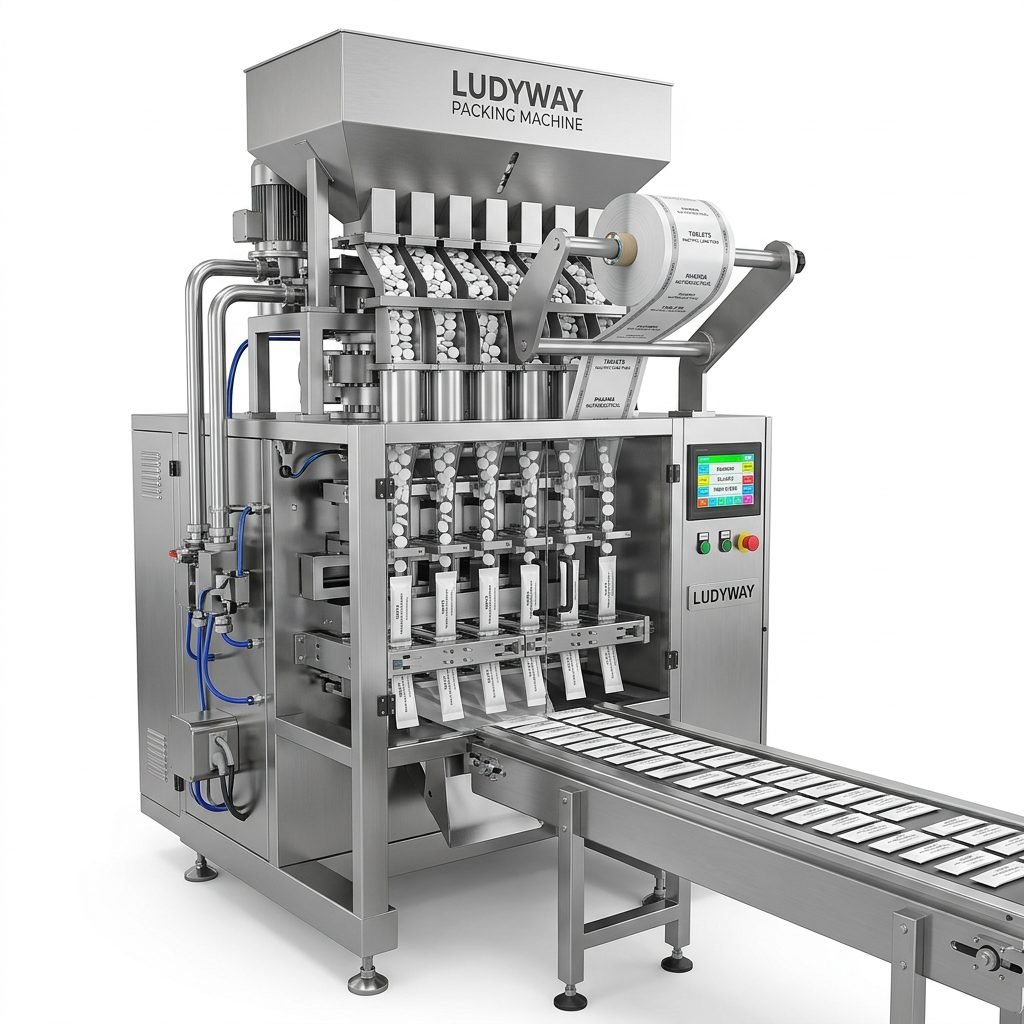
Key Factors to Evaluate Before Purchasing
Selecting the most suitable machine requires a systematic evaluation of your production needs. The packaging machinery market research from industry associations highlights that manufacturers should prioritize the following considerations:
Production Capacity and Speed Requirements
Determine your current and projected output volumes. Machine speed is typically measured in cycles per minute or blisters per hour. A machine that cannot scale with your growth may require premature replacement. Consider whether you need single-lane or multi-lane configurations, as multi-lane systems can multiply throughput without proportionally increasing floor space.
Capsule and Blister Material Compatibility
Not all machines handle every material combination. Confirm compatibility with:
- Forming films: PVC, PVDC, Aclar, aluminum, or PP
- Lidding materials: Heat-seal lacquered aluminum, paper-backed foil, or peelable laminates
- Capsule types: Hard gelatin, HPMC, softgel, or liquid-filled capsules
Machines with adjustable forming temperature and pressure controls offer greater material flexibility. The Flexible Packaging Association provides valuable resources on material selection and performance characteristics.
| Feature | Manual/Semi-Auto | Automatic | High-Speed Line |
|---|---|---|---|
| Output Range | 30–80 blisters/min | 150–400 blisters/min | 400–800+ blisters/min |
| Material Flexibility | Moderate | High | Configurable |
| Operator Involvement | High | Low to Moderate | Minimal |
| Changeover Time | Short | Medium | Medium to Long |
| Initial Investment | Lower | Moderate to High | Highest |
Compliance and Quality Standards
Pharmaceutical packaging is one of the most heavily regulated manufacturing sectors. Your capsule blister packaging machine must support compliance with applicable standards. Key regulatory frameworks include cGMP (Current Good Manufacturing Practice), 21 CFR Part 211 for finished pharmaceuticals, and ISO 11607 for packaging validation in medical applications. Equipment should facilitate:
- Serialization and track-and-trace integration for regulatory compliance
- Vision inspection systems for detecting missing capsules, debris, or seal defects
- Data logging and audit trail capabilities for batch documentation
- Validatable processes with documented IQ/OQ/PQ protocols
The FDA’s packaging and food contact substances guidelines provide additional regulatory context for materials used in pharmaceutical packaging.
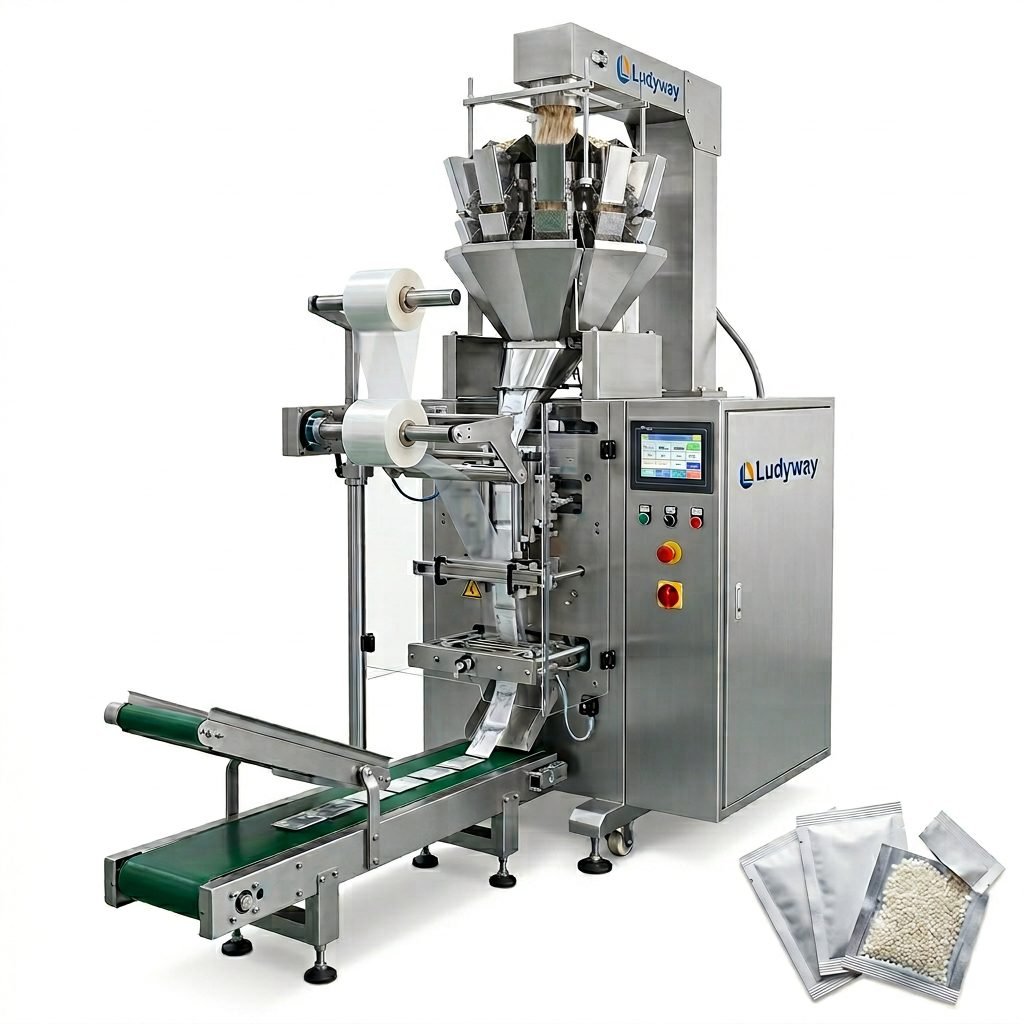
Automation and Integration Capabilities
Modern capsule blister packaging machines rarely operate in isolation. Integration with upstream and downstream equipment can dramatically improve overall line efficiency. When evaluating machines, assess compatibility with:
- Automated capsule feeding systems that connect directly to capsule fillers
- In-line printing and coding for batch numbers, expiry dates, and barcodes
- Cartoning and case packing modules for end-of-line automation
- Palletizing and stretch-wrapping systems for warehouse-ready output
Machines with open communication protocols and modular design allow phased automation upgrades without replacing the entire blister line.
Floor Space and Facility Requirements
Measure your available production floor area carefully. High-speed integrated lines can require substantial space for infeed systems, blister modules, and outfeed conveyors. Also verify utility requirements including compressed air specifications, electrical supply, and any cleanroom classification needs. Machines designed for cleanroom installation should feature smooth surfaces, minimal crevices, and HEPA-compatible exhaust filtration.
Supplier Evaluation and After-Sales Support
The manufacturer you choose is as important as the machine itself. Evaluate potential suppliers based on their industry experience, technical support infrastructure, and spare parts availability in your region. Key questions to ask include:
- Does the supplier offer factory acceptance testing (FAT) and site acceptance testing (SAT)?
- What is the standard warranty period and coverage for critical components?
- Are remote diagnostics and technical support available for troubleshooting?
- How quickly can spare parts be delivered to your location?
- Does the company provide operator training and ongoing technical consultation?
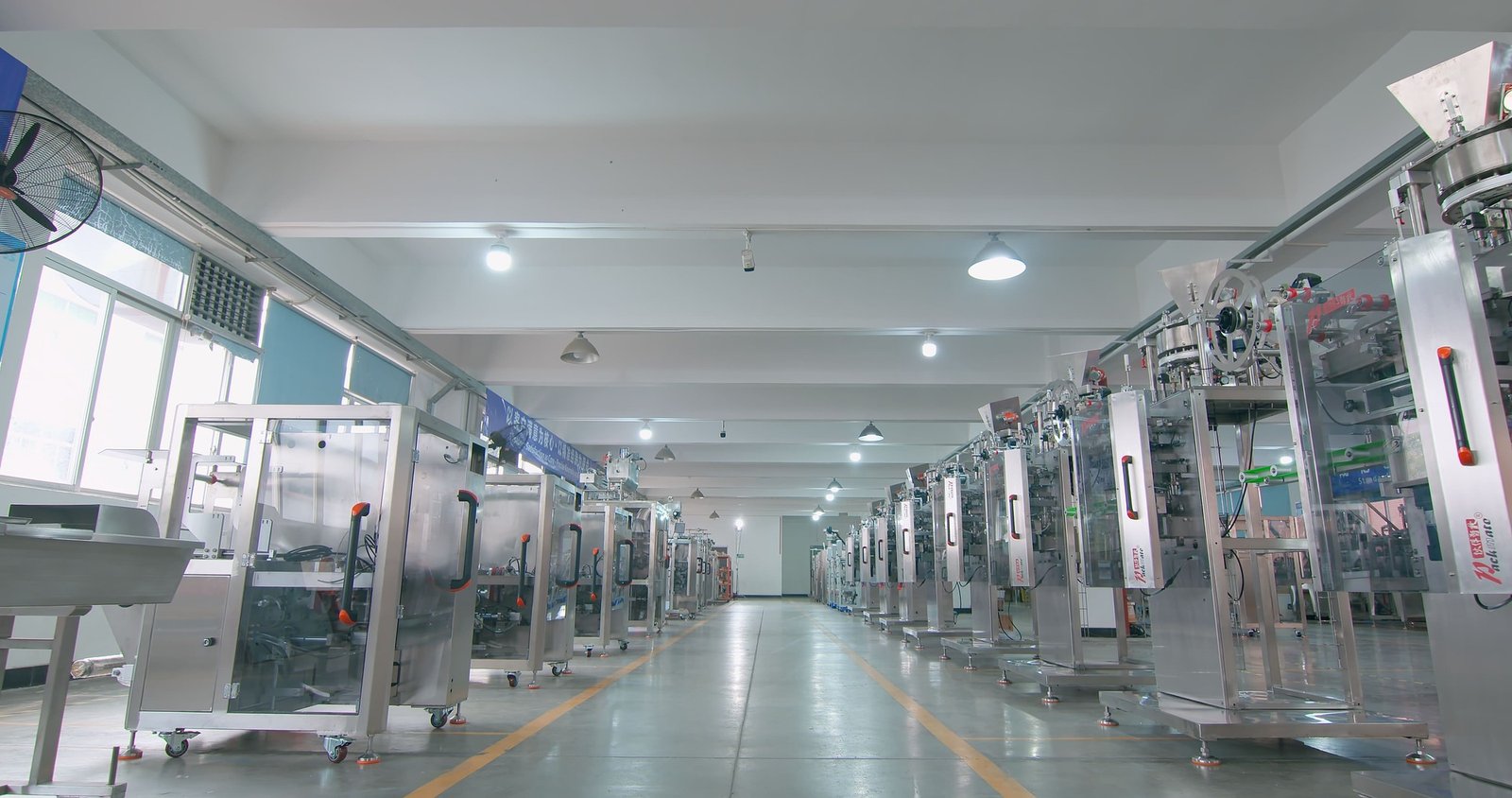
For pharmaceutical manufacturers seeking comprehensive solutions, Ludyway Machinery offers automated packaging equipment and turnkey systems with more than 30 years of industry experience, serving manufacturers in over 100 countries with customized machine configurations and global technical support.
Total Cost of Ownership Considerations
Purchase price alone does not reflect the true cost of a capsule blister packaging machine. A comprehensive total cost of ownership (TCO) analysis should account for:
- Energy consumption patterns during continuous operation
- Consumable costs including forming films, lidding foils, and replacement tooling
- Maintenance schedules and the availability of preventive maintenance programs
- Changeover downtime between different blister formats or capsule sizes
- Scrap and waste rates during start-up and normal operation
- Operator training requirements and ongoing labor costs
Machines with servo-driven systems and quick-change tooling often deliver faster format changeovers, reducing downtime and improving overall equipment effectiveness (OEE). The 2026 State of the Industry report offers benchmarks on packaging machinery performance and cost trends.
Validation and Documentation Support
For pharmaceutical applications, the machine supplier should provide comprehensive validation documentation packages. These typically include design qualification (DQ), installation qualification (IQ), operational qualification (OQ), and performance qualification (PQ) protocols. Confirm that the manufacturer can supply material certificates, calibration records, and compliance declarations relevant to your target markets, whether FDA-regulated, EU GMP Annex 11, or other regional frameworks.
Testing and Sampling Before Commitment
Before finalizing your purchase, conduct product trials using your actual capsule formulations and preferred blister materials. Most reputable manufacturers offer laboratory testing or pilot runs. During trials, evaluate:
- Seal integrity across the full blister card
- Capsule orientation consistency after forming and sealing
- Visual appearance and flatness of finished blisters
- Ease of opening for end-users while maintaining child-resistance if required
- Machine performance at different speed settings
Future-Proofing Your Investment
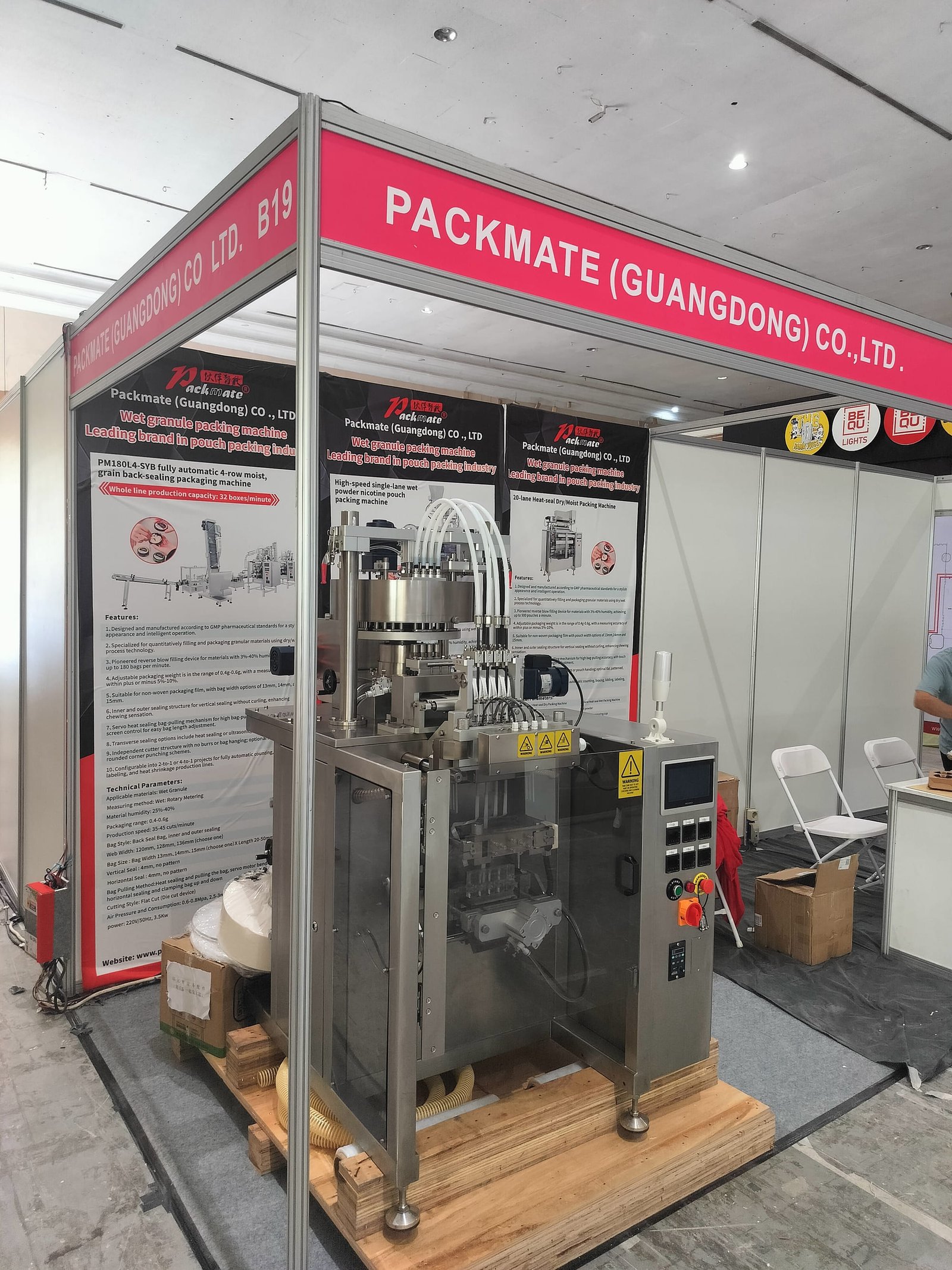
The pharmaceutical packaging landscape continues to evolve with serialization mandates, sustainable packaging initiatives, and smart factory integration. When selecting a capsule blister packaging machine, consider whether the platform supports future upgrades such as:
- Serialization and aggregation modules for compliance with track-and-trace regulations
- IoT-enabled monitoring for predictive maintenance and real-time OEE tracking
- Sustainable material compatibility including recyclable mono-materials and reduced-plastic formats
- Robotic handling integration for automated blister-to-carton loading
Choosing a machine built on a modular, upgradeable platform extends its useful life and adapts to changing market requirements. Reference resources from the PMMI packaging industry resources portal can help you stay informed about evolving standards and technology trends.
Making the right choice requires balancing immediate production needs with long-term strategic goals. A thorough evaluation of machine specifications, supplier capabilities, compliance requirements, and total cost of ownership will guide you toward equipment that delivers consistent quality, reliable performance, and scalable growth for years to come.