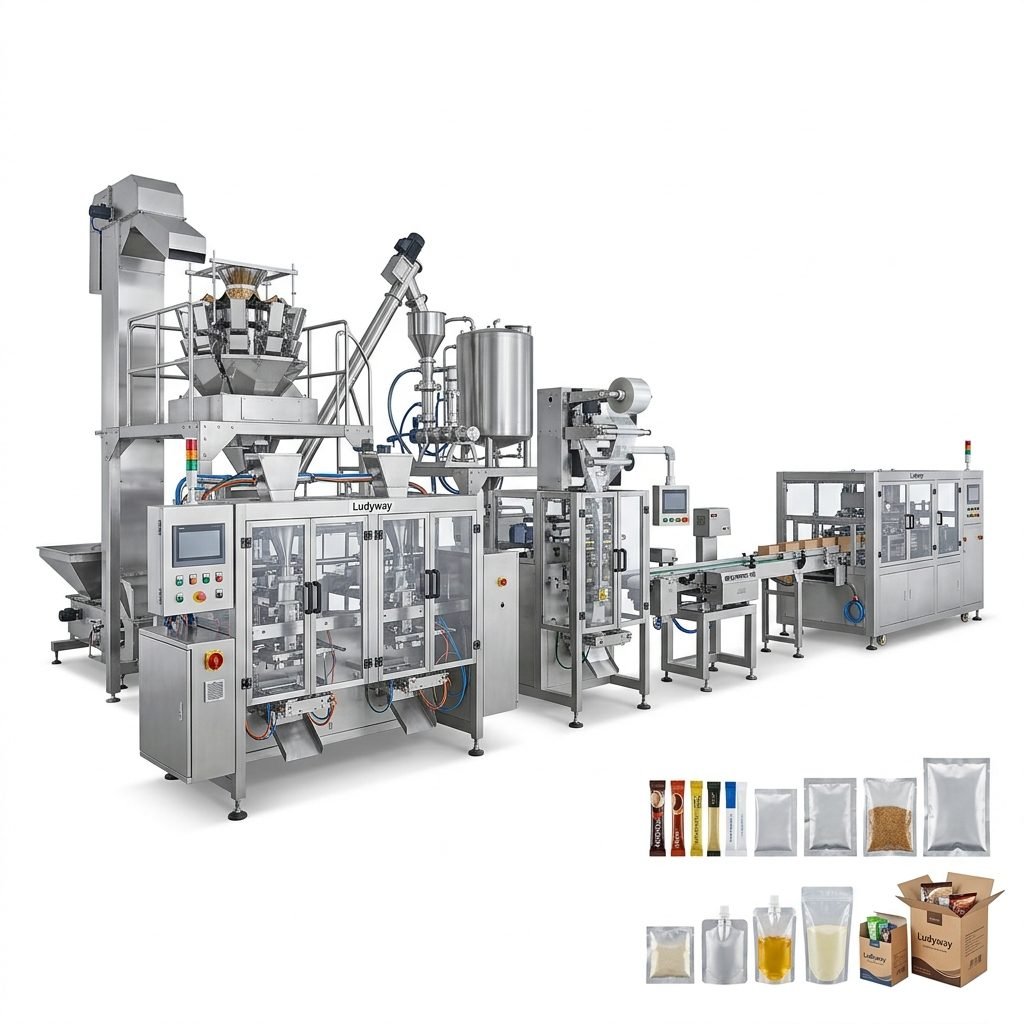
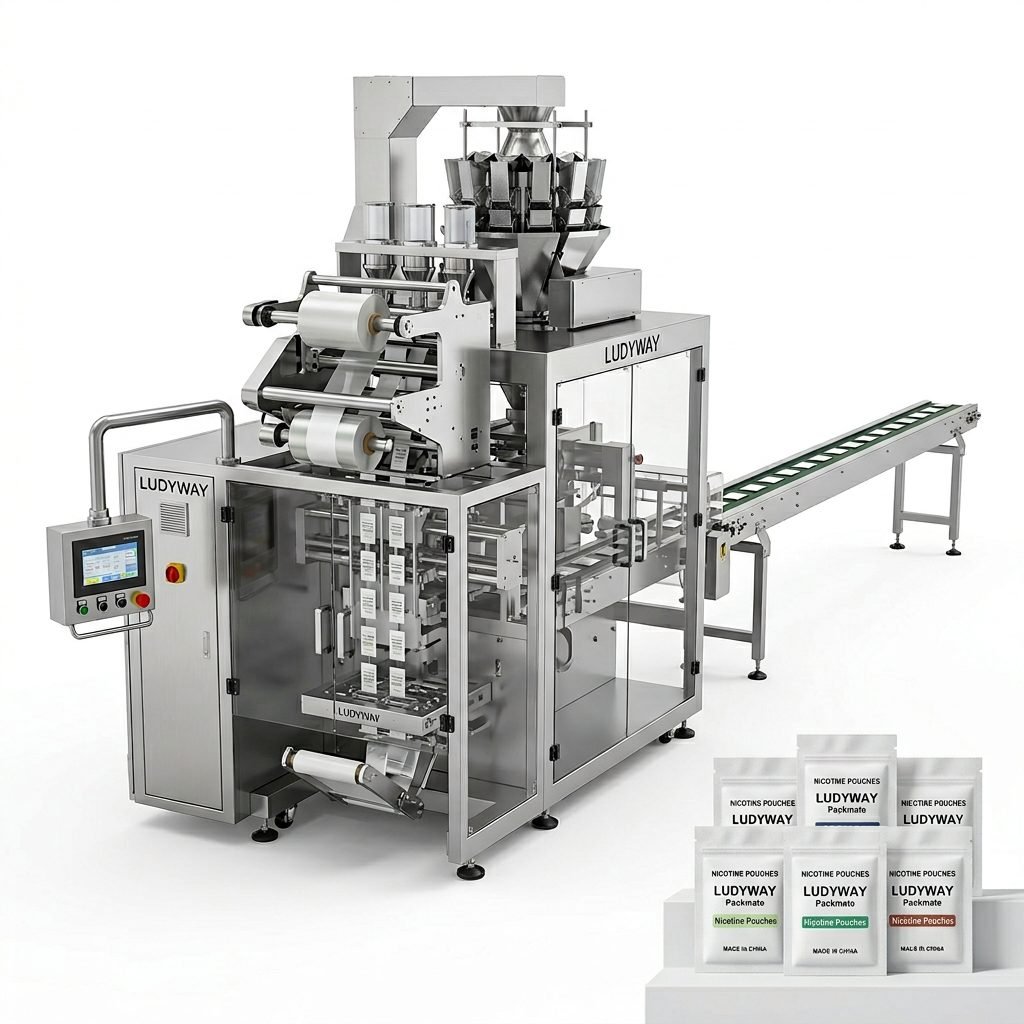
Investing in the right cashew (kaju) packing machine is a critical decision that directly impacts your production efficiency, product quality, and long-term profitability. Whether you are expanding your processing facility or starting a new packaging line, the vast array of equipment available can make the selection process feel overwhelming. From multi-head weighers to vertical form fill seal (VFFS) machines and complete turnkey solutions, understanding the nuances of each technology is essential to avoid costly mistakes.
This comprehensive buyer’s guide breaks down everything you need to know to choose the perfect cashew packaging solution for your specific needs. We will explore the key factors, from the physical characteristics of cashews to automation levels and global standards, ensuring you make an informed investment backed by industry insights from organizations like the PMMI – The Association for Packaging and Processing Technologies.
1. Understanding the Unique Challenges of Cashew Packaging
Before selecting equipment, it’s vital to analyze the product itself. Cashews are not uniform; they are delicate, irregularly shaped nuts prone to breakage. A poorly designed machine can crush your product, leading to significant waste and reduced visual appeal on retail shelves.
The key product characteristics you must account for include:
- Fragility: The machine must handle the product gently to prevent the formation of crumbs and dust.
- Shape Irregularity: Unlike perfectly round pills, cashews require specialized feeding and weighing mechanisms.
- Oil Content: The natural oils in cashews can sometimes leave residue or cause friction issues in tracks and hoppers if not properly designed.
- Target Weight: Are you packing snack-size sachets, retail stand-up pouches, or bulk bags? The required weighing accuracy and speed will dictate the dosing system.
2. Key Machine Configurations for Kaju Packaging
There are several mechanical approaches to packing cashews. Your choice depends on the bag style, production capacity, and budget. Below is a breakdown of the most common configurations used in the nut industry.
Multi-Head Weigher Systems
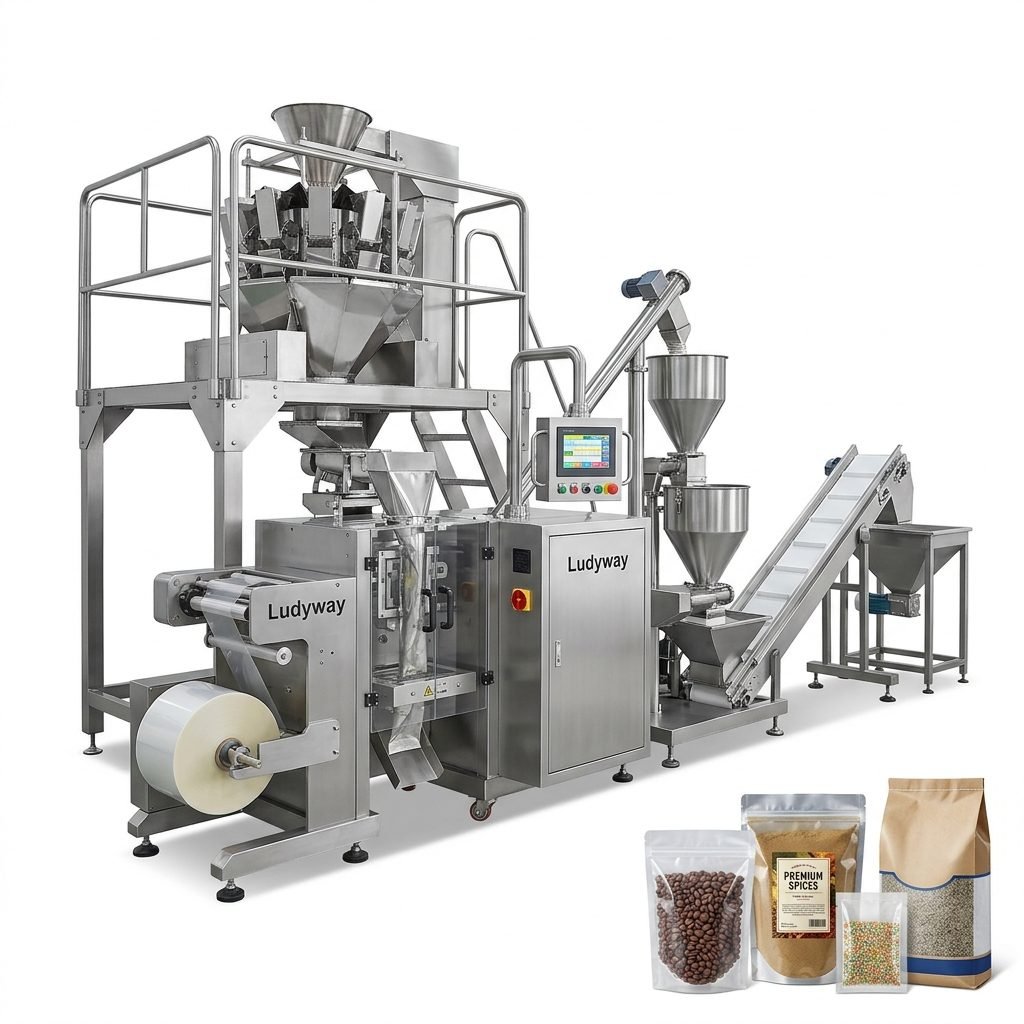
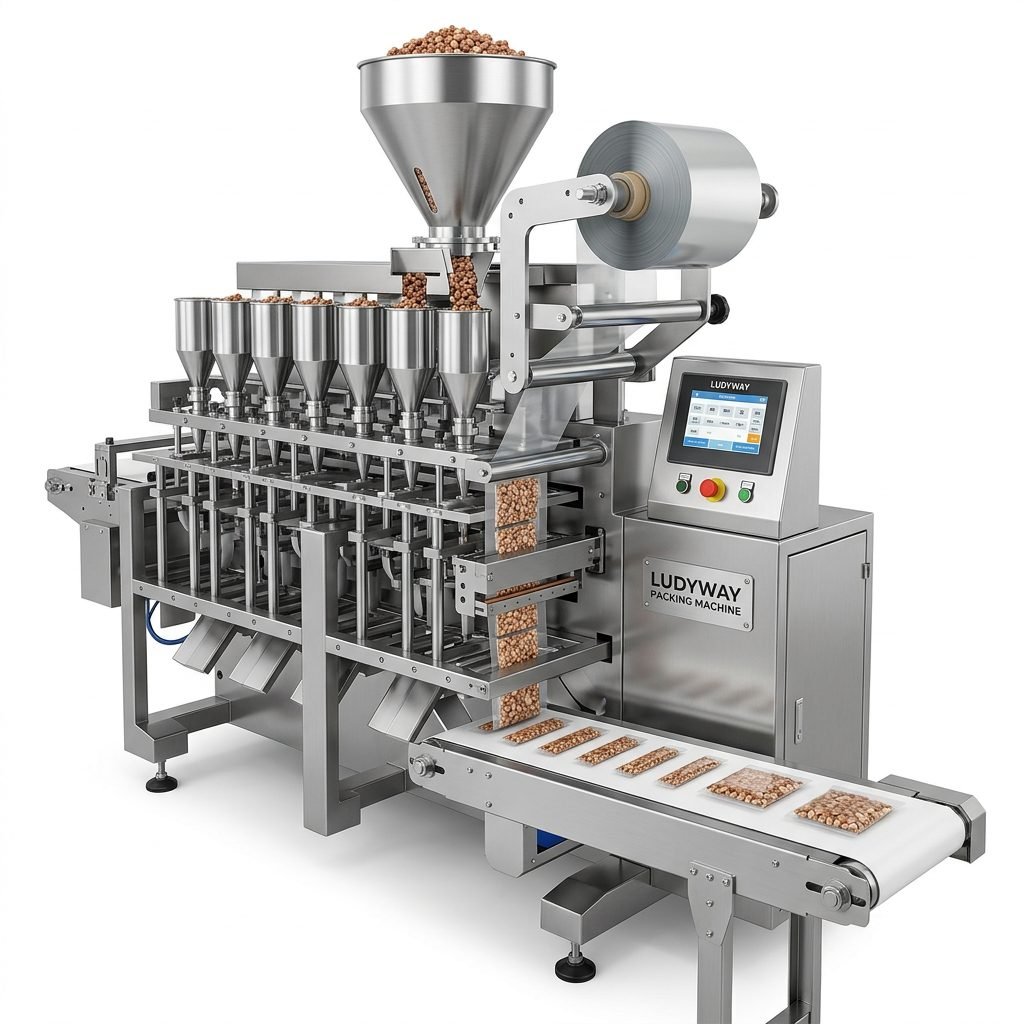
The combination weigher is the gold standard for precision in the flexible packaging industry. These systems use multiple weigh buckets to calculate the exact best combination to hit your target weight with minimal giveaway. For cashews, top-mount dimpled plates and specialized timing hoppers are critical to prevent damage and chipping.
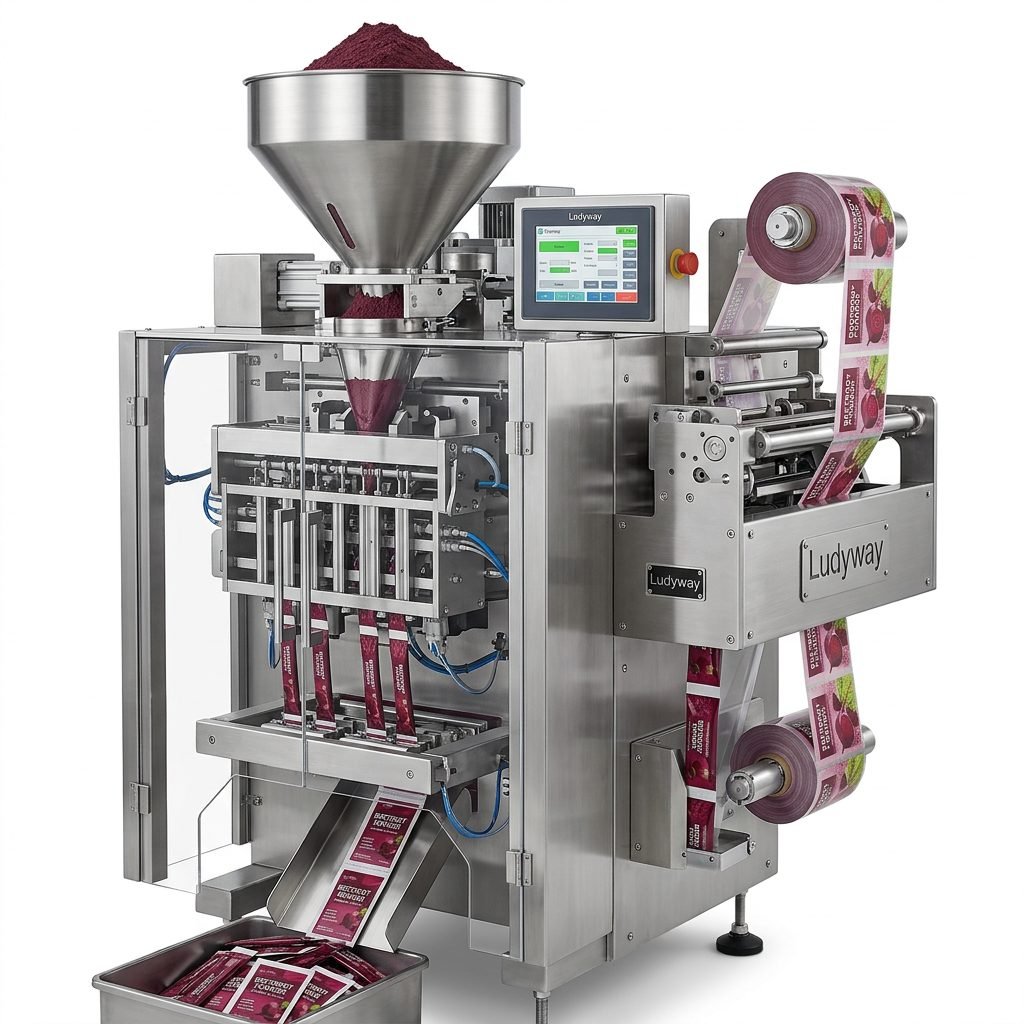
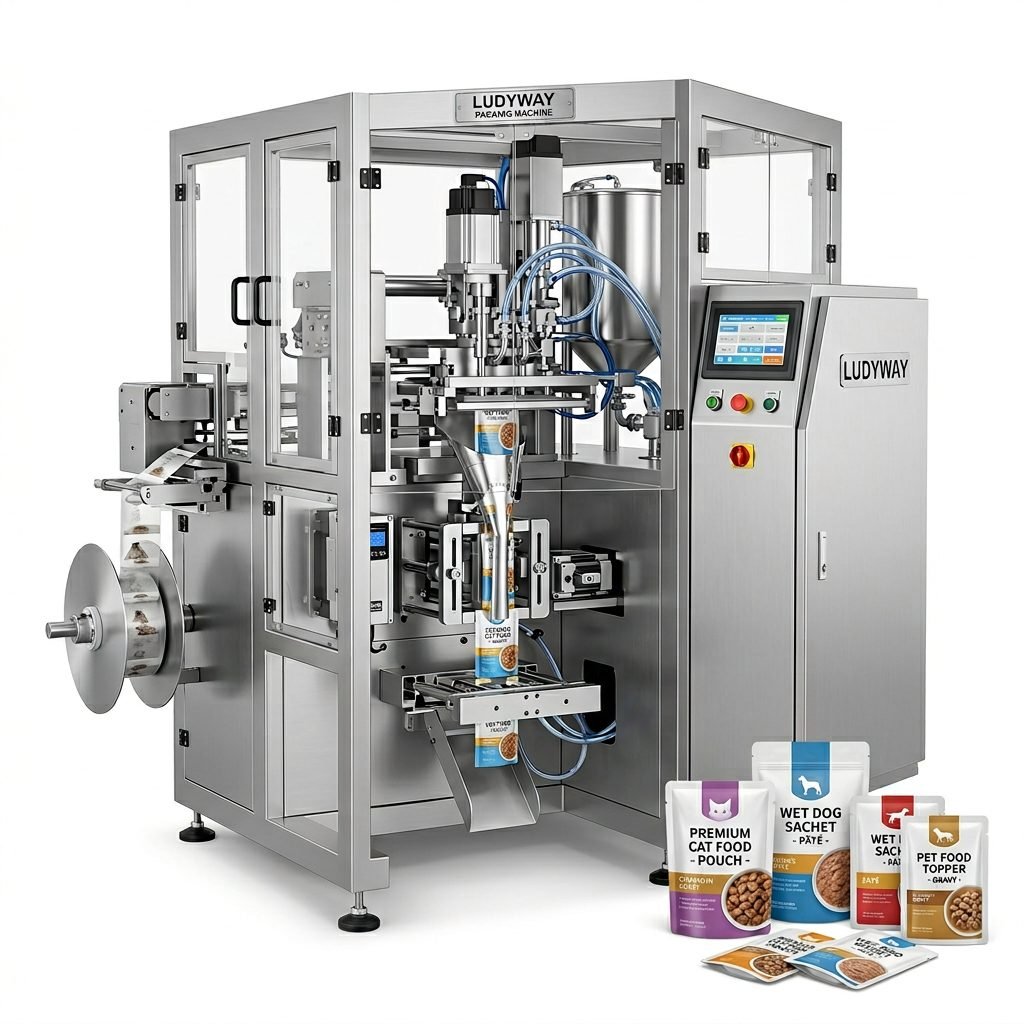
Vertical Form Fill Seal (VFFS) Machines
Once weighed, the nuts drop into a forming tube. The VFFS machine shapes the film into a bag, fills it, and seals it. For cashews, insisting on a bottom-up fill or a minimized drop distance is non-negotiable. Look for machines that seal through a slight dust barrier, as cashew powder can often contaminate the seal area, causing leaks.

3. Evaluating Speed vs. Product Integrity
A common pitfall in the food sector is prioritizing maximum speed over product quality. While a machine might be rated for 80 bags per minute, it might only achieve this with “free-flowing” round granules, not delicate cashews. You must consult with the manufacturer about realistic speeds for your specific cashew grades and roast types.
Refer to the PMMI Business Intelligence Library for data on how automation directly impacts food safety and production benchmarks. You should also review data from your own trials using a test room facility at the manufacturer’s site before signing off on any purchase order.
4. Bag Formats and Material Compatibility
The trend in the nut industry is moving toward sustainability and convenience. Your machine must handle the specific films required to keep cashews fresh. This includes laminates with high moisture and oxygen barriers.
| Bag Style | Shelf Appeal | Machine Requirement |
|---|---|---|
| Pillow Pouch | Standard, cost-effective | Basic VFFS with back seal |
| Quad Seal / Box Bottom | Premium, stands upright | Advanced VFFS with gusseting and zipper |
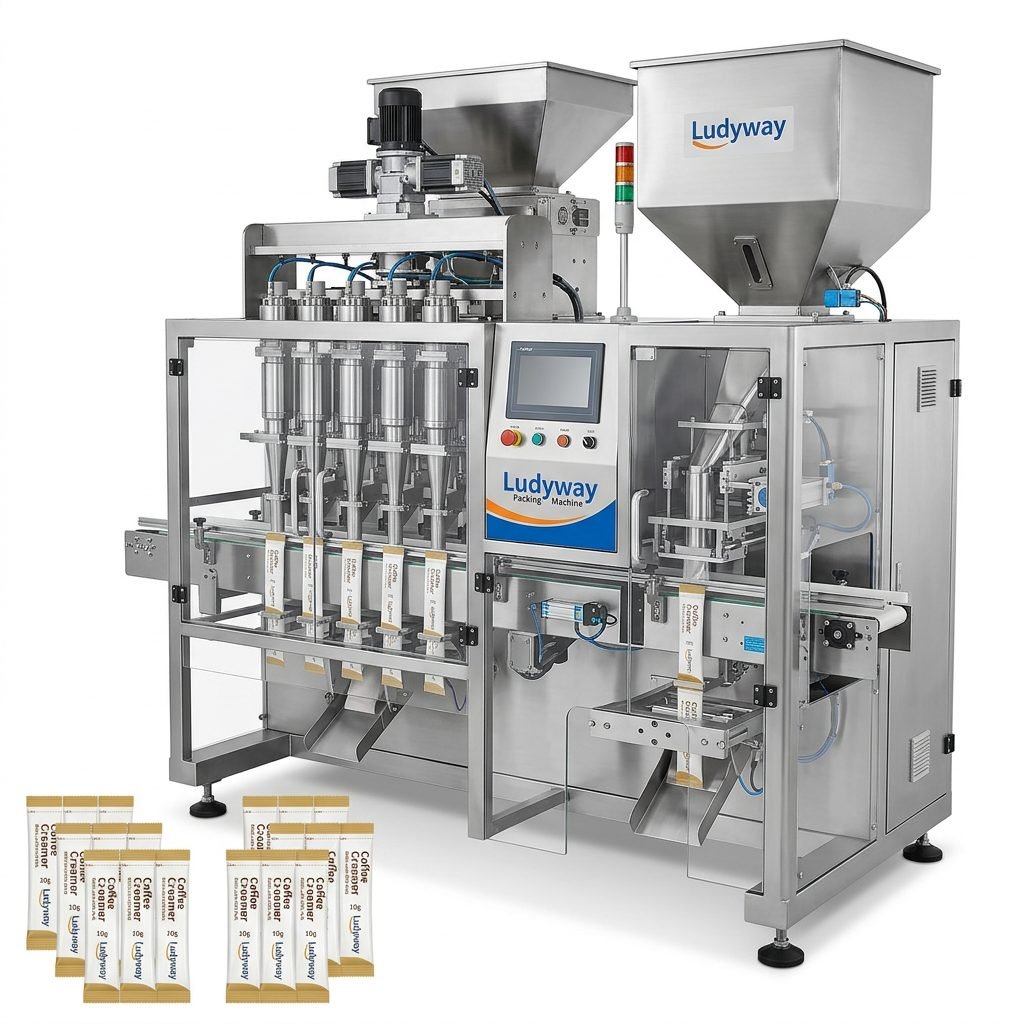
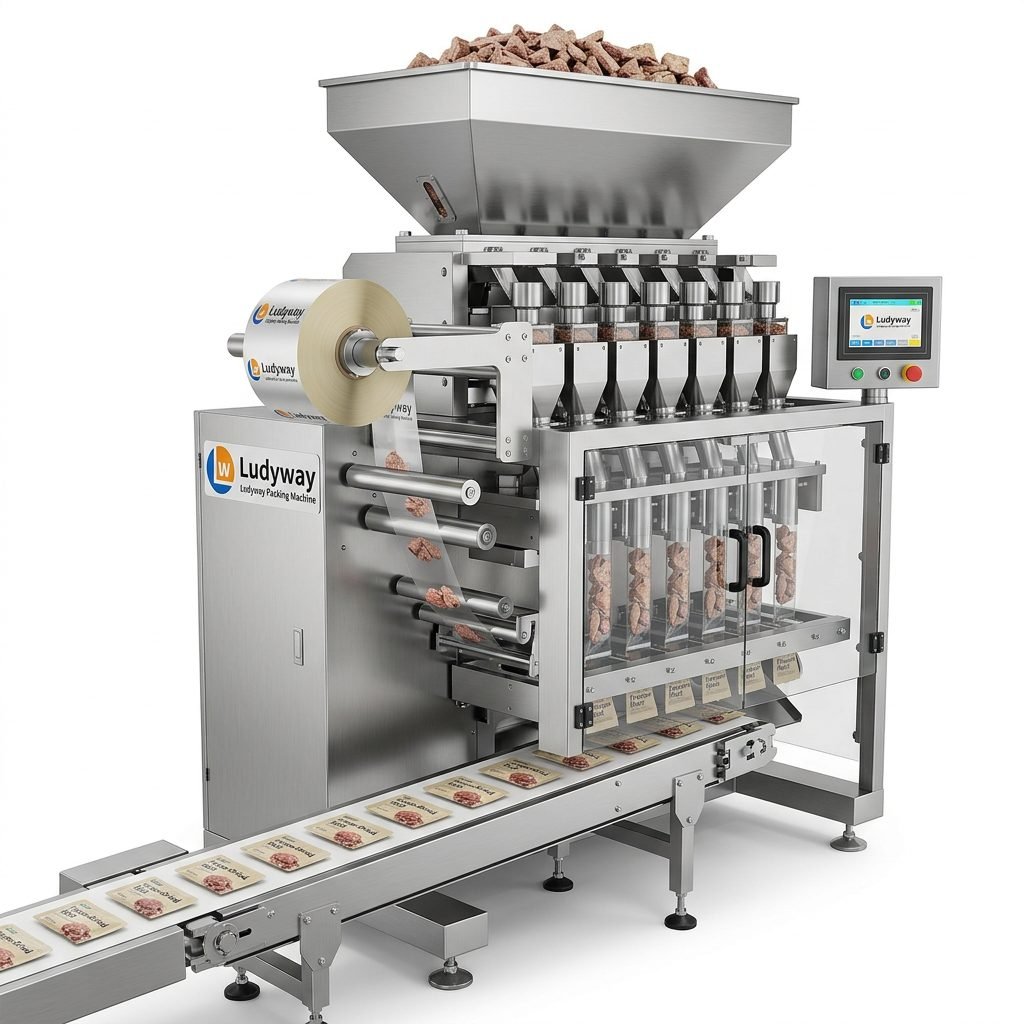
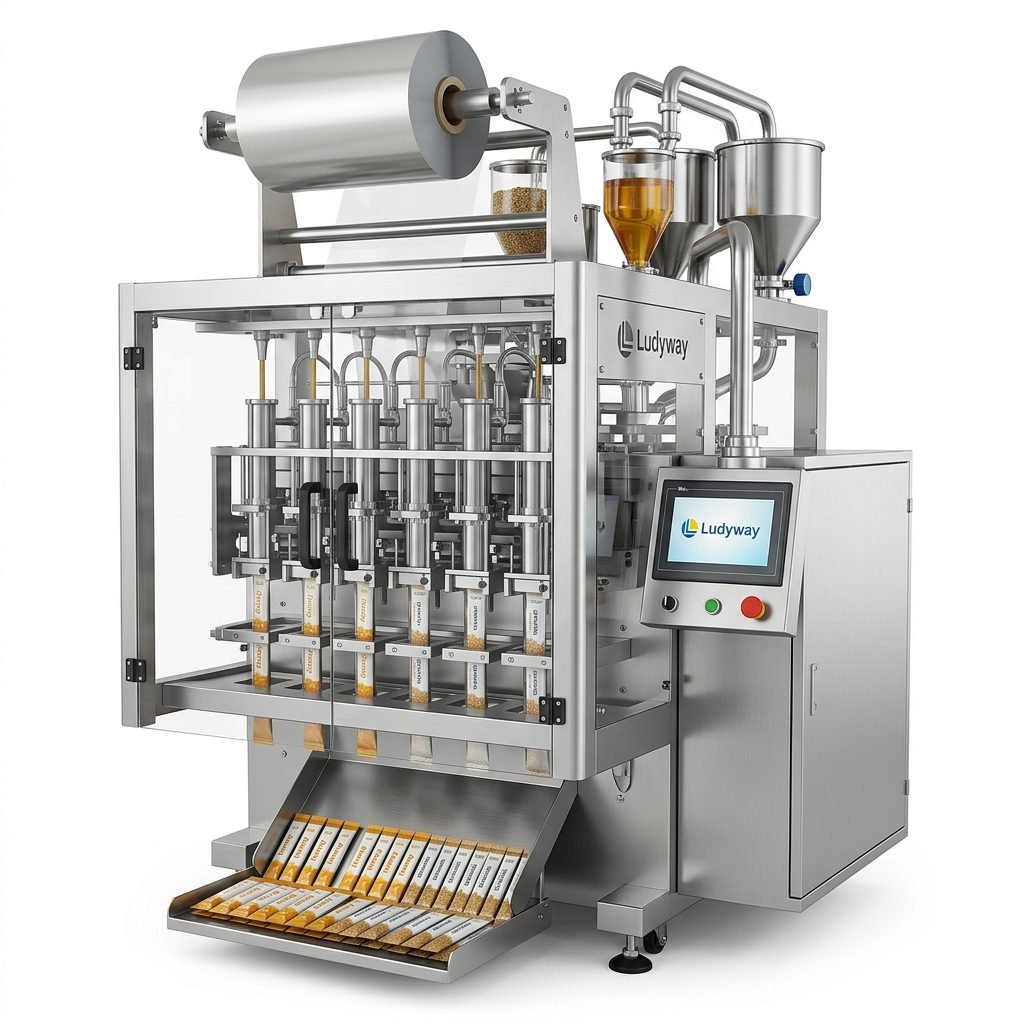
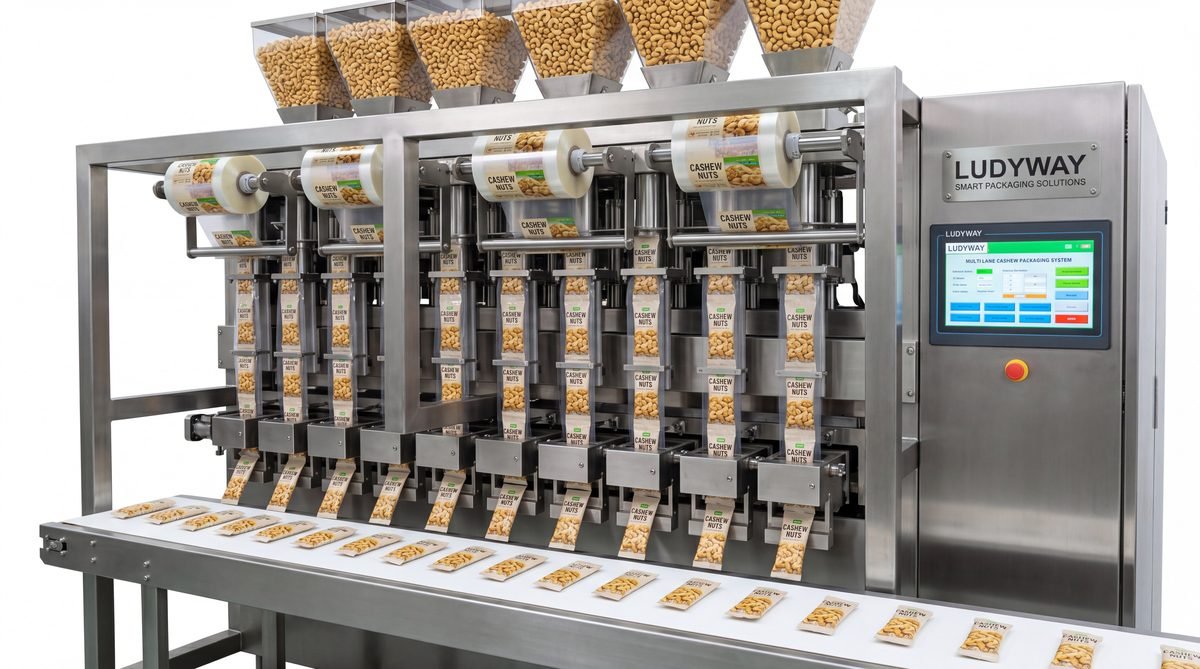
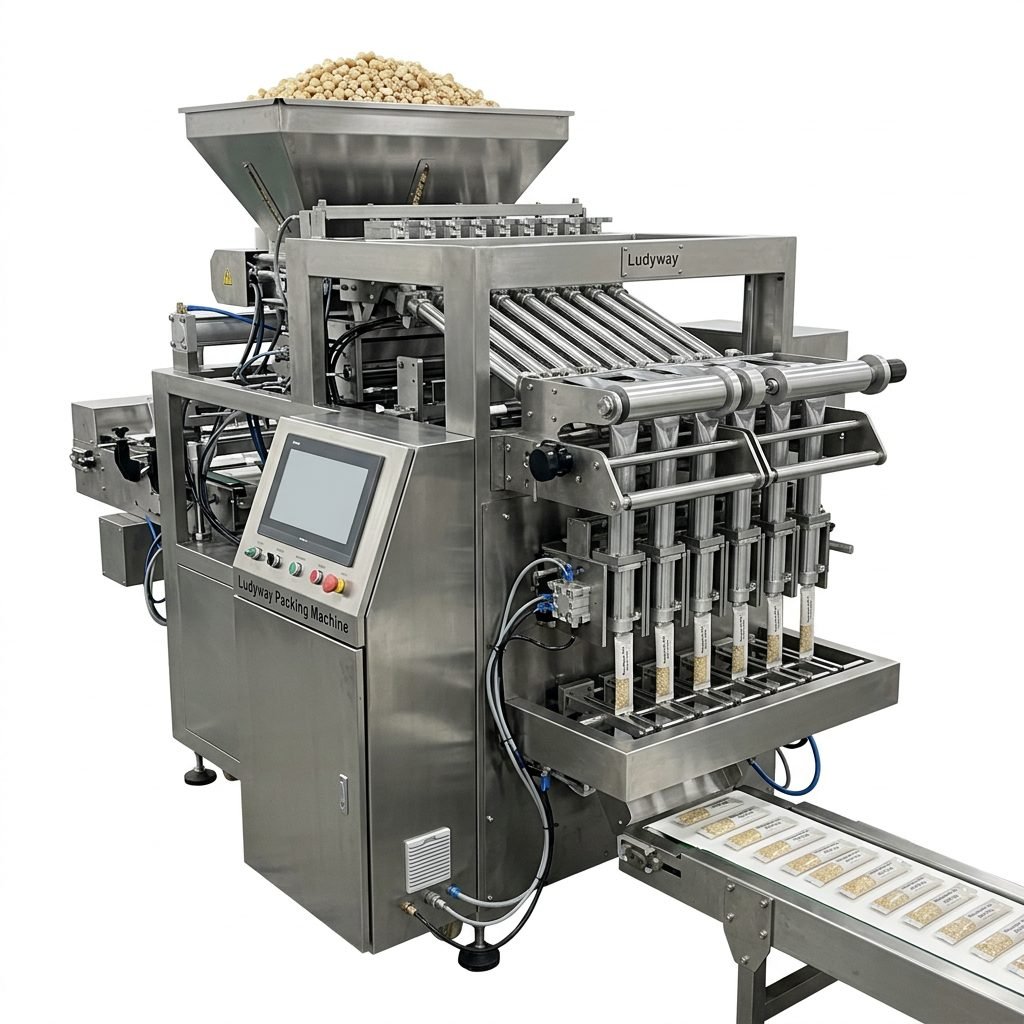
| Stick Pack / Sachet | Single-serve, high-speed | Multi-lane stick pack machine |
5. Essential Features to Look For
When comparing technical specifications, certain features distinguish a standard machine from a high-performance cashew packaging system. Do not compromise on these critical elements:
- Protective Weigh Buckets: Look for non-stick, dimpled surfaces to prevent oil build-up and nut breakage.
- Dust Extraction Integration: To avoid seal contamination, the jaws must have a vacuum extraction point for cashew dust.
- Gas Flushing (MAP): Modified Atmosphere Packaging is essential for shelf life. The sealing system must have precise gas injection capabilities to reduce residual oxygen levels to the FDA food packaging standards.
- Quick-Changeover Design: If you pack different nut sizes or snack mixes, toolless changeover parts are a massive time-saver.

6. Automation and System Integration
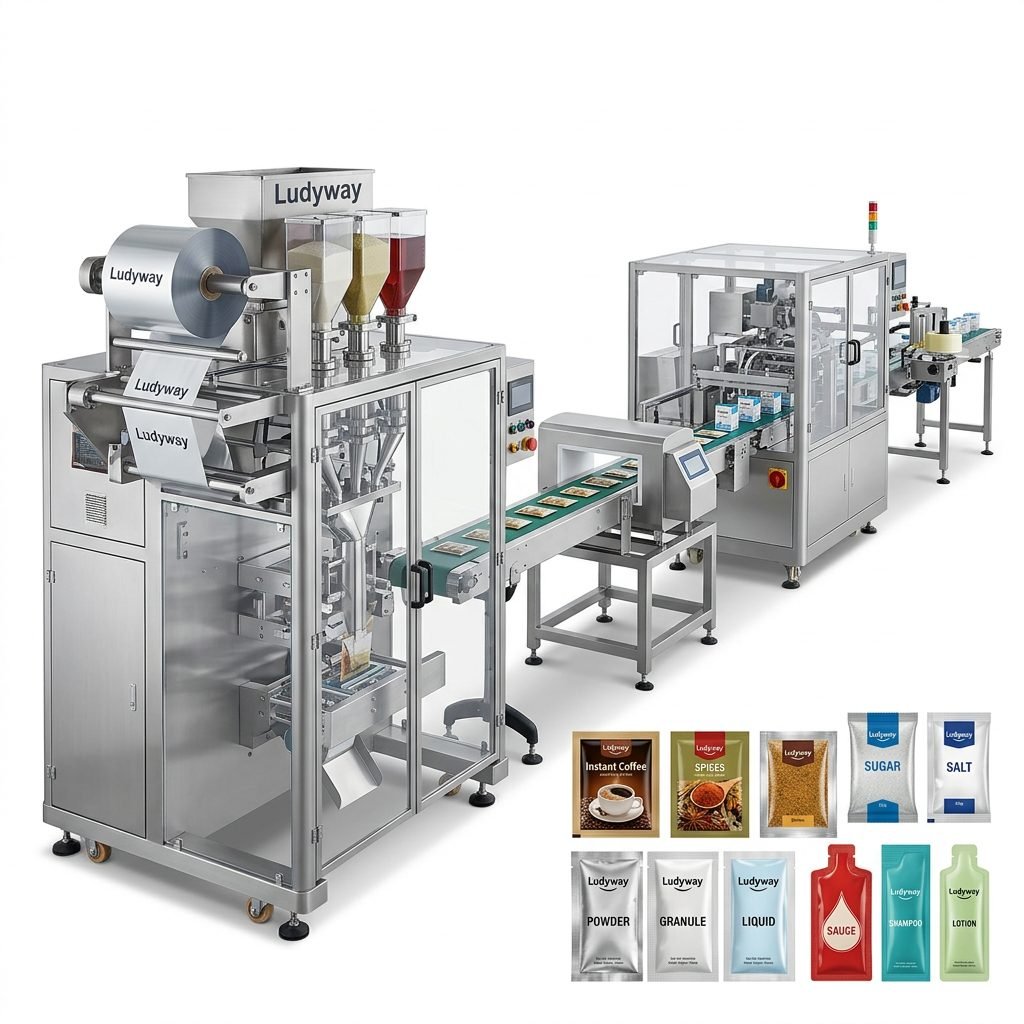
In high-volume production, your packaging machine is just one link in the chain. A modern solution should integrate seamlessly with upstream and downstream equipment. This includes connecting to automatic feeding conveyors, nitrogen generators, checkweighers, and cartoning machines.
Companies that specialize in turnkey solutions, like Ludyway Machinery, a China-based packaging machinery manufacturer with over 30 years of experience, provide fully integrated lines. With an expected export revenue of more than RMB 500 million (approximately US$69 million) in 2025 and planning to surpass RMB 1 billion (approximately US$138 million) in 2026, such firms offer robust engineering capabilities for complex automation. Their approach to customized packaging systems ensures the entire line operates in sync, maximizing Overall Equipment Effectiveness (OEE).
Smart Factory Readiness
In light of the trends outlined in the 2026 Packaging State of the Industry, consider if the machine supports predictive maintenance and remote diagnostics. Ethernet/IP connectivity allows your packaging line to communicate with central plant control systems, providing real-time production metrics.
7. Quality Compliance and International Standards
If you export your cashews, the machine must help you comply with destination market standards. This involves more than just stainless steel construction.
- Construction Standards: The frame should be washdown-ready if you require aggressive cleaning. The critical requirement here is a sloped surface design to prevent water or product accumulation.
- Validation Protocols: If you supply major retailers, you might need equipment that supports IQ, OQ, and PQ (Installation, Operational, Performance Qualification). This is a standard derived from the ISO packaging standards.
- Material Traceability: Refer to the FDA’s guidelines on Food Contact Substances to ensure belting and gasket materials are food-grade safe.
8. Maintenance, Cleanability, and Total Cost of Ownership (TCO)
The purchase price is a small fraction of the 10-year cost of running the machine. Focus on the Total Cost of Ownership. A cheap machine that takes 3 hours to clean wastes more money in labor and downtime than a premium machine cleaned in 30 minutes.
Request a detailed breakdown of wear parts costs and expected maintenance intervals. For example, the film sealing jaws and Teflon tapes are consumables. How easy is it to change them? Is there remote technical support available for troubleshooting? Services like PMMI industry resources highlight the importance of technical support and spare parts availability in machinery investment decisions.
9. Customization: Why One Size Does Not Fit All
Cashews vary wildly by region—W320 from Vietnam, W240 from India, or splits and pieces. Standard machines often fail when handling a specific specific gravity of roasted versus raw nuts. Look for a partner that offers true customized engineering solutions rather than just off-the-shelf models.
A valuable partner will evaluate your specific product characteristics and factory layout, recommending a suitable machine configuration that might include specialized inlet designs or customized stripper tubes to ensure your specific kernel shape flows smoothly.
10. Making the Final Decision: A Step-by-Step Checklist
Before concluding your purchase, follow this checklist to ensure no stone is left unturned:
- Define Your Product Mix: Confirm all sizes, grades, and packaging formats (including future NPD plans).
- Conduct Live Testing: Never buy a machine without running your actual product and film in the manufacturer’s test lab.
- Verify the Control System: Ensure the PLC and HMI are from a global supplier like Siemens or Allen-Bradley for easy local support.
- Check References: Ask the manufacturer for contacts of clients currently packing similar nut products.
- Review the Sustainability Angle: With the European Commission’s Packaging and Packaging Waste Regulation on the horizon, ensure the machine can run recyclable mono-materials.
Selecting the right cashew packing machine is a journey that requires balancing delicate product handling with high-speed efficiency. By focusing on the specific fragility of cashews, insisting on robust contamination control, and evaluating the machine’s compatibility with future industry trends, you secure a significant competitive advantage. Remember the insights shared by the Flexible Packaging Association and continuously update your knowledge of machinery capabilities to optimize your packaging line.