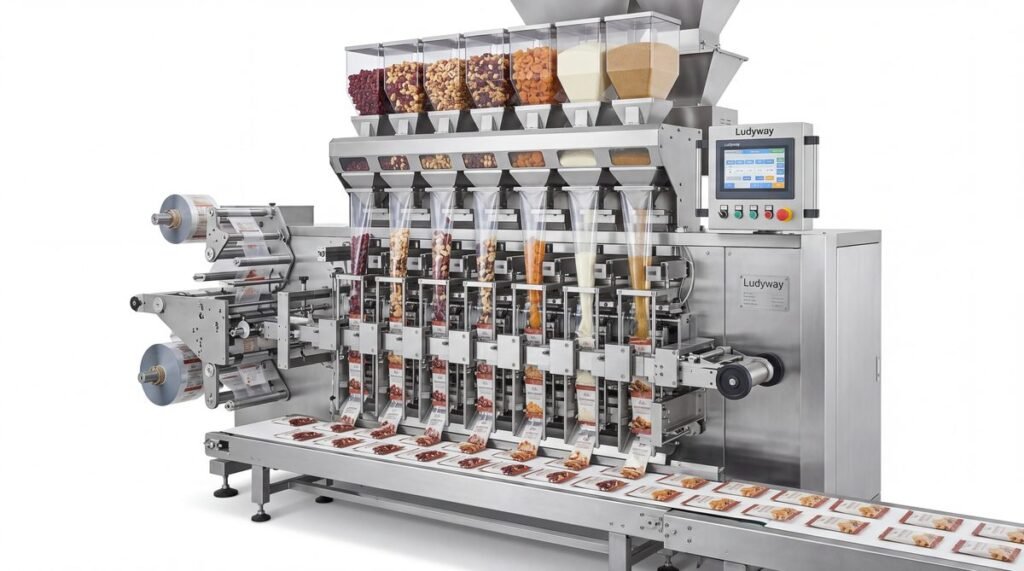
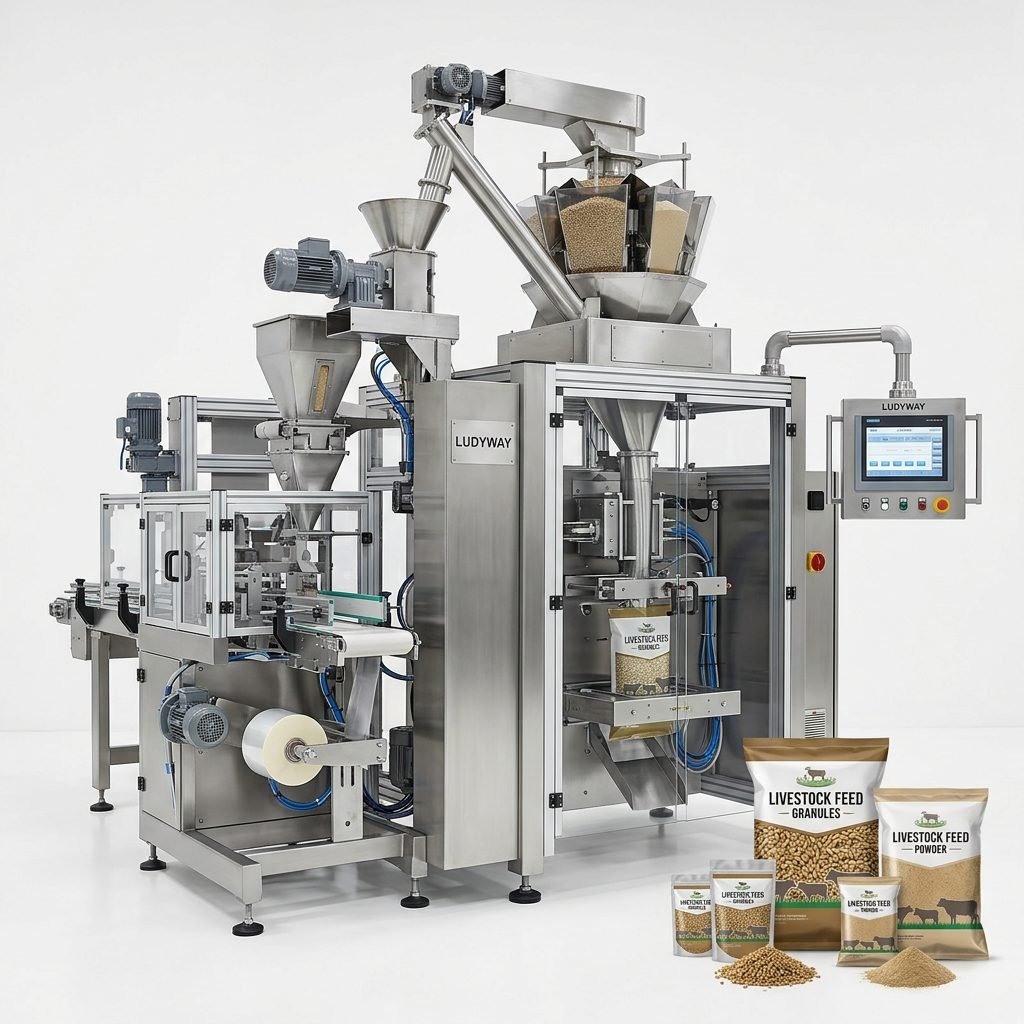
Selecting the right cereal bar packaging machine is one of the most critical investment decisions a food manufacturer can make. The wrong equipment leads to downtime, product waste, inconsistent seal quality, and missed production targets. The right machine, on the other hand, becomes a reliable backbone of your operations for years to come. This guide walks you through every factor you need to evaluate to make an informed, confident choice.
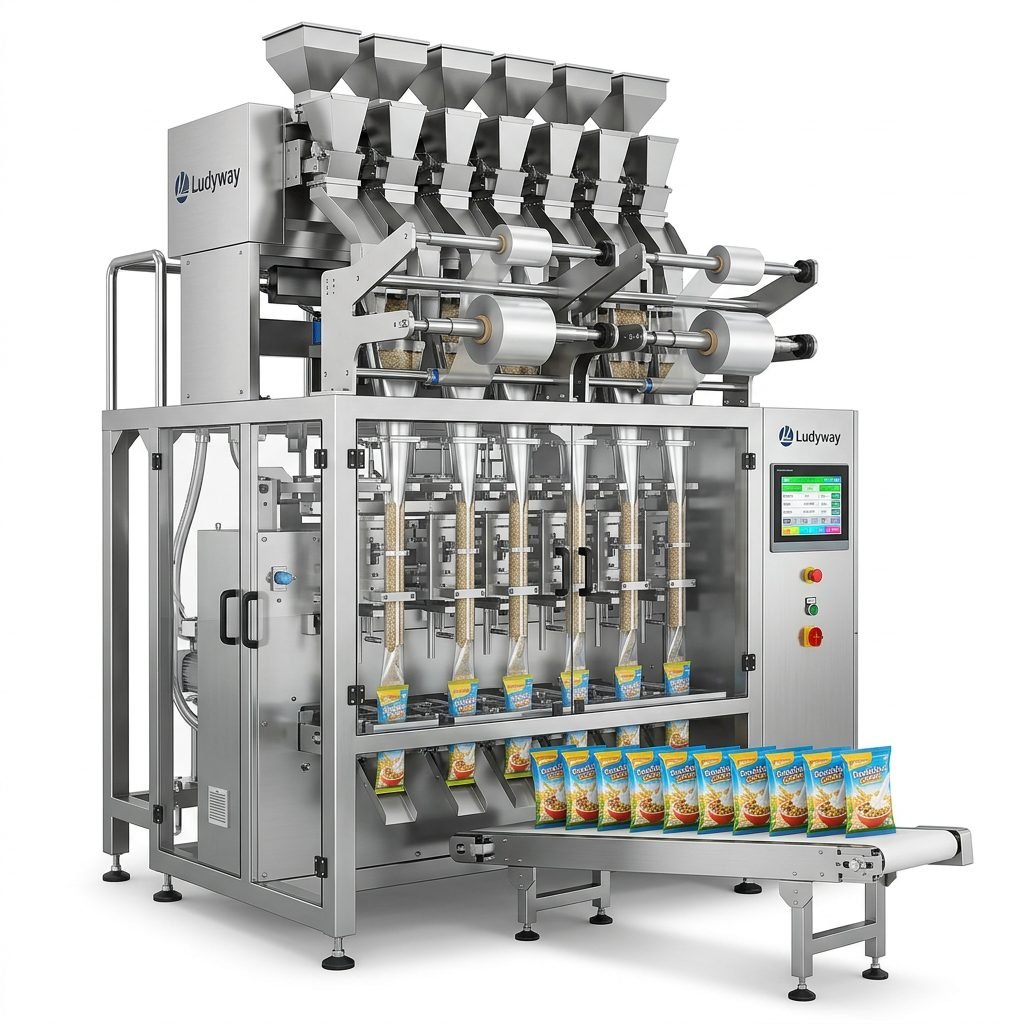
Understanding Your Cereal Bar Packaging Requirements
Before comparing machine specifications, you must define exactly what you need from your packaging line. Cereal bars are not a single product category. They vary significantly in shape, density, fragility, and barrier requirements, and your packaging machine must be configured to match.
Product Dimensions and Variability
Measure your cereal bar’s length, width, and height precisely. Many manufacturers run multiple product sizes on the same line, so changeover speed and flexibility become essential. If your product portfolio includes mini bars, standard bars, and multipacks, the machine’s size range capability directly affects your return on investment. Look for models that offer tool-free changeover to minimize downtime between product runs.
Packaging Format and Material Selection
Cereal bars are commonly packaged in flow wraps, fin-seal pouches, or pillow packs using multi-layer films that provide moisture and oxygen barriers. The packaging material you choose — whether it is metallized BOPP, cold-seal film, or paper-based sustainable laminates — must be compatible with the machine’s sealing system. According to flexible packaging industry data, material compatibility is one of the top causes of sealing failures in high-speed food packaging operations.
- Flow wrap / pillow pack: Ideal for individually wrapped cereal bars with fin seals on the back and end seals.
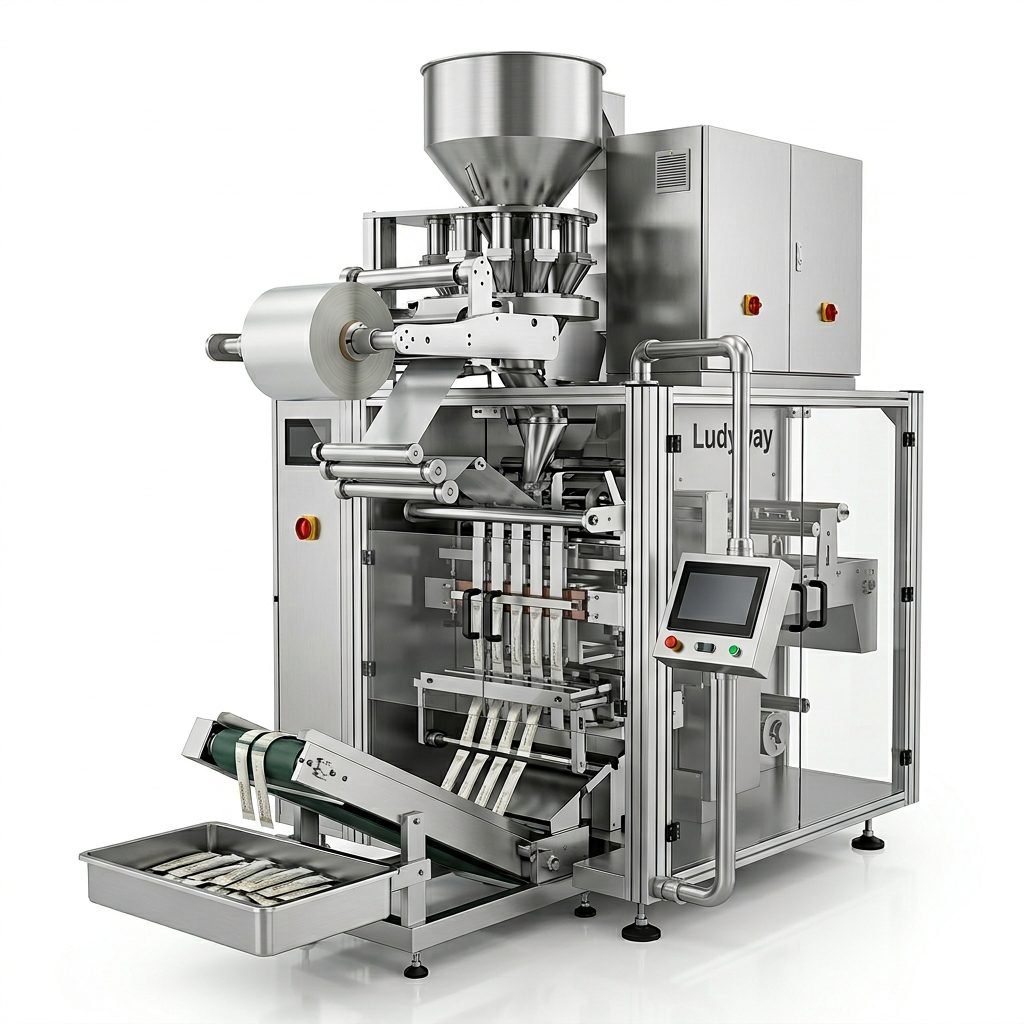
- Sachet or stick pack: Suitable for mini bars, bite-sized products, or portion-controlled servings.
- Multipack cartoning: Often integrated downstream for retail-ready multipacks.
Key Machine Specifications to Evaluate
Once your product and packaging requirements are clear, evaluate machine specifications through the lens of long-term production goals. Do not focus only on the initial purchase price; total cost of ownership over the machine’s service life matters far more.
Production Speed and Throughput
Machines are rated in packs per minute (ppm). However, sustainable speed — the speed the machine can reliably maintain over an 8 or 12-hour shift without excessive film breaks, misalignments, or seal failures — is more important than maximum rated speed. A machine rated at 150 ppm that runs consistently at 130 ppm is often more valuable than one rated at 200 ppm that requires constant operator intervention. Review packaging machinery market research to benchmark your speed requirements against industry averages for comparable product categories.
Sealing Technology and Integrity
Seal quality directly impacts product shelf life. For cereal bars, which are sensitive to moisture and oxidation, hermetic sealing is essential. Evaluate the machine’s sealing system carefully:
- Rotary sealing jaws: Deliver high-speed continuous motion with consistent dwell time.
- Box-motion or reciprocating jaws: Offer longer dwell time for thicker or more challenging films.
- Temperature control precision: Digital PID controllers with real-time monitoring outperform basic thermostat-based systems.
- Gas flushing capability: Modified atmosphere packaging (MAP) with nitrogen flushing extends cereal bar shelf life significantly.
Automation Level and Labor Considerations
The degree of automation you select affects not only your capital expenditure but also your ongoing labor costs, operator training requirements, and overall line efficiency.
Manual, Semi-Automatic, and Fully Automatic Systems
| Automation Level | Best For | Typical Throughput | Key Consideration |
|---|---|---|---|
| Manual feed | Startups, short runs, artisanal products | 20–40 ppm | Highest labor cost per pack |
| Semi-automatic | Growing brands, mid-volume production | 50–100 ppm | Good balance of cost and output |
| Fully automatic inline | Established brands, high-volume factories | 120–300+ ppm | Requires integrated infeed and outfeed |
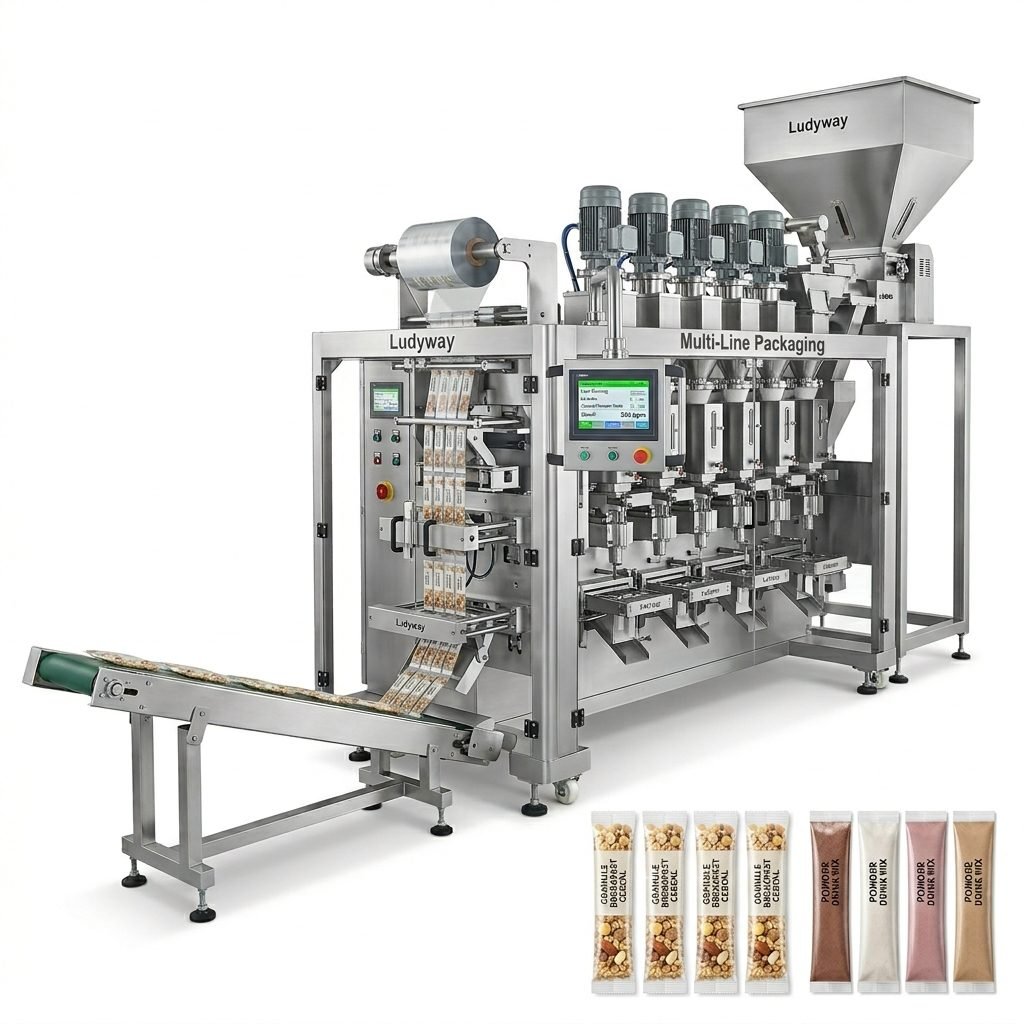
Multi-Lane Packaging for High-Volume Output
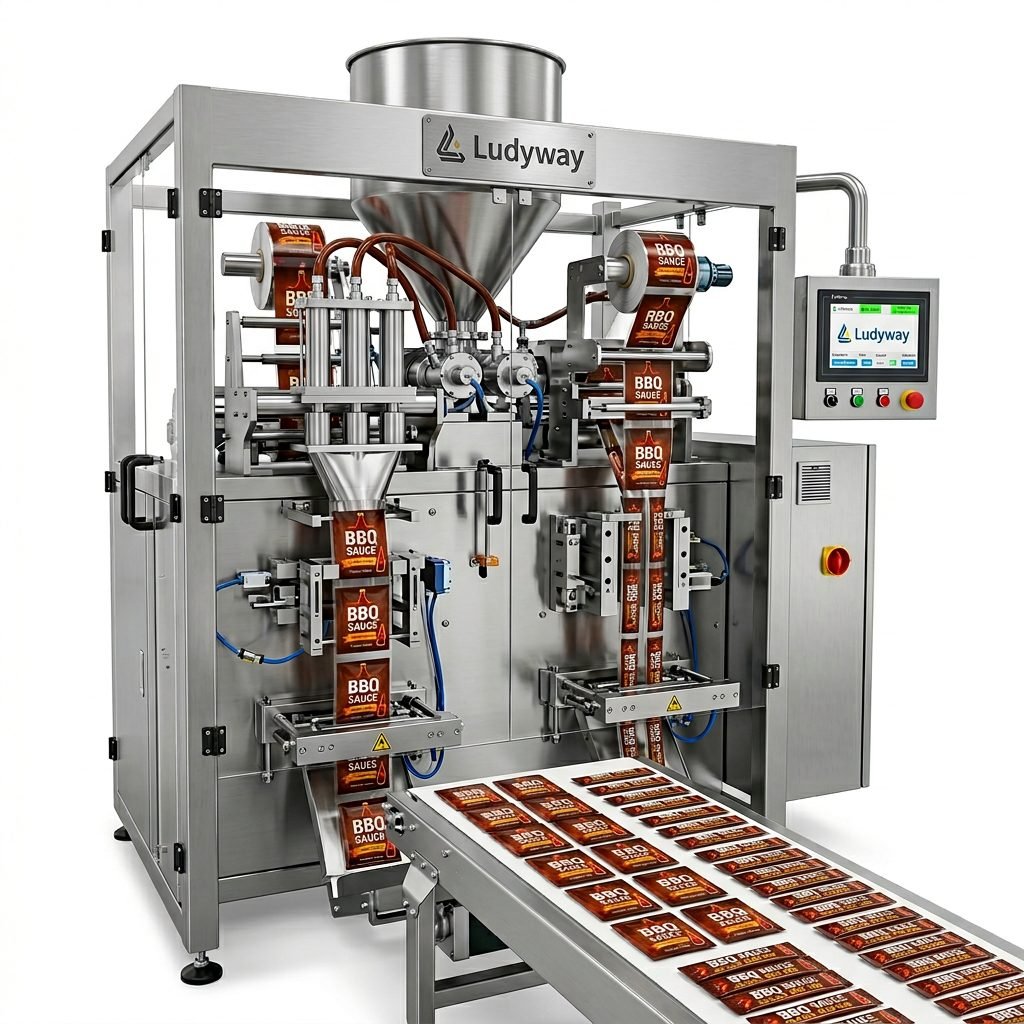
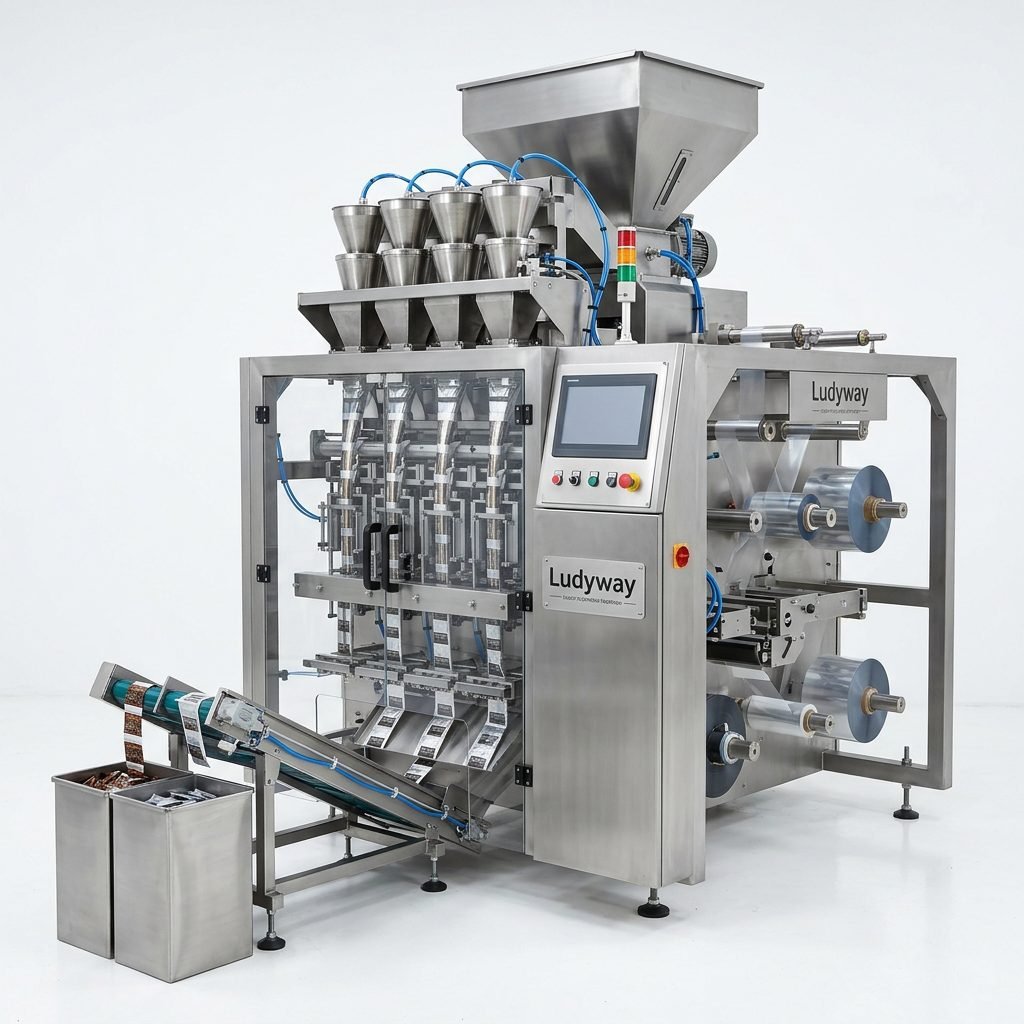
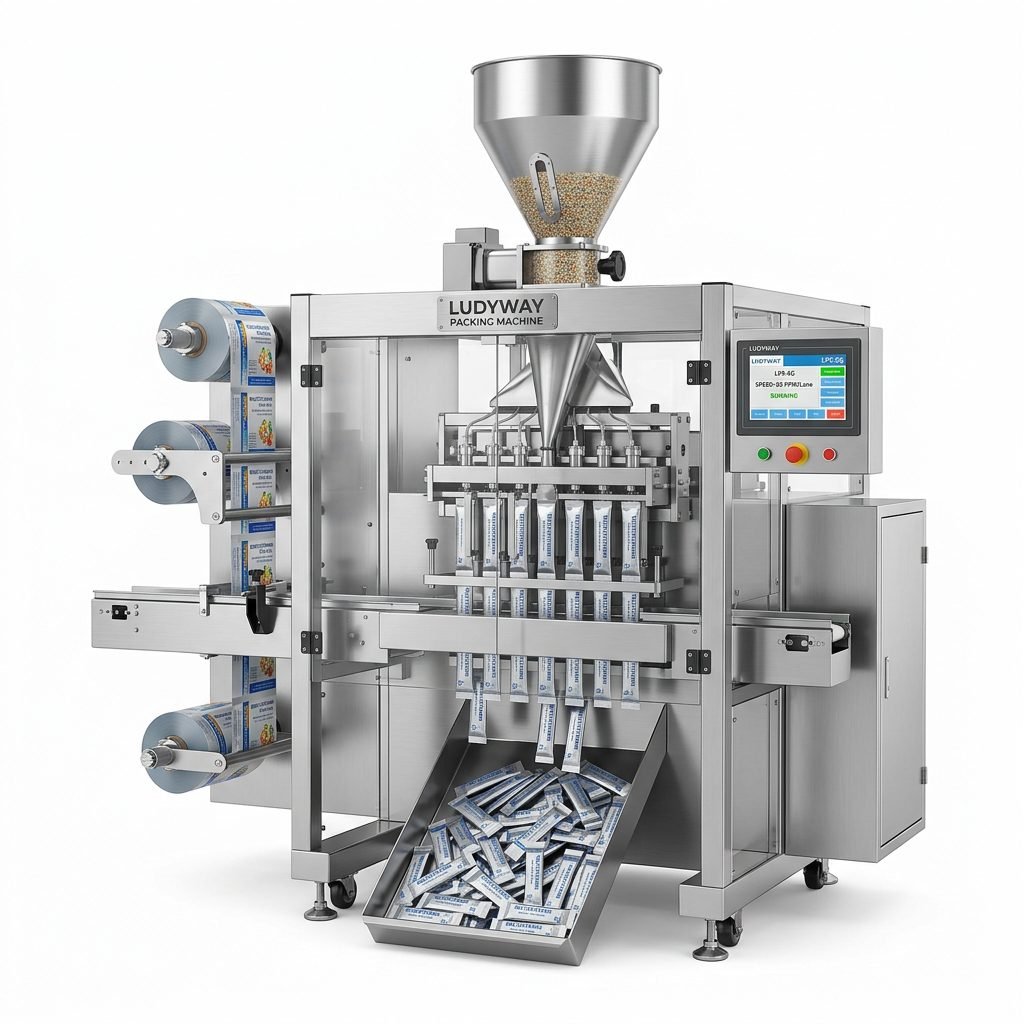
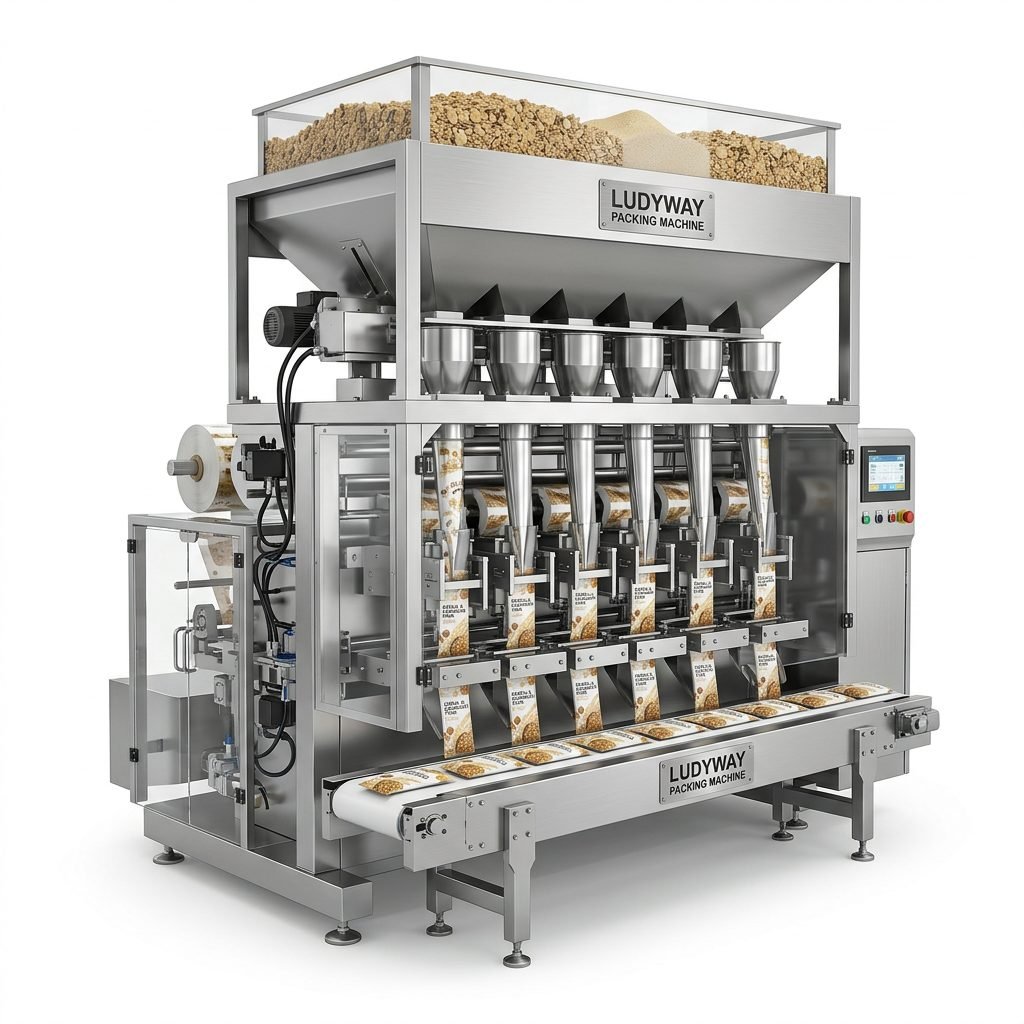
For manufacturers producing at very high volumes, multi-lane stick pack and sachet machines multiply throughput without proportionally increasing floor space or labor. A 10-lane or 12-lane system can produce thousands of cereal bar mini-packs per minute, making them cost-effective for co-packing, private label, and export markets. The key trade-off is higher capital expenditure and more complex changeover procedures.
Hygiene, Cleanability, and Regulatory Compliance
Cereal bar packaging falls under food-grade requirements, and the machine design must support your food safety program. Stainless steel construction, washdown-ready components, and tool-free disassembly for cleaning are essential features in any modern food packaging environment. Reference FDA food packaging and food contact substances guidelines to ensure material compliance in your target markets. If you export to the EU, additional compliance with European packaging regulations is mandatory.
Design Features That Simplify Sanitation
- Cantilevered or open-frame design: Prevents debris accumulation in hard-to-reach areas.
- Sloped surfaces: Allow crumbs and particulates to fall away from product-contact zones.
- IP65 or higher electrical enclosures: Protect components during washdown procedures.
- Quick-release guarding: Enables rapid access for cleaning between allergen changeovers.
Customization, Integration, and Future-Proofing
No two cereal bar production lines are identical, and purchasing a packaged solution that does not fit your specific factory layout, product mix, or growth trajectory leads to costly retrofits later. A modular machine that supports additional lanes, upgraded sealing stations, or integration with downstream cartoning and case packing equipment offers substantially better long-term value.
Turnkey Packaging Solutions
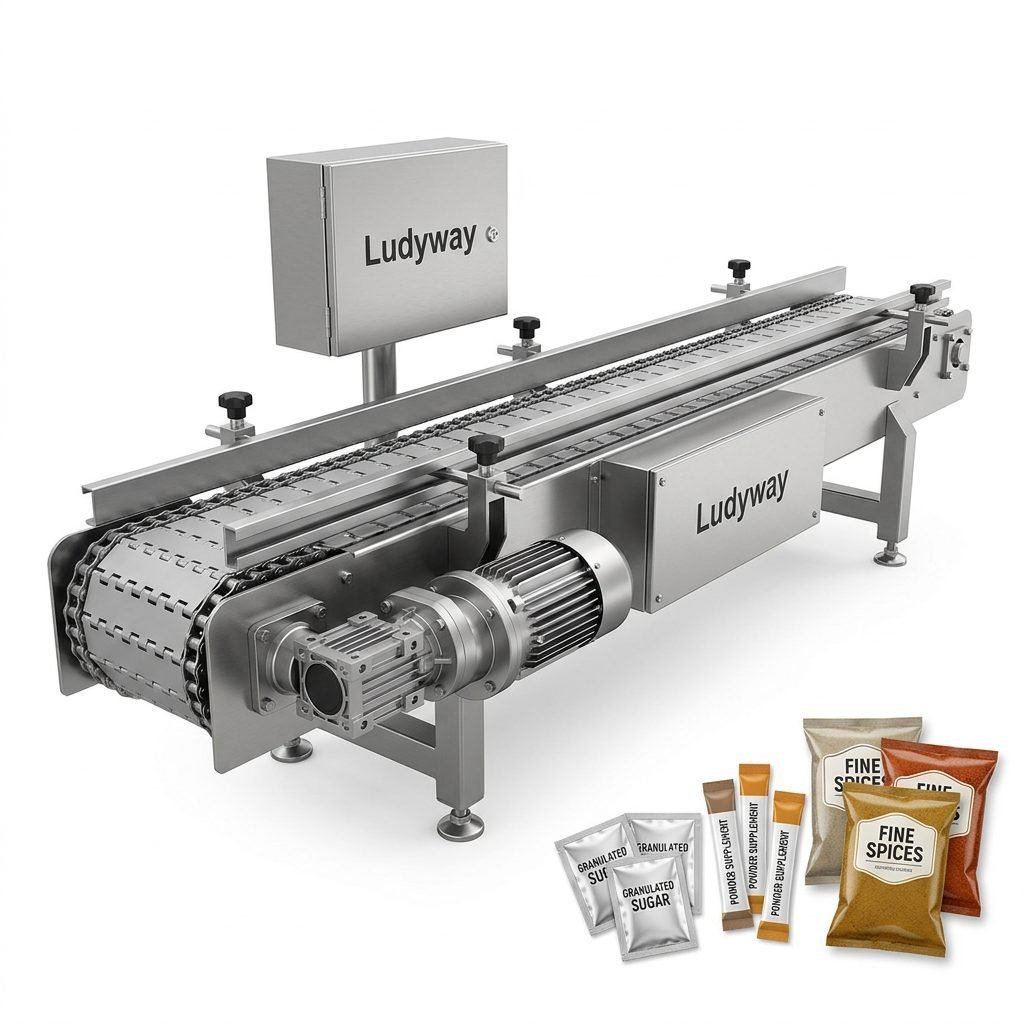
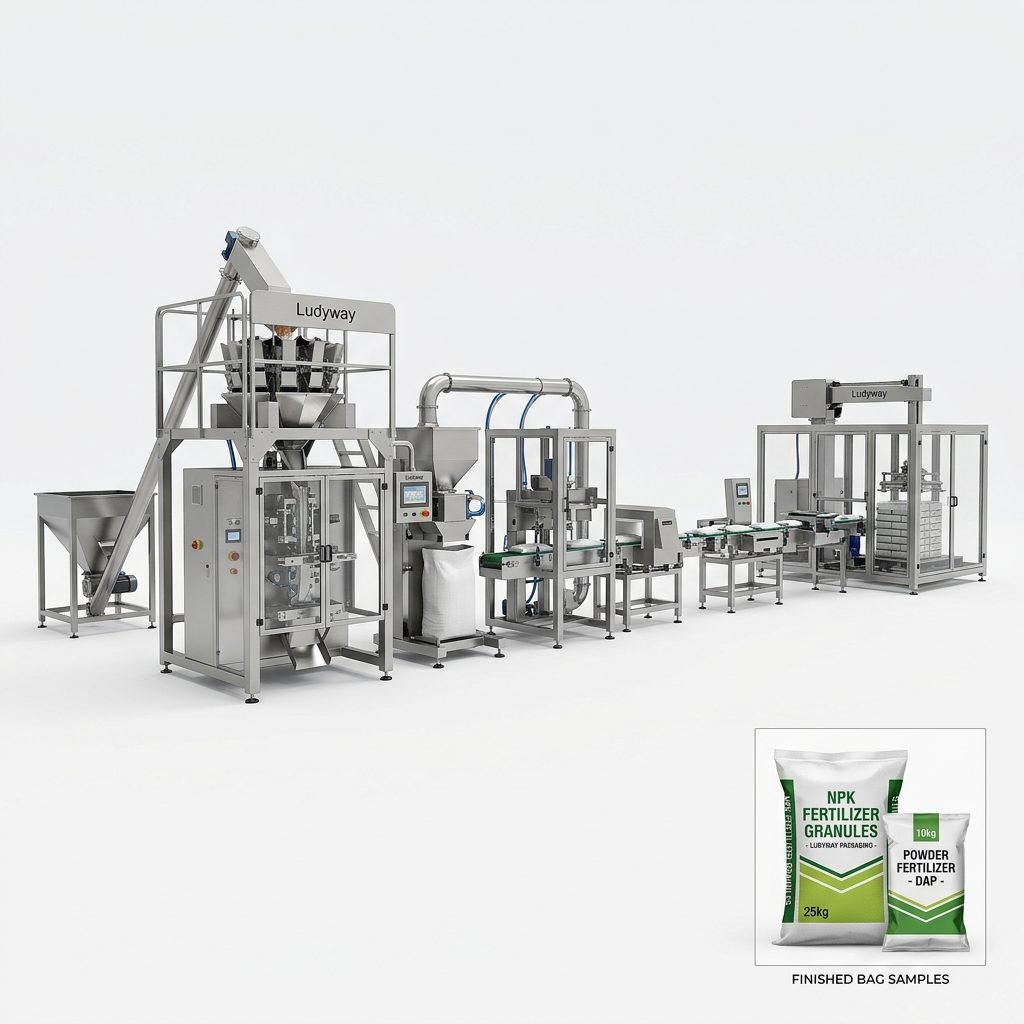
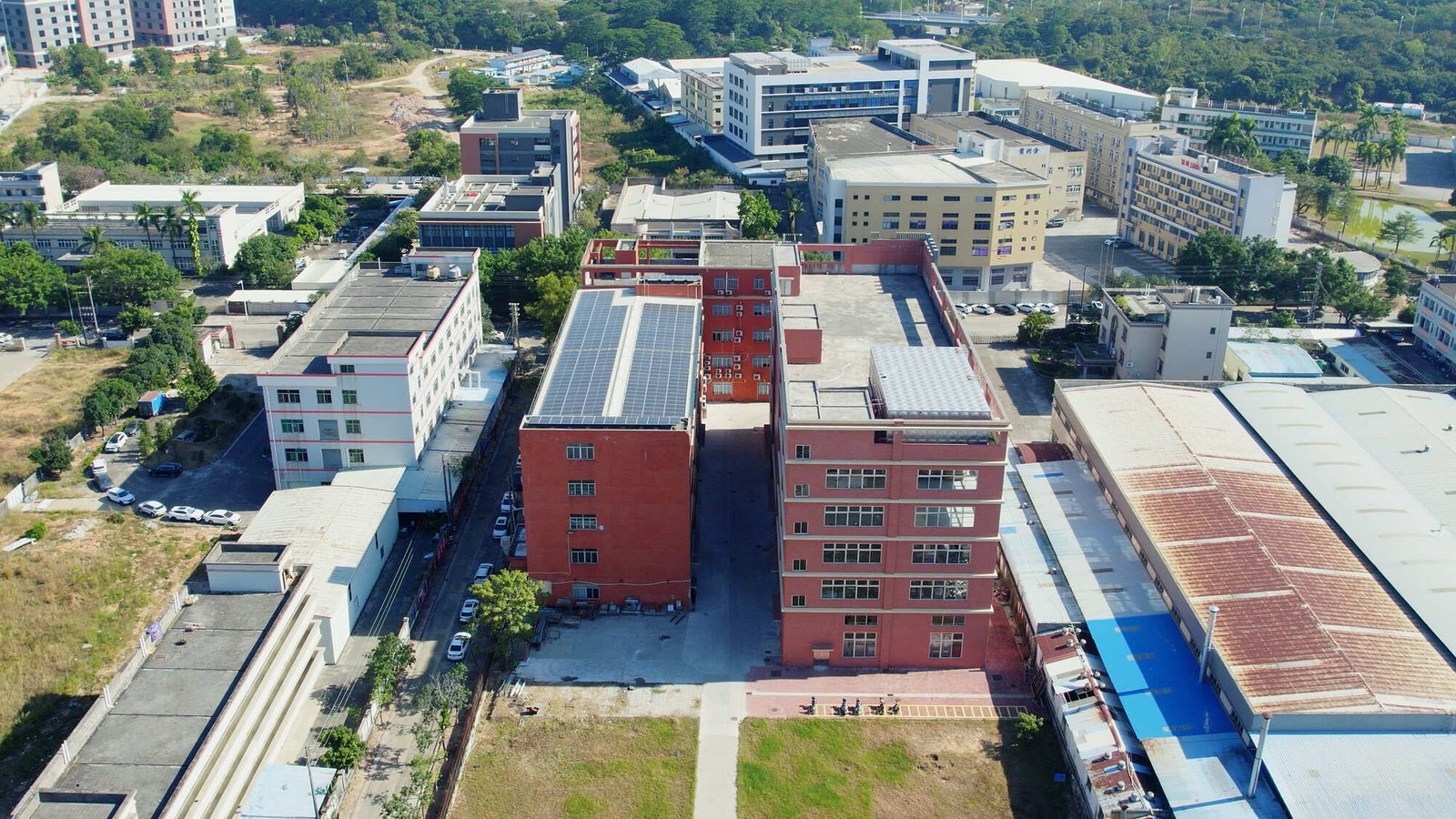
For manufacturers looking to automate an entire packaging department, a turnkey packaging line — including infeed conveyors, primary wrapping, checkweighing, metal detection, cartoning, and palletizing — reduces the complexity of managing multiple equipment suppliers. Ludyway Machinery, a China-based packaging machinery manufacturer with over 30 years of experience and a 20,000-square-meter production facility, provides integrated packaging line solutions that connect multiple stages of the packaging process, enabling manufacturers to work with a single partner for equipment selection, system integration, and after-sales support.
Evaluating Total Cost of Ownership (TCO)
When comparing quotes from different suppliers, look beyond the purchase price to assess:
- Film waste rates: A machine with 1% film waste versus 4% saves tens of thousands of dollars annually in material costs.
- Spare parts availability: Regional spare parts stocks and responsive logistics minimize production interruptions.
- Energy consumption: Modern servo-driven machines consume significantly less electricity than older pneumatic systems.
- Service and technical support: Remote diagnostics capability, local service engineers, and operator training programs reduce unplanned downtime.
Supplier Evaluation and Due Diligence
Choosing the right machine is inseparable from choosing the right supplier. A reliable packaging machinery partner provides more than equipment — they provide engineering support, application expertise, and long-term service to keep your lines running at peak efficiency.
Questions to Ask Potential Suppliers
- Can you provide references from customers running similar cereal bar or granola bar applications?
- What is your standard warranty and what does it cover for sealing components, servo drives, and control systems?
- Do you offer factory acceptance testing (FAT) before shipment, and can we run our own product and film during the test?
- What is your lead time for standard and customized configurations?
- How do you handle installation, commissioning, and operator training at our facility?
- What remote support and on-site service options are available after the machine is in production?
Industry Standards and Certifications
Ensure any machine you consider can be configured to meet the ISO packaging standards applicable to your markets. Machines designed with CE, UL, or other required certifications from the outset avoid costly retrofitting if you expand into regulated export markets later. For broader context on packaging machinery trends and compliance, the 2026 Packaging State of the Industry report provides valuable benchmarking data for food manufacturers investing in new equipment.
Making the Final Decision
After evaluating product requirements, machine specifications, automation levels, hygiene standards, supplier reliability, and total cost of ownership, you are ready to make a confident equipment decision. The best packaging machine for your cereal bar operation is the one that matches your current production reality while offering the flexibility to scale as your brand grows. Avoid overpaying for features you will never use, but equally, do not underinvest in a machine that will bottleneck your line within two years.
Take the time to visit supplier factories, run product trials, and speak directly with technical teams — not just sales representatives. A well-chosen cereal bar packaging machine can serve as a competitive advantage, improving product quality, reducing unit costs, and supporting your brand’s growth in an increasingly competitive food market.