Investing in a cardboard packaging machine is a significant decision that can transform your production efficiency, reduce labor costs, and ensure consistent packaging quality. Whether you are a manufacturer scaling up operations or a business transitioning from manual to automated packaging, selecting the right equipment requires careful evaluation of multiple factors. This guide walks you through the essential considerations to help you make an informed purchasing decision.
Understanding Cardboard Packaging Machine Types
Before evaluating specific models, it is important to understand the different types of cardboard packaging equipment available on the market. Each type serves distinct production needs and packaging formats.
| Machine Type | Primary Function | Best Suited For |
|---|---|---|
| Carton Erectors | Forming flat cardboard blanks into boxes | High-volume production lines |
| Carton Sealers / Case Sealers | Sealing top and bottom flaps with tape or glue | End-of-line packaging operations |
| Wrap-Around Case Packers | Wrapping cardboard around products | Beverage, food, and consumer goods |
| Tray Formers | Creating open-top trays from cardboard | Produce, meat, and bakery industries |
| Partition Inserters | Inserting dividers into cartons | Glass bottle and fragile product packaging |
Understanding which type aligns with your packaging requirements is the first step toward narrowing down your options. According to PMMI’s State of the Industry reports, the demand for automated cartoning and case packing equipment continues to grow as manufacturers seek to improve line efficiency.
Key Factors to Evaluate When Choosing a Cardboard Packaging Machine
Selecting the right cardboard packaging machine involves analyzing several critical factors that directly affect performance, cost, and long-term reliability. Below are the most important aspects to consider.
Production Speed and Capacity Requirements
One of the first specifications to examine is the machine’s production speed, typically measured in cartons per minute (CPM). Your current and projected production volumes should guide this decision. A machine that cannot keep pace with your line will create bottlenecks, while an oversized machine may represent unnecessary capital expenditure.
- Assess your current peak production rates and factor in growth projections for the next 3-5 years.
- Consider whether the machine offers variable speed control for different production scenarios.
- Evaluate the changeover time between different carton sizes and how that affects overall throughput.
Carton Size Range and Flexibility
Cardboard packaging machines are designed to handle specific carton size ranges. If your product line includes multiple SKUs with varying dimensions, you need equipment with quick-changeover capabilities and a broad size range.
- Document all current and anticipated carton dimensions (length, width, height).
- Check the minimum and maximum size specifications of each machine under consideration.
- Evaluate how tool-less changeover systems can reduce downtime between production runs.
Material Compatibility and Sustainability
With increasing emphasis on sustainable packaging, many manufacturers are transitioning to recycled cardboard, thinner materials, or alternative fiber-based substrates. Your machine must be capable of handling these materials without compromising seal integrity or throughput. Refer to Flexible Packaging Association industry resources for insights on material trends affecting packaging equipment compatibility.
Automation Level and Integration Capabilities
Modern cardboard packaging machines range from semi-automatic stand-alone units to fully automated systems integrated with upstream and downstream equipment. Consider how the machine will fit into your existing or planned production line.
- Semi-automatic machines: Lower initial investment, suitable for smaller operations or co-packing environments.
- Fully automatic inline systems: Higher throughput, reduced labor dependency, and seamless integration with fillers, labelers, and palletizers.
- Robotic case packing cells: Maximum flexibility for complex product handling and mixed-SKU production.

Technical Specifications and Quality Standards
When comparing cardboard packaging machines, technical specifications provide objective criteria for evaluation. Key specifications to review include:
| Specification | Why It Matters | What to Look For |
|---|---|---|
| Sealing Method | Affects seal strength and material compatibility | Hot melt glue, pressure-sensitive tape, or water-activated tape options |
| Frame Construction | Determines durability and maintenance requirements | Stainless steel for washdown environments; powder-coated steel for standard applications |
| Control System | Impacts ease of operation and diagnostics | PLC-based controls with HMI touchscreen, recipe storage, and remote access capability |
| Safety Features | Protects operators and ensures compliance | Interlocked guards, emergency stops, CE or UL certification |
| Footprint | Affects factory floor layout | Compact designs with accessible maintenance points |
For manufacturers requiring compliance with specific regulations, ISO packaging standards provide internationally recognized guidelines for equipment design, safety, and performance validation. Ensuring your chosen machine meets applicable standards can simplify regulatory approval and market access.
Evaluating Total Cost of Ownership
The purchase price of a cardboard packaging machine is only one component of its total cost. A comprehensive total cost of ownership (TCO) analysis should account for:
- Initial investment: Machine cost, shipping, installation, and commissioning.
- Operating costs: Energy consumption, consumables (tape, glue, etc.), and labor requirements.
- Maintenance expenses: Spare parts availability, service contract costs, and expected component lifespan.
- Downtime impact: Production losses during maintenance, repairs, or changeovers.
- Training costs: Operator and maintenance personnel training requirements.
A machine with a lower upfront price may have higher long-term operating costs due to frequent maintenance, expensive consumables, or inefficient material usage. Always request detailed TCO projections from potential suppliers.

Supplier Selection and After-Sales Support
Choosing the right supplier is as important as selecting the right machine. A reliable packaging machinery partner should offer more than just equipment — they should provide comprehensive technical support, spare parts availability, and responsive service throughout the machine’s lifecycle.
When evaluating suppliers, consider the following criteria:
- Industry experience: How long has the manufacturer been producing cardboard packaging equipment?
- Installation base: Can they provide references from companies in your industry?
- Service network: Do they have local service technicians or remote diagnostic capabilities?
- Spare parts logistics: What are typical lead times for critical spare parts?
- Warranty and support terms: What is covered, and for how long?
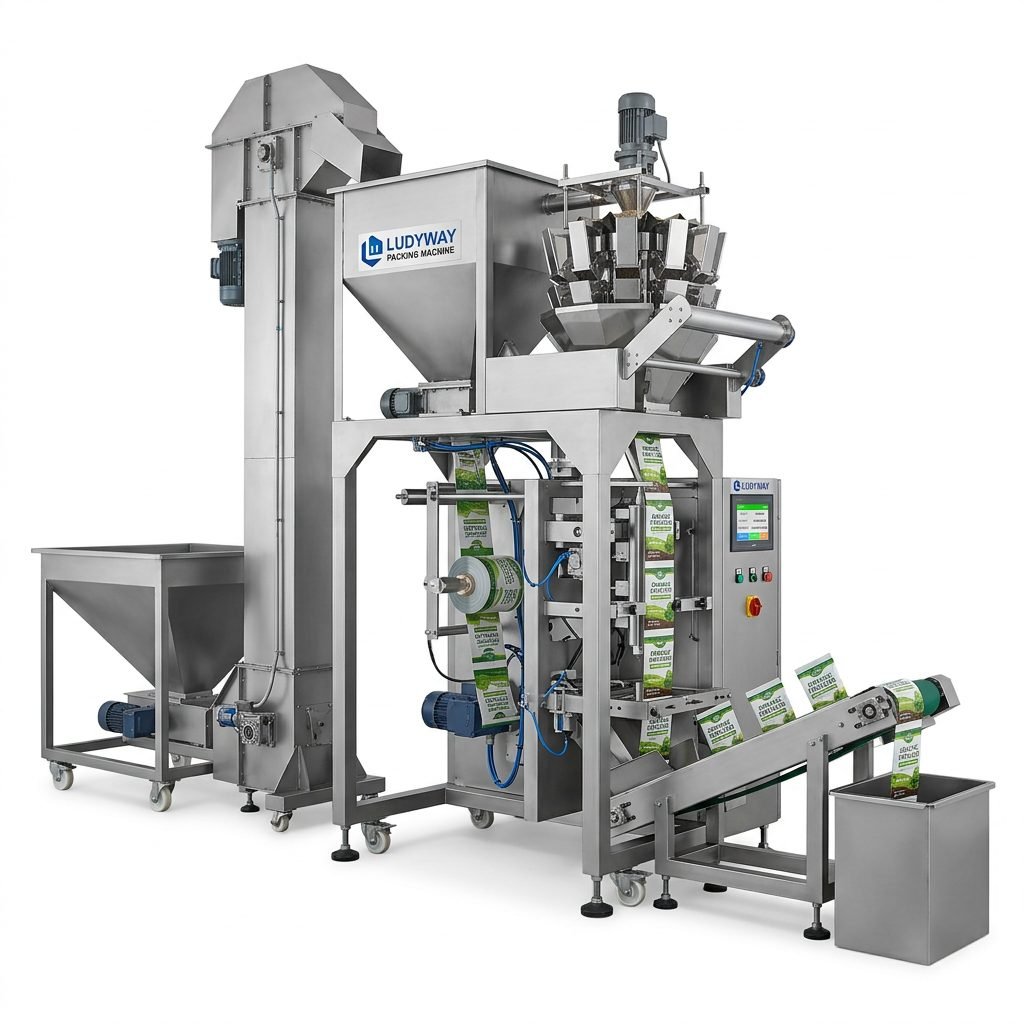
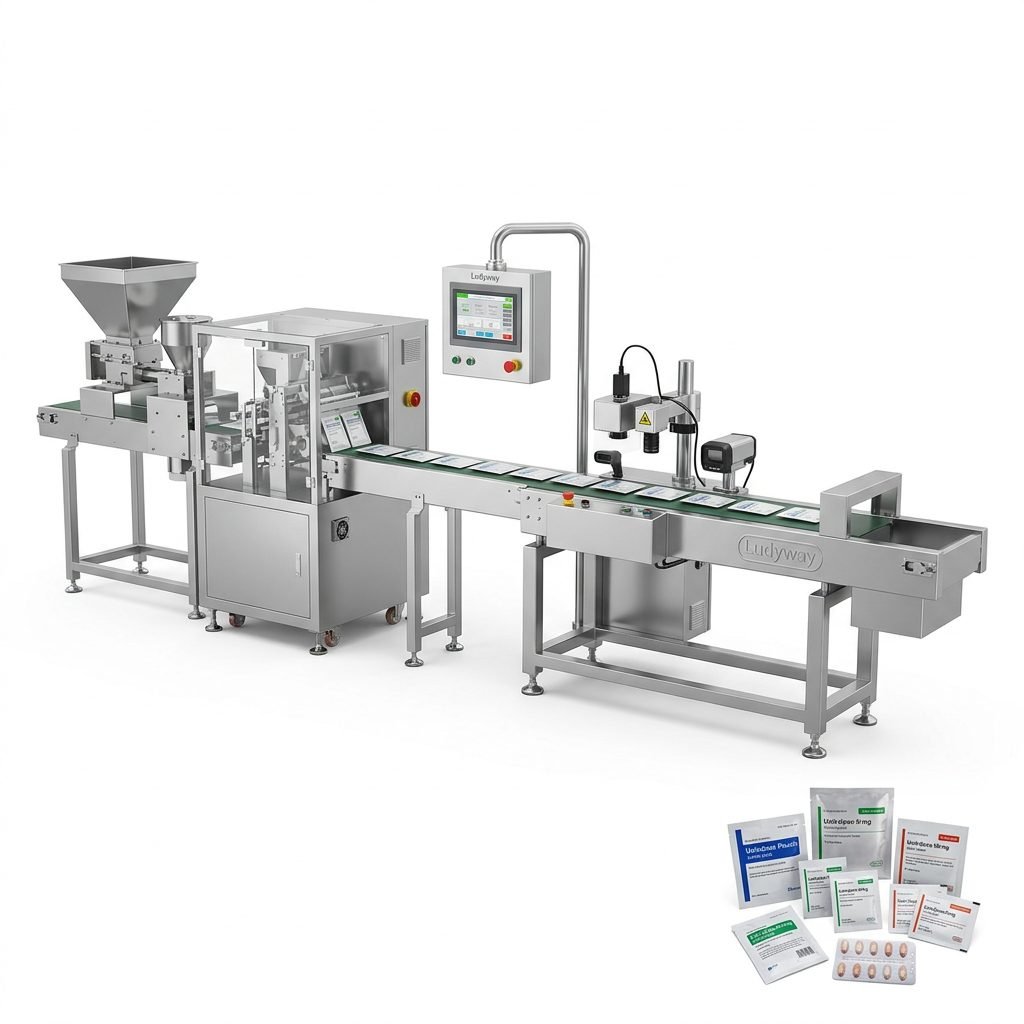
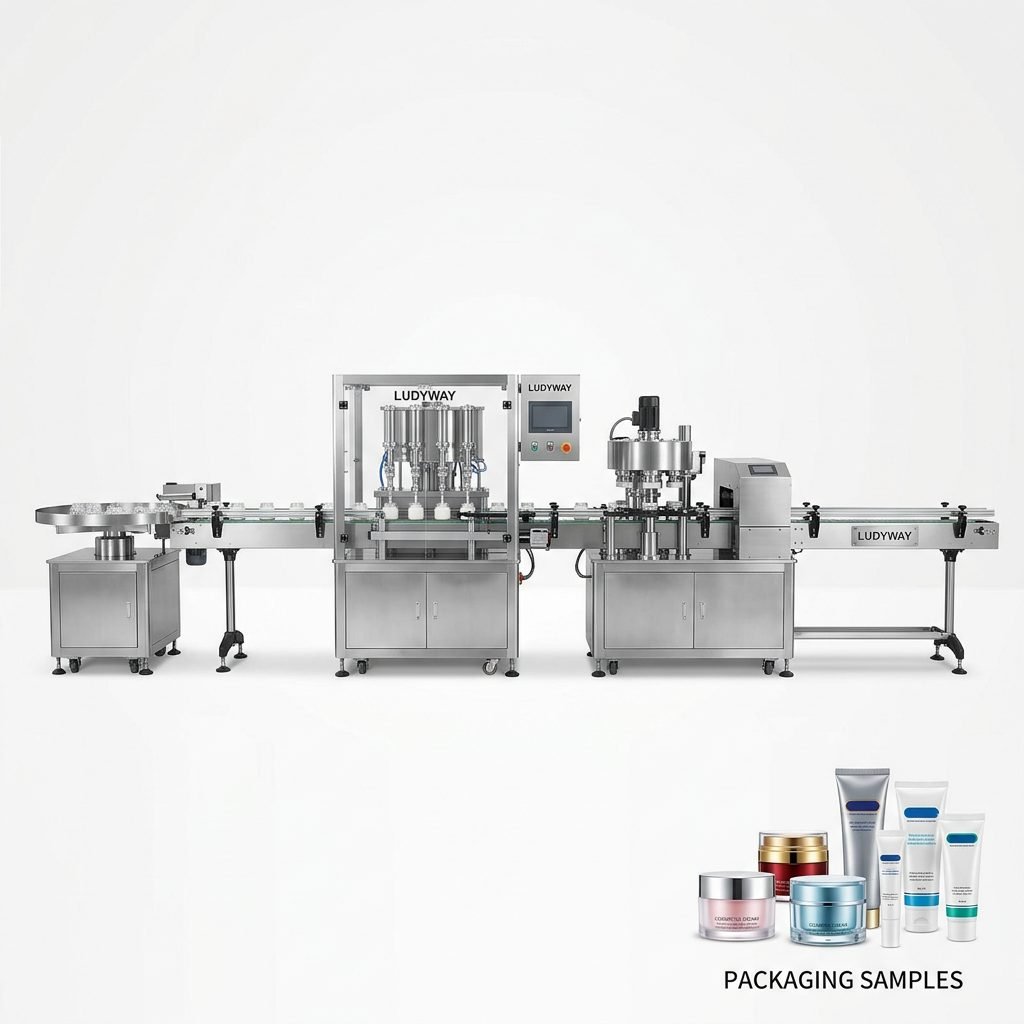
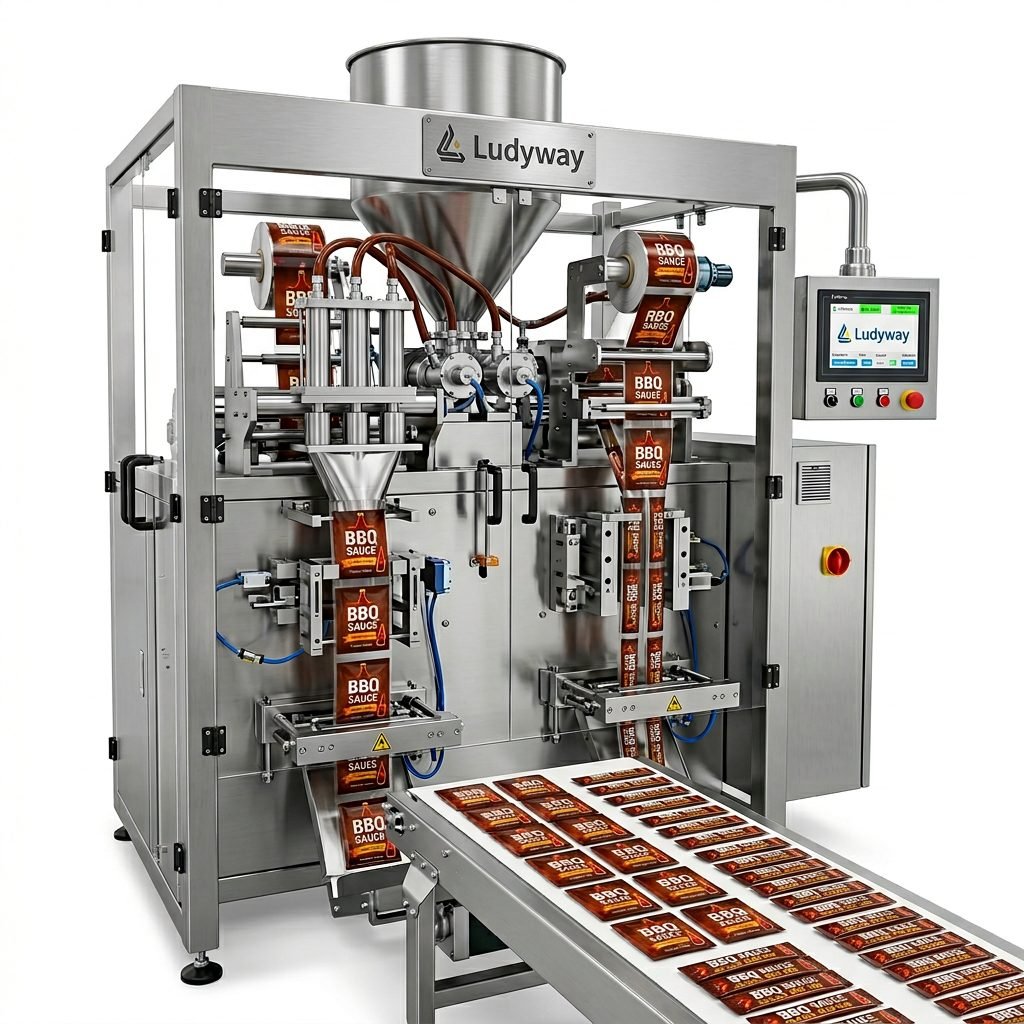
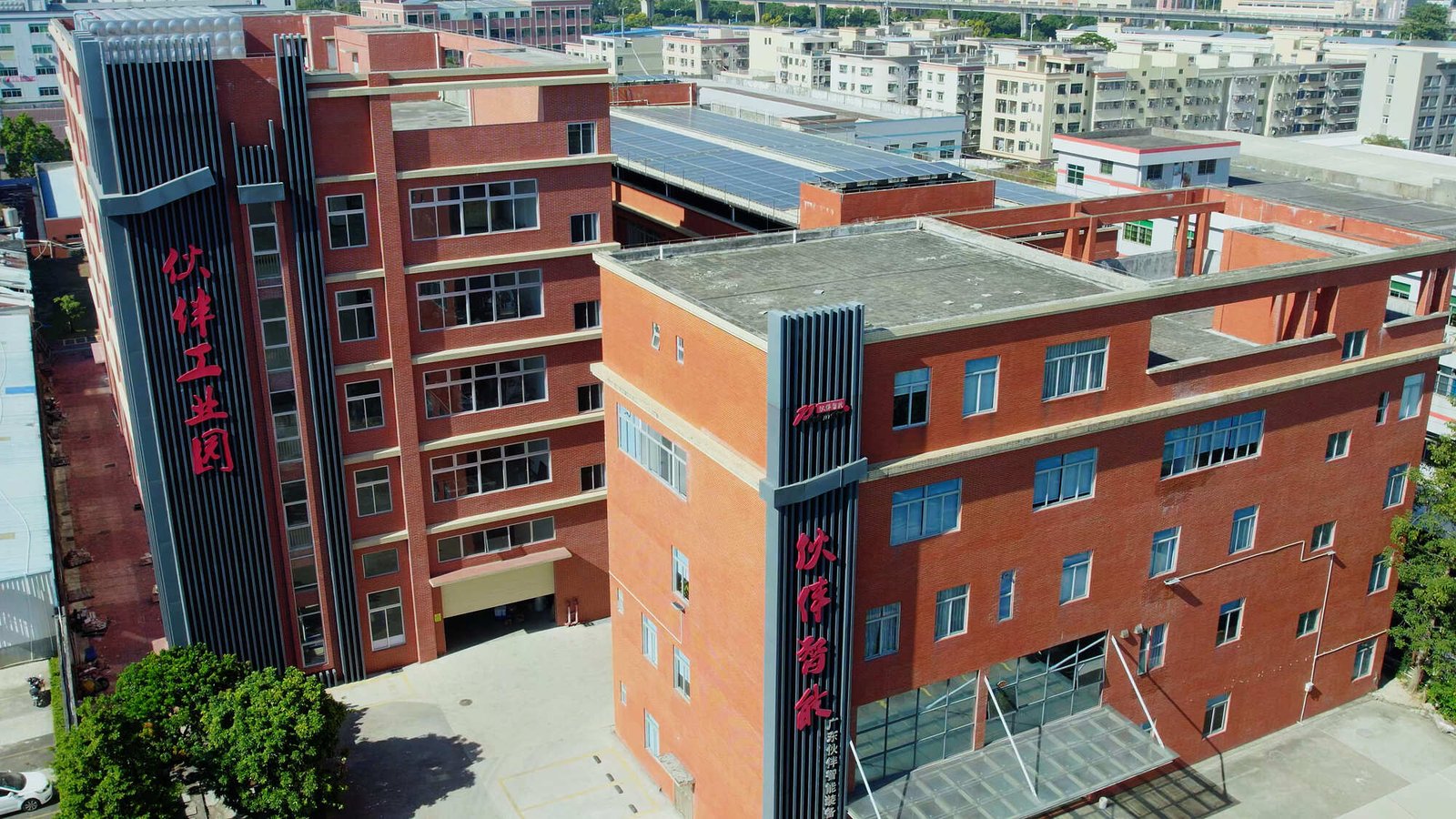
For example, Ludyway Machinery, a China-based packaging machinery manufacturer with over 30 years of experience, provides integrated packaging solutions including equipment selection, system integration, customization, installation, commissioning, and technical support — serving customers in more than 100 countries. This type of comprehensive partnership approach can significantly reduce project risk and streamline the implementation process.
Regulatory Compliance and Food Safety Considerations
If your cardboard packaging will come into contact with food products, compliance with FDA food packaging regulations is essential. The machine design should support hygienic operation, minimize contamination risks, and facilitate cleaning and inspection procedures. For pharmaceutical applications, additional validation and documentation requirements may apply.
Making the Final Decision: A Step-by-Step Approach
To make a confident purchasing decision, follow this structured evaluation process:
- Define your requirements: Document production volumes, carton specifications, line speed targets, and budget constraints.
- Research available solutions: Identify machines that match your technical and operational requirements from multiple suppliers.
- Request detailed proposals: Obtain quotes, specifications, and TCO analyses from shortlisted manufacturers.
- Conduct factory acceptance testing (FAT): Where possible, visit the manufacturer’s facility to witness the machine operating with your actual products and materials.
- Evaluate after-sales support: Confirm service agreements, spare parts availability, and training provisions before finalizing the purchase.
- Plan for installation and integration: Coordinate with the supplier on delivery timelines, installation requirements, and line integration details.
Future-Proofing Your Investment
The packaging industry continues to evolve with trends toward automation, sustainability, and digital connectivity. When selecting a cardboard packaging machine, consider how the equipment can adapt to future needs:
- Look for modular designs that allow for future upgrades or reconfiguration.
- Prioritize machines with Industry 4.0 capabilities, such as data collection, remote monitoring, and integration with manufacturing execution systems.
- Ensure compatibility with emerging sustainable packaging materials that may become standard in your industry.
- Choose suppliers with a track record of innovation and ongoing product development.
Selecting the right cardboard packaging machine requires balancing current operational needs with long-term business goals. By thoroughly evaluating machine types, technical specifications, total cost of ownership, supplier capabilities, and regulatory requirements, you can make a decision that delivers reliable performance and strong return on investment for years to come.