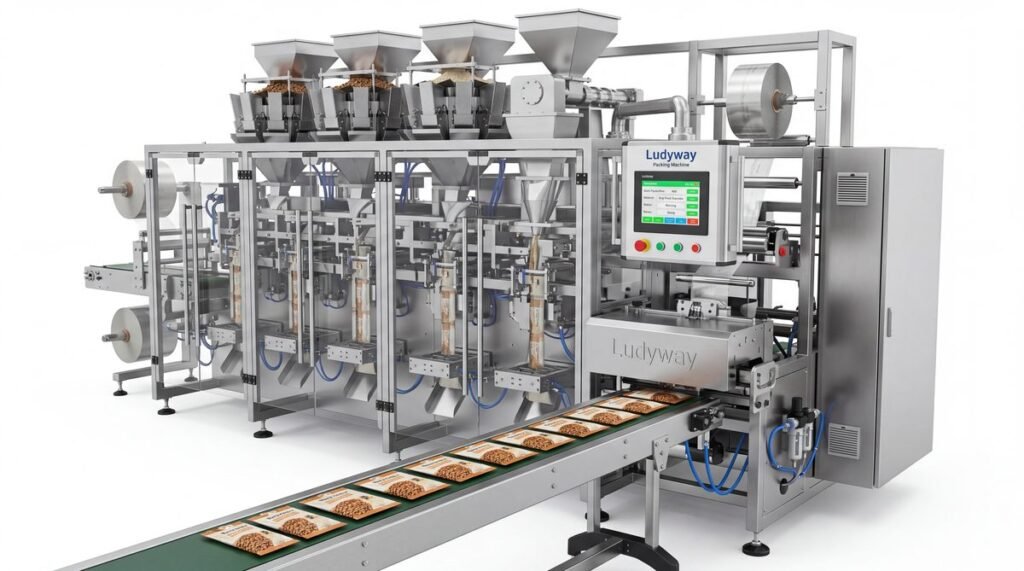
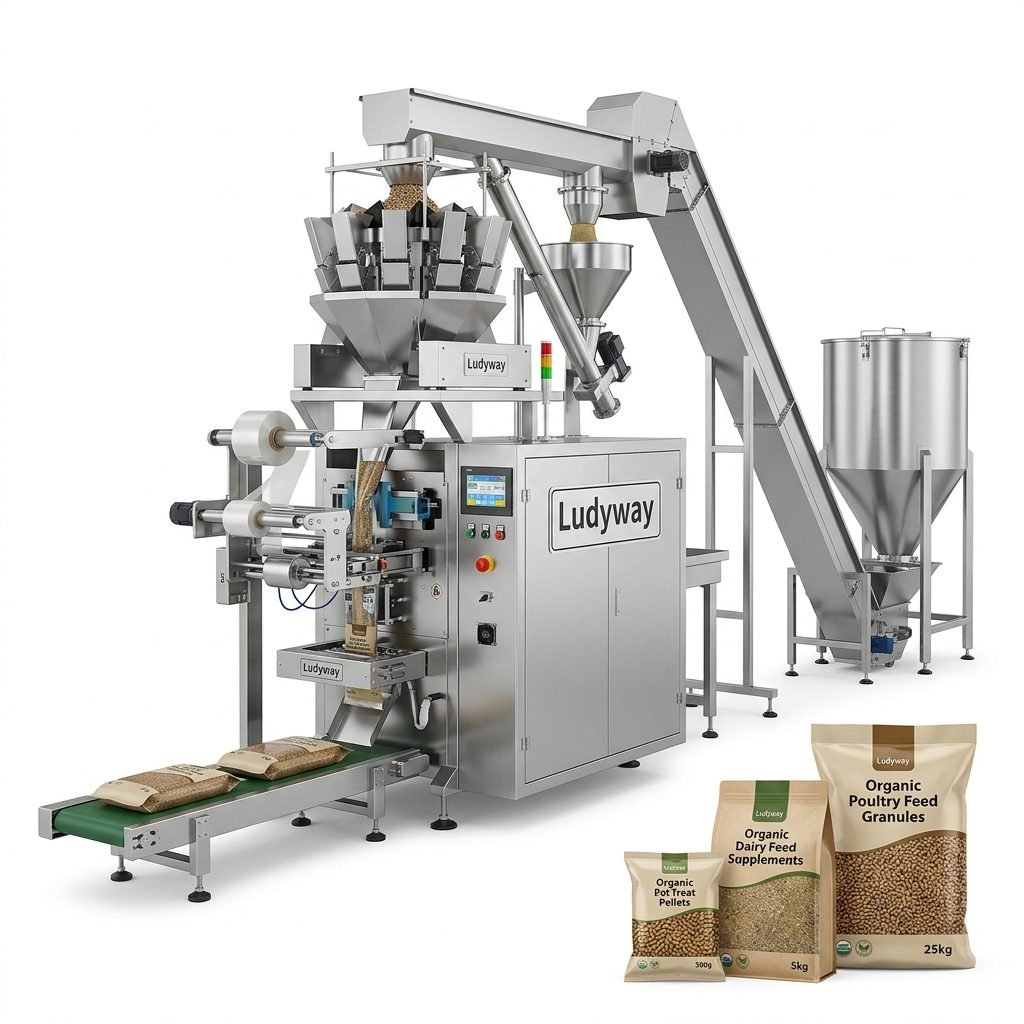
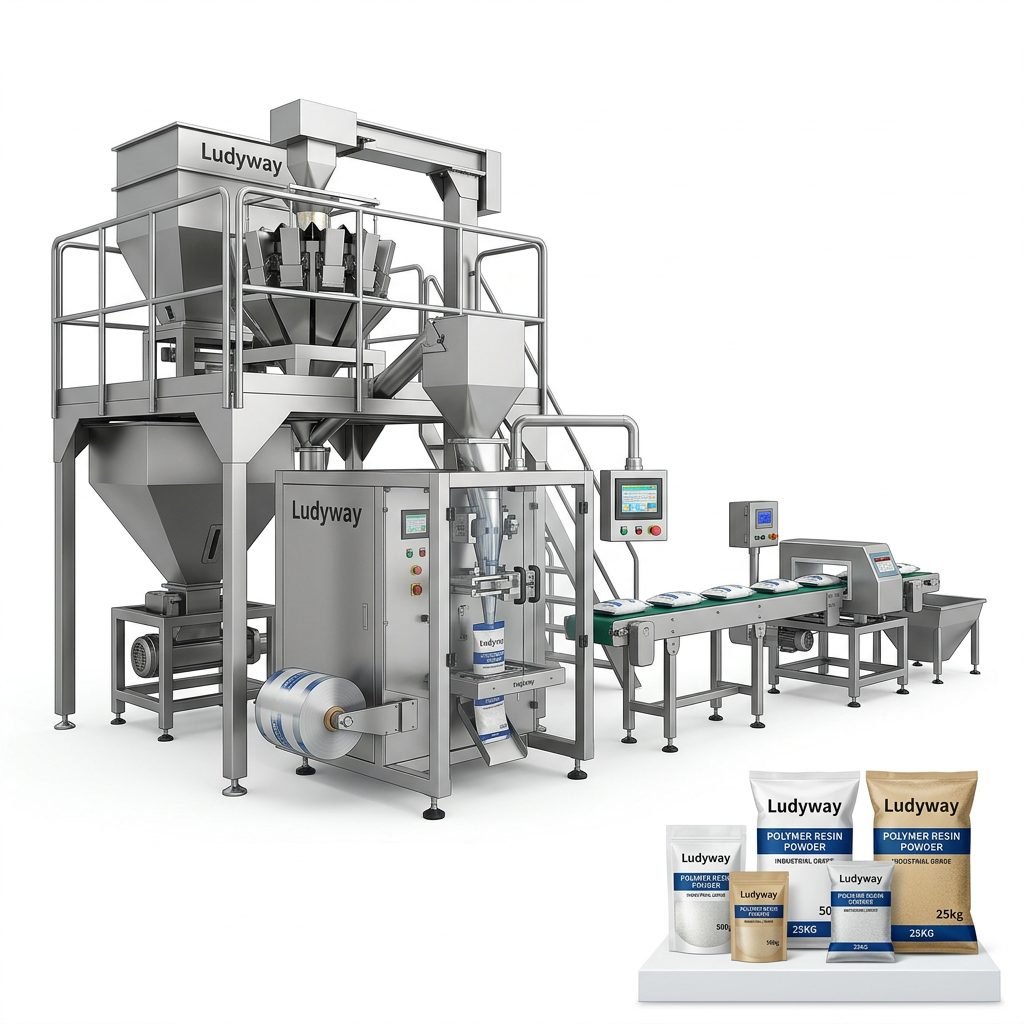
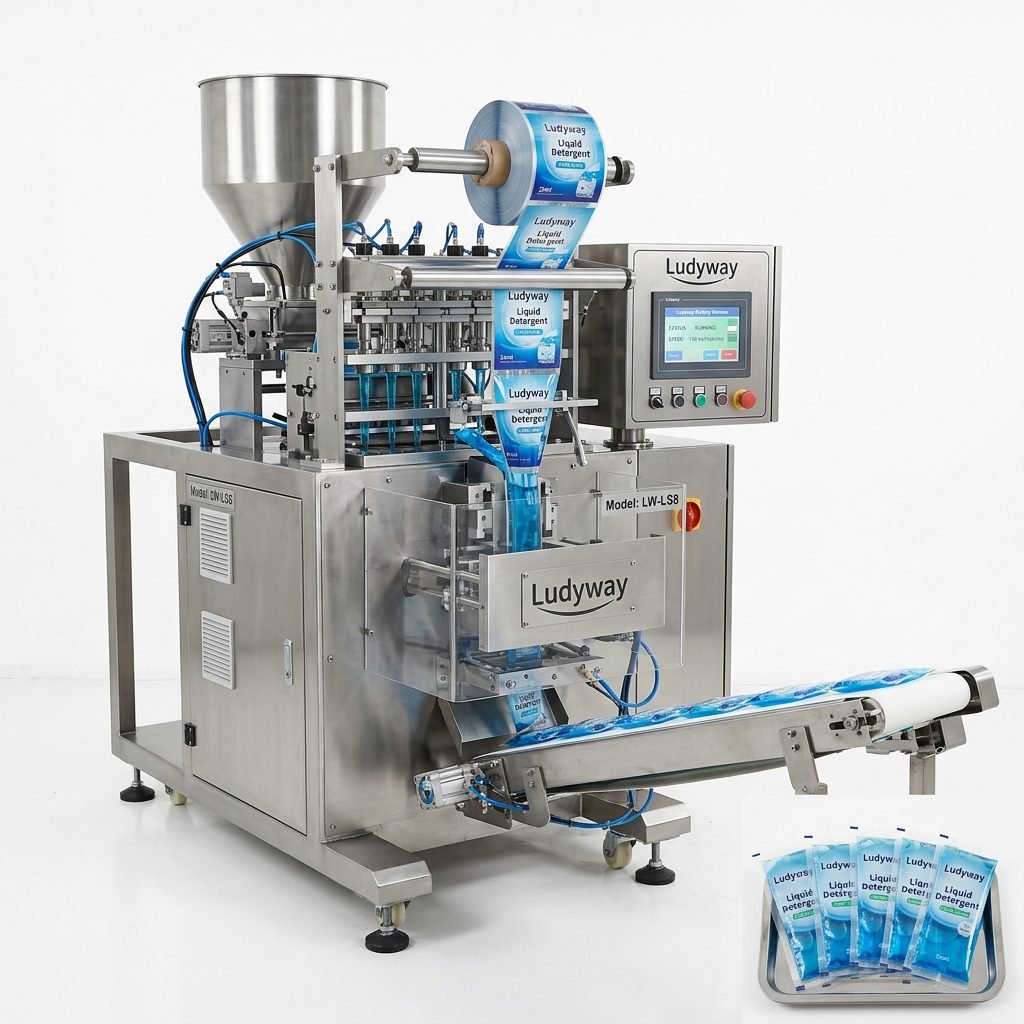
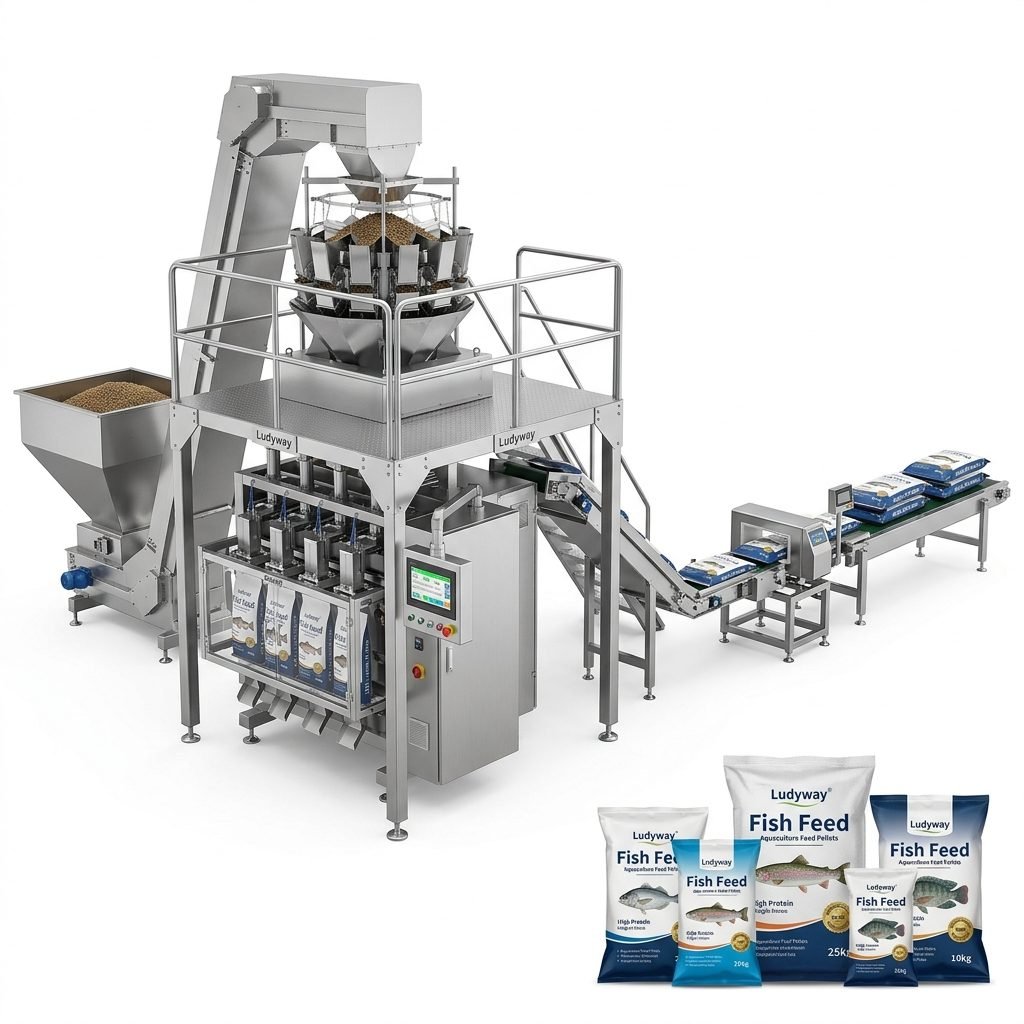
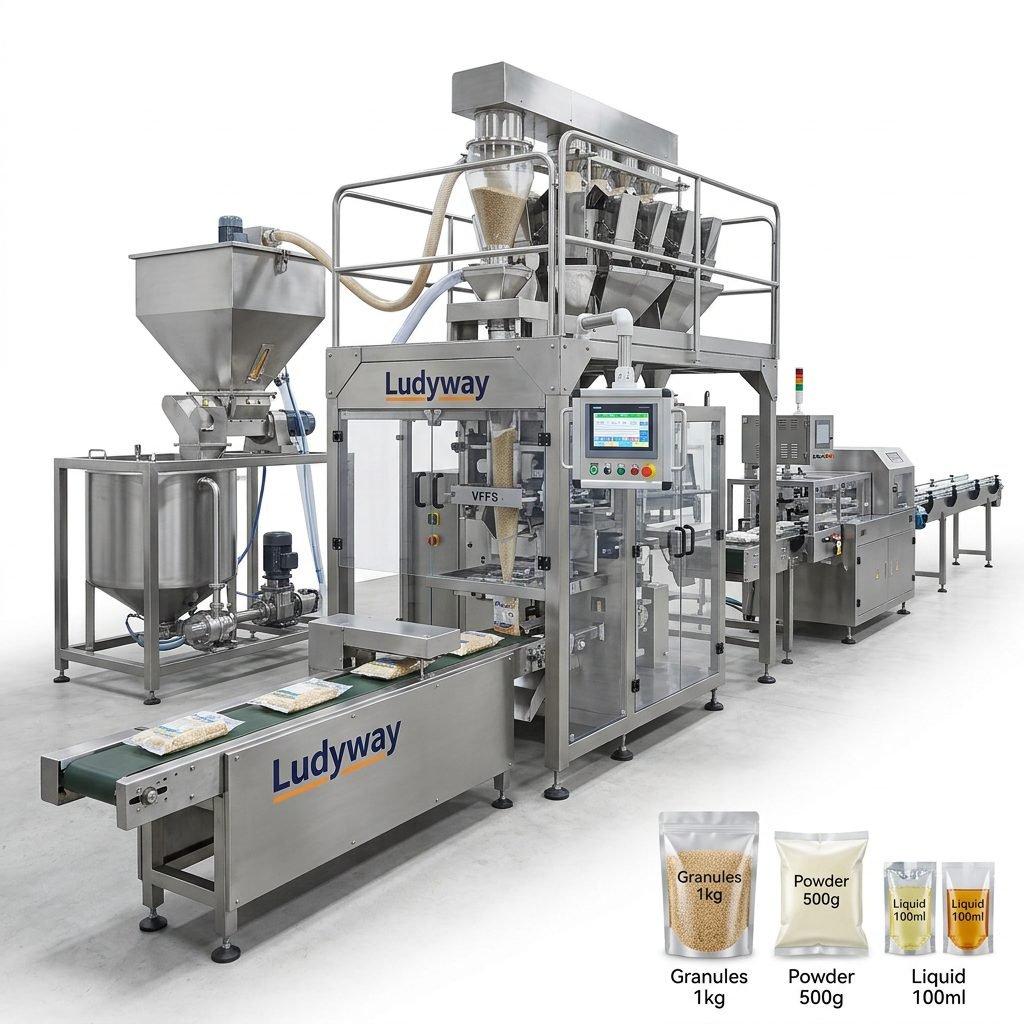
Keeping your carton packing machine running at peak efficiency isn’t just about avoiding downtime — it’s about protecting your entire production line. A well-maintained carton erector, sealer, or boxing system delivers consistent output, reduces waste, and extends the lifespan of critical components. Whether you operate a single semi-automatic unit or a fully integrated automated packaging system, implementing a structured maintenance routine is essential. The following guide covers practical, actionable steps to keep your equipment performing reliably day after day.
Daily Maintenance Checks That Prevent Costly Breakdowns
Establishing a daily routine is the most effective way to catch minor issues before they escalate into major failures. Operators should perform these checks at the start of every shift, before the machine begins production. Consistency here directly correlates with reduced emergency repair costs and higher overall equipment effectiveness.
Cleaning and Debris Removal
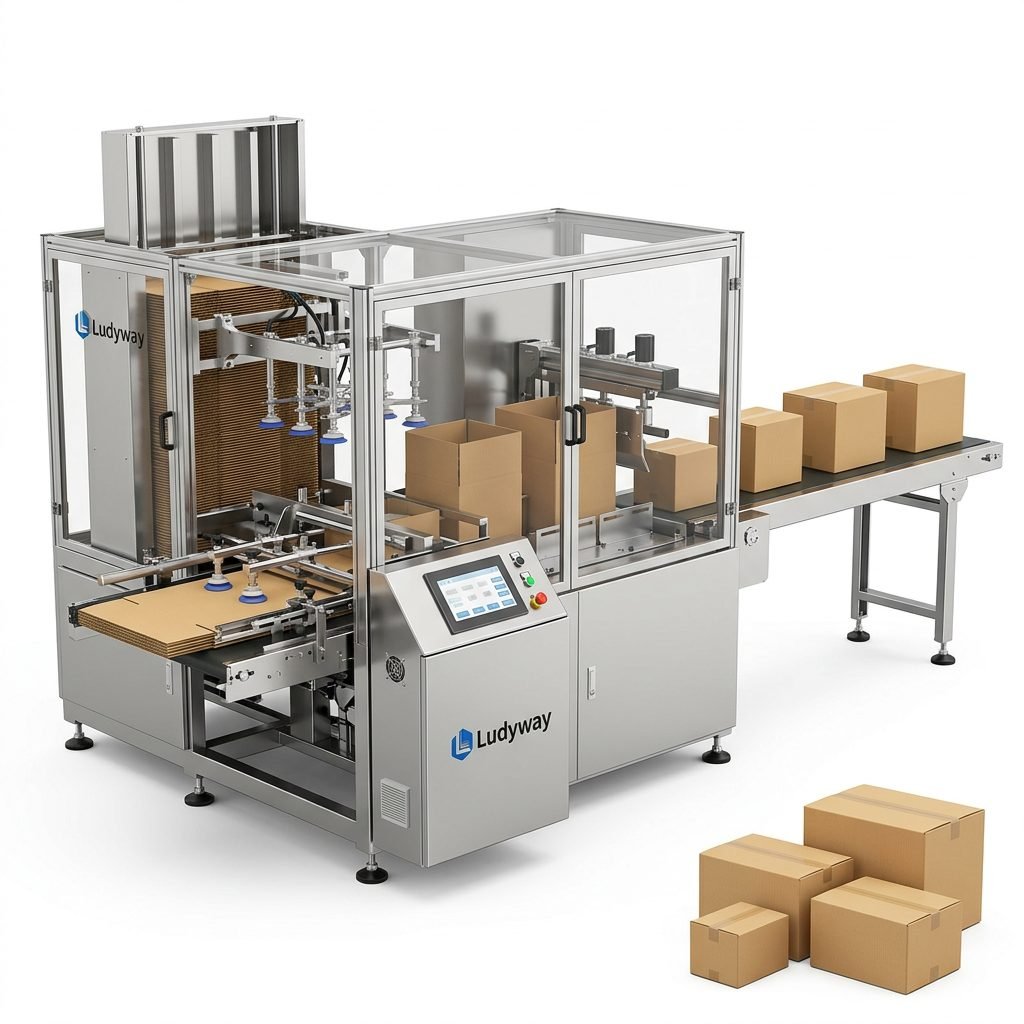
Carton packaging machinery inevitably accumulates dust, adhesive residue, and cardboard fibers during operation. Compressed air and a soft-bristle brush are your best tools for removing loose debris from forming heads, folding arms, and sealing stations. Pay particular attention to:
- Glue application nozzles — dried adhesive can clog orifices and cause inconsistent sealing patterns
- Photoelectric sensors and reflectors — dust buildup leads to false readings and misfeeds
- Carton blank magazines — accumulated paper dust affects feeding reliability
- Conveyor chains and guides — debris here can misalign cartons during transport
Lubrication Protocols
Proper lubrication is non-negotiable for carton packing machine longevity. Use only manufacturer-recommended lubricants and adhere strictly to the specified intervals. Over-lubrication can attract contaminants, while under-lubrication accelerates wear on shafts, bearings, and sliding surfaces. Focus on these key points:
- Main drive chains — apply food-grade lubricant where applicable, especially in food and pharmaceutical packaging environments
- Linear guide rails — wipe clean before reapplying grease to prevent abrasive paste formation
- Pneumatic cylinder rods — a light film of oil prevents seal damage and maintains smooth actuation
- Rotary sealing jaw pivots — these high-friction points demand daily attention during heavy production runs
Diagnosing and Resolving Common Carton Packing Machine Faults
Even with diligent maintenance, issues can arise. Knowing how to quickly identify root causes keeps downtime to a minimum. The table below summarizes common symptoms and their likely causes:
| Symptom | Probable Cause | Recommended Action |
|---|---|---|
| Cartons not feeding consistently | Worn vacuum cups or suction cups | Inspect cups for cracks; replace if hardened or deformed |
| Irregular glue pattern or poor adhesion | Clogged nozzle or incorrect temperature setting | Clean nozzles thoroughly; verify glue pot temperature matches specifications |
| Cartons not squaring properly | Misaligned forming guides or folding plates | Check and recalibrate guide rail positions; inspect for loose fasteners |
| Excessive noise during operation | Dry bearings or loose chain tension | Lubricate bearings immediately; adjust chain tension to manufacturer tolerance |
| Intermittent machine stoppages | Faulty sensor or loose electrical connection | Clean sensor lenses; inspect wiring harnesses for damage or looseness |
Preventive Maintenance Schedule for Long-Term Reliability
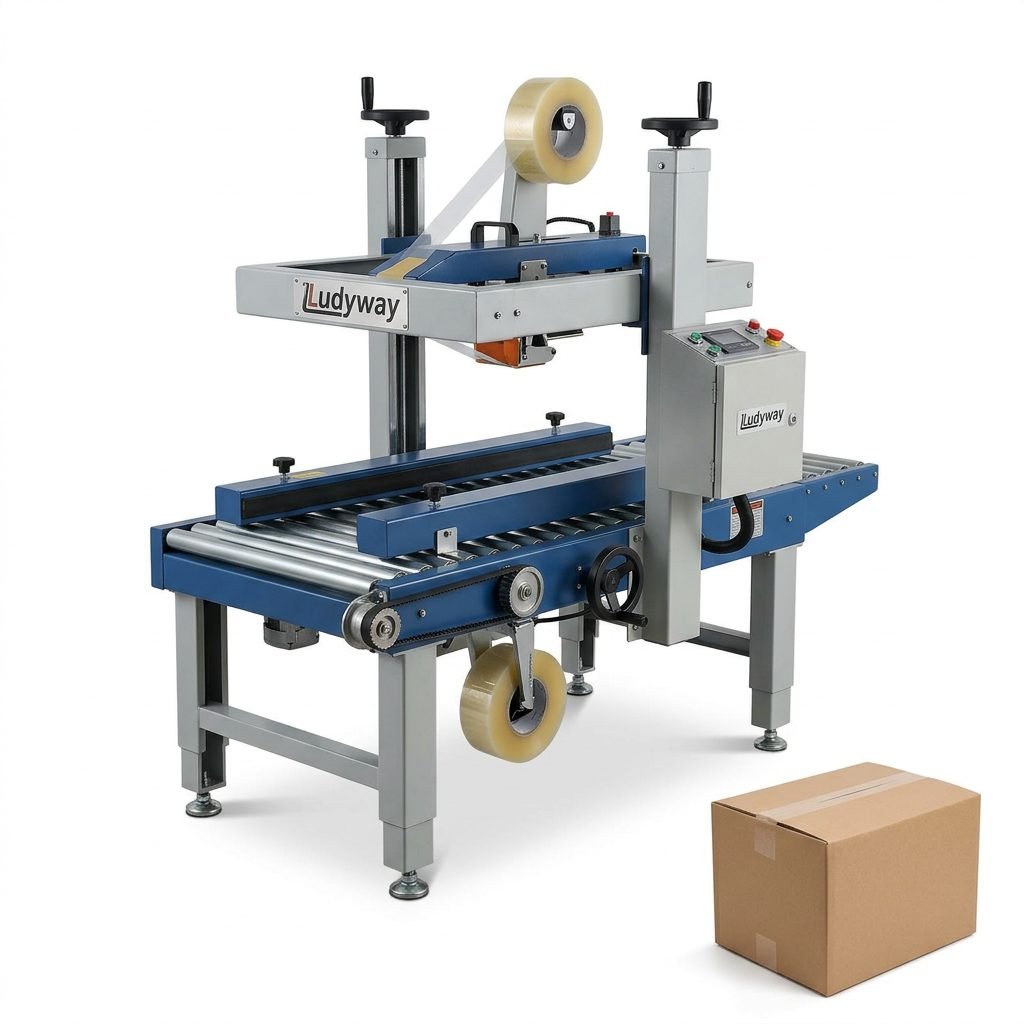
A structured preventive maintenance program transforms your carton packing machinery from a potential liability into a dependable asset. The following schedule serves as a baseline — adapt frequencies based on your production volume and operating environment:
| Frequency | Maintenance Tasks |
|---|---|
| Daily | Clean all surfaces; inspect glue system; check sensor alignment; verify safety interlocks; listen for unusual sounds |
| Weekly | Lubricate all grease points; inspect belts for wear; tighten accessible fasteners; test emergency stops; clean electrical cabinets |
| Monthly | Inspect and replace worn vacuum cups; calibrate glue pattern; check chain tension and sprocket wear; verify pneumatic pressure settings; review error logs |
| Quarterly | Replace all filters; inspect gearbox oil; perform full electrical inspection; recalibrate forming and sealing stations; deep clean adhesive system |
| Annually | Complete machine overhaul; replace major wear components; update firmware and software; conduct operator retraining; comprehensive safety audit |
Training Operators for Proactive Maintenance
The best maintenance program falls short without properly trained personnel. Operators are your first line of defense against machine deterioration. They interact with the equipment daily and are best positioned to detect early warning signs — subtle changes in sound, vibration, or output quality that precede component failure. Invest in regular training sessions that cover:
- Startup and shutdown procedures — incorrect sequencing causes unnecessary stress on mechanical components
- Basic troubleshooting techniques — empower operators to resolve minor issues without escalating to maintenance teams
- Documentation and reporting — maintain detailed logs of all maintenance activities, observations, and anomalies
- Safety protocols — lockout/tagout procedures must be second nature before any maintenance work begins
The Role of Professional Technical Support
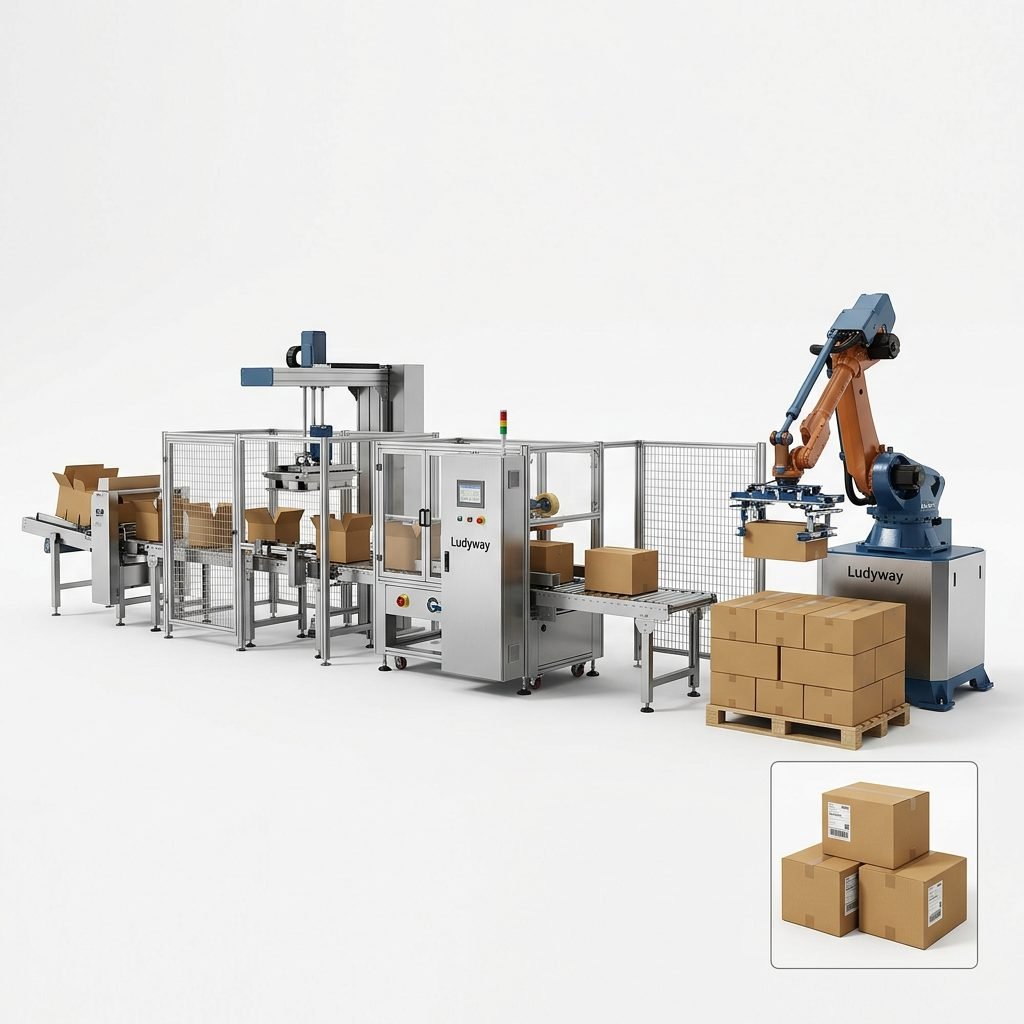
While in-house maintenance handles routine care, complex repairs and overhauls demand specialized expertise. Carton packing machines incorporate precision-engineered components — from servo-driven forming stations to hot-melt adhesive application systems — that require calibrated tools and manufacturer-specific knowledge. Ludyway provides comprehensive after-sales support, including on-site technical assistance, genuine spare parts, and preventive maintenance contracts tailored to your production environment. Partnering with the original equipment manufacturer ensures repairs meet factory specifications and preserve warranty coverage.
Spare Parts Management Strategy
A well-organized spare parts inventory prevents extended downtime when components inevitably wear out. Critical spares — those whose failure immediately halts production — should always be on hand. Based on typical carton packing machine wear patterns, prioritize the following:
- Vacuum cups and suction pads — replace every 3-6 months depending on cycle count
- Drive belts and timing belts — keep at least one complete set for each machine model
- Glue nozzles and filters — these clog gradually and affect seal quality long before complete failure
- Sensor units — having a spare photoelectric and proximity sensor minimizes troubleshooting time
- Pneumatic fittings and seals — small, inexpensive components that cause disproportionate downtime
Industry Standards and Best Practices
Adhering to established packaging machinery standards ensures your maintenance program aligns with industry best practices. Organizations like PMMI (The Association for Packaging and Processing Technologies) provide extensive resources on equipment safety, operational standards, and maintenance guidelines. Similarly, the ISO packaging standards offer internationally recognized frameworks for equipment performance and safety compliance. Consulting these resources strengthens your maintenance protocols and keeps your operation aligned with evolving regulatory requirements.
Key Takeaways for Sustained Performance
An effective carton packing machine maintenance strategy combines daily discipline, operator training, and strategic planning. Start with a consistent cleaning and inspection routine, build a realistic preventive maintenance schedule, and maintain an adequate spare parts inventory. Document every intervention — your maintenance logs become invaluable when diagnosing recurring issues or planning capital investments. Finally, cultivate a relationship with a reliable technical support partner who understands your specific machinery and production goals. These combined efforts transform maintenance from a cost center into a competitive advantage.