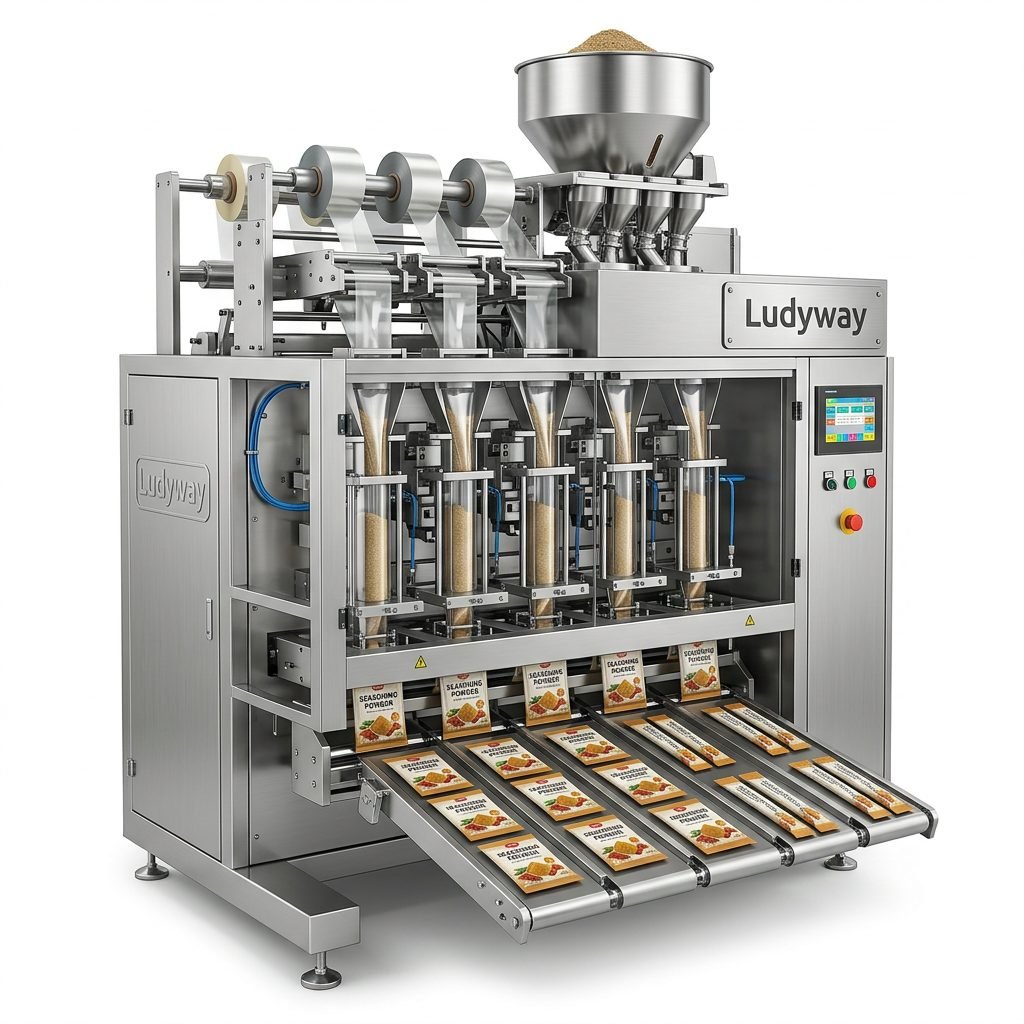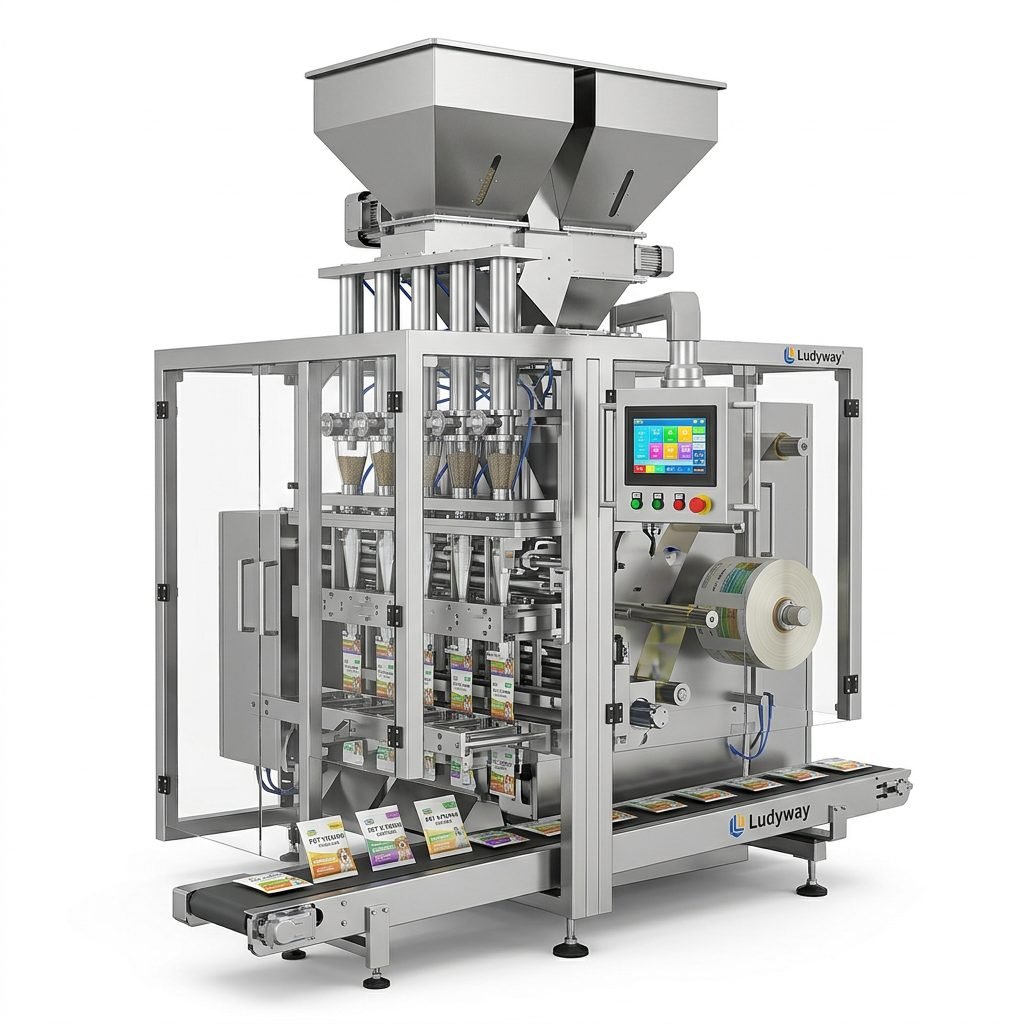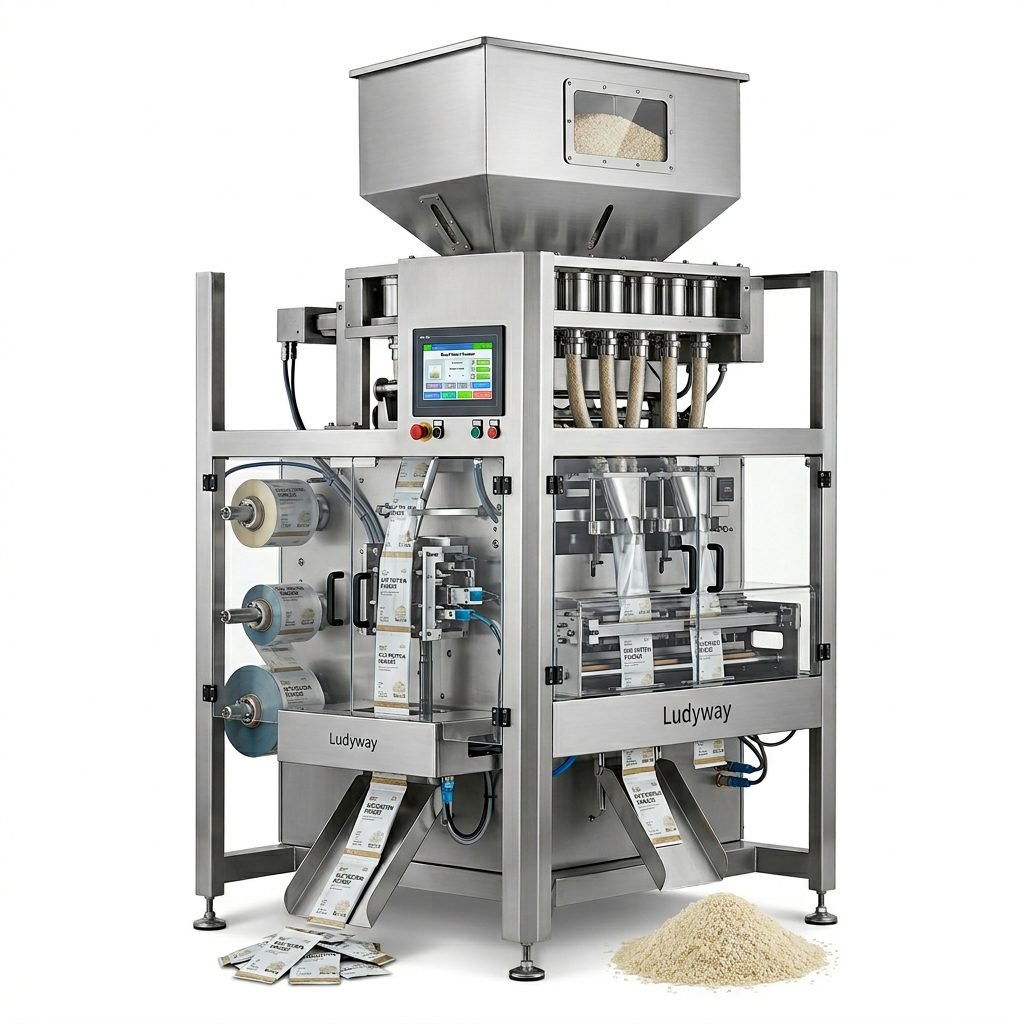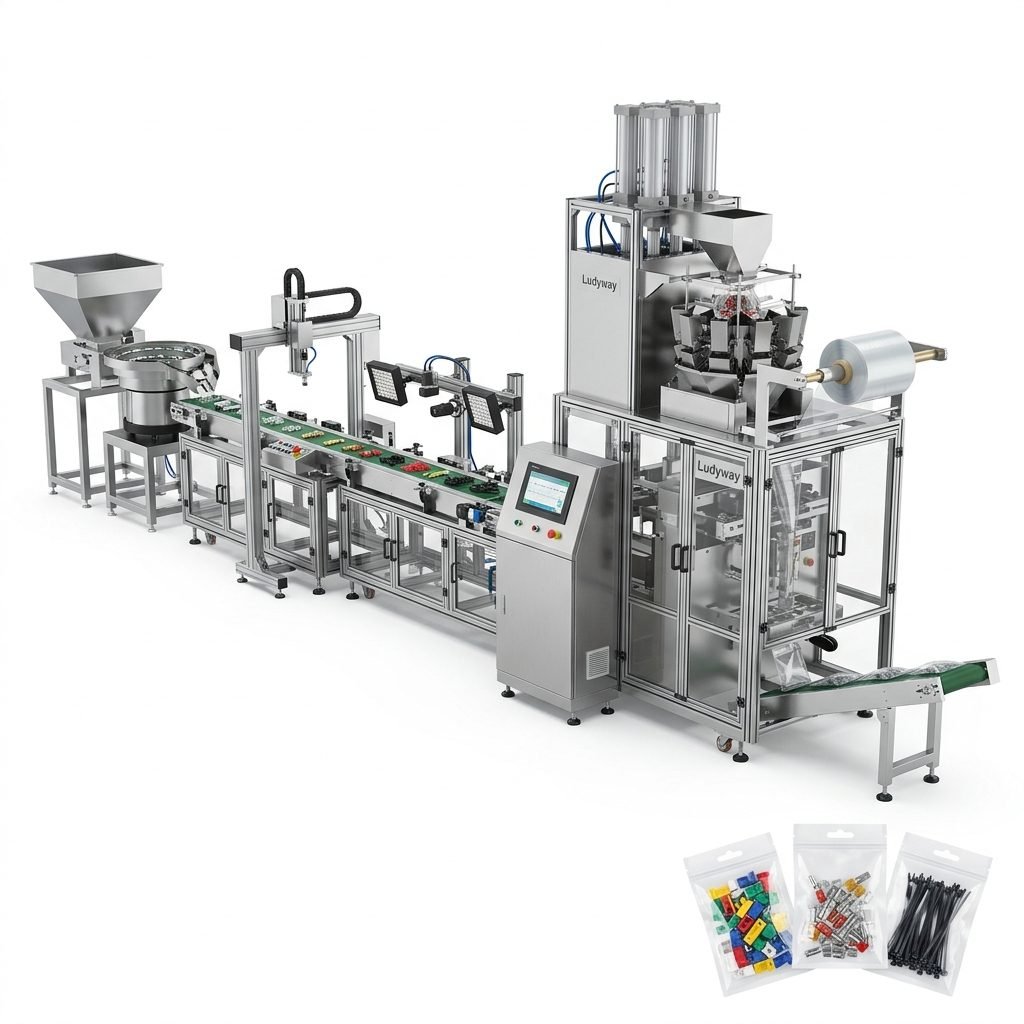
Investing in a chai packing machine is a significant decision for any tea brand, contract packager, or beverage manufacturer. The right equipment can transform your production efficiency, reduce labor costs, and ensure consistent product quality. However, with so many machine types, configurations, and suppliers available, making the wrong choice can lead to production bottlenecks, excessive downtime, and costly rework.
Chai presents unique packaging challenges. Whether you are packing instant chai powder, chai concentrate liquid, or pre-mixed chai granules, the machine must handle specific product characteristics — from particle size and flowability to moisture sensitivity and oil content. This guide walks you through every critical factor you need to evaluate before purchasing a chai packing machine.
Understanding Chai Product Characteristics and Packaging Needs
Before comparing machine specifications, start by thoroughly understanding your chai product. Different chai formulations place very different demands on packaging machinery:
- Instant chai powder — Fine, hygroscopic powders that absorb moisture quickly. Requires airtight sealing and precise dosing to prevent clumping and weight variation.
- Chai granules — Free-flowing but can generate dust. Auger fillers typically perform well, but dust extraction may be needed around the filling zone.
- Chai concentrate or liquid — Viscous liquids that need piston pumps or gear pumps with accurate volumetric filling. Seal integrity is critical to prevent leaks.
- Herbal chai blends — Often contain mixed particle sizes including tea leaves, spices, and botanicals. Multi-head weighers or volumetric cup fillers may be more suitable than augers.
- Chai latte mixes — Typically high in sugar and milk powder content. These products are sticky and prone to bridging in hoppers, requiring agitation systems or specialized hopper designs.
The flexible packaging format you choose — stick pack, sachet, pillow pouch, or bulk bag — also determines which machine category is appropriate. Mapping product behavior to machine capability is the single most important step in the selection process.
Key Factors to Evaluate When Selecting a Chai Packing Machine
1. Packaging Format and Bag Dimensions
Your target packaging format is the primary driver of machine selection. Different chai products align with different packaging formats, and each format requires specific machine engineering. Consider the following popular options:
| Packaging Format | Best Suited For | Typical Fill Weight | Key Machine Consideration |
|---|---|---|---|
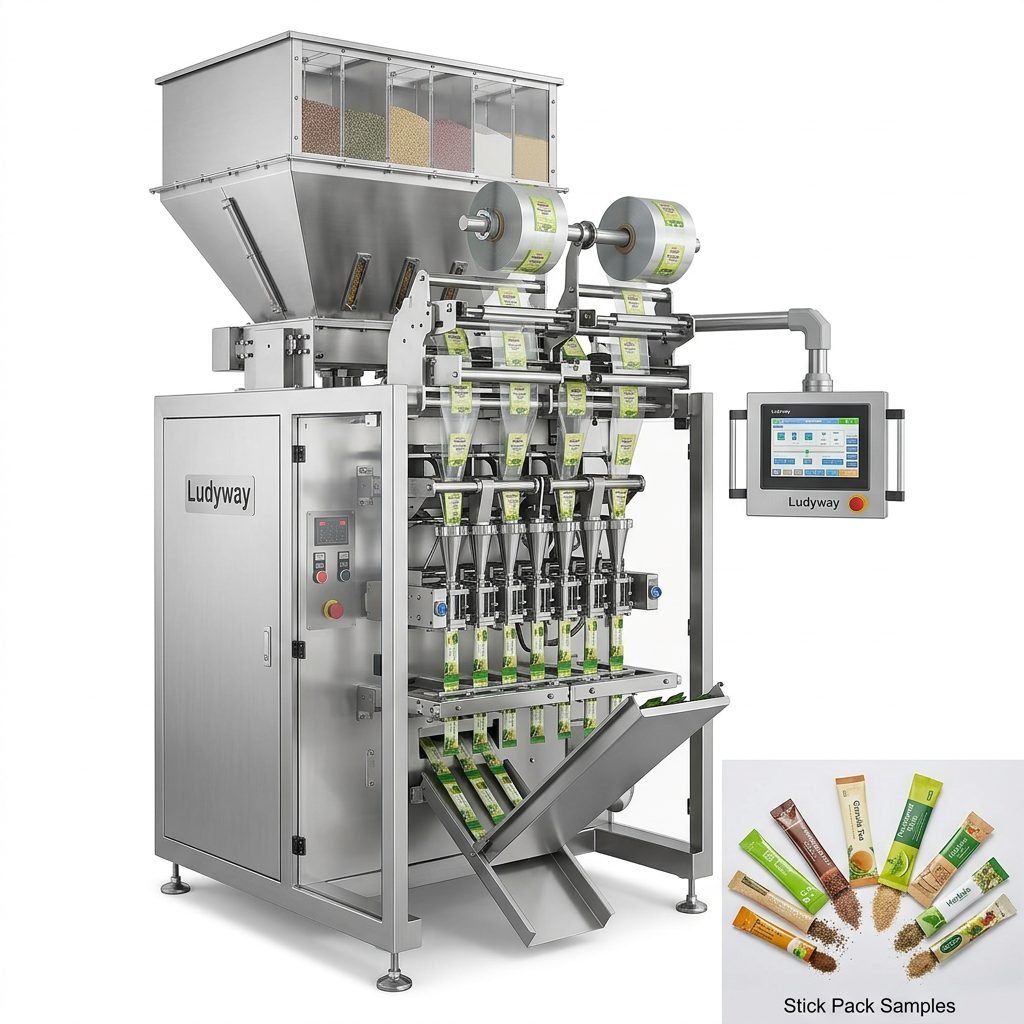
| Stick Pack | Single-serve instant chai, travel packs | 1g – 30g | Narrow seal width, high-speed multi-lane configuration |
| Sachet / Flat Pouch | Chai powder, herbal blends, sample packs | 5g – 100g | Three-side or four-side seal, tear notch option |
| Stand-Up Pouch | Premium chai blends, retail display | 50g – 500g | Zipper closure, degassing valve compatibility |
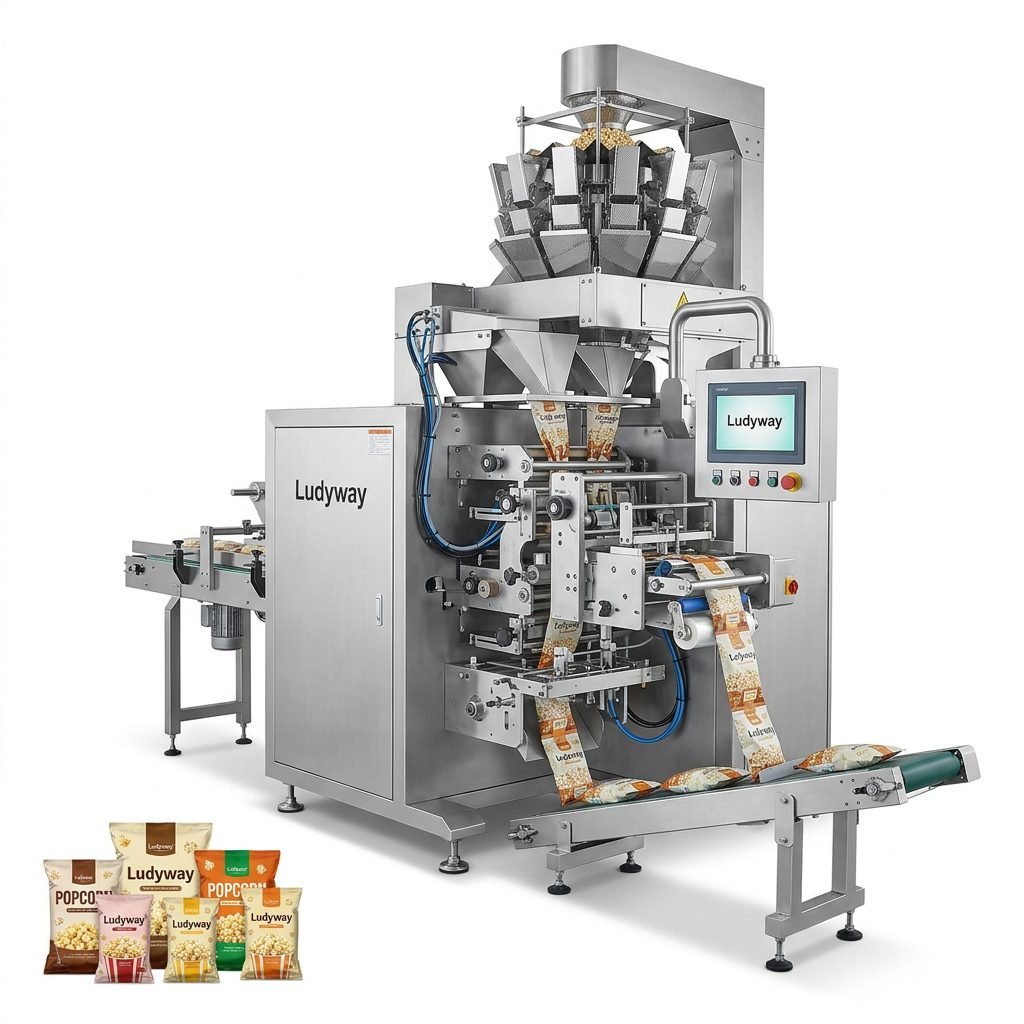
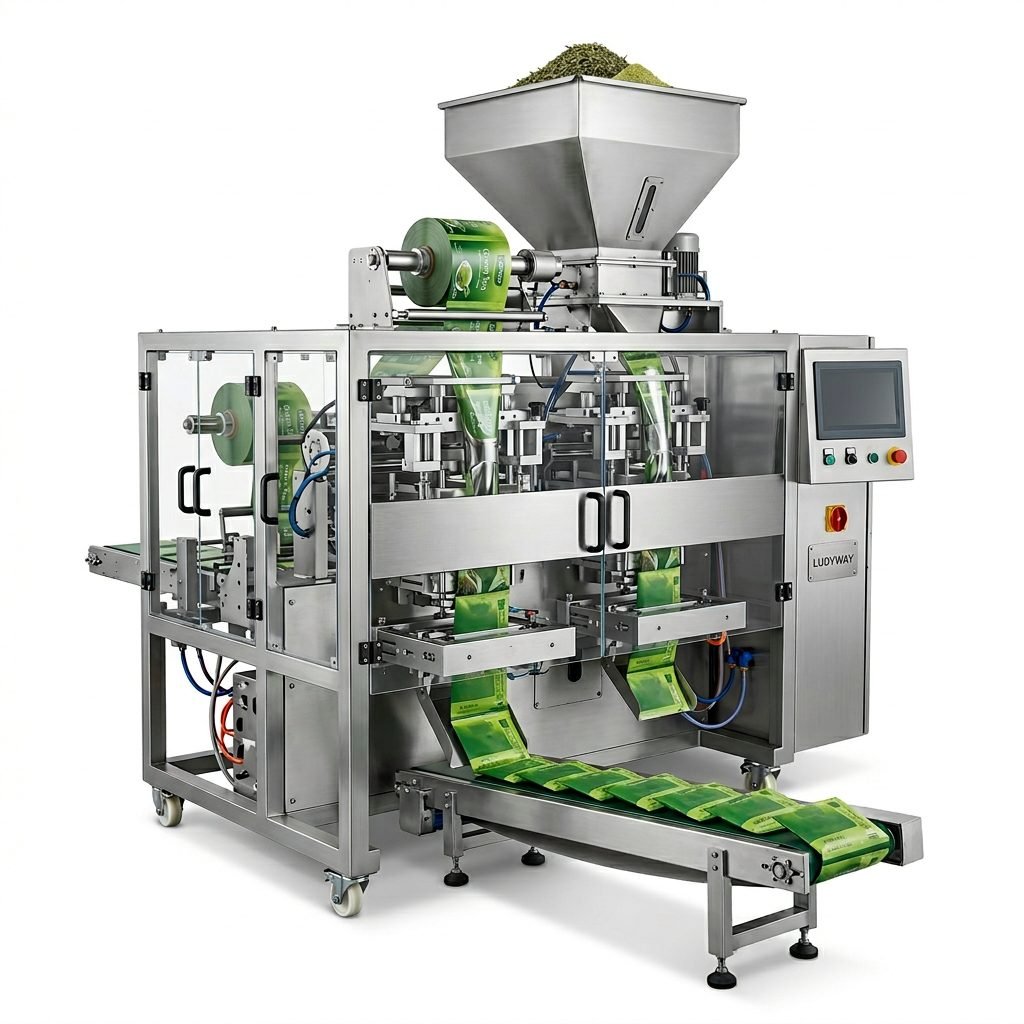
| Pillow Pouch (VFFS) | High-volume chai powder, bulk packs | 100g – 2kg | Back seal or lap seal, high-speed output |
| Liquid Stick Pack | Chai concentrate, liquid chai shots | 10ml – 50ml | Leak-proof vertical sealing, specialized film |
2. Production Speed and Capacity Requirements
Production speed directly impacts your return on investment. When evaluating speed specifications, look beyond the theoretical maximum speed quoted by manufacturers. Real-world output depends on product flow characteristics, packaging film properties, and the efficiency of upstream and downstream processes.
Key points to consider:
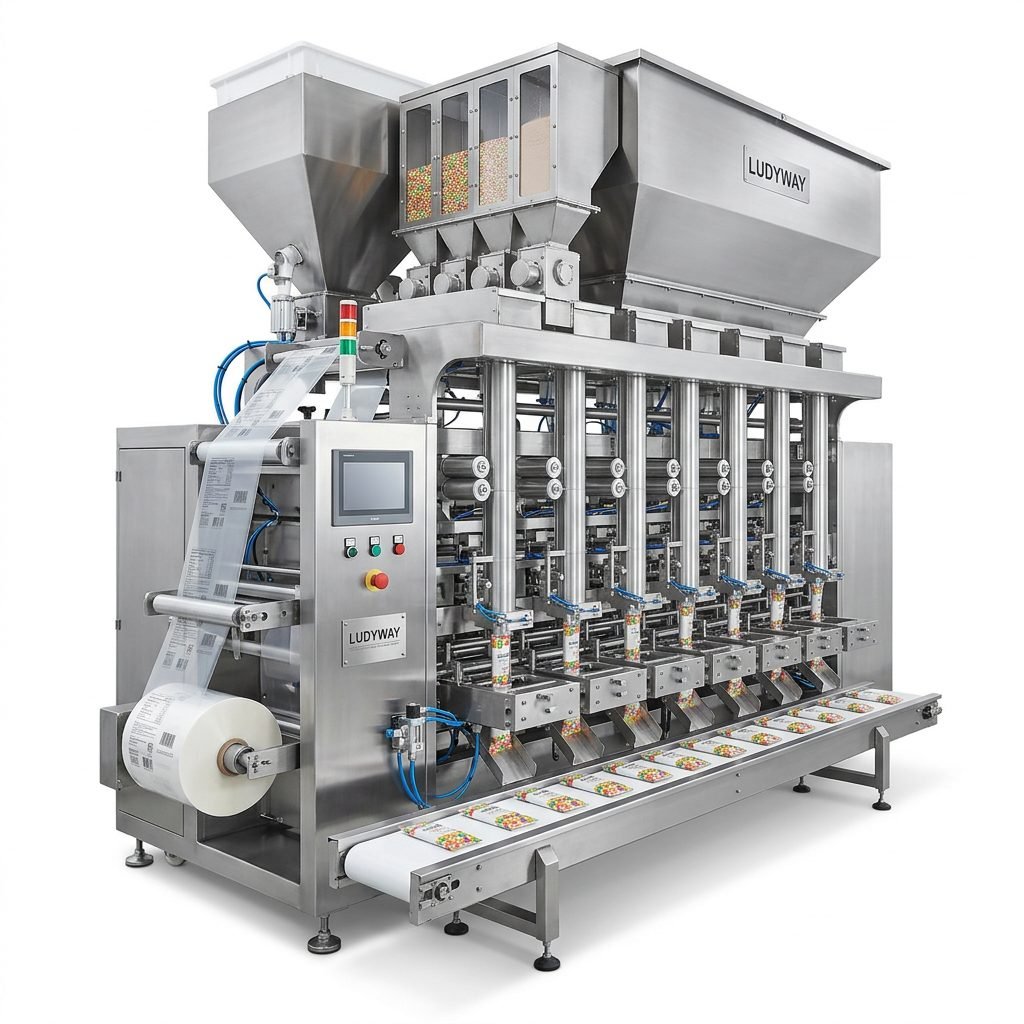
- A single-lane stick pack machine may produce 30–60 packs per minute, while a multi-lane system with 4–12 lanes can achieve 200–600 packs per minute.
- For chai powder with high sugar content, expect 10–20% speed reduction compared to free-flowing granular products due to stickiness and bridging tendencies.
- High-speed machines require compatible feeding systems. A fast packer paired with a slow auger filler creates a bottleneck.
- Factor in film splicing downtime, cleaning cycles between product batches, and changeover time when calculating actual daily output.
3. Filling Accuracy and Dosing Technology
Filling accuracy is critical for profitability. Every gram of overfill represents lost revenue, while underfilling risks regulatory non-compliance and customer dissatisfaction. Different dosing technologies suit different chai product types:
- Auger filler — Best for fine chai powders that tend to clump. The auger screw provides positive displacement and consistent fill weights. Servo-driven augers offer higher accuracy with programmable parameters for different products.
- Volumetric cup filler — Suitable for free-flowing chai granules. Lower cost but less precise than auger or multi-head weigher systems.
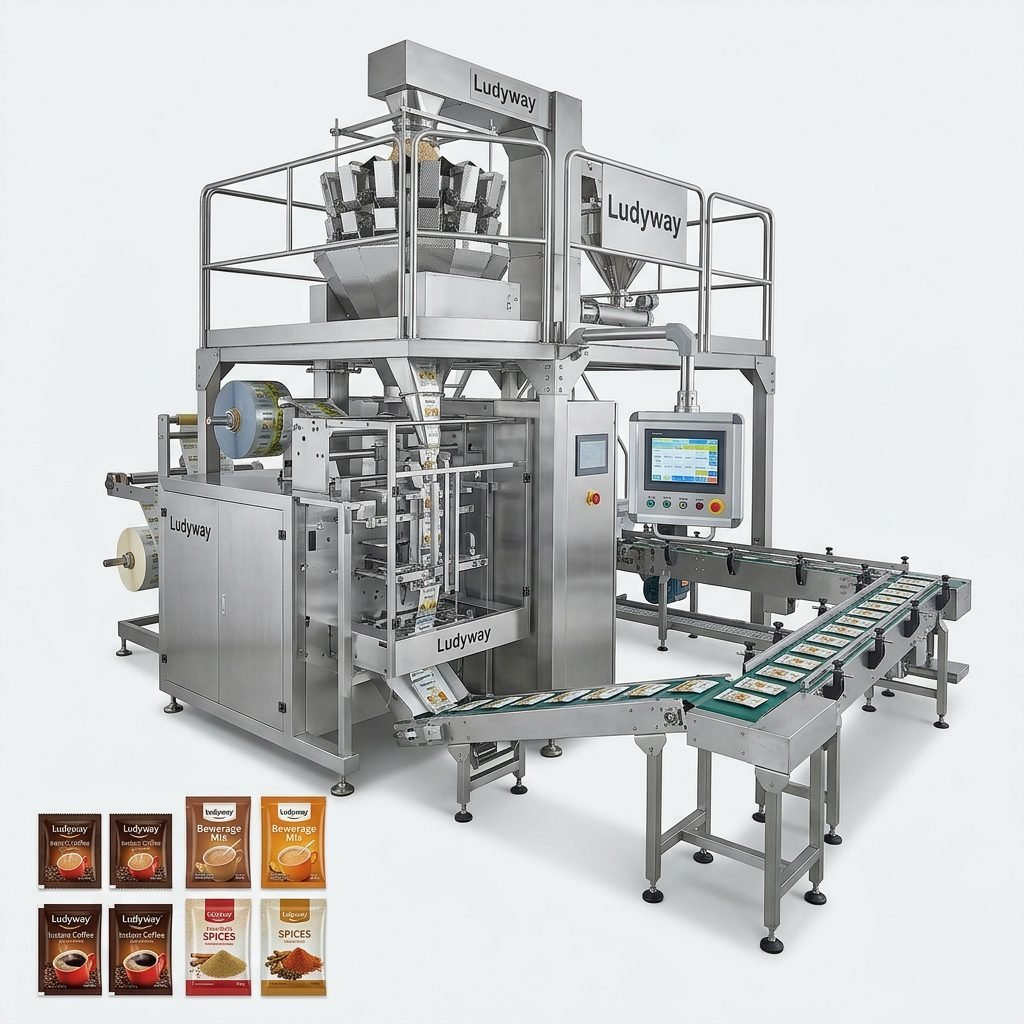
- Multi-head weigher — Ideal for herbal chai blends with varied particle sizes. Each weigh head independently measures a portion, and the control system selects the combination closest to the target weight. Accuracy of ±0.5–1.0g is typical.
- Piston filler — The standard for chai concentrates and liquid chai. Servo-driven pistons offer precise volume control with accuracy within ±0.5% of target fill volume.
4. Material Compatibility and Seal Integrity
Packaging film selection is equally important as machine selection. Chai products — especially those containing spices, oils, and milk powders — can be aggressive on packaging materials. The packaging standards for food products require robust barrier properties to prevent moisture ingress, oxygen transmission, and flavor loss.
Evaluate these material and seal quality factors:
- Barrier requirements — Chai powder with milk content needs high moisture barrier films (e.g., PET/Al/PE or metallized BOPP/CPP laminates) to prevent caking and spoilage.
- Seal strength — The machine must deliver consistent heat, pressure, and dwell time across the entire seal area. Look for independent temperature control zones on the sealing jaws.
- Film tracking — For printed films with registration marks, the machine’s photoelectric sensor and film tension control system must maintain precise alignment to avoid mis-cut packs.
- Resealability — If your chai pouches require zipper closures or press-to-close features, verify that the machine supports in-line zipper application without reducing line speed.
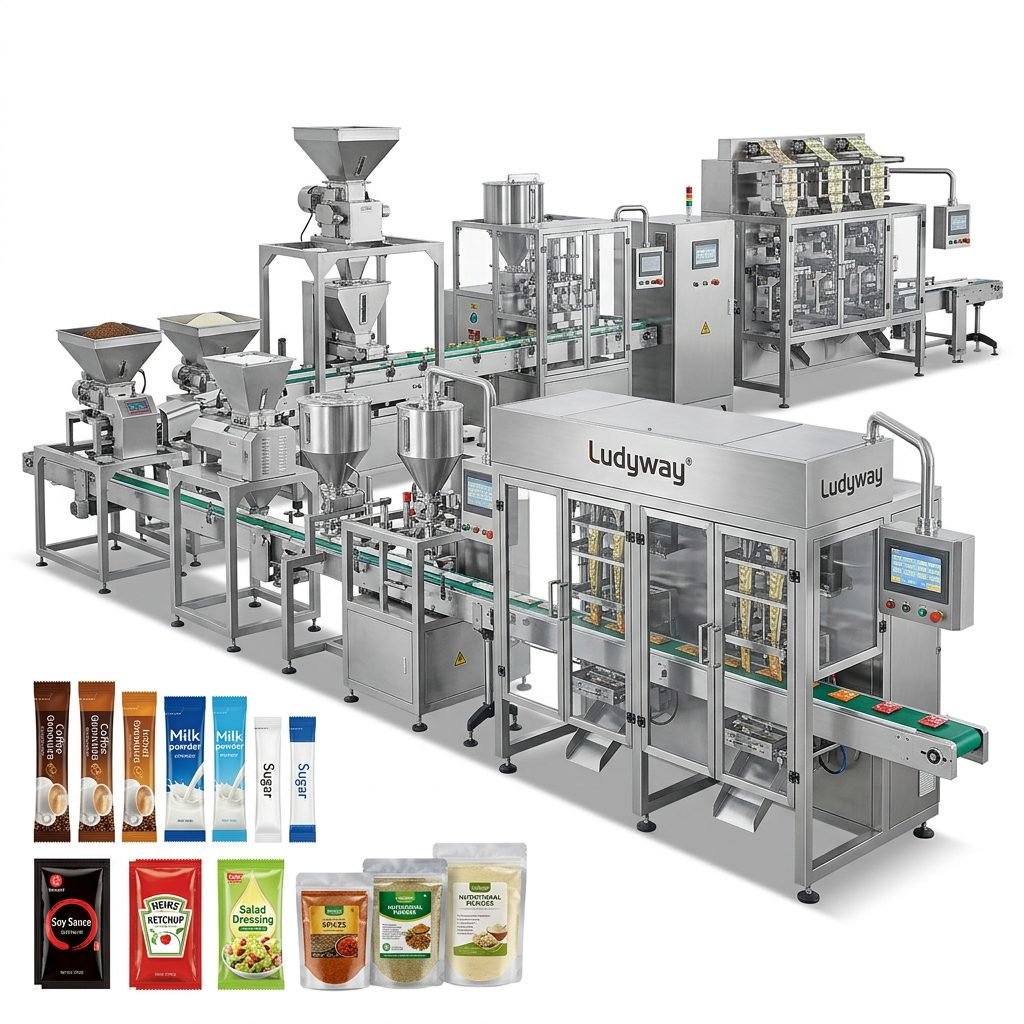
5. Automation Level and Production Line Integration
A packaging machine rarely operates in isolation. Consider the entire packaging line — from product feeding to secondary packaging — when making your selection. The State of the Industry reports consistently show that automation investment delivers the fastest payback in packaging operations.
Automation considerations include:
- Inline feeding systems — Vibratory feeders, screw conveyors, or vacuum conveyors that deliver product from bulk storage to the machine hopper without manual intervention.
- Checkweighing and metal detection — Inline quality control systems that reject out-of-specification packs automatically.
- Cartoning and case packing — Whether the machine can integrate with downstream cartoning equipment for a complete end-to-end packaging line.
- PLC controls and HMI — Modern machines should offer recipe storage, production data logging, and remote diagnostic capabilities via touchscreen interfaces.
6. Hygiene, Cleanability, and Compliance
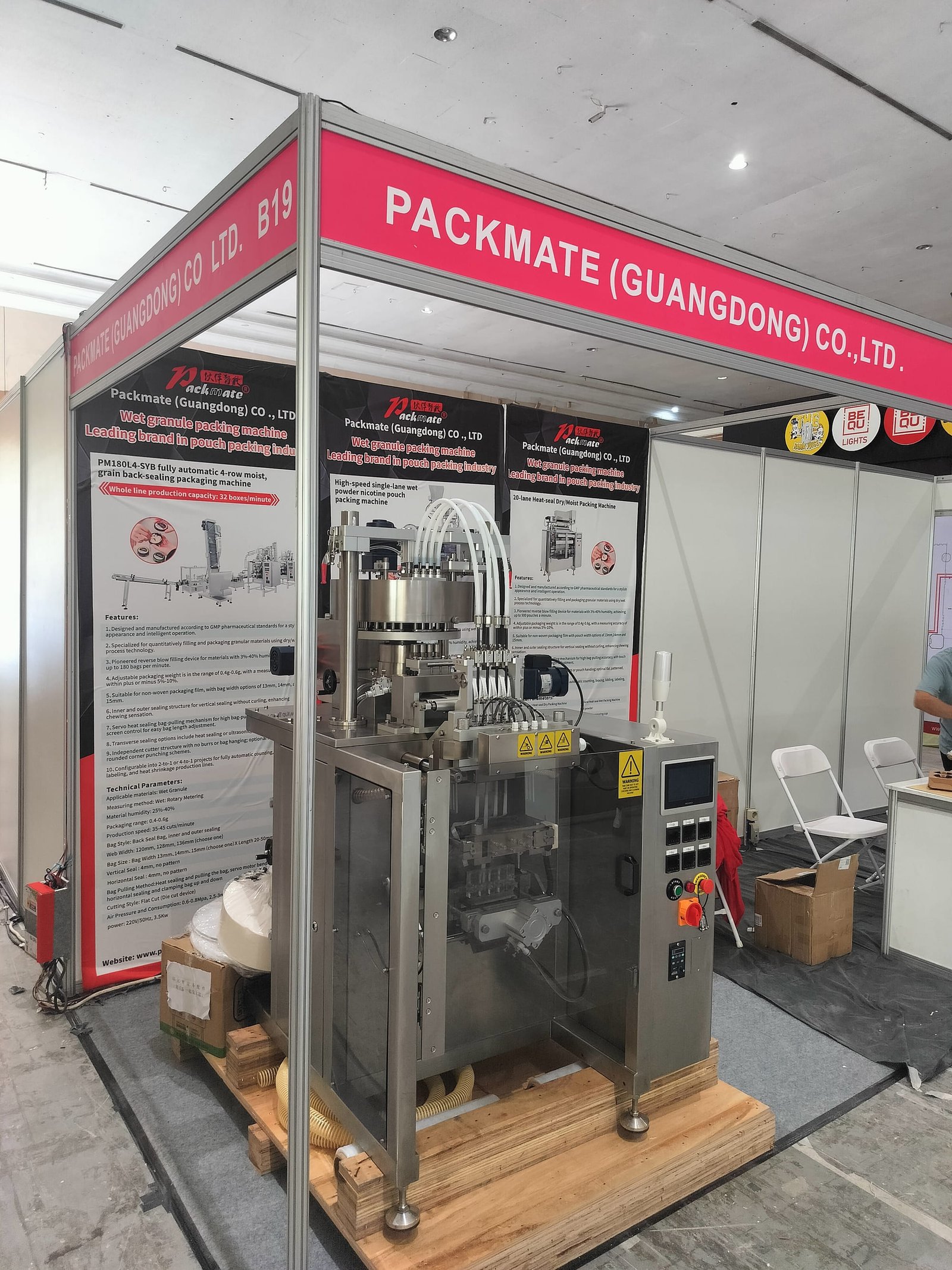
Chai is a food product, and your packaging operation must meet food safety standards. Machine design significantly impacts cleaning efficiency, cross-contamination risk, and regulatory compliance:
- Tool-less disassembly — Product contact parts should be removable without tools for rapid cleaning and product changeover.
- Stainless steel construction — All product contact surfaces should be 304 or 316L stainless steel with smooth finishes to prevent product buildup.
- Washdown capability — For facilities using wet cleaning methods, verify the machine’s IP rating and whether electrical components are properly sealed.
- Dust management — Chai powder filling generates fine dust that can settle on machine surfaces, sensors, and sealing components. Look for integrated dust extraction or enclosed filling zones.
Multi-Lane Configuration: When Does It Make Sense?
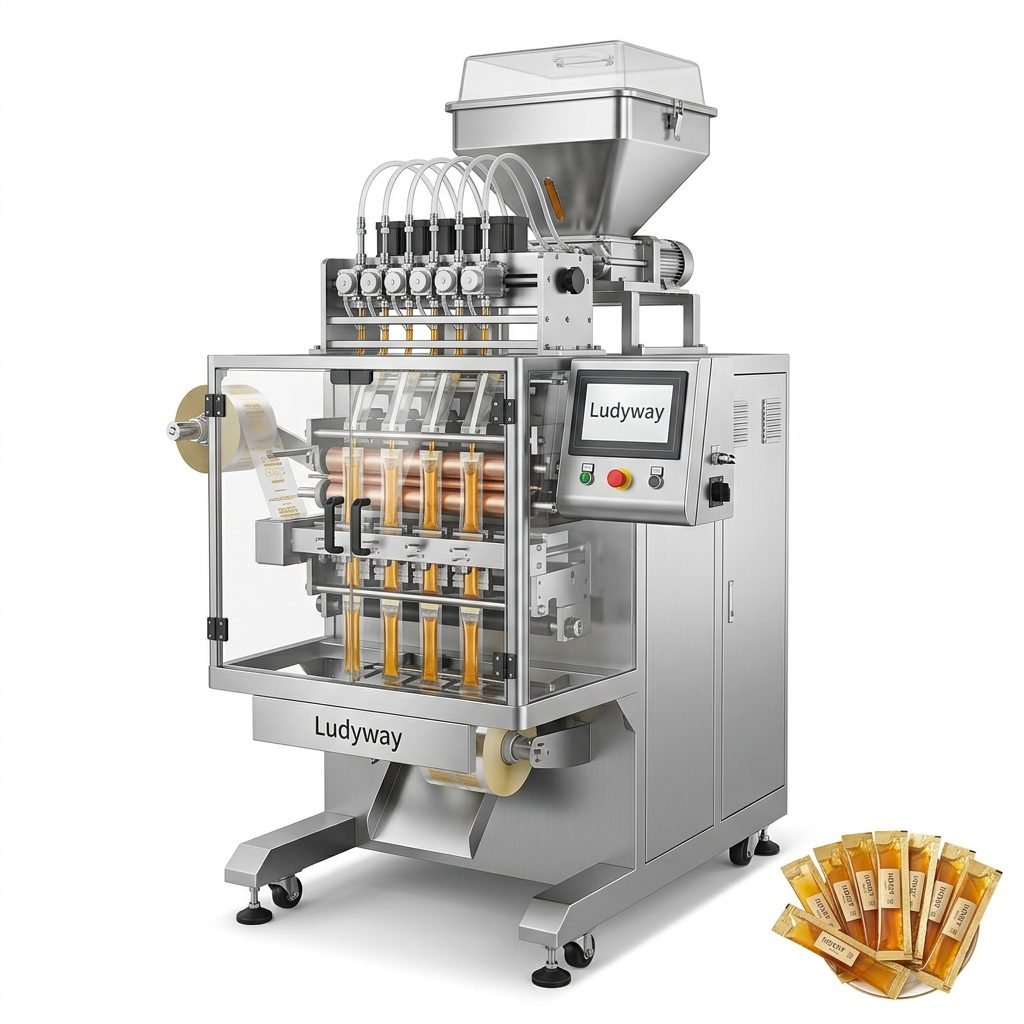
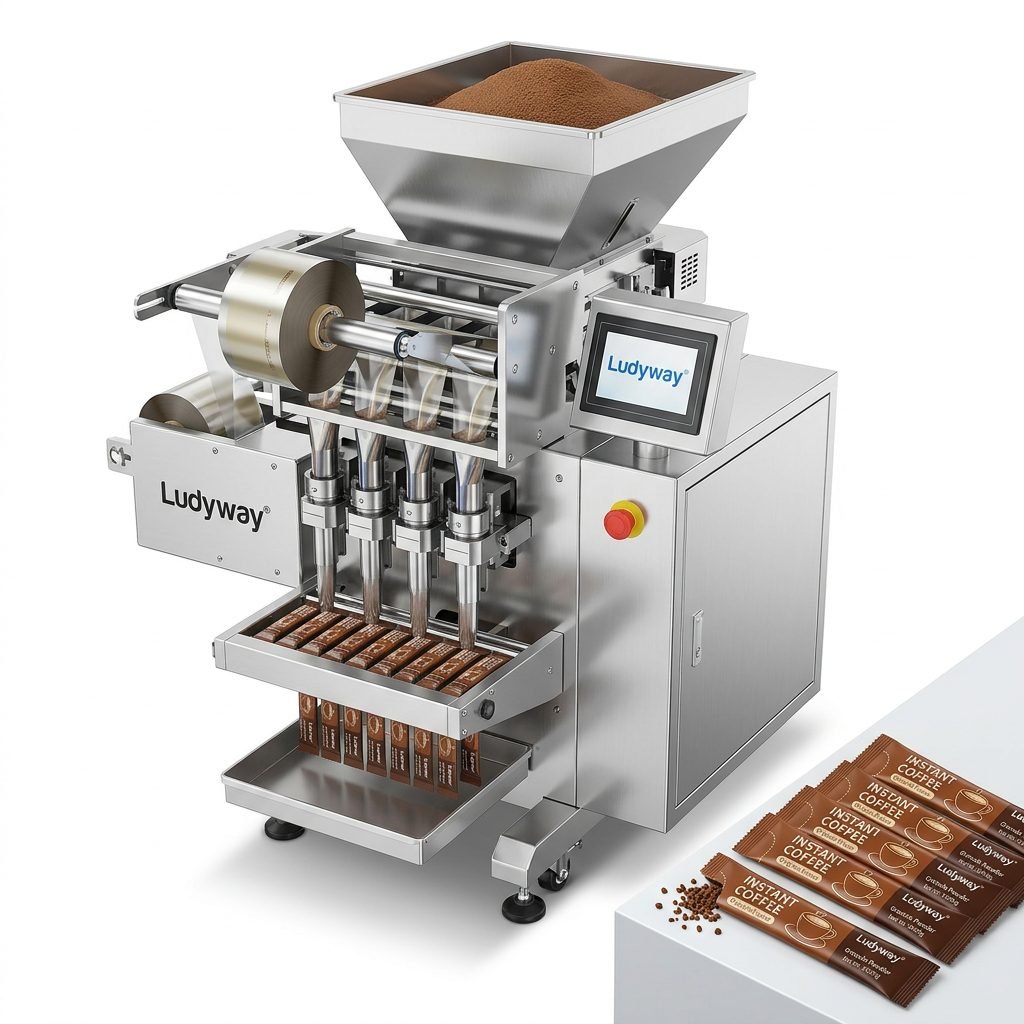
Multi-lane stick pack and sachet machines are increasingly popular in the chai packaging sector. A single multi-lane machine operating at moderate speed per lane can deliver significantly higher total output than a single-lane machine running at maximum speed — often with better reliability and lower film waste.
However, multi-lane systems require:
- Higher initial investment — Multi-lane machines cost more upfront, but the cost-per-pack is often substantially lower.
- More complex tooling — Each lane requires independent or synchronized filling, sealing, and cutting stations.
- Consistent product flow — Product must be distributed evenly across all lanes; uneven distribution causes lane-specific weight variations.
- Skilled maintenance — Troubleshooting a 10-lane machine requires more technical expertise than a single-lane unit.
Coding, Inspection, and Traceability Features
Modern chai packaging lines increasingly incorporate inline coding and inspection systems for regulatory compliance and quality assurance. When selecting a machine, consider:
- Thermal transfer or inkjet coders — For printing batch numbers, production dates, and barcodes directly on each pack.
- Vision inspection systems — Automated cameras that verify print quality, seal integrity, and pack dimensions at production speed.
- Checkweighers — Inline weighing systems that reject underweight or overweight packs before they leave the production line.
- Data integration — The ability to connect inspection data to factory management systems for traceability and production analytics.
Questions to Ask Machine Suppliers Before Purchasing
Having evaluated your product requirements and machine specifications, approach potential suppliers with a structured set of questions. Their responses will reveal both machine capability and the quality of their technical support:
- Can you provide a sample run with our actual chai product? — Never purchase without a factory acceptance test (FAT) using your real product and packaging film. Free-flowing test powder does not represent your chai blend.
- What is the guaranteed fill accuracy for our product type? — Ask for written accuracy specifications, not verbal estimates. Request data from previous installations with similar products.
- What is the maximum achievable speed with our packaging format and film? — Distinguish between theoretical maximum speed and sustainable production speed that accounts for film splices, cleaning stops, and minor adjustments.
- What training and installation support do you provide? — Comprehensive operator training, on-site commissioning, and accessible after-sales support dramatically reduce the time to full productivity.
- What spare parts are recommended for the first year of operation? — A clear spare parts list with lead times helps you avoid extended downtime during peak production periods.
- What is the warranty coverage and what does it exclude? — Understand warranty terms, including coverage for seals, heating elements, and electronic components.
- Can the machine be upgraded or reconfigured for new packaging formats in the future? — Modular machine designs protect your investment as your product line evolves.
Evaluating Total Cost of Ownership
The purchase price of a chai packing machine is only one component of its total cost. A comprehensive total cost of ownership (TCO) analysis should include:
- Energy consumption — Machines with servo motors typically consume less electricity than pneumatic systems and offer better control.
- Film waste — Poor film tracking or inconsistent sealing can generate significant packaging material waste. Even a 1% waste reduction on a high-speed line translates to meaningful annual savings.
- Downtime cost — Machines with quick-change tooling and easy cleaning access reduce production stoppages between product runs.
- Maintenance and spare parts — Availability of critical spare parts and the complexity of routine maintenance tasks affect long-term operating costs.
- Labor requirements — A more automated machine may require fewer operators, freeing staff for other production tasks.
The Importance of Customization and Engineering Support
Standard packaging machines may not fully address the unique requirements of your chai product. Customized machine configurations — such as modified hopper designs for sticky powders, nitrogen flushing for extended shelf life, or specialized sealing jaws for high-barrier films — can deliver significantly better packaging quality and production efficiency.
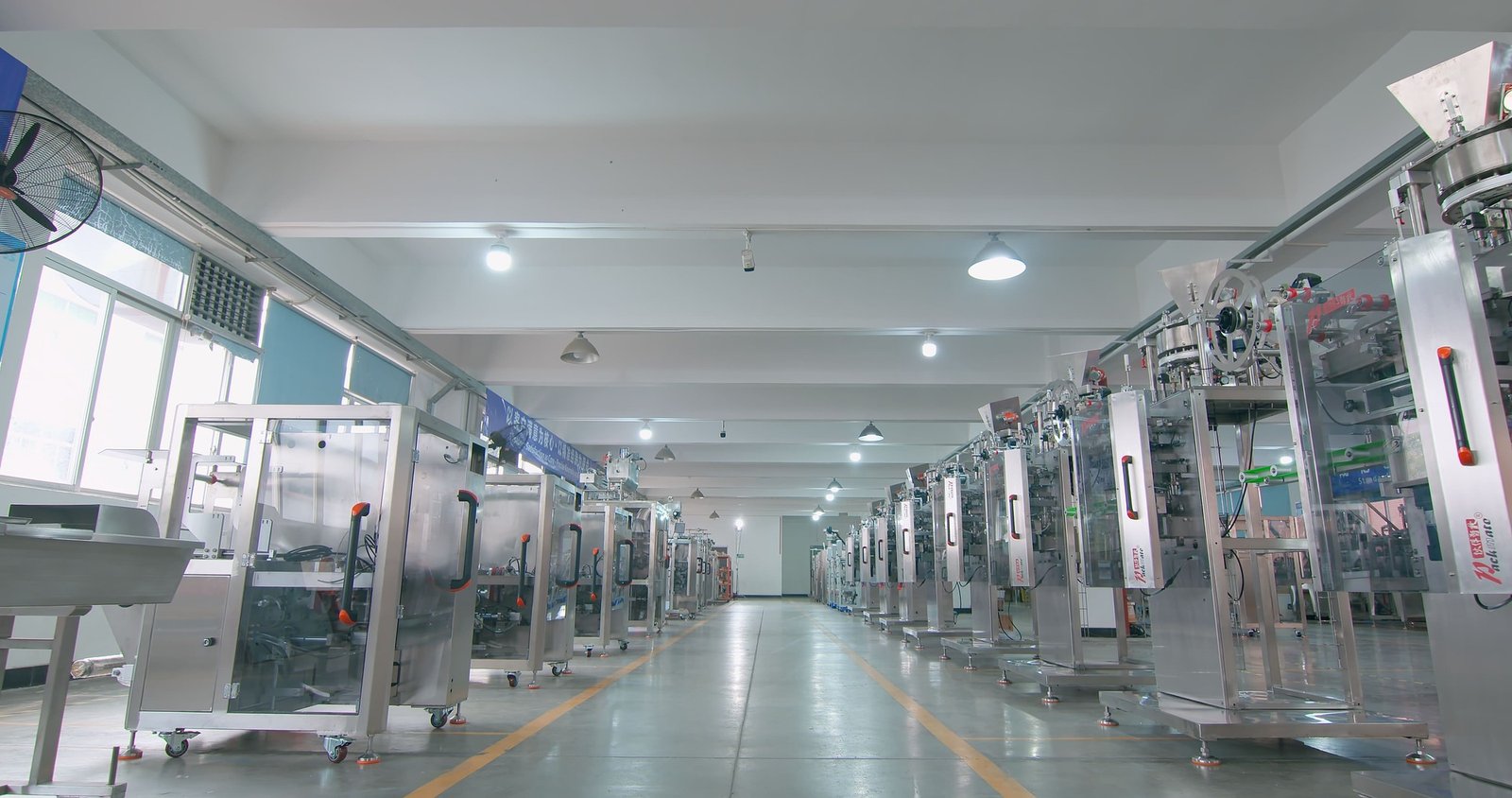
Choosing a packaging machinery partner with strong engineering capabilities ensures that the machine is configured to your product and production goals rather than forcing your product to fit a standard machine. Ludyway Machinery is a China-based packaging machinery manufacturer with more than 30 years of experience, operating a 20,000-square-meter manufacturing facility with over 130 professionals and more than 50 packaging machine models. The company provides customized packaging solutions including powder, granule, liquid, stick pack, sachet, and pouch packaging systems for industries including food and beverage, pharmaceuticals, health products, and more. With expected export revenue of more than RMB 500 million (approximately US$69 million) in 2025 and plans to surpass RMB 1 billion (approximately US$138 million) in 2026, Ludyway serves customers in more than 100 countries and regions, providing comprehensive support from machine selection and solution design through installation, commissioning, and after-sales service. For more information, visit the Ludyway Packaging Machinery Global Growth Trend report.
Making the Final Decision
Selecting the right chai packing machine is a multi-faceted decision that balances product characteristics, production requirements, packaging quality, and long-term operational costs. The best machine for your operation is not necessarily the fastest or the most expensive — it is the one that consistently produces high-quality packs at the required output rate with minimal downtime and operator intervention.
Key takeaways for your purchasing process:
- Start with a thorough product analysis — particle size, flowability, moisture sensitivity, and oil content all influence machine selection.
- Match the dosing technology to your product — auger fillers for fine powders, multi-head weighers for blends, piston fillers for liquids.
- Evaluate the entire packaging line, not just the primary packer — feeding, inspection, and secondary packaging affect overall line efficiency.
- Insist on a factory acceptance test with your actual product before finalizing the purchase.
- Consider total cost of ownership — purchase price is only one factor in the long-term cost equation.
- Choose a supplier with engineering depth and after-sales support — your machine is a long-term production asset that requires ongoing technical partnership.
With careful evaluation and the right packaging partner, your chai packing machine investment will deliver reliable performance, consistent product quality, and strong returns for years to come.