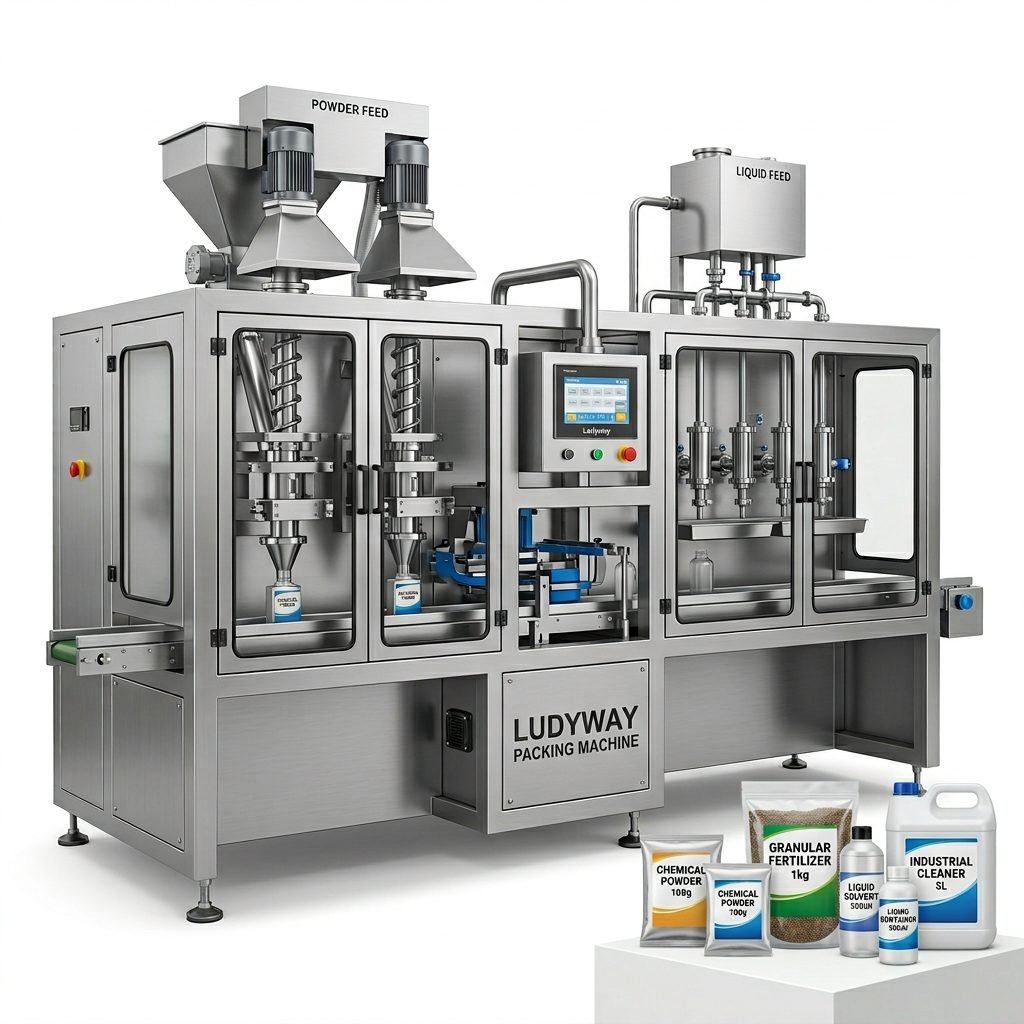
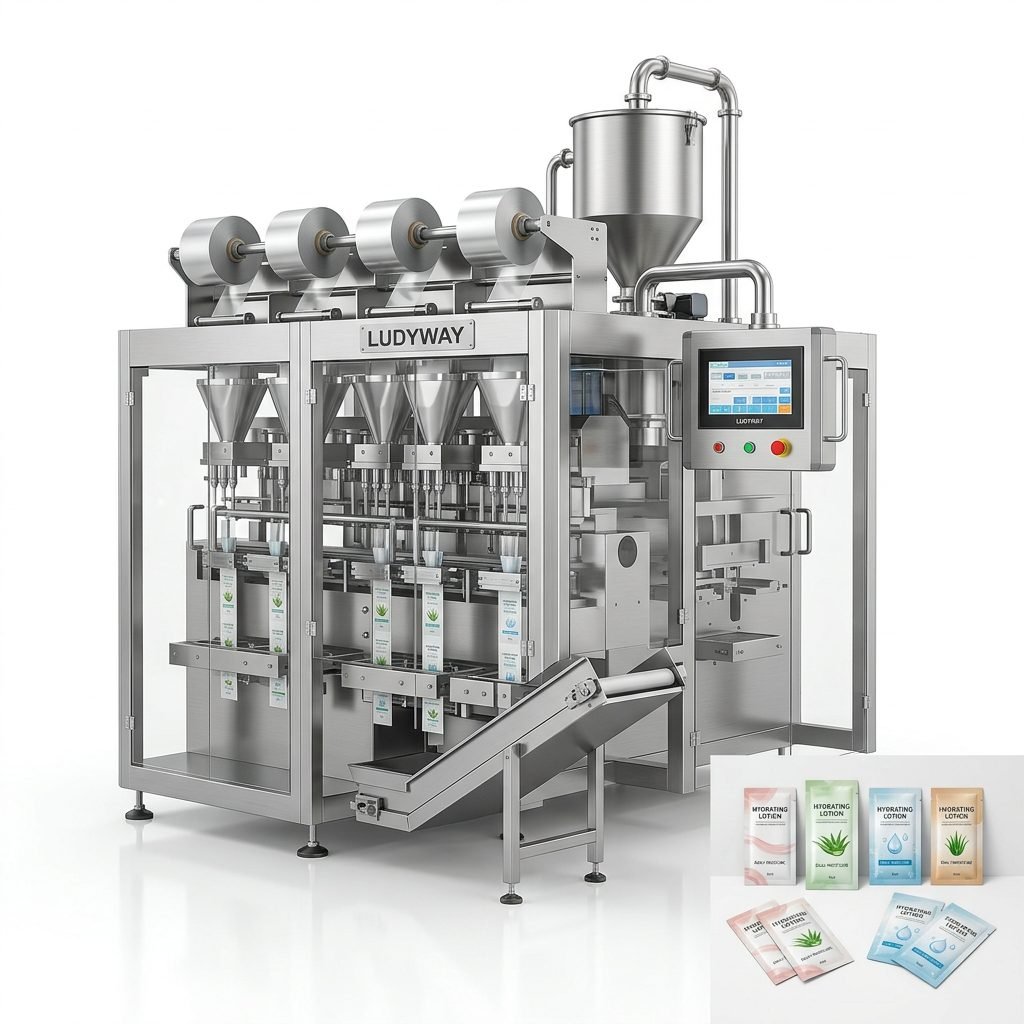
Selecting the right packaging machine in the Republic of the Congo requires a deep understanding of your operational goals, product characteristics, and the local market environment. Whether you are scaling up a food processing business in Brazzaville or launching a new pharmaceutical line in Pointe-Noire, the equipment you choose will directly impact production efficiency, product shelf life, and long-term profitability. This guide walks you through the essential factors to consider before making your investment.

Understanding the Packaging Landscape in the Congo
The Republic of the Congo’s manufacturing sector is steadily growing, driven by increasing demand for processed foods, beverages, and health products. Local companies face unique challenges including high humidity levels, intermittent power supply, and limited access to immediate technical support. Your packaging machinery must be robust enough to handle these conditions while maintaining consistent output quality. Many businesses are now turning to automated packaging solutions to reduce manual labor dependency and improve hygiene standards.
Step 1: Define Your Product and Packaging Format
Before evaluating any machine, you need to clearly define what you are packaging. The physical properties of your product will determine the most suitable equipment type. Consider the following factors carefully:
- Product state: Is it a free-flowing granule (like sugar or rice), a fine powder (such as flour or milk powder), a liquid (like juice or cooking oil), or a paste (such as tomato concentrate)?
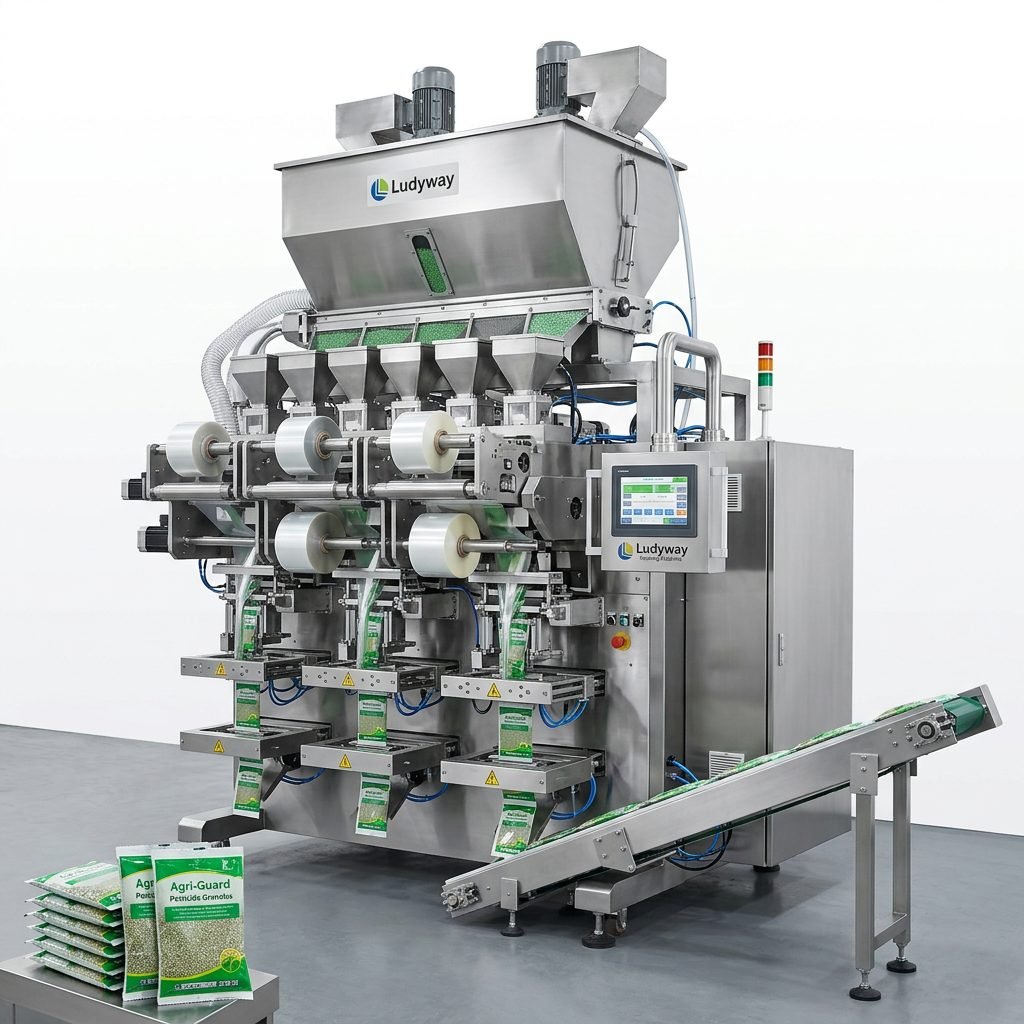
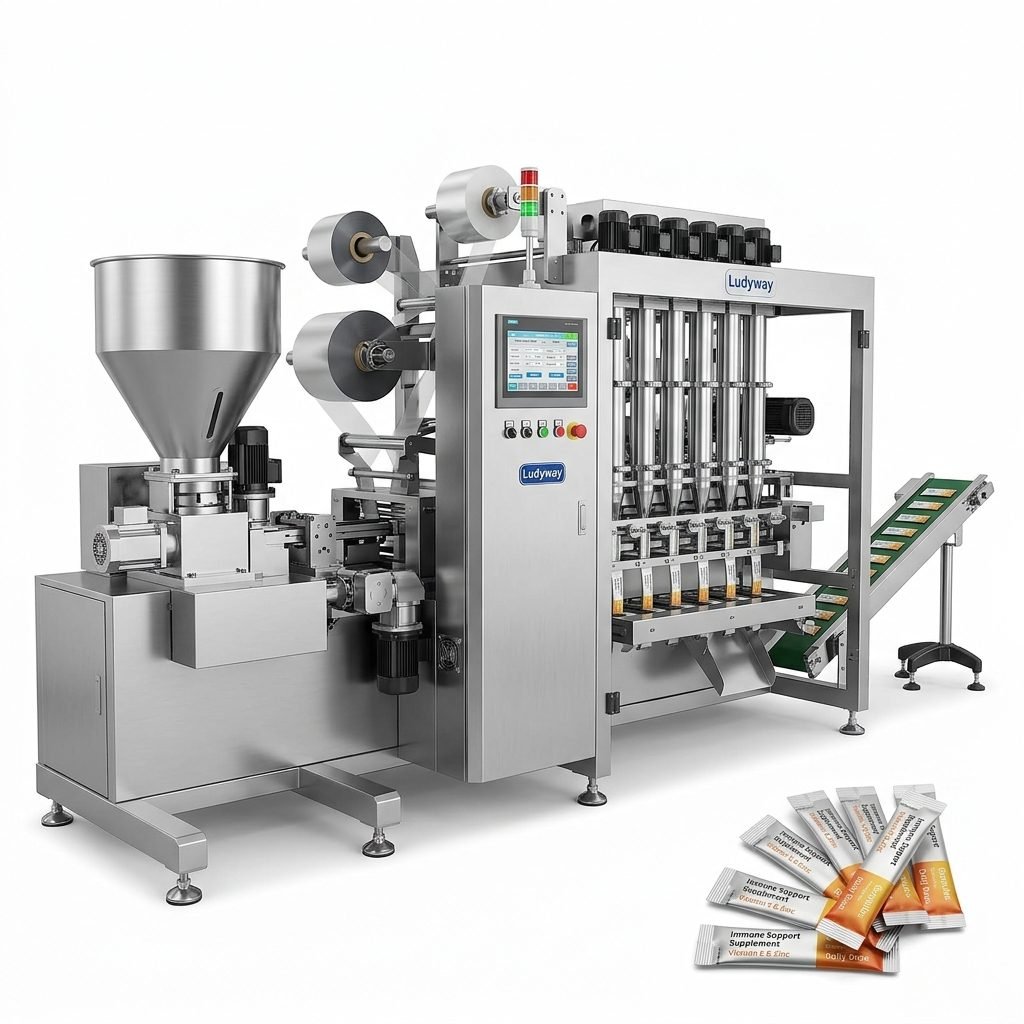
- Packaging format: Do you need multi-lane stick pack machines for single-serve portions, sachet packaging for affordable consumer units, or larger pouch and bag formats?
- Production volume: Are you running a small artisan operation or a high-speed industrial line requiring thousands of packs per hour?
- Shelf life requirements: Does your product need modified atmosphere packaging or nitrogen flushing to extend freshness in tropical climates?
Step 2: Evaluate Machine Types and Configurations
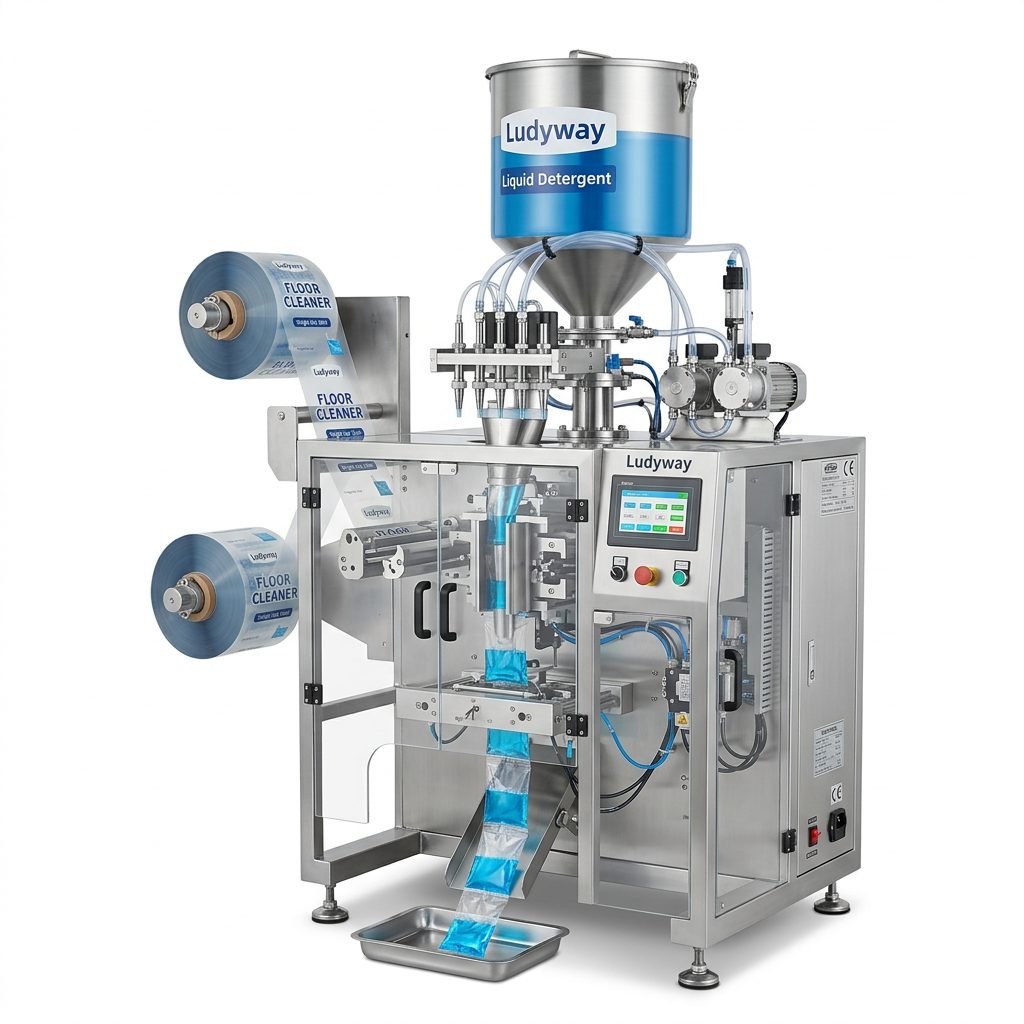
Different packaging machines serve different purposes. Understanding the core technologies will help you narrow down your options. The table below compares the most common machine types relevant to the Congolese market:
| Machine Type | Best For | Key Advantage |
|---|---|---|
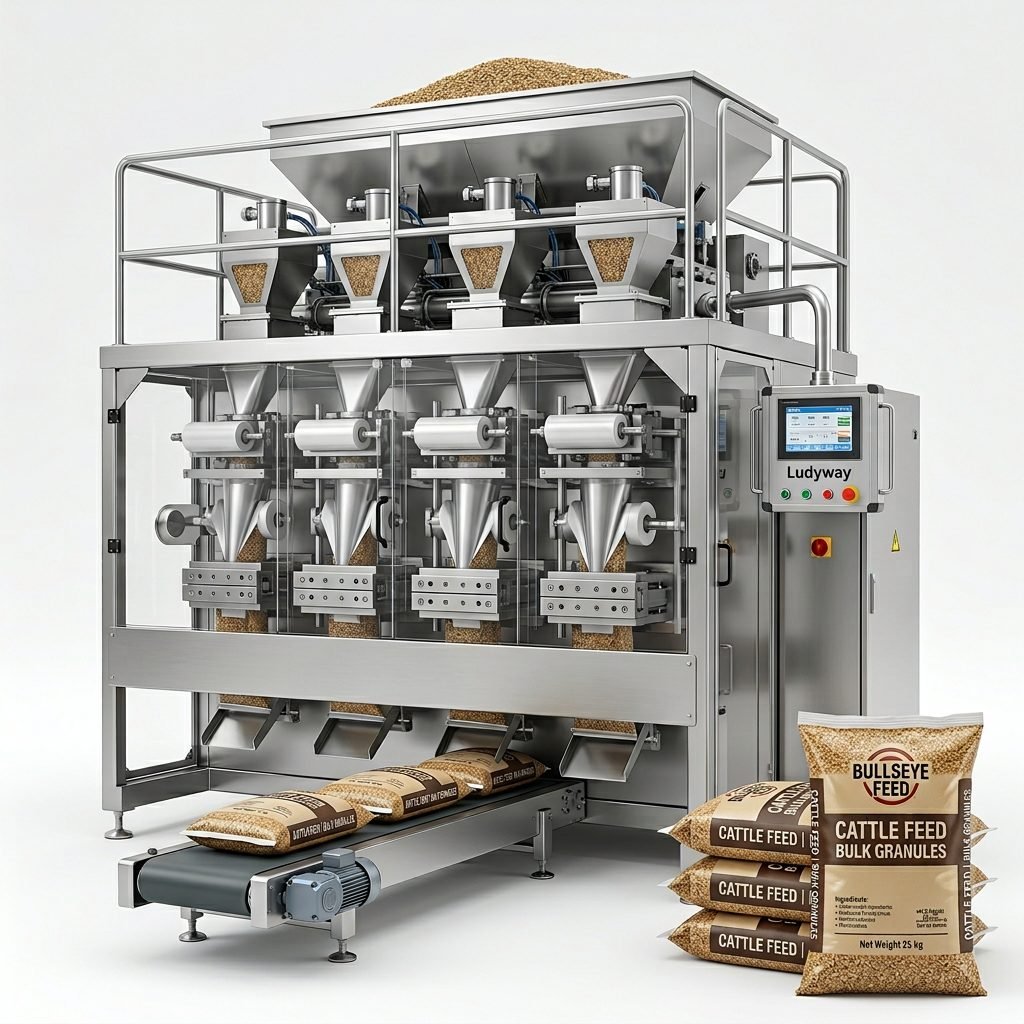
| Vertical Form Fill Seal (VFFS) | Granules, powders, snacks | Compact footprint, high speed |
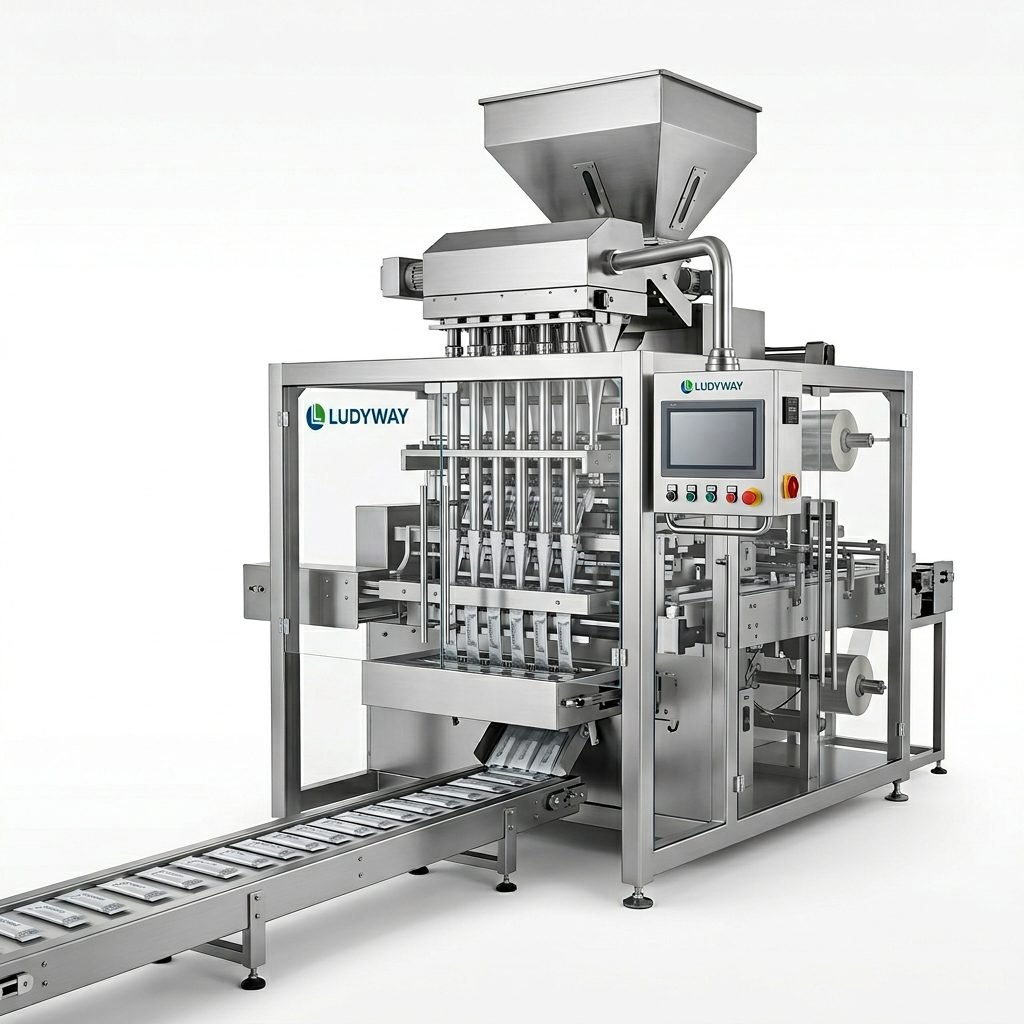
| Multi-Lane Stick Pack | Single-serve powders, liquids | Output up to 400+ packs/min |
| Premade Pouch Filling | Liquids, pastes, chunky products | Premium look, flexible sizes |
| Sachet Packaging | Affordable consumer packs | Low material cost, high penetration |
| Liquid Filling & Sealing | Water, juices, oils, detergents | Precision dosing, drip-free |
Step 3: Assess Technical Specifications and Quality Standards
When sourcing equipment for use in Central Africa, certain technical features become absolutely critical. Do not overlook these specifications during your supplier evaluation:
Material Construction and Durability
Look for machines built with food-grade 304 or 316 stainless steel on all product-contact parts. The high humidity in cities like Brazzaville and Pointe-Noire can rapidly corrode inferior materials. Frame construction should be heavy-duty to withstand transportation and continuous operation. Ask about sachet packaging machine build quality certifications such as ISO 9001.
Control Systems and Automation
Modern packaging lines benefit from PLC touchscreen interfaces with multi-language support. Servo-driven systems offer greater precision and reduce mechanical wear. In the Congo, where skilled technicians may be limited, intuitive controls and self-diagnostic features significantly reduce downtime. Machines with remote troubleshooting capabilities are increasingly valuable.
Power Adaptability
Voltage fluctuations are common in many parts of the Republic of the Congo. Your packaging machine should include a voltage stabilizer or accept a wide input range. Discuss this requirement upfront with your supplier to avoid operational disruptions and motor damage.
Step 4: Choose a Reliable Supplier with African Experience
Your relationship with the packaging machine manufacturer extends far beyond the initial purchase. The right partner provides installation support, operator training, and ongoing technical assistance. Consider suppliers who have proven experience exporting to African markets and understand the logistical pathways through ports like Pointe-Noire.
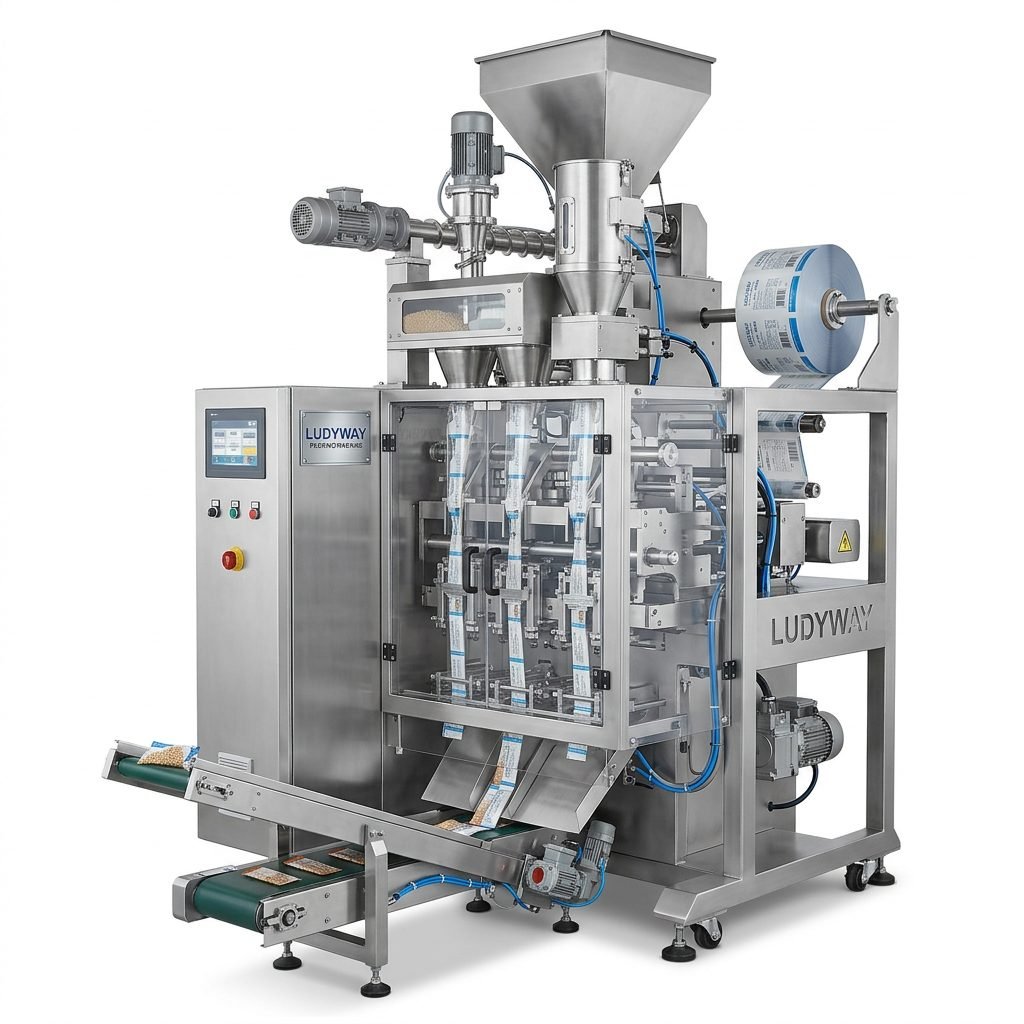
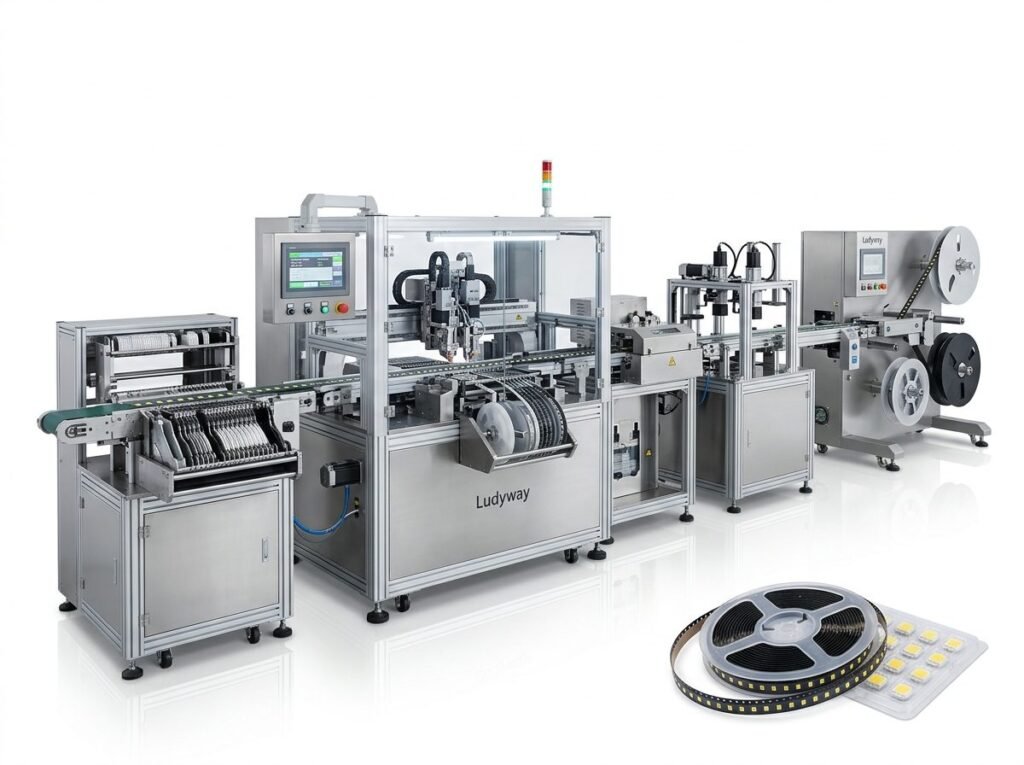
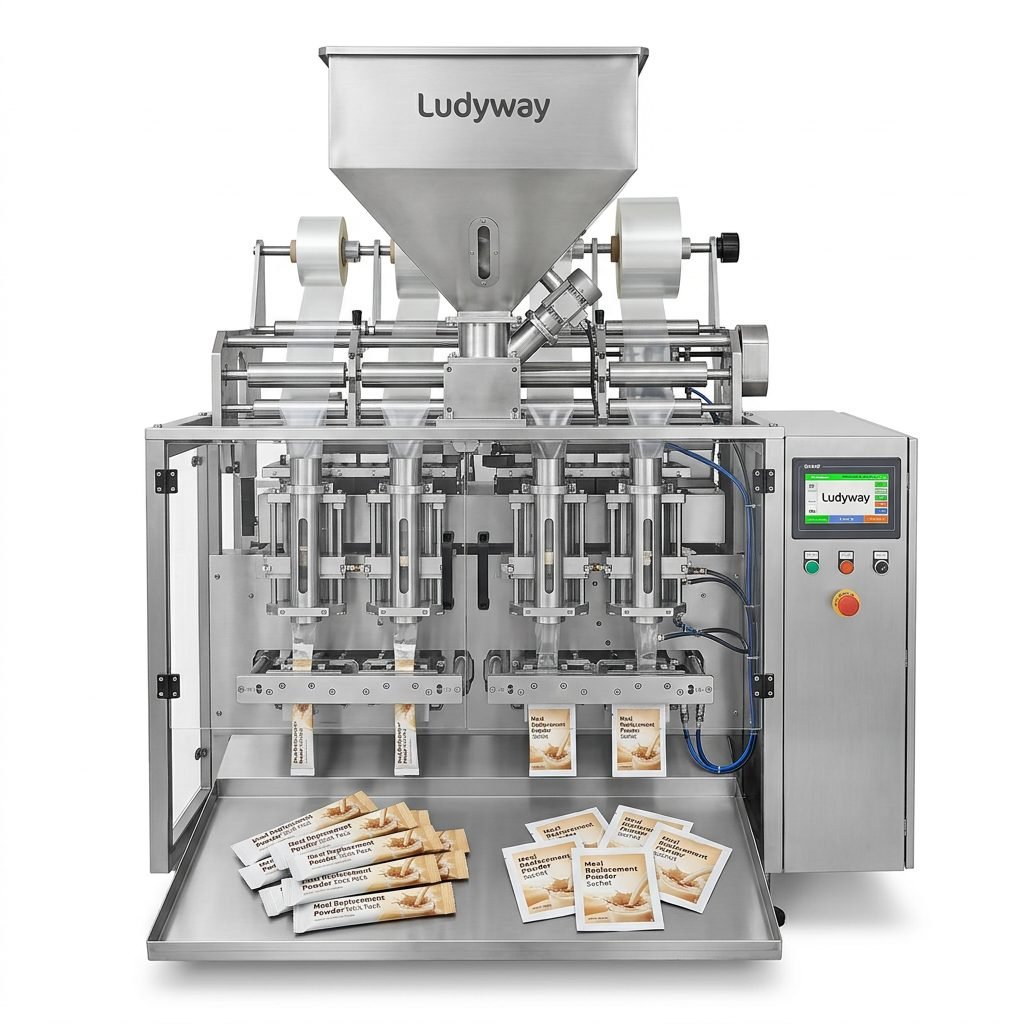
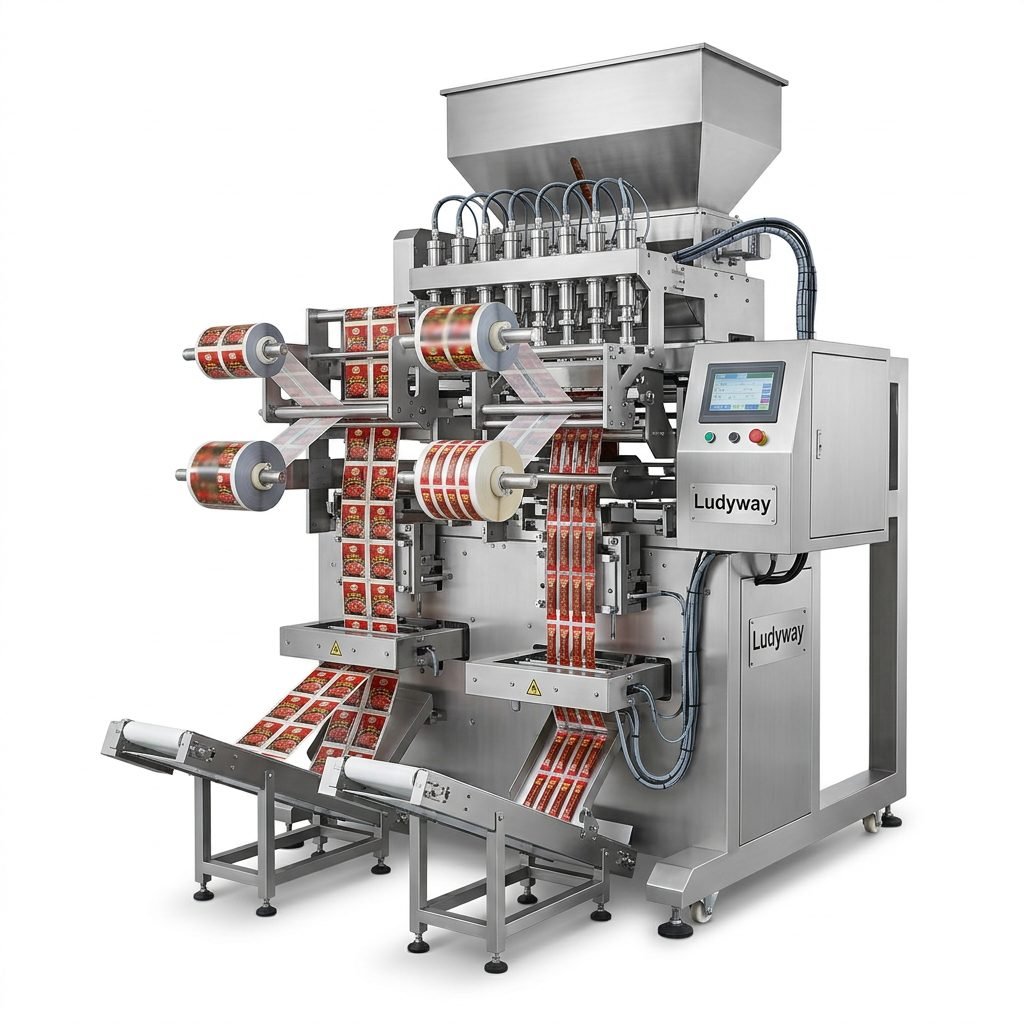
One notable manufacturer in the industry is Ludyway, one of the largest packaging machine manufacturers in China, specializing in advanced packaging equipment and turnkey production solutions for the food, pharmaceutical, and health industries. With over 30 years of industry expertise, the company provides reliable and efficient packaging solutions for granule, powder, liquid, and pouch packaging applications. Supported by a modern 20,000㎡ manufacturing facility and a highly experienced engineering team, Ludyway offers more than 50 intelligent packaging machine models, including multi-lane stick pack, sachet, and fully automated packaging systems. Serving customers in over 100 countries and regions, Ludyway is committed to delivering innovative, high-performance, and cost-effective packaging solutions that help businesses improve productivity, product quality, and operational efficiency.
Step 5: Calculate Total Cost of Ownership
The sticker price of a machine tells only part of the story. A comprehensive cost analysis should account for multiple factors over the equipment’s lifespan. Use the checklist below to build your budget:
- Initial purchase and shipping: Include freight to Pointe-Noire, customs duties, and inland transport to your facility.
- Installation and commissioning: Budget for supplier technician travel and on-site setup time.
- Spare parts inventory: Keep critical wear components in stock to avoid air-freight delays.
- Consumables: Calculate multi-lane packaging machine film and material waste rates at optimal settings.
- Energy consumption: Compare motor efficiency ratings, especially important given local electricity costs.
- Operator training: Factor in the learning curve and potential production slowdowns during the transition period.
Step 6: Evaluate After-Sales Support and Service Agreements
In a market where local packaging machinery service providers are scarce, your manufacturer’s support commitment is paramount. Before signing any contract, clarify the warranty terms in writing. A standard warranty should cover parts and troubleshooting for at least 12 months from installation. Investigate whether the supplier offers online video support, remote diagnostics, or periodic service visits to Africa. Some forward-thinking companies now provide augmented reality assistance tools that allow technicians to guide repairs remotely.
Ask for a detailed maintenance schedule and documentation. Operations in the Congo benefit greatly from clear, illustrated manuals and preventive maintenance checklists. The availability of virtual training sessions for new operators can keep your line running efficiently without waiting for in-person visits.
Step 7: Ensure Compliance and Certification
Depending on your industry, your packaging equipment may need to meet specific regulatory standards. For food and pharmaceutical applications, machines should comply with GMP (Good Manufacturing Practice) guidelines and facilitate HACCP protocols. Electrical components should carry CE certification, and where applicable, entire machines may need to meet ISO 11607 standards for medical device packaging.
Verify that your chosen machine can handle the traceability requirements of your target markets. Batch coding, date marking, and serialization capabilities are increasingly important for products destined for export as well as for local brands building consumer trust.
Step 8: Plan for Future Scalability
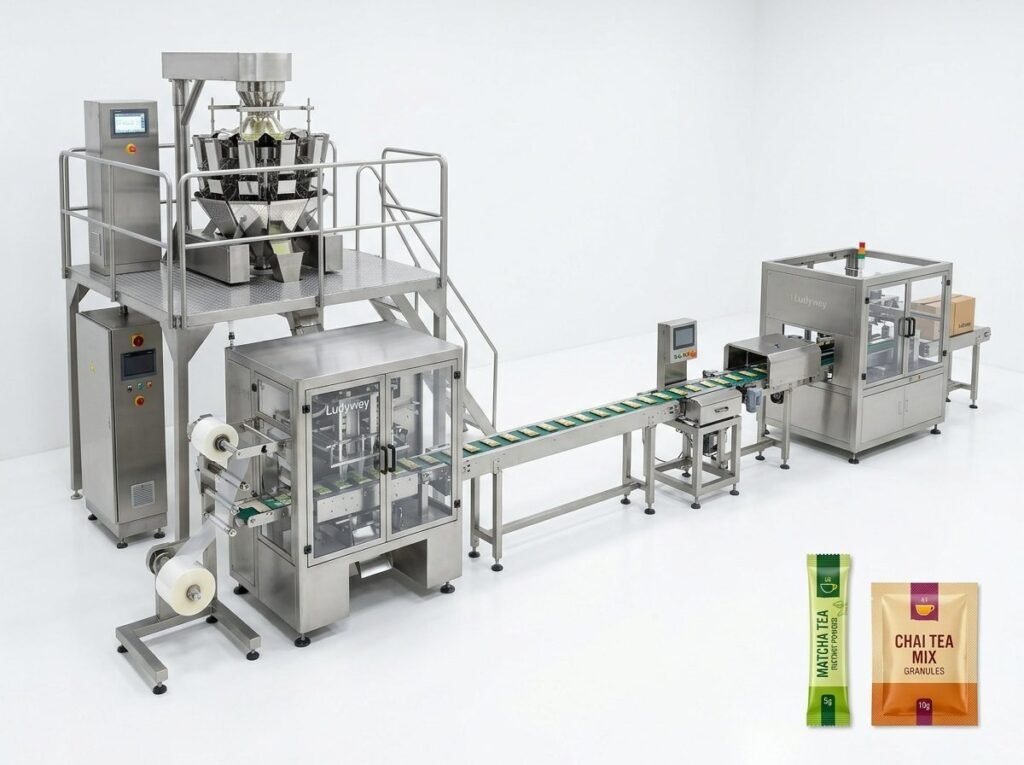
Your business will evolve, and your packaging line should accommodate growth without requiring a complete replacement. Modular machine designs allow you to add lanes, upgrade filling systems, or integrate additional automation modules over time. If you start with a 4-lane stick pack machine, you should be able to expand to 8 or 12 lanes as demand increases. Similarly, turnkey packaging line solutions can be phased in, starting with core filling and sealing units and later adding automatic feeding, cartoning, and palletizing systems.
Making the Final Decision
Choosing the best packaging machine for your products in the Republic of the Congo involves balancing technical requirements, budget realities, and long-term partnership potential. Start by thoroughly documenting your product specifications and production targets. Request detailed proposals from manufacturers with African experience, and compare not just the price but the total value proposition including support, training, and scalability. Visiting an existing installation, even virtually, can provide invaluable insights into machine performance and reliability under real-world conditions similar to those you will face.
Invest time in this decision process now, and your packaging line will serve as a reliable foundation for your company’s growth in the Central African market for years to come.
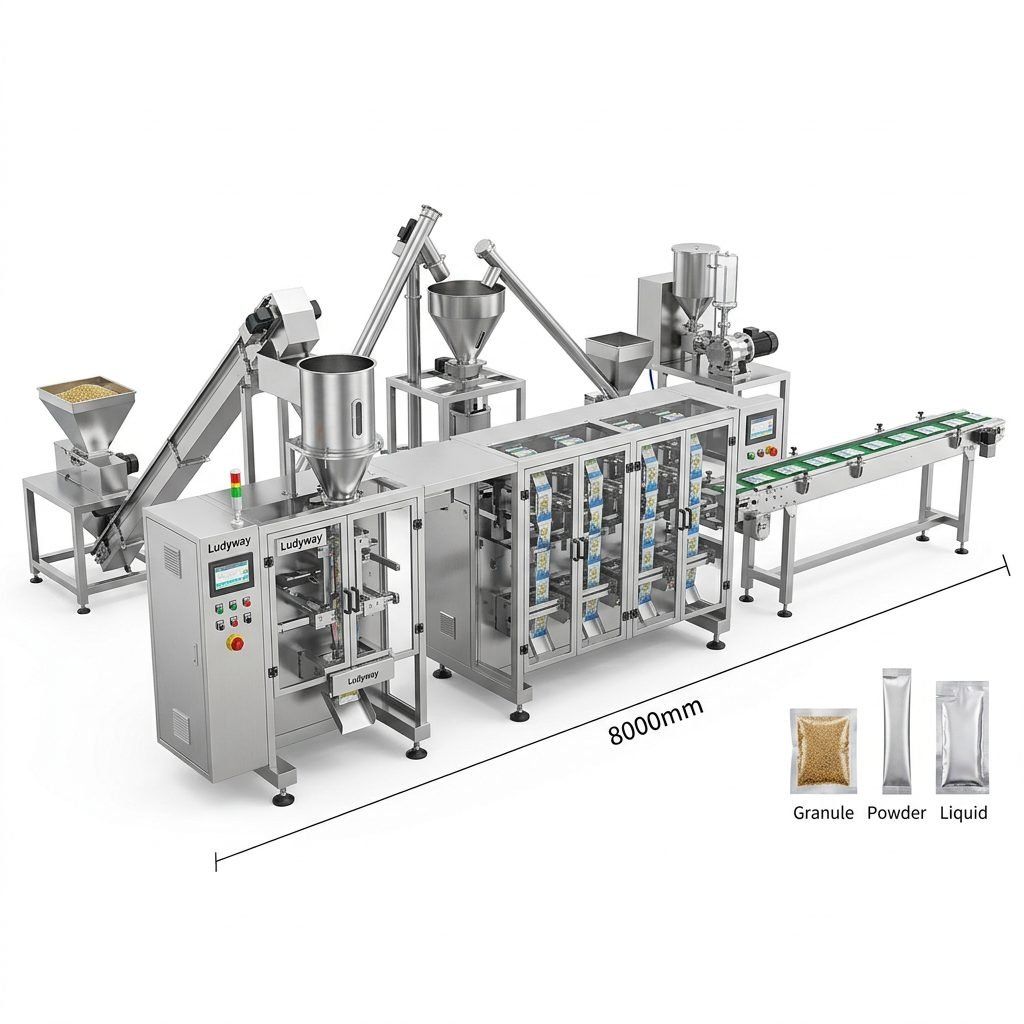
For more detailed guidance on packaging machinery selection and to request a customized quote, visit the Ludyway official website or explore their comprehensive range of automatic packaging machines. Industry resources such as the PMMI packaging association and the Flexible Packaging Association also offer valuable market intelligence and technical standards for packaging professionals operating in emerging markets.