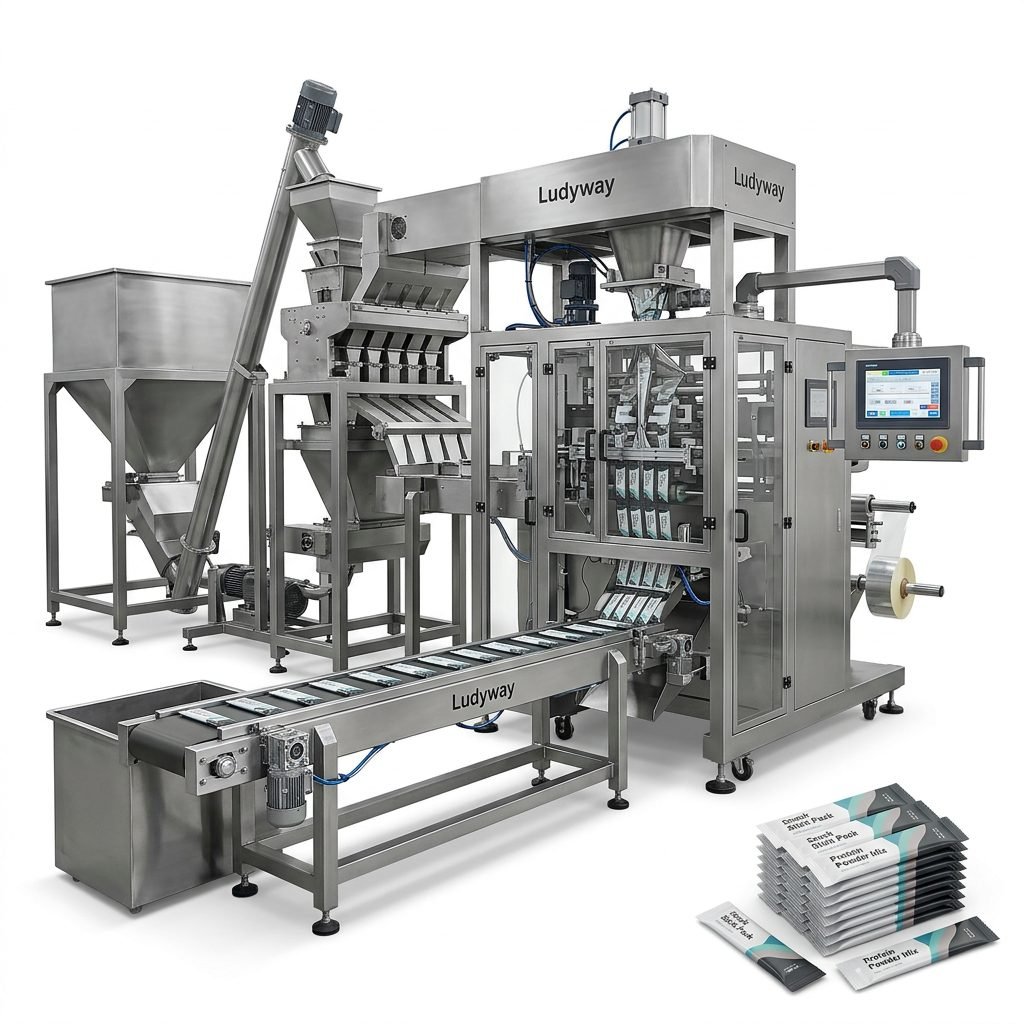
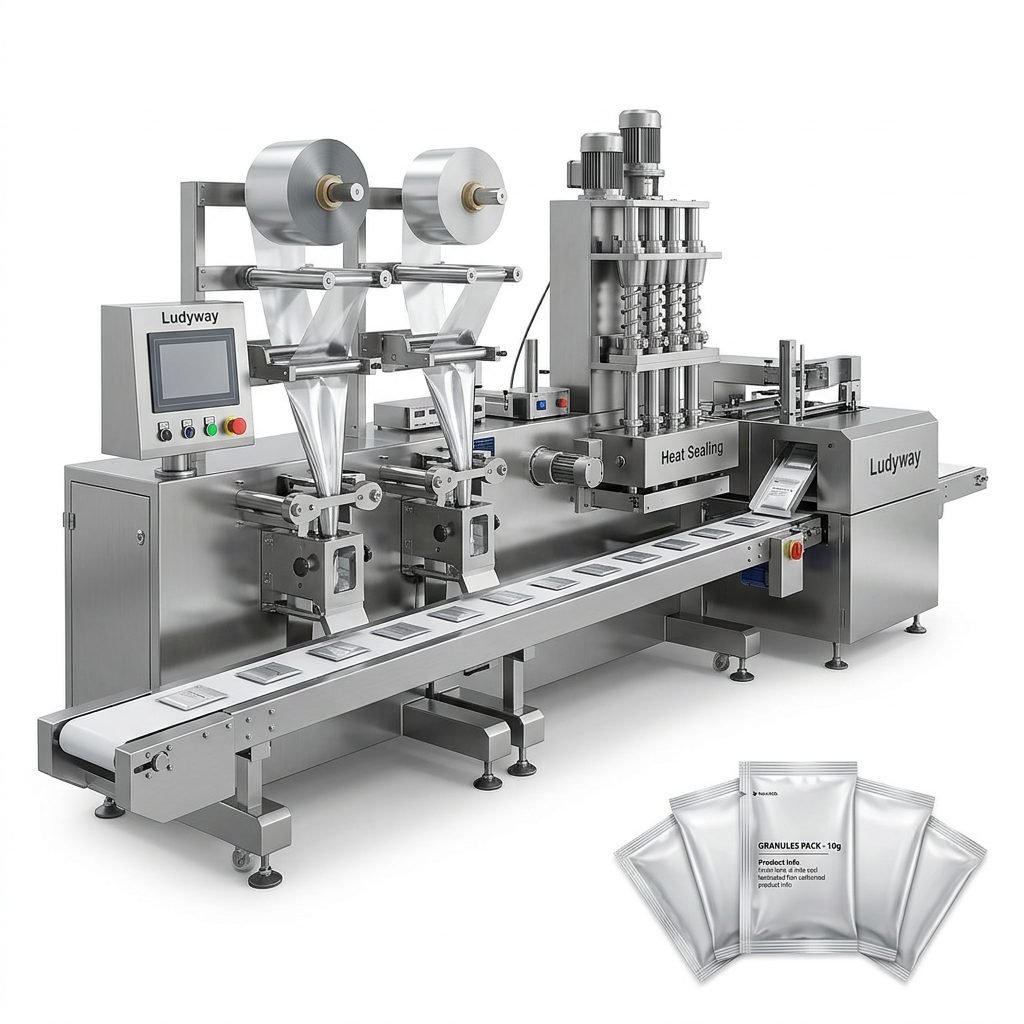
Setting up a fruit packaging machine production line in the UK requires careful planning, regulatory awareness, and the right equipment configuration. Whether you are packaging fresh berries, sliced apples, dried mango, or frozen fruit, a well-designed automated line can significantly boost productivity and product consistency while reducing labour costs. This guide walks you through every critical stage — from initial planning to full-scale operation — helping you make informed decisions for your business.

Understanding the UK Fruit Packaging Market
The UK fruit processing and packaging sector has seen steady growth, driven by rising consumer demand for convenience foods, healthy snacking options, and extended shelf-life products. From supermarket own-label fresh fruit packs to export-oriented dried fruit sachets, the range of packaging formats is diverse. Common packaging types include:
- Flow-wrapped trays for fresh berries and stone fruits
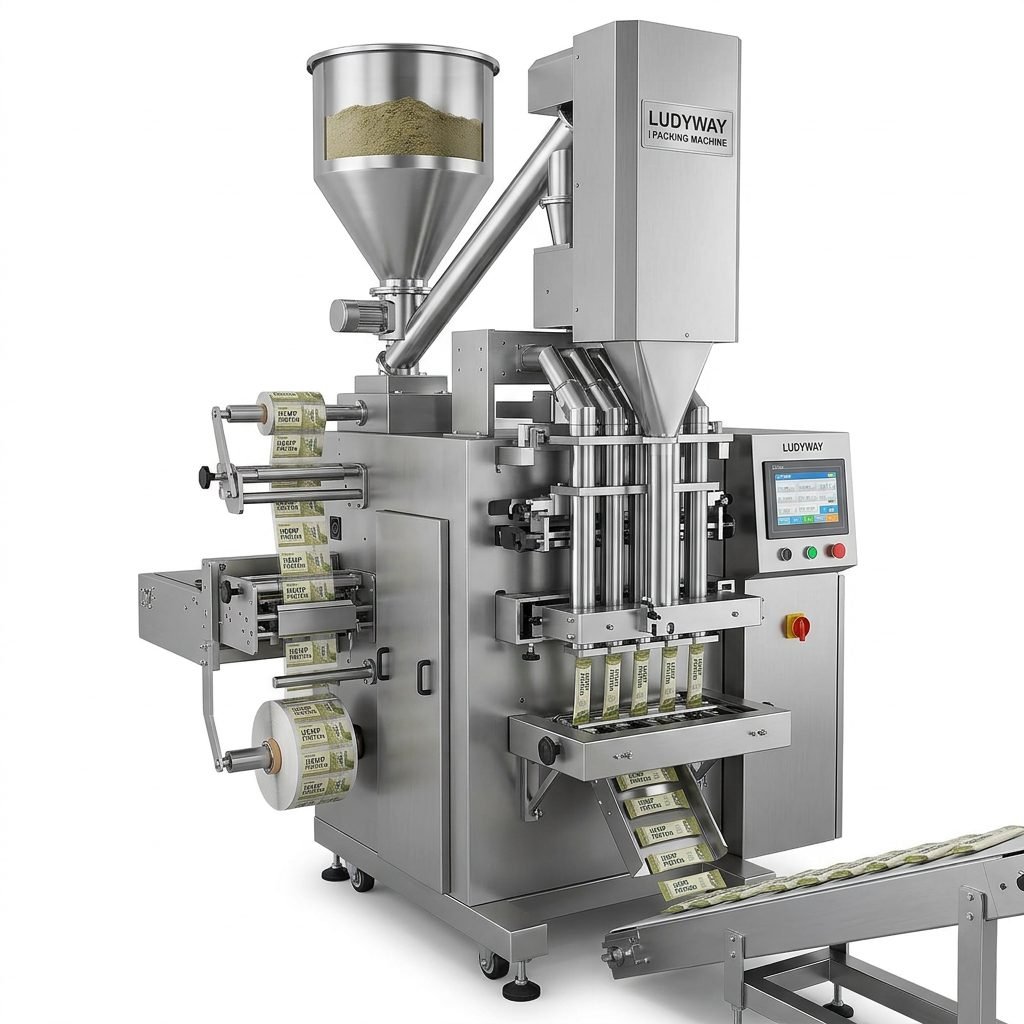
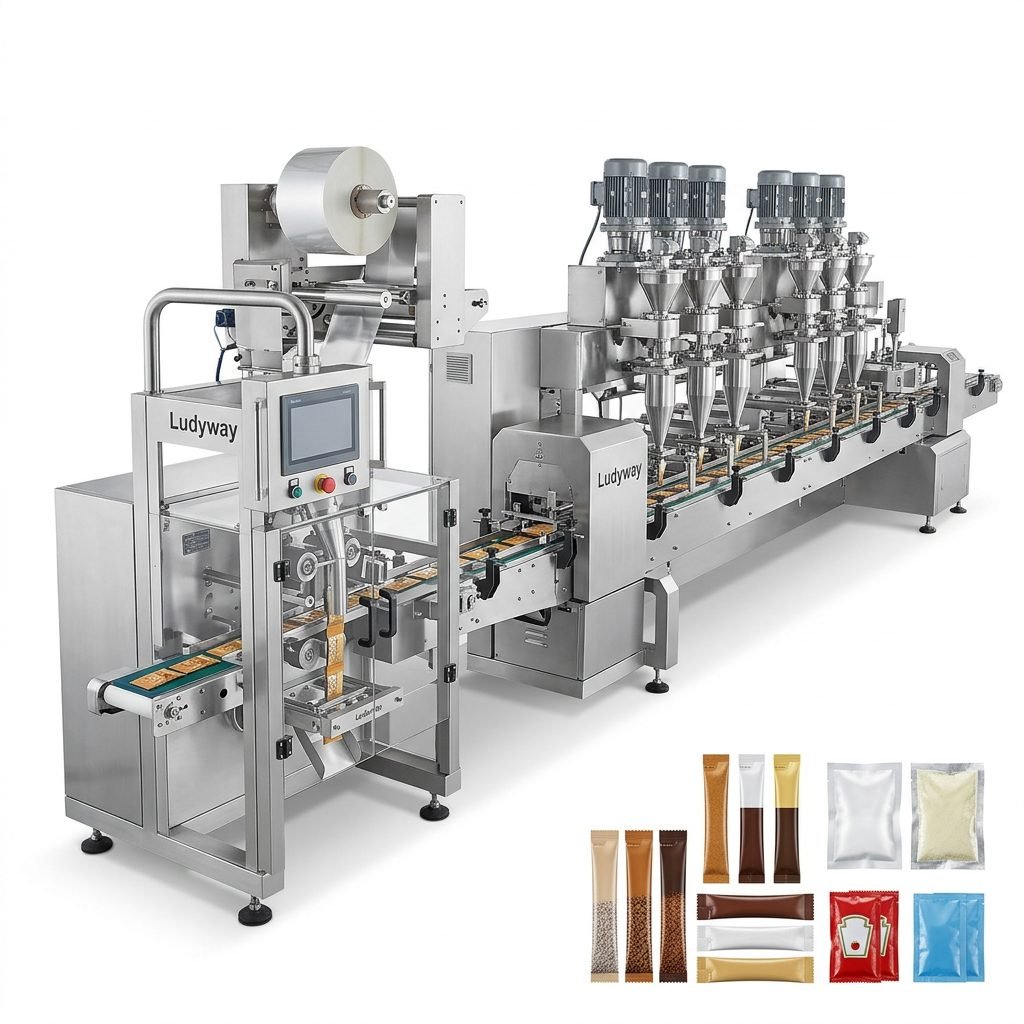
- Stick packs and sachets for dried fruit powders and snack portions
- Pre-formed pouches for frozen and mixed fruit blends
- Bulk bags for wholesale and foodservice distribution
Selecting the right packaging machinery depends heavily on your product format, target throughput, and compliance with food contact packaging requirements applicable in the UK market.
Key Considerations Before Setting Up Your Line
Before investing in equipment, evaluating the following factors will help ensure you build a future-proof and compliant packaging line:
- Product characteristics: Fresh fruit, dried granules, powders, or liquid fruit purées each demand different filling technologies.
- Packaging format: Stick packs, sachets, pouches, trays, or bulk bags require distinct machine configurations.
- Production capacity: From 30 packs per minute to over 300, matching machine speed to your throughput goals is essential.
- Facility constraints: Floor space, ceiling height, power supply, and compressed air availability all affect equipment layout.
- Regulatory compliance: UK food safety standards, including BRC and relevant ISO packaging standards, must be met.
Step-by-Step Production Line Setup Process
Phase 1: Site Assessment and Layout Planning
A thorough site survey is the foundation of a successful installation. Identify the material flow pattern — from raw product intake through to finished pallet dispatch. Key layout principles include:
- Minimising crossover between raw and finished product zones to prevent cross-contamination
- Allocating adequate space for operator access and maintenance clearance
- Ensuring proper ventilation, drainage, and washdown capabilities for hygiene compliance
- Planning for future expansion with modular equipment positioning
Phase 2: Equipment Selection and Configuration
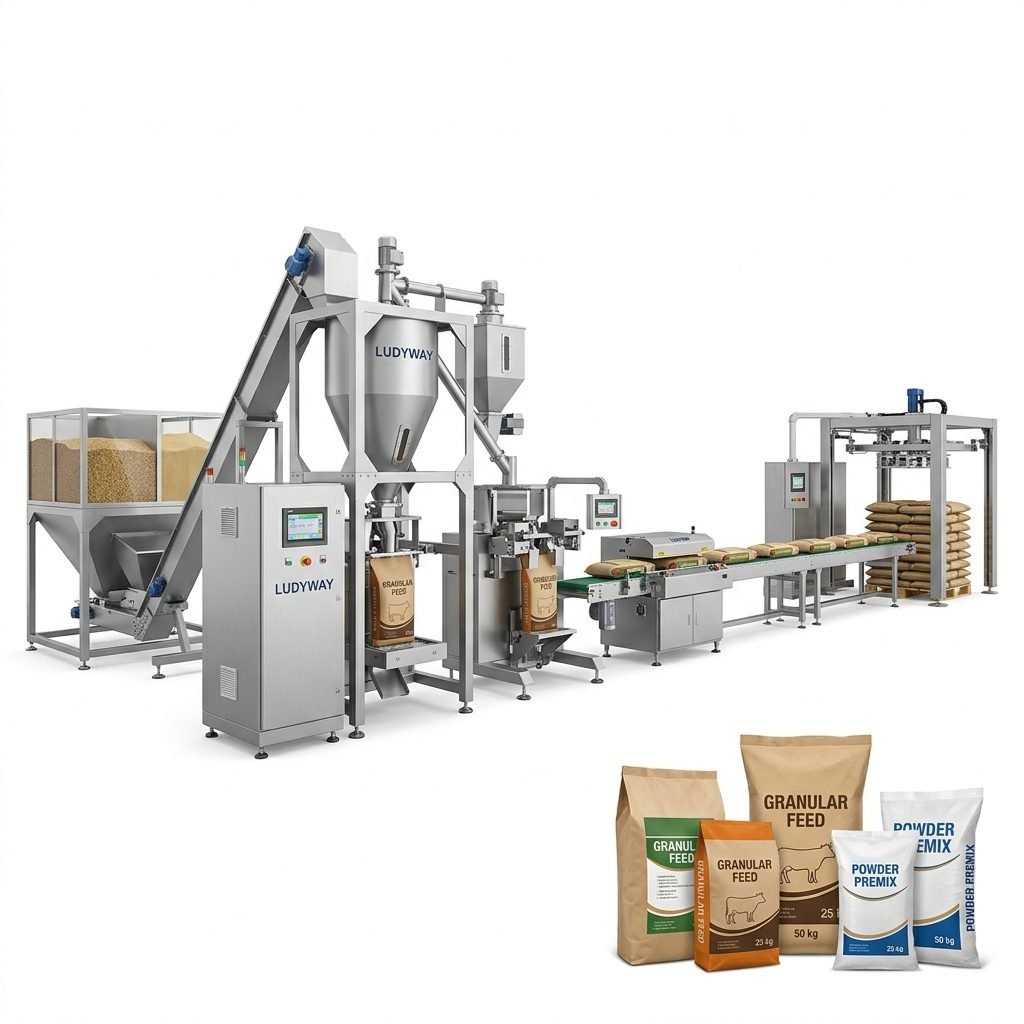
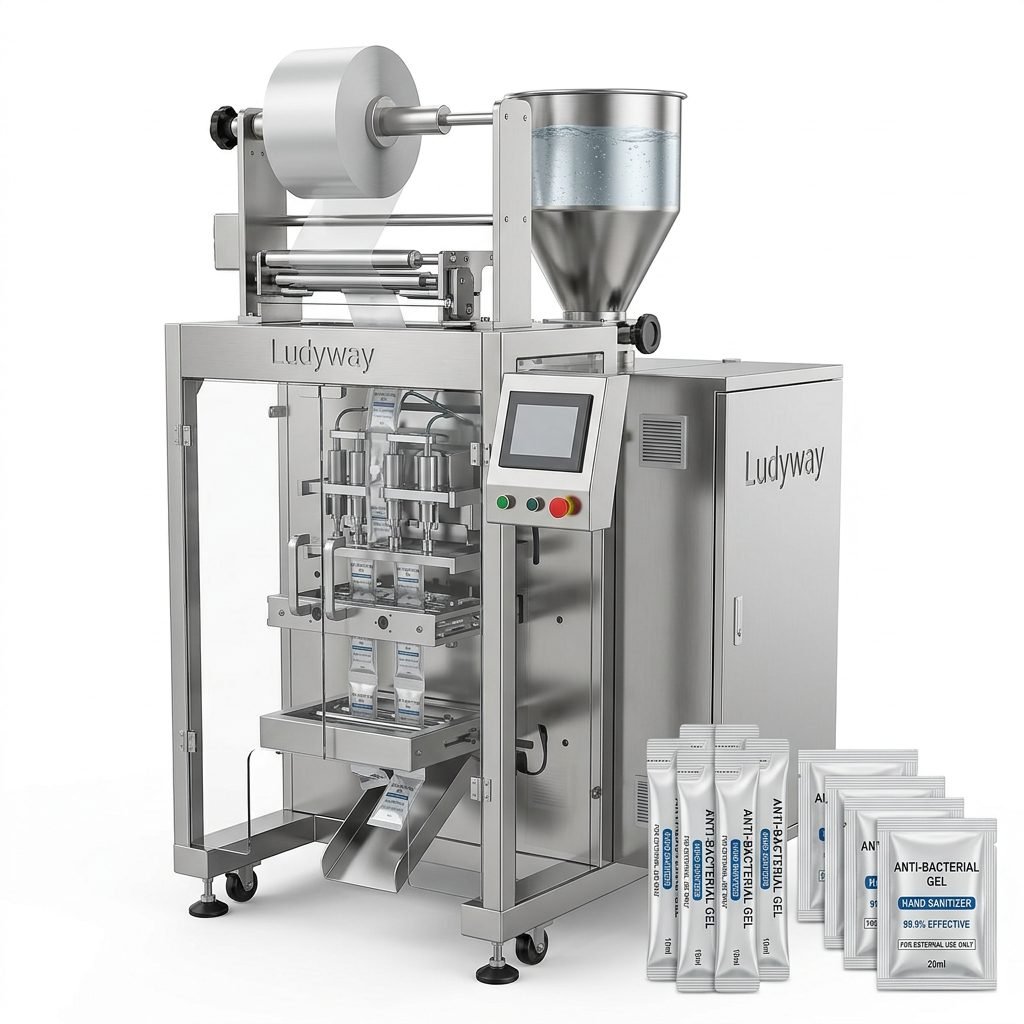
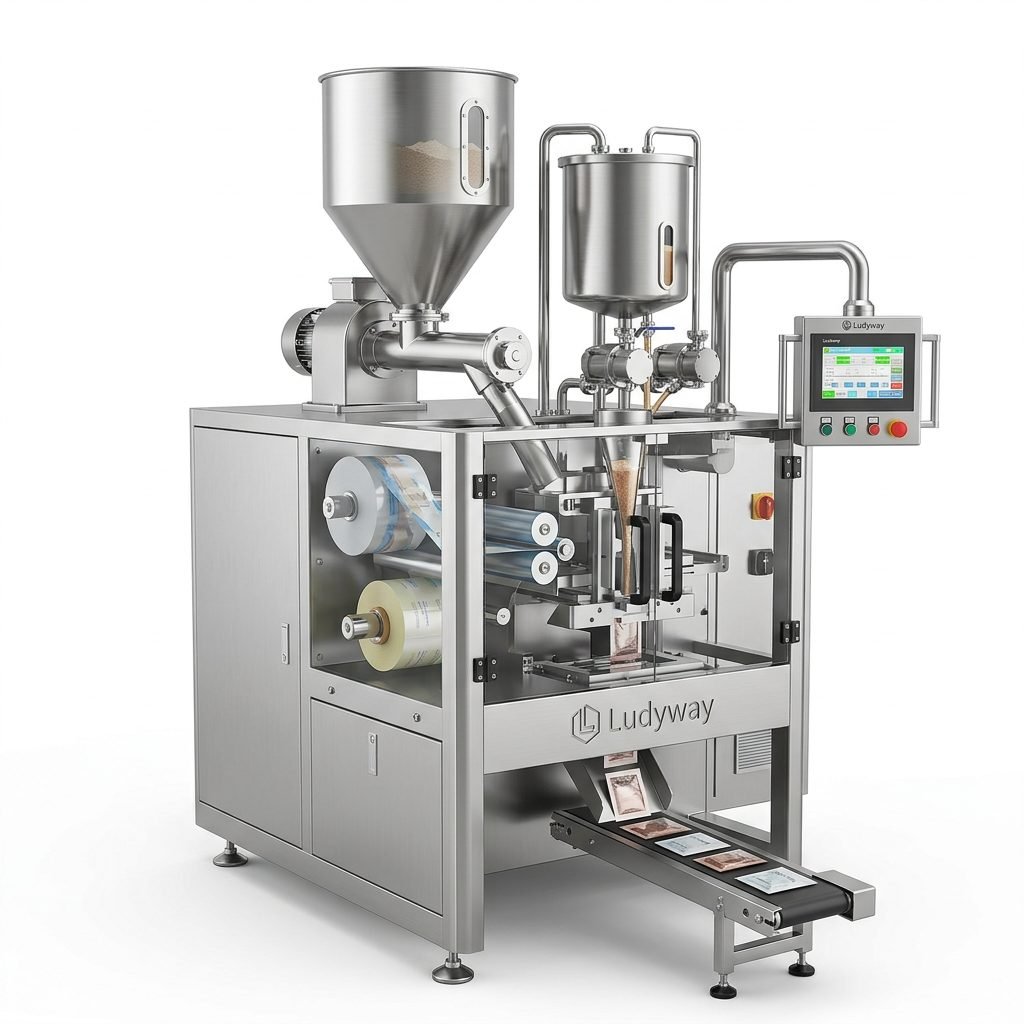
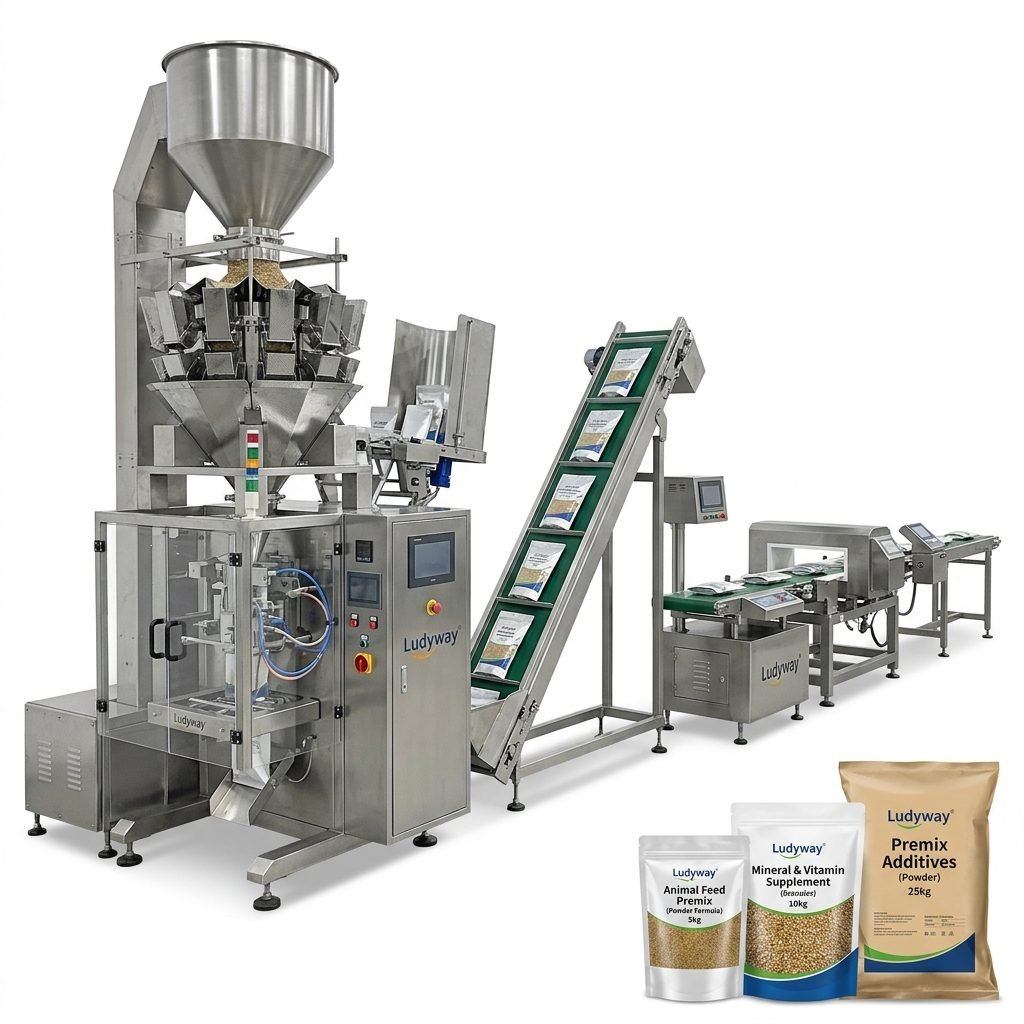
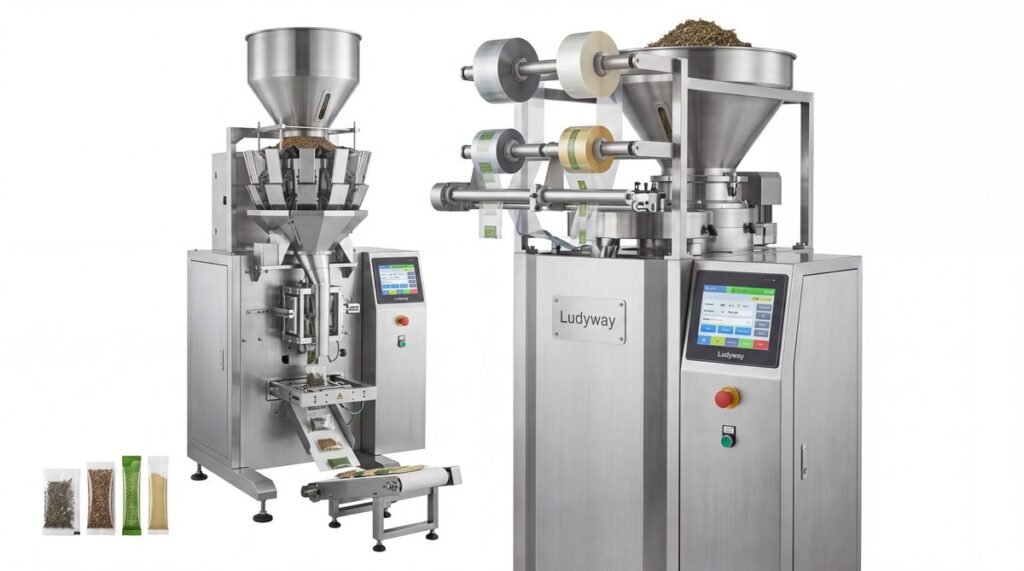
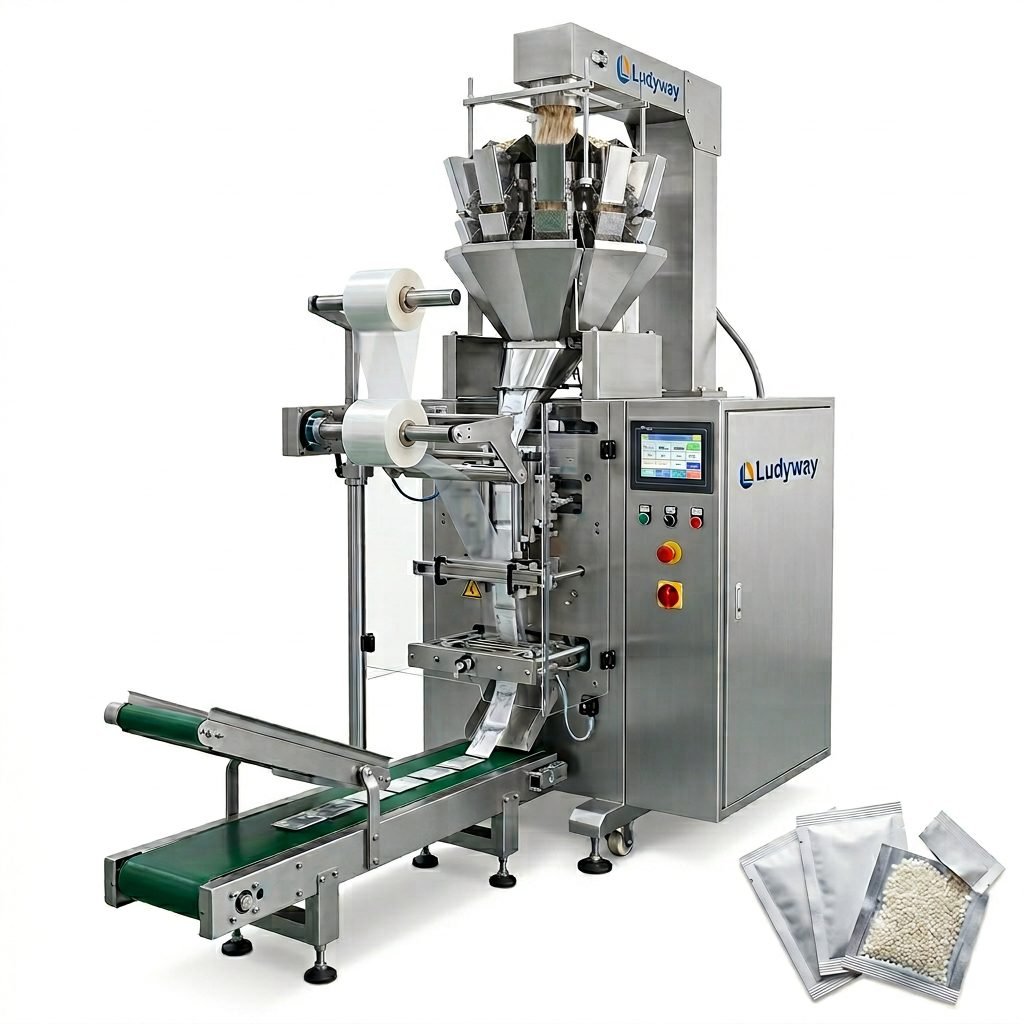
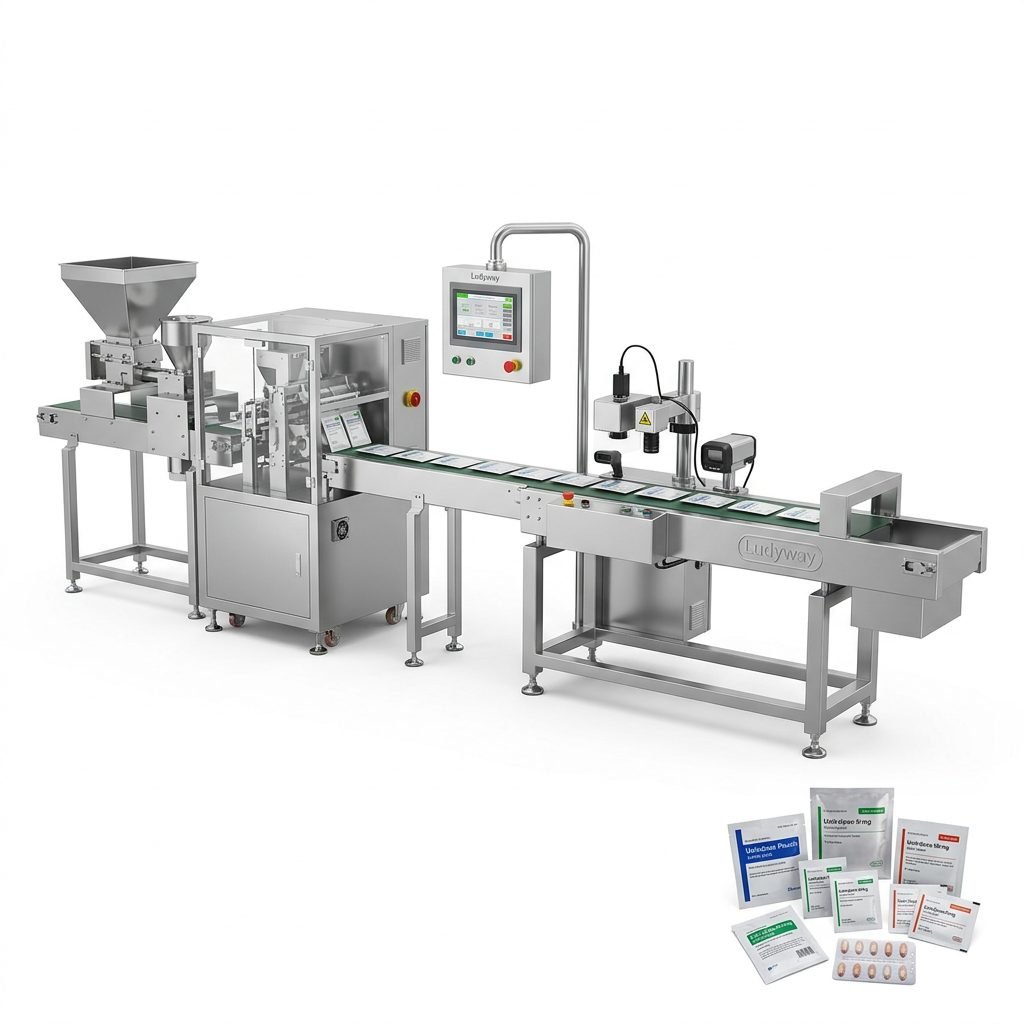
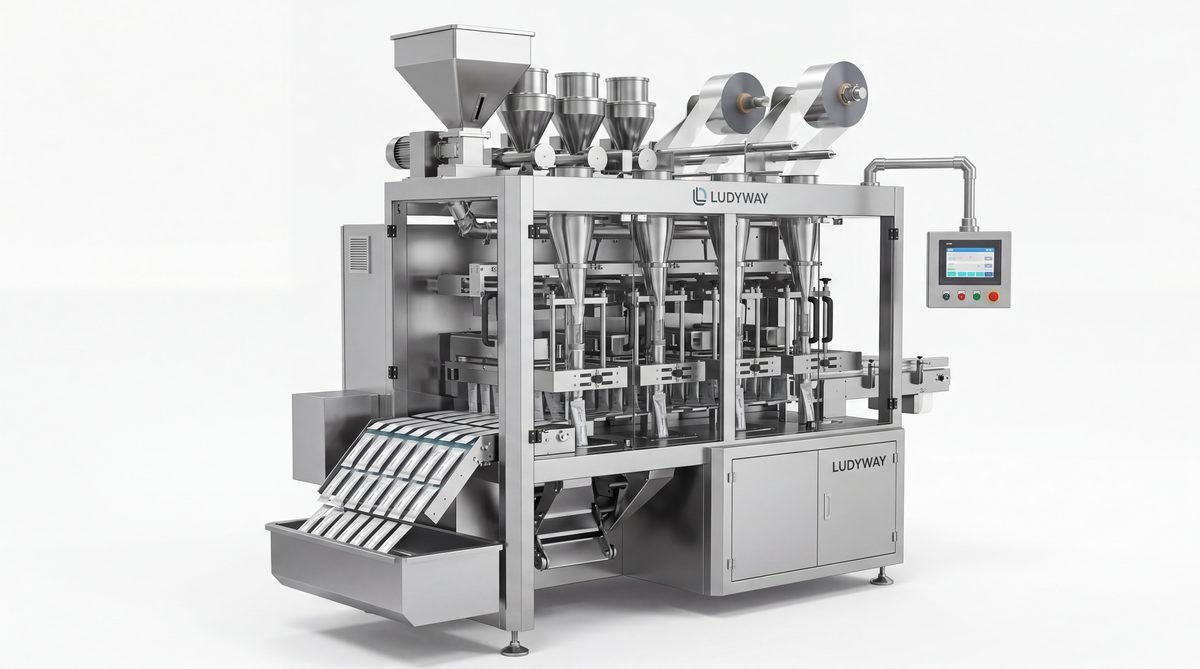
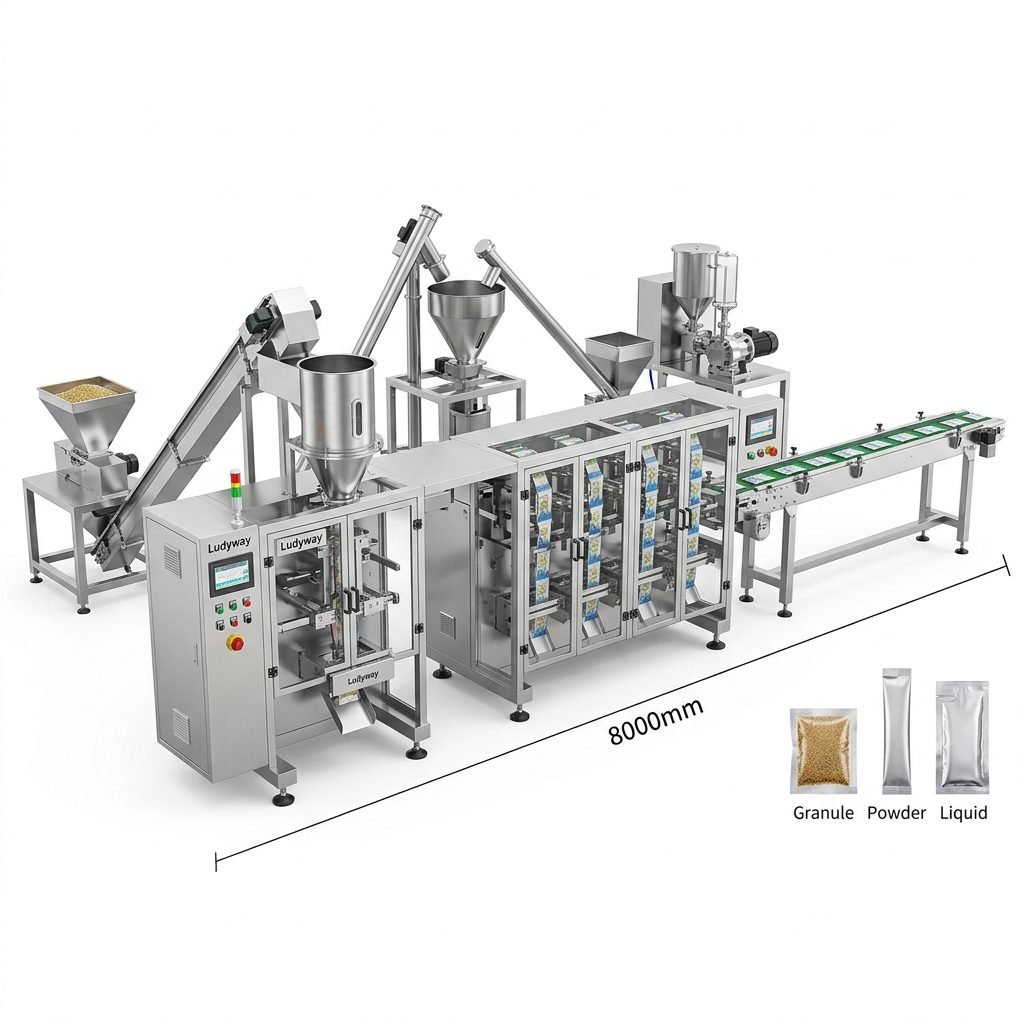
Choosing the core machinery is the most critical decision in the setup process. A typical fruit packaging line includes weighing, filling, sealing, coding, and inspection stations. For businesses requiring a complete turnkey solution, working with an experienced manufacturer can streamline this phase significantly. Ludyway, for example, offers integrated packaging systems suitable for granule, powder, and liquid fruit products, backed by over 30 years of engineering expertise.
Below is an overview of core equipment modules commonly found in modern fruit packaging lines:
| Equipment Module | Primary Function | Best Suited For |
|---|---|---|
| Multi-Head Weigher | High-speed precision weighing of fruit pieces, granules, and powders | Dried fruit snacks, fresh-cut fruit portions |
| Vertical Form Fill Seal Machine | Forms bags from roll film, fills product, and seals in one continuous process | Sachets, stick packs, pillow bags |
| Multi-Lane Stick Pack Machine | Simultaneous filling across multiple lanes for maximum throughput | Powdered fruit drinks, supplement sachets |
| Tray Sealing Machine | Seals pre-formed trays with film lids, often with modified atmosphere packaging (MAP) | Fresh fruit trays, berry punnets |
| Checkweigher and Metal Detector | Ensures weight accuracy and contaminant detection for quality assurance | All fruit packaging applications |
| Cartoning and Palletising Systems | End-of-line packaging for distribution and retail readiness | High-volume wholesale and export operations |
Phase 3: Regulatory Compliance and Safety Standards
Operating in the UK requires adherence to stringent food safety legislation. Post-Brexit, UK-specific regulations apply alongside internationally recognised standards. Key compliance areas include:
- Food Safety Act 1990 and the Food Information Regulations for labelling accuracy
- BRCGS Packaging Materials certification for packaging quality management
- Compliance with packaging waste regulations covering recyclability and extended producer responsibility
- CE and UKCA marking requirements for machinery placed on the UK market
- Adherence to packaging validation standards for shelf-life and barrier performance testing
Installation, Commissioning, and Staff Training
Once equipment arrives on site, a structured installation plan minimises downtime and ensures a smooth commissioning phase. Best practices include:
- Conducting a pre-installation check against the layout plan and utility specifications
- Sequential installation starting from upstream feeding systems through to end-of-line equipment
- Running dry tests followed by product trials to fine-tune timing, temperatures, and seal integrity
- Documenting all machine settings for repeatable, consistent production runs
Investing in comprehensive operator training is equally important. Well-trained staff can identify early warning signs of mechanical issues, perform routine adjustments, and maintain hygienic operating conditions — all of which extend equipment lifespan and reduce costly unplanned downtime.

Ongoing Maintenance and Technical Support
A proactive maintenance programme is essential for maximising production uptime in the competitive UK food sector. Establishing a maintenance schedule that covers the following areas will pay dividends:
- Daily: Visual inspections, cleaning of product contact surfaces, and sensor checks
- Weekly: Lubrication of moving parts, belt tension verification, and seal jaw inspection
- Monthly: Calibration of weighers and metal detectors, electrical connection tightening
- Annually: Comprehensive overhaul, replacement of wear components, and software updates
Choosing equipment from a supplier that offers responsive after-sales support — including spare parts availability, remote diagnostics, and on-site servicing — is a strategic advantage. This is particularly relevant when operating multi-lane machinery where even brief stoppages can result in significant output losses.
Future-Proofing Your Packaging Investment
The UK packaging landscape continues to evolve, shaped by sustainability mandates, automation trends, and changing consumer expectations. When setting up your fruit packaging line, consider these forward-looking strategies:
- Modular equipment design that allows easy addition of lanes or new packaging formats
- Smart factory integration with IoT-enabled monitoring for real-time OEE tracking
- Sustainable materials compatibility — ensure machines can handle recyclable and compostable films
- Energy-efficient motors and drives to reduce operational costs and carbon footprint
Staying informed about packaging machinery market trends and industry best practice resources will help your operation remain competitive as the regulatory and commercial environment shifts.
Common Pitfalls to Avoid
Drawing on industry experience, here are several frequent mistakes that can derail a packaging line project in the UK:
- Underestimating utility requirements: High-speed multi-lane machines may require more compressed air and electrical capacity than initially assumed.
- Overlooking film and material compatibility: Not all packaging films run efficiently on every machine — testing is essential before committing to large material orders.
- Skipping factory acceptance testing (FAT): Always conduct FAT before shipment to identify and resolve issues early.
- Insufficient operator training: Even the most advanced equipment underperforms without properly trained personnel.
- Ignoring local after-sales support: Ensure your equipment supplier has a credible UK service network or remote diagnostic capability.
Conclusion
Setting up a fruit packaging machine production line in the UK is a significant undertaking that rewards methodical planning, regulatory diligence, and investment in quality equipment. From initial site assessment through to ongoing maintenance, each phase of the project contributes to long-term operational success. By selecting the right machinery configuration, ensuring full compliance with UK food safety standards, and building a robust maintenance programme, your business can achieve consistent product quality, higher throughput, and a strong competitive position in the dynamic British food market.