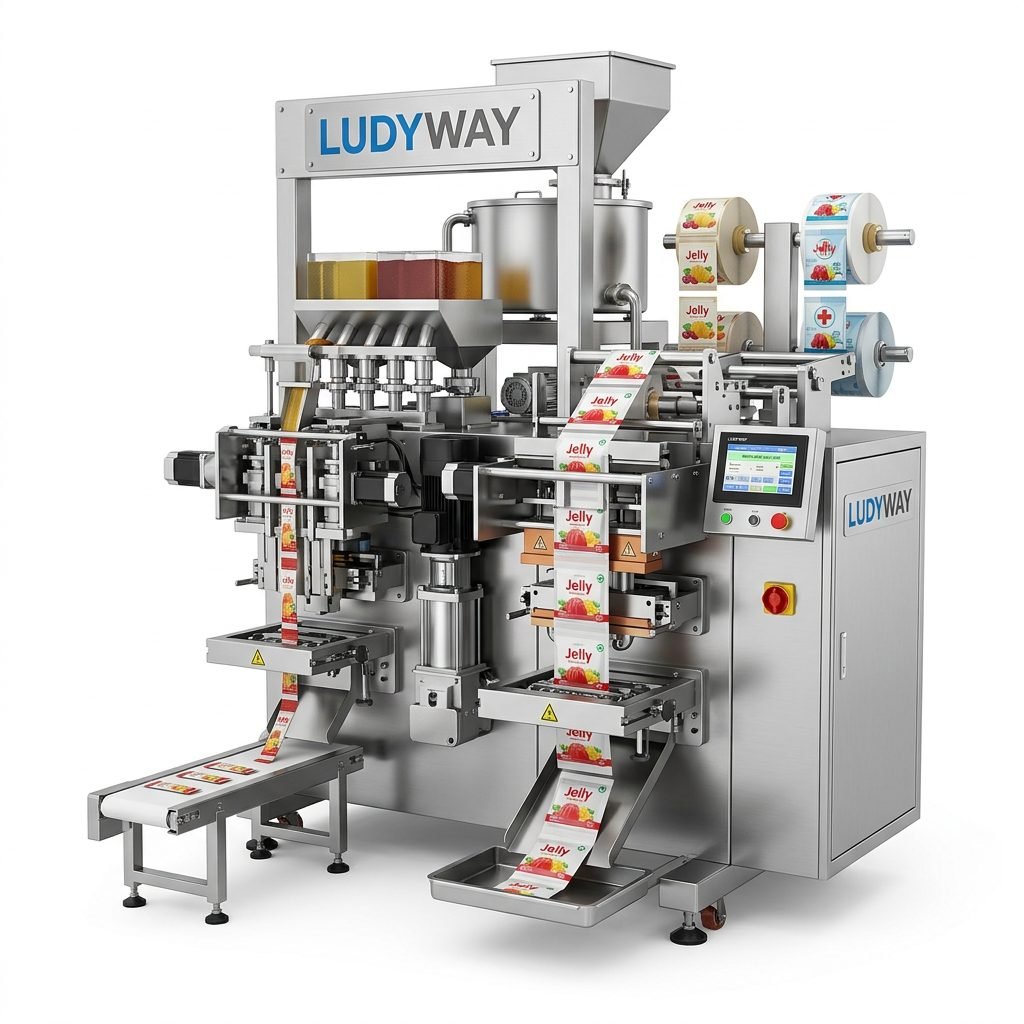
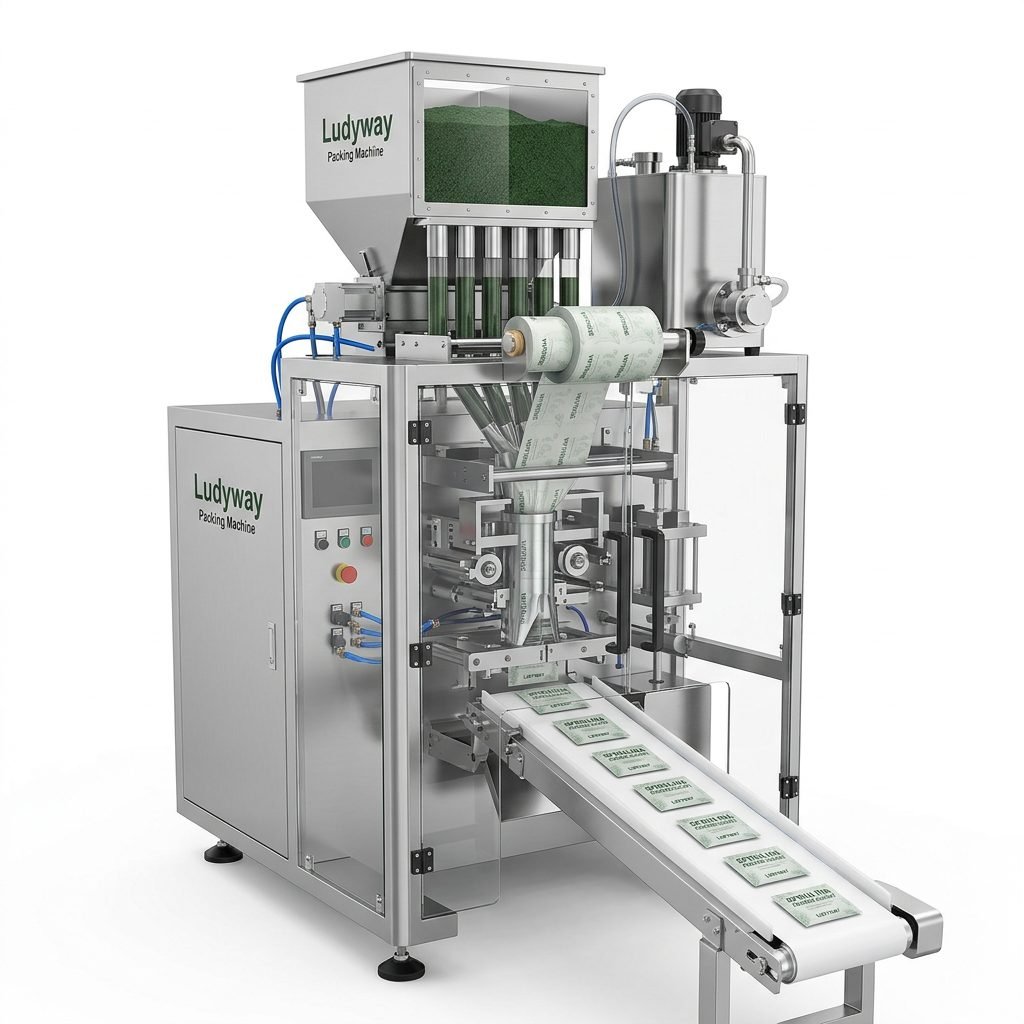
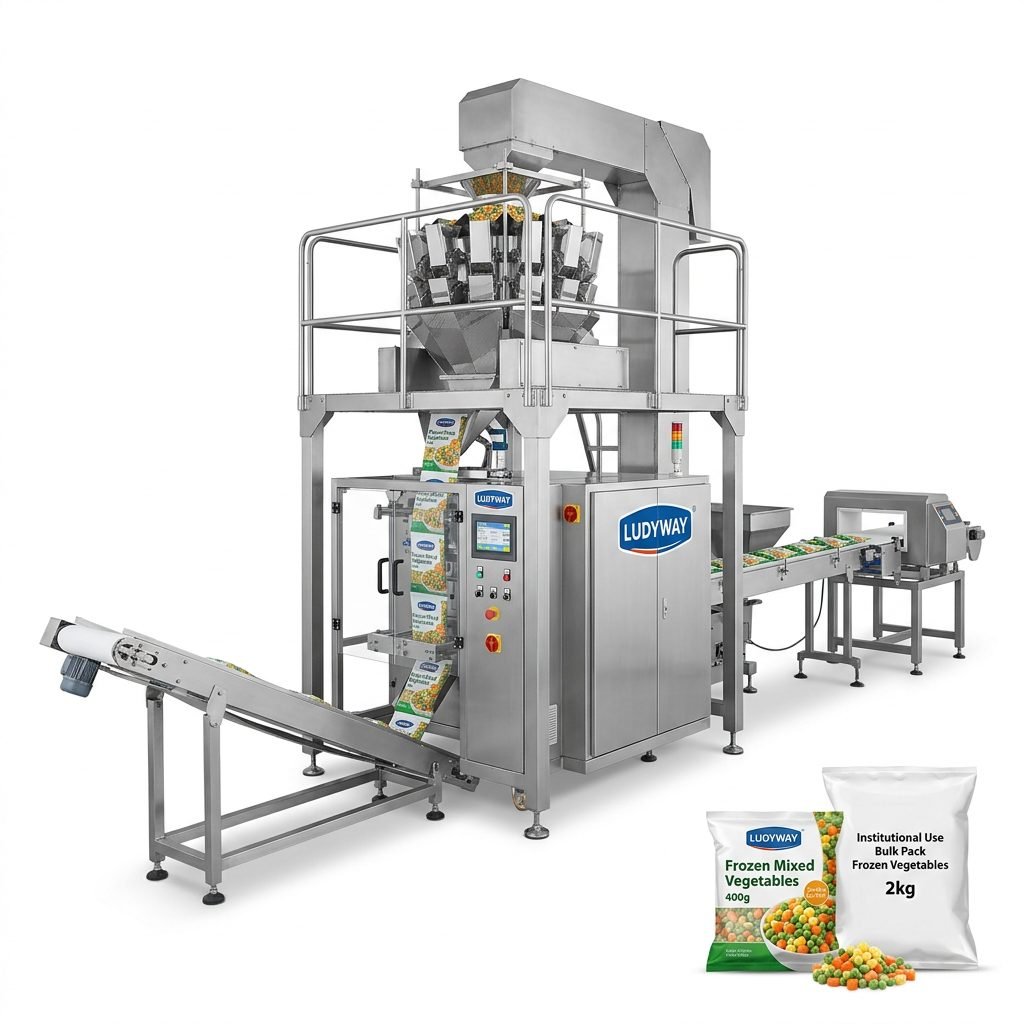
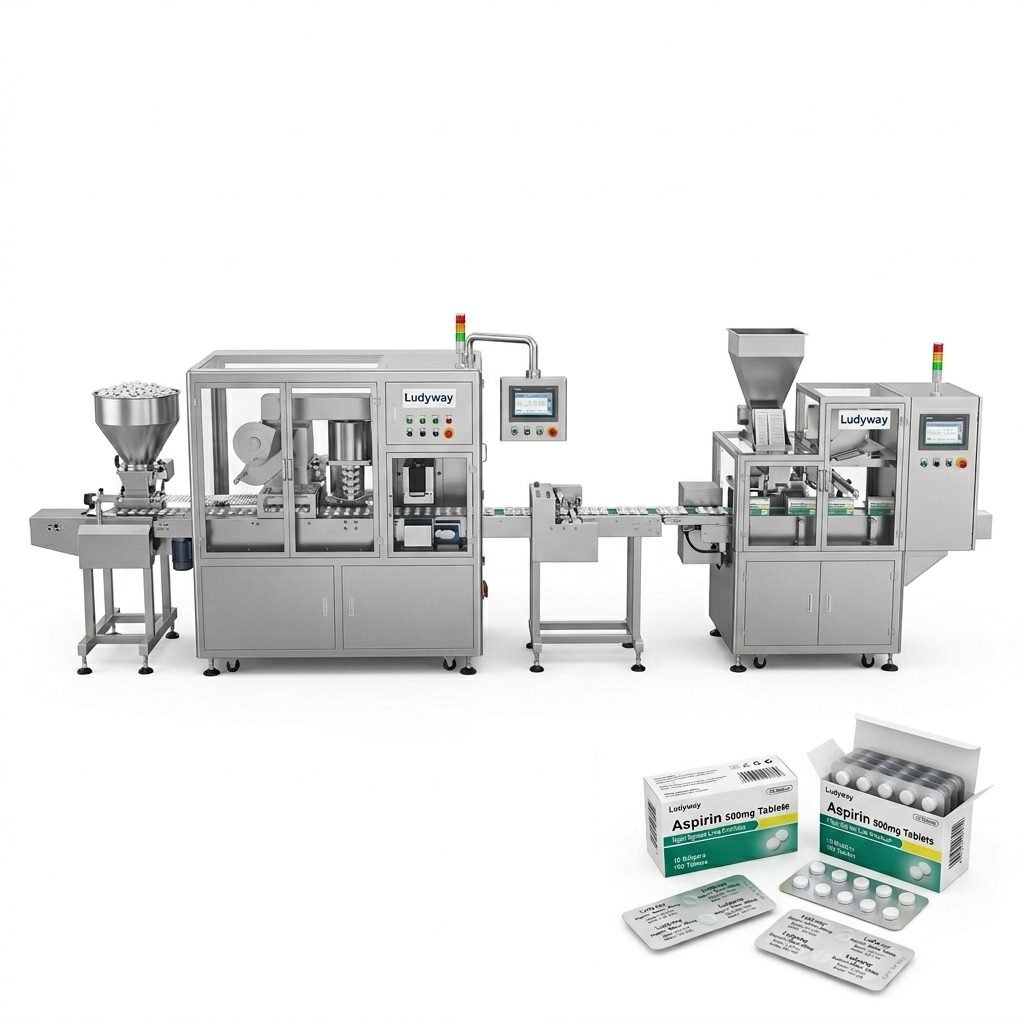
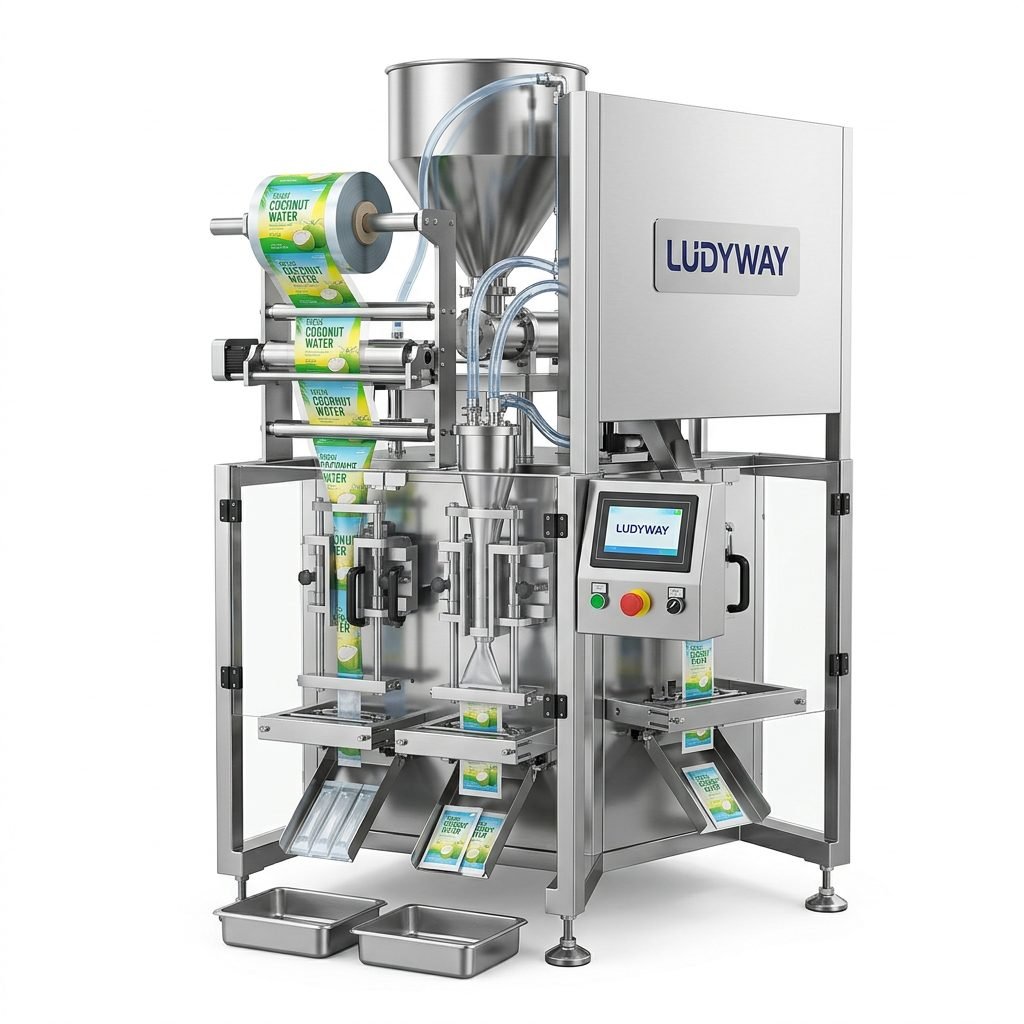
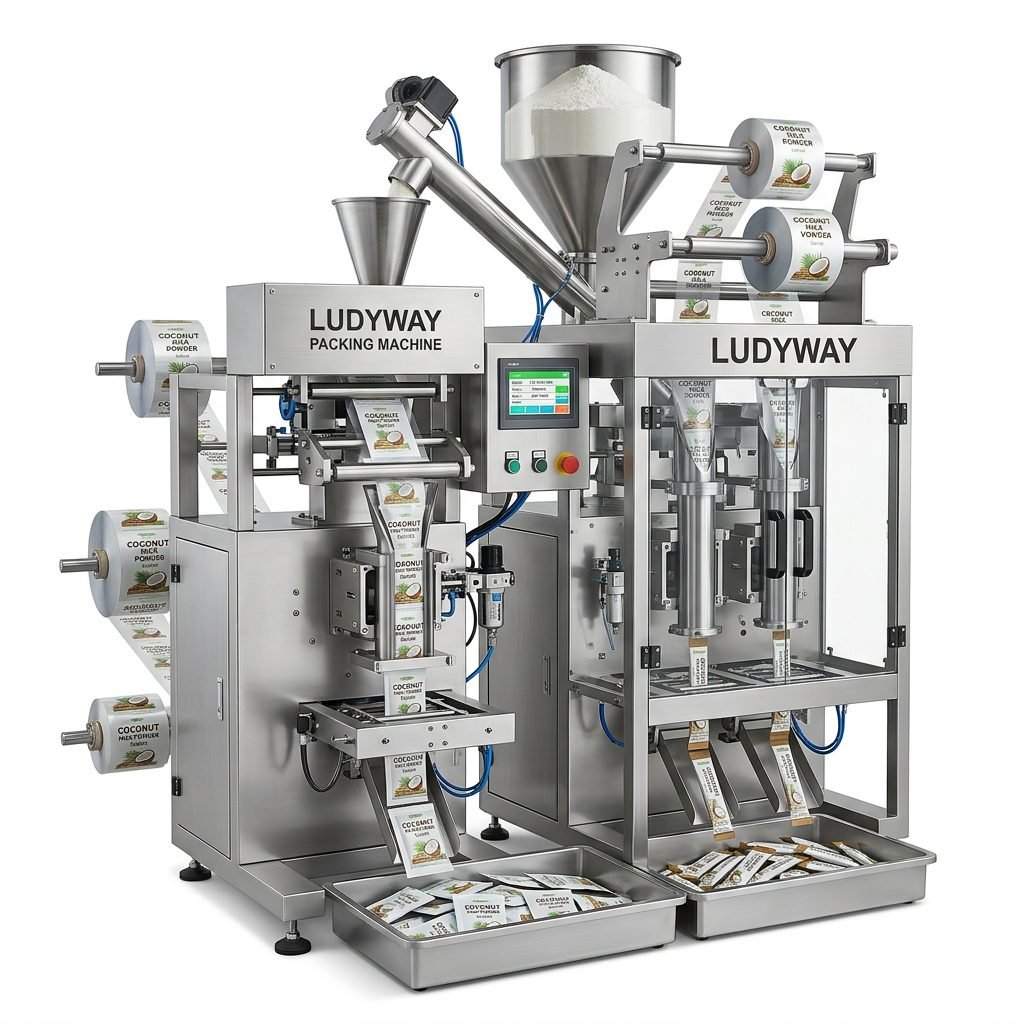
In the fast-paced world of modern manufacturing and consumer goods, efficient and reliable packaging is paramount. For liquids ranging from sauces and condiments to pharmaceuticals and personal care products, the liquid pouch packaging machine stands as a critical piece of automation. This equipment streamlines the process of filling and sealing pre-made or form-fill-seal pouches, ensuring product integrity, hygiene, and speed. Understanding the different types, how they work, their applications, and what to consider when purchasing one is essential for any business looking to optimize its liquid packaging line.
Main Types of Liquid Pouch Packaging Machines
The market offers several configurations of liquid pouch packaging machines, each suited to specific production needs and pouch styles.
Vertical Form-Fill-Seal (VFFS) Machines
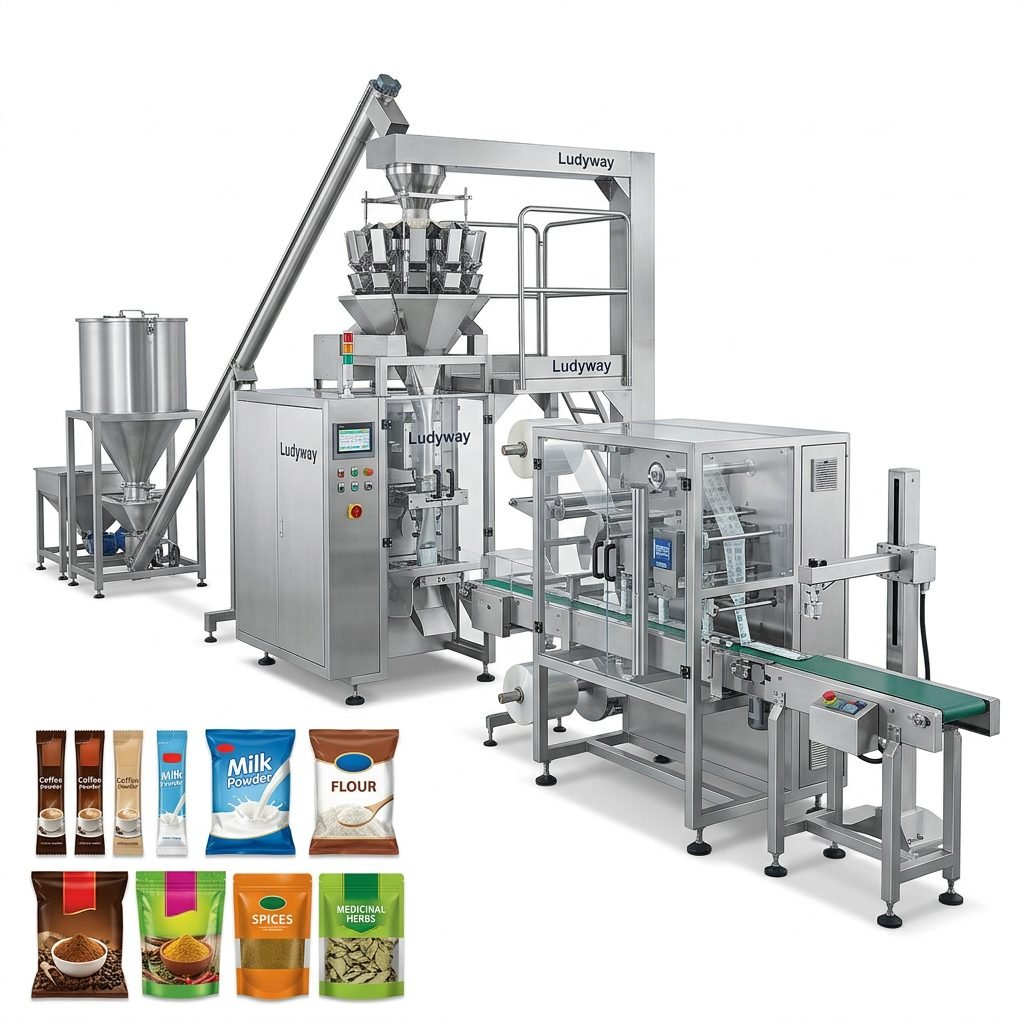
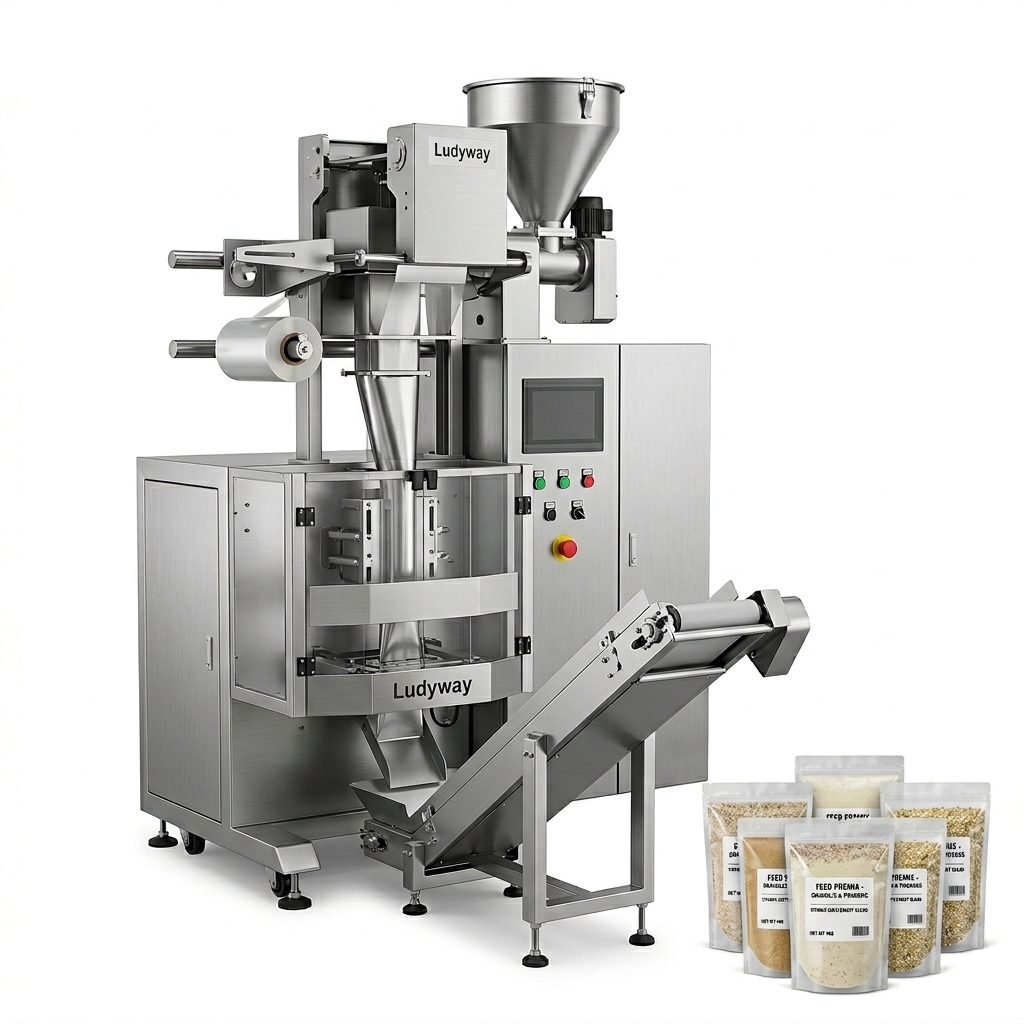
These are among the most common and versatile types. A VFFS machine creates pouches from a roll of flat packaging film. The film is formed into a tube, the vertical back seal is made, the product is filled from above, and then the top seal is created before being cut into individual pouches. This method is highly efficient for high-volume production runs of single-serve or multi-serve liquid pouches.
Horizontal Form-Fill-Seal (HFFS) Machines
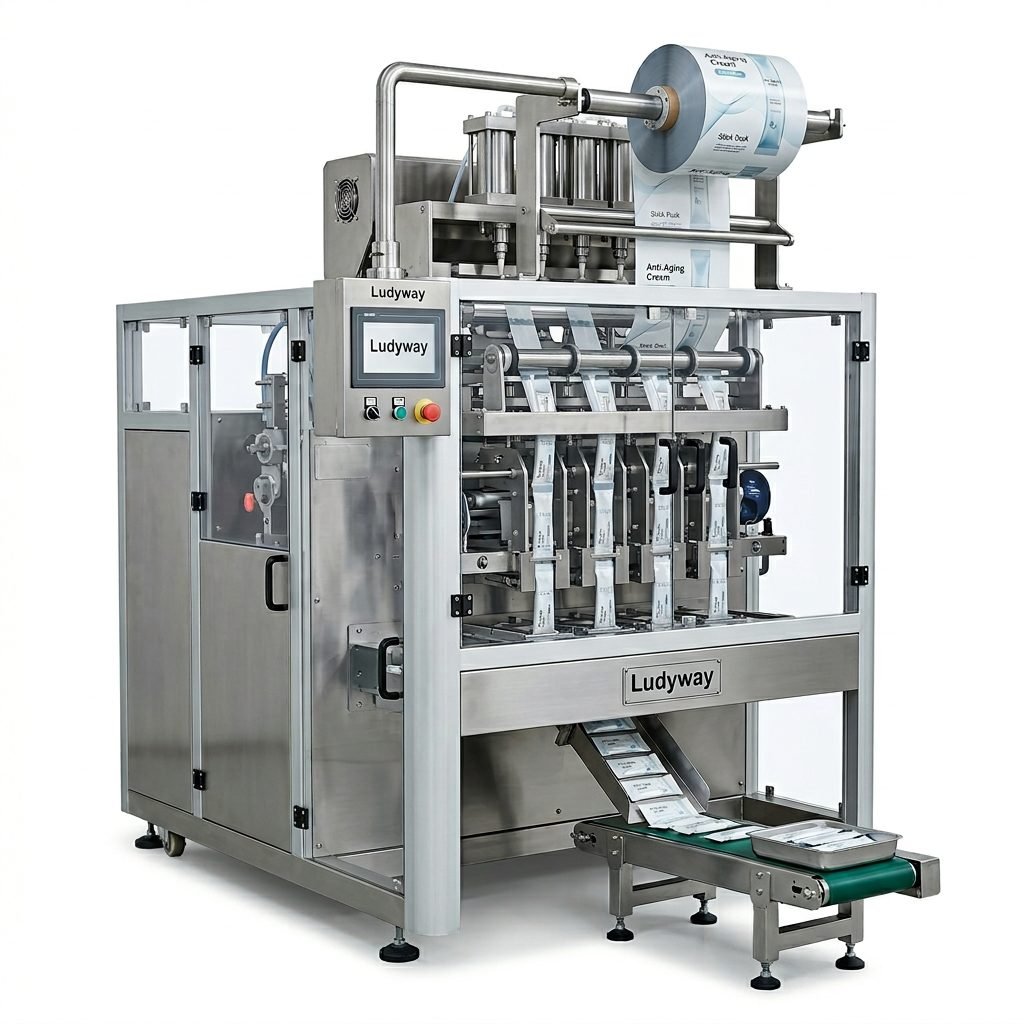
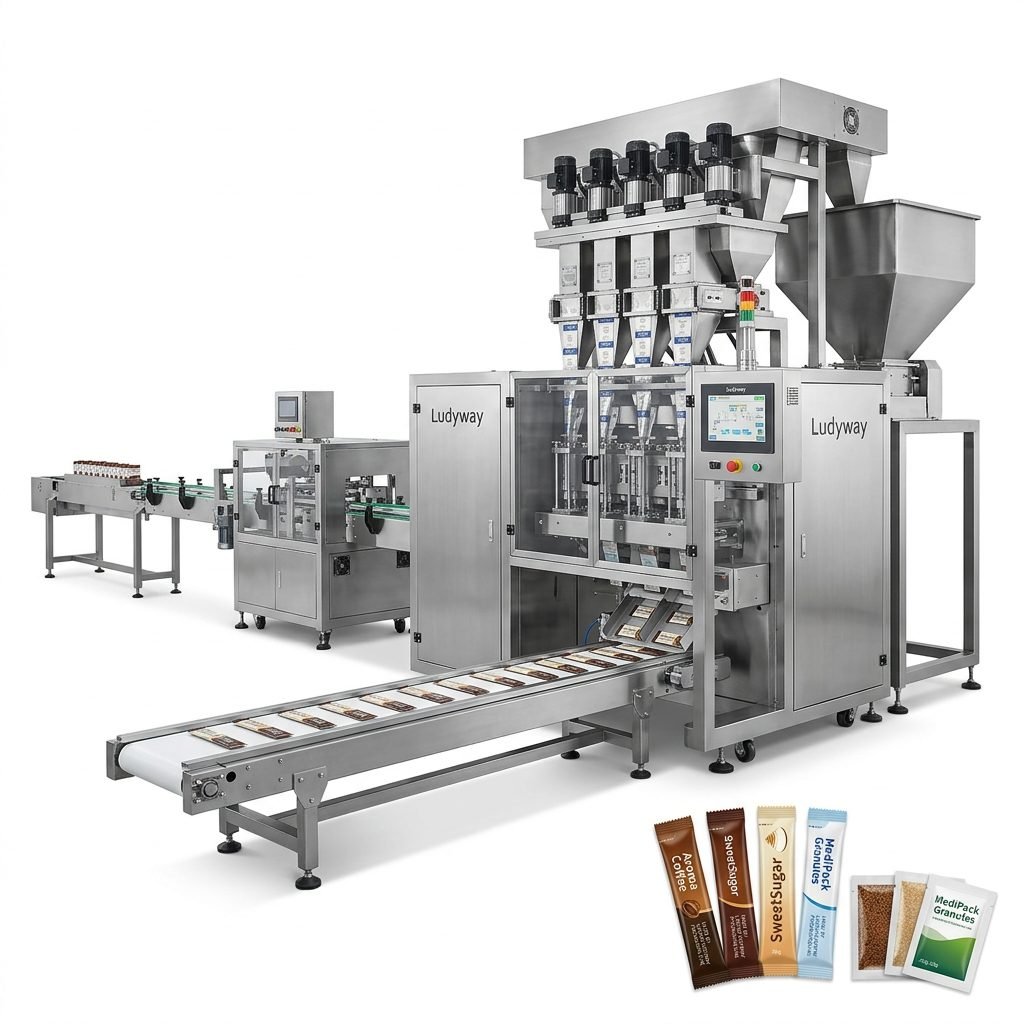
In an HFFS machine, the film is fed horizontally. Pouches are formed, filled, and sealed in a lying-down position. This type is often preferred for more complex pouch shapes, multi-lane production (producing several pouches simultaneously), or when packaging thicker, more viscous products like gels, pastes, or yogurts.
Pre-Made Pouch Filling Machines
Instead of forming pouches from film, these machines use ready-made, pre-sealed pouches that are only open at the top. The machine’s job is to open the pouch, accurately fill it with liquid, and then seal the top opening. This is ideal for businesses that have custom-printed pouches or for packaging products where the pouch material or shape is not easily formed on a VFFS/HFFS machine.
Core Working Principle and Process
While specifics vary by machine type, the fundamental workflow of a liquid pouch packaging machine follows a consistent sequence to ensure precision and sterility.
1. Pouch Forming or Feeding: For VFFS/HFFS, the film is unwound and shaped. For pre-made pouch systems, pouches are automatically fed from a magazine or stack.
2. Filling: This is the most critical step. Machines use various filling systems:
• Volumetric Cup Fillers: Simple and cost-effective for free-flowing liquids.
• Piston Fillers: Highly accurate for a wide range of viscosities, from water to creams.
• Pump Fillers (e.g., Peristaltic): Excellent for sterile applications or products that are sensitive to shear, as the product only contacts the tube.
3. Sealing: Immediately after filling, the pouch opening is sealed. This is typically done using heated jaws (thermal sealing) that melt the inner layers of the film together, creating a hermetic seal crucial for product shelf life.
4. Cutting & Discharge: The continuous web of filled and sealed pouches is cut into individual units and discharged onto a conveyor or collection tray, ready for secondary packaging.
Key Applications Across Industries
The versatility of liquid pouch packaging machines makes them indispensable in numerous sectors.
Food and Beverage Industry
This is the largest application area. Machines package sauces (ketchup, soy sauce), dressings, edible oils, dairy products, liquid eggs, beverages, and soup concentrates. The convenience, portion control, and reduced packaging waste of pouches are highly valued by both manufacturers and consumers.
Pharmaceutical and Healthcare
Sterility and accuracy are non-negotiable here. Machines are used for oral liquid doses, saline solutions, disinfectants, and liquid nutritional supplements. They often operate in cleanroom environments and use sanitary pump fillers to prevent contamination.
Personal Care and Home Care
From shampoo and conditioner sachets to liquid hand soap refills, laundry detergent pods, and surface cleaners, pouch packaging offers a lightweight, leak-proof, and user-friendly alternative to rigid bottles.
Chemical and Industrial
Lubricants, adhesives, sealants, and specialty chemicals are also packaged in pouches for single-use applications or safe, contained storage.
Comprehensive Buying Guide: What to Consider
Investing in a liquid pouch packaging machine is a significant decision. Here are the key factors to evaluate to ensure you select the right equipment for your needs.
1. Product Characteristics
Your liquid product dictates the machine specifications. Consider its viscosity (water-thin vs. paste-like), acidity/chemical composition (which affects material compatibility), presence of particulates, and whether it requires aseptic or hot-fill processes. This will determine the suitable filling technology and machine construction materials (e.g., stainless steel for food/pharma).
2. Production Requirements
Define your needed output speed (pouches per minute), pouch size range, and desired accuracy (±1% or better is standard). Also, consider future scalability—will you need to handle different pouch sizes or products frequently? A machine with quick-change parts and recipe memory can drastically reduce downtime.
3. Pouch Specifications
The machine must be compatible with your pouch material (e.g., laminated films, aluminum foil) and structure (stand-up pouch, spouted pouch, flat pouch). The sealing system must be calibrated to work perfectly with your film’s melting point.
4. Automation and Integration Level
Basic machines require manual pouch loading or film roll changes. Fully automated lines can include automatic film splicing, vision inspection systems, date/batch coding, and robotic cartoning. Determine your current and future automation needs and budget accordingly.
5. Supplier Reliability and Support
This is perhaps the most critical factor beyond the machine itself. Choose a supplier with a proven track record, like Ludyway Machinery, which brings over 30 years of industry experience. Evaluate their engineering support, availability of spare parts, training programs, and after-sales service. A reliable partner ensures your machine remains productive for years. Reviewing the supplier’s company history and project portfolio can provide confidence in their capability to deliver a tailored solution.
6. Safety and Compliance
Ensure the machine complies with relevant safety standards (e.g., CE, UL) and, if applicable, industry-specific regulations for food (FDA, USDA) or pharmaceuticals (cGMP).
Frequently Asked Questions (FAQs)
What is the typical accuracy of a liquid pouch filler?
Modern liquid pouch packaging machines with servo-driven piston or pump fillers typically achieve filling accuracies within ±0.5% to ±1.0% of the target volume, which is suitable for most commercial applications. Higher precision systems are available for pharmaceutical dosing.
Can one machine handle different pouch sizes and liquid products?
Yes, many machines are designed for flexibility. Look for models with “quick-changeover” features, where change parts (like filling nozzles, sealing jaws, and film guides) can be swapped in minutes. Digital controls with recipe memory allow operators to save settings for different products, ensuring consistent results.
How do I maintain a liquid pouch packaging machine?
Regular maintenance is key. Daily tasks include cleaning product contact parts to prevent contamination and buildup. Weekly or monthly checks involve lubricating moving parts, inspecting seals and gaskets for wear, and calibrating the filling and sealing systems. Always follow the manufacturer’s detailed maintenance schedule.
What is the lead time for receiving a new machine?
Lead times vary widely based on machine complexity, customization, and supplier capacity. For standard models, it can range from 8 to 16 weeks. For fully customized turnkey lines, it may take 20 weeks or more. It’s crucial to discuss timelines in detail with your supplier during the planning phase.
Is training provided with the machine purchase?
Reputable suppliers almost always include comprehensive training as part of the purchase. This typically covers machine operation, routine maintenance, troubleshooting, and safety procedures for your operators and maintenance technicians, either at their facility or on-site at your factory.