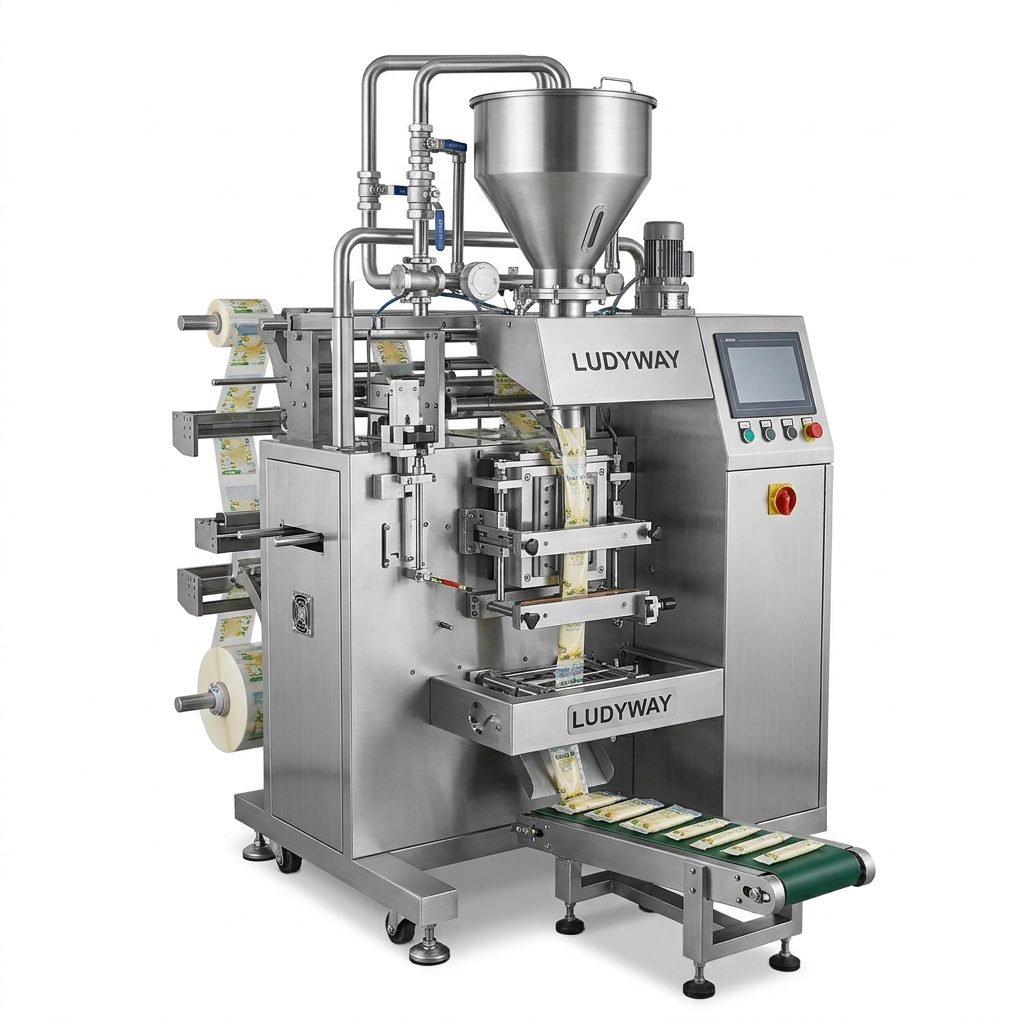
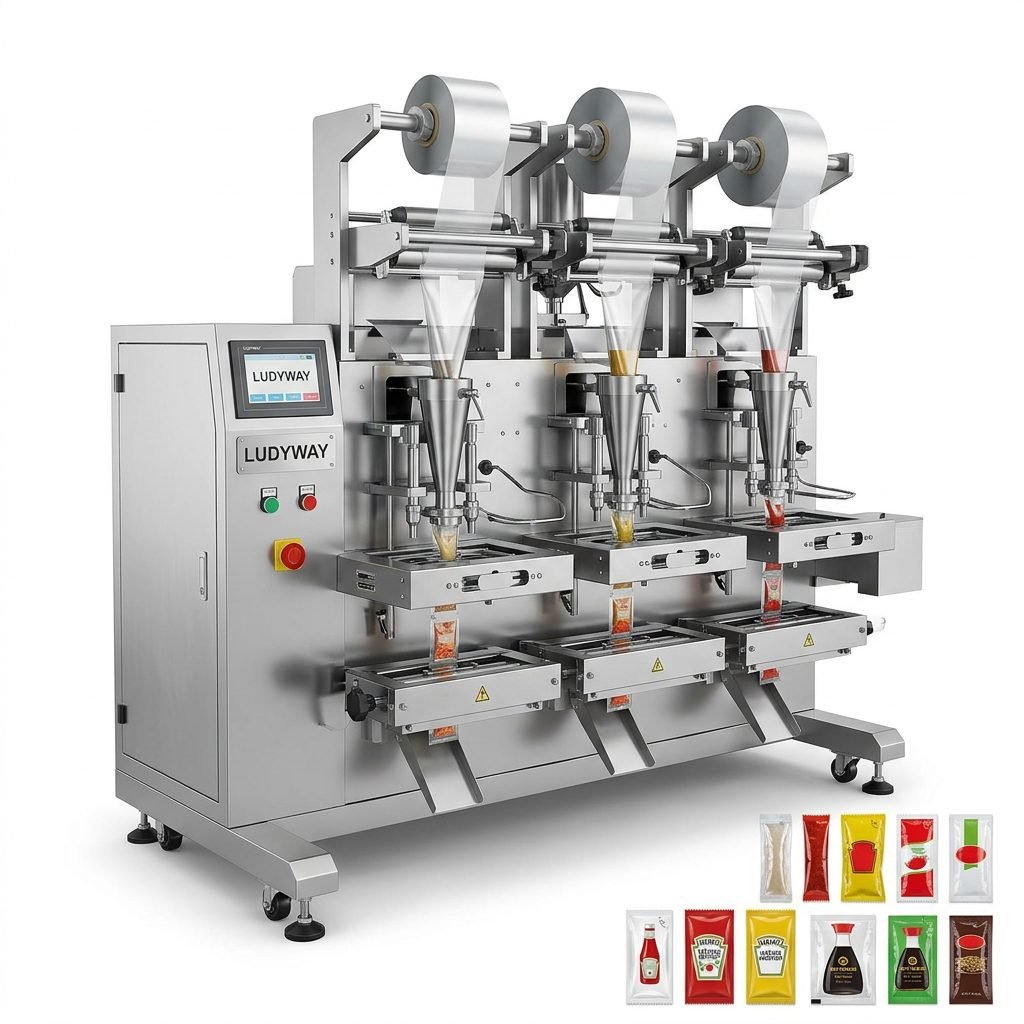
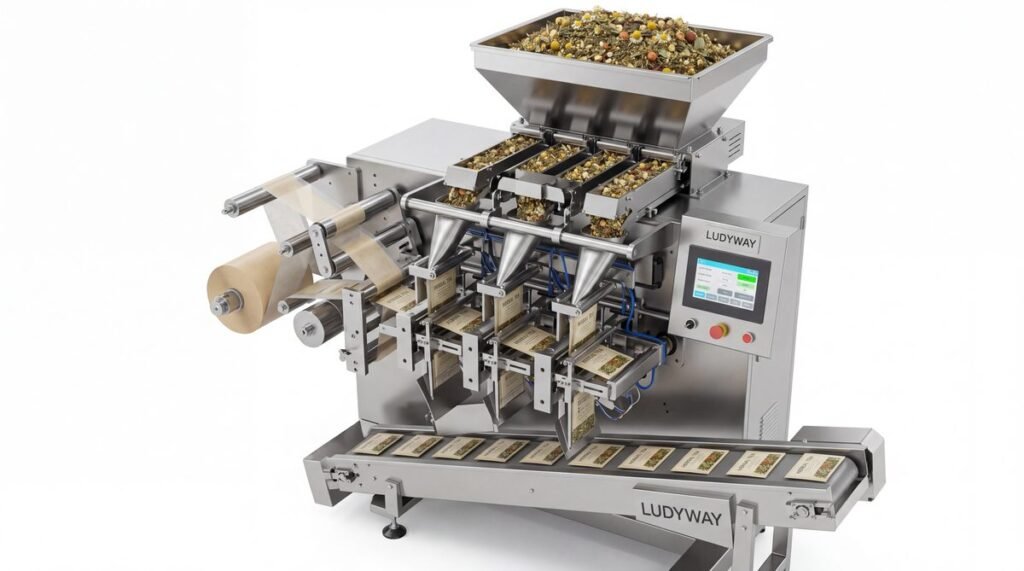
Investing in a chips packing machine is a significant decision for any food manufacturing business. Whether you are producing potato chips, tortilla chips, banana chips, or other snack products, the right packaging equipment directly impacts your production efficiency, product freshness, and overall profitability. With so many machine types, configurations, and suppliers available on the market, the selection process can quickly become overwhelming.
This buyer’s guide walks you through the essential factors to evaluate when choosing a chips packing machine, helping you make an informed purchasing decision that aligns with your production goals.
1. Understanding Your Chip Packaging Requirements
Before comparing machine specifications, you need a clear understanding of your specific packaging requirements. Different chip products demand different approaches to dosing, filling, and sealing. Start by defining the following parameters:
- Product type: Are you packaging regular potato chips, curved chips, or thicker kettle-style chips? The product’s fragility and shape affect the feeding and filling mechanism.
- Production volume: Determine your current and projected daily or hourly output. This will help you identify the required packaging speed.
- Packaging format: Decide whether you need pillow bags, gusseted bags, stand-up pouches, or stick packs for your chip products.
- Bag size range: Define the minimum and maximum bag dimensions your production line will handle.
- Filling weight: Establish the weight range per package to ensure dosing accuracy.
According to industry research from the PMMI Business Intelligence Library, packaging machinery investments should be aligned with both current operational needs and future growth projections to maximize long-term value.
2. Key Factors to Evaluate When Selecting a Chips Packing Machine
2.1 Product Fragility and Handling
Chips are inherently fragile products that can easily break during the packaging process. The machine’s product handling system must minimize drop heights and mechanical stress. Look for features such as vibratory feeding systems, gentle slope conveyors, and multi-head weighers specifically designed for delicate snack products. Proper handling preserves product integrity and reduces waste from broken chips.
2.2 Packaging Speed and Throughput
The packaging speed you need depends on your production volume. Entry-level machines may operate at 30 to 60 bags per minute, while high-speed automated packaging systems can reach 120 to 200 bags per minute or more with multi-lane configurations. When evaluating speed specifications, confirm whether the stated speed applies to the bag size you intend to run, as larger bags typically reduce throughput.
2.3 Bag Style and Sealing Quality
The packaging format influences shelf appeal, product protection, and consumer convenience. Common bag styles for chips include:
- Pillow bags: The most common and cost-effective format for chip packaging.
- Gusseted bags: Provide better shelf standing and increased volume capacity.
- Stand-up pouches: Offer resealable zipper options and premium branding opportunities.
- Stick packs: Ideal for single-serving or portion-controlled chip products.
Sealing integrity is critical for maintaining chip freshness and preventing moisture ingress. Evaluate the sealing system’s temperature control, pressure consistency, and dwell time adjustability.
2.4 Filling Accuracy and Weighing Technology
Accurate filling ensures regulatory compliance, consistent product quality, and cost control. Multi-head weighers are the preferred technology for chip packaging, offering high-speed precision weighing. Key features to assess include:
- Number of weigh heads and their sensitivity
- Combination weighing algorithms to optimize accuracy
- Integration with feedback systems for automatic adjustment
- Compatibility with nitrogen flushing for product preservation
2.5 Material Compatibility and Film Handling
Chip packaging typically uses metallized films, laminated structures, or barrier films to protect against oxygen and moisture. The Flexible Packaging Association provides comprehensive resources on packaging material specifications. Ensure the machine’s film handling system is compatible with your chosen material in terms of thickness, heat-seal properties, and print registration requirements.
3. Types of Chips Packing Machines
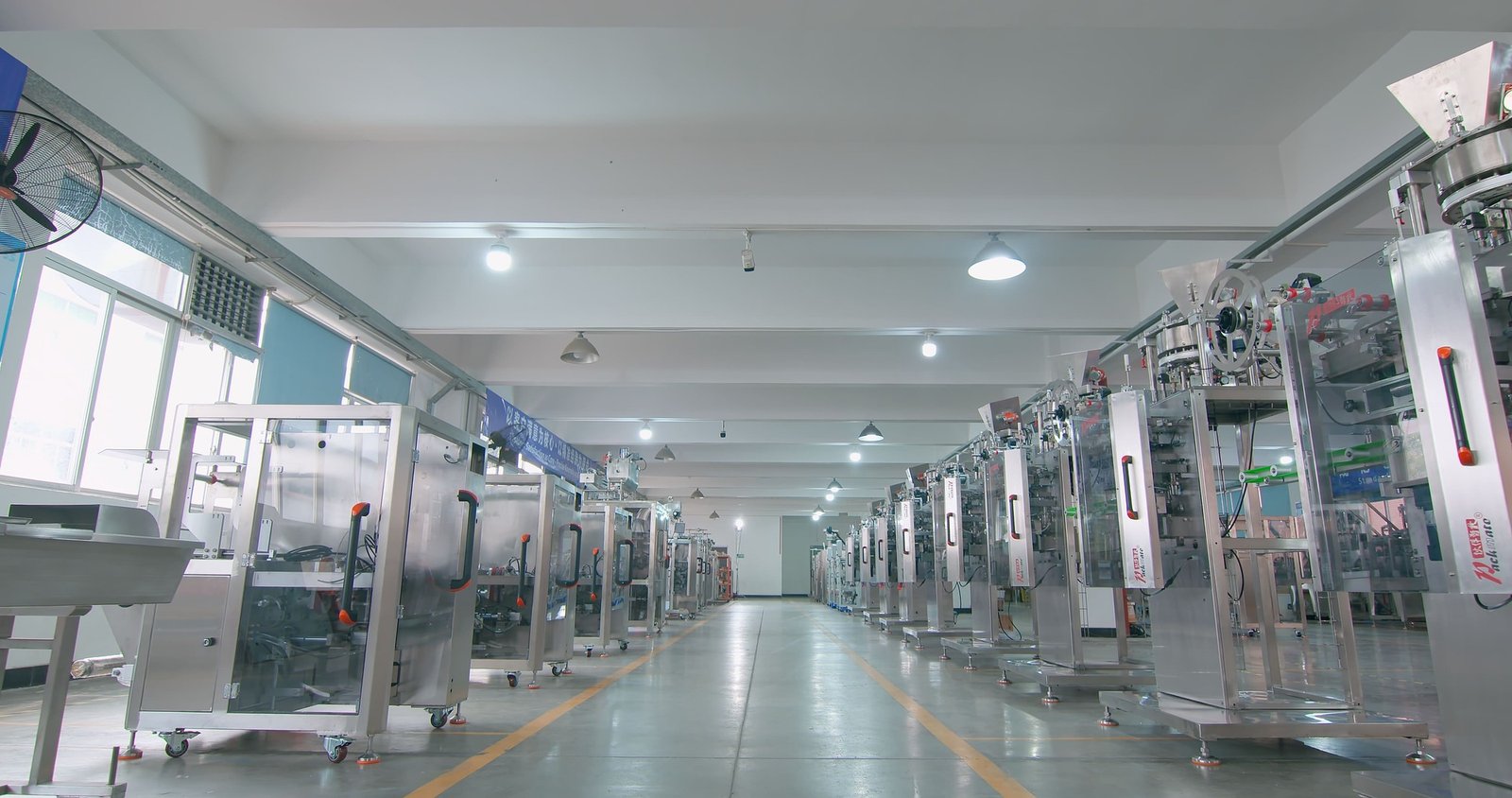
Understanding the different machine categories helps narrow down your options. Below is a comparison of the main types used in chip packaging applications:
| Machine Type | Best For | Typical Speed Range | Key Advantage |
|---|---|---|---|
| Vertical Form Fill Seal (VFFS) | Standard pillow bags and gusseted bags | 30-120 bags/min | Versatile, cost-effective, widely adopted |
| Multi-Lane Stick Pack Machine | Single-serve stick packs and small sachets | 200-600 packs/min | Ultra-high throughput, compact package size |
| Premade Pouch Machine | Stand-up pouches, zipper bags, shaped pouches | 40-80 pouches/min | Premium packaging, excellent shelf presence |
| Horizontal Form Fill Seal (HFFS) | Flat-lay products and flow-wrapped chips | 60-150 packs/min | Gentle product handling, flexible formats |
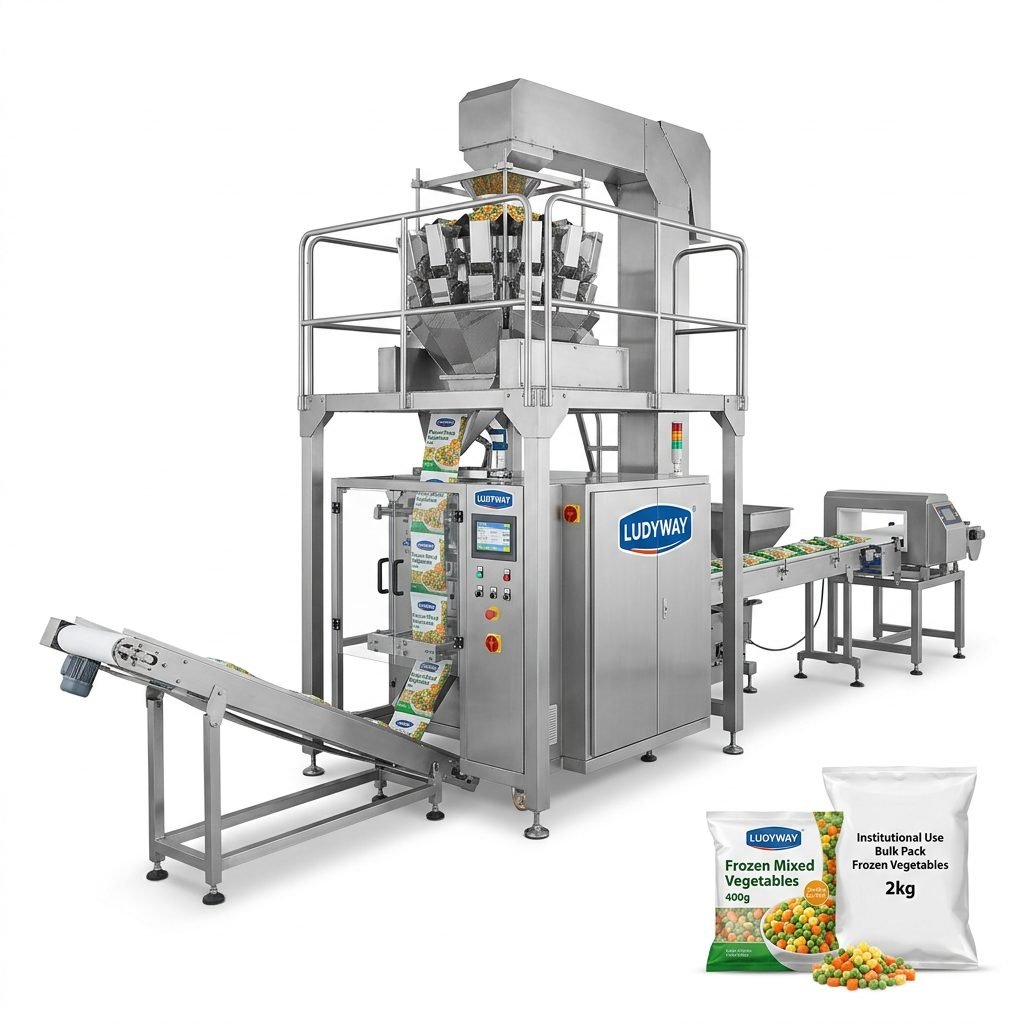
3.1 Vertical Form Fill Seal (VFFS) Machines
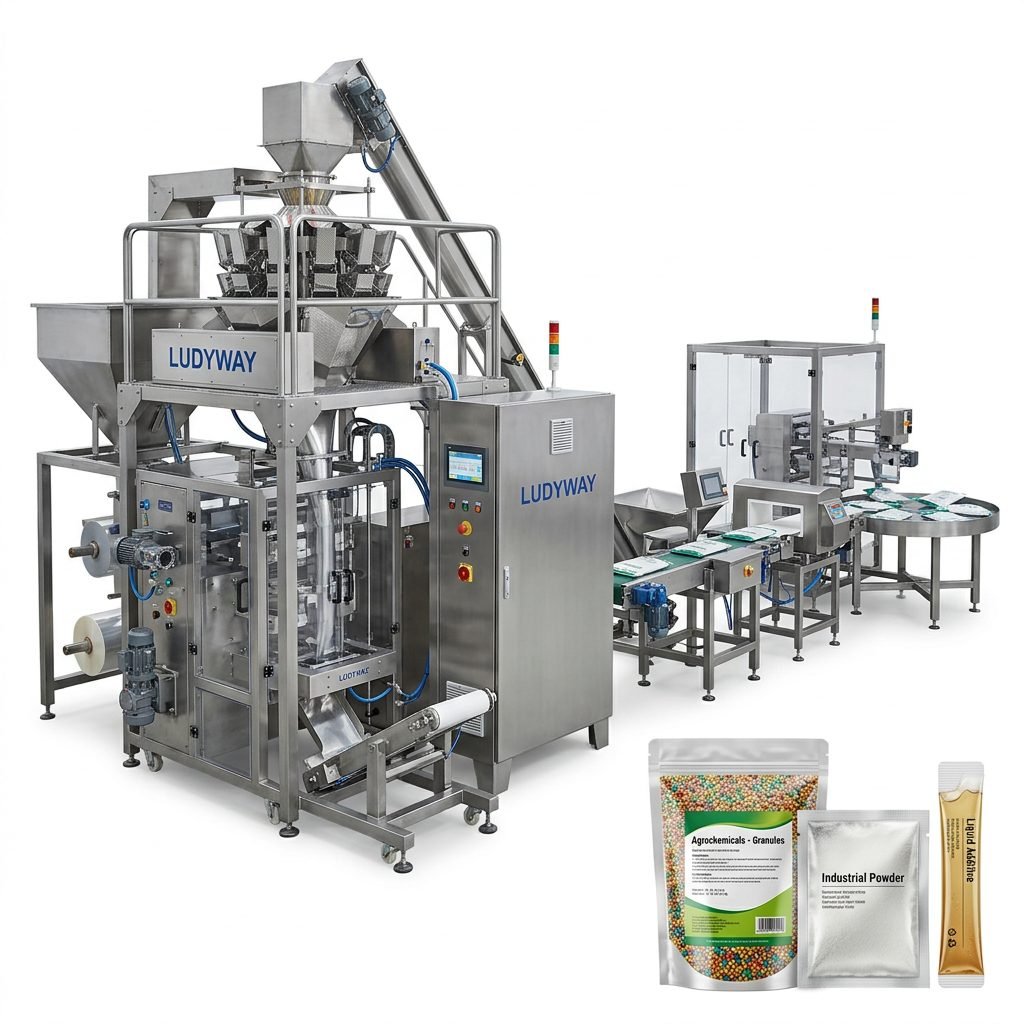
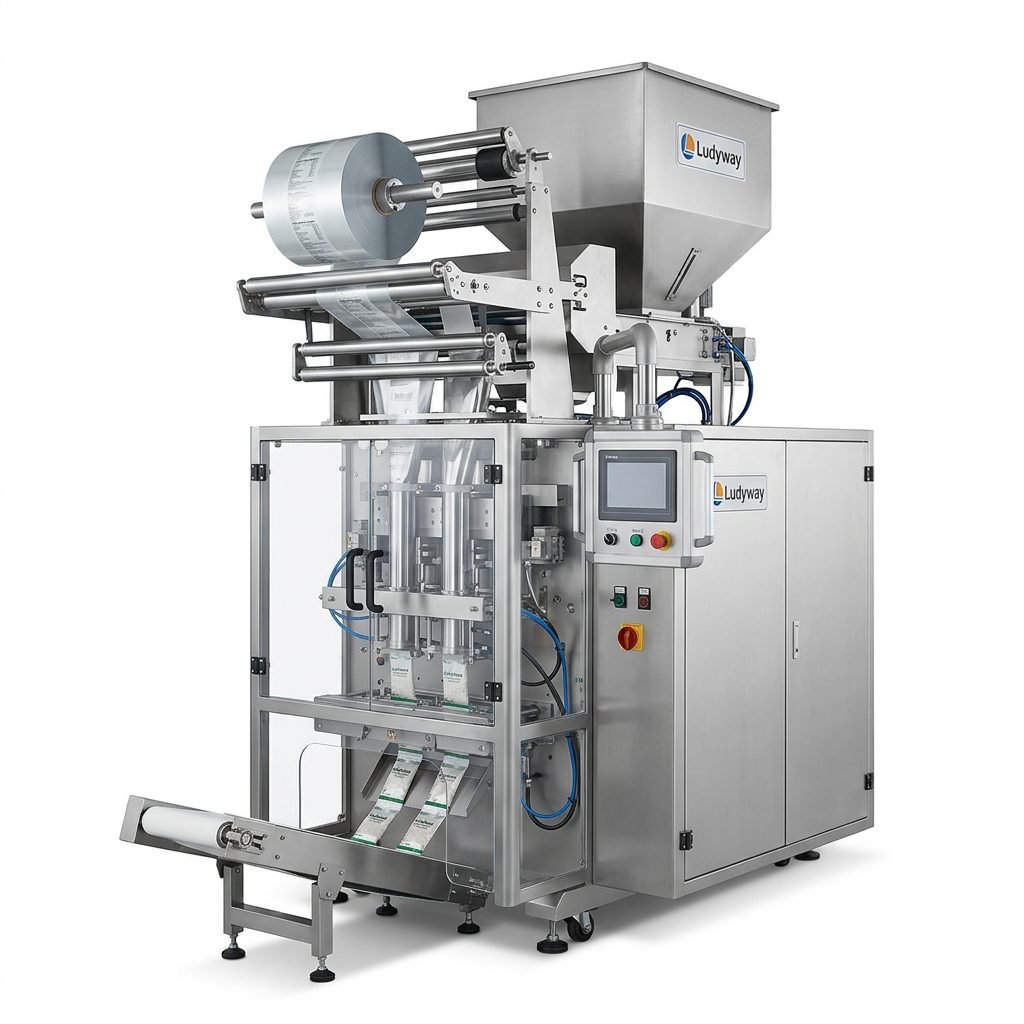
VFFS machines are the industry standard for chip packaging. They form bags from a flat roll of film, fill them with product, and seal them in a continuous vertical process. These machines are available in single-lane and multi-lane configurations, with the latter offering significantly higher throughput for large-scale production. Modern VFFS systems integrate seamlessly with multi-head weighers, nitrogen flushing systems, and date coding equipment for a complete packaging solution.
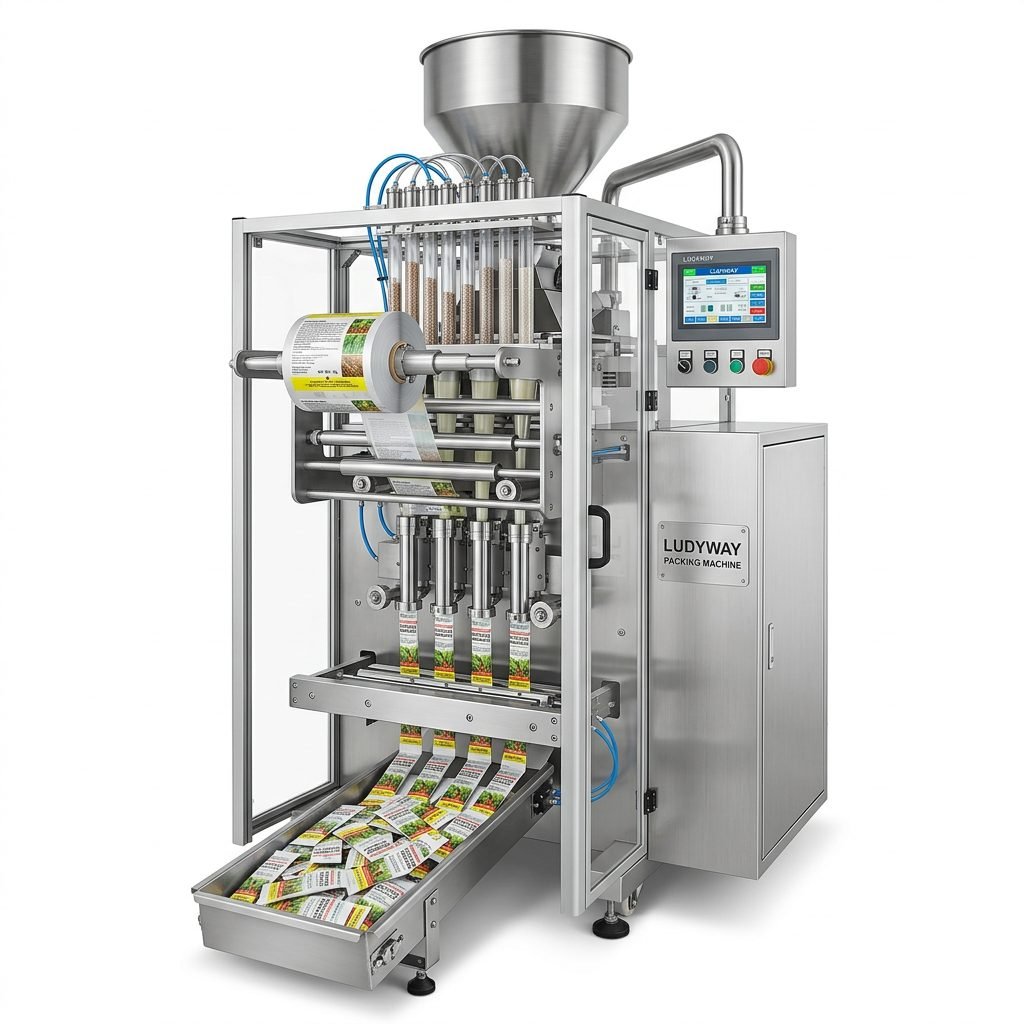
3.2 Multi-Lane Stick Pack Machines
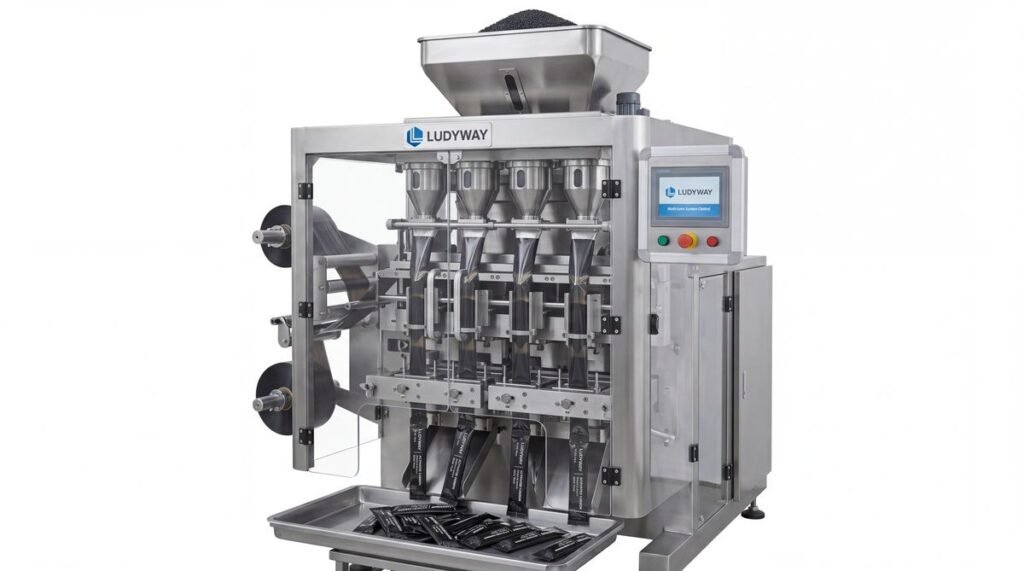
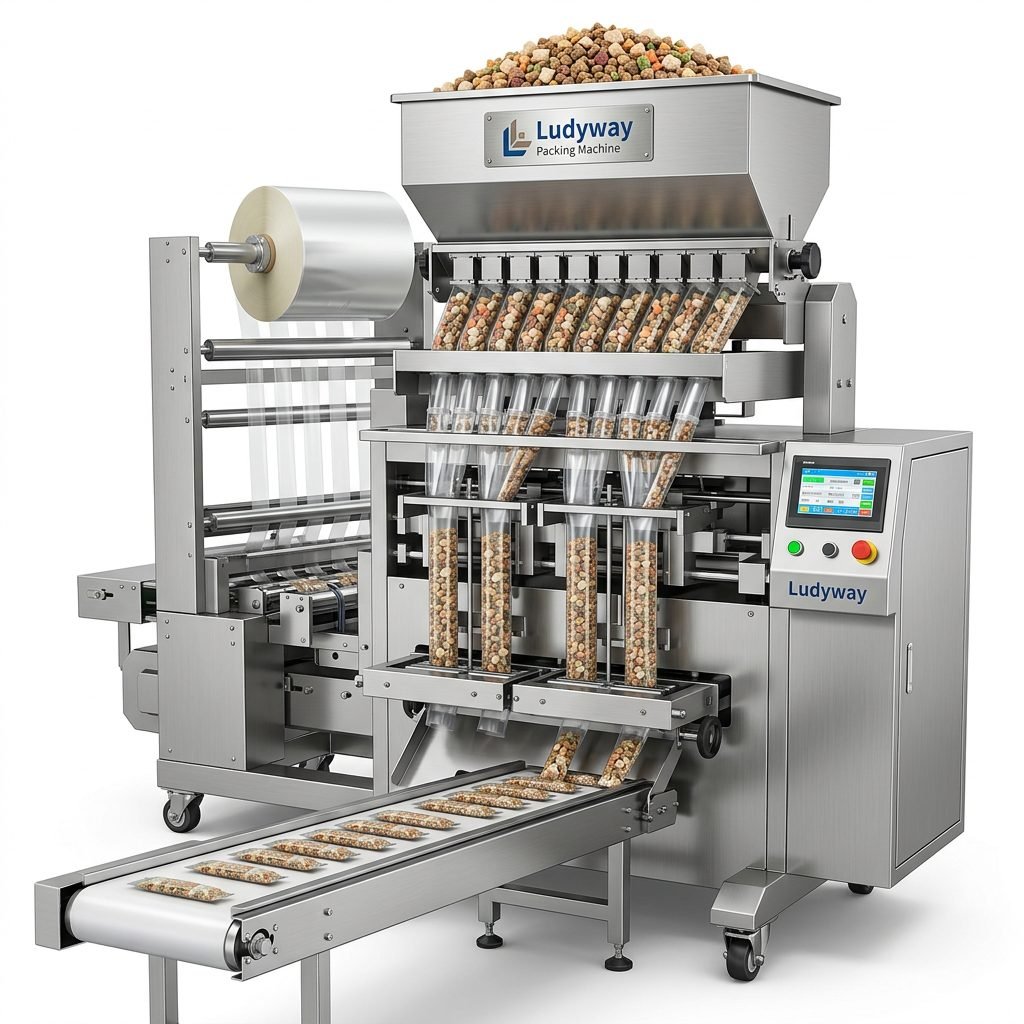
For manufacturers targeting the single-serve and on-the-go snack market, multi-lane stick pack machines deliver unmatched production efficiency. These systems run multiple lanes simultaneously, producing narrow stick packs at speeds that can exceed 500 packs per minute across all lanes. They are particularly suitable for portion-controlled chip products and sample-sized packages.
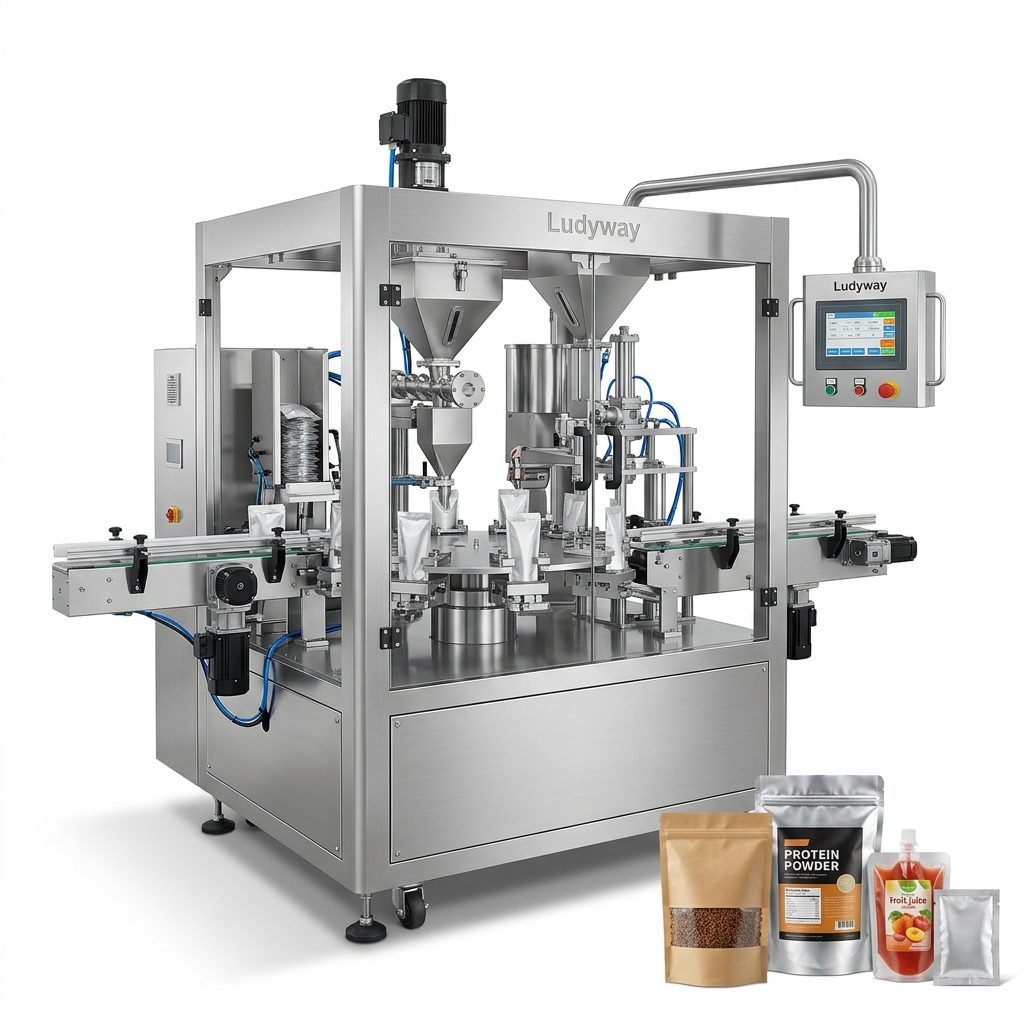
3.3 Premade Pouch Packaging Machines
When brand differentiation and premium presentation are priorities, premade pouch machines offer the greatest flexibility. These systems pick, open, fill, and seal pre-manufactured pouches with features such as zippers, spouts, or shaped edges. While typically slower than VFFS machines, they produce retail-ready packages with superior visual appeal.
4. Automation Level and Integration Capabilities
The degree of automation you choose affects labor requirements, operational consistency, and upfront investment. Evaluate the following levels:
- Semi-automatic: Suitable for smaller operations with manual feeding or bag handling, offering lower initial cost but higher ongoing labor.
- Fully automatic: Integrated systems that handle feeding, filling, sealing, coding, and discharge with minimal operator intervention.
- Turnkey packaging lines: Complete solutions that connect multiple stages—from product feeding through secondary packaging such as cartoning and palletizing.
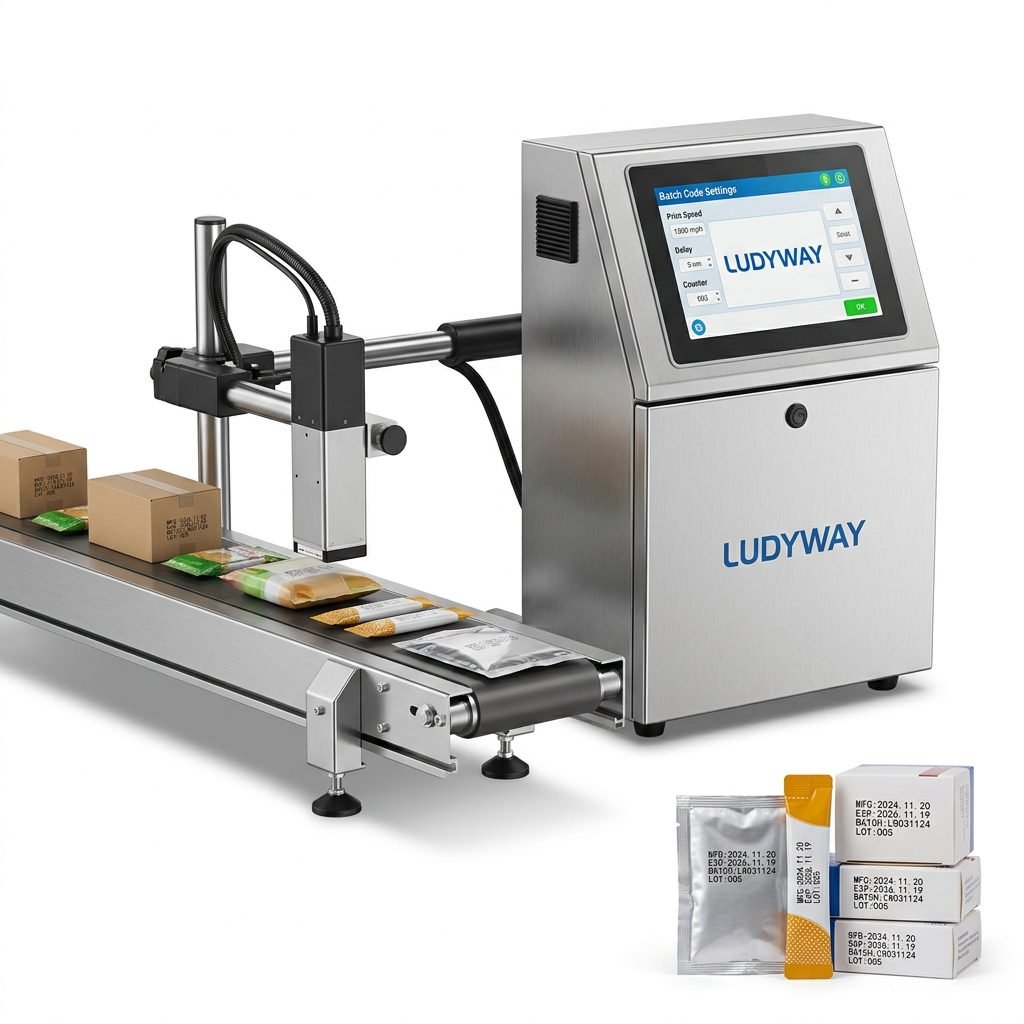
Integration capability is particularly important if you plan to connect the packaging machine with upstream processing equipment or downstream systems like checkweighers, metal detectors, case packers, and palletizers. Compatibility with common industrial communication protocols ensures smooth data exchange and production monitoring.
5. Compliance, Safety, and Hygiene Standards
Food packaging equipment must meet applicable food safety regulations and hygiene standards in your target markets. Key considerations include:
- FDA compliance: For machines destined for the U.S. market, materials and design must align with FDA food packaging requirements.
- EU regulations: Machines for European markets should comply with relevant EU packaging and packaging waste regulations.
- Clean-in-place (CIP) capability: For operations requiring frequent product changeovers, CIP-friendly designs reduce downtime and cross-contamination risk.
- Stainless steel construction: Food-contact surfaces should use appropriate grades of stainless steel for corrosion resistance and cleanability.
- ISO standards: Refer to ISO packaging standards for guidance on internationally recognized requirements.
6. Budget, ROI, and Total Cost of Ownership
The purchase price is only one component of the total investment. A comprehensive cost analysis should account for:
- Initial equipment cost and installation expenses
- Operator training and changeover time
- Spare parts availability and typical replacement intervals
- Energy consumption and utility requirements
- Maintenance costs and service contract options
- Expected machine lifespan and depreciation
Calculate the return on investment (ROI) by comparing the increased production capacity, reduced labor costs, and improved packaging quality against the total cost of ownership over a defined period. In many cases, a higher-quality machine with greater efficiency and reliability delivers better long-term value than a lower-priced alternative.
7. Supplier Selection and After-Sales Support
Choosing the right supplier is as important as choosing the right machine. Evaluate potential suppliers based on:
- Industry experience: How long has the supplier been manufacturing packaging equipment for the snack food industry?
- Technical support: What level of installation, commissioning, and training support is provided?
- After-sales service: Assess the availability of remote assistance, on-site service, spare parts, and response times.
- Customization capability: Can the supplier modify standard machines to meet your specific product and production requirements?
- Global reach: For international buyers, ensure the supplier offers multilingual support and understands regional regulatory requirements.
- References and case studies: Request examples of similar installations in your industry segment.
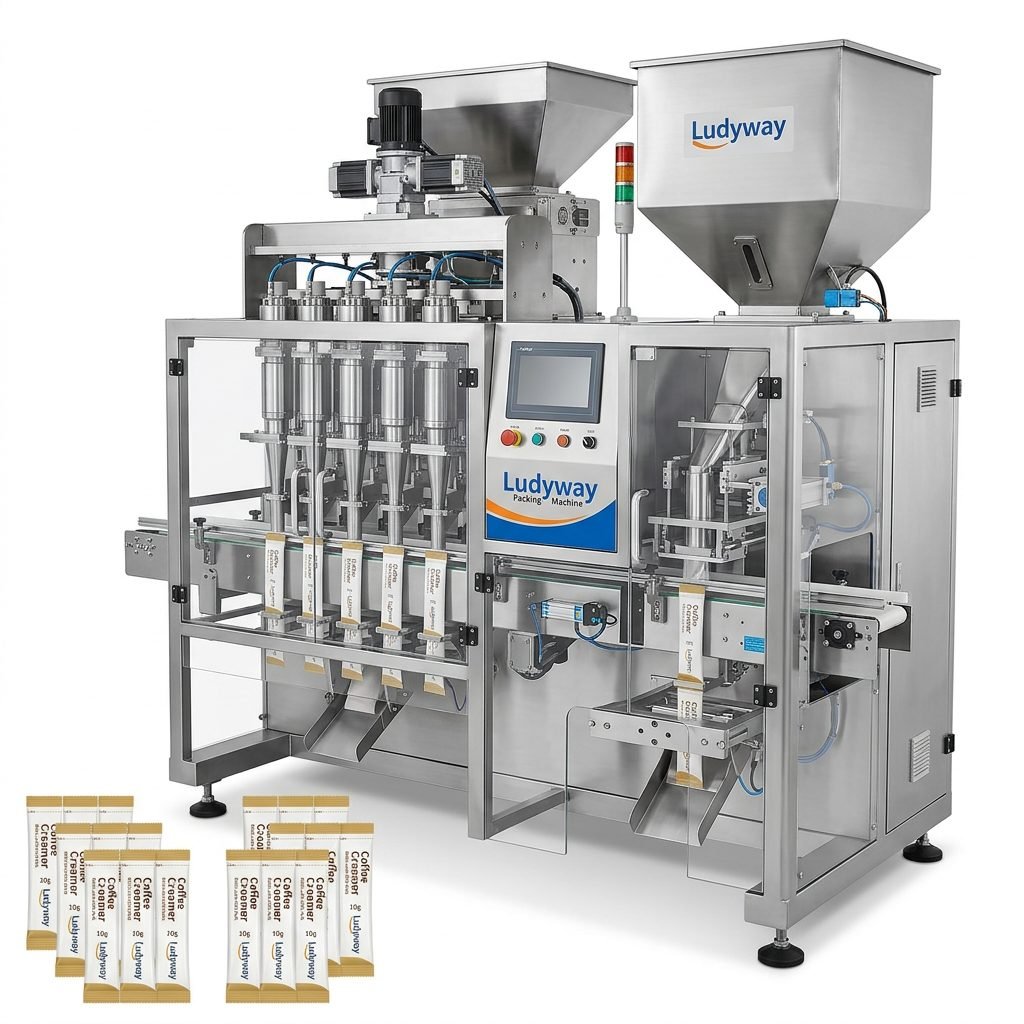
For example, Ludyway Machinery is a China-based packaging machinery manufacturer with more than 30 years of experience, serving customers in over 100 countries and providing integrated packaging solutions for food and snack producers worldwide. Working with an experienced supplier helps ensure consistent machine performance and long-term operational reliability.
8. Testing, Trials, and Machine Validation
Before finalizing your purchase, conduct thorough testing with your actual product and packaging materials. Reputable suppliers offer factory acceptance testing (FAT) and may provide sample runs to verify:
- Filling accuracy and consistency with your specific chip product
- Seal integrity under production-speed conditions
- Film tracking and print registration accuracy
- Product breakage rates during the packaging process
- Changeover time between different bag sizes or product types
These trials provide objective data to validate machine performance against the supplier’s specifications before equipment ships to your facility.
| Evaluation Stage | Key Activities | Expected Outcome |
|---|---|---|
| Pre-Purchase Assessment | Define requirements, compare suppliers, review specifications | Shortlist of suitable machines |
| Product Testing | Run samples with your product and packaging film | Verified filling accuracy and seal quality |
| Factory Acceptance Test | Inspect machine at supplier facility, witness production run | Confirmation of performance specifications |
| Installation and Commissioning | On-site setup, calibration, and operator training | Fully operational packaging line |
| Ongoing Optimization | Monitor performance, fine-tune settings, schedule maintenance | Consistent output and extended machine life |
9. Future-Proofing Your Investment
The packaging industry continues to evolve, driven by automation advancements, sustainability requirements, and changing consumer preferences. When selecting a chips packing machine, consider:
- Modularity: Can the machine be upgraded with additional lanes, feeding systems, or secondary packaging modules as your business grows?
- Sustainability features: Does the machine support recyclable or bio-based packaging films with reduced material thickness?
- Smart manufacturing: Is the machine equipped for data collection, remote monitoring, and integration with manufacturing execution systems?
- Flexibility: Can the equipment handle multiple bag formats and sizes to accommodate future product line expansions?
According to the PMMI 2025 State of the Industry report, packaging machinery investments increasingly prioritize flexibility and automation to address evolving market demands and labor availability challenges.
Conclusion: Making the Right Choice
Selecting the right chips packing machine requires balancing technical specifications, production requirements, budget constraints, and long-term business goals. By systematically evaluating product characteristics, machine types, automation levels, supplier capabilities, and total cost of ownership, you can confidently invest in equipment that delivers consistent performance, product quality, and profitability for years to come.
Take the time to test your product on candidate machines, visit supplier facilities when possible, and speak with existing users about their experiences. The thoroughness of your evaluation process directly correlates with the success of your packaging operation.