Choosing the right chocolate bar packing machine is one of the most important decisions a confectionery manufacturer will make. The right equipment directly impacts production efficiency, product quality, and long-term profitability. With numerous machine types, configurations, and suppliers available on the market, narrowing down the options requires a clear understanding of your product specifications, production goals, and operational environment.
This guide walks you through the essential factors to evaluate when selecting a chocolate bar packaging solution, from machine types and speed requirements to material compatibility and regulatory compliance. Whether you are automating a manual line or upgrading existing equipment, thorough research based on the criteria outlined below will help you make an informed investment.
Understanding Chocolate Bar Packaging Requirements
Chocolate bars present unique packaging challenges. The product is temperature-sensitive, fragile, and susceptible to fat bloom if not properly sealed. Before evaluating machine types, you must define your specific packaging format and material requirements.
Common chocolate bar packaging formats include flow wrap, envelope fold, fin seal, and sleeve wrap. Each format requires different machine configurations and sealing technologies. Understanding which format best suits your brand positioning and shelf-life requirements is the foundational first step. According to PMMI packaging industry resources, the flexible packaging sector continues to grow due to consumer demand for convenience and portion control, trends that directly influence chocolate bar packaging decisions.
Additionally, chocolate products often require modified atmosphere packaging (MAP) or nitrogen flushing to extend shelf life. Machines with gas-flushing capabilities add complexity but deliver significant product quality benefits. Material selection — from metallized films to cold-seal wrappers — also determines the type of sealing system your machine must support.
Types of Chocolate Bar Packing Machines
Several machine configurations are available for chocolate bar packaging. The choice depends largely on bar dimensions, production volume, and packaging style. Below are the most common types found in confectionery production environments.
Horizontal Flow Wrapping Machines
Horizontal flow wrappers are the most widely used machines for chocolate bar packaging. They feed bars horizontally through a film-forming box where packaging material is wrapped around the product, creating a sealed pouch with longitudinal and transverse seals. These machines are ideal for high-speed production and can handle a variety of film materials including cold-seal and heat-seal films. The Flexible Packaging Association notes that flow wrap remains the dominant format for confectionery bars due to its efficiency and material versatility.
Vertical Form Fill Seal (VFFS) Machines
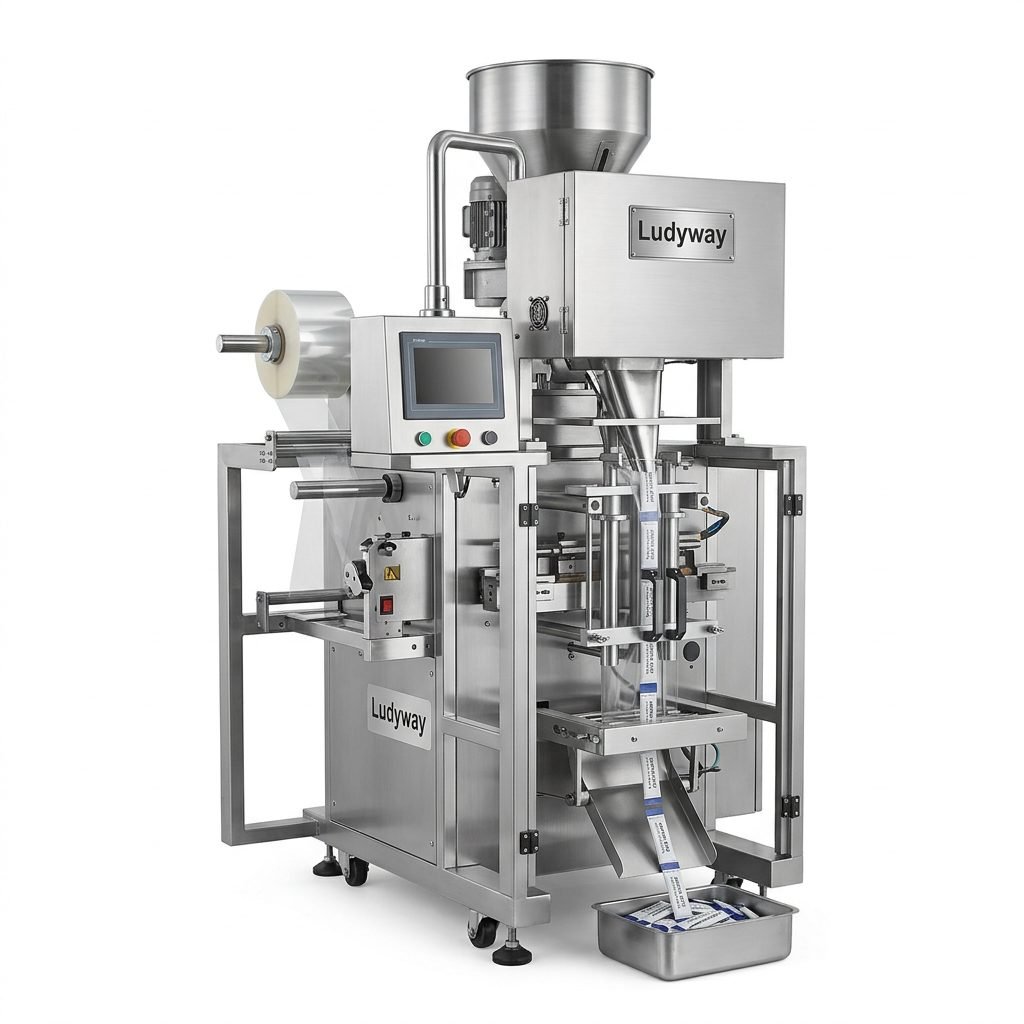
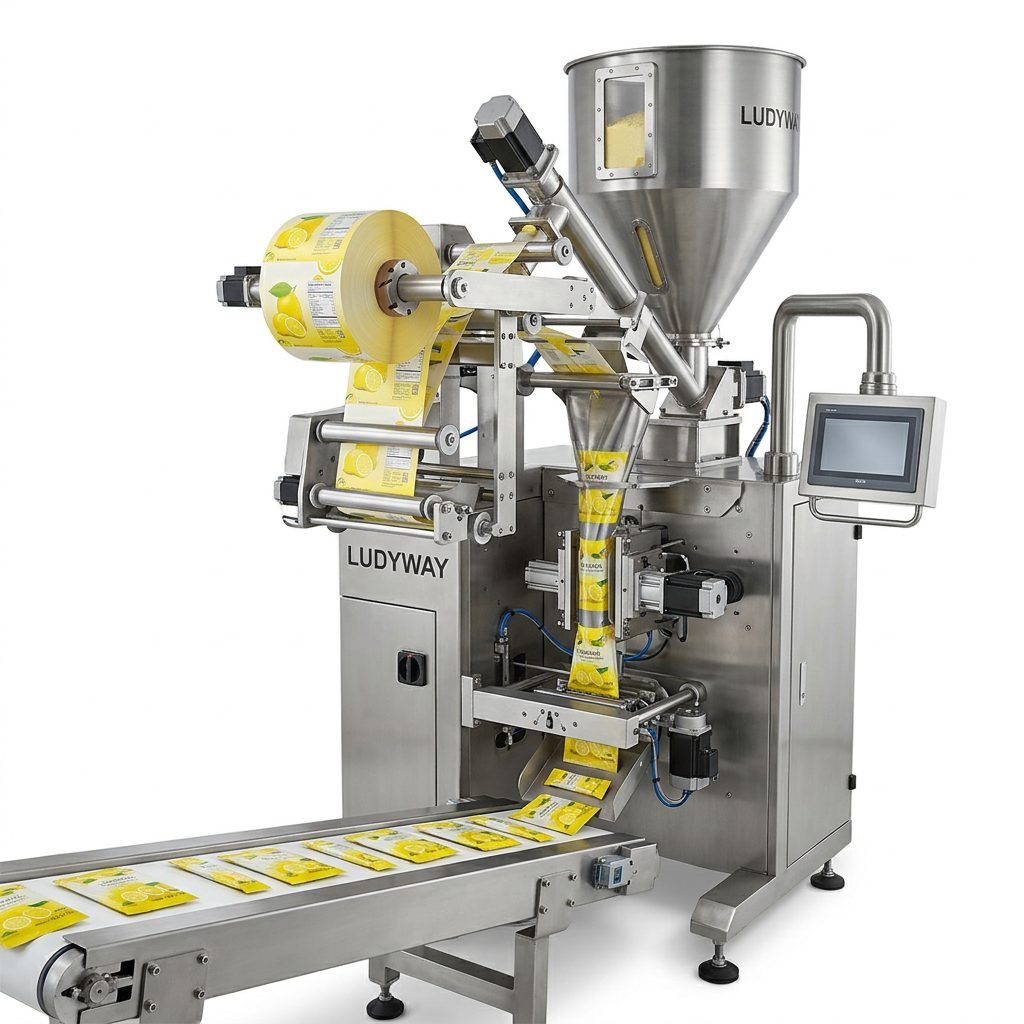
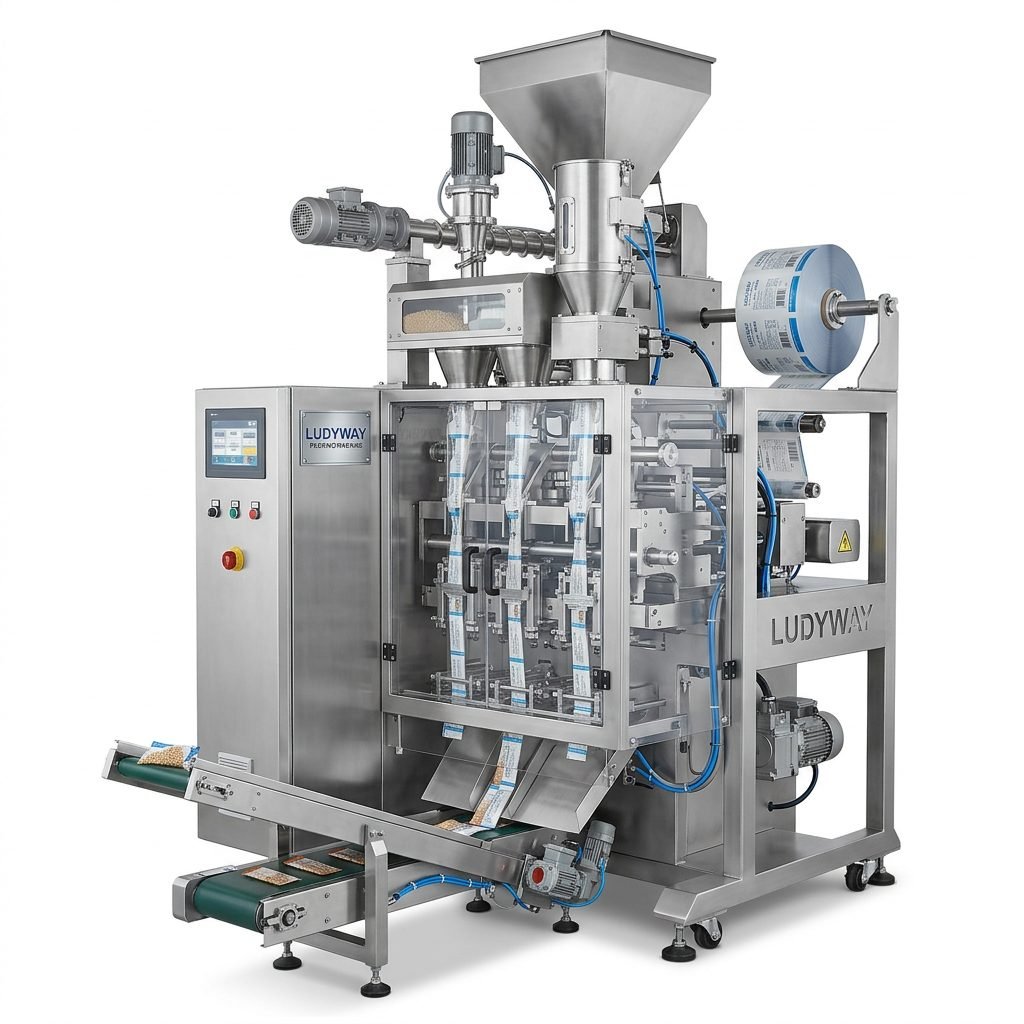
While less common for solid bars, VFFS machines are used for bite-sized chocolate pieces, mini bars, and pillow-pack formats. These machines form bags from a flat roll of film, fill the product vertically, and seal the package. They are generally more suitable for granular or multi-piece chocolate products than single large bars.
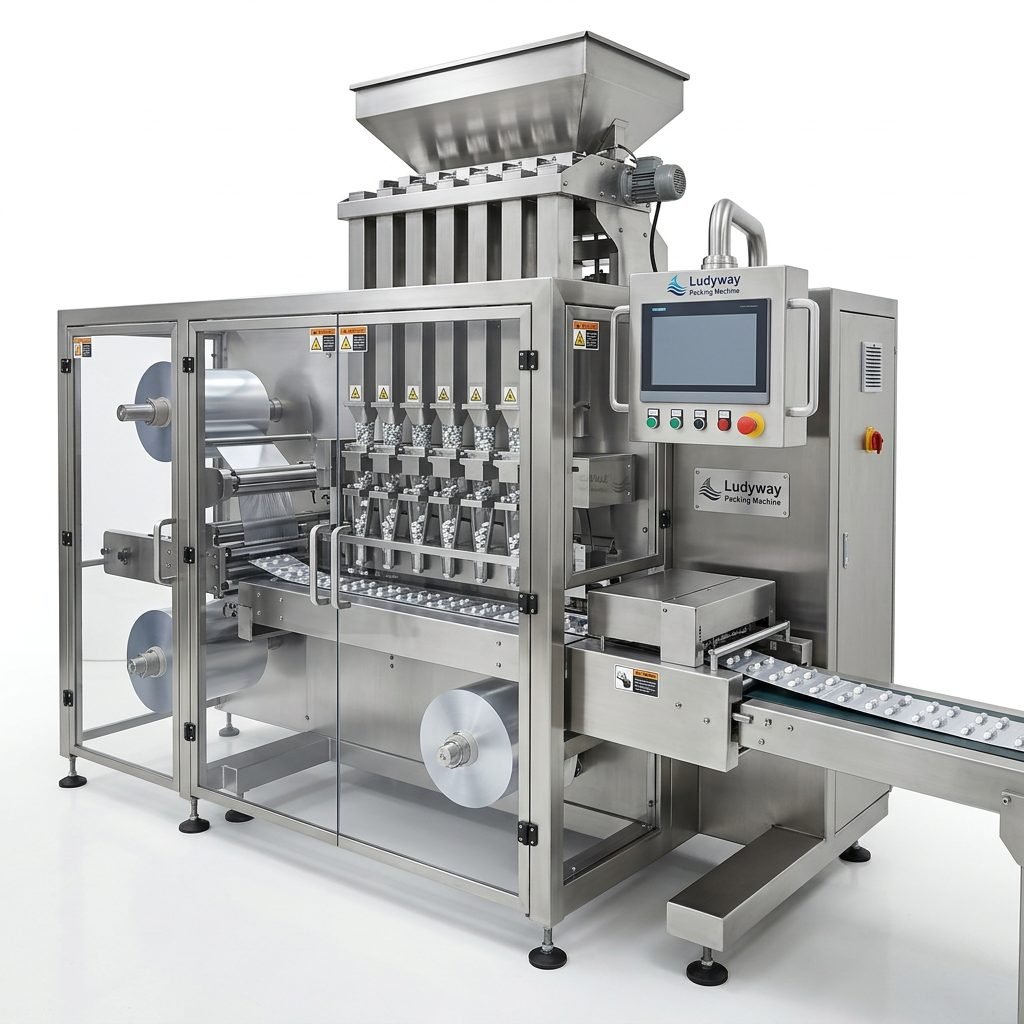
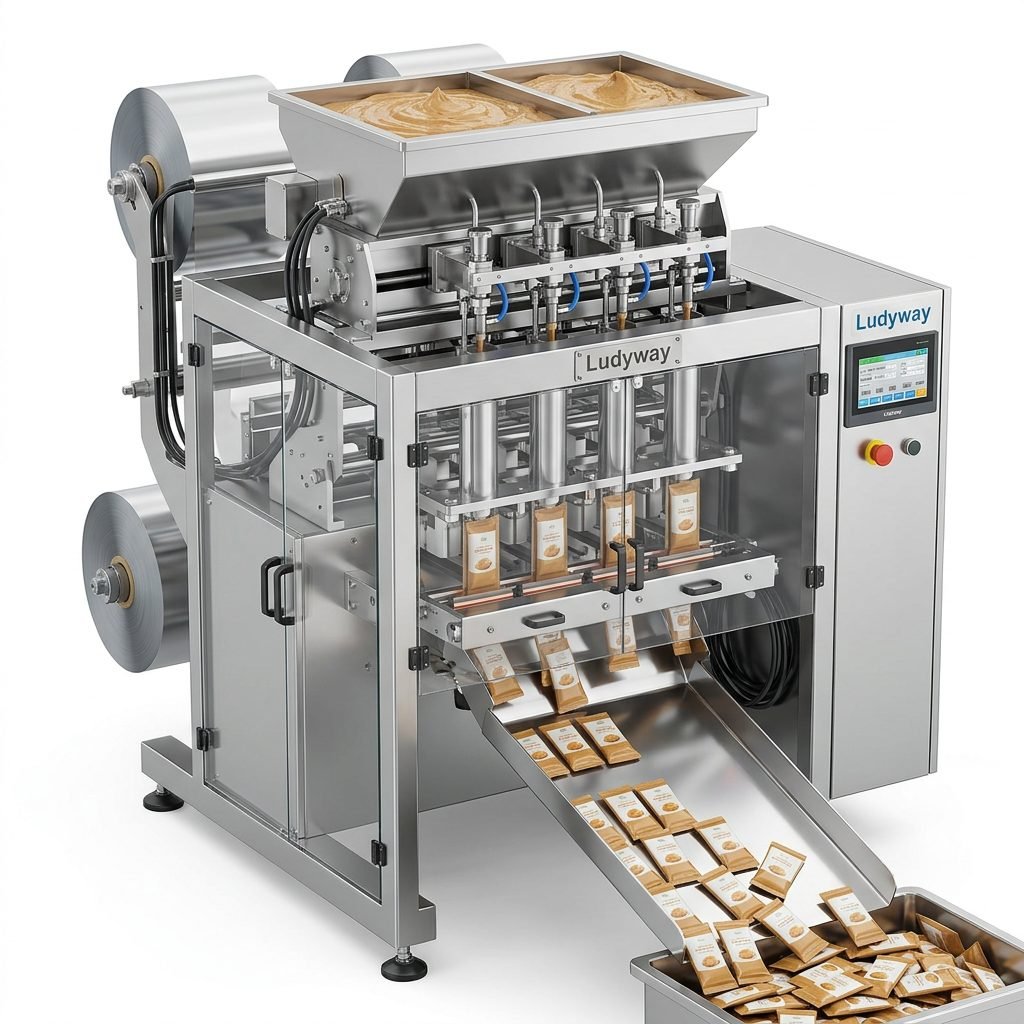
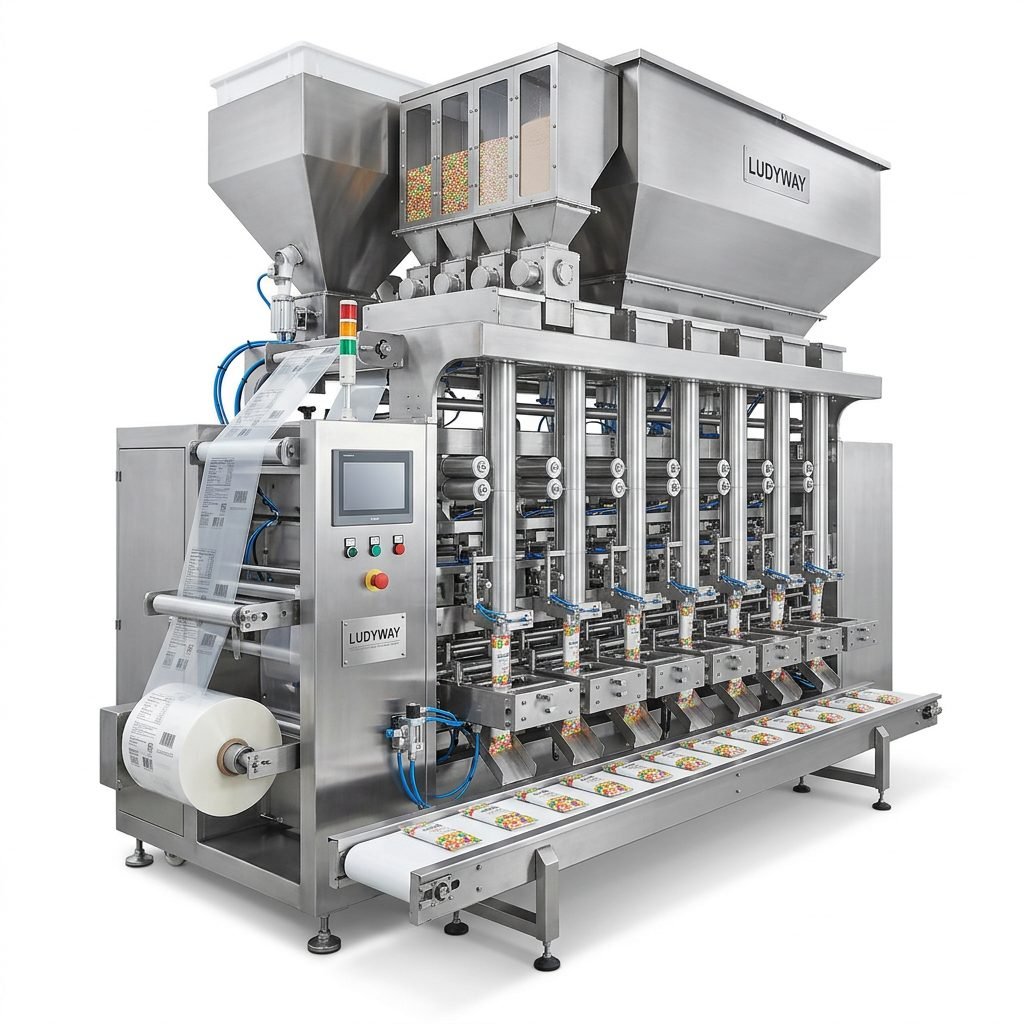
Multi-Lane Stick Pack Machines
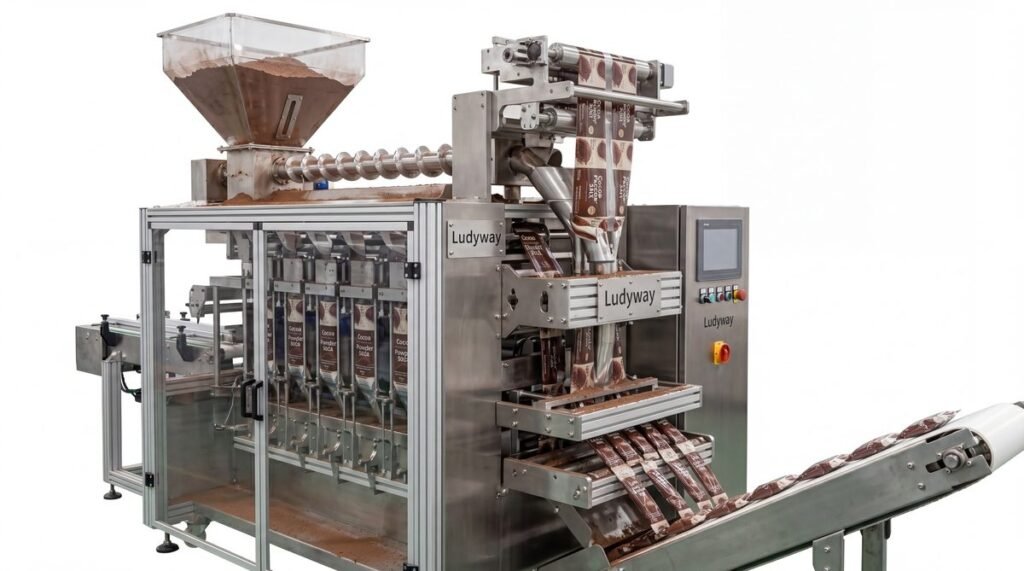
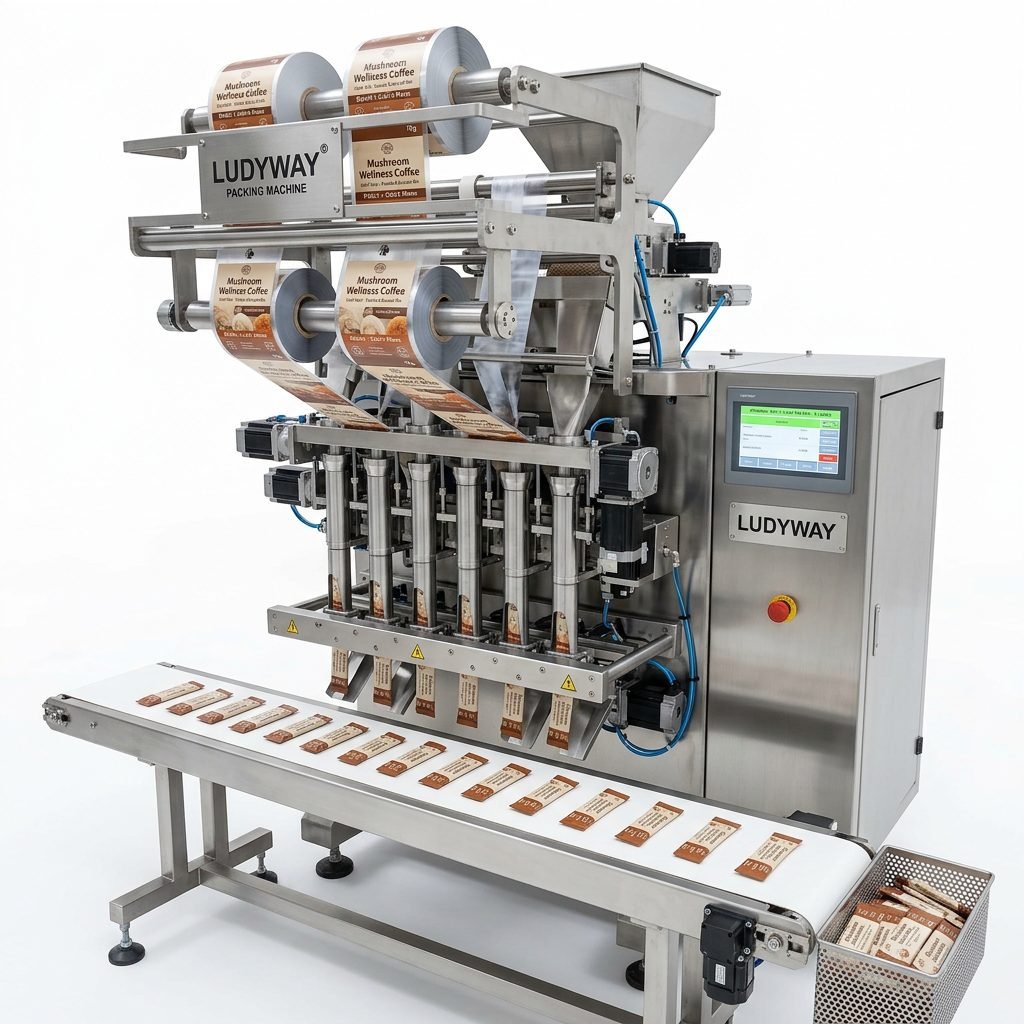
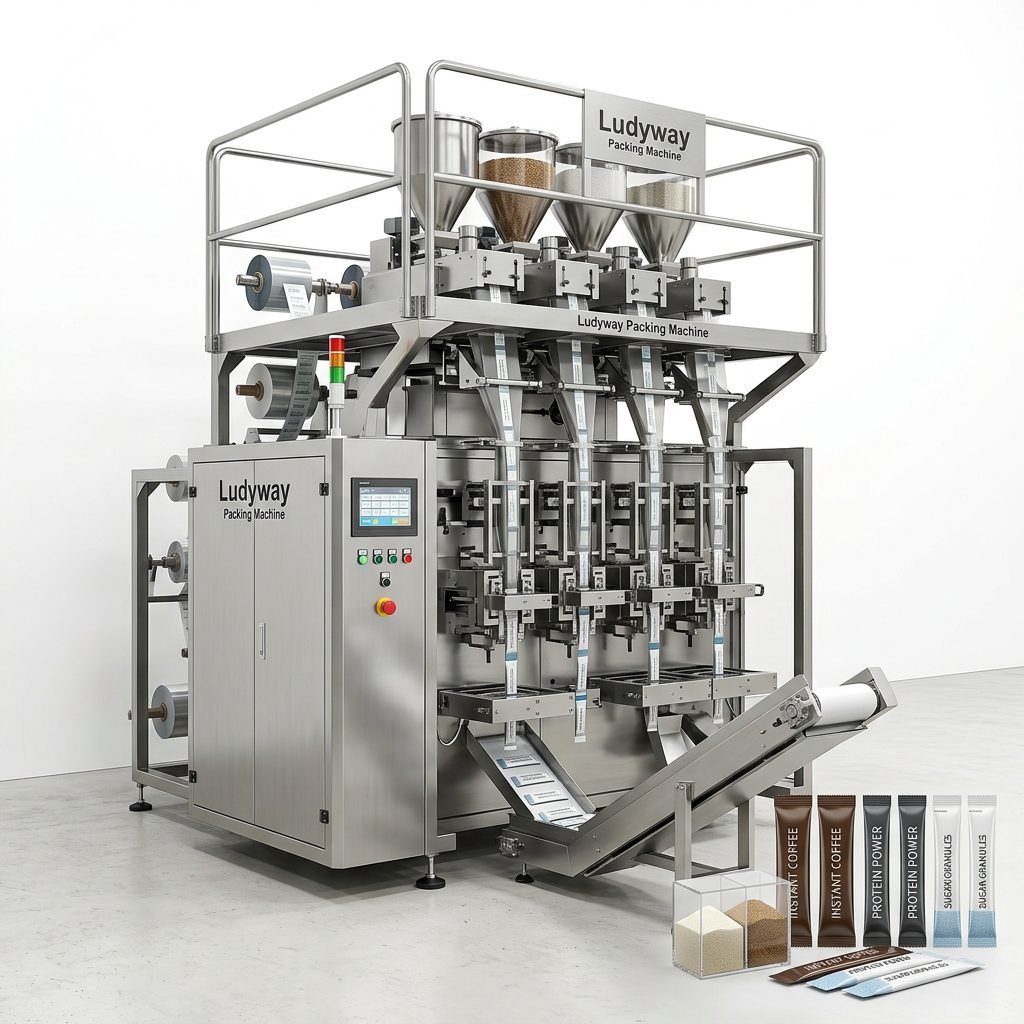
For thin chocolate sticks or portion-controlled formats, multi-lane stick pack machines offer exceptional throughput. These systems run multiple lanes simultaneously, dramatically increasing output. They are popular for functional chocolate products, chocolate-coated snacks, and single-serving formats in the health and convenience segments.
Overwrapping and Banding Machines
Overwrapping machines apply an outer wrapper — often transparent film or foil — around an already wrapped chocolate bar. This adds tamper evidence, brand presentation, and additional moisture barrier. These machines are frequently used for premium chocolate products where visual appeal is a priority.
Key Factors to Consider When Selecting a Machine
Once you understand the machine types available, the following decision-making criteria will help you narrow your options and select equipment that aligns with your operational needs.
- Bar dimensions and shape — Length, width, thickness, and whether bars are flat or have three-dimensional shapes
- Packaging format — Flow wrap, fin seal, lap seal, envelope fold, or specialty formats
- Film and material type — Cold-seal, heat-seal, metallized, biodegradable, or paper-based laminates
- Production speed — Packages per minute (PPM) required to meet current and future demand
- Automation level — Manual, semi-automatic, or fully automatic with inline feeding and cartoning
- Sealing technology — Heat sealing, cold sealing, ultrasonic sealing, or combination systems
- Hygiene requirements — Clean-in-place (CIP) capabilities, stainless steel construction, and washdown compatibility
- Footprint and layout — Available floor space and integration with existing upstream and downstream equipment
Machine Comparison Overview
| Machine Type | Best For | Typical Speed Range | Packaging Format |
|---|---|---|---|
| Horizontal Flow Wrapper | Solid chocolate bars, standard sizes | 80-800 PPM | Flow wrap, fin seal, lap seal |
| VFFS Machine | Mini bars, multi-piece packs | 40-200 PPM | Pillow pack, gusseted bag |
| Multi-Lane Stick Pack | Thin sticks, portion packs | 200-1200 PPM | Stick pack, sachet |
| Overwrapping Machine | Premium bars, gift packaging | 30-150 PPM | Overwrap, band, sleeve |
Note: Speed ranges are approximate and depend on bar dimensions, film type, and machine configuration.
Production Speed and Capacity Planning
Speed is often the first specification buyers look at, but it must be evaluated in context. Rated machine speed and actual achievable speed are different things. Factors such as bar size, film slip characteristics, sealing dwell time, and operator skill all affect real-world throughput.
When calculating capacity needs, consider not only your current peak production volumes but also projected growth over the next three to five years. A machine operating at 70% of its rated capacity today may be strained beyond 90% as demand grows, leading to increased downtime and maintenance. Building in a capacity buffer of 20-30% is a prudent approach that avoids premature reinvestment.
For high-volume manufacturers, servo-driven machines offer faster changeovers and greater speed consistency compared to mechanically driven alternatives. Servo technology also enables precise tension control, reducing film waste and improving seal quality across the entire speed range.
Packaging Material Compatibility
The relationship between your chosen packaging material and the machine’s sealing system is critical. Cold-seal films require different handling compared to heat-seal materials, and not all machines are equipped to run both. Cold sealing is popular for chocolate because it avoids exposing the product to heat, which can cause melting or fat bloom. However, cold-seal films are more expensive and have a shorter shelf life than heat-seal alternatives.
As the industry moves toward sustainable packaging, manufacturers are increasingly testing paper-based laminates, compostable films, and mono-material structures. Verify that any machine you consider can be configured to handle your current materials and has the flexibility to accommodate future material changes. The ISO standards for packaging provide useful benchmarks for material testing and compatibility verification.
Automation Level and Production Line Integration
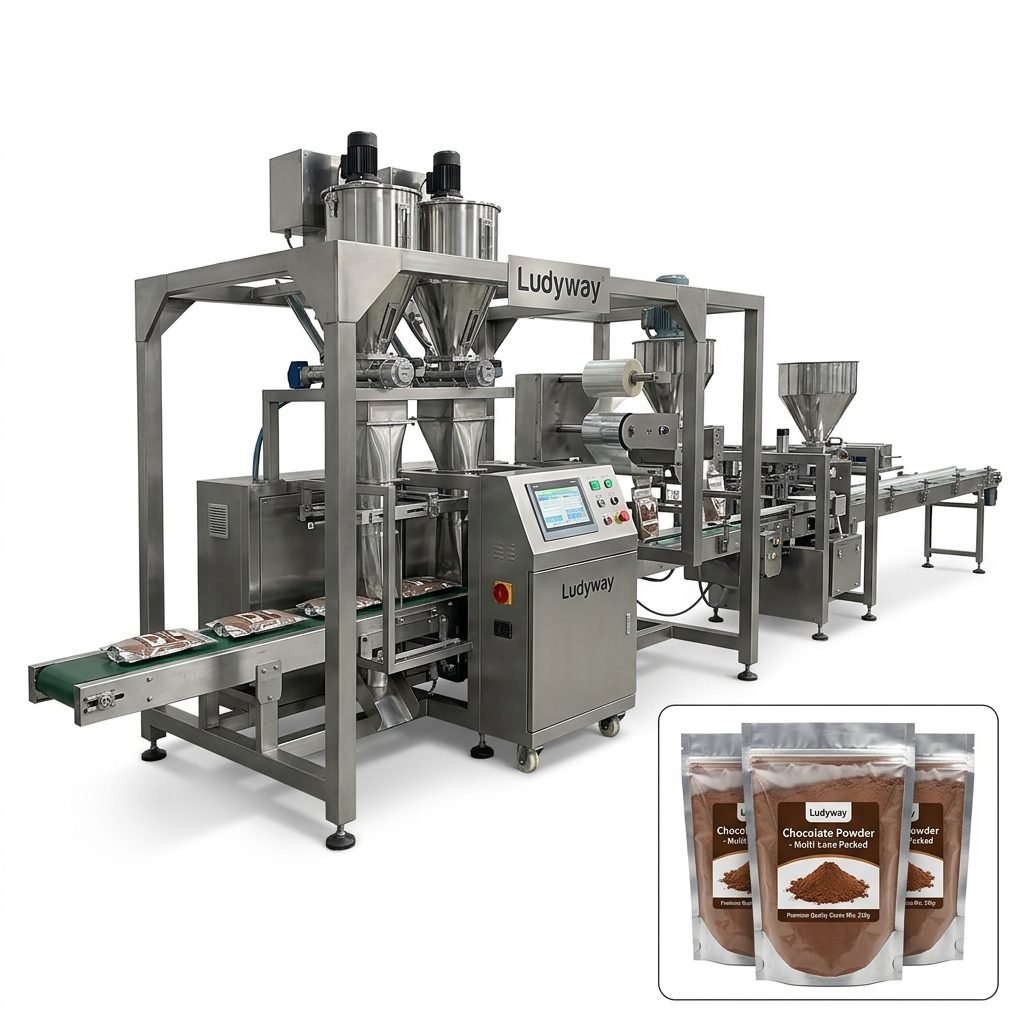
Chocolate bar packing machines can operate as standalone units or as part of an integrated production line with automated feeding, checkweighing, metal detection, coding, cartoning, and palletizing stations. The level of automation you choose affects not only capital expenditure but also labor requirements, line efficiency, and long-term operational costs.
Key automation considerations include:
- Automatic feeding systems — Belt conveyors, vibratory feeders, or robotic pick-and-place for consistent bar orientation and spacing
- Inline quality control — Integrated checkweighers, metal detectors, and vision inspection systems for seal integrity verification
- Date coding and printing — Thermal transfer, inkjet, or laser coding integrated directly into the packaging line
- Cartoning and case packing — Automated solutions for secondary packaging to reduce manual handling
Hygiene and Food Safety Compliance
Chocolate production environments must meet stringent food safety standards. Machines should be constructed with food-grade materials, feature smooth surfaces that minimize product residue accumulation, and allow for efficient cleaning and sanitation. Stainless steel construction is standard for product contact surfaces, and tool-free disassembly for cleaning is a valuable feature that reduces downtime between production runs.
Depending on your target market, your equipment may need to comply with regulations enforced by the FDA regarding food packaging and food contact substances, as well as EU regulations on materials intended to come into contact with food. Confirm that your machine supplier can provide the necessary compliance documentation for your target markets.

Budget Considerations and Total Cost of Ownership
The purchase price of a chocolate bar packing machine is only one component of its total cost of ownership (TCO). Ongoing expenses — including film consumption, spare parts, energy usage, maintenance labor, and production downtime — can significantly exceed the initial capital outlay over the machine’s service life. A slightly more expensive machine with better film efficiency and higher reliability may deliver a lower TCO than a cheaper alternative.
When evaluating proposals, request detailed cost breakdowns that include:
- Estimated film waste percentage at various operating speeds
- Recommended spare parts list and expected consumption rates
- Energy consumption data (kW per hour of operation)
- Preventive maintenance schedules and estimated technician hours per year
- Warranty terms and extended service coverage options
After-Sales Support and Supplier Evaluation
The quality of after-sales support is as important as the quality of the machine itself. Evaluate potential suppliers on their ability to provide timely technical support, spare parts availability, operator training, and ongoing maintenance services. A supplier with a global service network and remote diagnostic capabilities can dramatically reduce downtime when issues arise.
Consider visiting the supplier’s manufacturing facility and, if possible, reference sites where their machines are in production. Speaking with existing customers about their real-world experience provides insights that no brochure or sales presentation can match. Pay attention to feedback about machine reliability, seal consistency, changeover efficiency, and the supplier’s responsiveness to service requests.
Reputable industry organizations including PMMI — The Association for Packaging and Processing Technologies offer valuable directories and resources that can assist in supplier evaluation and industry benchmarking.
Making the Final Decision
Selecting a chocolate bar packing machine is a long-term investment that should be approached methodically. Start by thoroughly documenting your product specifications, packaging format requirements, and production targets. Use these criteria to shortlist machines that meet your technical requirements, then evaluate suppliers based on their industry experience, support infrastructure, and total cost of ownership.
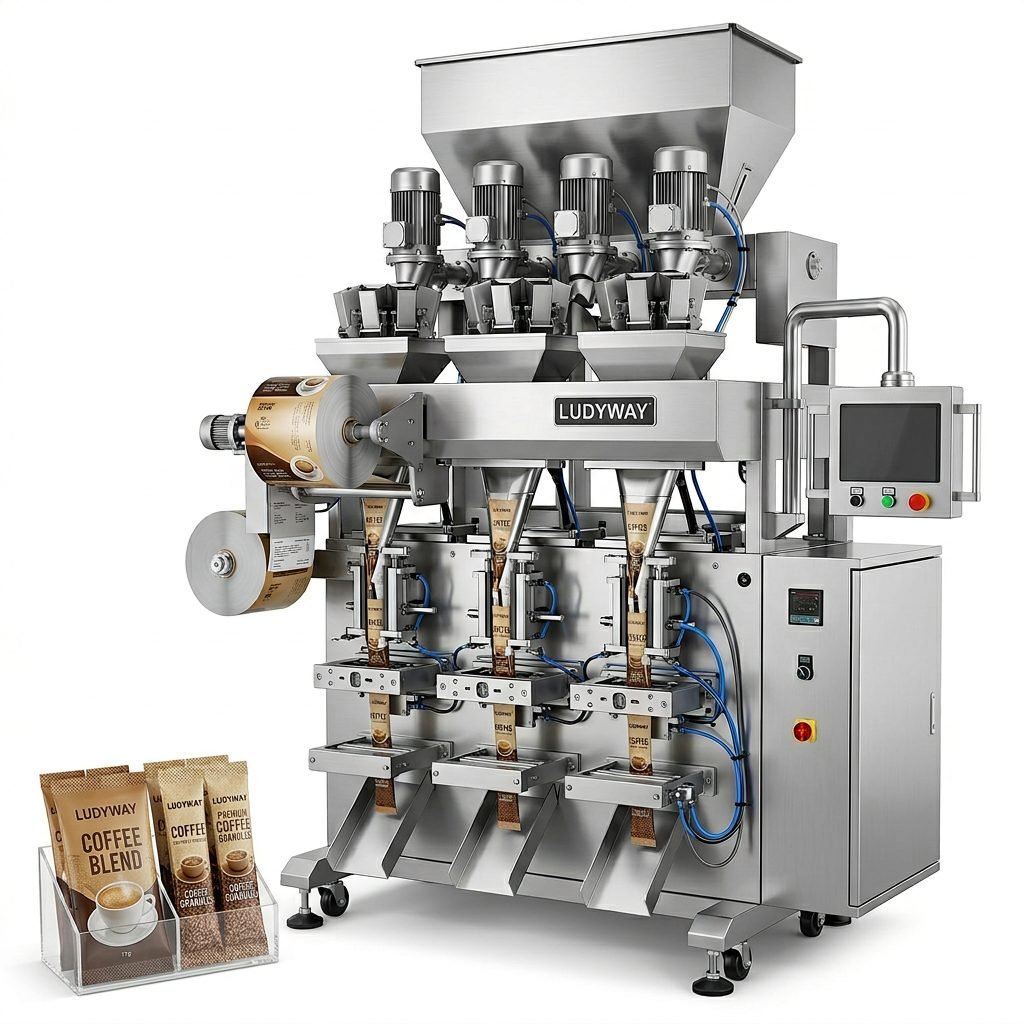
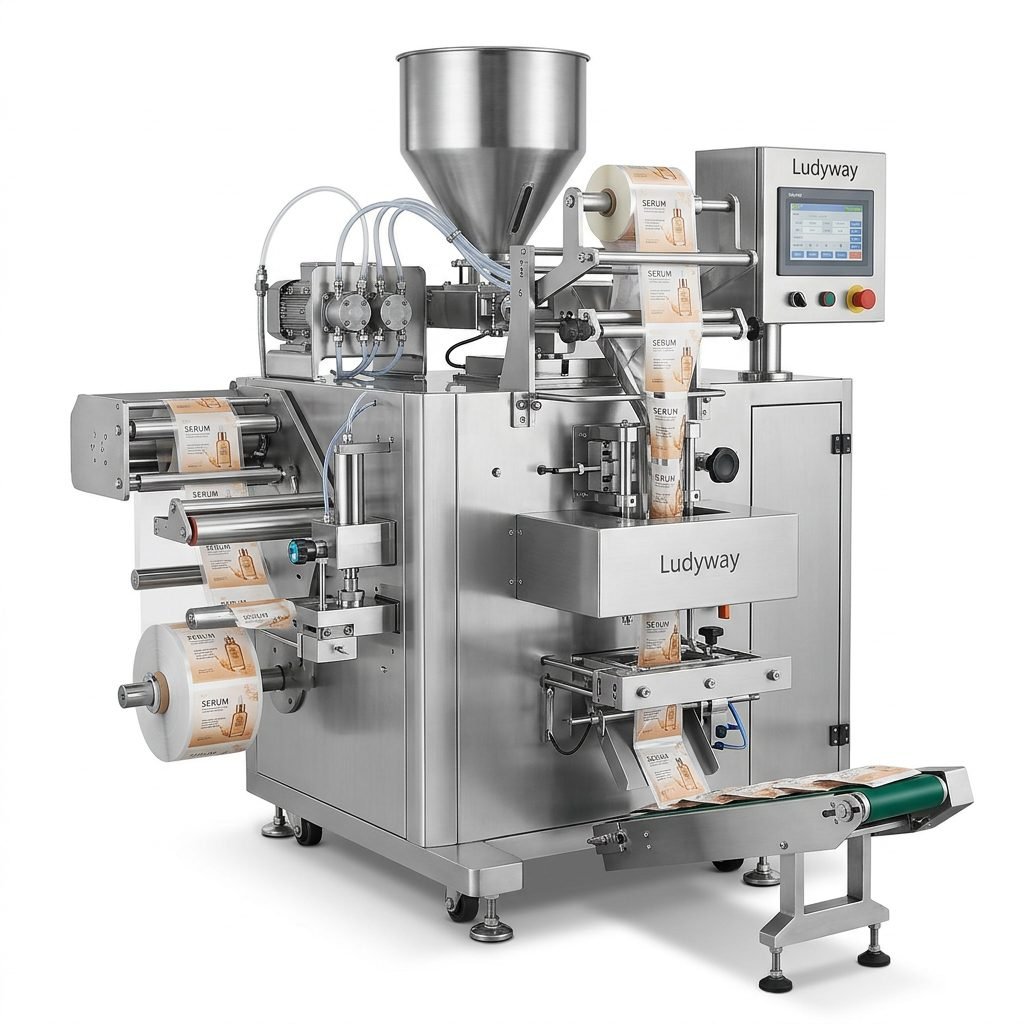
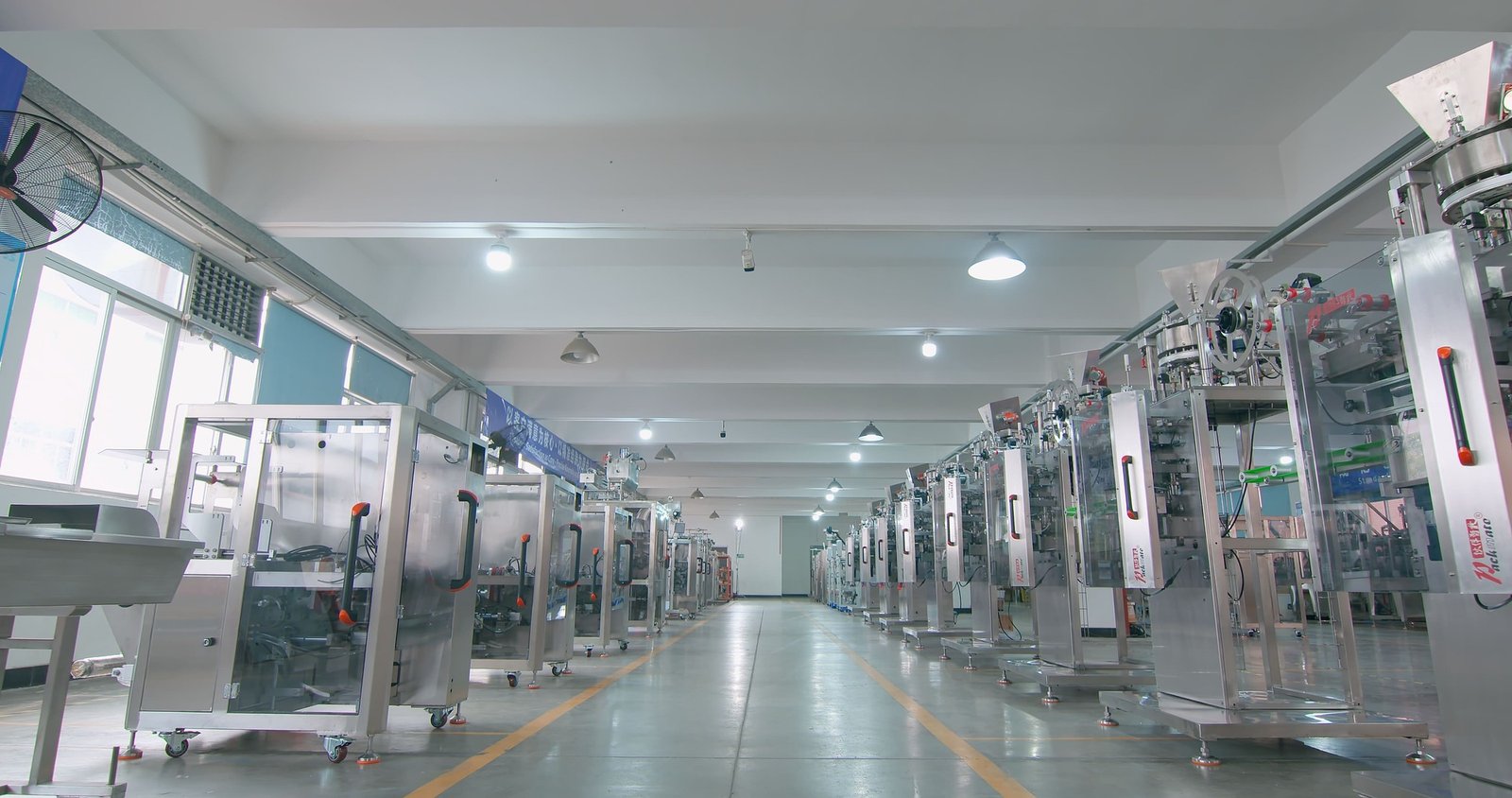
For manufacturers seeking a comprehensive packaging machinery partner, Ludyway Machinery — a China-based packaging machinery manufacturer with more than 30 years of experience and a 20,000-square-meter manufacturing facility — provides automated packaging equipment and turnkey solutions across a wide range of industries including food and confectionery. With more than 50 packaging machine models, over 130 professionals, and customers in more than 100 countries, Ludyway combines engineering expertise with application experience. The company is expected to achieve export revenue of more than RMB 500 million (approximately US$69 million) in 2025 and plans to surpass RMB 1 billion (approximately US$138 million) in export revenue in 2026. Their approach covers machine selection, system integration, customization, installation, commissioning, and after-sales support, enabling manufacturers to work with a single partner throughout the project lifecycle.
Whatever supplier you choose, investing time in thorough evaluation upfront will pay dividends in production efficiency, product quality, and operational reliability for years to come.